
Explore the RHS Facebook Archives, a rich repository of local history written by Carol Flynn. For two decades, Carol brought a deeply dedicated voice to public education at RHS. Her role as Facebook administrator through mid-2025 naturally extended her prolific research into meticulously detailed articles, most notably her multi-part historical series posts. Today, Carol continues her local history writing for The Beverly Review and other outlets.
July 2024
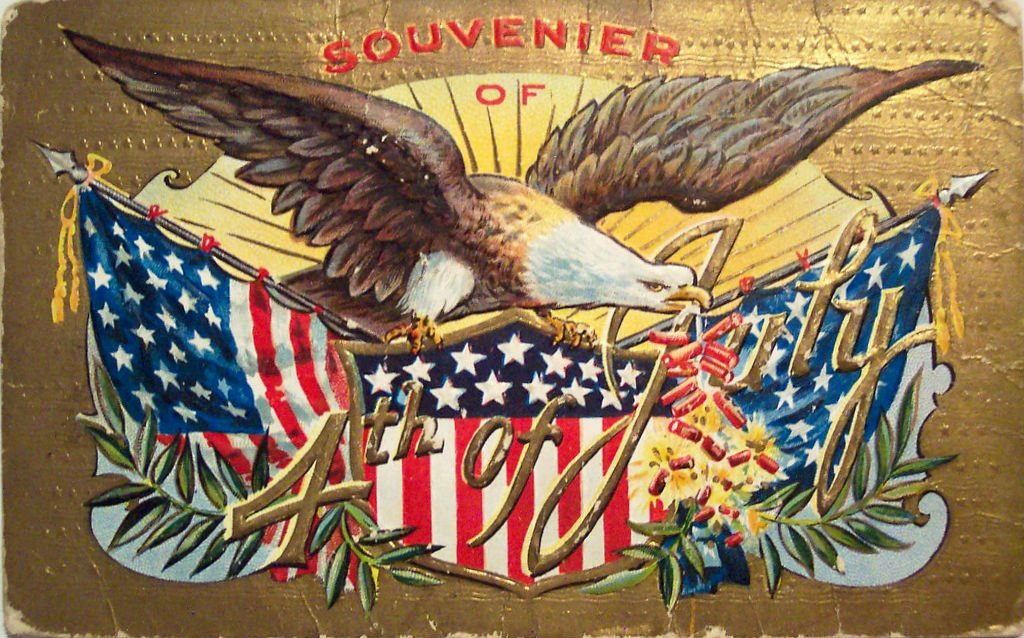
Happy Fourth of July from the Ridge Historical Society
By Carol Flynn
The Ridge 100 Years Ago
As this year’s Fourth of July activities wrap up, let’s look back at the holiday 100 years ago. The Ridge communities were known for their festive celebrations.
On June 27, 1924, Sullivan’s Englewood Times, a south side Chicago newspaper, reported that “big doings” were being planned for the annual community Fourth of July event to be held in Ridge Park.
“The community has a reputation to provide a good time and it surely will be a successful day if balmy summer weather prevails,” stated the paper.
The Boy Scouts assisted the Beverly Hills Post of the American Legion in going house-to-house to help the event’s finance committee raise funds.
A busy day from 9:30 a.m. to 10 p.m. was planned. A “delightful time” was promised, with pink lemonade, dancing, a public speaker, athletic and swimming events, baseball, a band concert, and “booths galore.” Not to be forgotten was the “beautiful” fireworks display scheduled for the evening.
“The park is big and a spirit of welcoming” would be extended to everyone, promised the event planners.
The weather did cooperate that day. July 4th fell on a Friday in 1924. It was a clear day, but cool, in the low- to mid-sixty degrees. That proved to be fine with the community, and the event proved to be everything promised.
“The Ridge’s Community Fourth was one of the best ever. The whole town was there from Morgan Park to Beverly and 91st st., not counting the visitors from other places,” wrote the paper the following week, on July 11, 1924.
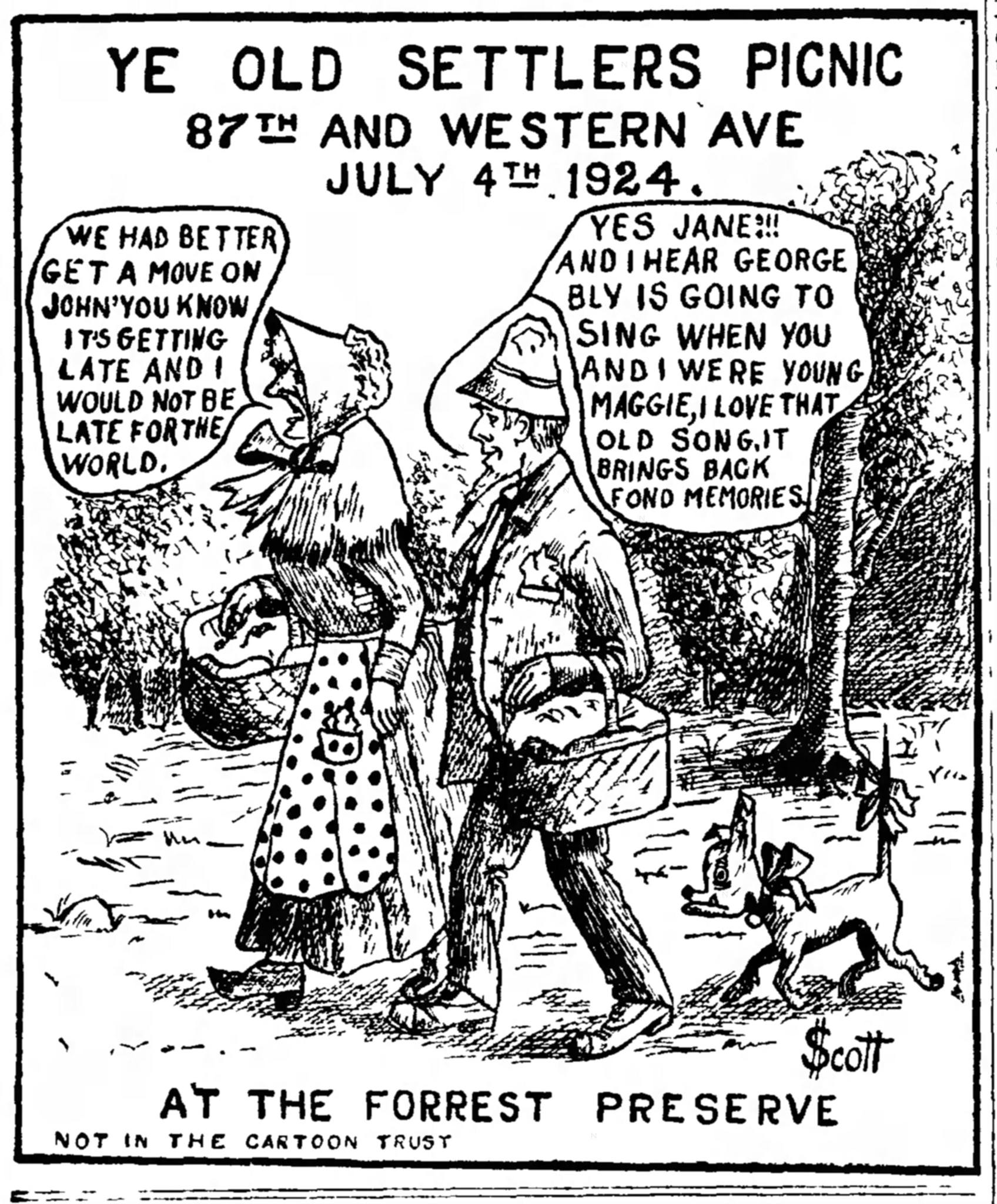
About a mile to the north, in the Beverly Woods (now Dan Ryan Woods) at 87th Street and Western Avenue, another group also held a big Fourth of July event in 1924.
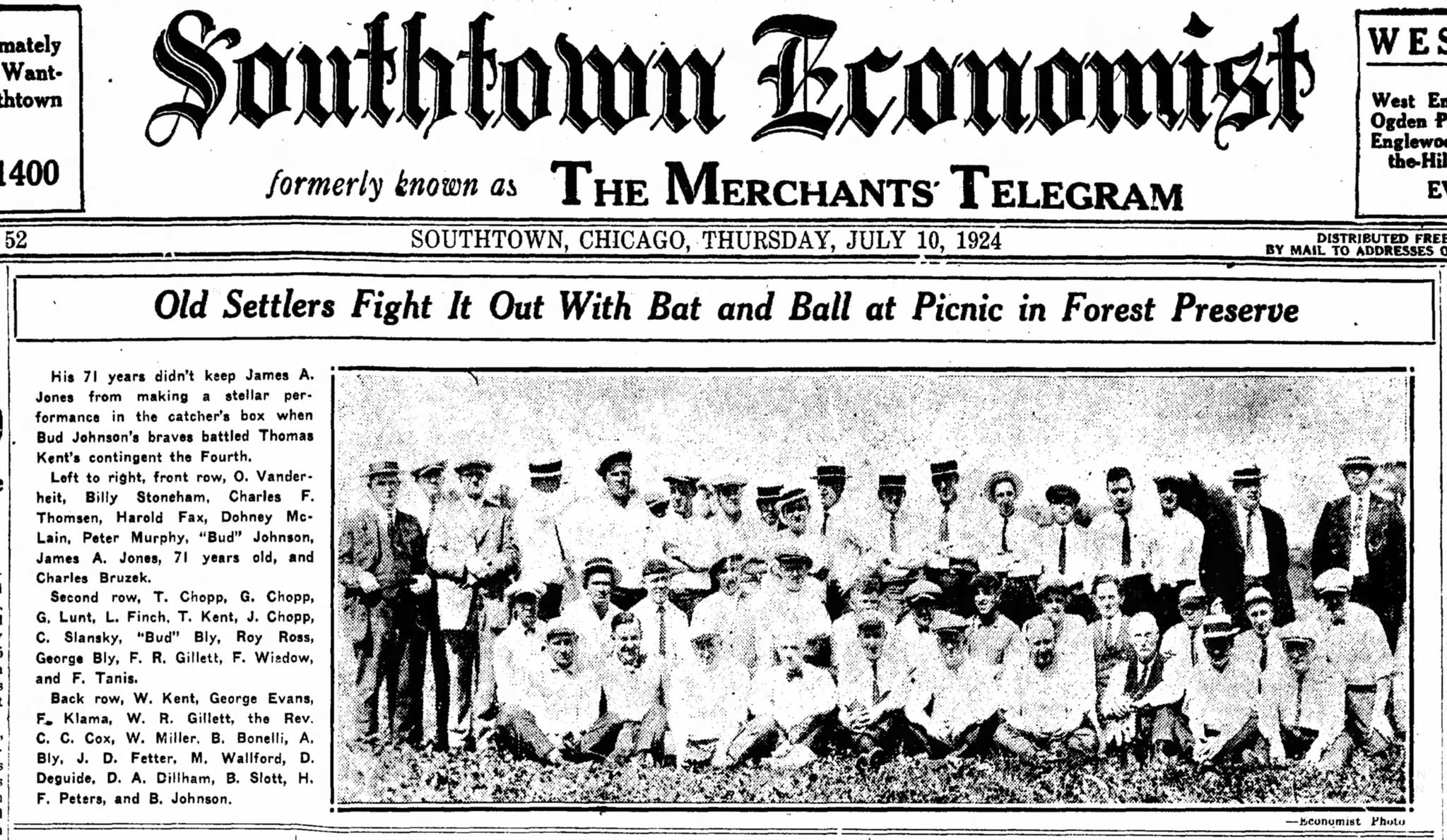
According to the Southtown Economist, another southside paper that had previously been known as The Merchants Telegram, the Englewood Old Settlers Association invited their community to join them for a day of picnicking, music, and games.
“Old settlers,” or “pioneer,” societies were once very popular. People who had lived in a community for a specified amount of time got together to share stories and memories. Today, in some ways, the “nostalgia” pages of Facebook fill some of this function, although there is no comparison to getting together in person for reminiscing.
A person had to have lived in Englewood for at least 20 years to qualify for membership in the Englewood Old Settlers Association. The membership of the club numbered 600 in 1924.
For the Fourth of July outing, the attendees gathered at 63rd Street and Ashland Avenue at 10:00 a.m. Transportation to the woods would be by automobile, something still new and exciting for many people. Anyone who needed a ride would be able to find one.
The newspaper reported, “In striking contrast to the days when lanterns furnished their only illumination to guide them to neighborhood gatherings, automobiles will carry the Old Settlers to their picnic.”
The cars were decorated with flags, and horns were provided to create noise for the procession.
The day was filled with activities. Charles S. Deneen, the past Governor of Illinois, gave a speech in the morning. (The next year Deneen would become the U.S. Senator from Illinois.)
A piano had been brought along, and next, the attendees, some in wheelchairs, sang patriotic and old time songs.
A five-inning baseball game was played by two teams of Old Settlers. The oldest player was 71 years old. The prize of a straw hat went to the first man to hit a home run, which happened in the third inning and was the only home run in the game.
Additional competitions went on, with prizes supplied by the local businessmen.
For men, there was horseshoe pitching. Women’s events included wood sawing and nail driving.
There were potato races and sack races, races for “fat men” and “fat ladies,” and for married men and married women. There were also races for boys and girls.
A prize was awarded for the best decorated auto.
Tables and chairs were brought over to the woods for people to set up their “basket” lunches and dinners. Ice cream, pop, and peanuts were sold.
Later in the day there was dancing.
About 2,000 people attended and the event was deemed a social and financial success.
The paper reported that moving pictures of various events would be taken. Those movies may still exist somewhere and would be wonderful to watch.
Because July fourth was on a Friday, many businesses also gave their employees Saturday off. It was the norm back then for people to work a half day on Saturday in addition to full days Monday through Friday. The average work week was 50 hours.
The Ridge Historical Society
Lost or Found? – Identify Buildings #3, 4, and 5 – TWO LOST AND ONE FOUND
By Carol Flynn
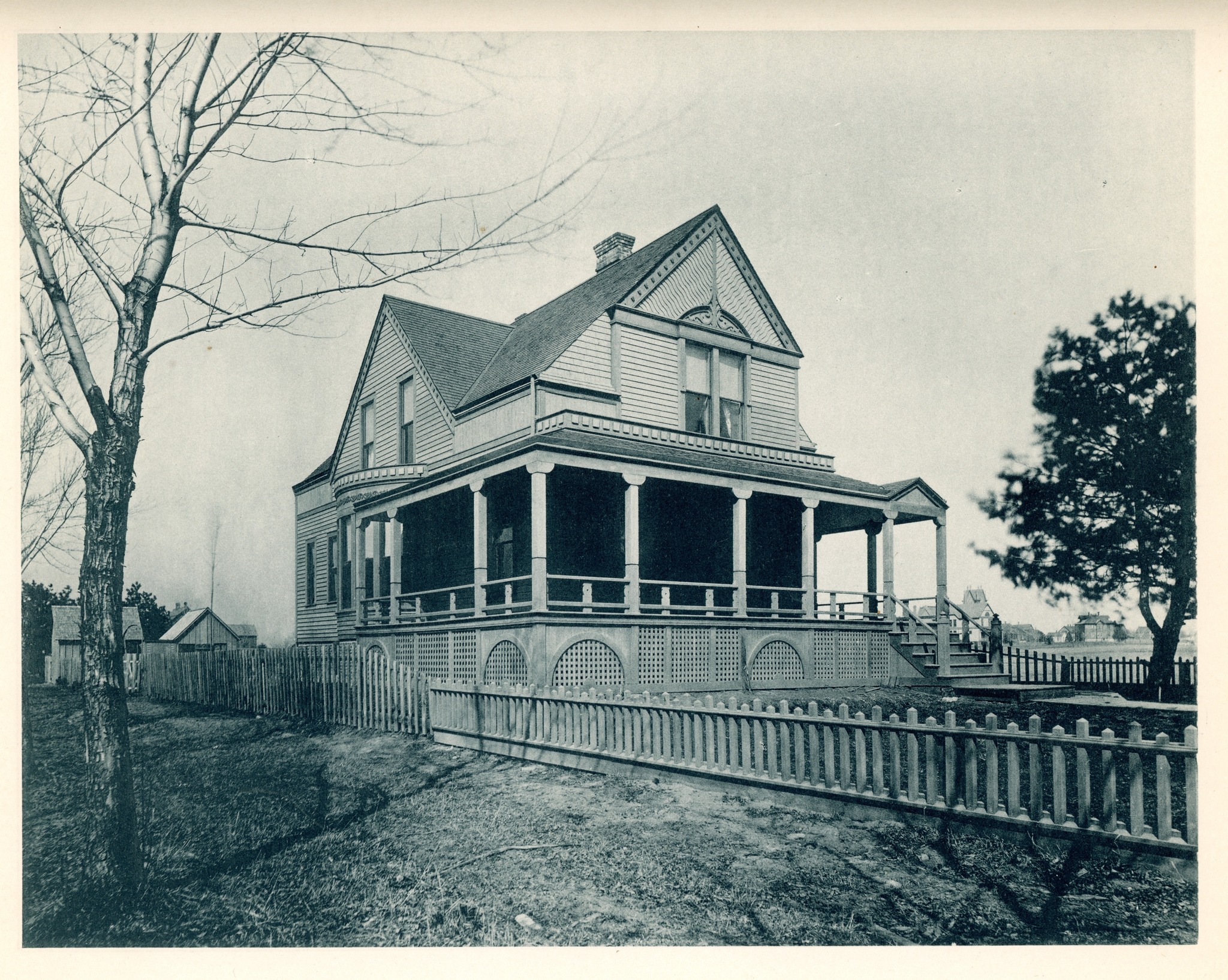
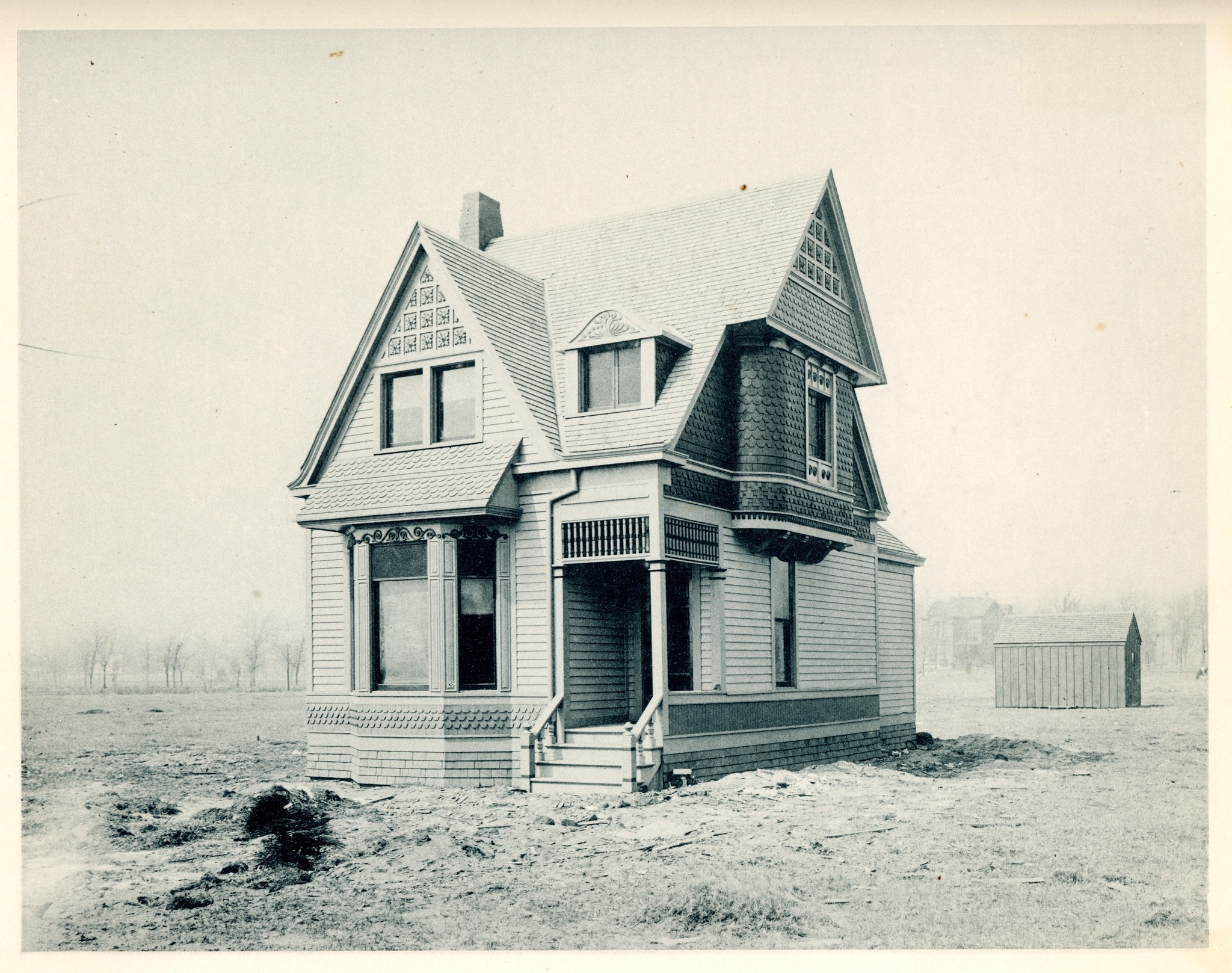
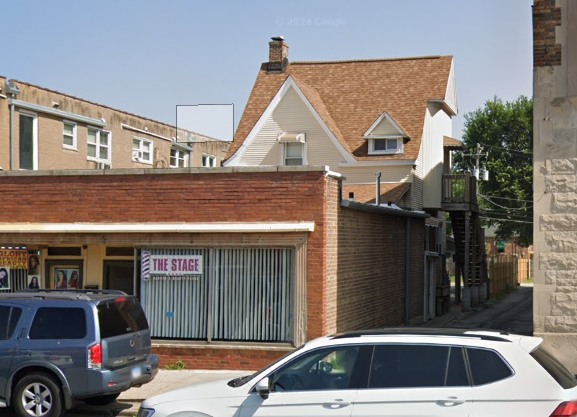
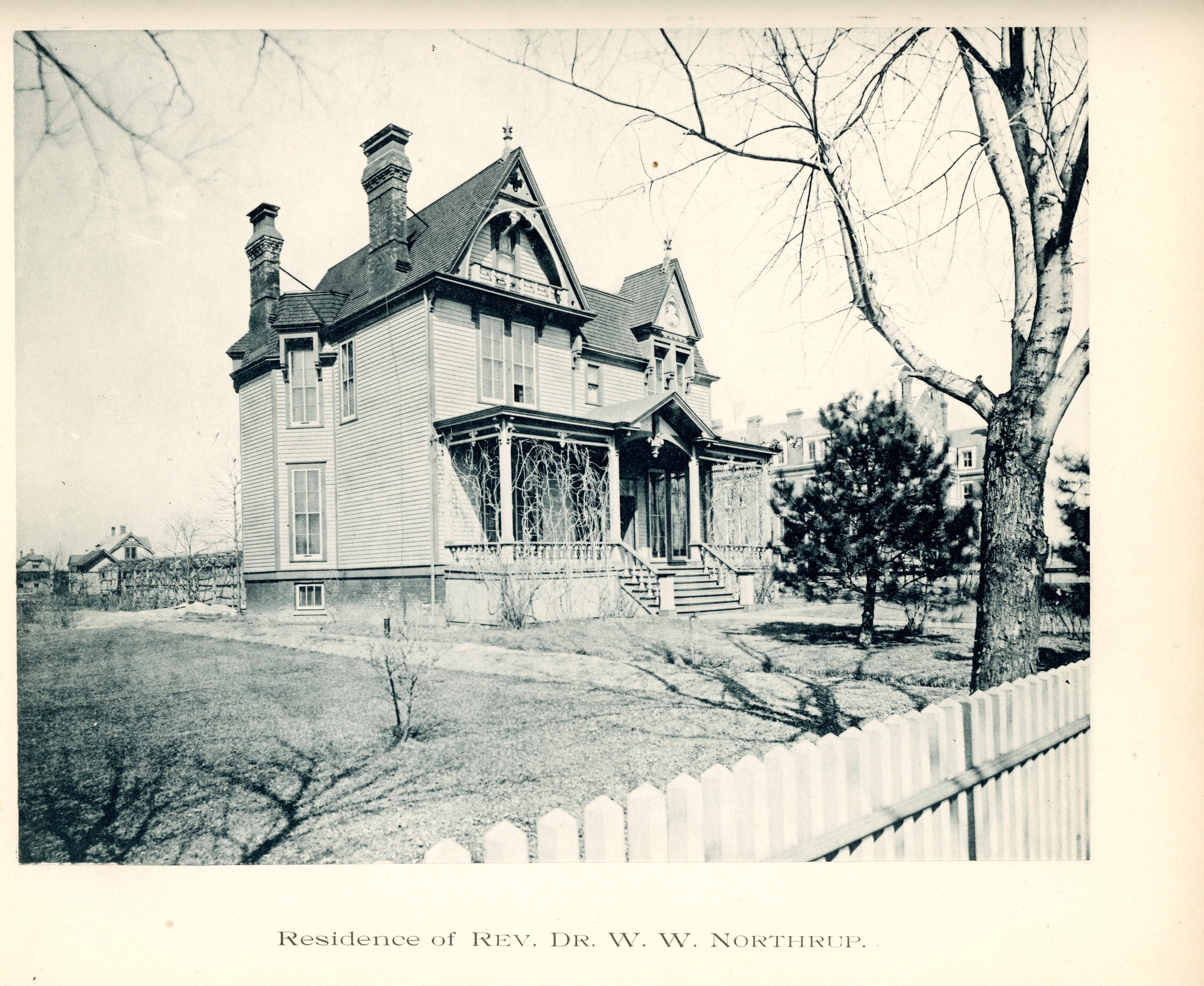
Last week, three more pictures of buildings from an 1889 book of photographs of Morgan Park were posted in the “Lost or Found?” series, with the challenge to identify them and find them if they were still standing.
The answer is that all three of these houses stood on 111th Street but two are gone now and the third is hidden from view.
The Blue Island Land and Building Company established Morgan Park in 1874, designing it as an educational, religious, and temperance community, laid out like an English Village.
In 1889, 111th Street was known as Morgan Avenue and was primarily residential. Western Avenue had not been developed yet as a commercial thoroughfare and was still very rural. The commercial districts were concentrated around the Rock Island train stations to the east, today’s Metra line.
According to RHS research:
Building #3 is lost. This was the Henry Oswald Hough House, with the original address of 2368 Morgan Avenue, located at the northeast corner of 111th Street and Western Avenue where there is now the new dollar store, replacing the CVS pharmacy.
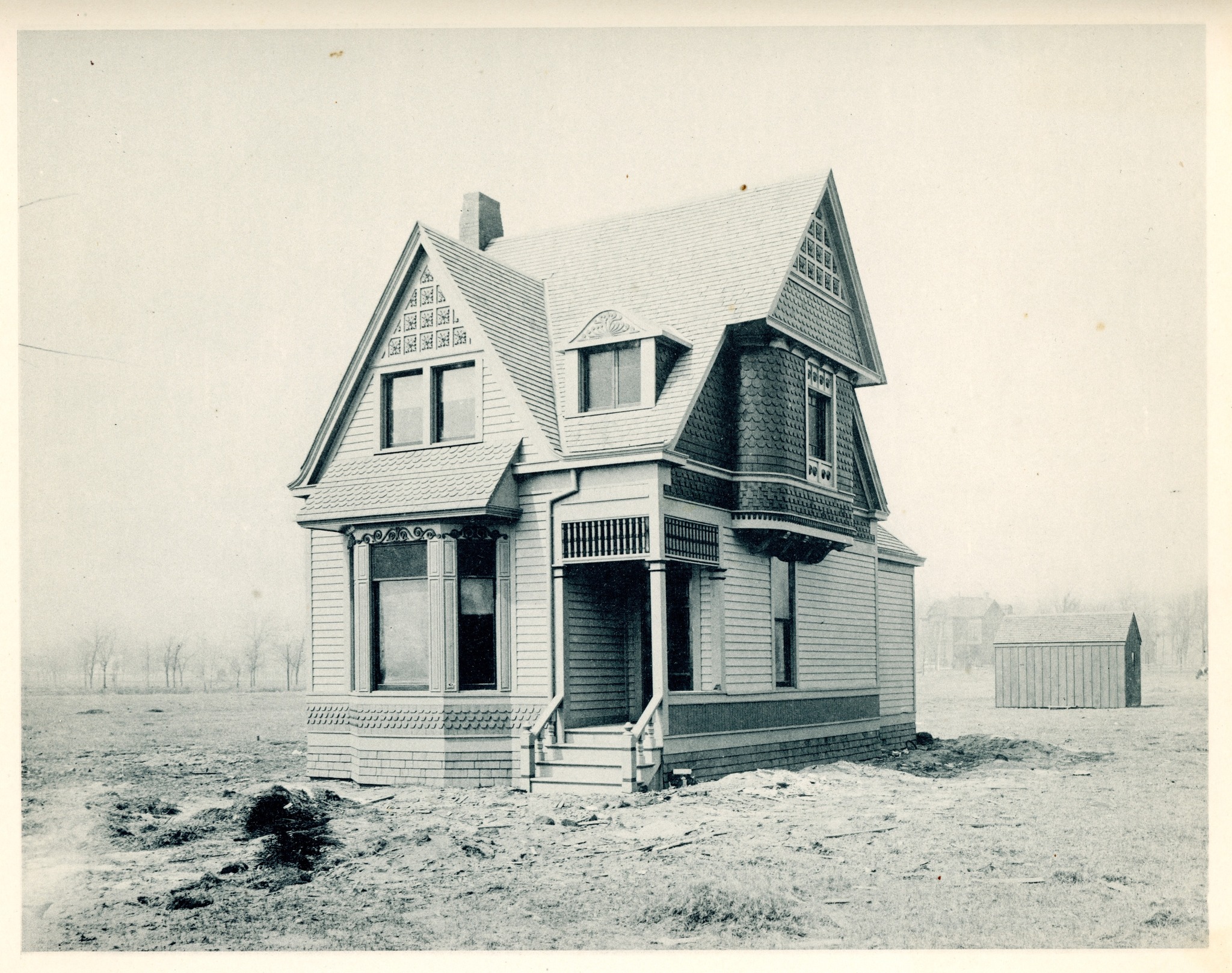
Building #4 is found. This is the Joseph E. McMeen House at 2330 W. 111th Street. The house still stands, but it is obscured by a modern commercial storefront built in front of it on 111th Street.
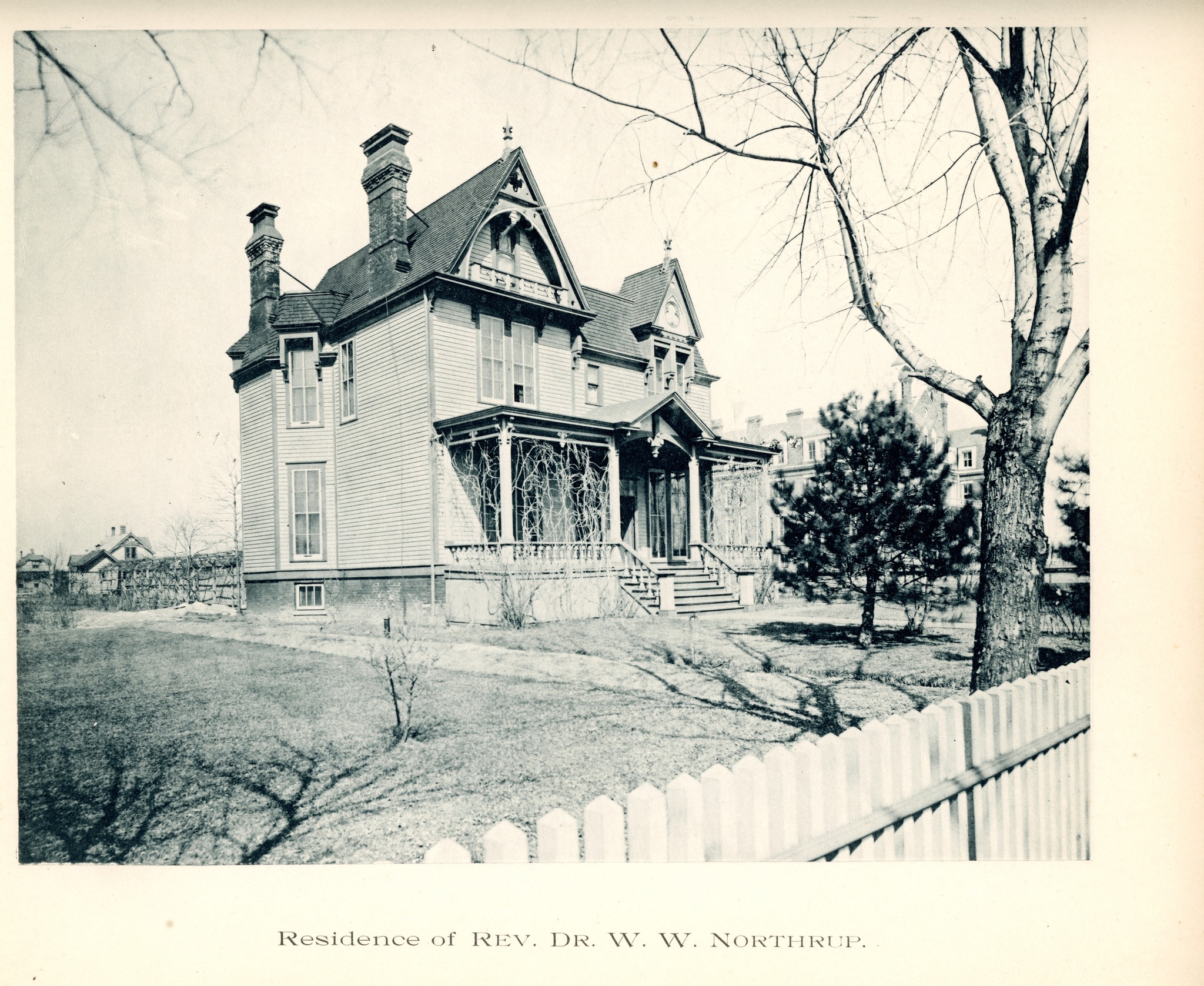
Building #5 is lost. This was the Rev. Dr. George William Northrup House, with the original address of 2242 Morgan Avenue. The house is no longer standing; the location is now an empty lot on the 2100 – 2200 block of 111th Street.
These houses all had significant histories, which will be covered in the next posts.
The Ridge Historical Society
Lost or Found Series – More information on Hough, McMeen, and Northrup
By Carol Flynn
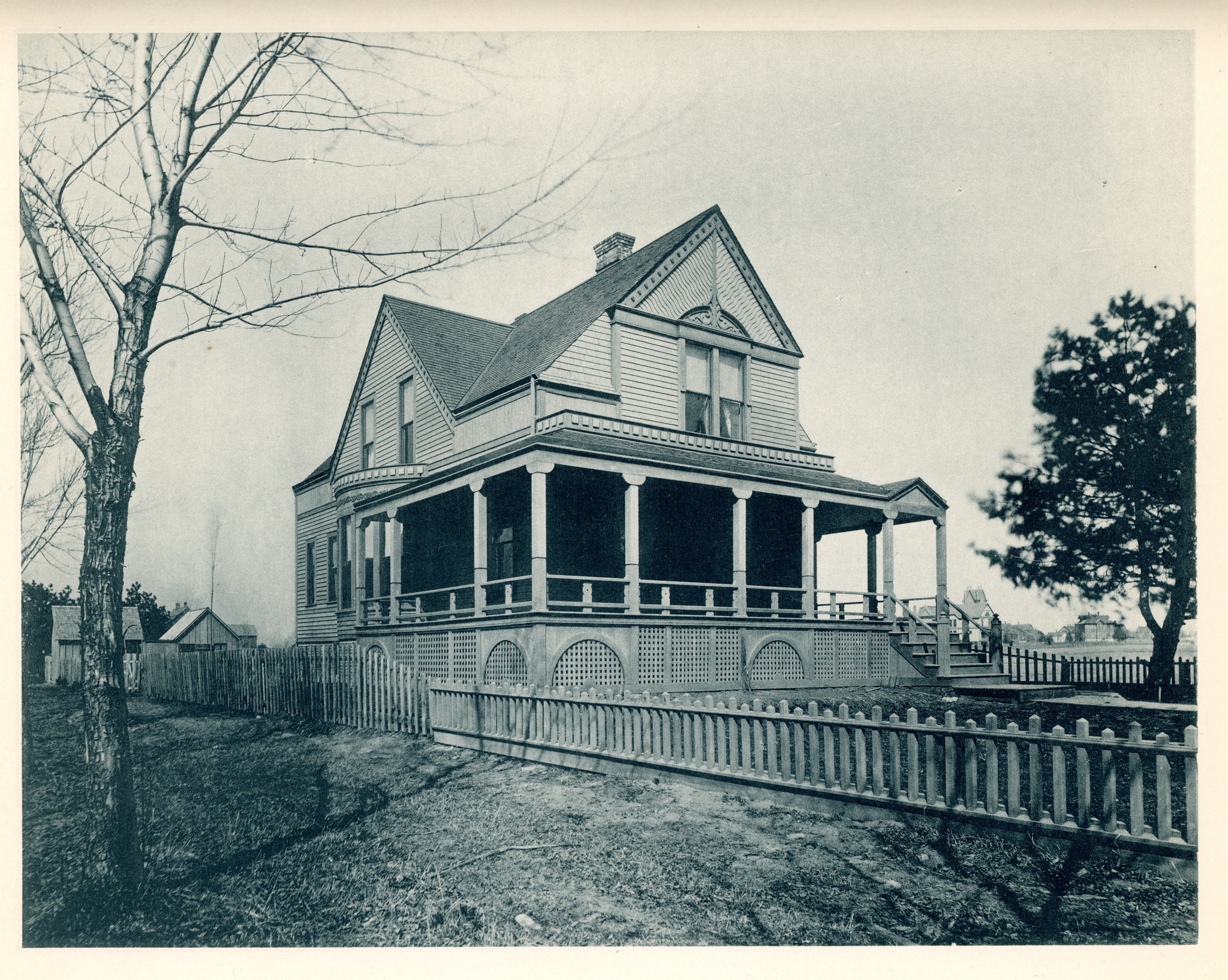
In the last post, three houses in Morgan Park that were photographed in 1889 were identified. Two were lost, that is, demolished, and the third was found, still standing but obscured from view by a modern commercial building constructed in front of it.
The three houses were all located on 111th Street, which was called Morgan Avenue back then.
Morgan Avenue, on top of the hill from Western Avenue to Longwood Drive, was primarily residential. Many nice houses were built along the street for the earliest residents of this suburban village, which had been founded in 1874 by the Blue Island Land and Building Company.
The top of the hill was also the location for prestigious education institutions. On the north side of the street was the Baptist Union Theological Seminary, which moved to Hyde Park as part of the University of Chicago. The Mount Vernon Military Academy, which evolved into today’s Morgan Park Academy, was, and still is, on the south side of 111th Street.
East of Longwood Drive, at 111th Street and Hale Avenue, was the Morgan Park stop on the Chicago, Rock Island, and Pacific Railroad commuter line. The men who started the Blue Island Land and Building Co. and Morgan Park were also the owners of the Rock Island Railroad (now part of Metra).
They were savvy businessmen. First, they bought land on the Ridge from the old Morgan estate. Then they built their railroad through the area, connecting the Ridge with downtown Chicago. Then they sold off the land north of 107th Street in plots for homes for a higher price and developed the land south of 107th Street into the village of Morgan Park.
They made substantial amounts of money doing this and became very wealthy men. This was a common practice throughout the expanding U.S. The railroad men were quite often also the major land developers.
Commercial development in Morgan Park first began around the train stops. A large park would be established in front of the train stop on 111th Street. This park would be called Depot Park but today is known as Bohn Park. Depot Park would became Morgan Park’s “village green” for festivals and the location of the village Christmas tree.
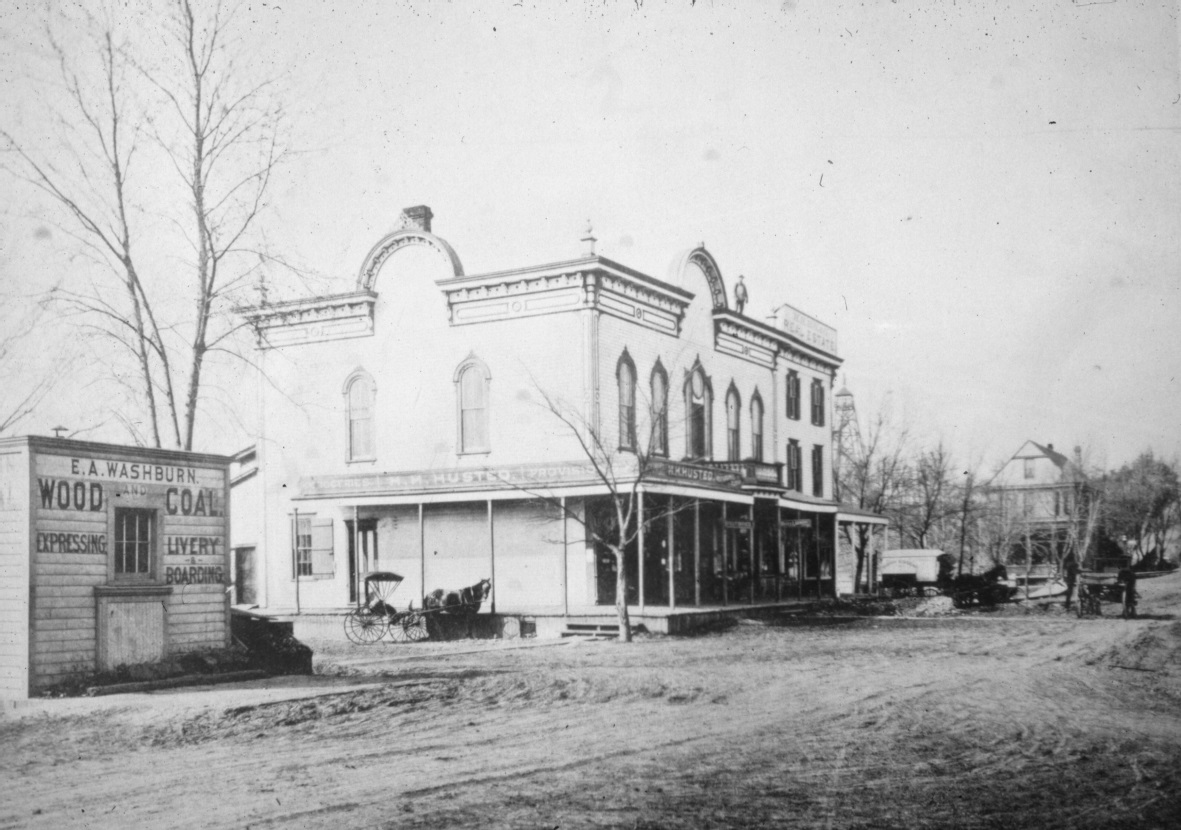
Washburn Hall, which included commercial space on the first floor and a large room on the second floor for meetings and special events, was also on this section of Morgan Avenue.
The first of the three houses in last week’s post, at the northeast corner of 111th Street and Western Avenue, was the residence of Henry (Harry) Oswald Hough and his wife, Claudia Hakes Hough.
Western Avenue then was still very rural even though it was a major north/south thoroughfare through the area.
H.O. Hough, as he was usually referred to in the newspapers, was a bookkeeper for a stockyards company. He was educated at the University of Chicago. There’s not that much information available about his job, but there is some information about his social life in Morgan Park.
Before he even got to Morgan Park, in the 1870s, Harry’s name popped up in the society pages as being one of the available single men at parties. One example was a party put on by the South Side Independent Club at a private residence in the Prairie Avenue district in 1875.
Claudia came from Connecticut and was 19 years old when she married Harry in 1884; he was 26.
Tragedy struck their young family when their two-year old son, Rupert, died in 1887. They had a second child, Waldern, who lived to adulthood but his mother, Claudia, outlived that son also.
Harry and Claudia lived in Morgan Park by 1888, and were part of the active social scene there. They “rubbed elbows” with some of the famous names from local history, including the Blackwelders, Silvas, Igleharts, Wiswells, Givins, Ayers, and Myricks.
They were early members of the Owl Club of Morgan Park, which, according to the Chicago Tribune, was “composed of the elite of the town, which is sufficient guarantee regarding the character of its recipients. It is a pleasure to belong to such an organization as the Owl Club.”
[The Owl Club of Chicago started as a press club, but expanded to include everyone from artists to businessmen. As more “men about town” became members, the press started to consider the club as less distinguished and the elitism as “pretentious.” The press members left the club and formed a new club, the Chicago Press Club. David Herriott, the editor and publisher of the Morgan Park Post, served as a president of the Chicago Press Club.]
Claudia was an accomplished musician, and Harry liked getting on the stage, also. The couple was involved in local performances, and they entertained at their house regularly.
A few examples include Harry leading the “german” at a reception of the Owl Club in 1888, and Claudia managing a performance of “Liebling’s amateurs” at the Hough home in 1889. The german was a very popular group dance that was more like a party game. The Liebling Amateurs were students and followers of Emil Liebling, a German pianist and composer who lived in Chicago.
Other performances that both Harry and Claudia appeared in with the Owl Club drama group included “Little Brown Jug” and “Among the Breakers,” both at Washburn Hall, sometimes referred to as the Morgan Park Hall.
They also participated in Owl Club costume parties at the Hall, popular events in the late Victorian era. These included a calico party, where the women all dressed in calico, and games were played, such as the men each receiving an envelope with a piece of calico in it, and having to find the women whose dress matched the piece of cloth.
Another costume party put on by the Owl Club was a “phantom” party, or a “sheet-and-pillow-case” party, where the attendees dressed as ghosts with costumes made from, yes, sheets and pillow cases.
It was also reported in the Tribune that the Hough House in Morgan Park was burglarized in July 1889, and “a spring overcoat and a lot of silverware” were stolen.
Alas, Henry’s and Claudia’s marriage did not last. They divorced, and she eventually moved to California, and he moved to Florida.
The Hough House was demolished some time ago, and recently a new dollar store opened on that corner, replacing the CVS pharmacy that had been there.
The second house in this post is identified as the Joseph E. McMeen House at 2330 W. 111th Street. The house still stands, but it is obscured by a modern commercial storefront built in front of it on 111th Street.
McMeen was an interior decorator and painter, and one source listed him in the furniture business. He had an office in the city.
It doesn’t appear that McMeen laid down long-lasting roots in Morgan Park. The newspapers reported that his house at 109th and Hermosa (then Fairfield), which had only been built six months before, was destroyed by a fire in 1889. The family was sleeping and had a narrow escape.
That is also the year he is listed as living in the house on 111th Street that still stands, so it seems likely he moved into that house after the other was destroyed. The picture of the house shows it was just completed; there wasn’t even a walkway to the front door yet.
McMeen was also in the newspaper when he was injured by a cable car. He was awarded $1,000 from the Chicago City Railway Company.
The third house was the residence of Rev. Dr. George William Northrup. The address was 2242 Morgan Avenue, but the house has been demolished and today the space is a vacant lot.
Northrup was the most prominent of the three residents. He was the President of the Baptist Union Theological Seminary, as well as a professor there.
Northrup is part of the story of how the University of Chicago was almost established in Morgan Park, and that will be covered in the next post
The Ridge Historical Society
True Grit and Cowboys on the Ridge – Part 1
By Carol Flynn
Tales of the Wild West, folklore truly unique to America, have captivated the world’s imagination for over 150 years.
“The Western” has become its own genre in literature and in film. The stories are usually morality parables – there is a good guy and a bad guy, clearly distinguished, and the good guy wins. If he dies in the process, he’s an even bigger hero.
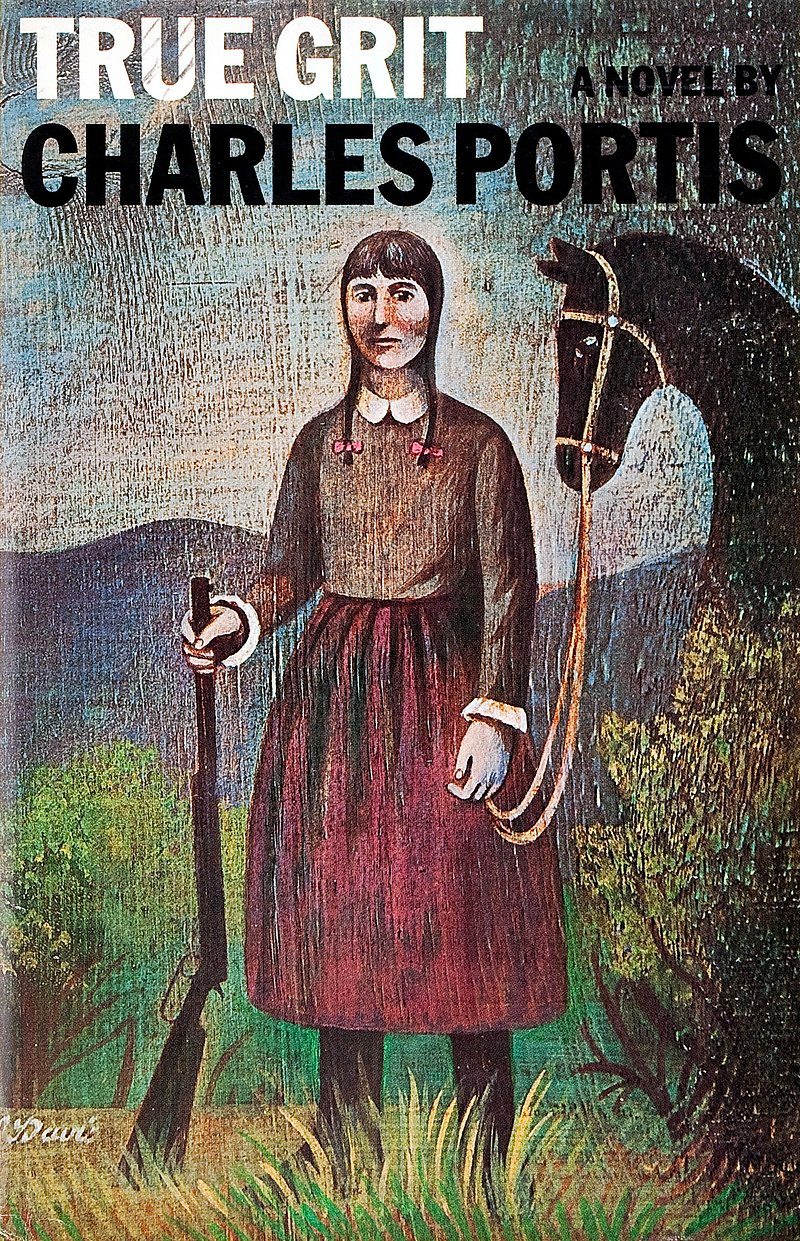
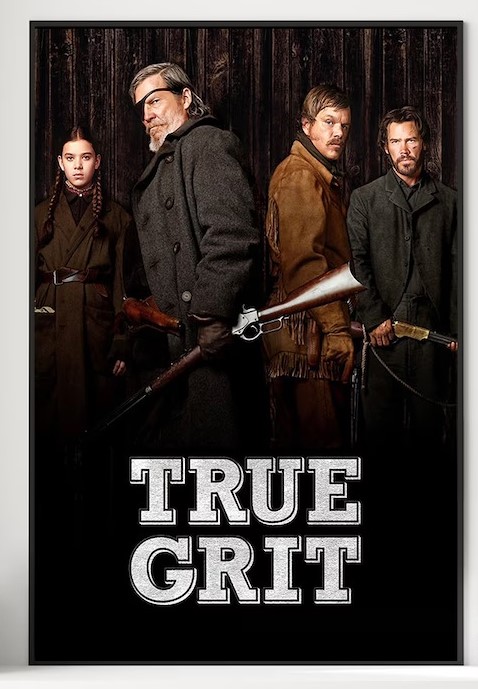
On Wednesday, August 7th, the Blue Island Ridge’s only bookstore, Bookie's Chicago, and only movie theater, the historic Lyric Theater in Blue Island, are partnering for a special showing of the 2010 film “True Grit,” an adaptation of the 1968 novel “True Grit” by Charles Portis.
This event is next in the series from Bookie’s Film Adaptation Book Club, which came back from its COVID-enforced hiatus in March with a very successful showing of “The Commitments” based on the novel of the same name by Roddy Doyle.
Critics have named “True Grit” one of the great American novels, and it has been adapted twice into award-winning movies.
The 1969 version starred John Wayne as the man with true grit, Rooster Cogburn.
The 2010 version, which will be shown at the Lyric, comes from the Coen Brothers who have given the public such great contemporary films as “Fargo” and “No Country for Old Men.” The star of the Coen Brothers’ production of “True Grit” is Jeff Bridges, who also starred in the Coen Brothers’ cult classic, “The Big Lebowski.”
RHS is mentioning this event for two reasons. First, it was the administrator of the RHS Facebook page who suggested “True Grit” as a possible novel/movie to Bookie’s owner, Keith Lewis.
The years of expansion into the western and southwestern portions of the United States, the “frontier,” are an incredibly interesting and picturesque period in U.S. history. At one time, Chicago WAS the western frontier.
That brings us to the second reason, local history’s connection to the Wild West.
Of course, Morgan Park was known as “Horse Thief Hollow” in the mid-1800s because of the horse thieves who hid out in the ravines, bringing stolen horses to the stockyards and railroads for sale. That is a big story for a series on Facebook or an in-person presentation one day.
Today let’s start with looking at the “Cowboys on the Ridge,” those true-life Western characters who had a connection to the Ridge.
Remember, we’re talking reality here, and when it comes to the Wild West, reality often was no less colorful and dramatic than the fictional stories.
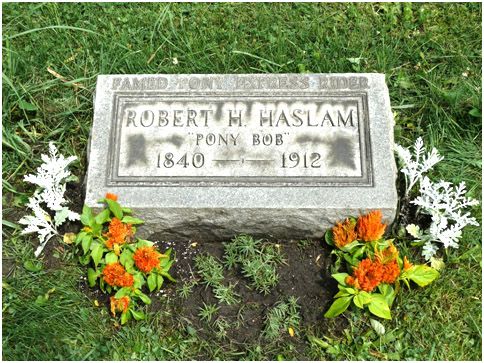
The Ridge’s biggest Western celebrity is Robert “Pony Bob” Haslam, the star of the Pony Express in the 1860s, who is buried in Mount Greenwood Cemetery. His grave is the most sought after to visit in the cemetery.
Pony Bob is considered by many to have been the bravest, most resourceful, and best rider of the Pony Express. He has quite a following among the aficionados of true Western stories, although his name never became quite as famous as some other people of the time, including Pony Bob’s very good friend, Buffalo Bill Cody.
To appreciate Pony Bob’s story, it must be considered in context of the times.
The Pony Express only lasted 18 months, and it is tied closely to Abraham Lincoln’s presidency.
By the 1850s, both U.S. coasts were settled, but the interior, from Chicago to San Francisco, was still “untamed.” A means of fast delivery of mail across the plains was needed. Telegraph lines were not existent yet and the railroads had not yet laid down tracks. Wagons could take weeks or even months to deliver a message.
In 1858, the owners of a freighting business, in an effort to snare a government contract for delivering mail, proposed a fast mail service between St. Joseph, Missouri, and Sacramento, California.
The plan was to have mounted riders travel short routes, with switch-offs at stations along the way. In just two months’ time, a system comprised of 120 riders, 400 horses, 184 stations, and hundreds of additional personnel was put together.
The Pony Express was born.
Riding for the Pony Express was difficult work — riders had to be tough and lightweight.
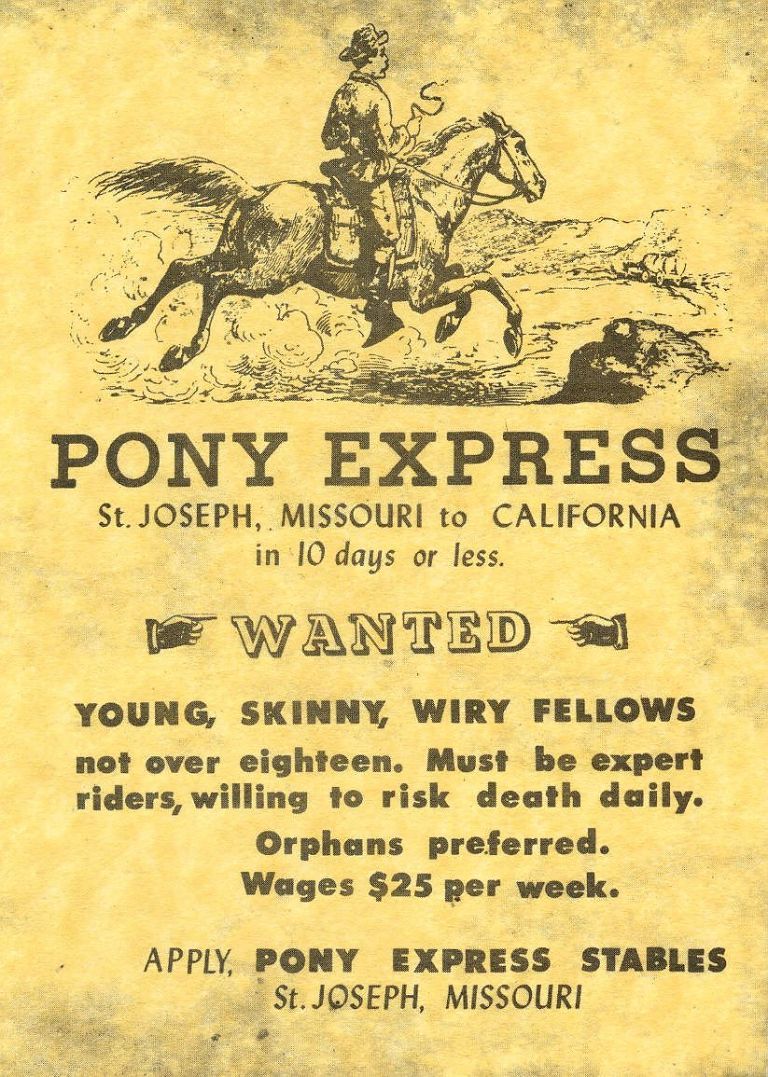
The advertisement for riders read, “Wanted: Young, skinny, wiry fellows not over eighteen. Must be expert riders, willing to risk death daily. Orphans preferred.”
Riders would travel at full gallop, changing horses every ten miles at the next station, traveling day and night for up to 100 miles before being replaced by a new rider.
The first trips east and west, which started on April 3, 1860, were each completed in ten days.
Robert Haslam was born in January, 1840, in London and he came to the US in 1856. He helped build the Pony Express stations, and was given the mail run from Friday’s Station at Lake Tahoe to Buckland’s Station near Fort Churchill, 75 miles to the east.
The next post will cover the events that made Robert Haslam a star, and earned him the nickname “Pony Bob,” which was an honor.
For information on the “True Grit” event, see the Lyric Theater website at https://www.lyrictheater.com/.