Explore the RHS Facebook Archives, a rich repository of local history written by Carol Flynn. For two decades, Carol brought a deeply dedicated voice to public education at RHS. Her role as Facebook administrator through mid-2025 naturally extended her prolific research into meticulously detailed articles, most notably her multi-part historical series posts. Today, Carol continues her local history writing for The Beverly Review and other outlets.
June 2023
The Ridge Historical Society
Part 11 – The Hofer Sisters and Politics Continued
By Carol Flynn
During the Progressive Era of the late 1800s-early 1900s, women began to come into their own as political activists. Much of their work was done through women’s clubs. Long denied membership in traditional men’s clubs, women formed their own civic organizations which became powerful forces for reform and change.
The Chicago Woman’s Club (CWC) was one of the most influential of these organizations, with members including Jane Addams of Hull House and Bertha Palmer of Palmer House hotel money and fame, who chaired the women’s events for the 1893 World’s Fair in Chicago. Women from the Ridge actively participated in the CWC, and Gertrude Blackwelder from Morgan Park served as president from 1906 to 1908.
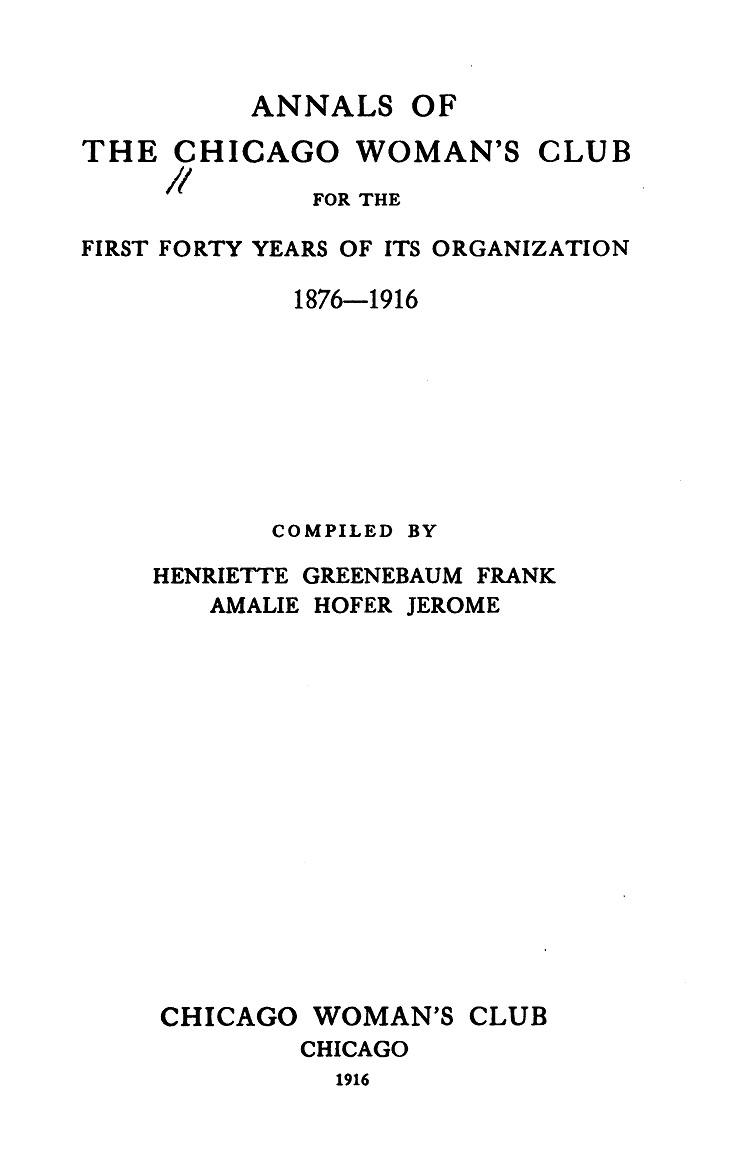
The Hofer sisters were members of the CWC. Bertha Hofer Hegner was prominent in the club’s education endeavors. In 1916, Amalie Hofer Jerome co-authored the Annals of the Chicago Woman’s Club for 1876 to 1916, a compilation of the Club’s first forty years of business.
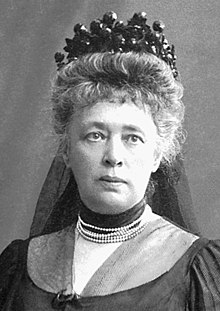
In 1912, through their CWC involvement, the Hofer sisters brought about an internationally significant event, a country-wide tour by pacifist Baroness Bertha Von Suttner of Vienna, Austria.
Andrea Hofer Proudfoot spent increasing amounts of time living in Europe in the early 1900s with her children. She and her husband regularly traveled back and forth between Chicago and Vienna, where her daughter Helen attended the Leschetizky School.
The international kindergarten movement, in which the Hofer sisters were leaders, shared many ideals with the international peace movement, and Andrea became acquainted with Baroness Von Suttner, who won the Nobel Peace Prize in 1905.
Mounting social unrest leading to increased militarism had many fearing a European war was imminent, and indeed, World War I was just around the corner. Peace organizations were established in Europe and the U.S., and women like Jane Addams were active participants.
Suttner was a leader in the international pacifist movement of the time, and was emerging as a leader of the growing feminist movement. She was an influential pro-disarmament writer, believing that world peace was inevitable due to technological advancements, and that more powerful weapons would increasingly deter war.
In February 1912, Mari Hofer presented a motion to the Chicago Woman’s Club recommending that they arrange an address by the Baroness during the coming year. This was approved, and the Club reached out to the General Federation of Women’s Clubs (GFWC), the “mother” organization that all the local clubs belonged to, and other groups for involvement. A joint Peace Committee with the GFWC and groups like the Chicago Peace Society was formed, with Mari and Amalie doing the work.
While male international pacifists had been making speeches in the U.S. for years, this was the first initiative by women to include pacifism and international affairs as part of the women’s clubs’ agenda, and have a woman address the American people. Suttner was invited to address the GFWC national convention in San Francisco in late June of 1912. She accepted the offer.
The Hofer sisters procured funding from the World Peace Foundation, which supported peace education, to cover all the expenses for the Baroness to visit the U.S. Leaving for the U.S., Suttner stopped in Paris to address the Carnegie Peace Foundation. She stated, “I shall try to put in motion a new and great force in the uplifting to good all mankind, and that force is found in the federated American women.”
Standing next to her on the platform was the personification of those women, Andrea Hofer Proudfoot, from the Chicago Woman’s Club, who served as Suttner’s full-time manager, secretary, and companion for her trip to the U.S.
They travelled by ship to New York, then across country to San Francisco by train, picking up GFWC delegates along the way. The GFWC event, with 5,000 attendees, became the first of 1,220 engagements, with the Baroness speaking at universities, churches, and organizations including peace, labor, business, and suffrage groups. Major American newspapers and journals carried the Baroness’s speeches in full, allowing her a widespread reach to the public. Although this visit is rarely mentioned now, it was very big news at the time.
The Baroness’s primary goal was to advocate for universal peace, but she saw the connection to women’s rights for education and employment, and particularly to suffrage. She encouraged women to be active in the peace movement and she encouraged peace activists to support suffrage to increase their efforts in promoting peace.
The Baroness and Andrea came to Chicago in July, where the Baroness made presentations at the 50th annual convention of the National Education Association and other meetings, and visited Jane Addams and Hull House. From there, they went on to meet with President William Howard Taft.
They returned to Chicago in November, and Suttner addressed the Chicago Woman’s Club. Women like Mrs. George Pullman held receptions for them in their homes. Suttner also addressed other groups like the Chicago Federation of Labor.
The Inter Ocean newspaper quoted part of one of Suttner’s Chicago speeches: “We must come to realize that our present, modern times have outgrown the system of war, of violence. Now we all live under the law of violence. I hope that the tool of war will be laid down, and that the workers will lay down their tools against the preparation of the implements of war. Instead of the outstretched fist, we want the outstretched hand of friendship.”
Charles Beals, the Secretary of the Chicago Peace Society, noted although the U.S. visit was “a laborious task,” that “the peace workers of the United States have been greatly strengthened by the visit of the foremost woman pacifist of the world.” This group also had great praise for Mari Hofer’s role in the endeavor, stating that “Miss Hofer served entirely without pay, gave up her summer vacation in order to make the undertaking a success, and for months, in no small measure, bore the responsibilities and did the clerical work.”
As Suttner returned to Vienna in December, accompanied by Andrea, she declared that the U.S. was ahead of other countries in the suffrage movement, and she was sure American women would get the vote franchise. That took eight more years.
The Baroness was 69 years old when she made this trip. She died of cancer eighteen months later in 1914, right before the start of World War I.
Andrea went on to more prominence in the peace movement, which will be covered in the next post.
The Ridge Historical Society
Part 10 – The Hofer Sisters and Politics
By Carol Flynn
The Hofer family lived in Beverly from the early 1890s to the mid-1910s, about 25 years, during the height of the Progressive Era.
That era was marked by widespread reform and change in just about every area of life, from education to business to human rights. Today, kindergartens and other early development programs for young children, playgrounds, parenting classes and resources, and related activities are taken for granted. However, 100 to 150 years ago, they were considered radical, “progressive” social movements that visionary people fought to establish.
They also fought to establish rights for children. Using children for hard labor, in sweat shops, and out on the streets, was condoned for centuries, like slavery had been. Slavery was abolished in the 1860s, and the Progressive Era saw the beginning of the end of that kind of abuse of children.
While the Hofer sisters were leaders in these movements, their political activities extended beyond these issues. The five Hofer sisters were all politically active, but especially so was Andrea Hofer Proudfoot, who rose to international fame for her contributions to the international peace and amnesty movement.
The progressive spirit came from the Hofer parents, Andreas and Mari, revolutionaries from the German-Swiss border area. In the U.S., they moved from the east coast to Iowa seeking new opportunities and to be closer to friends. There, a brief stint in the early 1850s in a socialist commune called Communia left them disillusioned with socialist and communist systems, but still believing in the need for social and political reforms.
The Hofer family ran a newspaper in Iowa for many years which gave them the opportunity to share their progressive beliefs. All of the children worked at the newspaper, and the three sons moved to the west coast to pursue careers in the newspaper publication business.
The Hofer parents and the five daughters moved to Chicago to allow the daughters education and employment opportunities, itself a progressive attitude toward women.
The Hofer sisters, as no surprise, were suffragists, believing that women should have the right to vote. In an article in 1912, Andrea was described as “outspoken and sweeping in her advocacy.” When another woman suggested “indirect influence” was preferable to voting, Andrea “scathingly denounced this as immoral and wrong.” She used parenting as an example to explain her view. A parent does not “influence” children; a parent would “inculcate right principles and teach children to stand firmly by these.”
Women received the right to vote in the U.S. in 1920 when the Nineteenth Amendment to the U.S. Constitution was ratified. Long before that, however, they were involved in politics at the local, national, and international level.
The kindergarten movement was an international movement that originated in the Switzerland/Germany/Prussia area and spread to the U.S., thanks to women like the Hofer sisters. The kindergarten movement started with Swiss educator Johan Pestalozzi in the late 1700s, and was furthered in the 1800s by Friedrich Froebel in Prussia/Germany. Several of the Hofer sisters did graduate work in Berlin, Germany, at the Pestalozzi-Fröbel-Haus. Froebel’s niece ran the program in Berlin.
Andrea spent time in Europe, not just for her own education, but with her children. For periods of time, she left her school in Beverly in the capable hands of her sisters Elsa and Mari and resided overseas.
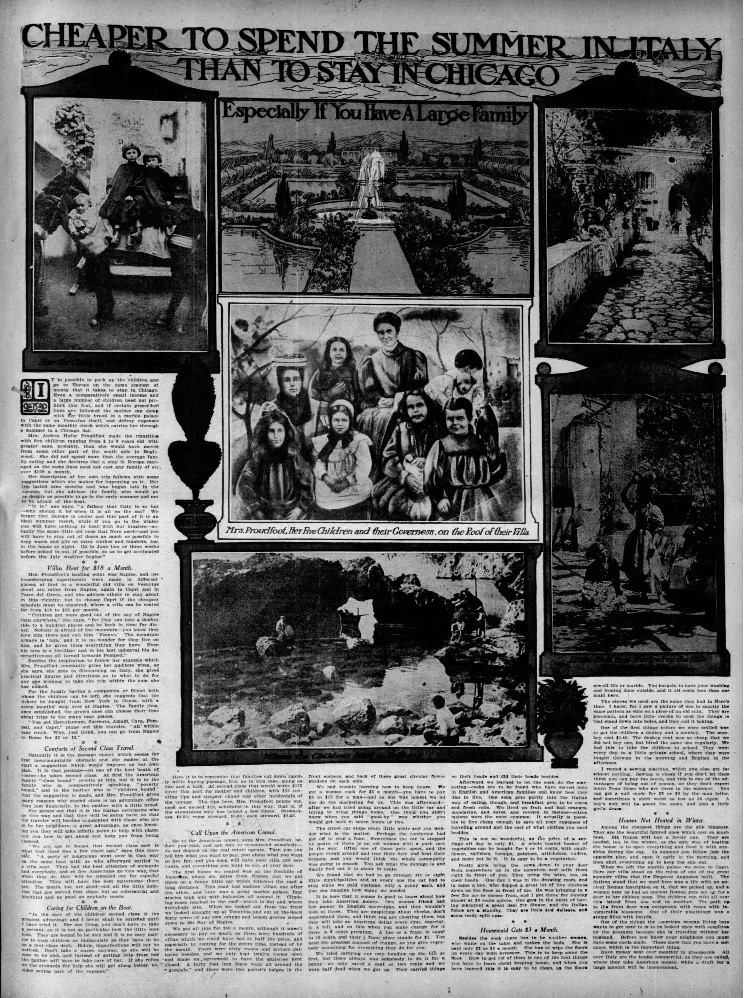
In May of 1907, the Chicago Tribune ran a full-page story about Andrea and her five children, ages 2 to 9, moving to Italy for nine months. The article focused on how economically she was doing this, spending no more than it would have cost to stay home in Chicago. The article was full of advice from Andrea, from booking second class steerage on a ship to renting a villa and hiring local help to keeping warm in winter. The children traveled by donkey cart to a private school that taught German. Andrea’s husband Frederick, a lawyer with the Chicago Board of Trade, stayed home in Chicago, and sent the adventurers money on a monthly basis.
Quite a few pacifist and women’s rights organizations were formed in the late 1800s, in the U.S. and in Europe. The pacifist and feminist causes became intertwined at an international level; in fact, historians have found that pacifism and this first-wave of feminism were equated in the minds of the general public at the time.
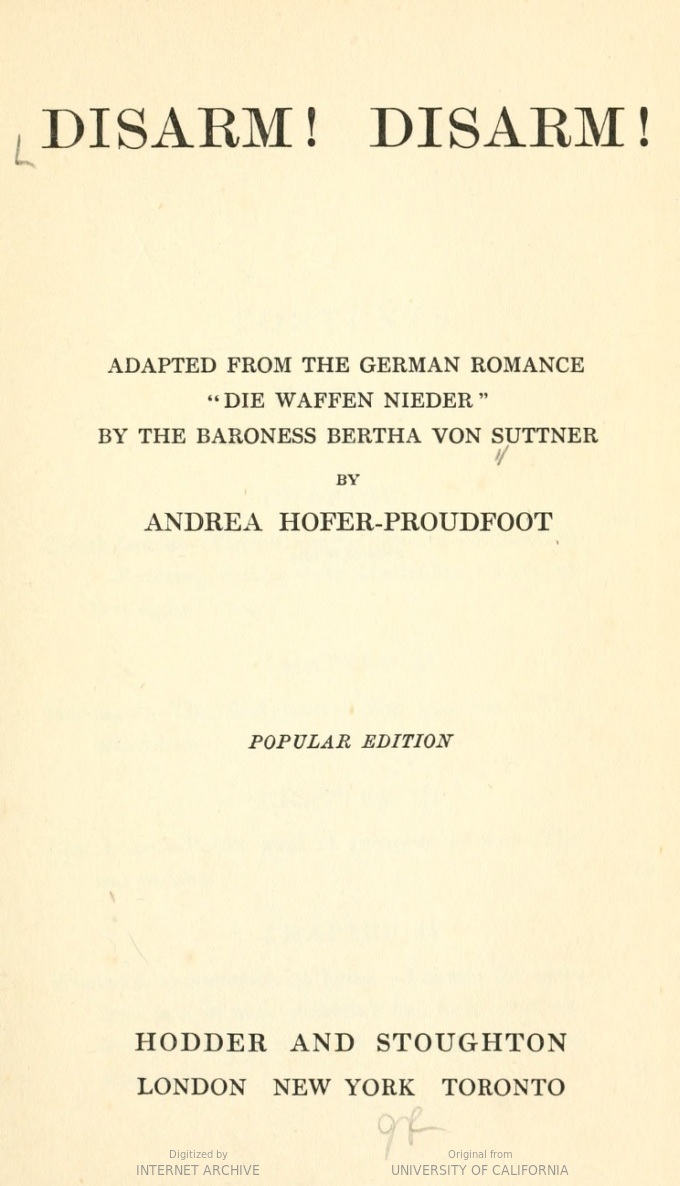
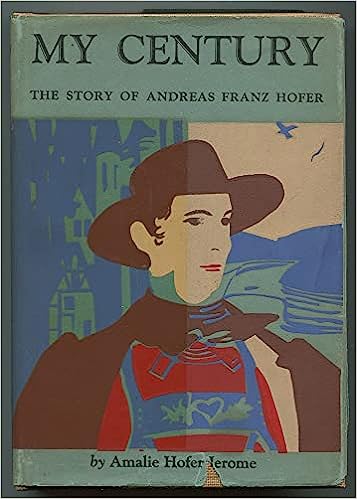
One very prominent international woman pacifist was Baroness Bertha Von Suttner (1843 – 1914) of Austria. The Baroness founded the Austrian Peace Society in 1892, and in 1905 she was named the Nobel Peace Prize laureate, in part due to her 1889 anti-war novel “Die Waffen nieder!” as well as numerous other political pacifist writings and lectures. [Andrea Hofer Proudfoot adapted the Baroness’s novel into English (Disarm! Disarm!) in 1913 and it is still available today.]
The Baroness addressed many of her communications directly to women and the women’s clubs of the U.S. became her followers. In 1912, thanks to the Hofer sisters, she made a coast-to-coast tour of the U.S., speaking to women’s groups and peace organizations. She advocated for universal peace and women’s suffrage, declaring them “the two great movements for the betterment of humanity.”
The next post will cover the Baroness’s visit to the U.S., and other political activities of Andrea and her sisters.
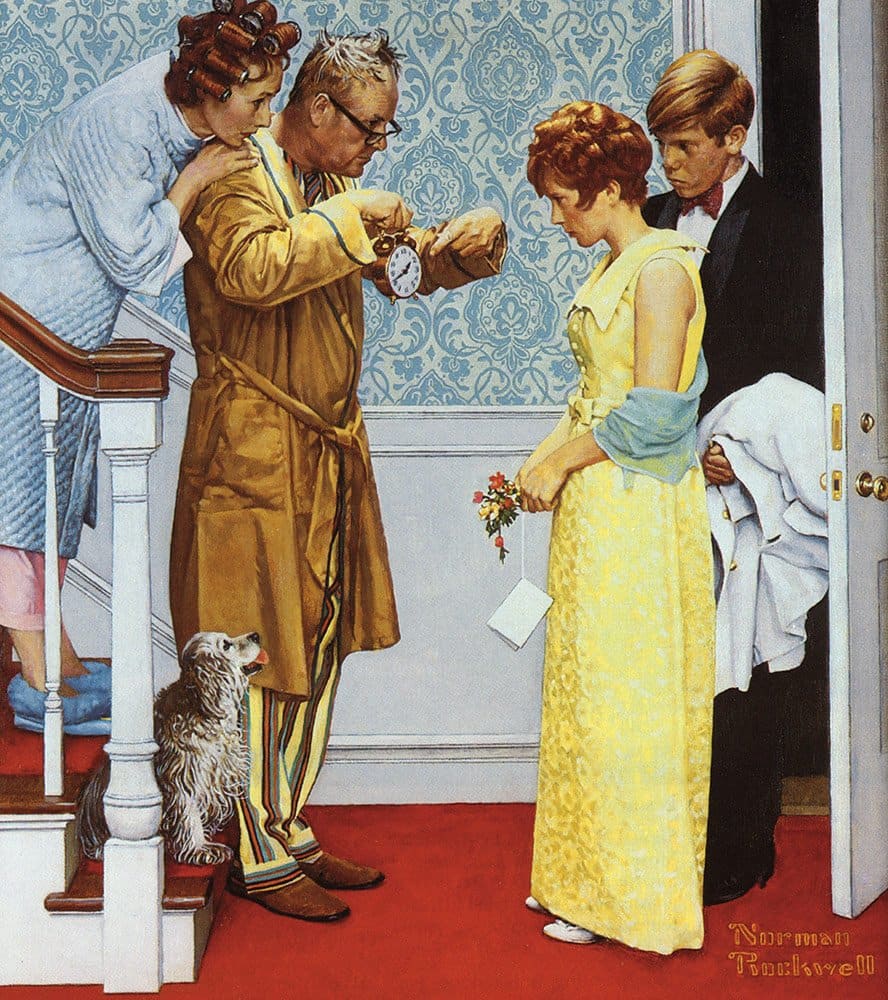
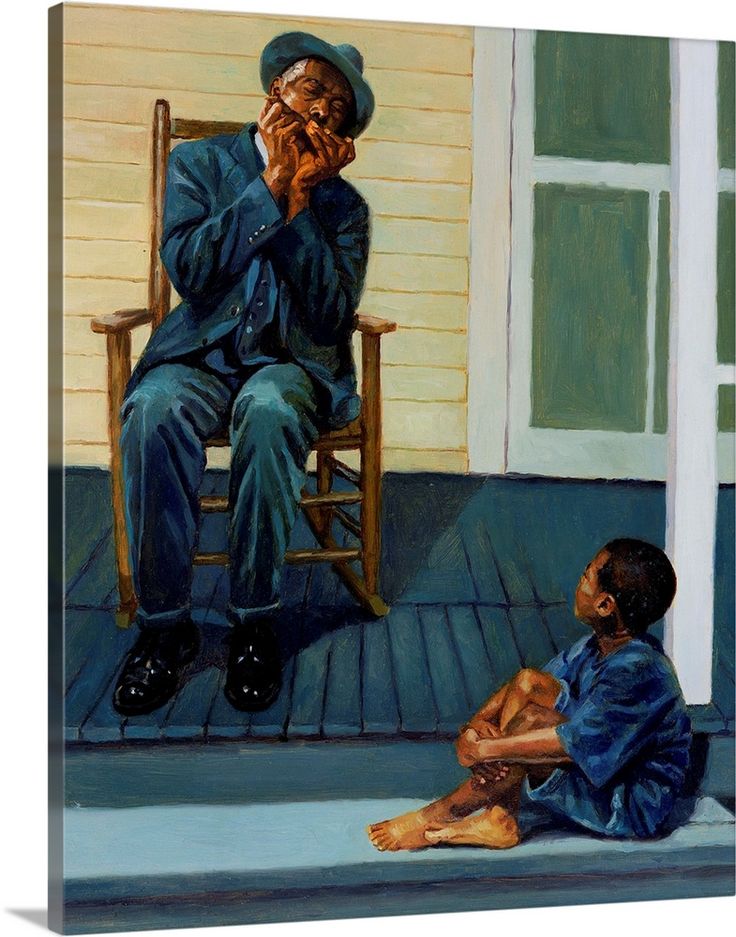
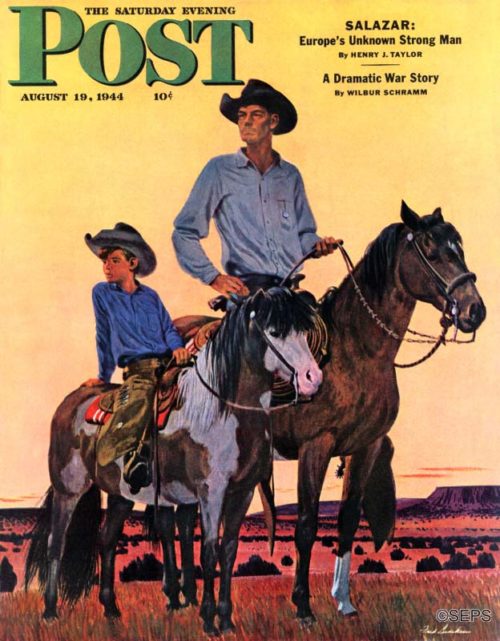
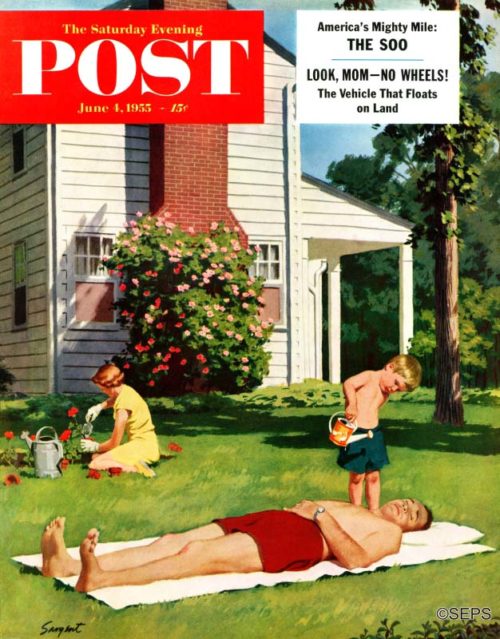
Happy Father's Day!
Here are some images that artists made over the years that depict moments in time for fatherhood.
Here's a good primer on the topic of selling and serving alcohol on the east side of Western Avenue in the 19th Ward.
The Illinois Liquor Control Act of 1934, which followed the repeal of Prohibition, sets forth the law for establishing dry sections by election precinct, and the City of Chicago Board of Election Commissioners Guidelines for Local Option Referenda sets forth the process for establishing (and repealing) dry sections in the city.
This is done on a precinct-by-precinct basis, and only the people who live in the precinct that will be affected are allowed to vote on the issue.
Many people would like to see more restaurants serving alcohol located east of Western, however, the people living in that section have consistently voted "no" to alcohol for almost 90 years.
Frankly, a better way politically to deal with this issue would be, rather than trying to change the law in general in any given precinct, to find a party interested in developing a specific property into a restaurant and to work through a process to allow a liquor license for that venue, as was done with the Barraco's on 95th Street, which took over the building that was the former library, and before that, a funeral parlor. No other property was affected by that decision and the neighbors impacted by the decision approved the sale of alcohol at that location.
BAPA History: The “Wet/Dry” Issue
The Ridge Historical Society
Part 9 on the Hofer Family – Political Involvement
By Carol Flynn
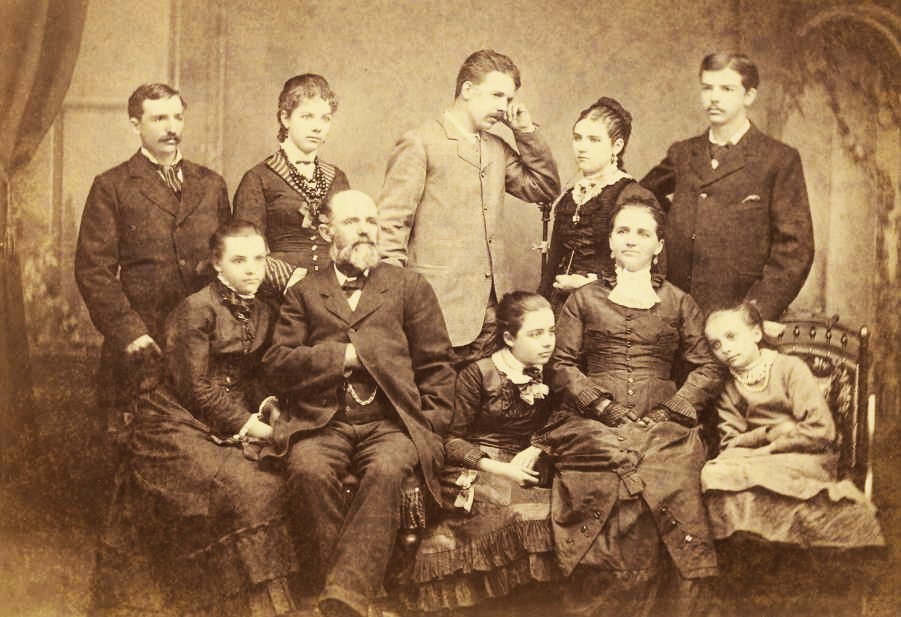
The Hofer family connected with the Ridge came of age during the Progressive Era of the late 1800s – early 1900s, a time of widespread reform in just about every area of American life, from education to business to government.
The rights of women and children were important issues of the day. For women, voting, property ownership, and education and employment opportunities headed the list. For children, child labor laws, the juvenile justice system, public education, and health services were priorities. It was the members of the women’s clubs who did most of the advocating for children’s rights.
The family patriarch was Andreas Franz Xaver Hofer, born in 1821 in Baden, a historical territory in south Germany and north Switzerland. He took part in the unsuccessful Baden Revolution of 1848 – 49, an attempt to overthrow the ruling princes. Forced to flee the country, he came to New York City in 1849.
His future wife, Mari Ruef, was born in 1836 in Baden, and came to New York in 1852. There she met Hofer and they married in 1853. [Hofer died in 1904 and was buried in Mount Hope Cemetery on the Ridge. Mari moved to California where she died in 1918. Hofer’s remains were then brought from Chicago to California to be buried beside his wife.]
The Hofers moved to Iowa from New York and began their family, which would grow to five daughters and three sons. Andreas Hofer fought with the Iowa Infantry of the Union Army as a lieutenant in the U.S. Civil War. Andreas and Mari became naturalized citizens of the U.S.
The Hofers became farmers and dry goods merchants in McGregor, Iowa. Hofer became known as a local expert on cultivating grapes and was active in the Iowa State Horticulture Society. They purchased a local newspaper, the McGregor News, which they ran for many years. The family was well known in the community.
Andreas and Mari Hofer had a passion for social justice and reform that they passed down to their children. Through their newspaper, they shared their “progressive” views, and all the children were trained in the newspaper and printing fields.
Andreas Hofer‘s philosophy for the newspaper was “closely identified with the interests of the people and with successful government,” according to an article written in 1904 by his sons. He was involved in local politics and a leader of the temperance movement. Many of the beer breweries in the U.S were owned by German immigrants, and the newspapers made note of the divide in the German community over the alcohol issue. Hofer wrote temperance tracts in the German language which were published by the German National Temperance Association.
He used the newspaper to advance his platforms, and this did not always go over well with the subjects of his commentaries. In one court case that was followed closely by the public, the newspaper and its publishers, A. F. Hofer and Sons, were sued for $5,000 by a saloon keeper claiming the paper had damaged his character. The paper had accused the saloon keeper of keeping a gambling house. The saloon keeper was backed by the local liquor league. The case went to court, and the Hofers won the case – the charges against the saloon keeper were “fully sustained.”
The involvement of the Hofer children with the newspaper led to careers for all that included writing, editing, and publishing.
The family sold the McGregor News in 1890. By then, the sons, Ernest (1855-1934), Frank Xaver (1856-1905), and Andreas F., Jr., (1861-1913), who made the newspaper and publishing industries their lifetime careers, had moved to Salem, Oregon, to seek their fortunes on the west coast. “E.” and “A. F.” took over the Capital Journal, an evening paper. Ernest later ran the Industrial News Review, which advocated for “policies essential to the well-being of our country.” Frank owned half of one newspaper and was the founder of another.
As covered in the last posts, the five daughters and parents moved to Chicago to allow the women better education and employment opportunities. They rented a house on 96th Street in Beverly. The house, long ago demolished, stood where the entrance to Ridge Park is today.
The daughters became leaders in the kindergarten, social settlement, and playground movements. All of these were “progressive” initiatives, with strong political overtones.
The preceding posts on the Hofer sisters’ careers and this introduction to the family’s political involvement brings us to the Hofer sisters’ roles as social and political activists, which will be covered in the next posts.
Shared from the Ridge Historical Society page by request.
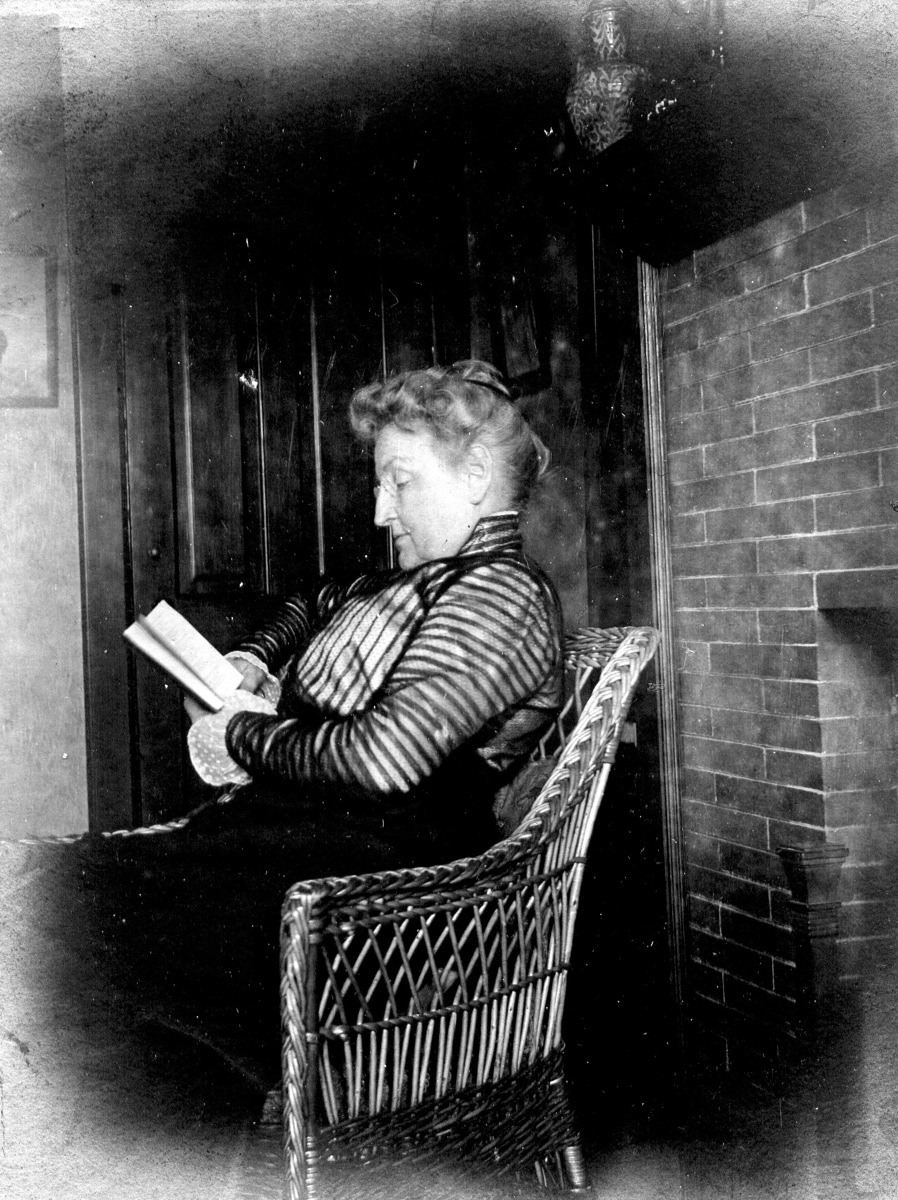
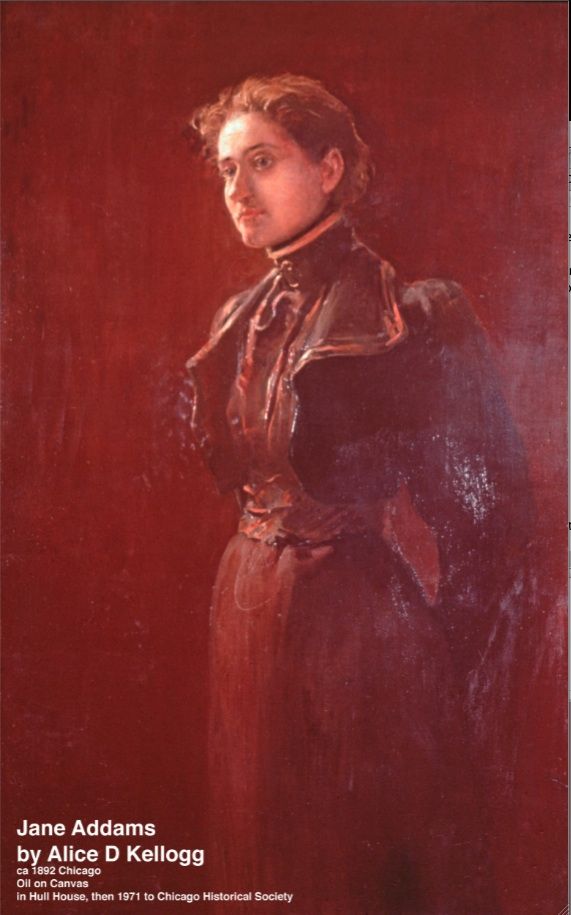
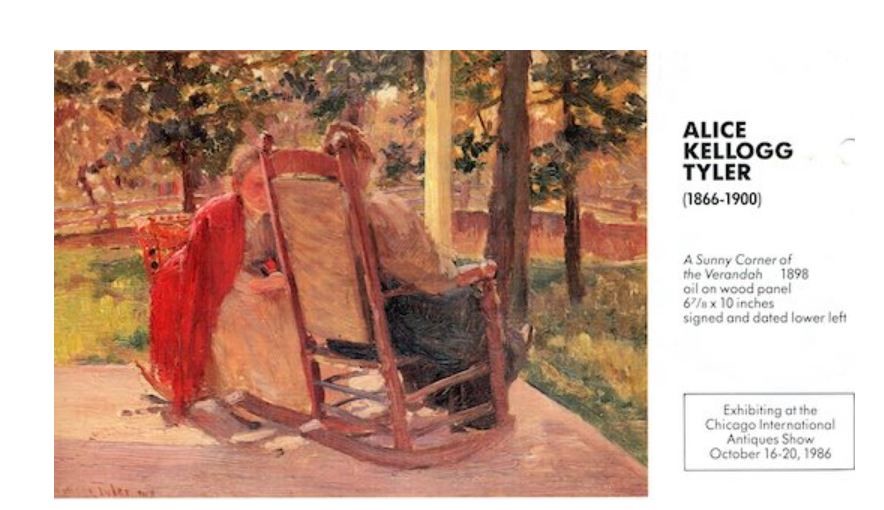
Ridge Historical Society (RHS) Helps with Research Projects
One or two people have mentioned an art project called “Invisible Labors” to RHS. We are aware of this project and were involved in its early stages.
This project is one case study from many on how the historians at RHS help people with research projects. RHS has been doing this for fifty years.
The number one research request we get is from homeowners for the history of their houses.
We get involved in many other research projects, also. In recent years, we helped everyone from a local church developing a Land Acknowledgement Statement to an eighth-grade student developing a presentation on Prohibition.
Our research on the Pike House led to Landmarks Illinois awarding it “endangered status.”
We even found the owner of a wedding ring that went missing decades ago. That story made the national news.
Last year, the artists involved in the Invisible Labors project contacted RHS for ideas and information on the history of land usage by women in the Ridge area. We discussed many topics with them, including women farmers and gardeners, Victory gardens at wartime, early women landscaping architects who lived in the area, artists who drew inspiration from the land, and more. We supplied extensive research material to them.
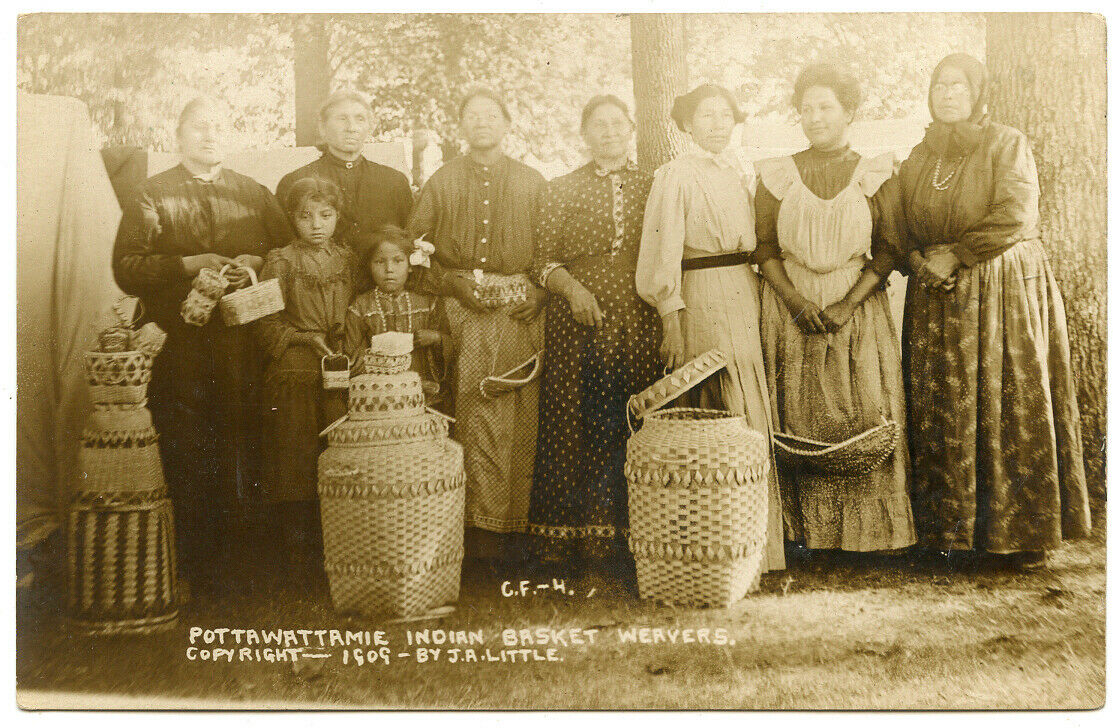
We introduced them to the Native Americans who lived on the Ridge, the Potawatomi people who lived off the land and today still make baskets from black ash trees. RHS researcher/writer Carol Flynn’s series on the Native Americans on the Ridge appeared on Facebook and in the Beverly Review.
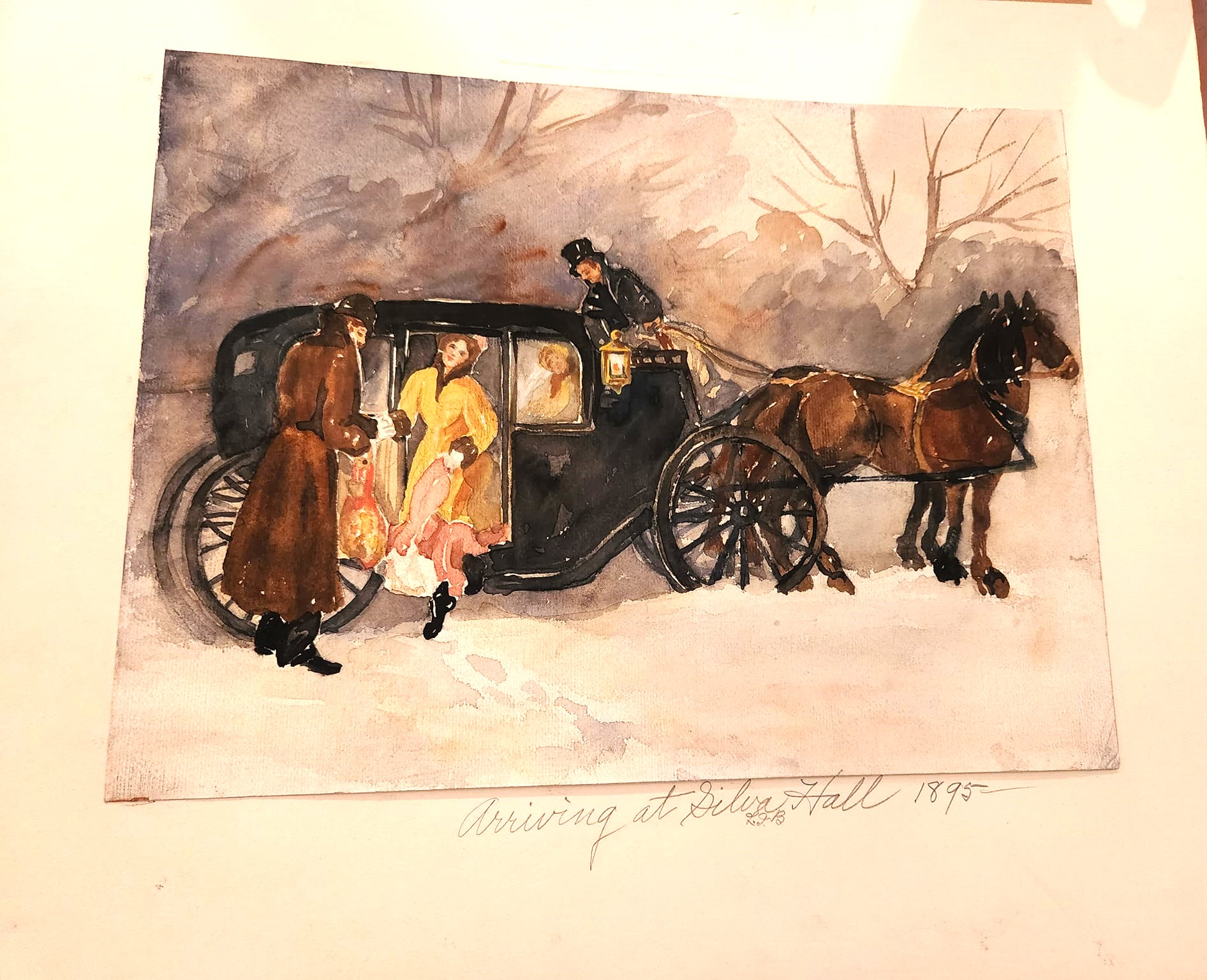
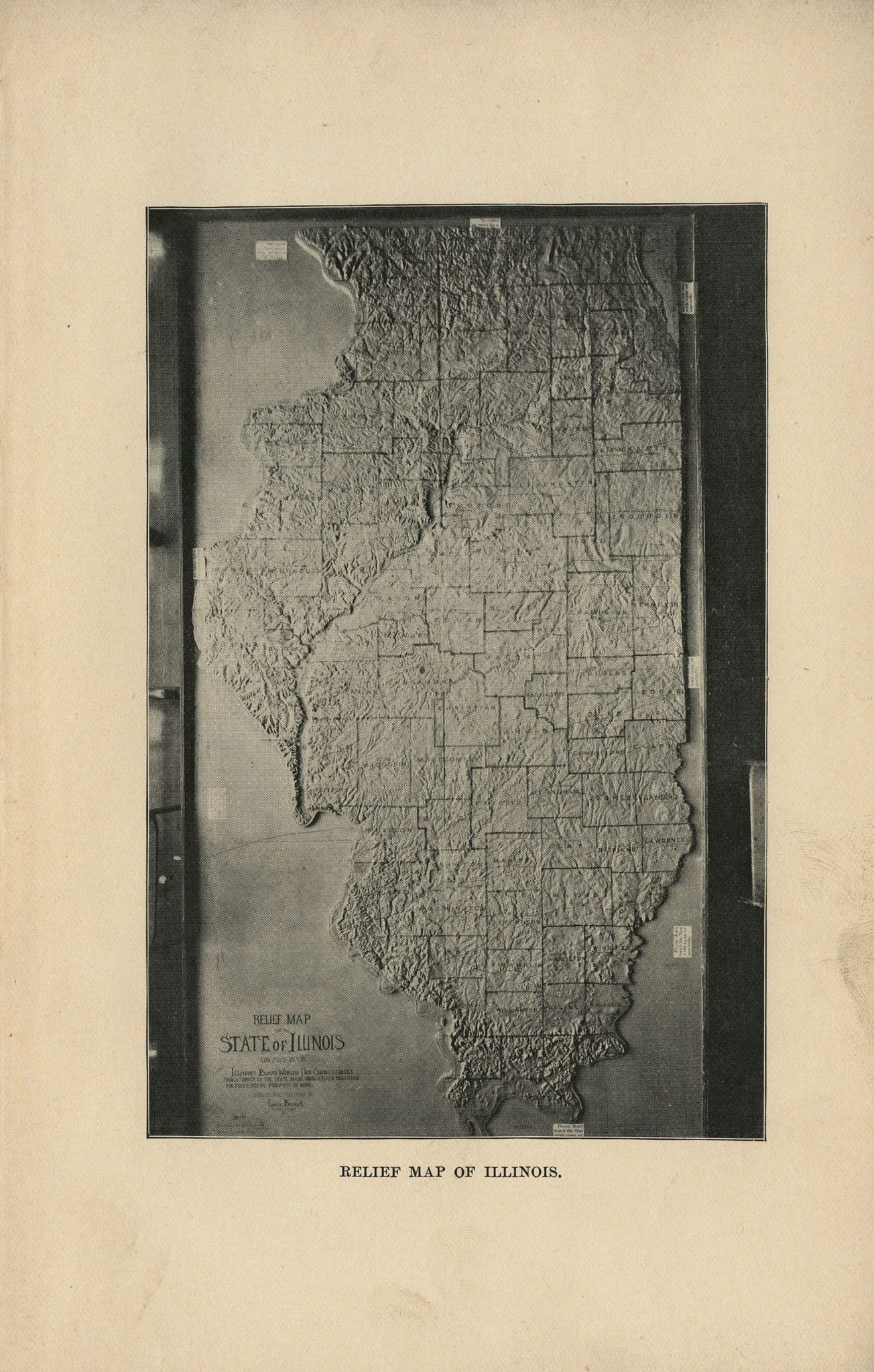
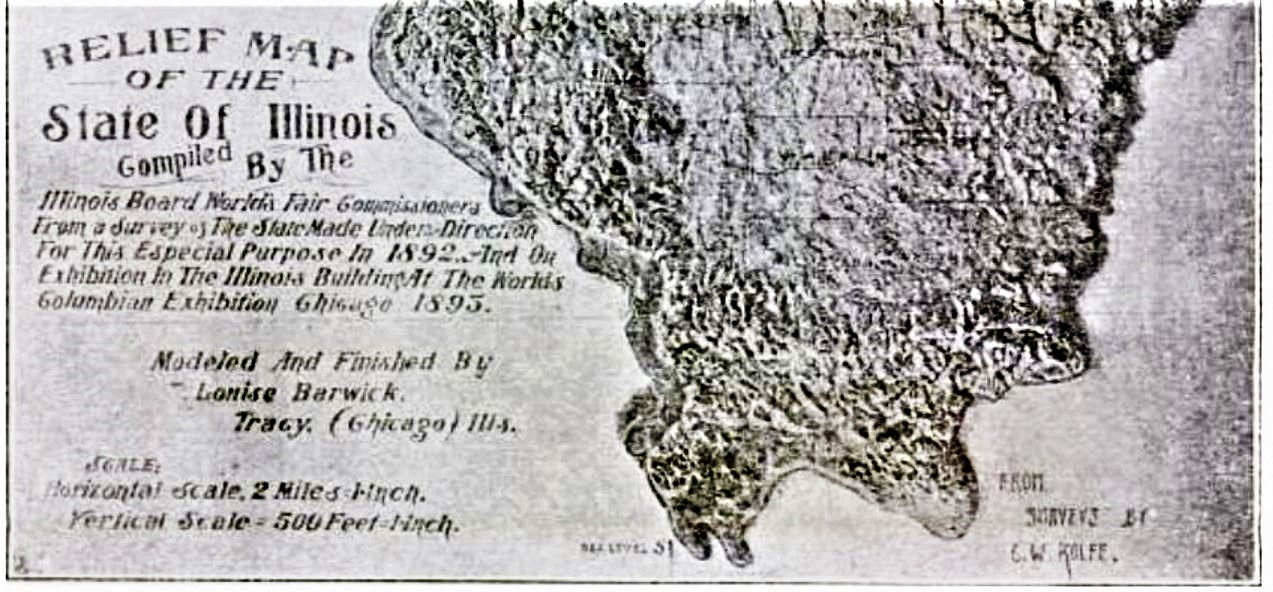
We introduced them to artist Louise Barwick, who lived on the Ridge and painted many watercolors of local scenes. Miss Barwick’s biggest accomplishment was a giant relief map of Illinois displayed at the 1893 World’s Fair, which unfortunately has been lost to time, but a picture of it exists. RHS published a lengthy piece on Louise Barwick in 2015. RHS has a large collection of Miss Barwick’s paintings which we have exhibited several times and will show again for this year’s Beverly Art Walk.
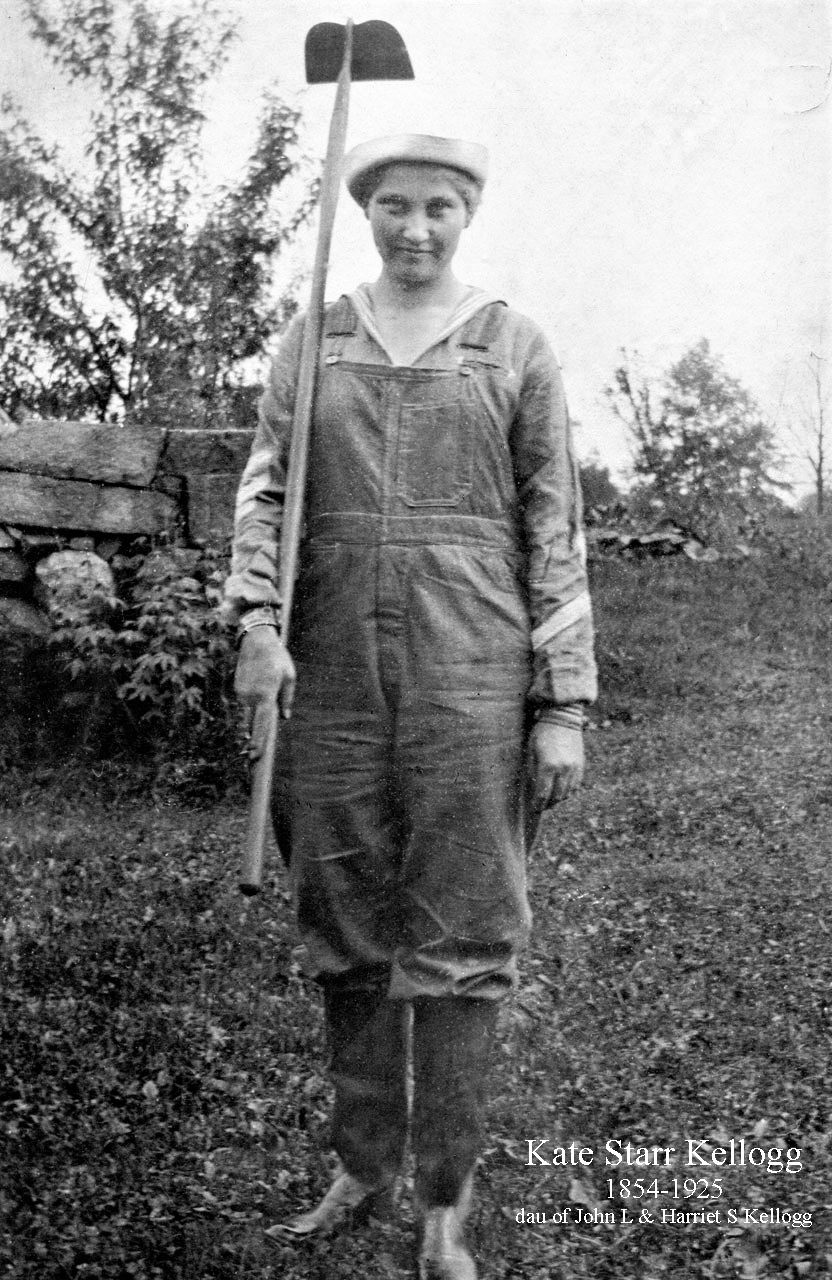
We introduced them to Kate Starr Kellogg and her sister Alice Kellogg Tyler. These women did not live in Beverly; their father owned the land where Little Company of Mary Hospital in Evergreen Park is now located, and the family farmed there. Kate was an educator; Kellogg School in North Beverly is named for her, although she did not teach in any schools connected to the Ridge. There is extensive research information available on Kate Starr Kellogg. Alice was the artist in the family. Material on the Kellogg sisters was published in the past as part of the RHS Facebook series on people for whom schools on the Ridge are named.
The Native American basket makers, Louise Barwick, and the Kellogg sisters appear to be the final topics of this project. We’re happy to see a project come to fruition, although we have not reviewed the final text or seen the final product so we cannot comment on it.
Anyone wanting help with research can contact RHS through our Facebook page or through regular email or phone (ridgehistory@hotmail.com; 773/881-1675).
Readers: HELP choose future topics for the RHS page.
Here's a very informal, non-scientific survey for the loyal readers of the RHS Facebook page. Your input is sought for future topics for stories.
1. What topics do you enjoy the most? People/families? Architecture and houses/buildings? Events from the past? History milestones?
2. Do you like series that can cover a lot of detailed information, or do you prefer topics that can be covered in one post?
3. Here are some potential topics, off the beaten path, for series, on which a lot of research has been done. Which would be of interest?
– The cult that called Beverly home.
– Cowboys on the Ridge.
– Artists of the Ridge.
– Diversity on the Ridge.
– True crime stories from the Ridge.
4. What other topics would you be interested in?
Any comments on the RHS Facebook page would be most welcomed! You can always contact me privately, also.
Thank you!
Carol Flynn
RHS Facebook page administrator
The Ridge Historical Society
Part 8 on the Hofer Sisters – Elsa (Elizabeth) Hofer Schreiber
By Carol Flynn
The youngest member of the Hofer family was Elsa, also listed as Elizabeth on the U.S. censuses. She was born on September 14, 1869, in McGregor, Iowa. Elsa was educated as a kindergarten teacher and came to Chicago by the early 1890s, like her sisters and parents.
In July 1893, at the age of 22, Elsa married George Laurence Schreiber, 31, in Chicago. They made their home in Beverly at the house at 1833 West 96th Street that the Hofer family rented when they moved from Iowa. That house, now gone, stood about where the entrance is to Ridge Park. Elsa and George became the parents of six children.
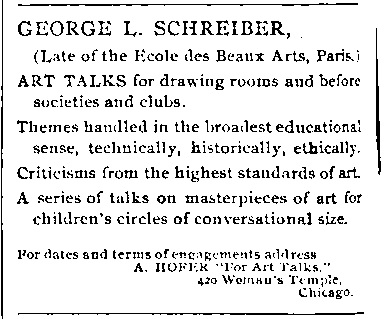
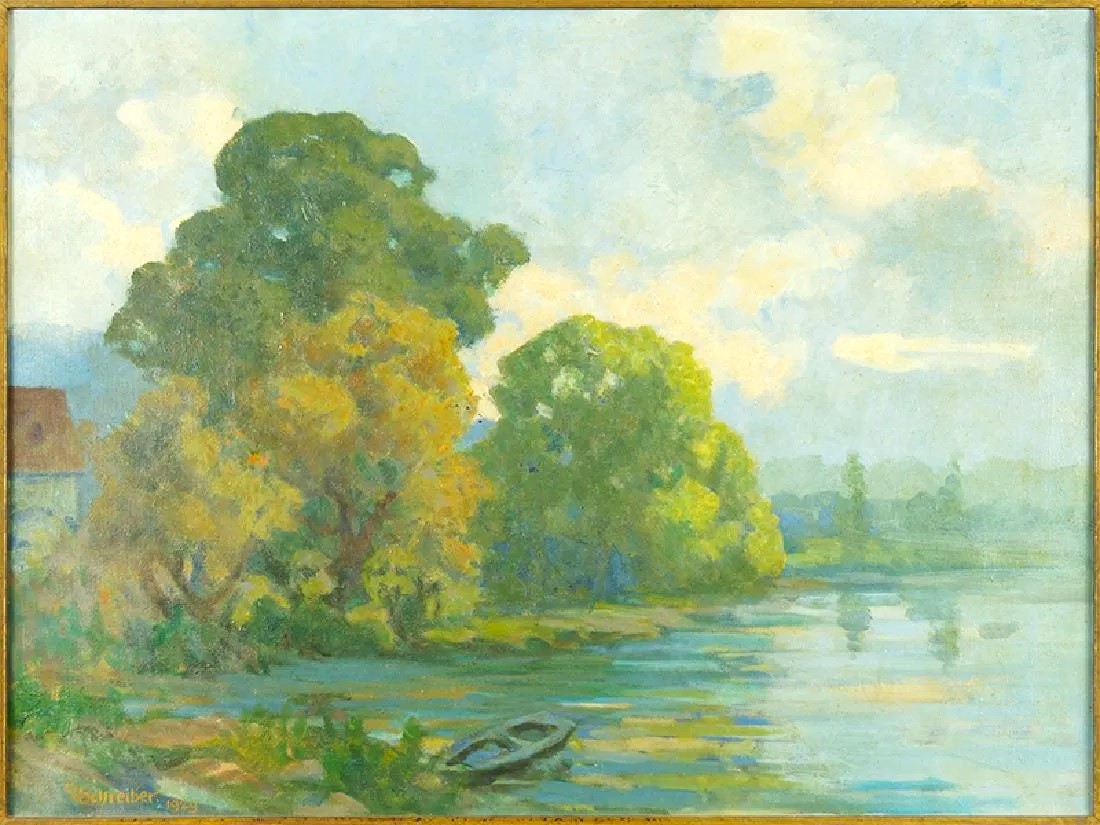
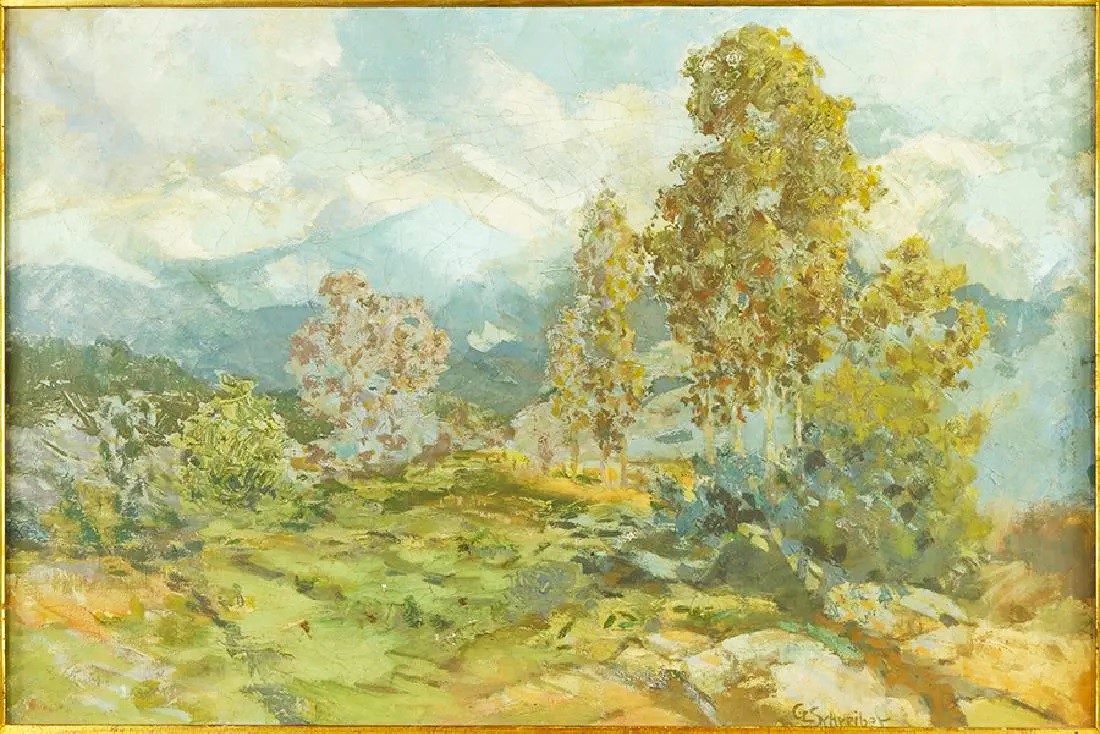
George Schreiber, from New York, was an artist and an educator, who studied in Paris and established a studio in Chicago in 1892. In addition to producing his own art, he was involved in the settlement and kindergarten movements. He was an extension lecturer at the Art Institute of Chicago, and taught classes at the Chicago Commons Social Settlement, where Elsa’s older sister Bertha had started a kindergarten for local children, and then a training program for kindergarten teachers. Schreiber taught classes like clay modeling, watercolors, and crayon work.
Elsa’s interests focused on the role of mothers in children’s development and education. As part of the kindergarten principles put forth by Frederick Froebel in the 1800s, children began learning through play as soon as they were born, and mothers had the key role in this early development. He believed women needed to be educated for this “mother-play” role and developed programs using toys, songs, and activities.
Elsa and her sister Andrea started the Froebellian Training School for Young Women around 1895 in Beverly. They also ran the Longwood Summer School as a special annual program. Programs for mothers were an important part of the school. Elsa supported her sister in starting the League of American Mothers in 1895, which was covered in the previous post.
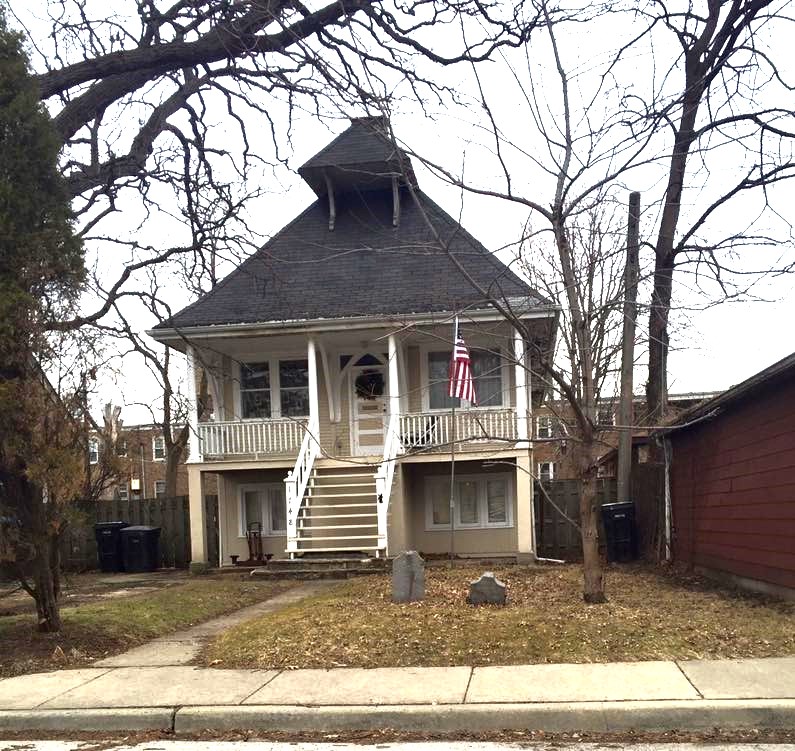
Andrea and her husband Frederick Proudfoot owned the property at today’s address of 9333 Vanderpoel Ave. that housed their family and boarding students, a kindergarten, and workshops for industrial training programs for young people. This address served as the mailing address for the school while the classes were held at St. Paul’s Evangelical Church at 94th Street and Winchester Avenue, which has an interesting side-story covered with an attached image.
A Chicago Tribune article from August 1898 credits Elsa with running the school and conducting the lectures and classes along with other teachers, including her husband and oldest sister Mari Hofer, the expert in music education for children.
In 1896, the Hofer sisters and Schreiber were part of a huge Christmas program put on for 500 children and more than one thousand adults from the city’s settlement houses. Being a religious family, the focus was on the birth of the Christ child. Elsa read selections from her sister Andrea’s book “Child Christ Tales,” while her husband George used his stereopticon to show pictures of the story of Mary and the manger, the shepherds and wisemen, put together by Andrea. Mari led the group in singing.
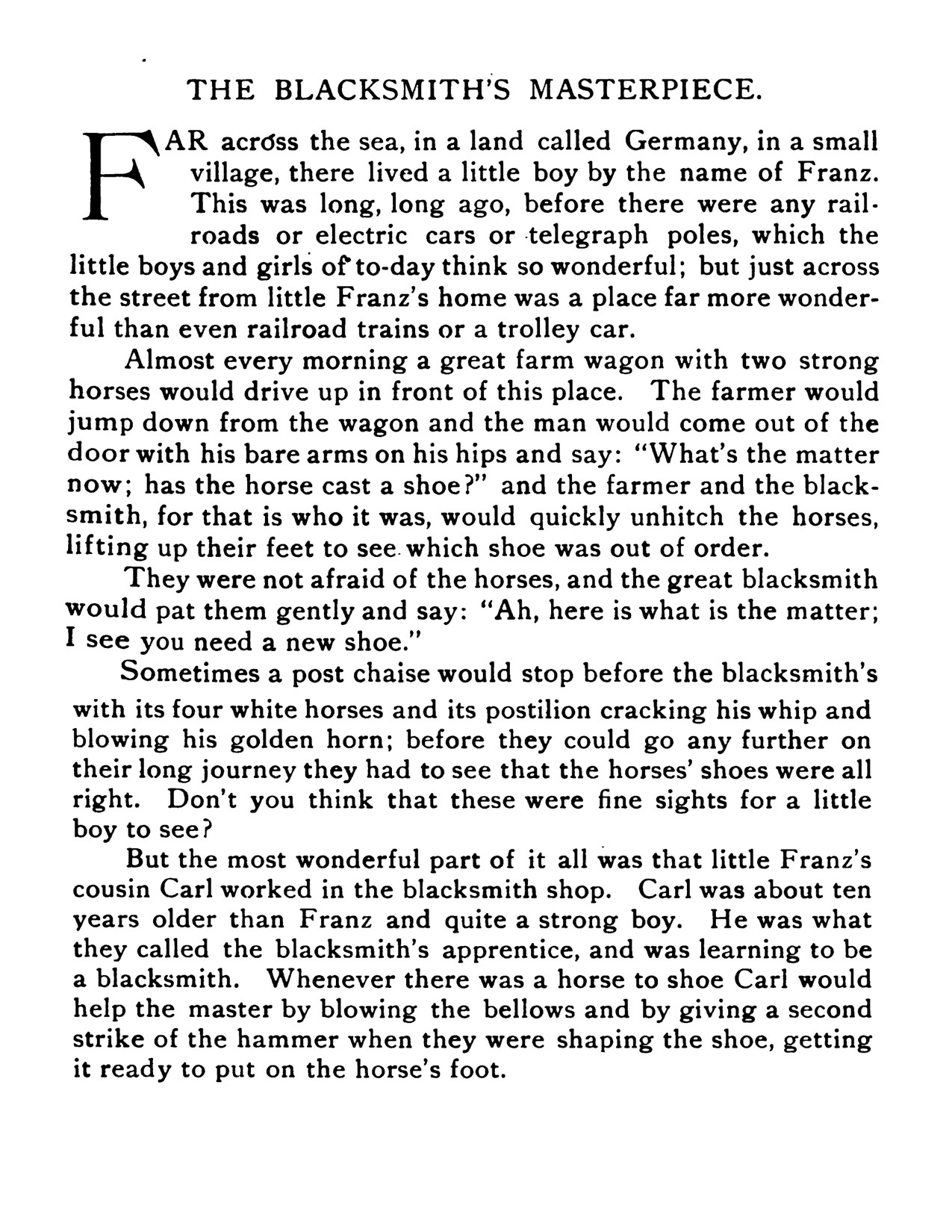
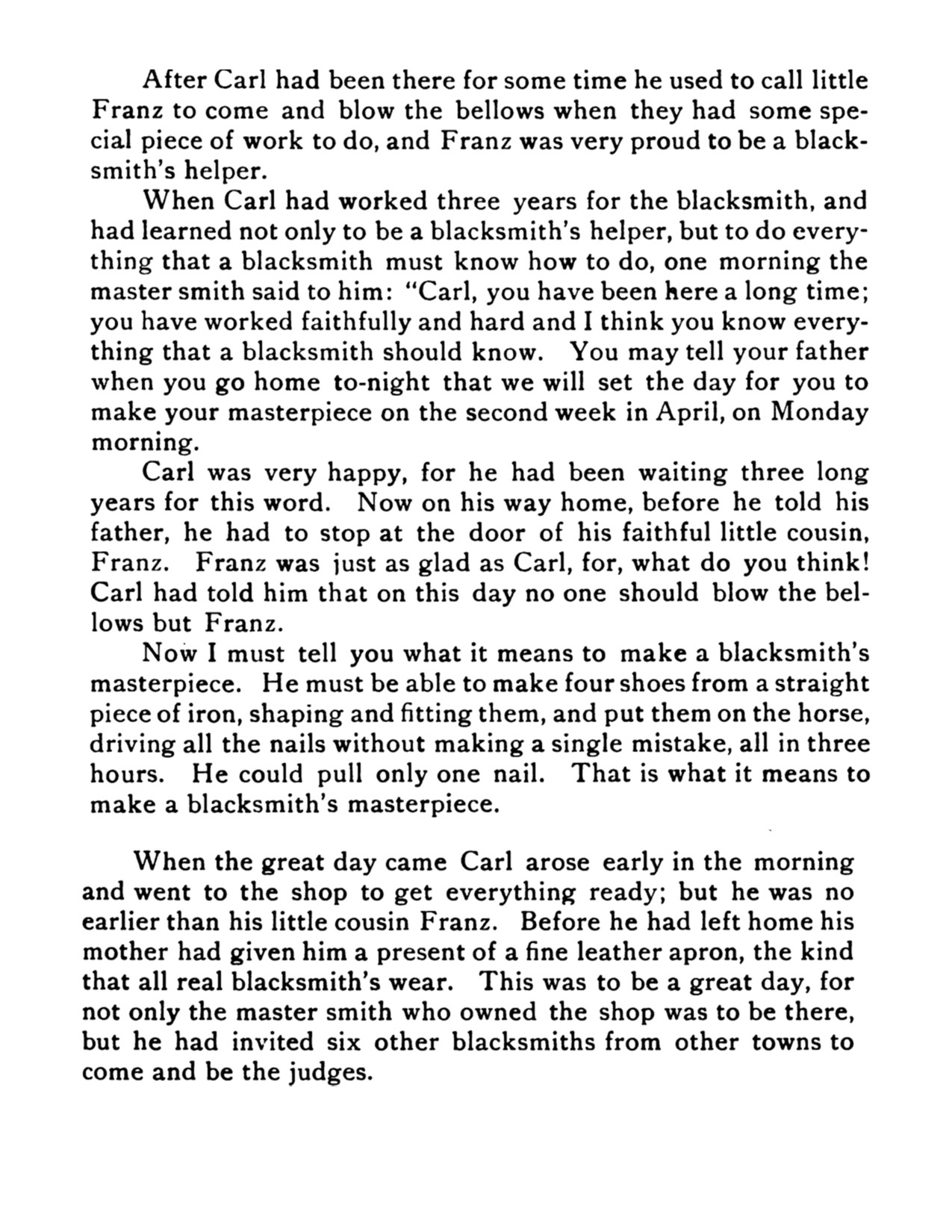
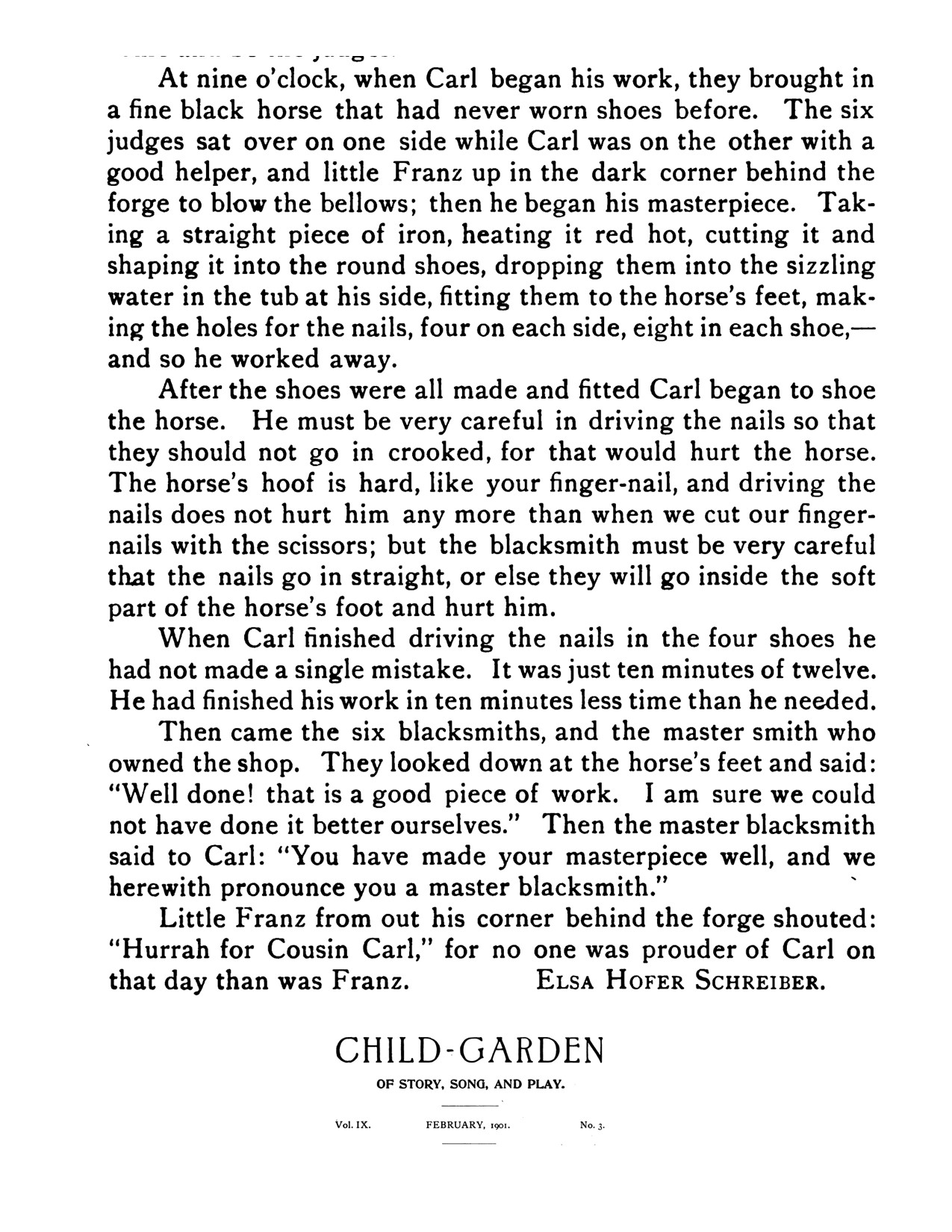
Elsa contributed to the magazine “Child Garden of Story, Song, and Play” started by her sister Andrea. The attachments to this post include a short story she authored.
The school lasted about nine years, and by 1910, Elsa and George moved to Salem, Oregon, where the three Hofer brothers were in the newspaper and publishing business. The Hofer patriarch, Franz Andreas Hofer, had died in 1904, and their mother Mari also relocated to Salem and lived with Elsa and her family. There is a newspaper account that Elsa and George invited forty guests to enjoy an evening of folk songs when sister Mari visited in September of 1911.
By the 1920s, the Schreiber family moved to Santa Monica, California, where they became active in the art scene. George was known for his seascapes, landscapes, portraits, and figure studies. He was an articulate defender of the West as an “inspiring field for the artist” because “all here is new” and “achievement is still ahead.”
Elsa died on May 5, 1942, of heart failure, at her daughter’s home in Battle Creek, Michigan. She was buried in Santa Monica, California, with her husband, who had died two years before her. Her death certificate listed her as a practitioner of Christian Science.
The next post will look at the Hofer family’s involvement in politics and the international peace and amnesty movement.