
Explore the RHS Facebook Archives, a rich repository of local history written by Carol Flynn. For two decades, Carol brought a deeply dedicated voice to public education at RHS. Her role as Facebook administrator through mid-2025 naturally extended her prolific research into meticulously detailed articles, most notably her multi-part historical series posts. Today, Carol continues her local history writing for The Beverly Review and other outlets.
March 2020
The new exhibit, “Real American Girls of the Ridge,” opened at the Ridge Historical Society on March 1. This exhibit pairs dolls from the historical collection of the American Girl Dolls with real women connected to the Ridge from the same time period. During March, Women’s History Month, we’ll begin to look at some of these women’s interesting stories.
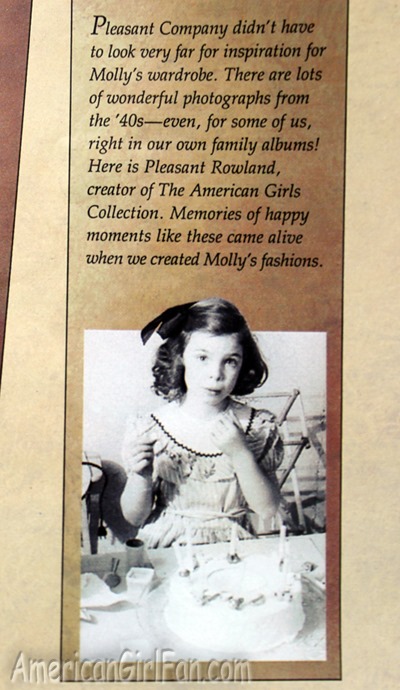
But first we need to finish the story of the connection between Pleasant Thiele Rowland, the founder of the American Girl Doll line, and the Ridge.
If you scroll through the posts on the RHS Facebook page, you will find the first post about Pleasant, made on February 13. We reported that Pleasant’s paternal grandparents, Edward A. and Maude Thiele, lived for decades at 9556 S. Winchester Ave., and her father, Edward M. Theile, lived there as a teen-ager and young man.
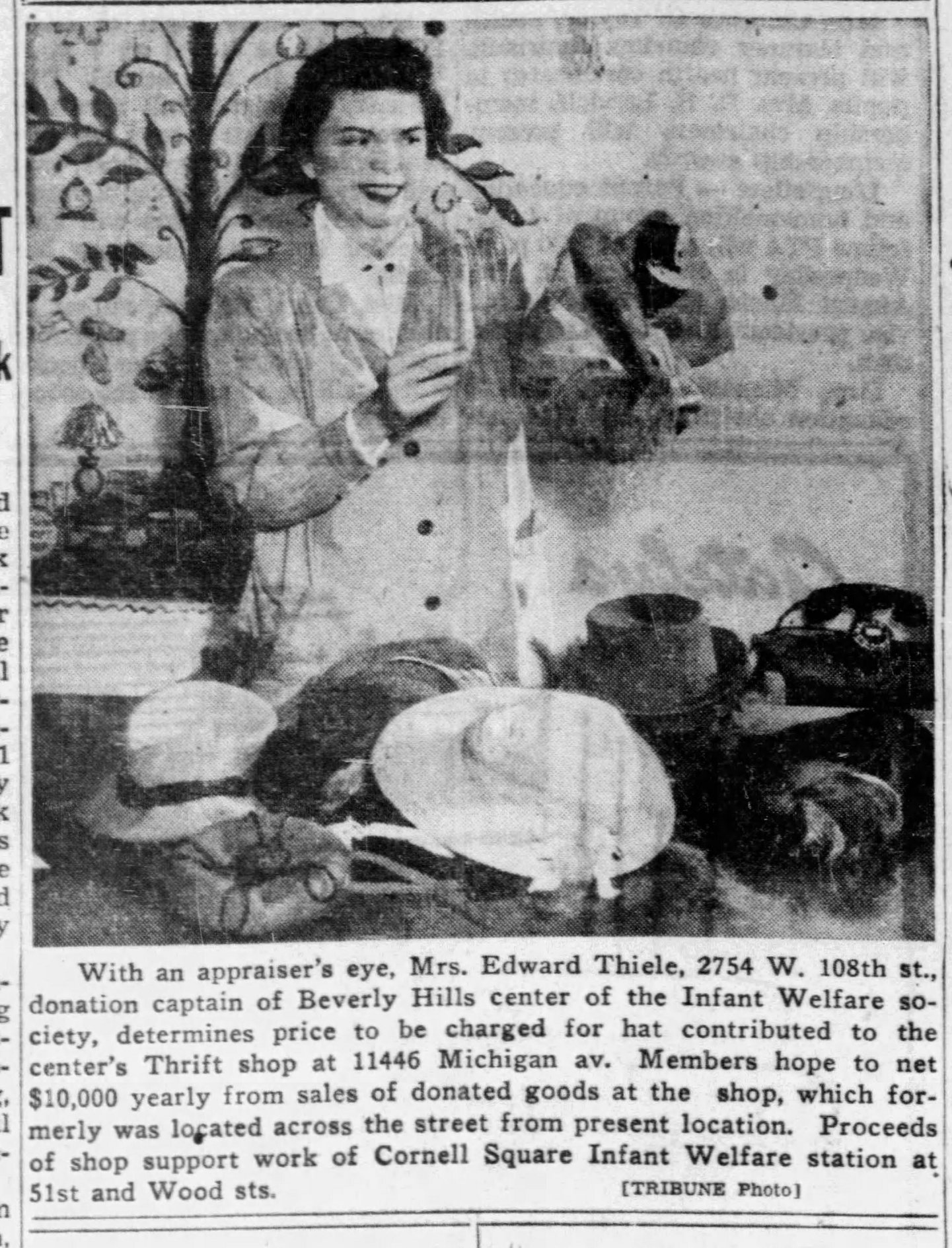
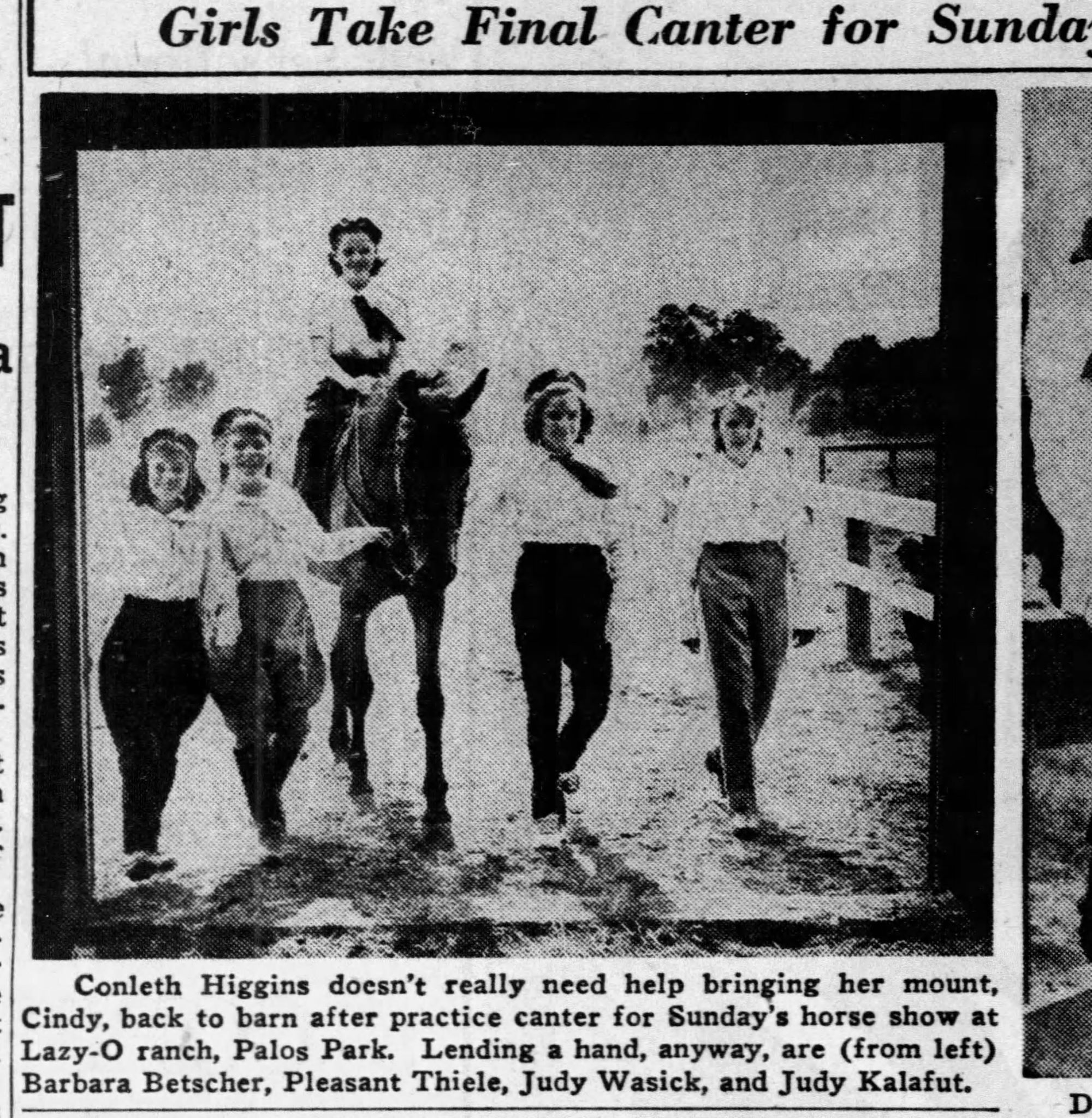
We also reported that Pleasant’s parents, Edward M. (E.M.) and Pleasant “Petty” Theile, moved their young family to the Ridge from 1947 to 1951, residing at 2754 West 108th Street. Pleasant was 10 years old when her father took a job with Leo Burnett Co., Inc., a well-known advertising agency, and the family moved to Bannockburn, Illinois.
There are “clues” as to what young Pleasant’s life was like on the Ridge.
First, her mother appeared in the newspapers for society and charity events. Petty was active with the Infant Welfare Society, a non-governmental volunteer organization founded in 1911 to help low-income women and children. The organization still exists today. For many years, the organization ran thrift shops, including one in Beverly, to raise funds.
One 1948 Chicago Tribune article reports that the Beverly volunteers, including Petty, were restoring used dolls to sell in a thrift shop in Roseland. The group also held annual balls, and Petty was listed as an assistant. A 1951 Chicago Tribune article had Petty assisting with a tea at Mickelberry’s Log Cabin restaurant on 95th Street.
Second, a childhood acquaintance of Pleasant’s shared some remembrances. Her mother was friends with E.M.’s sister, Pleasant’s aunt, Barbara Thiele.
This acquaintance called Pleasant “precocious and fun” and shared with us stories about Pleasant’s birthday parties, at her grandparents’ house and up north. The girls dressed very nicely, embroidered organdy with ruffles in the summer and velvet in the winter. Many photos of children in Beverly were on the Chicago Tribune society page.
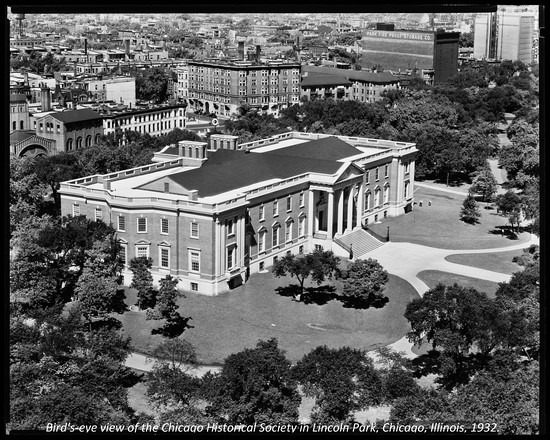
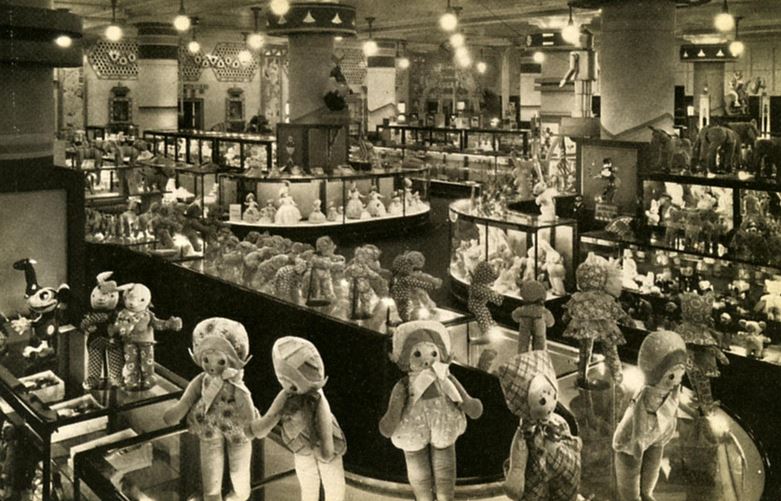
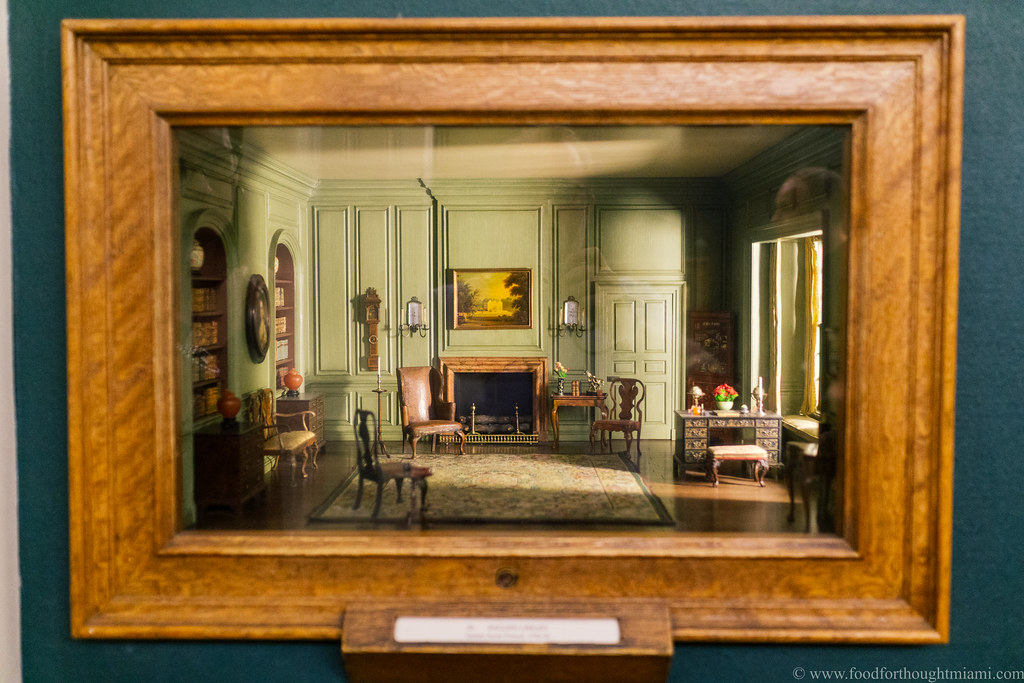
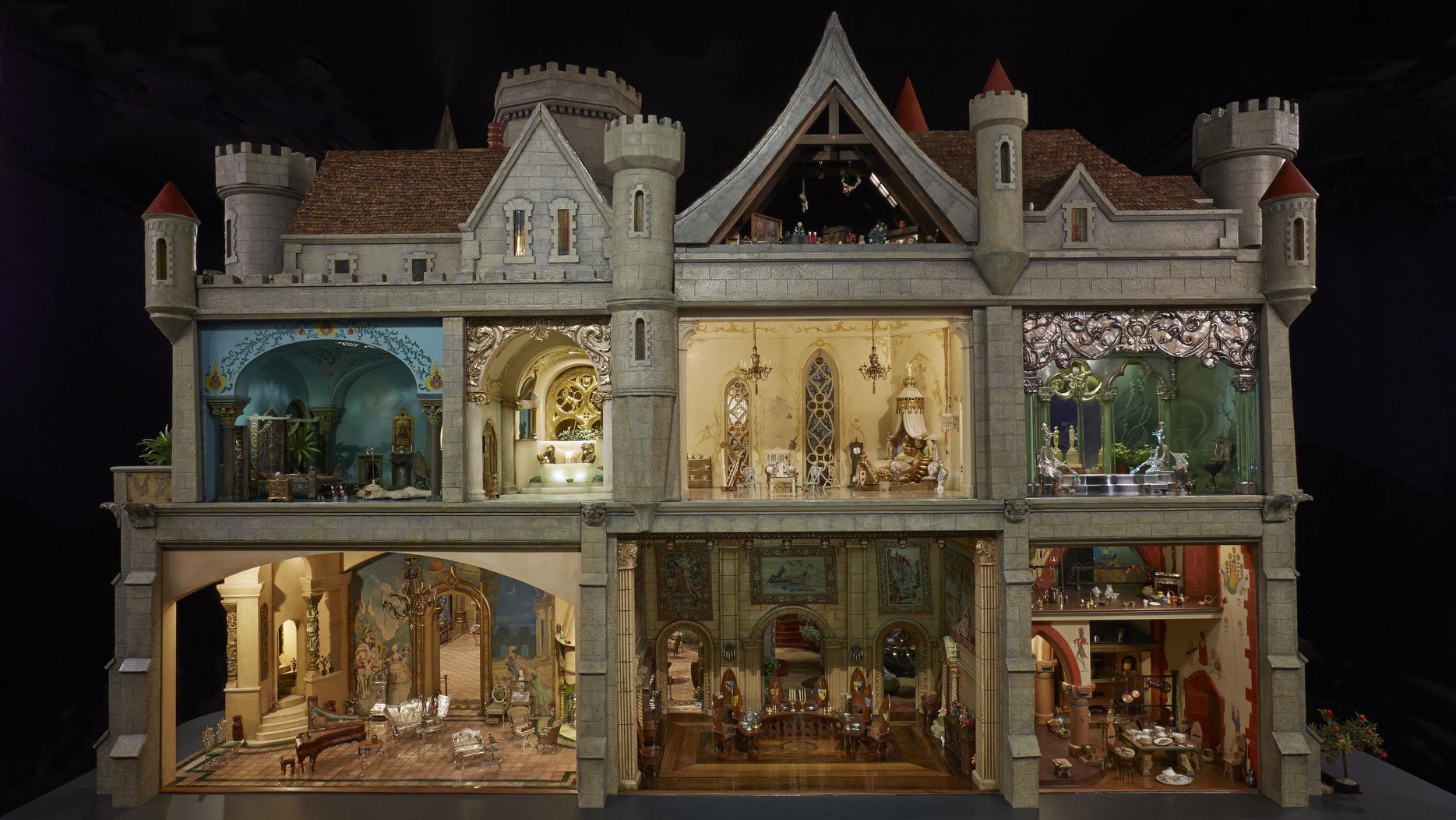
Keeping in mind that T.V.s were just becoming available then, and there were no home computers and smart phones, children relied on books and visits to museums for entertainment and information. This acquaintance remembers the dolls, doll clothes and doll furniture at the Chicago Historical Society, and the miniature Thorne rooms at the Art Institute. There was also the Marshall Field and Co. toy and doll department. Surely we can also add the Colleen Moore Fairy Castle at the Museum of Science and Industry to the list of exhibits that likely influenced Pleasant.
A third influence on Pleasant was her paternal grandmother, Maude Daugherty Thiele.
In 2003, the Wisconsin State Journal newspaper ran an article stating that:
“Pleasant Rowland grew up in Chicago’s Beverly area. At age 10 she moved to north suburban Bannockburn, Ill.
“’My childhood was one of loving to read and of loving to put on plays and act out stories and marshalling the neighborhood to put on the carnival or the Fourth of July parade,’ says Rowland in a rare interview. ‘It was a very active life of the mind.
“’My interest in things old was piqued by my paternal grandmother. She loved to go antiquing, and I would go with her. I began to see the value of old things and other times through her eyes.’”
In the early American Girl catalogs, Pleasant told stories from her youth – learning to crochet from her grandmother, etc. Some of these stories surely were from Beverly.
Pleasant also grew up listening to successful marketing and advertising people, as her father rose to become president of Leo Burnett.
Pleasant graduated from Wells College in 1962. She married Richard Henry Rowland, Jr., from South Carolina. Although the marriage did not last, she kept the Rowland name professionally. She had a career as a teacher, news reporter and anchor, and children’s textbook writer.
She developed two highly regarded reading programs. The first was a comprehensive language arts program. The second was the Superkids Reading Program that is used in thousands of U.S. classrooms.
She married businessman and philanthropist Jerome Frautschi from Madison, Wisconsin in 1977.
In 1986, she founded the Pleasant Company, which began manufacturing the line of 18-inch dolls from different historic eras, with authentic period clothing, furniture and accessories. Very important to the series were the books with stories told from the perspectives of girls eight to eleven-years old.
Pleasant said she was motivated by two things to start the line of dolls. First, a visit to Colonial Williamsburg got her thinking about girls’ stories from various periods in history.
Second, while trying to buy dolls for her nieces, she found the only real options to be Barbie or Cabbage Patch dolls. Both dolls forced girls to assume grown-up roles – fashion model or adoptive mother. She wanted dolls that let girls be girls to play at the appropriate age level.
In 1998, Pleasant Rowland sold the Pleasant Company, now called American Girl, to Mattel, the American multinational toy manufacturing and entertainment company, for $700 million. Today she and her husband continue other business and philanthropic activities.
History is made every day. Minute by minute, second by second.
The coronavirus is now on the Ridge.
From the Chicago Tribune:
6:55 a.m. Friday: Catholic school on Far South Side closes after student tests positive for coronavirus
St. Margaret of Scotland School, 9833 S. Throop St., in the Longwood Manor neighborhood, was closed Friday until at least March 23 after a student who also attended school Mass on Thursday tested positive for COVID-19, according to a letter to parents on the school’s website.
The student appears to be the second child who has tested positive for coronavirus in Chicago and the state. Although state officials announced Friday that the first child in the state had tested positive for the virus, officials at Bernard Zell Anshe Emet Day School, which also is closed, had previously announced that the parents of a child at the school and the child had tested positive for COVID-19.
The school had been scheduled to start spring break after classes Friday, according to the letter.
St. Margaret of Scotland Catholic Church also was not holding its usual daily Mass as the church and school are cleaned and disinfected, according to the letter from parish Pastor the Rev. Donald O. Eruaga and Principal Shauntae Davis.
City health officials have said students, parishioners and parents do not need to be tested for coronavirus at this time or need to self-quarantine unless they begin showing symptoms of COVID-19, according to the letter. — Chicago Tribune staff
Like most other non-critical institutions, the Ridge Historical Society will be closed until the end of March in an effort to help contain the coronavirus. We will determine next steps at that point. We will continue to communicate through Facebook. Thank you!

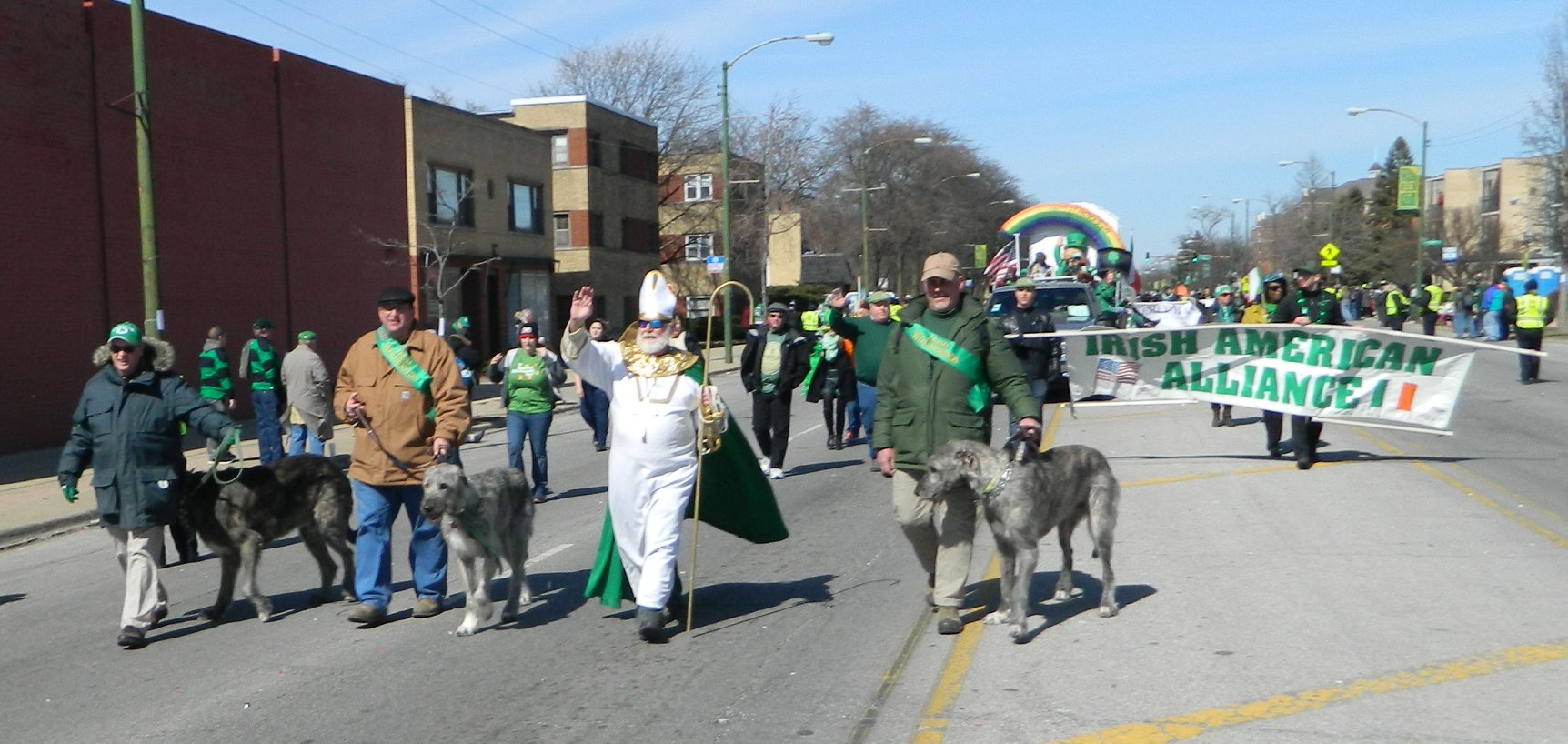
Another article in the Beverly Review special section for the now-canceled South Side Irish Parade is on Irish Wolfhounds. The link to the actual newspaper is at the bottom of the post.
Irish Wolfhounds often appear as symbols for Ireland. They represent loyalty, bravery and steadfastness.
Irish Wolfhounds go back 2000 years. These "Great Hounds of Ireland" were bred to take down large prey and mounted adversaries in war time. In the Middle Ages, wolves became such a problem for growing European settlements that the dogs were used to hunt down wolves. The dogs did such a good job at eradicating wolves that the breed almost went extinct itself, but was saved in the mid-1800s, leading to the dogs we have today.
The American Kennel Club (AKC) considers this the tallest breed of dog, with a minimum standard height of 32 inches at the shoulder for males. They hunt by sight, not smell, which necessitates great speed. Their size and strength is legendary.
The temperament of an Irish Wolfhound, though, is anything but fierce. The AKC describes these gentle giants as "kindly."
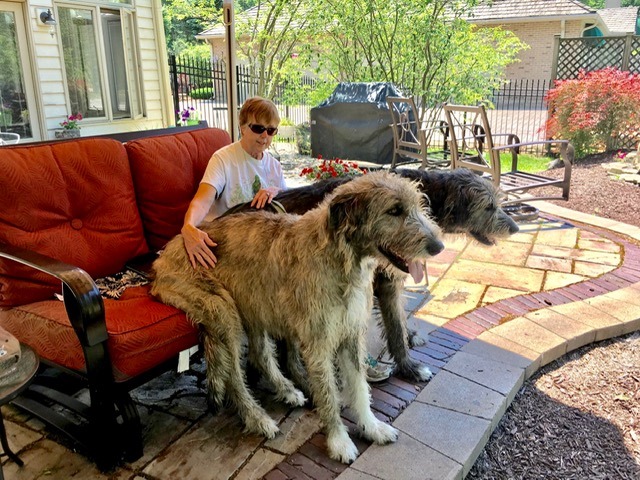
Joe and Madeleine Mahoney are from the South Side and have been keeping Irish Wolfhounds for forty years. Their current dogs are Casey, 5, and Nora, 3. These dogs are huge. And the most fun thing is that these dogs consider themselves lapdogs. Some of the best pictures are of them trying to fit on Madeleine's lap.
The Mahoneys are involved with the Great Lakes Irish Wolfhound Association. This group marches with the Irish American Alliance in the parade. Joe is on the far left with Casey (open the picture for the complete picture).
Please see the actual article for the complete story on all of this. Go to page 03B at:
http://www.beverlyreview.net/special/page_456a7e38-9cc6-5709-a99e-e915e18e71f9.html
Right now the South Side Irish Parade would ordinarily be marching along Western Avenue, but this year it was cancelled as we all work together to contain the coronavirus. Just wait until next year.
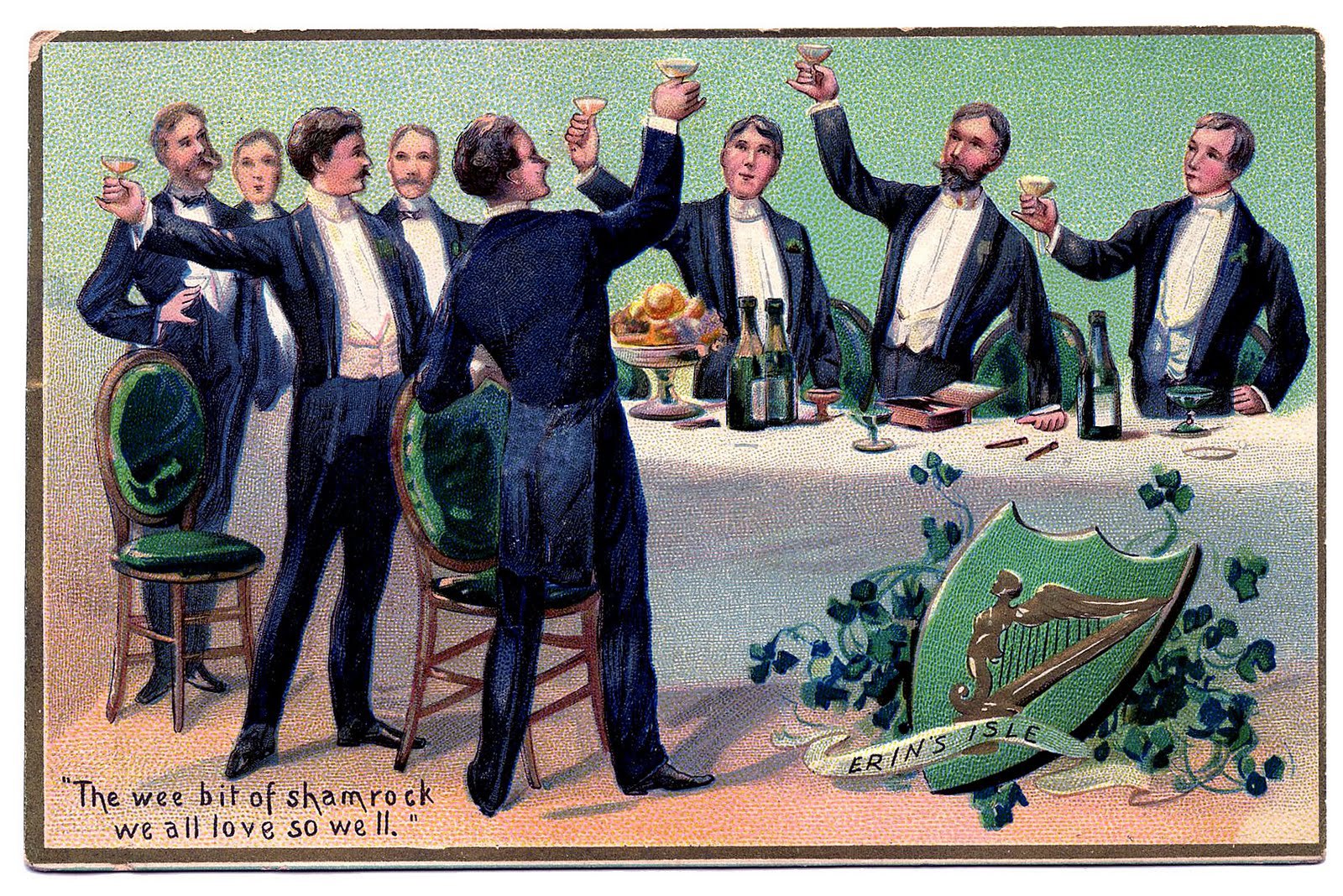
One last article in the Beverly Review special section is on the early history of St. Patrick's Day celebrations in Chicago.
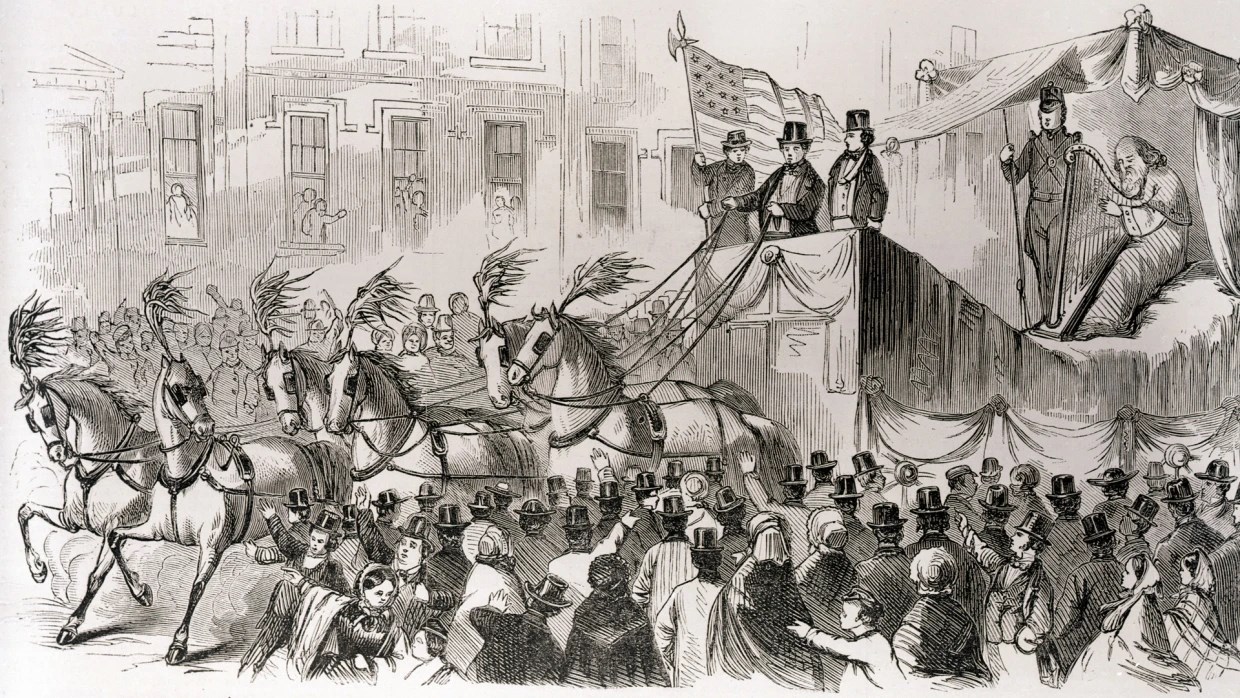
The first recorded St. Patrick’s Day parade in Chicago took place on Friday, March 17, 1843. The Chicago [Brass] Band and the Montgomery Guards turned out in full uniform for the procession and there was a Mass at the Catholic church [St. Mary’s].
The Montgomery Guards was a volunteer militia group named for Irish-born American Revolutionary War General Richard Montgomery. There were numerous voluntary militia groups in the country, formed by local citizens to fill the gap left by a small U. S. Army. These units were the forerunners of the United States National Guard.
By 1843, the population of Chicago had grown to 7,580 residents. Of these, almost 800 were Irish, mostly Catholics. Many of these were laborers who came to work on the Illinois-Michigan Canal. The mid to late 1840s saw hundreds of thousands of Irish Catholic immigrants come to the U.S., and thousands made their way to Chicago.
St. Patrick’s Day celebrations became a regular occurrence. The militia groups were joined by the charitable organizations that were founded to help the destitute Irish both in their native country and in their adopted United States.
In 1854, the Chicago Tribune reported on the “sumptuous dinner” at the Tremont House put on by the Chicago Hibernian Benevolent Emigrant Society to celebrate St. Patrick’s Day and raise money. After dinner, there were a series of toasts, or speeches, accompanied by musical airs performed by the Chicago Brass Band.
The toasts covered everything from St. Patrick to the U. S. President, and patriotic U.S. tunes like the “Star Spangled Banner” alternated with Irish ballads like “St. Patrick’s Day in the Morning.”
By the 1860s, the Chicago Irish were forming religious, fraternal and political organizations, and with the start of the U. S. Civil War, new volunteer militias were formed.
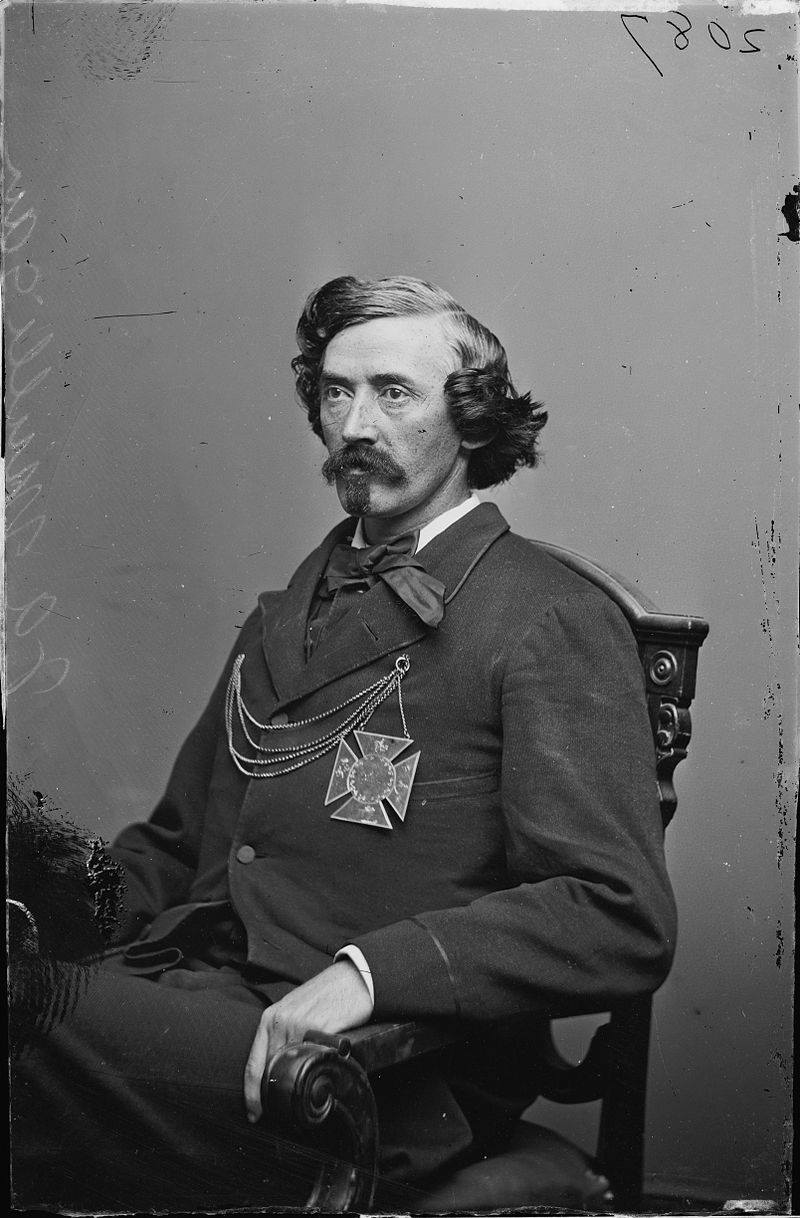
In Chicago, the 23rd Illinois Volunteer Infantry Regiment of the Union Army, referred to as the Irish Brigade, was mustered into federal service in June of 1861, commanded by Col. James A. Mulligan, a popular lawyer and politician known for his gallantry.
From February to June 1862, Col. Mulligan and the Irish Brigade staffed Camp Douglas in Chicago. The camp had started as a training camp for Union soldiers, but that month had been converted to a prisoner of war camp for captured Confederate soldiers.
The Irish Brigade led the St. Patrick’s Day parade on March 17, 1862, and what a parade that was. There were aldermen, civic leaders and military officers; four brass bands; and at least ten organizations joining in. Thousands marched and many thousands more lined the streets to cheer.
That evening, the Benevolent Society held its now-annual banquet at the Tremont House, followed by toasts and dancing.
During the years, the parades have waxed and waned. The South Side Irish started a neighborhood parade along 79th Street that Mayor Richard J. Daley moved downtown in 1960. Residents of Morgan Park started what today is the very successful South Side Irish Parade in 1979.
These parades have kept alive the tradition that dates to Chicago’s earliest days.
See page 04B at:
http://www.beverlyreview.net/special/page_456a7e38-9cc6-5709-a99e-e915e18e71f9.html
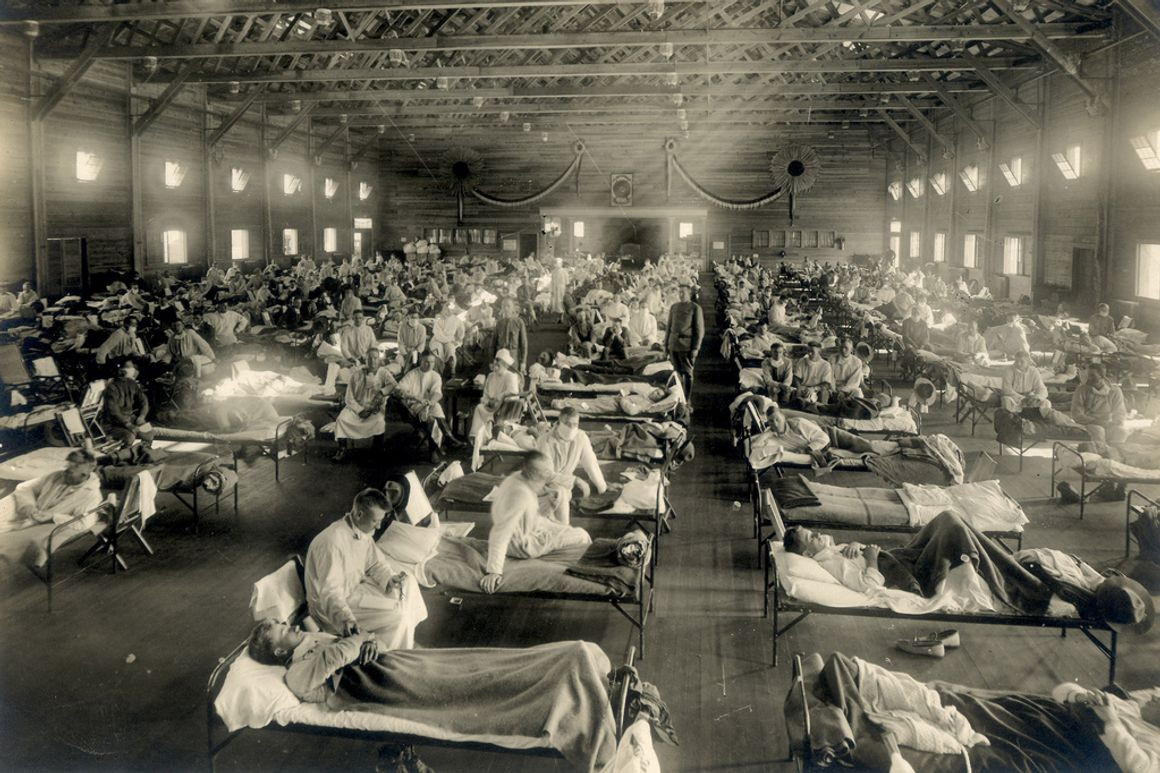
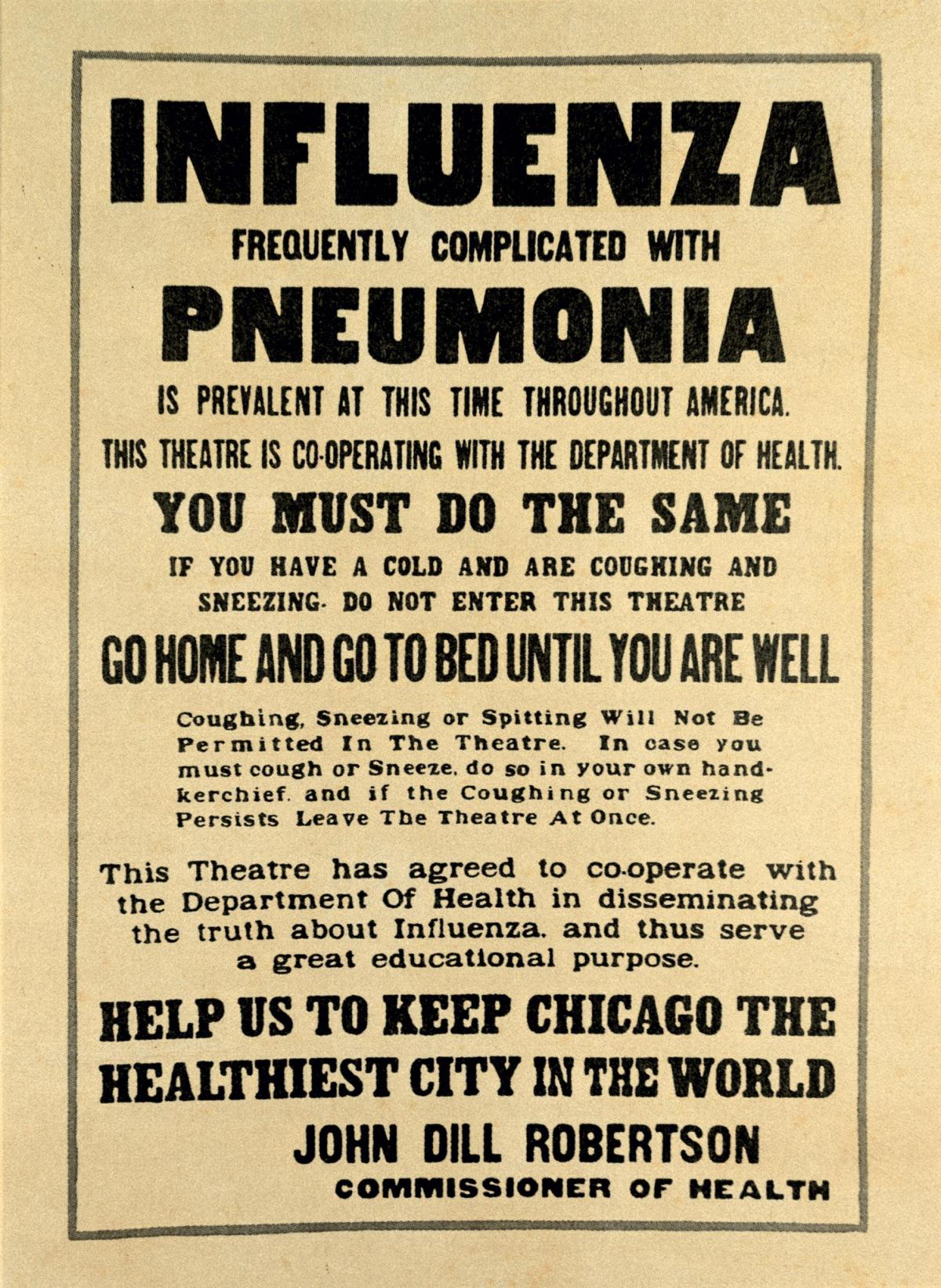
Chicago – indeed, the entire world – has been here before.
From Dr. W. A. Evans of the Chicago Daily Tribune: “Persons should avoid crowded assemblages, street cars and the like. Promiscuous coughing and spitting must not be tolerated. When a person comes down with the disease he should be cared for in well-ventilated, warm rooms as far as possible from other family members. The [disease] is spread by the nose and mouth secretions. These secretions are spread by coughing, spitting, sneezing, by the use of soiled handkerchiefs, towels, cups, spoons, and so forth. The folly of disregarding warnings [will be paid for].”
Sound familiar? Evans wrote these words about the Influenza pandemic in his Tribune column called “How to Keep Well” in the Fall of 1918.
The influenza outbreak that would eventually result in millions of deaths worldwide started in the military population of World War I and quickly spread to the civilian population. It was called the “Spanish Flu” but in fact, to this day, experts do not really know where this strain originated – some theorize it could even have started in the U.S. They also cannot agree on the total number of victims with estimates ranging from 17 million to 100 million. The world population at the time was about 1.9 billion. In the U.S., about 28% of the population of 105 million became infected, and 500,000 to 675,000 people died. These numbers are from the U.S. Department of Health & Human Services.
Increased travel for military personnel and civilians spread the disease. The disease was downplayed in the beginning to maintain the troops’ morale. It was first noted in Kansas in January 1918 when a Fort Riley cook reported sick, and within days, over 500 other men reported sick. The virus spread to New York City by March. Failure to take preventive measures then has been criticized.
By summer, the flu was in Chicago. Dr. Evans, among others, at first dismissed it as just routine annual “grippe,” the term they used then for influenza. Politicians and health authorities said it was all under control and would soon be over.
But it really started to explode in September and October. Strict quarantines were instituted at area military camps, including Great Lakes Naval and Fort Sheridan. Public funerals were stopped, in the belief people could become infected from the corpse; family members could only view the deceased though glass windows in the coffins.
In Chicago, on October 3, 1918, there were 767 new cases of influenza and 355 cases of pneumonia reported, and a total of 119 deaths. The numbers were watched daily. On October 8, there were 1.342 new cases and 135 deaths. On October 15, there were 2,221 new cases and 317 deaths. There was a critical shortage of doctors, nurses and hospital beds.
A Catholic school was closed after a nun died of influenza. Chicago suspended public dancing in cabarets. The street cars were cleaned and smoking was forbidden. Conventions started cancelling.
A special “emergency commission” was put together to oversee Illinois efforts to combat the flu. On October 16, the commission announced that all theaters, lodges, night schools and skating rinks would temporarily close. The commission members could not reach agreement on churches, saloons, museums and other gathering places.
On October 17, the commission closed “nonessential-public gatherings” including athletic events, conventions, banquets and similar social affairs, parades, labor union meetings, political gatherings and cafes and cabarets.
Churches, saloons, pool halls and bowling alleys were exempt but were asked to exclude “sneezers, coughers and spitters” and avoid crowded situations. Some churches closed voluntarily. Later more activities and places were closed, including public playgrounds and swimming pools. Parents were instructed to keep their children home after school.
The Chief of Police ordered all violators of these rules be arrested. Arrests and busts were made, from smoking on street cars to “health raids” on overcrowded saloons.
Other suburbs took more drastic action. Oak Park closed schools and libraries. Evanston closed all churches.
Emergency kitchens were set up around the city to feed people affected by the pandemic.
Next installment: The flu continues ….
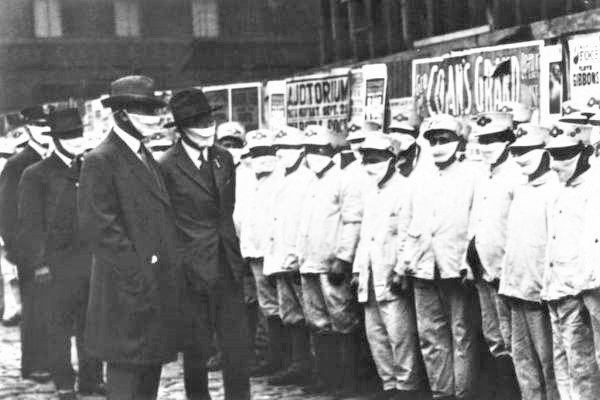
Part 2 – The influenza pandemic of 1918 continues in Chicago
In a Chicago Daily Tribune article on October 20, 1918, the business market was described as having “lapsed into a state of partial coma” due to the flu and news of the war.
Two treatments were being lauded for this influenza.
The first was a "preventive" vaccine developed by Dr. E. C. Rosenow of Mayo Clinic in Rochester, Minnesota. The initial group inoculated were doctors, nurses, police and other essential staff. Hundreds of thousands of Chicagoans were vaccinated, believing this would prevent them from getting the disease. In reality, this vaccine was useless against the viral influenza strain, which had not even been identified yet. There is some evidence this vaccine might have helped with secondary bacterial infections, such as pneumonia.
The second treatment, touted as a "cure," was a series of transfusions of blood from someone who had recovered from the influenza. Physicians bought blood to transfuse into their patients, believing in the immune properties of the anti-bodies built up by flu survivors. A modern review of this practice showed that it did seem to have some benefits in reducing mortality, but studies were not controlled by today’s standards for clinical trials. Blood transfusions are not considered practical in pandemics because of the number of infected people.
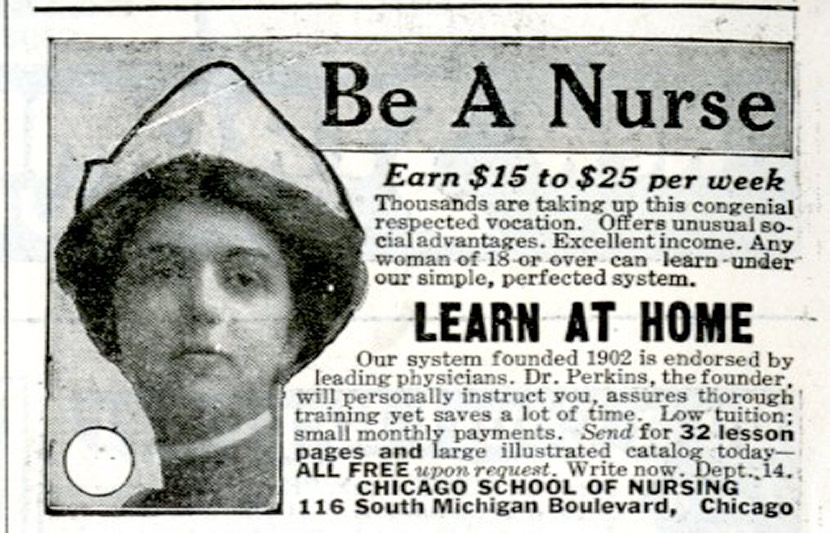
The city hired 100 women aged 50 to 60 to help with home nursing visits. It was believed that this population group was “an age practically immune to the disease.” People donated money to pay these women $15 per week.
Businesses and services suffered. Over 600 employees of the public transportation system were out sick and street cars and el trains went out of service with no repairs and maintenance, leading to even more crowding in the remaining cars. Businesses were not asked to close but to stagger their starting and ending times. Shopping was not curtailed.
The fiftieth annual (that’s right, FIFTY years) convention of the Illinois Equal Suffrage association went on as planned at the Congress Hotel. They followed the rules of the State Council of Defense and health authorities. They limited attendance to 100 delegates, the general public and the press were barred, and chairs were spaced four feet apart. The were criticized for not wearing masks.
As numbers of new cases and deaths decreased, restrictions were lifted. On November 10, the public health commissioner declared the epidemic in Chicago over, and lifted bans except for smoking on public transportation and refusing admittance of sneezers, coughers and spitters. Dr. Evans told the public in his column that they should expect several years of outbreaks as the flu is a “lingering disease.”
In early December, the commissioner reversed his course of action, claiming he never said the epidemic was over. New cases and deaths were once again on the rise. Restrictions were put back in place. He blamed the pharmacists for selling cough medicine with opiates that deadened the symptoms, and theaters for allowing in sneezers, coughers and spitters.
The American Public Health Association met in Chicago and formed committees to study and make recommendations for combating a recurrence of the flu. The three-day meeting ended without any consensus being formed and a group of five doctors including Dr. Evans were appointed to continue to work on the problem.
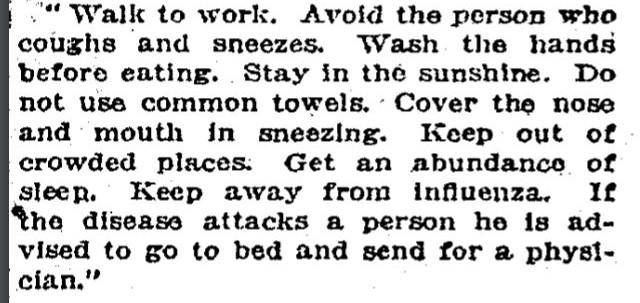
On December 15 it was recommended that people wash their hands frequently and stop shaking hands.
Christmas came and went quietly, overshadowed by the war and the flu pandemic.
Next installment: 1919 starts off with the flu
Part 3 – The influenza pandemic continued into 1919.
Restrictions from the influenza pandemic pretty much came to an end in Chicago by January 1919 except for the ban on smoking in public transportation cars. Night classes, plays, meetings, church activities, etc., all resumed. New influenza cases and deaths continued but not at the rate of the previous Fall.
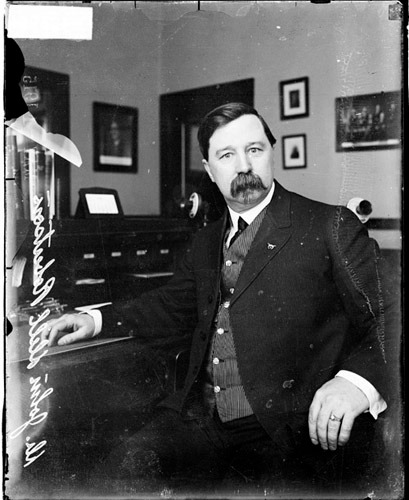
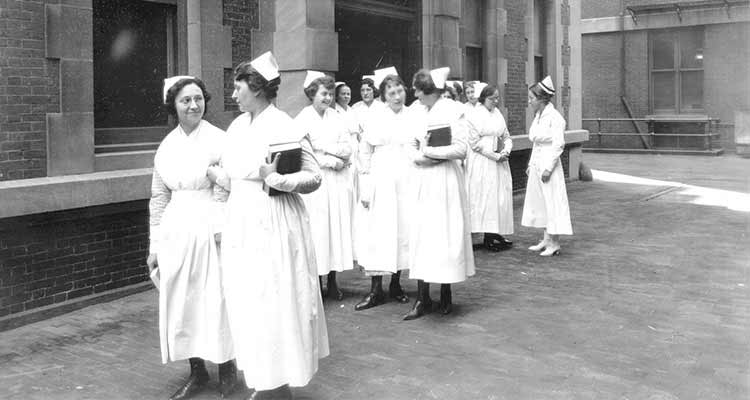
On January 12, the health commissioner, Dr. John Dill Robertson, authored an article in the Chicago Daily Tribune calling for an overhaul of the nursing profession. He stated that many of the influenza deaths could have been avoided with proper home nursing care, but there was a shortage of nurses. He maintained that the three years of training to become a Registered Nurse (R.N.) was too long, and that the $35 per week that R.N.s charged for home nursing care was more than could be afforded by middle class families.
Robertson wrote of nurses: “It has been well said that women are natural nurses. This is true. As a matter of fact, the principal business of a nurse is to follow the doctor’s instructions…. Of course she should have training; but it is difficult to see why a three year course of training is necessary before a nurse can be trusted in the sick room of the home…. In the final analysis nursing is nothing more or less than housekeeping for the sick.”
He called for establishing a two-tier nursing structure: R.N.s, and “practical” nurses, with less training, who could do home care at half the salary of R.N.s.
Physician and hospital groups immediately supported this new nursing plan.
Most R.N.s and their organizations were against this, fearing it would lessen the profession.
Wrote Edna L. Foley, the head of the Visiting Nurses Association: “…There are no over trained nurses, but there are too many poor training schools…. The education of a nurse has become more complex and involved because the advancement of medical and surgical science made better trained and more skilled nurses necessary…. Private duty nursing in the home is the hardest, least attractive type of nursing work…. The household nurse, the neighborhood nurse, the practical nurse, or the attendant, as she has been variously called, is a combination devoutly to be wished for, a kindly, capable, practical person, useful in the sick room, equally useful in a kitchenette or in the nursery: a woman able to be on duty from twelve to eighteen hours a day, and on call at night; a woman who is a good housekeeper as well as a sick room caretaker.”
For three months debates about this went on. The nurses came to support a one-year training program for practical nurses and a two-year program to become an entry-level R. N., with testing and licensure for both. It was recognized on all sides that a nurse specializing in certain areas, such as surgery or obstetrics, or acting in a supervisory role, needed advanced training. In April 1919, the Illinois legislature passed a bill establishing the two levels of nursing.
The health department discovered physicians had written over 100,000 prescriptions for narcotics to treat influenza in the month of October 1918. Pharmacists routinely carried and dispensed opium, morphine, codeine, heroin and cocaine. The danger was that the drugs suppressed the symptoms of the disease, especially coughing, and led to an increase in pneumonia, as well as dependency. Physicians were advised not to prescribe narcotics. The Chicago Retail Druggists’ Association was outraged and passed a resolution condemning what they considered to be an attack on retail pharmacy.
People were warned not to kiss babies to avoid giving them germs, and public school students were advised to avoid soda fountains unlss they used paper cups.
In his February 23 Tribune article, Dr. Evans wrote of the influenza pandemic: “Efforts made by health departments to control the disease have not been satisfying to them nor the public. The efforts of the research men to find the bacterial cause of the disease and the method by which it is spread likewise have proven disappointing. These failures and disappointments in the control of so severe an epidemic have caused much speculation.”
The insurance companies reported they paid out over $2.5 million in the U.S. due to the pandemic, which led to an increase in premiums.
Next installment: Summer finally arrives in Chicago.
Part 4 – The summer of 1919 finally arrived, bringing a respite to the influenza epidemic in Chicago.
On June 24 the city council lifted the ban on smoking on the el and street cars.
Dr. Evans, the columnist in the Chicago Tribune, was against this – he wrote that the epidemic was not over, no epidemic had lasted less than two years.
Evans wrote that the bacteria, which they thought the flu was, would remain virulent for 5 to 10 years. He commented that safety had been in the precautions that were taken and to let down the guard now could still result in trouble. He mentioned that smallpox was still an issue after many years.
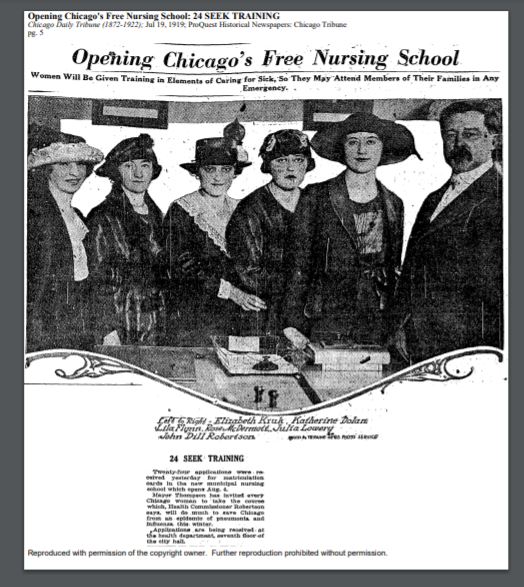
On August 4, 800 women started training as nurses in a new school set up by Dr. Robertson, the public health commissioner. This was an eight-week program to train home and public health nurses. They graduated on September 30th and another class began immediately. A register of the graduates was kept at the health department.
In late August/early September, deaths from influenza began to rise again. People were reminded of flu precautions.
Dr. Evans recommended that people be vaccinated, but he did state that it was now believed influenza was caused by a virus, not by bacteria, and that the vaccine could help reduce the risk of getting pneumonia.
Pollution was becoming a big issue, and it was recognized that smoke pouring into the air was exacerbating lung illnesses such as pneumonia. Armour & Co., the meat packer, was ordered to shut down furnaces that were causing pollution in the city. Over 111 violations had been reported against Armour since 1917, and fifty suits filed against the company.
But 1919 was a much milder year for the flu. In November, there were 178 new cases and 26 deaths compared to 4,177 cases and 1,155 deaths in 1918. For pneumonia, there were 610 new cases and 192 deaths compared to 2,490 cases and 639 deaths in 1918. Bigger concerns in 1919 were measles, chicken pox, mumps, whooping cough, scarlet fever and diphtheria.
Chicago didn’t do as badly with the influenza pandemic as some other cities did. Credit for this was given to the preventive measures and restrictions put in place.
In 1917, the overall mortality rate for the U.S. was 14.2 per 1000 people; this rose to 19.6 in 1918 due to the influenza outbreak. In Chicago, with a population of about 2.5 million people, the 1917 mortality rate of 14.9 per 1000 rose to 17.1 in 1918. Other cities had much higher rates – Baltimore rose to 26.8 and Nashville to 26.4, the highest increases.
The hardest hit population group was adults aged 20 to 49. One thing noted about the flu was that survivors reported complete recovery with very few after effects.
Note that scientists now classify the 1918 influenza, aka the Spanish Flu, as a strain of Influenza A virus subtype H1N1 (A/H1N1). This was an unusually severe and deadly strain of avian influenza, a viral infectious disease. Another H1N1 strain caused the 2009 pandemic. The annual flu vaccine typically gives coverage against several strains of H1N1.
Viruses are the most prevalent biological entity on earth, found in almost all ecosystems. Of the millions of viruses out there, about 5,000 have been described, and of these, at least 220 can infect humans.
Last installment: Some flu-related “good news” stories.
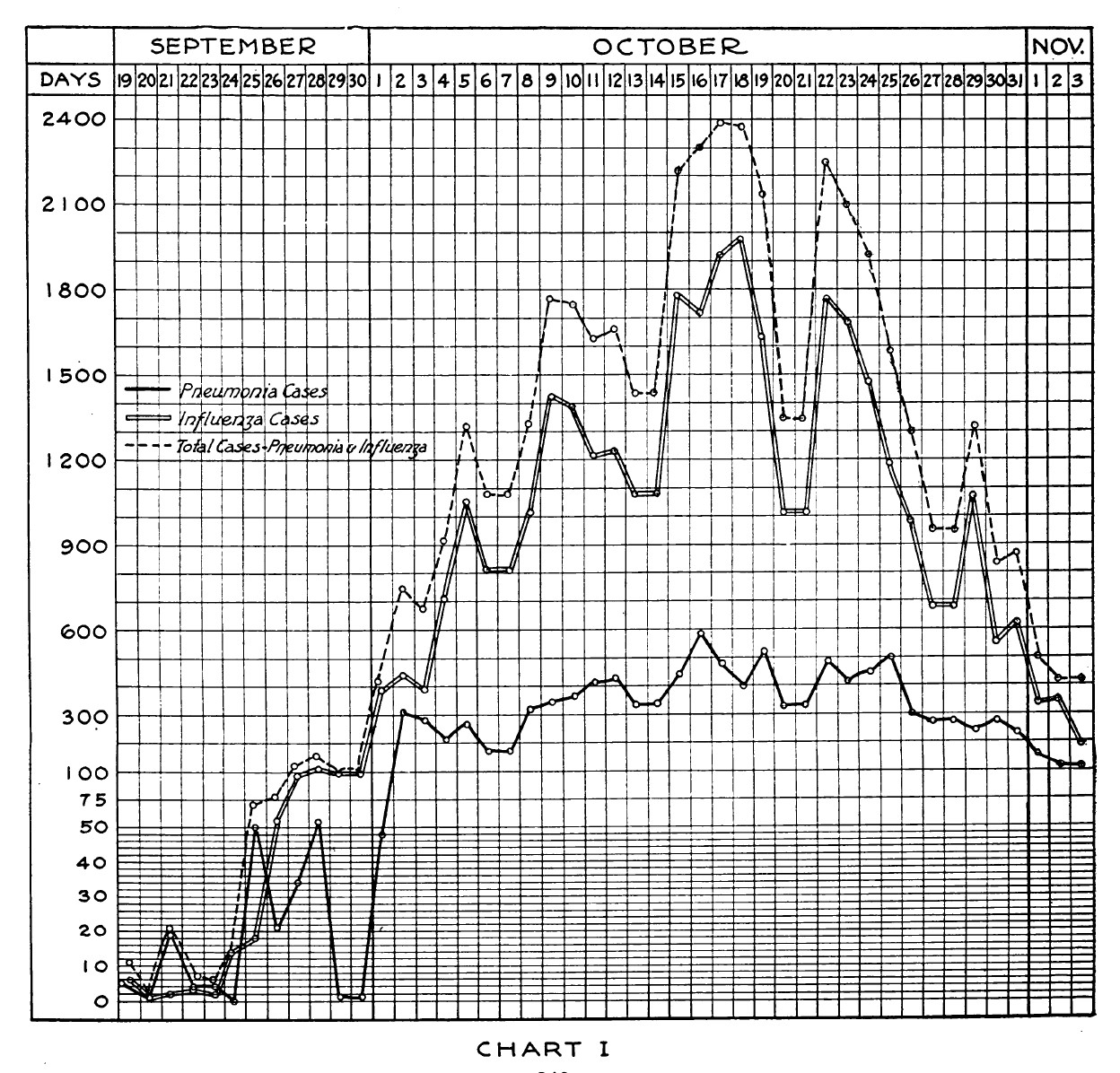
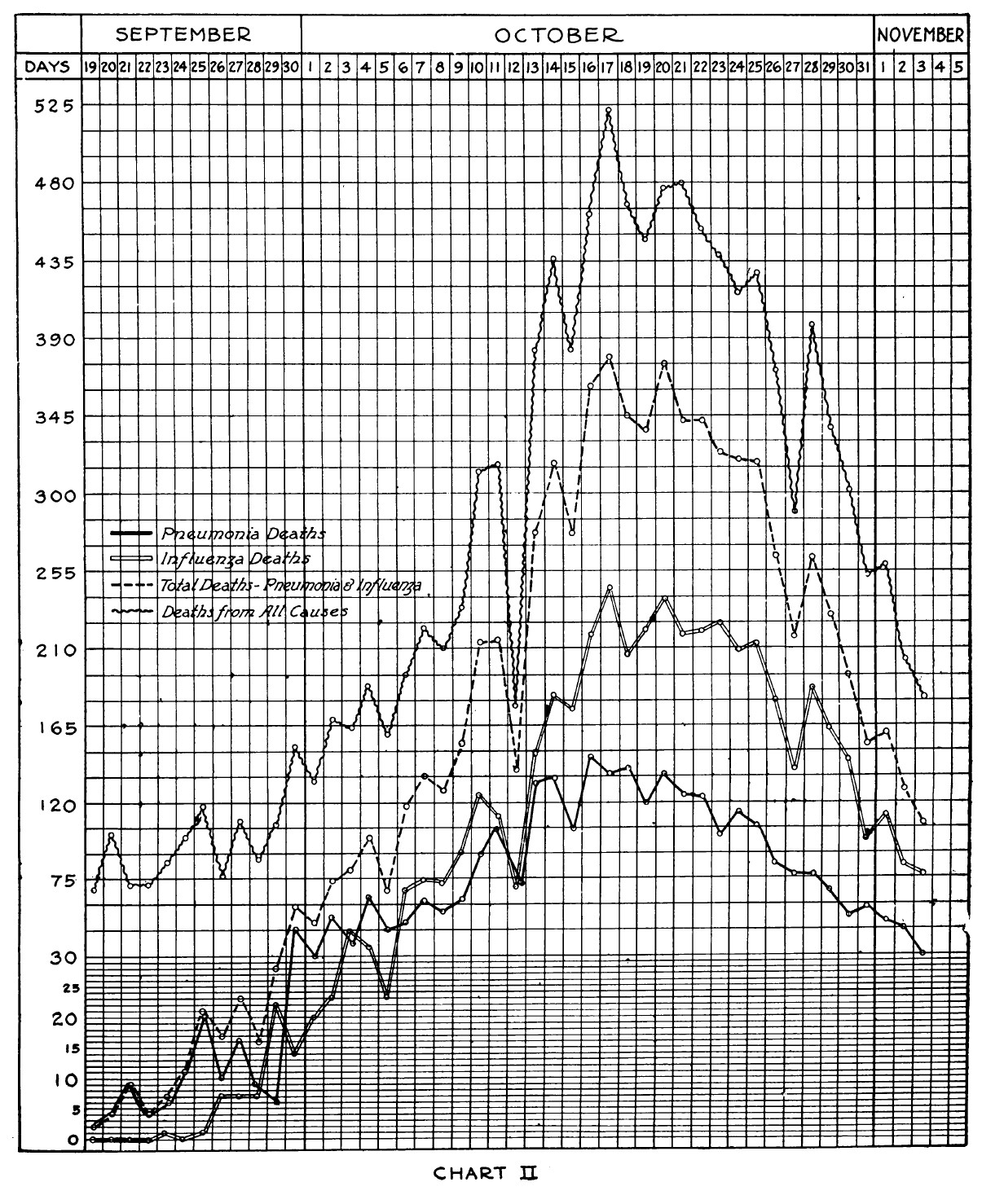
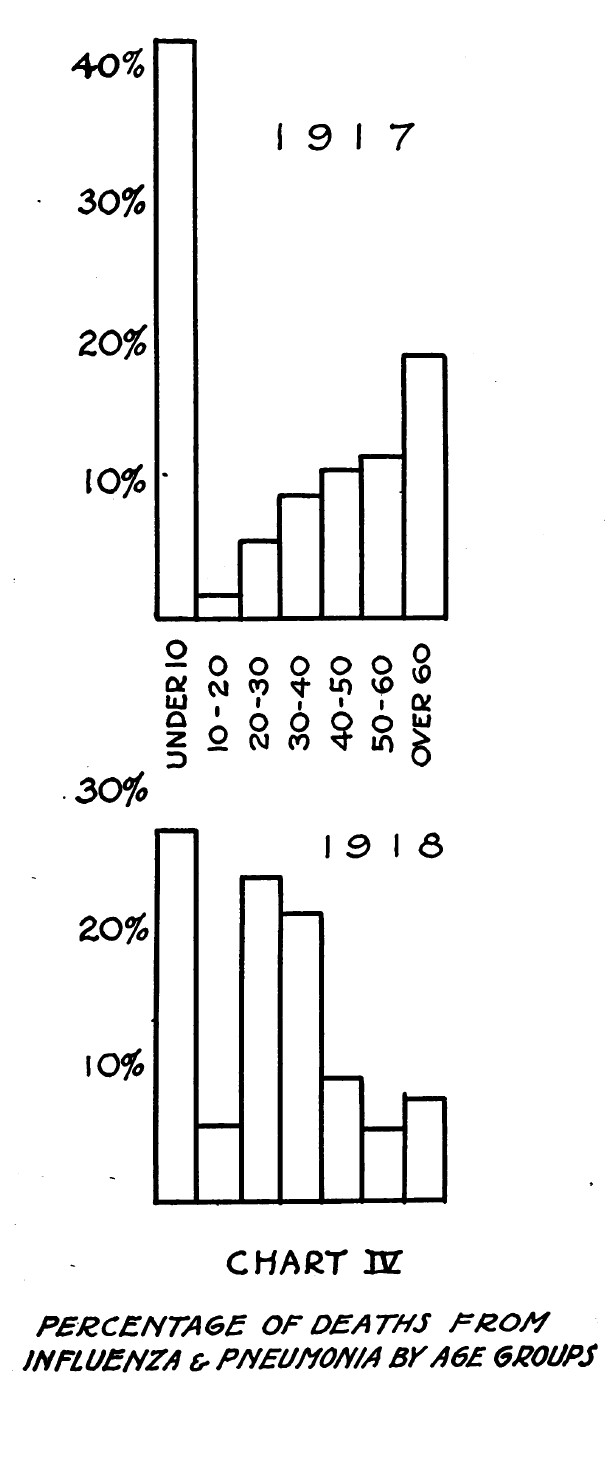
We’ll call this installment Part 4B because this research document is just too good to pass up.
In November 1918, Dr. John Dill Robertson, the Health Commissioner for Chicago, published a “Preliminary Report on the Influenza Epidemic in Chicago” in the American Journal of Public Health.
In this article, he gave statistics about the disease in graphical form for the month before, October 1918, which would prove to be the worse month for the outbreak. Three of those graphs are posted here.
He also gave a chronology of the measures employed to control the epidemic. Some highlights were:
September 17 – Proclaimed influenza a reportable disease [first cases reported in the city]
September 21 – Issued warning to the public about the symptoms and self-quarantine at home
September 26 – Started inspection of schools and students
September 30 – Started daily disinfecting of public transportation cars
October 1 – Started quarantine of influenza patients in hospitals and homes
October 4 – Procured home nurses from Visiting Nurses Association
October 5 – Started warnings about public gatherings (churches, etc.)
October 11 – Procured more home nurses from other organizations
October 12 – Closed public dance halls; prohibited public funerals; added 150 full-time “health officers” to the city payroll; met with leaders of 40 civic organizations to assure cooperation
October 13 – Banned smoking on public transportation cars
October 15 – Closed theaters, skating rinks, night schools and lodge halls
October 17 – Ordered businesses to stagger starting and ending times; announce vaccination program
October 18 – Stopped all non-essential public gatherings
October 19-20 – Reviewed hospitals for available space; stopped all elective surgeries
October 21 – Recruited additional home nurses
October 22 – Received vaccinations and started program
October 23 – Met with laboratories to produce immune human serum
October 29-30 – Began lifting ban on public gatherings
November 4 – Lifted remaining bans on public gatherings
Part 5 – Every cloud has a silver lining