
Explore the RHS Facebook Archives, a rich repository of local history written by Carol Flynn. For two decades, Carol brought a deeply dedicated voice to public education at RHS. Her role as Facebook administrator through mid-2025 naturally extended her prolific research into meticulously detailed articles, most notably her multi-part historical series posts. Today, Carol continues her local history writing for The Beverly Review and other outlets.
March 2025
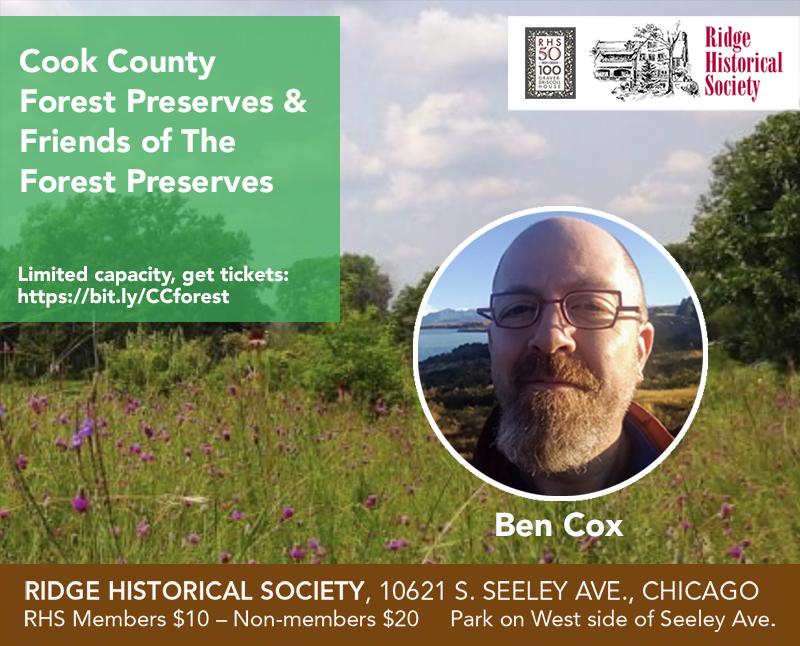
Cook County Forest Preserves & Friends of The Forest Preserves
Friday, April 4, at 7:00 p.m.
– Benjamin Cox, Presenter
It’s spring (finally) and time to get out into nature. Ben will cover information on recent and ongoing programs that Friends of the Forest Preserves are involved with and the Engagement Corps program being launched in 2025.
About the Presenter: Benjamin Cox became Friends’ first Executive Director in 2004.
As Executive Director, Benjamin leads the advocacy and policy efforts, works to bring resources to the forest preserves in Cook County, and builds partnerships and coalitions to maximize community impact.
Members: $10 | Non-members: $20 | Students under 18: $5
Ridge Historical Society
10621 S. Seeley Ave., Chicago, IL 60643
Limited Capacity. Get tickets here: https://bit.ly/CCforest
RSVP: ridgehistory@hotmail.com 773.881.1675
Ridge Historical Society
Irish-American Heritage Month: The Ellerslie Cross Country Club – Part 2
By Carol Flynn
Golf was introduced to the Blue Island Ridge when a group of Irish American businessmen founded the first country club in Beverly/Evergreen Park, the Ellerslie Cross Country Club, in 1899.
The Ellerslie Club grew out of another Irish club in Chicago, the Sheridan Club. As was discussed in Part 1, the Sheridan Club was founded to honor General Phillip Henry Sheridan, the son of Irish Catholic immigrants, who had an outstanding career as a U.S. Army officer.
In the late 1800s, clubs were very important for networking and socializing. They were formed for everything from professions to politics to poetry.
Since most clubs were men-only, and the ones formed by the white, Anglo-Saxon Protestant establishment excluded Jews and Blacks, and usually Catholics, women and these other groups formed their own clubs.
By 1900, there were hundreds of clubs in the Chicago area.
Irish Catholics formed clubs focused on political issues like Irish nationalism, working for Ireland’s independence from Great Britain. Like other ethnic and nationality groups, they formed clubs around culture and identity, such as the Irish Music Club, founded in 1902, and the Irish-American Athletic Club, founded in the late 1870s.
The Sheridan Club formed upon the death of General Sheridan in 1888. Although it was called a “social club,” with the Irish, it was not possible to separate out politics and religion. Sheridan was an avowed “Fenian,” an Irish American Catholic dedicated to the establishment of an independent Irish Republic.
The founders of the Ellerslie Club were active members of the Sheridan Club, and they illustrate the advances that the Irish were making in business, education, politics, and society by the late 1800s, in the big cities like New York, Boston, and Chicago.
Here are brief biological sketches of some of the men who founded the Ellerslie Cross Country Club.
Joseph Michael Crennan was the first president of the Ellerslie Club. He was born in 1865 in Ireland and came to the U.S. at the age of 21.
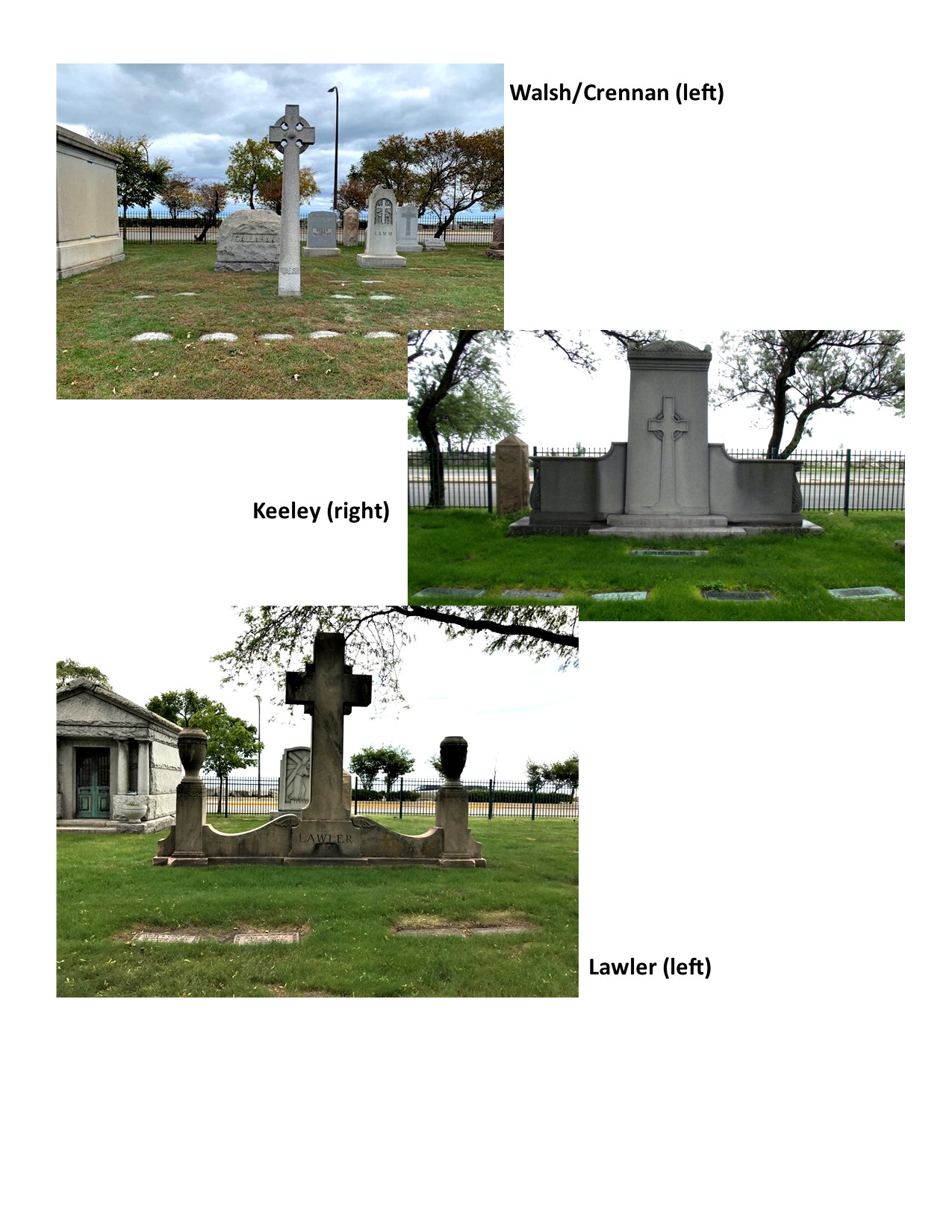
In 1891, Crennan married Jean (Jennie) Walsh, who was born in Chicago to parents from Ireland. Her father, William Walsh, one of Crennan’s fellow members at the Sheridan Club, was listed on the U.S. Census as “captain of a lake vessel.” The maritime professions, sailors and fishermen, were natural for many men from Ireland.
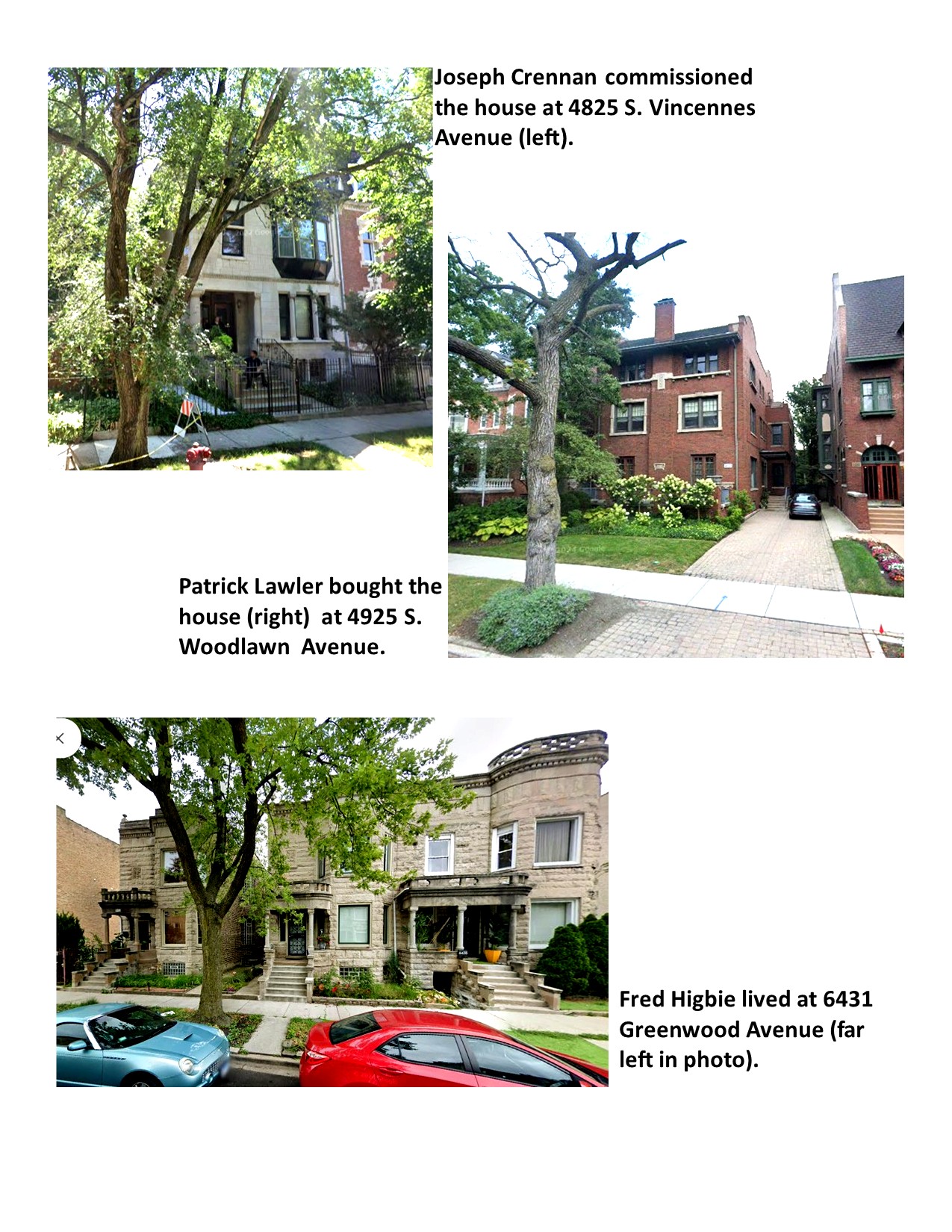
Crennan and Jennie lived at 4825 Vincennes Avenue. Their house is still standing, a stone and brick row house, fashionable for the day, that they hired architect Maurice G. O’Brien to design in 1894, and they moved into in 1895. They had three children, Ruth, William, and Elizabeth.
Crennan became a naturalized U. S. citizen on April 1, 1895.
He was the owner of a successful cigar manufacturing and import business, the exclusive U.S. representative for fine products from Cuba and Key West. His signature products were the “world-renowned” La Carina and Golf Club cigars. He sold wholesale to shops. His business spread; he advertised for salesmen for Iowa and Michigan.
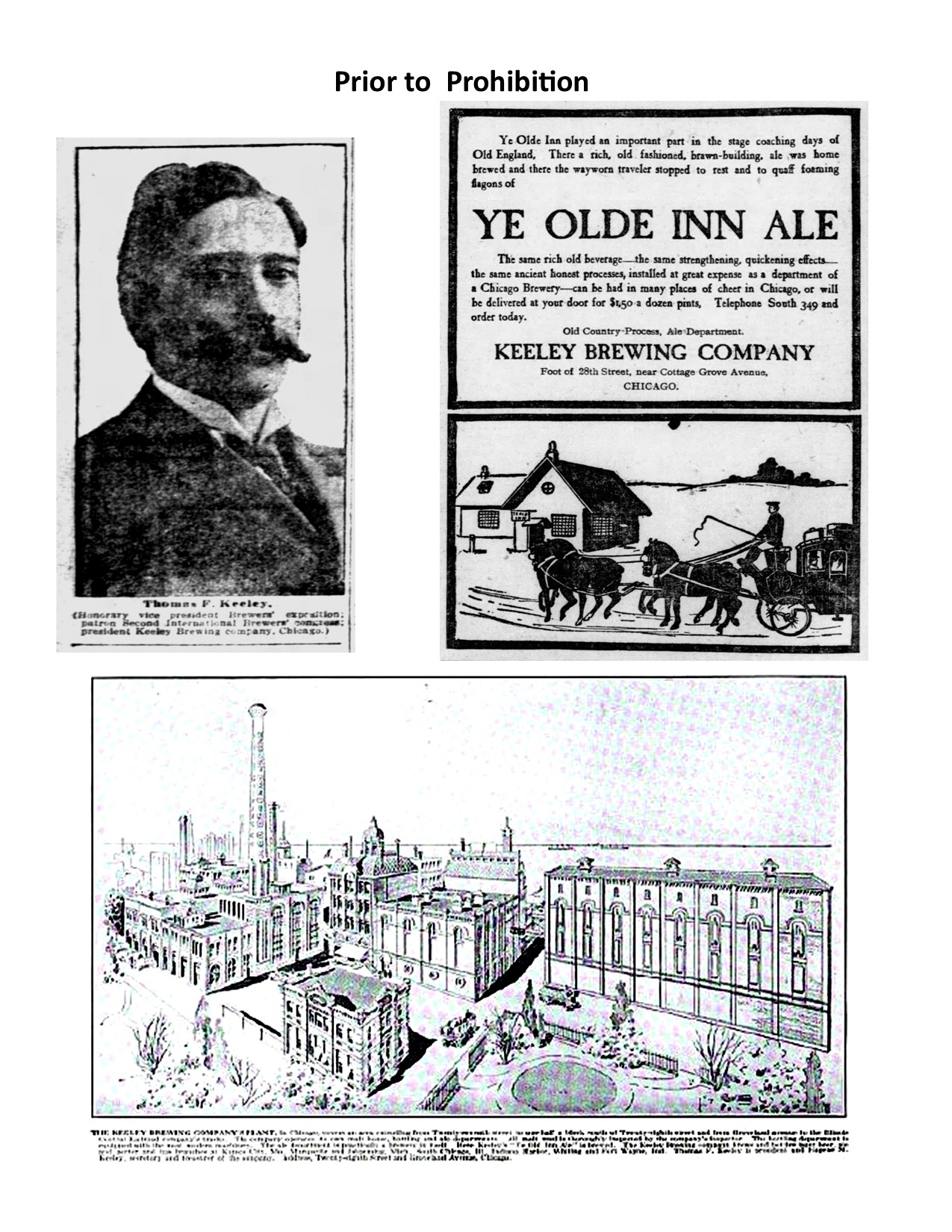
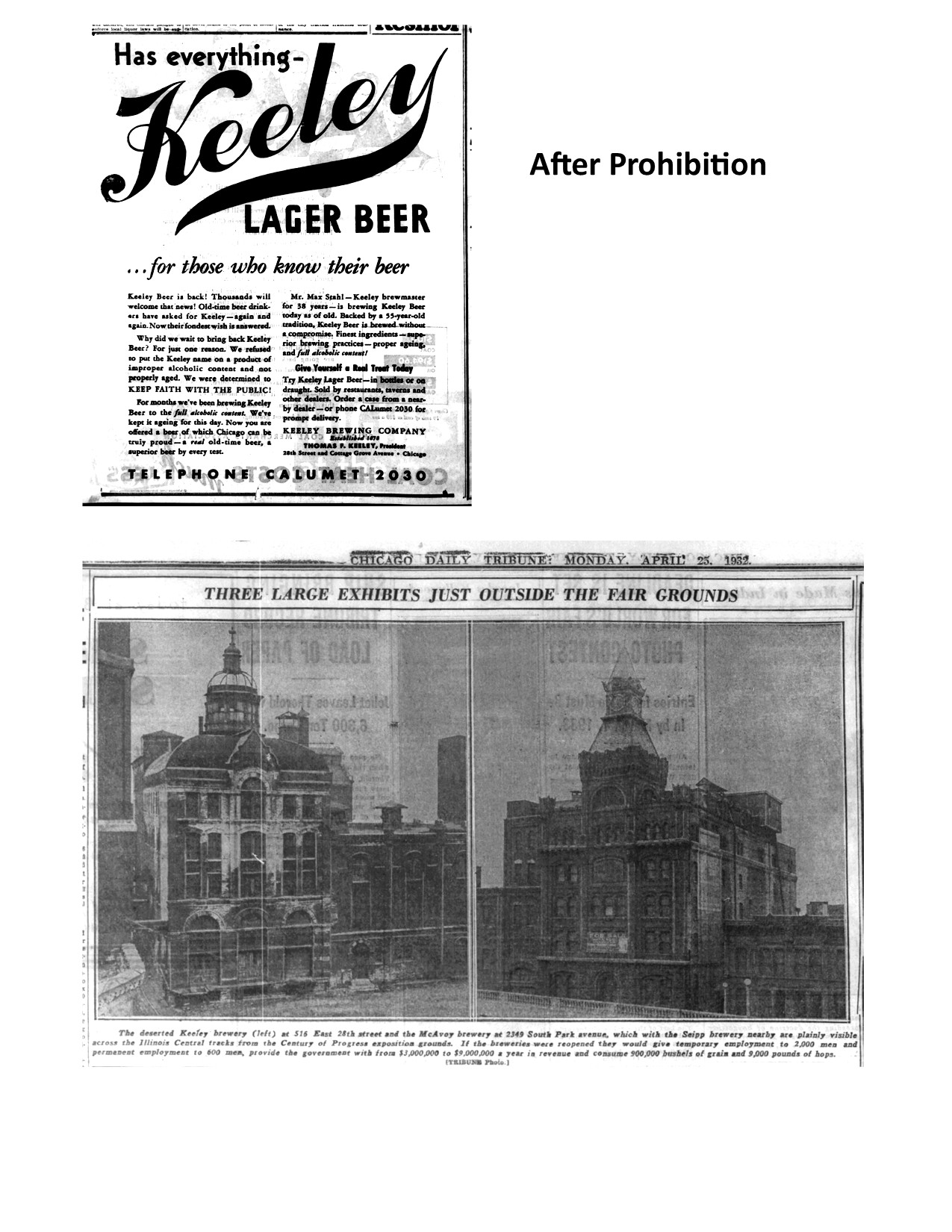
Thomas Francis Keeley was the first treasurer of the Ellerslie Club. He was born in Chicago in 1866. His father, Michael Keeley, was born in Ireland, and his mother, Catherine McCarthy, was born in Chicago in 1840 to parents from Ireland, making her a very early native of the city. He lived at his family’s home at 2829 Prairie Avenue.
Keeley’s father Michael owned Keeley Brewing Company, and when Michael died in 1888, Keeley took over running the company as president and general manager. He also took over his father’s role as vice president in the Dallas (Texas) Brewery, Inc.
Keeley was also president of the Metropolitan-Hibernia Fire Insurance Company, which offered fire and tornado coverage in six states. The family also had large interests in a hotel, and in coal and iron mines in Utah.
In 1894, the first Irish Catholic Mayor of Chicago, John Patrick Hopkins, appointed him to the Board of the Chicago Public Library.
Keeley married Margaret Gahan in 1918 when he was 45 (she was 30) and they had one daughter. Gahan was the daughter of a prominent leader of the Democrat party.
Keeley’s younger brother Eugene also worked with the brewery as secretary and treasurer and was a member of the Ellerslie Club. Their sisters Clara Gertrude and Kate were directors with the company and were sportswomen at the club. Both married men from the Ellerslie Club.
As no surprise, Keeley was anti-Prohibition and worked against that movement. With Prohibition, the brewery closed and sat vacant and decaying for over a decade while Keeley advocated for ending Prohibition and creating legitimate jobs and taxes. He died shortly after Prohibition ended, while in the process of reopening the brewery.
Walter Thomas (W.T. or W. Thomas) Nash was the Ellerslie Club’s first secretary. He was born in 1859 in Chicago, and both of his parents came from England. His father was a meat packer. Nash attended the University of Chicago. It appears the family was not Catholic.
In 1885, he married Nellie C. Fuller, born in Chicago in 1865. They had one daughter.
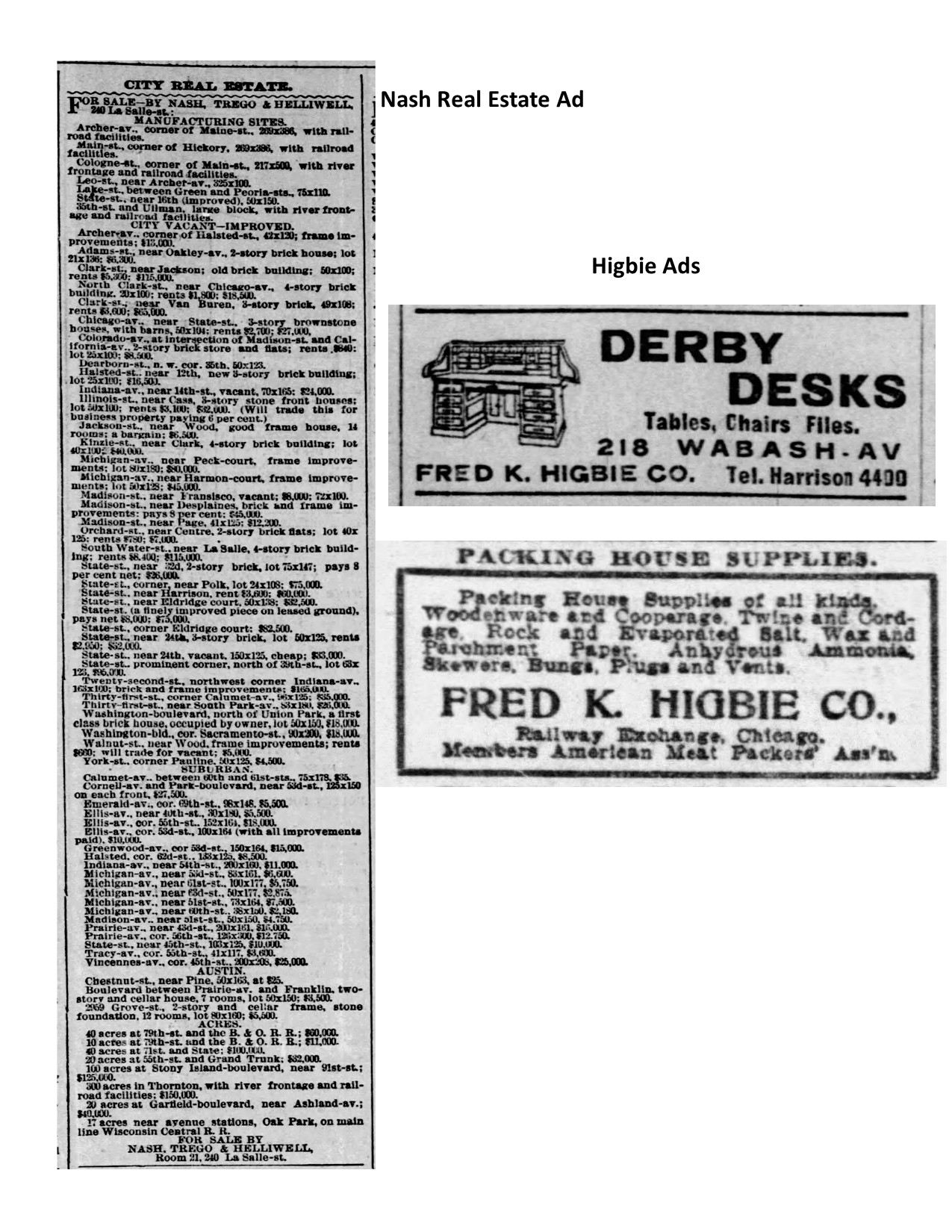
Although Nash owned a meat packing company, his primary interest was in real estate as part of the company Nash, Trego, and Helliwell, which started in 1888.
Frederick (Fred) Kellogg Higbie, a founder of Ellerslie and member of the first Grounds Committee, was born in New York in 1866.
Like Nash, Higbie doesn’t fit the mold of the others. His family had been in the U.S. for several generations already. He married Julia Pausinsky, whose parents came from Germany, in 1890, and they had two daughters. It appears Higbie was not Catholic, or at least not practicing as one, but he was a very active member of both the Sheridan and Ellerslie Clubs.
Higbie was a manufacturer and merchant dealing in woodenware and meat packing supplies with a regional presence. His company, named for him, earned over $1 million in 1903, and he incorporated a new company, the American Meat Packers’ Supply Company, in 1909. He was owner and officer of salt and coal mines in Kansas.
Higbie lived at 6431 Greenwood Avenue.
Patrick James Lawler, one of the first directors and a member of the first Sports and Pastimes Committee, was born in Chicago in 1873. His father Patrick was born in Ireland, his mother in Illinois. Patrick, the father, was a teamster with the stockyards.
Lawler became a livestock commissioner with his own company, part of the Union Stockyards of Chicago.
In 1903, he married Catherine (Kate) Keeley, the sister of Thomas Keeley. They had two daughters.
They lived at the Keeley family home on Prairie Avenue, then later had their own home at 4925 Woodlawn. The purchase of the Woodlawn House, “a high class Kenwood residence,” for $40,000 in 1919 earned a headline and article in the Chicago Tribune.
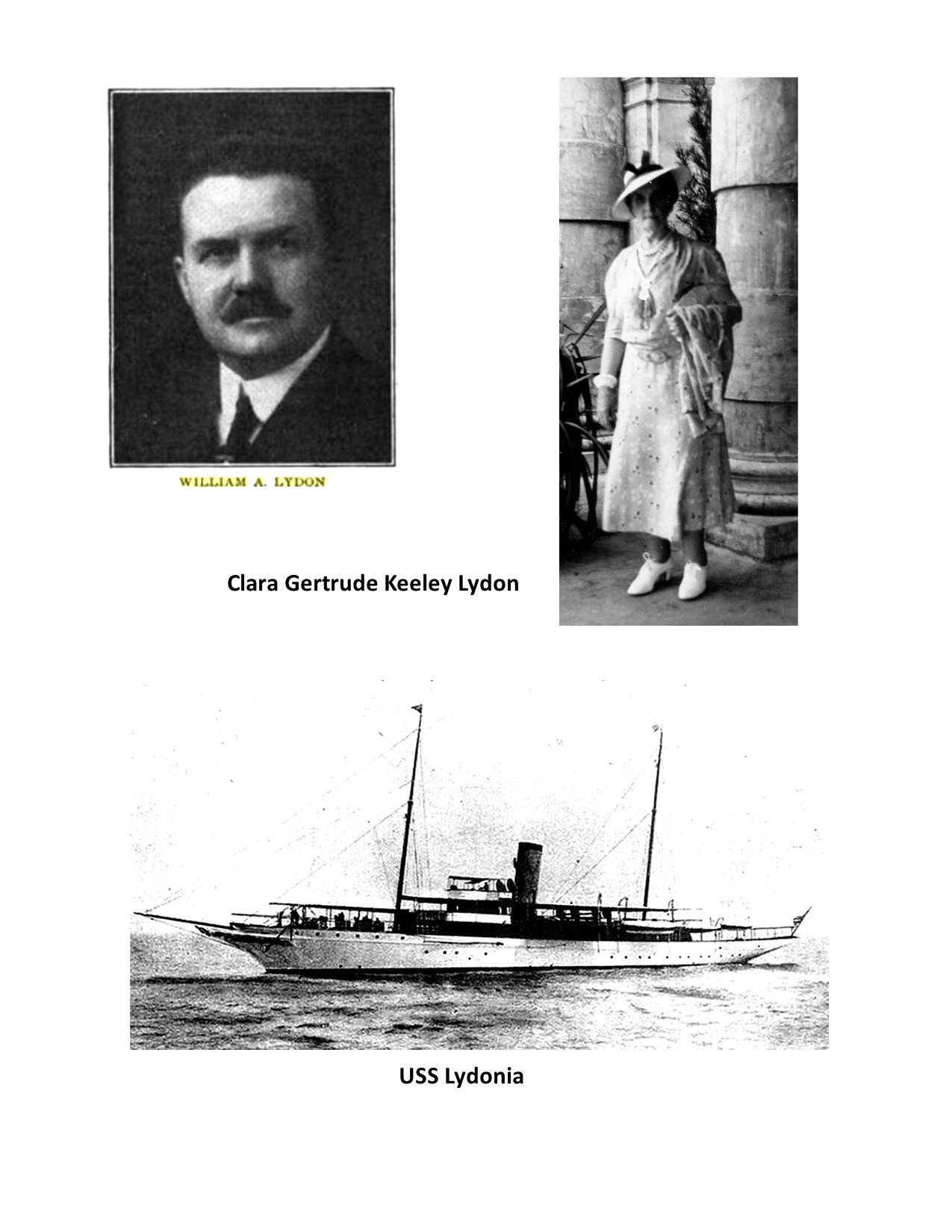
Another founding director was William A. Lydon, born in New York in 1863. Both parents, Michael Lydon and Anne Hopkins, were from Ireland. His uncle, his mother’s brother, John Patrick Hopkins, was the first Irish Catholic Mayor of Chicago.
In 1897, he married another Keeley sister, Clara Gertrude. They had three children. They lived at 4758 Prairie.
Lydon was a civil engineer and president of the Great Lakes Dredge and Docks Company. He was a major contributor to the development of Chicago’s vast waterworks systems, including the tunnels and pumping apparatus. He was involved in numerous high profile projects throughout the Great Lakes region.
He was “a widely known yachtsman” and built the Lydonia II, one of the largest yachts on the Great Lakes. During World War I, he turned the yacht over to the U.S. Navy for military use and it was commissioned as the USS Lydonia in 1917. It was used as an escort and later as a coastal survey ship and retired from service in 1947.
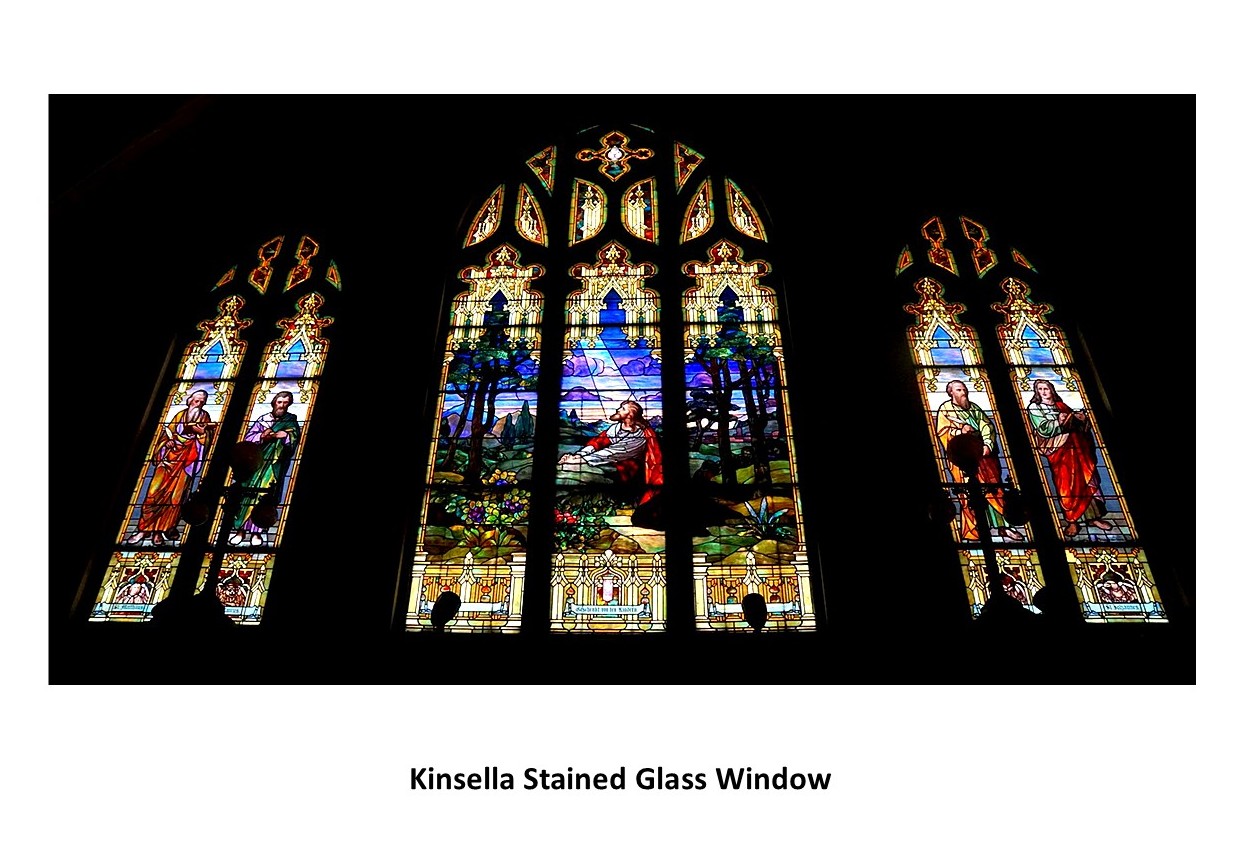
Other beginning directors and committee members included Henry J. Fitzgerald, owner of the Fitzgerald Trunk Co.; John Julius Kinsella, owner of the glass company famous for fine church stained glass windows; James Joseph Wade, plumbing contractor and sanitary engineer who worked with the city; John Francis Clare, lawyer who was the prosecuting attorney for the city of Chicago; Michael Joseph Nelson, owner of an interior decorating company that produced fine furniture, draperies, and wallpaper; and Alfred Daniel Plamondon, manufacturer of machinery.
All of these men were not only successful businessmen, they were accomplished sportsmen, which led to the founding of the Ellerslie Cross Country Club. The women mentioned – the Keeley sisters, the Walsh sisters, Nellie Fuller Nash – also excelled at sports.
The Ellerslie club was started as a golf club, but the major passions of these Irish sports folks were actually coursing, that is greyhound racing and hunting; and equestrian sports, “riding to the hounds.”
There will be three more posts in this series: Ellerslie as a golf club; greyhound coursing; and cross-country horseback riding through the southwest suburbs.
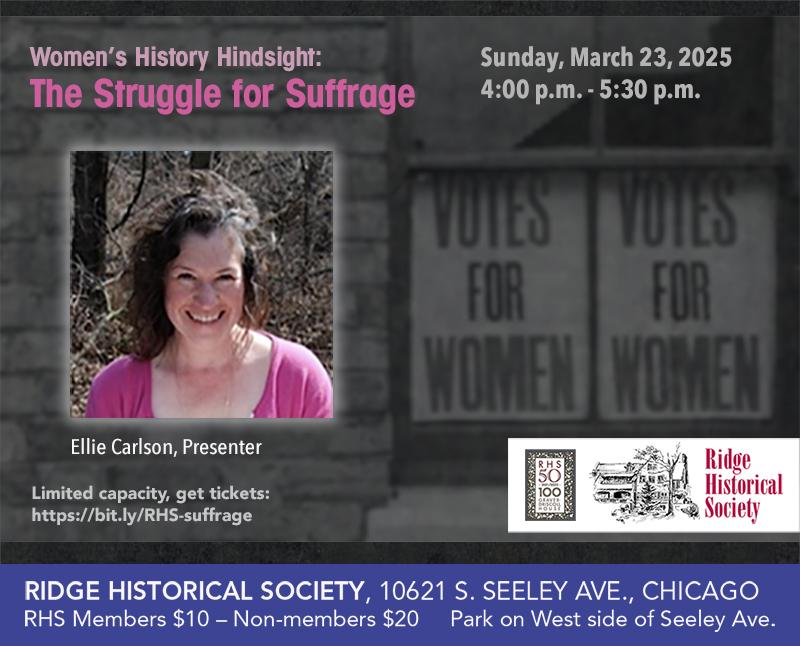
Women’s History Hindsight: The Struggle for Suffrage
Sunday, March 23, at 4:00 p.m.
– Ellie Carlson, Presenter
For Women's History Month, RHS is featuring a talk by historian and performer Ellie Carlson of Ellie Presents, on the history of the suffrage movement that won the right to vote for women.
Her presentation will focus on the influence of trade and teacher’s unions, women in higher education, fundraising through cookbooks and bazaars, marches, songs, letter writing campaigns and how women’s influence over the voting men in their lives brought about the reform.
About the Presenter: Elizabeth Carlson, also known as Ellie, is a historian and a performer with concentration in the domestic arts. For over thirty years, she has worked as a curator in small to mid-sized museums. Ellie has a B.A. with honors from Roosevelt University and a Masters of Historical Administration and Museum Studies from the University of Kansas. She completed her professional internship at the Smithsonian’s National Museum of American History in the Division of Costume in 1987. She is the recipient of over twenty-five Illinois Association of Museums, Illinois State Historical Society and American Association for State and Local History awards.
Members: $10 | Non-members: $20 | Students under 18: $5
Ridge Historical Society
10621 S. Seeley Ave., Chicago, IL 60643
Limited Capacity. Get tickets here: https://bit.ly/RHS-suffrage
RSVP: ridgehistory@hotmail.com 773.881.1675
YES! We are up to 3,001 followers! Thank you to Sue Gildea and Kevin Hannan, our most recent sign-ons, for allowing us to reach our goal. We appreciate it, and hope you will continue to enjoy our stories.
Ridge Historical Society
Irish-American Heritage Month: The Ellerslie Cross Country Club
By Carol Flynn
March is Irish-American Heritage Month, and a new research project has revealed another connection that the Irish had to the Blue Island Ridge in the early days.
The Irish were an important presence in Beverly decades before they started building their homes and churches here in appreciable numbers in the 1920s. They first came here for sports and socializing.
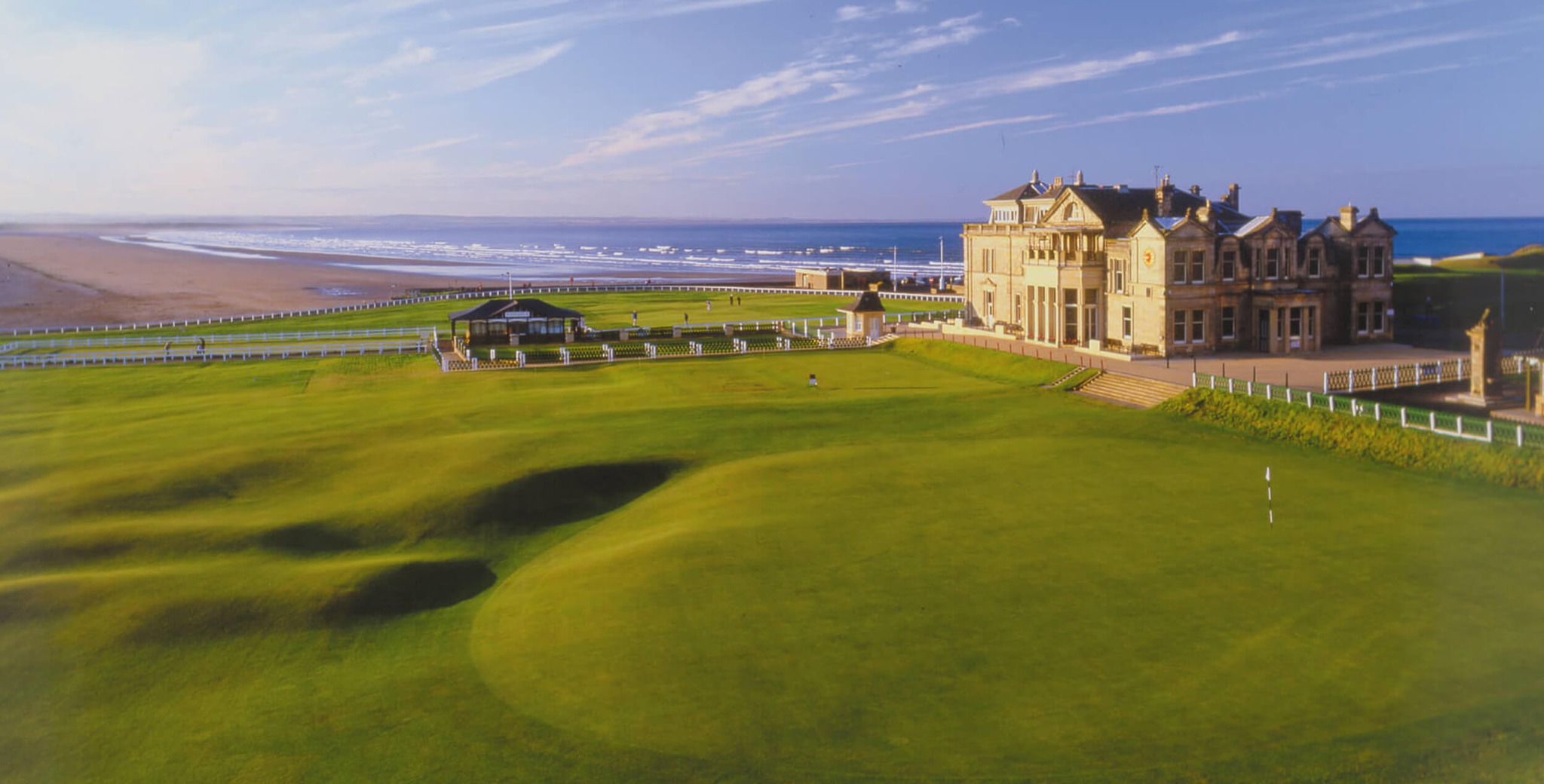
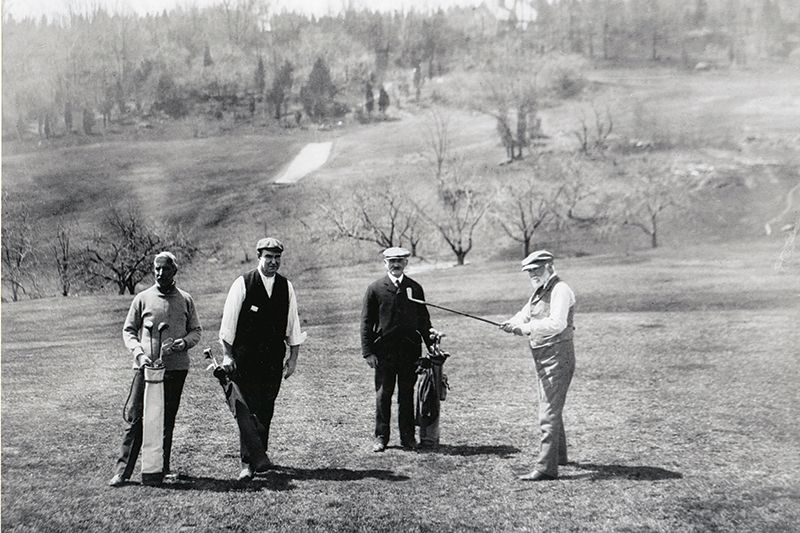
It was a group of wealthy Irish American Catholic businessmen who introduced golf to the Blue Island Ridge by starting the first “country club” here, the Ellerslie Cross Country Club, in 1899.
The club was located at the southwest corner of 91st Street and Western Avenue, where today a strip mall stands. The land is part of Evergreen Park, but back then, it was often referred to as Beverly. The club itself identified its location as “between Beverly Hills and Evergreen Park, Chicago.”
Country clubs started being established in the U.S. in the 1880s due to the newfound interest in the sport of golf. Clubs in the U.S. followed golf clubs started in Great Britain.
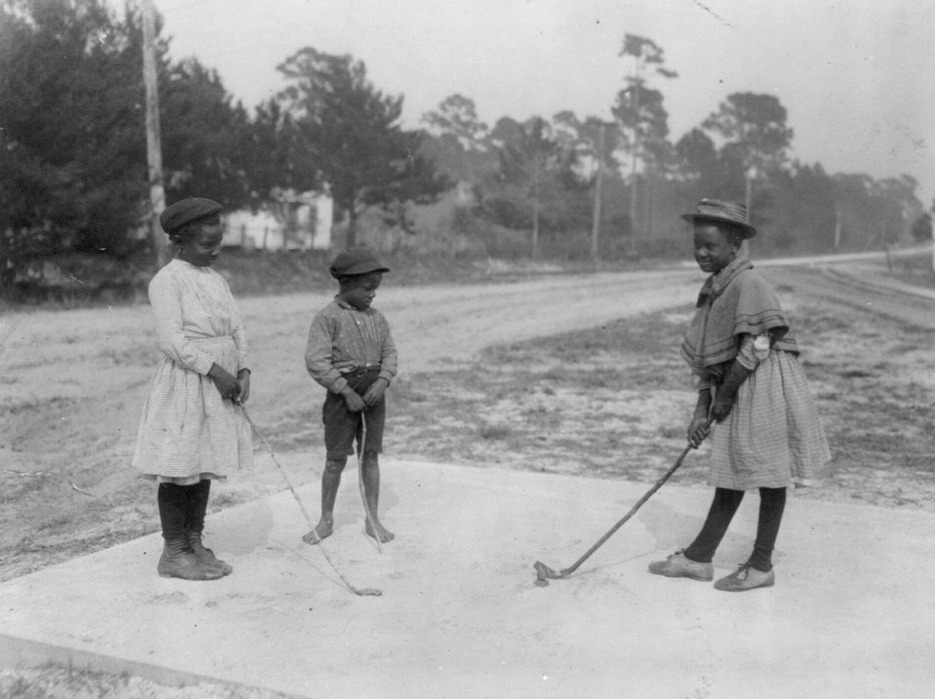
Stick and ball games had been around for centuries when “modern” 18-hole golf evolved in Scotland in the mid-1400s. The word “golf” is a Scottish derivation of the Dutch word “colf” meaning stick, bat, or club.
Scottish royalty, including Mary Queen of Scots, enjoyed the game, and brought it to London, but it didn’t become popular there until the late 1800s. By 1887, England had 50 golf courses and in 1890 held the first Open Championship.
Golf came to America with the English colonists, but again, did not become really popular until the 1880s.
By this time, the basic philosophy concerning exercise was changing. Sports were considered a distraction from more important activities, but as lifestyles switched from rural to city, that is from farming to industrial, the need for exercise started to become apparent. Not only was this for physical health, but it was believed that regular exercise would improve people’s “civic morality” and make them better “American citizens.”
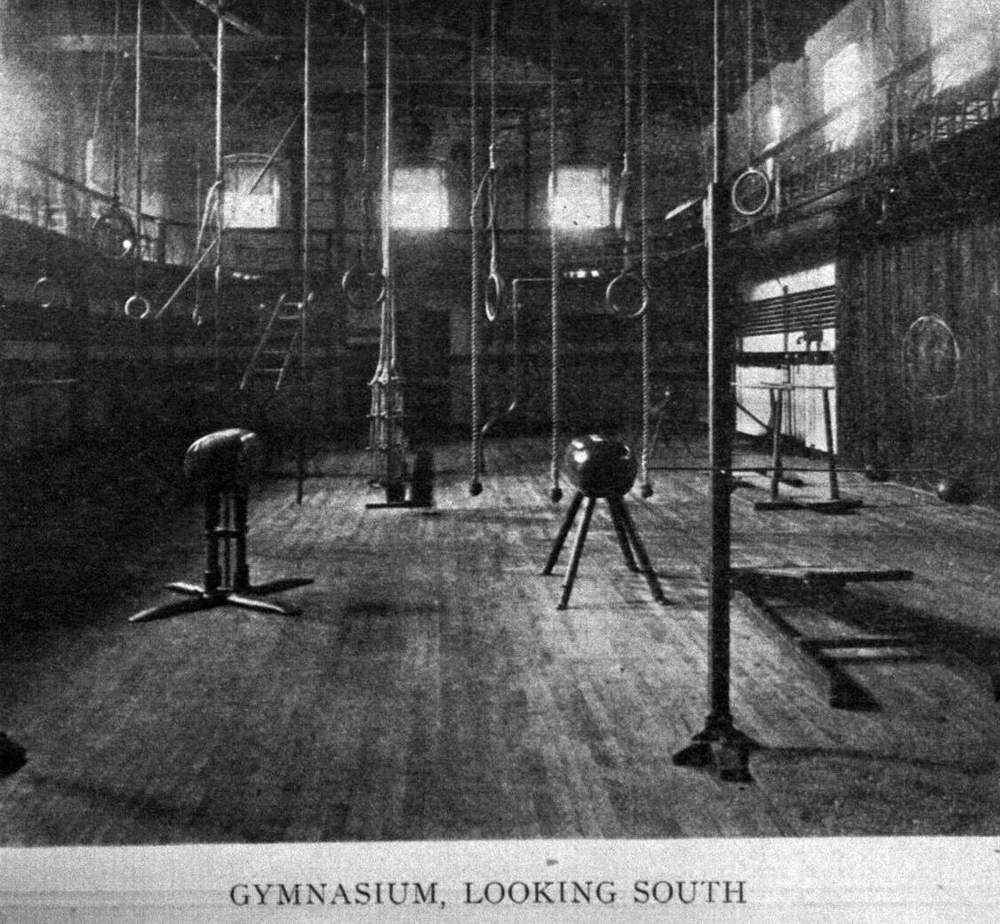
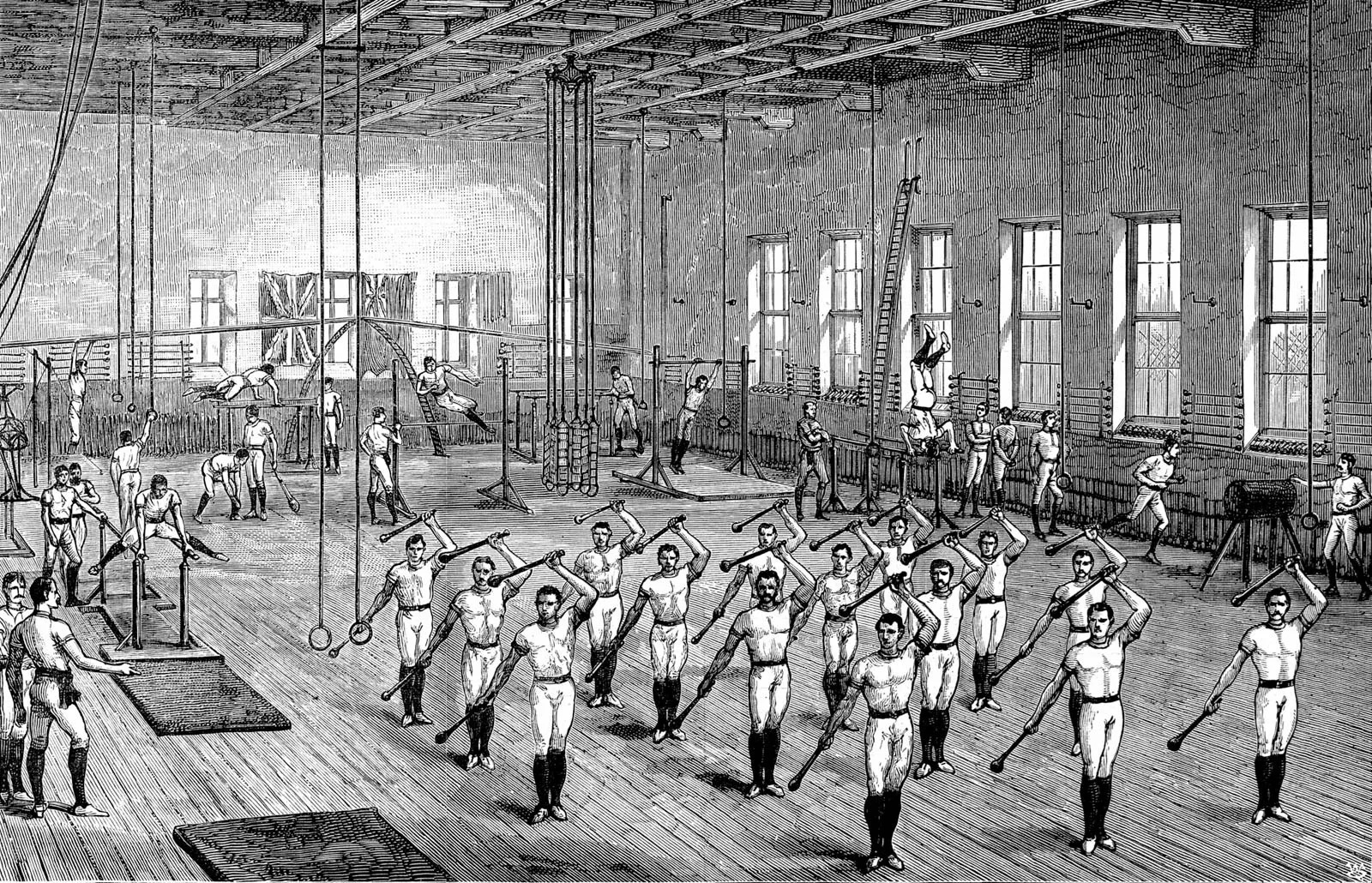
Athletic clubs existed in the cities as men-only indoor gymnasiums that offered gymnastic exercises and weightlifting equipment, and some had boxing rings. At this same time, rowing, swimming, track and field, football, and baseball were becoming college sports.
Tennis, also imported from Great Britain [note: Mary Queen of Scots enjoyed tennis as well as golf], was catching on in the U.S. at the same time as golf, and tennis courts were popping up on estates and other locations.
However, golf necessitated large outdoor spaces, leading to private golf clubs established on the outskirts of cities, in the “country,” giving rise to "country clubs."
The term “country clubs” had been used informally to refer to rural baseball teams, and a group of writers had started an organization they called "The Country Club,” but the term primarily became associated with “golf clubs.”
The first such club established in Chicago was the Chicago Golf Club founded in 1893 in Belmont (Downers Grove) and later relocated to Wheaton.
Country clubs established elite subcommunities and are considered the forerunners of gated communities. They almost always had a limited, exclusive membership, and high membership fees.
Membership in the majority of clubs formed by those of the Anglo Protestant establishment was open only to fellow Anglo Protestants and excluded Catholics, Jews, African-Americans, Native Americans, and other groups.
The names associated with the Chicago Golf Club were from Chicago’s highest social echelons, including Marshall Field, Potter Palmer, and Eugene S. Pike.
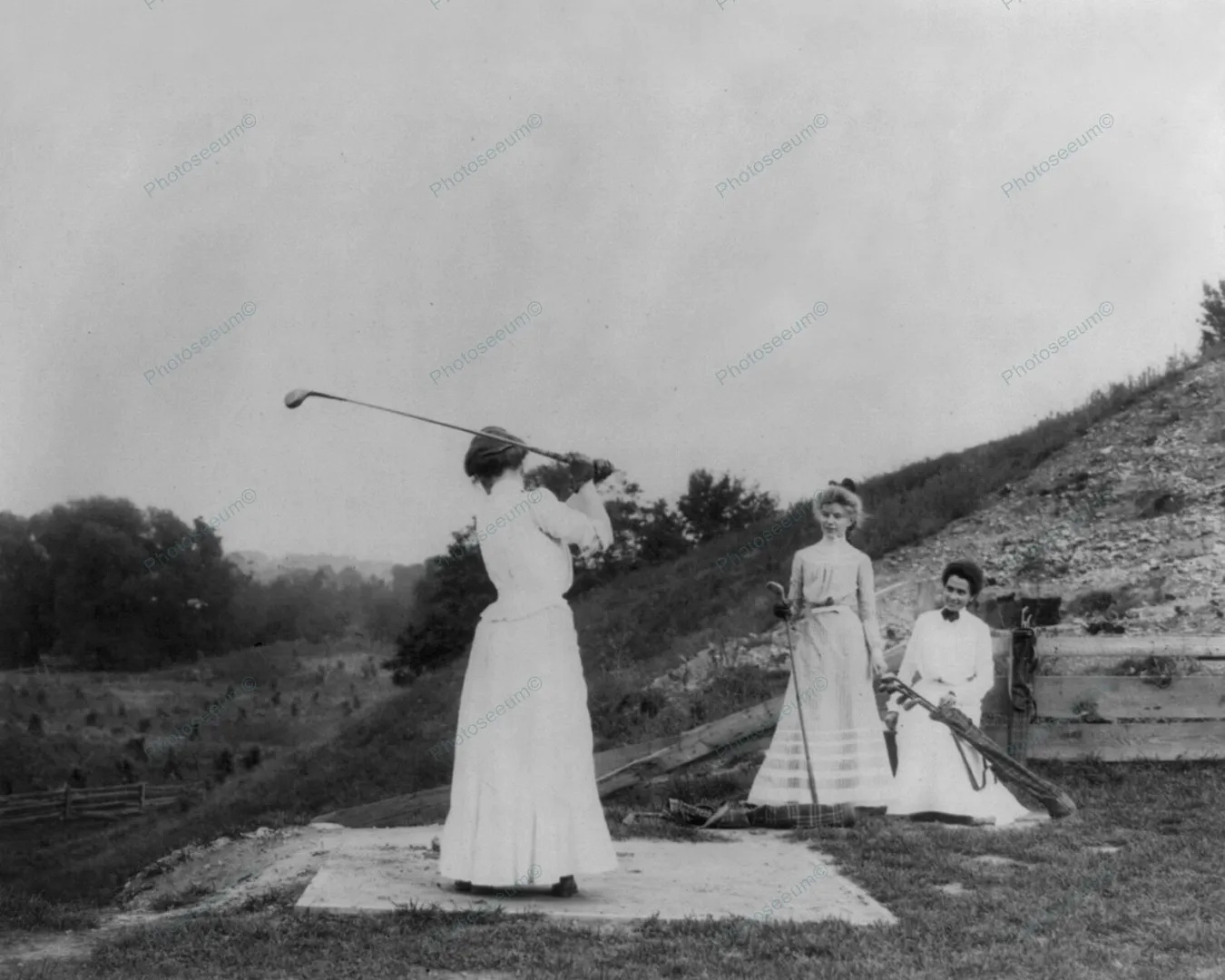
Country clubs looked and worked differently than traditional clubs. They were more family oriented. Women were allowed to participate in golf and some clubs even allowed women to subscribe on their own without going through a male family member.
There were also activities for children, including play areas. Family picnics were typical social events at country clubs.
By this time in Chicago, the Irish had advanced in education, business, and politics, creating a growing subcommunity of wealthy Irish Catholics. They formed their own clubs, such as the Sheridan Club in 1888.
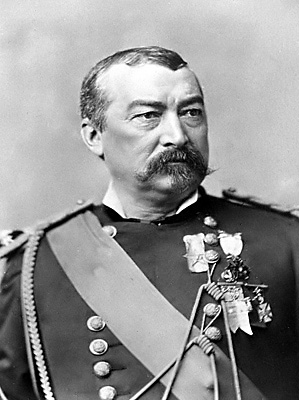
The Sheridan Club was founded in honor of General Phillip Henry Sheridan, the son of Irish Catholic immigrants, who had an outstanding career as a U.S. Army officer. He was a Union Army general during the Civil War; commanded the Illinois troops when martial law was declared in Chicago following the Great Chicago Fire in 1871; was named Commanding General of the U.S. Army in 1883; and was promoted to the equivalent of today’s five-star general in 1888, the year he died.
The “leading spirit” of the Sheridan Club, as he was referred to in the Chicago papers, was Michael Cudahy who had emigrated from County Kilkenny, Ireland, as a child.
Starting employment at the age of 14, Cudahy worked his way up to meat inspector, then into a partnership in the Armour and Co. meat-packing business, before starting his own meat-packing house. He developed oil fields in Oklahoma, and real estate in Mackinac Island, Michigan, and Los Angeles, California.
Sheridan’s and Cudahy’s careers were examples of how the Irish were advancing in the U.S.
Other members of the Sheridan Club, friends and fans of Sheridan and Cudahy, all successful Irish Catholic businessmen, started the Ellerslie Cross Country Club. They did not live in Beverly, but they were making their homes on the south side of Chicago.
In the next post, we’ll look at some of the people involved in the Ellerslie Cross Country Club and the events held by the Club.
The Ridge Historical Society
Houses Designed by Harry Hale Waterman and the People Who Called Them Home: Part 4 – Waterman’s Social Life
By Carol Flynn
This is a companion series to the current exhibit at the Ridge Historical Society (RHS): “Harry Hale Waterman, Architect: Unique in Any Style.”
An article in the Inter Ocean newspaper in 1906 described Harry Hale Waterman as “architect and South Side clubman.”
The “clubman” aspect, his “social life,” is something new to look at for Waterman. This also affected his daughter, Louise, who we will look at in the next post.
Historically, clubs were found in all ancient societies. Once unrelated clans started living together in larger groups, they started forming subgroups based on common interests that took them beyond their traditional kinship connections.
By the late 1800s, men and women at all levels of society were involved in clubs as their primary means for networking and socializing. Clubs formed for many purposes – professions, sports and athletics, charity and service work, community improvement, literary interests, music, art, hobbies – if someone was interested in something, there was most probably a club for it.
There were also clubs limited to very specific memberships. Some examples included university alumni clubs and military veterans’ clubs.
Men-only clubs were the norm, so women formed their own clubs. Membership in both men’s and women’s clubs usually depended on social standing and wealth, church affiliation, and political leanings. African Americans, Jews, and Catholics were excluded from most of the clubs formed by the white Anglo-Saxon Protestant establishment, so they formed their own clubs.
By the late 1800s, there were hundreds of clubs in the Chicago area.
Waterman, like everyone else, was involved in clubs, and some of his social life can be pieced together from various sources.
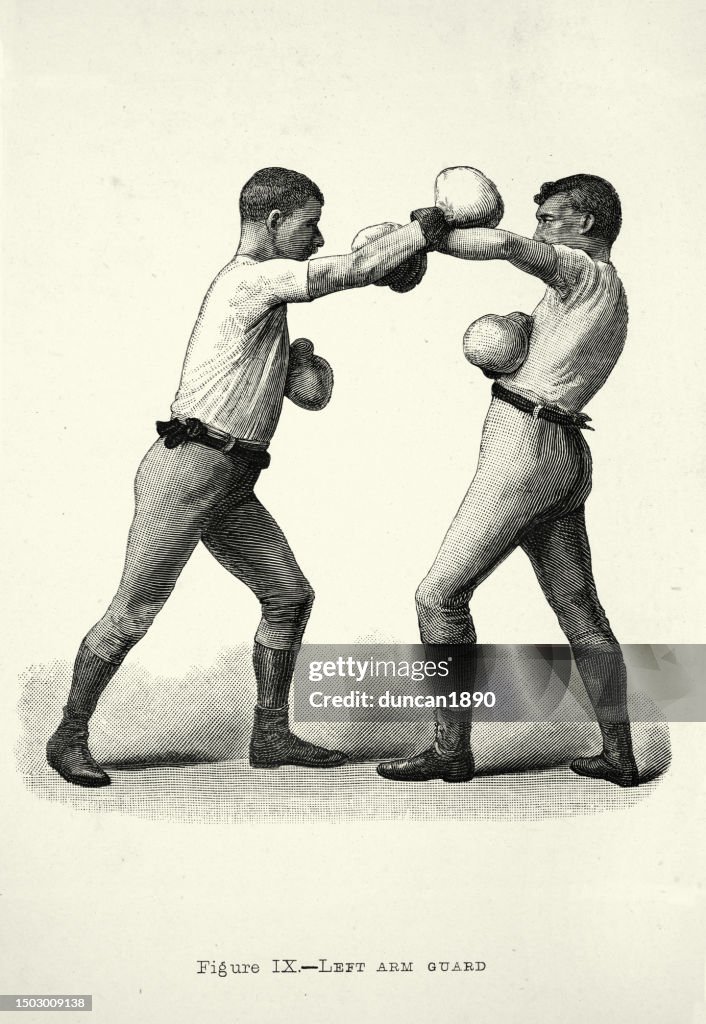
To start, it is known that Waterman and his fellow architect-in-training, Frank Lloyd Wright, who boarded with the Waterman family, liked to put on boxing gloves and spar with each other.
In the late 1800s, boxing became trendy for young, upper-class white men in the U.S. Long considered a barbaric “sport” of the lower classes, boxing was now being praised for instilling self-confidence and courage in a group that was concerned about going soft from “over-civilization.”
Rules for boxing changed (the “Queensbury rules”) to include gloved fists and less physical contact.
Universities started boxing programs, and athletic clubs in the cities, with indoor gymnasiums, hired ex-bareknuckle boxers to show their members how it was done.
Waterman and Wright were part of a trend that included Teddy Roosevelt.
Waterman’s immediate family does not show up in searches for social activities in Chicago, so more digging will have to go on to find out what they were up to, but Waterman’s marriage to Ida May Vierling on October 27, 1891, opened up social opportunities for him. He was 22 years old, and she was 19 years old when they married. Ida and her family were covered in Post #3 of this series.
Ida’s father Frank became successful and wealthy through real estate. He entered city politics and became an alderman. As a Union veteran from the U.S. Civil War, he was very active in veterans’ affairs.
His three brothers became wealthy and prominent in the iron and steel works manufacturing industry.
The wealth and prominence the brothers achieved allowed their sister Clara, who never married, to become a star of the Chicago social scene, where she was especially famous for her New Year’s Eve parties.
Ida was a young socialite when she and Waterman married, appearing in the society pages for the parties and events she attended. Details of their wedding, held at her parents’ house, were covered in the newspaper. Her wedding dress and the decorations were described.
In January 1892, the Inter Ocean newspaper ran a lengthy story about a charity ball given at the Auditorium Theater by the Knights Templar, a Masonic organization, attended by 4,000 people.
As was customary for the papers in reporting an event like this, the most prominent citizens in attendance were listed, and about 175 high society women were singled out to be mentioned for their fashion that night.
Ida’s father was a Freemason and a member of an appendage organization, Queen Esther Chapters of the Order of the Eastern Star. He had to be a Master Mason to qualify for that. Ida was also a member; women who were daughters, sisters, wives, or mothers of Master Masons could join.
Listed as attendees at this event were the F.C. Vierlings, the H.H. Watermans, the J.T. Blakes, and Miss Clara Vierling. The J.T. Blakes were Ida’s older half-sister Mary and her husband Jesse Thomas Blake.
Ida and Mary were both reported as wearing white silk with pearl trimming, and their mother was dressed in black silk with jet and diamonds. Clara wore white embroidered crepe du chien and diamonds.
Many prominent citizens of Chicago were in attendance, including Eugene Pike and his wife, and Mrs. Pike wore black silk with jet and diamonds.
Waterman was busy at the time designing and building a house for Ida and himself in Morgan Park at 10838 Longwood Drive.
It was announced in the newspaper in 1892 that “Mr. and Mrs. H.H. Waterman, nee Vierling, Morgan Park, will be ‘at home’ after Sept. 1, instead of June, as formerly announced.” It was “high society” to make an announcement like that.
Waterman embarked on a very prolific next few years on the Ridge, designing at least 14 buildings in 1892-94, including the gardener’s cottage for Pike at 1826 W. 91st Street and the home for the Blakes at 2023 W. 108th Place, just down the street from his own house.
Ida gave birth to their daughter, Louise, on August 26, 1895.
Tragically, Ida died the following year, on August 14, 1896, at the age of 24. RHS does not know the cause of death. She was buried with the Vierling family in Oak Woods Cemetery.
Waterman and Louise left Morgan Park at that time and moved back in with his parents and sister on 39th Street and Vincennes Avenue. He stayed on Vincennes Avenue for the rest of his life.
Waterman maintained connections with his late wife’s family, which we will cover shortly.
It was a given that an architect like Waterman would join professional organizations.
Waterman began his career in 1888 as a draftsman in the architecture firm of Silsbee and Kent. Joseph Lyman Silsbee was a founder of the Chicago and Illinois chapters of the American Institute of Architects (AIA), which began nationally in 1857.
All through the years, entries in the “Book of Chicagoans,” later called “Who’s Who in Chicago,” list Waterman as a member of AIA and the Illinois AIA, and the “Architectural Club.”
The Chicago Architectural Club was part of the Architectural League of America, which was formed in 1899 to improve architecture practices in cities. The League called for enforcement of better building standards, as well as beautifying cities with more parks and trees and less billboards.
This was all part of the “City Beautiful Movement” of the Progressive Era to reform urban planning to improve living conditions and quality of life, thereby improving “moral and civic virtue” within urban populations.
The Chicago Architectural Club held conventions and exhibits usually at the Art Institute of Chicago and is worthy of its own story in a future post. It’s noteworthy that Waterman was a member of this progressive group.
In 1896, the Illinois chapter of the AIA supported legislation to begin licensing architects based on an examination before an appointed board. Up to that time, anyone could design and build a structure and there were considerable shoddy practices.
Waterman, as well as his mentor Silsbee, were among the many educated and trained architects listed in support of licensure. Illinois became the first state to license architects, largely through the efforts of this Chicago group.
In 1897, an article in the Inter Ocean newspaper mentioned Waterman’s attendance at a dinner and program put on by the Chicago Architects Business Association at the Union League Club.
The program explored “The Architect’s Relation to the Business World” as seen from many different perspectives, including builders, real estate agents, homeowners, lawyers, and architects themselves.
Other attendees at the program included George Maher and Dwight Perkins. Waterman had worked with Maher at Silsbee and Kent.
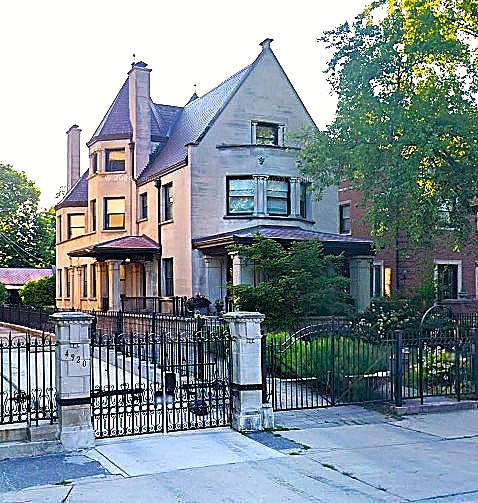
In 1898, Waterman and Perkins were hired to design a house at 4914 Greenwood Avenue, according to the Chicago Tribune, “for a manufacturer whose name is not given out.” This house was for his late wife Ida’s uncle Robert Vierling and Robert’s sister Clara, the famous “Miss Vierling” of the society pages. The house, which still stands, was built in the tony Kenwood neighborhood of Chicago.
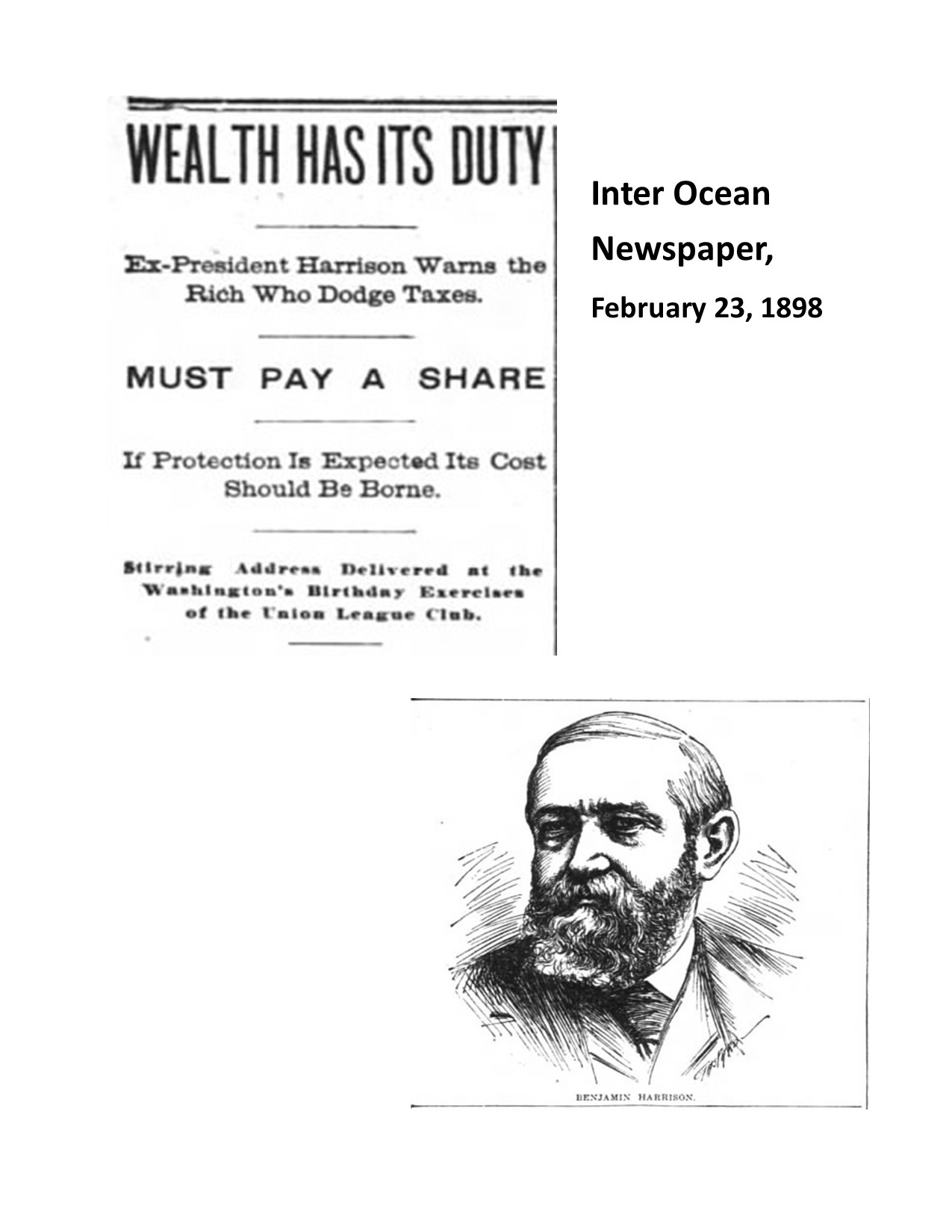
Waterman was listed as one of the “men high in official, business, and social circles” in attendance at an incredible event in 1898 where past U.S. President Benjamin Harrison appeared at the Auditorium Theater in a standing-room-only program put on by the Union League Club. Harrison delivered a speech in which he admonished the wealthy to pay their fair share of taxes.
In 1900, the Grand Army of the Republic (GAR), an organization for veterans of the Union military who fought in the U.S. Civil War, announced plans to hold the annual encampment of the group in Chicago, with a massive fund-raising campaign to raise $100,000. Frank and Margaret Vierling, the late Ida’s parents, were very active in this group.
The Finance Committee formed more than 60 subcommittees of professional men to raise this money within their professional groups. Waterman was a member of the Architects subcommittee, along with the famous William Le Baron Jenney.
In fact, the subcommittees read like a who’s who of famous Chicago businessmen. O.W. Hinkley represented Bottlers of Mineral Water and Beverages; C.H. Wacker (of Wacker Drive fame) represented Brewers; H.C. Lytton represented retail Clothing; John M. Smyth represented Furniture Manufacturing; W.A. Stanton (great-grandfather of RHS Historian Linda Lamberty) from Beverly represented Silk Dealers and Threads. Waterman was with good company.
For years after Ida’s death, Waterman was listed as a member of the south side Kenwood Club. The Vierling family was very active in this club, which was organized in 1881 as a “purely social club” that offered everything from art talks to progressive euchre parties to dances to telepathy sessions to theatrical entertainment considered “far above the average of amateurs.”
The next post on Waterman’s daughter Louise will cover how her Great Aunt Clara Vierling introduced her as a debutante at the Kenwood Club.
In his later years, Waterman kept a low social profile but always maintained his membership in the AIA.
Apparently, the Great Depression and illnesses caused Waterman to fall behind in paying his membership fees to the Chicago Chapter of the AIA, and in 1937 the Executive Committee of that group voted to waive his fees in view of his high standing in the profession. He was approaching the age of 70, which would entitle him to emeritus status.
Much more about Waterman’s career can be learned from the RHS exhibit, which is open to the public for free on Tuesday and Sunday afternoons from 1 to 4 p.m. or by appointment. RHS is located at 10621 S. Seeley Avenue in Chicago.
PS – They have to be "follows" not "likes" … 2 follows to go, thanks.
This RHS Facebook page is up to 2,998 followers.
You know where this is going! If you enjoy the posts and stories on this page, please follow this page.
Please help this hard-working Admin (me, Carol Flynn) reach 3.000.
I'll announce on this page who puts us over the top!
Thank you!
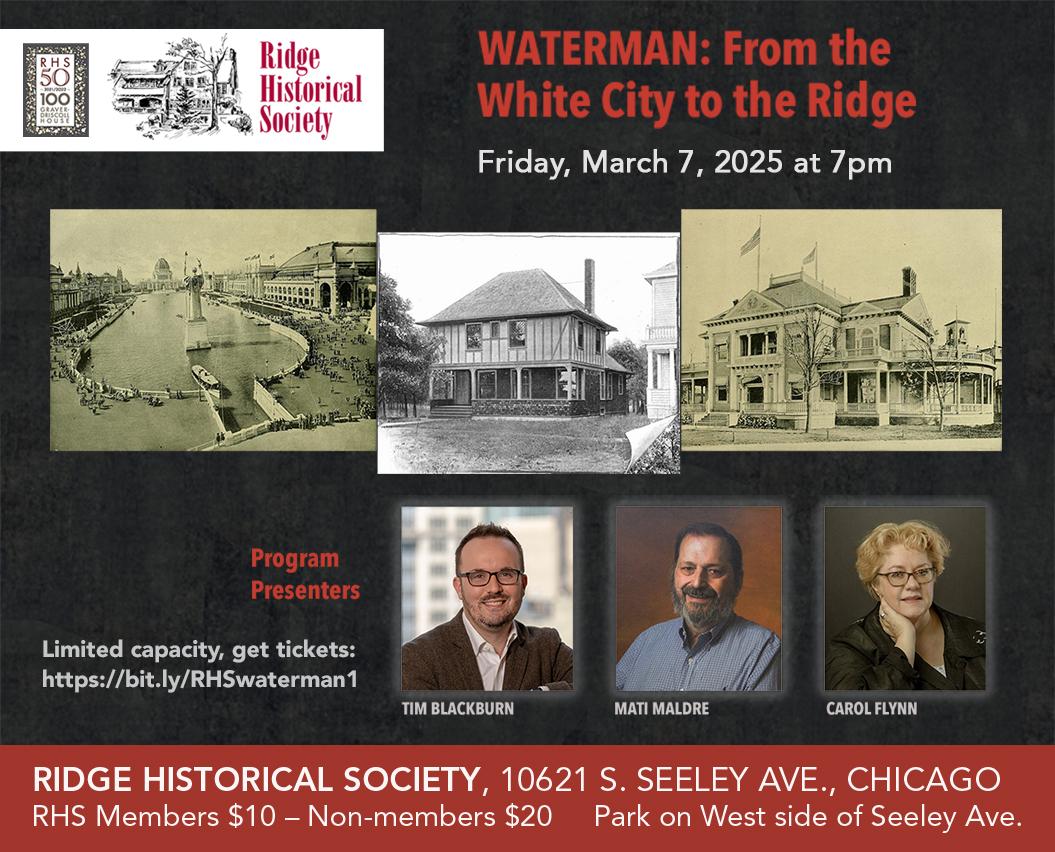
How did a sex scandal connected to Beverly almost derail one of Chicago's most prominent families in the early 1900s?
What is the lasting effect the 1893 World's Fair had on Beverly's streetscape?
Learn the answers to these interesting questions at this Friday's program at the Ridge Historical Society.
This is a repeat of the sold-out program from last November, and it has three components: A look at Waterman's connections to the 1893 World's Fair; a review of the process for the photographs used in the exhibit; and stories about some of the people who lived in Waterman-designed houses on the Ridge.
Attendees will be able to view the exhibit "Harry Hale Waterman: Unique in any Style." The exhibit is also open Tuesdays and Sundays from 1:00 – 4:00 p.m., or by appointment, through at least May 2024.
Members: $10 | Non-members: $20 | Students under 18: $5
Ridge Historical Society
10621 S. Seeley Ave., Chicago, IL 60643
Limited Capacity. Get tickets here: https://bit.ly/RHSwaterman1
RSVP: ridgehistory@hotmail.com 773.881.1675