Explore the RHS Facebook Archives, a rich repository of local history written by Carol Flynn. For two decades, Carol brought a deeply dedicated voice to public education at RHS. Her role as Facebook administrator through mid-2025 naturally extended her prolific research into meticulously detailed articles, most notably her multi-part historical series posts. Today, Carol continues her local history writing for The Beverly Review and other outlets.
May 2020
Ridge Historical Society
Carol Flynn
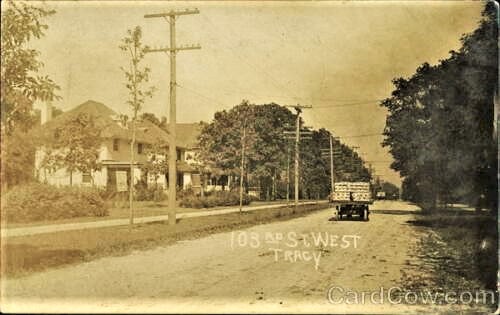
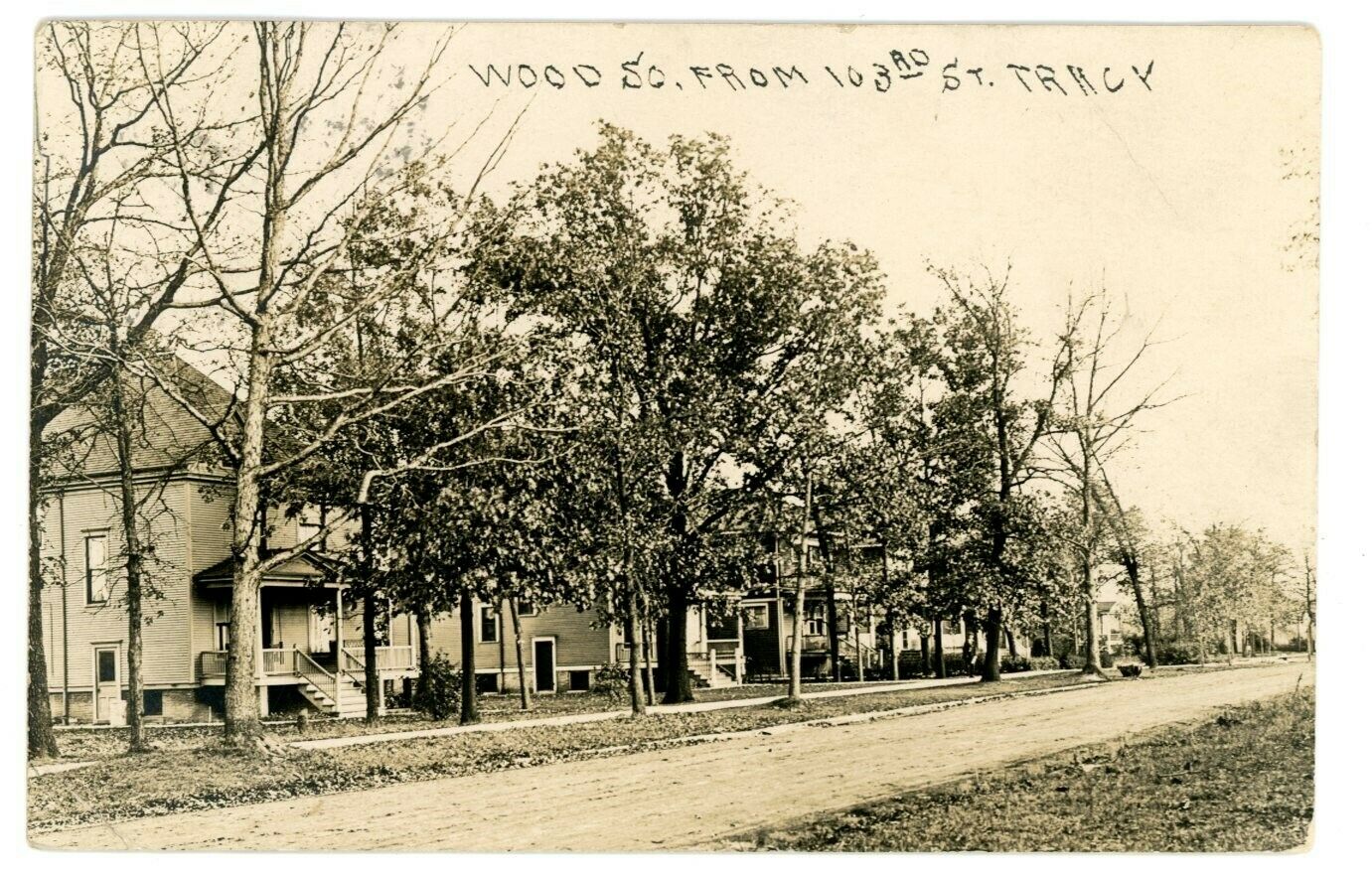
Real picture postcards (RPPCs) were the rage around 1910.
Thanks to George Eastman of Eastman Kodak Company, camera technology had advanced to the point that hand-held box cameras preloaded with film were now available. Once the pictures were taken, the entire camera was sent to the company for processing. The consumer could choose prints or postcards. The camera was reloaded with film and returned to the customer.
These early cameras allowed people to begin capturing everyday images – children at play, social gatherings, local scenery, natural and man-made disasters. Itinerant photographers roamed the country snapping pictures of everything from parades to floods. The postcards started to be sold as local souvenirs.
RPPCs have become valuable with time as visual documentation of local history. They are often referred to as “folk photography.” Needless to say, RHS is a collection point for RPPCs of the Ridge communities.
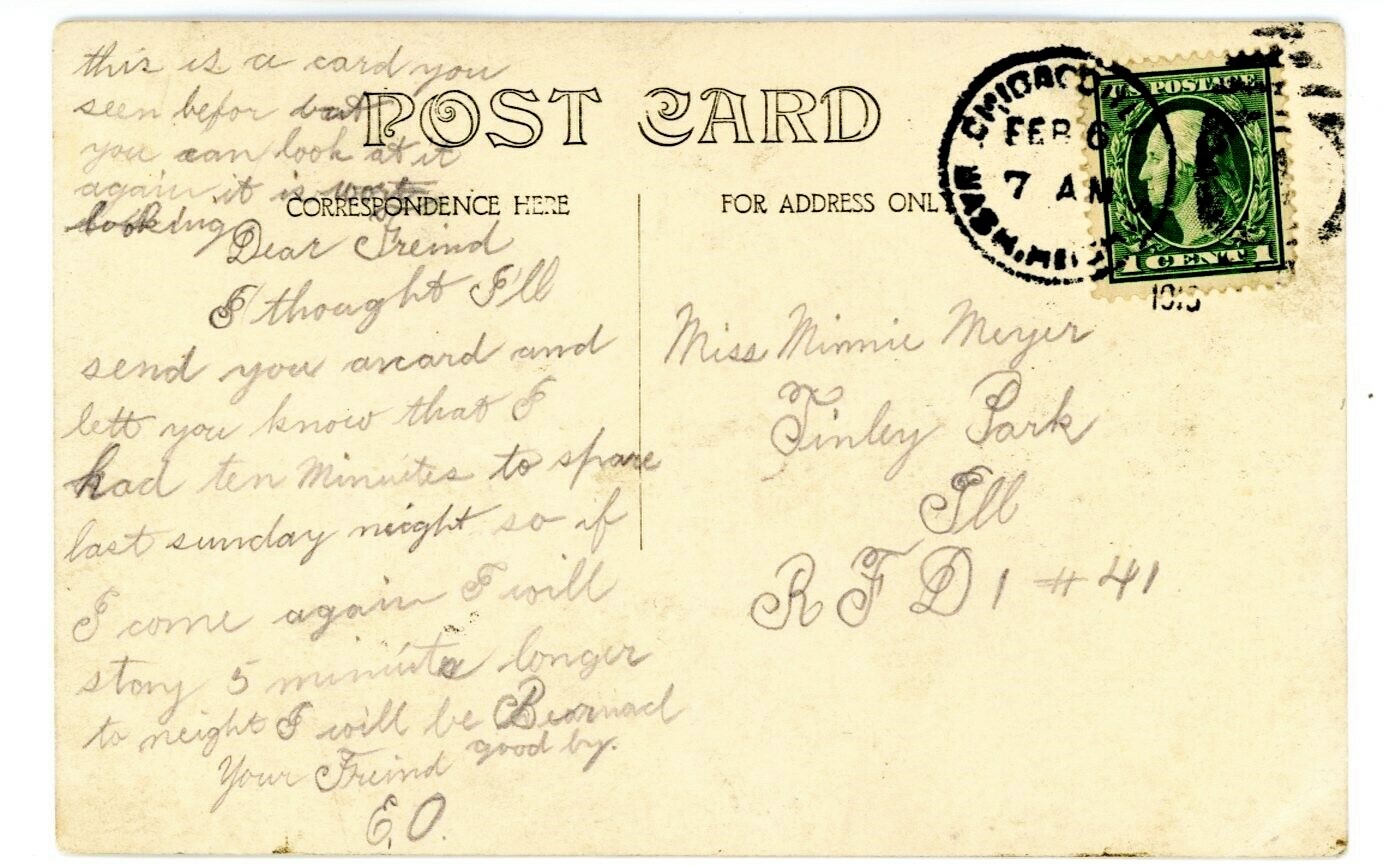
These two RPPCs popped up on eBay recently and have now been purchased for donation to RHS. They are of the “Tracy” area, which was centered around 103rd Street (which was called Tracy until Beverly annexed to the City of Chicago in 1890) between Longwood Drive and Wood Streets. The postcards are labeled from their viewpoints.
Any messages on the backs of the cards are usually also intriguing. Who was “E. O.?” RHS is looking into the exact locations from which these pictures were taken, in order to record then-and-now. And maybe we’ll find E. O.‘s identity.
By the way, the study and collection of postcards is known as “deltiology.”
Ridge Historical Society
Carol Flynn
National Geographic has an article out right now titled “How polar explorers survived months of isolation without cracking” which relates of course to the current pandemic protocol we are experiencing.
The article tells us that “few people have experienced isolation like the early Antarctic explorers…. They could expect to be cut off entirely from family, friends, and the whole of human society for at least a year, left to their own devices in a sterile void of ice, darkness, and bitter cold.” They would at best have occasional radio contact with the outside world.
According to survivors of the experience, the key was “to learn to be content in yourself." And what worked best was to keep to a routine, keep busy, entertain yourself (music, games, novels) and believe in the future.
Admiral Richard Byrd is mentioned in the article. He said, "The ones who survive with a measure of happiness are those who can live profoundly off their intellectual resources, as hibernating animals live off their fat." He was described as the “ultimate self-isolator.”
You can find the article here: https://www.nationalgeographic.com/history/2020/05/how-polar-explorers-survived-months-isolation-without-cracking
Which brings us to the story of Admiral Byrd and his visit to the Ridge.
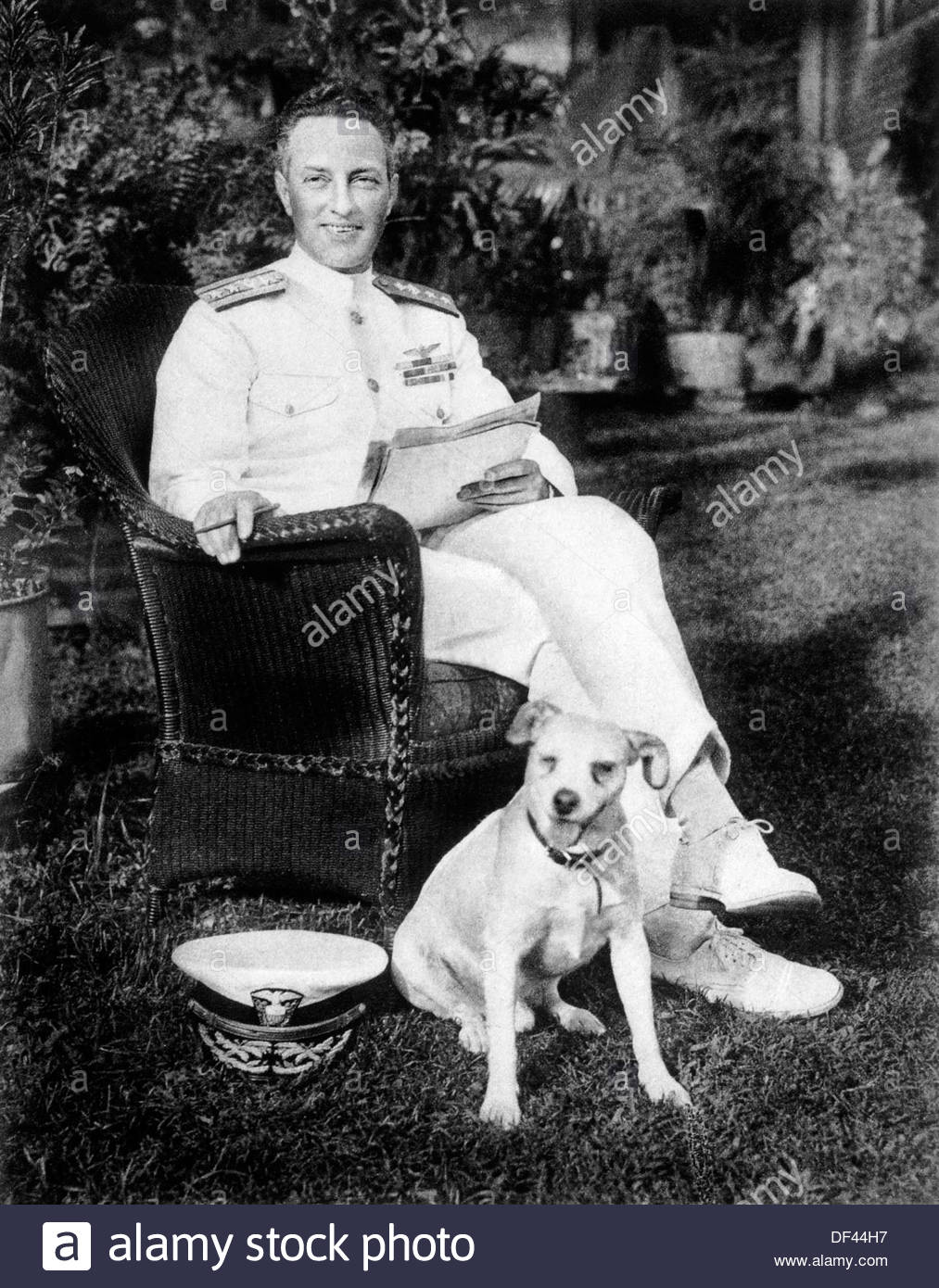
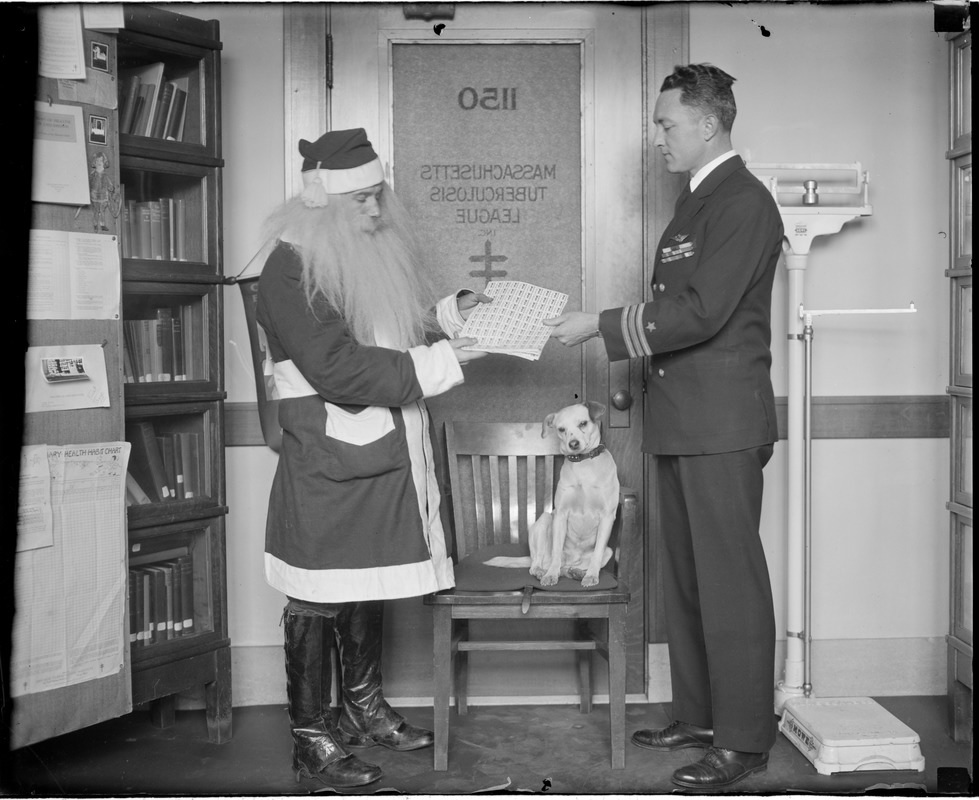
Rear Admiral Richard E. Byrd, famous for his visit to the South Pole (Antarctica) in 1928-30, visited Morgan Park High School on December 4, 1930. He was accompanied by his Smooth Fox Terrier, Igloo. Igloo was a huge media star in his own right.
The dog was a stray found by a friend of Byrd’s who talked dog-lover Byrd into adopting him. The terrier became Byrd’s constant companion, accompanying Byrd to Antarctica in 1928 where the dog received the name Igloo, or Iggy for short. Igloo shared Byrd’s solitude during the harsh winter and had to be dressed in polar clothing to withstand the blizzards.
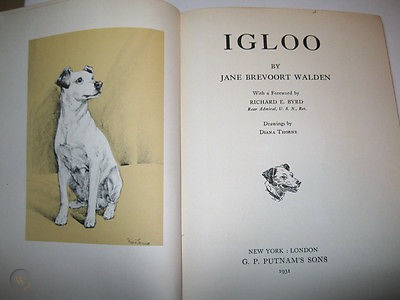
Upon returning to New York, Igloo shared the glory of a Broadway ticker-tape parade and was presented to President Hoover at the White House. The dog became the subject of news dispatches and even a book "Igloo" in 1931. He was also the first dog to fly over ‘Santa Claus’s home’ at the North Pole. People around the world became enamored with the Fox Terrier breed, thanks to Igloo.
Sadly, Igloo died prematurely at the age of 6 from food poisoning. Byrd was away at the time, and chartered an airplane to rush home, while a group of veterinarians worked to save the dog, but it was too late. Buried in a pet cemetery in Massachusetts, Igloo has a marker shaped like an iceberg and his plaque reads “Igloo-He Was More Than A Friend.”
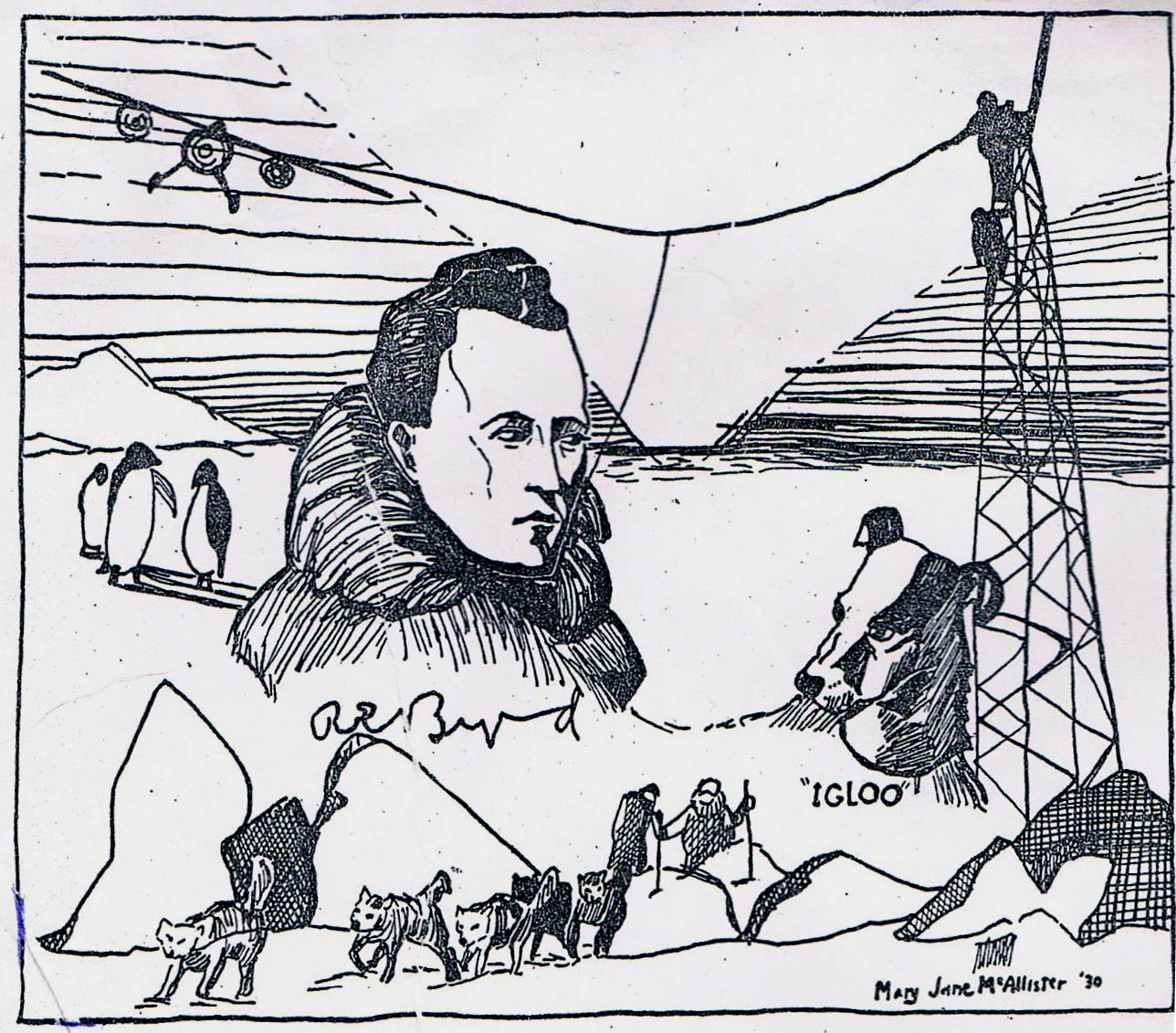
On December 12, 1930, the school newspaper, The Empehi News, ran two articles about Byrd’s and Igloo’s visit, along with a cartoon drawn by a student. The articles are reprinted here, complete with errors. The illustration is attached.
First article: Admiral Byrd Tells of Desire to “Visit New Places” All His Life
By Muriel McClure
“I am an explorer,” said Rear Admiral Richard E. Byrd, “because it was born in me. I have always felt the urge to see new places. You know I traveled around the world alone when I was twelve.”
Admiral Byrd spoke at the high school both in the afternoon and evening of December 4. During this interview he was seated in Mr. Schoch’s office waiting his curtain call. Admiral Byrd is a thin, robust man. He has an easy, charming way of talking.
“I think my last trp, to the South Pole, has contributed the most to science, for the reason that we had the funds and a greater chance to combat the dangers than we had on our other trips.”
When he was asked what he thought was the most important quality of character young people should develop, he replied, “Loyalty I hold before all else, even before honor. I would a hundred times rather have a dishonest man who is loyal than an honest man who is disloyal. Yes, I think one should develop loyalty to church, morals, country and home above all things. Now take dogs for instance, the dogs we had in the Antarctic were the loyalest of animals. Give a dog a chance to serve you and that will be his reaction.”
Commander Byrd’s own fox terrier, igloo, is a loyal pal. He has gone to the North Pole and the South Pole with his master. Igloo, during the interview, lay at the admiral’s feet.
“Our Antarctic stay was something new to all of us, said Mr. Byrd. “The Antarctic is so different from the Arctic because it is just in the process of evolution which the Arctic underwent thousands of years ago. The Antarctic is perennially frozen over, of course. While the Arctic is mostly land, the antarctic is ice floating above 10,000 feet of water. There is very little life in the Antarctic and in the Arctic there is abundant animal and human life.”
In his lecture Admiral Byrd showed movies taken of the two-year exploration trip, as well as giving a short talk as an introduction to the polar regions. He told of days 72 degrees below zero, when the men’s eyelashes froze together, and other hardships.
As Admiral Byrd left the school je said, “I have enjoyed my visit very much, in spite of the fact that I had to speak!”
Second article: Byrd-dog Grants Reporter of Empehi an Interview
Igloo, the famous Byrd-dog, for probably the first time in his illustrious career as a polar explorer, granted an interview to a newspaper reporter last Thursday, December 4.
Igloo was very calm, cool and indifferent to everything, possibly due to training at the South pole. As he had very little to say, we could get nothing but a description of him.
Igloo possesses two brown ears, big brown eyes, brown spots on his back, all the rest of him being white. The famous “pooch” wore a plain black collar with no name on the name plate. He was dark under the eyes, from staying up all night at the South Pole probably!
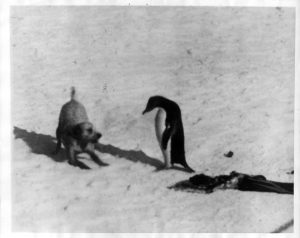
While at the South Pole he obtained a scar during a fight with his enemies, the penguins. It makes us wonder how the penguins looked.
During his stay under the desk in Mr. Schoch’s office, he posed for Mary Jane McAllister. He took his posing very seriously, holding himself quite steady for a dog. When he did move, the artist tried to make him turn back by making a noise like a cat, but cats were of no interest to the pup. Due to the lack of cats at the South Pole?
The dog was nearly, if not, as popular as his master, Rear Admiral Byrd. Igloo had quite an aydience, but to that mob he paid not the slightest heed.
If all dogs were only like Igloo, quiet, reserved and peaceful (?) but alack! They are not!
Igloo, here’s your chance to open an etiquette class! for dogs.
The moral of this story? The companionship of a friend like Igloo surely eases the loneliness of isolation.
Ridge Historical Society
Part IV for Memorial Day – The Civil War and the Ridge
Carol Flynn, RHS Communications
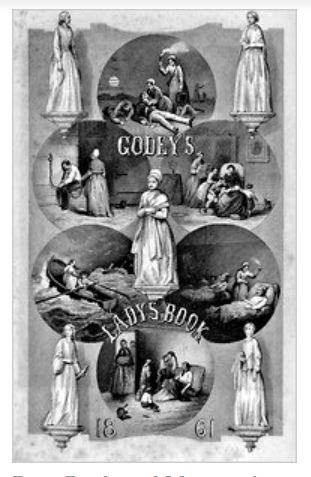
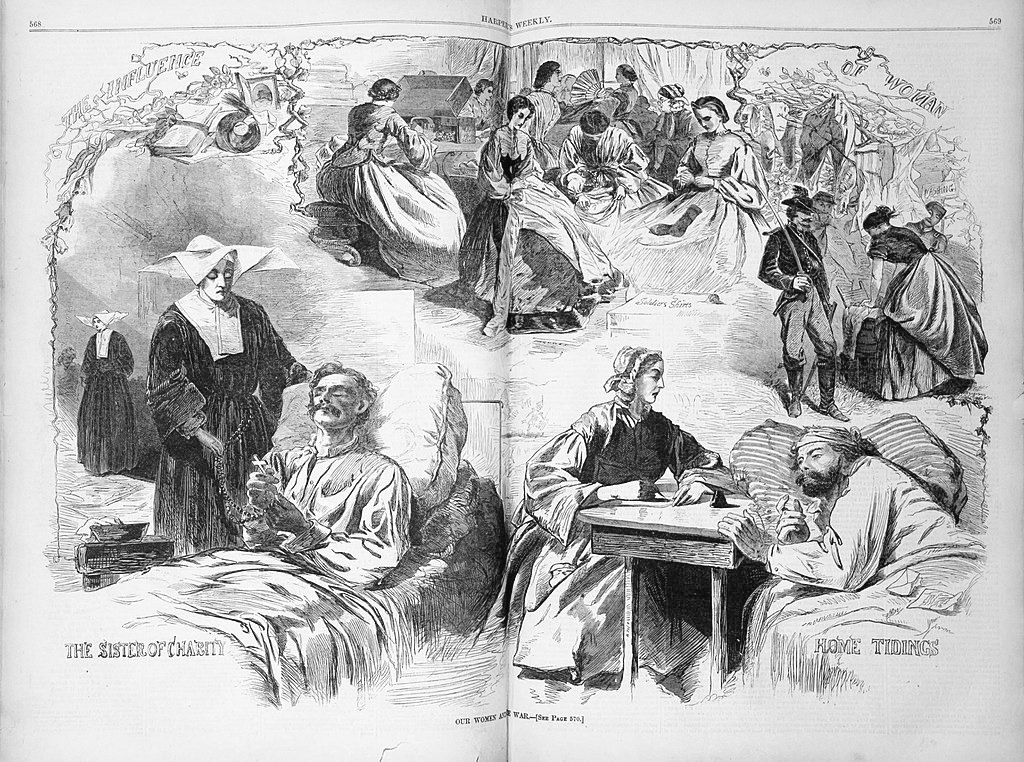
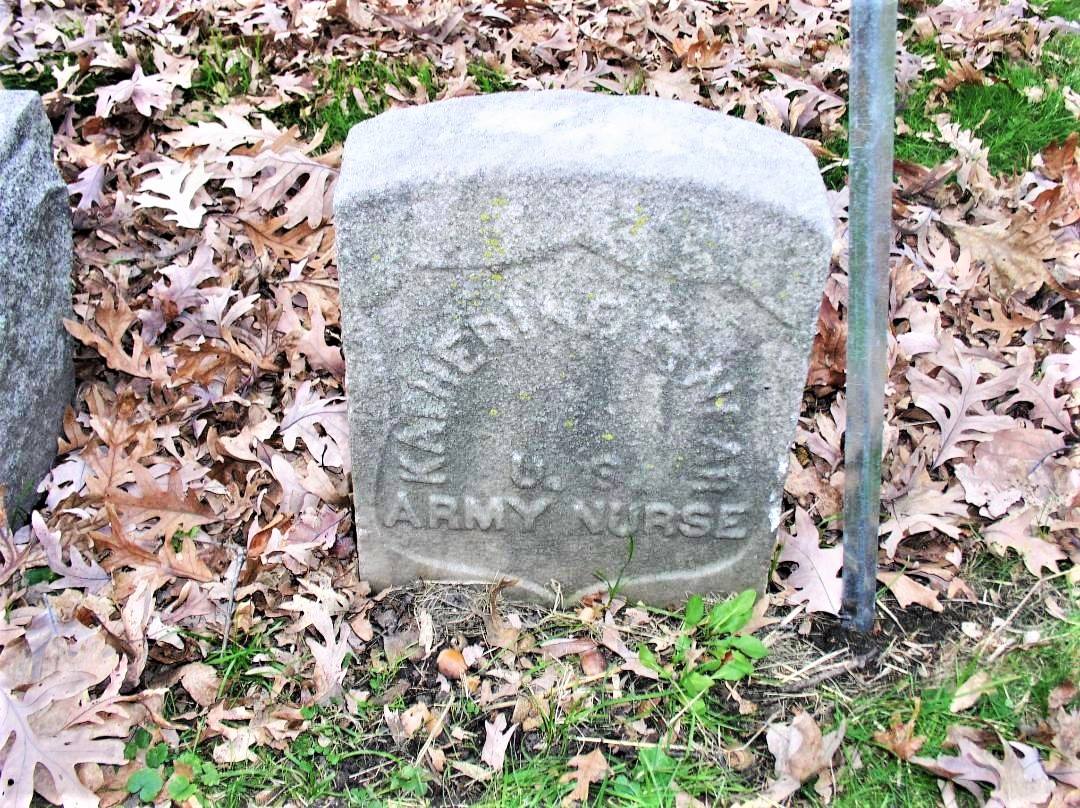
Women joined the war effort, also. At least three U.S. Army Nurses who served during the Civil War have been identified from Blue Island.
Thousands of women served as nurses during the Civil War, first as volunteers, and then as paid members of a nurse corps established through the efforts of Clara Barton in 1861. Dorothea Dix organized nursing efforts in the Washington, D. C., area, and Mary Ann Bickerdyke did likewise at the military camps in Cairo, Illinois.
Nursing as a profession was in its infancy, and there were no nursing education programs. At first women were considered too delicate to cope with the demands of caring for the sick and wounded, but they soon proved themselves through their determination, hard work and sacrifice. Women nurses were paid $0.40 per day. Male nurses in the same situations were paid over $200 per month.
Nurses came from many sources, including wives who had accompanied their soldier husbands to camps, women who lived by the camps, and members of religious institutions and relief organizations.
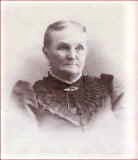
Mt. Greenwood Cemetery identified the grave of one Civil War woman veteran buried there, Catherine Near, U. S. Army Nurse. Her maiden name was Catherine Fay and she was known as Kate.
The Fay family came to Blue Island in the early 1850s. Kate was living with her mother and a son from a first marriage, with a sister and brother in town, when the war broke out. The exact sequence of events that led Kate to become an Army nurse are not yet documented, but records show that she married John H. Near, a soldier from Blue Island, in December of 1861 in Alexander County, which includes Cairo as the county seat. Cairo, at the southern tip of the state on the Mississippi River, was the site for many Union camps, a point from which the soldiers embarked for campaigns in the South.
So far there is no documentation of Kate Near’s experiences as a nurse. The 1870 U. S. Census reports John and Kate Near and her son living in Grand Tower, Illinois, in the far southern part of the state in Jackson County. It appears the marriage later broke up, with Kate and her son returning to Blue Island, and John Near relocating to Missouri.
Army records show that Kate received her own pension from the Army. She died in 1908 at the age of 73. The cause of death was listed as accidental gas poisoning, assumedly from a gas leak.
Kate’s brother, Jerome Fay, bought property for farming at the junction of the Calumet River and Stony Creek, which became known as Fay’s Point. Jerome married John Near’s sister, Lydia. So a Fay brother and sister married a Near brother and sister.
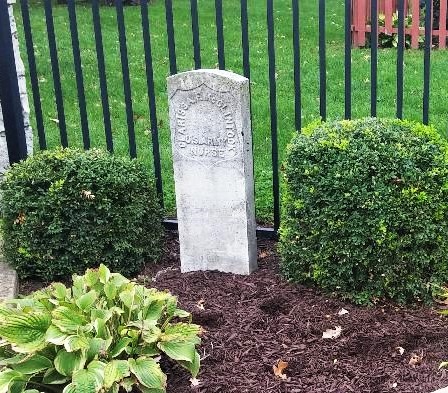
At the entrance to Memorial Park on 127th Street in Blue Island is a display of old tombstones dating back to the days when the park was the Blue Island Cemetery. One of the stones belonged to Clarissa F. McClintock, U. S. Army Nurse.
The McClintock family came to the Ridge in 1850 and was among the “intelligentsia” of early Blue Island. Clarissa’s mother, Laura (Mrs. Thomas), and her sister, Marion, ran a private school in their home on Vermont St. Her father Thomas allowed his large collection of books to be borrowed by the townspeople, starting the first Blue Island “library.” McClintock's occupation was as a county surveyor.
Both Clarissa and her older sister Marion were listed as employed in 1863 at Jefferson Barracks, Missouri, as commissioned nurses. As with Kate Near, no documentation of their experiences have been uncovered yet.
Clarissa was born in 1842 and died young, in March 1867, “after two years’ illness.” It is possible she contracted a lingering illness during the war. She was buried in the Blue Island Cemetery. That cemetery was closed and turned into a park. Most, but not all, of the graves were moved to other cemeteries. Her old gravestone is still in Blue Island but the location of the McClintock family graves hasn’t been looked into yet by RHS.
Marion was born in 1835 and died in 1900. She taught German for many years in the Chicago Public Schools. Marion is buried in Rosehill Cemetery.
The McClintock sisters and Kate Near are listed in the Army pension records. They are also listed in the Illinois Roll of Honor, compiled in 1929 to identify the burial places of those who served in any of the wars up to that time and were buried in Illinois. The list was started to aid in honoring deceased veterans on Decoration (Memorial) Day.
This concludes our posts – for now – about some of the Ridge residents who served in the U.S. Civil War. Their sacrifices to preserve the Union and the U.S. Constitution should be remembered.
Ridge Historical Society
Part III – For Memorial Day: The Civil War and the Ridge
Carol Flynn, RHS Communications
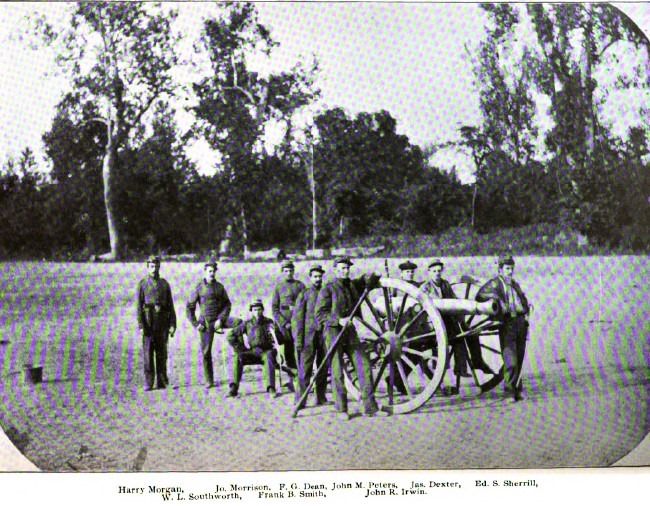
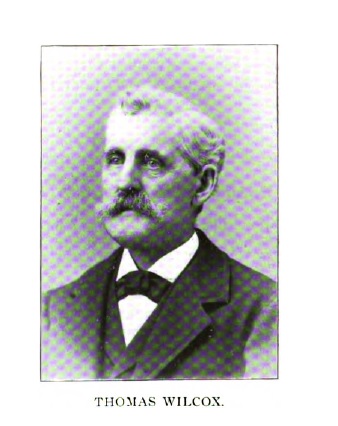
Yesterday we posted about the three Wilcox brothers, Wilbur, Thomas, and Willard, who joined Company A First Illinois Artillery Volunteers (“Battery A”) to fight for the Union cause in the Civil War. The Wilcox family was one of the first families on the Ridge, arriving here in 1844.
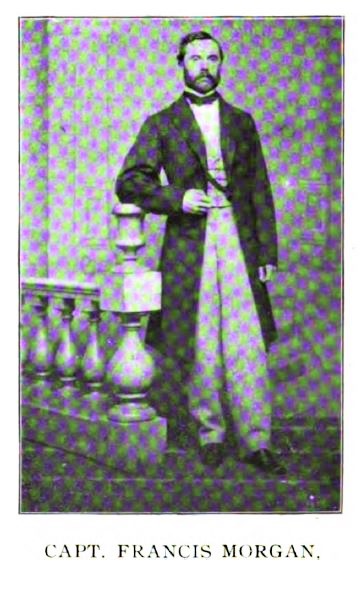
The Rexford brothers, Roscoe Eugene and Everett Heber, were recruited into Battery A by their friend Wilbur Wilcox. The Rexford family had been on the Ridge since the 1830s. Other Ridge friends also joined Battery A – Harry and Francis Morgan, from the Morgan family that gave Morgan Park its name.
According to a history of the Battery published in 1899, the Rexford brothers were “delighted” to join their friends at Camp Smith, Cairo, Illinois, in July of 1861. But soon, youthful visions of camaraderie and glory gave way to the grim reality of war.
After the Battle of Fort Donelson at the Tennessee – Kentucky border early in 1862, Roscoe fell ill. He was sent back to Cairo, where his father met him. He died before they reached home on the Ridge. Two-thirds of Civil War fatalities were due to illnesses such as malaria, typhoid and pneumonia. Roscoe was 21 years old. He is buried in Mt. Greenwood Cemetery
Everett Rexford became the bugler for the Battery. The men had true affection for the bugler but gave him a hard time for early morning wake-up calls by stealing the mouthpiece of the bugle and other tricks.
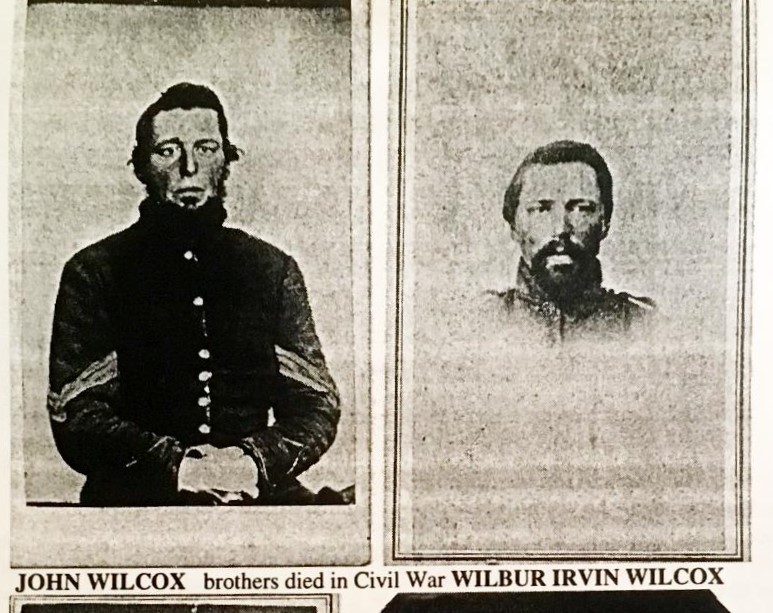
The bugler played “taps” when a fellow soldier died. Presumably Everett Rexford had to perform this duty when his friend Sgt. Wilbur Wilcox, 26, was killed in an ambush by Confederate soldiers in July 1863 in Mississippi. Wilcox had volunteered to be part of a group that went behind enemy lines to procure food for the horses.
Everett had a faithful horse named Japhet that had been with him since the beginning of the war. He left the horse with his friend Thomas Wilcox and shortly afterwards, in July of 1864, both Wilcox and the horse were captured by the Confederates during a skirmish outside of Atlanta. Wilcox spent the next eight months in the Andersonville prisoner-of-war camp. What happened to Japhet is not known.
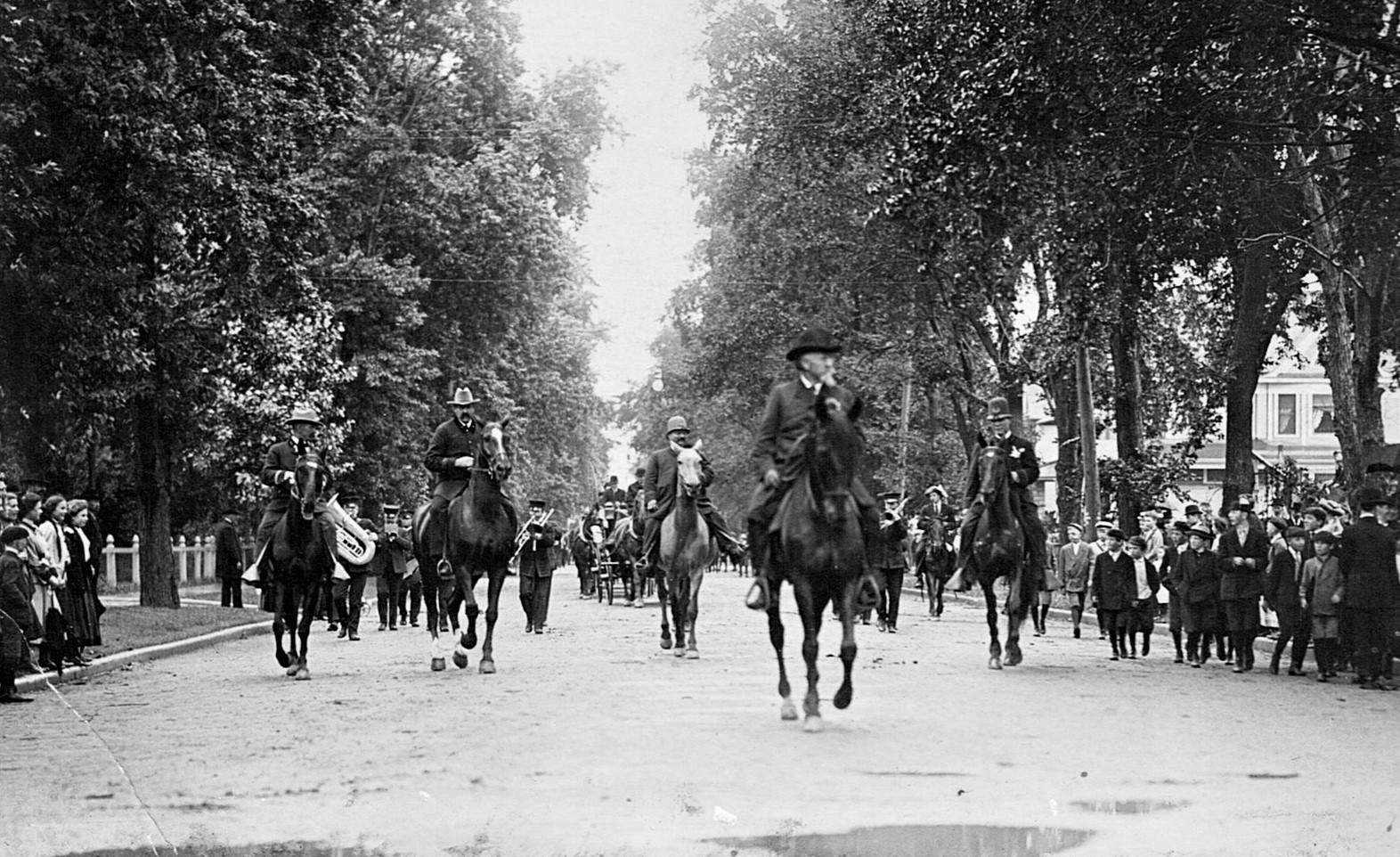
Everett Rexford survived the war, becoming a very prominent citizen of Blue Island. He served as village president and cut a dashing figure for many years leading mounted parades of local Civil War veterans through the streets on Decoration Day, May 30, the forerunner of Memorial Day. He served as musical director of Battery A’s veterans’ association and blew all the old battery calls on his “old war bugle” at their reunions. He was made the National Bugler of the GAR. He died in 1920 at age 78 and was buried in Mount Greenwood Cemetery.
Francis and Harry Morgan were two of the sons of Thomas Morgan, the man who brought his family to the United States from England on his own ship and purchased much of the land on the Ridge.
Francis was educated in a military school in the East and was recognized for his military leadership skills and efficiency. He started as a lieutenant with Battery A and rose to captain. Plagued by health issues, he resigned his commission and returned to Chicago, taking a job on the governor’s staff. He died in 1887 at age 50. The Battery A history noted that Francis was a “thorough gentleman … held in the highest esteem … whose integrity of character and innate honesty has never been questioned.”
Harry Morgan, Francis’s older brother, made it through the war and returned to the Ridge, farming the Morgan lands. He and Everett Rexford became brothers-in-law through marriage when they married sisters Emily and Sarah Robinson, respectively, from another early Ridge family. Harry eventually moved to Blue Island as the family land was sold to developers; some of the land became the Village of Morgan Park. He died in 1893 at age 60.
The Morgan family is buried in Graceland Cemetery on the north side.
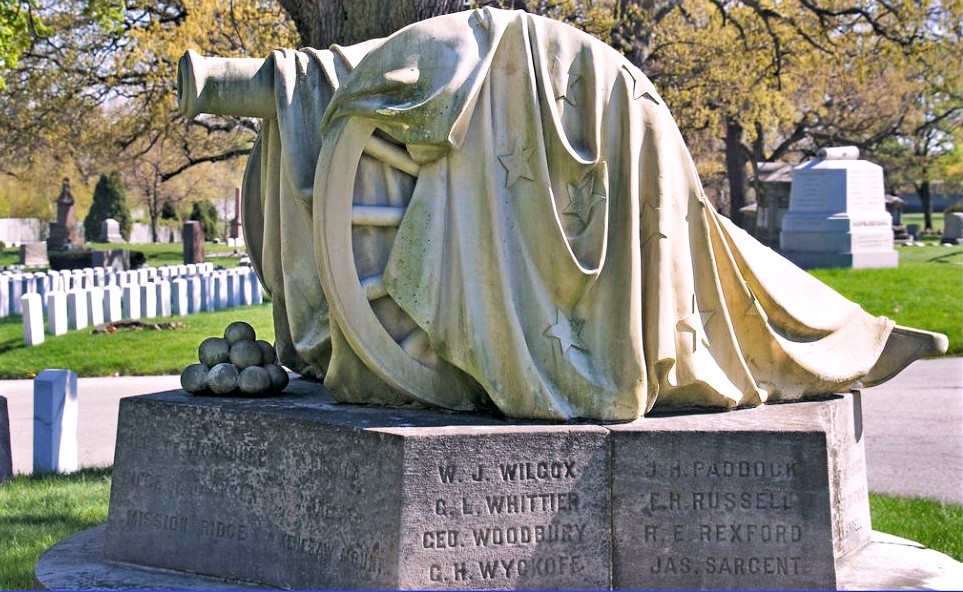
There is a monument to Battery A at Rosehill Cemetery on the north side. The names of those who died in service are inscribed in the base. W. J. Wilcox and R. E. Rexford are listed.
These are just a few of the stories of men from the Ridge who served in the Civil War.
Women joined the war effort, also. At least three U.S. Army Nurses who served during the Civil War have been identified from Blue Island. Tomorrow we will share their stories.
Ridge Historical Society
Part II – Memorial Day – More on the Civil War and the Ridge.
Carol Flynn, RHS Communications
Decoration Day, which became Memorial Day, evolved because of the Civil War. This is a continuation of the post started yesterday about the Civil War and the Ridge.
Almost all the soldiers from the Chicago area who fought for the Union in the Civil War were volunteers. Some of these men likely heard Abraham Lincoln speak while he was running for president, at one of the hotels Lincoln frequented, like the Tremont House.
Families started settling around today’s Beverly/Morgan Park area in the 1830s. The entire area was called Blue Island back then. This post will look at four of these families – Rexford, Wilcox, Morgan and Barnard – and their experiences in the Civil War.
The Rexford family came in 1834 and built a large log cabin as a rest stop for travelers around what is now 91st Street, along the Vincennes Road, which they called the Blue Island House. A few years later they moved to the south end of the Ridge, which would become the city of Blue Island. The Wilcox family came in 1844 and took over the Gardner Tavern, another wayside stop which had been built in 1836 at 99th and Beverly Ave. The Morgan family came in 1844 and owned most of the land on top of the Ridge, establishing their estate around 92nd and Pleasant. The Barnard family came about 1846 to join the Morgans; William Barnard was tutor to the Morgan children. They settled around 101st and Longwood Drive. In addition to their other undertakings, the families established farms to grow crops and raise livestock.
The early families of course knew each other well. Two Barnard brothers married two Wilcox sisters. A Morgan and a Rexford married Robinson sisters, from another early family. When the Civil War started, brothers, friends, and neighbors enlisted and went off to war together. They wrote letters home to their families, some of which have been saved. Some of the men from the Ridge did not return.
Alice S. Barnard, whose mother was a Wilcox, wrote in 1924: “The ‘60’s – the decade of the Civil War!
…I was a very little girl. When Lincoln was candidate for president there was held in the North Blue Island school house [likely around 103rd and Vincennes] what was probably the first political meeting of the neighborhood…. Feeling at the meeting ran high….
“The call came for three month enlistments. In the Wilcox family were five sons. The two youngest enlisted. Returning at the end of this term they told the story of the reenlistment. Their company stood in line! The sign of reenlistment was a step forward – one after the other took the step – many hesitated. But finally all but one had taken the decisive step and when he finally came forward, wild cheering rent the air.
“The war went on, the two oldest sons enlisted, leaving the [fifth] brother incapacitated for military service to care for the farm and the aging mother. Of the seven Morgan boys several enlisted and all returned. Erastus A. Barnard marched with Sherman to the sea.”
Brothers Erastus, William and Daniel Barnard all fought in the Civil War, all survived, and are all buried at Mt. Greenwood Cemetery. William had married Miranda Wilcox and was the father of William Wilcox Barnard and Alice Sarah Barnard, the authors of the histories we have been sharing. Erastus had married Mary Lavinia Wilcox. Daniel Barnard, who never married, formed his own company in which he served as Captain. Family lore says he fought in many battles and was never sick or wounded.
Four Wilcox brothers fought in the war, and the family was not as fortunate as the Barnards. John joined his friend Daniel Barnard’s company as a sergeant, and was killed in 1863 and buried at Chattanooga, Tennessee. He was 37 years old and left a wife and two sons.
Wilbur, Thomas, and Willard Wilcox joined Company A First Illinois Artillery Volunteers, which the group itself called “Battery A.” Most of the men were from the Chicago area. Friends from the Morgan and Rexford families also enlisted with Battery A.
Thomas wrote home to his sister from Vicksburg, Mississippi, in 1863: “Have to stay at the guns [cannon] most of the time…. [We] opened on them one morning about three o’clock; for hours it seemed like a stream of fire from one end of the line to the other…. They cannot stand it much longer…. I would like to come home when we take Vicksburg. It seems a long time since I came away. Willard is as strong as ever…. I do not like soldiering, no way you can fix it.”
Unfortunately, Thomas was captured and held prisoner in Andersonville, Georgia, for eight months. His health deteriorated and he reportedly never fully recovered. He did return home, and in 1872 he moved his farm to Indiana, where he died in 1895. Willard also returned home and moved away from the Ridge.
Their brother Wilbur was not so fortunate. He was killed in Mississippi in 1863. He was 26 and single.
The fifth brother, William, stayed home to keep the family farm running during the war years. It was a common, and necessary, practice, to designate a family member to remain behind to continue the family business. He is the only Wilcox brother buried in a Ridge cemetery, Mt. Greenwood.
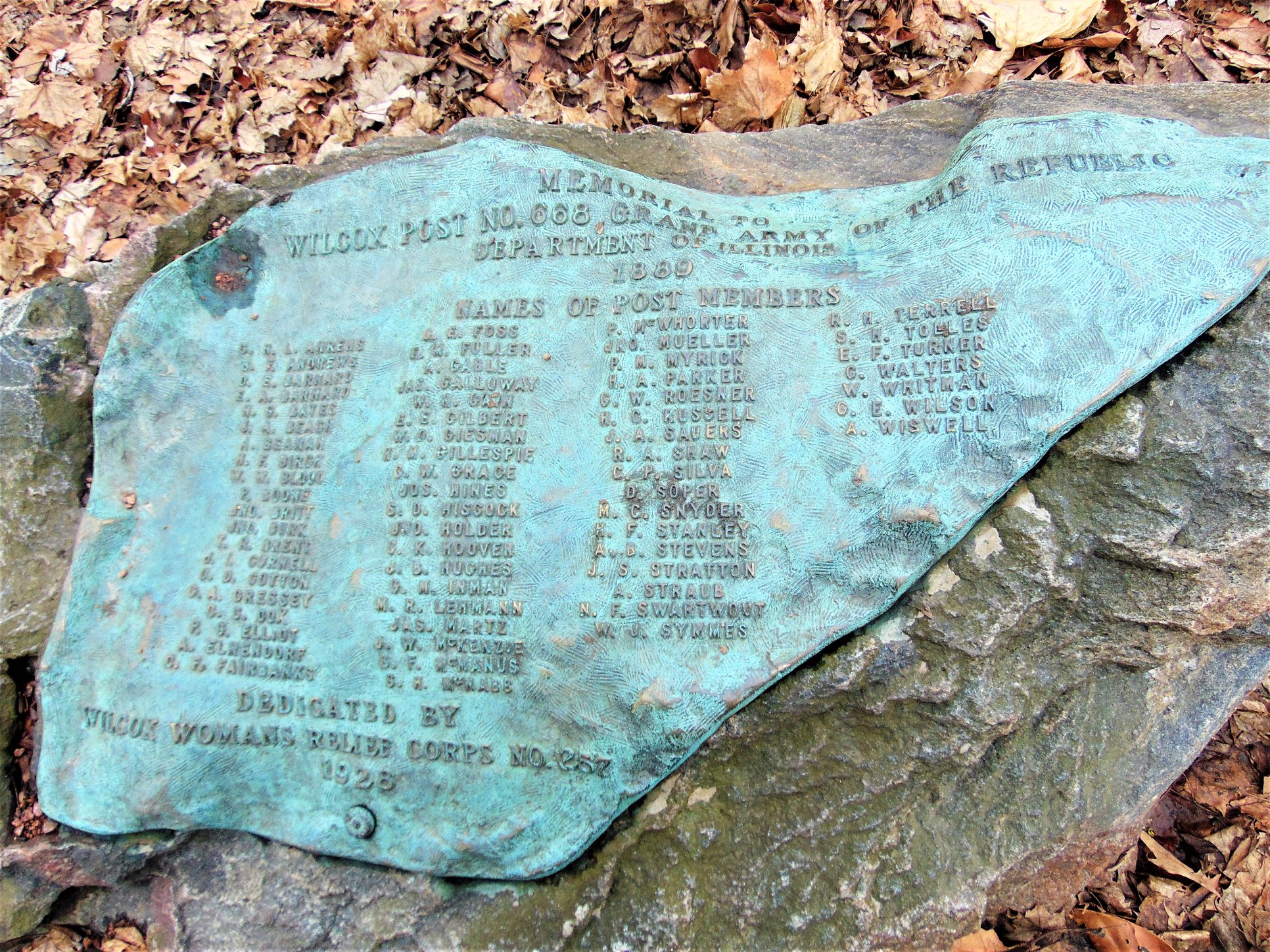
After the Civil War, the Grand Army of the Republic (GAR) was founded in 1866 as a fraternal organization for veterans of the Union military. A local branch, the Wilcox Post, No. 668, was founded in 1889. It was named in honor of the Wilcox brothers who served in the war.
A stone and bronze marker listing the charter members, created in 1928, is installed at Ridge Park at 96th Street and Longwood Drive. Charter members included Daniel and Erastus Barnard. Austin Wiswall, the young officer written about in yesterday’s post, who settled in Morgan Park after the war and is buried in Mt. Hope Cemetery, was also a charter member.
The GAR dissolved in 1956 at the death of its last member. The legal successor of GAR is the Sons of Union Veterans of the Civil War (SUVCW), open to male descendants of Union military veterans.
Next installment: The Rexfords and Morgans in the Civil War.
Ridge Historical Society
Part I for Memorial Day – UPDATED
Carol Flynn, RHS Communications
Monday, May 25, is Memorial Day, the federal holiday when we commemorate those who have died while serving in the U.S. Armed Forces. Originally known as Decoration Day, from the custom of placing flowers on the graves of fallen soldiers, the day was adopted by states after the U.S. Civil War. In 1971, the name was changed to Memorial Day, and it was made a federal holiday to be celebrated on the last Monday in May to create a three-day weekend.
The Civil War, fought from 1861 to 1865, remains the deadliest military conflict in U. S. history, pitting American against American. As many as 750,000 military personnel from both the North and South were estimated to have died. More soldiers died from disease than from injuries; pneumonia, typhoid, dysentery, and malaria caused about two-thirds of the deaths.
Illinois was a major source of troops and supplies for the Union during the war, contributing over 250,000 soldiers. People from the Ridge fought in the war, and they will be profiled tomorrow.
After the war, many Civil War veterans moved to the Ridge. Mt. Greenwood Cemetery has identified over 300 Civil War veterans buried there. Similar numbers would be expected for Mt. Hope and Mt. Olivet cemeteries, and those along Kedzie Ave.
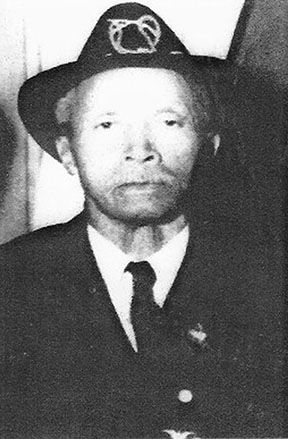
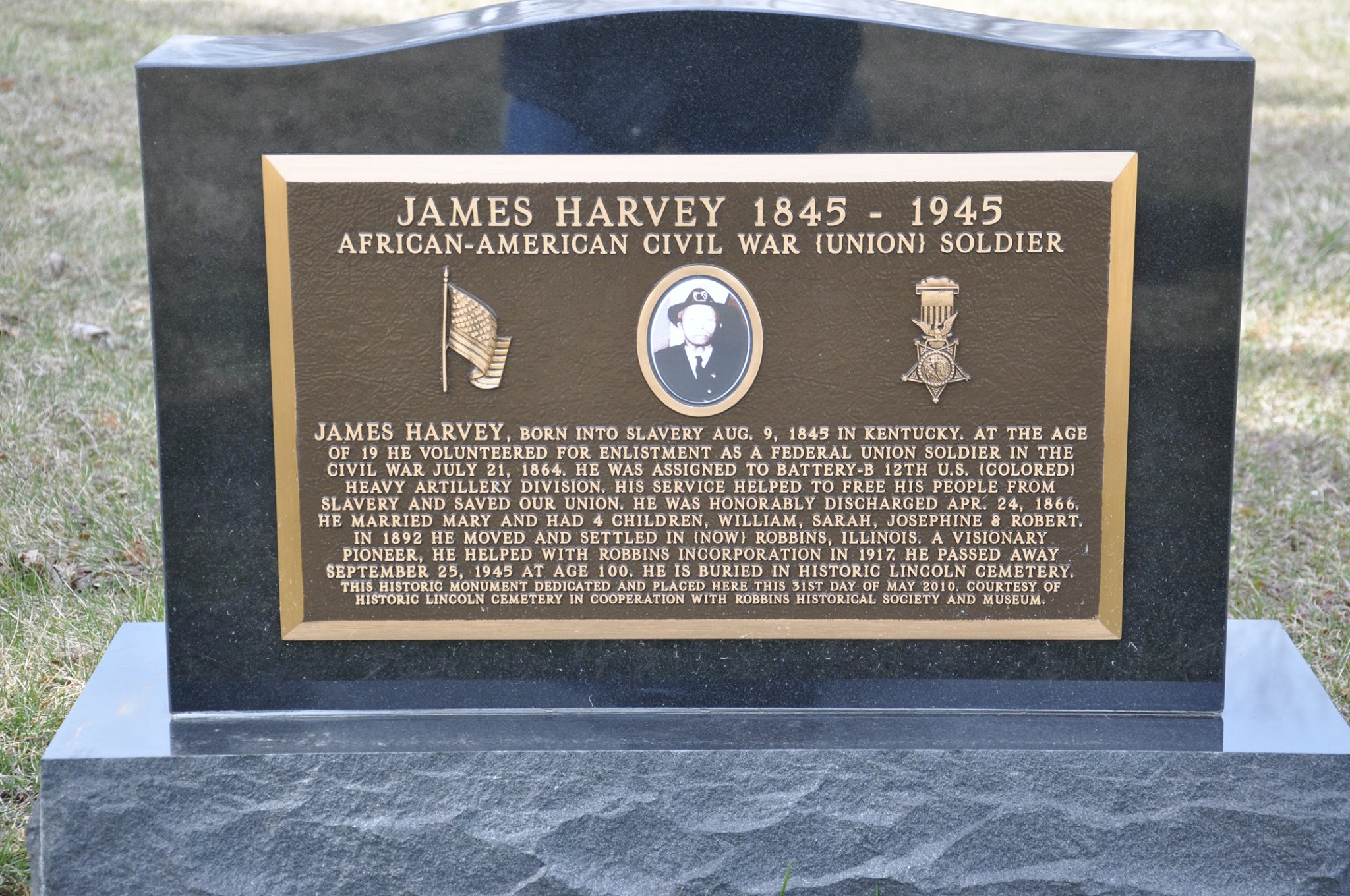
In 2016, a ceremony was held at Lincoln Cemetery, the historic African American cemetery at 123rd St. and Kedzie, to recognize and honor James Harvey, a Civil War veteran buried there. Harvey, born a slave in 1845, served with the U.S. Colored Troops (USCT). These troops consisted of black soldiers, usually ex-slaves, and white officers.
At the end of the war, Harvey received his freedom, but his monetary compensation was given to his former owner. He moved to the Chicago area and was one of the founders of the town of Robbins. He lived at 137th and Sacramento. He died at the age of 100, the last African American Civil War veteran in Illinois.
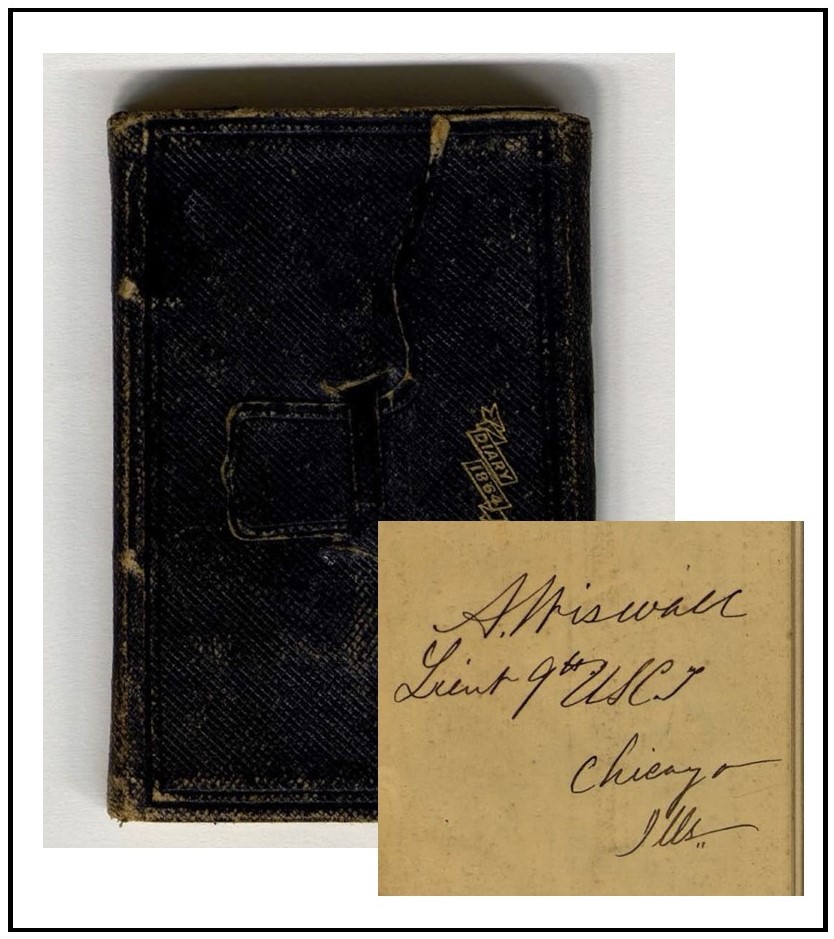
Several white officers from the USCT are buried on the Ridge. Buried at Mt. Hope Cemetery is Austin Wiswall, the nephew of Elijah and Owen Lovejoy, the ardent abolitionists. Elijah was murdered in 1837 in Alton, IL, by a pro-slavery mob. Owen became the best of friends with Abraham Lincoln, serving as a congressman from Illinois, and a “conductor” on the Underground Railroad.
Austin, born in 1840, a lieutenant in the USCT, kept a diary and wrote many letters home, which are preserved in a collection in Texas. These offer insight into the experiences and mindset of a young soldier.
Much of the work of a young officer was humdrum and routine. In the early days of 1864, Austin was in the Baltimore area, spending his time listening to music and drinking lemonade in his tent. He was bored with drilling recruits, he wanted to see action – he wrote if he did not get into the Calvary, he would resign.
He was sent to nearby towns to recruit men into the colored troops. After one session, on Monday, Feb. 8, he wrote: “Was busily engaged this morning making out my descriptive lists. There will probably be some inaccuracies in them as one of the charming mesdemoiselles of this place was sitting opposite me at the time and distracted my attention.”
Austin did see action later in that year. On August 9, he wrote to his mother, Elizabeth Lovejoy Wiswall, an enthusiastic letter about the new assignment that he was sure would lead to the Calvary.
Unfortunately, a few weeks later, Austin was captured by Confederate forces and held at the infamous Andersonville prisoner-of-war camp, in Georgia. His mother received a letter dated September 2, from Lt. Col. Armstrong, which began, “I regret to inform you that your son Austin Wiswall is now a prisoner in rebel hands and is slightly wounded in the fleshy part of his leg.”
The letter continued that Armstrong had met under truce with the enemy officers and they were impressed with Austin and would do what they could to help him.
After a few months, Austin was released in an exchange of prisoners which was believed to have been arranged personally by President Lincoln.
Wrote Austin on December 19 from the Officers’ Hospital in Annapolis, MD: “I am exchanged but have not ascertained what will be done in my case as of yet…. Exchanged prisoners are constantly arriving at this point from Charleston…. There have been no Officers of Colored Troops paroled since I was. I realize more and more how very fortunate I was to get away from them. There are a great many of the men die very soon after their arrival here. A great many come here [seeking] after their friends and find only their clothes or some little relic left for them in the hands of a comrade…. I will write to mother often.”
The war ended a few months later, and Austin returned to Illinois. He married Martha Francis (Fannie) Almy from Massachusetts and they moved to Morgan Park, where he was very active as a member of the Village Board of Trustees. He died in 1905.
Part II will share the Civil War experiences of the early families on the Ridge.
From the Ridge Historical Society
Part V on the “natural Ridge”
-Carol Flynn, RHS Communucations
As a follow up to the posts on the early history of the Ridge as told to us by W. W. Barnard, we received some interesting questions and comments. Here are a few, plus responses.
Q: What is the oldest home in area? Chambers home seems likely.
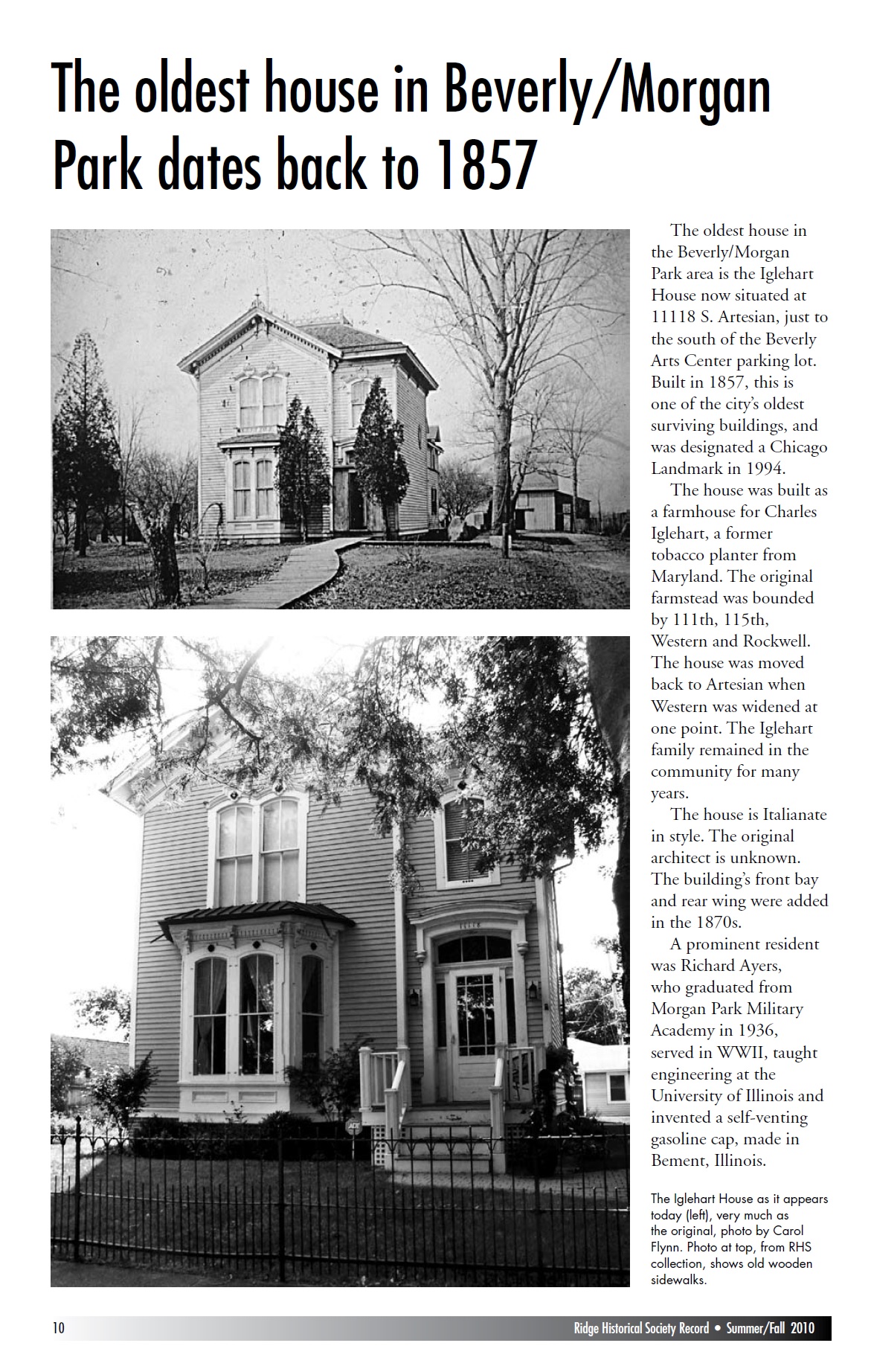
A: The Chambers House at 10330 S. Seeley Ave. was built in 1873, making it one of the oldest houses still standing. But the oldest house in the area on record is the Charles D. Iglehart House at 11118 S. Artesian Ave. Built in 1857, it is one of the oldest houses in Chicago. It originally was on Western Ave., surrounded by orchards, but was moved back when Western was graded and widened and paved. A photo of a newsletter article from RHS is attached.
Q: We live at 96th Winchester and have wondered if Lake Chicago basically lapped up to Longwood drive. Was that the shore?
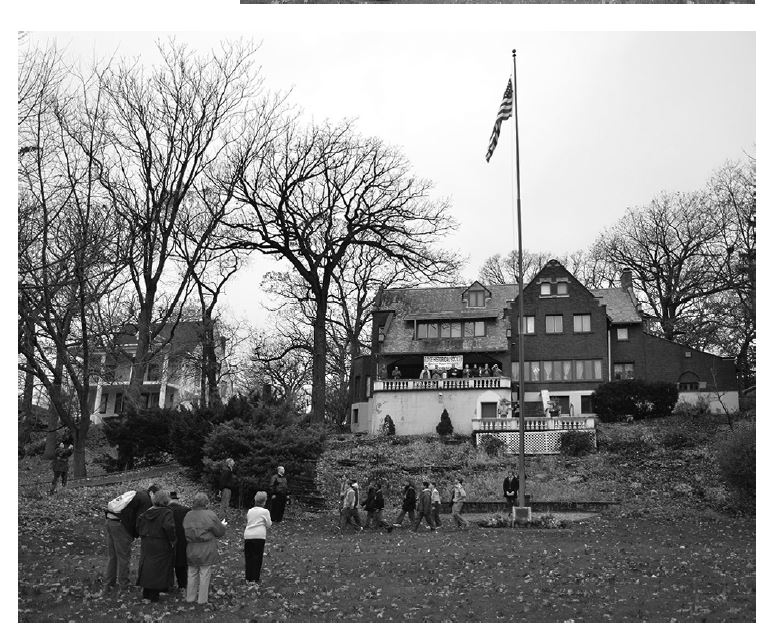
A: Yes, Longwood Drive runs along the base of the Ridge, the east side of the prehistoric Blue Island. The “ridge” was cut by waves lapping against that shore. The Longwood Drive lawn of the Ridge Historical Society (see picture), the Graver-Driscoll House at 10616 S. Longwood Drive (entrance at 10621 S. Seeley Ave.), gives a good example of the ridge. The lawn starts out with a gradual slope, then increases greatly in steepness until the top of the ridge. The architect who designed this house, John Todd Hetherington, built the terraces down the ridge, making great use of the natural terrain, nestling the house right into the ridge. Many of the early houses had entrances on both Longwood and the street to the west, Seeley, Lothair, etc. The driveways became too treacherous especially in winter for horse and buggy to use.
Q: [Are the natural wetlands] the reason I have so much clay in my soil?
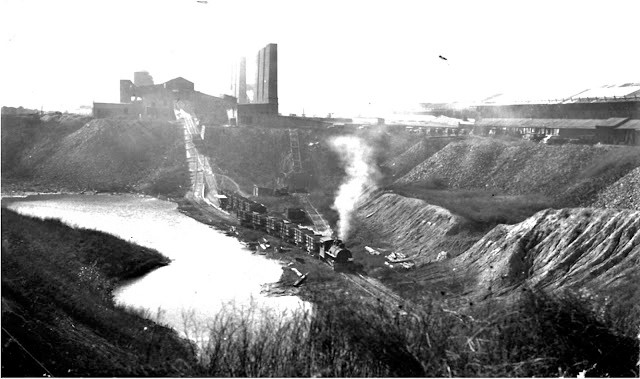
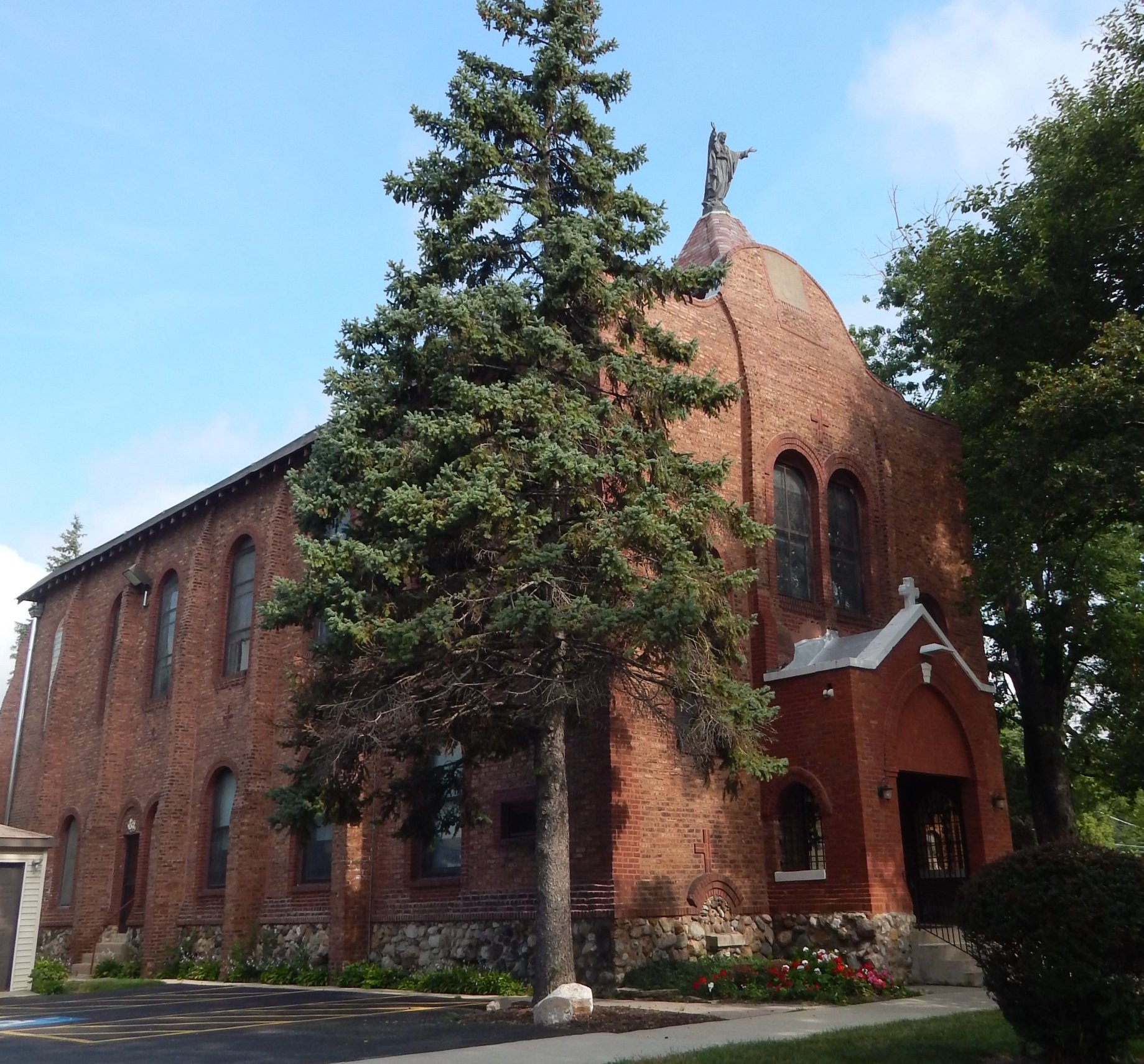
A: Yes, according to the Encyclopedia of Chicago, "The glacial lakebed soils have a clayey subsoil with a thick, rich, dark topsoil, the product of wet prairies." There were vast clay deposits just to the south of us, and brick making was a very big industry in early Blue Island. The Purington Brick yards were at 119th and Vincennes. The Meadows Golf Club, on 123rd Street, owned by the City of Blue Island, is built on top of old clay pits. Sacred Heart Church at 116th and Church Street in Morgan Park is covered with Purington bricks. The early French settlers who worked at the brickyards were allowed to take brick “seconds” to use for the church. Eventually they had enough to clad the frame building with bricks. Today, the original frame church is still under the bricks. See pictures.
Comment: I had a very old neighbor who said she saw Indians in the park, many wild goats and even cows.
A: This is completely believable. Native Americans had a very strong presence in this area. There were many Indian villages along the Calumet River and Stony Creek, and throughout the entire southwestern suburbs. The Treaty of Chicago in 1833 led to the Potowatomi Tribe leaving the area to move west of the Mississippi. Of course, it took a number of years for all of them to relocate, and not all of them left. Erastus Barnard, the uncle of W.W. Barnard, whose remembrances we are sharing, watched a wagon train of Indians leave in 1847. For decades afterwards, the settlers still saw and interacted with Indians in the area. One settler reported in his old age that as a youth he rode his pony with Indians across the prairie.
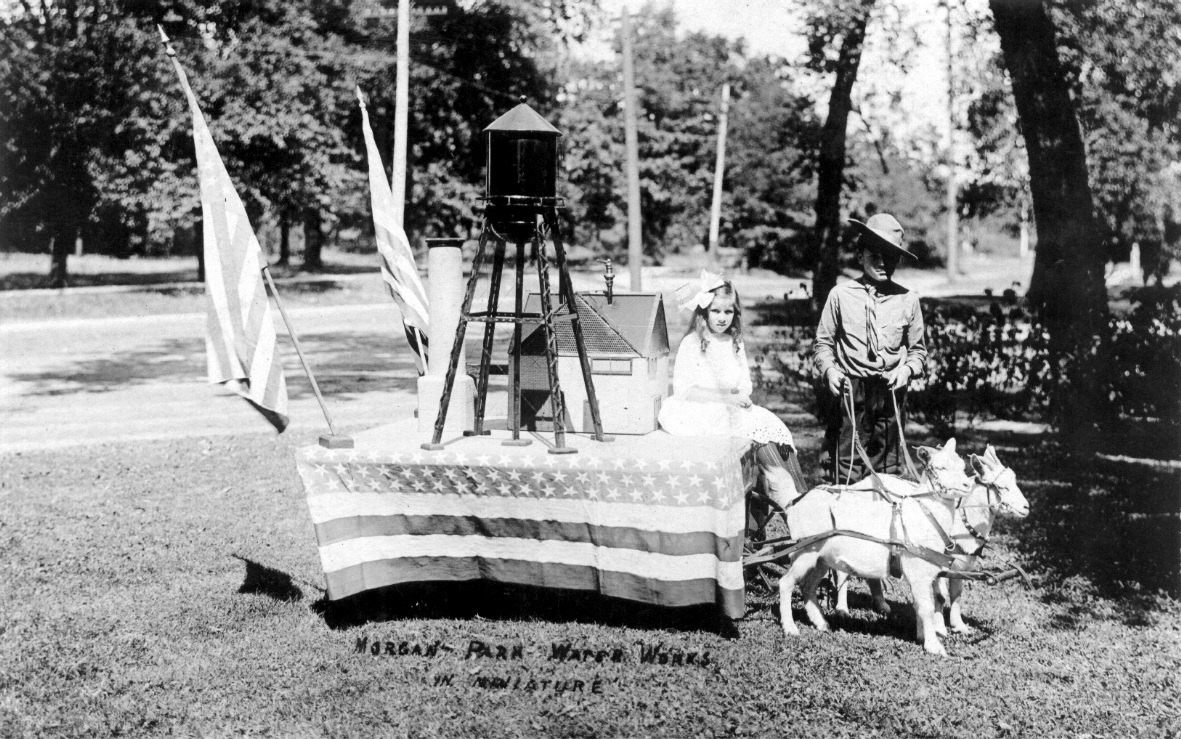
As far as sighting goats and cows, in the early years, cattle and other livestock grazed the prairie. The Morgans let their neighbors use their land on the top of the Ridge for grazing. Also, W. W. Barnard reported that cattle, hogs, sheep and even turkeys drifted across the prairie by the thousands, being driven to the stockyards in Chicago. There certainly were escapees. Even later, when the land was fenced and farms were well established, there were stories of escaped family cows having to be rounded up and brought home. Goats were popular for milk, meat, and as pets to pull carts. See picture.
Next up, for Memorial Day: Civil War soldiers and the Ridge.
From Ridge Historical Society
Part IV on the natural history
– Carol Flynn, RHS Communications
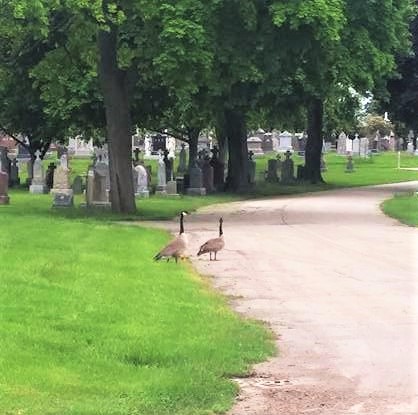
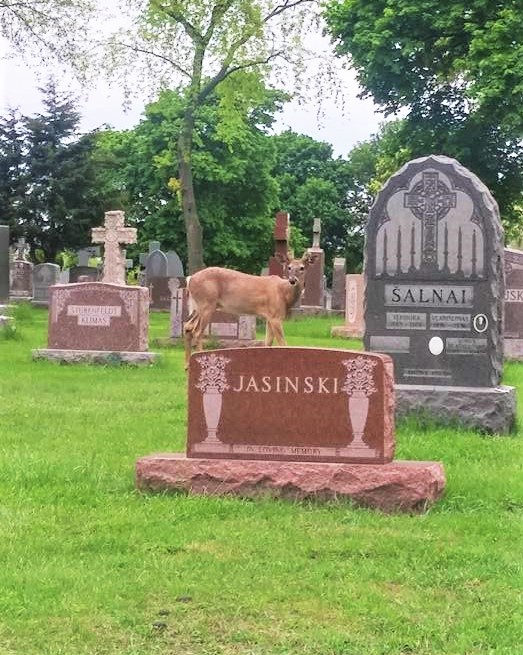
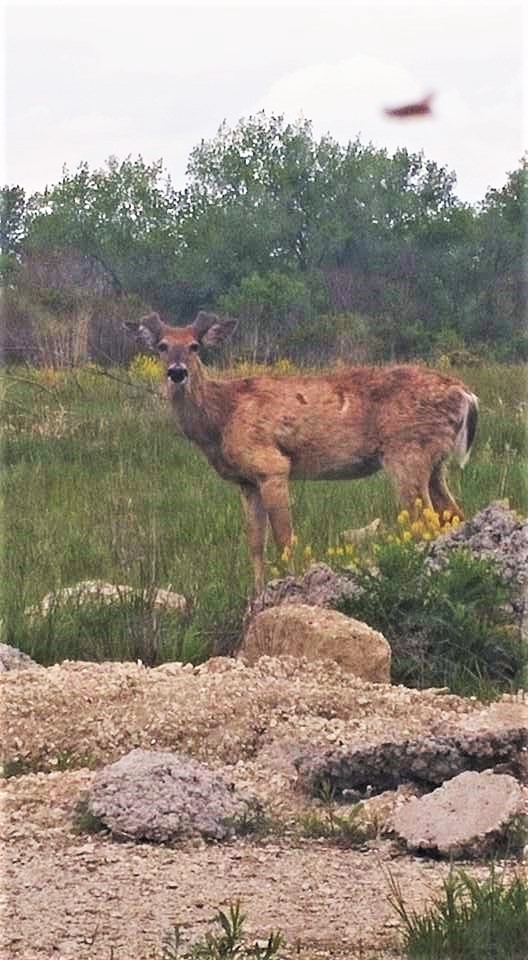
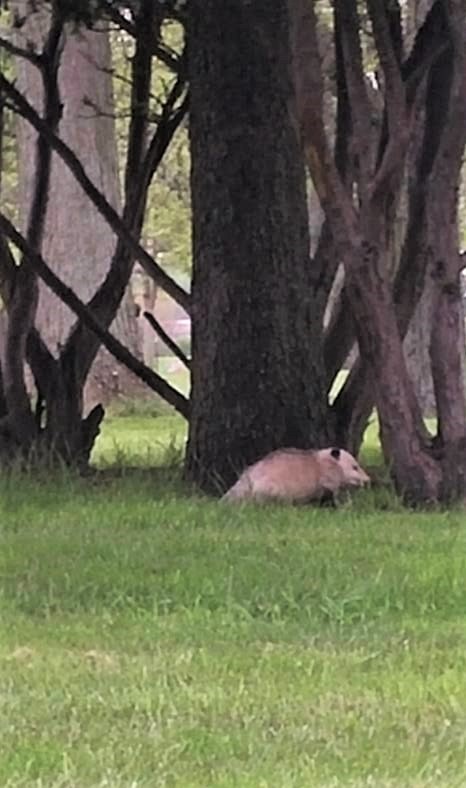
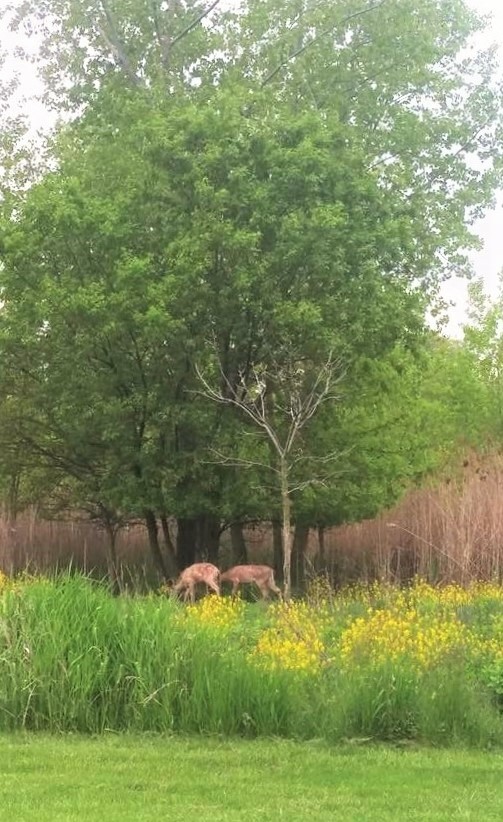
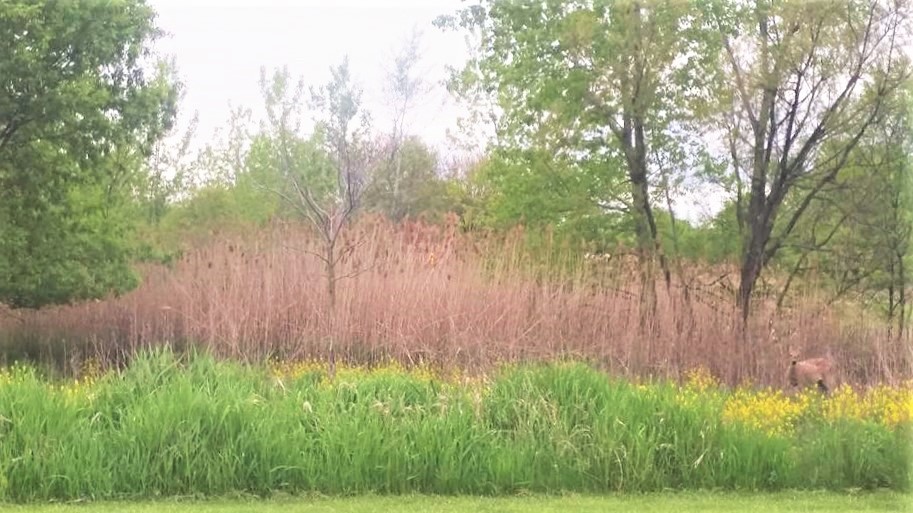
This is a little more about nature and wildlife on the Ridge to go along with this week's earlier posts. Some of the places to view the remnants of the "natural history" of the area are the local cemeteries, and they are home to a variety of wildlife.
This afternoon I drove through one of the cemeteries west of the Ridge on 111th Street and was able to capture these scenes.
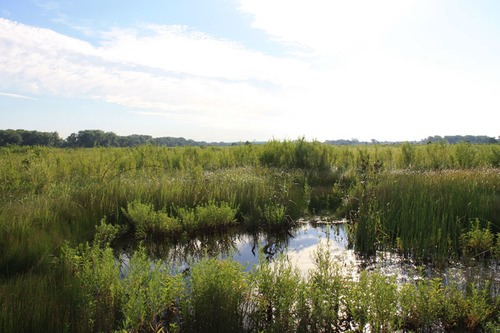
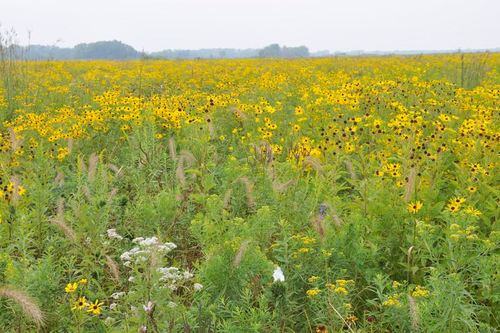
From the Ridge Historical Society
Part III on the natural history
– Carol Flynn, RHS Communications
This is a continuation of W.W. Barnard’s history paper, which was a reminiscence written in 1894 of 50 years before, based on the stories he heard from family members.
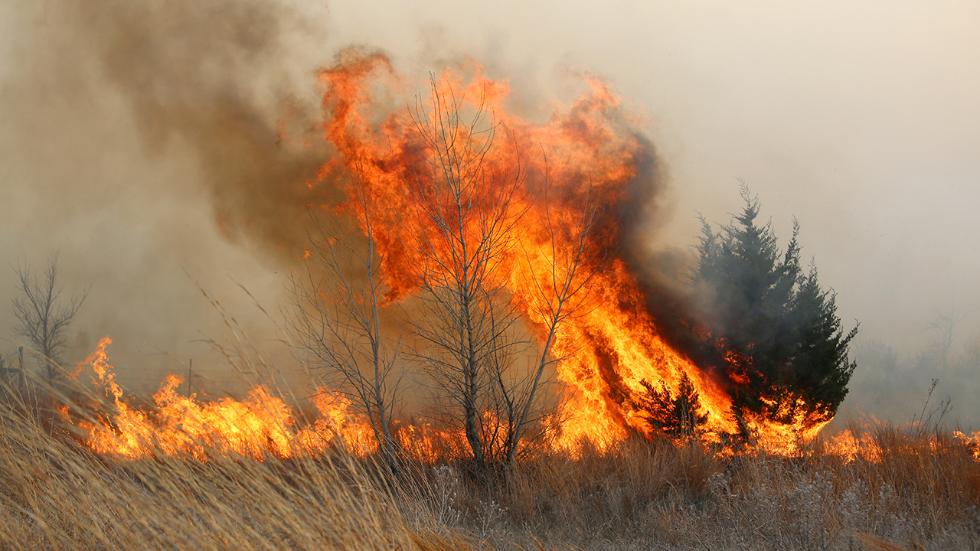
“Prairie fires were very frequent and much dreaded. In the afternoon of an autumn day of 1845 our family had their first experience with a prairie fire. The oldest son was sick in bed with the ague [malaria]. Grandmother with her four younger sons and 14 year old daughter went out to fight the flames, but Mary who was too small to help, remained at home, carrying water to her brother watching the fire. As she looked to the west and south she heard loud roaring and saw flames running 10 to12 feet high where they reached the tall weeds and extending as far as she could see. Eagerly she watched the family who were fighting the flames. They had nothing with which to plow and they could only set backfires and whip it with wet bags and brush. They fought heroically but were continually obliged to retreat. Nearer and nearer the house it came, but at last, when it came to the low grass only a few rods from the door the fighters conquered.”
In explanation, by late summer, the prairie grasses grew as tall as eight to ten feet high, and dried out as their growing cycle ended. This was the “dry season” which saw much less rain.
Fires started by various means, including lightning strikes and sometimes by the sun refracting off glass or metal left by wagons passing through. The Indians used controlled burning to aid in hunting. But many of the fires resulted from settlers’ carelessness or accidents, such as campfires and cooking fires that got out of control, ashes from a pipe, or sparks from a chimney. Once a fire started, it could spread very quickly.
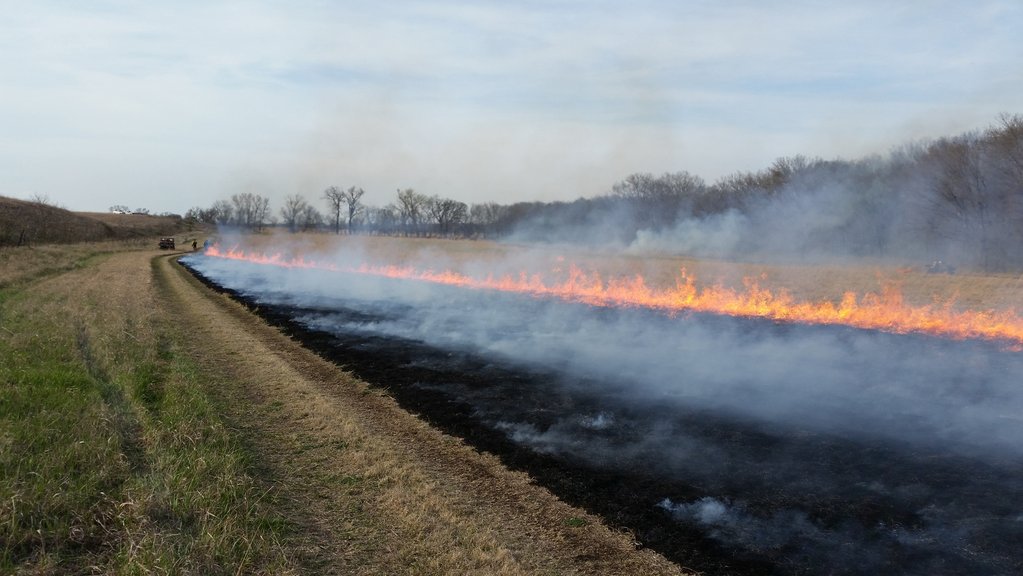
Prairie fires benefit the ecosystem by burning off old growth and allowing renewal, however, they were very dangerous for the people settling in the area.
Barnard further tells us:
“It was the custom to plow around the houses and stacks [of hay] for protection against these fires. Sometimes two circles were plowed and the grass between them burned off, thus an effectual barrier was made. Dr. Egan, one of the early doctors of Chicago, asked one of the farmers the best way to protect his stacks from fire and was told to plow around the stacks and burn between. He followed the instructions by plowing several times around the stacks and then burning between them and the stacks, which resulted in his burning up his own hay.”
Perhaps there is a lesson here – maybe Dr. Egan should have stuck to doctoring and hired someone knowledgeable about the firebreak process to do the burning.
In the earliest years, wildlife was abundant. Deer was the largest prey and wolves the largest predators, although an occasional lynx or panther [cougar] or black bear was spotted that had wandered in from the more remote and wilder Palos area. Prairie chickens, pigeons, quail, rabbits, squirrels, raccoons, etc., kept tables well supplied with game.
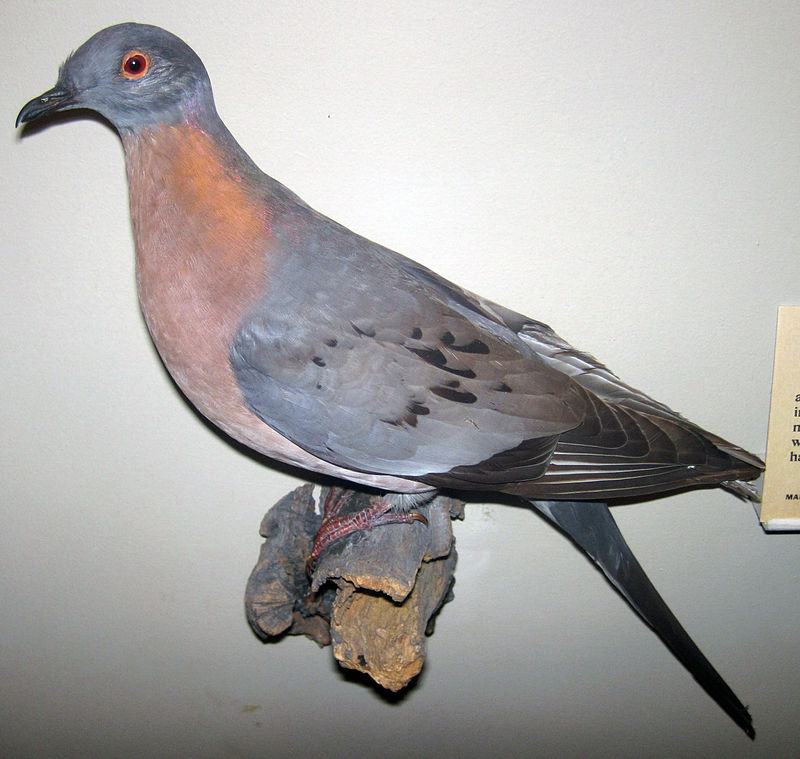
Flocks of millions of passenger pigeons darkened the skies. This was once the most abundant bird in North America. Hunting, and deforestation which resulted in loss of habitat, led to the species becoming totally extinct by the early 1900s. A picture of a mounted passenger pigeon in the Field Museum of Natural History is attached.
To the south, the Calumet River, and Stony Creek at the tip of the Ridge, had plentiful fish. Beaver, otters, mink and muskrats were abundant in the many sloughs that covered the area but were soon trapped out. Every fall wild rice beds in the sloughs attracted thousands upon thousands of water fowl. The reeds and cattails were taller than men. Hunting in the sloughs was dangerous; it was easy to get lost and mired in the mud. Many years, hunters disappeared.
The “Morgan Boys,” as W.W. Barnard’s uncles always called Thomas Morgan’s sons, kept a pack of greyhounds, which their father had brought over from England on his private ship. They led hunting parties to bring down deer. Hunting parties also chased down the wolves. The women of the pioneer families rode on these hunts, and many of them were better horsemen and shooters than the men.
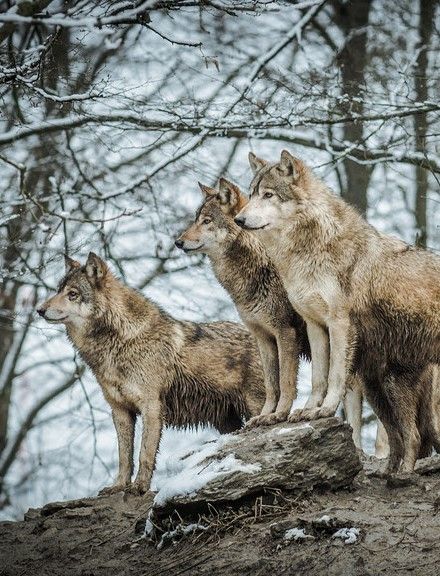
The settlers shared the prairie with the wolves. Barnard wrote, "At night the howl of the wolf filled the air, but this occasioned no alarms." The wolves generally left the humans alone, although there are some stories of hungry wolf packs killing lone humans, especially during winter. Livestock was another matter. Settlers killed off the wolves to protect their valuable cattle. A picture of timber wolves, also called gray wolves, is attached.
Today, a number of foxes are evident in the area. They probably would not have been here much back then, they would have avoided any area dominated by the much larger wolves. The same with coyotes. The eradication of the wolves in the mid-1800s allowed smaller predators to move into the area and take over the wolves’ natural niche.
Located south of Chicago is the Midewin National Tallgrass Prairie, a restoration of 20,000 acres of natural prairie and wetlands. A visit there shows us what the land around the Ridge looked like 150+ years ago when the first settlers moved in.
The next installment will answer some questions that have come in from these posts.
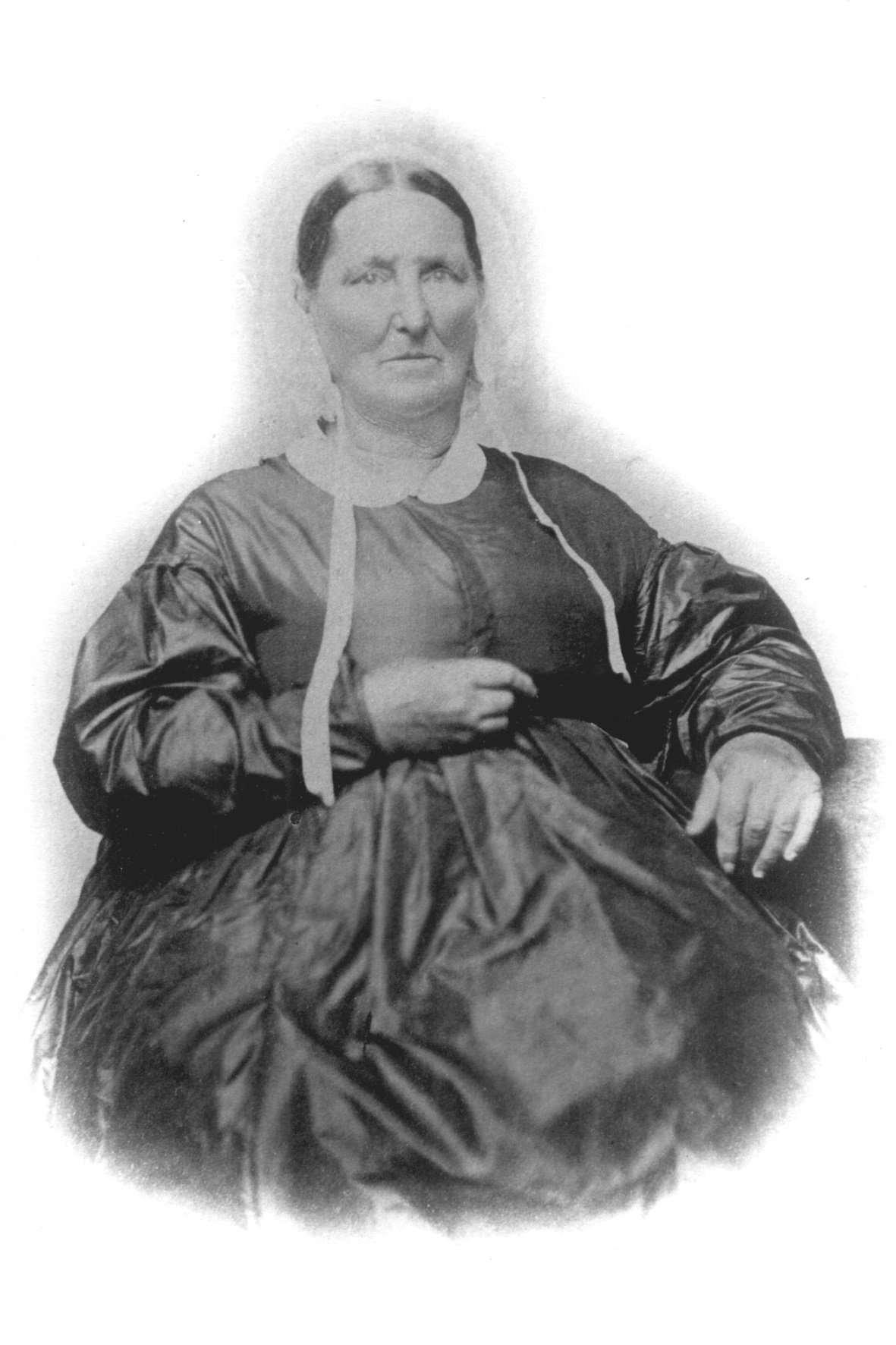
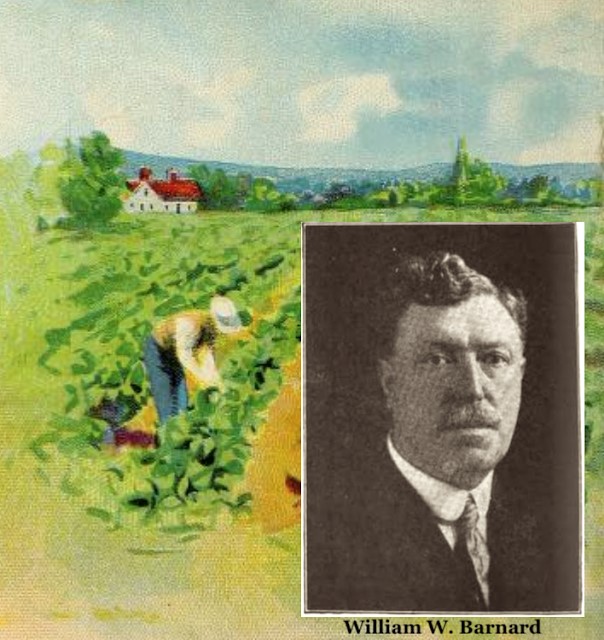
From the Ridge Historical Society:
Part II – On the “natural history” of the area around the Ridge.
Yesterday we talked about the prairie wetlands to the east of the Ridge. Here are a few more descriptive comments from the Barnard family, who settled here in the 1840s:
“On the place just west of our present school house [likely just northeast of 103rd and Vincennes] jointed blue grass and pea vine grew together and were so dense and thickly interlaced that snakes ran along the top of them.
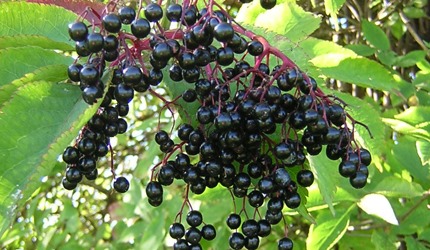
“Where the fires had swept the ground clean of the course growths the more delicate varieties of prairie flowers, phlox, shooting stars, violets, etc., literally covered the earth with varied and beautiful flowers as the grass covers with green, a profusion of bloom of which we have no adequate conception. The orchid family was represented by several varieties of lady slippers, of which great masses showed their pink and white or yellow heads under the trees at the edge of the groves. Wild fruits were abundant. West Pullman was then a huckleberry patch [similar to blueberries, see picture]. Wild strawberries grew thickest on the prairie east of Prospect…. Blackberries were thick on almost all of the ridges. Plums were plenty. Hazelnuts were found, but the hickory trees were too small to bear the abundant supply which we enjoyed in our childhood.”
These descriptions conjure up images of a Garden of Eden, from abundant fruits to snakes.
But there was a dark and dangerous side to paradise, also. Another quote from the same paper:
“Stagnant water and the breaking up of the new soil made prevalent the fever and ague. Many families still talk of all being sick at one time and of retiring to bed with a pitcher of water to quench the thirst which was sure to come and to which no one would be able to administer. Chills every day for a whole year were not infrequent experiences.”
The “ague” was another name for malaria. Stagnant water led to mosquitoes breeding, and mosquitoes can carry plasmodium parasites, which cause malaria. Symptoms are bouts of chills, fever, and sweating. The parasite can live and reproduce in the host body, leading to the cycle repeating for some time. There was no understanding back then that the illness was borne by mosquitoes, no understanding of parasites, and no treatment. It was a common cause of death.
As far as drinking water, the area was noted for Artesian wells – deposits of groundwater from which water flows under natural pressure without pumping. Artesian wells were all around the Chicago area, and the topic is too complex to get into in detail here, but well worth exploring. (Everything about the history of the Chicago region is worth exploring.)
One more entry from the Barnard paper, which mentions one of these wells, describes settlers from Indiana and downstate Illinois travelling the Vincennes Road in their “prairie schooners” or covered wagons, bringing their produce to market in Chicago. Long trains of the wagons passed by the Ridge from morning to evening.
Wrote Barnard: “When night time came, their camp fires glowed in the darkness. Near grandmother’s house where they could enjoy the water from her excellent well was a favorite camping ground, and one of the diversions of the family was to visit the campers in the evening.”
The author of this paper was William Wilcox Barnard (1856-1921). He was third generation on the Ridge.
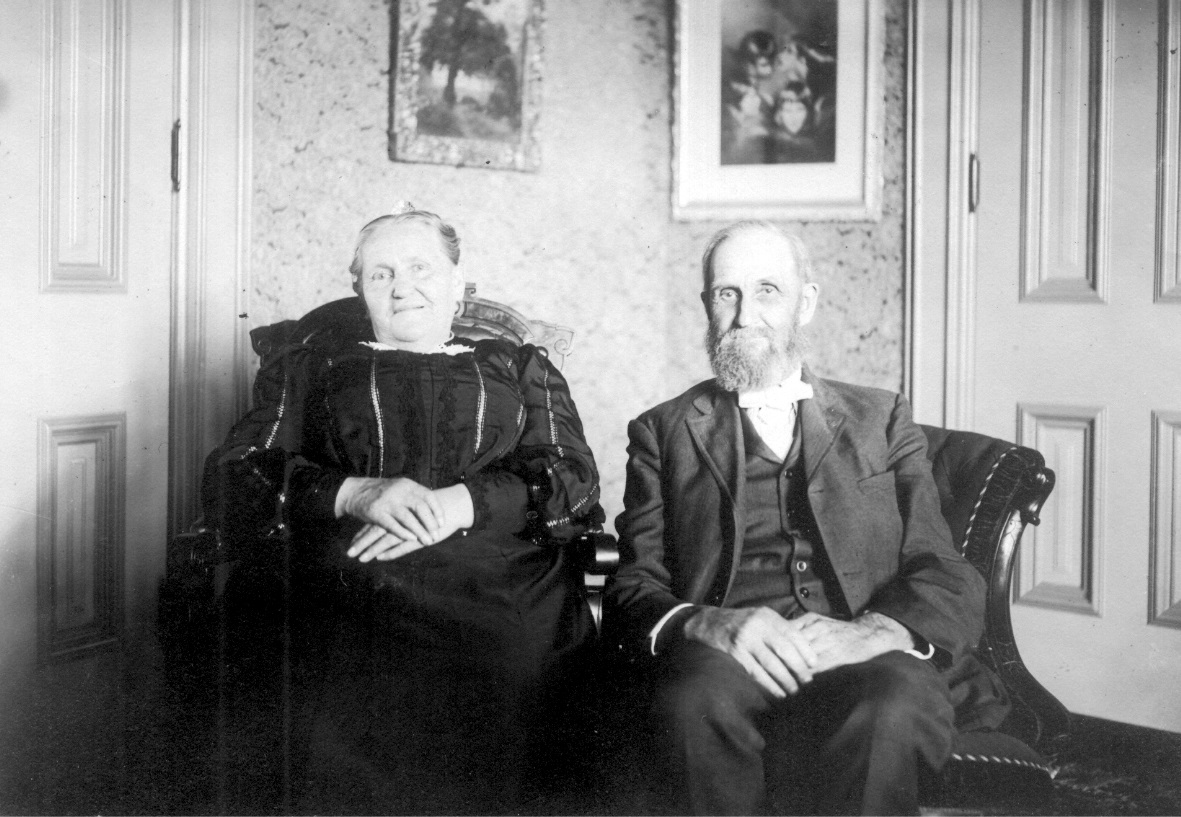
His grandmother was Sarah Lord Wilcox. The Wilcoxes came from New York and took over the Gardner Inn on the Vincennes Road in 1844. It was located about where 100th St. and Beverly Ave. are now. Her daughter Miranda Wilcox married William Barnard, who had come to the Ridge to be the tutor for Thomas Morgan’s children. William and Miranda’s children included William Wilcox, or W.W., as he was known. W.W. started the Barnard Seed Co., which farmed the area around at 103rd and Longwood Drive.
Here are pictures of W.W. and his grandmother, from the RHS collection. By the way, smiling in pictures did not become standard until the 1920s-30s. For us now, the natural response is to say "cheese" as soon as a camera points our way, but that was not an instinctive reaction back then. Some people theorize that it was due to poor teeth or having to hold still for too long for the picture to take, but that was probably not the case. It just wasn't the norm back then.
In Part III, we’ll discuss a few more topics, like prairie fires and wildlife, and then answer some of the questions that have come in from these posts.
– Carol Flynn, RHS Communications