Explore the RHS Facebook Archives, a rich repository of local history written by Carol Flynn. For two decades, Carol brought a deeply dedicated voice to public education at RHS. Her role as Facebook administrator through mid-2025 naturally extended her prolific research into meticulously detailed articles, most notably her multi-part historical series posts. Today, Carol continues her local history writing for The Beverly Review and other outlets.
September 2023
The Ridge Historical Society
Bessie Sutherland
By Carol Flynn
Happy Belated Birthday to Bessie Sutherland, the namesake of the Elizabeth H. Sutherland Elementary School at 10015 S. Leavitt Street in Beverly, Chicago.
Bessie was born as Elizabeth Bingle Huntington in Blue Island on September 27, 1851. Her father, Samuel D. Huntington, farmed and raised livestock, was involved in the railroads, and was Constable and Sheriff for a number of years.
Her mother, Maria Robinson Huntington, was possibly the first schoolteacher on the Ridge. In 1842, at the age of 14, Maria was making $1 per week to teach school. No record of any school earlier than that has been found.
Bessie graduated from the Cook County Normal School in 1869. “Normal” schools trained teachers in the “norms” of education standards of the day. That school evolved into Chicago State University.
She taught in Blue Island, Hyde Park, and Washington Heights. She took additional coursework at the University of Chicago. Along the way, she moved north on the Ridge to 107th Street and Prospect Avenue.
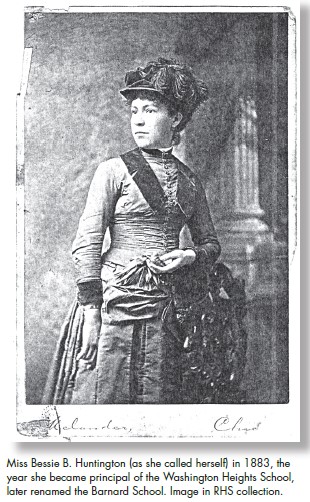
In 1883, she was named Principal of the Washington Heights School. This was before Washington Heights was annexed to the City of Chicago in 1890. She was the first woman to be named principal of a Cook County school. The school was renamed the Alice L. Barnard School in the 1890s in honor of another pioneering Ridge educator. Alice was the one of the first women to be named a principal of a Chicago public school.
Bessie was a Progressive Era educator and a suffragist. That period was marked by great reforms in all areas. Education saw a major shift from learning by lecture and memorization to learning by doing and experimentation.
One example of Bessie as an educator illustrated the new thinking. When she learned that a camel had escaped from a traveling show and was roaming freely in the local woods, she rounded up the entire school body and took them on an impromptu field trip to observe the animal in a natural setting.
Back then, women teachers were not allowed to marry and keep their jobs. Bessie put off marriage to her “intended,” David Sutherland, until her 43rd birthday in 1894. David, seventeen years her senior, was in real estate with considerable holdings on the south and west sides of Chicago.
David died in 1904, and Bessie continued with Barnard School until she retired in 1923. She died in 1924 and was buried in Mount Greenwood Cemetery. In 1925, the new school built at 100th and Leavitt Streets was named in Bessie’s honor.
RHS Historian Linda Lamberty is related to Bessie Sutherland. In 1974, a 96-year-old mutual cousin of Linda’s and Bessie’s told Linda that Bessie was “a truly wonderful person.” This cousin had known Bessie personally. According to Linda, Bessie was “one of the rare stalwart women” who forged paths for other women.
The Ridge Historical Society congratulates and thanks the Beverly Area Arts Alliance for another successful Beverly Art Walk. It was a great day; RHS had many new visitors.
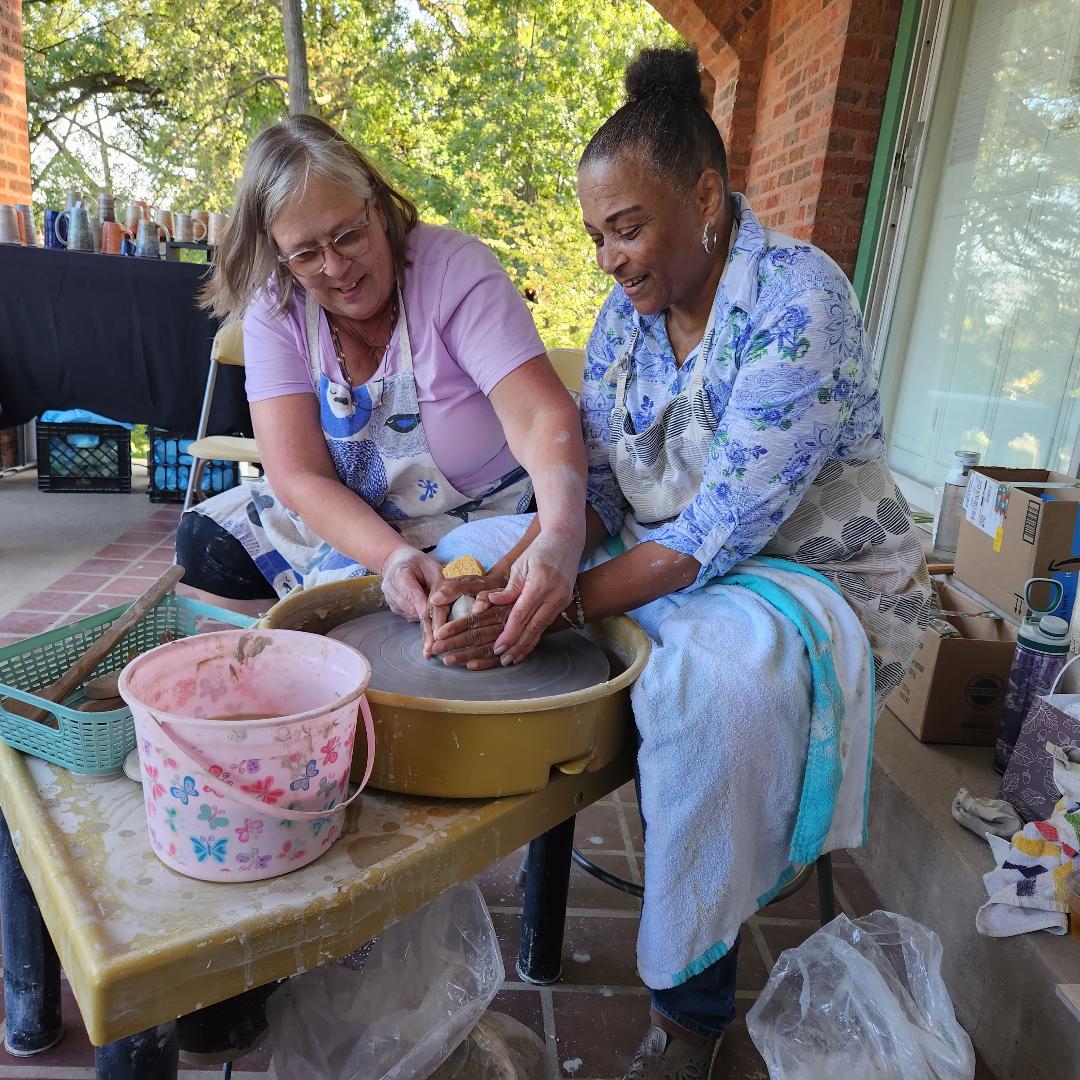
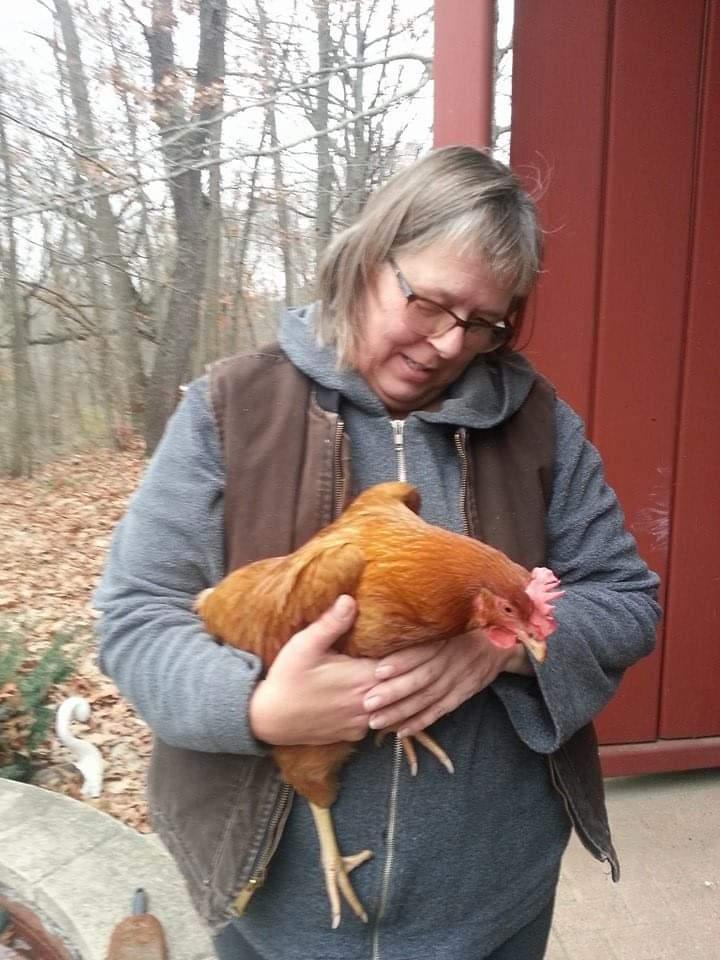
Special thanks to Robin Power for her pottery demonstrations. She did this for five hours and people really enjoyed it.
Photo by C. Flynn: Robin Power (left) helps visitor Audrey Moore learn how to use a pottery wheel. It was Audrey's first try ever, and she left very happy with a nice pot she made herself. Now she is going to look into pottery classes!
BEVERLY ART WALK today at the Ridge Historical Society
10621 S. Seeley Avenue, 12 noon to 5:00 p.m.
Louise Barwick’s name should be on the list of Beverly artists participating in today’s Art Walk. Her works will be shown at RHS.
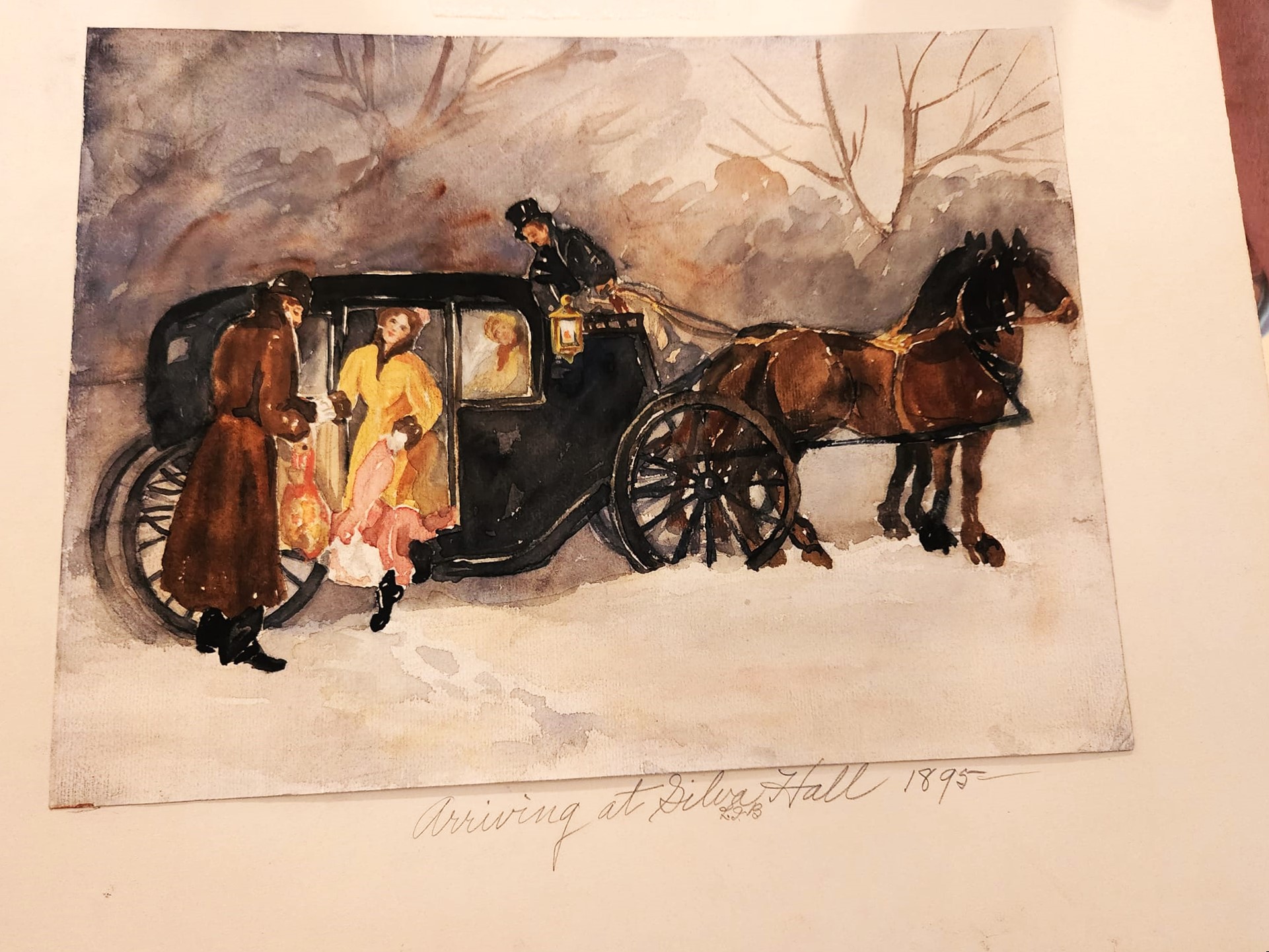
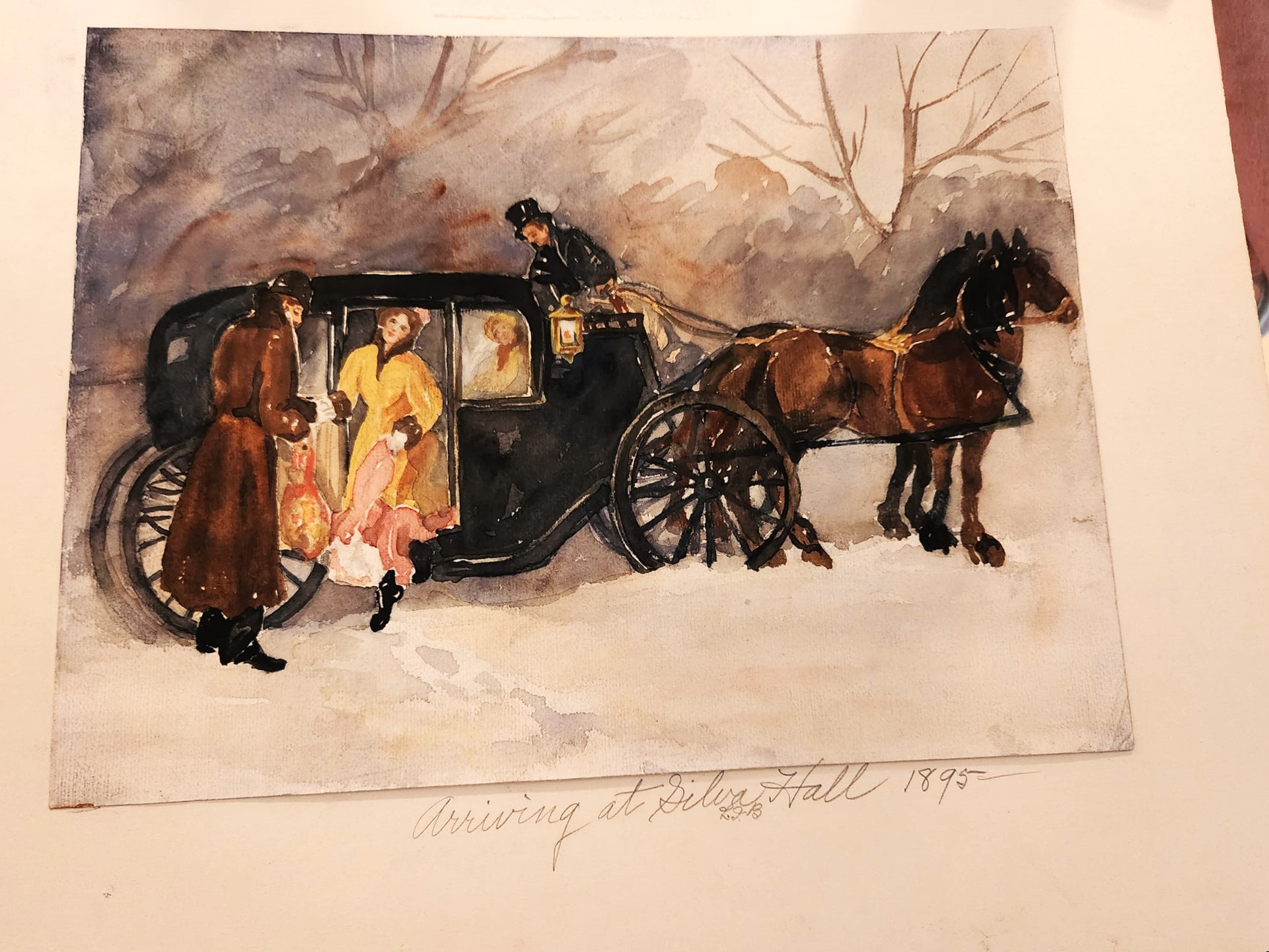
Miss Barwick lived from 1871 to 1957. She was an artist and an educator. Her watercolor paintings of local scenes from the late 1800s – early 1900s give the community an amazing insight into what life was like here in the past. RHS has over a dozen of her paintings in the collection.
Fields of daisies. Horse-drawn coaches delivering young ladies to dances. Bridges over long-gone streams. Lamp lighters lighting gas streetlamps. All of these scenes are part of “Louise Barwick’s Lost Ridge.”
The watercolors are just part of Miss Barwick’s story. She has an amazing history – she was a woman ahead of her time. She was famous for her three-dimensional map-modeling skills and was featured for that at the 1893 World’s Fair in Chicago.
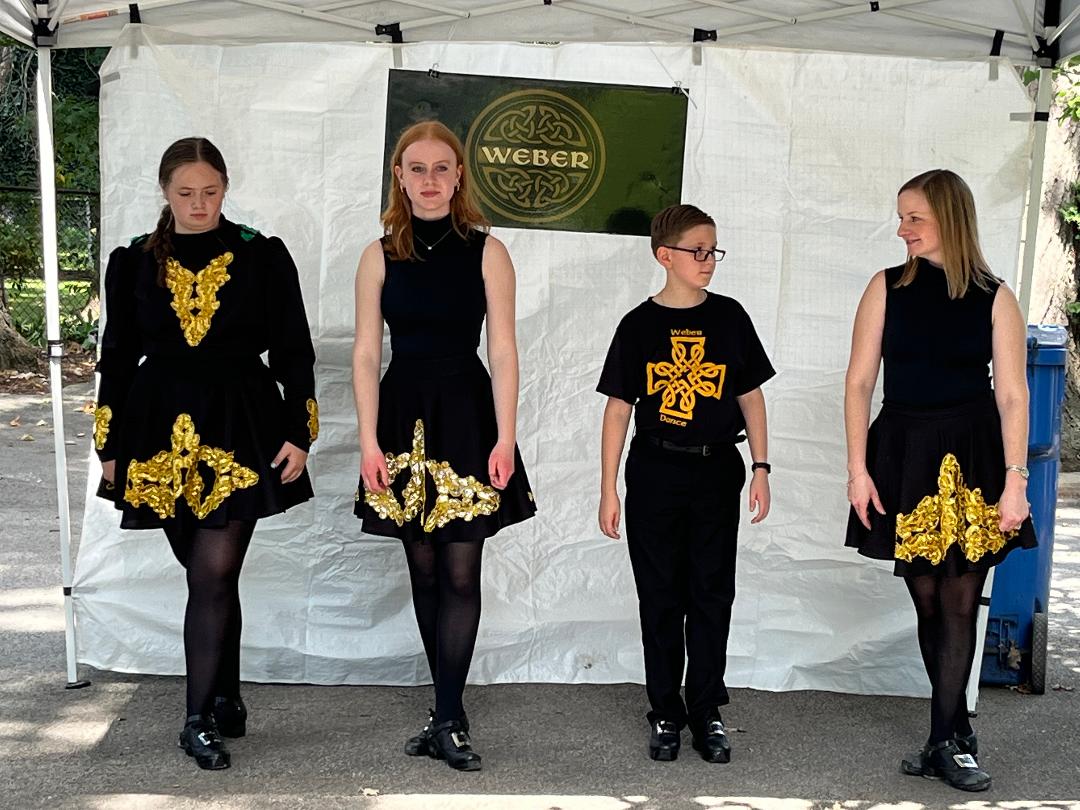
Visit RHS today to see this new exhibit, and to observe artist Robin Power’s demonstrations of pottery-making and the dancers from Weber Irish Dance.
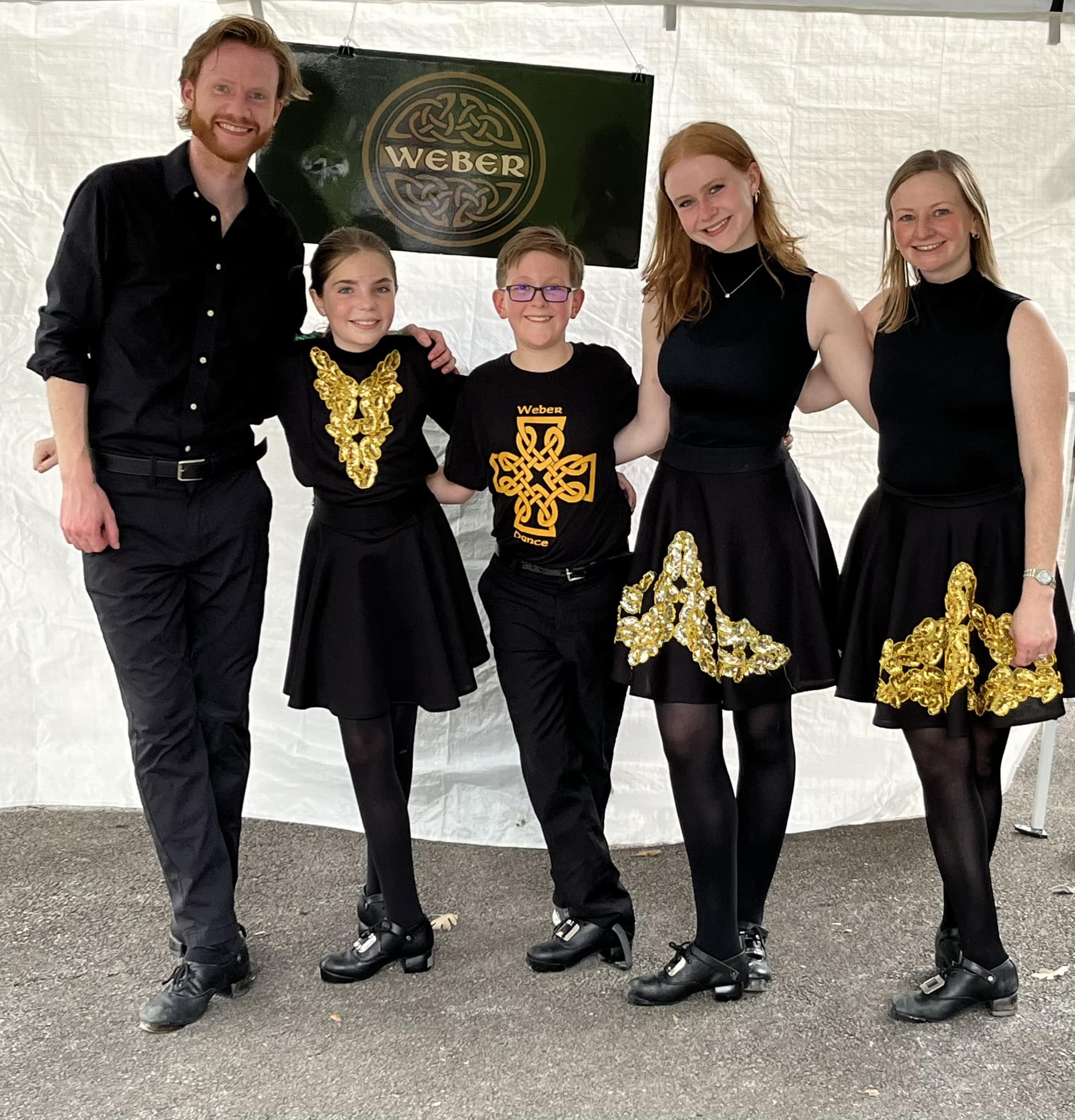
BEVERLY ART WALK ALERT!!
There is plenty of entertainment as part of the Beverly Art Walk.
The only place you'll be able to see Irish dancers, though, will be at the Ridge Historical Society.
Dancers from Weber Irish Dance will perform at RHS at 1:30 p.m. and 3:00 p.m.
Irish dance is a significant part of Irish culture, history, identity, and of course, the performance arts. It doesn't have to be St. Patrick's Day to enjoy a good Irish jig!
Traditional Irish dancing was taught by traveling dance masters across Ireland in the 1600s and 1700s, and regional and local variations developed.
Modern Irish dancing developed from traditional Irish dancing, with some influence from later country dancing and possibly even quadrilles as Irish dancing spread with the migrating Irish people and became popular world-wide in the 1800s.
RHS is located at 10621 S. Seeley Avenue, Chicago. Park on Seeley Avenue and walk down the driveway to the house. RHS will be open from 12 noon to 5:00 p.m. for the Art Walk with many activities.
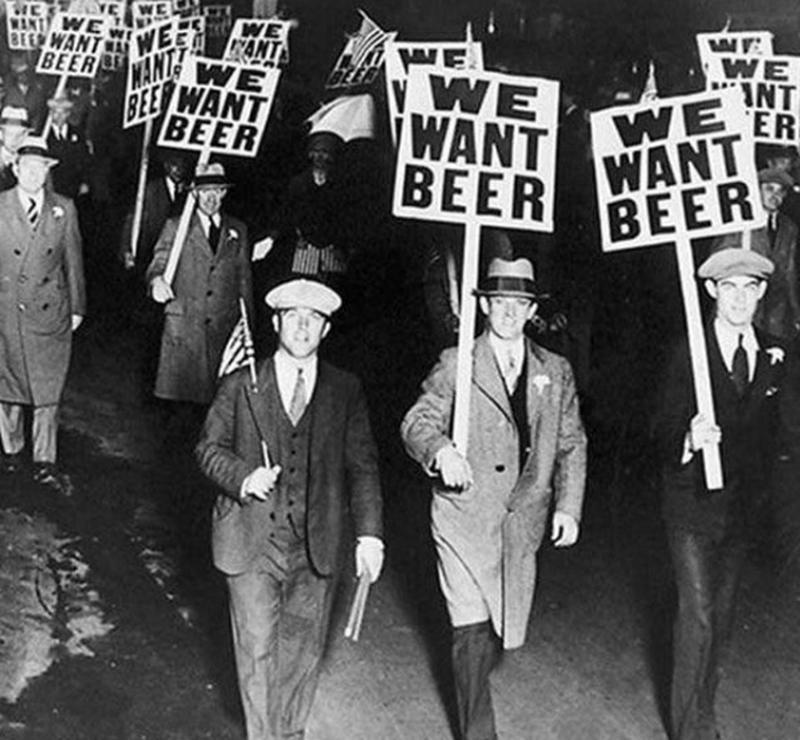
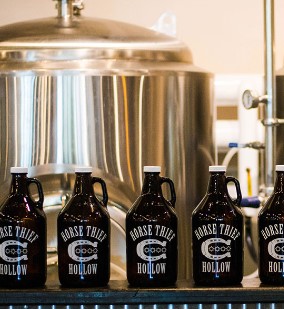
One hundred years ago it was Prohibition time in Chicago. But not now!
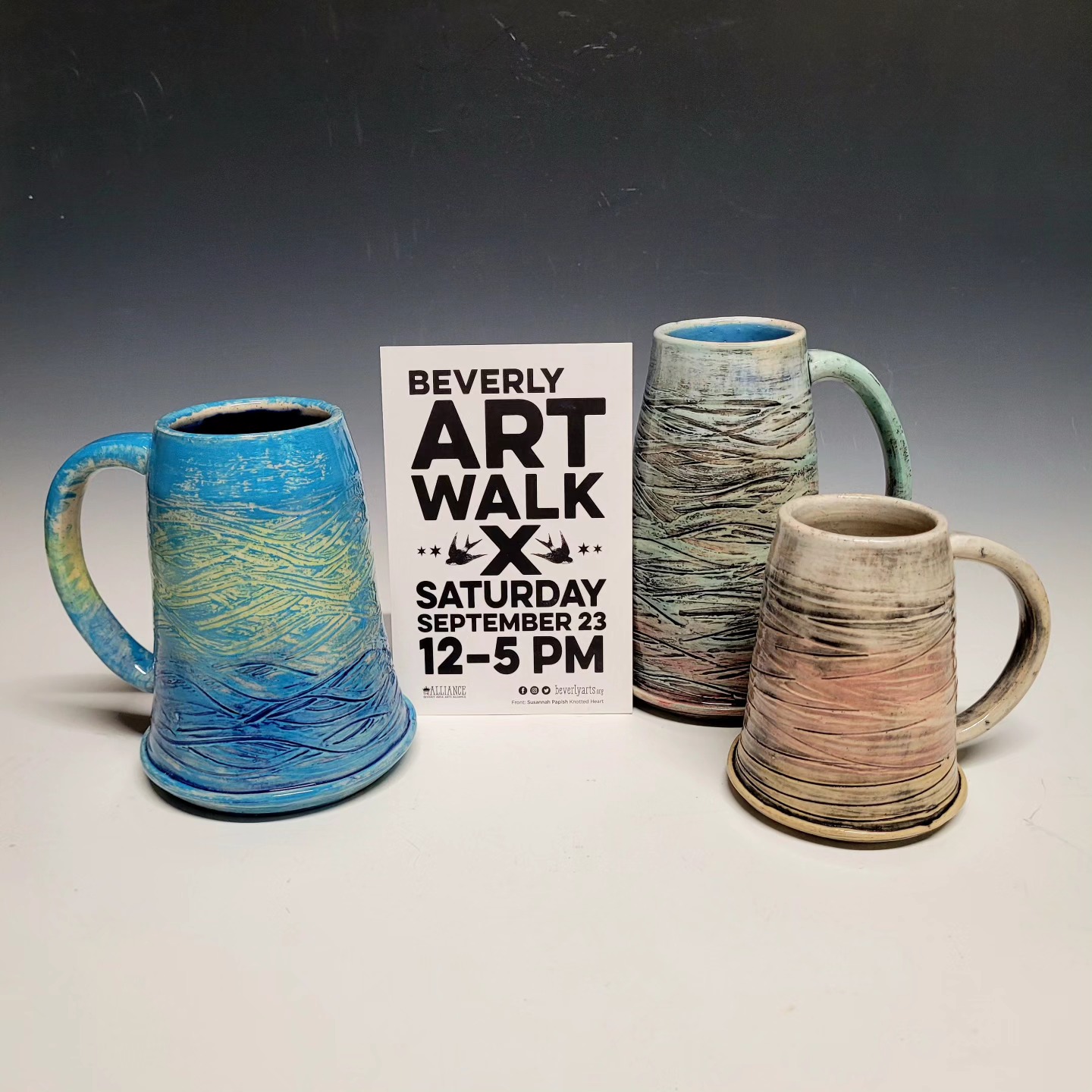
Horse Thief Hollow Brewing Company will supply the beer and Robin Power will supply the mugs for the Beverly Art Walk at the Ridge Historical Society, 10621 S. Seeley Avenue, Chicago. Saturday, September 23, 12 noon to 5:00 p.m.
The Ridge Historical Society
Chicago Streetcars
By Carol Flynn
UPDATED 9/21/2023
The recent installation of medians along Western Avenue through the Beverly/Morgan Park area led to the street being torn up, revealing old train tracks under the concrete. This spurred interest in and memories of the streetcars that used to run down the middle of the street.
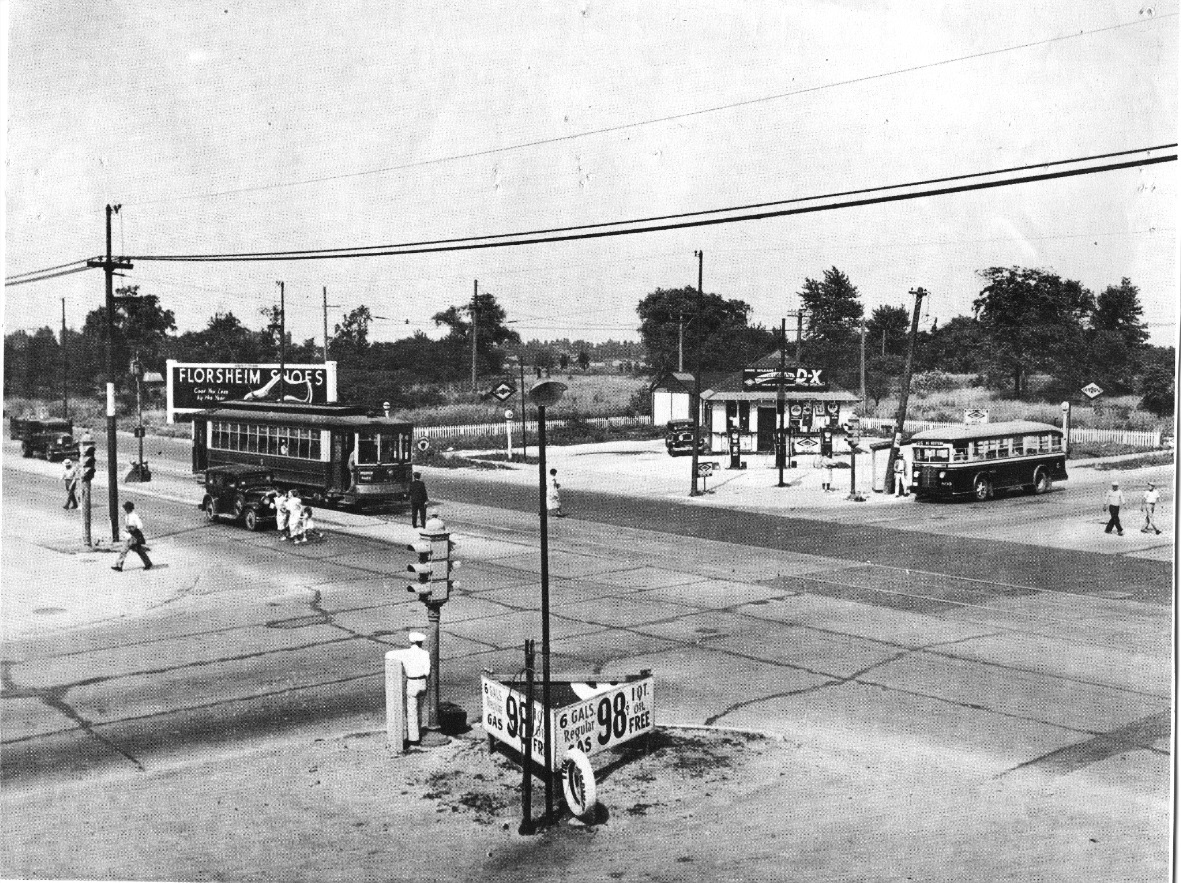
A post made on this page with one historical photo of a streetcar on Western in 1935 has had 23,000 viewers so far. This could break a record for RHS.
Since the topic proved so popular, here is additional information.
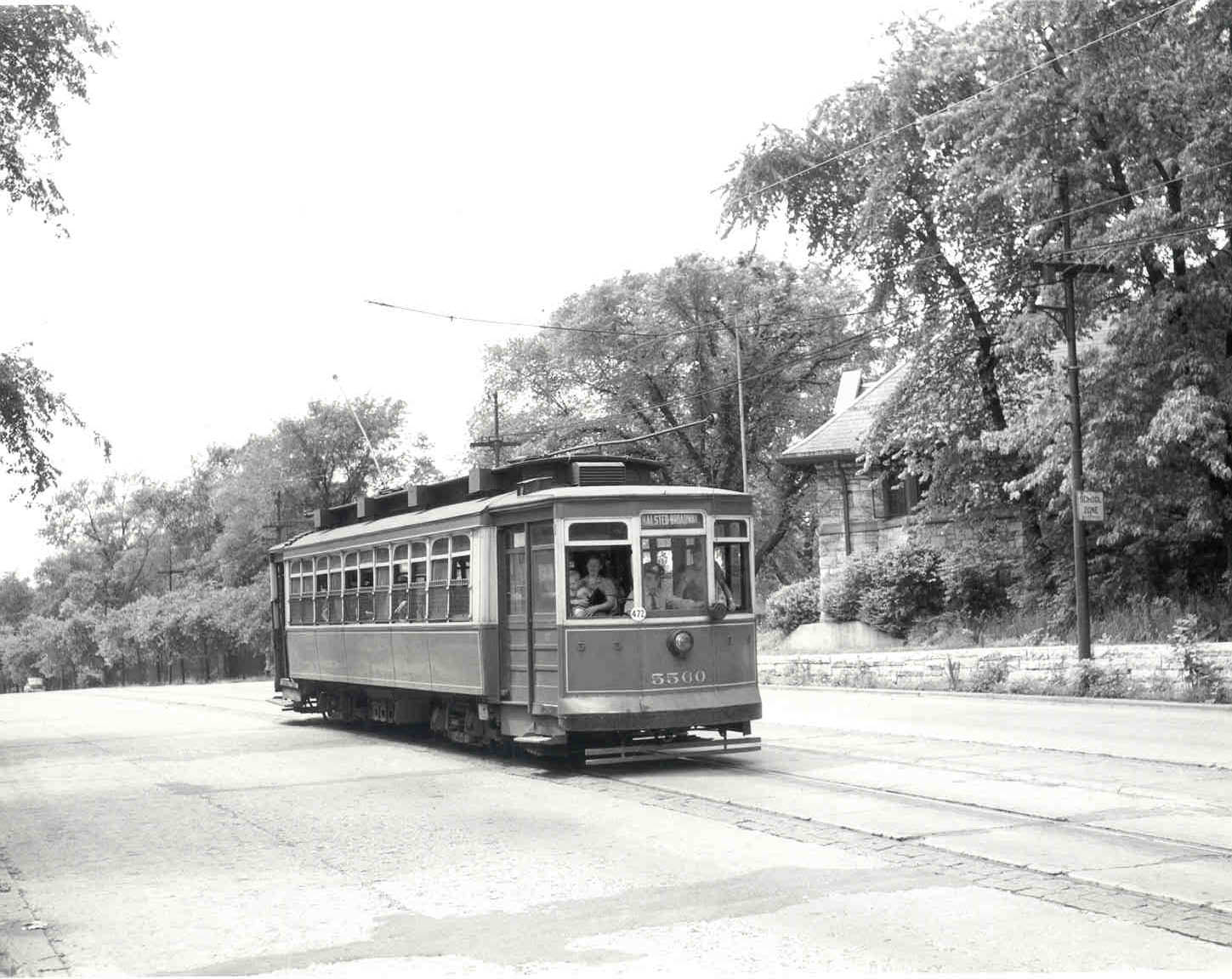
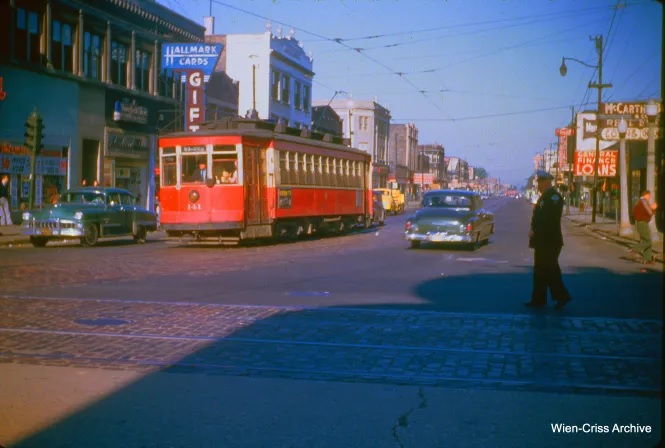
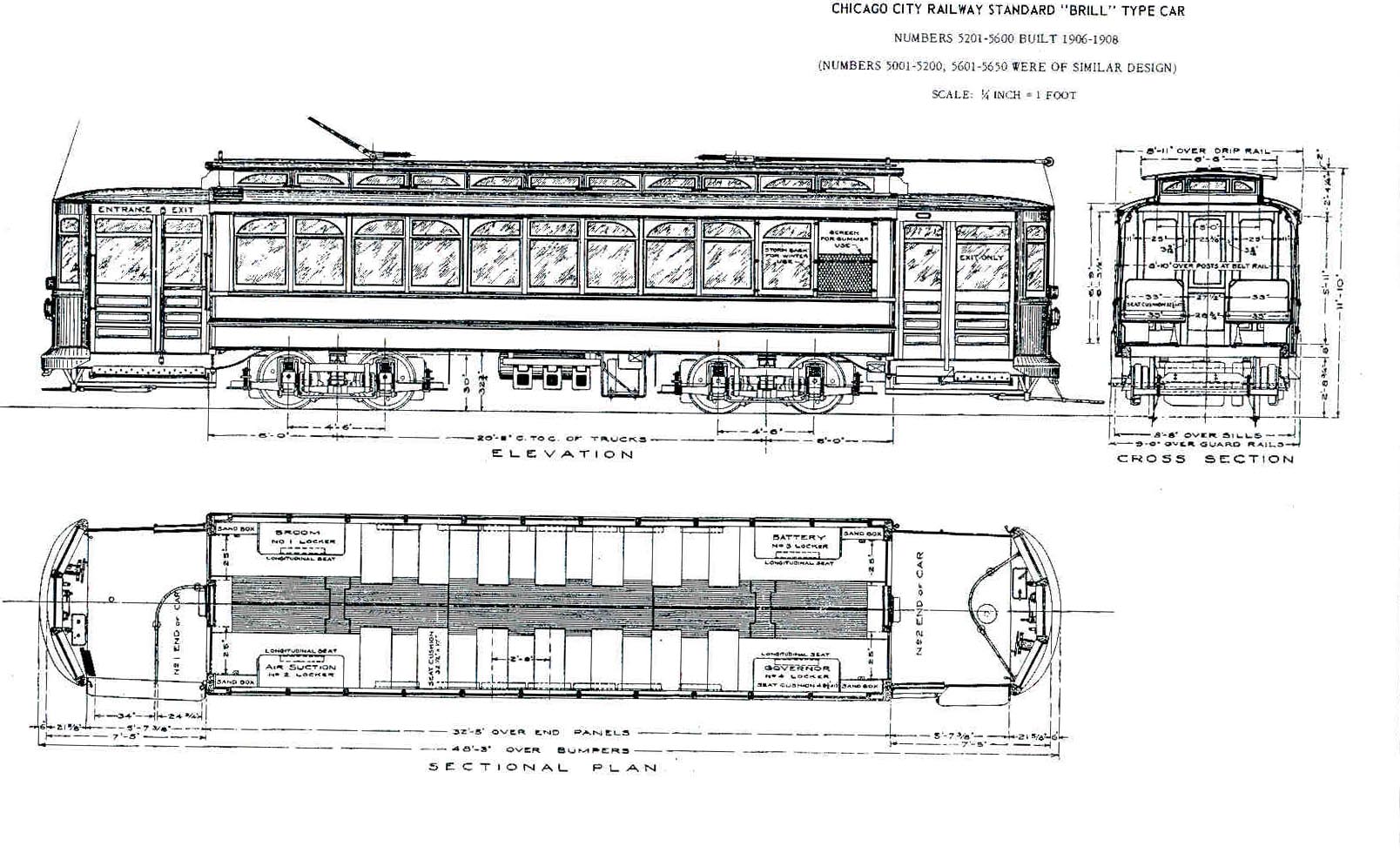
Streetcars are local street railways that draw power from overhead electric wires. In other cities, they are usually called “trolleys” but in Chicago they have always been known as “streetcars.”
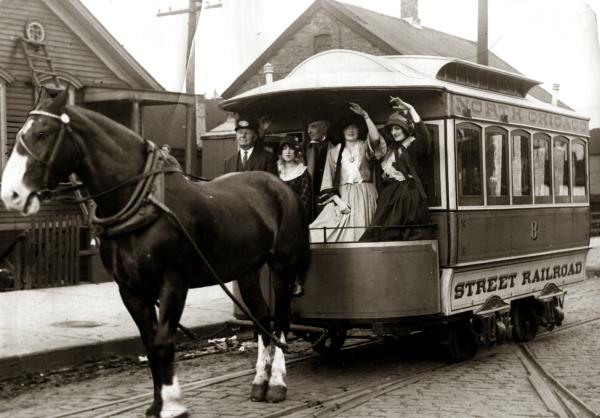
The original streetcars were horse-drawn cars running along rails built on the dirt streets. By the late 1880s, thousands of horses used for pulling streetcars were kept in stables all over the city and suburbs. The horses were selected not only for their endurance but also for their even temperaments. The horses had to be reshod every two weeks so there were also numerous horseshoe shops around the city.
The horse-drawn cars shared the later part of their timespan with “cable cars” connected to cables underground that pulled them along. Those systems were replaced by battery-operated cars. By 1906, these types of streetcars were obsolete, thanks to electricity.
The history of the adaptation of electricity to power items ranging from light bulbs to streetcars is a complex and fascinating one, but beyond the scope of this Facebook post. Important for this story, in 1890, the first streetcar tethered to overhead electric power lines in the city of Chicago ran on the south side, on 93rd Street between Stony Island and South Chicago Avenue.
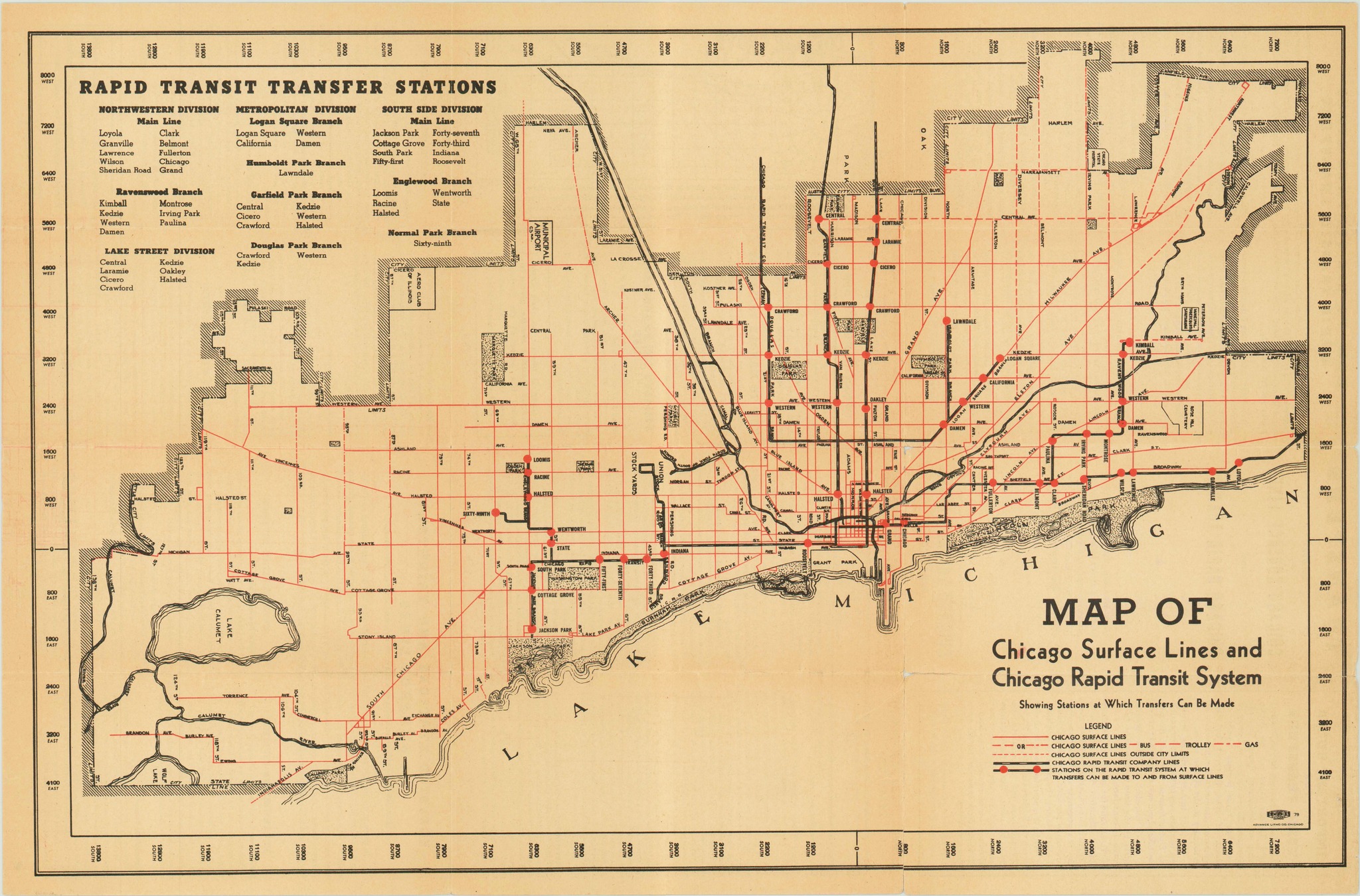
Like the long-distance railroads, this “public” transportation was privately owned. Streetcar lines started as private companies that won contracts or franchises with municipalities. Ordinances passed by the city council and the state increasingly regulated how the services were run. Ten companies in the Chicago area eventually merged with each other and in 1914, the Chicago Surface Lines company was formed, and operations were consolidated.
The major north-south streetcar route in the early days of Beverly and Morgan Park was along Vincennes Avenue. Cars along this route connected to lines all over the city.
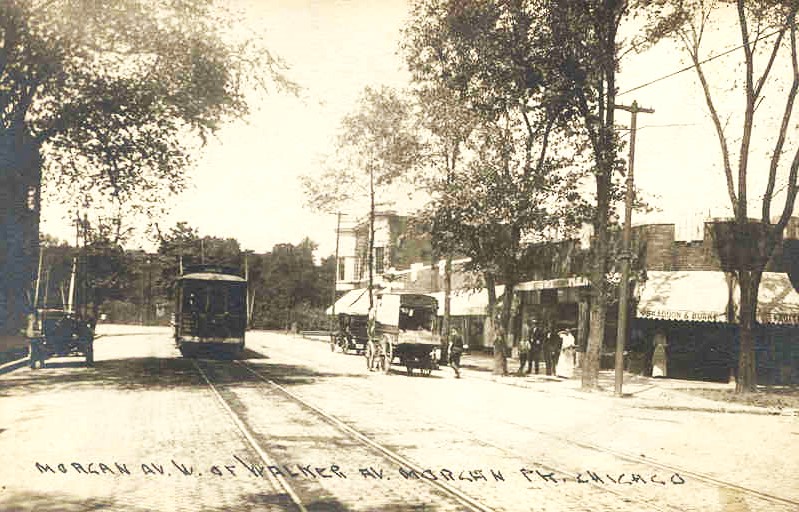
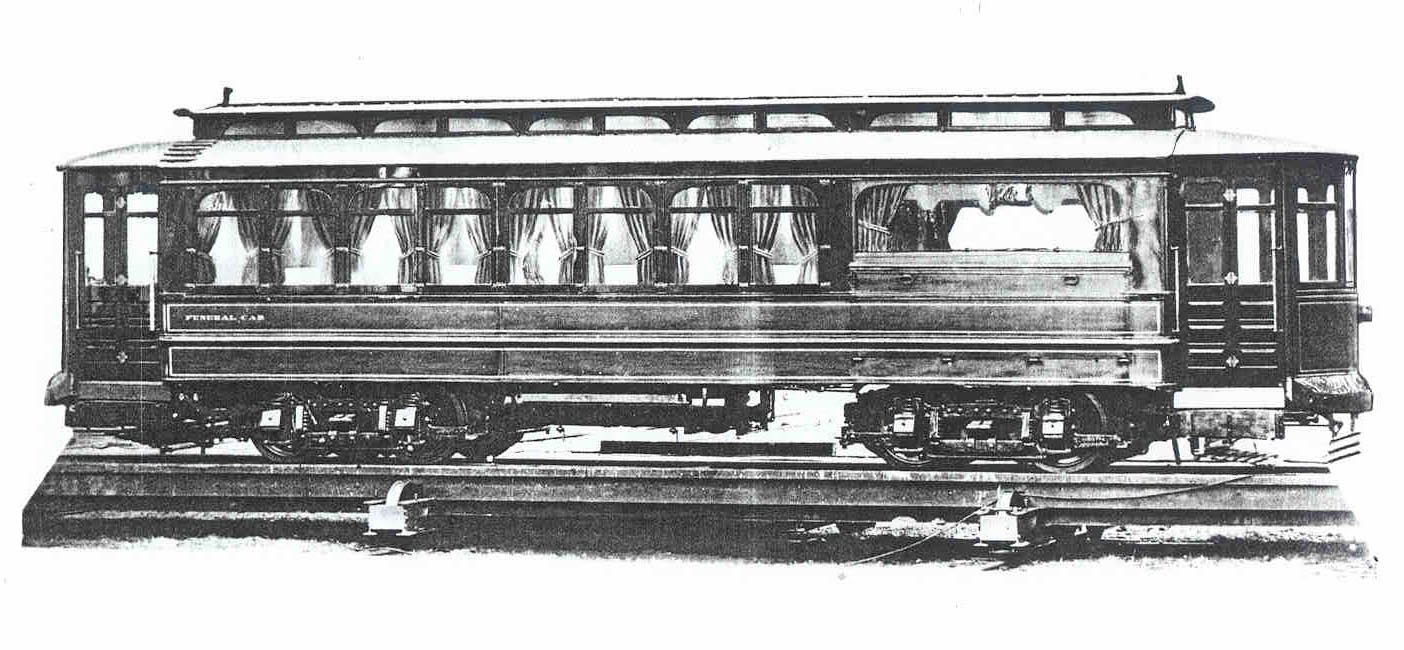
The first streetcar line in Beverly/Morgan Park was built along Morgan Avenue, today’s Monterey Avenue/111th Street, from Vincennes to Sacramento Avenue, in 1893, by the Englewood and Chicago Street Railway Company. It was built to bring funeral-goers and visitors to Mount Greenwood Cemetery and Mount Olivet Cemetery. Special funeral cars could be reserved to transport caskets and funeral attendees to various cemeteries around the city. A hearse from the cemetery would meet the streetcar at the closest stop.
The original 111th Street route began at 63rd Street and Vernon Avenue, about four blocks east of State Street, and made its way south to 79th Street, where it turned west to Vincennes Avenue, and then ran south on Vincennes. Most of the route was through swamps and over prairie land, with plenty of mud during the rainy seasons and snow drifts in the winter. There were special cars with plows to clear the snow off the tracks.
The first cars were powered by batteries that were recharged after every run at a powerhouse at 88th Street and Vincennes. The optimal speed of the cars was six miles per hour; higher speeds drained the batteries before the trip was completed. If the battery died while the car was out on the track it had to be towed to the powerhouse.
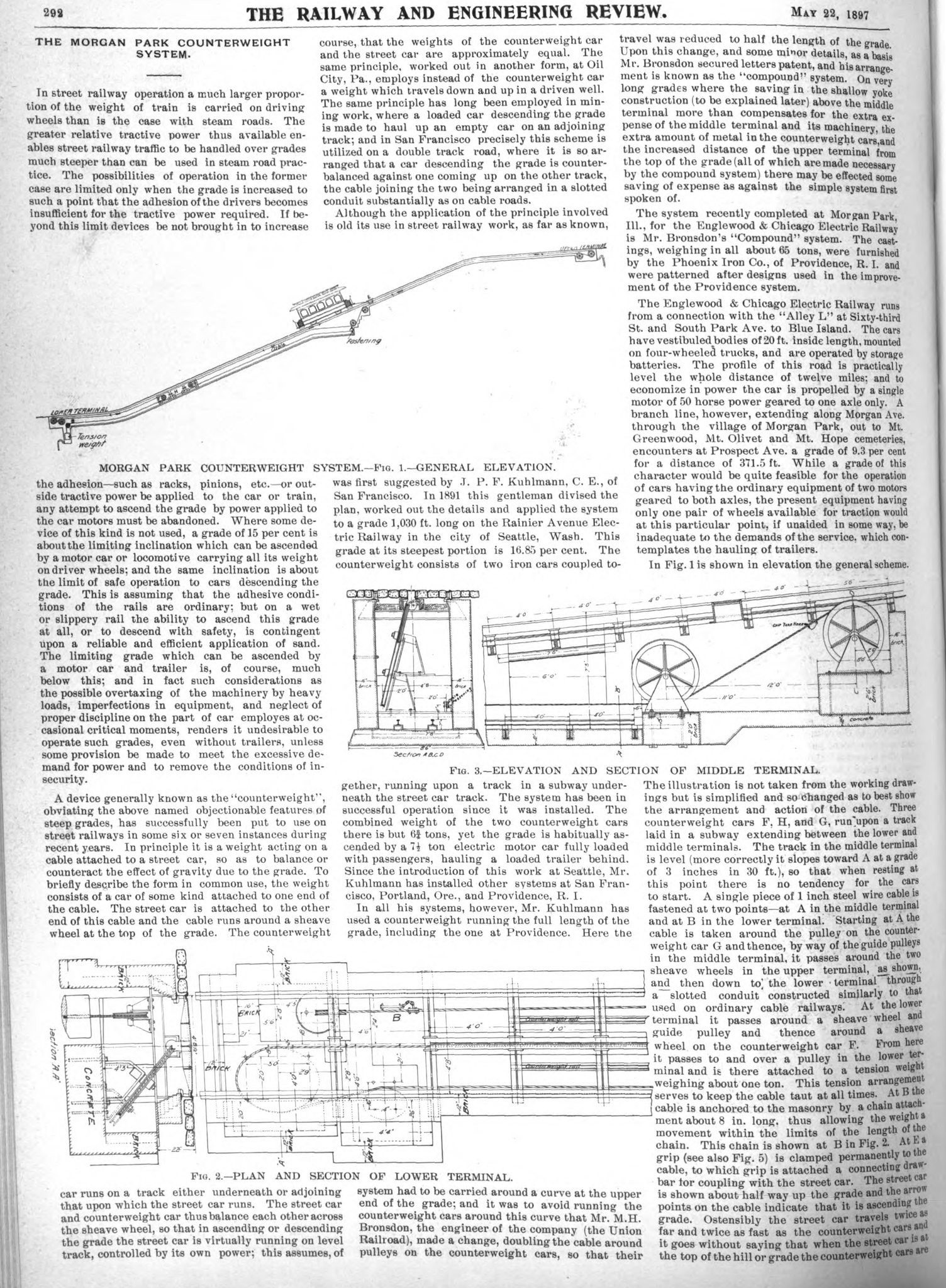
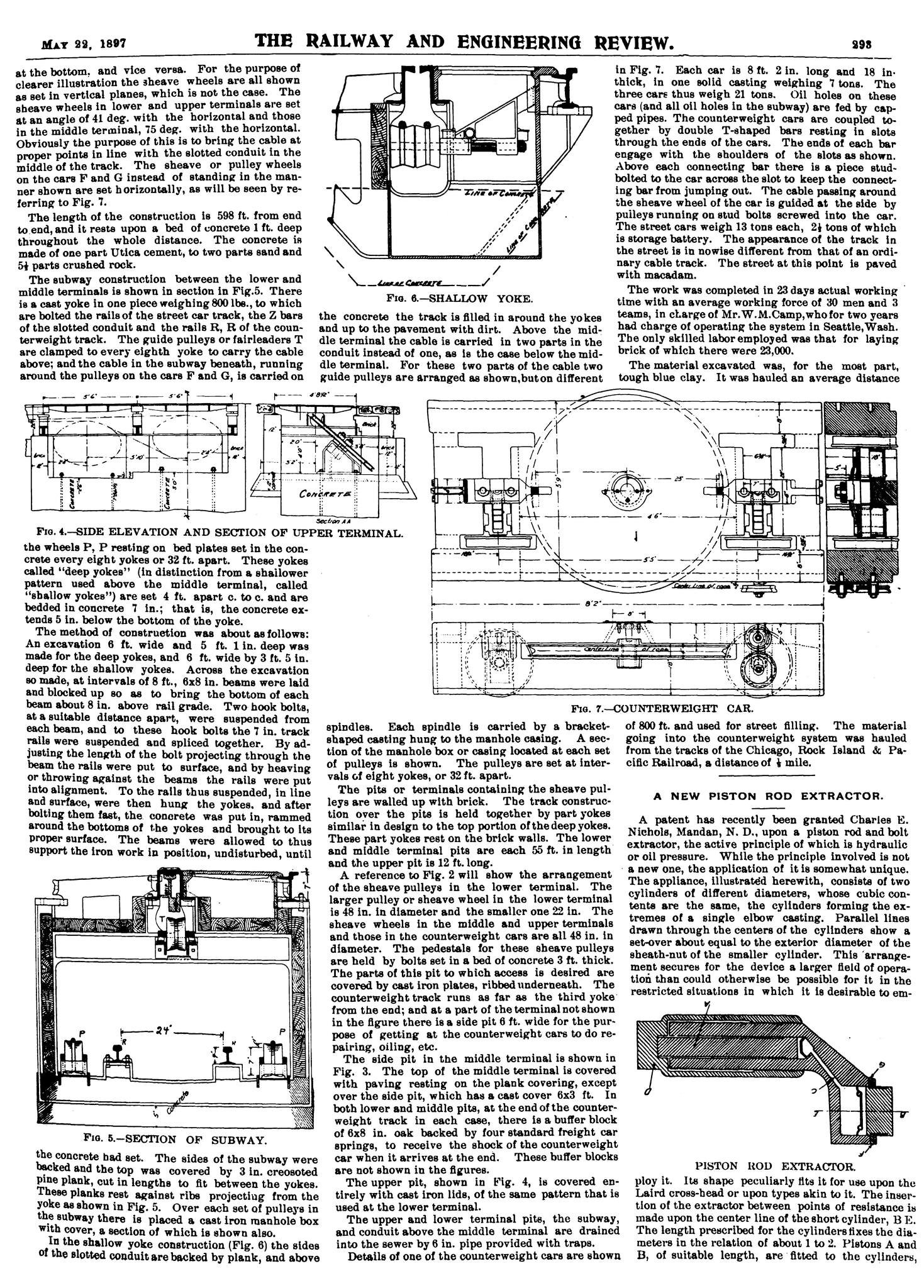
A special counterweight system was used to help the cars traverse the sharp hill on 111th Street just west of Longwood Drive. An article about that is attached to this post for readers who like technical details.
The 111th Street line shared the road with horse-drawn wagons and new automobiles. Its goal was to reach the cemeteries, but it also ran through the major commercial district of Morgan Park and right by the 111th Street Rock Island train station.
Businessmen from the City of Blue Island started a line there in 1897. The cars also used battery power. The route ran from the southern tip of the Ridge at Western Avenue and Stony Creek, then along Vincennes Avenue and Halsted Street to 63rd Street and Harvard Avenue.
The battery power was not very efficient. It was not strong enough for the streetcar to get up the steep hill on Western Avenue so a roundabout route through Blue Island streets was built to be a more gradual ascent. It was not that unusual for the battery to die before the car made it to the charging station at 88th and Vincennes Avenue.
Around 1900, the systems were electrified and switched from batteries to the overhead electric wires for power.
Even though it was a major thoroughfare throughout the entire city, Western Avenue did not have a streetcar line between 79th Street and 119th Street for many years because Beverly residents refused to allow one to be built through their area. Beverly prided itself on having no streetcars – it was part of the image of upper crust exclusiveness that Beverly homeowners fostered. They promoted using the Rock Island Railroad line to get downtown. Employees and visitors wishing to use the streetcars had to walk west to Vincennes Avenue.
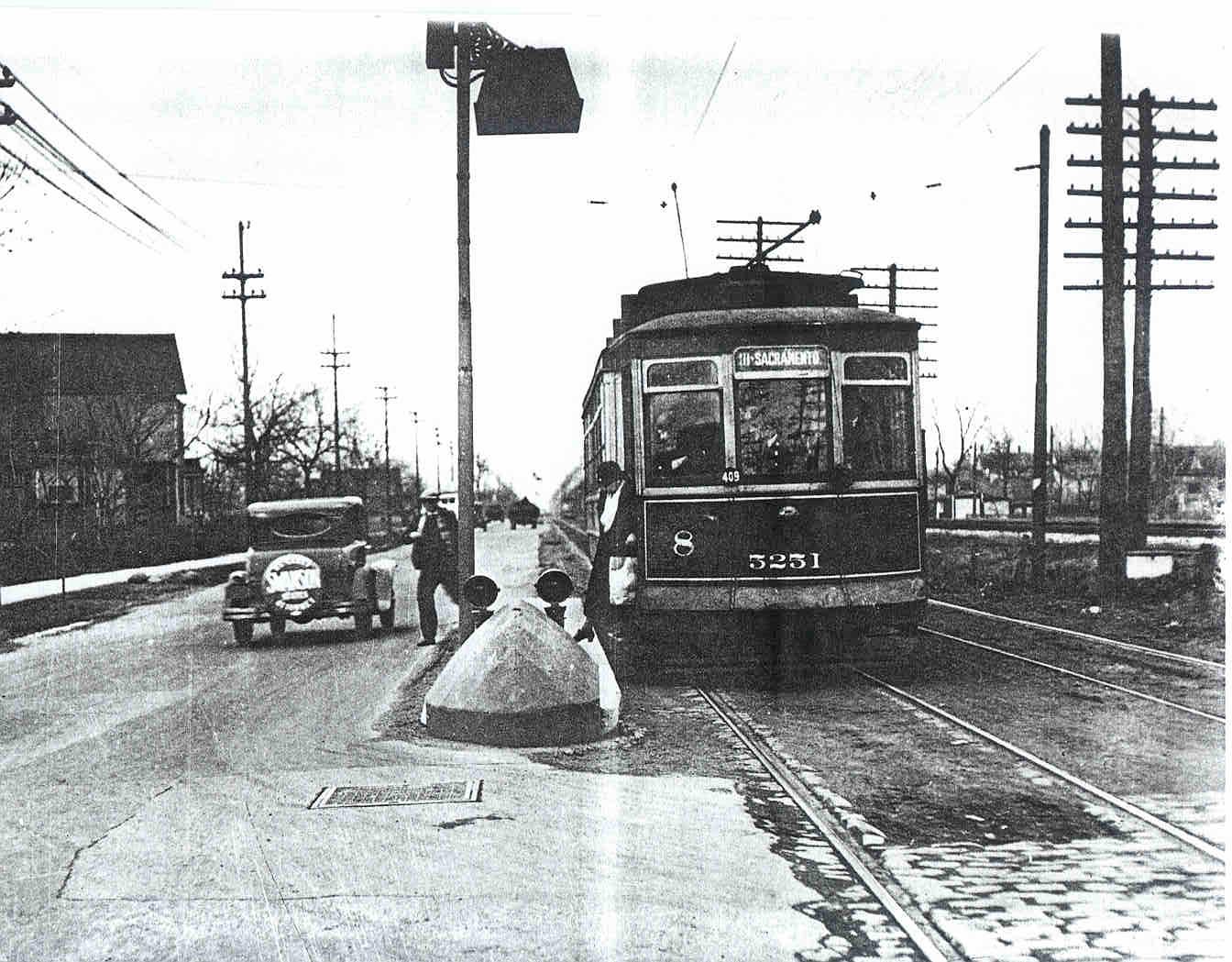
The Blue Island line went bankrupt in 1927 and was discontinued. In 1931, the Western Avenue streetcar line was extended from 79th Street to 111th Street. A big parade was held to mark the occasion, because this extension created the world’s longest straight streetcar line, running the length of the city.
Running the early streetcars was a two-man job. The motorman was the driver, standing at the front of the car. He didn’t have to steer since the car was on tracks, but he needed to be quick with the brakes when people, animals, horse-drawn wagons, and ever-increasing automobiles wandered onto the tracks in front of an approaching streetcar. Some very tragic accidents involving streetcars occurred.
The conductor collected the fares (five cents in 1914, with a free paper transfer) and clanged a bell to let the motorman know when all were on aboard and the car could continue.
Service was frequent, and streetcars were used for other jobs besides public transportation, like transporting mail.
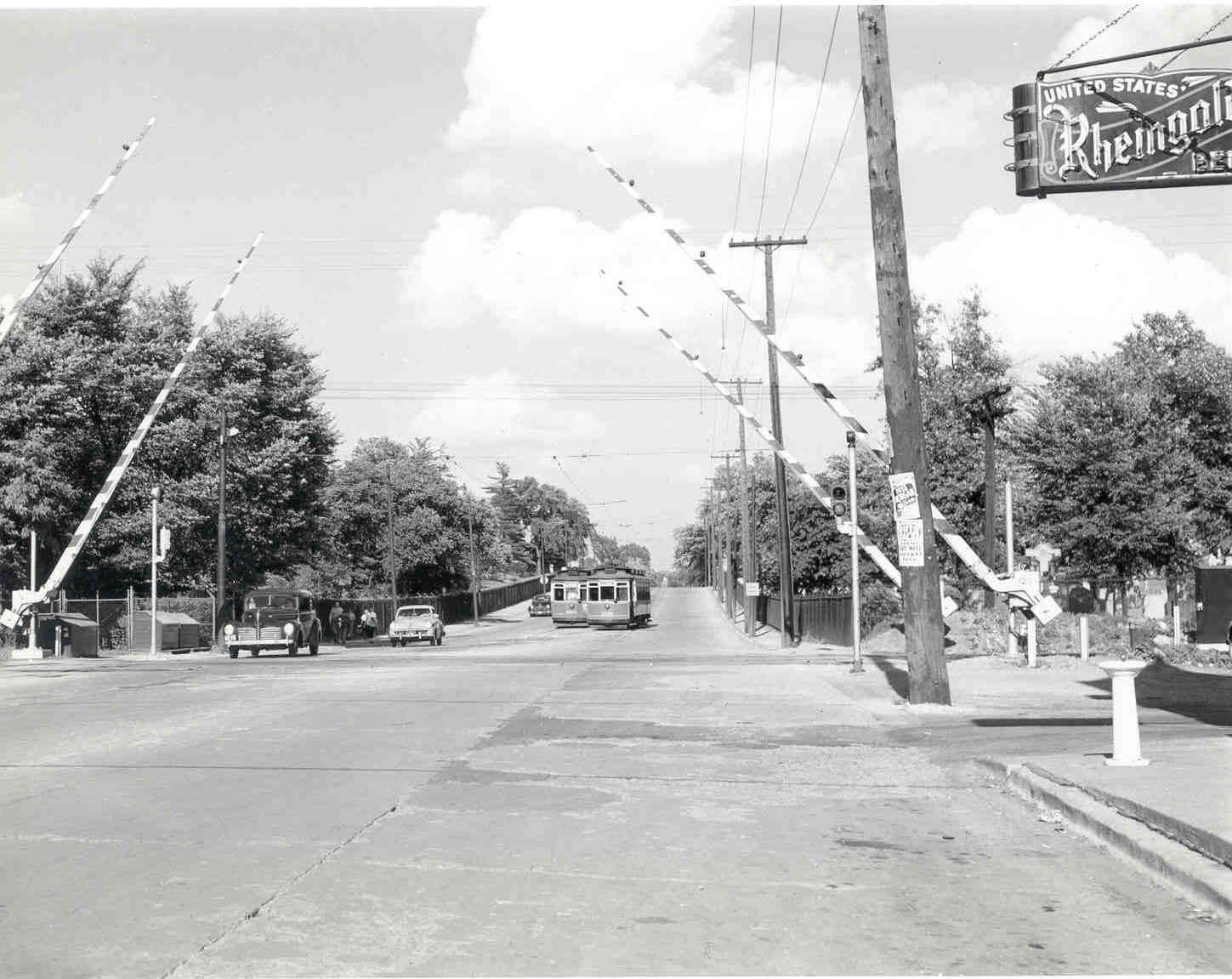
Streetcars had some advantages, notably they did not give off polluting exhaust, but they were considered slow and inefficient. They could not maneuver in traffic and contributed to the growing congestion problems created by more and more automobiles on the roads.
Streetcars were finally discontinued and phased out in the 1950s. More people were using automobiles, and it was decided buses were more efficient on city streets. The 111th Street line was discontinued in 1945, and the Western Avenue line ended in 1956.
From the Ridge Historical Society.
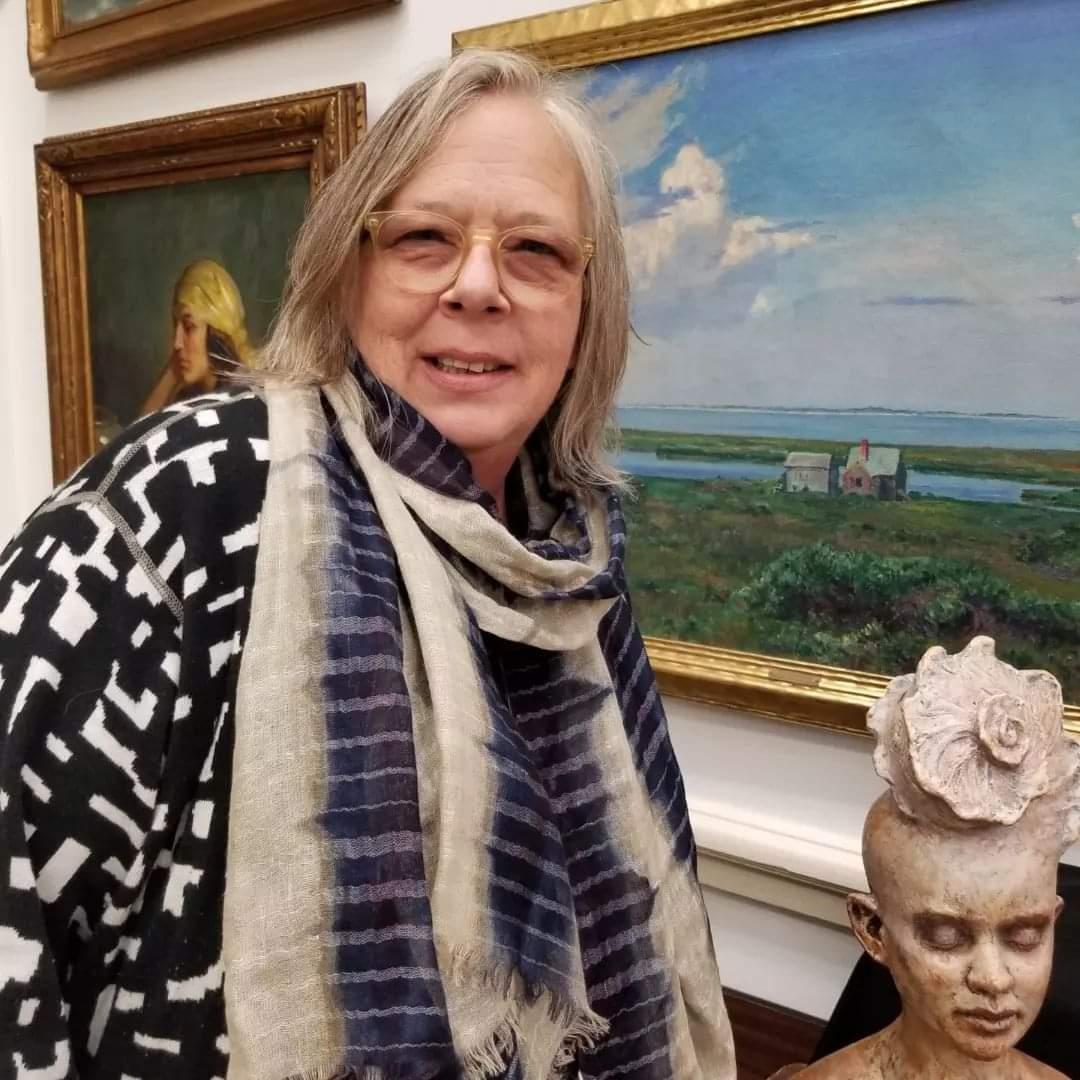
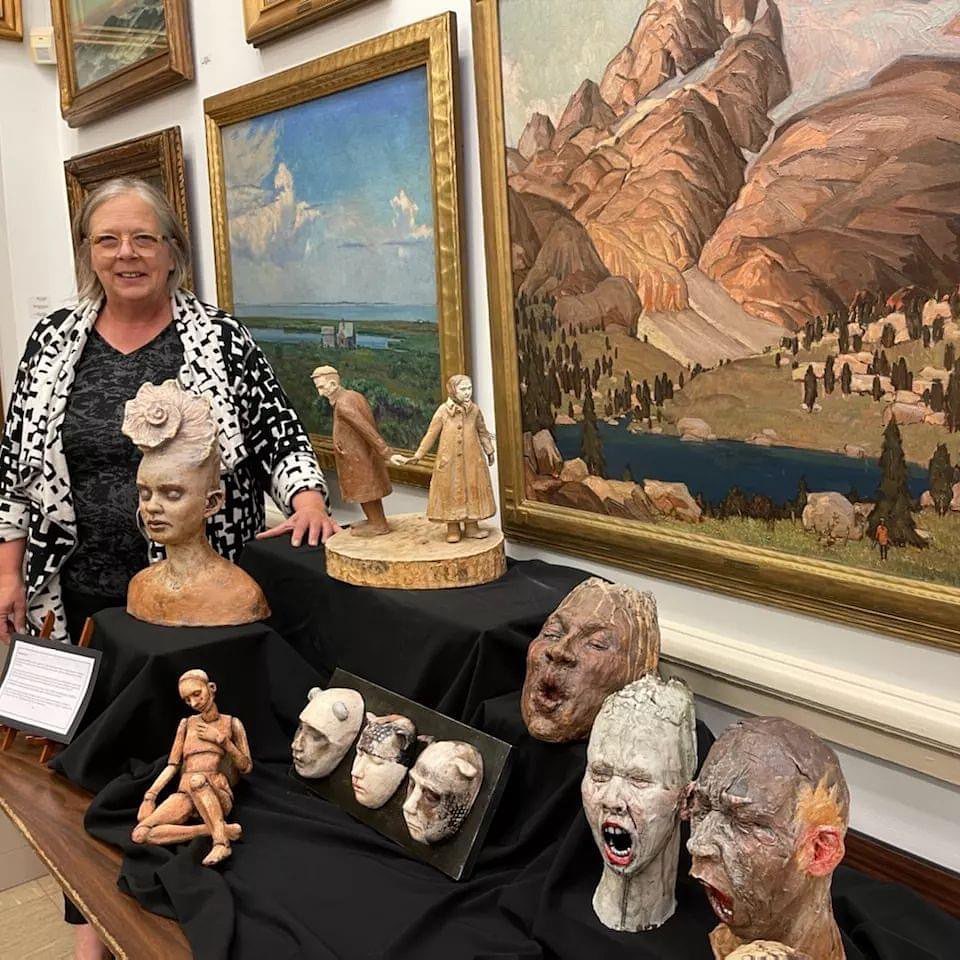
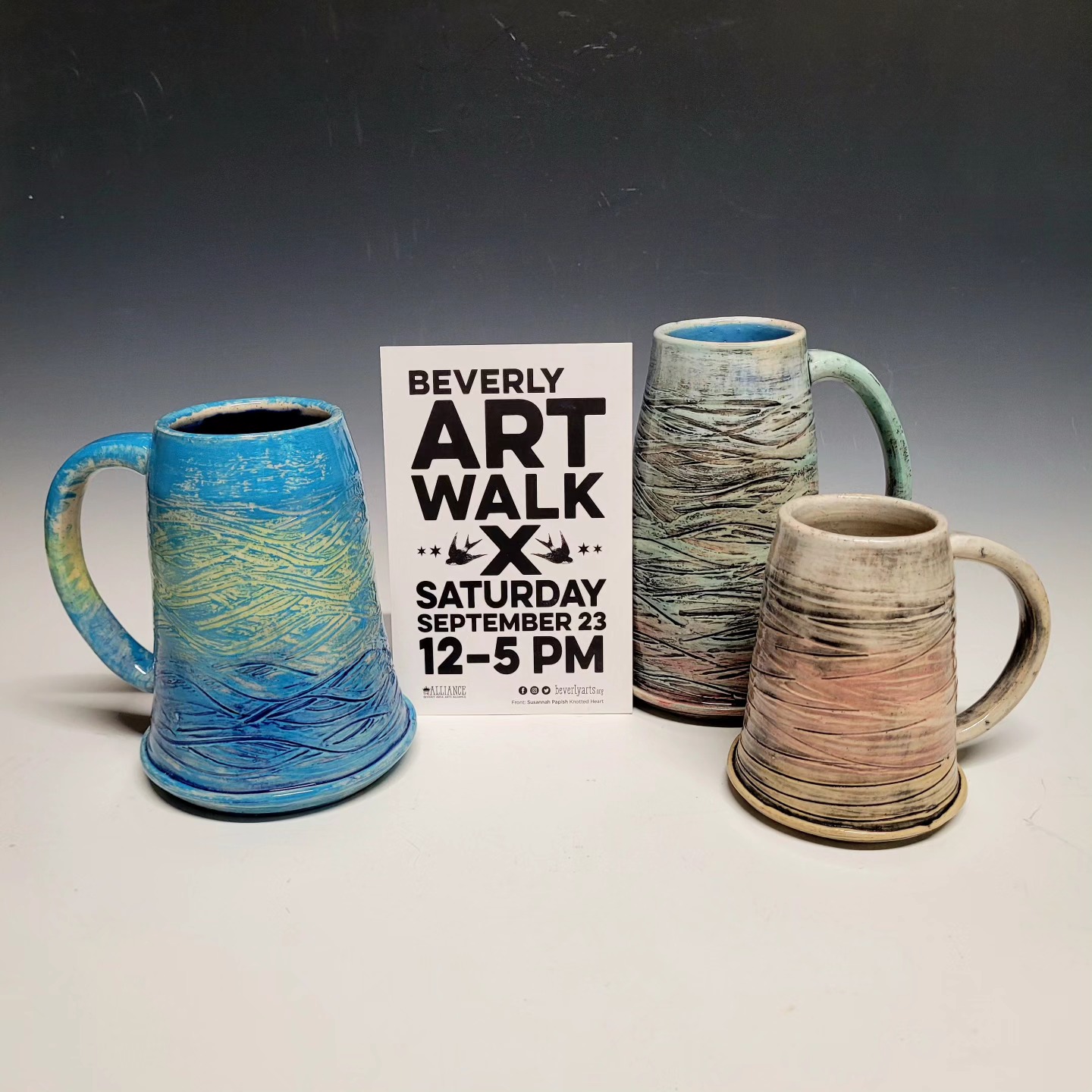
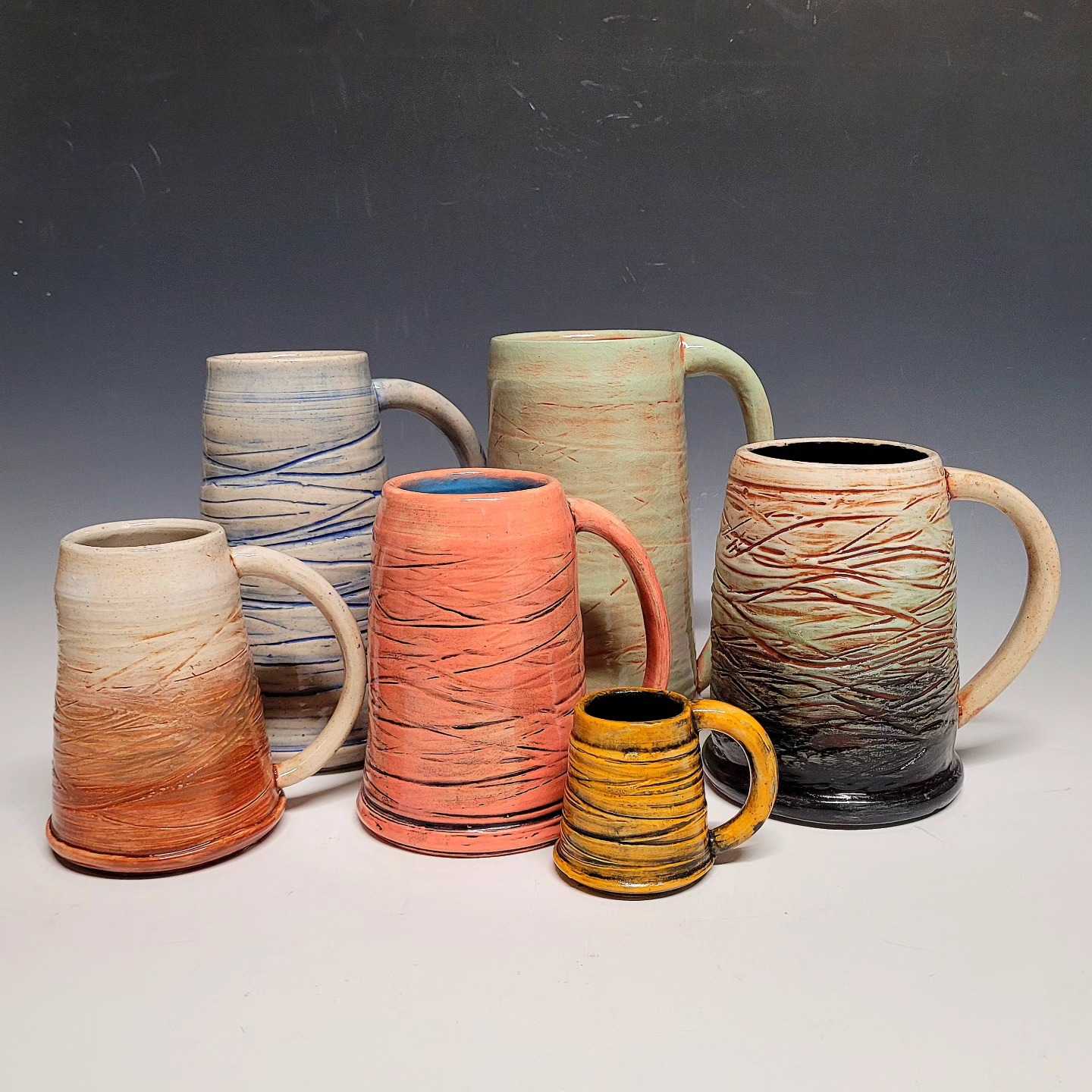
The Beverly Art Walk at the Ridge Historical Society – this Saturday, September 23, 12 noon to 5 p.m., 10621 S. Seeley Avenue, Chicago.
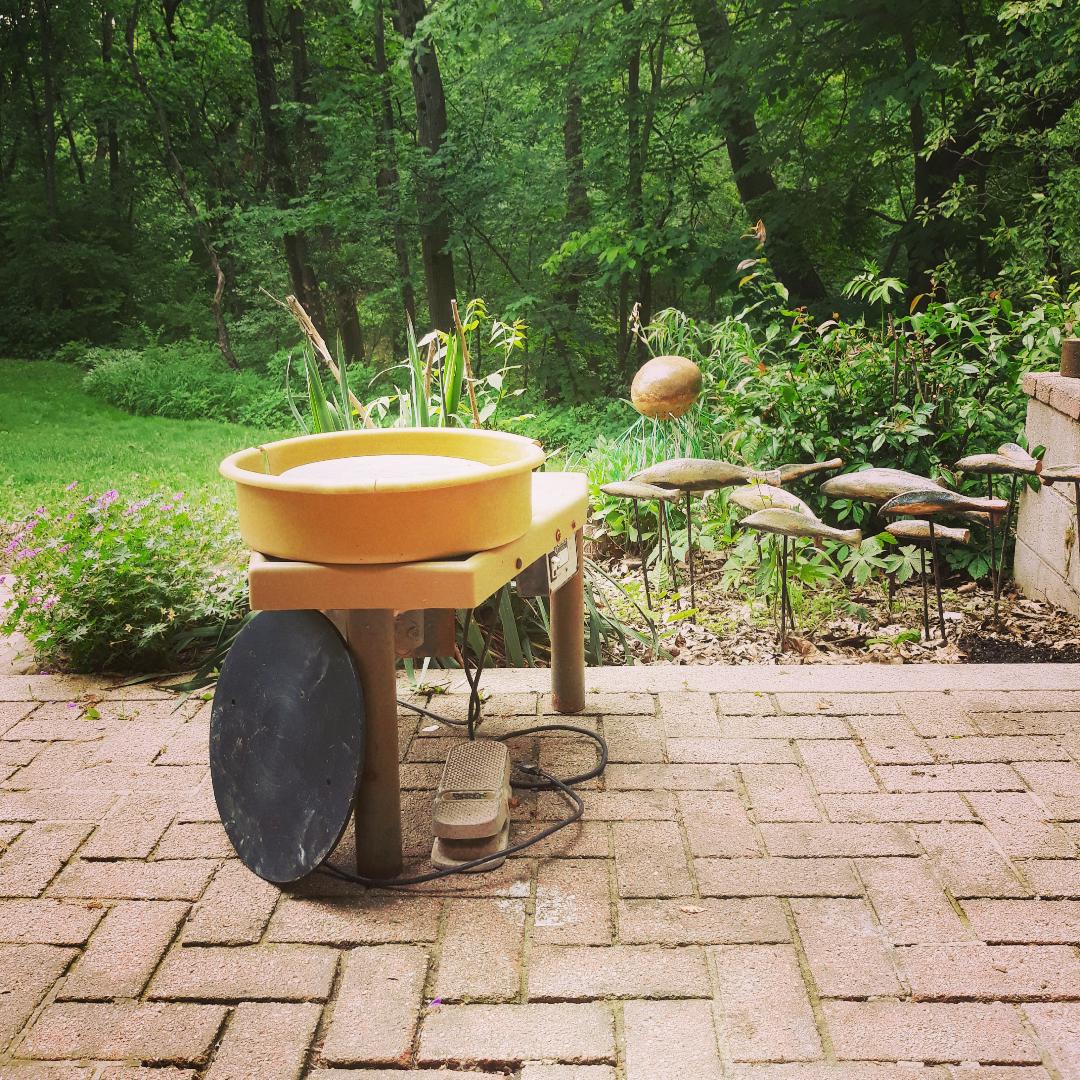
RHS is very excited to welcome Robin Power for a demonstration of ceramics-making on the RHS terrace for the Art Walk.
Robin is recognized as a superb artist and educator, plus she's a great person.
She has a BFA from the School of the Art Institute of Chicago. She is a proficient artist in several areas, from basket-weaving to doll-making, but her real love is hand-sculping exquisite ceramic figures of humans and animals. She teaches at her home studio in Lemont as well as places like Moraine Valley College and way up in the north suburbs. She has done programs for the Arts Alliance that were very well received.
At RHS she will be demonstrating the use of a pottery wheel. She will be bringing a variety of her "festive beverage steins" with her for sale. Horse Thief Hollow Brewery beer products will be available for tasting. Everyone knows cold beer tastes best in a stoneware mug!
Watch this page for more on the events at RHS for the Art Walk – the premier of the new exhibit, "Louise Barwick's Lost Ridge," and entertainment by Weber Irish Dancers.
It's that time of year – the Beverly Art Walk is almost here!
This year is 'especially special' because it's the tenth anniversary of the Art Walk and the founding of the Beverly Area Arts Alliance. That's a historical milestone.
On Saturday, September 23, 2023, from 12 noon to 5 p.m., the Beverly/Morgan Park community will come alive with art exhibits and demonstrations, music, craft vendors, family events, food and drink, and so much more.
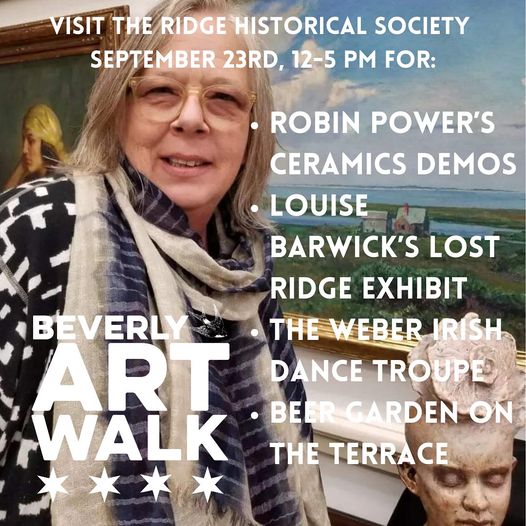
The Ridge Historical Society is very excited to participate this year, as always. At RHS, visitors will find:
– A brand new exhibit – "Louise Barwick's Lost Ridge"
– Artist Robin Power demonstrating ceramics-making
– Performances by Irish dancers from Weber Irish Dance
– Beer tasting featuring Horse Thief Hollow products
Watch this page this coming week for information on all these events. The address for RHS is 10621 S. Seeley Avenue. (Parking is on Seeley Avenue, then walk up the driveway.)
The city is installing some kind of street dividers along Western Avenue, through the Beverly and Morgan Park communities.
The street is all torn up, and several people mentioned they saw old train tracks under those layers of cement.
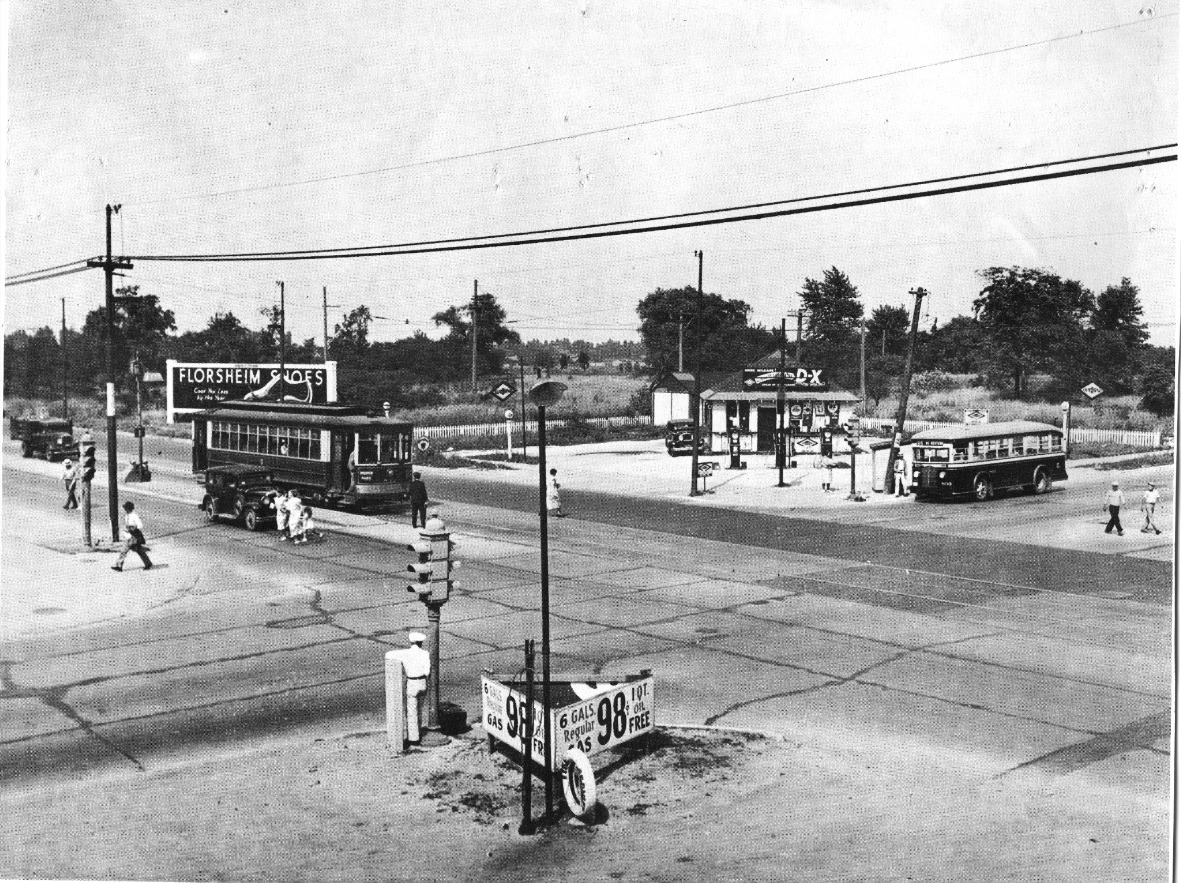
Streetcars did once travel up and down Western Avenue. Here's a favorite photo of one from the RHS collection. The corner is 95th and Western, facing northeast. The photo was taken from the corner where Evergreen Plaza stands. The streetcar is traveling south down Western Avenue.
1930s? I have to find the date of the photo. Notice the price of gas – 98 cents for six gallons. Prices were going up – it used to be 10 cents per gallon!
Some "context clues" about determining the age of the photo: given the looks of the cars and the women's clothes, it's likely the 1930s. There is a big ad for Florsheim shoes. They started making women's shoes in the 1930s.
EDITED: The photo is from 1935.