Explore the RHS Facebook Archives, a rich repository of local history written by Carol Flynn. For two decades, Carol brought a deeply dedicated voice to public education at RHS. Her role as Facebook administrator through mid-2025 naturally extended her prolific research into meticulously detailed articles, most notably her multi-part historical series posts. Today, Carol continues her local history writing for The Beverly Review and other outlets.
Chicago Public Schools Profiles (2020)
Ridge Historical Society
By Carol Flynn
School Series – Profile 9: Henry Clissold
This is the ninth profile in our series on people for whom schools on the Ridge are named.
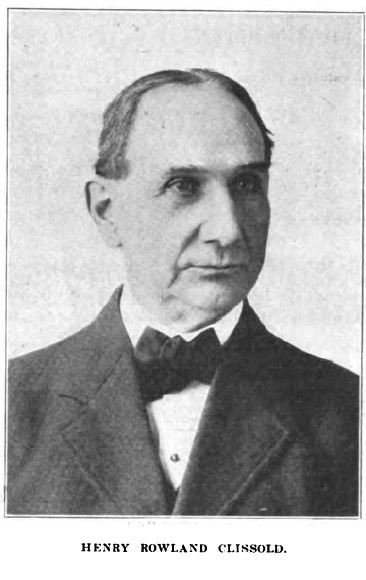
Henry Rowland Clissold (1842-1930) was one of the men who helped shape Morgan Park in its early days. He was a dedicated Baptist layman, and he owned a publishing company that produced a trade journal for the baking industry. Clissold was described as “modest and efficient and helpful,” fitting traits for a man who focused on two basics of American life, prayer and bread.
Clissold was born in England but the family moved to Canada when he was an infant. His father died when he was a child. In 1863, he came to Chicago with his mother, two sisters, and a nephew.
As a teen-ager, Clissold worked in printing facilities. In Chicago, he opened a publishing business which ran until 1879, mostly publishing materials from the Baptist church. He also published reports from the Chicago Relief and Aid Society, formed after the Great Chicago Fire of 1871.
Fortunately, the Clissolds, who lived in the downtown area, all survived the fire.
The Baptist church played a big role in Clissold’s life. He frequently gave sermons, taught classes, and led prayer services in locations throughout the Chicago area. He was involved in many church organizations.
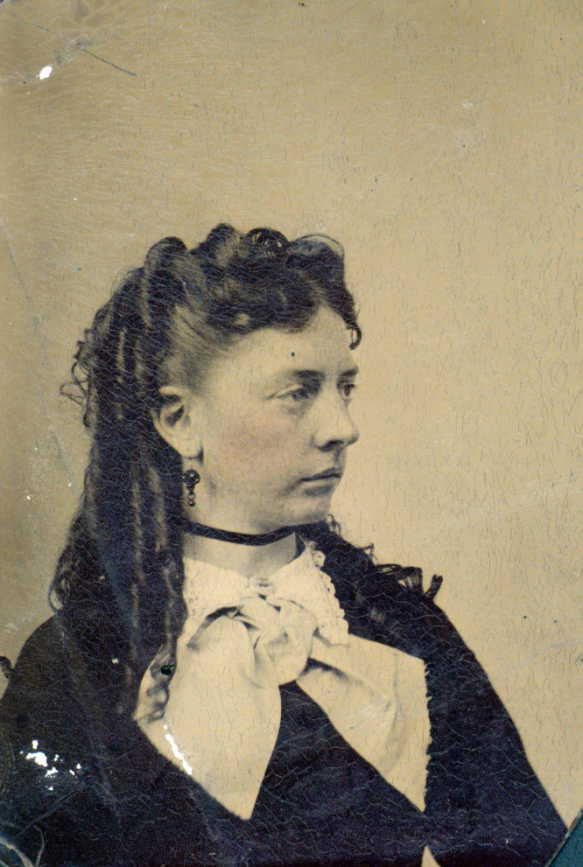
Clissold married Emma Isadora Smith, from a prominent pioneer family in Norwood Park, also a member of the Baptist church, in 1872. They had three sons and two daughters.
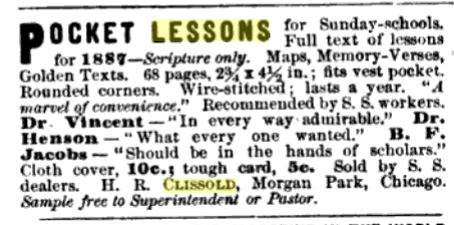
In 1879, Clissold accepted the position of State Sunday School Missionary in charge of all the Sunday school work for the Baptist General Association of Illinois. In addition to being a frequent guest lecturer, he authored class materials. In 1886, he produced “pocket lessons,” cards with Bible verses and church texts. These were popular for many years.
Morgan Park, which was founded as an education, religion, and temperance community, was a fitting place for the Clissolds to settle. Until annexation to the city of Chicago in 1914, the Village of Morgan Park had its own government, taxes, services, and school system.
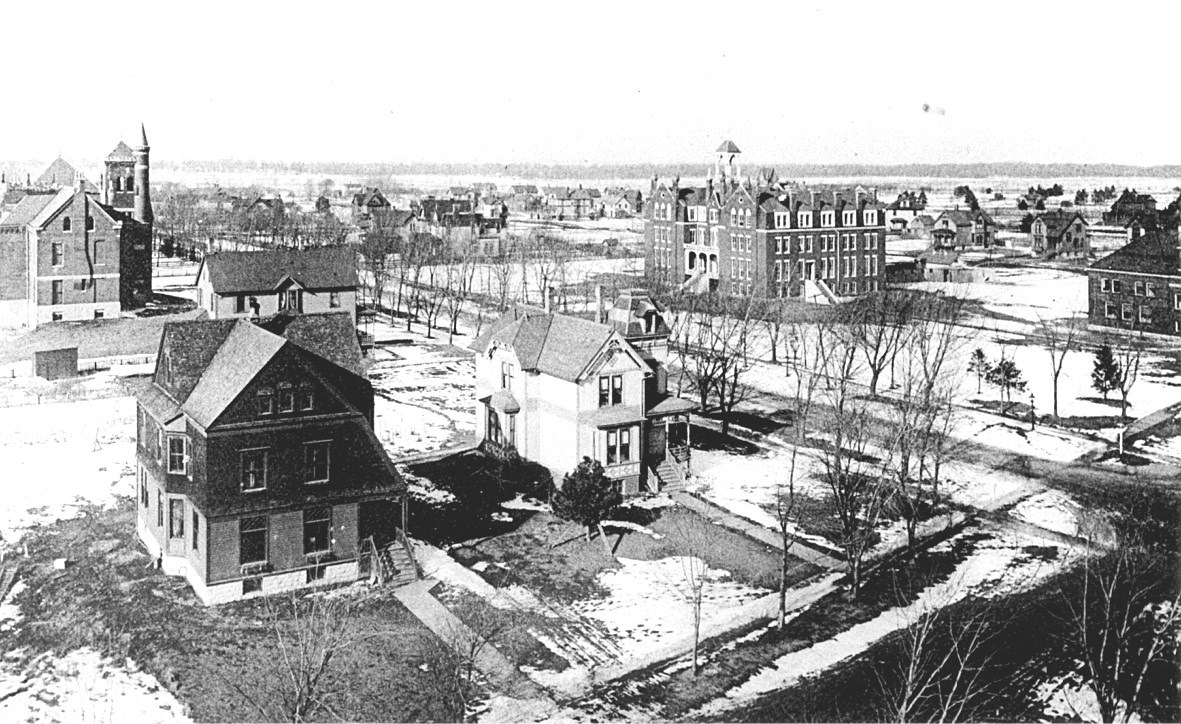
In 1877, the Baptist Union Theological Seminary relocated to Morgan Park. The Seminary was part of an “old” University of Chicago that ended up closing in 1886. The new Seminary building was built on the north side of 111th Street (then Morgan Avenue) at what is now about 2300 west. This was across the street from the Morgan Park Academy, which was founded in 1873 as the Mt. Vernon Military and Classical Academy.
Emma Smith Clissold’s older brother Fred had a law degree from and was a trustee for the old University of Chicago. He was also on the board of trustees for the Seminary.
The Seminary attracted many people to Morgan Park, mostly connected to the Baptist church but other academics as well. One brilliant young man who joined the faculty and lived in Morgan Park from 1879 to 1886 was William Rainey Harper, who at the age of 22 already had a Ph.D. and was an expert in the Hebrew language. He also became a Baptist clergyman while he was at the Seminary.
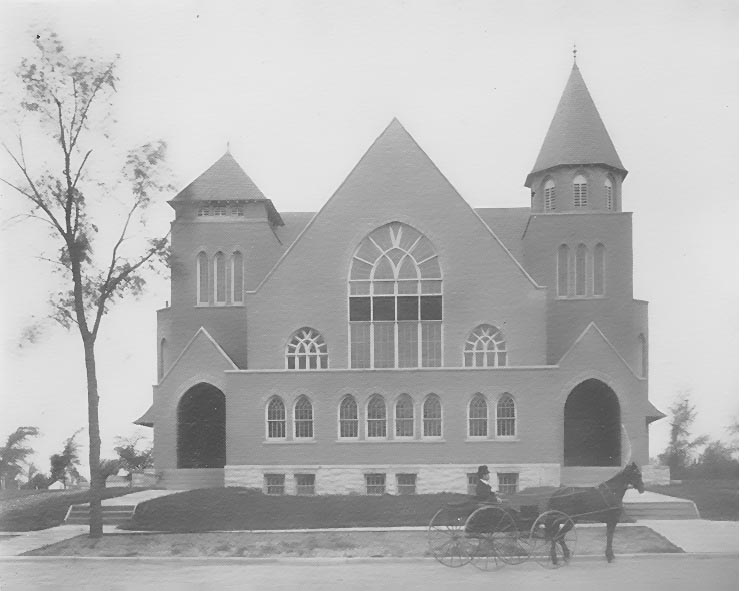
Baptists had been meeting and holding religious services in the community for about five years when the Morgan Park Baptist Church at 110th Street and Bell Avenue was officially established in 1877.
The Clissolds moved to Morgan Park in the early 1880s. Clissold went right to work, serving as clerk of the Village of Morgan Park and teaching Sunday school at the Morgan Park Baptist Church.
Clissold’s biography from “The Book of Chicagoans” states that from 1884 to 1887, he managed Harper’s publication work. During this time Harper rented a storefront in Morgan Park and started the American Publication Society of Hebrew, which published Harper’s educational materials as well as promotional materials for Morgan Park.
In the early 1890s, John D. Rockefeller agreed to fund a new University of Chicago (U of C). Harper was chosen as president and the Baptist Seminary was designated the divinity school for the new university. Morgan Park was considered for the site of the university but Rockefeller preferred Hyde Park. The Seminary left Morgan Park in 1892 to become part of the new U of C. Morgan Park Academy was part of the U of C system as a preparatory school from 1892 until Harper’s death in 1906
.
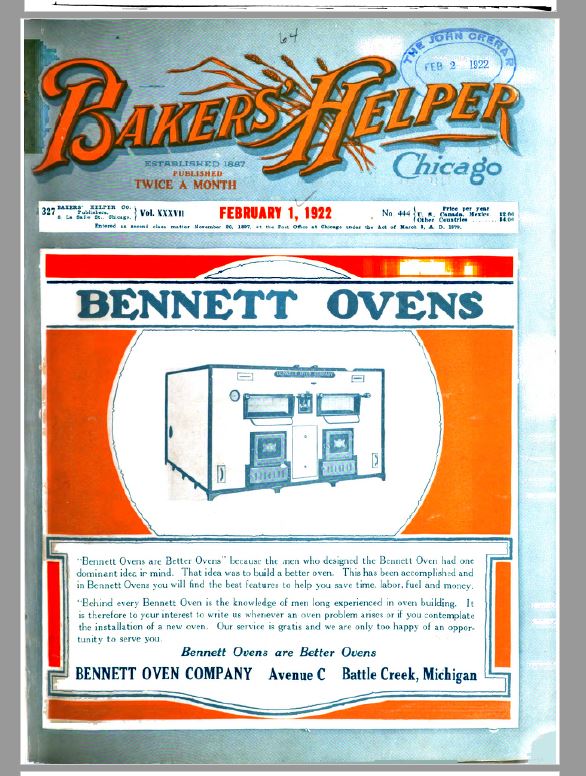
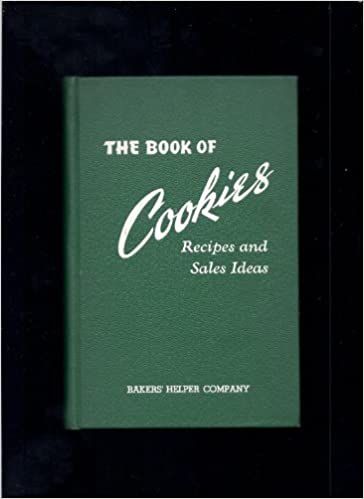
Clissold established a new publishing company in 1887 and started a trade magazine called Bakers’ Helper which focused on news, advice, equipment, and supplies for the baking industry. He became well-known in the trade publishing and baking fields and became an advocate and advisor for both. There were other trade journals in the baking industry, but Bakers’ Helper was the leader for decades. Along with the magazine, Clissold Publishers also produced manuals on baking topics.
In 1897, Clissold helped organize the Master Bakers’ Association of Chicago, which would later become the National Association of Master Bakers. The purpose of this organization was to advance the baking profession through high standards of operations and service. He served as secretary and in other roles for decades and helped organize conventions around the country.
In 1912, when Bakers’ Helper celebrated its 25th year in publication, Clissold’s friends in the industry gathered letters of praise about Clissold to run in the magazine, but Clissold would not publish the letters. His friends went directly to the advertising department and worked out a four-page supplement to the regular edition. Clissold knew nothing of this until he opened a published copy. The entire industry enjoyed this “surprise party.” Wrote the National Baker, another publication, “One of the best things [about this issue of Bakers’ Helper] is an insert voicing the high esteem in which Mr. Clissold is held by his many friends in the trade. It is a well-deserved tribute to the best known man in the American baking trade.”
The American Miller and Processor wrote: “He will keep on preaching the gospel of good bread, clean bakeries and square dealing as a part of his mission. He deserves all the good things said about him in the ‘Appreciation.’”
Clissold was also president of the Chicago Trade Press Association from 1899-1900. He gave testimony concerning second-class postage for trade journals and newspapers to the U.S. Senate Commission to Investigate the Postal Service.
His religious commitments also continued. He served as president of the Illinois Baptist State Convention twice, and president of the Illinois Sunday School Association. He served on the Sunday School Board of the Morgan Park Baptist Church.
In 1904, Clissold and other prominent Morgan Park citizens founded the Calumet Trust and Savings Bank with capital stock of $25,000. They built the building at 111th Street and Longwood Drive now owned by the Beverly Area Planning Association.
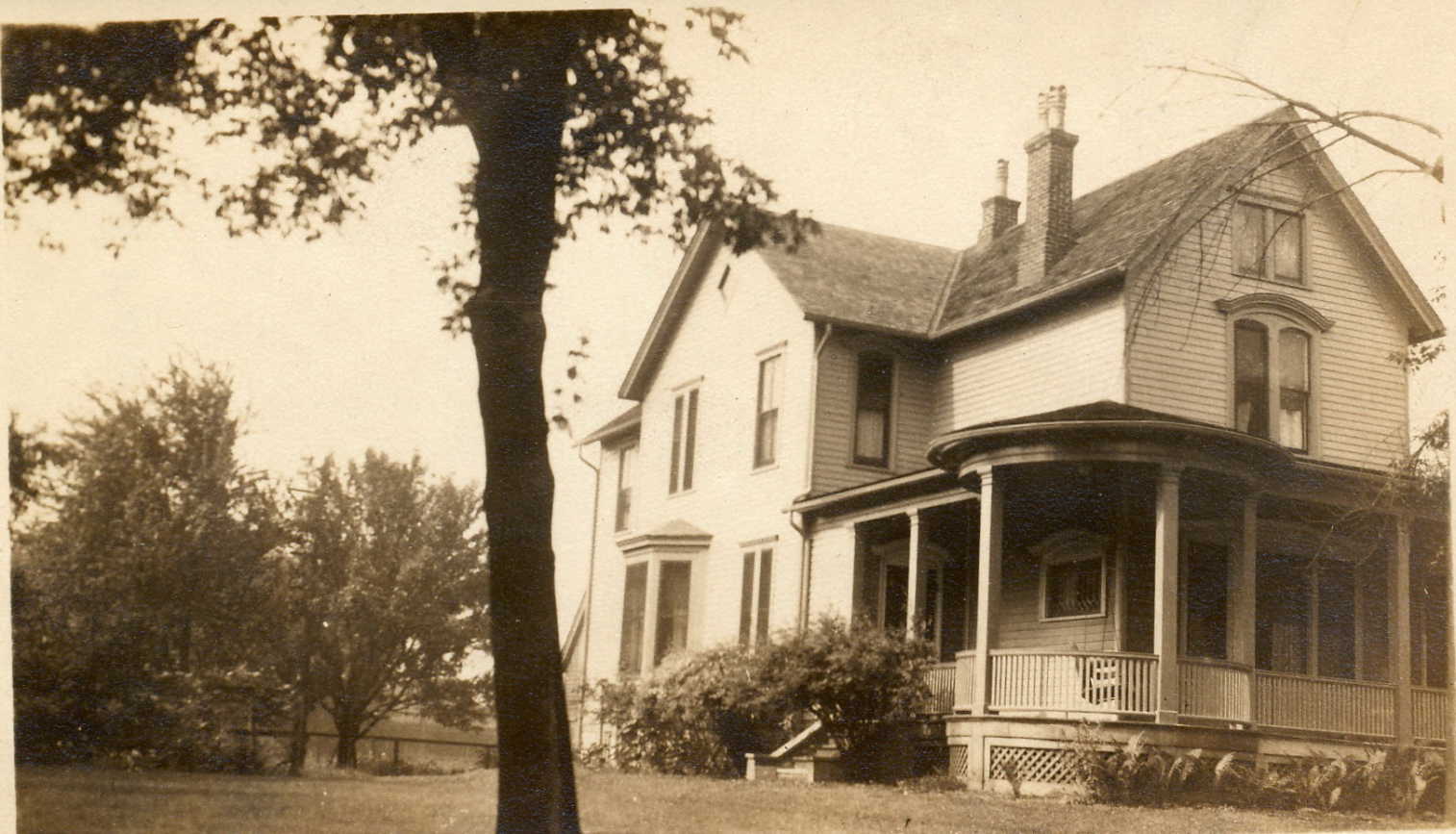
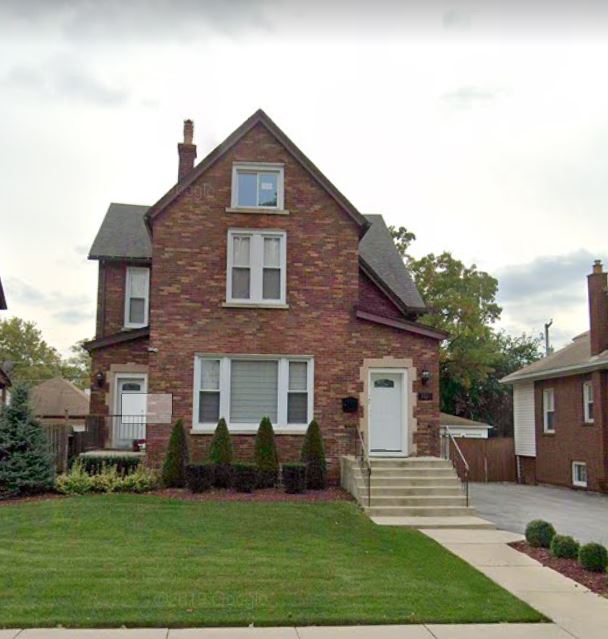
The Clissolds lived in several locations in Morgan Park and two of their houses still stand. One house at 2321 W. 111th Place was originally frame and has been covered with brick. They later owned the brick bungalow at 2117 W. 109th Street.
In addition to being a Village trustee, Clissold sat on the Morgan Park Board of Education, and served as president in 1905-10. He was a member of the Home Rule Association that opposed annexation to Chicago. One of the biggest concerns about annexation was the potential fate of the Morgan Park schools if the city took them over. Annexation was finally approved in 1914.
Henry Clissold died in 1930. The Clissold family plot is in Mount Greenwood Cemetery.
The Arlington and Western Avenue Schools were early structures around 110th Place and Western Avenue. A new school was under construction at 2350 W. 110th Place to replace those old buildings when Clissold died. The Morgan Park community lost no time petitioning to name the new school for Henry R. Clissold. The Chicago Board of Education readily approved.
Commented one of Clissold’s admirers, this was “a good way to honor a good name.”
Ridge Historical Society
By Carol Flynn
School Series – Profile 10: Rudyard Kipling
This is the tenth profile in our series on people for whom schools on the Ridge are named.
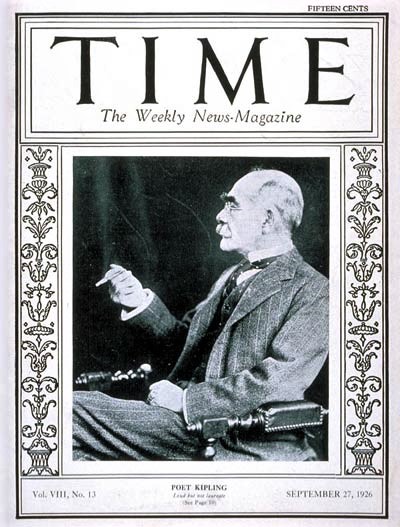
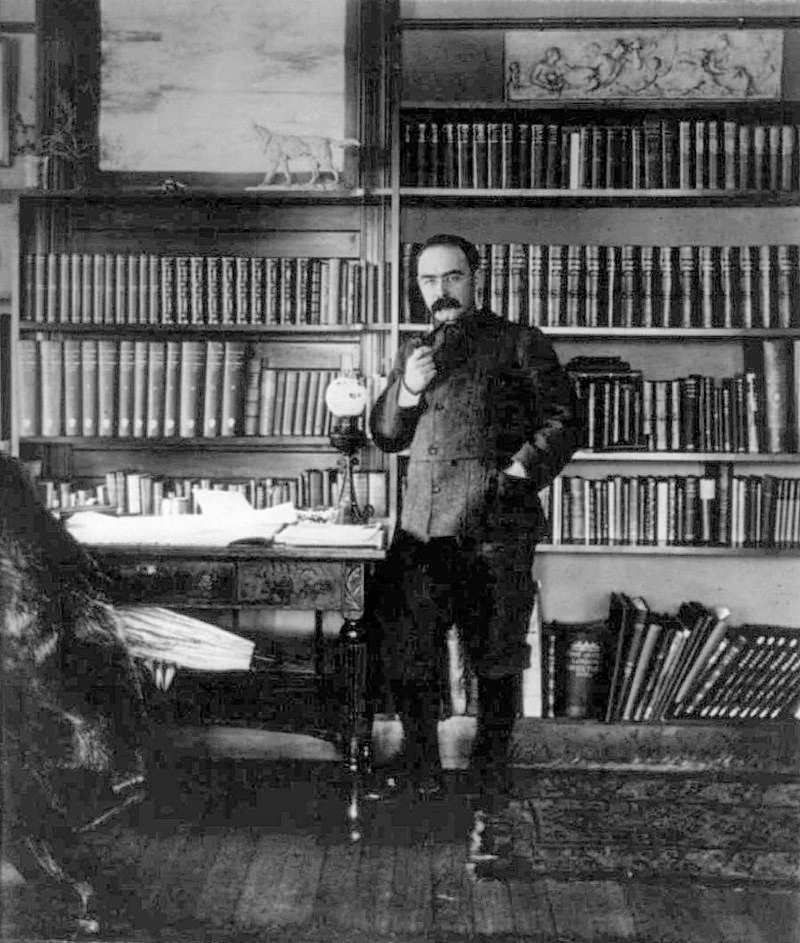
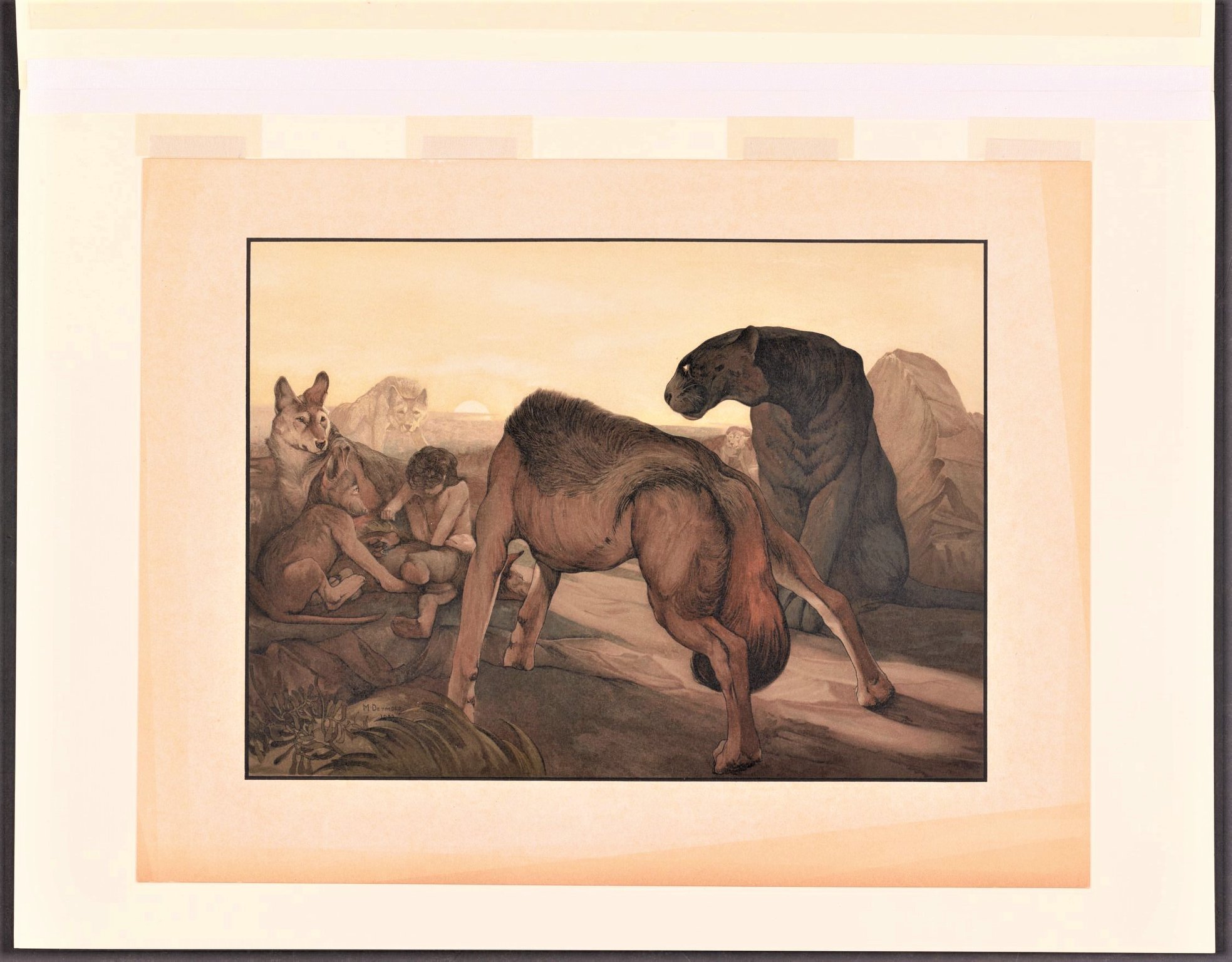
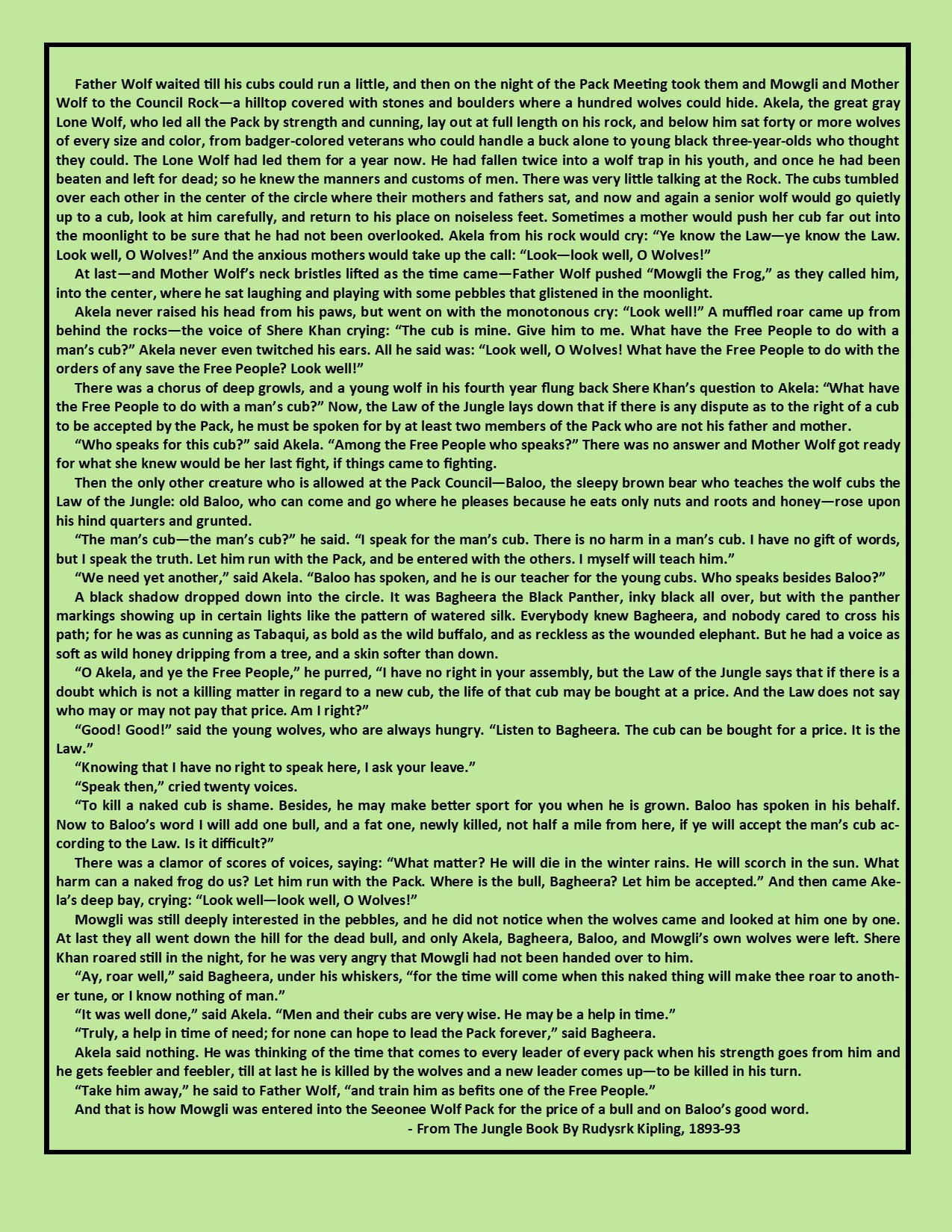
Joseph Rudyard Kipling (1865-1936) was an English author who was born in India. His works included The Jungle Book I and II, Captains Courageous, and Kim, and the poems “Gunga Din” and “Mandalay.” He was especially recognized for his innovation in short stories and children’s books. He was awarded the Nobel Prize in Literature.
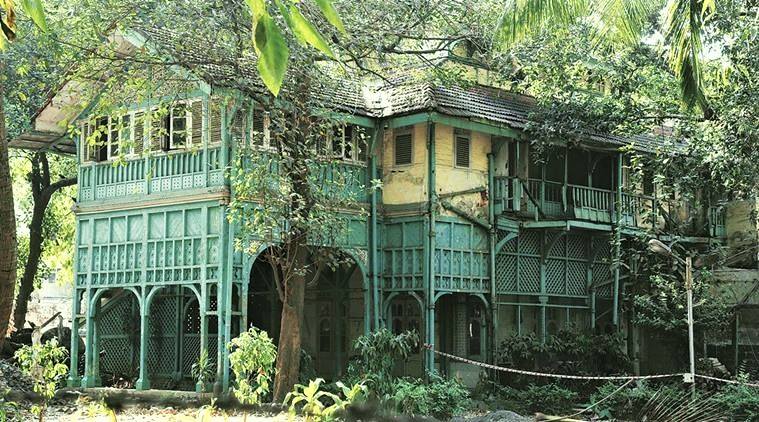
Kipling was born in Bombay during the British Crown rule of India. He came from a family with artistic and political roots. His father was a sculptor and pottery designer, heading art schools in Bombay. His aunt was married to artist Edward Burne-Jones. His cousin Stanley Baldwin was British Prime Minister three times.
From age 5 to 16, Kipling boarded and was schooled in England, then returned to India and his parents. He worked for English newspapers and began to write and publish poetry and short stories, which were very well received internationally.
He left India in 1889, and traveled to Hong Kong and Japan, and then to the United States and Canada where he visited many cities, one of them Chicago.
Wrote Kipling in “American Notes” after this trip: “I have struck a city – a real city – and they call it Chicago. The other places do not count. San Francisco was a pleasure resort as well as a city, and Salt Lake was a phenomenon. This place is the first American city I have encountered. Having seen it, I urgently desire never to see it again. It is inhabited by savages.”
He then described his wanderings in Chicago over a Saturday and Sunday. He started with the Palmer House, “overmuch gilded and mirrored… crammed with people talking about money and spitting everywhere.”
He took to the streets – which were “long and flat and without end.” A cab driver took him on a tour, talking about the progress Chicago had made. Wrote Kipling, “The papers tell their clientele … that the snarling together of telegraph-wires, the heaving up of houses, and the making of money is progress.”
On Sunday, he attended church – “It was a circus really, but that the worshippers did not know.” He heard more about progress: “… that the mere fact of spiking down strips of iron to wood, and getting a steam and iron thing to run along them was progress, that the telephone was progress, and the net-work of wires overhead was progress. They repeated their statements again and again.”
He ended the adventure with a trip to the stockyards where he listened to the hogs squealing and watched them be slaughtered. He was 24 years old at the time of this trip.
Returning to England, Kipling became a prolific and popular author, although some saw his work as propaganda for British imperialistic empire-building. He traveled to Australia, New Zealand, South Africa and back to India.
He married Carrie Balestier, the daughter of his American agent, and they lived in Vermont from 1892 to 1896, during which years he wrote The Jungle Book. They then lived in England with annual trips to English Cape Town in South Africa. For three years, he was the rector of St. Andrews University in Scotland.
The death of his daughter at age 6 from pneumonia, while visiting the U.S., spurred him to write more children’s books, for which he became well known. In 1907, he was awarded the Nobel Prize for Literature. The citation said it was "in consideration of the power of observation, originality of imagination, virility of ideas and remarkable talent for narration which characterize the creations of this world-famous author." Kipling was the first English-language recipient of the award, and at 41, the youngest at the time.
Such was his popularity and renown as an author that Kipling influenced world politics. He was always a pro-British Empire conservative, in favor of English colonialism in India and South Africa, and against Ireland Home Rule and Canadian reciprocity with the U.S. He was anti-communism, although his writings were popular in Russia. He was interested in Buddhism.
By all accounts, Kipling loved being a Freemason and received all the degrees. He used this as a plot device in his 1888 novella “The Man Who Would Be King” [which was made into a 1975 movie with Sean Connery and Michael Caine]. But Kipling turned down a knighthood and declined to be considered for Poet Laureate of Great Britain.
He became increasingly anti-German. During World War I, he was critical of the British Army and those who tried to avoid military service. His son John was rejected several times for service due to poor eyesight, so Kipling asked an acquaintance to get him into the Irish Guards. John disappeared in battle in 1915 and his remains were never found during Kipling’s lifetime. According to biographers, Kipling was emotionally devastated by the loss of his son. John’s burial place was finally identified in 2015.
Kipling used the swastika on his early works based on the Indian sun symbol for good luck. When the Nazis came to power and started using the symbol, Kipling ordered it removed from all his works, and warned about the danger the Nazis presented to the English.
During his lifetime, Kipling produced twenty-five collections of short stories, four novels, four autobiographies/speeches, seven military collections, eleven poetry collections, and four travel collections. More than fifty unpublished poems were found after his death.
Kipling’s talent as a writer was praised by other authors including James Joyce, Henry James and T. S. Elliott. Even George Orwell who considered Kipling a “jingo imperialist” conceded he was a “gifted writer.”
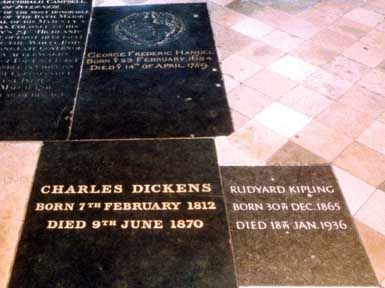
Kipling’s ashes are buried next to Charles Dickens in the Poet’s Corner at Westminster Abbey, London, England.
The Rudyard Kipling School, built as a new Chicago public school at 9351 S. Lowe Avenue, opened in 1961.