
Explore the RHS Facebook Archives, a rich repository of local history written by Carol Flynn. For two decades, Carol brought a deeply dedicated voice to public education at RHS. Her role as Facebook administrator through mid-2025 naturally extended her prolific research into meticulously detailed articles, most notably her multi-part historical series posts. Today, Carol continues her local history writing for The Beverly Review and other outlets.
Graver-Driscoll House History
The Ridge Historical Society
The History of the Graver-Driscoll House – Part 9: The Fenn Family continued
By Carol Flynn
Every house has a history.
To celebrate the 100th anniversary of the Graver – Driscoll House, owned by the Ridge Historical Society (RHS) at 10621 S. Seeley Avenue, a series on its owners through the years has been on-going.
The house, designed by architect John Todd Hetherington, was built in 1922-23 for Herbert and Anna Graver. Graver was an executive with his family’s business, the Graver Tank Works, and a sports star, having participated in the first Rose Bowl in 1902.
In 1940, the Gravers sold the house to John Grant and Grace Harrison Fenn. The Fenns were discussed in the last two posts. The Fenns owned the house until 1946.
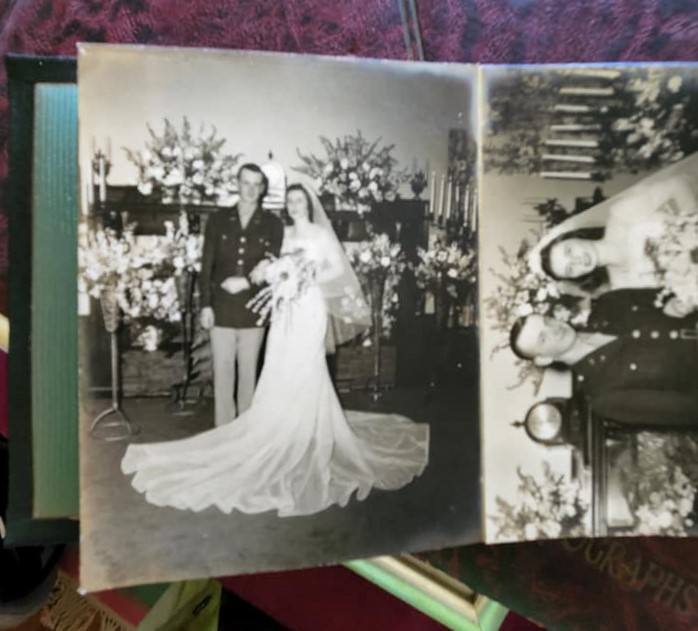
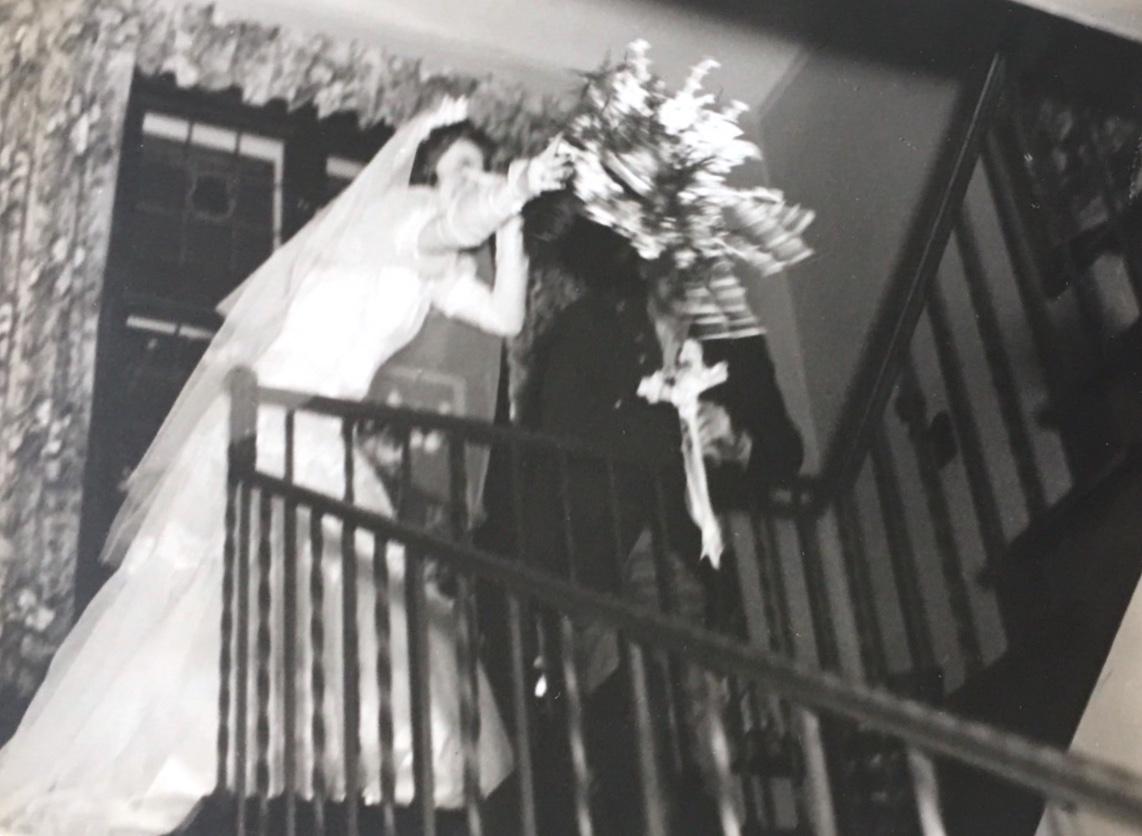
The Fenn daughter, Helen Virginia Fenn Ritter (1918 – 2022), was married in the Graver-Driscoll House on June 12, 1943. The groom was Lt. Alden J. “Buzz” Ritter (1919 – 2014), an Army Air Corps meteorologist.
Although the Fenns only lived in the house for six years, and relocated to Ohio and Florida, Helen formed a lifelong attachment to the house. The Fenn-Ritter family visited the house several times, and donated family heirlooms to the RHS collection, including photos of the house from the 1940s.
In 1988, RHS was honored by a visit from Helen and Buzz Ritter and some of their family. Helen's mother, Grace Fenn, maintained an interest in the house and kept clippings of its acquisition by RHS (1972) and activities through the years. Grace had recently died, and the family returned to Chicago for Grace to be buried in the family plot at Mount Greenwood Cemetery with her husband, who died in 1945, and son Grant, who died in 1951.
Then a few years ago, the family contacted RHS to donate photographic negatives they had saved all these years. The family had a darkroom in the basement of the house during their ownership. The pictures of the house from the time of the Fenn family have helped RHS to envision the original appearance before a fire destroyed some of the interior when the next owners lived there.
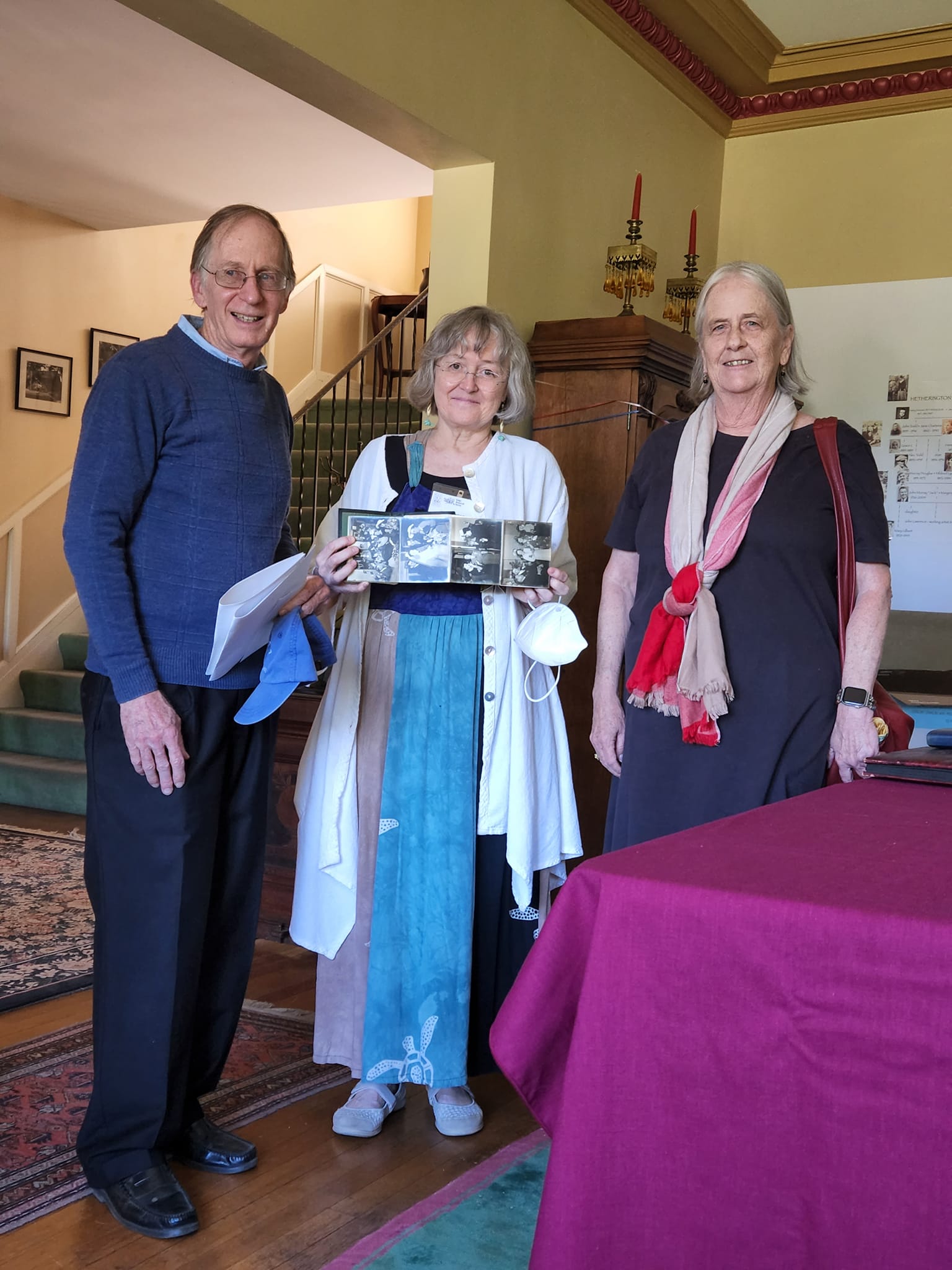
Helen Fenn Ritter died at the age of 103 in February, and this past summer, the current generations of the family returned from all over the country to their Chicago roots for a burial service for Helen and Buzz at Mount Greenwood Cemetery. They then made a visit to the Graver-Driscoll House.
The family donated a treasure trove of historical material to RHS, including Helen’s wedding dress and numerous pictures and mementos. RHS is grateful for the support and interest of the Fenn Ritter family.
The Ridge Historical Society
The History of the Graver-Driscoll House – Part 8: The Fenn Family continued
By Carol Flynn
Every house has a history. The story of the Graver-Driscoll House, headquarters for the Ridge Historical Society at 10621 S. Seeley Avenue, is being shared in honor of its centennial. This also serves as a case study for the wealth of information available through research just waiting to be discovered for many old houses.
RHS is repeating the program, “Discover the History of Your Chicago House,” presented by RHS researcher Tim Blackburn, on Saturday, January 28, at 2:00 p.m., at RHS at 10621 S. Seeley Avenue, Chicago. The cost is $10 for RHS members and $15 for non-members. Registration for the program is through the link
https://bit.ly/house_research.
The Graver-Driscoll House, designed by architect John Todd Hetherington, was built in 1921-22 for Herbert Spencer Graver, an executive with his family’s business, the Graver Tank Works.
In 1940, Graver sold the house to John Grant and Grace Harrison Fenn, who were discussed in the last post. J. Grant Fenn, as he was called, was a mechanical engineer involved in the emerging air conditioning industry. Grace was active with hospitality events for soldiers during World War II.
The Fenns had two children, Helen Virginia, born on September 22, 1918, and Grant Harrison, born on May 27, 1924.
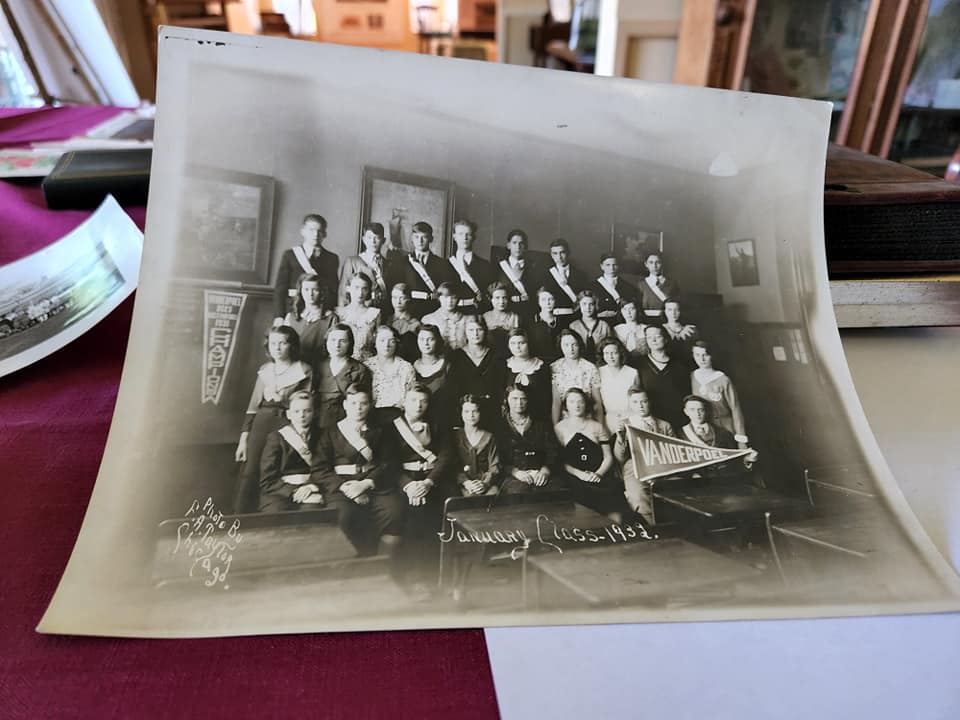
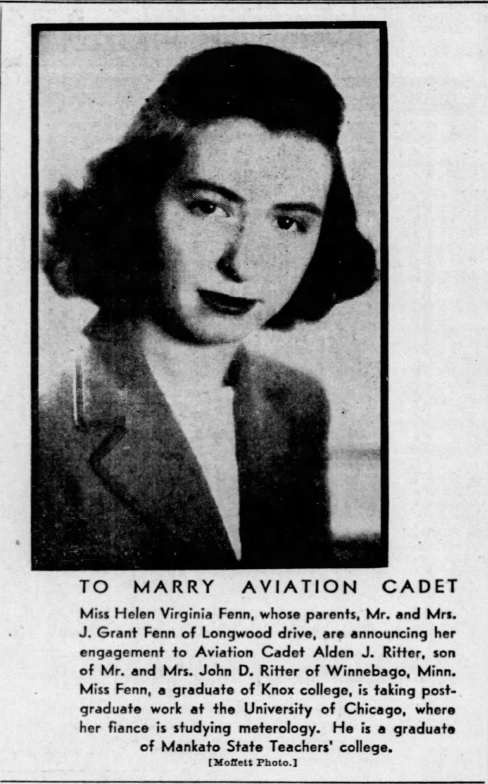
Helen graduated from Morgan Park High School in 1936. She attended Knox College, and went on to post-graduate studies at the University of Chicago, where she met Lt. Alden J. “Buzz” Ritter of Minnesota, an Army Air Corps meteorologist. Both were studying meteorology, and both were pilots.
On June 12, 1943, Helen’s and Alden’s wedding was held at the Graver-Driscoll House. Memorabilia and pictures from the wedding and Helen's wedding dress have been donated to RHS by the Ritter family.
Helen and Alden moved to Ohio, where they raised their four children. Alden advanced to the position of Vice President of Engineering with Luxaire, the maker of heating and air conditioning equipment. The Ritters were active socially and enjoyed traveling, and divided their time between Ohio and Florida.
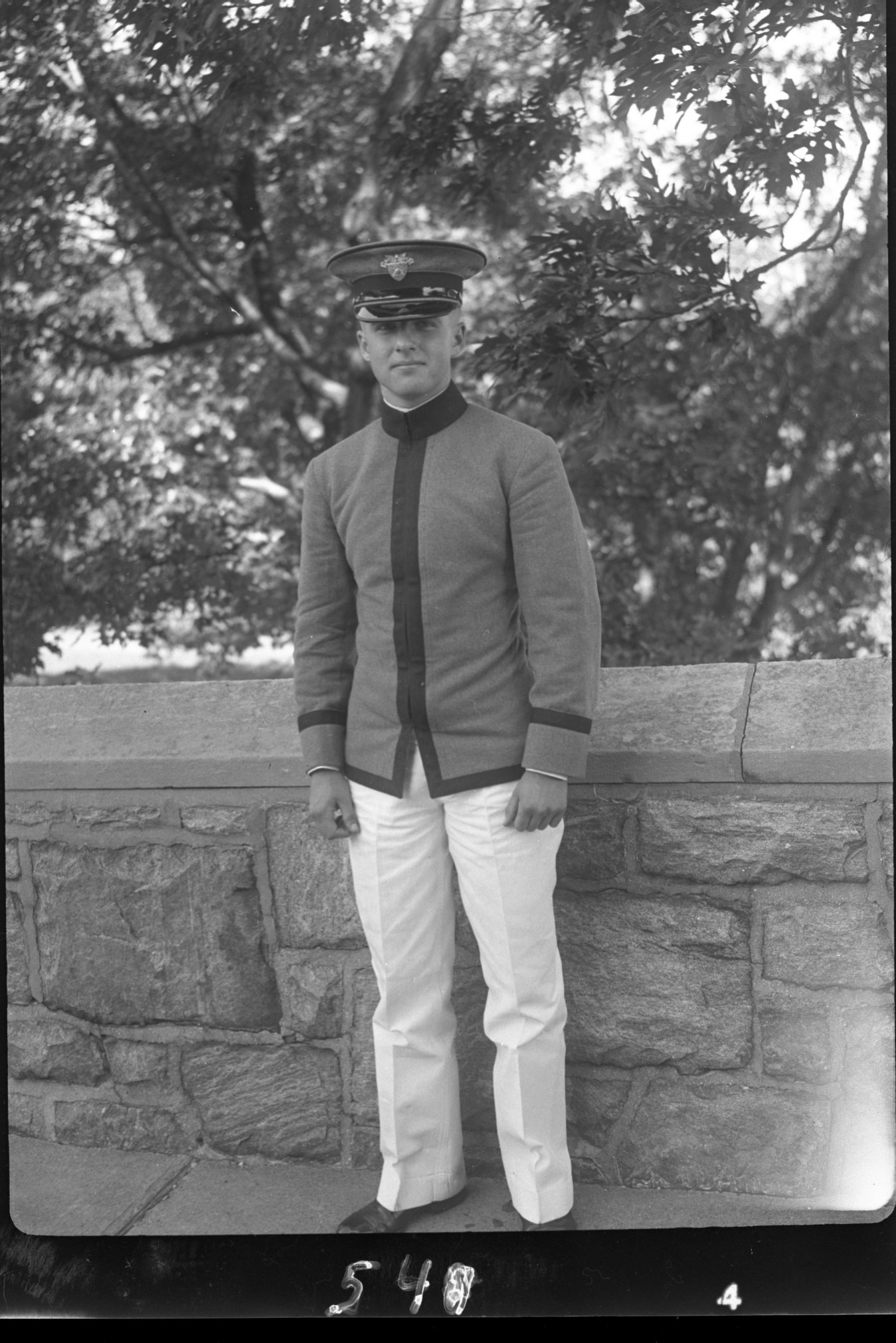
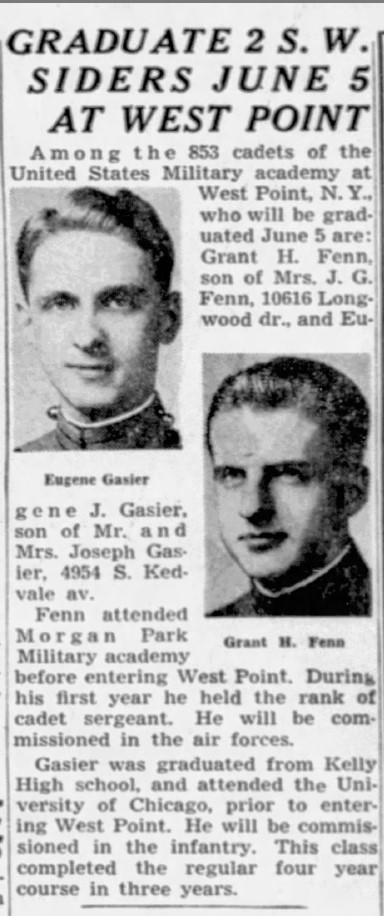
Grant, the Fenn son, graduated from the Morgan Park Military Academy in June of 1942. The day after he received his diploma, he was appointed second lieutenant, infantry, U.S. Army, and started active duty. He went on to graduate from the United States Military Academy, West Point, New York, in 1945 and was commissioned in the U.S. Air Force.
In February of 1945, patriarch J. Grant Fenn died, and was buried in the family plot in Mt. Greenwood Cemetery. Grace Fenn sold the Graver House in 1946 to the Nicholas Cummings family, and moved to an apartment with her sister on 102nd Street and Hale Avenue.
Son Grant embarked on a military career, serving in Italy, and for two years as an assistant attaché in Athens, Greece. He was tragically killed in 1951 when the B-36 bomber he and twenty-two others were flying in crashed in New Mexico. He was 26 years old and left a widow, Raymonde Andrea, whom he had met in France. He was buried in Mount Greenwood Cemetery.
Grace Fenn died in 1988 at the age of 96. Alden died in 2014, aged 94, and Helen died in 2022 at the age of 103. All died in Florida and were returned to Mount Greenwood Cemetery for burial.
Although the Fenn family’s formal connection to the Graver-Driscoll House ended in 1946, Helen Fenn Ritter and her descendants kept a fondness for and interest in the house which continues to today.
In the next post, the Ritter family’s visits to the Graver-Driscoll House and donations of family heirlooms to the Ridge Historical Society will be covered.
The Ridge Historical Society
The History of the Graver-Driscoll House – Part 7: The Fenn Family
By Carol Flynn
Every house has a history.
Today we return to the history of the Graver-Driscoll House, the headquarters for the Ridge Historical Society, which celebrates its centennial this year.
Designed by architect John Todd Hetherington, the house was built in 1921-2 for Herbert. S. Graver, Sr., his wife Anna, and their infant son Herbert, Jr. Graver was an executive with the family’s business, the Graver Tank Works, and a college football star whose University of Michigan team played in, and won, the first game in Pasadena in 1902 that became the Rose Bowl.
In 1940, the Gravers sold the house to John Grant and Grace Fenn. The Fenns had two children, Helen and Grant. The address used for the house at the time was 10616 South Longwood Drive, and the only entrance to the property on the top of the Ridge was via the steep driveway on Longwood Drive.
The Fenn family only owned the house from 1940 to 1946, yet it became a legendary location in their family history due to a special event that occurred there, the wedding of Helen to Lt. Alden J. “Buzz” Ritter in August of 1943.
The Fenn – Ritter family and RHS formed a bond over the years, and the family has shared numerous pictures and family stories with RHS. This past summer, the family donated Helen’s wedding dress to RHS.
John Grant Fenn was born in Chicago in December of 1890. His father was a traveling salesman at the time, then later worked at the steel mills in accounting.
Grace Harrison was born in September of 1891. Her father was the superintendent of schools in Union, Indiana.
John Grant and Grace married in 1916 in Cook County. Daughter Helen was born in 1918 and son Grant in 1924.
John Grant, usually referred to as J. Grant, earned a B.S. in mechanical engineering from the Armour Institute of Technology, which merged into the Illinois Institute of Technology. At the time he married, he was employed by the London Guarantee and Accident Co. as a factory inspector.
By 1920, the Fenns were living on 100th Place in Beverly. They were active in the local social scene; for example, one newspaper article reported that in December, 1929, they were part of the Entre Nous Dancing Club that held a dance the Ridge Park field house. J. Grant was on the committee for the dance.
In 1934, J. Grant Fenn and W. Proctor Roberts formed a corporation, Air Tempering Systems, Inc., to manufacture heating, refrigeration, and air-conditioning equipment and parts.
Air conditioning was an emerging industry. The concept of cooling went back to ancient times, using ice and snow. By 1900, ammonia–cycle artificial refrigeration systems were being used in the food industry, especially the Chicago meat packing houses. Air conditioning premiered at the 1904 World’s Fair in St. Louis. At the time, the machinery was too large, cumbersome, and expensive to be considered for home use.
Engineers, however, kept working on improvements, and in 1927, General Electric released the Monitor Top, the first refrigerator to run on electricity. By 1930, with the synthesis of artificial refrigerants like chlorofluorocarbons (which were eventually banned), the practicality of cooling systems for home use finally became realistic. The 1930s and 1940s saw the innovations that led to window air conditioners and by the 1960s, central air conditioning.
J. Grant apparently did well with the business through the years of the Great Depression. In 1934, the Fenns began purchasing property in Clearwater, Florida, and to divide their time between there and Chicago. The Florida newspapers reported they entertained aboard their cruiser, Goldreme.
In 1940, they purchased the Graver House. According to the family, sometime during the 1940s, they also purchased the strip of land between the house and Seeley Avenue to the west to build a second driveway entrance, at 10621 South Seeley Avenue, the address RHS uses today. The drive up the steep hill on Longwood Drive in the winter ice and snow was no longer a necessity.
On his World War II draft registration, J. Grant listed his occupation as a self-employed mechanical engineer.
The Fenns lived in the Graver House during the years of World War II. Grace was mentioned in the newspapers for helping to entertain servicemen. Son Grant attended Morgan Park Military Academy, and Grace was active with the Alumni Mothers group.
John Grant Fenn died in 1945 and was buried in Mount Greenwood Cemetery, where his parents had been buried many years before.
Grace sold the Graver House in 1946. She eventually moved to Clearwater, Florida, where she died in 1988 at the age of 96. Her remains were returned to Chicago for burial in Mount Greenwood Cemetery.
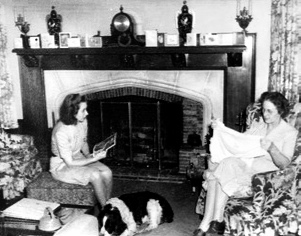
In this photo, Helen and Grace Fenn relax in their family home from 1940-1946, the Graver House.
Next installment: The Fenn children, Helen and Grant.
The Ridge Historical Society
The History of the Graver-Driscoll House – Part 6: Herbert Spencer Graver, Jr.
By Carol Flynn
This post returns to the series on the history of the owners of the Graver-Driscoll House, the house the Ridge Historical Society owns and uses as its headquarters and to store the community’s historic resources at 10616 S. Longwood Drive/10621 S. Seeley Avenue in the Beverly area of Chicago.
One theme of RHS is that “every house has a history” and this series illustrates the interesting stories that can be found when researching a house.
The Graver House was designed by architect John Todd Hetherington and built in 1921-22 for Herbert Spencer Graver and his family.
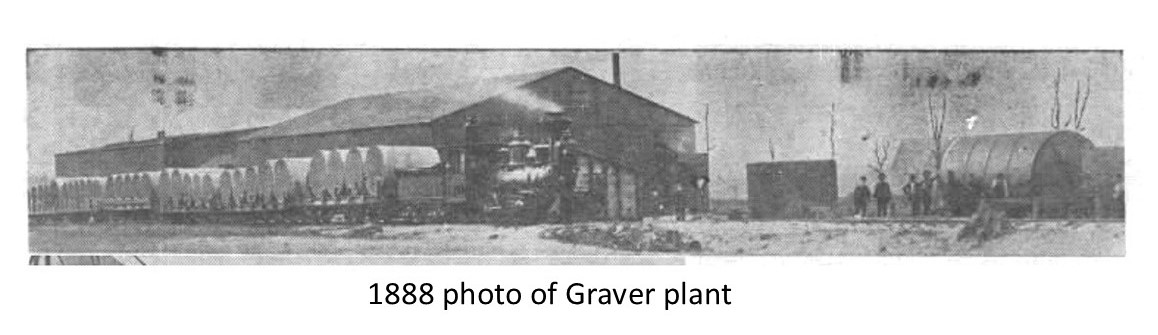
Herbert was born on August 29, 1880, in Pennsylvania to William and Christina Graver. He was the sixth of seven children. His father owned and operated the Graver Tank Company, which hand produced metal tanks for grain and oil storage and for hot water boilers. Around the year Herbert was born, the company started using steam-powered machinery to produce the tanks.
When Herbert was four years old, the family and business relocated to Chicago. The family lived in Englewood.
According to the Chicago Tribune in 1900, Herbert was one of the five athletes at Englewood High School who could be depended on to sustain the school’s reputation as a championship track and field team. Herbert’s sports were the hammer throw (112 feet) and the high jump (5.33 feet). The Olympic high scores for these sports in 1900 were 167.35 feet and 6.23 feet, respectively.
Herbert attended the University of Michigan in Ann Arbor, where he graduated with a degree in engineering in 1904. His younger brother, Alexander Mc Donald Graver, graduated with a degree in engineering in 1905. The brothers appeared to be close, and shared lodgings while in college.
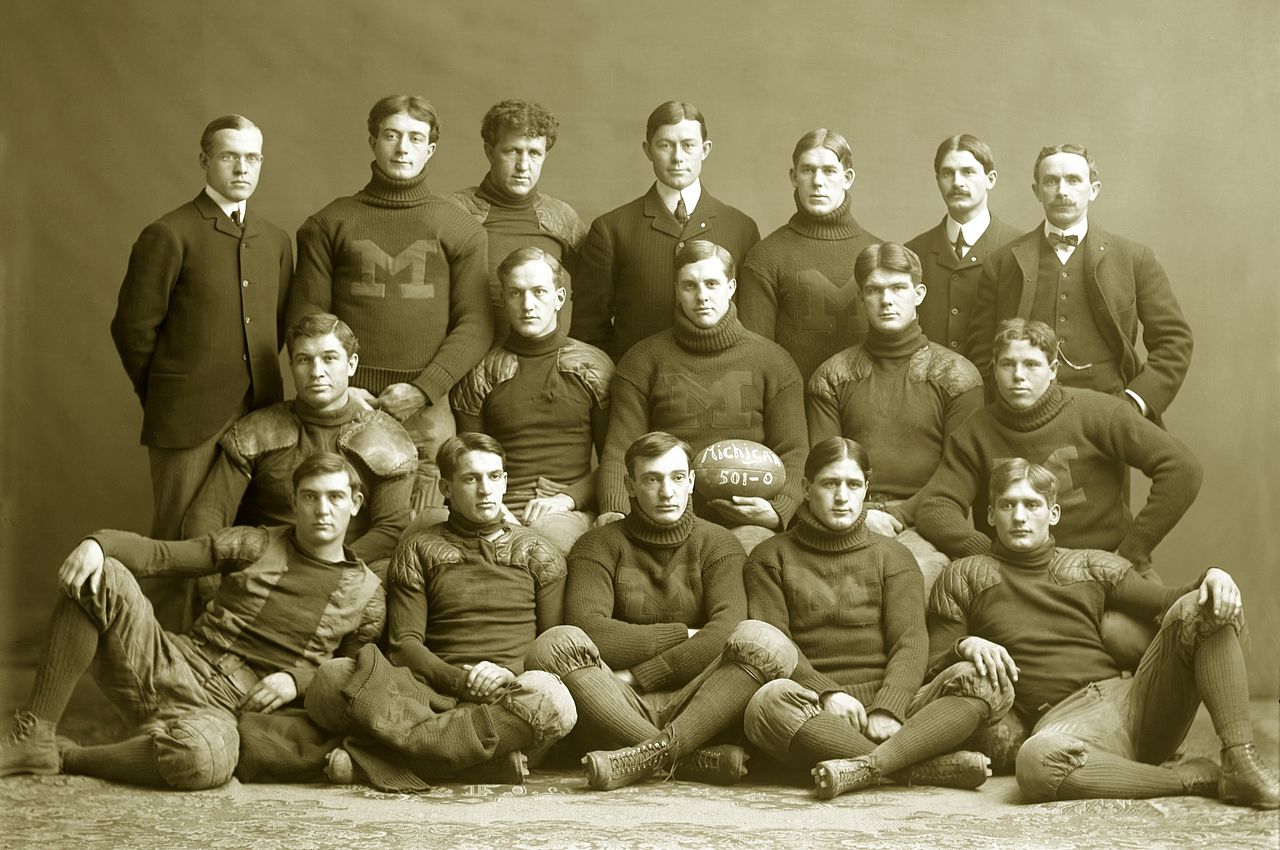
Herbert earned fame as a football star in college, which stayed with him the rest of his life. His team played in the first football game in what would become the Rose Bowl in Pasadena, California. This was an exhibition game played on January 1, 1902, arranged to offset the costs of the lavish parade and sporting event known as the Tournament of Roses put on as a promotional event for Pasadena.
The undefeated University of Michigan team was invited for an all-expenses-paid trip to Pasadena to play against Stanford University of Stanford, California. Michigan won by a score of 49 to 0. Stanford asked to end the game early. About 8,000 people attended the game, purchasing tickets for $.50 to $1.00.
Herbert was a substitute player, and he didn’t actually take to the field during the Pasadena game, but he had already earned the reputation as a stellar player. One newspaper article called him “the best utility man in the west,” and considered him superior in some skills to the men he replaced. The paper reported he was “a tower of strength behind the line.”
Herbert was voted All American. As a college senior, he was chosen for the Board of Control which oversaw athletic sports at the university.
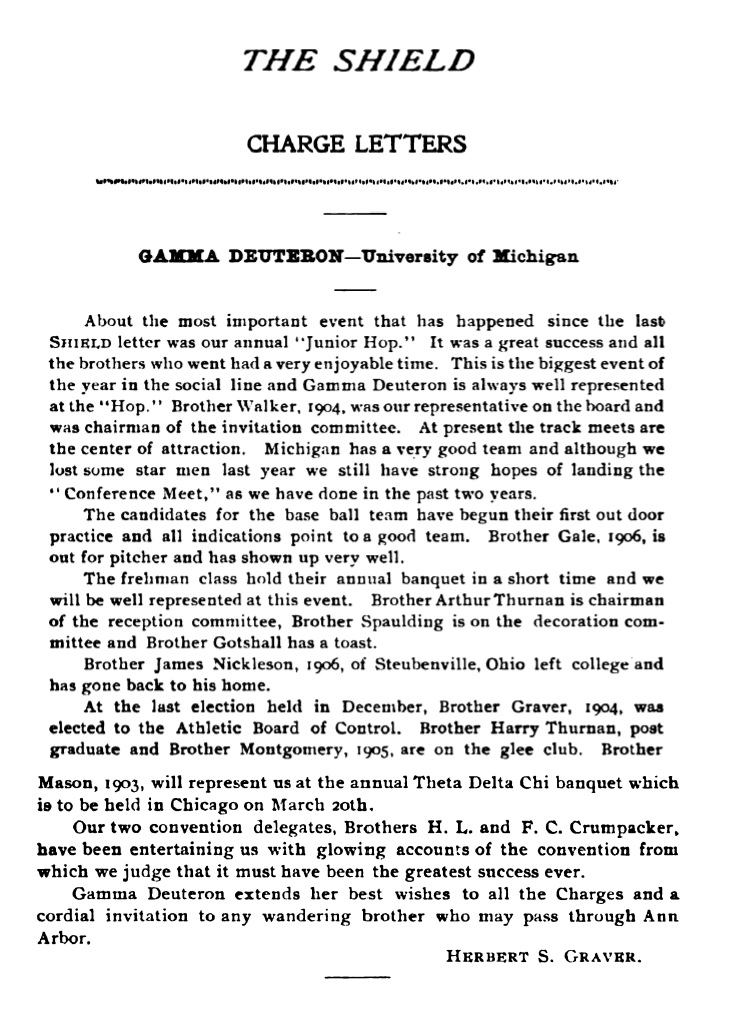
In 1903-04, Herbert was the correspondent from his campus fraternity for reporting to the national organization of Theta Delta Chi. One of his reports is an attachment to this post.
He became a member of the “Tribe of Michigamua,” the University of Michigan senior honor society, and attended events of the Chicago chapter. He also made appearances as a “football legend” at exhibition games and sporting events for the rest of his life.
After graduation, Herbert worked for a year as a college coach in Ohio. He then joined his father and brothers at the Graver tank business. Herbert held the office of corporate secretary and later he was vice president.
Herbert married Anna T. Thorne in 1910 and they had one son, Herbert S., Jr., in April of 1921.
All five of the Graver brothers worked for the family company and built homes in Beverly. The two Graver sisters and their husbands were not involved in the business and did not live on the Ridge.
The youngest brother Alexander was living on 99th and Longwood when he died of influenza in 1920. Herbert wrote his brother’s obituary for the trade publications.
Graver Park on 102nd Place off of Prospect Avenue in Beverly was named for Herbert’s brother Philip Sheridan Graver (1878-1945) in the 1950s. Philip was a commissioner and then vice-president of the Chicago Park District. Hetherington and Sons designed the field house and landscape layout of that park in 1929-30.
Herbert stayed with the Graver company after the family sold it in 1930. He was still working as a sales manager at age 74 when he suffered a fatal heart attack while watching wrestling matches at the International Amphitheater, the indoor arena located at 42nd Street and Halsted Avenue that was demolished in 1999.
Herbert was buried in Mount Hope Cemetery on the Ridge. He was the last of the Graver brothers.
In 1940, Herbert and Anna Graver sold the house to the Fenn Family. Their story will be in the next post.
The Ridge Historical Society
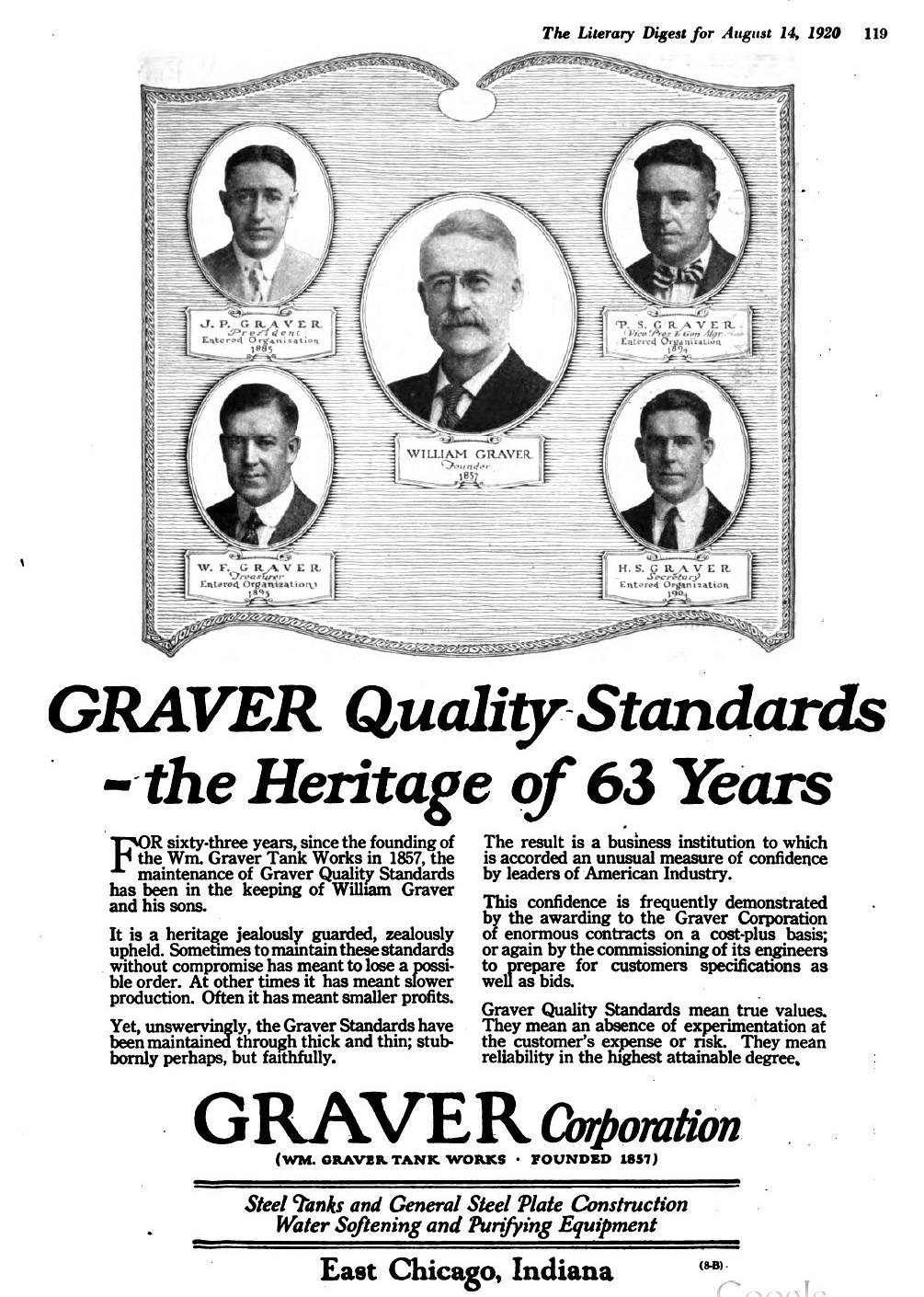
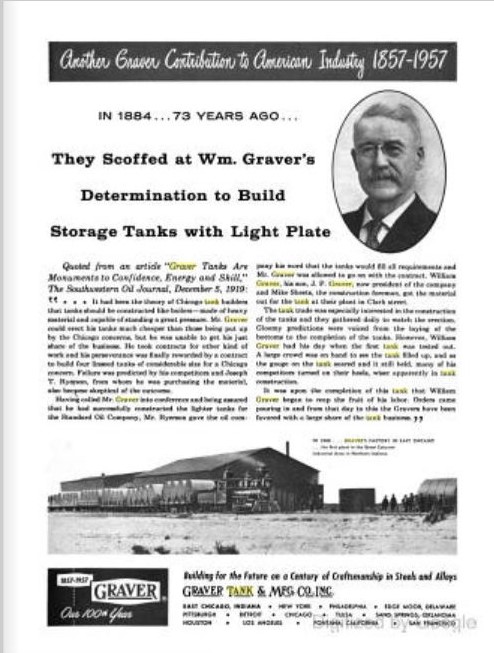
The History of the Graver-Driscoll House – Part 5: The Graver Family and the Graver Tank Company
By Carol Flynn
Following the U.S. Civil War, the United States experienced the American Industrial Revolution, a period distinguished by vast technological innovations that moved the production of goods from handcrafting in homes to machine production in factories.
The Graver family and their business, the Graver Tank Works, are a prime example of this revolution. The company’s operations lasted for 125 years.
William Graver was born in 1842 in Pennsylvania, the son of parents who immigrated from Germany. He apprenticed under his older brother Michael in a machine shop near Allegheny. The brothers started the Graver Tank works in 1857. Using hand tools, they specialized in making metal storage tanks for grain and oil, and hot water boilers. 1872, Michael sold his interest to William, who became sole proprietor of the business. Around 1880, William began to use steam-powered machinery to manufacture tanks.
William married Christina Penman in 1866. Christina was born in Glasgow, Scotland in 1848. The Gravers had nine children, seven who lived to adulthood, all born in Pennsylvania: Alice, James, Elizabeth, William, Philip, Herbert, and Alexander.
William worked for a few years for the Standard Oil Company as an appraiser of oil storage tanks. The tank business grew due to the boom in oil wells and refineries. The Gravers decided to relocate the tank-making business to the growing Midwest, arriving in Chicago in 1884. There William proved his lighter weight tanks were reliable and cost-efficient, and his reputation and business grew.
Graver moved to Ohio in 1886 to accommodate a large order from the Standard Oil Company. The business then moved to East Chicago, Indiana, in 1888, and the name was changed to the William Graver Tank Works. The business was the first important industrial concern in that city. Graver maintained a Chicago office in the famous Rookery Building.
In 1895, William began taking his sons into the business. All five brothers made their careers in the tank works. They took over running the business when William retired in 1909. William died in 1915, and Christina in 1936.
Oldest son James became president of the corporation. Sons William, Philip, and Herbert were vice-presidents. Youngest son Alexander was also with the company until his death from influenza in 1920. The daughters and their spouses did not work for the company.
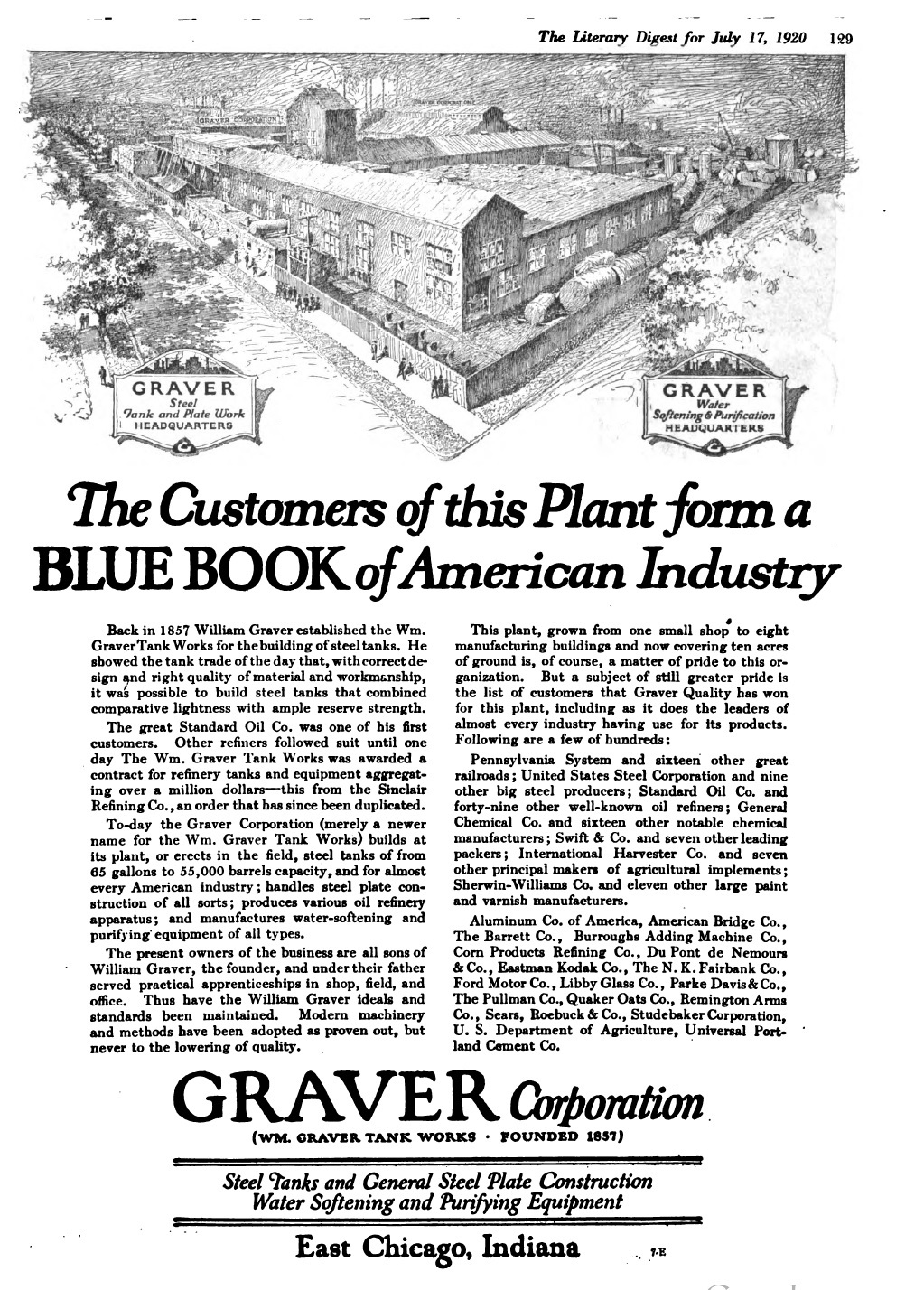
By 1915, the plant occupied ten acres of ground and employed 225 workers. The Graver company continued steel plate work of every kind, concentrating on tanks, smokestacks, and refining equipment. They added a line of water treatment systems and services which benefitted businesses from laundries to steam-engine railroads.
The company grew rapidly during the World War I years, making its facilities available to the U.S. government, and greatly increasing its manufacturing facilities to handle large war orders for ship plating for the new American Merchant Marine and for tanks, many shipped overseas. A major fire, some considered arson due to anti-German sentiment against the family’s roots, destroyed an important part of the manufacturing facility, but the employees rallied without additional pay to finish the government orders.
The Graver brothers were known for their employee benefits, including insurance for every employee. Recreation was encouraged, and there was a ball field on the grounds for summer-time teams, and in winter, there were bowling teams.
The name was changed to the Graver Corporation in 1919, and an advertising department was added to the business. At the end of 1920, according to Moody’s Analysis of Investments, the business had assets close to $3 million, and the stock of the company was all held by the Graver brothers.
In 1930, the company was acquired by the Phoenix Manufacturing Company and reorganized as the Graver Tank & Manufacturing Company. Oldest son James left the company at that time. Sons William, Philip, and Herbert stayed with the company.
Both firms were acquired by the Union Tank Car Company in 1957. The company was purchased by the Aerojet-General Corporation in 1971 and operated under its Envirogenics Company division. The plant shut down in late 1982.
Next post: Herbert Spencer Graver
The Ridge Historical Society
The History of the Graver-Driscoll House – Part 4: Design of the Graver-Driscoll House
By Carol Flynn, research contributors Linda Lamberty, RHS Historian, and Tim Blackburn
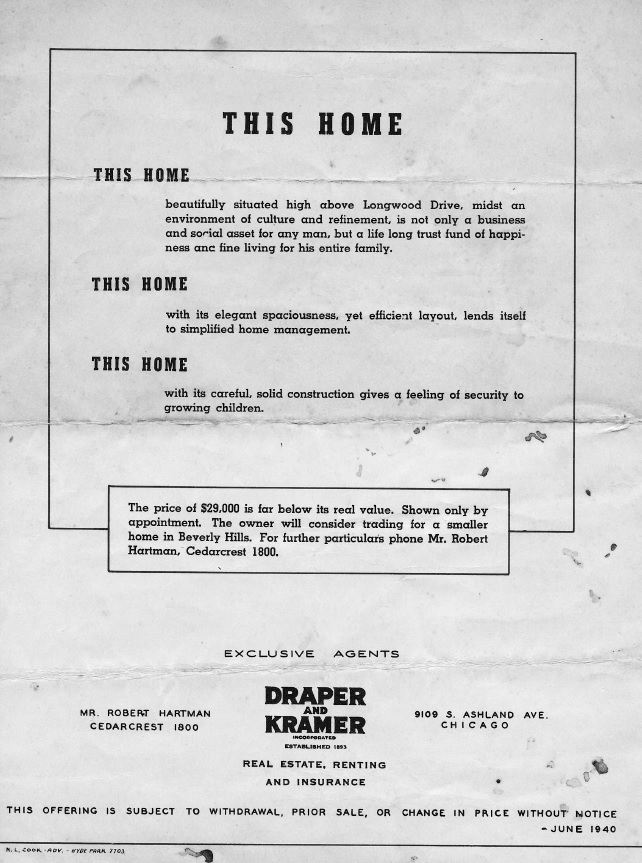
Herbert and Anna Spencer bought the property at 10616 S. Longwood Drive on the Blue Island Ridge on February 14, 1921. They engaged architect John Todd Hetherington to design a house for their growing family. Their only child, Herbert Spencer Graver, Jr., was born on April 26, 1921.
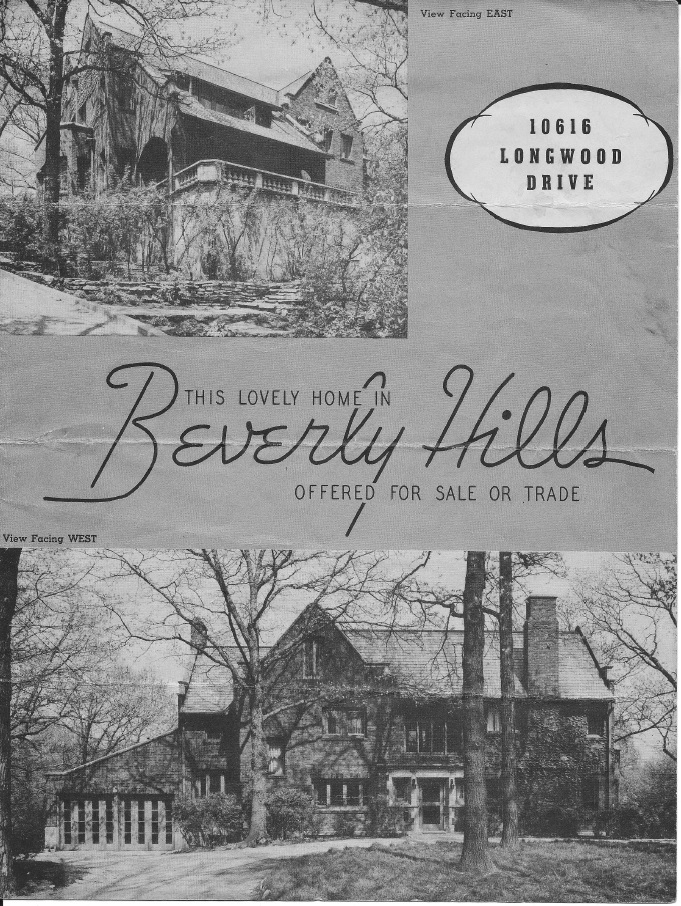
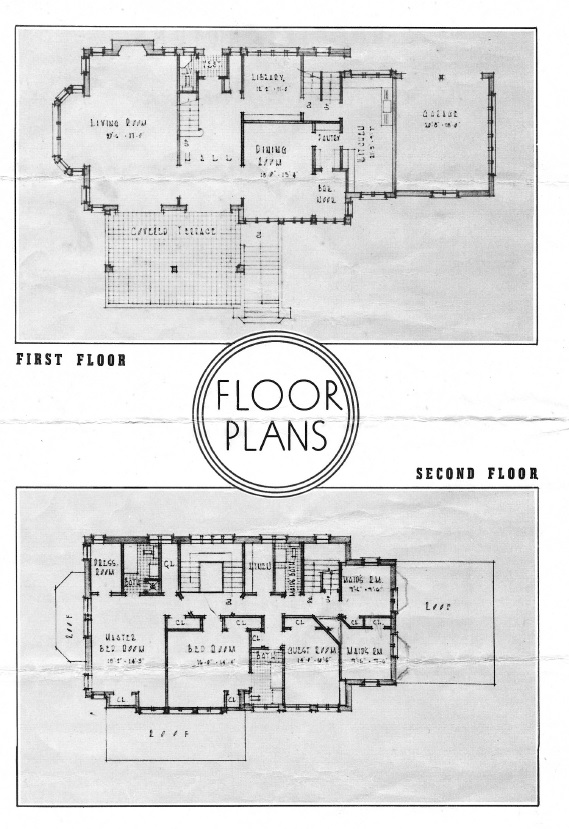
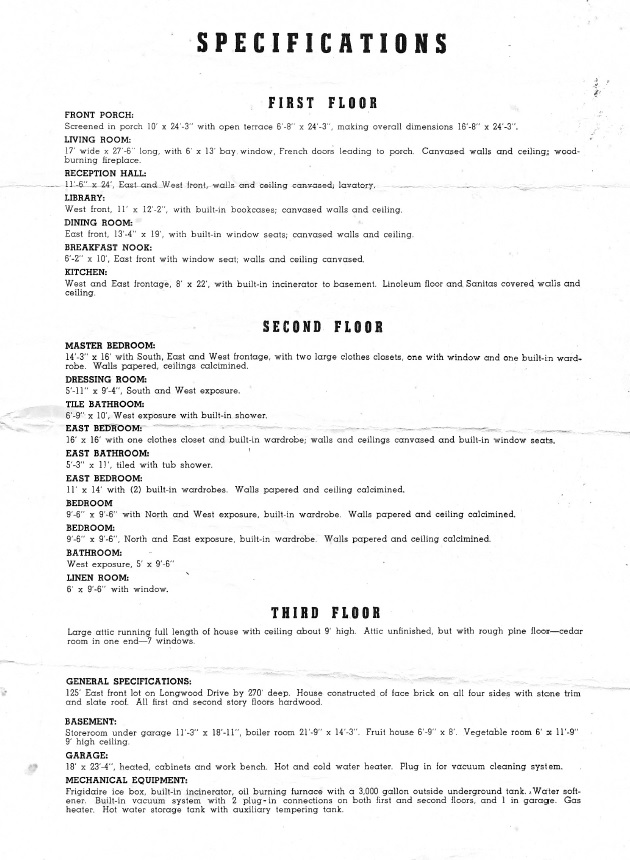
Hetherington designed the Graver-Driscoll House as a Tudor Revival-style manor house. Built of brick and stone with a slate roof, the house has four levels including a full basement and attic, and an attached two-car garage. The walk-out terraces on the Longwood Drive side, nestled into the Ridge, blend the house into the natural terrain.
The building permit for the house was dated October 6, 1921, so actual construction began around then. The contractor was D. A. Van Etten. The final inspection report was dated June 7, 1922, where the final cost of the house was given as $30,000.
Originally, the only entrance to the property was up the steep driveway from Longwood Drive, around the south side of the house, to the entrance door and garage on the west side of the house. The driveway on the Seeley Avenue, or west, side of the house, with the address 10621 S. Seeley Avenue, was added in the 1940s by the second owner of the house, the Fenn Family.
The Fenn family shared with RHS the brochure on the house that was produced when the Graver family put the house on the market in 1940. It is not known if the Gravers altered the house from the original design during their years living there.
The contents of the 1940 brochure are shared here.
Next post: The Graver Family and Graver Tank Works
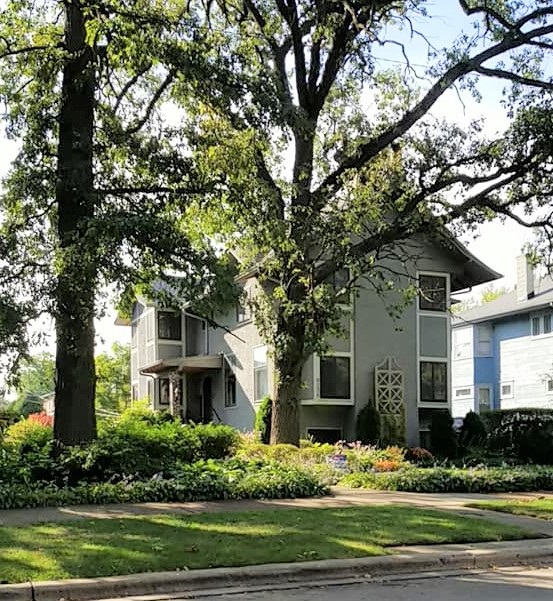
The Ridge Historical Society
The History of the Graver-Driscoll House – Part 3: Architect John Todd Hetherington
By Carol Flynn, research contributors Linda Lamberty, RHS Historian, and Tim Blackburn
Herbert and Anna Graver purchased the land at 10616 Longwood on February 14, 1921, and chose architect John Todd Hetherington, a Beverly resident, to design their home. Hetherington had designed many fine homes in the Beverly/Morgan Park community by this time, as well as Ridge Park at 96th Street and Longwood.
Hetherington was born in Ontario, Canada, in 1858 where his parents, Henry Duncan Hetherington and Jessie Todd Hetherington, both from Scotland, owned a drug store. When his father died in 1862, his mother returned to Scotland with John and his three brothers.
Hetherington received his architectural training in Scotland and worked for a short time in Edinburgh. He came to the U.S. in 1881 and began his career in Chicago as a draftsman with Treat and Foltz architectural firm.
He became a naturalized U.S. citizen in 1886. In 1888, he and Jane C. Welsh, from the same village in Scotland where Hetherington spent his youth, were married in Chicago. Their children were Grace, who died in infancy, Alec, Murray, and Jean.
After eight years with Treat and Foltz, Hetherington started practice as an architect. He partnered with other architects for several years and eventually started an independent practice around 1910. He was involved in projects for hotels, apartment buildings, churches, and banks in addition to many fine residences in many locales.
Hetherington moved to Beverly around 1901. The family lived in an existing house at 9616 S. Prospect Avenue. In 1906, he designed and built a home for the family at 9236 S. Winchester Avenue. Around 1920, he bought an existing house at 9122 S. Longwood and converted it into a three-flat apartment building and the family lived in one of the apartments.
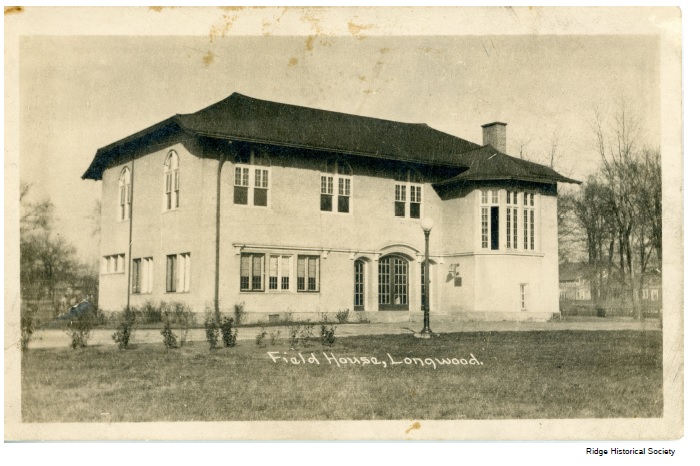
Hetherington served as a member of the Ridge Park Board of Commissioners from 1911 to 1913. Although he recommended another local architect for the project, in 1912 the other board members asked Hetherington to design Ridge Park. Hetherington created an original plan including a small field house, outdoor swimming pool, wading pool, and a running track, which was implemented in 1913.
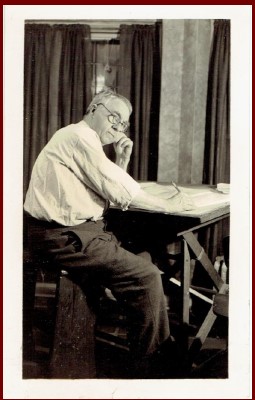
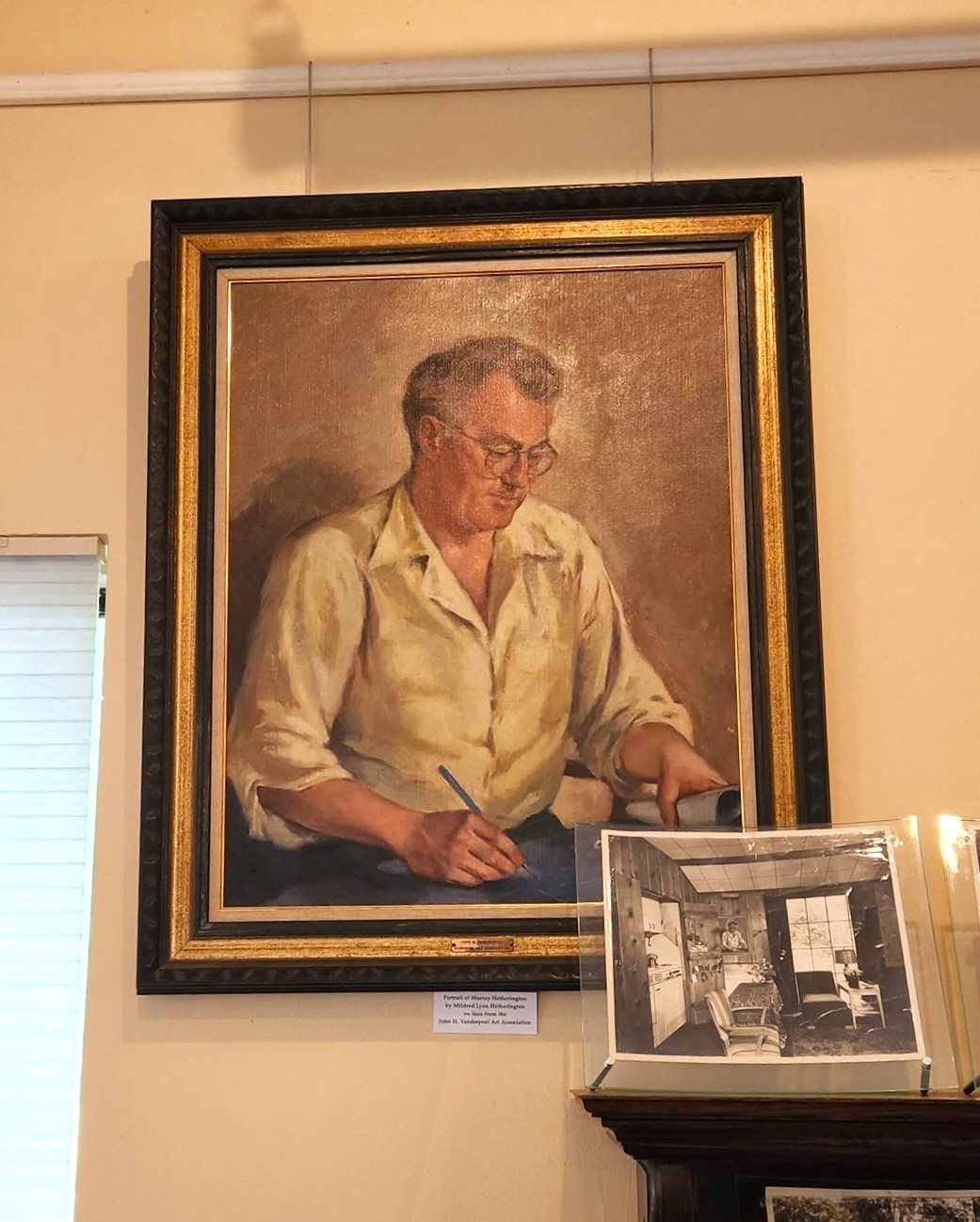
In 1919, his son Murray Douglas joined him as Hetherington and Son. Murray was a 1914 graduate of the Chicago School of Architecture, a joint program of the Art Institute and the Armour Institute of Technology.
Daughter Jean graduated from the Art Institute Normal Program in 1917 and began a career as a “draftswoman.” Considered a “man’s field,” there were only two women architects in the city at the time. Jean created actual miniature models of buildings, which were likely valuable marketing tools for her father's business.
Son Alec started as an electrician, then served in the U.S. Army during World War I. After the war, he went into farming, then eventually into airplane mechanics.
John Todd and Murray Hetherington are credited with designing over sixty buildings in the Ridge communities. They were known for the quality of their designs and solidly constructed buildings. Neither of them developed a totally unique or distinctive style of his own. They showed versatility by designing in several different architecture styles.
By 1929, the community had outgrown the Ridge Park field house. John Todd and Murray Hetherington were commissioned to design a larger one. Part of the old fieldhouse became the auditorium, and an addition was built around the outdoor swimming pool. A gymnasium and club rooms were added, as well as a wing to house the John H. Vanderpoel Art Gallery.
John Todd Hetherington died in 1936, attributed to injuries from an auto accident the year before. He was buried in Oakwood Cemetery.
Murray Hetherington continued the family dynasty of architects. He and Mildred Lyon, a local artist, married in 1924. Their daughter Mary died young, and their son John “Jack” Murray also became an architect. Murray designed the house at 8918 S. Hamilton Avenue for his family, but they lost that house during the Great Depression, and moved into Mildred’s family’s house at 10153 S. Prospect Avenue. Today, fourth generation John Lawrence Hetherington practices as an architect.
Next: The design of the Graver-Driscoll House
The Ridge Historical Society will be open this Saturday and Sunday, October 15 and 16, as part of Open House Chicago. The address is 10621 S. Seeley Avenue, and the hours are 10 a.m. to 5 p.m. both days.
An RHS theme is that "every house has a history." Today begins the series on the history of the Graver-Driscoll House, RHS headquarters.
The Ridge Historical Society
The History of the Graver-Driscoll House – Part 1: Purchase of the land and its location
By Carol Flynn, research contributors Linda Lamberty, RHS Historian, and Tim Blackburn
The story of the Graver-Driscoll House began on Valentine’s Day, February 14, 1921, the day that Herbert Spencer Graver, 40 years old, and his wife, Anna Thorne Graver, 36, purchased the property at 10616 S. Longwood Drive from Ashleigh C. Halliwell.
The land, located in the William Baker Subdivision, was 100 by 269 feet in size and cost $8,500. Baker was an early owner/developer of the land, which was first put up for public domain sale by the U.S. government in 1834.
Halliwell and his wife, Alice, lived next door to the south at 10628 S. Longwood (originally called Washington) where their large white house, Woodmont, built in 1896, still stands. Halliwell was the president of the Halliwell and Baum Company which produced the Chicago Live Stock World daily newspaper.
Graver’s newly acquired property was located on the eastern side of the Blue Island Ridge. The Blue Island was a moraine, a tall pile of land, or ridge, that formed when a sheet of ice called a glacier pushed along debris (boulders, clay, dirt, sand, and gravel) as the glacier extended into the area from the north during the last ice age about 25,000 years ago.
Later, as the climate warmed, the glacier melted, creating a vast lake that covered much of the Chicago area. Geologists call this prehistoric body of water Lake Chicago. The small moraine, separated from other moraines, rose above the surface of Lake Chicago as an island.
Lake Chicago drained off in stages to create present-day Lake Michigan. At one time, the western shoreline of the lake stopped at Vincennes Avenue on the eastern side of the Blue Island moraine. For thousands of years, waves lapped against that side of the island, eroding the land into a steep bluff. Today, Longwood Drive runs along the base of that bluff.
Eventually, after the water drained off to the east, this isolated moraine rose above the prairie as the highest elevation of land in the Chicago area. The highest spot, historically at 92nd Street and Western Avenue, was almost 100 feet higher than ground level in “downtown” Chicago.
This land mass was visible to the soldiers and others at Fort Dearborn established in 1803 and rebuilt in 1816 by the U.S. government at the mouth of the Chicago River about twelve miles to the northeast. They are attributed with naming the land mass “Blue Island” in the 1820s.
A letter dated February 4, 1834, was printed in one of the newspapers of the day, the Chicago Democrat, explaining how the name originated.
The letter stated: “Nearly south from this town, and twelve miles distant is Blue Island, situated in the midst of an ocean of prairie. The name is peculiarly appropriate. It is a table of land about six miles in length, of an oval form, rising suddenly some 30-40 feet high out of an immense plain that surrounds it on every side. The sides and slopes of the table as well as the table itself is covered with a handsome growth of timber forming a belt surrounding about 4,000 to 5,000 acres of prairie, except a small opening in the south. It is uninhabited and when we visited it we pronounced it a vast vegetable solitude. Blue Island, when viewed from a distance appears an azure mist of vapor, hence… ‘Blue Island.’”
The Gravers turned to architect John Todd Hetherington to design a house for this dramatic location.
The next posts will cover Hetherington and the house, and the history of the Gravers.
Picture: The Graver-Driscoll House is built into the dramatic setting of the steep bluff of the Blue Island Ridge on Longwood Drive.