
Explore the RHS Facebook Archives, a rich repository of local history written by Carol Flynn. For two decades, Carol brought a deeply dedicated voice to public education at RHS. Her role as Facebook administrator through mid-2025 naturally extended her prolific research into meticulously detailed articles, most notably her multi-part historical series posts. Today, Carol continues her local history writing for The Beverly Review and other outlets.
Hofer Sisters

The Ridge Historical Society
Part 13 – The Hofer Sisters – Conclusion
By Carol Flynn
By 1920, after having lived on the Ridge for about twenty-five years, the Hofer family had departed from the Beverly area. Some of the sisters stayed in Chicago, and some relocated to other states. They continued active careers for many more years.
Oldest sister Mari Ruef Hofer was recorded as living with her sister Andrea’s family in Hyde Park on the 1920 U.S. Census. By the late 1920s, she had relocated to Santa Monica, California, where her youngest sister Elsa Hofer Schreiber and Elsa’s family lived.
Mari died in 1929 at the age of 71 and was buried in Santa Monica.
The Oakland, California, Tribune noted at the time that Mari had been a faculty member at the University of California, Berkeley and in the summer of 1929 had presented pageants in the university’s Greek theater. She had just started the Greek Art Club of Berkeley.
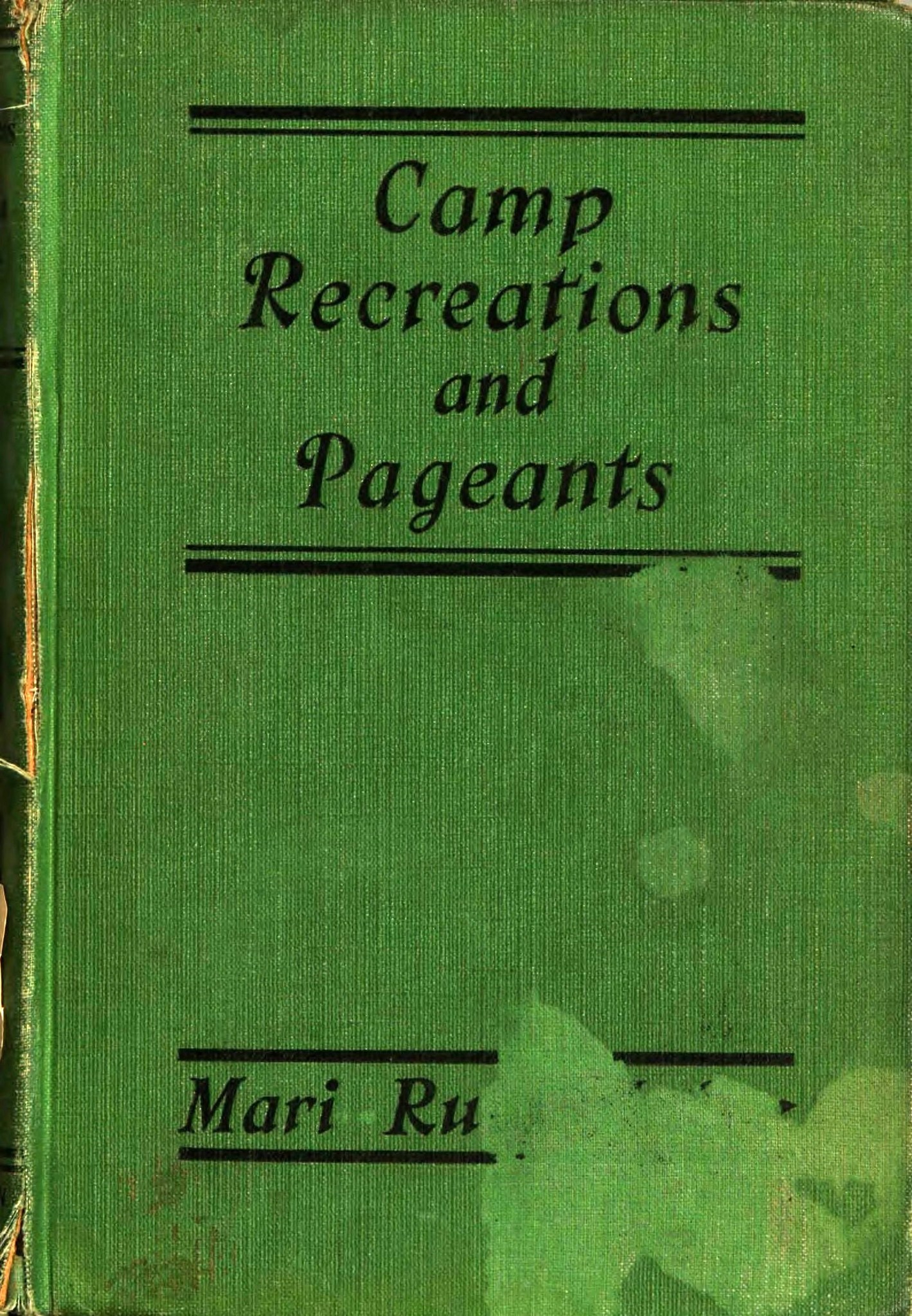
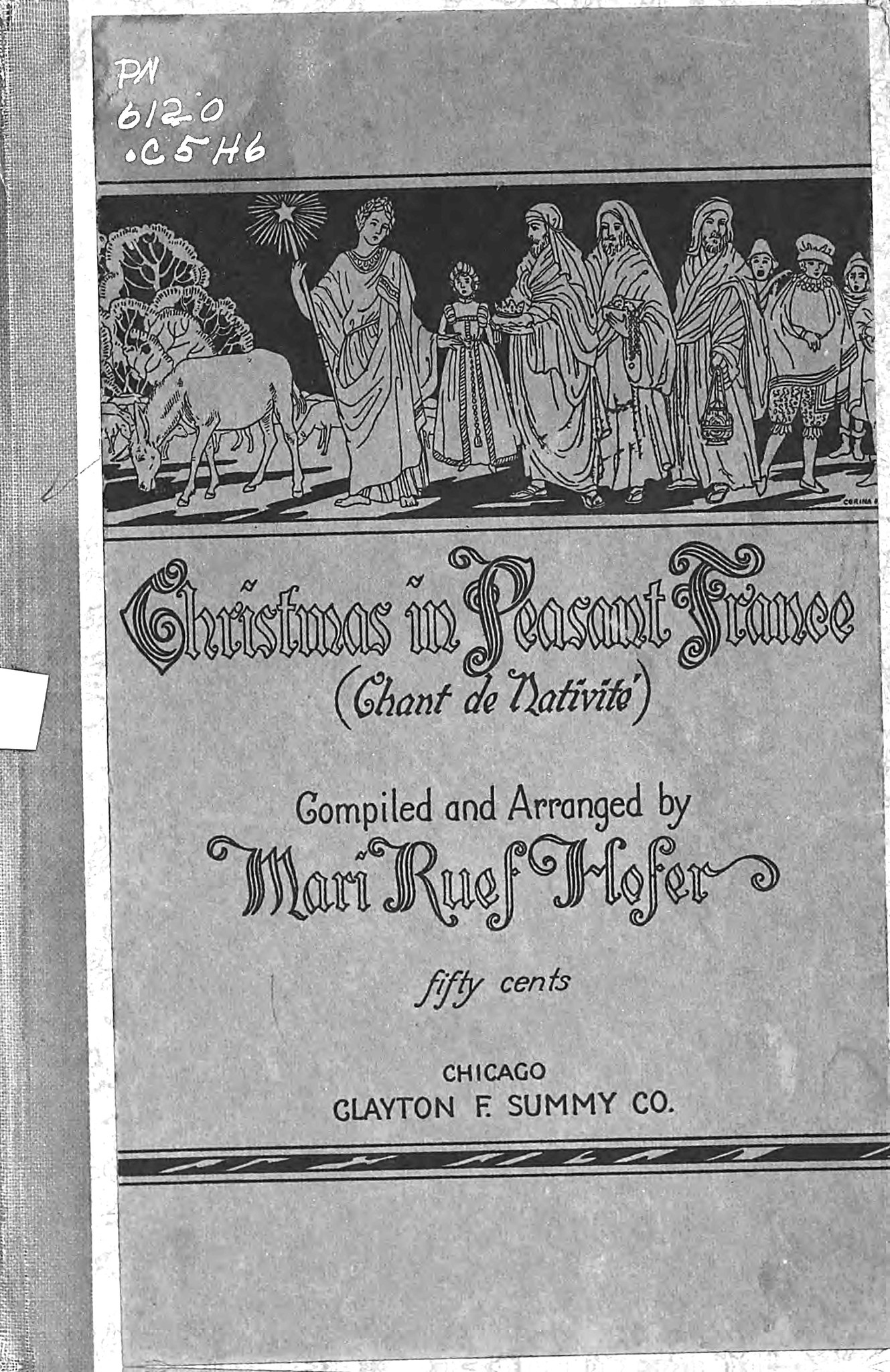
Mari had continued to write and adapt music and folk dances for use in education and recreation programs. In 1926, she published “Christmas in Peasant France,” a Christmas play, and “Festival and Civic Plays from Greek and Roman Tales.” In 1927, she published “Camp Recreations and Pageants.”
Second sister Bertha Hofer Hegner lived in West Chicago, and upon her death in 1937 at the age of 75, was buried in Graceland Cemetery on Chicago’s north side.
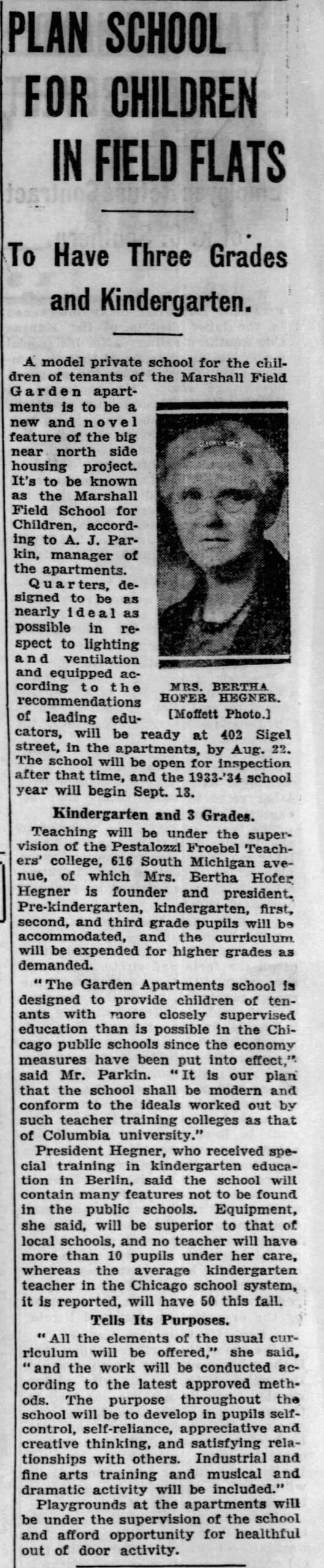
Bertha was the President of both the Pestalozzi-Froebel Teachers College and the Columbia College of Expression until her retirement in 1936.
Bertha developed new education programs throughout her career. One of her later accomplishments was detailed in a 1933 Chicago Tribune article which is attached to this post. She developed and administered a kindergarten, grade school, and playground in the Marshall Field Garden Apartments, a housing development directed by Marshall Field III of the department store family to provide affordable housing and to spur development in the surrounding areas. The apartments, located at 1400 North Sedgewick Street in Old Town, are still in use today as subsidized housing.
Amalie Hofer Jerome, the third sister, and her husband Frank, were living in Hyde Park in 1920. After her husband died in 1933, she moved to their summer house in Michigan. She died in 1941 at the age of 78, and was buried in Mount Hope Cemetery on 115th Street on the Ridge, where her husband was also buried. She is the only Hofer sister to be buried on the Ridge.
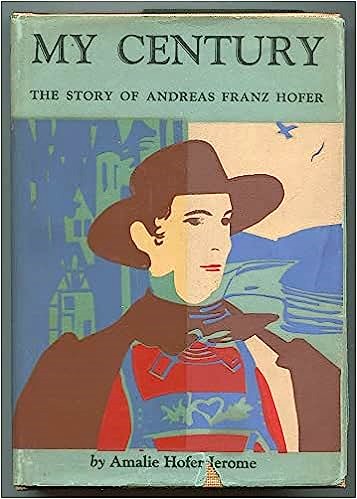
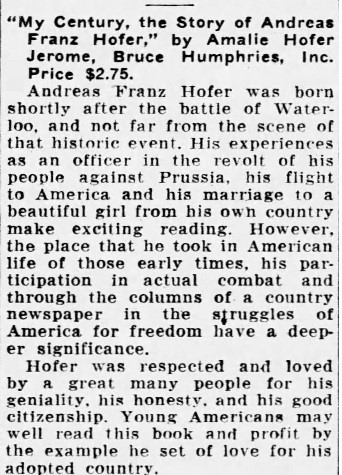
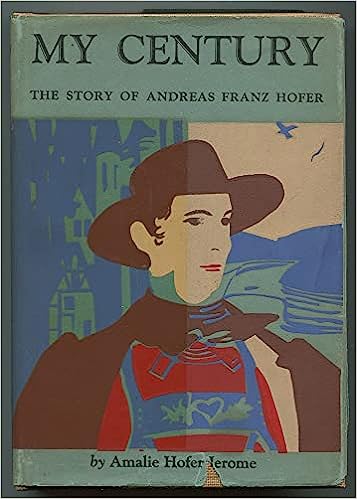
Amalie adapted her father’s diary into a biography, and in 1939 published “My Century – The Story of Andreas Franz Hofer.” The book was reviewed by newspapers around the country. The Shreveport Journal in Louisiana gave a poignant review of the book that is attached to the post.
Andrea Hofer Proudfoot also stayed in Chicago, living in Hyde Park. Later, she and her husband Frederick apparently had homes in both Iowa, where Andrea grew up, and in Chicago. They both died in Chicago and were buried in McGregor, Iowa. Andrea was the last of the Hofer sisters, dying in 1949, at the age of 83.
Andrea was always a poet at heart. In 1919, she published a book of poetry called “Trolley Lines, Jotted Down Coming and Going.” It was called “Cubist verse” by Reedy’s Mirror, a literary journal of the day. Cubist writing took its cues from artists like Picasso during the Cubism period of the early 1900s. The objective observation of the external world was replaced by the “stream of consciousness” inner workings of the mind. One review said of Andrea’s work that it was “the new poetry but one can understand it.”
Andrea was president of the Poetry Lovers of America, and a member of the Dill Pickle Club, an unconventional Chicago social club that fostered free speech and good conversation for uninhibited people. “The Pickle” was Chicago’s answer to the “Bohemian” clubs of Greenwich Village in New York City. Andrea was instrumental in raising the money to build a clubhouse for the group on the near north side.
Elsa Hofer Schreiber and her artist husband George and their children moved to the west coast, first to Salem, Oregon, where several of the Hofer brothers lived, and by 1920 they were settled in Santa Monica, California, where George became known in the California arts scene.
Elsa died in 1942 at age 73 while at a daughter’s house in Battle Creek, Michigan. Her death certificate records she was cremated at Graceland Cemetery in Chicago, and burial records report she was buried in Woodlawn Cemetery in Santa Monica.
Elsa had participated in numerous professional activities with her sisters and had run the school she and Andrea started in Beverly, but she was also very home- and family-oriented, a pattern set by her own mother, who lived with Elsa in her final years. Most of the later stories about Elsa revolve around her family.
In 1923, a double wedding took place at the Schreiber house the day after Christmas. Daughter Madelaine and son Armin married their respective fiancés in a gala ceremony with holly and poinsettia as the backdrop, and their brothers and sister in attendance. The following week, at New Year’s, a reception for the newlyweds was held at the Schreiber house.
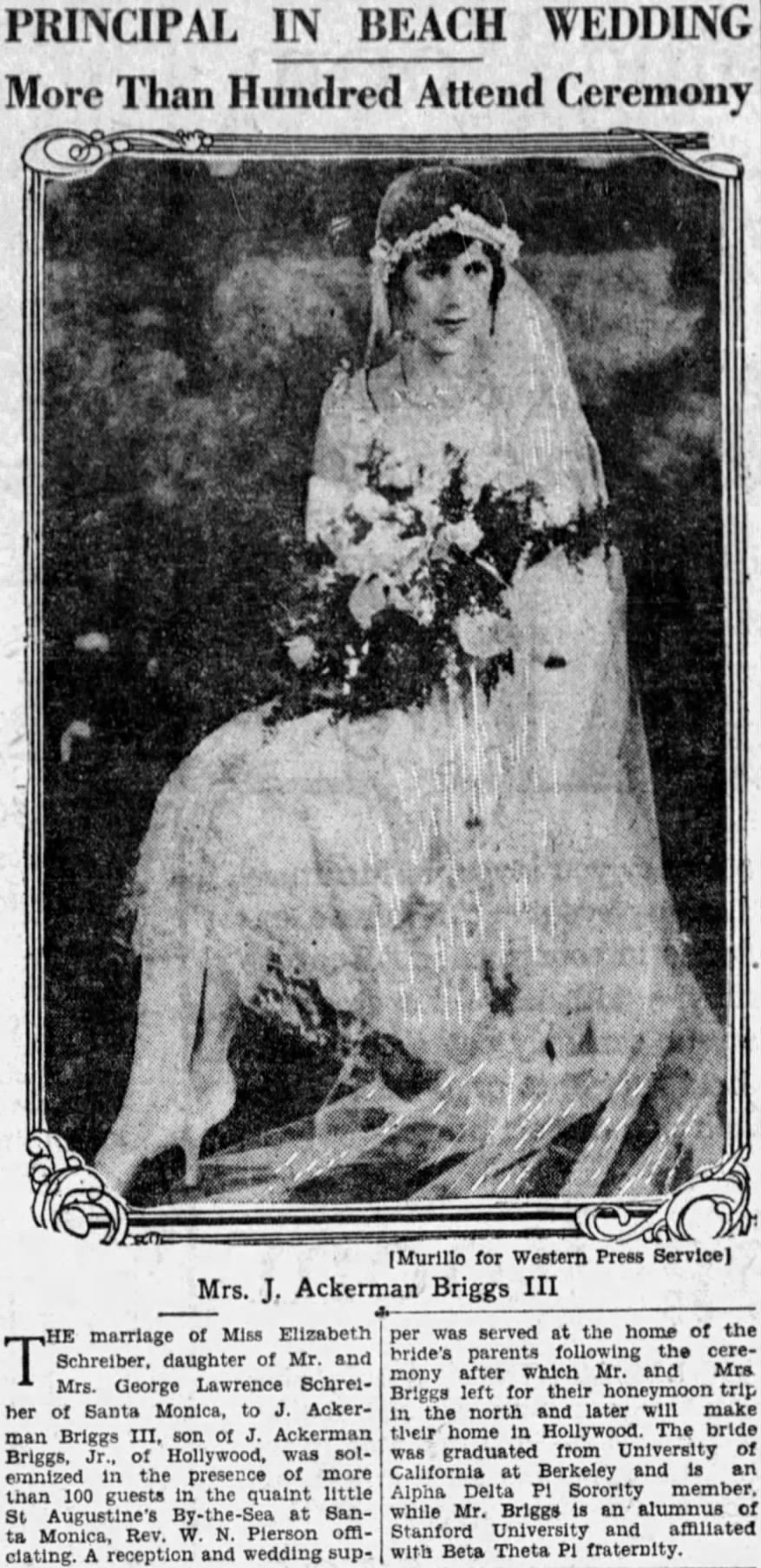
In 1927, daughter Elizabeth was married in Santa Monica. The announcement is attached to this post. As no pictures of Elsa as an adult have been located so far, this picture of her daughter gives a clue as to her possible appearance.
In 1928, tragedy struck Elsa’s family when their youngest child, George L. Schreiber, Jr., died just as he was graduating from the University of California, Berkeley. The cause of death was attributed to ptomaine poisoning.
Father Andreas Franz Xavier Hofer died in 1904 in Beverly and was originally buried in Mount Hope Cemetery in Chicago. Mother Mari Ruef Hofer relocated with youngest daughter Elsa. Mari died in Santa Monica, California, in 1918, and was buried there in Woodlawn Cemetery. Her husband’s remains were relocated from Chicago to that cemetery to be buried with her.
Sons Frank and Andrew were buried in Salem, Oregon, and son Ernest in Portland, Oregon.
This concludes the series on the Hofer family who called Beverly home. Truly, this family personified the spirit of the Progressive Era.
The Ridge Historical Society
Part 12 – The Hofer Sisters and Politics Continued
By Carol Flynn
The Hofer sisters became recognized as international peace workers with the successful visit of Baroness Bertha Von Suttner to the U.S. in 1912. Andrea Hofer Proudfoot stood by the Baroness’s side as her personal manager and secretary. Mari Hofer worked tirelessly behind the scenes, making the arrangements for over 1,200 presentations in sixteen states. Amalie Hofer Jerome also helped.
The Hofer sisters were known for their organizational skills. All were active in the Chicago Woman’s Club. In 1892, Mari, Bertha, Amalie, and Andrea were instrumental in starting the International Kindergarten Union, and all were charter members and served as officers or in other leadership roles.
Through her education programs at the settlement house, Bertha was involved in a number of groups. Amalie and Mari were founding members of the Playground Association of America, which included President Teddy Roosevelt. Amalie was a founder of the Civic Music Association of Chicago. Andrea and Elsa started the League of American Mothers. In 1913, Andrea founded the League for International Amity to continue the suffrage and disarmament education efforts started by the Baroness.
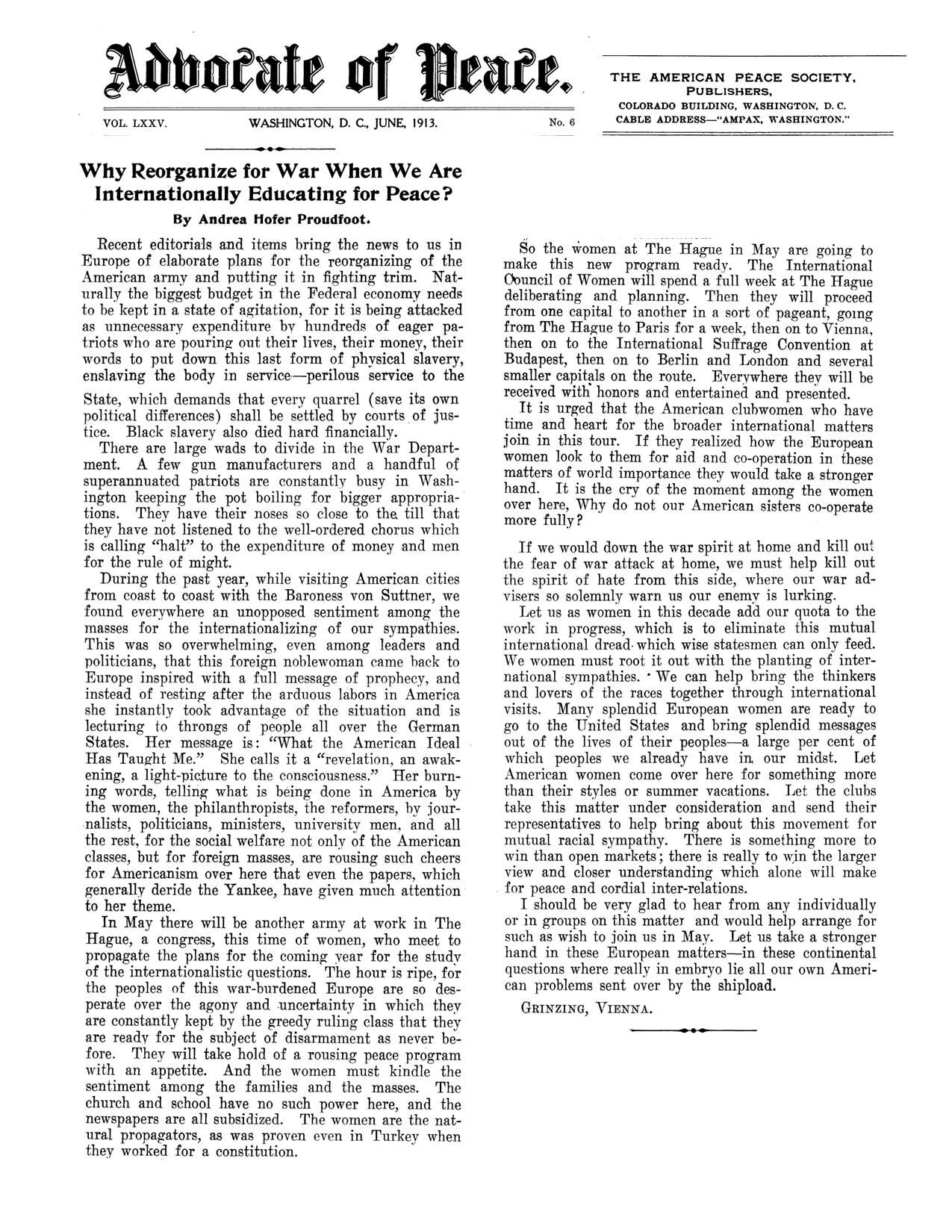
The Hofer sisters were also accomplished writers and speakers. Using Andrea as our continuing example, one of her calls for action in the peace movement is attached to this post. She became a sought-after speaker at international meetings of women. She was prominently featured at the International Council of Women meeting at the Hague in the Netherlands in 1913. The theme adopted by women’s groups throughout this time was: “In time of war prepare for peace; in time of peace prepare for its continuance.”
Andrea lived in Vienna for a few years, where her children went to school. They returned to Chicago when World War I started in 1914.
That year, Mari and Andrea were part of a national undertaking to raise funds for suffrage and peace causes in honor of Belva A. Lockwood. Working with Illinois women’s clubs, a pageant, totally under the direction of Mari, along with dancing and card games, was held at the Hotel LaSalle. The pageant included “dances of the nations,” that is, folk dances, one of Mari’s specialties, performed by young people of various organizations. Members of the Chicago Woman’s Club portrayed the queens of the world, including Queen Elizabeth and Marie Antoinette. They easily met their goal to raise $3,000 to contribute to the total goal of $20,000.
Mrs. Lockwood was the featured guest of the pageant, sitting in the center box. She was a very famous woman whose story has been mostly lost to history. She was active in women’s rights and women’s suffrage, and became one of the first women lawyers in the U.S. She was the first woman to practice before the U.S. Supreme Court. She ran for president in 1884 and 1888 and was the first woman to appear on official ballots. She supported the world peace movement and the temperance movement.
In 1915, Andrea was a leader of the International Conference of Women Workers to Promote Permanent Peace, known as the Women’s Peace Conference, held in San Francisco as part of the World’s Fair. She was joined on the planning committee by fellow Chicagoan Jane Addams. Miss Addams oversaw the programs on Social Service and War, and Andrea oversaw the section on International Amity and War.
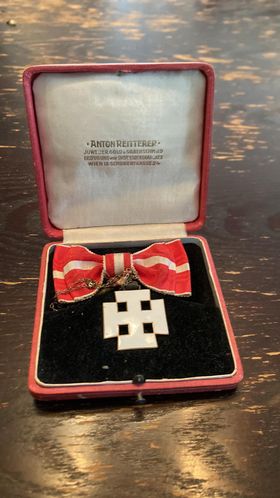
After World War I, Andrea served as Secretary of the American Committee for Vienna Relief in Chicago. She was awarded the “Eiserne Salvator-Medaille” (Iron Salvator Medal) from the City
of Vienna in 1921, and the “Silbernes Ehrenzeichen” (Silver Insignia of Honor) from the Republic of Austria. Andrea’s great-granddaughter shared a picture of one of the medals with RHS.
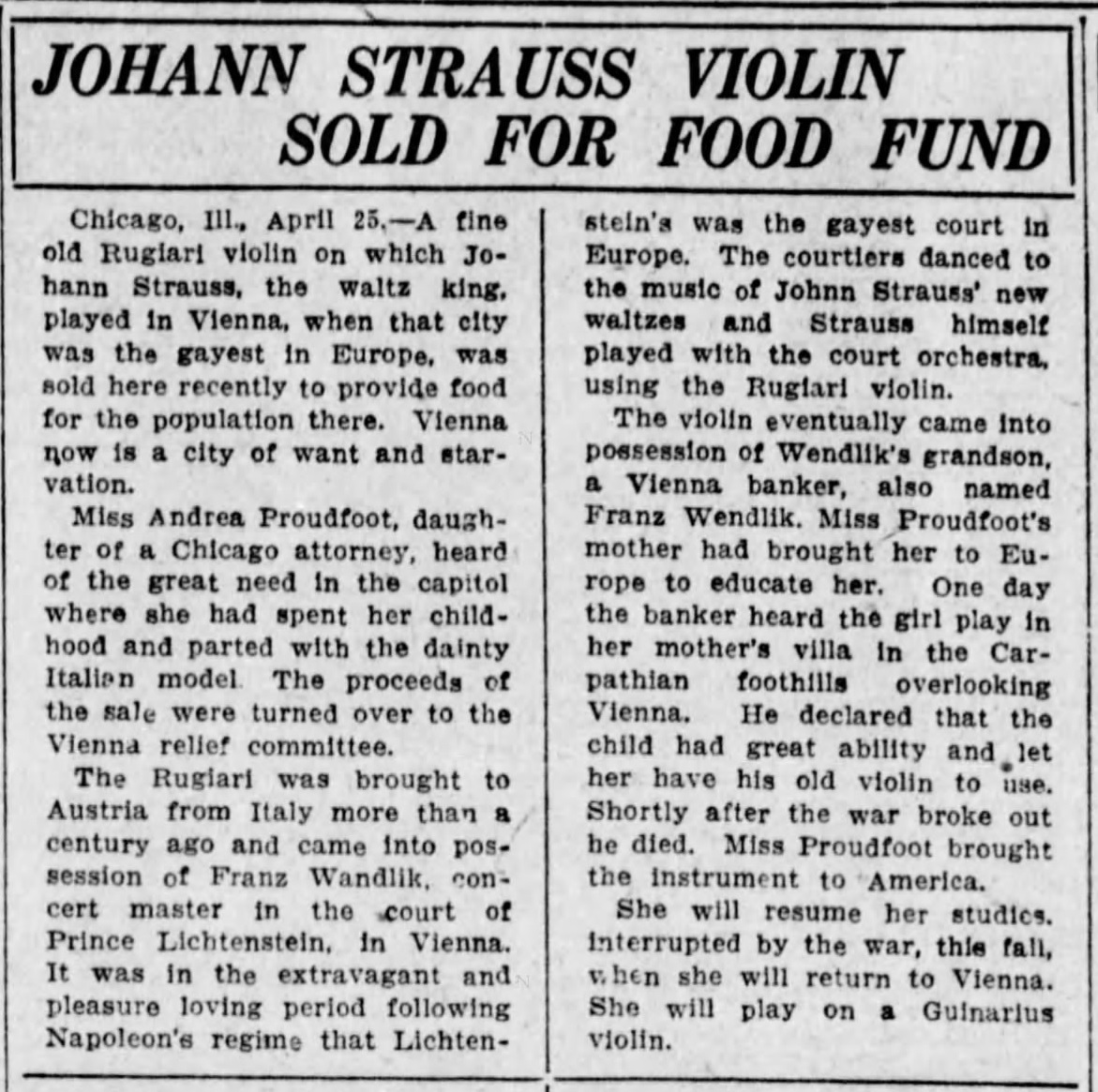
Altruism was passed down to the next generation of Hofer descendants, as evidenced by a 1920 newspaper article about one of Andrea’s daughters donating a valuable violin that she acquired in Vienna for the Vienna relief effort.
In the next post, the later years of the Hofer sisters will be explored.
The Ridge Historical Society
Part 11 – The Hofer Sisters and Politics Continued
By Carol Flynn
During the Progressive Era of the late 1800s-early 1900s, women began to come into their own as political activists. Much of their work was done through women’s clubs. Long denied membership in traditional men’s clubs, women formed their own civic organizations which became powerful forces for reform and change.
The Chicago Woman’s Club (CWC) was one of the most influential of these organizations, with members including Jane Addams of Hull House and Bertha Palmer of Palmer House hotel money and fame, who chaired the women’s events for the 1893 World’s Fair in Chicago. Women from the Ridge actively participated in the CWC, and Gertrude Blackwelder from Morgan Park served as president from 1906 to 1908.
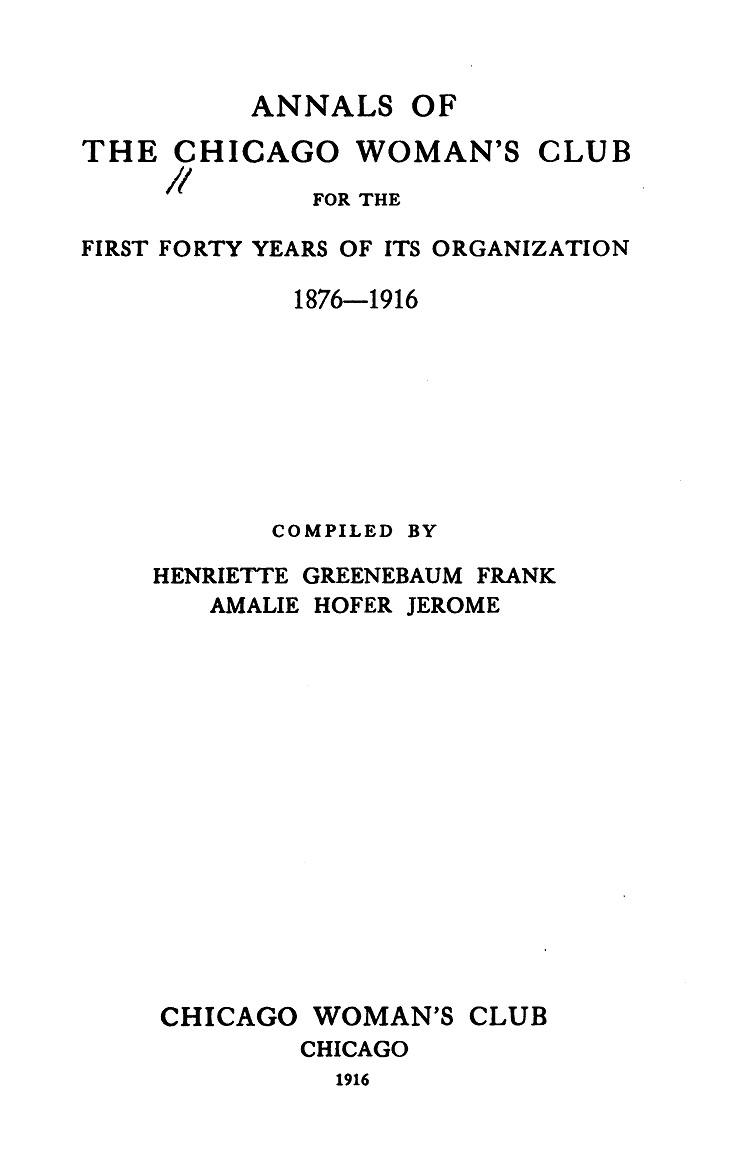
The Hofer sisters were members of the CWC. Bertha Hofer Hegner was prominent in the club’s education endeavors. In 1916, Amalie Hofer Jerome co-authored the Annals of the Chicago Woman’s Club for 1876 to 1916, a compilation of the Club’s first forty years of business.
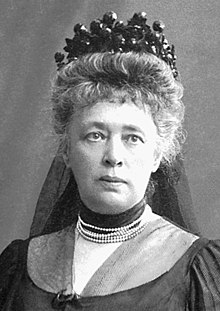
In 1912, through their CWC involvement, the Hofer sisters brought about an internationally significant event, a country-wide tour by pacifist Baroness Bertha Von Suttner of Vienna, Austria.
Andrea Hofer Proudfoot spent increasing amounts of time living in Europe in the early 1900s with her children. She and her husband regularly traveled back and forth between Chicago and Vienna, where her daughter Helen attended the Leschetizky School.
The international kindergarten movement, in which the Hofer sisters were leaders, shared many ideals with the international peace movement, and Andrea became acquainted with Baroness Von Suttner, who won the Nobel Peace Prize in 1905.
Mounting social unrest leading to increased militarism had many fearing a European war was imminent, and indeed, World War I was just around the corner. Peace organizations were established in Europe and the U.S., and women like Jane Addams were active participants.
Suttner was a leader in the international pacifist movement of the time, and was emerging as a leader of the growing feminist movement. She was an influential pro-disarmament writer, believing that world peace was inevitable due to technological advancements, and that more powerful weapons would increasingly deter war.
In February 1912, Mari Hofer presented a motion to the Chicago Woman’s Club recommending that they arrange an address by the Baroness during the coming year. This was approved, and the Club reached out to the General Federation of Women’s Clubs (GFWC), the “mother” organization that all the local clubs belonged to, and other groups for involvement. A joint Peace Committee with the GFWC and groups like the Chicago Peace Society was formed, with Mari and Amalie doing the work.
While male international pacifists had been making speeches in the U.S. for years, this was the first initiative by women to include pacifism and international affairs as part of the women’s clubs’ agenda, and have a woman address the American people. Suttner was invited to address the GFWC national convention in San Francisco in late June of 1912. She accepted the offer.
The Hofer sisters procured funding from the World Peace Foundation, which supported peace education, to cover all the expenses for the Baroness to visit the U.S. Leaving for the U.S., Suttner stopped in Paris to address the Carnegie Peace Foundation. She stated, “I shall try to put in motion a new and great force in the uplifting to good all mankind, and that force is found in the federated American women.”
Standing next to her on the platform was the personification of those women, Andrea Hofer Proudfoot, from the Chicago Woman’s Club, who served as Suttner’s full-time manager, secretary, and companion for her trip to the U.S.
They travelled by ship to New York, then across country to San Francisco by train, picking up GFWC delegates along the way. The GFWC event, with 5,000 attendees, became the first of 1,220 engagements, with the Baroness speaking at universities, churches, and organizations including peace, labor, business, and suffrage groups. Major American newspapers and journals carried the Baroness’s speeches in full, allowing her a widespread reach to the public. Although this visit is rarely mentioned now, it was very big news at the time.
The Baroness’s primary goal was to advocate for universal peace, but she saw the connection to women’s rights for education and employment, and particularly to suffrage. She encouraged women to be active in the peace movement and she encouraged peace activists to support suffrage to increase their efforts in promoting peace.
The Baroness and Andrea came to Chicago in July, where the Baroness made presentations at the 50th annual convention of the National Education Association and other meetings, and visited Jane Addams and Hull House. From there, they went on to meet with President William Howard Taft.
They returned to Chicago in November, and Suttner addressed the Chicago Woman’s Club. Women like Mrs. George Pullman held receptions for them in their homes. Suttner also addressed other groups like the Chicago Federation of Labor.
The Inter Ocean newspaper quoted part of one of Suttner’s Chicago speeches: “We must come to realize that our present, modern times have outgrown the system of war, of violence. Now we all live under the law of violence. I hope that the tool of war will be laid down, and that the workers will lay down their tools against the preparation of the implements of war. Instead of the outstretched fist, we want the outstretched hand of friendship.”
Charles Beals, the Secretary of the Chicago Peace Society, noted although the U.S. visit was “a laborious task,” that “the peace workers of the United States have been greatly strengthened by the visit of the foremost woman pacifist of the world.” This group also had great praise for Mari Hofer’s role in the endeavor, stating that “Miss Hofer served entirely without pay, gave up her summer vacation in order to make the undertaking a success, and for months, in no small measure, bore the responsibilities and did the clerical work.”
As Suttner returned to Vienna in December, accompanied by Andrea, she declared that the U.S. was ahead of other countries in the suffrage movement, and she was sure American women would get the vote franchise. That took eight more years.
The Baroness was 69 years old when she made this trip. She died of cancer eighteen months later in 1914, right before the start of World War I.
Andrea went on to more prominence in the peace movement, which will be covered in the next post.
The Ridge Historical Society
Part 10 – The Hofer Sisters and Politics
By Carol Flynn
The Hofer family lived in Beverly from the early 1890s to the mid-1910s, about 25 years, during the height of the Progressive Era.
That era was marked by widespread reform and change in just about every area of life, from education to business to human rights. Today, kindergartens and other early development programs for young children, playgrounds, parenting classes and resources, and related activities are taken for granted. However, 100 to 150 years ago, they were considered radical, “progressive” social movements that visionary people fought to establish.
They also fought to establish rights for children. Using children for hard labor, in sweat shops, and out on the streets, was condoned for centuries, like slavery had been. Slavery was abolished in the 1860s, and the Progressive Era saw the beginning of the end of that kind of abuse of children.
While the Hofer sisters were leaders in these movements, their political activities extended beyond these issues. The five Hofer sisters were all politically active, but especially so was Andrea Hofer Proudfoot, who rose to international fame for her contributions to the international peace and amnesty movement.
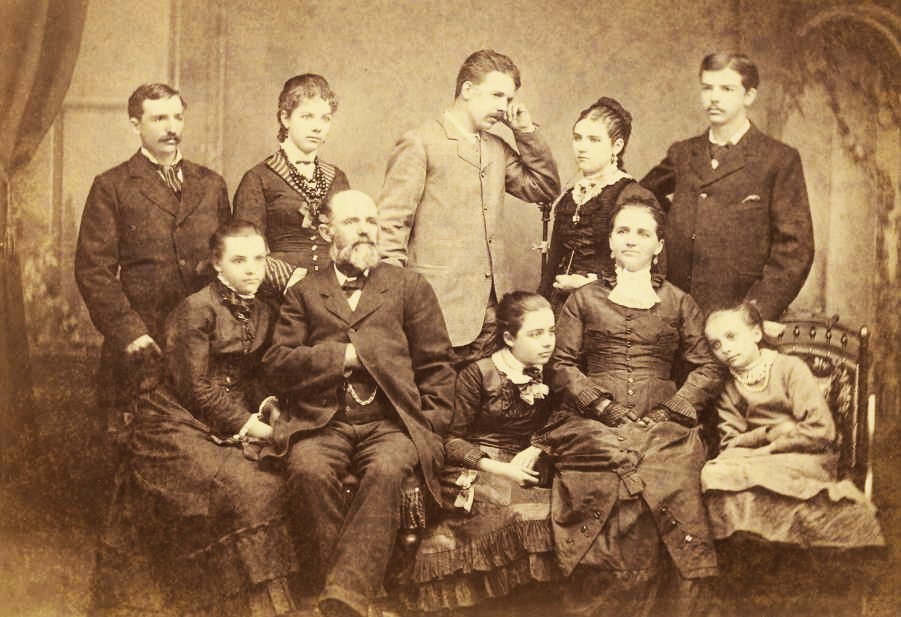
The progressive spirit came from the Hofer parents, Andreas and Mari, revolutionaries from the German-Swiss border area. In the U.S., they moved from the east coast to Iowa seeking new opportunities and to be closer to friends. There, a brief stint in the early 1850s in a socialist commune called Communia left them disillusioned with socialist and communist systems, but still believing in the need for social and political reforms.
The Hofer family ran a newspaper in Iowa for many years which gave them the opportunity to share their progressive beliefs. All of the children worked at the newspaper, and the three sons moved to the west coast to pursue careers in the newspaper publication business.
The Hofer parents and the five daughters moved to Chicago to allow the daughters education and employment opportunities, itself a progressive attitude toward women.
The Hofer sisters, as no surprise, were suffragists, believing that women should have the right to vote. In an article in 1912, Andrea was described as “outspoken and sweeping in her advocacy.” When another woman suggested “indirect influence” was preferable to voting, Andrea “scathingly denounced this as immoral and wrong.” She used parenting as an example to explain her view. A parent does not “influence” children; a parent would “inculcate right principles and teach children to stand firmly by these.”
Women received the right to vote in the U.S. in 1920 when the Nineteenth Amendment to the U.S. Constitution was ratified. Long before that, however, they were involved in politics at the local, national, and international level.
The kindergarten movement was an international movement that originated in the Switzerland/Germany/Prussia area and spread to the U.S., thanks to women like the Hofer sisters. The kindergarten movement started with Swiss educator Johan Pestalozzi in the late 1700s, and was furthered in the 1800s by Friedrich Froebel in Prussia/Germany. Several of the Hofer sisters did graduate work in Berlin, Germany, at the Pestalozzi-Fröbel-Haus. Froebel’s niece ran the program in Berlin.
Andrea spent time in Europe, not just for her own education, but with her children. For periods of time, she left her school in Beverly in the capable hands of her sisters Elsa and Mari and resided overseas.
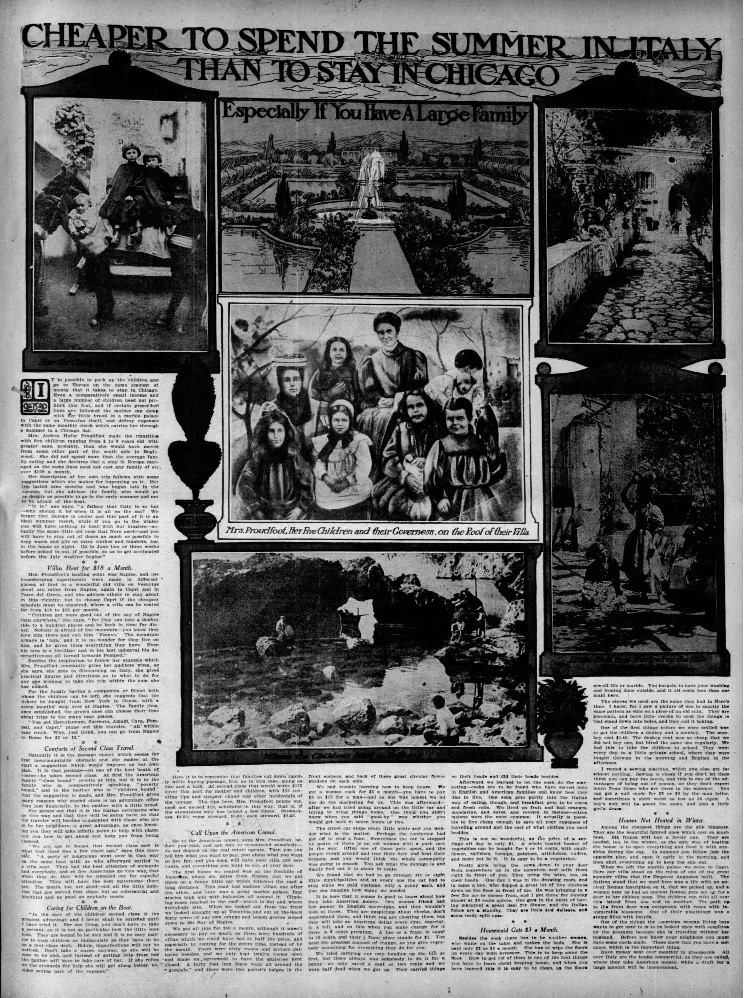
In May of 1907, the Chicago Tribune ran a full-page story about Andrea and her five children, ages 2 to 9, moving to Italy for nine months. The article focused on how economically she was doing this, spending no more than it would have cost to stay home in Chicago. The article was full of advice from Andrea, from booking second class steerage on a ship to renting a villa and hiring local help to keeping warm in winter. The children traveled by donkey cart to a private school that taught German. Andrea’s husband Frederick, a lawyer with the Chicago Board of Trade, stayed home in Chicago, and sent the adventurers money on a monthly basis.
Quite a few pacifist and women’s rights organizations were formed in the late 1800s, in the U.S. and in Europe. The pacifist and feminist causes became intertwined at an international level; in fact, historians have found that pacifism and this first-wave of feminism were equated in the minds of the general public at the time.
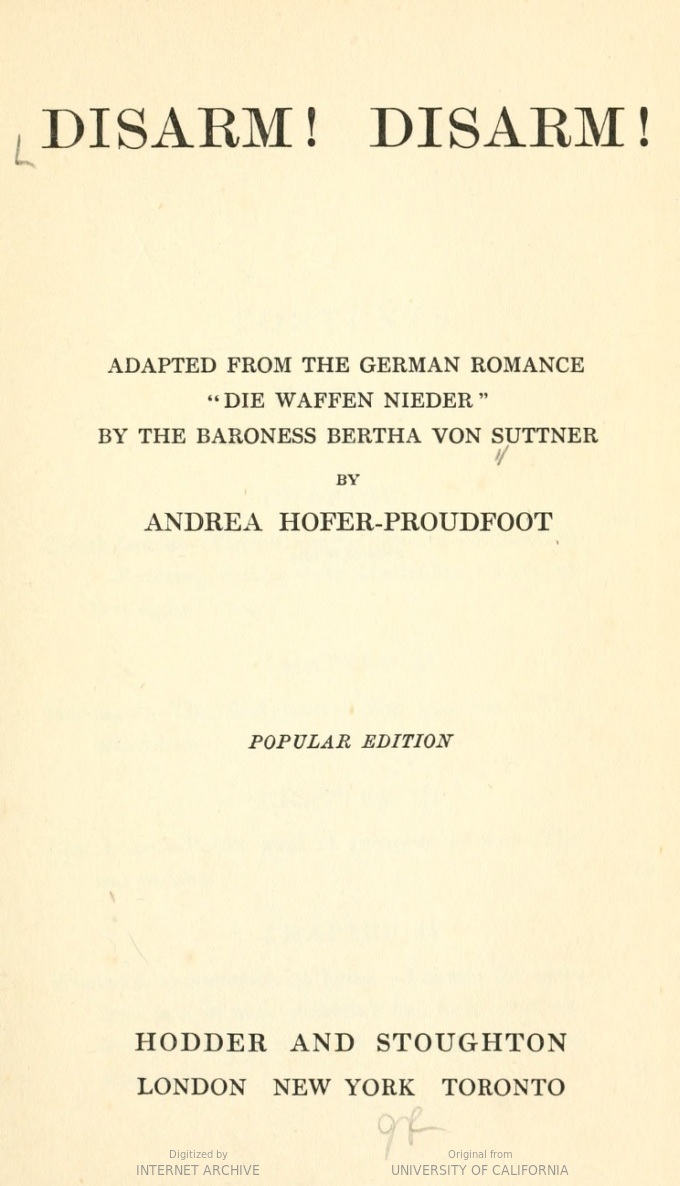
One very prominent international woman pacifist was Baroness Bertha Von Suttner (1843 – 1914) of Austria. The Baroness founded the Austrian Peace Society in 1892, and in 1905 she was named the Nobel Peace Prize laureate, in part due to her 1889 anti-war novel “Die Waffen nieder!” as well as numerous other political pacifist writings and lectures. [Andrea Hofer Proudfoot adapted the Baroness’s novel into English (Disarm! Disarm!) in 1913 and it is still available today.]
The Baroness addressed many of her communications directly to women and the women’s clubs of the U.S. became her followers. In 1912, thanks to the Hofer sisters, she made a coast-to-coast tour of the U.S., speaking to women’s groups and peace organizations. She advocated for universal peace and women’s suffrage, declaring them “the two great movements for the betterment of humanity.”
The next post will cover the Baroness’s visit to the U.S., and other political activities of Andrea and her sisters.
The Ridge Historical Society
Part 9 on the Hofer Family – Political Involvement
By Carol Flynn
The Hofer family connected with the Ridge came of age during the Progressive Era of the late 1800s – early 1900s, a time of widespread reform in just about every area of American life, from education to business to government.
The rights of women and children were important issues of the day. For women, voting, property ownership, and education and employment opportunities headed the list. For children, child labor laws, the juvenile justice system, public education, and health services were priorities. It was the members of the women’s clubs who did most of the advocating for children’s rights.
The family patriarch was Andreas Franz Xaver Hofer, born in 1821 in Baden, a historical territory in south Germany and north Switzerland. He took part in the unsuccessful Baden Revolution of 1848 – 49, an attempt to overthrow the ruling princes. Forced to flee the country, he came to New York City in 1849.
His future wife, Mari Ruef, was born in 1836 in Baden, and came to New York in 1852. There she met Hofer and they married in 1853. [Hofer died in 1904 and was buried in Mount Hope Cemetery on the Ridge. Mari moved to California where she died in 1918. Hofer’s remains were then brought from Chicago to California to be buried beside his wife.]
The Hofers moved to Iowa from New York and began their family, which would grow to five daughters and three sons. Andreas Hofer fought with the Iowa Infantry of the Union Army as a lieutenant in the U.S. Civil War. Andreas and Mari became naturalized citizens of the U.S.
The Hofers became farmers and dry goods merchants in McGregor, Iowa. Hofer became known as a local expert on cultivating grapes and was active in the Iowa State Horticulture Society. They purchased a local newspaper, the McGregor News, which they ran for many years. The family was well known in the community.
Andreas and Mari Hofer had a passion for social justice and reform that they passed down to their children. Through their newspaper, they shared their “progressive” views, and all the children were trained in the newspaper and printing fields.
Andreas Hofer‘s philosophy for the newspaper was “closely identified with the interests of the people and with successful government,” according to an article written in 1904 by his sons. He was involved in local politics and a leader of the temperance movement. Many of the beer breweries in the U.S were owned by German immigrants, and the newspapers made note of the divide in the German community over the alcohol issue. Hofer wrote temperance tracts in the German language which were published by the German National Temperance Association.
He used the newspaper to advance his platforms, and this did not always go over well with the subjects of his commentaries. In one court case that was followed closely by the public, the newspaper and its publishers, A. F. Hofer and Sons, were sued for $5,000 by a saloon keeper claiming the paper had damaged his character. The paper had accused the saloon keeper of keeping a gambling house. The saloon keeper was backed by the local liquor league. The case went to court, and the Hofers won the case – the charges against the saloon keeper were “fully sustained.”
The involvement of the Hofer children with the newspaper led to careers for all that included writing, editing, and publishing.
The family sold the McGregor News in 1890. By then, the sons, Ernest (1855-1934), Frank Xaver (1856-1905), and Andreas F., Jr., (1861-1913), who made the newspaper and publishing industries their lifetime careers, had moved to Salem, Oregon, to seek their fortunes on the west coast. “E.” and “A. F.” took over the Capital Journal, an evening paper. Ernest later ran the Industrial News Review, which advocated for “policies essential to the well-being of our country.” Frank owned half of one newspaper and was the founder of another.
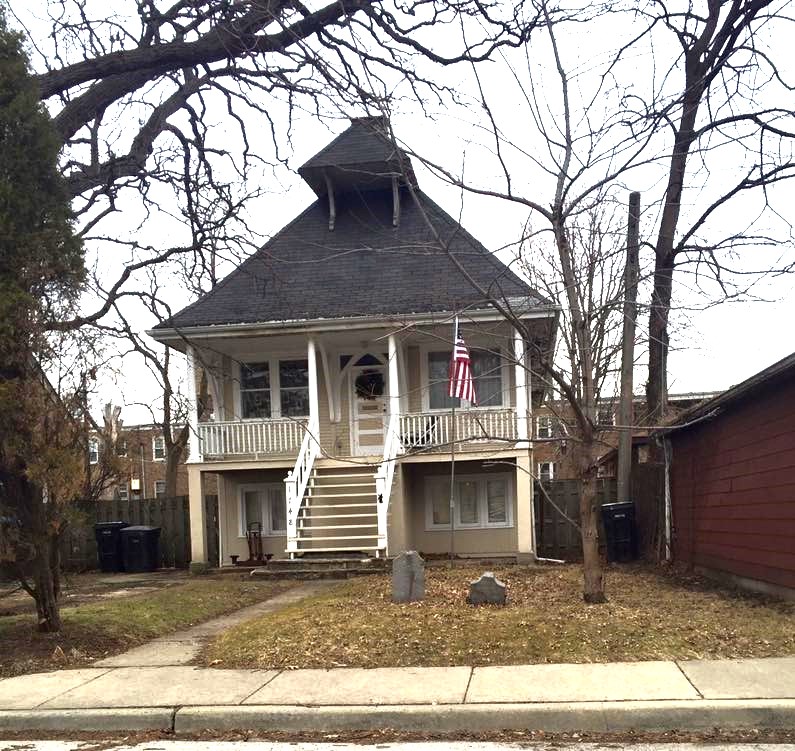
As covered in the last posts, the five daughters and parents moved to Chicago to allow the women better education and employment opportunities. They rented a house on 96th Street in Beverly. The house, long ago demolished, stood where the entrance to Ridge Park is today.
The daughters became leaders in the kindergarten, social settlement, and playground movements. All of these were “progressive” initiatives, with strong political overtones.
The preceding posts on the Hofer sisters’ careers and this introduction to the family’s political involvement brings us to the Hofer sisters’ roles as social and political activists, which will be covered in the next posts.
The Ridge Historical Society
Part 8 on the Hofer Sisters – Elsa (Elizabeth) Hofer Schreiber
By Carol Flynn
The youngest member of the Hofer family was Elsa, also listed as Elizabeth on the U.S. censuses. She was born on September 14, 1869, in McGregor, Iowa. Elsa was educated as a kindergarten teacher and came to Chicago by the early 1890s, like her sisters and parents.
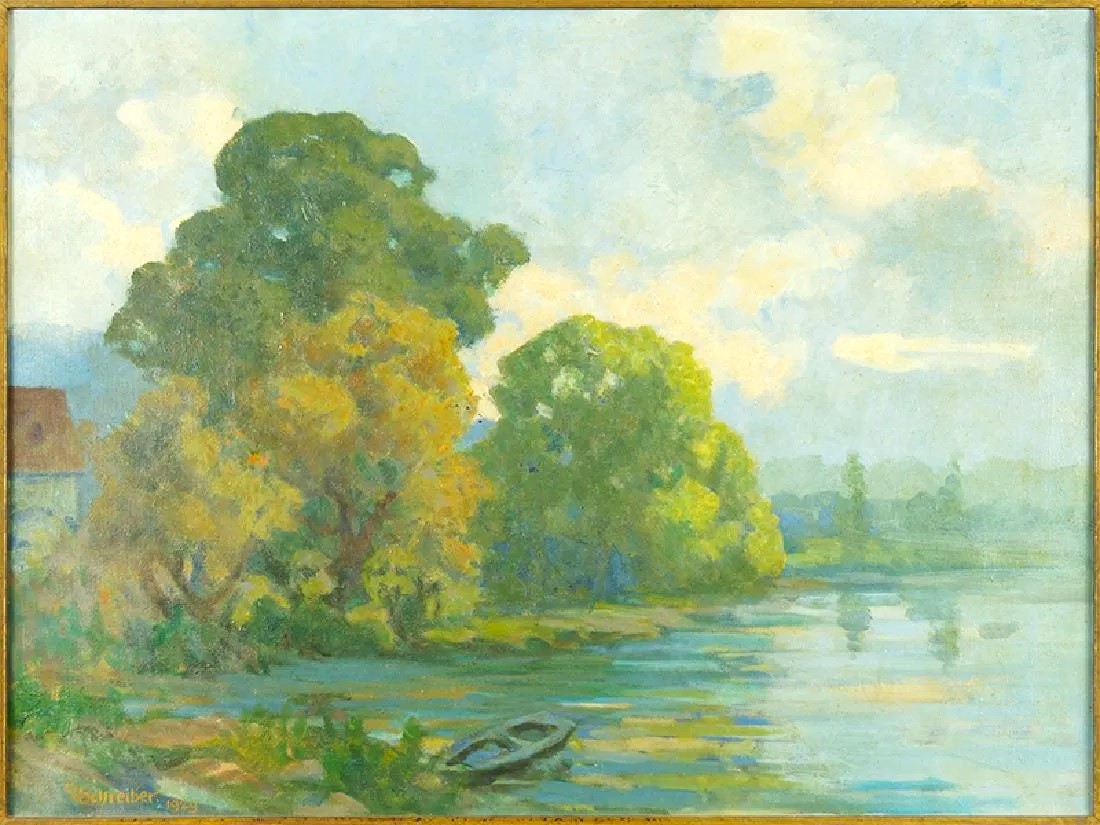
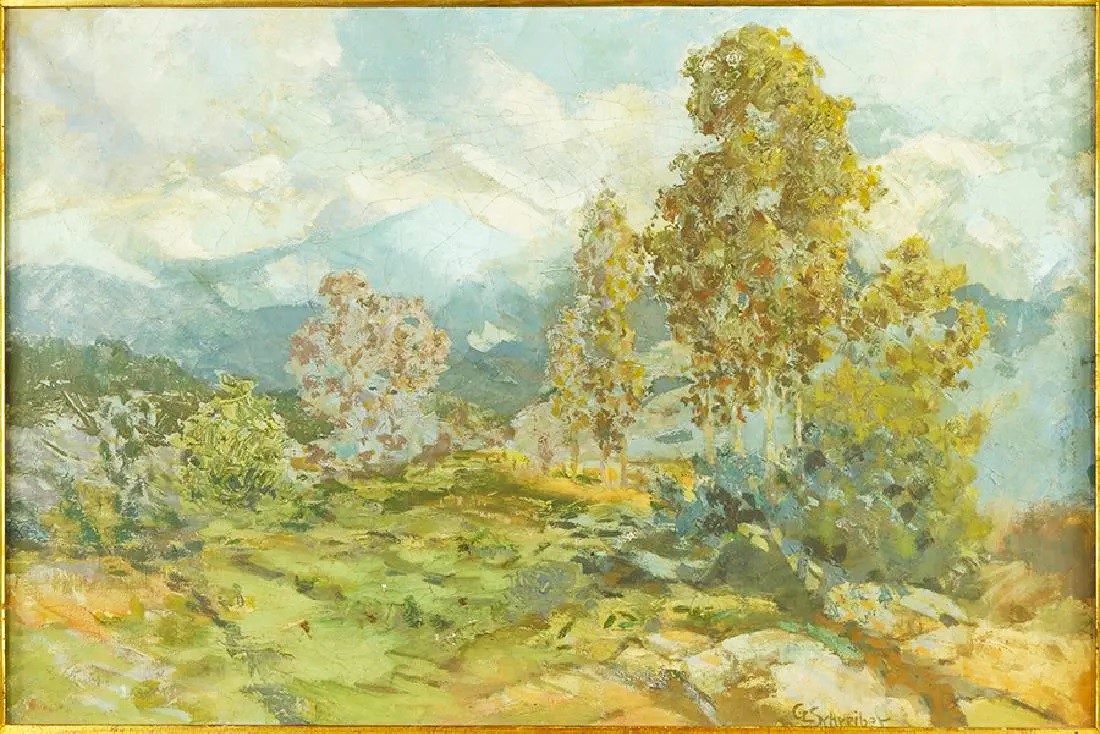
In July 1893, at the age of 22, Elsa married George Laurence Schreiber, 31, in Chicago. They made their home in Beverly at the house at 1833 West 96th Street that the Hofer family rented when they moved from Iowa. That house, now gone, stood about where the entrance is to Ridge Park. Elsa and George became the parents of six children.
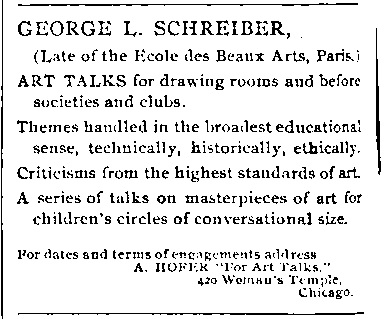
George Schreiber, from New York, was an artist and an educator, who studied in Paris and established a studio in Chicago in 1892. In addition to producing his own art, he was involved in the settlement and kindergarten movements. He was an extension lecturer at the Art Institute of Chicago, and taught classes at the Chicago Commons Social Settlement, where Elsa’s older sister Bertha had started a kindergarten for local children, and then a training program for kindergarten teachers. Schreiber taught classes like clay modeling, watercolors, and crayon work.
Elsa’s interests focused on the role of mothers in children’s development and education. As part of the kindergarten principles put forth by Frederick Froebel in the 1800s, children began learning through play as soon as they were born, and mothers had the key role in this early development. He believed women needed to be educated for this “mother-play” role and developed programs using toys, songs, and activities.
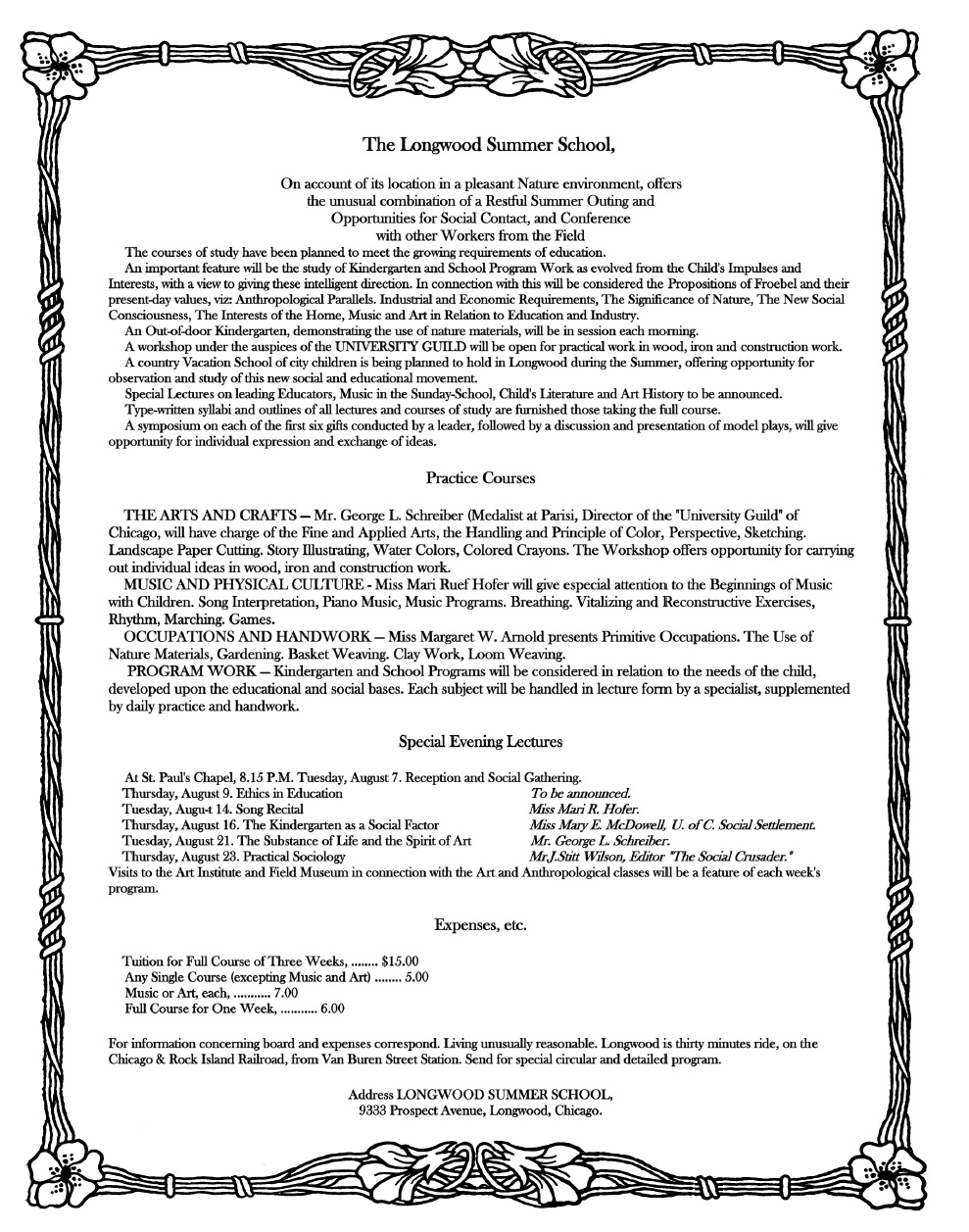
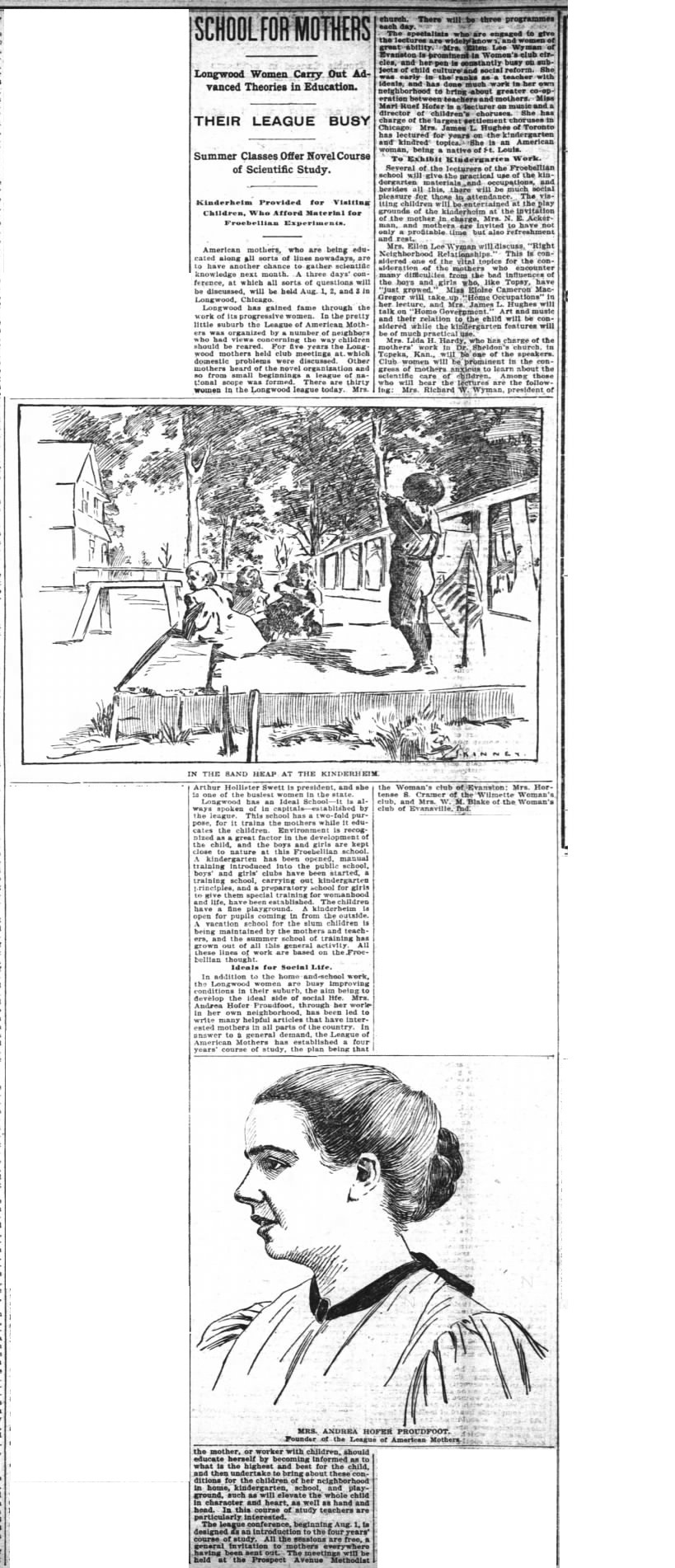
Elsa and her sister Andrea started the Froebellian Training School for Young Women around 1895 in Beverly. They also ran the Longwood Summer School as a special annual program. Programs for mothers were an important part of the school. Elsa supported her sister in starting the League of American Mothers in 1895, which was covered in the previous post.
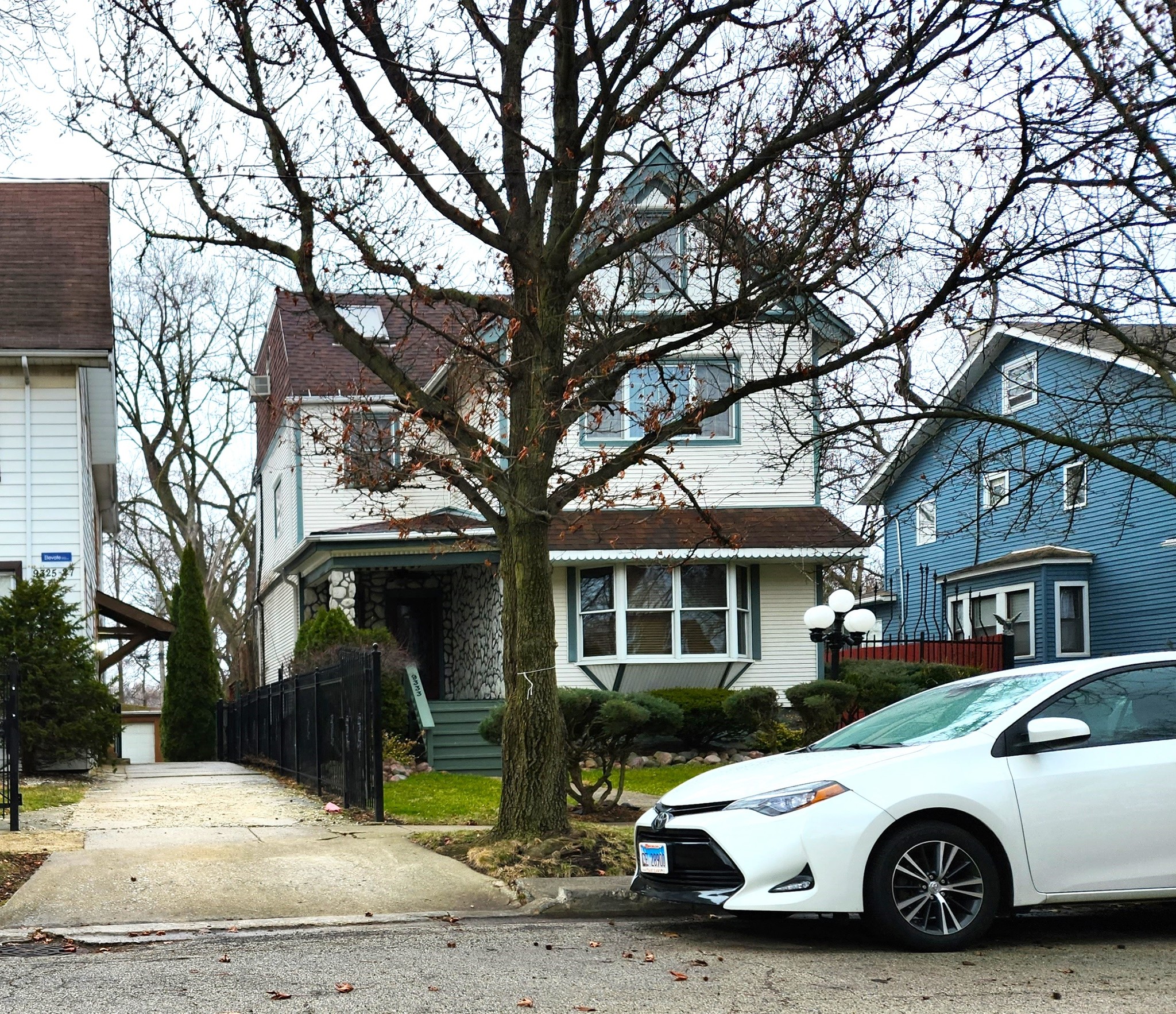
Andrea and her husband Frederick Proudfoot owned the property at today’s address of 9333 Vanderpoel Ave. that housed their family and boarding students, a kindergarten, and workshops for industrial training programs for young people. This address served as the mailing address for the school while the classes were held at St. Paul’s Evangelical Church at 94th Street and Winchester Avenue, which has an interesting side-story covered with an attached image.
A Chicago Tribune article from August 1898 credits Elsa with running the school and conducting the lectures and classes along with other teachers, including her husband and oldest sister Mari Hofer, the expert in music education for children.
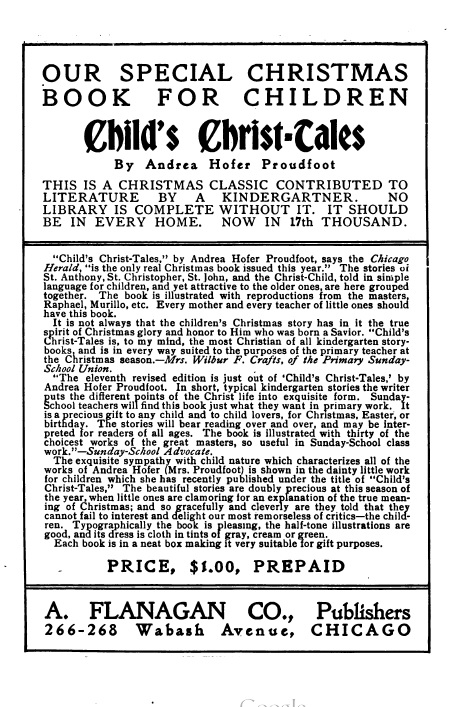
In 1896, the Hofer sisters and Schreiber were part of a huge Christmas program put on for 500 children and more than one thousand adults from the city’s settlement houses. Being a religious family, the focus was on the birth of the Christ child. Elsa read selections from her sister Andrea’s book “Child Christ Tales,” while her husband George used his stereopticon to show pictures of the story of Mary and the manger, the shepherds and wisemen, put together by Andrea. Mari led the group in singing.
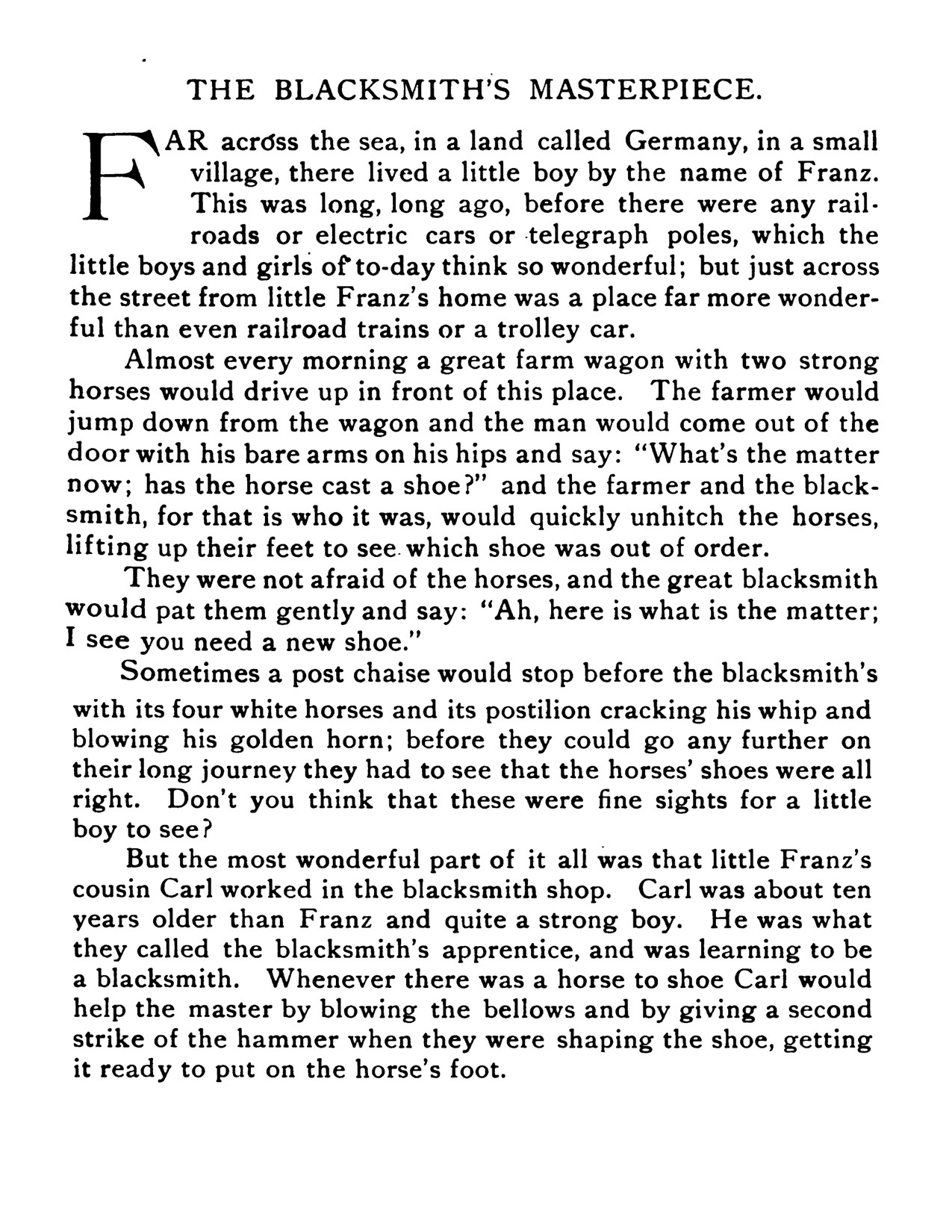
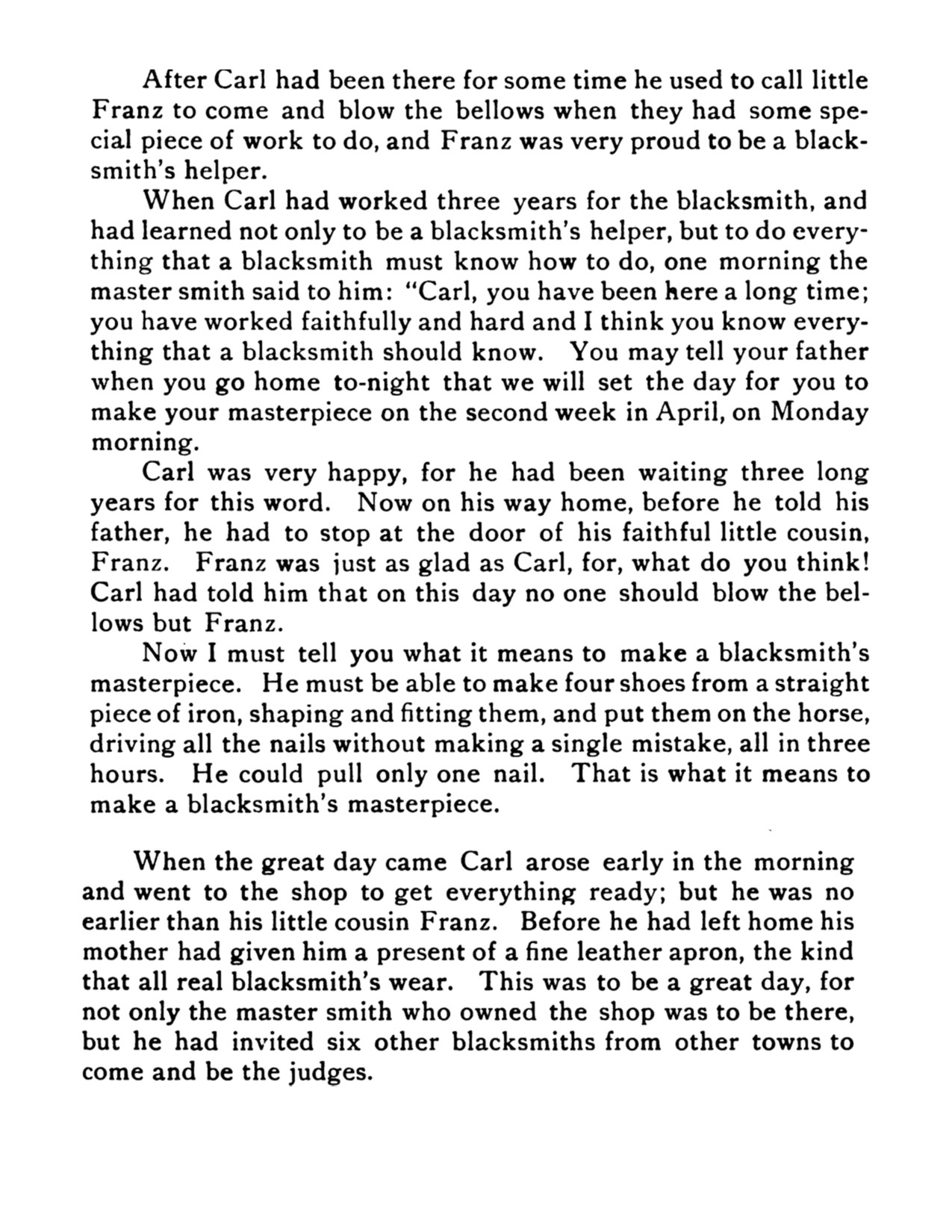
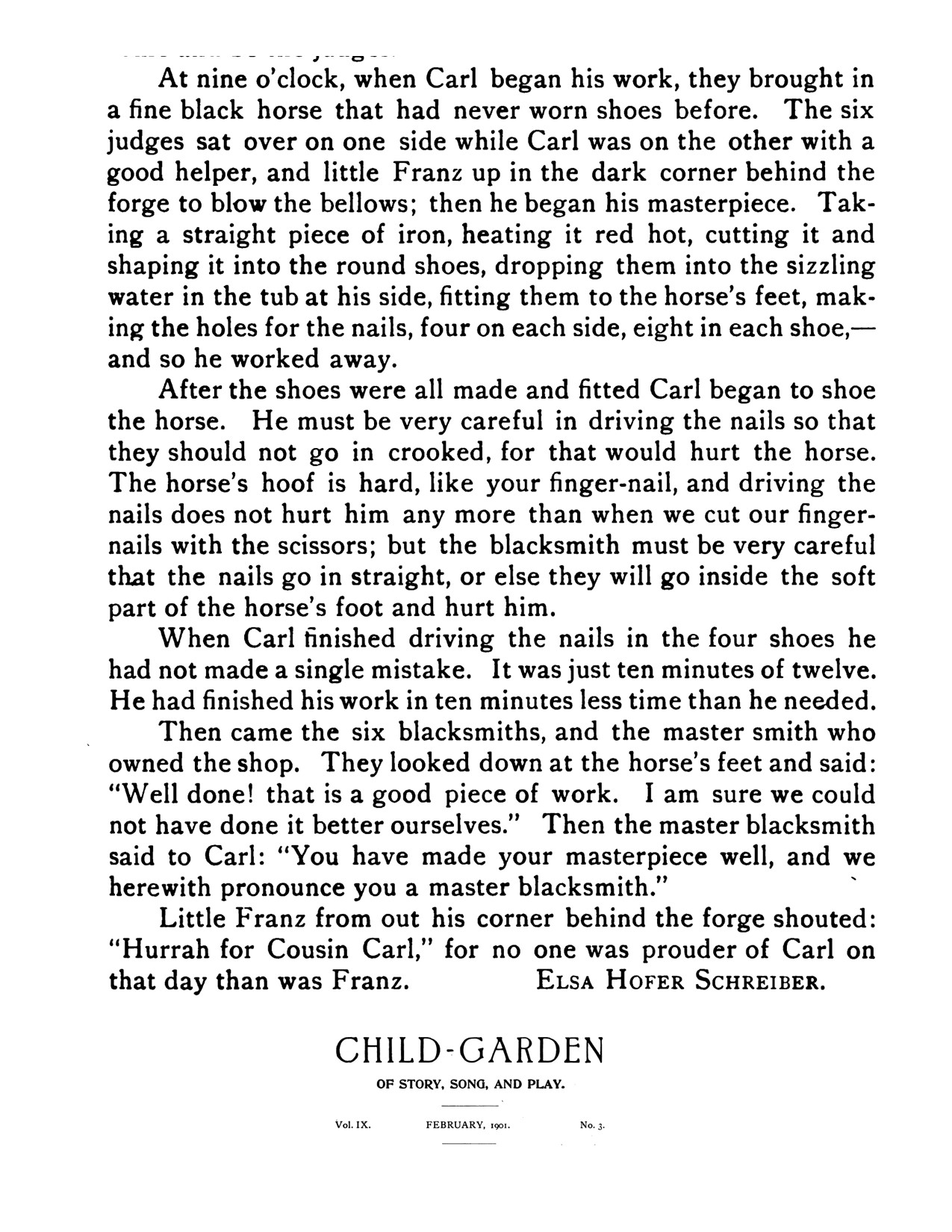
Elsa contributed to the magazine “Child Garden of Story, Song, and Play” started by her sister Andrea. The attachments to this post include a short story she authored.
The school lasted about nine years, and by 1910, Elsa and George moved to Salem, Oregon, where the three Hofer brothers were in the newspaper and publishing business. The Hofer patriarch, Franz Andreas Hofer, had died in 1904, and their mother Mari also relocated to Salem and lived with Elsa and her family. There is a newspaper account that Elsa and George invited forty guests to enjoy an evening of folk songs when sister Mari visited in September of 1911.
By the 1920s, the Schreiber family moved to Santa Monica, California, where they became active in the art scene. George was known for his seascapes, landscapes, portraits, and figure studies. He was an articulate defender of the West as an “inspiring field for the artist” because “all here is new” and “achievement is still ahead.”
Elsa died on May 5, 1942, of heart failure, at her daughter’s home in Battle Creek, Michigan. She was buried in Santa Monica, California, with her husband, who had died two years before her. Her death certificate listed her as a practitioner of Christian Science.
The next post will look at the Hofer family’s involvement in politics and the international peace and amnesty movement.
The Ridge Historical Society
Mother’s Day – Part 7 on the Hofer Sisters – the League of American Mothers
By Carol Flynn
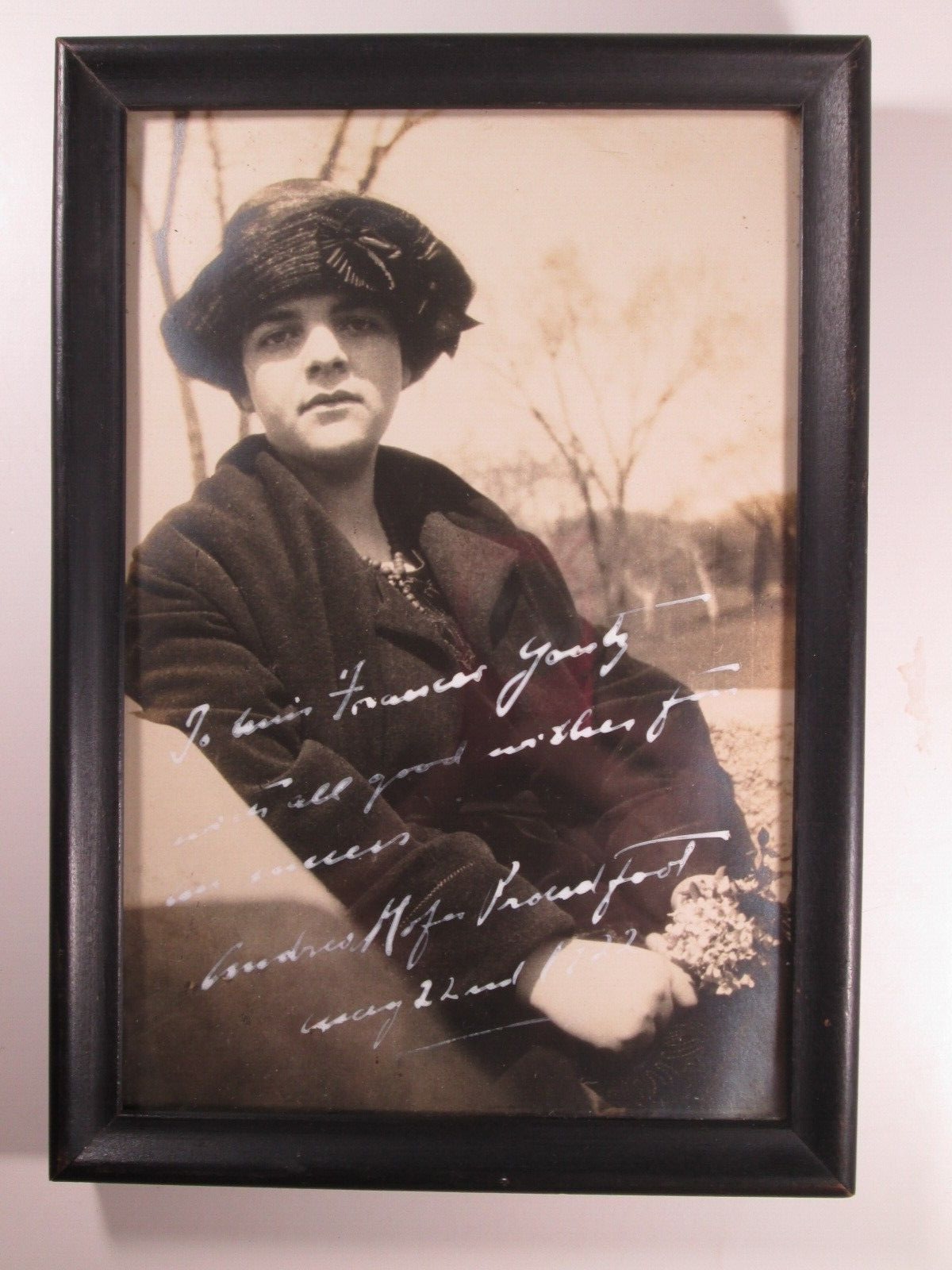
Today is Mother’s Day, the perfect day to continue the series on Andrea Hofer Proudfoot, the fourth of the five Hofer sisters, who started the League of American Mothers.
In November of 1893, Andrea, 27, married Frederick William Proudfoot, an attorney from Englewood whose practice included legal work with the Chicago Board of Trade.
One of Proudfoot’s wedding gifts to Andrea was an estate in North Beverly known as “Oakhurst” located at today’s address of 9333 S. Vanderpoel Avenue. The street was previously known as Prospect and then Howard Court. Andrea and Frederick moved into the house and started a family; six children were born to them between 1894 and 1907.
Around 1895, Andrea and her younger sister Elizabeth (Elsa) Hofer Schreiber started a school in the Proudfoot home they called the Froebellian School for Young Women. This school trained women to be kindergarten teachers, based on the principles of Friedrich Froebel, a Prussian educator who founded kindergartens in Germany in the 1830s. He based his schools and training programs on the principles originally developed in the 1700s by Swiss educator Johan Heinrich Pestalozzi.
The school incorporated much more than classroom work, giving the women who trained there a variety of hands-on experiences. By 1900, the facilities included: the kindergarten teacher training program; a kindergarten for young children; boys’ and girls’ clubs; a grade school that continued the kindergarten principles and included industrial training in onsite workshops; high school level classes for girls; a playground open to all children; and a summer school program (then called vacation schools) for disadvantaged inner-city children. During the summers, the school also ran professional-level programs for educators as the Longwood Summer School.
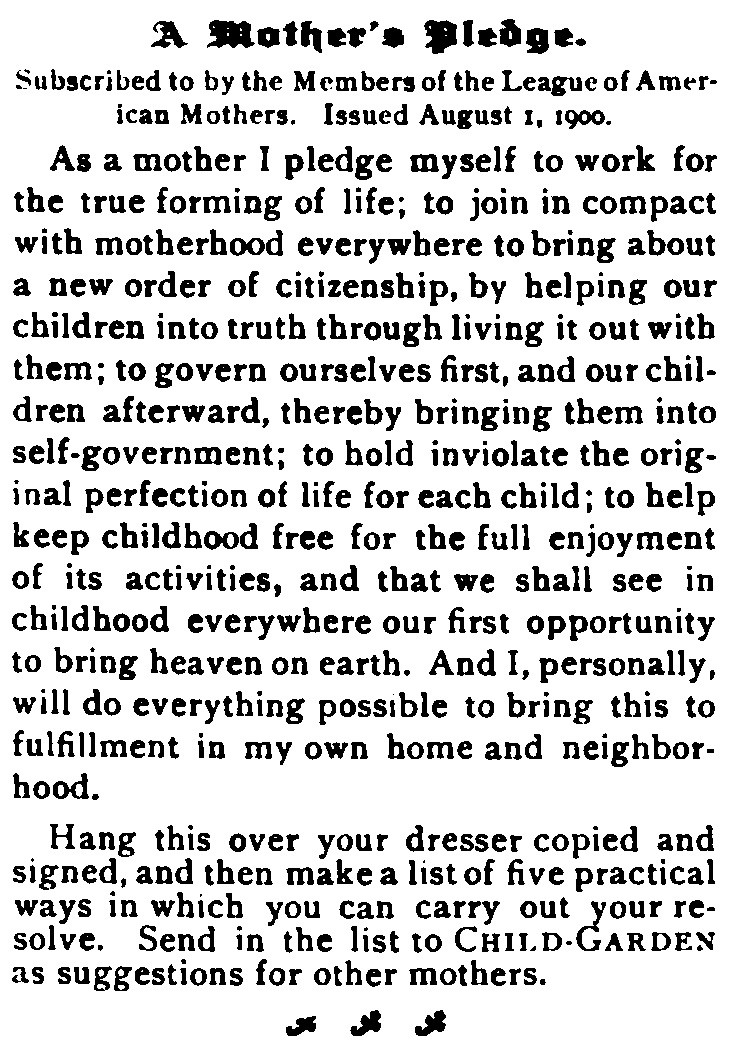
Central to this operation were also education and support programs for mothers. In 1895, Andrea formed the League of American Mothers that rose to national prominence. Local Leagues were set up all around the country. Any mother or teacher could join, there were no dues; the League was largely operated and funded personally by Andrea. Groups of mothers met frequently at the Proudfoot home and were involved in all of the school programs.
A multi-year course of self-study for mothers was developed through the League, using materials written by Andrea. The books included “A Mother’s Ideals: A Kindergarten Mother’s Conception of Family Life” for the first year of study, published in 1897; and “A Year with the Mother-Play,” for the second year, published in 1902. For mothers who could not afford to purchase the books, thousands of “travelling libraries” were set up around the country.
Andrea dedicated the first book, “A Mother’s Ideals,” to her own mother, Mari Ruef Hofer. Andrea wrote: “To My Mother – Who has been preserved to the simplicities of life through having child companions; whose duty toward the home has kept her from pursuing schoolishness; who has studied more deeply into the affections than into psychology; and who loves humanity because it has been given an impulse onward through her as a channel, and an impulse upward through her spiritual striving for her children.”
Teachers-in-training boarded at the school. All of this went on in the Proudfoot home. It can only be imagined what a busy place this property in North Beverly must have been.
Related to all of this, Andrea started a new magazine, Child-Garden of Story, Song and Play. This magazine was published from their house in North Beverly, and the subscription price was $1.00 for twelve issues.
Child-Garden was described by Andrea as “the national organ of the League of American Mothers.” Each issue included poetry and stories for and by children, ideas for kindergarten teachers, and a section related to the League with subject matter for mothers’ programs, advice and discussion. Mothers were invited to correspond directly with Andrea at her Beverly address, and many did. Some of their letters were included in the magazine.
Andrea offered educated and practical advice to mothers. In the December 1900 edition of Child-Garden, for example, Andrea advised mothers to ignore advertisements and articles about diseases and “quackery patent medicine concerns” and to get advice from trusted medical professionals when needed. Child-Garden refused to carry such questionable medical content even though it cost them advertising revenue.
Child-Garden offered advice like “we expect too much from punishment – it will not take the place of firm, kind, loving, intelligent watchfulness.” Another piece of advice was that no two people were alike and children should not be forced to conform too much one way or another; they should be allowed to work things out.
Mothers wrote heart-felt letters to Andrea with statements like, "I feel as if you were my friend."
Leading up to a national congress on motherhood in 1900, in which Andrea and the League were expected to play a major role, one newspaper wrote, “Mrs. Proudfoot is a pioneer in the mothers’ work of this country. She is urging the mothers of this land into a higher respect for their calling and demands that they shall put it upon a professional basis through study and demonstration.”
The school in North Beverly ran for about nine years. In December of 1914, there was a curious article in the Chicago Tribune that a fire had occurred in the now-empty building – at the time, Andrea was spending a lot of time in Vienna, Austria, with her children who were there for educational reasons. A neighbor all but accused Andrea of arson, and the article wondered if charges would be forth coming. No more was found on this and within a few months Andrea was back to being prominently mentioned in the paper for heading a Republican women’s group, so apparently the charges were baseless.
This brings us to one more topic related to Andrea and her Hofer sisters – their involvement in politics and the international peace and amnesty movement, which will be covered in the next post.

The Ridge Historical Society
National Poetry Month – Part 6 on the Hofer Sisters
By Carol Flynn
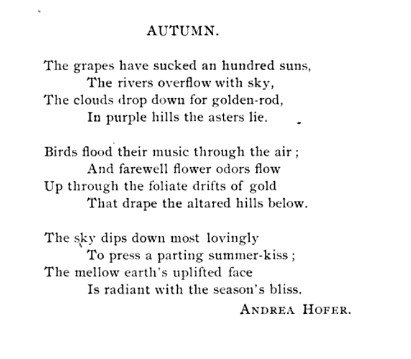
Continuing our series on the Hofer sisters of Beverly, this post presents Andrea Hofer Proudfoot (1866 – 1949), the fourth of the five sisters. Like her sisters, she was a pioneer in the kindergarten movement. She was also the poet in the family, a timely story for National Poetry Month in April.
In the mid-1880s, Andrea joined her sisters in moving to Chicago from Iowa for education and career opportunities.
Documentation of her education has not been found yet, but was likely similar to her sisters’. Theirs included attending the Chicago Kindergarten College and doing graduate work at the University of Chicago and other universities, and at least one of them, Bertha, studied in Germany at a kindergarten college run by the niece of Friedrich Froebel, the pioneer educator in the kindergarten movement. The kindergartens in the U.S. were based on Froebel’s system, and the Hofers were strong advocates of his teachings.
Andrea was a writer, and was interested in the publishing field, which she and her brothers and sisters learned about at the newspaper their father ran in Iowa.
In 1889, Kindergarten Magazine was started, offering professional articles and practical tips for kindergarten teachers. The magazine was also designed to appeal to mothers of young children. It quickly became important in the field, with well-regarded educators like Elizabeth Peabody and Francis W. Parker involved.
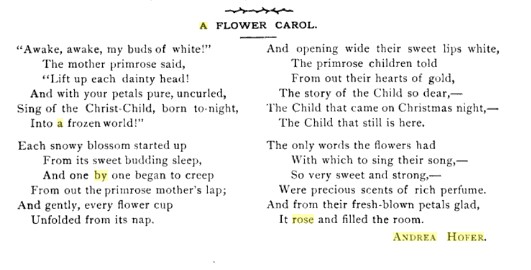
Andrea volunteered as assistant editor for Kindergarten Magazine in 1890-91, and several of her articles and poems appeared in the magazine. Examples were “Lessons in Zoology,” “Francois Delsarte – His Life Work,” “A Morning’s Talk for Froebel’s Birthday,” “Don’t Say Don’t,” and “The Labor Problem and the Child.” Her poem, “A Flower Carol,” is presented here.
Andrea also wrote articles on kindergarten that appeared in other journals, like the Northwest Journal of Education. One example in 1893 was “Kindergarten – A Little Talk on Literature for Children,” which discussed gift-book giving for children. The article started with the statement, “’There is nothing too good for the children,’ is the rule of the Kindergarten.”
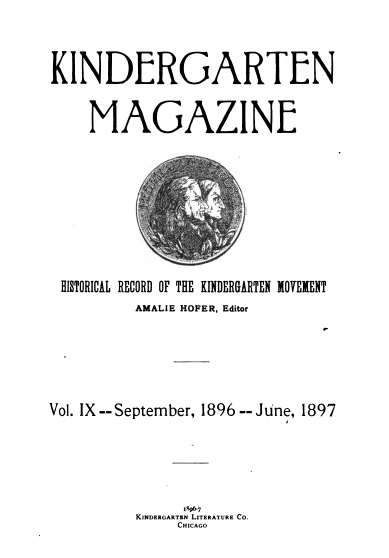
In 1892, Andrea and her older sister Amalie bought Kindergarten Magazine, and on January 1, 1893, their new corporation, the Kindergarten Literature Company, was started. They were listed as co-editors of the magazine. Their parents and other supporters contributed financially to the magazine. Andrea, Amalie, and older sister Mari Hofer, the musician in the family, all contributed significantly to the content of the magazine, and it became the premier publication in the kindergarten field.
Andrea wrote a small book, Child’s Christ Tales, with stories, poems, and illustrations about the birth and childhood of Jesus, that was published in 1892. Much of her writing had a religious theme to it.
On November 9, 1893, Andrea married Frederick William Proudfoot, a lawyer from Englewood whose practice included legal work with the Chicago Board of Trade. His younger sister, Mary Proudfoot, was a kindergarten director and art teacher who rose to some prominence in the field. Mary wrote articles for Kindergarten Magazine; one example was “Day by Day with Nature – For the Kindergarten and Primary Grades.”
One of Proudfoot’s wedding gifts to Andrea was an estate in North Beverly known as “Oakhurst.” This became the site of a kindergarten training school she founded with her younger sister, Elsa, called The Froebellian School for Young Women. In the summers, they ran the school as the Longwood Summer School.
Andrea also started an organization in Beverly called the League of American Mothers.
The next post will look at Andrea’s and Elsa’s Beverly-based operations.
The Ridge Historical Society
Women’s History Month – Part 5 on the Hofer Sisters
By Carol Flynn
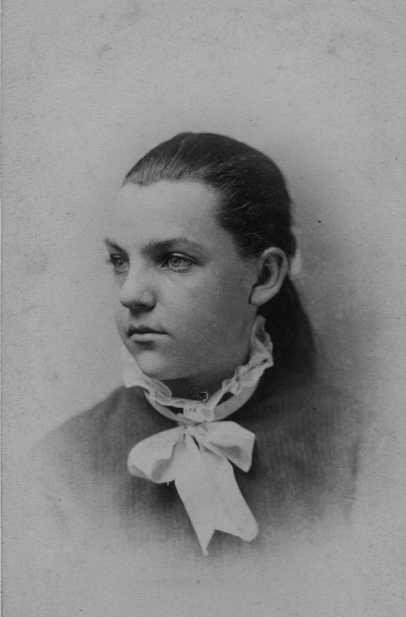
This continues the story of Amalie Hofer Jerome started in the last post.
In addition to their kindergarten endeavors, Amalie and her sisters were active members of many women’s clubs, including the Chicago Woman’s Club. In 1916, Amalie co-authored the Annals of the Chicago Woman’s Club for the First Forty Years of Its Organization 1876 – 1916, used today as the primary authority on this historically significant club.
Although women could not vote – and as expected, all of the Hofers including the parents and sons were suffragists – they were still very interested and involved in politics. Amalie was ward leader through one of the clubs.
As enlightened citizens, the Hofers paid attention to global politics. Their father had been a revolutionary in Germany, and the kindergarten movement was an international endeavor. The Hofers were progressive in their politics and advocated for international understanding and peace.
In 1905, Austrian pacifist Baroness Bertha von Suttner won the Nobel Peace Prize. In 1912, the Baroness reached out to the women of the U.S. to work for international peace. Amalie and her oldest sister Mari led the Chicago Woman’s Club to vote to invite the Baroness to come to the U.S. to present her cause to the American public. The Hofer sisters secured funding for the lecture tour from the World Peace Foundation, and helped arrange for the baroness to speak to 120 educational, civic, and church societies across the country.
In 1909, at the age of 45, Amalie married Frank Jerome, a furniture merchant. Jerome was a widower with several adult children.
Marriage did not cause Amalie to “settle down.” In fact, from 1910 to 1916, she was head resident of the Fellowship House Social Settlement at 831 West 33rd Street, in the stockyards, established in 1895 with Amalie’s help. She was active with the settlement’s women’s club, and even after stepping down as head resident, she stayed on the settlement’s board, managing the settlement house activities.
In addition to the settlement movement, which was discussed in the last post about Bertha Hofer Hegner, the kindergarten movement was closely connected to another reform movement of the Progressive Era, the playground movement.
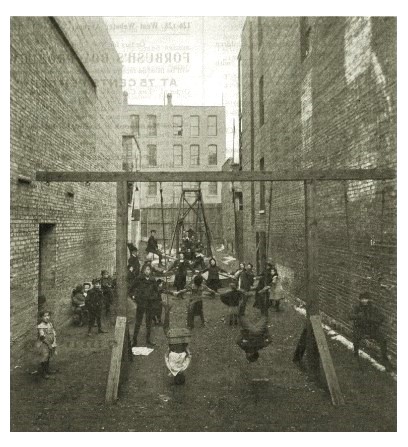
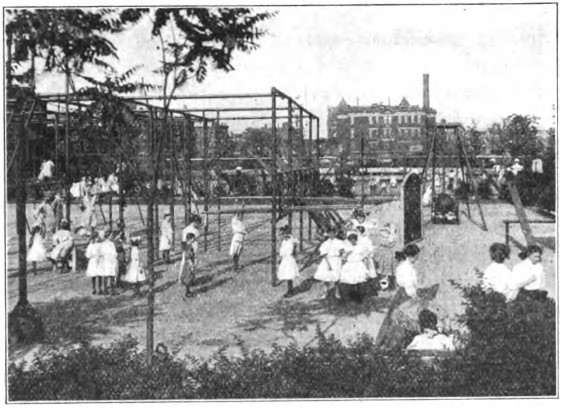
The playground movement was started in the 1890s by reformers who advocated that supervised play could improve the mental, moral, and physical well-being of children, and this expanded to include adult activities as well. City parks and playgrounds, swimming pools and fieldhouses were built, with trained play leaders and planned activities.
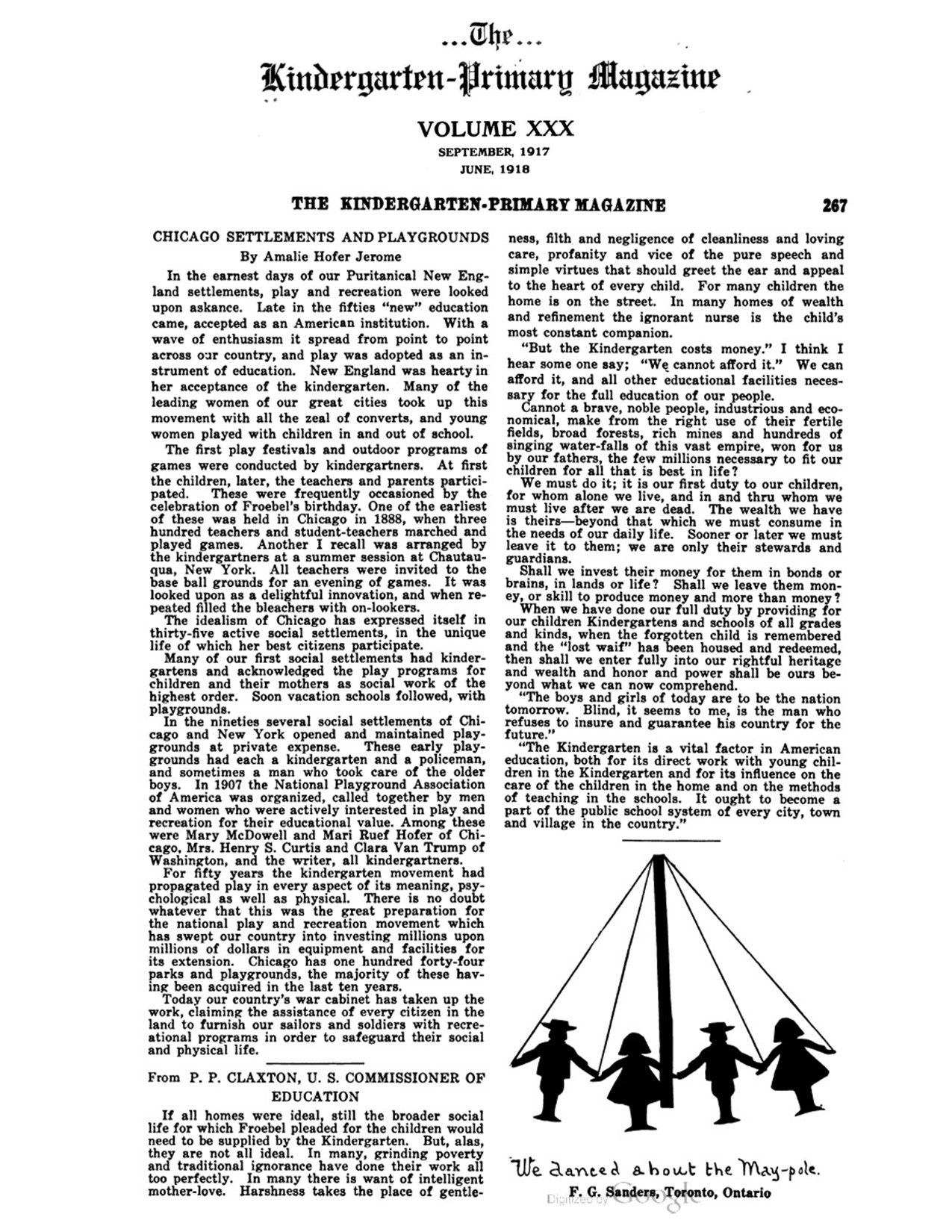
In 1907, the Playground Association of America was started, with President Theodore Roosevelt as honorary president and Jane Addams of Hull House as a vice president. Amalie and Mari Hofer were founding members. They also helped start the Playground Association of Chicago, and Amalie sat on the board of directors and was later president. She worked with people like Jens Jensen, the landscape architect for Chicago parks.
The group arranged “great play festivals” like one in Garfield Park in 1909 that featured gymnastic and athletic drills, and folk games and dances. It was attended by 30,000 people. Amalie was on the planning committee.
In 1910, Amalie published an article in The Annals of the American Academy of Political and Social Science on “The Playground as Social Center,” which became a classic in the profession.
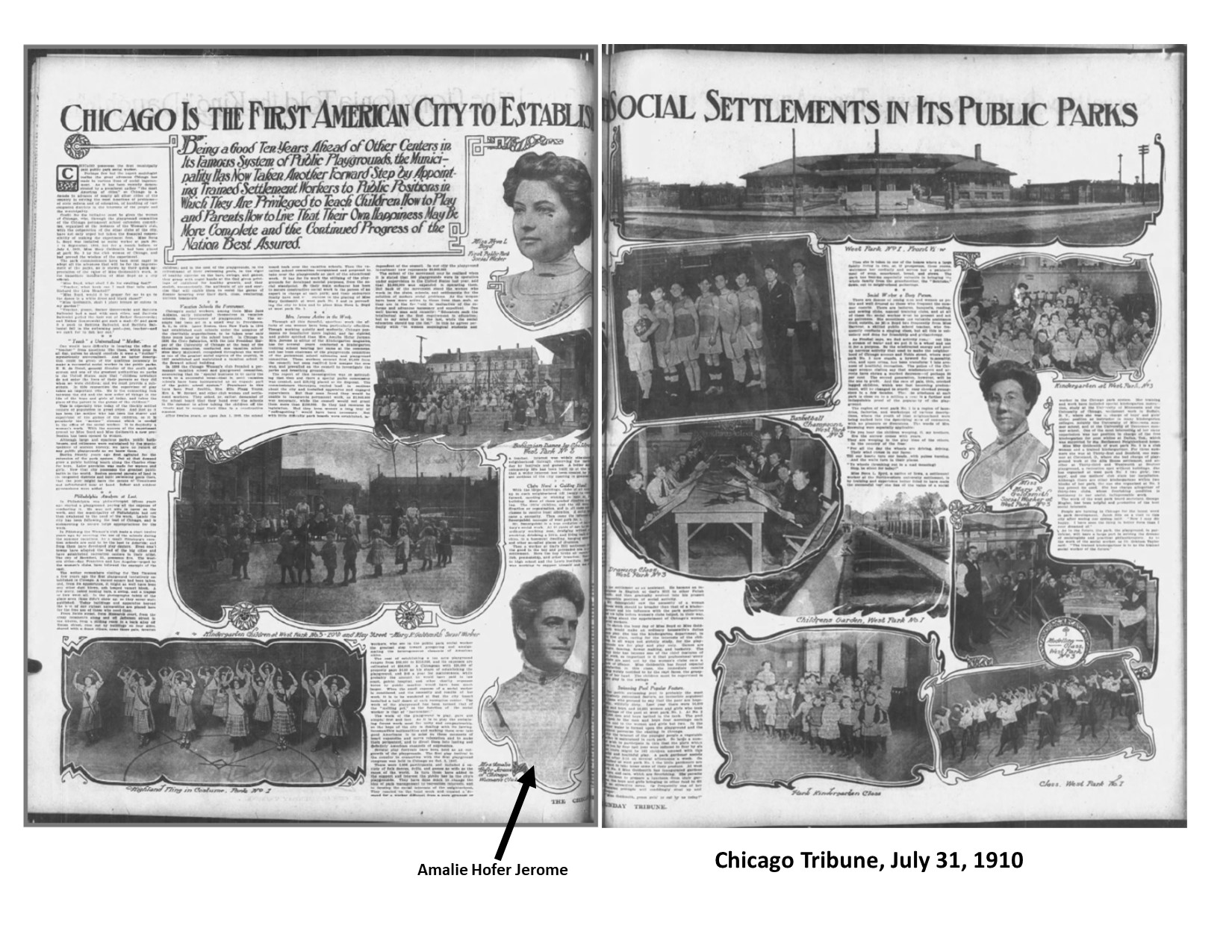
The 1910 Chicago Tribune article (quoted at the beginning of the last post) was a two-page spread on the playgrounds of Chicago, which had just hired social workers to oversee play activities, the first city in the country to do so.
In 1913, Amalie was a founder of the Civic Music Association in Chicago. For several years, in the evenings and on Sunday afternoons, free concerts and community songfests had been given in the field houses of the city’s parks by notable musicians, and the time had come to better organize the activities. There was no one more qualified to do this than Amalie Hofer Jerome.
As a leader of the Playground Association and the Chicago Woman’s Club, Amalie had been instrumental in arranging the concerts. She now took on the role of chairman of the executive committee of the new organization. With her guidance, numerous groups, such as the Northwestern University choir and the Illinois Theater orchestra, provided free concerts in the parks, bringing enjoyment of the arts to groups of people who could not afford pricey concert tickets.
In her role with this music association, Amalie was named an honorary vice president for the lighting ceremony for the first Chicago municipal Christmas tree in 1913. The 35-foot tree on a 40-foot base was set up just north of the Art Institute and was covered with electric lights donated by the Commonwealth Edison Company. Over 100,000 people attended that first lighting ceremony.
People like the Hofers never really “retire,” and Amalie continued her work well into her senior years. As an example, in 1929, as a member of the Board of Directors of the Park Ridge School for Girls, she presided at the ceremony for the corner-stone laying for a new dormitory designed by Beverly architect John Todd Hetherington.
The Hofers have a family burial plot in Mount Hope Cemetery on 115th Street, and Amalie and Frank Jerome were laid to rest there.
Next posts: The youngest Hofer sisters, Andrea and Elsa.
The Ridge Historical Society
March: Women’s History Month – Part 4 on the Hofer Sisters
By Carol Flynn
“Through all this forceful, excellent work the efforts of one woman have been particularly effective. Though working quietly and modestly, Chicago possesses no benefactor more logical, and far sighted, and public spirited than Mrs. Amalia Hofer Jerome. Mrs. Jerome is editor of the Kindergarten magazine, has for several years conducted a kindergarten training school bearing her name at the commons, and has been chairman of the playgrounds committee of the permanent school extension.”
– Chicago Tribune, July 31, 1910
This accolade was written for the third Hofer sister, Amalie, who with her four siblings, became a leader in the kindergarten, settlement, and playground movements, well beyond the borders of Chicago.
Oldest sister Mari was a recognized expert in music education and programs; second sister Bertha was a renowned educator and administrator.
Amalie Hofer Jerome (1863-1941) was most associated with publishing, speaking, and playgrounds, as well as being an educator.
Amalie learned about the publishing trade from working with her father at the family’s newspaper in Iowa. All eight children were involved in running the newspaper. Her three brothers moved to the West coast and started newspapers of their own. Amalie and her younger sister Andrea moved to Chicago and published materials for the kindergarten profession.
Like her sisters, Amalie came to Chicago to further her education and career. She graduated from the Chicago Kindergarten College, the program conducted by Elizabeth Harrison, and took graduate classes at the University of Chicago.
Amalie went to work as an instructor in the kindergarten department of the Armour Institute, now the Illinois Institute of Technology.
In 1892, the Hofer sisters took over as editors of the floundering Kindergarten Magazine, started around 1886. They revitalized the publication, which offered scholarly articles, book reviews, detailed reports of presentations at education conferences, and sharing of information from kindergarten programs around the globe. It was the only magazine of its kind, and the leaders of the kindergarten and other social movements contributed to it. Articles covered everything from psychology and international education politics to ideas for classroom crafts and holiday parties.
The sisters set up their own publishing company, the Kindergarten Literature Company, with an office downtown, and also started a magazine for children and mothers called Child Garden of Story, Song, and Play. Hofers ran these magazines for over ten years.
One newspaper described all of the Hofer sisters as “deep and clear thinkers” having “great energy and enterprise.” They often worked together but they also all had their own careers and interests. Amalie seemed to be everywhere at once. Listing all of her accomplishments is not possible, but here are a few highlights.
Amalie found time to be principal of her sister Bertha’s training school for kindergarten teachers, started at the Chicago Commons Social Settlement. She taught at the prestigious Chatauqua Summer Schools for teachers in New York. She taught at the Summer School of the South in Knoxville, Tennessee, with sister Mari. She was the U.S. delegate to the Paris Educational Conference. She was a member of the Publications Committee of the Western Drawing Teachers’ Association and spoke at their annual meetings. She was a leader of a PEO in Illinois.
During the annual meeting of the National Education Association in 1892, a group of kindergarten professionals proposed the formation of an organization to focus on the interests of this growing area of practice, and to work on programs for the 1893 Columbian Exposition in Chicago. The International Kindergarten Union was started, and Mari, Bertha, Amalie, and Andrea Hofer became charter members. Amalie later served as president.
Amalie took a four-month trip around the world to visit kindergartens in other countries. She visited Cuba, the Hawaiian Islands, Japan, China, India, Egypt, the Philippines, Italy, France, and England. Upon her return, she gave “delightfully interesting and educational talks” on her travels. Throughout her career she was a frequent presenter and author of articles, known for her practical and engaging approach.
Next post: More on Amalie Hofer Jerome.