
Explore the RHS Facebook Archives, a rich repository of local history written by Carol Flynn. For two decades, Carol brought a deeply dedicated voice to public education at RHS. Her role as Facebook administrator through mid-2025 naturally extended her prolific research into meticulously detailed articles, most notably her multi-part historical series posts. Today, Carol continues her local history writing for The Beverly Review and other outlets.
Local Architecture
From the Ridge Historical Society: The Chicago Tribune has an article today about a charming historic building in Lincoln Park now destined for demolition. Every time this happens, we lose a little piece of history.
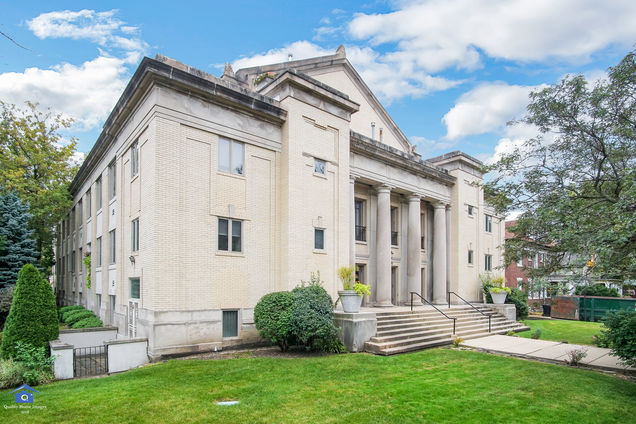
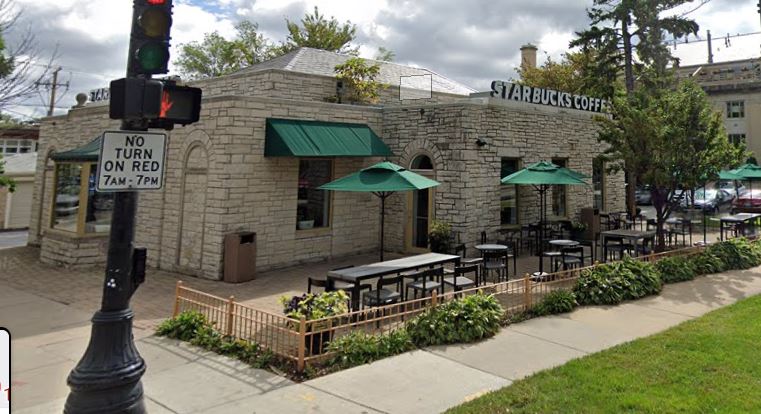
Many historic buildings in Beverly/Morgan Park fell to the wrecking ball over the years, but there is one example of "adaptive reuse" we can point to with pride – the saving of the Christian Science church and reading room on 103rd and Longwood Drive.
The Thirteenth Church of Christ, Scientist, was founded in Beverly in 1914. The congregation built an impressive neoclassical building in 1916. In 1940, the Reading Room was built on the corner just north of the church. Christian Science Reading Rooms are bookstores and quiet places for study and prayer.
The congregation dwindled with time, and by the late 1980s, the church was barely being used. A creative solution for repurposing the church was suggested: converting the interior into condo units. In 1992, the Bell Tower Loft Condominiums went on the market. The external façade of the building was preserved.
The congregation continued the Reading Room for over another decade, remodeling it to also use as a church. In 2006, the building was sold, and now there is a Starbucks coffee shop on site. The interior was remodeled but the exterior retains the original look.
This is the Tribune article about the building closing in Lincoln Park: https://www.chicagotribune.com/columns/mary-schmich/ct-met-schmich-dairy-teardown-20200513-ay6x45og3bejlgme3zjeertmbu-story.html?fbclid=IwAR2MS9KYKEfjy0K6WtReXFgapl8iQy6bG0AGZzpA2ksMhhQMHqtBnd2QM_4
The attached pictures are of the church-turned-condos and the reading room-turned-coffee shop at 103rd and Longwood Drive.
From the Ridge Historical Society: The Chicago Tribune has an article today about a charming historic building in Lincoln Park now destined for demolition. Every time this happens, we lose a little piece of history.
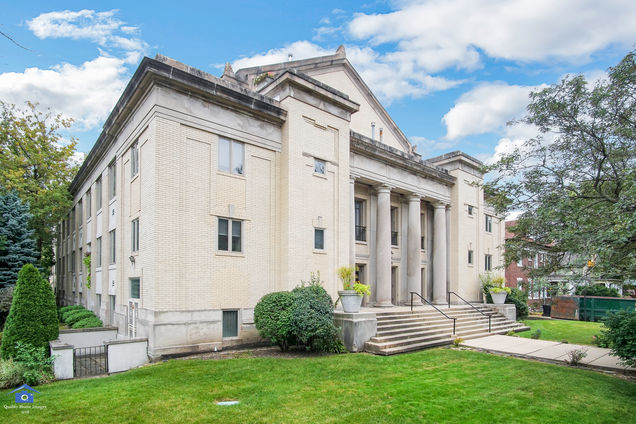
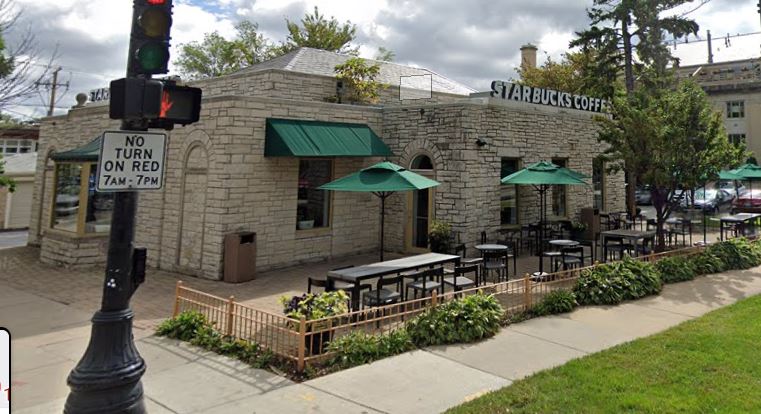
Many historic buildings in Beverly/Morgan Park fell to the wrecking ball over the years, but there is one example of "adaptive reuse" we can point to with pride – the saving of the Christian Science church and reading room on 103rd and Longwood Drive.
The Thirteenth Church of Christ, Scientist, was founded in Beverly in 1914. The congregation built an impressive neoclassical building in 1916. In 1940, the Reading Room was built on the corner just north of the church. Christian Science Reading Rooms are bookstores and quiet places for study and prayer.
The congregation dwindled with time, and by the late 1980s, the church was barely being used. A creative solution for repurposing the church was suggested: converting the interior into condo units. In 1992, the Bell Tower Loft Condominiums went on the market. The external façade of the building was preserved.
The congregation continued the Reading Room for over another decade, remodeling it to also use as a church. In 2006, the building was sold, and now there is a Starbucks coffee shop on site. The interior was remodeled but the exterior retains the original look.
This is the Tribune article about the building closing in Lincoln Park: https://www.chicagotribune.com/columns/mary-schmich/ct-met-schmich-dairy-teardown-20200513-ay6x45og3bejlgme3zjeertmbu-story.html?fbclid=IwAR2MS9KYKEfjy0K6WtReXFgapl8iQy6bG0AGZzpA2ksMhhQMHqtBnd2QM_4
The attached pictures are of the church-turned-condos and the reading room-turned-coffee shop at 103rd and Longwood Drive.
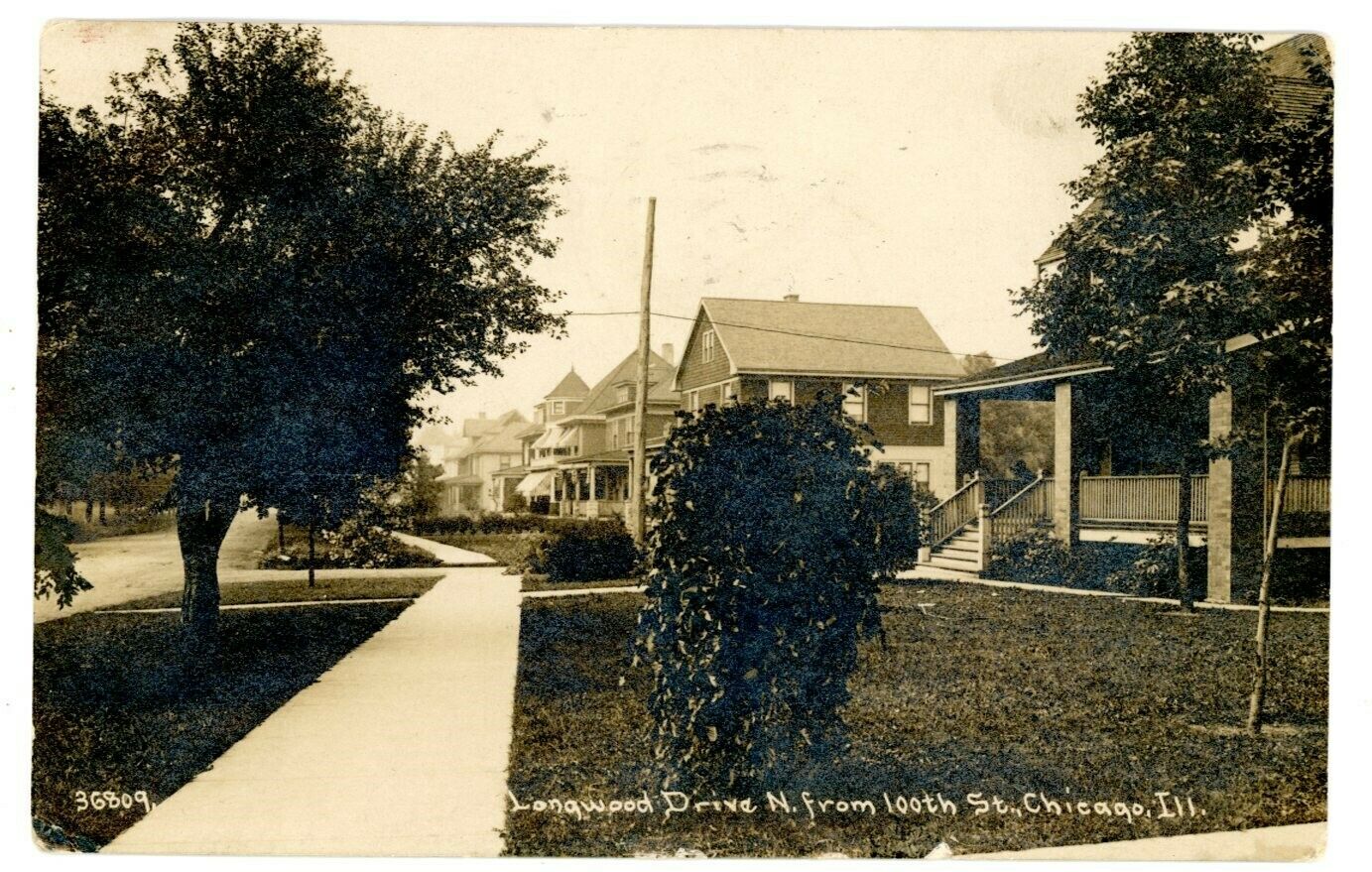
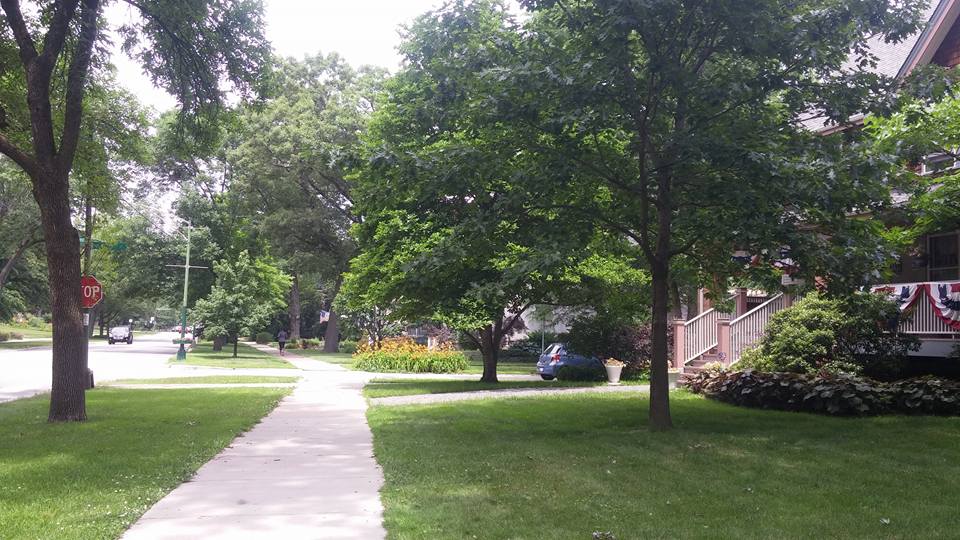
Time for another real picture postcard (RPPC) scene, then and now. This is standing about two houses in on 100th Street and Longwood Drive, east side of street, looking north. Looks like most of these houses are still there – the post card is probably ca. 1910. But there are so many trees (good!!) you can't really see the houses. We'll have to do this again in the fall/winter.
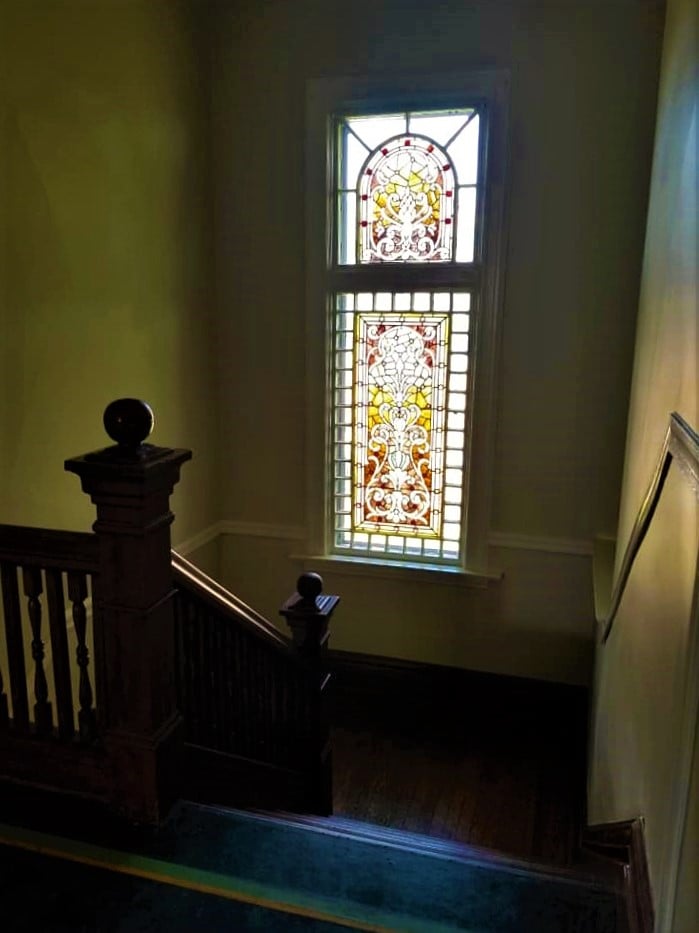
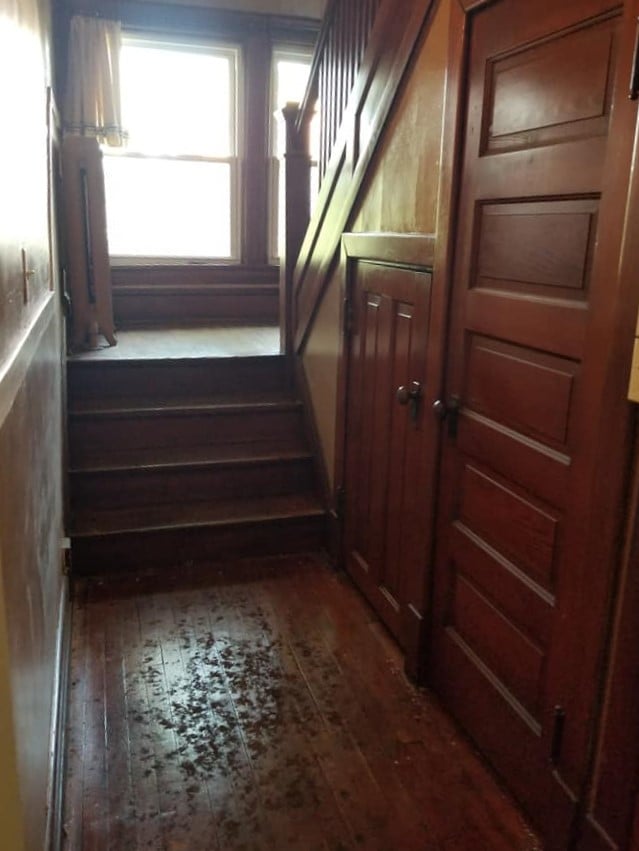
We had a nice visit today to a historic home we are helping to research. I will write more about this at a later date. But these are two pictures I took that I like – they capture some of the best historic features plus they are rather dramatic. But the house is not at all dark and ominous – in fact these are more of an aberration than the norm for this house.
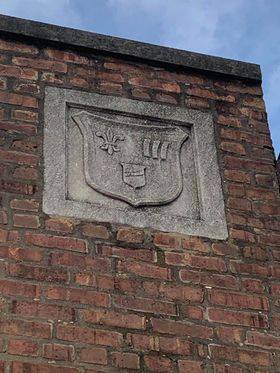
Do we have anyone out there who is into coats of arms and other heraldic crests? Homeowners on the Ridge have asked for some help in identifying this crest which is on their newly-purchased home. From the little bit of research RHS has done on the house, it appears to have been built in 1939 and the first owner was named Underhill, of Canadian-English Protestant descent, and he was a foreman at the steel mills. Any ideas? Family crest? Related to the steel industry? Some other organization? Later owners included King, McCarthy and McElroy, all Catholic.
The Ridge Historical Society
Chicago Landmarks
By Carol Flynn
Everyone will have their favorite landmarks in Chicago to go on a list like this one. And while I agree these are all interesting sites, not all of them would be in my top five.
These would be my choices:
Pullman Historic area – included in the list, definitely one of the most historically fascinating and important areas in the city.
The Chicago Water Tower at 806 North Michigan Avenue.
The Robie House by Frank Lloyd Wright at 5757 S. Woodlawn Avenue.
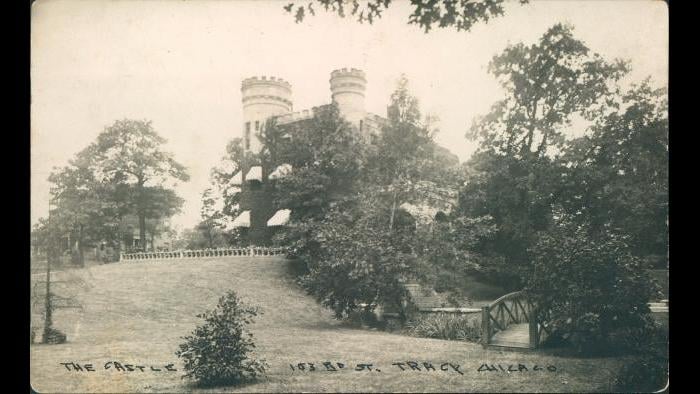
The Givins Beverly Castle at 103rd and Longwood Drive. This is the ONLY castle in the city!
The final one is up for grabs – there are so many interesting places to choose from. Cemeteries like Graceland or Oak Woods. Sculptures like Lorado Taft’s Fountain of Time. Lincoln Park or Grant Park or Jackson Park. The Cultural Center, the Tribune Tower, Sears (Willis) Tower. The old Stockyards Gate. The Haymarket monument. Buckingham Fountain. On and on.
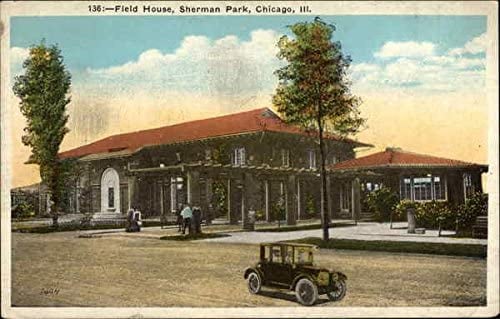
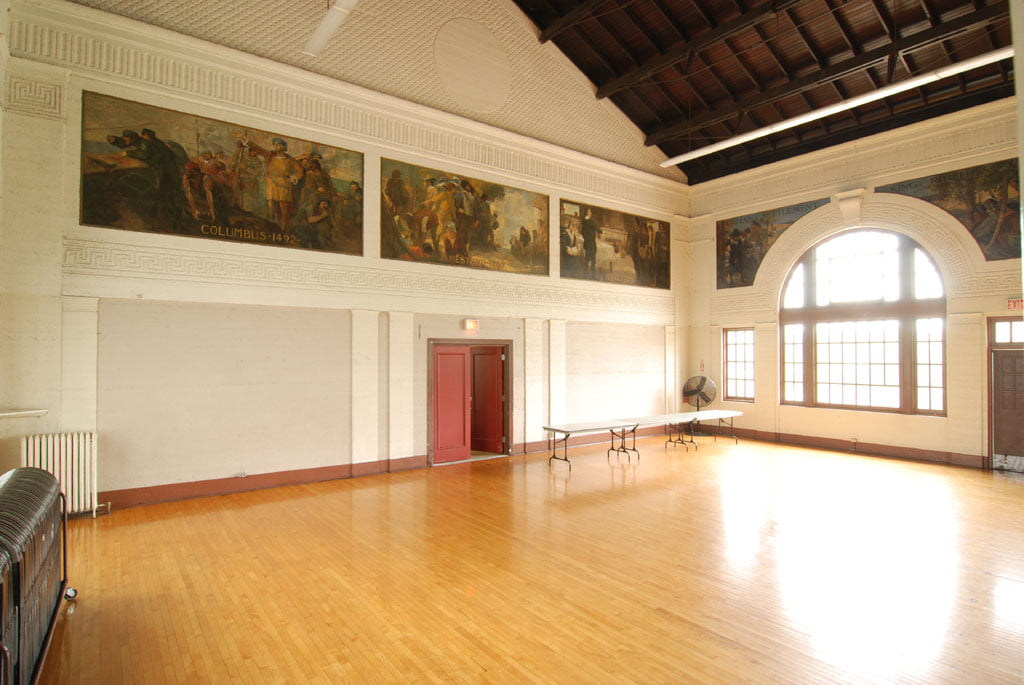
The original list includes a building in Garfield Park. A number of parks have very important old buildings. Sherman Park’s field house was designed by the famous Daniel Burnham. The park is named for Burnham’s father-in-law, John B. Sherman, the founder of the Chicago Union Stockyards. The landscaping was done by Frederick Law Olmsted. In addition, the Sherman Park field house also has priceless murals completed during the 1930s through the Works Progress Administration (WPA). (Sherman also owned much of the land that is now Dan Ryan Woods and used the land for an experimental stock farm. After his death, the land was eventually sold to Cook County for the forest preserves.)
I am not up on industrial design like the bridge they mention in this article, but there are numerous bridges and industrial design elements for people to choose from – I will let others comment on that.
https://kevsbest.com/landmarks-in-chicago/amp/?fbclid=IwAR2pDDA57BWfo9jsJ7QGZRZe1RODUcWADU3mynJNSi8pIcse-sMgKeEPRtU
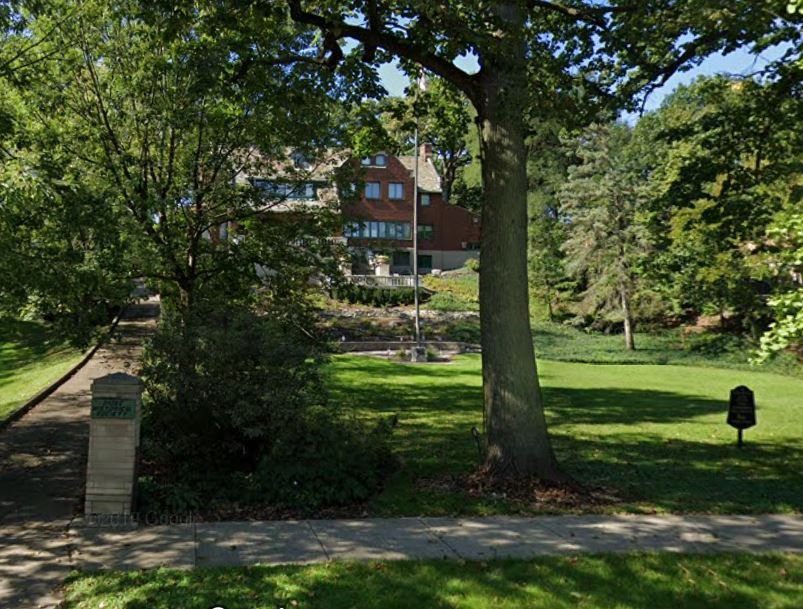
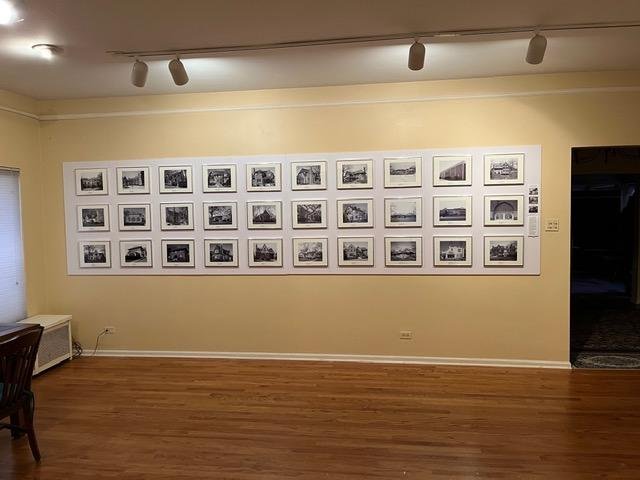
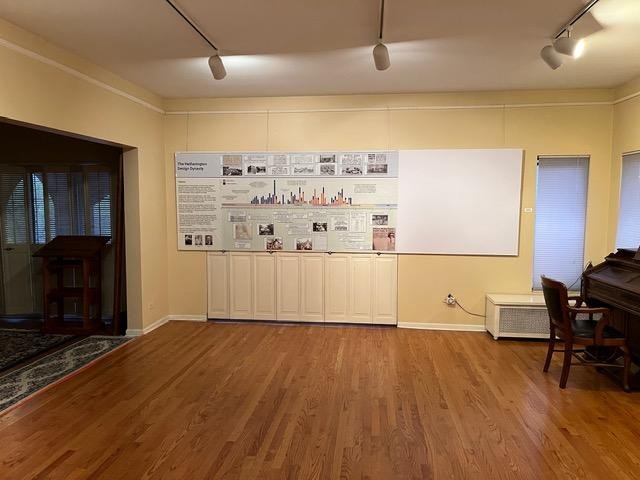
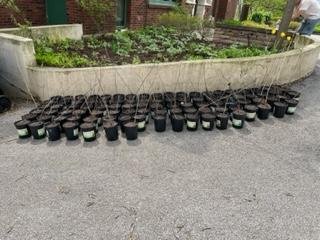
Tomorrow is the big day! The Beverly Area Planning Association Home Tour kicks off at the Ridge Historical Society (RHS) at 12 noon!
This is an annual event that has gone on for decades, showcasing the wonderful and unique architecture of the Beverly community. This year, because it is the 100th birthday of the Graver-Driscoll House, RHS’s headquarters, the houses on the tour are all “Hetheringtons,” that is, designed by the architecture family dynasty started by John Todd Hetherington, who designed the Graver-Driscoll House. Beverly residents John Todd, and his son and grandson designed upwards of one hundred buildings in the community. In addition to the Graver-Driscoll House, five more buildings will be on the tour.
RHS will premier a new exhibit on Sunday on the Hetherington family and their contributions to the community, and on the Graver-Driscoll House. Here are just a few photos of the exhibit being set up – photographs by Mati Maldre and displays by Tim Blackburn, Carol Flynn and Linda Lamberty. And this was just the beginning – there is a wealth of NEW information that will be shared!
Also at RHS, we will be giving away oak tree saplings. The community is losing its old growth oak trees to old age. Much of the historic tree canopy for which Beverly/Morgan Park is famous will be gone in the next 30 to 50 years. It’s not too late to start reversing this decline by planting trees NOW.
Tickets are still available online or in person tomorrow. All the details can be found at https://bapa.org/home-tour/?
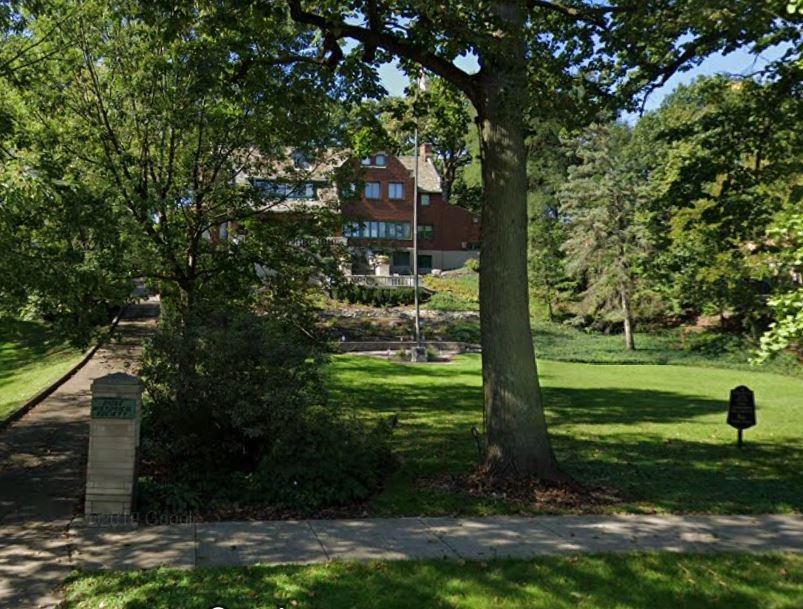
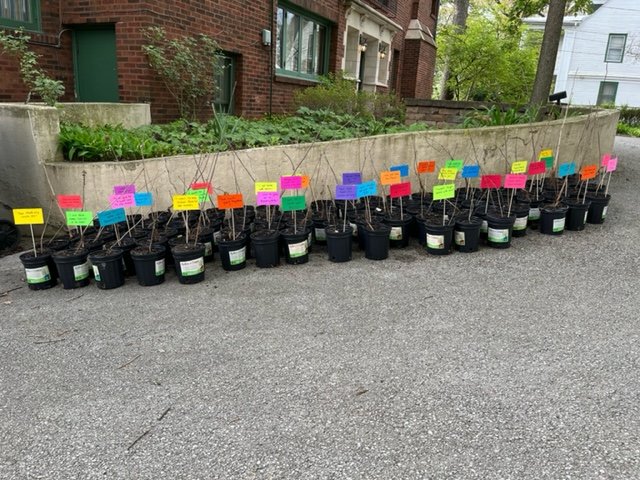
Today's the day! The BAPA House Tour is finally here!! Starts at 12 noon at the Ridge Historical Society, 10621 S. Seeley Avenue. You can buy tickets at the door, and tour five residences designed by the famous Hetherington family of architects.
You have until 3 p.m. to purchase tickets and until 5 p.m. to tour the facilities. For information, visit the Beverly Area Planning Association Association website at: https://bapa.org/
You can also pick up an oak tree ready to be planted on your own property to help preserve the tree canopy in the Chicago area. Old growth oak trees are dying off on the Ridge and need to be replaced.
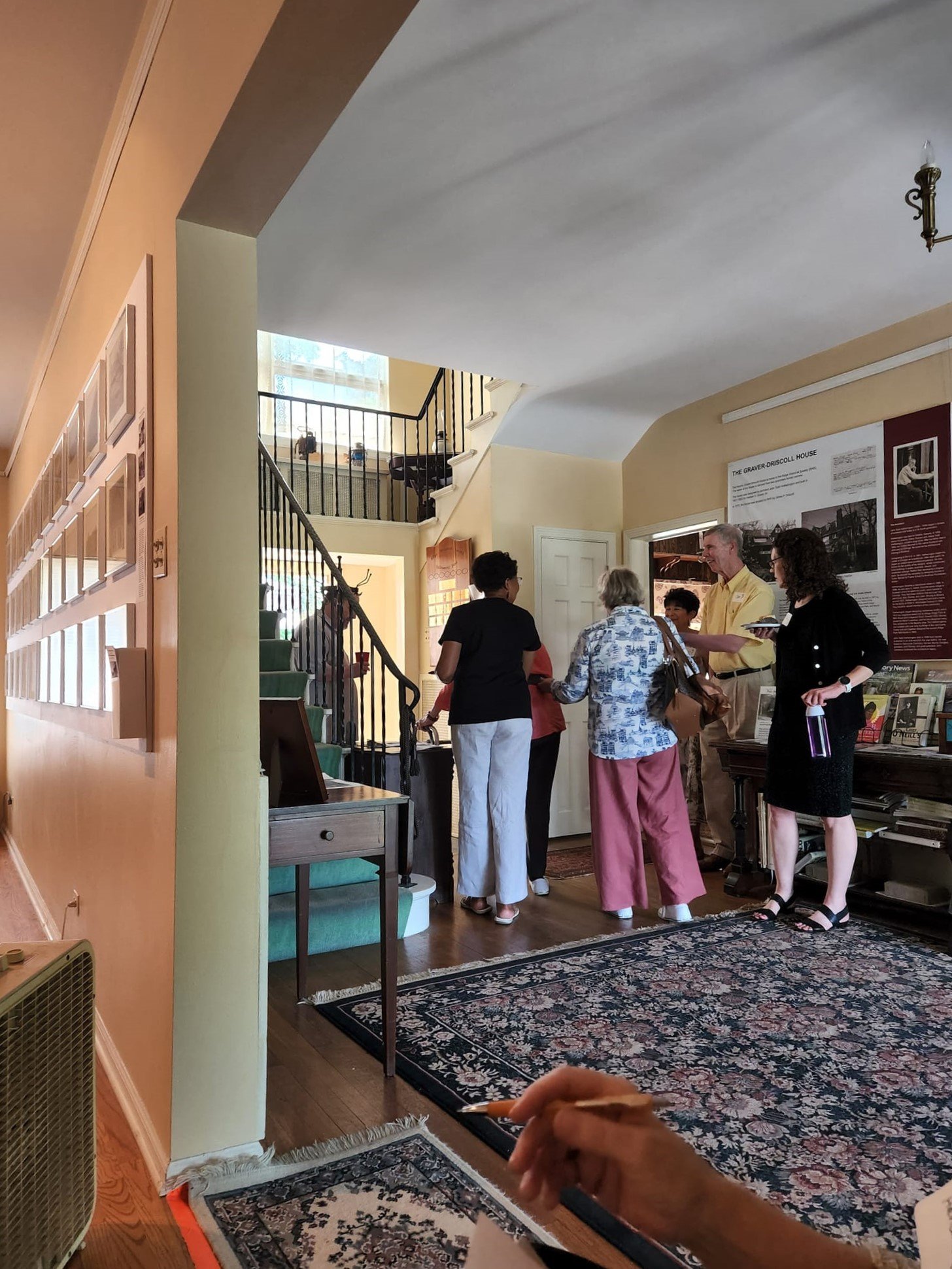
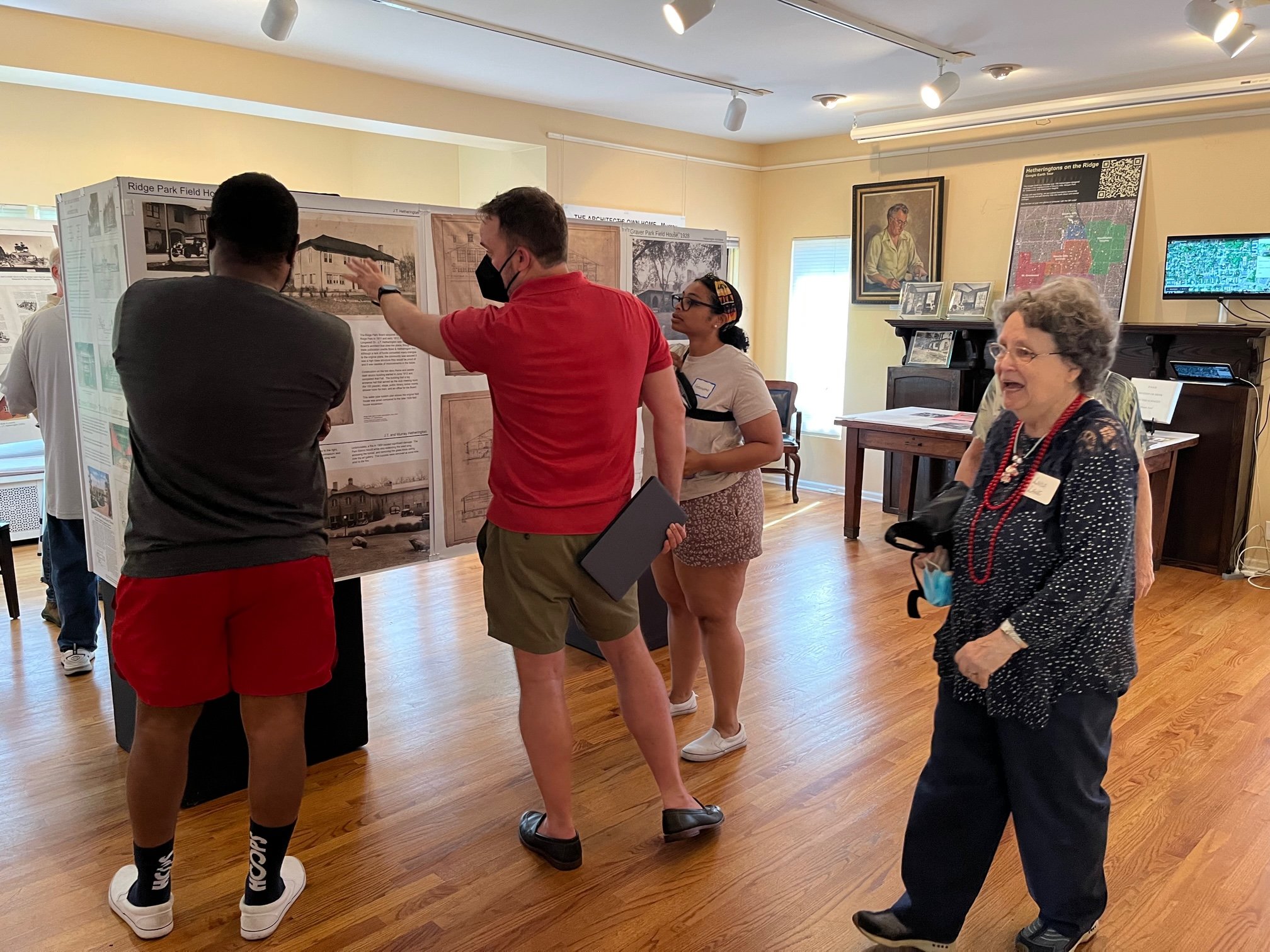
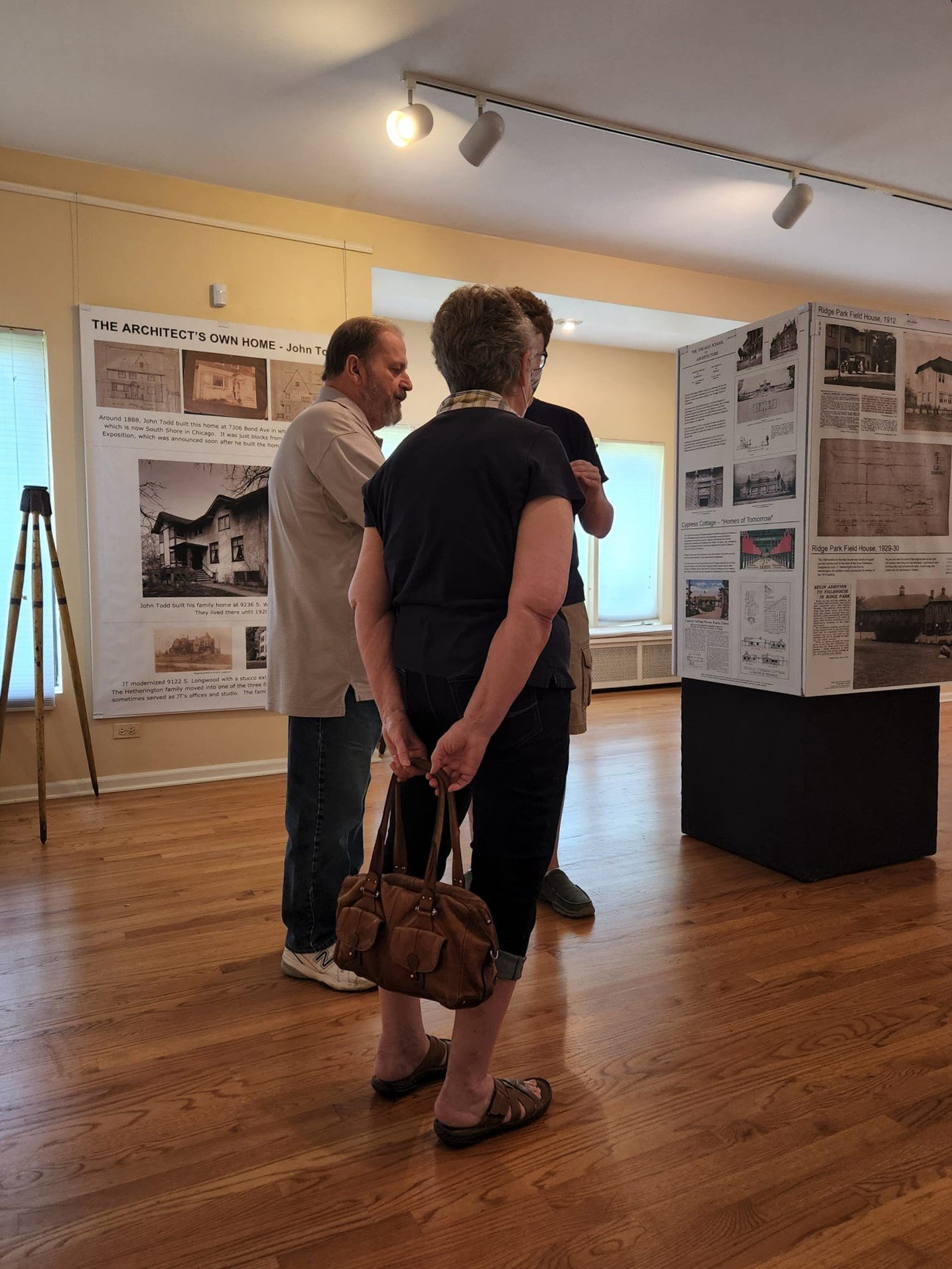
The exhibit celebrating the Hetherington family of architects drew visitors at the 50th anniversary party for the Ridge Historical Society. The Graver-Driscoll House, RHS's headquarters, designed by John Todd Hetherington, celebrates its 100th anniversary this year. Photos by D. Nemeth and C. Flynn.
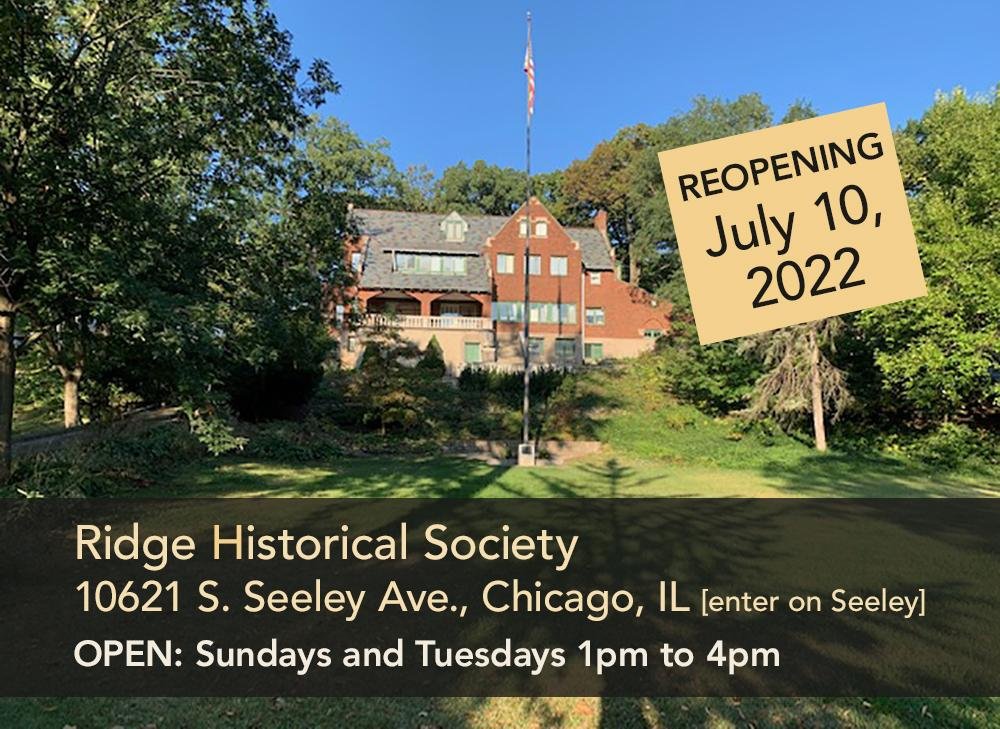
The Ridge Historical Society announces new OPEN HOURS for the public! Beginning this Sunday, July 10, 2022, RHS will be open on Sundays and Tuesdays from 1:00 p.m. to 4:00 p.m. All are welcome, no admission fee.
Enter the RHS grounds from the Seeley Avenue side – 10621 S. Seeley Avenue. There is limited parking by this entrance. Note that the Graver-Driscoll House is not air-conditioned or wheelchair accessible.
The current exhibit is on the Hetherington Family of Architects and their outstanding contributions to the community.