
Explore the RHS Facebook Archives, a rich repository of local history written by Carol Flynn. For two decades, Carol brought a deeply dedicated voice to public education at RHS. Her role as Facebook administrator through mid-2025 naturally extended her prolific research into meticulously detailed articles, most notably her multi-part historical series posts. Today, Carol continues her local history writing for The Beverly Review and other outlets.
Local History
Ridge Historical Society
Woman’s Equality Day
By Carol Flynn
Woman’s Equality Day has been an annual event in the U.S. on August 26 since President Richard Nixon issued a proclamation in 1972. The day started as “Women’s Rights Day.”
August 26 was chosen as the date because the Nineteenth Amendment to the U.S. Constitution, which states that “The right of citizens of the United States to vote shall not be denied or abridged by the United States or by any State on account of sex,” was signed into law that day in 1920.
Tennessee’s ratification of the Amendment a few days before had secured the required support from the states to finally grant the right to vote to the twenty-seven million women in the country. The official letter from Tennessee certifying ratification was sent by train to Washington, D.C.
The train was due to arrive shortly after midnight, and Secretary of State Bainbridge Colby promised to stay up late to receive the letter and officially proclaim the amendment as law. However, the train was delayed, and when the letter had not been delivered by 3:00 a.m., Colby went to bed. Even the women suffragists who had been on watch all night finally turned in.
Later that day, the proclamation was made. President Woodrow Wilson declared it the day that “the men and women of America are on an equal footing, citizens all.”
The ratification of the Nineteenth Amendment was somewhat anti-climactic for the women of Chicago, who had won limited voting rights in Illinois in 1913. It did give new purpose to those working for election of women to Chicago’s City Council.
In 1922, the Illinois League of Woman Voters advocated for a “fifty-fifty” rule, that is, half the Chicago aldermen should be women. One hundred years later, that goal has still not been met. Today, seventeen of the fifty aldermen are women.
The first women candidates for Chicago aldermen were on the ballot in 1914. Four were from the Socialist Party and three from the Progressive Party. Two others from the Democratic party had lost in the primaries. None of the women were elected.
The first women aldermen, Anna Langford and Marilou McCarthy Hedlund, were not elected to the Chicago City Council until 1971. Langford was an African American attorney and civil rights activist from Englewood; Hedlund was a white newspaper reporter from Edgewater. Both were Democrats.
In the nineteenth ward, which includes Beverly, Mount Greenwood, and some of Morgan Park, the first woman to be nominated for alderman from a major party was Margaret Norman White, who ran as the Republican candidate in 1959. She lost to the Democratic incumbent, Thomas Fitzpatrick.
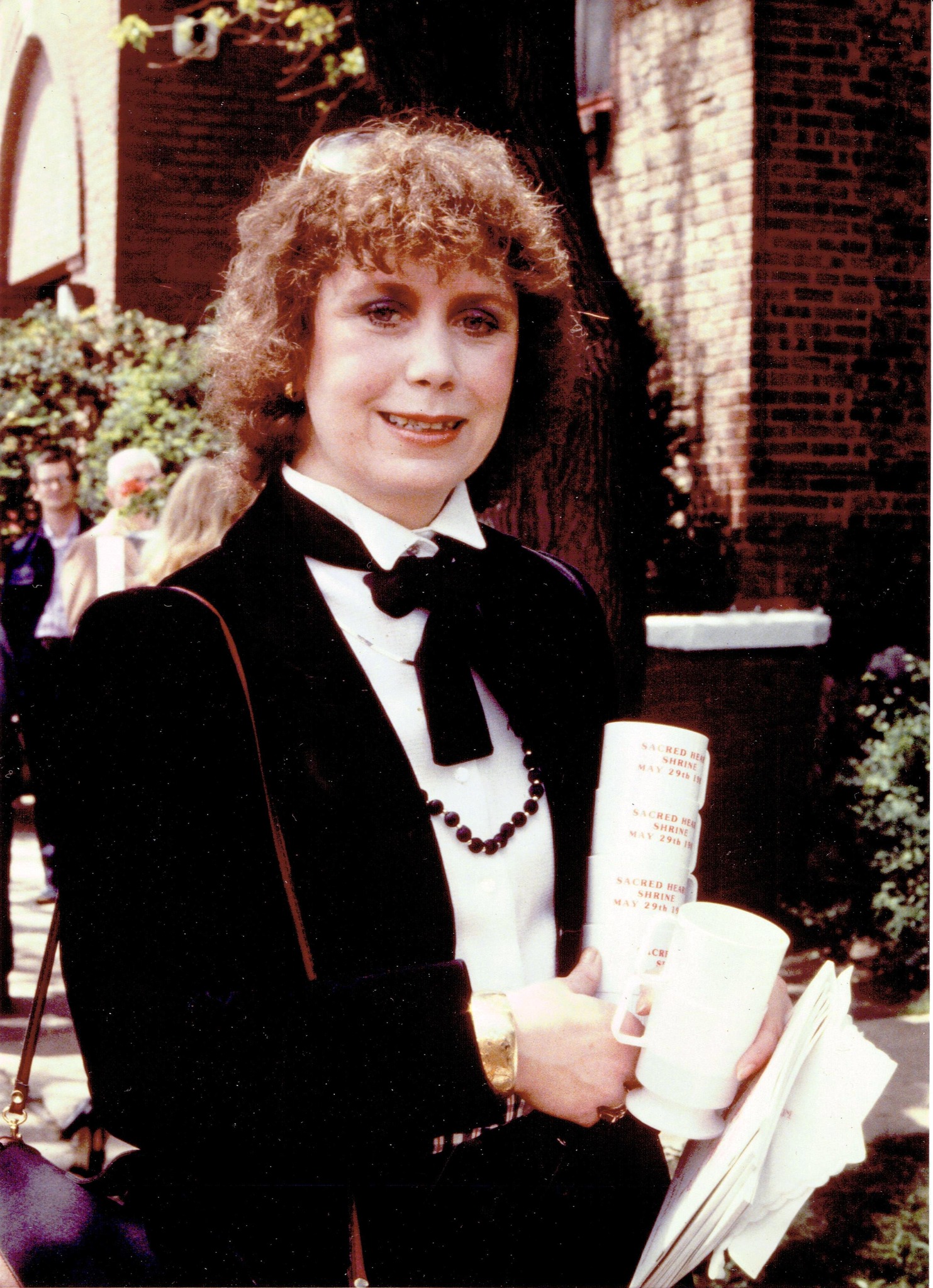
It would be another twenty years before the nineteenth ward saw a second woman candidate, Mary Quinn Olsson, who ran in 1979. Although a strong Democrat, Olsson ran as an Independent because the official Democratic Party backed Michael Sheahan that year. Sheahan won the election.
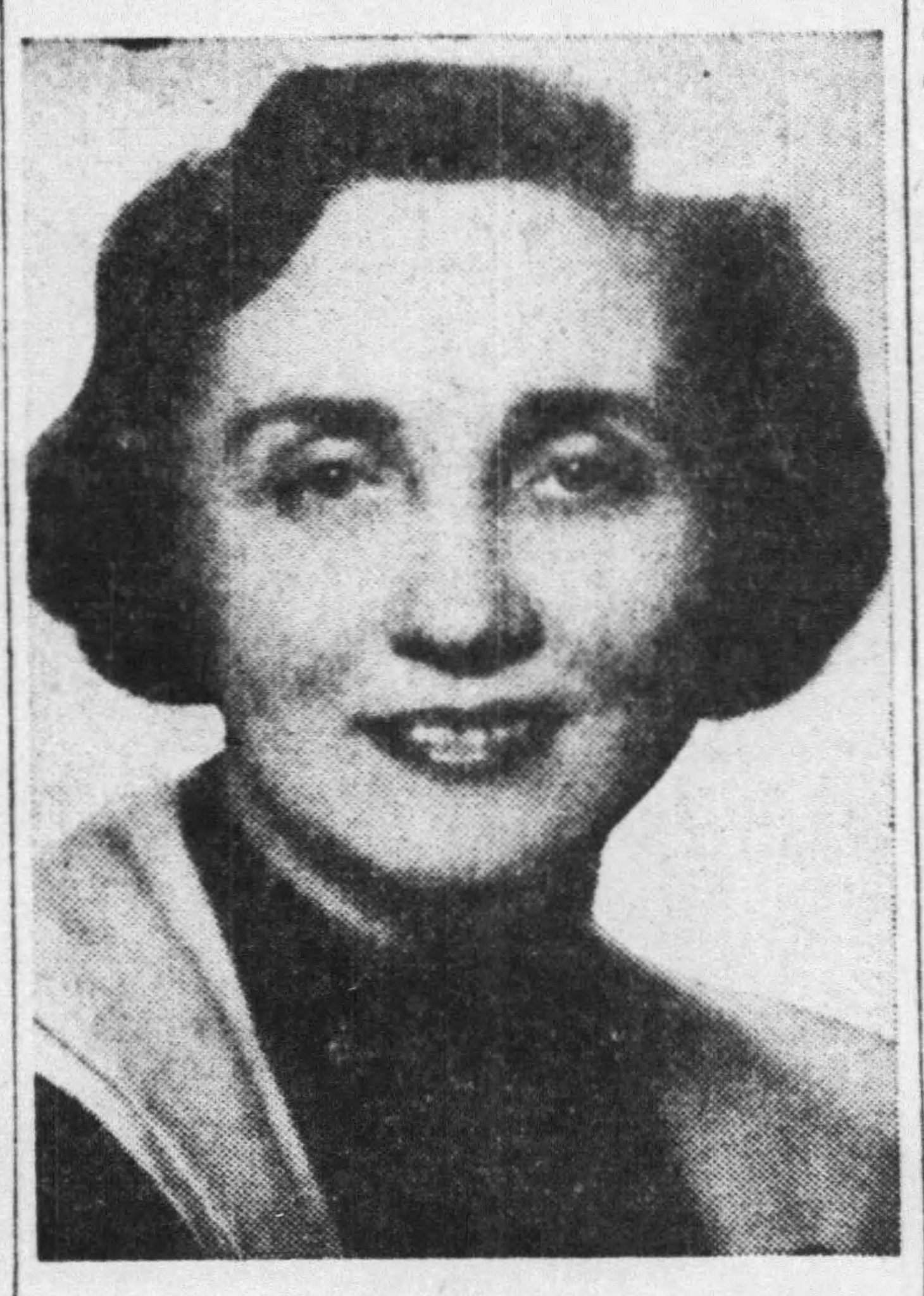
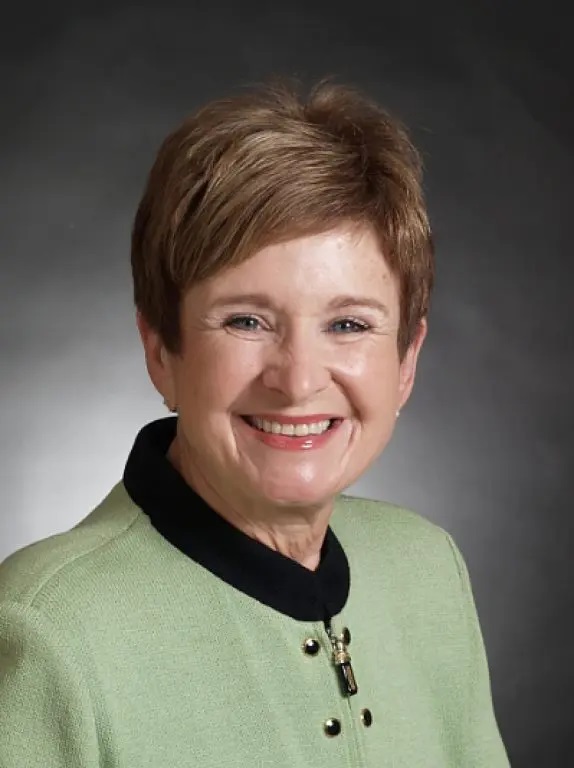
Sheahan served from 1979 to 1990, when he was elected to the position of Cook County Sheriff. Richard M. Daley, who had won election as Mayor in 1989, appointed Virginia “Ginger” Meares Rugai to fill the nineteenth ward alderman vacancy, making Rugai the first woman to represent any portion of the Ridge on the City Council. She won re-election in 1991, and served as alderman until 2011.
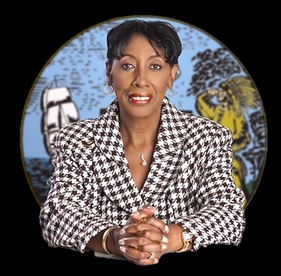
Since that time, other women have also represented parts of the Ridge on the City Council. These are Lona Lane in the eighteenth ward, and Carrie Austin in the thirty-fourth ward. Both were appointed to their positions by Mayor Daley and went on to be re-elected.
Lane served from 2006 to 2015. Austin has served since 1994 and has announced her retirement at the end of this term.
The Ridge Historical Society
Fourth of July 1922
By Carol Flynn
The Ridge was busy with everyday life as the Fourth of July approached one hundred years ago.
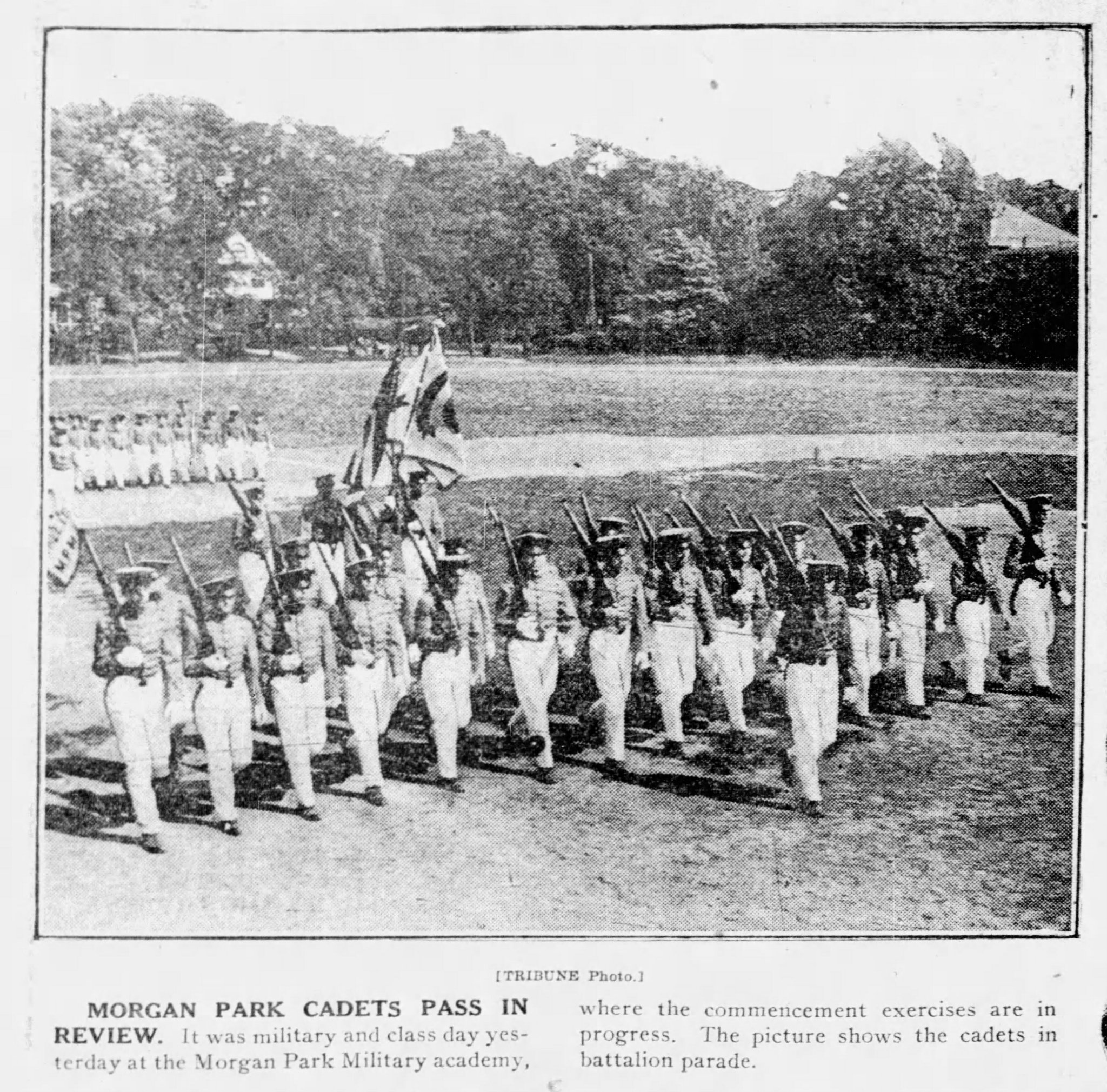
School had come to an end for the summer and graduation exercises had taken place. A picture of the cadets at the Morgan Park Military Academy parading in formation appeared in the Chicago Tribune.
Betty Frances and Irma Permelia Palmer of 96th Street gave a “good-bye before vacation” party for their schoolmates. Their mother was Pauline Palmer, the local correspondent for the Englewood Times newspaper for many years, and it was she who reported the neighborhood news in the 1920s.
Classes from the local schools enjoyed picnics in the Beverly Woods [which hadn’t been renamed the Dan Ryan Woods yet].
Tammie A. Wilcox, a teacher at the Vanderpoel School, received a Master’s degree from the American Conservatory of Music.
Newly ordained priest Father Lester Lyons of 98th and Winston celebrated his first solemn Mass at St. Margaret of Scotland Church. The “beautiful and uplifting service” was followed by “a sweet after-service” enjoyed by his relatives, friends, classmates and admirers.
Graduating college senior William G. “Bud” McCaw of 98th and Longwood was awarded the western conference medal by the Indiana University faculty for his scholarship and athletic record. He maintained a “B” average while earning his college letter “I” in football.
College students returned home for the summer. The Fitch family of 94th and Pleasant traveled to Ohio to collect sons Donald and James from Denison University. Katherine Hodges of 97th and Vanderpoel was home from Rockford College.
There were the usual illnesses and injuries. The little Kennicott son of 113th and Lothair was recovering from diphtheria. Miss Charlotte Slater had an operation for appendicitis at St. Luke’s Hospital. Mrs. Roy Baxter and her sister were badly cut and bruised when their automobile was smashed into at 103rd and Longwood. They were grateful to their neighbors Mr. Heffernon and Mr. Davis for coming to their assistance.
Folks made summer trips. Charles Lacklore of 111th and Longwood was in Seattle to visit his mother. Mr. and Mrs. Harry Mikesell were in Sturgeon Bay, Wisconsin. Dr. J. H. DeLoach went to Georgia on business. Mrs. Bulkley visited St. Louis and upon her return her daughter and son-in-law were planning to stay with her for the summer.
June weddings were popular. Gertrude Kilian and Charles Sikes had their wedding supper at the community center on 103rd Street, followed by a dance at Valentine’s hall at 103rd and Charles St. Marion Grozier married U. S. Navy Ensign Harry Keeler, Jr., of 96th and Longwood Drive, and prepared to move to San Diego, where the groom was assigned duty on a destroyer.
There were public safety concerns. The paper reported that it was “a favorite stunt for moonshine-filled autoists” here for funerals to drive through the local streets at “reckless speed from forty to sixty miles an hour,” and something had to be done to prevent this.
Neighbors were awakened by a “terrific” early morning explosion at the Beverly Hills News Agency at 98th and Wood Street, which resulted in a small fire and some damage. It was wondered if this was intentionally caused by someone with a grudge or if it was just an accident.
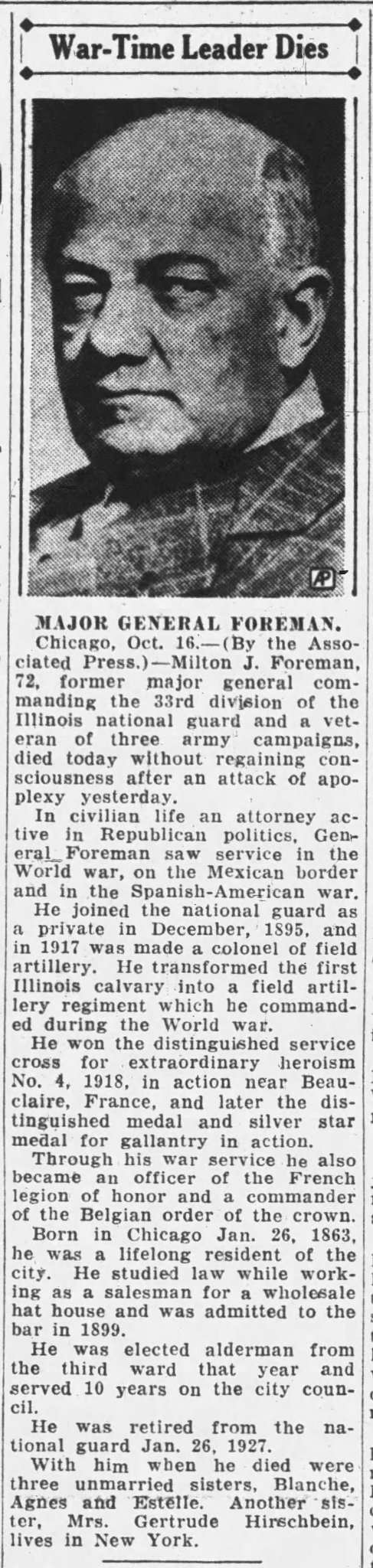
The Fourth of July program for the community was planned to start at 9 a.m. and end with a fireworks show at 9 p.m. – “if the weather man smiles.” Included in the day would be a band concert, community singing, athletic competitions and displays, and a baseball game between Morgan Park and Ridge Park teams. Major General Milton J. Foreman, a distinguished World War I veteran and leader in the Illinois National Guard, was invited to be the speaker.
The Ridge Park swimming pool would be open on the fourth, and “big and little, and grandparents, and all the rest, have their suits and caps and water wings ready for a plunge.”
Summer activities would go on after the holiday. The Vanderpoel School would be open on Sundays from 3:00 to 5:00 p.m. so people could visit the art collection. [The Vanderpoel Art Association would move to the Ridge Park field house when it was built in a few more years.]
St. Margaret’s Church was planning its annual carnival for the week of July 15. Mrs. John Finan of 100th and Prospect was the chair of the event.
Saturday afternoon at Ridge Park at 97th and Longwood was known for its “crackerjack ball games” and enthusiastic crowds.
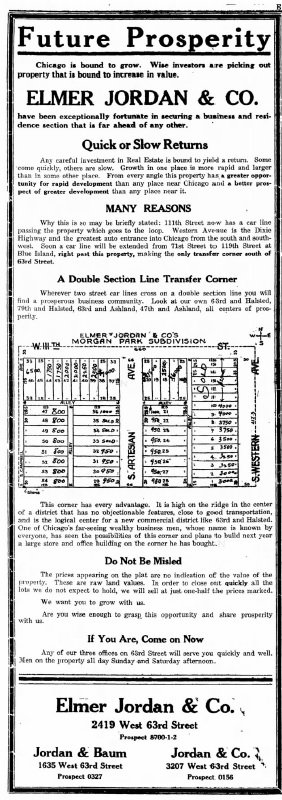
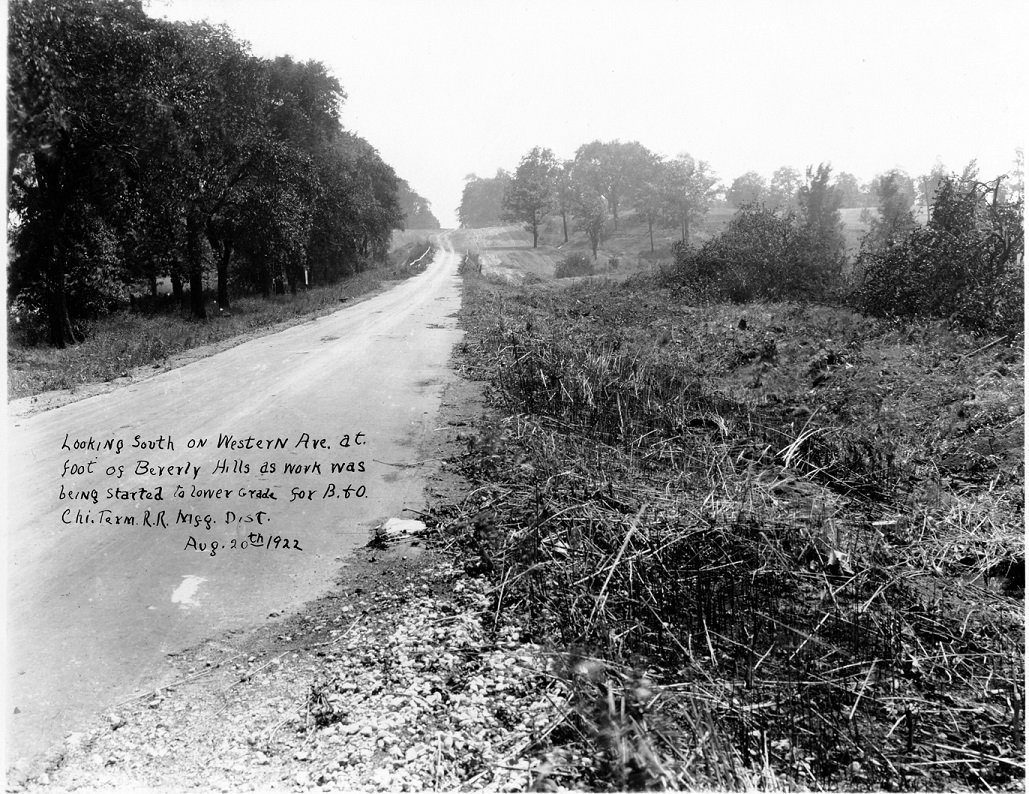
The community kept growing. The southwest corner of 111th Street and Western Ave. [where today the Beverly Arts Center is located] had just been sold to W.J. and Edward Birk for $22,500. There were ads in the local paper from Elmer Jordan and Co. offering real estate plots in this section for sale as the “Morgan Park Sub-Division.” The land was still very rural, and a project to widen, grade, and pave Western Avenue was in the works.
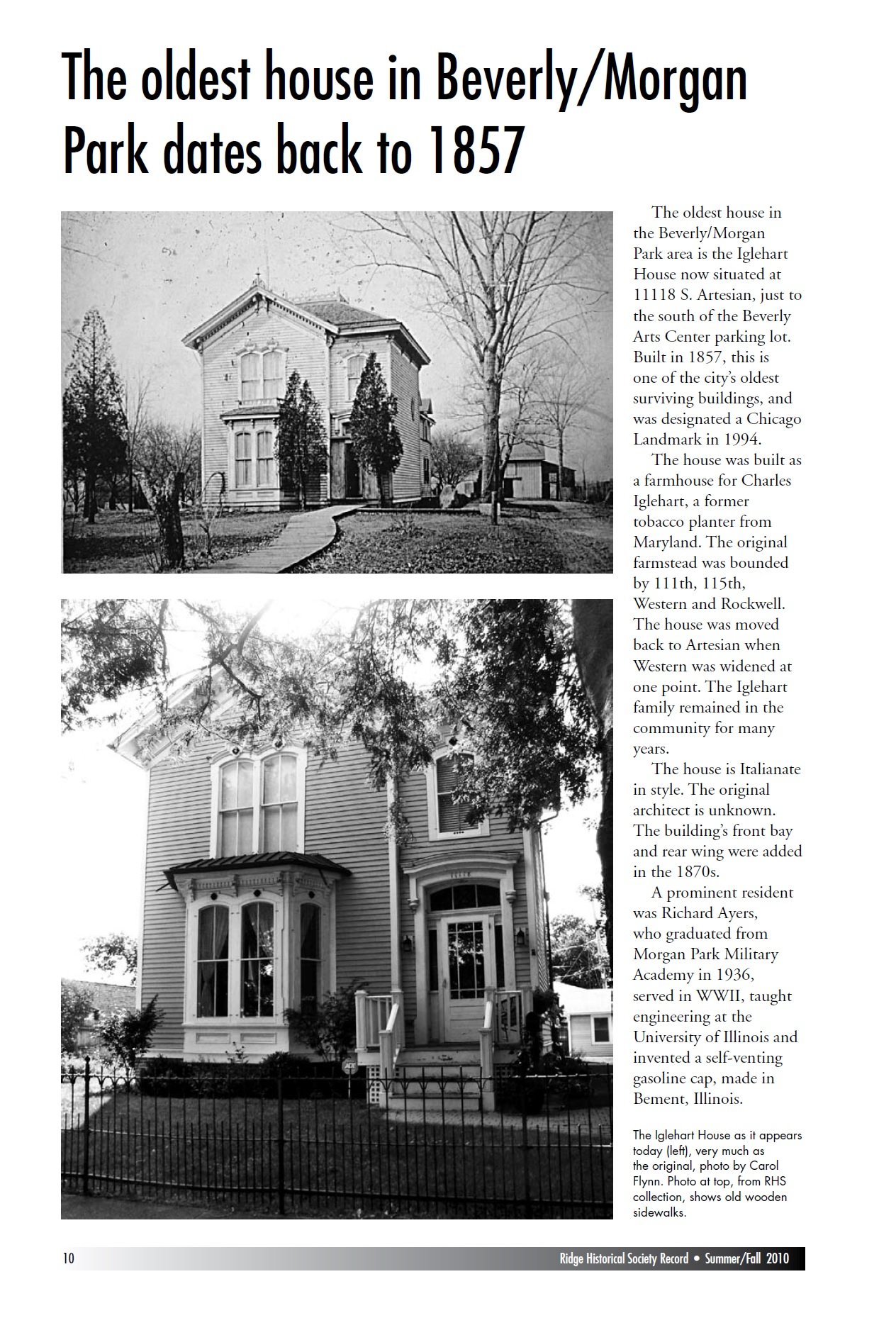
The oldest house in the community, and one of the oldest in the entire City of Chicago, the Iglehart House, is located in this neighborhood at 11118 S. Artesian Ave.
Life went on.
The Ridge Historical Society
Juneteenth
By Carol Flynn
Juneteenth National Independence Day became a federal holiday just last year. It is celebrated today, June 19th, although tomorrow, June 20, will be the day off from work or school.
The day celebrates the emancipation from slavery for African Americans, based on a proclamation of freedom in Texas on June 19, 1865. In December of that year, the end of slavery became official with the ratification of the Thirteenth Amendment to the U.S. Constitution.
The Ridge’s connection to emancipation is through the many men and women who lived here or moved here later who are documented as serving the Union cause during the U.S. Civil War. Some of these people were connected directly to Abraham Lincoln, and knew him going back to his earliest days practicing law and politics in Illinois.
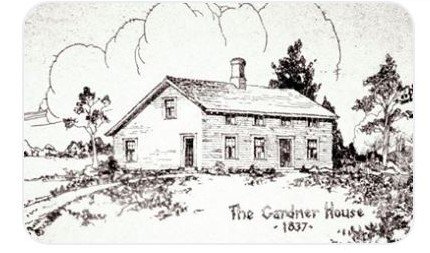
The Ridge community was the site of the Gardner House, an inn along the Vincennes Road known as a refuge that harbored escaped slaves in the decades before the Civil War.
The Gardner House was located at 9955 S. Beverly Avenue. It was demolished around the early 1930s.
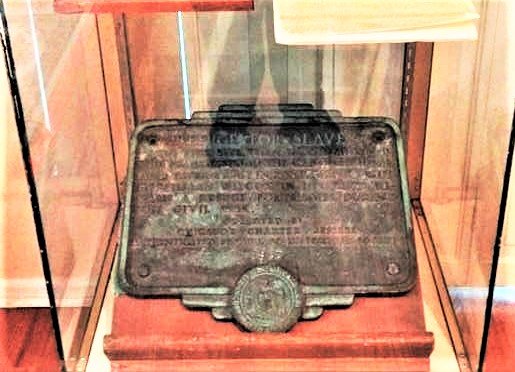
The Ridge Historical Society (RHS) collection includes the plaque that stood at the site for decades but fell into disrepair. The plaque reads:
REFUGE FOR SLAVES
On this site then in the midst of the prairie stood the Gardner
home and tavern built in 1836, it was bought by William
Wilcox in 1844 and became a refuge for slaves during the Civil
War.
Erected by Chicago’s Charter Jubilee
Authenticated by Chicago Historical Society – 1937
According to the History of Cook County by Andreas, Jefferson Gardner built an inn around 99th and Beverly, along the Vincennes Road, in 1836. He didn’t stay long and sold the property to the Wilcox family in 1844. The Wilcox family bought the place sight
unseen and moved here from New York.
The house was described as a spacious one and a half story house, with land that went from around 95th Street south to 107th Street, and Prospect Avenue east to Racine. Much of the land was left as prairie, but some of the land was farmed, and there was an apple orchard.
It was reported in early histories that although never an official stop on the Underground Railroad, two or three times fugitive slaves were found sleeping in the out buildings. They were fed, and went on their way, likely north to freedom in Canada.
There were five Wilcox brothers, and four served in the Union Army during the Civil War. Two of the four were killed in action. The fifth brother stayed home to run the farm, a common practice of the day.
The image of the Gardner House was drawn by the architect Murray Hetherington in 1936 from descriptions given to him by someone who remembered the house.
Ridge Historical Society
Requiem for a Giant
By Carol Flynn
The natural world is as much a part of history as human development. When the white settlers arrived on the Blue Island Ridge, they found a “vast vegetable solitude” that they set about turning into tamed farmlands and landscaped homesteads.
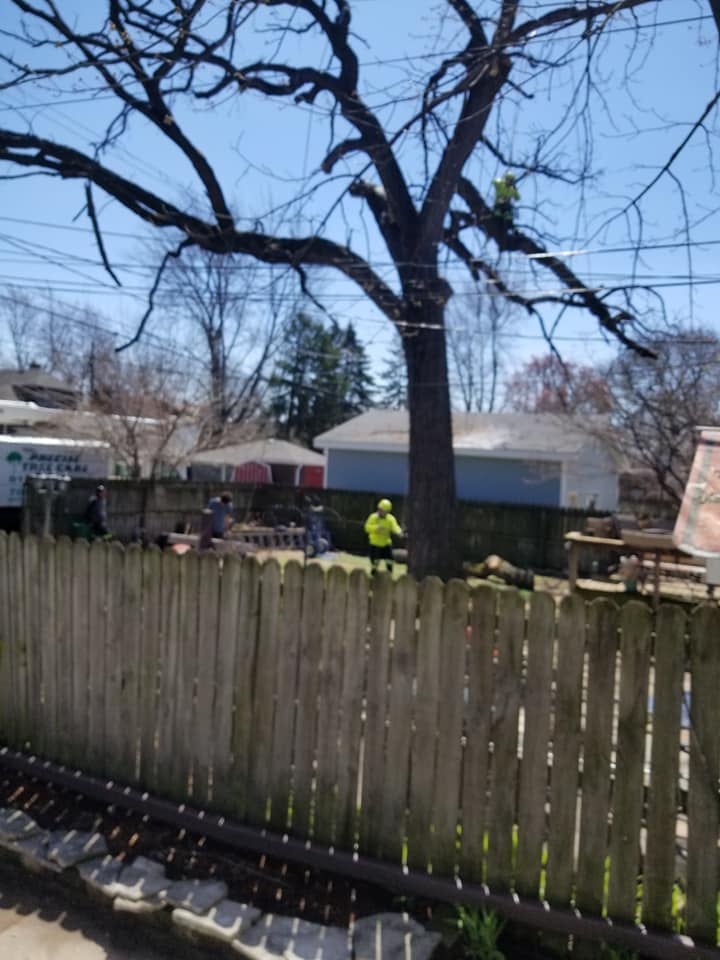
Beverly/Morgan Park has been lucky that so many of the old-growth oak trees that once covered the area remained as a canopy. But these oaks that were here when settlement started almost 200 years ago are now dying off from old age. And no plan was ever made to replace them.
Today the air was filled with the sound of chain saws as another deceased oak giant on the Ridge was cut down. Within the next thirty or so years, the Ridge will lose most of these old giants. The community will look very different for future generations.
“Invisible Labors” is a collaborative project to explore the role that women played in the use of the land, as gatherers, farmers, gardeners, and artists, in the history of the Ridge communities of Beverly and Morgan Park. It is one of five projects currently supported by 3Arts, a nonprofit organization that supports Chicago’s women artists, artists of color, and Deaf and disabled artists who work in the performing, teaching, and visual arts. 3Arts includes a built-in match that helps Chicago artists finance new creative work.
“Invisible labors,” curated by Susannah Papish, the Director of boundary, the art project space in Morgan Park, has several components. It started last fall with a garden of native plants and a paper-making exhibition at boundary by artist and educator Melissa Potter, a professor at Columbia College Chicago.
The next component will be a publication featuring the research and writing of the Ridge Historical Society’s experts on local history. With research assistance form RHS Historian Linda Lamberty, RHS researcher/writer Carol Flynn, who develops all the stories that appear on the RHS Facebook page as well as stories for the local newspapers and other sources, will write about the pre-history days of Native Americans and their use of the land; the coming of the white European settlers and their development of the land; and the history of the early community of Black Americans who settled here after the U.S. Civil War. For the record, Carol Flynn is legally disabled.
The publication, which is still in the planning stages, will include artwork and other contributions from Susannah and Melissa, in addition to the written stories.
Susannah Papish has started a fund-raising campaign to offset some of the expenses of the project through this link: https://3arts.org/projects/invisible-labors/
We hope that if you truly support the arts in the Beverly/Morgan Park community, and/or appreciate the historical stories shared by the Ridge Historical Society, that you will consider putting a few dollars towards this project. We will be very grateful for the contributions.
The RHS page will share some of the highlights of the stories in the coming days.
Artist Louise Barwick lived in one of Beverly’s oldest and most charming houses on 103rd and Seeley. She painted beautiful local scenes in water color, as well as made a name for herself in the academic field with geographic modeling techniques. Her story is one that will be told in “Invisible Labors.”
Linda Lamberty, Ridge Historical Society Historian, and Carol Flynn, Ridge Historical Society researcher/writer, are honored to be part of “Invisible Labors,” a collaborative project with Susannah Papish, artist, educator and Director of boundary, the arts project space in Morgan Park; and Melissa Potter, feminist interdisciplinary artist and writer, and Professor at Columbia College Chicago.
“Invisible Labors” began as a project at boundary last year that included Melissa’s garden of native plants and an exhibition of papermaking, an artistic medium at which she excels. This led Susannah to start thinking about how the land was used in the Ridge area before it was just about all claimed by “development.”
Susannah reached out to Linda and Carol from RHS, with whom she worked previously on other projects, and rich discussions started about the history of the land from the time of the Native Americans to the arrival of the European settlers to the Great Migration of African Americans from the Southern United States.
This led to the idea for an artistic publication on the role that women played in the use of the land, as farmers and gardeners, and as artists. Carol will be a primary author with stories about the women of the Ridge and their connections to the land, based on research conducted with Linda. There will be additional writing from Melissa, as well as artwork related to the topic. We’re still thinking about formatting options for the publication.
March is Women’s History Month, so we are announcing this project at this time.
Susannah has put together a description of the project as well as a campaign to raise some funding to help with the cost of developing this project, which can be accessed at the website https://3arts.org/projects/invisible-labors/.
Thank you for your interest in the project. The publication will be out this summer. Please let us know if you have any questions or comments.
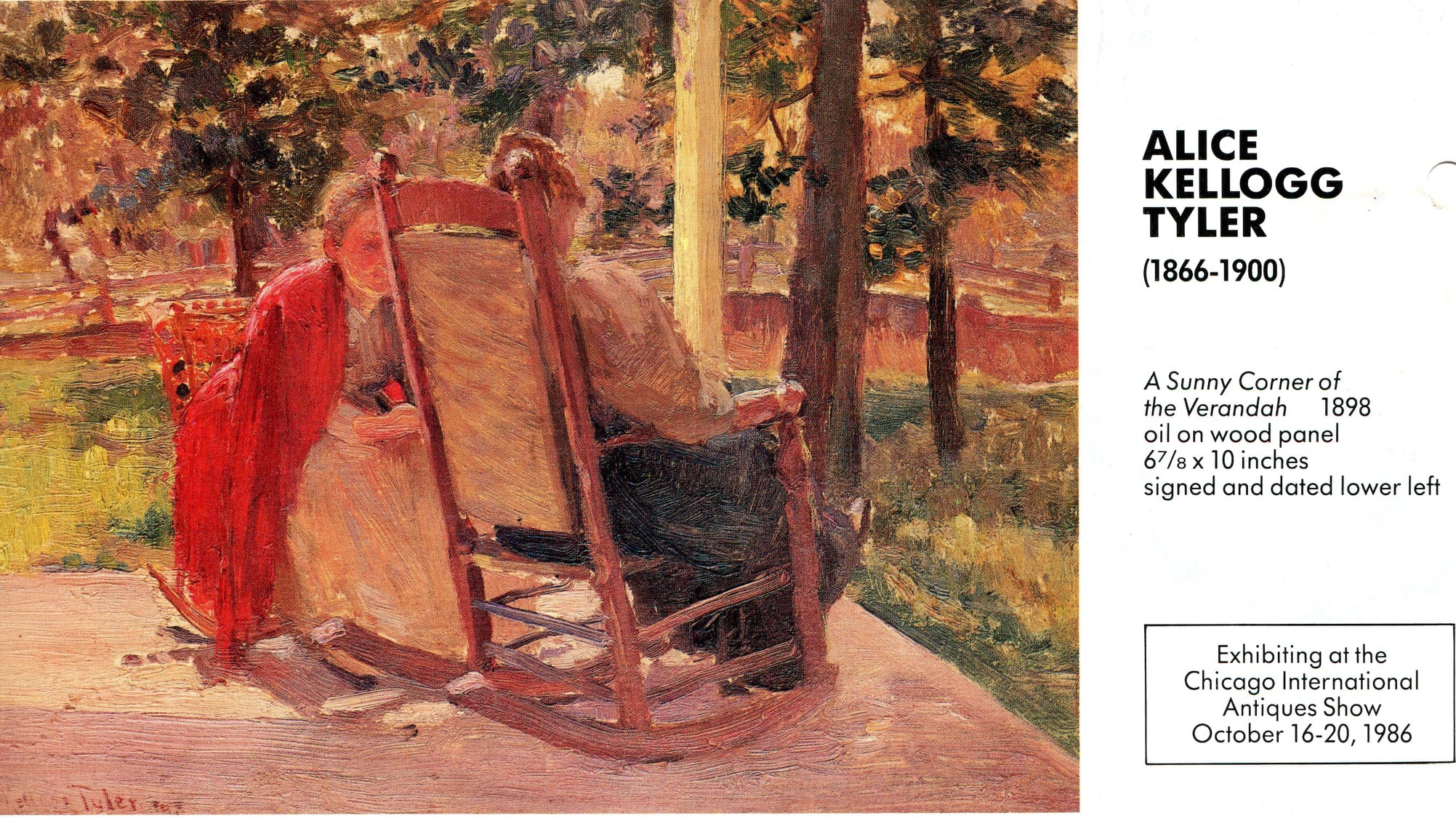
Image is of a painting by Alice Kellogg Tyler of the verandah of their farmhouse on the Ridge.
The Ridge Historical Society
The Ridge’s Historical Connection to Ukraine
By Carol Flynn
The eyes of the world are on the country of Ukraine in Eastern Europe at the moment.
There are over one million Ukrainian Americans. The first Ukrainian immigrant on record came to Jamestown in 1607. Large-scale immigration to the U.S. began in the 1880s, and was very heavy in the early 1990s after the collapse of the Soviet Union.
The historical connection between one prominent Ukrainian family and the Ridge has been documented.
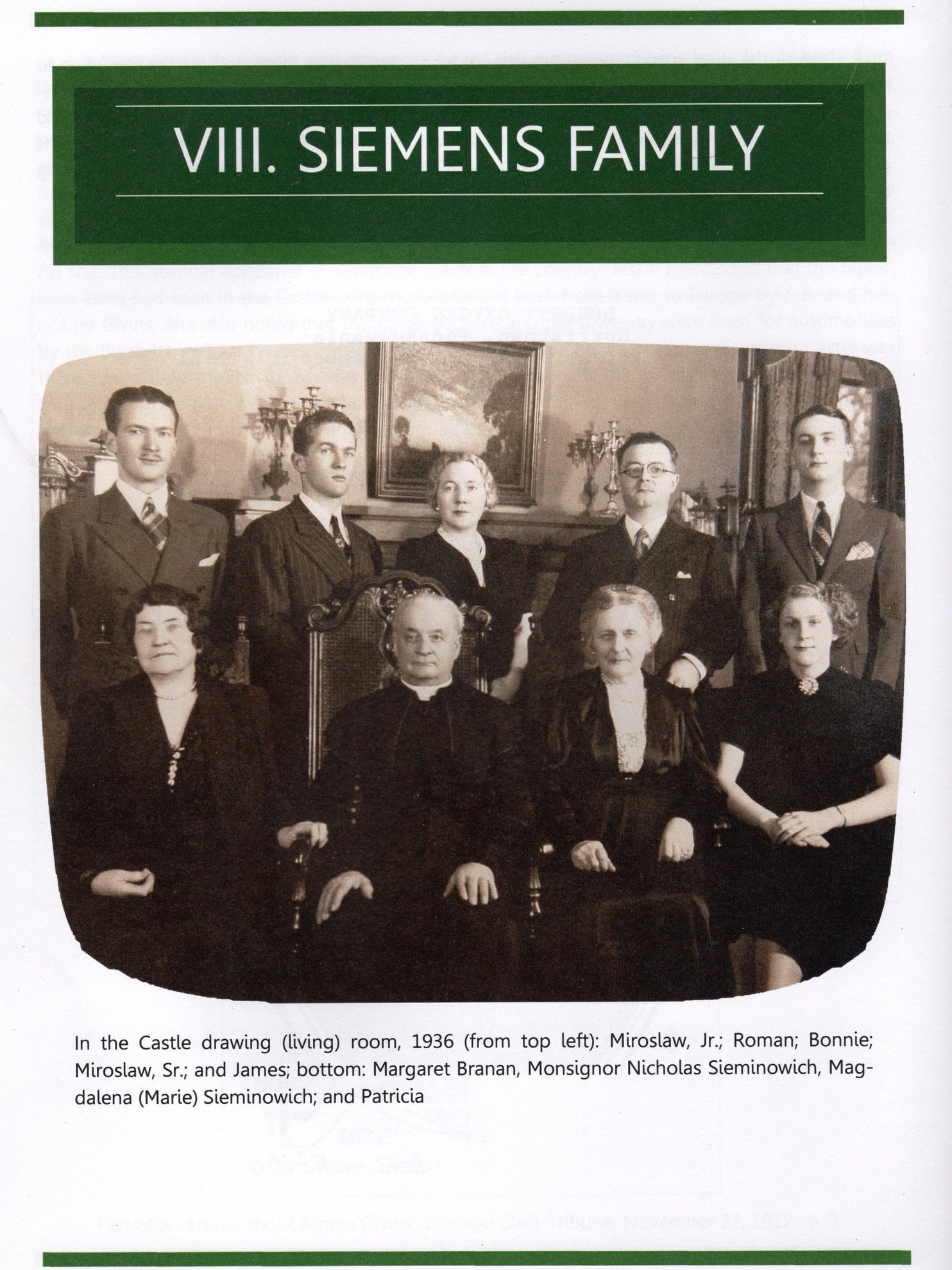
Dr. Miroslaw and Bonnie Siemens (Sieminowycz, Sieminowich) owned and lived in the Givins Beverly Castle at 103rd St. and Longwood Drive from 1921 until the Beverly Unitarian Church bought the building in 1942. At the time of Dr. Siemens’ death in 1967, at the age of 82, the family was living at 9559 S. Longwood Drive.
Dr. Siemens was born in 1885 in Ukraine and came to the USA in 1907. He graduated in 1913 from Bennett Medical College, affiliated with Loyola University. He was naturalized as a U.S. citizen in 1914, and served in the U.S. military during World War I. He was a major, a regimental surgeon, with the 497th Field Artillery. He then practiced at Roseland Community Hospital and kept an office in the Castle. He was also the physician for the Nickel Plate Railroad.
Dr. Siemens’ parents, Nicholas and Maria Magdalena Seiminowich, also lived in the Castle. Nicholas was a Ukrainian Catholic priest who rose to monsignor. In this rite, married men can be ordained priests.
Bonnie Veronica Barry Siemens, born in 1890, was Irish Catholic. They married in 1915 and had four children, Miroslaw, Jr., Roman, James, and Patricia. Bonnie's mother Margaret Branan also lived with the family. Bonnie had tuberculosis and the grandparents did much of the childcare.
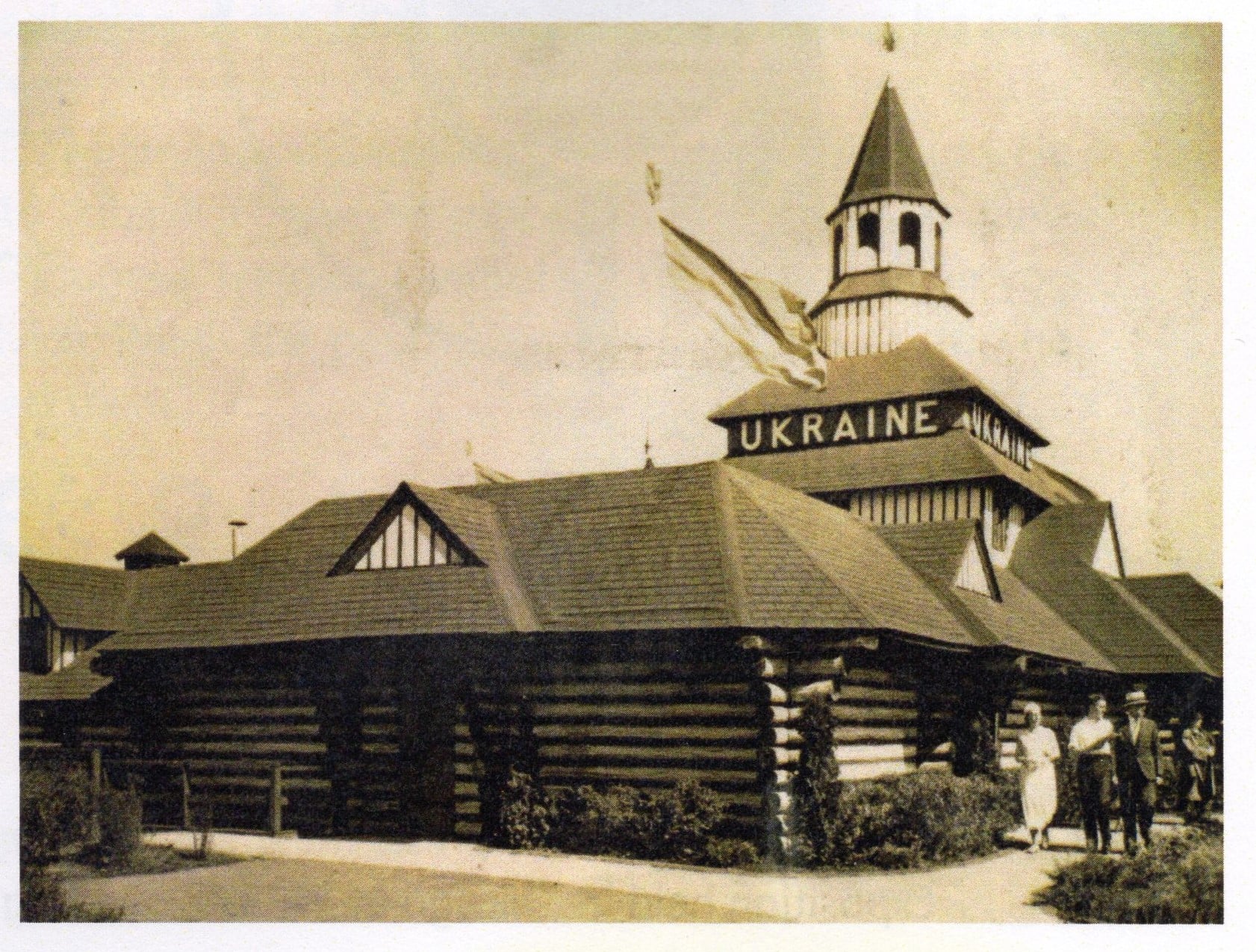
Dr. Siemens was very active and important in the Ukrainian American community. One notable achievement was to serve as the planner, fundraiser, and chair of the Ukrainian exhibit at the Century of Progress World’s Fair in Chicago in 1933-34. The exhibit showcased the country’s traditional arts and culture, including pysanky, the famous Ukrainian Easter eggs decorated using a wax-resist method.
In 1939, Siemens was called to testify before the Special Committee on Un-American Activities of the U.S. House of Representatives. He was president of the United Hetman Organization, proponents of a governance system in Ukraine run by a “hetman” or head of state that had been in operation up to the late 1700s. The organization was investigated for possible subversive activities, but no charges were ever laid against the group. Lacking widespread support, the group dissolved in 1942. Siemens was a leader of an effort to form a successor organization but there was insufficient support.
He was a benefactor of St. Nicholas Ukrainian Catholic Cathedral in Ukrainian Village on Chicago’s north side. In the early 1950s he was instrumental in establishing the Ukrainian National Museum, and served as honorary president.
Dr. Siemens has been called the “first ambassador for Ukraine in the U.S.” because of his efforts to preserve Ukrainian history and to help refugees from the country. Many dignitaries including the Crown Prince of Ukraine visited the family in the Castle.
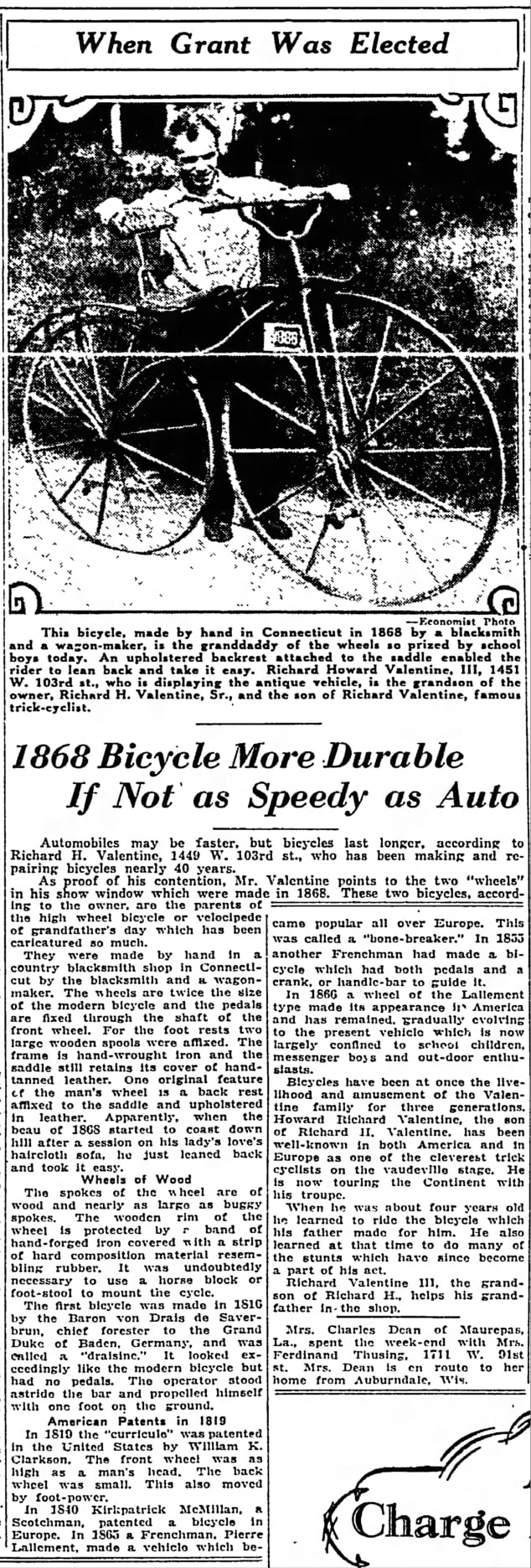
The Ridge had its own Valentine family in the community. Here is one interesting article about them. This is from the Southtown Economist, September 25, 1928.
The Ridge Historical Society
Nostalgia Print
By Carol Flynn
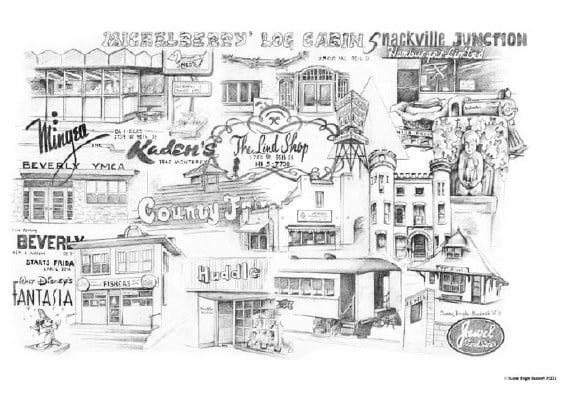
This print popped up on another Facebook page and I just want to let people know it is available through the Ridge Historical Society. Artist Sue Engle Budash of the Morgan Park High School class of 1967 created this nostalgia montage drawing, “Symbols of the Sixties,” for a reunion. It features a number of Beverly and Morgan Park businesses and/or their logos. I believe the prints are 11” by 14” and cost $25.00. You can contact the RHS office directly to buy these – ridgehistory@hotmail.com.
The Ridge Historical Society
The Ridge Connection to the Rose Bowl
By Carol Flynn
On January 1, 1890, the Valley Hunt Club, a private social club in Pasadena, California, held a parade. The purpose was to showcase the wonderful climate and living opportunities in Pasadena while cities in the north – like Chicago and New York – were buried in snow. Many of the residents of Pasadena had relocated from the Midwest and East coast.
The parade featured horse-drawn carriages covered in flowers, followed by foot races, polo matches, and a tug of war in the “town lot.” About 2000 people attended. Because of the abundance of flowers, it was decided to call the parade the “Tournament of Roses.”
The parade became an annual event and grew in size. Marching bands and ostrich races, automobile floats and bronco busting all became part of the festivities. The town lot was renamed “Tournament Park.”
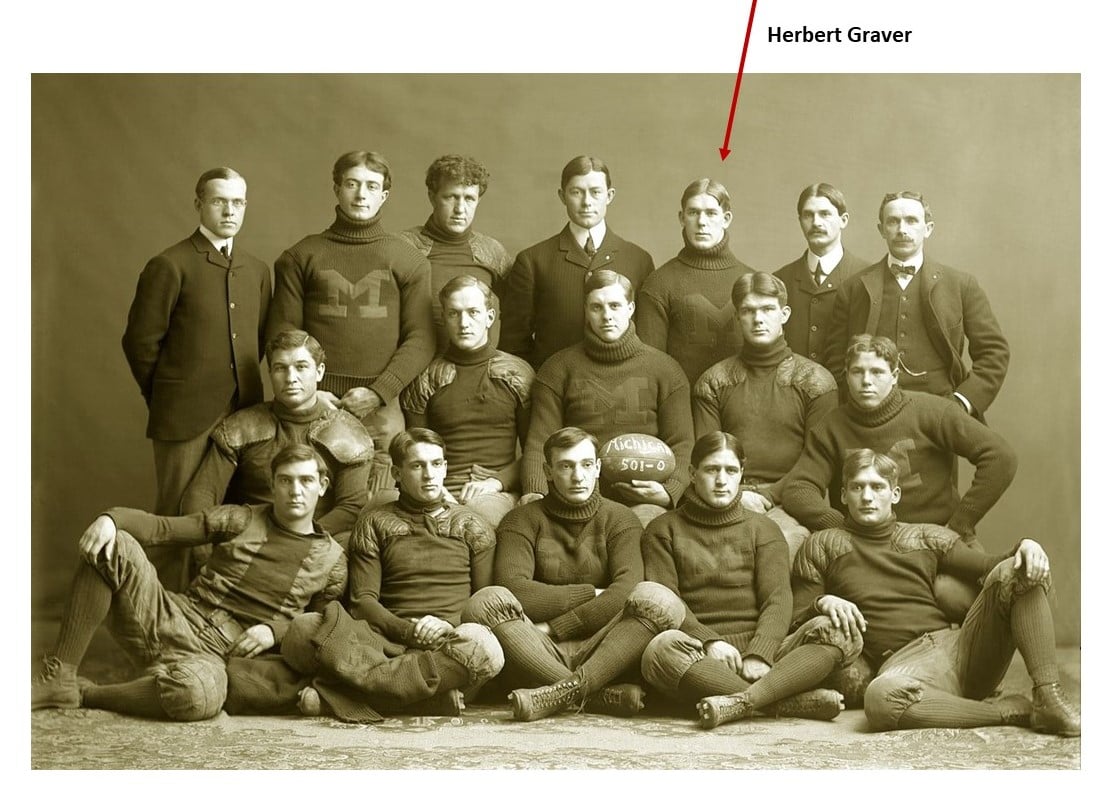
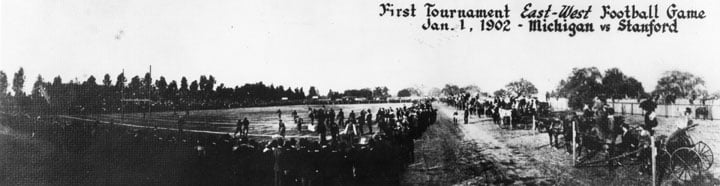
In 1902, to offset the costs of the parade, a special football game was held following the parade. By then, the parade was attracting national attention. The University of Michigan football team was having a stellar year with a record of 11 – 0, scoring a total of 501 – 0 points, and was invited for an all-expenses-paid trip to Pasadena to play against Stanford University of Stanford, California.
The game was billed as the Tournament East-West Football Game. Admission was $.50 to $1.00. About 8,500 people attended the game. Stanford was no match for Michigan and even asked to end the game early. Michigan won 49-0. This was the first Rose Bowl game, the first post-season “bowl” game ever.
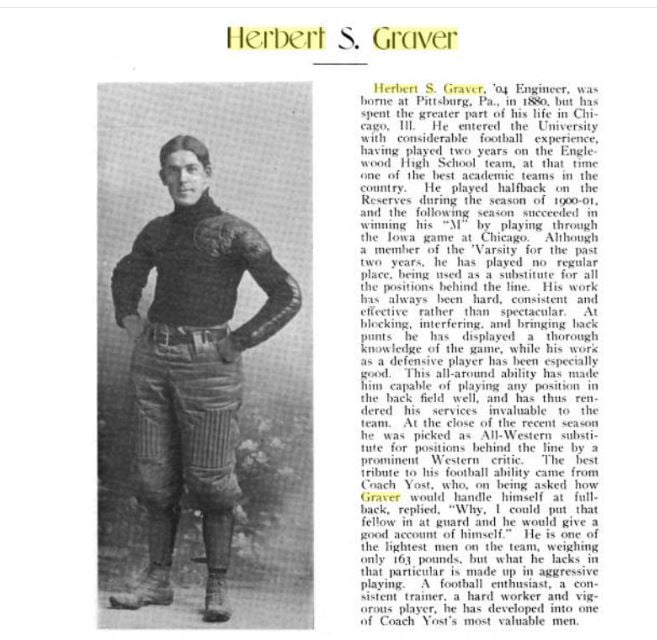
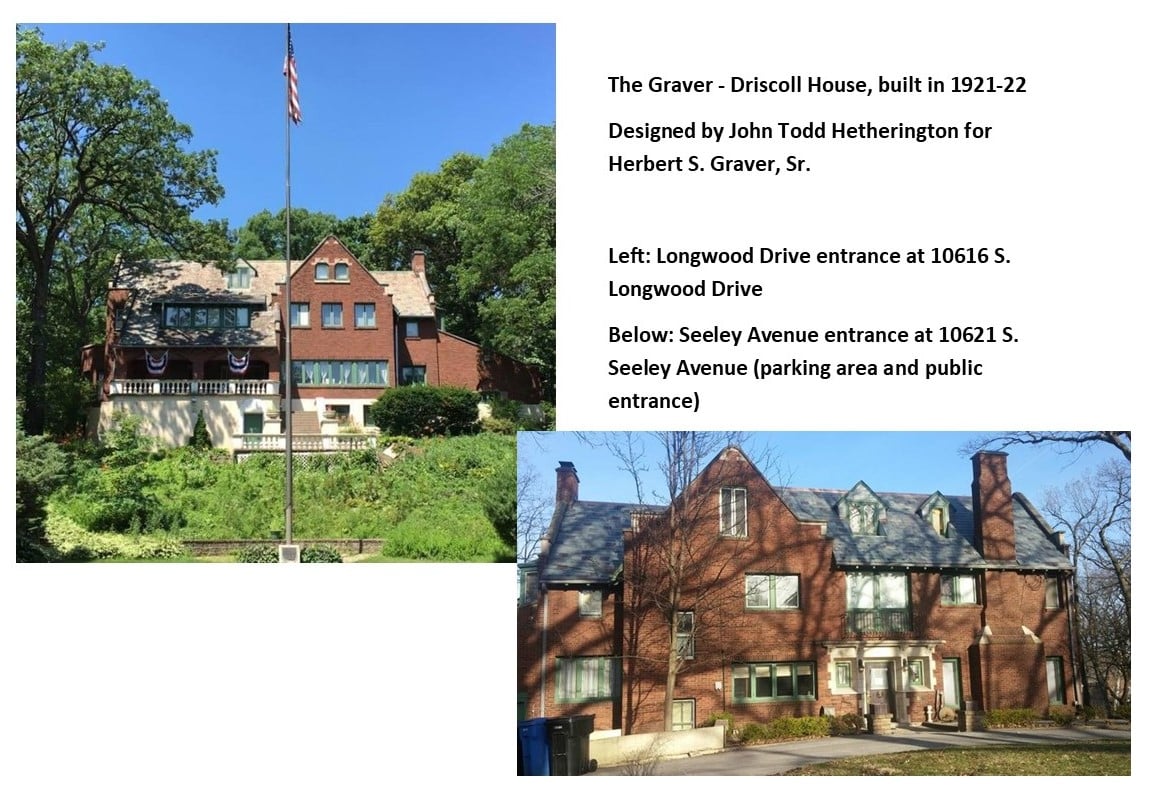
And the connection to the Ridge: On that Michigan team was Herbert Graver, the man who would build the Graver-Driscoll House at 10621 S. Seeley Avenue that is now owned by and serves as headquarters for the Ridge Historical Society.
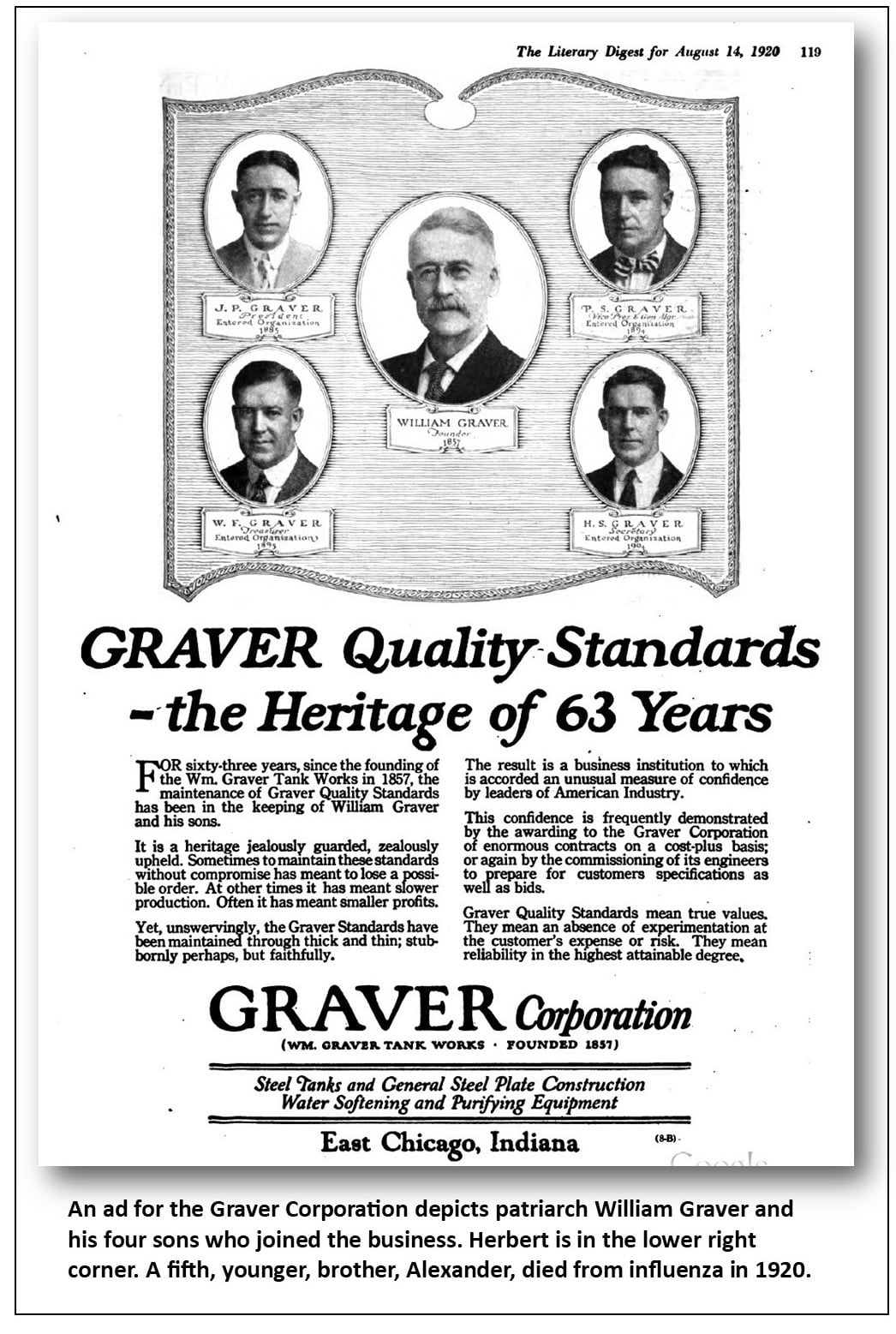
Herbert Spencer Graver, Sr., was born in 1880 in Pennsylvania, the sixth of seven children of William and Christina Penman Graver. William Graver started the Graver Tank Works in 1858 to craft metal tanks to store oil. The business relocated to East Chicago in the 1880s.
After graduation, Herbert worked for one year as a college coach but then joined the family business. All five Graver sons were employed with the Graver Tank and Manufacturing Company and held officer positions. Herbert served as corporate secretary.
Herbert married Anna T. Thorne in 1910 and they had one son, Herbert S., Jr.
In the early 1900s, the five Graver sons all moved to the Beverly/Morgan Park area. Herbert built his house on the Ridge with entrances on Longwood Drive and Seeley Avenue in 1921-22. The Tudor Revival-style manor house was designed by the noted architect, John Todd Hetherington.
Herbert was a sports celebrity and occasionally made public appearances as one of the original Rose Bowl players. He enjoyed sports his entire life, and in fact, in 1954, he suffered a fatal heart attack while watching wrestling matches at the International Amphitheater. At the time of his death, he was still the sales manager for the family company. He was buried in Mount Hope Cemetery.
The Ridge Historical Society was founded in 1971. The plans for the 100th anniversary of the Graver-Driscoll House and the 50th anniversary of RHS were put on hold last year because of the COVID pandemic. The plan is to celebrate this year so stay tuned for further announcements and more historical information on the Gravers, the house, Hetherington, and RHS.