
Explore the RHS Facebook Archives, a rich repository of local history written by Carol Flynn. For two decades, Carol brought a deeply dedicated voice to public education at RHS. Her role as Facebook administrator through mid-2025 naturally extended her prolific research into meticulously detailed articles, most notably her multi-part historical series posts. Today, Carol continues her local history writing for The Beverly Review and other outlets.
Local History
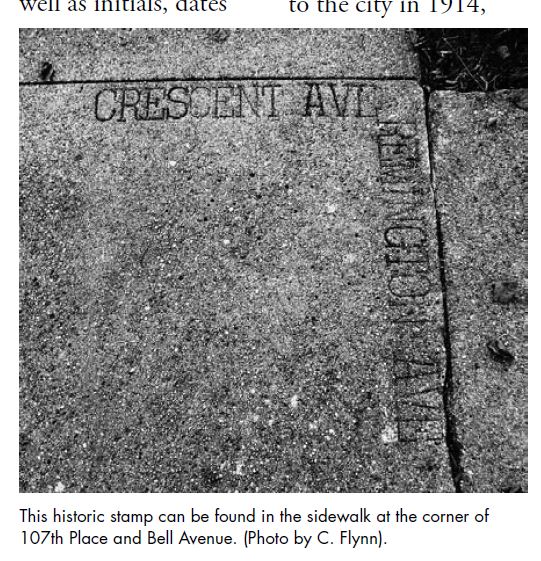
Old street names in Beverly/Morgan Park: A question came into the Ridge Historical Society. In a photo from the 1920s, an Irving Street was mentioned. Where was this?
Answer: Irving was the original name of Bell Avenue in Beverly. Many of the streets in Beverly and Morgan Park had different names before the communities annexed to the City of Chicago. Bell is a good example. In Beverly it was known as Irving and in Morgan Park it was known as Crescent.
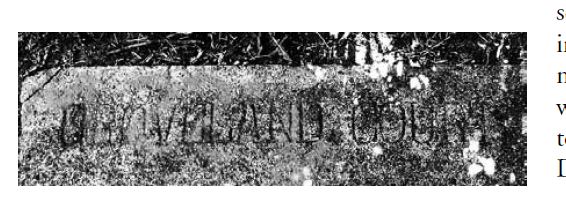
If you look closely, you can still find the old street names stamped into some of the sidewalks. These pictures from past RHS newsletters show two examples. The corner of 107th Place and Bell Avenue has a stamp for Crescent Ave. (Bell) and Remington Ave. (the previous name for 107th Place).
Another stamp is at 108th and Drew Street, for Groveland Court, the pre-annexation name for Drew.
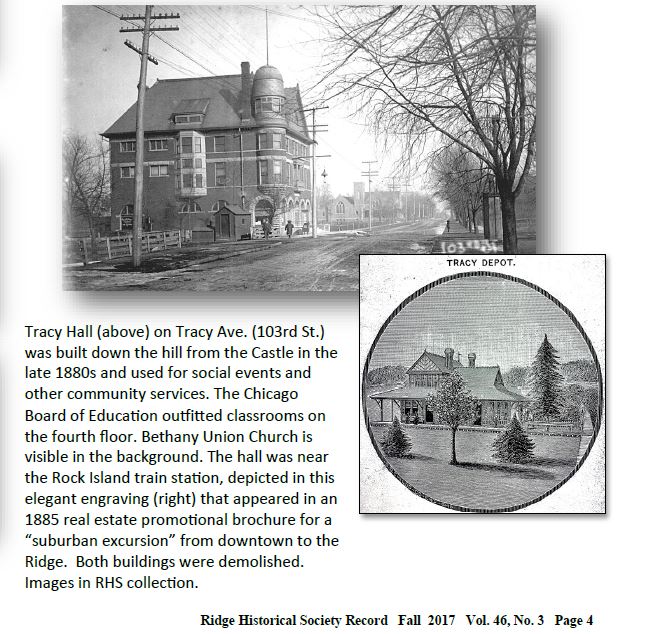
103rd Street was previously known as Tracy Ave., and indeed, the entire area around 103rd and Longwood was known as Tracy before the name Beverly caught on. The train station at 103rd Street was the Tracy stop and there was a famous Tracy Hall right by the tracks, but alas, that is gone now.
This Sunday, March 1, 2020, is the grand opening of the new exhibit at the Ridge Historical Society, 10621 S. Seeley Ave., Chicago. "Real American Girls of the Ridge" pairs American Girl dolls from the Historic Collection with real women from the same time period who were connected to the Ridge. The event runs from 2:00 to 5:00 p.m., is free and open to the public. Refreshments will be served. Watch the RHS Facebook page for features from this exhibit.
The Ridge’s historical Ukrainian connection ….
The country of Ukraine is getting a lot of media attention right now. This Eastern European country is about the size of France, with a population of around 42 million people. Its neighbors include Russia, Poland, and the Black Sea. The Eastern Orthodox Church (Orthodox Catholic Church) predominates and the country is known for its beautiful Byzantine churches.
In 1991, Ukraine gained its independence from the Soviet Union and is now a constitutional republic. It is one of the world’s largest grain exporters. Ukraine has a rich culture in textile arts, literature and music. The tradition of decorating eggs, now associated with Easter, originated there and the practice goes back thousands of years, predating the arrival of Christianity.
The first Ukrainian immigrant on record came to Jamestown in 1607. Large scale immigration to the U.S. began in the 1880s, and was very heavy in the early 1990s after the fall of the Soviet Union. Today there are over 1 million Ukrainian Americans. Some famous ones are/were the Pritzker family, Milton Friedman, Mike Royko, Mike Ditka, Leonard Nimoy, Natalie Wood, and Steven Spielberg.
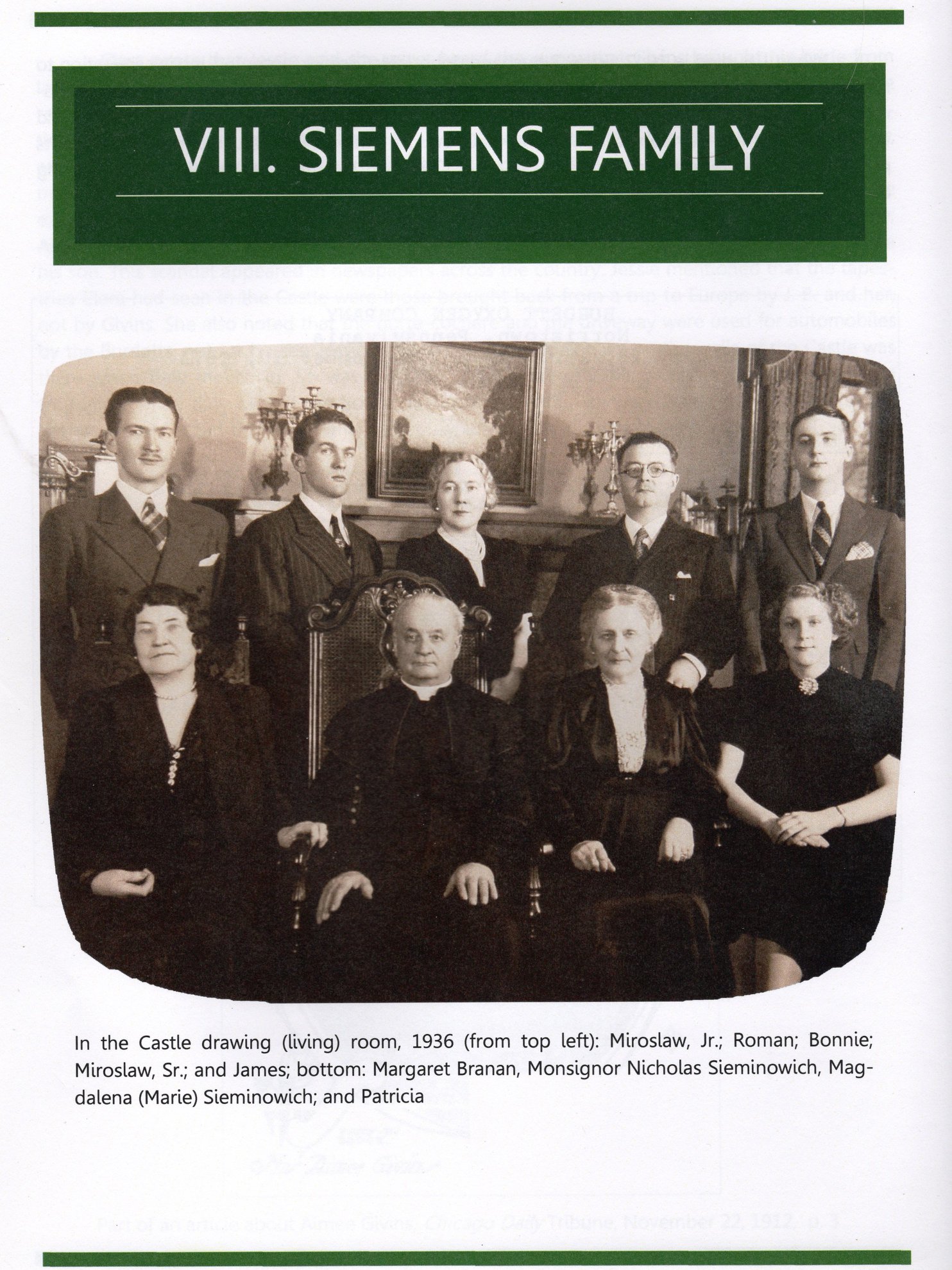
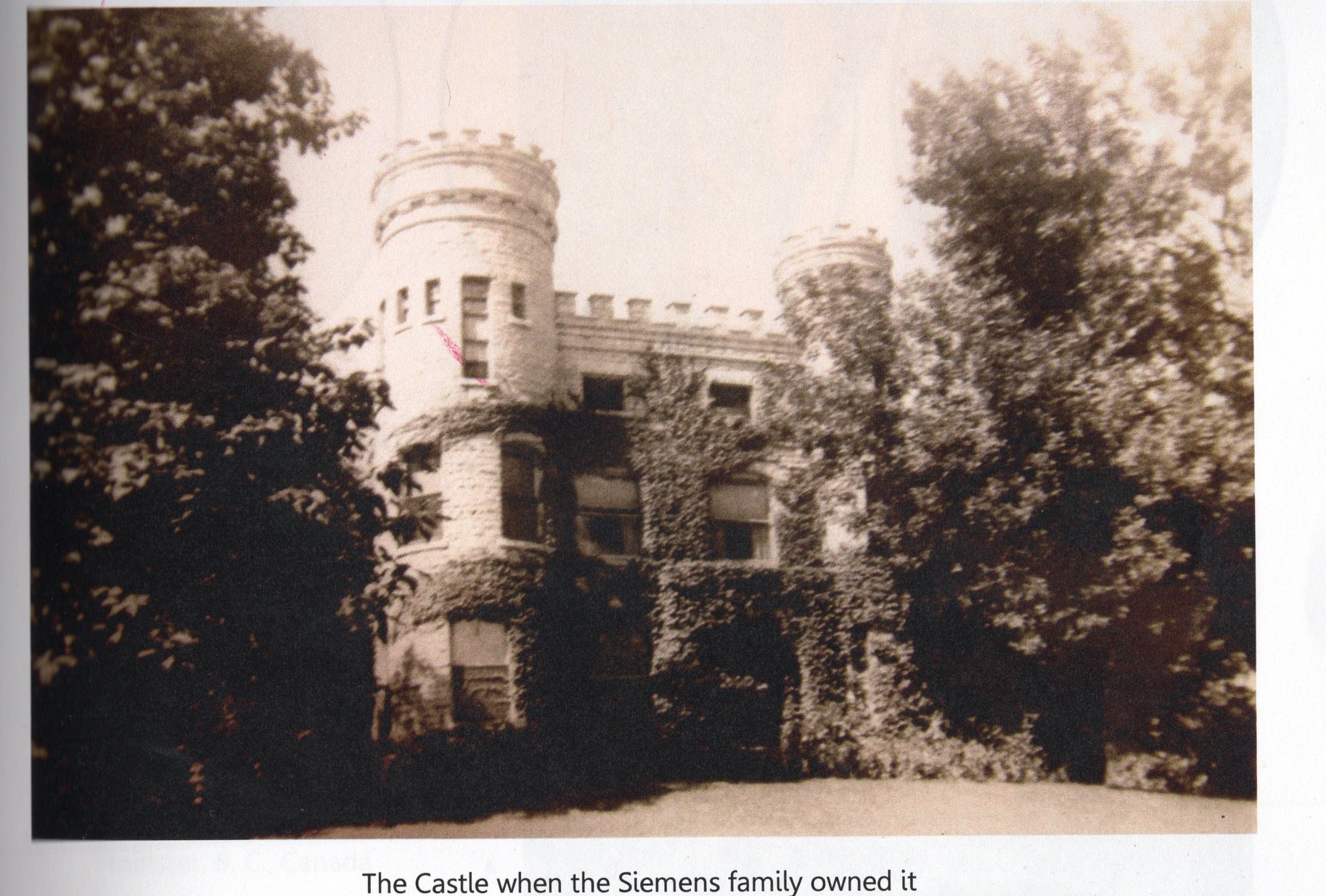
Dr. Miroslaw and Bonnie Siemens (Sieminowycz, Sieminowich) owned and lived in the Givins Beverly Castle at 103rd St. and Longwood Drive from 1921 until the Beverly Unitarian Church bought the building in 1942. Dr. Siemens was born in 1885 in Ukraine and came to the USA in 1906. He graduated in 1913 from Bennett Medical College, affiliated with Loyola University. He practiced at Roseland Community Hospital and kept an office in the Castle.
Dr. Siemens’ parents, Nicholas and Maria Magdalena Seiminowich, also lived in the Castle. Nicholas was a Ukrainian Catholic priest who rose to monsignor. In this rite, married men can be ordained priests.
Bonnie Siemens was Irish Catholic. They had four children, Miroslaw, Jr., Roman, James and Patricia. Bonnie's mother Margaret Branan also lived with the family. Bonnie had tuberculosis and the grandparents did much of the childcare.
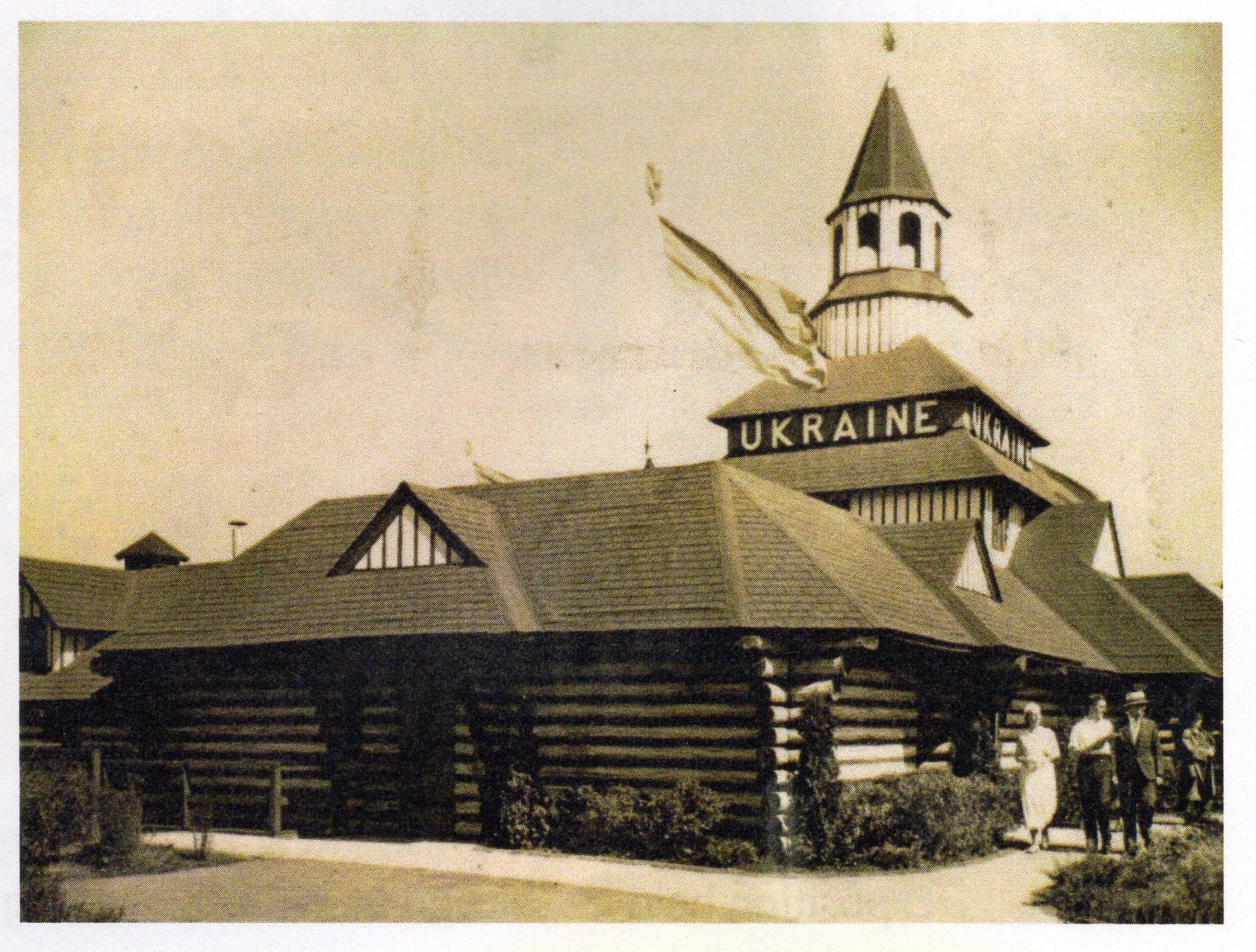
Dr. Siemens was very active and important in the Ukrainian American community. One notable achievement was to serve as the planner, fundraiser and chair of the Ukrainian exhibit at the Century of Progress World’s Fair in Chicago in 1933-34.
He also helped to establish St. Nicholas Ukrainian Catholic Cathedral in Ukrainian Village on Chicago’s north side. And in the early 1950s he was instrumental in establishing the Ukrainian National Museum.
Dr. Siemens has been called the “first ambassador for Ukraine in the U.S.” because of his efforts to preserve Ukrainian history and to help refugees from the country. Many dignitaries including the Crown Prince of the Ukraine visited the family in the Castle.
From Chicago’s Only Castle – The History of Givins’ Irish Castle and Its Keepers by Errol Magidson.
Today is Veterans Day. This is the day we honor those who have served in the United States Armed Forces.
The day started as Armistice Day 100 years ago. The major hostilities of World War I formally ended at the 11th hour of the 11th day of the 11th month of 1918, when the Armistice with Germany went into effect.
The first anniversary of this day, the first Armistice Day recognition, occurred November 11, 1919. Throughout the country, the day was remembered by proclamations and events.
At 11:00 a.m., all traffic and business in the Chicago Loop stopped. Pedestrians faced toward the east, towards Flanders Fields, for a minute of silence to “render homage to the memory of the soldiers, sailors and marines sacrificed in the war,” per the direction of Mayor William Hale Thompson. Flanders Fields are the WWI battlefield sites in Belgium and France, the “Western Front,” that today are filled with tens of thousands of red poppies.
At 11:01 a.m., bands in various parts of the Loop, arranged by the Red Cross, began playing, with singing leaders to direct the crowds in patriotic songs. The bands played until 2:00 p.m.
The American Legion, a new veterans organization formed just that year, held an athletic carnival at White Sox Park. Special events were held for the city’s 360,000 school children. Clergymen made the Armistice the subject of their sermons, and businesses and homes decorated with the U.S. flag.
Congress declared this day a federal holiday in 1938. After World War II, the day was expanded to include all veterans, and was renamed Veterans Day in 1954.
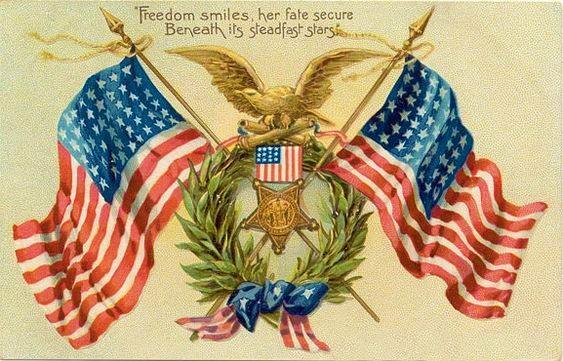
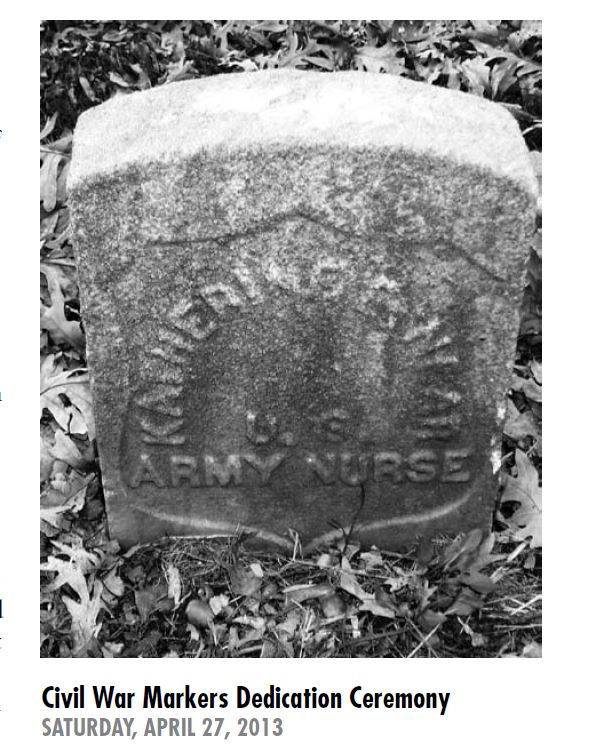
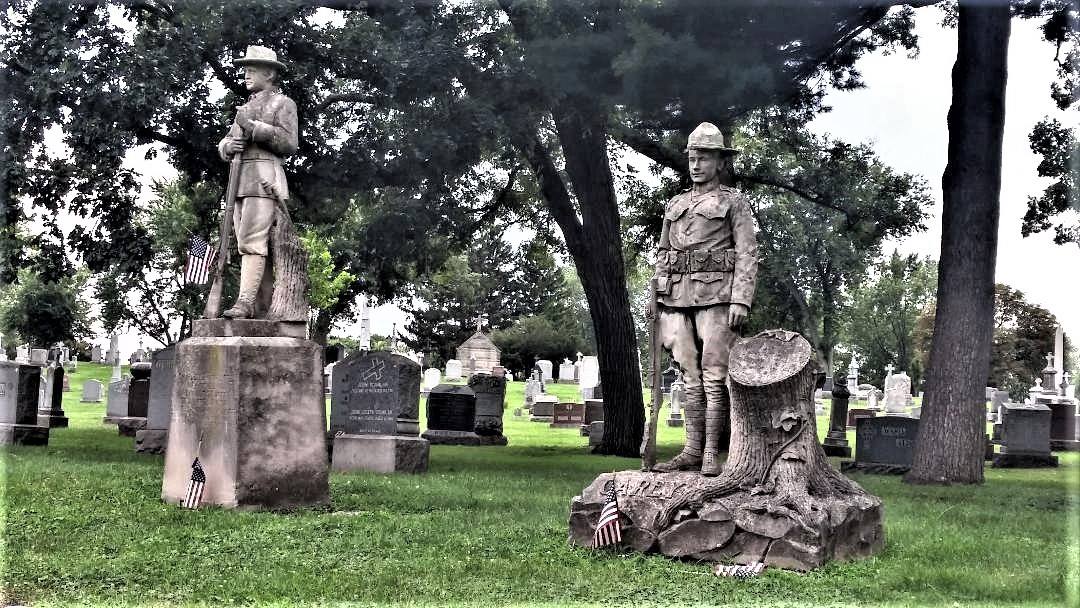
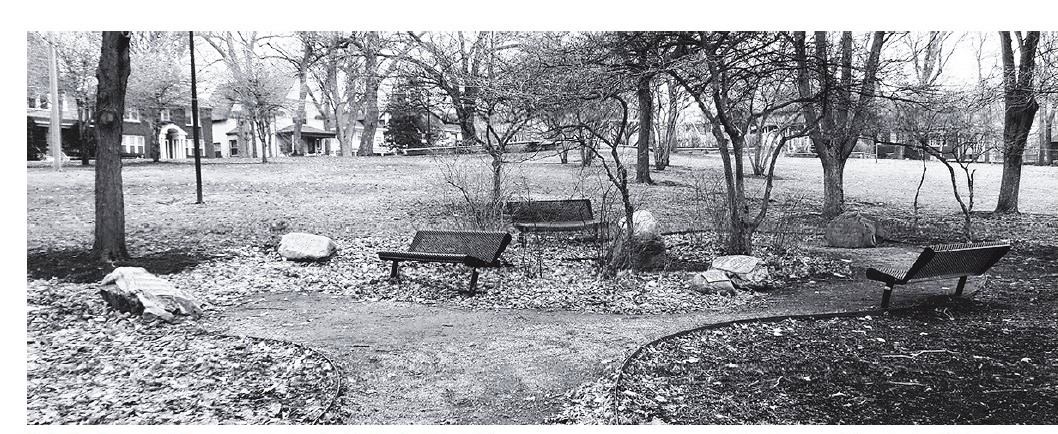
Some sites and sights to bring Veterans Day home to the Ridge communities: A vintage postcard; the grave site of Kate Near, U. S. Civil War nurse, at Mt. Greenwood Cemetery; graves with soldier statues at Mt. Olivet Cemetery; the memorials at Ridge Park. Photos by C. Flynn.
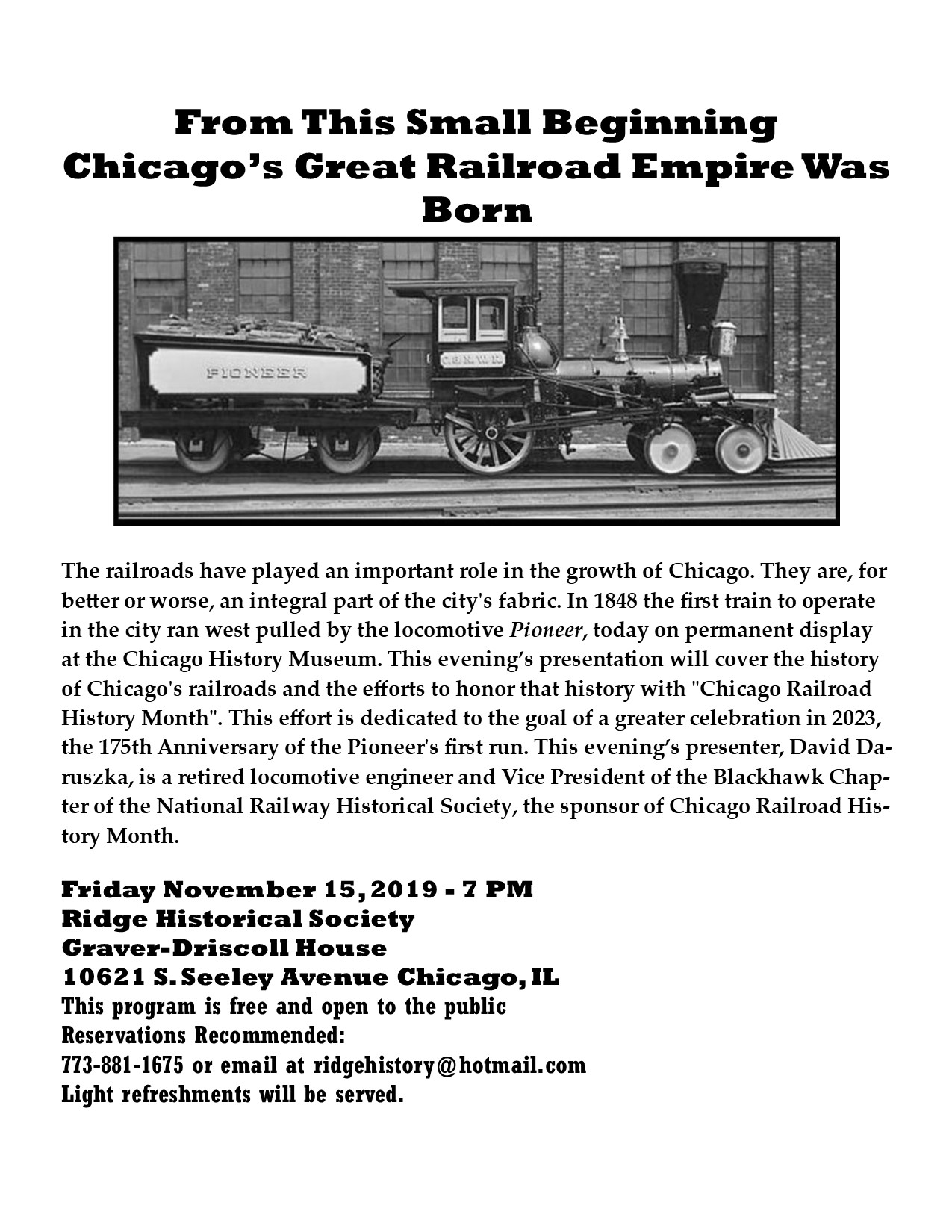
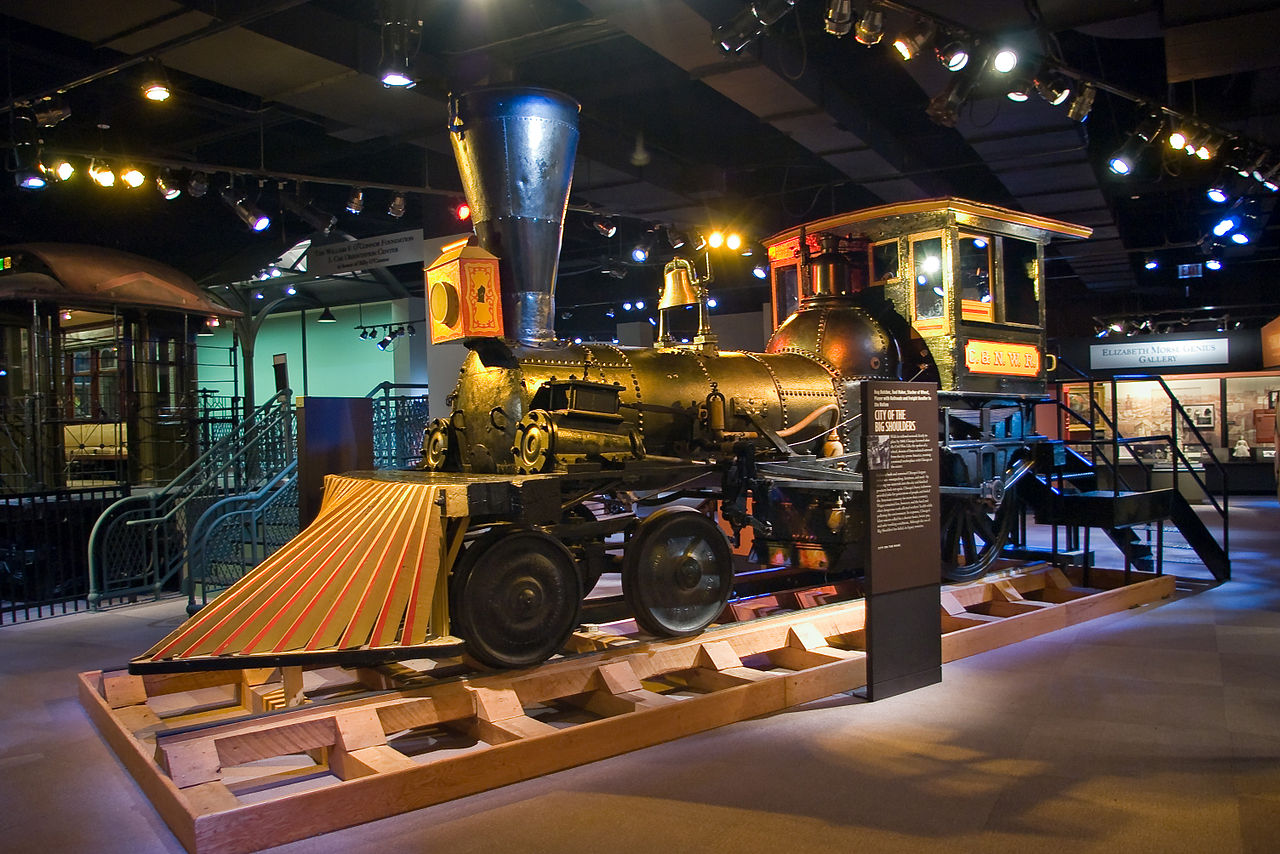
On Friday, November 15, at 7:00 p.m., the Ridge Historical Society will host the program, "From This Small Beginning Chicago's Great Railroad Empire Was Born." That "small beginning" was the Pioneer, the first locomotive to operate in Chicago, in 1848.
Speaker David Daruszka, a retired locomotive engineer and Vice President of the Blackhawk Chapter of the National Railway Historical Society, will be the presenter. The presentation will cover the history of Chicago's railroads and the efforts to honor that history with "Chicago Railroad History Month".
A flier for the program is attached. as well as a picture of the Pioneer at the Chicago History Museum, where it is on permanent display.
Reservations are suggested to give RHS a headcount. Call 773/881-1675 or email ridgehistory@hotmail.com. The program is free.
RHS is located in the historic Graver-Driscoll House at 10621 S. Seeley Ave., Chicago.
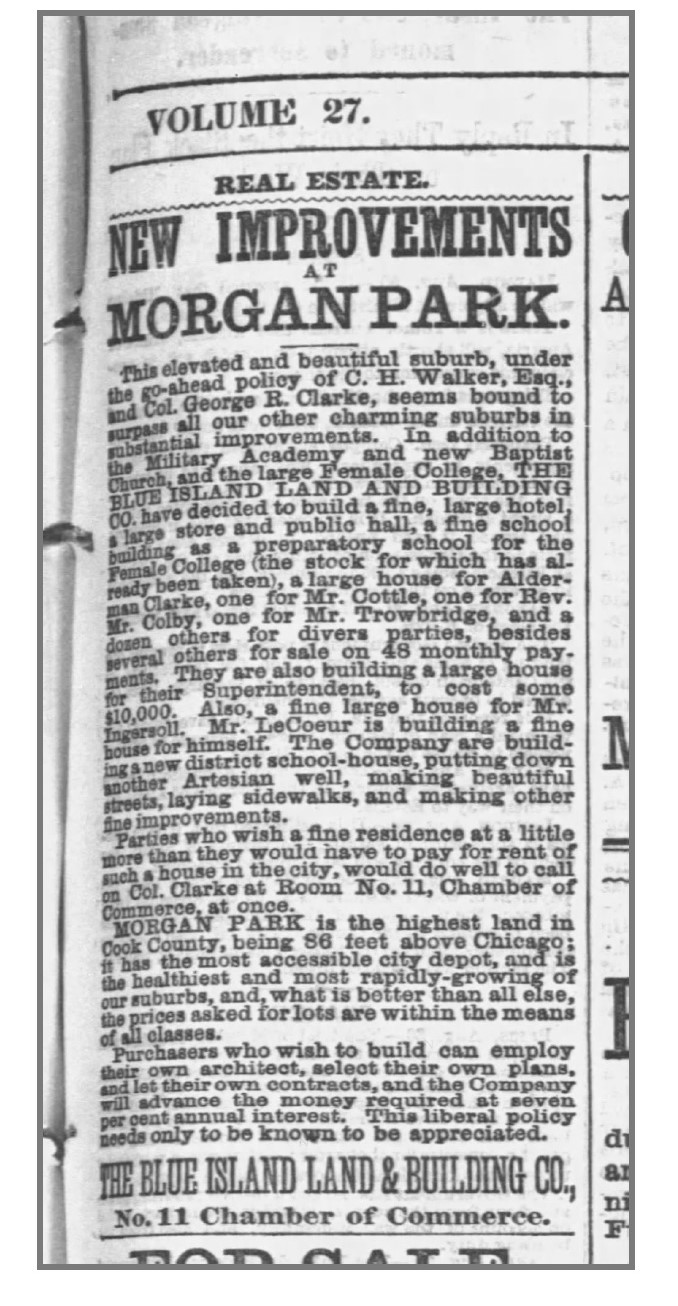
The picture of the Morgan Park Baptist Church triggered interest in the early days of Morgan Park. Morgan Park did not just evolve – it was a "planned" community. The Blue Island Land and Building Company (BILBC) bought much of the land left from the Thomas Morgan estate after the Civil War, after Mrs. Morgan died in 1868.
The BILBC was headed by Col. Clarke, who lived here, and by George Walker, who never lived here but was an investor, who gave MP its first library – the Walker Library on 111th and Hoyne.
The land was laid out to resemble an English village, with winding streets and parks. The Village was founded as an educational, religious and temperance enclave. It was marketed to the public beginning in 1873.
Attached is an ad from the Chicago Tribune from 1873. Note it mentions both Morgan Park Academy and the MP Baptist Church. These were selling points for attracting people here.
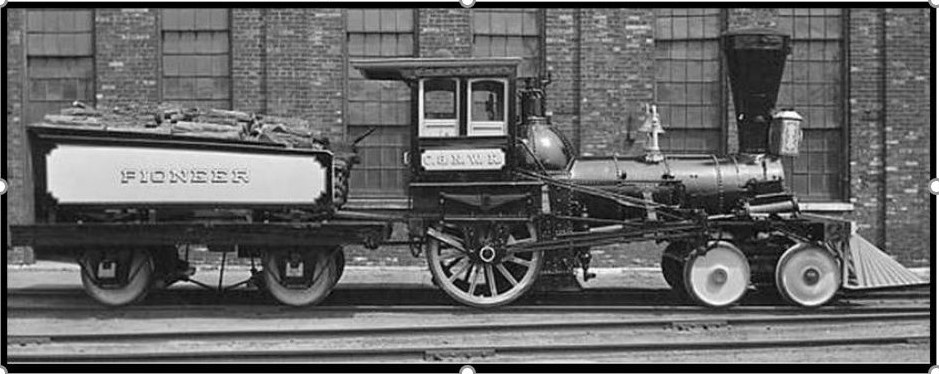
Mark your calendars for the next event – "From This Small Beginning Chicago’s Great Railroad Empire Was Born"
The railroads have played an important role in the growth of Chicago. They are, for better or worse, an integral part of the city's fabric. In 1848 the first train to operate in the city ran west pulled by the locomotive Pioneer, today on permanent display at the Chicago History Museum. This evening’s presentation will cover the history of Chicago's railroads and the efforts to honor that history with "Chicago Railroad History Month". This effort is dedicated to the goal of a greater celebration in 2023, the 175th Anniversary of the Pioneer's first run. This evening’s presenter, David Daruszka, is a retired locomotive engineer and Vice President of the Blackhawk Chapter of the National Railway Historical Society, the sponsor of Chicago Railroad History Month.
Friday November 15, 2019 – 7 PM
Ridge Historical Society
Graver-Driscoll House
10621 S. Seeley Avenue Chicago, IL
This program is free and open to the public
Reservations Recommended:
773-881-1675 or email at ridgehistory@hotmail.com
Light refreshments will be served.
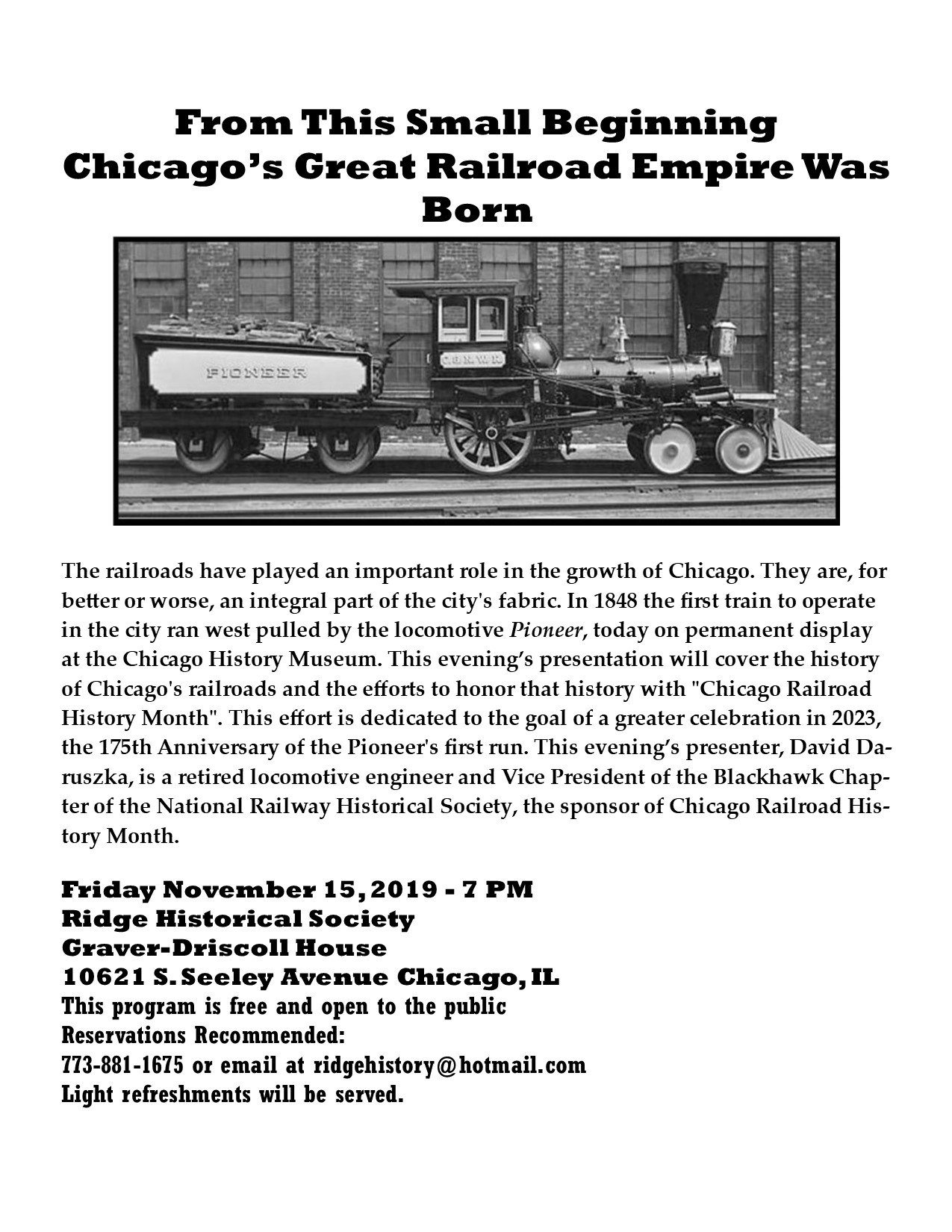
RHS is posting two new events/programs – be sure to add them to your calendar. The first is this one on the history of the railroads in Chicago on Friday, November 15 at 7:00 p.m.
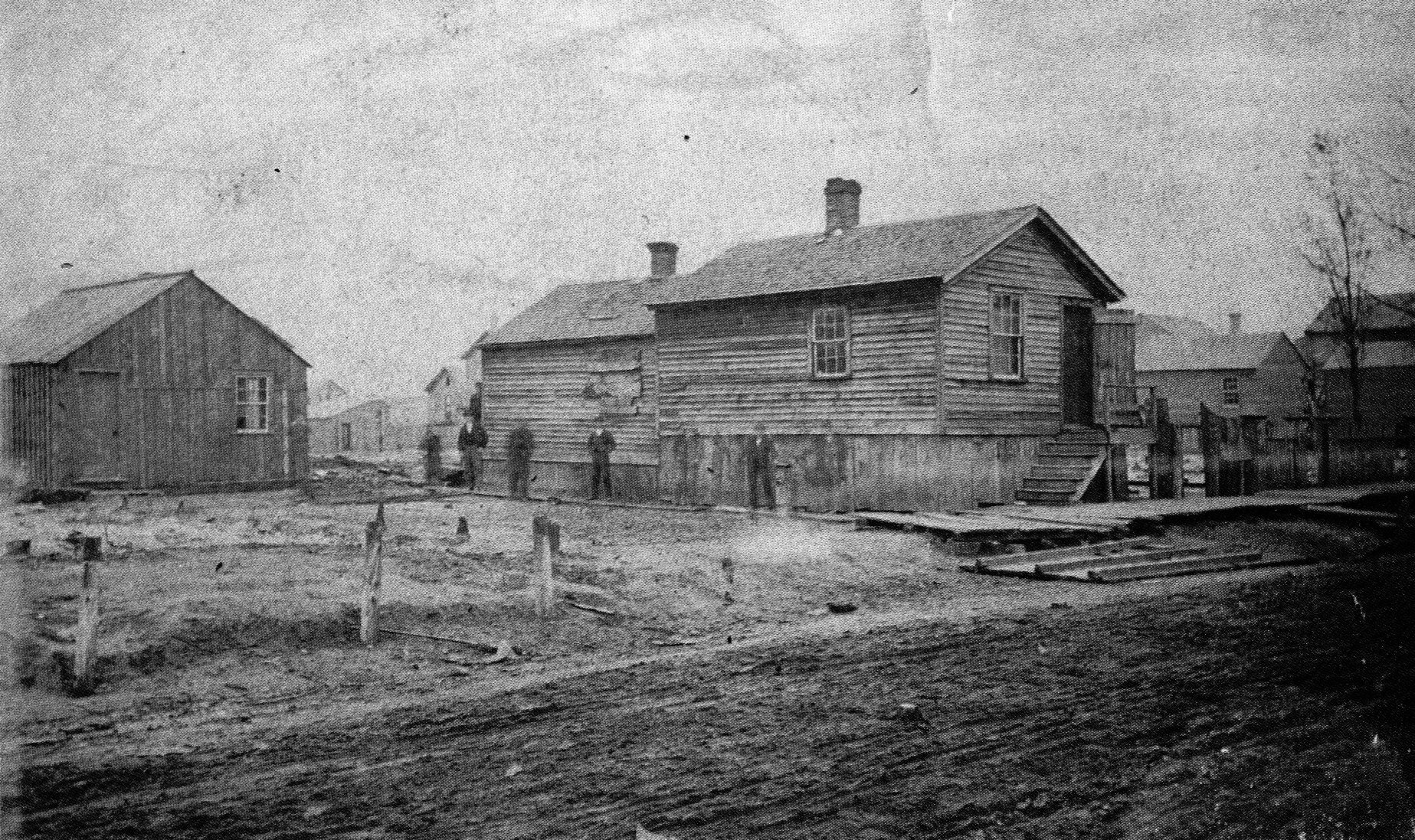
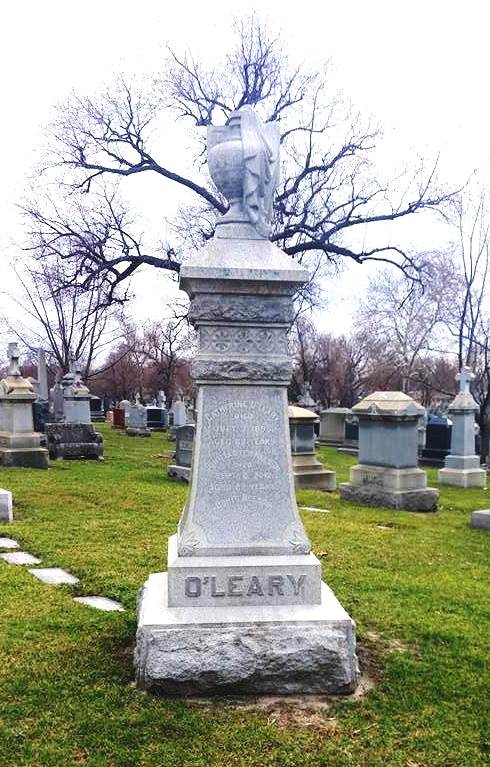
Today is the anniversary of the beginning of the Great Chicago Fire, which started on October 8. 1871. It burned until October 10 when rain finally squelched the flames.
While it is true the fire started in Mrs. O'Leary's barn, it is most certainly not true that she was out there milking her cow at night and the cow kicked over a lantern. The cows were settled for the night and Mrs. O'Leary was in bed nursing an injured ankle when the fire started. The exact cause was never determined – men smoking in the alley, the neighbor going in there to take milk, arson from a competitor – are all theories. So are spontaneous combustion and a comet flying through the cosmos. But the press blamed Mrs. O'Leary and vilified her.
The O'Learys are buried in Mt. Olivet Cemetery on 111th Street here on the Ridge. The O'Leary son became Big Jim O'Leary, a famous Chicago gambler.
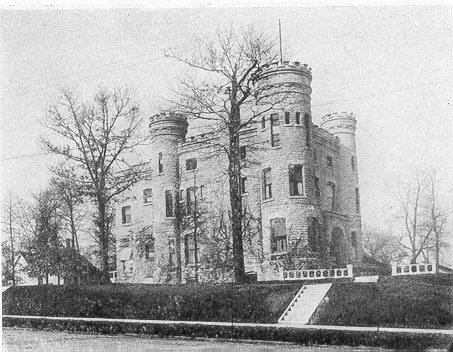
New event! RHS and the Givins Beverly Castle will be hosting an event for Halloween at the Castle – "Folklore and Phantoms" – a look at paranormal activity on the Ridge, presented by RHS researcher/writer Carol Flynn, on Friday evening, October 25. Mark your calendars now – seating is limited so there will have to be reservations and the program will fill up fast. Complete details will follow including reservations information. There will be a nominal charge and all the proceeds will go to the Castle Restoration Fund. Included will be refreshments – beer and wine and appetizers. We'll talk about the Castle ghost stories and many other stories from the Ridge – Carol has collected over 50 stories of paranormal events on the Ridge and has the blog "Ridge Paranormal Happenings" on Patch. We'll have time to let people share their own experiences also. Stay tuned for more information….