Explore the RHS Facebook Archives, a rich repository of local history written by Carol Flynn. For two decades, Carol brought a deeply dedicated voice to public education at RHS. Her role as Facebook administrator through mid-2025 naturally extended her prolific research into meticulously detailed articles, most notably her multi-part historical series posts. Today, Carol continues her local history writing for The Beverly Review and other outlets.
Local History
Today is Veterans Day. This is the day we honor those who have served in the United States Armed Forces.
The day started as Armistice Day 100 years ago. The major hostilities of World War I formally ended at the 11th hour of the 11th day of the 11th month of 1918, when the Armistice with Germany went into effect.
The first anniversary of this day, the first Armistice Day recognition, occurred November 11, 1919. Throughout the country, the day was remembered by proclamations and events.
At 11:00 a.m., all traffic and business in the Chicago Loop stopped. Pedestrians faced toward the east, towards Flanders Fields, for a minute of silence to “render homage to the memory of the soldiers, sailors and marines sacrificed in the war,” per the direction of Mayor William Hale Thompson. Flanders Fields are the WWI battlefield sites in Belgium and France, the “Western Front,” that today are filled with tens of thousands of red poppies.
At 11:01 a.m., bands in various parts of the Loop, arranged by the Red Cross, began playing, with singing leaders to direct the crowds in patriotic songs. The bands played until 2:00 p.m.
The American Legion, a new veterans organization formed just that year, held an athletic carnival at White Sox Park. Special events were held for the city’s 360,000 school children. Clergymen made the Armistice the subject of their sermons, and businesses and homes decorated with the U.S. flag.
Congress declared this day a federal holiday in 1938. After World War II, the day was expanded to include all veterans, and was renamed Veterans Day in 1954.
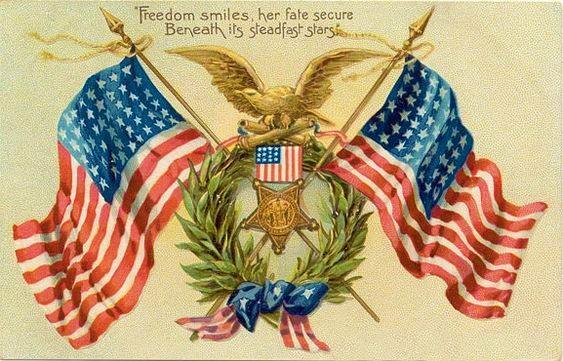
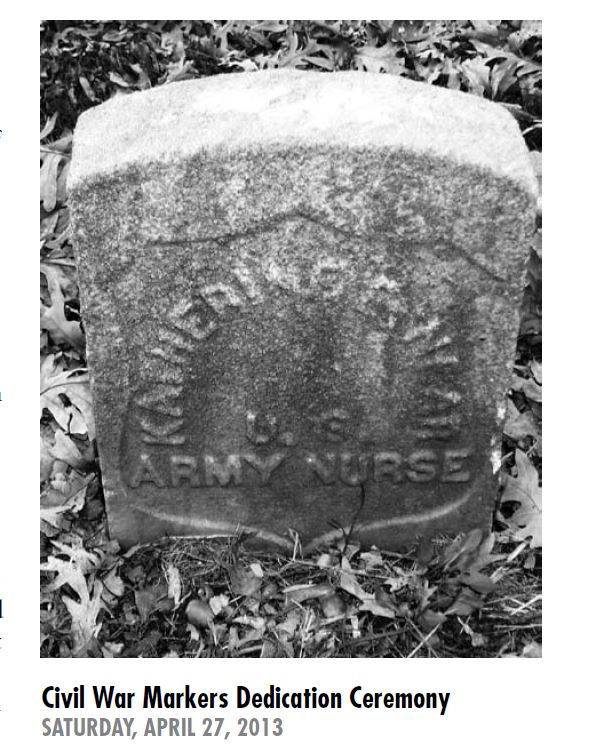
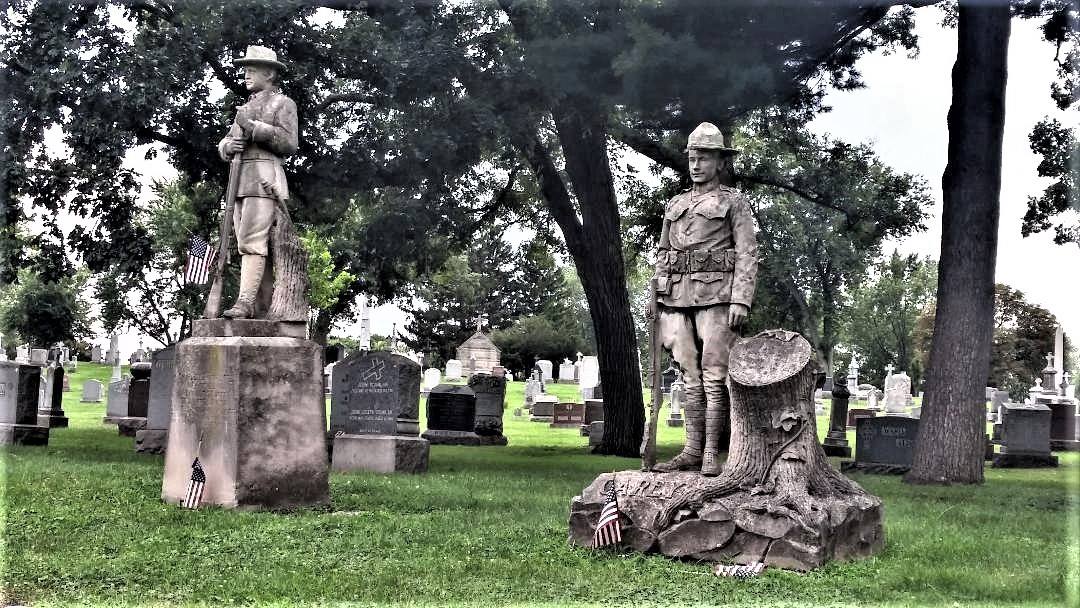
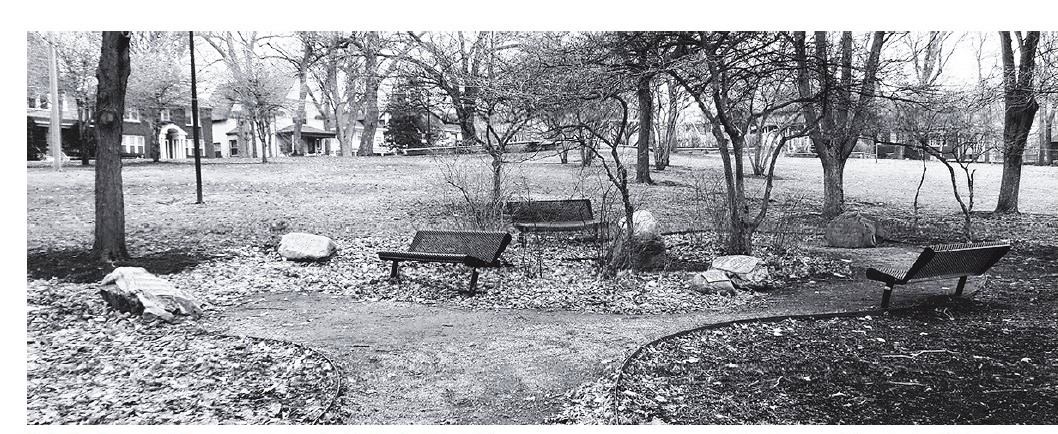
Some sites and sights to bring Veterans Day home to the Ridge communities: A vintage postcard; the grave site of Kate Near, U. S. Civil War nurse, at Mt. Greenwood Cemetery; graves with soldier statues at Mt. Olivet Cemetery; the memorials at Ridge Park. Photos by C. Flynn.
The Ridge’s historical Ukrainian connection ….
The country of Ukraine is getting a lot of media attention right now. This Eastern European country is about the size of France, with a population of around 42 million people. Its neighbors include Russia, Poland, and the Black Sea. The Eastern Orthodox Church (Orthodox Catholic Church) predominates and the country is known for its beautiful Byzantine churches.
In 1991, Ukraine gained its independence from the Soviet Union and is now a constitutional republic. It is one of the world’s largest grain exporters. Ukraine has a rich culture in textile arts, literature and music. The tradition of decorating eggs, now associated with Easter, originated there and the practice goes back thousands of years, predating the arrival of Christianity.
The first Ukrainian immigrant on record came to Jamestown in 1607. Large scale immigration to the U.S. began in the 1880s, and was very heavy in the early 1990s after the fall of the Soviet Union. Today there are over 1 million Ukrainian Americans. Some famous ones are/were the Pritzker family, Milton Friedman, Mike Royko, Mike Ditka, Leonard Nimoy, Natalie Wood, and Steven Spielberg.
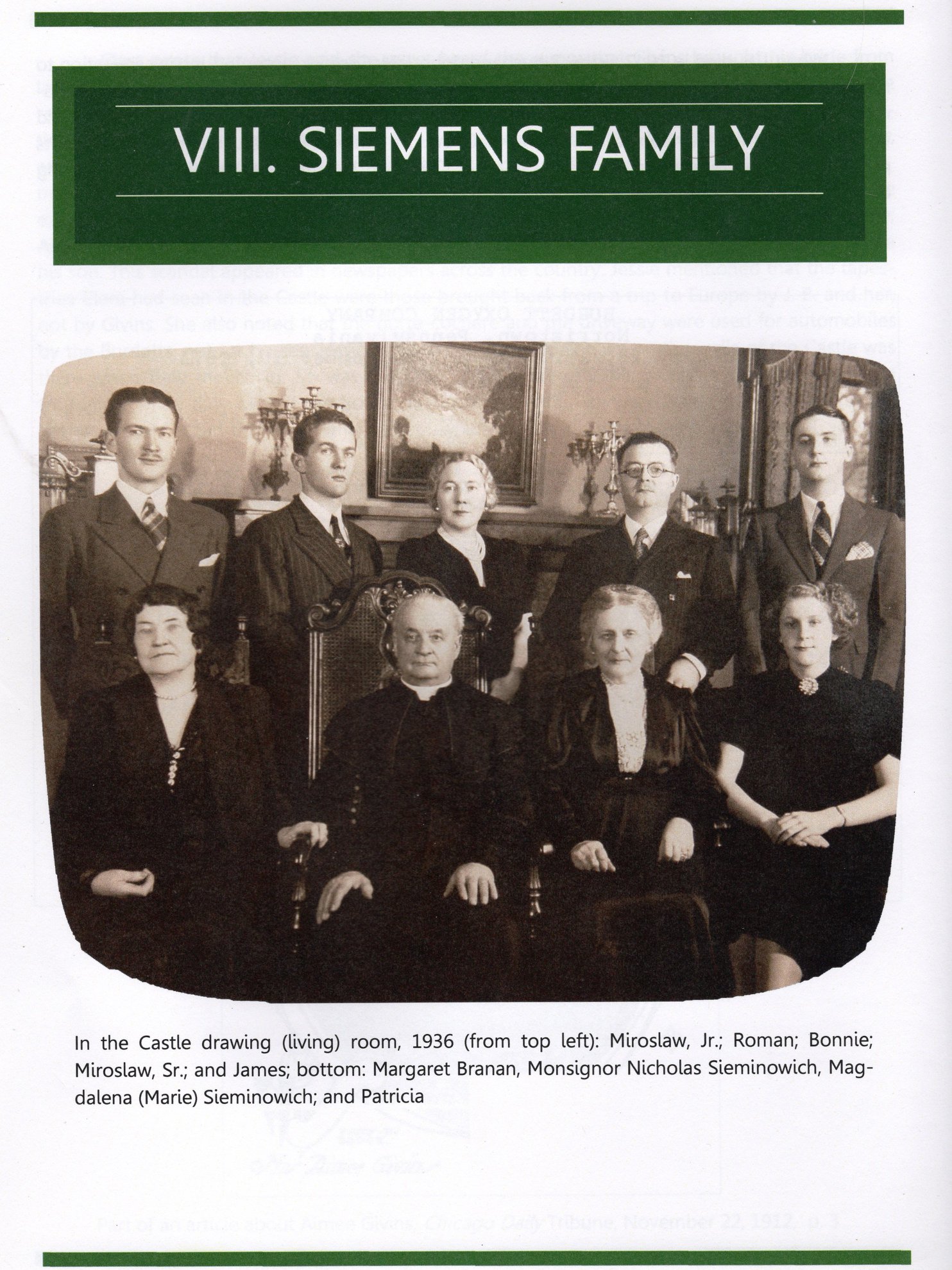
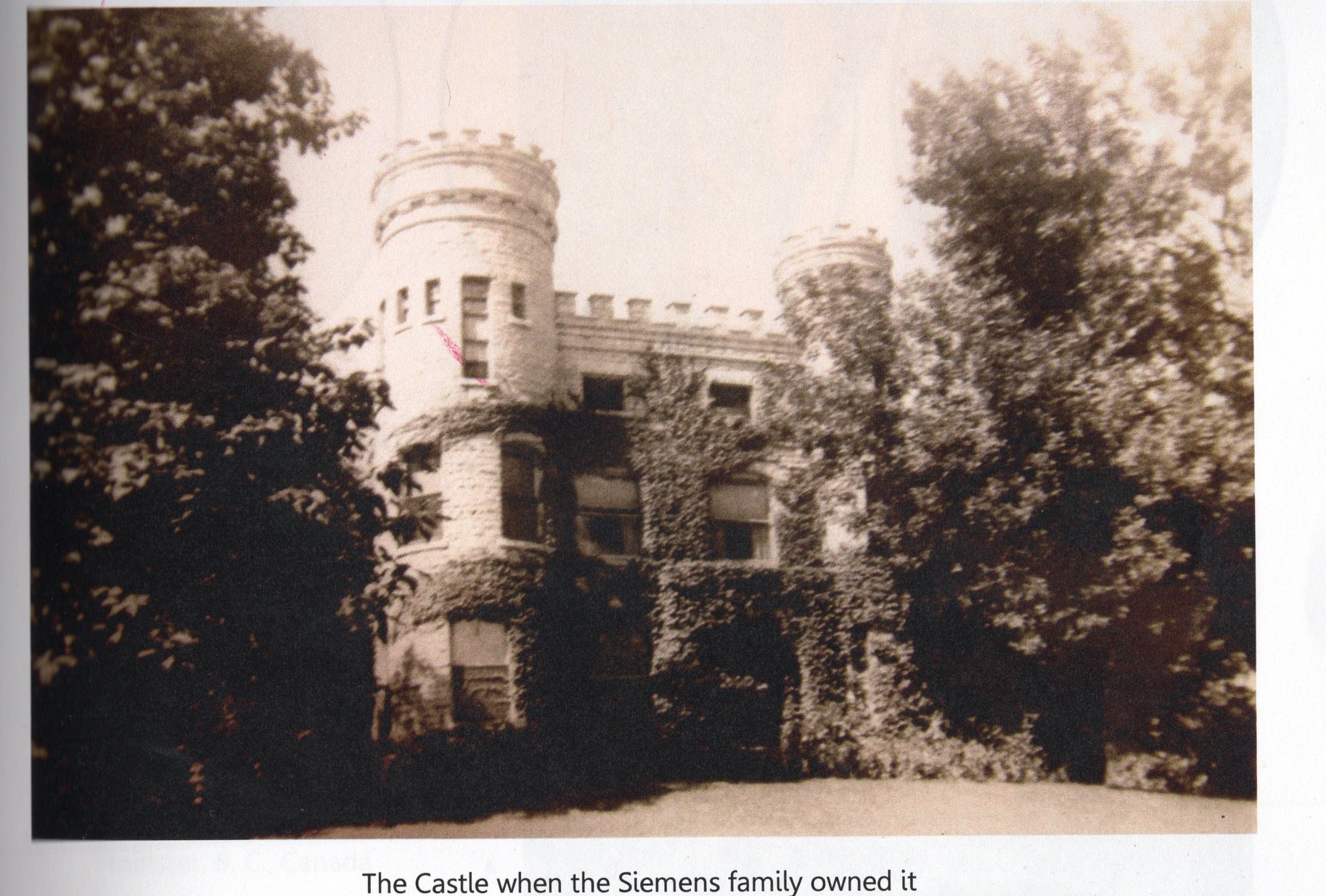
Dr. Miroslaw and Bonnie Siemens (Sieminowycz, Sieminowich) owned and lived in the Givins Beverly Castle at 103rd St. and Longwood Drive from 1921 until the Beverly Unitarian Church bought the building in 1942. Dr. Siemens was born in 1885 in Ukraine and came to the USA in 1906. He graduated in 1913 from Bennett Medical College, affiliated with Loyola University. He practiced at Roseland Community Hospital and kept an office in the Castle.
Dr. Siemens’ parents, Nicholas and Maria Magdalena Seiminowich, also lived in the Castle. Nicholas was a Ukrainian Catholic priest who rose to monsignor. In this rite, married men can be ordained priests.
Bonnie Siemens was Irish Catholic. They had four children, Miroslaw, Jr., Roman, James and Patricia. Bonnie's mother Margaret Branan also lived with the family. Bonnie had tuberculosis and the grandparents did much of the childcare.
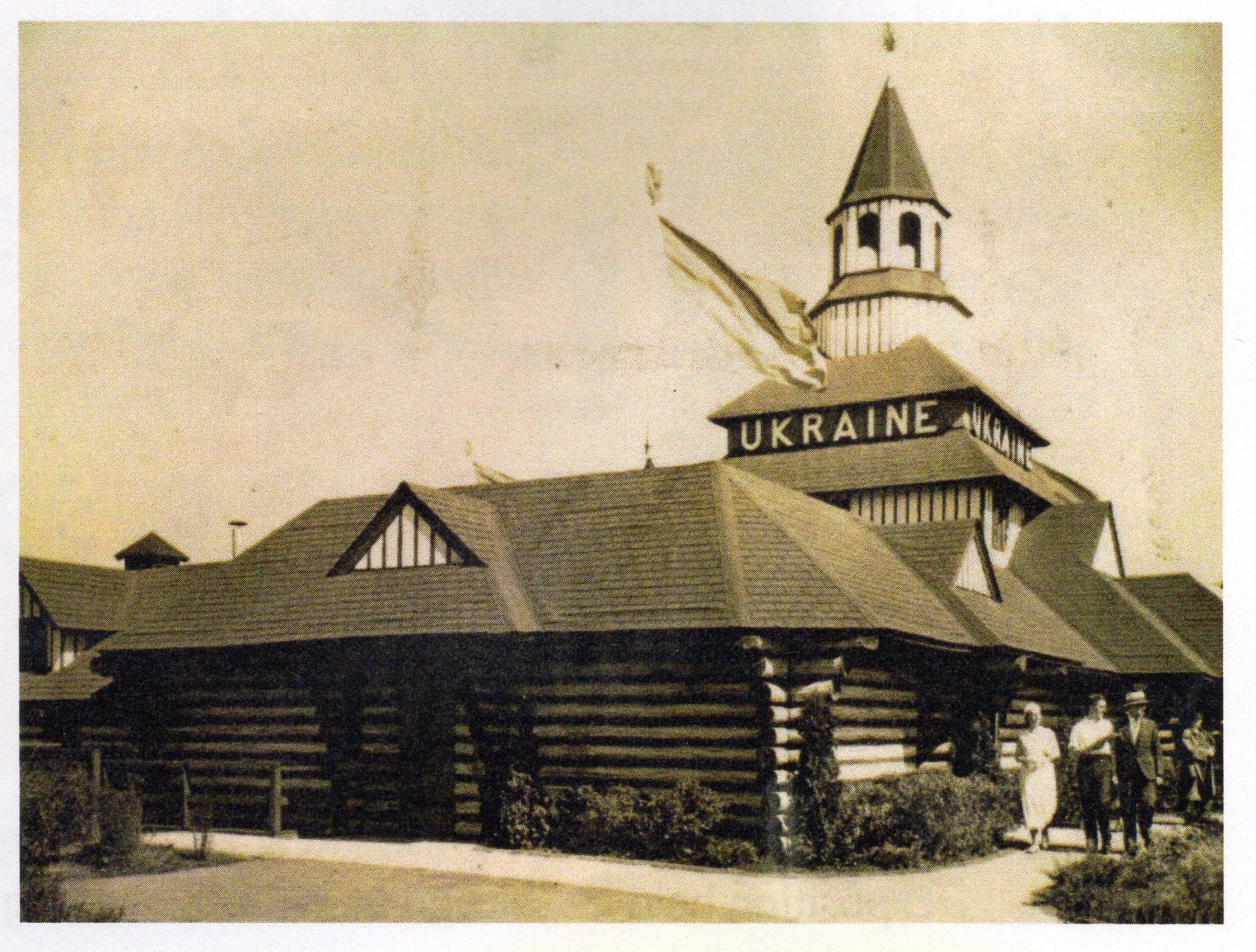
Dr. Siemens was very active and important in the Ukrainian American community. One notable achievement was to serve as the planner, fundraiser and chair of the Ukrainian exhibit at the Century of Progress World’s Fair in Chicago in 1933-34.
He also helped to establish St. Nicholas Ukrainian Catholic Cathedral in Ukrainian Village on Chicago’s north side. And in the early 1950s he was instrumental in establishing the Ukrainian National Museum.
Dr. Siemens has been called the “first ambassador for Ukraine in the U.S.” because of his efforts to preserve Ukrainian history and to help refugees from the country. Many dignitaries including the Crown Prince of the Ukraine visited the family in the Castle.
From Chicago’s Only Castle – The History of Givins’ Irish Castle and Its Keepers by Errol Magidson.
This Sunday, March 1, 2020, is the grand opening of the new exhibit at the Ridge Historical Society, 10621 S. Seeley Ave., Chicago. "Real American Girls of the Ridge" pairs American Girl dolls from the Historic Collection with real women from the same time period who were connected to the Ridge. The event runs from 2:00 to 5:00 p.m., is free and open to the public. Refreshments will be served. Watch the RHS Facebook page for features from this exhibit.
Old street names in Beverly/Morgan Park: A question came into the Ridge Historical Society. In a photo from the 1920s, an Irving Street was mentioned. Where was this?
Answer: Irving was the original name of Bell Avenue in Beverly. Many of the streets in Beverly and Morgan Park had different names before the communities annexed to the City of Chicago. Bell is a good example. In Beverly it was known as Irving and in Morgan Park it was known as Crescent.
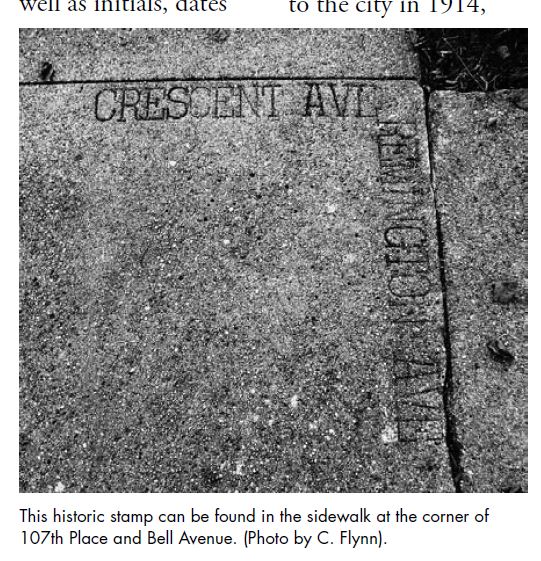
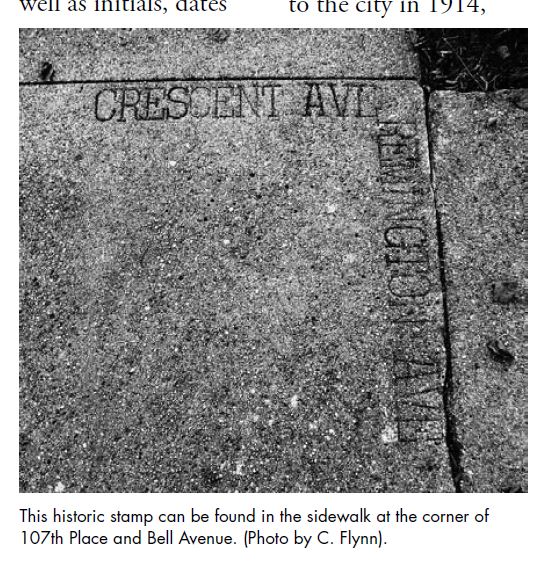
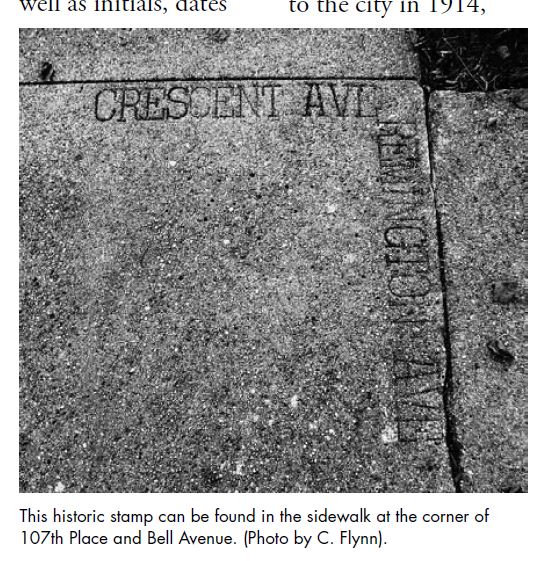
If you look closely, you can still find the old street names stamped into some of the sidewalks. These pictures from past RHS newsletters show two examples. The corner of 107th Place and Bell Avenue has a stamp for Crescent Ave. (Bell) and Remington Ave. (the previous name for 107th Place).
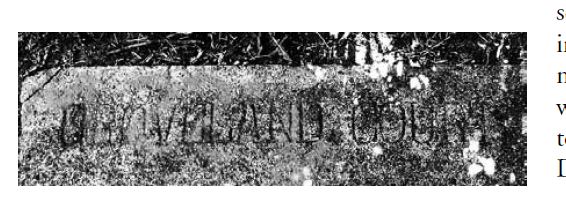
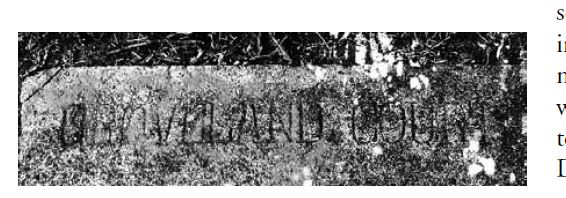
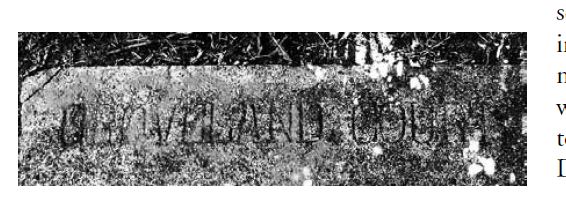
Another stamp is at 108th and Drew Street, for Groveland Court, the pre-annexation name for Drew.
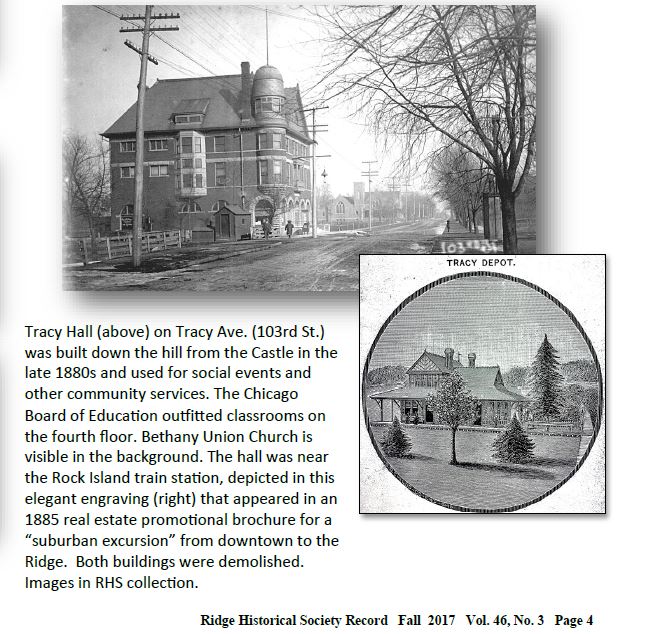
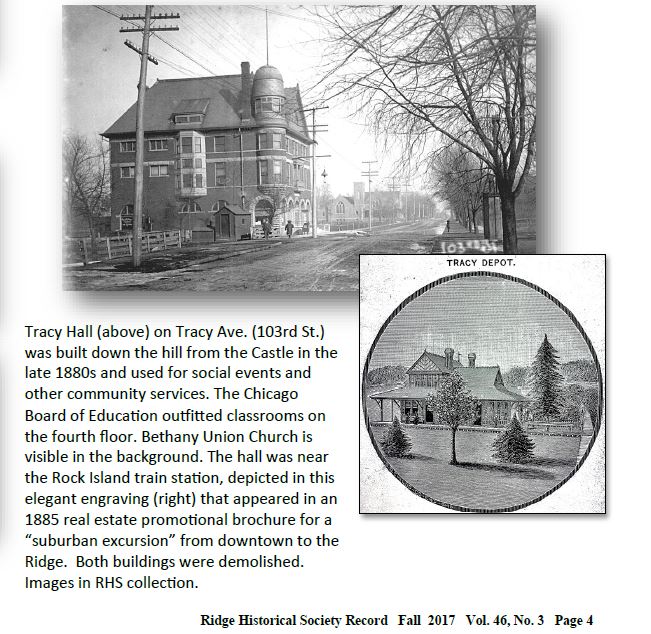
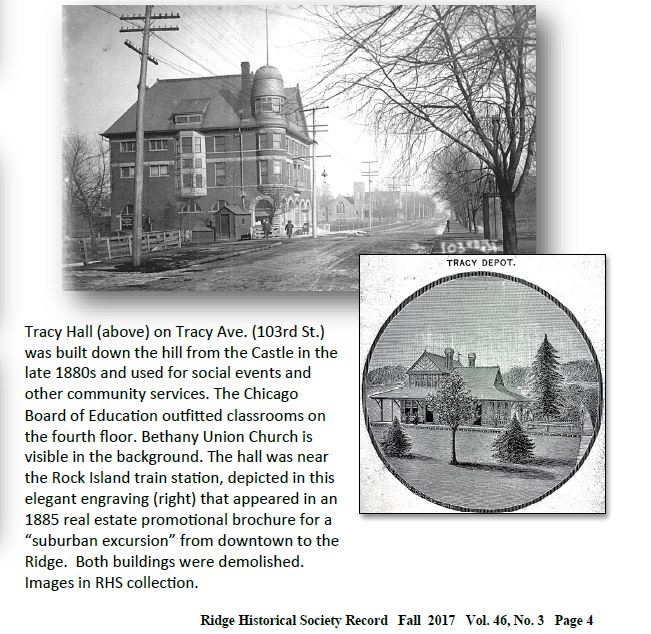
103rd Street was previously known as Tracy Ave., and indeed, the entire area around 103rd and Longwood was known as Tracy before the name Beverly caught on. The train station at 103rd Street was the Tracy stop and there was a famous Tracy Hall right by the tracks, but alas, that is gone now.
Old street names in Beverly/Morgan Park: A question came into the Ridge Historical Society. In a photo from the 1920s, an Irving Street was mentioned. Where was this?
Answer: Irving was the original name of Bell Avenue in Beverly. Many of the streets in Beverly and Morgan Park had different names before the communities annexed to the City of Chicago. Bell is a good example. In Beverly it was known as Irving and in Morgan Park it was known as Crescent.
If you look closely, you can still find the old street names stamped into some of the sidewalks. These pictures from past RHS newsletters show two examples. The corner of 107th Place and Bell Avenue has a stamp for Crescent Ave. (Bell) and Remington Ave. (the previous name for 107th Place).
Another stamp is at 108th and Drew Street, for Groveland Court, the pre-annexation name for Drew.
103rd Street was previously known as Tracy Ave., and indeed, the entire area around 103rd and Longwood was known as Tracy before the name Beverly caught on. The train station at 103rd Street was the Tracy stop and there was a famous Tracy Hall right by the tracks, but alas, that is gone now.
Old street names in Beverly/Morgan Park: A question came into the Ridge Historical Society. In a photo from the 1920s, an Irving Street was mentioned. Where was this?
Answer: Irving was the original name of Bell Avenue in Beverly. Many of the streets in Beverly and Morgan Park had different names before the communities annexed to the City of Chicago. Bell is a good example. In Beverly it was known as Irving and in Morgan Park it was known as Crescent.
If you look closely, you can still find the old street names stamped into some of the sidewalks. These pictures from past RHS newsletters show two examples. The corner of 107th Place and Bell Avenue has a stamp for Crescent Ave. (Bell) and Remington Ave. (the previous name for 107th Place).
Another stamp is at 108th and Drew Street, for Groveland Court, the pre-annexation name for Drew.
103rd Street was previously known as Tracy Ave., and indeed, the entire area around 103rd and Longwood was known as Tracy before the name Beverly caught on. The train station at 103rd Street was the Tracy stop and there was a famous Tracy Hall right by the tracks, but alas, that is gone now.
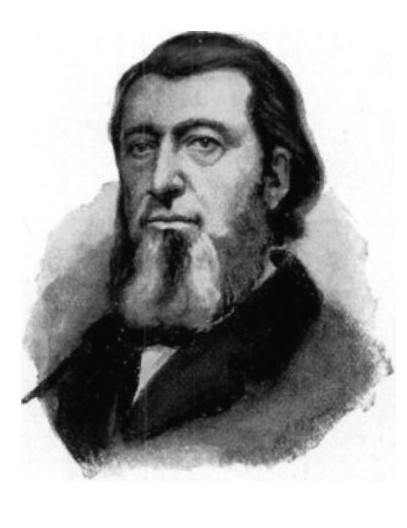
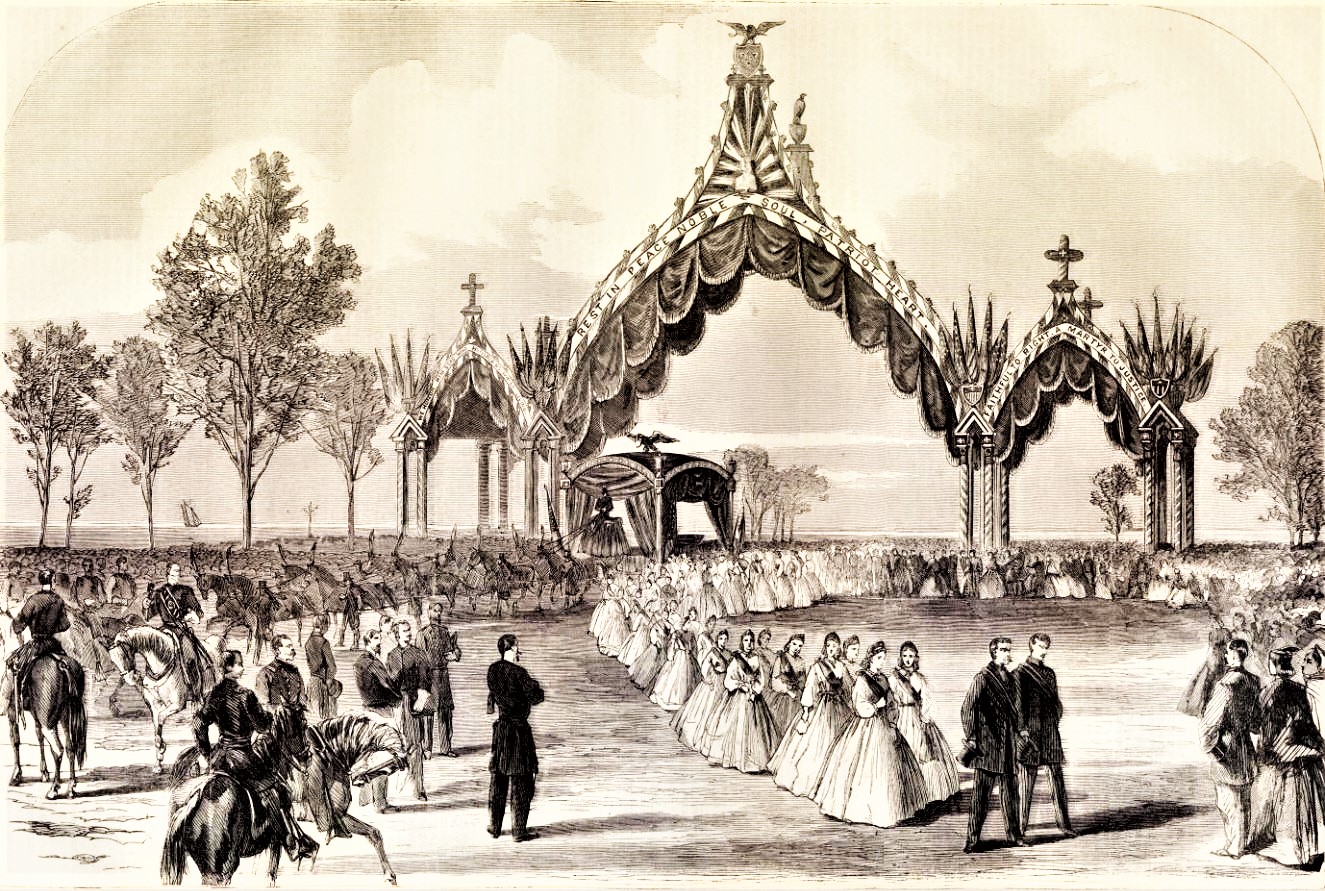
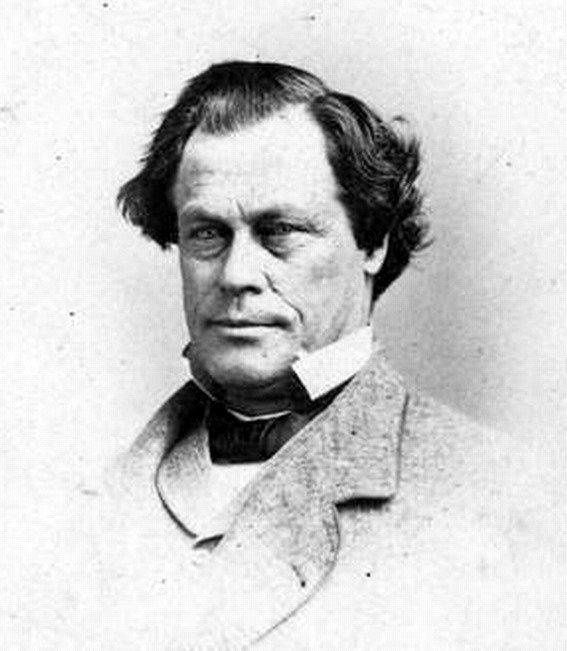
The Ridge Historical Society is wrapping up Presidents Day with a look at some of the connections between Abraham Lincoln and the Ridge.
The Illinois slogan is "Land of Lincoln." Although Lincoln was born in Kentucky in 1809 and spent much of his youth in Indiana, it was in Illinois, where he moved in 1830, that he became a self-taught lawyer practicing out of Springfield, became active in politics, and was elected the 16th President of the United States in 1860. He was assassinated in 1865, and his remains were brought back to Illinois for burial.
Lincoln traveled the legal circuit on his horse, Old Bob. With certainty, he rode through the Ridge on the Vincennes Trail on his many trips to Chicago. He came to Chicago often for legal business, social interaction, and most importantly, politics.
Three of the people from the Ridge that were in Lincoln’s circle were Ebenezer Peck, Austin Wiswall and Charles Ten Broeke. See the accompanying pictures for their connections.
May 6 to 12 was National Nurses Week, and the Ridge Historical Society did not forget about nurses! One recent history story we posted included the role of nurses in caring for patients during the influenza epidemic in 1918. Nurses bravely went into the homes of quarantined patients to help families care for their sick, plus assist with other domestic tasks, risking illness themselves.
We've also been doing research on some of the earliest nurses on the Ridge – those from the U. S. Civil War era.
Nursing as a profession was in its infancy then, and there were no formal nursing education programs. In fact, there were not even many hospitals – only about 150 in the country.
Thousands of women served as nurses during the U. S. Civil War. At first, women were considered too delicate to be able to withstand the conditions of tending to the sick and wounded, but they soon proved themselves through their determination, hard work and sacrifice.
Women started as volunteers, but thanks to the efforts of Clara Barton, a U.S. Army corps of nurses was formed in 1861. They were paid 40 cents per day for their service. (Male nurses were paid many times that, more than $200 per month.)
The nurses who "enlisted" came from many backgrounds: soldiers’ wives who had accompanied their husbands to military camps, local residents from the areas where camps were set up, religious institutions, and relief organizations. Not only did they deal with the injured, they also cared for patients with pneumonia, typhoid, dysentery, and malaria. Two-thirds of the deaths in the Civil War were from disease, not injury.
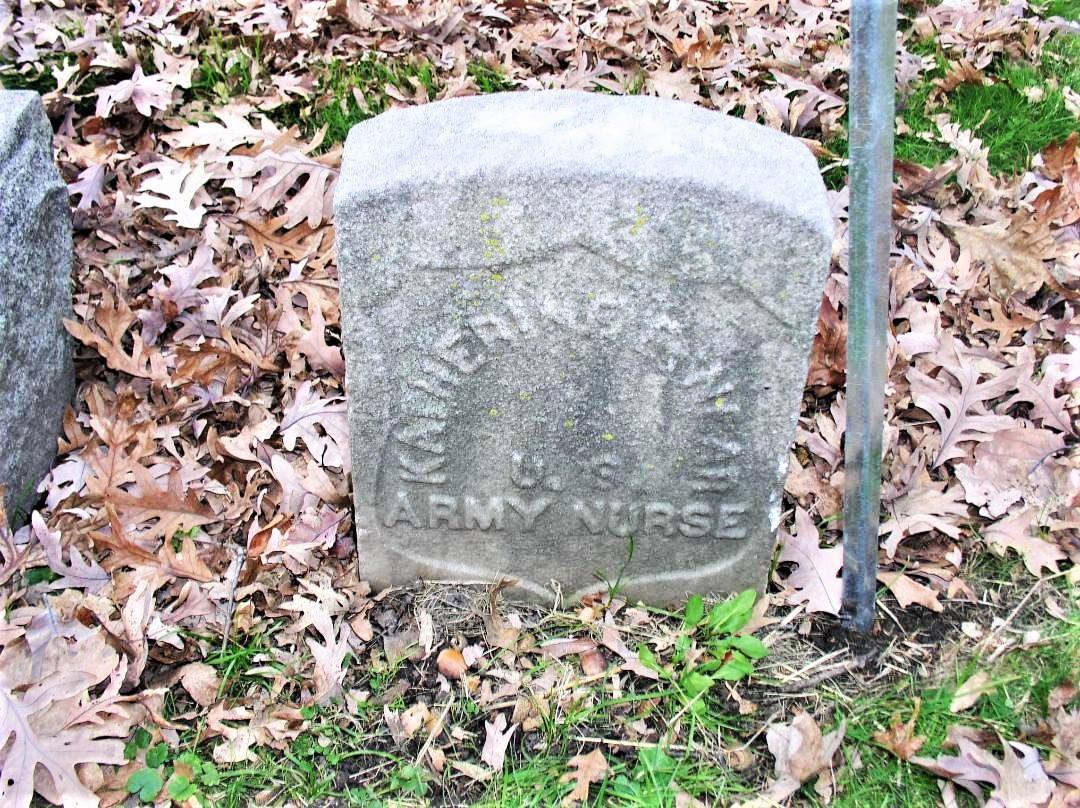
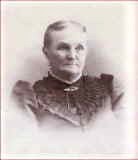
The graves of two nurses from the Civil War have been found in Ridge cemeteries. Mount Greenwood Cemetery includes the grave of Catherine E. Near. (Her name is spelled as Katherine on the stone; she went by Kate.) She was from Blue Island, and she died in 1908. Her maiden name was Fay. Her brother was Jerome Fay, of Fay's Point in Blue Island.
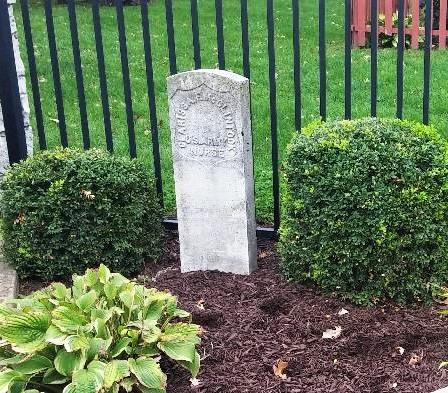
At the entrance to Memorial Park on 127th Street in Blue Island is a display of old tombstones dating back to the days when the park was the Blue Island Cemetery. One of the stones belonged to Clarissa F. McClintock, U. S. Army Nurse. Her background is being researched.
Ridge Historical Society
Good-bye to “my” World War II veterans
By Carol Flynn
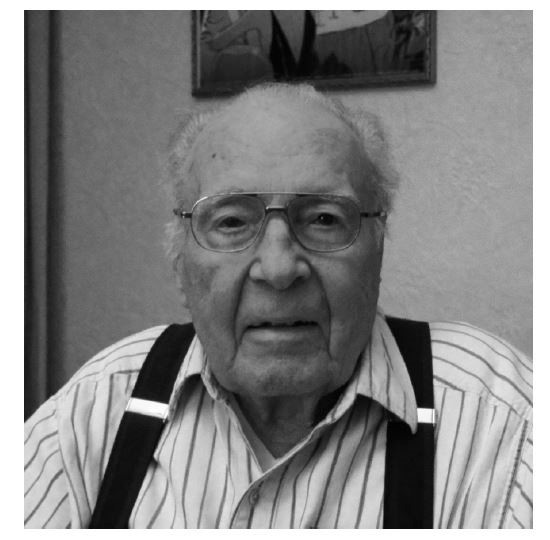
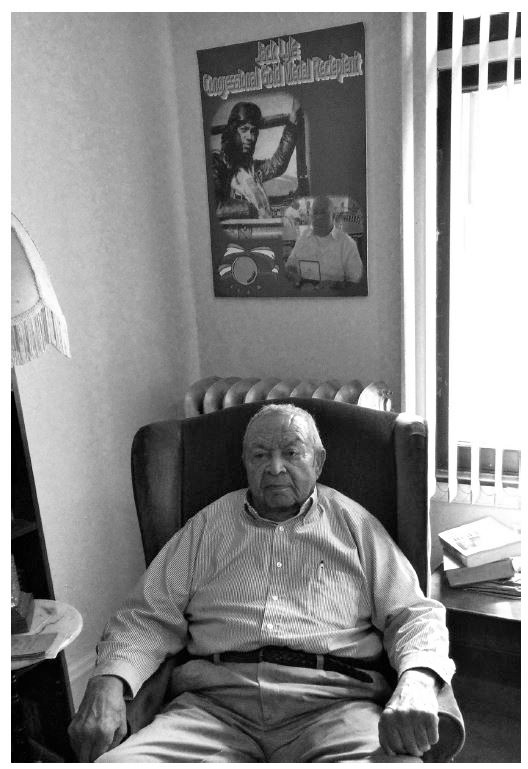
Five years ago, I had the honor and privilege of interviewing four World War II veterans for a Memorial Day feature for the Beverly Area Planning Association Villager and for the Ridge Historical Society newsletter. These men had been invited to be the Grand Marshals for the annual parade. Although they were in their late 80s and 90s, they welcomed me into their homes, and shared their stories and pictures with me. Each of the visits is a cherished memory.
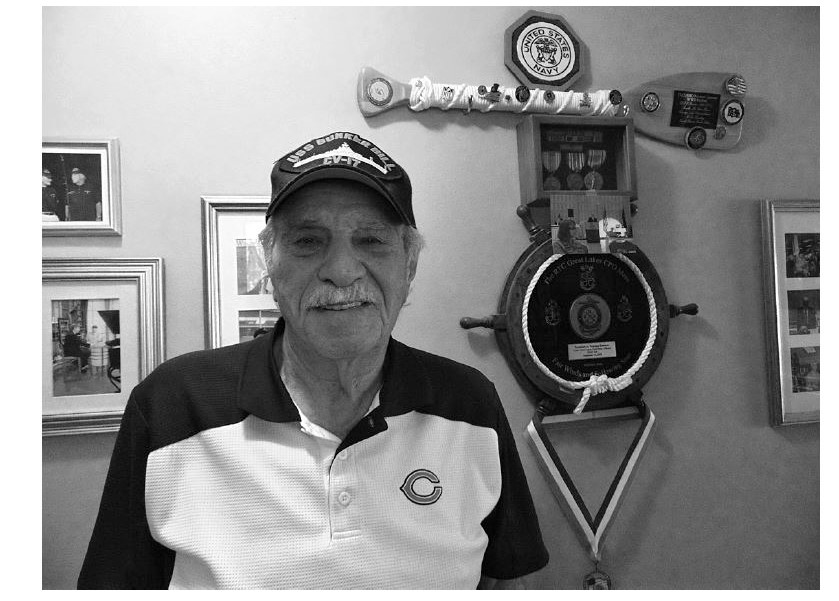
Since that time, one by one they have passed away. The last of them, Norm Lasman, will be laid to rest this week. I would like to briefly recap their stories in tribute.
World War II lasted from 1939 to 1945, although the events leading to the conflict started well before that, and the aftermath lasted long after. Globally, this war was the most widespread and deadliest in history. Over thirty countries and at least 100 million people were involved, with an estimated 25 million deaths. Sixteen million Americans served, with over 400,000 fatalities.
Frederick Pennix was a young husband and father when we was drafted into the U. S. Army infantry. His units were segregated because of race. Pennix was with an anti-aircraft artillery quartermaster company that was shipped to Iwo Jima in March 1945. In the midst of some of the fiercest and bloodiest fighting in the Pacific, his company unloaded ships and delivered supplies, including ammunition, throughout the war zone. The war ended that Fall. Returning home, Pennix had a distinguished career in law enforcement that lasted 60 years.
Bill Sandstrom was accepted into the Great Lakes Naval radar training program in 1944. There, he encountered another kind of deadly enemy – scarlet fever. Infectious diseases have always been a major problem during war times, resulting in many deaths. Sandstrom’s life was saved by a new miracle drug – penicillin. By the time he was recovered and trained, the war was ending. He returned home and, making use of the new G.I. Bill, went to college to become a chemical engineer.
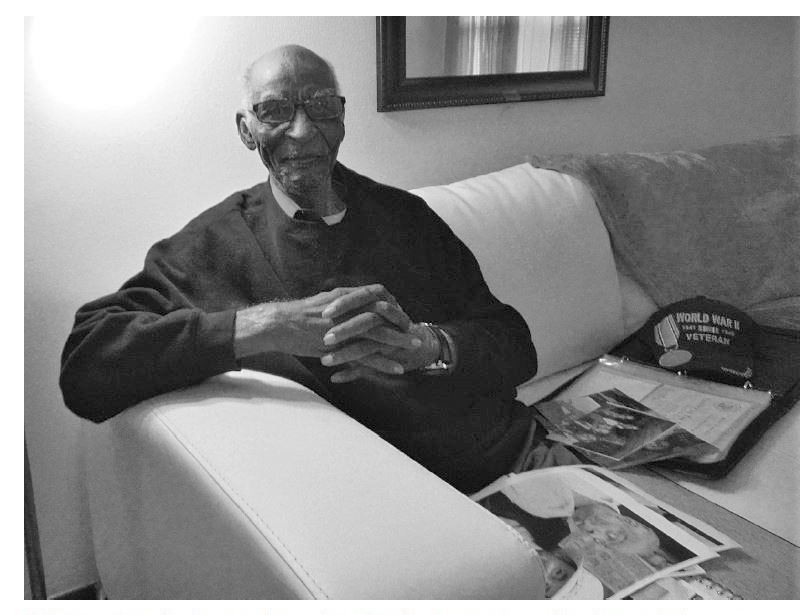
Jack Lyle became a Tuskegee Airman with the 332nd Fighter Group of the U. S. Army Air Forces in 1944. These were the first African American aviators in the U.S. armed forces. He flew twenty-six combat missions and shot down a German fighter plane in a dogfight. Returning to Chicago as a first lieutenant, he was refused further training at O’Hare Airport because “there wasn’t a program for colored pilots.” Lyle owned horse stables in Washington Park and was a police officer with the park district, and ran a tree business for 32 years.
Norm Lasman served in the U.S. Navy from 1942 to 1946. In 1945, his ship, the USS Bunker Hill, was struck by two Japanese kamikaze (suicide) planes, putting the ship out of commission and injuring and killing hundreds of the crew. Lasman, below deck, was overcome by carbon monoxide from the resulting fires. He came to on deck – he had been rescued, the only survivor from the engine room. He had no memory of the incident and did not speak of it for many years. The book Danger’s Hour, by Maxwell Taylor Kennedy, the son of Robert F. Kennedy, recounts the story of the attack. Lasman and Kennedy became friends. Lasman was part of the building of Evergreen Plaza, where he managed a Pador’s clothing store for many years.
Although these four men came from different backgrounds, and had different war time experiences, they had one thing in common – none of them considered himself any kind of a hero.
They were young men put in situations not under their control – they did what they had to do. None of them romanticized the war; there was nothing "glamorous" about it any way. They were in horrifying situations – a bombed ship, aerial combat, a deadly disease, a bloody battle. They all said the same thing – they got lucky, they survived.
Lasman shared a quote from another World War II veteran: “To be honored is one of the most humbling experiences I have ever had.”
Well, they deserve to be honored. Rest in peace, Norm Lasman. And to all four, thank you.
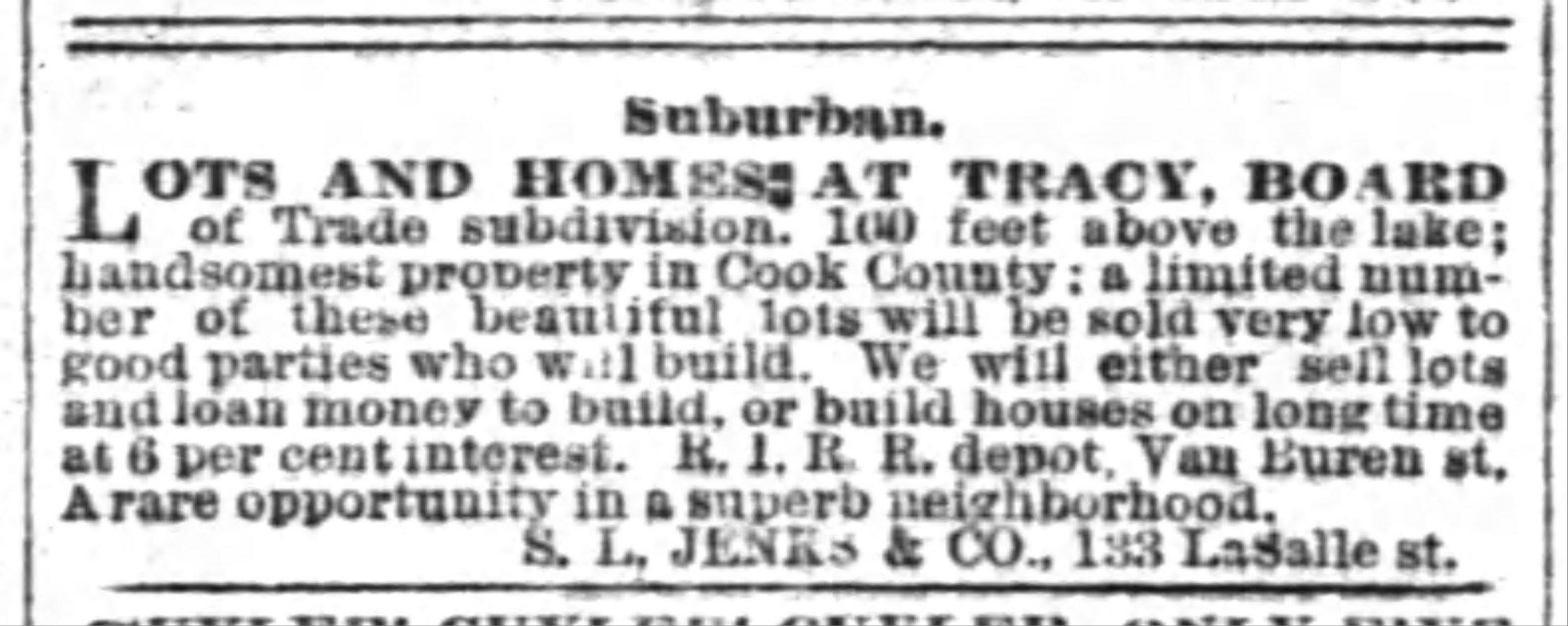
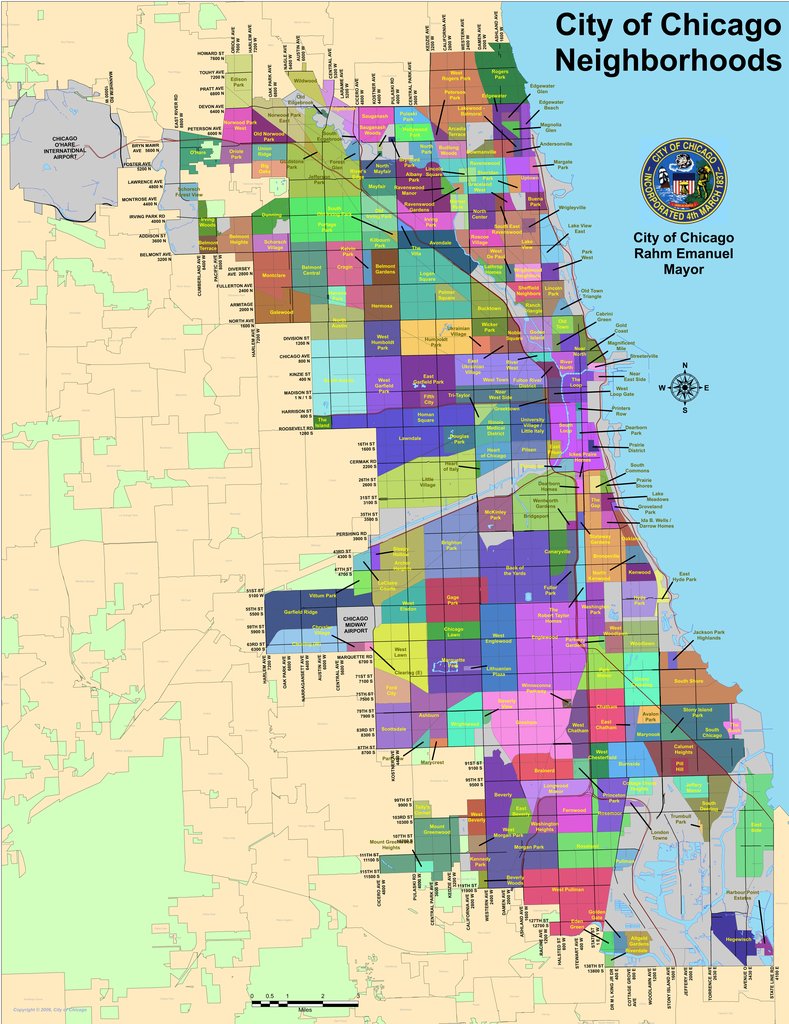
A history discussion is going on in another Facebook page so I am going to share the information I am posting there. The original poster was confused about Chicago wards, neighborhoods, school districts, police districts – they don't match up. The answer is no, they don't because all these systems were developed independently of each other and each system determines its own boundaries. Add in fire districts, postal districts, zip codes, state and federal representative districts, etc., and there are a lot of "boundaries" to keep straight.
On my to-do list is a history of the 19th ward. I'll do that before the next election.
But today I want to share about "neighborhoods." Neighborhood names like Beverly Hills, Morgan Park, Englewood, Ravenswood, Norwood Park, etc., really do not have any "legal" status. They are mostly historical and cultural remnants of villages and towns that were annexed to the city of Chicago through the years. They all have "boundaries" that were legal when they were their own municipalities but that stopped meaning anything when they joined Chicago and the land was assigned to a ward. So today, a "neighborhood" like Morgan Park or Englewood can be in several wards and police districts and school districts, etc. The "neighborhood" has nothing to do with the various districts.
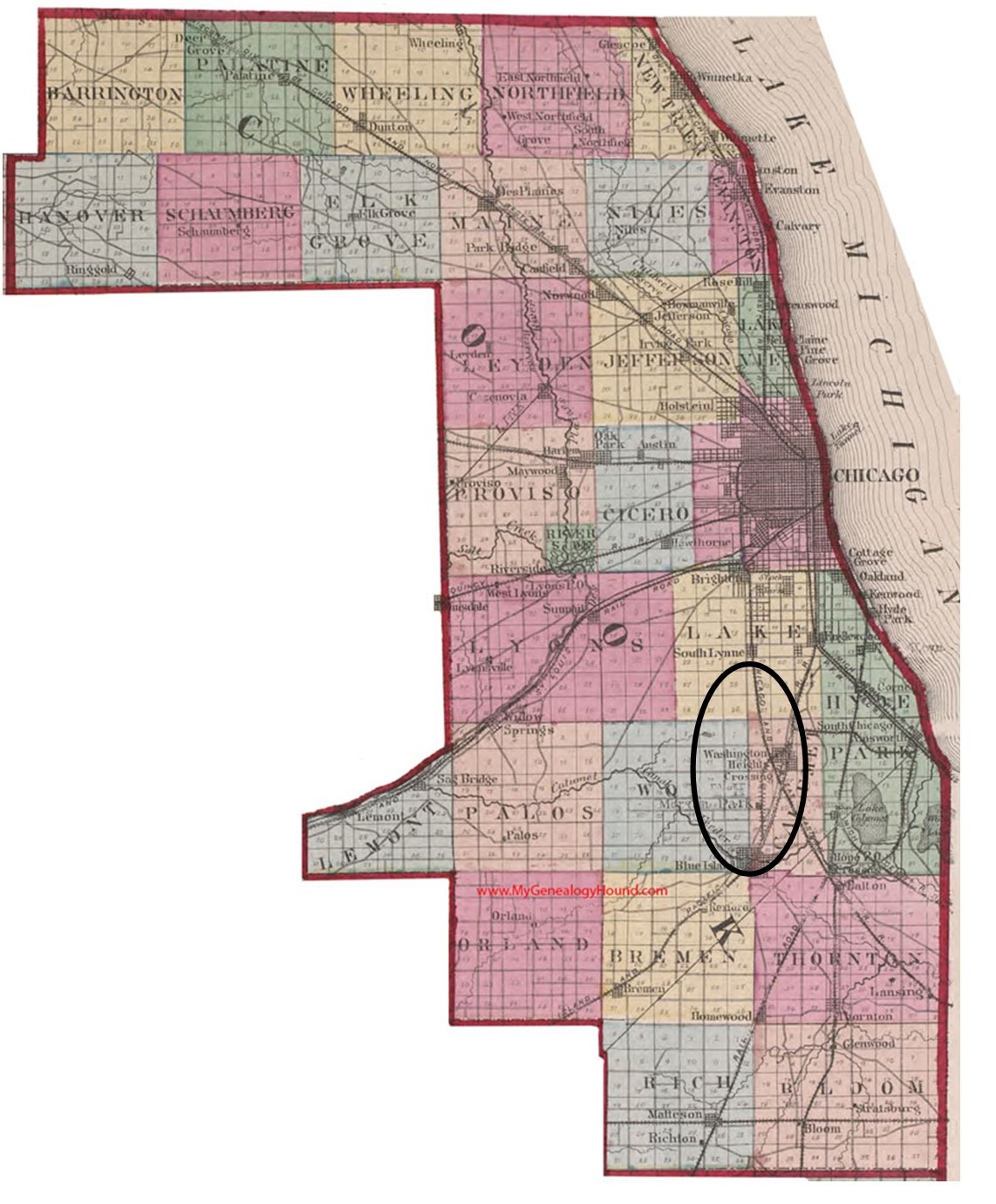
The counties in the state of Illinois were once divided into "townships." Attached is a map of Cook County from 1870, showing the townships. The "Ridge" area is in the circle. Parts were in three townships – Lake, Calumet and Worth. In 1889, all of Lake Township voted to join the city so a big chunk of the northern Ridge became part of the city effective in 1890. Most of today's Beverly was included.
The townships were dissolved in 1902 in Chicago, but they are still used today for taxation purposes. Once dissolved, each municipality was on its own. Morgan Park annexed to the city in 1914, Mount Greenwood in the 1920s. Blue Island and Evergreen Park voted to not annex to the city so that is why the boundaries here on the SW side look the way they do for the city of Chicago.
In addition, neighborhoods were, and still are, often divided up further for commercial and real estate purposes. For example, the area round 103rd Street and Longwood Drive was called "Tracy" for a number of years because 103rd Street was originally called Tracy and there was substantial real estate development in the area. An 1885 ad showing this is attached. Last, a current "neighborhood" map of the area from the city is included, with all the little sub-divisions, mainly used for positioning real estate.