
Explore the RHS Facebook Archives, a rich repository of local history written by Carol Flynn. For two decades, Carol brought a deeply dedicated voice to public education at RHS. Her role as Facebook administrator through mid-2025 naturally extended her prolific research into meticulously detailed articles, most notably her multi-part historical series posts. Today, Carol continues her local history writing for The Beverly Review and other outlets.
Underground Railroad
The Ridge Historical Society
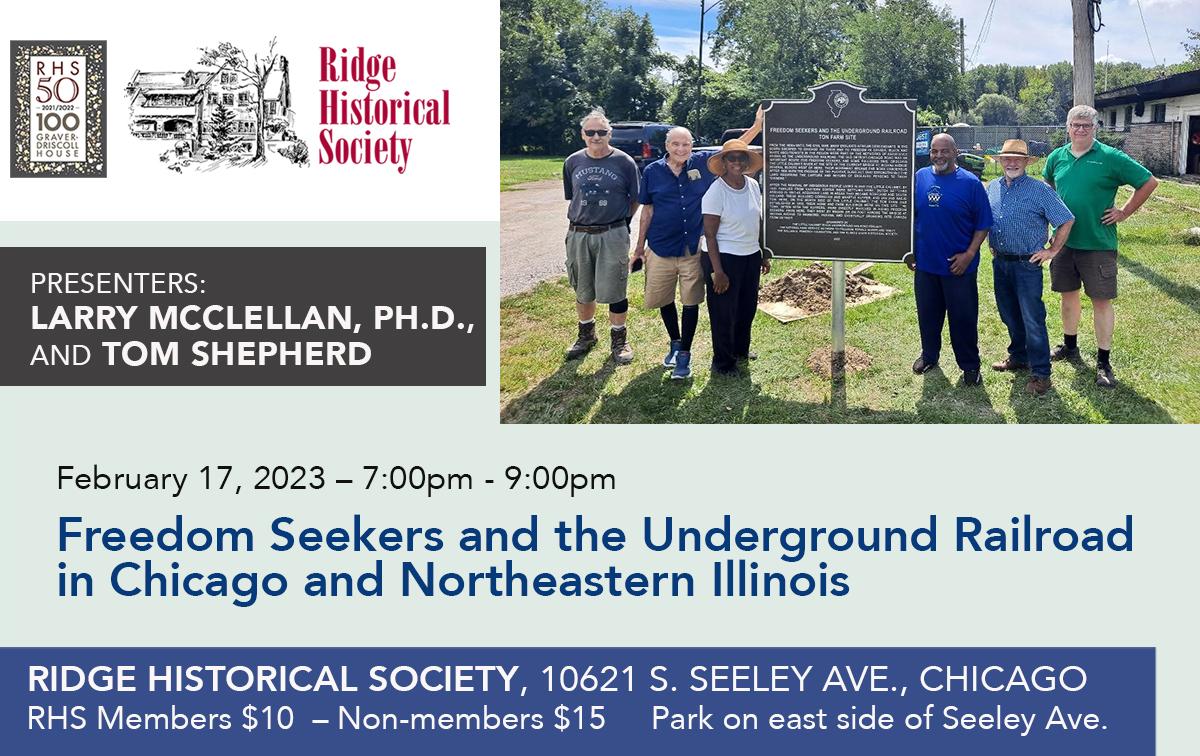
Black History Month Program: “Freedom Seekers and the Underground Railroad in Chicago and Northeastern Illinois”
Presenters: Larry McClellan, PH.D., and Tom Shepherd
Details: Friday, February 17, 2023, 7:00 to 9:00 p.m., at RHS, 10621 S. Seeley Avenue, Chicago. Program followed by refreshments. Cost: $10 for RHS members and $15 for non-members.
This program will explore the movement of fugitive slaves known as “freedom seekers” and the network of support that developed as the Underground Railroad. In the decades before the the Civil War, several thousand freedom seekers travelled through northeastern Illinois. Their stories, and the range of encounters with white and Black abolitionists who provided them with assistance, will be shared in this program.
Professor Larry McClellan has written extensively on the Underground Railroad in Illinois and northwest Indiana. He was the principal author of applications that added sites in Crete, Lockport and on the Little Calumet River to the National Park Service registry of significant Underground Railroad sites in America. He is the President of the Little Calumet River Underground Railroad Project.
He is the author of three books: Onward to Chicago: Freedom Seekers and the Underground Railroad in Northeastern Illinois, which will be released this summer; The Underground Railroad South of Chicago; and To the River: The Remarkable Journey of Caroline Quarlls, a Freedom Seeker on the Underground Railroad.
Tom Shepherd is the Secretary and Project Director for the Little Calumet River Underground Railroad Project. He is a well-known and respected preservation, environmental, and social activist in the south Chicagoland region, hailing from the Pullman community. He was President of the Southeast Environmental Task Force for fifteen years and currently works for the Hegewisch Business Association as special assistant to the Executive Director.
RHS will also premier its new permanent exhibit on the Underground Railroad on the Ridge at this event. There were several locations in Beverly associated with UGRR activity in the days leading up to the U.S. Civil War.
This will be a sold-out event, as the occupancy at RHS is very limited. Reservations will be honored for this event as first come, first served. Please purchase a ticket (guaranteed) or RSVP (no “maybes”) as soon as possible. Ticket sales and RSVPs will end on Feb. 14 at 6 p.m. or as soon as the event is sold out. Walk-ins will likely not be accommodated for this event.
For tickets: https://bit.ly/rhs-UGRR
The Ridge Historical Society
Black History Month: The Underground Railroad (UGRR) and the Ridge – Part 1
By Carol Flynn
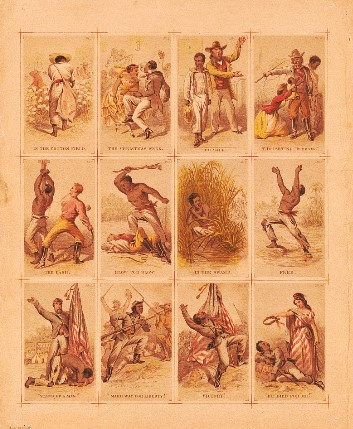
The “Underground Railroad” is the name given to the escape and flight strategies and systems that slaves used to resist bondage and gain freedom in the years leading up to the U.S. Civil War.
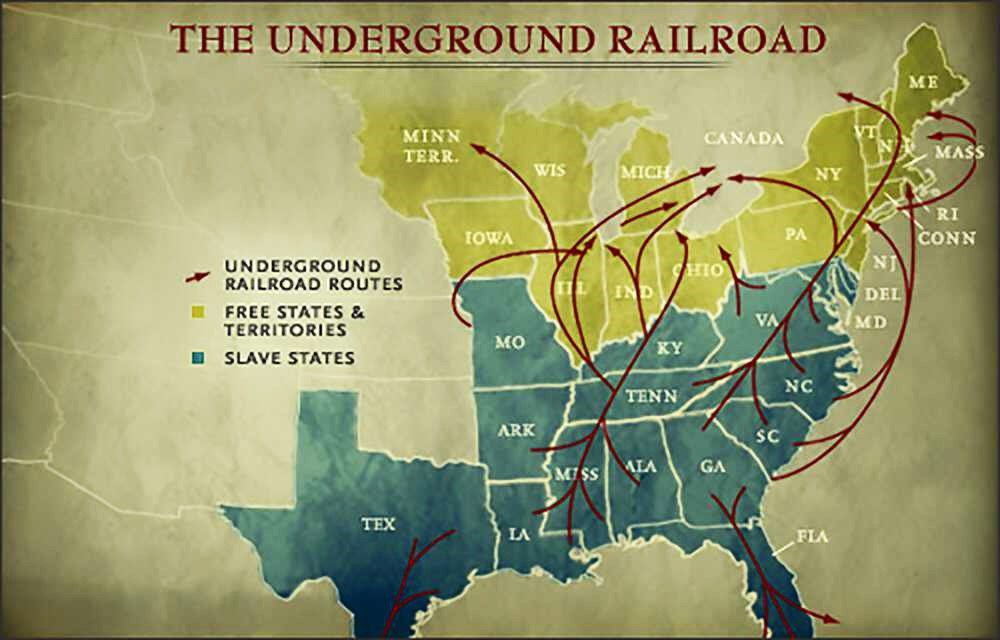
Although the name “Underground Railroad” sounds like a subway system, it was actually a complex network of routes, hiding places, safe houses, and warning techniques that slaves used in their escape to freedom to the northern states, Canada, the western territories, and south to Mexico and the Caribbean islands that were slavery-free.
There was no official leader or organization for the UGRR, and very rarely anything in writing that could be confiscated. Escape routes, places of refuge, and warnings were all passed along by word of mouth.
Most of the traveling was done at night over land and waterways. As more actual trains and tracks came into being, escaped slaves did occasionally travel secretly by train also. For example, out east, the Baltimore and Ohio Railroad, founded in 1827, was used by slaves escaping to freedom in Pennsylvania.
Terminology from the railroads was used in the UGRR, not only for the name of the movement itself, but the abolitionists (those who opposed slavery and wanted to see it abolished) who helped the escaped slaves were called “conductors,” the escaped slaves were called “passengers,” and the safe houses were called “stations” or “depots.” The owners of the safe houses were “station masters” and other people who gave money and supplies were “stockholders.”
The escaped slaves were labeled as fugitives and runaways, but today, the preferred term is “freedom seekers,” considered in retrospect as a more accurate description.
Many freedom seekers made their own way to safety, but many were aided along their way by both white and Black abolitionists. It is estimated that tens of thousands of freedom seekers used the UGRR.
The abolitionists who helped freedom seekers did so at great peril to themselves. The Fugitive Slave Act of 1850, passed by the U.S. Congress, permitted for the seizure and return of runaway slaves who escaped from one state and fled into another. Federal marshals who refused to enforce the law and individuals who helped slaves to escape were heavily penalized, with a fine of $1,000, about $40,000 in today’s value. This could cause property owners to lose their land.
UGRR stations were located in basements, barns, churches, and caves. Groups of freedom seekers established independent locations called “maroon communities” in wetlands and marshes that aided freedom seekers. “Free people of color” would disguise themselves as slaves to access plantations and guide the slaves in seeking freedom. There are documented case studies of Native Americans helping freedom seekers.
In 1998, the U.S. Congress passed the National Underground Railroad Network to Freedom Act, which President Bill Clinton signed into law. This authorizes the U. S. National Park Service to identify, preserve, and educate about UGRR sites as part of a National Underground Railroad Network to Freedom program.
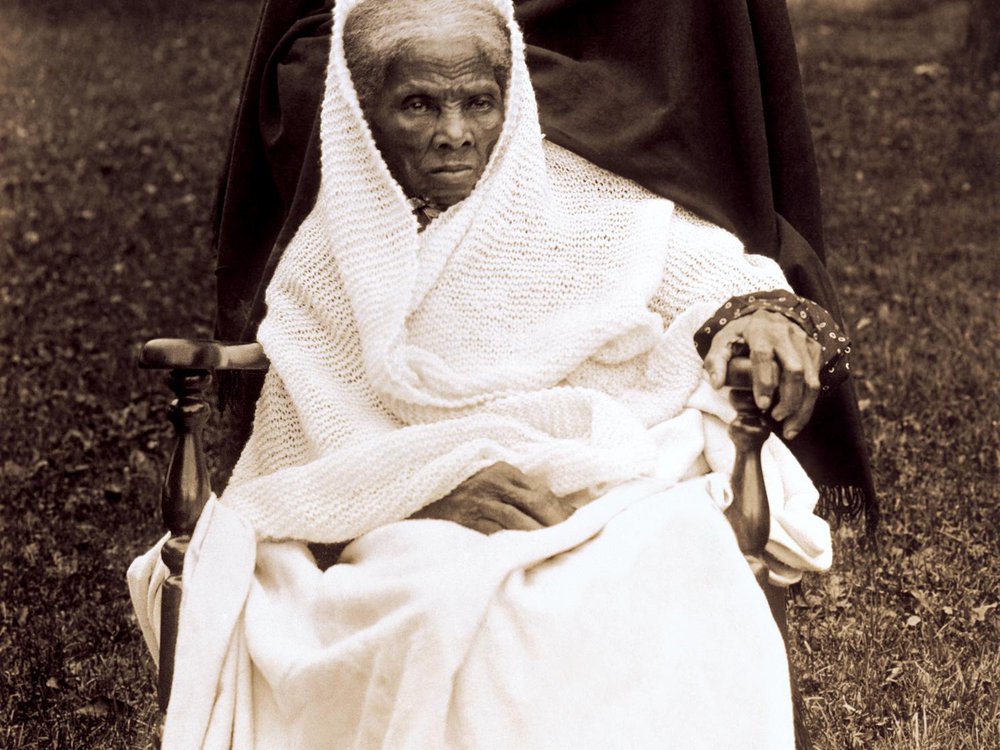
Among many historic names associated with the UGRR is Harriet Tubman (1822-1913). A freedom seeker herself, she made numerous trips back to the south through the UGRR network to rescue enslaved family members and friends. During the U.S. Civil War, she was an armed scout and spy for the Union Army. After the war, she became an ardent women’s suffragist.
Northern Illinois, the Chicago and Calumet areas, and the Blue Island Ridge all saw UGRR action in the decades leading up to the U.S. Civil War.
Professor Larry McClellan, a leading expert and author on the UGRR in Northern Illinois, and Tom Shepherd, a preservation and environmental activist, will present “Freedom Seekers and the Underground Railroad in Chicago and Northeastern Illinois” at RHS this Friday. McClellan and Shepherd are, respectively, the President and the Secretary/Project Director for the Little Calumet River Underground Railroad Project. The program is sold out.
In the next few posts, RHS will present information on UGRR sites in the south Chicago area, including informal sites connected to the Blue Island Ridge.
The Ridge Historical Society
Black History Month: The Underground Railroad (UGRR) and the Ridge – Part 2
By Carol Flynn
The Ridge Historical Society hosted Dr. Larry McClellan and Tom Shepherd from the Little Calumet River Underground Railroad Project for a presentation on Friday evening, February 17th.
McClellan is the leading expert on the Underground Railroad (UGRR) in northeastern Illinois and has written three books related to the topic: To the River, the Remarkable Journey of Caroline Quarlls (available now), The Underground Railroad South of Chicago (reprint will be available in a few weeks), and Barefoot to Chicago: Freedom Seekers and the Underground Railroad in Northeastern Illinois (coming this summer).
Shepherd is well-known preservation, environmental, and social activist in the south Chicagoland region, hailing from the Pullman community. He was with the Southeast Environmental Task Force for fifteen years, where he served as President.
The UGRR started in response to enslaved people escaping the inhumane and immoral system allowed to exist in the southern states. As these people made their way to places of freedom like Canada, they started to receive assistance along their ways from others sympathetic to their cause. The informal network of safe houses and other means of assistance became known as the Underground Railroad. Information was passed along by word of mouth.
The preferred terminology for escaped slaves is “freedom seekers.” This takes the emphasis off of their standing as fugitives, escapees, runaways, and breakers of the law. Instead, emphasis is placed on their humanity and their intrinsic right to live in freedom, and their bravery to risk everything, their very lives, to achieve that goal.
A major route for freedom seekers traveling to Canada was through the Chicago area. Usually traveling at night along ancient trails first carved by animals, then used by Native Americans and later traders, it is estimated that as many as 4,500 freedom seekers came through the area. Many made the journey on their own, but many were helped by white and Black abolitionists, people who believed slavery should be abolished.
Although Illinois was a free state, the Fugitive Slave Act of 1850, passed by the U.S. Congress, mandated the capture and return of runaway slaves who escaped from one state and fled into another. Individuals who helped slaves to escape were heavily penalized, with a fine of $1,000, about $35,000 in today’s value, and possible jail time. The actual number of abolitionists willing to break the law and help escaped slaves was small.
The next posts will cover the Chicago-area community of abolitionists who helped the freedom seekers and UGRR sites in the area, including those connected to the south side of Chicago and the Ridge.
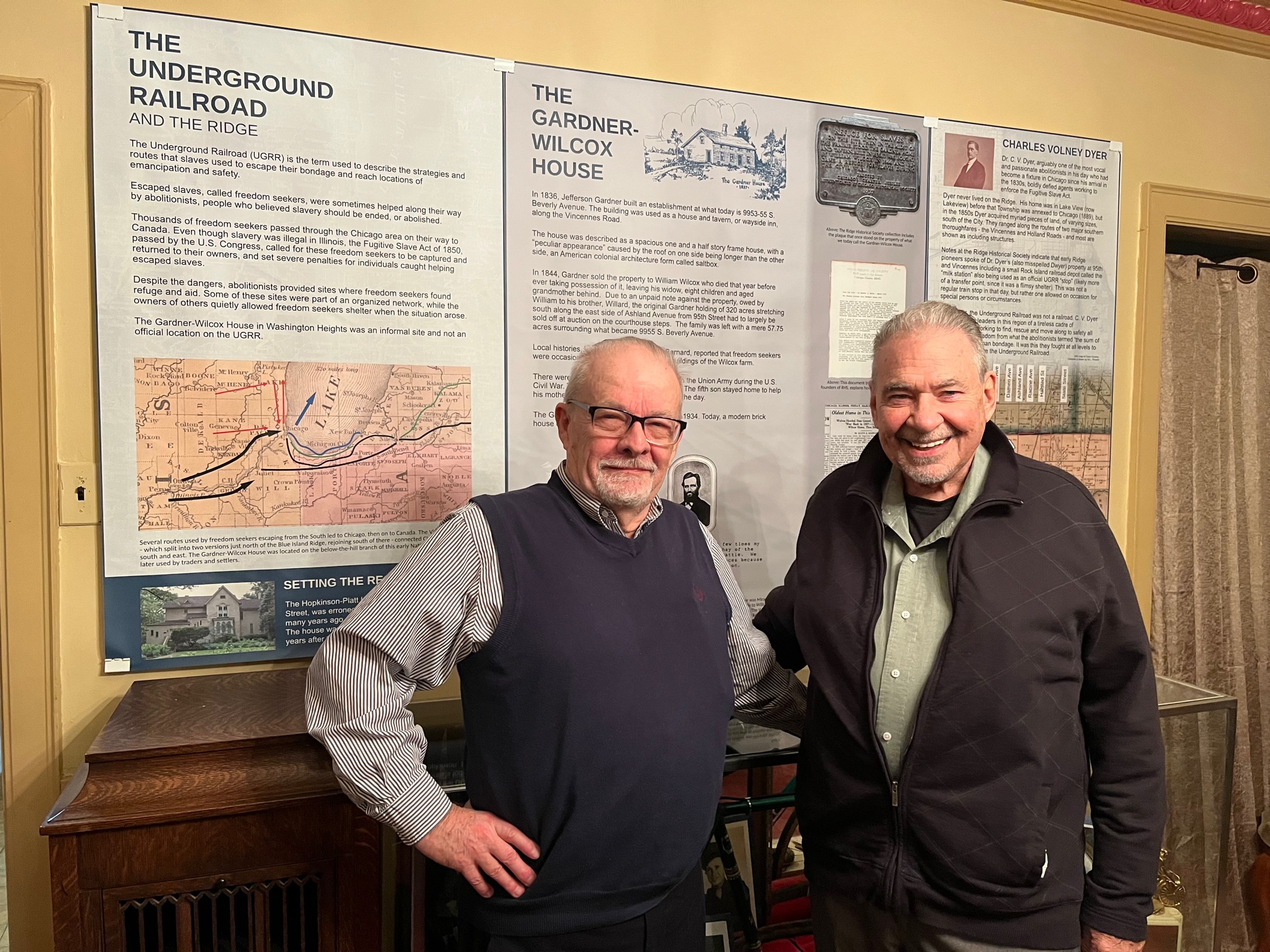
Picture: Larry McClellan (left) and Tom Shepherd at RHS in front of an exhibit on the Ridge site known to have harbored freedom seekers. Photo by D. Nemeth.
The Ridge Historical Society
Black History Month: The Underground Railroad (UGRR) and the Ridge – Part 3
By Carol Flynn
In the decades leading up to the U.S. Civil War, abolitionists in the Chicago area helped thousands of escaped slaves, today referred to as “freedom seekers,” along their journey via the “Underground Railroad” to safety and freedom in Canada.
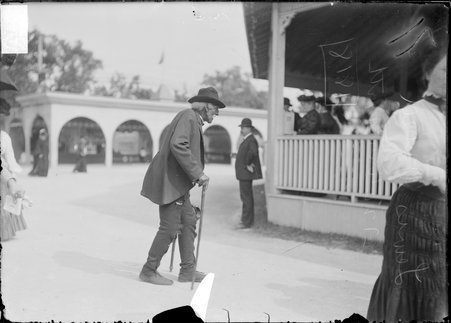
There were notable Black abolitionists in Chicago, including Lewis Isbell (1819-1905), who was born a slave but set free, and came to Chicago in 1838, where he worked as a barber. He knew Abraham Lincoln and Stephen Douglas. By his own account, Isbell helped over 1,000 freedom seekers at great danger to himself, sharing stories like the time in 1857 when he was shot at four times by a slave owner from Missouri. He is buried on the Ridge in Mount Olivet Cemetery on 111th Street.
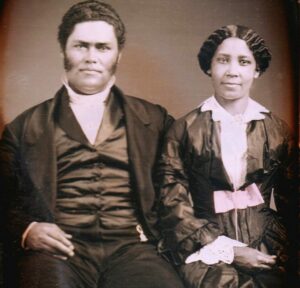
Another abolitionist couple was John Jones (1816-1879) and Mary Jane Richardson Jones (1819-1909), who harbored and fed freedom seekers at their home at 9th Street and S. Plymouth Court. Jones was the first Black man to be elected to office in Cook County as a commissioner. Mary was a pioneer in the suffrage movement.
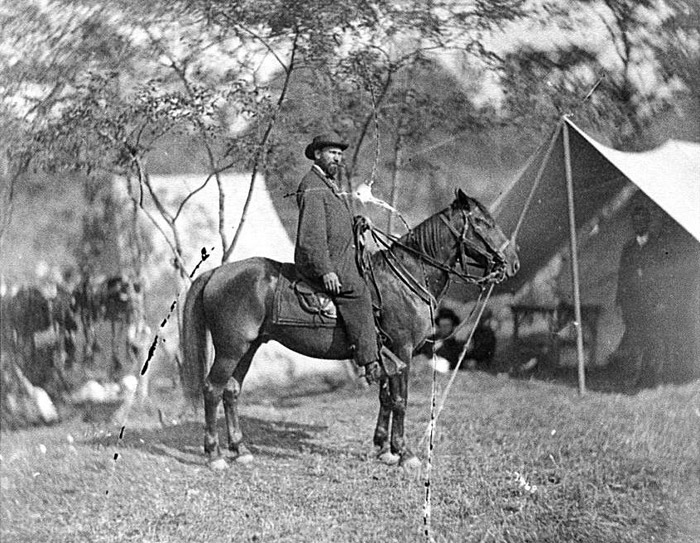
Other abolitionists included Allan Pinkerton (1819 – 1884), founder of the famous detective agency. He was born in Scotland and came to Chicago at the age of 23. He was a cooper, and had a barrel-making shop near Chicago, which was a safe house along the Underground Railroad.
South of the city, the Wilcox farm, located at today’s 99th Street and Beverly Avenue, was located along the Vincennes Road, and although it was not an “official” stop on the UGRR, there are anecdotal stories of freedom seekers being allowed to sleep in the barn and being fed there as they made their way to Chicago and then to Canada. RHS has a new exhibit on the location.
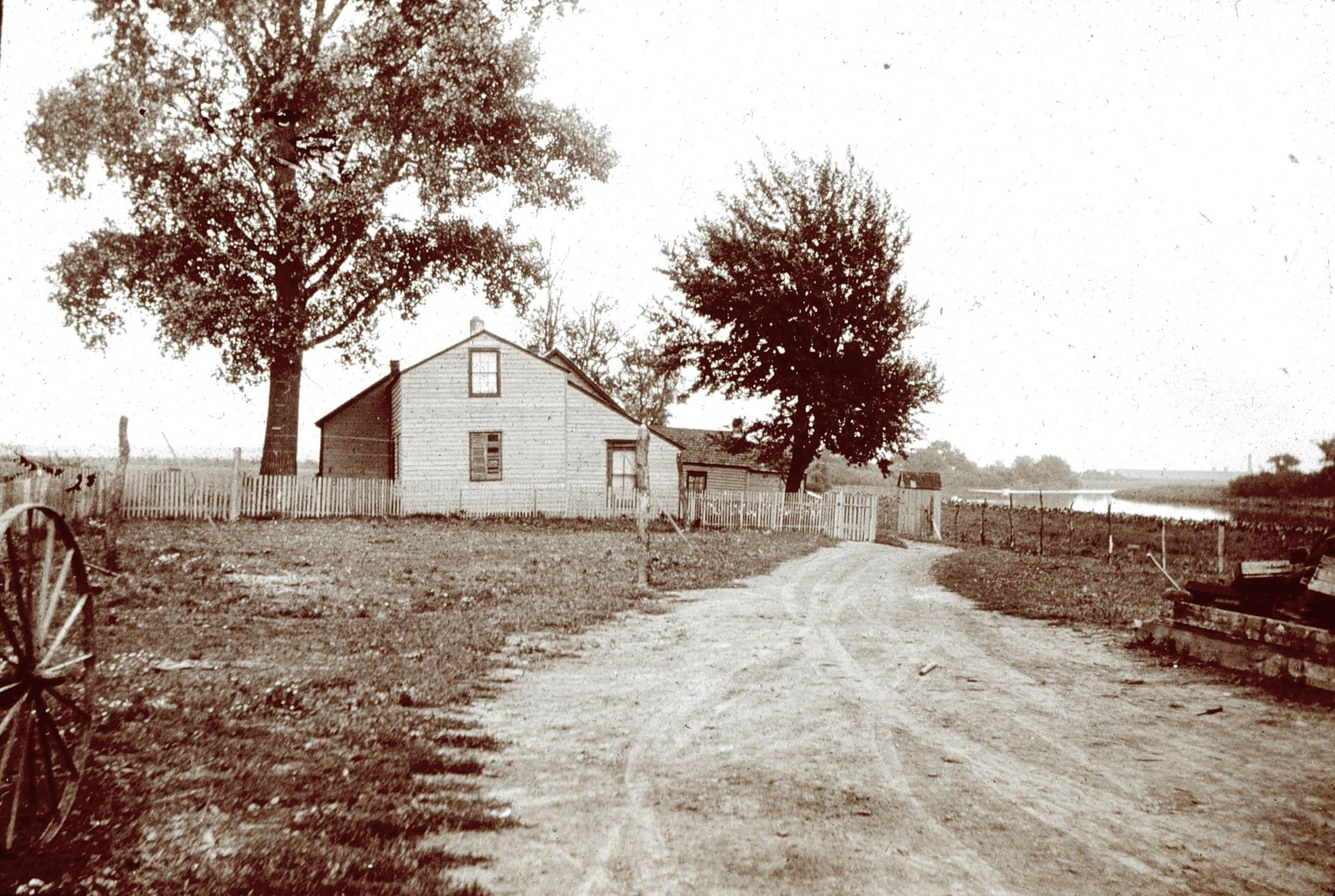
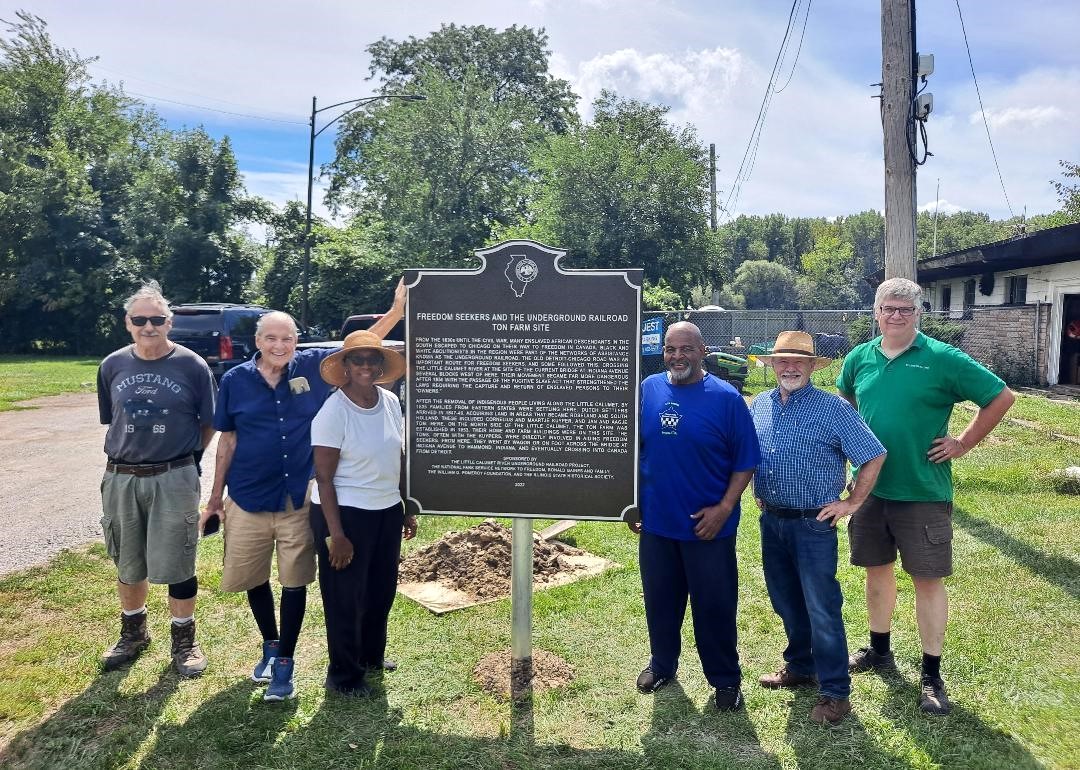
Farther to the southeast was the Jan and Aagie Ton Farm along the Little Calumet River, a known stop on the Underground Railroad and the focus of the Little Calumet River Underground Railroad Project.