
Explore the RHS Facebook Archives, a rich repository of local history written by Carol Flynn. For two decades, Carol brought a deeply dedicated voice to public education at RHS. Her role as Facebook administrator through mid-2025 naturally extended her prolific research into meticulously detailed articles, most notably her multi-part historical series posts. Today, Carol continues her local history writing for The Beverly Review and other outlets.
2023

The Ridge Historical Society
Christmas Cookies
By Carol Flynn
Homemade cookies at Christmastime are a time-honored tradition.
People spend the month of December planning and shopping, and then days in the kitchen baking family favorites and traditional ethnic delights, and perhaps trying a new recipe or two.
For decades, Chicagoans looked to the Chicago Tribune and food editor Mary Meade for Christmas cookie recipes and ideas, and Mary never disappointed.
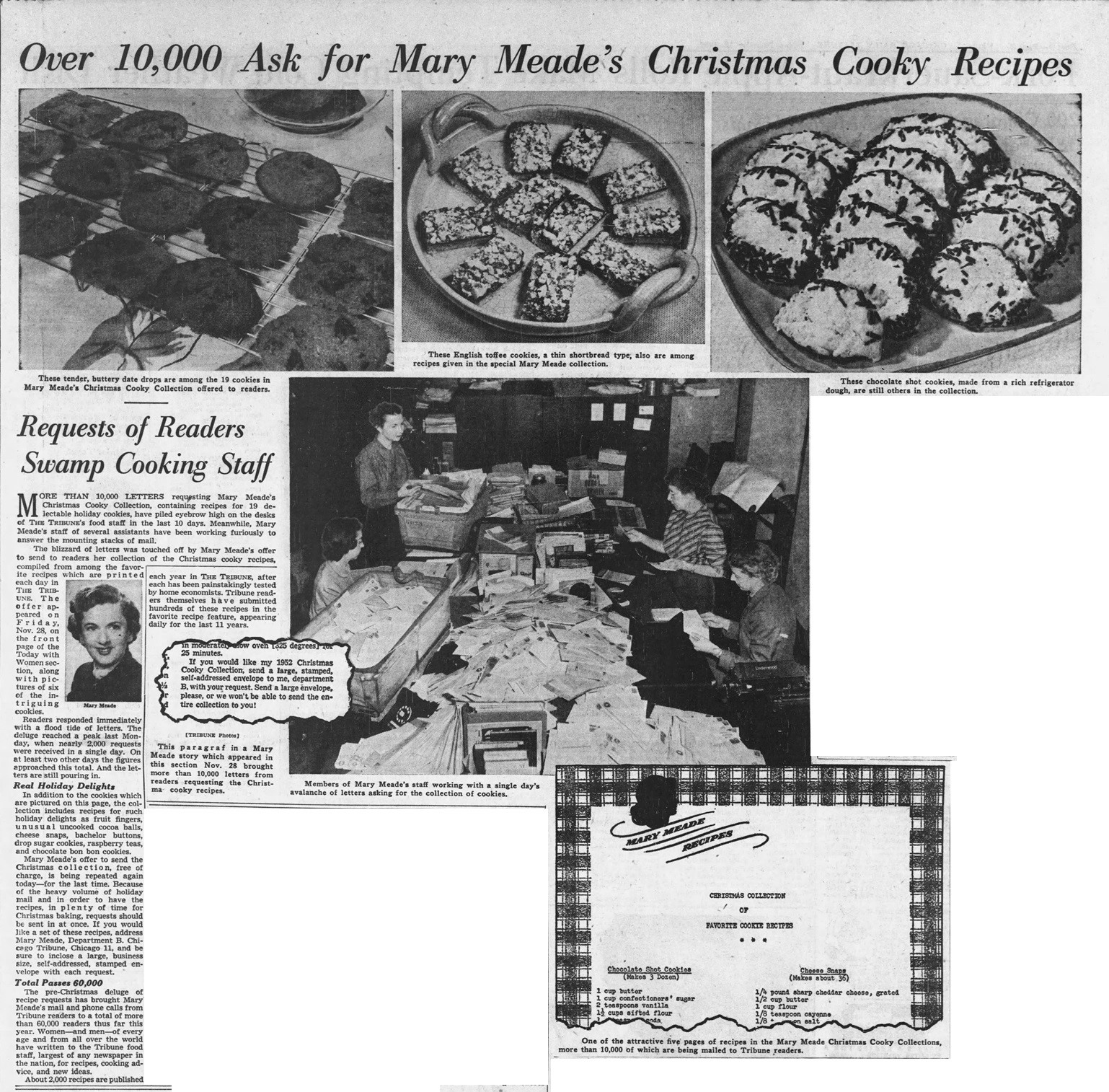
Take the year 1952, for example. As the attached article reports, on Friday, November 28, Mary offered her readers a free copy of her Christmas Cooky Collection, a selection of recipes that had appeared in articles, if they sent in a large, stamped, self-addressed envelope. Within 10 days, she had 10,000 requests.
Mary Meade, of course, was none other than Beverly’s own Ruth Ellen Church.
“Mary Meade” was the name the Tribune used for its women food writers for years, and Church was the fourth Mary Meade. A generic name was used because it was common practice that women did not stay long in professional jobs but left to marry and become full-time homemakers and mothers.
Ruth Ellen Church broke that mold. She served as food editor from 1936 to 1974, while marrying and raising two sons. She started the first wine column in a U.S. newspaper and published over a dozen cookbooks and also served as a Boy Scout den mother and a trustee for the Morgan Park Academy.
At the Chicago Tribune, Church oversaw the largest food staff of any paper in the country, which included five home economists. She established a kitchen in the Tribune Tower for recipe testing and food photography. Every recipe the Tribune published, about 2000 per year, was tested first in the kitchen.
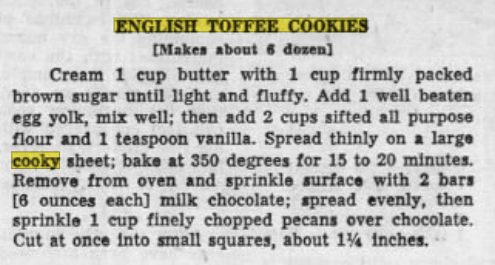
One of the recipes featured in the 1952 cooky collection was English toffee cookies. This recipe was published in the Chicago Tribune during Church’s time and is shared here.
And while they are delicious any time of the year, rumor has it that they are among Santa's favorites, so make a few extra to leave out on Christmas Eve for the big guy in red.
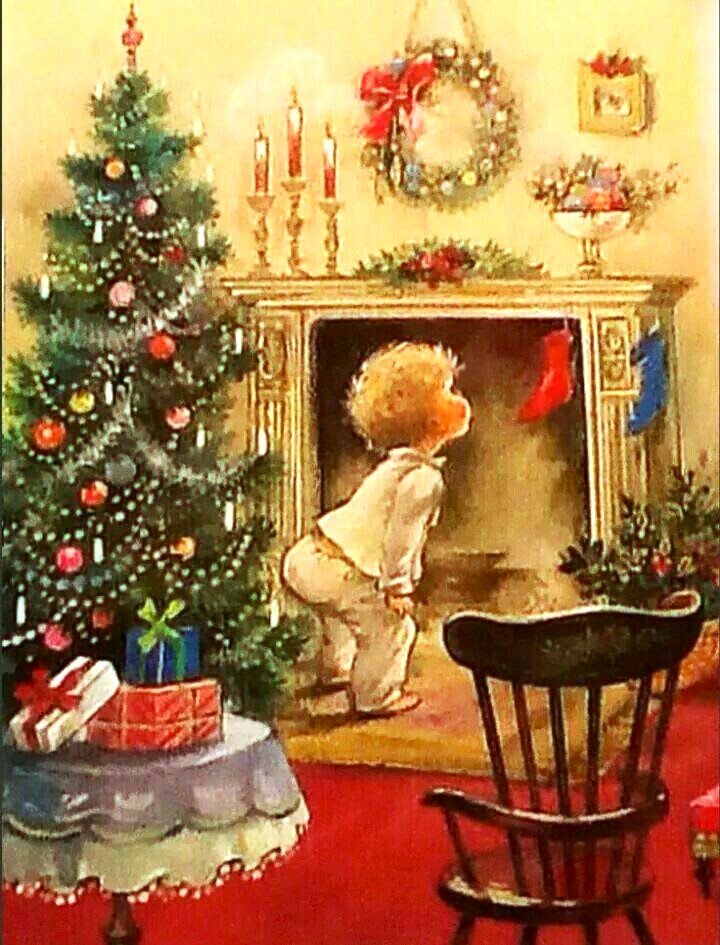
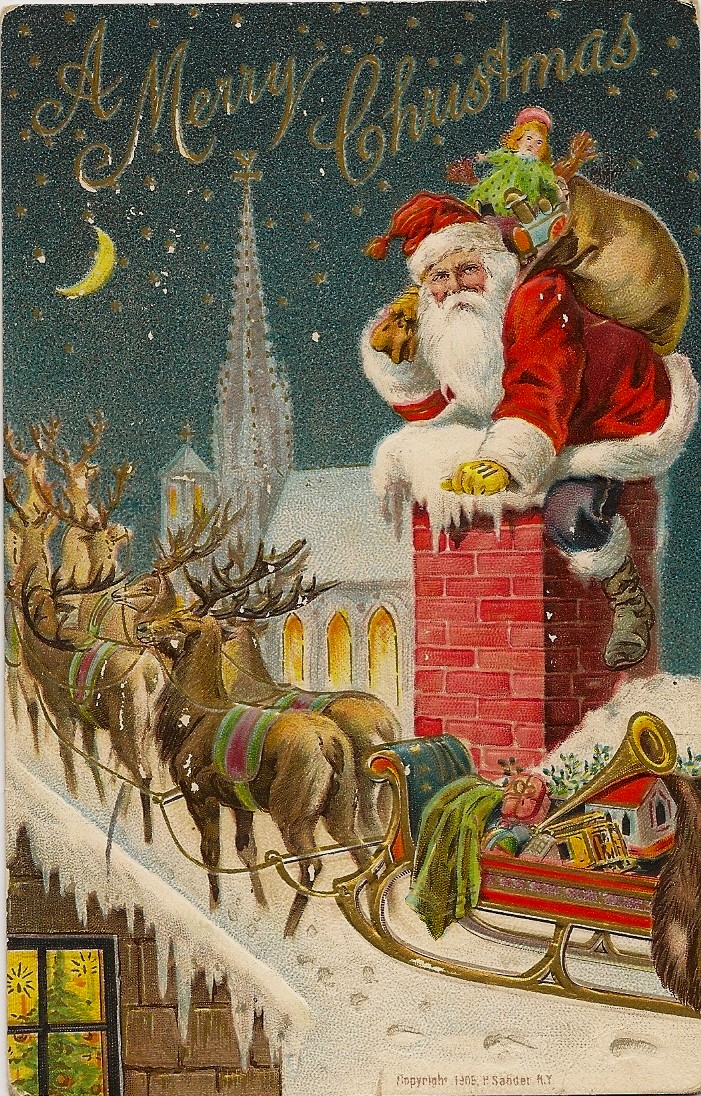
Tonight's the night! How does Santa fit down all those chimneys? It's magical!
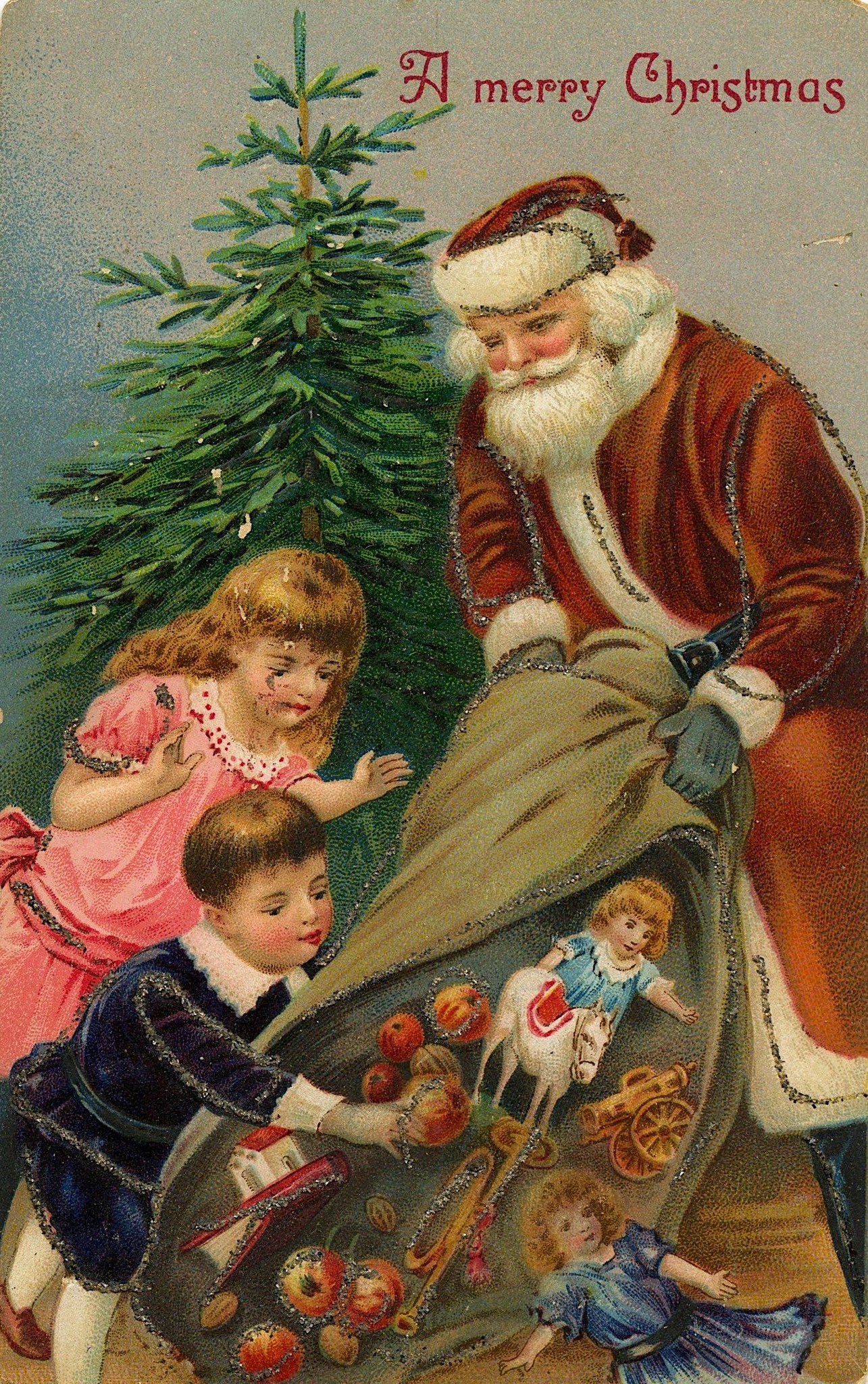
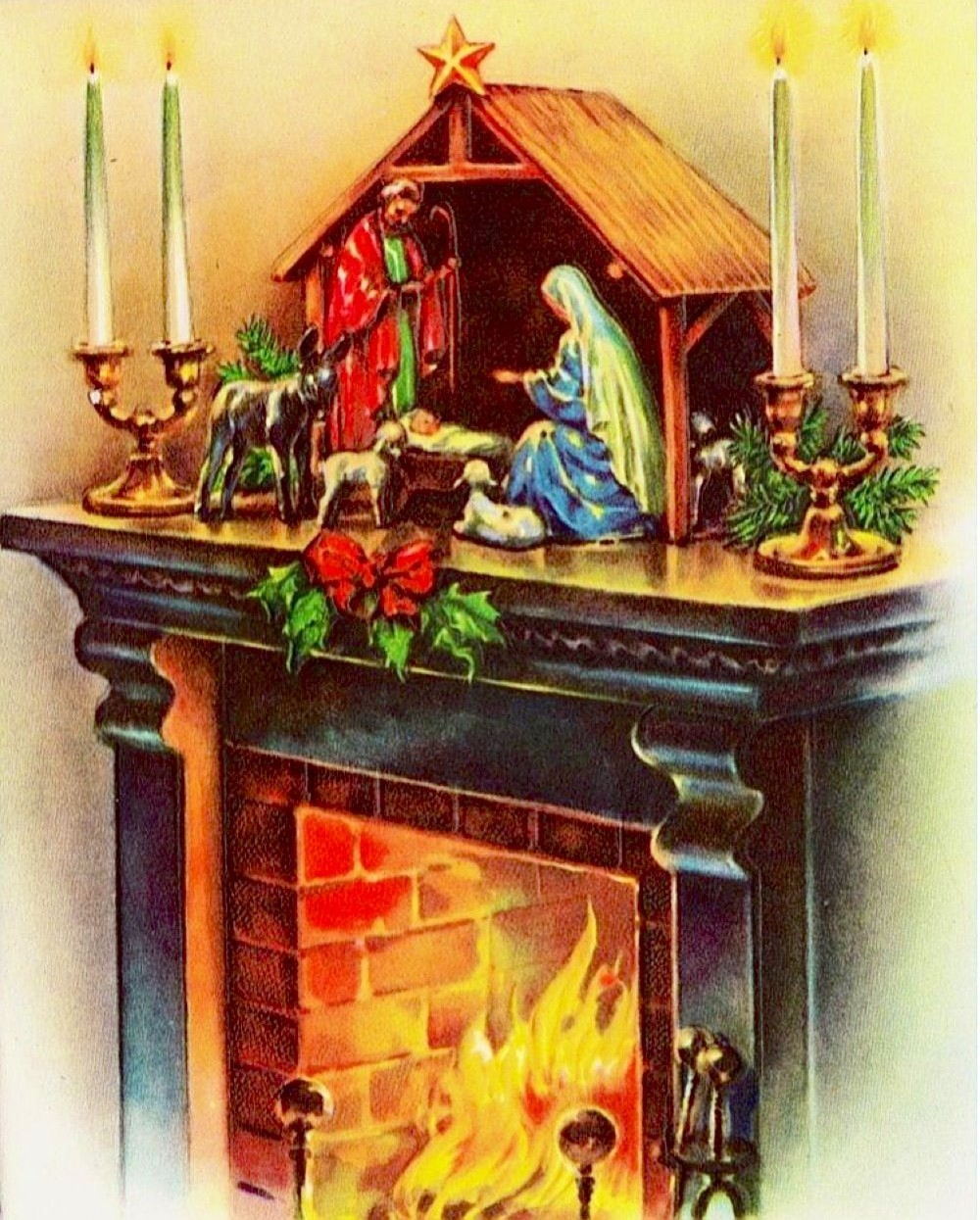
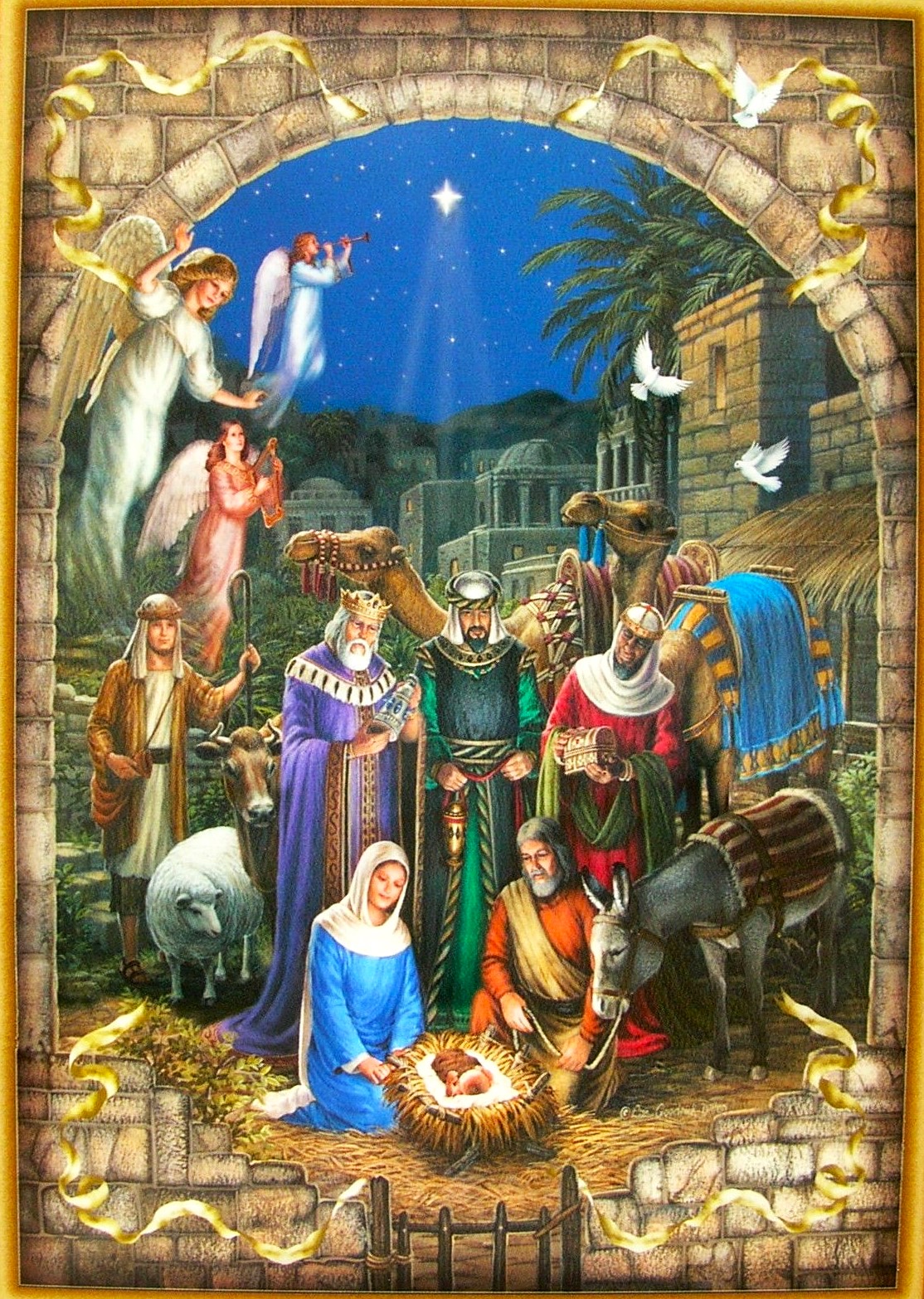
Taking us back to the reason Christmas exists through vintage postcards.
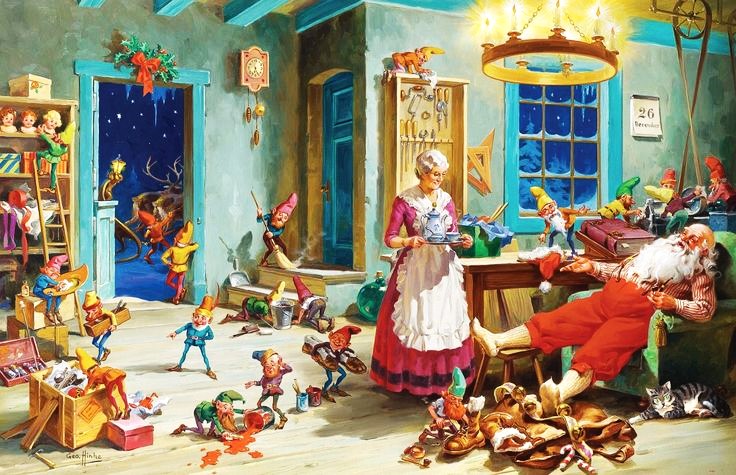
The day after Christmas by George Hinke.
The Ridge Historical Society
The New Year Approaches One Hundred Years Ago
By Carol Flynn
Prohibition was in full swing in 1923, having begun with the Eighteenth Amendment to the U.S. Constitution in 1920, as New Year’s Eve approached one hundred years ago.
Federal law prohibited the production, importation, transportation, and sale of alcoholic beverages, but private ownership and consumption of alcohol were not illegal under federal law, and some uses, for example, religious use of wine, were permitted.
Within a week after Prohibition began, illegal production and bootlegging, the smuggling of alcoholic beverages, also began. In the larger cities, such as Chicago, rival crime syndicates fought for control of the illegal alcohol markets.
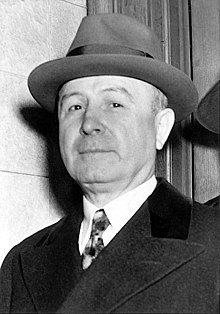
John Torrio rose to the top in Chicago organized crime. Historically, he is considered “unsurpassed in the annals of American crime; he was probably the nearest thing to a real mastermind that this country produced,” according to author and historian Hal Asbury.
In 1909, Torrio was invited to Chicago from New York by “Big Jim” Colosimo to help eliminate extortionists, which Torrio quite ably accomplished. He stayed in Chicago to help manage Colosimo’s 100+ brothels. In 1919, Torrio brought a young man named Al Capone from New York to Chicago to join their operation.
When Prohibition started, Torrio encouraged Colosimo to go into the bootlegging business, but Colosimo refused. Colosimo was gunned down at his restaurant in 1920 and Torrio, with Capone’s assistance, took over as Chicago’s organized crime boss. They soon became the leaders of the illegal alcohol operations in the city and suburbs.
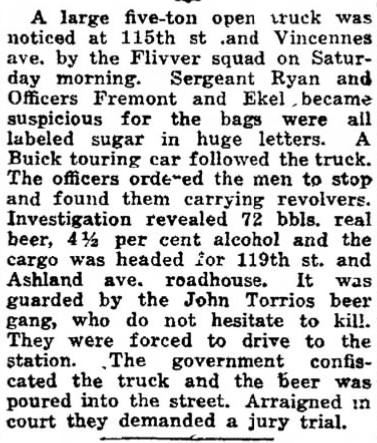
This story appeared in the Englewood Times on December 28, 1923.
A truck carrying a substantial amount of illegal beer was stopped at 115th Street and Vincennes Ave. It was reported to be under the protection of John Torrio’s “beer gang.” The members of the beer gang were not identified, but there was always the possibility that a young Al Capone was there that day.
The truck was on its’ way to a roadhouse at 119th Street and Ashland Ave., no doubt delivering supplies for New Year’s Eve celebrations.