Explore the RHS Facebook Archives, a rich repository of local history written by Carol Flynn. For two decades, Carol brought a deeply dedicated voice to public education at RHS. Her role as Facebook administrator through mid-2025 naturally extended her prolific research into meticulously detailed articles, most notably her multi-part historical series posts. Today, Carol continues her local history writing for The Beverly Review and other outlets.
2019
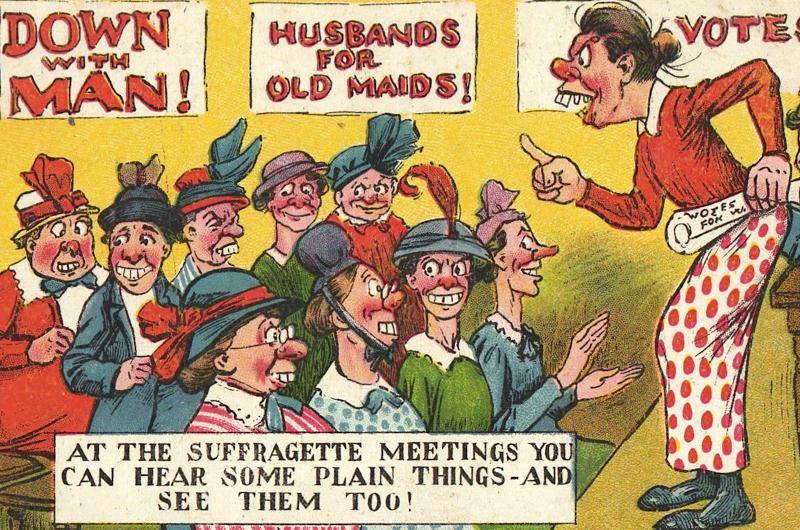
"The right of citizens of the United States to vote shall not be denied or abridged by the United States or by any state on account of sex. Congress shall have power to enforce this article by appropriate legislation."
These two sentences brought to an end decades of demands and campaigning for the right for women to vote in all elections – including Presidential.
This is the Nineteenth Amendment to the U. S. Constitution, passed on June 4, 1919, one hundred years ago.
Illinois was the first state to ratify this amendment, on June 10, 1919. Ratification was declared on August 26, 1920, with 36 of the 48 states affirming by that time. (The last state to ratify the amendment was Mississippi – in 1984!)
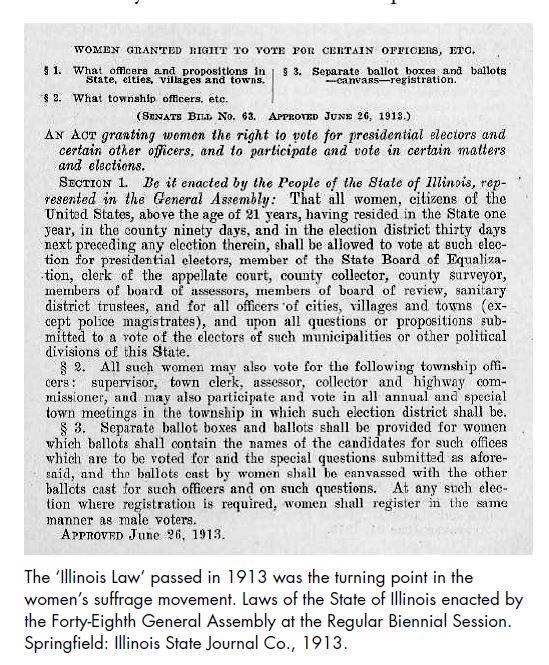
It is no surprise that Illinois was the first state to ratify the amendment – it was largely due to an Illinois law passed in 1913 that the final push at the federal level occurred. In fact, the federal outcome was so anticlimactic, it did not even receive much notice in the press. Illinois women had been voting for President for years.
In 1913, the Progressive Party held the balance of power in the Illinois State legislature. Women lawyers came up with a way to significantly increase the voting power of women.
The Electoral College was established by the Founding Fathers as a compromise on how to elect the President – by popular vote or by vote of Congress. Individuals known as Electors are chosen by each state, and it is actually these Electors who choose the President. The U. S, Constitution gives the authority to each state to decide how to choose the Electors.
A bill allowing women to vote for the Electors was introduced into the Illinois legislature. The opposition tried every conceivable parliamentary maneuver to keep the bill from going forward. But after receiving an overwhelming flood of letters, telegrams, visits, and telephone calls in support, the Speaker allowed the bill to go to vote.
Women "captains" went to the legislators' houses to round them up for the vote, and stood guard at the chamber doors to prevent them from leaving before the vote was cast.
The bill passed. Women in Illinois became the first women in the country to vote for President, through electing the state Electors. The new law also expanded voting rights at the municipal level.
Women on the Ridge were very active in the suffrage movement. Gertrude Blackwelder of Morgan Park served as the president of the Chicago Political Equality League for three years. Mrs. Blackwelder made history on Saturday, July 26, 1913, when she cast her ballot in Morgan Park’s special election on building a new high school. She was the first woman to vote in Cook County after the 1913 Illinois law passed.
Pic 1: The 1913 Illinois law.
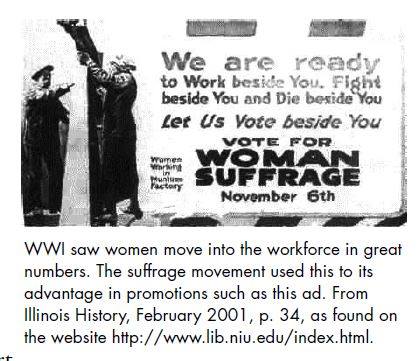
Pic 2: A WWI-era pro-suffrage ad.
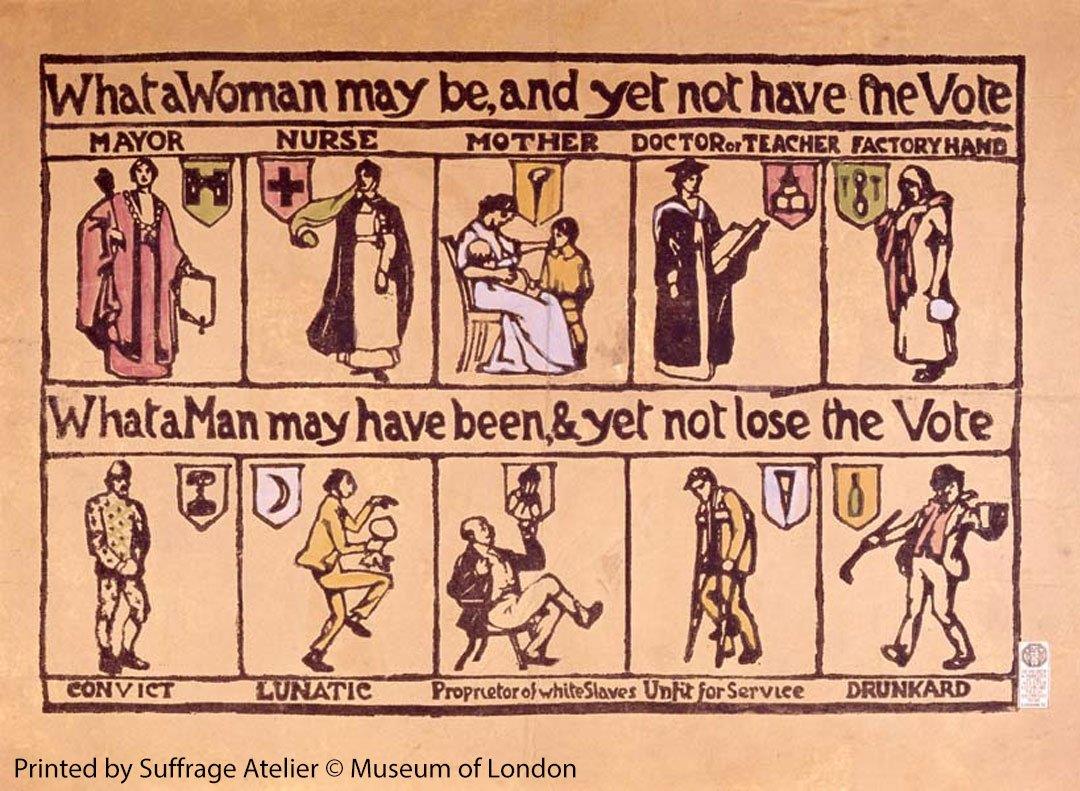
Pic 3: Pro-suffrage propaganda.
Pic 4: Anti-suffrage propaganda. Both sides could be brutal. .
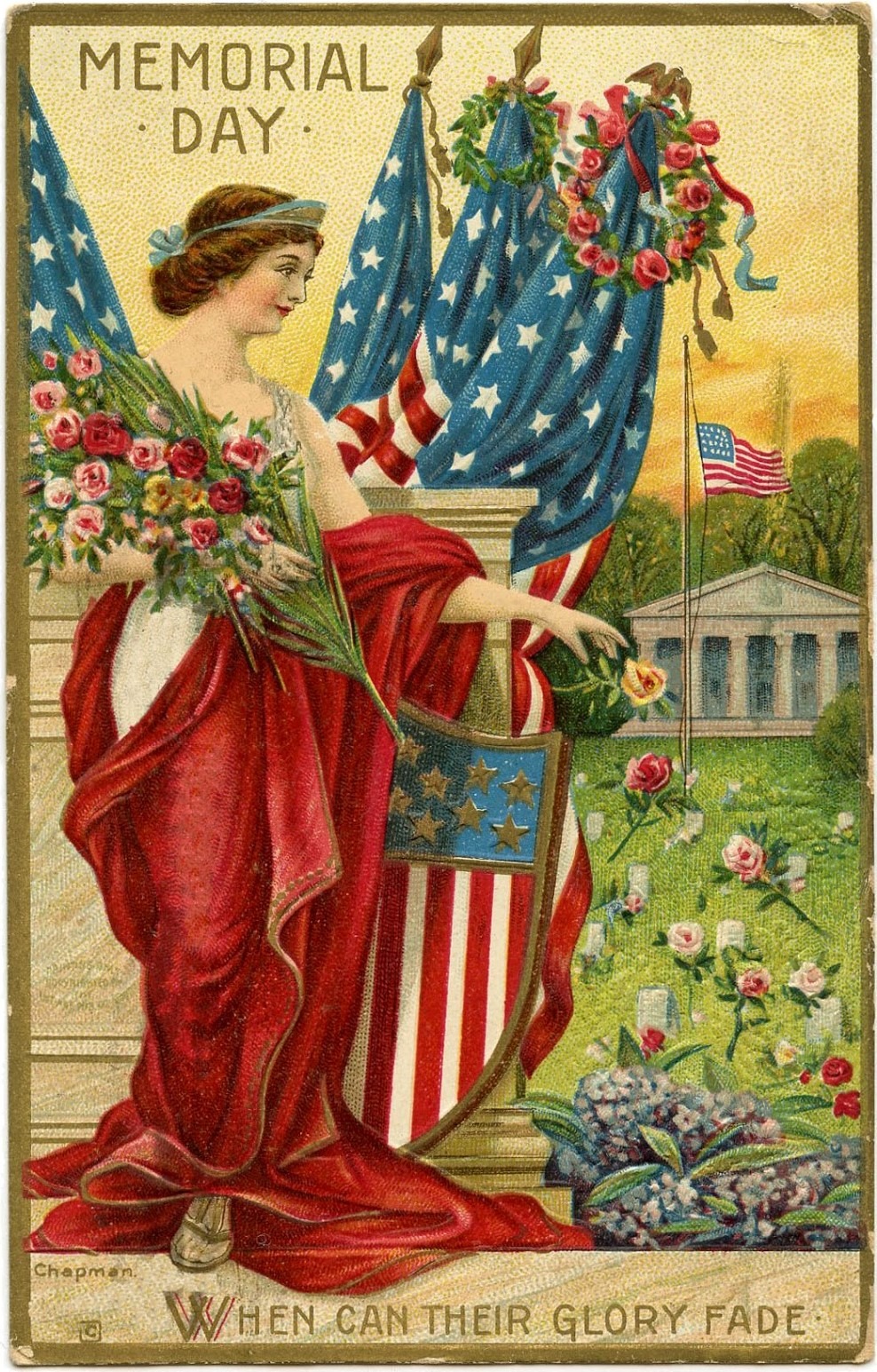
A vintage postcard for Memorial Day.
Memorial Day is one of America’s favorite federal holidays and it is also a very emotional one. It happily marks the start of the summer season, yet the somber purpose of the day is to remember all who have died while serving in the country’s armed forces. To date, close to 1.3 million Americans have died in service, with almost half the fatalities occurring during the Civil War.
The day was officially established in 1868 as Decoration Day, because decorating the graves of fallen soldiers with flowers was an ancient custom. The date was set as May 30, which had no particular significance; it reportedly was chosen to coincide with the blooming of flowers.
In the 1880s, it began to be known as Memorial Day. It was not until 1971 that the federal government implemented a national holiday on the last Monday in May, intentionally to give a three-day week-end at the beginning of summer.
The local Memorial Day Parade is a neighborhood tradition that dates back 90 years. It is one of the oldest Memorial Day events in Chicago. The parade was started by the Beverly Hills Post 407 of the American Legion, which was formed in 1919 for those who served in World War I.
Beginning in 1923, Post 407 paraded to local cemeteries on Memorial Day to decorate graves. Then in 1926, the Legion invited the community to participate. Some of the groups who marched that first year still participate – the Dewalt Mechlin Chapter of the Daughters of the American Revolution, the Reserved Officers Training Corps from Morgan Park High School, and local Boy Scouts and Girl Scouts troops.
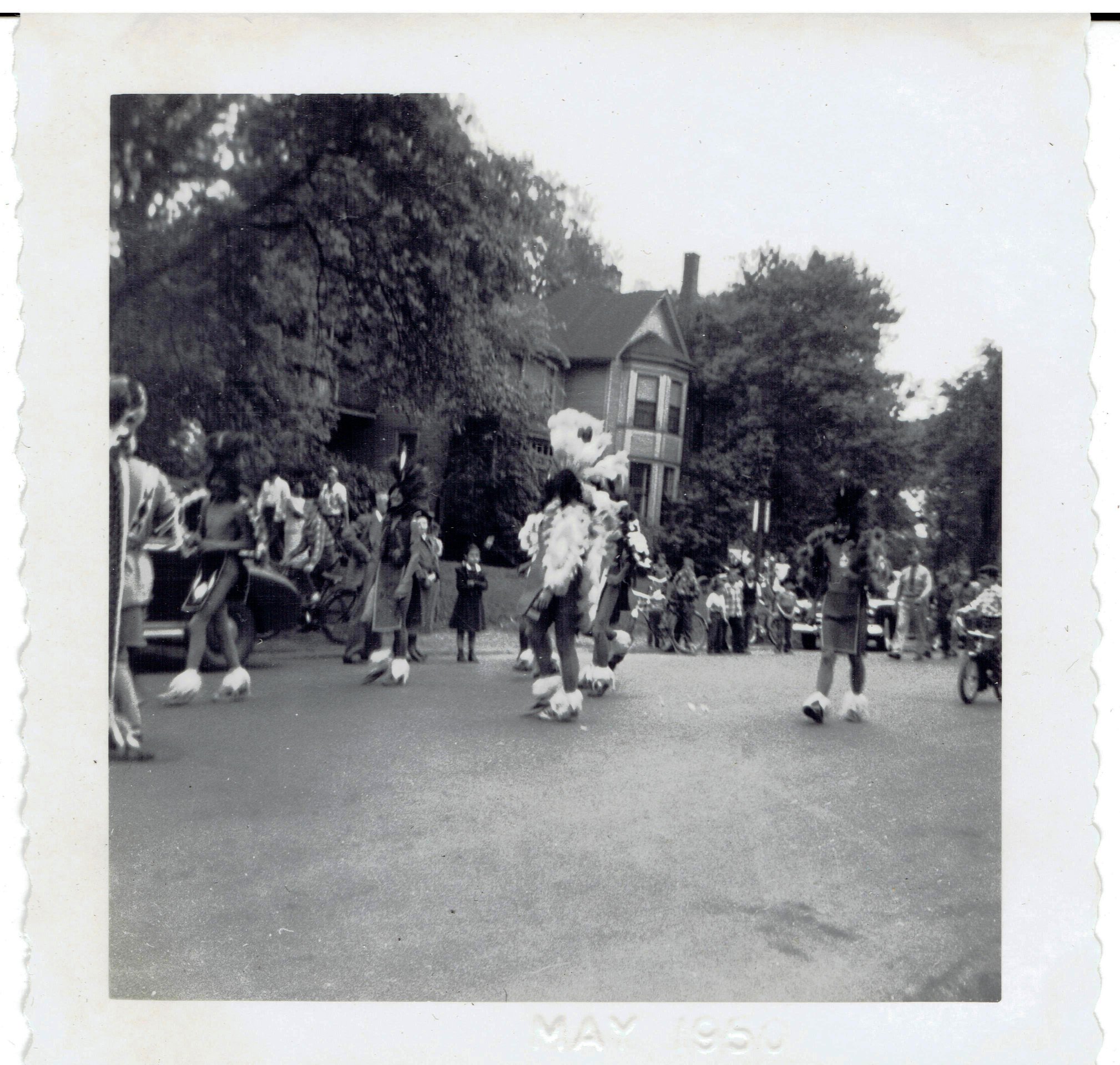
There is a new post in our other, interactive page – Beverly/Morgan Park/Washington Heights History. Check it out! Join that page! We are looking for information on this intriguing picture that was labeled "Real Indians" in a photo album from ca. 1948-50. They were marching in the Memorial Day Parade on Longwood Drive.
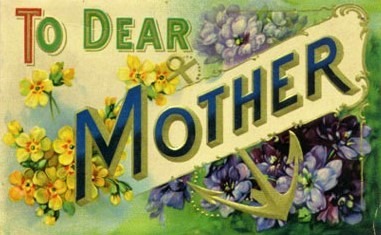
A vintage postcard for Mother's Day. The symbol of the anchor is particularly interesting here, not something you often find on a card for a mother. But it is so appropriate – the anchor is a symbol of strength, stability, safety, security. These are certainly the traits associated with motherhood.
Did you know Mother’s Day actually has its origins in the pacifist movement and concern for Veterans?
Mother’s Day was founded to honor peace activist Ann Jarvis, by her daughter Anna. Jarvis cared for wounded soldiers on both sides during the Civil War. She created Mother’s Day Work Clubs to address public health needs. Her daughter wanted to continue the work her mother started and to honor mothers for all they do.
This was 1908. The U.S. Congress rejected the proposal. They joked they would have to create a “Mother-in-Law’s Day” also. By 1911, all of the states had adopted the day, and in 1914, President Wilson proclaimed it a national holiday.
Anna Jarvis came to regret she ever came up with the idea when the holiday became so commercialized. Hallmark Cards began selling pre-made cards in the early 1920s, and this exploitation of the day for profit infuriated Jarvis. She wanted people to really think about their mothers, to honor their mothers with hand-written testimonials, not to resort to just buying gifts and pre-made cards. She wound up organizing boycotts of Mother’s Day, and was even arrested for disturbing the peace.
This “Mother’s Day” was not the first. Julia Ward Howe called for a “Mother’s Day for Peace” in 1872. Her intent was for mothers to protest against war.
New post on our "interactive" group page – Beverly/Morgan Park/Washington Heights History. Check it out! Join the Group so you can post your own stories on the history of the Ridge communities!
Reminder – The Ridge Historical Society Spring Hat Tea will be held on Sunday, May 5, at 2:00 p.m. The admission is $25/person and $10 for children ages 10-14. Call 773/881-1675 or email ridgehistory@hotmail.com for reservations.
New post on the Group page, now called Beverly/Morgan Park History page. Go to Beverly/Morgan Park History to join the group.
The name of the group page has been changed to Beverly/Morgan Park History so there is no confusion with this home page for the Ridge Historical Society. Please see Beverly/Morgan Park History and join the group to share posts.
We are starting a "Group" page for people to share stories, photos, questions and answers about the history of the Beverly Hills, Morgan Park, Mt. Greenwood, and Washington Heights communities of Chicago. Please join us! Click on the new page here and send us a request to join. You will be added within a day.
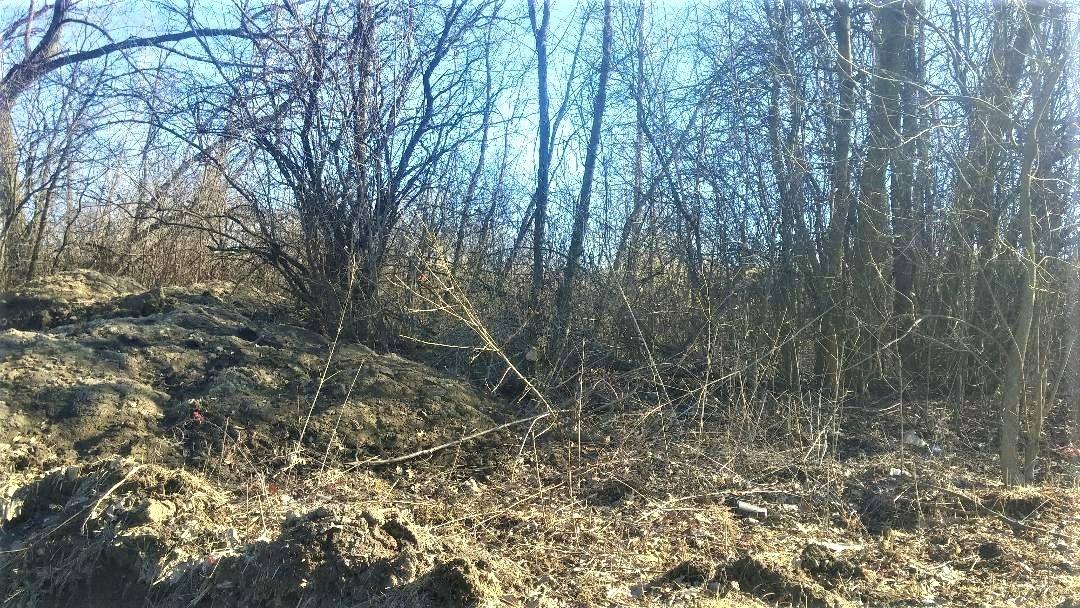
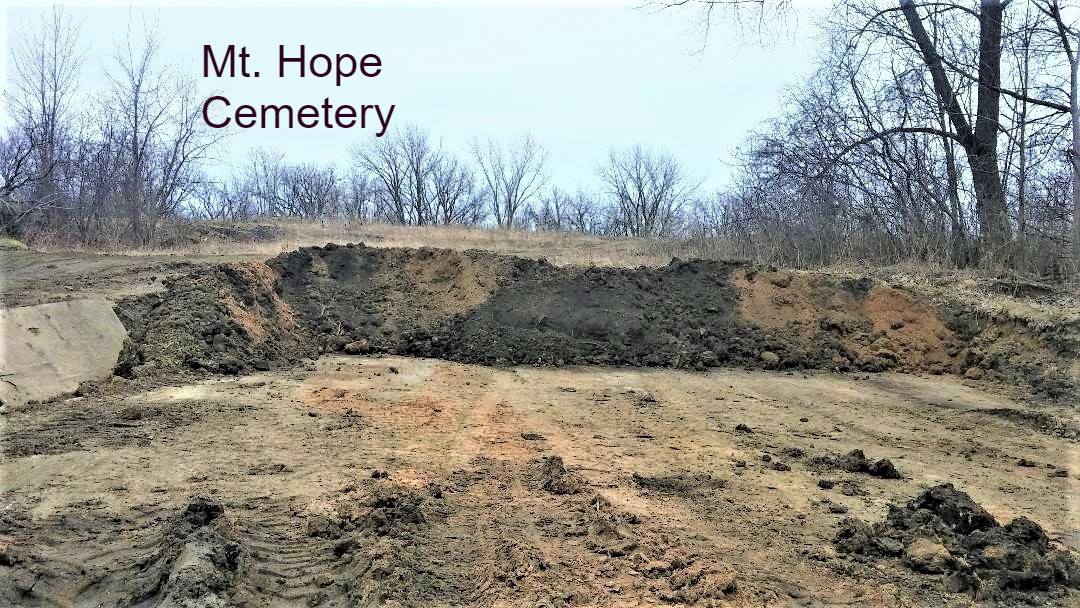
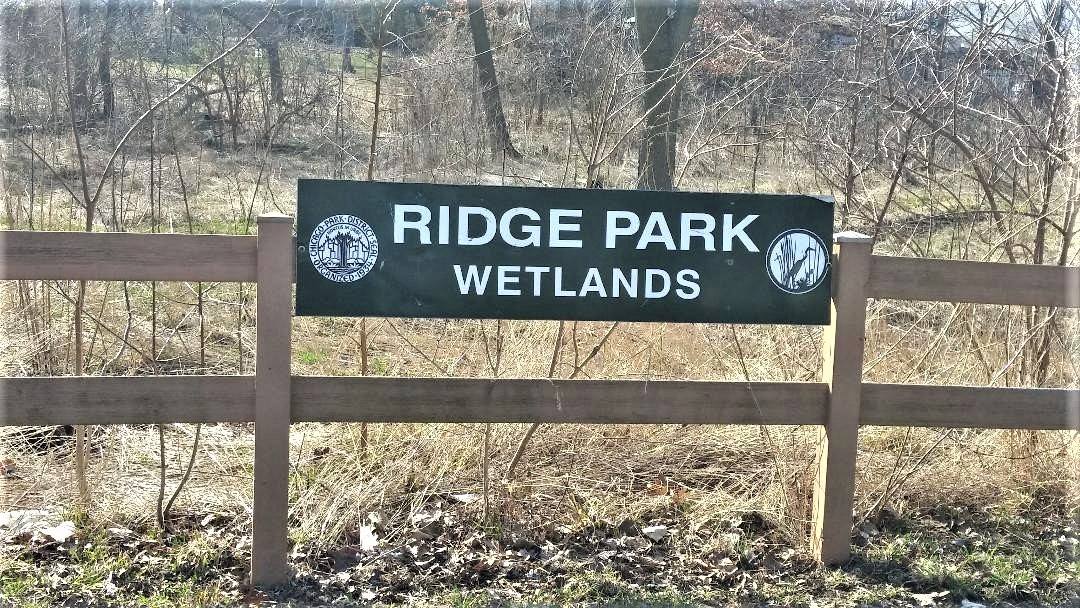
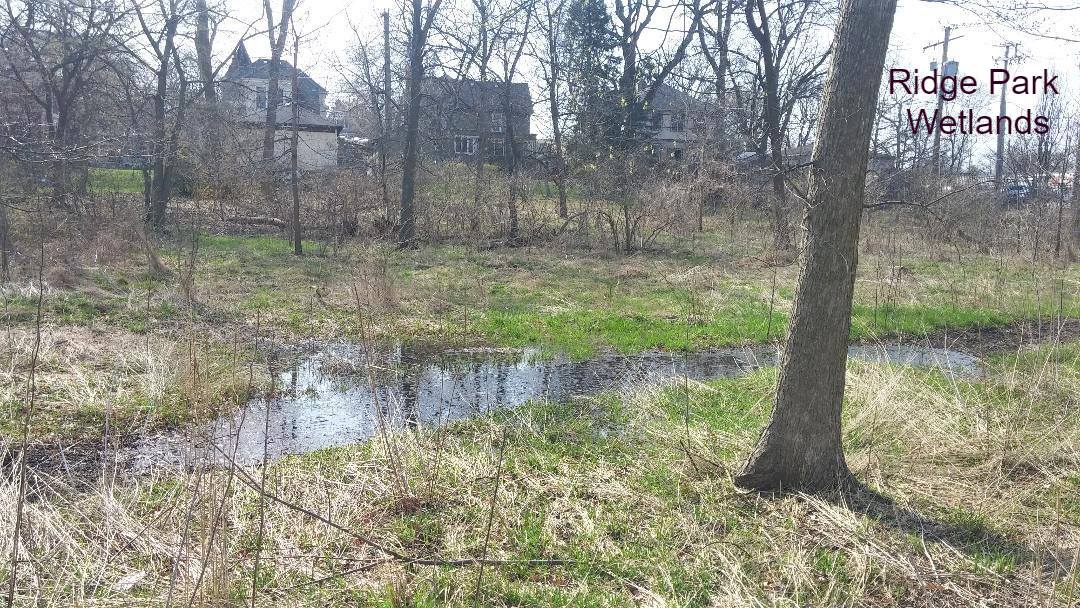
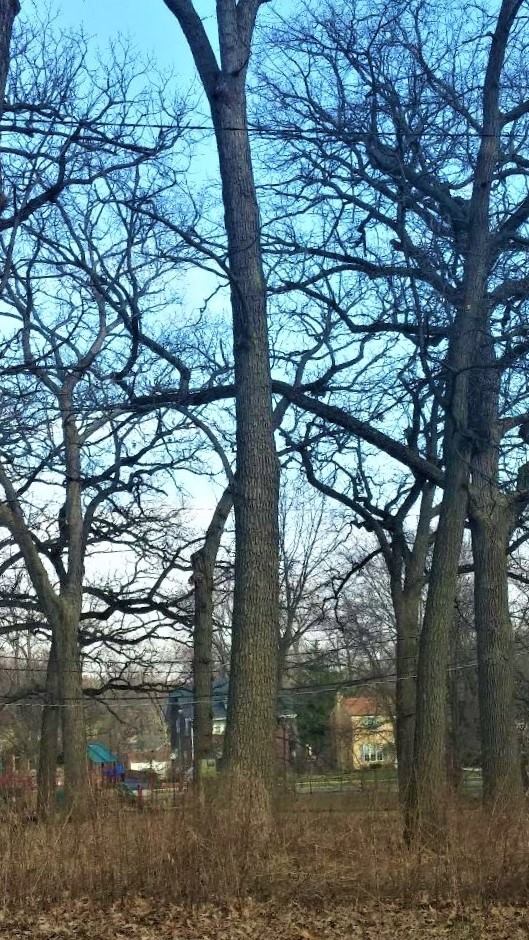
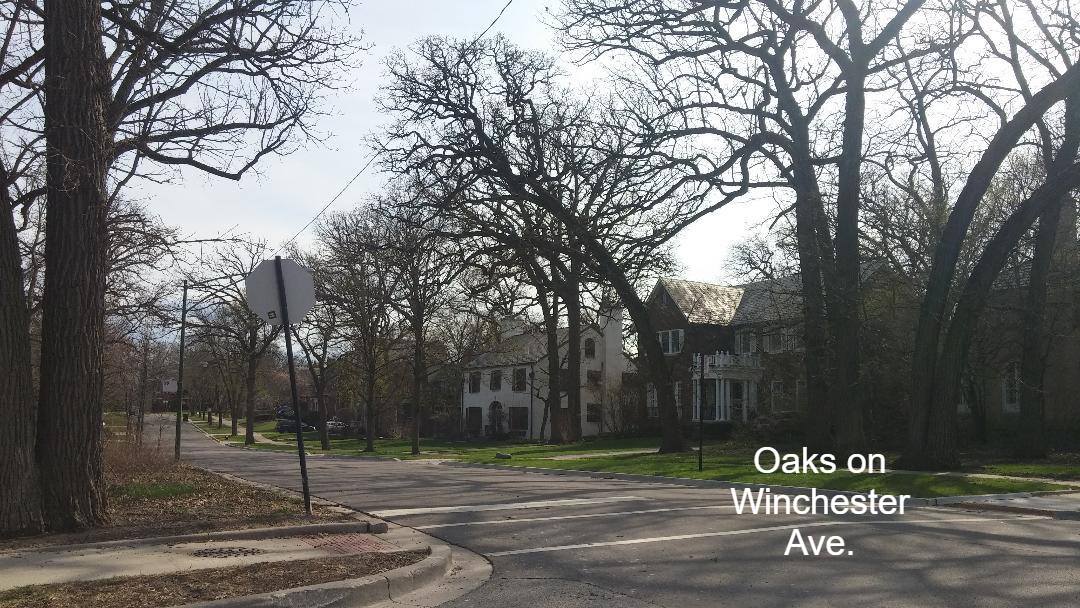
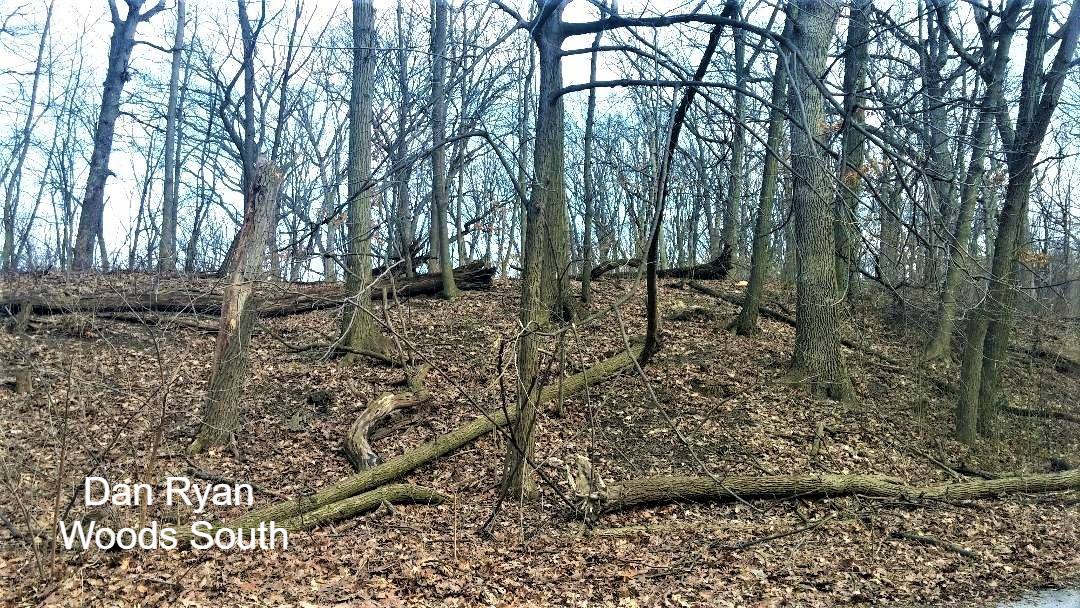
April 22 is Earth Day when we focus on environmental issues. There is not much left of the original "wild Ridge" due to almost 200 years of "development" but here are four places where we can still see remnants of some of the ecosystems that once flourished here.
In the far southeast corner of Mount Hope Cemetery (entrance on 115th Street at Fairfield Ave.) we can see the remnants of the vast sand deposits that were the western shore of the pre-historic Blue Island. The sandy land was not suitable for farming and that is why we have so many cemeteries and golf courses along the western side of the island, starting with St. Mary's and Evergreen Cemeteries at 87th Street and going south.
Second, we have the Ridge Park Wetlands to the west of the Metra train tracks just north of 96th Street. The water ran off the Ridge to the east, creating wetlands, swamps and marshes for miles. This is one very small patch still preserved.
Third, we have Hurley Park at 100th St. and Winchester Ave. where there is signage about the once vast oak woodlands that covered the area. We still have old growth oak trees in the area but many of them are reaching the end of their lifespan and will die off in the next 50 years. We have not kept pace with establishing new oak trees.
Last, we have the south section of Dan Ryan Woods (south of 87th Street) where we can still see the ravines and natural gradients in the terrain that would have existed before most of the land was leveled for building.
Photos by C. Flynn.