Explore the RHS Facebook Archives, a rich repository of local history written by Carol Flynn. For two decades, Carol brought a deeply dedicated voice to public education at RHS. Her role as Facebook administrator through mid-2025 naturally extended her prolific research into meticulously detailed articles, most notably her multi-part historical series posts. Today, Carol continues her local history writing for The Beverly Review and other outlets.
2024

Merry (Pink) Christmas!
The color pink is “in” right now for Christmas decorating, thanks in large part to the Barbie movie a few years ago.
One recent article described pink as "a very modern Christmas color that adds chicness, glamour, and even whimsy to the holiday décor."
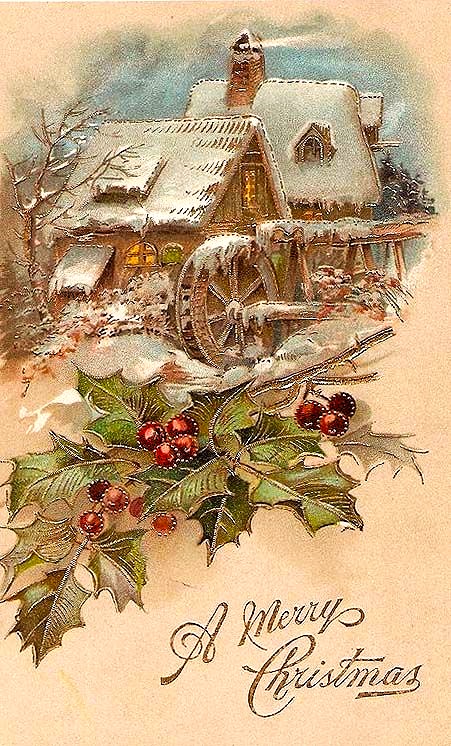
However, as this vintage postcard that dates back to the early 1900s shows, pink has been a “Christmas color” for well over 100 years. Pink glass ornaments were popular back then.
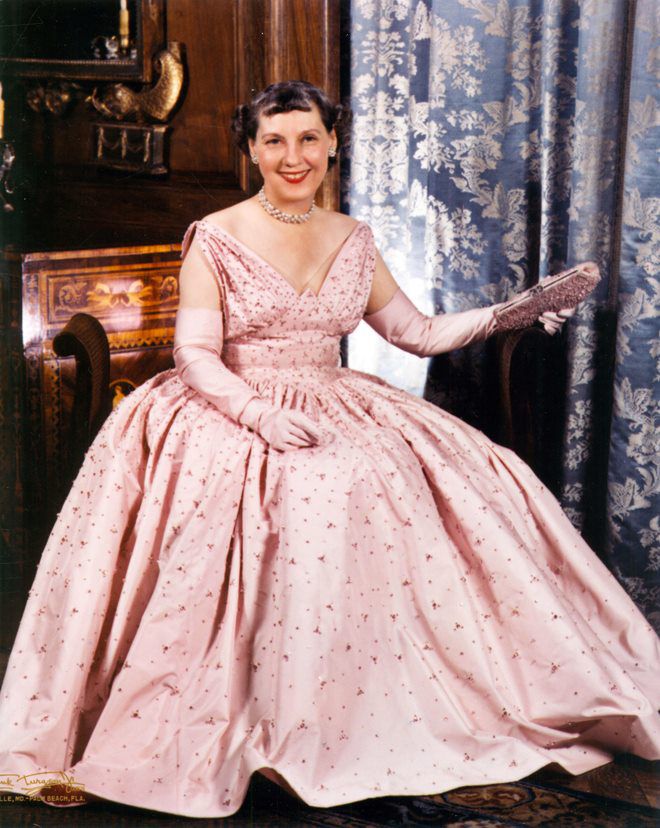
Pink was quite the rage for Christmas in the 1950s. First Lady Mamie Eisenhower loved pink and wore it frequently. She used the color for decorating the White House to the extent the presidential residence was referred to as the “pink palace.”
In the 1700s, as a variant of red, the color pink was considered an aggressive military color. But over time, pink came to be considered more a feminine color. Some people avoid the color for that reason, but others embrace it as a symbol of empowerment – for example, pink ribbons are the symbol for fighting breast cancer.
Although pink may not stay trendy forever as the primary color for the holidays, it will always be part of the Christmas color palette.
The Ridge Historical Society
Wintertime on the Ridge 100 Years Ago
By Carol Flynn
Winter begins today, December 21st, the shortest day of the year. It’s the day that, due to the tilt of the Earth’s axis, the Blue Island Ridge is the farthest away from the sun during the Earth’s 365¼-day rotation around that celestial body. That distance from the planet’s source of heat and light produces our coldest and darkest season.
The weather is always a concern this time of year. One hundred years ago, on December 21st, it was considerably colder in Chicago than it is today. It was only 6°F during the day, up from -6°F overnight. The winds were moderate and there was no precipitation. Wind chill factor wasn’t reported yet.
Leading up to the Christmas holiday, special events occurred. Some of the churches, like the Morgan Park Congregational Church and Bethany Union Church, held holiday bazaars, the forerunner of today’s arts and crafts markets. Local organizations held celebrations; one example was the Longwood Manor Improvement Association’s masquerade party, and another was the Tracy Masonic Lodge’s Christmas party for children. The Chicago Bridge and Iron Works, a business located on 95th Street, held its annual party.
There were no computers and no cell phones, and television did not yet exist. Entertainment was mostly in-person – people gathered around the piano, played games, or attended concerts and plays. Music and singing were listened to either live on the radio, or through records on phonographs. The Morgan Park High School girls’ glee club was scheduled to sing live on WGN radio on December 23rd. A group from St. Paul’s Church sang live at Englewood Hospital.
There were movie theaters downtown and popping up in neighborhoods. On the south side, there were several along 63rd Street. The closest one to the Ridge was "Ascher's West Englewood" at 63rd Street and Ashland. These theaters showed silent films and live vaudeville shows. The more “proper” society had not yet decided if motion pictures were an acceptable form of entertainment. The Woodlawn Woman’s Club presented a motion picture machine to Oakhaven Old People’s Home as a Christmas present. Oakhaven, today’s Smith Village Senior Living community at 113th Place and Western Ave., opened in April.
The U.S. was in the midst of Prohibition. Alcohol could not be manufactured, sold, transported, or served anywhere in the country. Shutting down illegal operations, for gambling as well as alcohol, kept law enforcement officers busy. The week before, two local “notorious joints” had been closed, and the doors and windows “nailed up.” These were the Blue Goose on 119th Street and Marshfield Ave., and an unnamed gambling place on 119th and Vincennes. Ave.
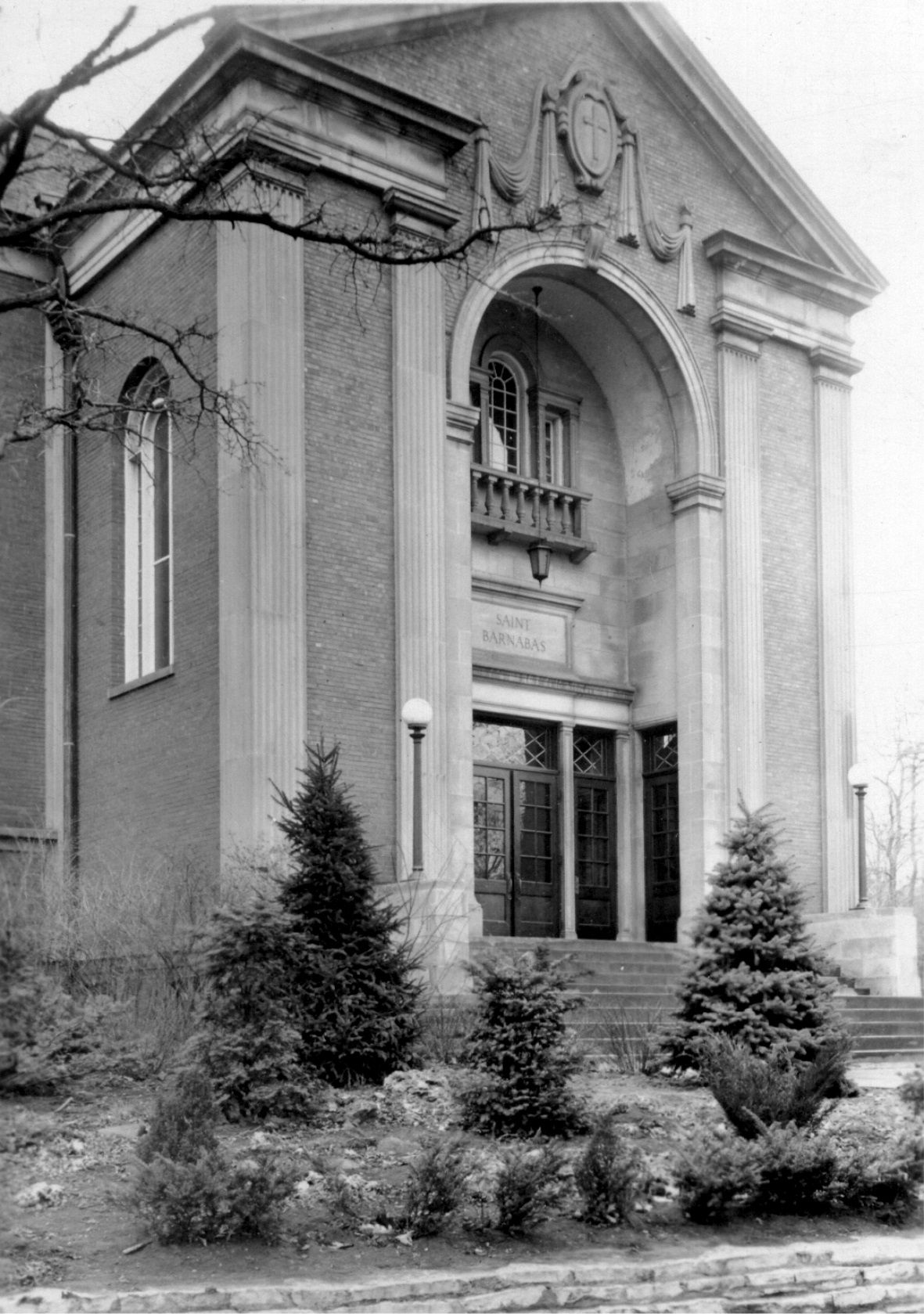
St. Barnabas Parish was newly established, and the church was under construction. The first Mass was planned for Christmas. Father T. J. Hurley, the pastor, had recently purchased the house at 9901 S. Longwood Drive to use as a convent for the Dominican sisters who would teach in the new school.
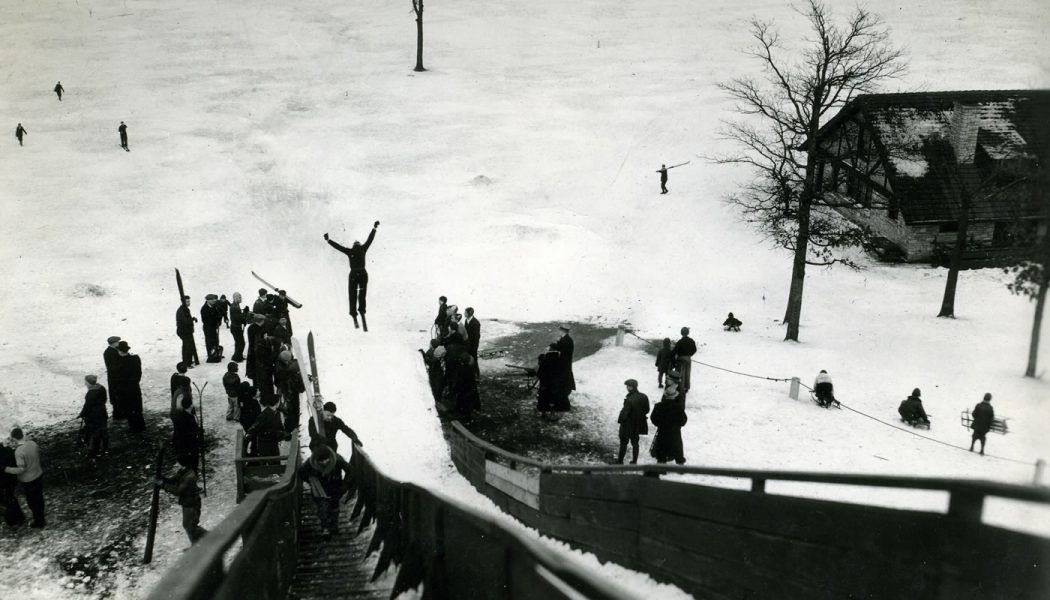
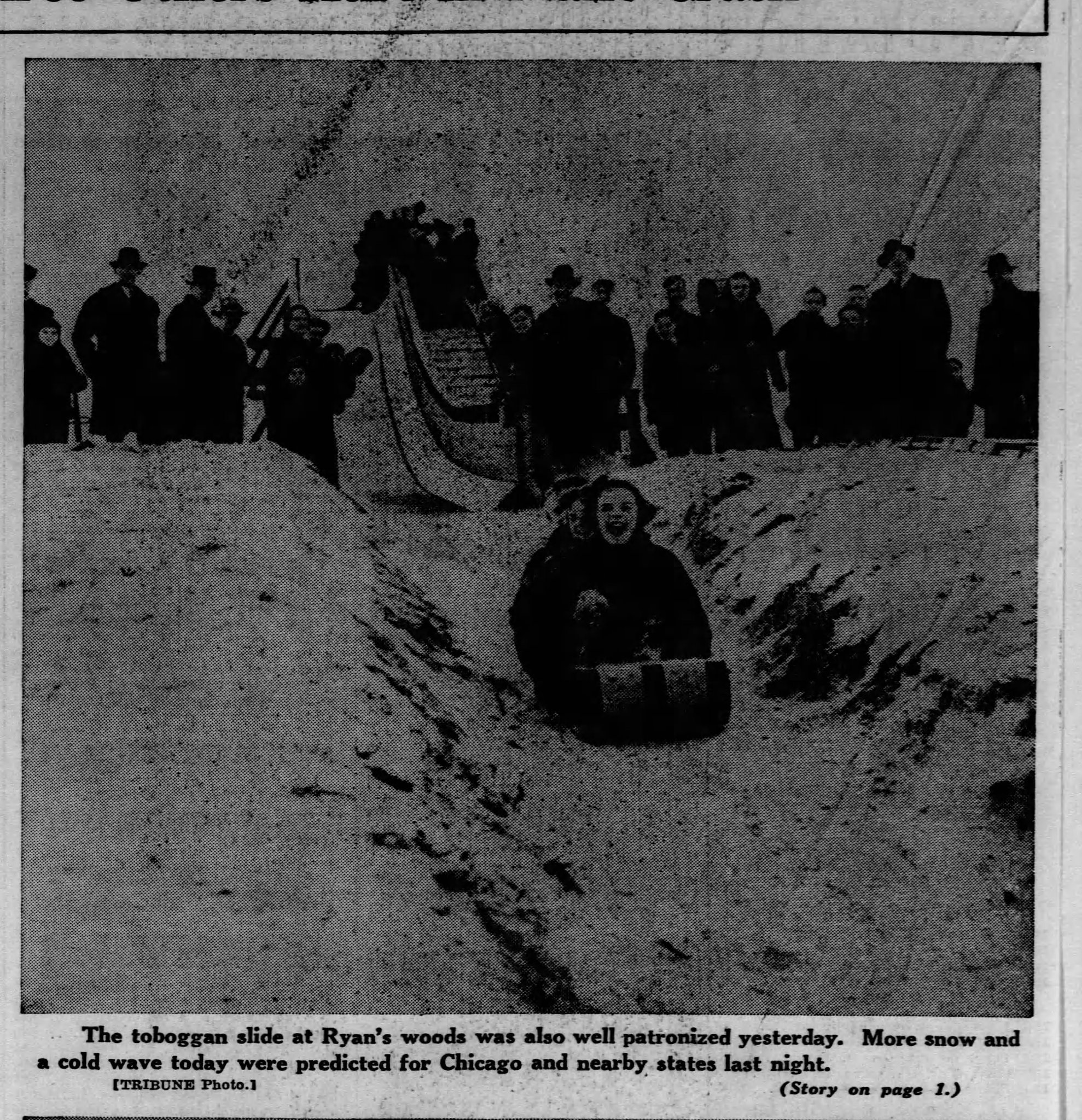
The city’s school children were on break for the holiday, and a popular spot for them to enjoy outdoor winter activities was the Beverly Forest Preserve at 87th Street and Western Avenue (since renamed the Dan Ryan Woods). The baseball diamonds had been turned into ice skating rinks by the Fire Department flooding them with hoses, and a new shelter was being constructed.
A toboggan slide was already in place on the hill, and a new 30-foot ski jump was being constructed north of that.
The Beverly Preserve was becoming the center for outdoor amateur sports for the outlying southern section of the city, and it was already one of the most popular spots in the city for summer picnics. There was a strong public and political push to extend the 87th St. streetcar line west from Cottage Grove to the Preserve so that people from the east side could more easily access the grounds. The Preserve could be reached already by trains coming from downtown.
Life on the Ridge went on as usual.
The Eisemann family at 94th and Winchester welcomed a new baby girl and the stork delivered a baby boy to the Compton family at 99th and Winchester. Katherine Maloney and Fred Campbell were planning their wedding at St. Margaret of Scotland Church. Frank Mock had bronchitis, but his neighbor Mrs. Bowen had recovered. Mr. and Mrs. Rupel from LaPorte, Indiana, were spending the winter with their daughter, Mrs. Gammell, on Walden Parkway. The Charles Hall family left for a 16-month trip to Europe on Thanksgiving Day and D. P. Crane would live in their house during their absence. The Gadsden family purchased a new Studebaker automobile.
Real estate agents promoted local home ownership. Richardson and Richardson, “two live wires” with a real estate, loan, and insurance business on 95th Street, wrote: “If you are considering building or buying a home, there are many beautiful places in Beverly Hills and Morgan Park where culture and refinement are everywhere in evidence. Beautiful well kept homes, broad, clean asphalt streets, trees, flowers, and shrubbery all combine to make this a place of beauty and desirable residence.”
The Ridge Historical Society
Harry Hale Waterman Houses and the People Who Called Them Home: Introduction
By Carol Flynn
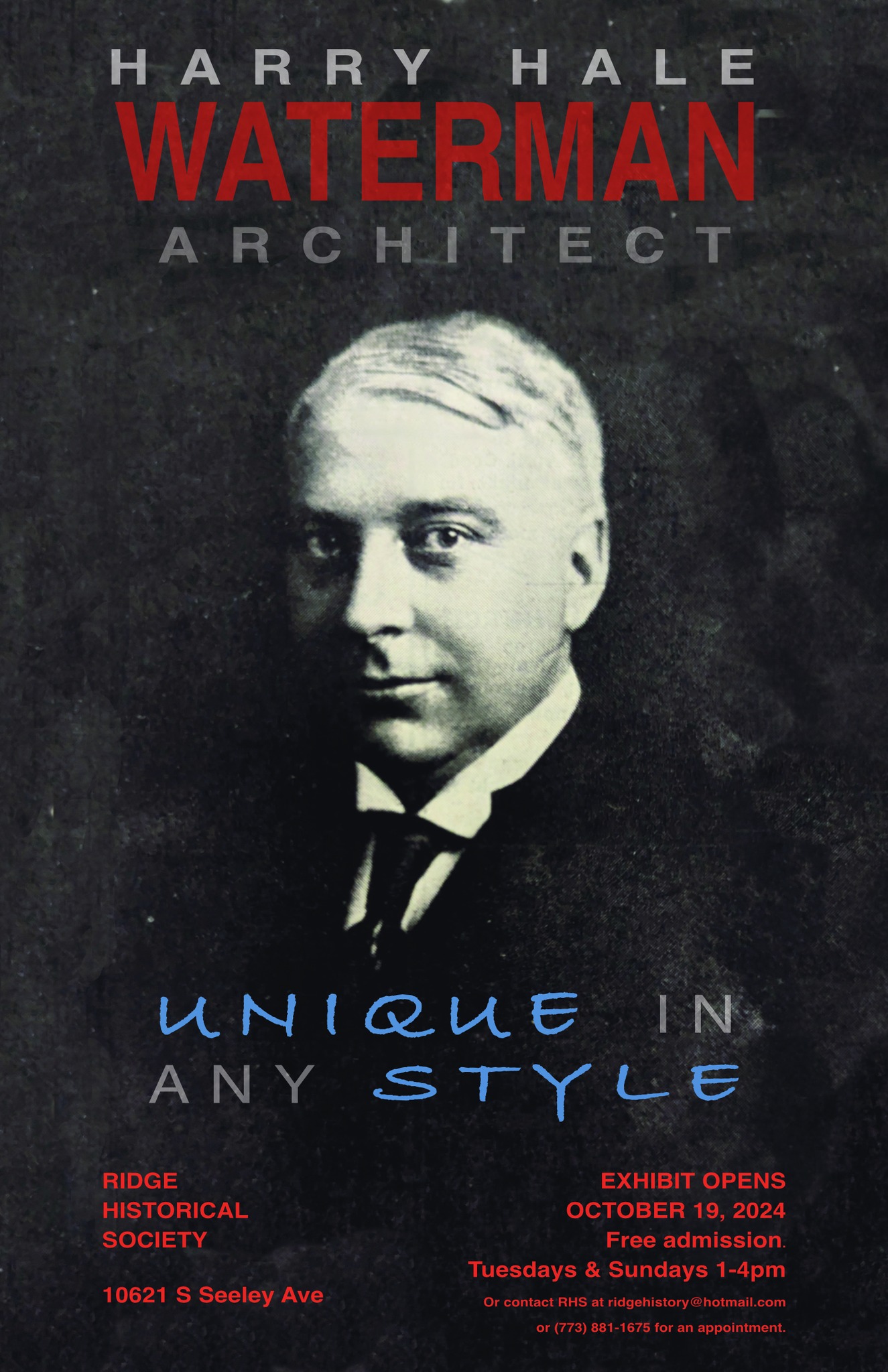
The Ridge Historical Society (RHS) has opened a new exhibit, “Harry Hale Waterman, Architect: Unique in any Style.”
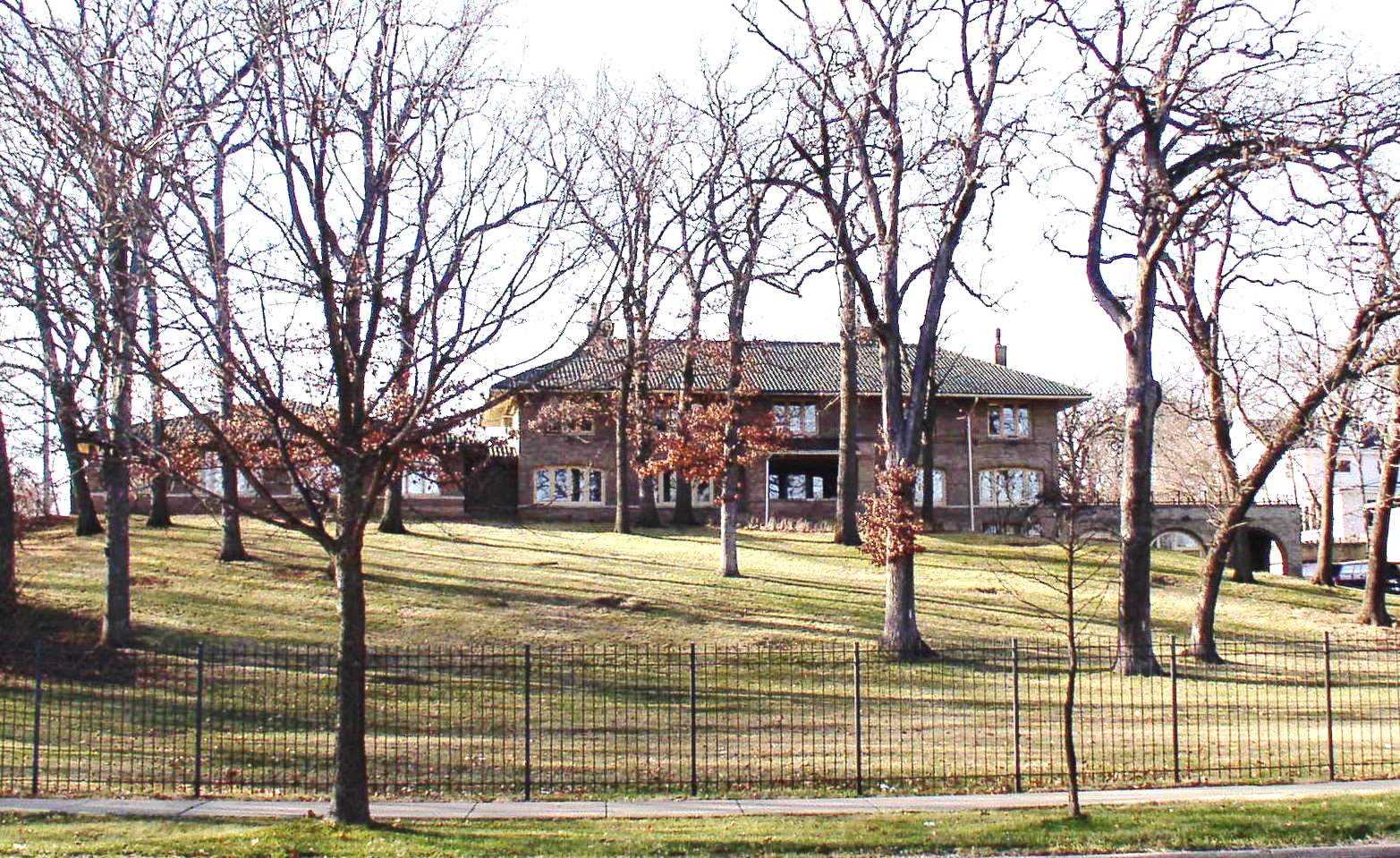
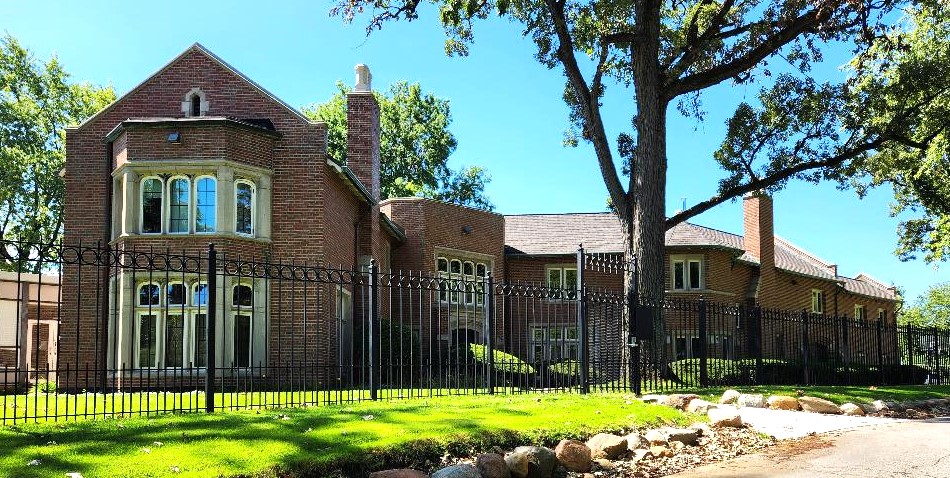
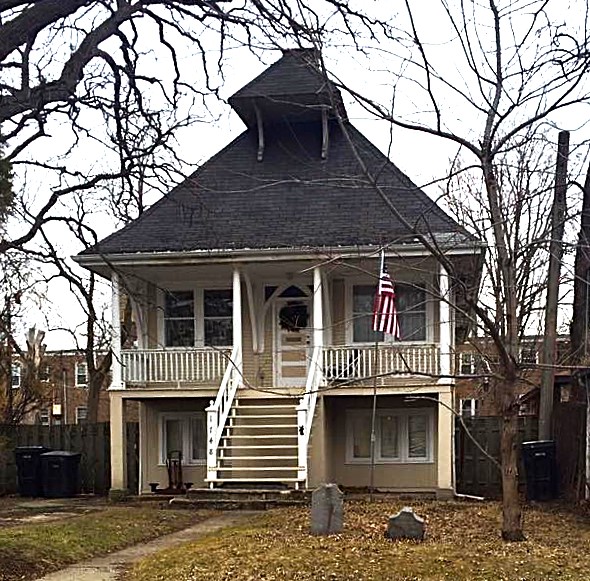
At least 41 buildings in Beverly and Morgan Park are attributed to Waterman, making him the most prolific architect in this community. Most of these buildings are still standing.
The buildings he designed in other Chicago neighborhoods have not fared as well, so this community offers the best opportunity to see his work.
Waterman was a contemporary of Frank Lloyd Wright. They worked together as young architects just starting out, and Wright even lived with the Waterman family for a time.
They took different paths for their careers, however.
Wright developed his own style and founded a new movement or “school” of architecture, the Chicago Prairie School, for which he became very famous.
Waterman had a thriving practice, but never achieved the fame of Wright. While Wright appeared more fixed on developing his own style, Waterman appeared more client focused. He worked in many styles of architecture, bringing his own unique interpretation to each one.
In 1995, the Chicago Tribune stated that Beverly “is like an outdoor museum of architectural styles.” The newspaper said that the variety makes this community one of Chicago’s architectural high points.
Waterman clearly contributed to that reputation with his work.
However, while architecture has always been a very important feature for this community, these houses and buildings are more than just a collection of interesting architectural details. They are also the places where real people and families lived their lives and created their stories and legacies and memories.
Houses can be thought of as stage or movie sets where the action takes place.
The people who live in the houses elevate them above an outdoor museum exhibit to create a community.
This Facebook series will complement the exhibit by looking at the people who lived in the Waterman houses.
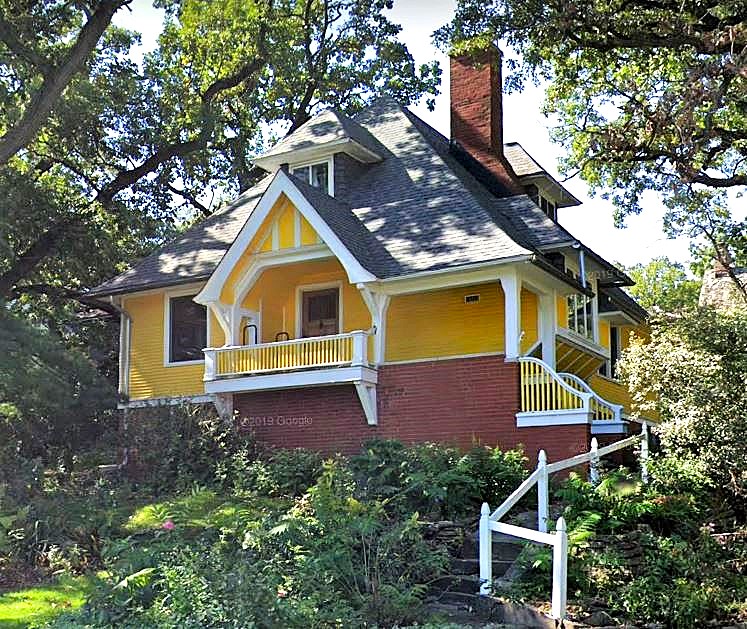
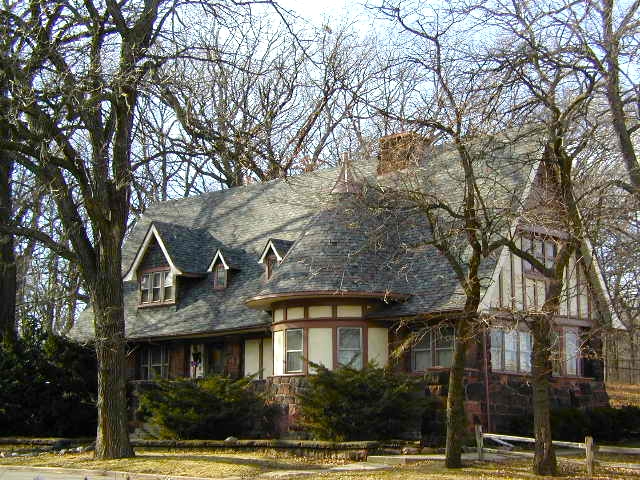
The series will start with Waterman himself, because the first house he built in Beverly, in 1892, that is still standing, was a house for himself and his wife Ida. The Harry Hale Waterman House, at 10838 S. Longwood Drive, is also known as the “Honeymoon Cottage” and is a local favorite.
The RHS exhibit, “Harry Hale Waterman, Architect: Unique in Any Style,” is open to the public for free on Tuesday and Sunday afternoons from 1:00 p.m. to 4:00 p.m., or by appointment. RHS is located at 10621 S. Seeley Avenue, Chicago.
Next post: Waterman’s biography.
SOLD OUT!!
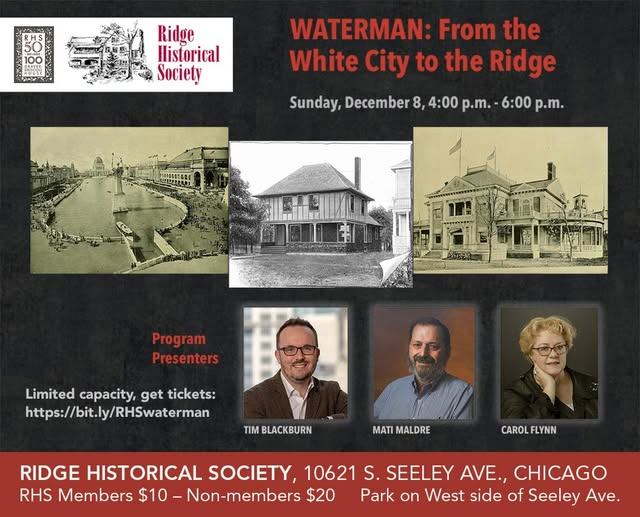
We are completely booked for tomorrow's presentation – Sunday, December 8. We have so much great new info to share with everyone on Waterman's buildings and the people who called them home on the Ridge.
We'll likely do a second event in January – February. Plus I'll be doing a new series on Facebook built around the Waterman houses so watch this page. (I've been quiet lately while I prepared for this presentation but I'll be back this week.)
– Carol Flynn, RHS FB Administrator
Happy Thanksgiving from the Ridge Historical Society
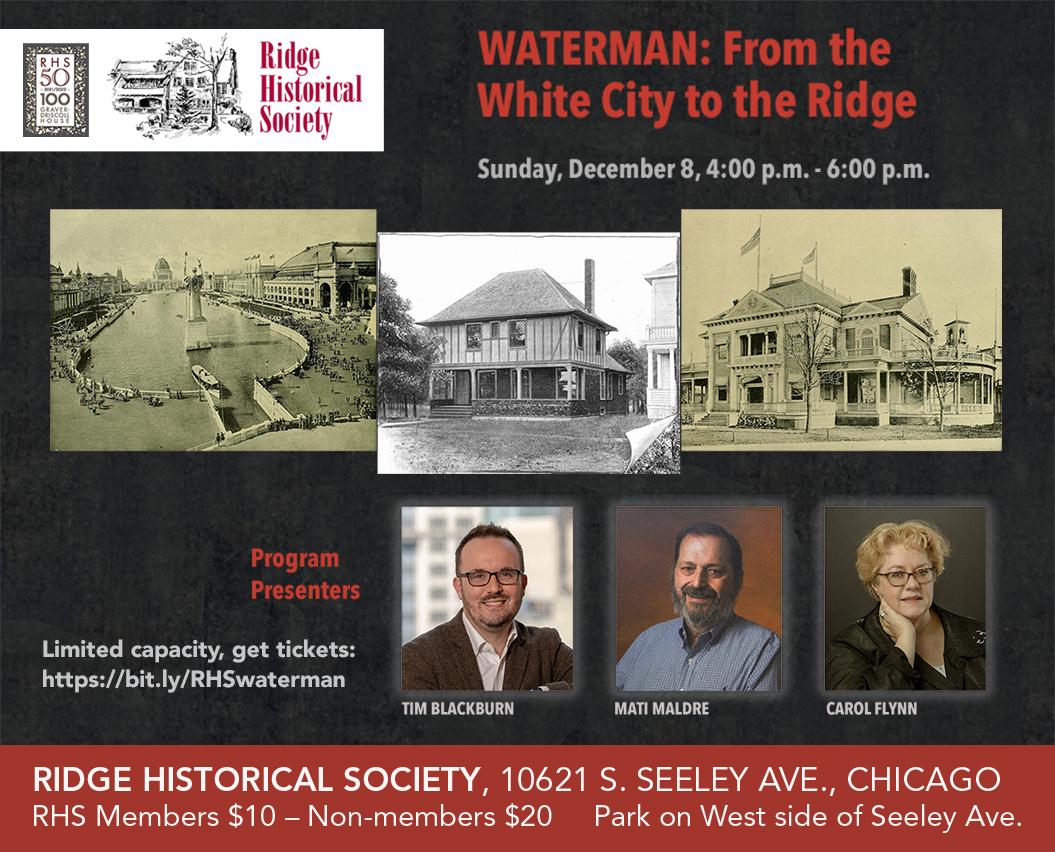
Waterman: From the White City to the Ridge
Sunday, December 8th at 4:00 p.m.
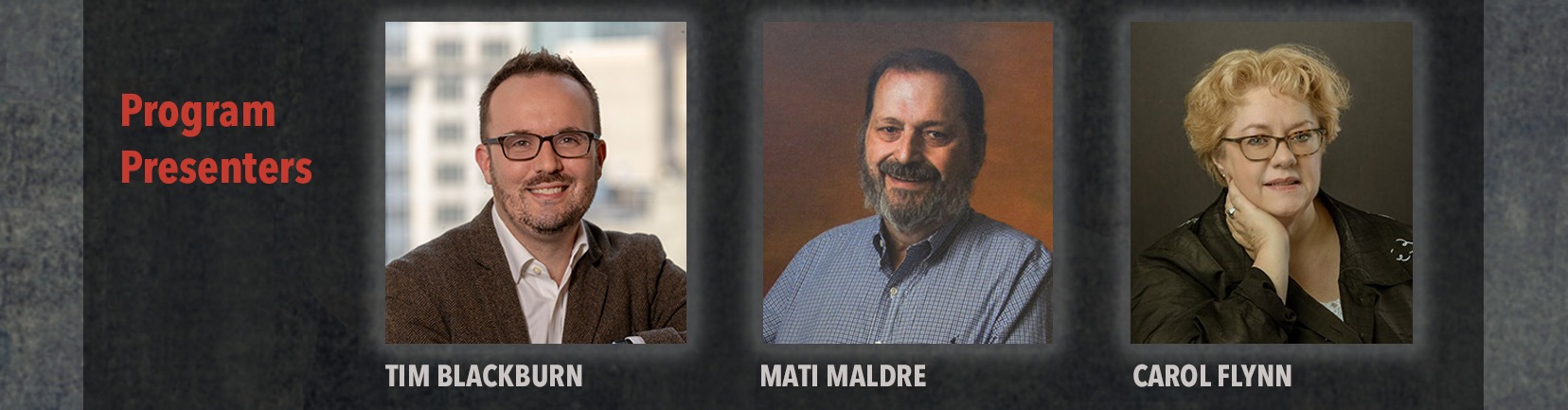
Architect Harry Hale Waterman, who is the subject of our latest exhibit, was just 23 years old when he started to build some of his most memorable buildings on the Ridge. In the first part of this program, Exhibit Curator Tim Blackburn will focus on Waterman's influences of the Columbian Exposition and his first employer, Joseph Lyman Silsbee.
Mati Maldre will discuss his architectural photos of thirty Waterman buildings, which were mostly taken in the mid-1980s with a Deardorff 4×5/5×7 view camera.
RHS Facebook Page Author Carol Flynn will then share stories from the lives of Waterman's early clients on the Ridge who made interesting impressions on the community in their day. This will be continued as a series on Facebook to complement the RHS exhibit.
Attendees are encouraged to view the exhibit "Harry Hale Waterman: Unique in any Style", which will be open from 1:00 – 4:00 p.m. before the program. The exhibit is also open Tuesdays and Sundays from 1:00 – 4:00 p.m., or by appointment, through at least spring 2024.
Ridge Historical Society
10621 S. Seeley Ave., Chicago, IL 60643
Limited Capacity. Get tickets here: https://bit.ly/RHSwaterman
Or RSVP by phone 773.881.1675
The Ridge Historical Society
Native American Heritage Month
By Carol Flynn
November is Native American Heritage Month, declared by President George H.W. Bush in 1990.
According to the government website for the day, the intent is “to provide a platform for Native people in the USA to share their culture, traditions, music, crafts, dance, and ways and concepts of life.”
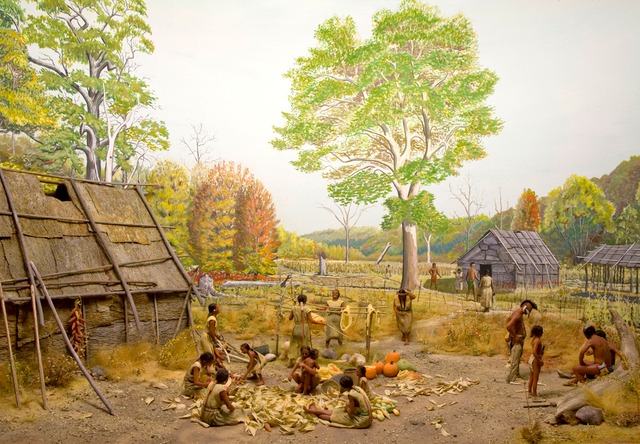
Native Americans once thrived in the Blue Island area. Research by the Illinois State Archeological Survey team, which operates out of the University of Illinois – Champaign/Urbana campus, has identified over 600 Native American sites in the surrounding forest preserves, some dating back thousands of years.
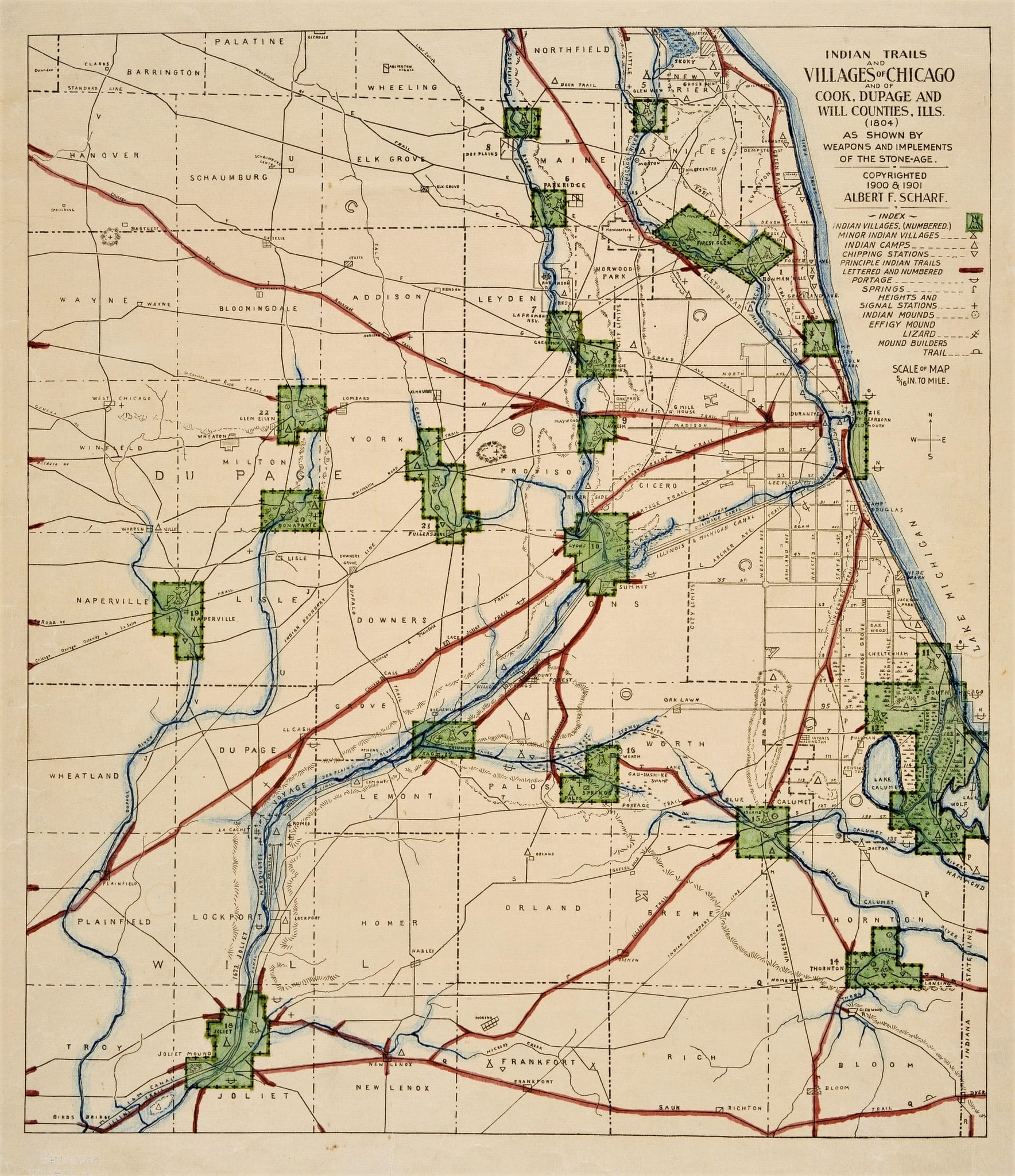
A map from the 1800s, referred to as the Scharf map, attached, shows villages, burial sites, signal stations, and other Native American locations from around 1804. There were locations along the Calumet River system, which connected to the Stony Creek, before the Cal-Sag Channel was built.
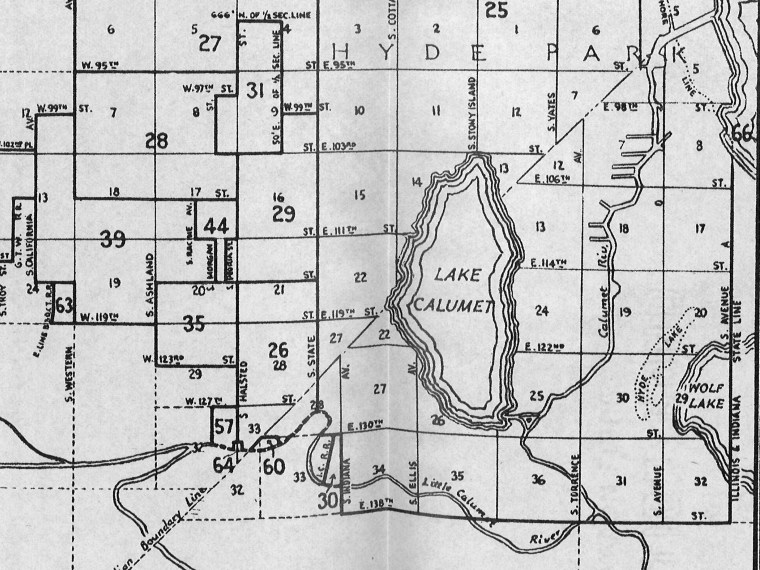
There was a village in the southern part of the city of Blue Island, around Vermont Street just east of Western Avenue, and burial grounds nearby. The northern tip of the Blue Island Ridge, located just north of 87th Street in Dan Ryan Woods, was the location of a “signal station,” which is not surprising, given its high elevation and clear view all the way to downtown Chicago.
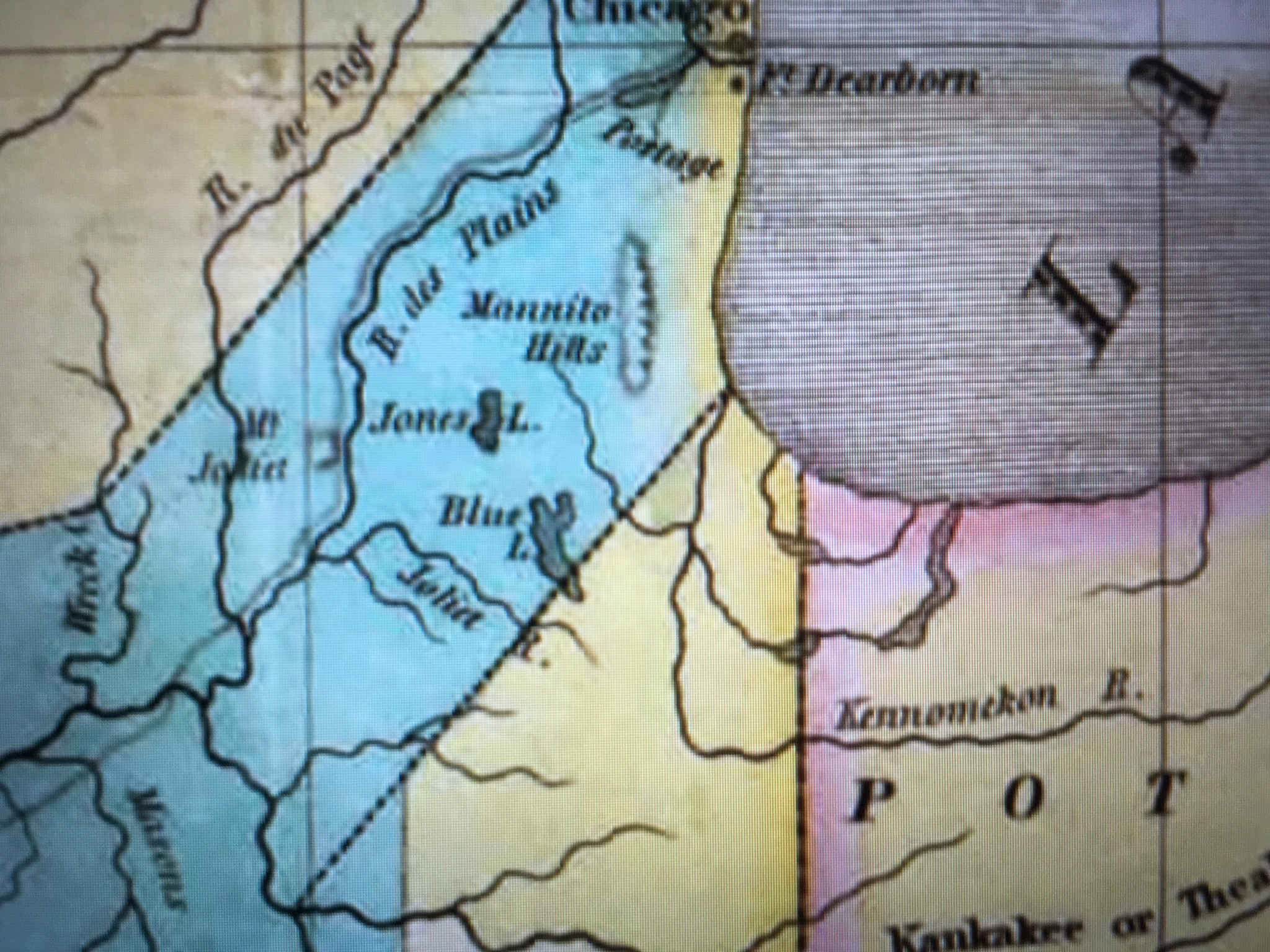
There were no villages on the Ridge, however, and this could be because the local Native Americans considered the location to have sacred significance. Another map identifies the Blue Island Ridge with the term “manitou” which indicated a spirit presence. Humans all have personal manitous, and they were also ascribed to significant natural places.
There was the Vincennes Trail, an early animal path that the Native Americans turned into a trail that was then used by fur traders and settlers. It originally cut across the top of the Ridge, but Thomas Morgan had it rerouted to below the Ridge on the east side so it would not cross his property, once the U.S. government sold off the land to settlers.
There was another Indian trail that ran along 103rd Street on an angle, from the southwest to the northeast.
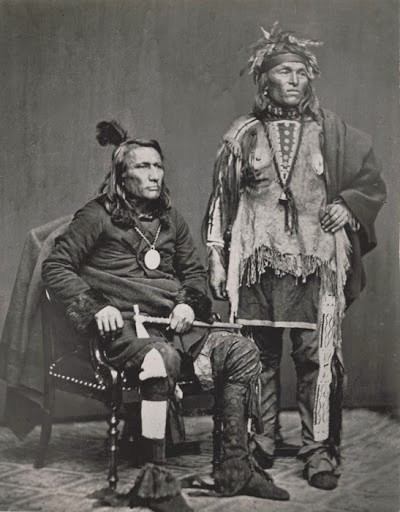
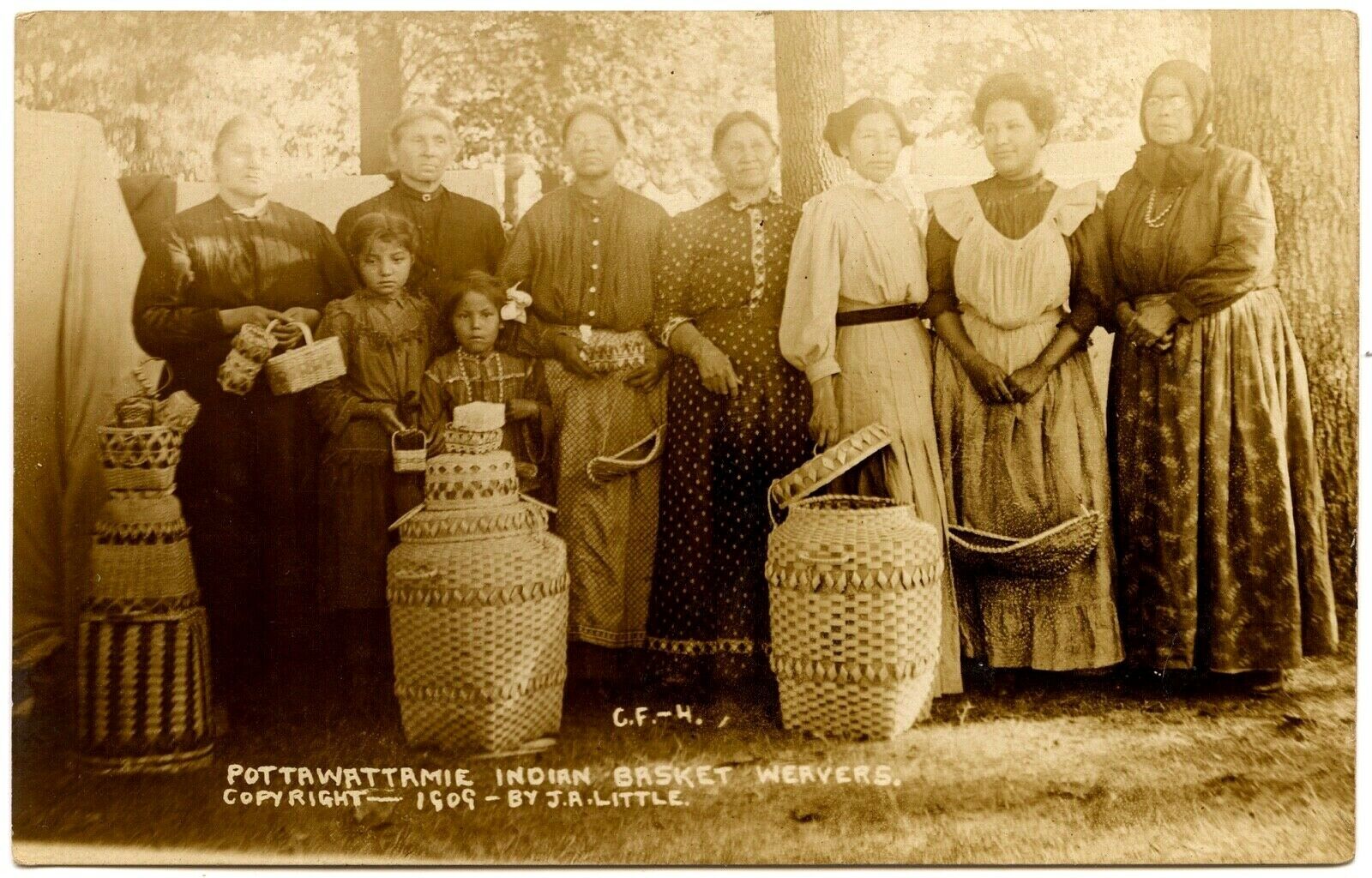
With the Treaty of Chicago in the 1830s, most of the Native Americans, by then primarily part of the Potawatomie nation, left Chicago.
However, they had left the Ridge area some years before that, after the War of 1812.
After U.S. military and settlers were killed, and Fort Dearborn was burned down, by Potawatomi warriors in the Battle of Fort Dearborn, the U.S. government became determined to remove Indians from the area to allow further settlement to go on unimpeded. “Chicago” was strategically located for transportation and trade, and the land surrounding it was rich for farmland.
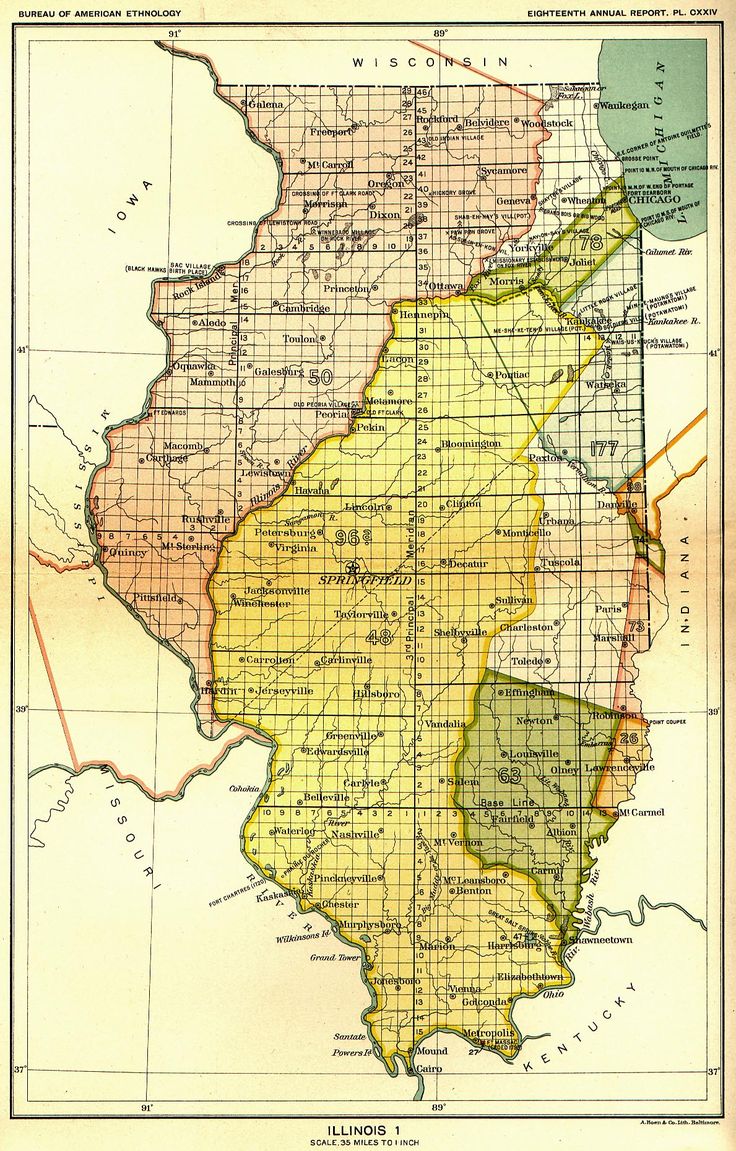
Fort Dearborn was rebuilt in 1816, and a treaty with the Council of Three Fires (the Ojibwa, Odawa, and Potawatomi, although only the Potawatomi were living in the Chicago area) was signed. In this treaty, called the Treaty of St. Louis, the Indians gave up all claims to a 20-mile strip of land that included the Chicago Portage connecting Lake Michigan to the Illinois River. The Chicago Sanitary and Ship Canal is on this land now.
“Indian boundary lines” which started at the lake and ran southwest were established on either side of this strip of land (see attached map). The deal with the Indians was that white settlers were permitted to settle safely within the lines. The southern line ran just below the southern tip of the Blue Island Ridge, placing the lands of the Ridge communities, that is, today’s communities of Beverly Hills, Morgan Park, Washington Heights, and Mount Greenwood, and the City of Blue Island, within the settlers’ territory.
Although the “Illinois Territory” was first claimed for the developing U.S. during the Revolutionary War, this made it official that the Blue Island Ridge was under the control of the U.S. government, slated for settlement by U.S. citizens, and was no longer under the control of Native Americans.
Other treaties followed, in 1821, and following the Black Hawk War in 1832. With the 1833 Treaty of Chicago, the U.S. government took over total control of certain Native American lands west of Lake Michigan, including the Chicago area. The Potawatomi received promises of cash payments and tracts of land west of the Mississippi River.
In 1835, five hundred Potawatomi warriors gathered in full dress and danced the last recorded war dance in the Chicago area.
Most of the Indians left the area after that. Chicago was incorporated as a city in 1837. But for many decades, some Native Americans stayed in the area, and some continued to return to their summer ancestral grounds along the Calumet River.
Early white settlers found and recorded many Native American artifacts in the area. Postholes were reported to be found in the 1840s at what is now the east side of Hale Avenue, between 104th and 105th Streets, and stone tools were found in the area.
The Barnard family reportedly collected 36 flint arrowheads, two battle axes, a spearhead, and several pieces of ancient pottery. They reported finding “the remnants of pottery in a small mound surrounded by large cobble-stones and embraced within the roots of a small oak tree which sprang up from the mound.” The location or importance of this mound were not identified.
Today, there is almost no representation of Native Americans in the area. A reported 65,000 Native Americans representing 175 tribes live in the greater metropolitan area of Chicago. The majority lives on the North Side, and the U.S. Censuses report less than 1% of the population around the Ridge is Native American. Some people do come forward, though, and report mixed ancestry.
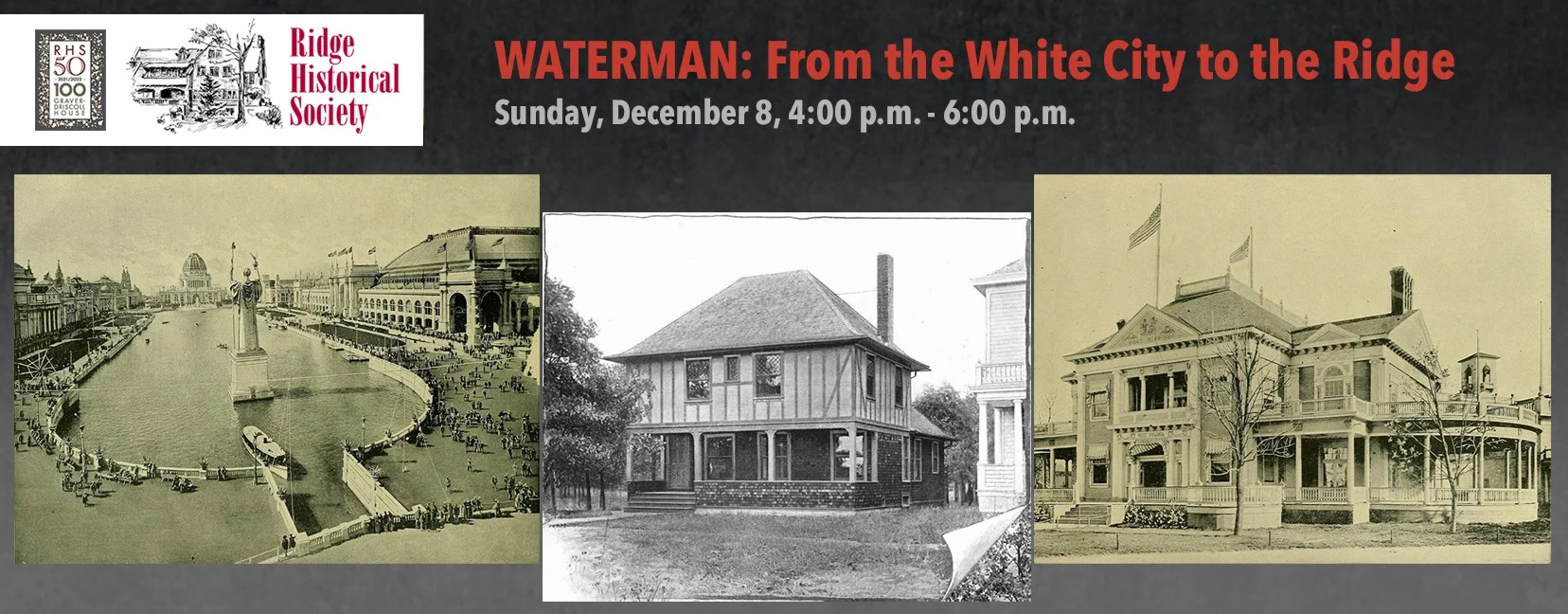
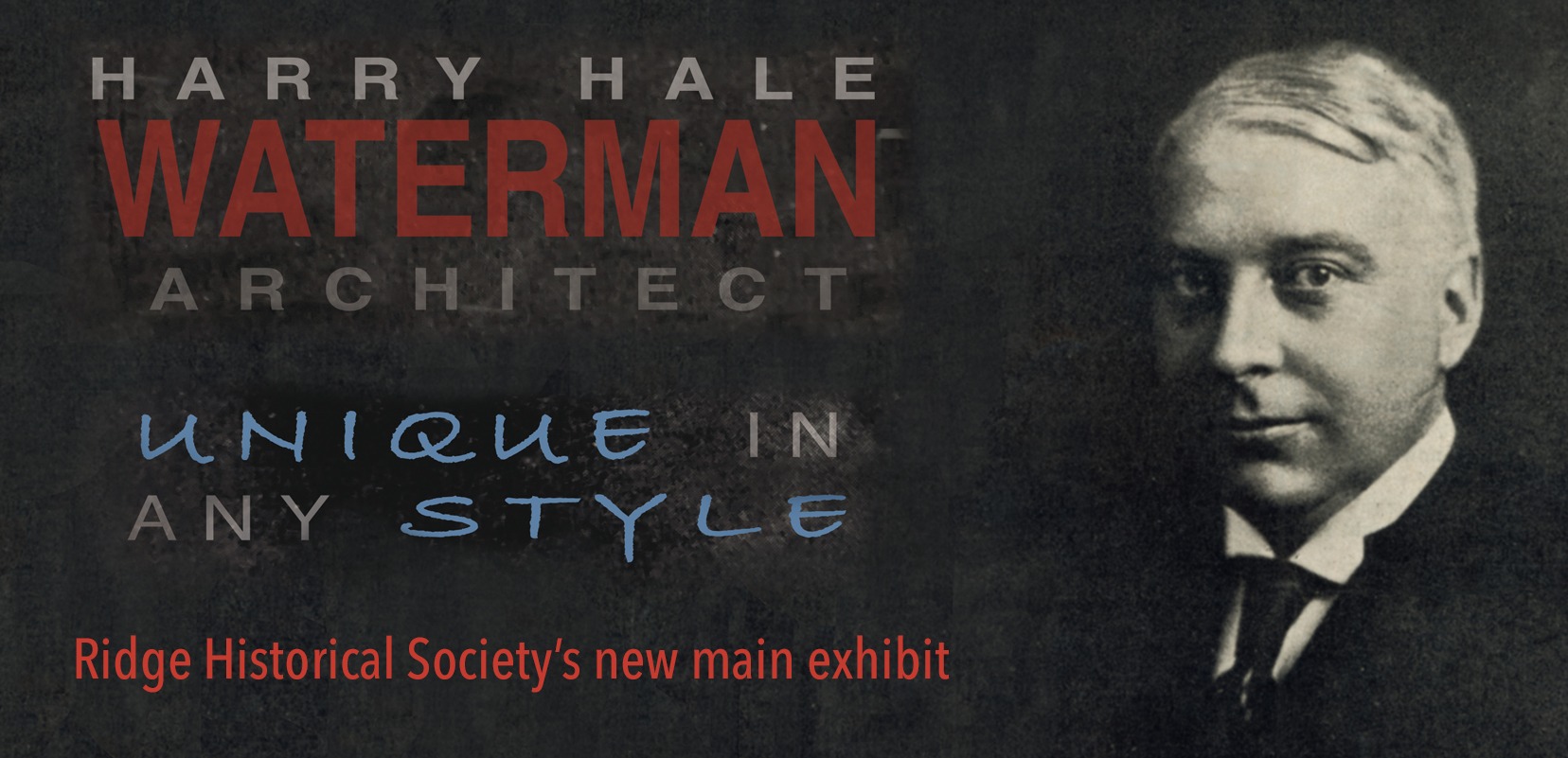
The new exhibit has opened at The Ridge Historical Society: "Harry Hale Waterman, Architect: Unique in Any Style."
The exhibit is open to the public for free on Tuesdays and Sundays from 1:00 p.m. to 4:00 p.m.
Waterman was born in Wisconsin in 1869, and came to Chicago as a young boy. He attended the Old University of Chicago and Northwestern University, and started his architecture career in the late 1880s. He worked in the architecture offices of Joseph Lyman Silsbee alongside his family friend Frank Lloyd Wright.
While Wright concentrated on developing his own style of architecture, Waterman worked in many different styles, putting his unique spin on each.
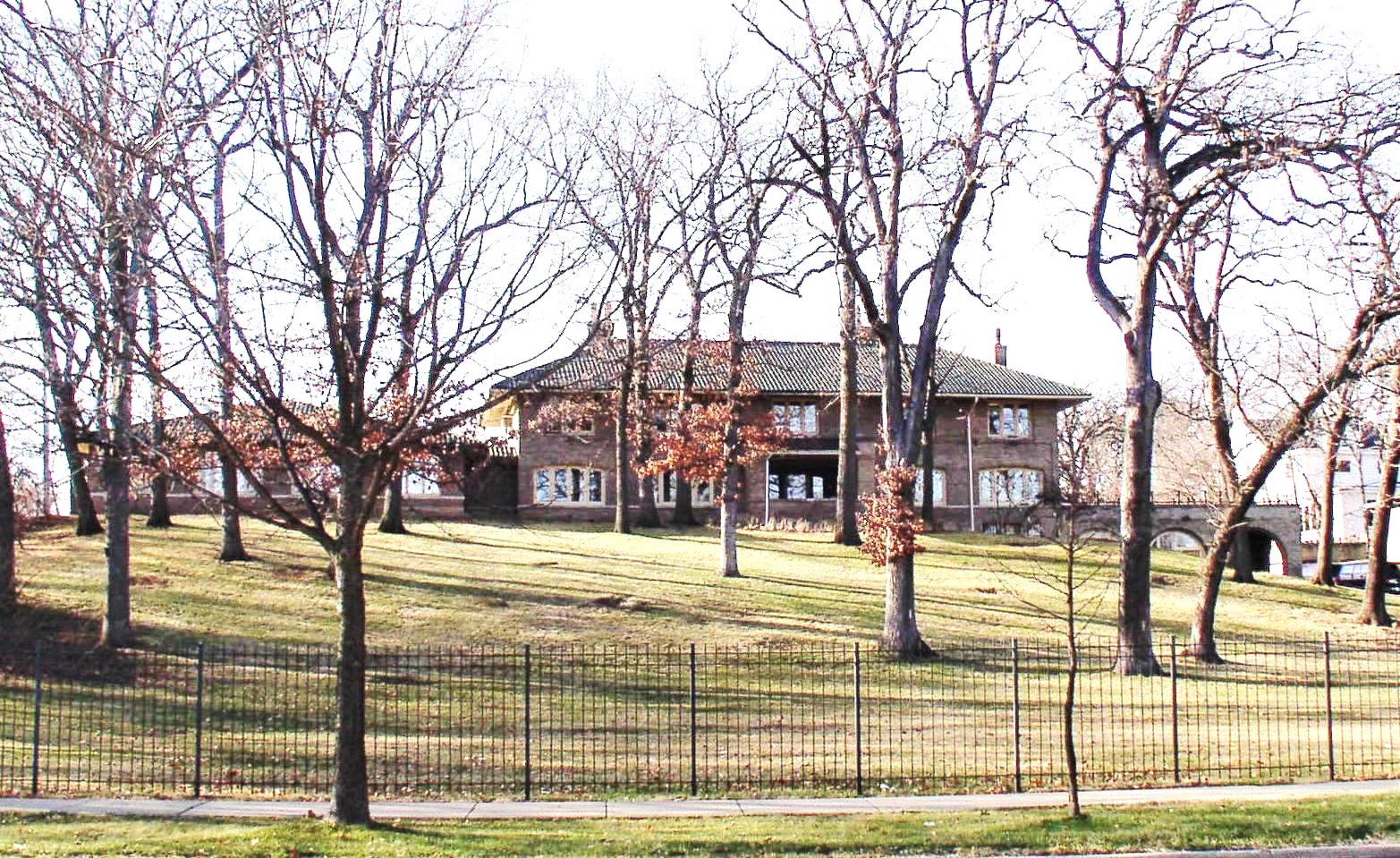
Waterman designed an estimated forty buildings in Beverly and Morgan Park, most of which are still standing today. Other buildings he designed in other Chicago neighborhoods have not fared as well.
This exhibit explores Waterman's work on the Ridge, and also takes a loot at some of his clients.
On Sunday, December 8, 2024, at 4 p.m., RHS will offer a program connected to the exhibit: "Waterman: From the White City to the Ridge."
In the first part of this program, Exhibit Curator Tim Blackburn will focus on Waterman's influences on the Columbian Exposition and his first employer, Joseph Lyman Silsbee.
Mati Maldre will discuss his architectural photos of thirty Waterman buildings, which were mostly taken in the mid-1980s with a Deardorff 4×5/5×7 view camera.
RHS Facebook Page Author Carol Flynn will then share stories from the lives of Waterman's early clients on the Ridge who made interesting impressions on the community in their day. This will be continued as a series on Facebook to complement the RHS exhibit.
Stay tuned to this page for details on registering for the program.
RHS is located at 10621 S. Seeley Avenue, Chicago.
“Morgan Park Woman’s Club: 135 Years of Community Service.”
Women’s history is the community’s history. They are involved in every aspect of life where they live, often working behind the scenes.
It’s time their story was told.
This year marks the 135th anniversary of the Morgan Park Woman’s Club (MPWC).
A special event is planned for this weekend: “Morgan Park Woman’s Club: 135 Years of Community Service.” A reception and program will be held on Sunday, November 17, 2024, in the Smith Village community hall, 2320 W. 113th Place, from 2 to 4 p.m. Admission is free, there is parking, and the place is accessible.
MPWC has had a very important role in the community, impacting everything from the village’s annexation to the city of Chicago to its architecture to its schools to its parks.
A slide presentation connecting the Club’s history to that of the community will be shown by Carol Flynn, researcher/writer for the Ridge Historical Society.
There will be a display of items from the Club’s artifacts. Refreshments will be served.
The Ridge Historical Society
Veterans Day
By Carol Flynn
Monday, November 11th, is Veterans Day in the United States. This is the day we recognize all who have honorably served in the United States Armed Forces.
This date marks the anniversary of the formal end of World War I, the 11th hour of the 11th day of the 11th month of 1918 when the Armistice with Germany went into effect. Originally called Armistice Day, it was renamed Veterans Day in 1954.
The families on the Ridge have always done their patriotic duty. Many proud military families have lived on the Ridge who had members in service dating back as far as the American Revolutionary War.
Last month, RHS premiered a new exhibit, “Harry Hale Waterman, Architect: Unique in Any Style,” which showcases the many buildings designed by Waterman in Beverly and Morgan Park, and some of the people who lived in them.
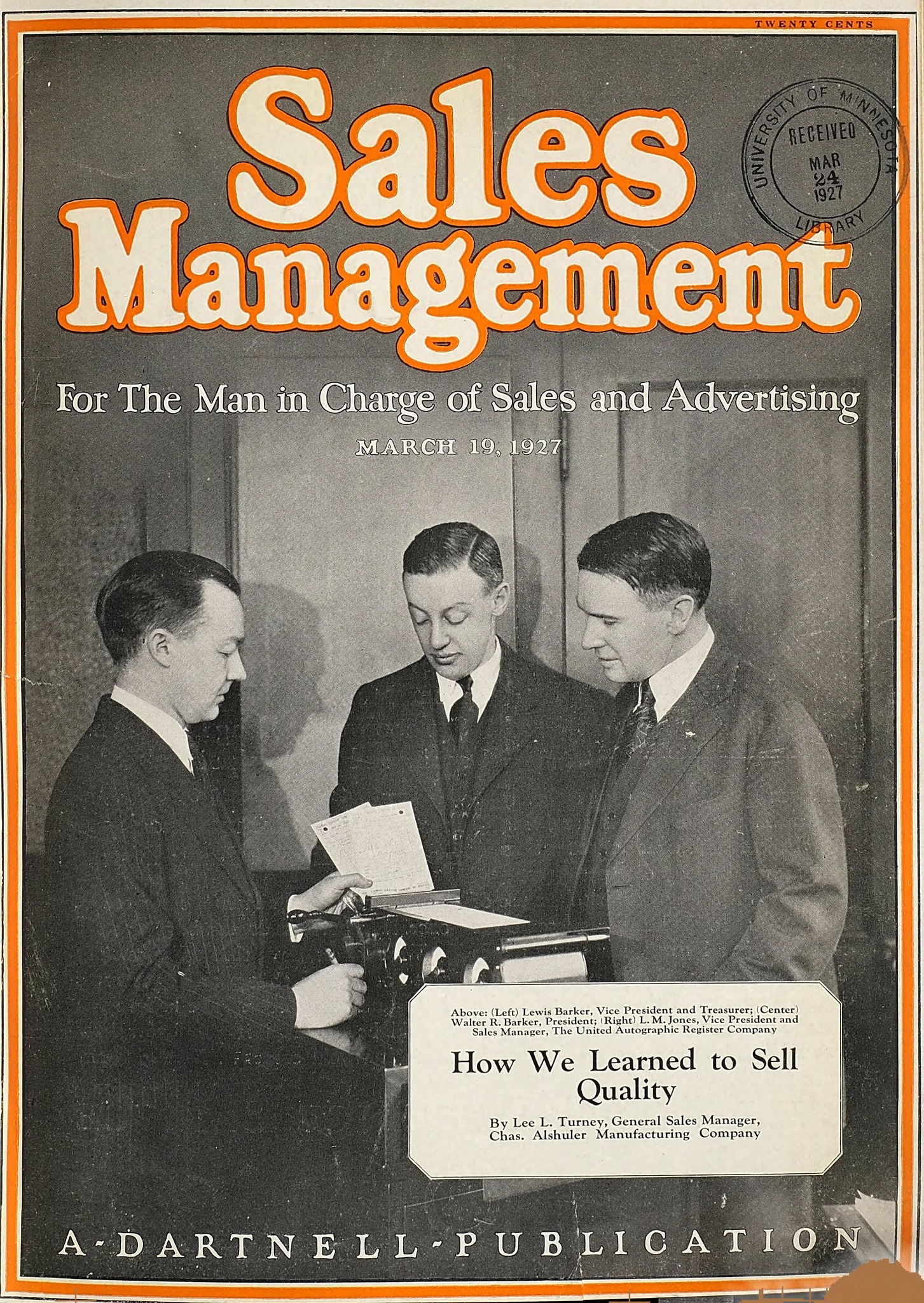
This post looks at the Lewis Barker family, one of the families who owned and lived in “a Waterman.” The family is also part of the military heritage of the community.
Lewis Barker was born in Chicago on November 12, 1898, to England J. and Matilda Barker. He was the sixth of seven children, the third son.
England and Matilda, both born in Canada, came to Chicago from New Jersey. England was a representative of the company started by the man wo invented the autographic register, an office machine that allowed sales receipts and orders to be written up in multiple copies, using carbon sheets in between continuous rolls of paper.
England started a new company, the United Autographic Register Co. (UARCO), in Chicago, in 1892. In 1899, the family moved to Morgan Park.
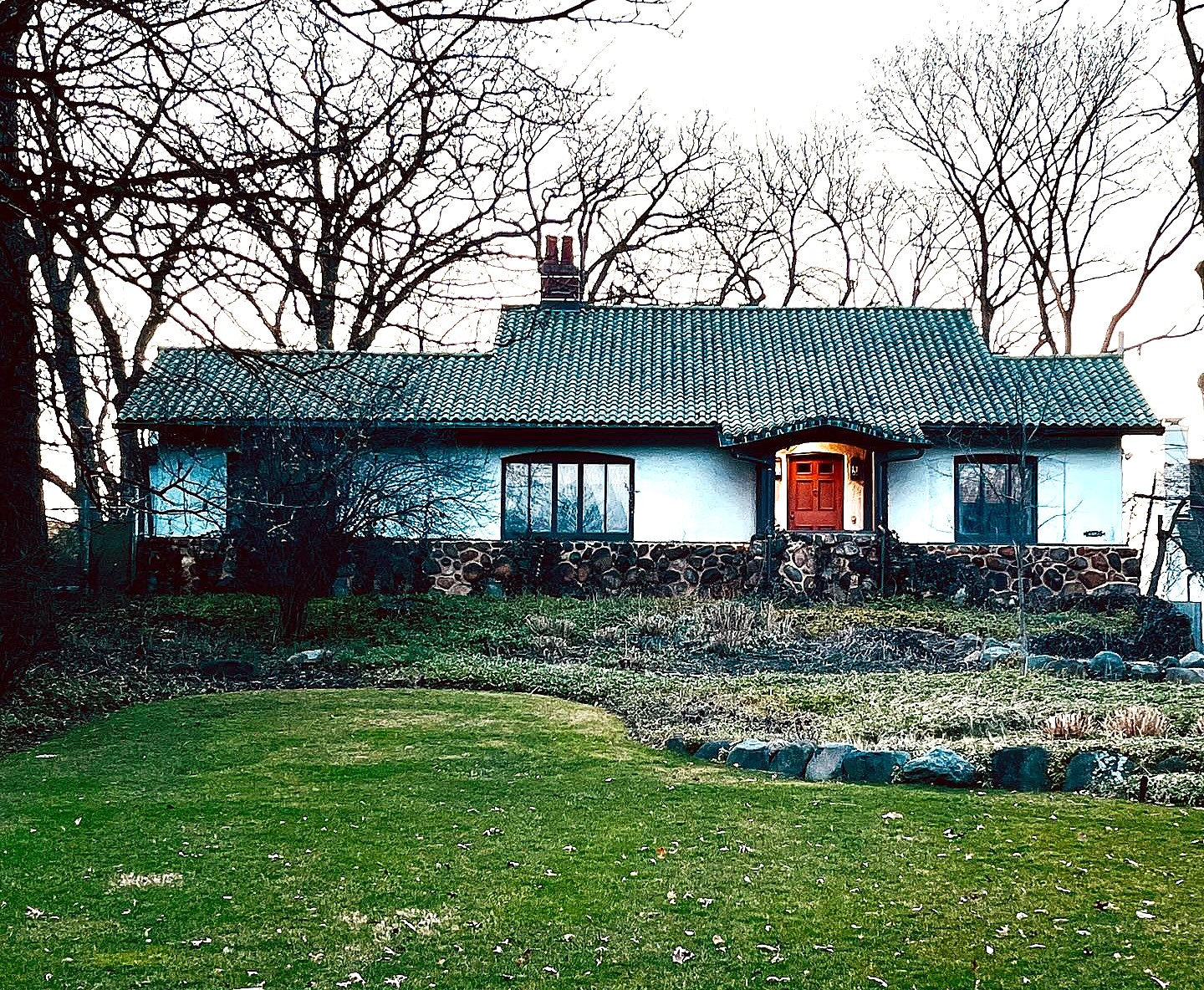
The Barkers first lived in a frame house on Western Avenue, then hired Waterman to design a brick house for them at 10650 Longwood Drive, which was built in 1911.
Lewis served in the U.S. Army in World War I, from October 21 to December 23, 1918. The war ended just a few weeks after Lewis enlisted, so his service was brief.
Lewis went into the UARCO business as did his older brother, Walter. When their father retired, Walter took over as president, and Lewis served as vice president and treasurer. A third brother, Harold, in between Walter and Lewis, unfortunately died in November 1917 at the age of 23 from a heart ailment.
In 1920, Lewis married Winifred Gregson, the daughter of William Gregson, a prominent Morgan Park businessman who also owned a Waterman-designed house at 2141 W. 116th Place, built in 1901-1902. Older brother Walter had married Winifred’s older sister Margaret in 1914.
The year they married, Lewis and Winifred purchased the Waterman-designed house at 10036 Longwood Drive that was built in 1915-16 for Olin W. Paque. The Barkers expanded the house and added a swimming pool, and they became known for their social events.
Lewis and Winifred had three children, and all connected with the military.
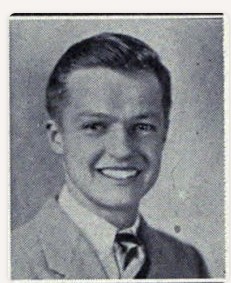
Oldest son Reid Stewart, born in 1924, attended the Harvard School in Hyde Park, then attended the University of Colorado, where he enrolled in the Reserve Officers Training Corps (ROTC). He enlisted in the Navy as an ensign and served for over four years. He married Nancy Carter, the daughter of a Lieutenant Colonel.
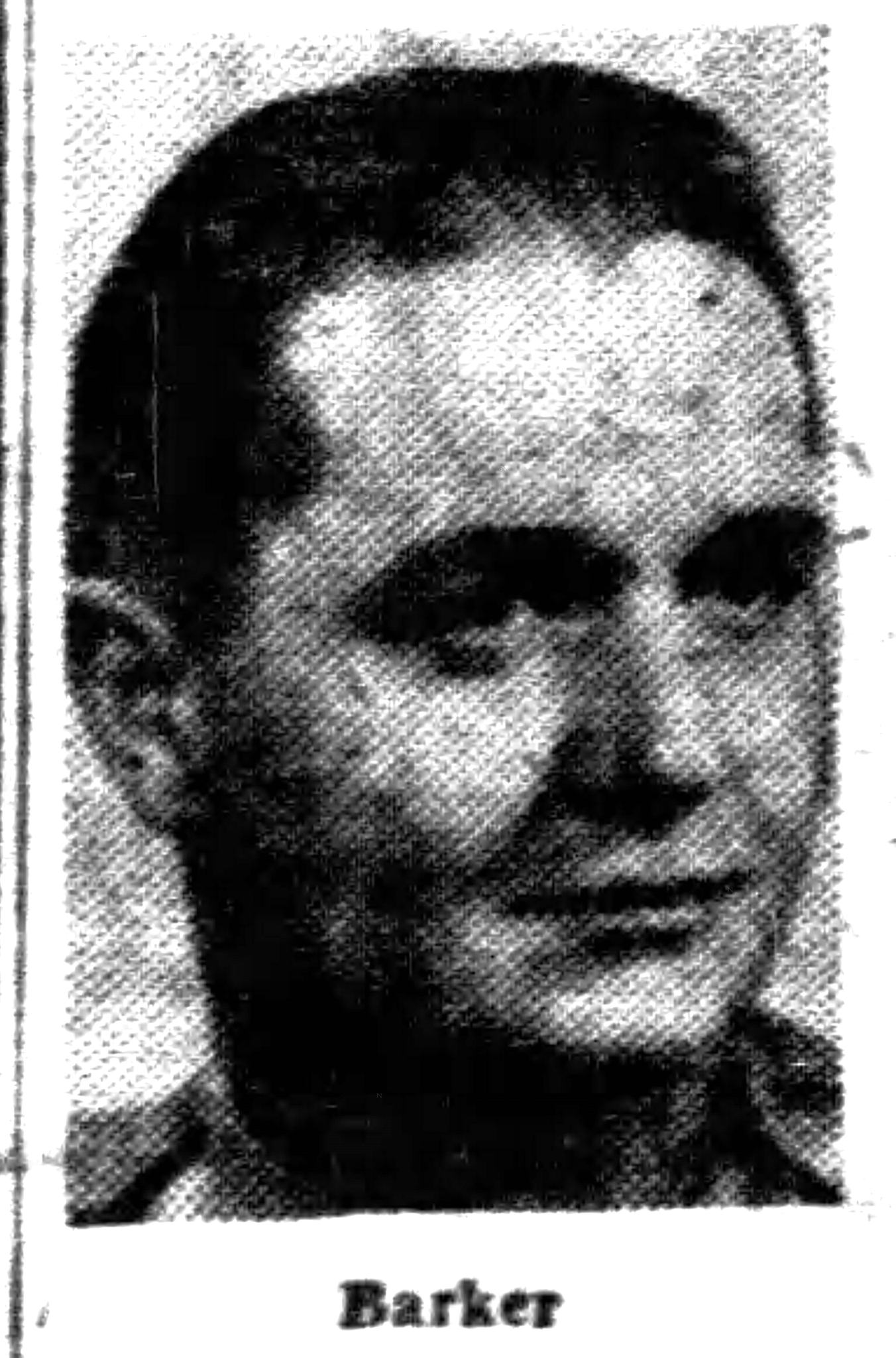
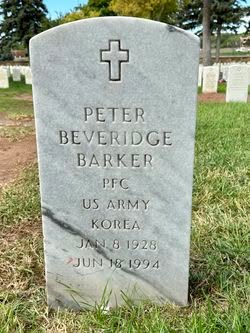
Second son Peter Beveridge, born in 1928, attended Morgan Park High School and was a college student in Denver when he was drafted into the Army in 1950. He served in the Korean conflict as a rifleman and received the Purple Heart for being wounded in the shoulder and arm by a grenade. Recovering from that, he was transferred to Japan, where he served until late 1952.
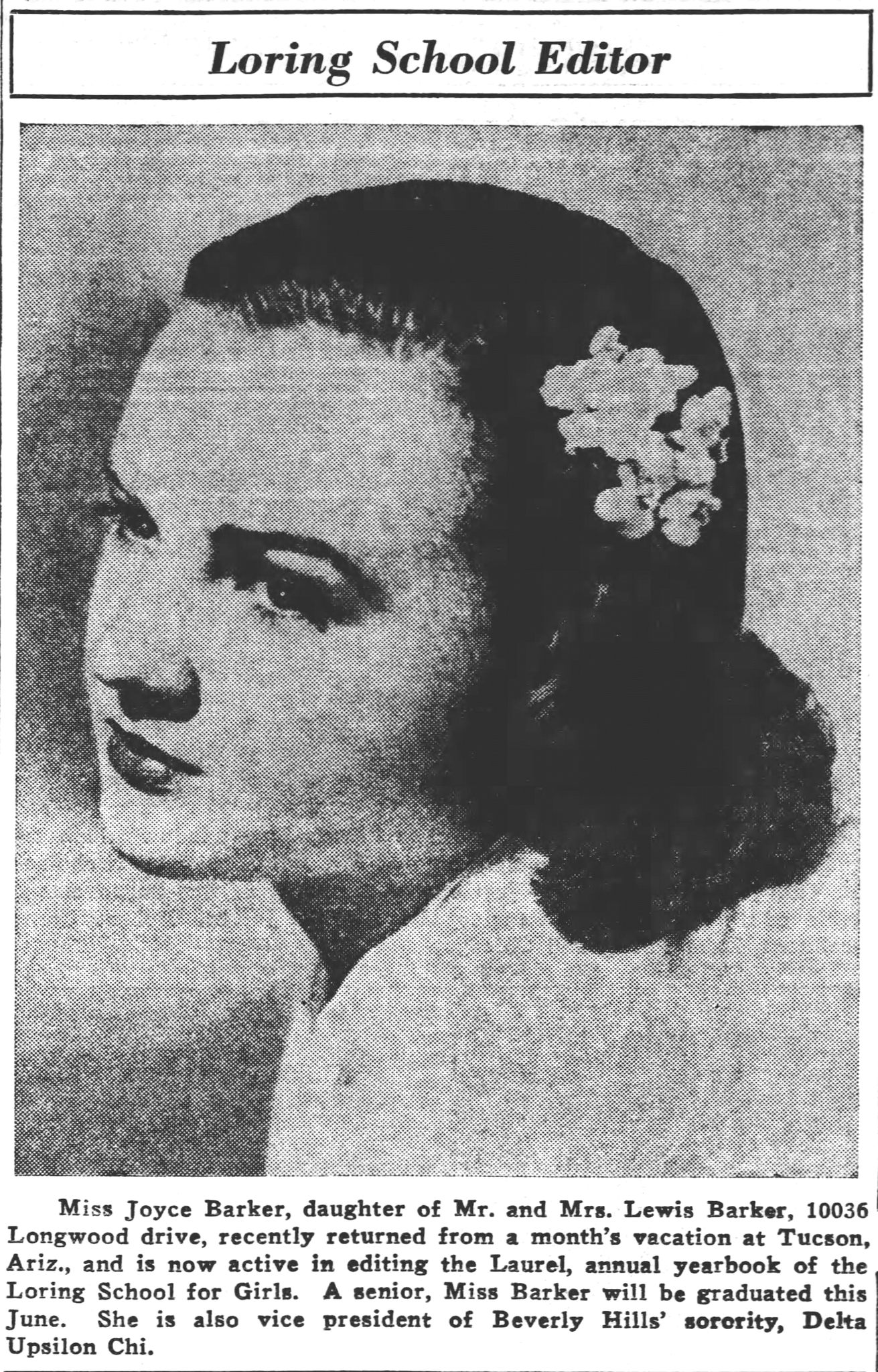
Daughter Eugenia Joyce, known as Joyce, was born in 1921 and was the oldest of the three children. Joyce's brothers, Reid and Peter, both had asthma and Chicago weather could be rough on them, so their mother would take them all by train to Tucson. Joyce attended high school in Tucson for one semester, where she met Arthur Houle, a football player.
Joyce married Lt. Arthur Houle, Jr., in 1941. He was stationed in Denver so they made their early home there after marriage.
The exhibit, “Harry Hale Waterman, Architect: Unique in Any Style,” is open to the public for viewing on Tuesday and Sunday afternoons from 1:00 p.m. to 4:00 p.m., or by appointment. Admission is free. RHS is located at 10621 S. Seeley Avenue, Chicago.