Explore the RHS Facebook Archives, a rich repository of local history written by Carol Flynn. For two decades, Carol brought a deeply dedicated voice to public education at RHS. Her role as Facebook administrator through mid-2025 naturally extended her prolific research into meticulously detailed articles, most notably her multi-part historical series posts. Today, Carol continues her local history writing for The Beverly Review and other outlets.
2025
The Ridge Historical Society
Beverly/Morgan Park’s “Forgotten House” – Part 3: More on the Barnard Family
By Carol Flynn
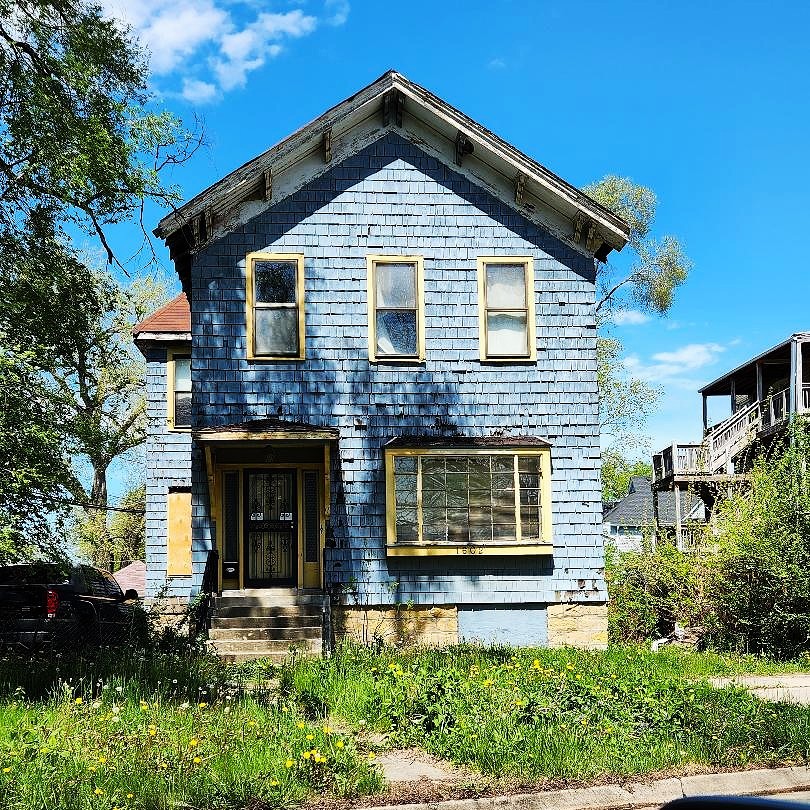
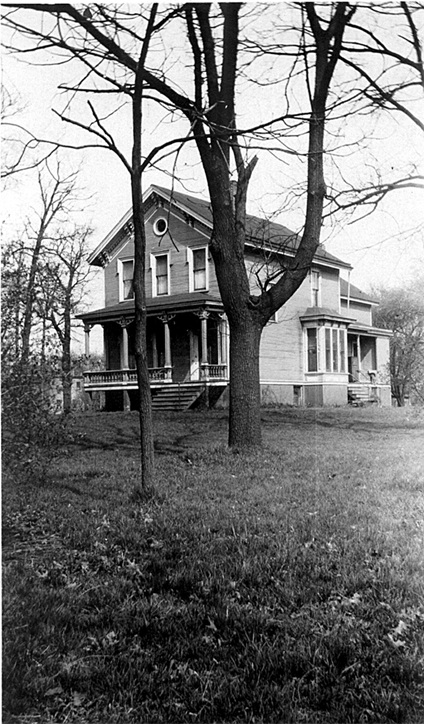
This post brings us back to the “forgotten house” that was rediscovered and identified as the Erastus A. Barnard I House at 1602 West 108th Place in Morgan Park. It was built around 1865, originally stood at the southeast corner of 103rd Street and Longwood Drive, and was moved to its current location in 1924.
In the post for Juneteenth, we covered the early history of the Barnard Family, their relationship to the Wilcox and Morgan Families, and their experiences during the U.S. Civil War.
Now we’ll look more at the Barnard Family.
As the newly formed United States gained additional territory and spread out from the eastern states, many people started moving to what is now the Midwest for the fertile farmland. Chicago became the “western frontier” offering many business opportunities.
The Barnard Family moved from Massachusetts to Illinois and were in Chicago by 1846. The family included patriarch Dr. William Barnard (1793-1855) and matriarch Alice Emerson Barnard (1787-1880). Alice’s family went back generations; her father, Ralph Emerson, and his brother Daniel Emerson served in the Continental Army during the U.S. Revolutionary War.
The family settled at what today is 47th Street and Vincennes Avenue in Kenwood, just north of Hyde Park.
On the 1850 U.S. Census, the five Barnard children are listed as William, age 29, who was the first to come to Chicago a year or so before the rest of his family; Elizabeth, 27; Daniel, 24; Alice L. (for Lucretia), 21; and Erastus, 17.
The Barnard Family was very well educated. The sons William and Daniel were graduates of Amherst College in Massachusetts.
William moved to the Ridge when he took a job as tutor for the Morgan Family, then opted to take up farming, buying property at 103rd Street and Longwood Drive. The entire area was then known as Washington Heights, and their neighborhood as Tracy; 103rd Street was called Tracy Avenue. William married Miranda Wilcox, and they had four children.
The sisters Elizabeth and Alice L. both became teachers in Chicago. Neither married. Back then, a female teacher would have to give up her career if she married.
Alice L. became one of the first female principals in the Chicago Public School system, and her life and career were covered in an RHS Facebook story a few years ago. The school at 104th Street and S. Charles St., formerly the Washington Heights School, was renamed for Alice in 1892.
Their brother Daniel practiced as a lawyer in Chicago for many years. As Captain Barnard of the U.S. Union Army from the Civil War, he was active in veteran activities. He never married.
Patriarch William died in 1855. After the Great Chicago Fire of 1871, his widow Alice E., son Daniel and daughters Elizabeth and Alice L. moved to the Ridge.
The youngest son Erastus, a teenager when the family came to Chicago, also took up farming. It doesn’t appear he had further formal education in Chicago, but more than likely his education continued at home.
Erastus purchased land from his brother William at the southeast corner of 103rd Street and Longwood Drive. He married Mary Lavinia Wilcox, and some time after Erastus returned from the Civil War in 1865, they built the “forgotten house” to replace their log cabin.
Mary and Erastus had one daughter, Amy. Unfortunately, Amy died at the age of 20 in 1888. Her bereaved parents donated the land at 104th Street and Longwood Drive to the city in 1902 to establish Barnard Park in her honor.
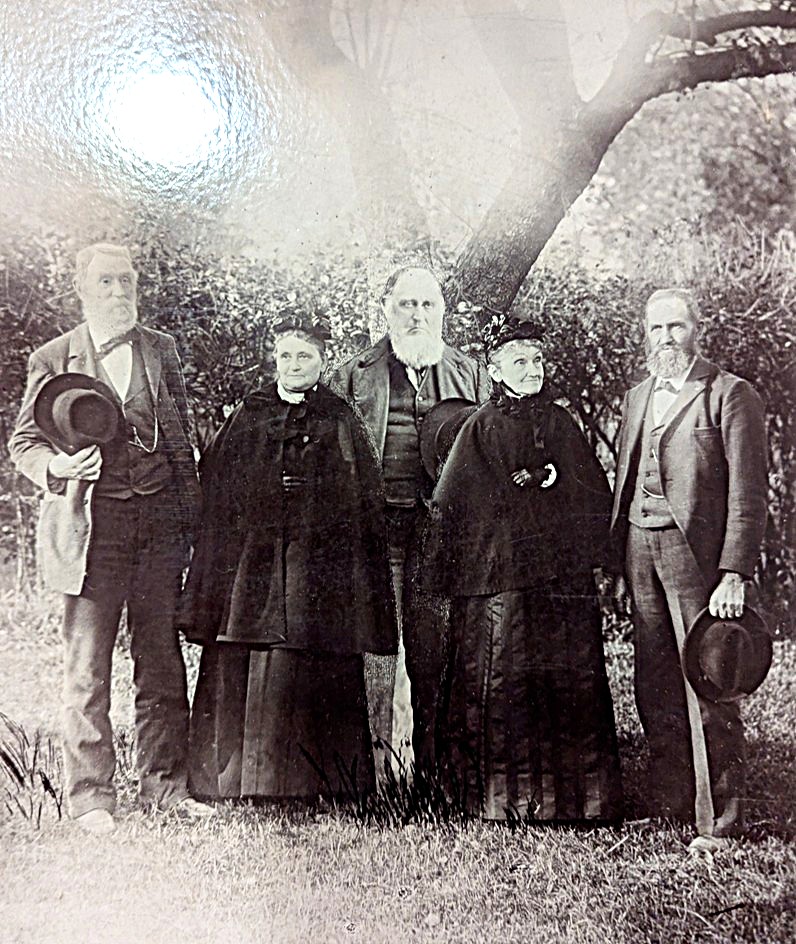
This left William’s children as the only descendants of the Barnard family. William’s children included son William W. (for Wilcox) and daughter Alice S., a teacher, who both recorded family history. Their writings contribute to our knowledge of early life on the Ridge.
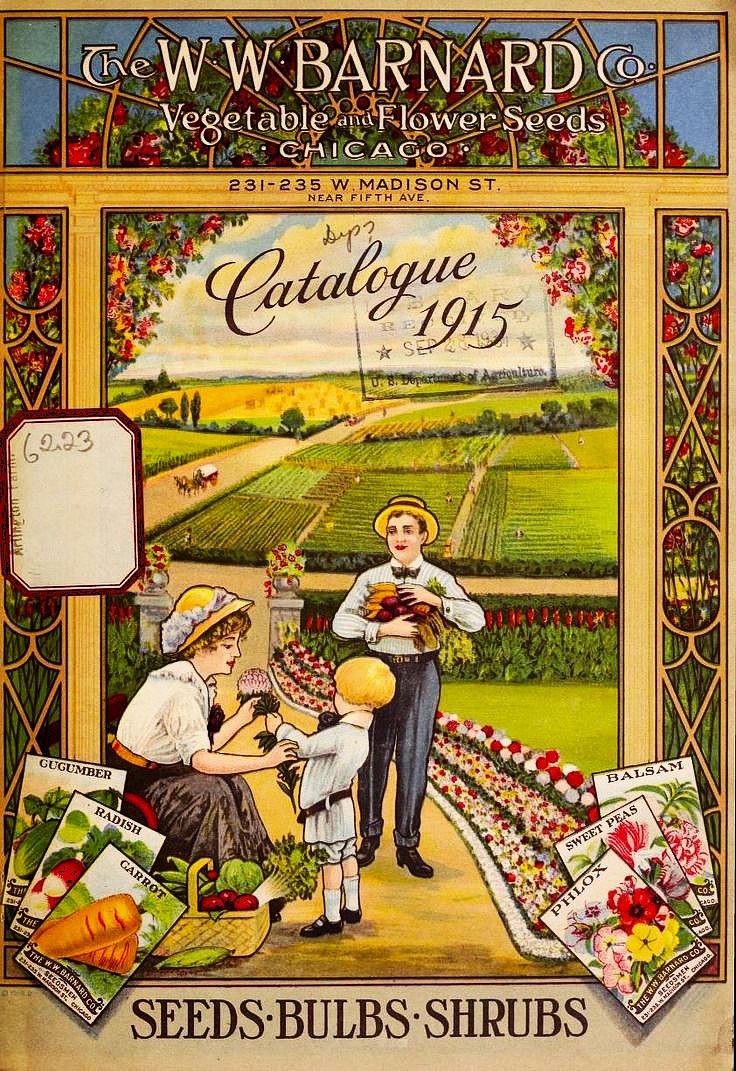
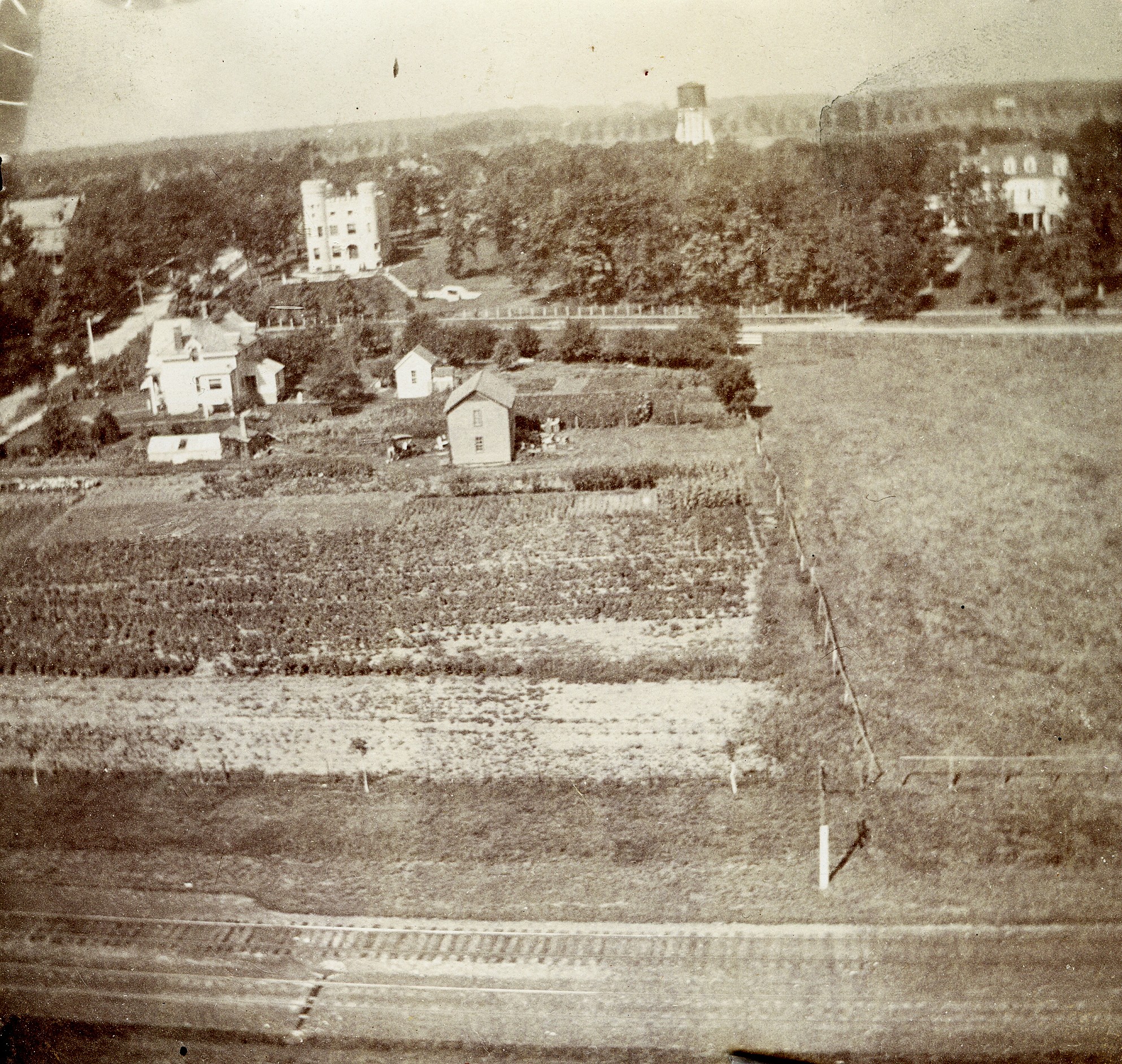
William W. bought the seed company he was working at in 1888 and created his own company, the W.W. Barnard Co., and called himself a “seedman.” He used the family farm at 103rd Street and Longwood Drive to grow mainly flowers for their seeds. The business was considered “one of Chicago’s largest and most progressive seed concerns.”
In addition to vegetable, flower and plant seeds, the company also dealt in poultry supplies, and put on poultry shows at their location at 231-5 W. Madison Street. Along with chickens, geese, ducks, and turkeys, the show featured pigeons, rabbits, and cavies (guinea pigs), with prize birds on display in the front windows. Thousands of people attended the shows.
The Barnard family were very active in civic and social affairs in Washington Heights. They were founders of Bethany Union Church. Their neighbor across the street was Robert Givins, the real estate developer who built the most iconic landmark in the area, the “Castle,” in 1886-7, forty years after the Barnards had already established a presence.
The next post will look at the purchase of the “forgotten house” by the Gorton Family.
Well, at least Top Notch still earns an honorable mention on a list like this! The writers barely left the North side to consider eating places in Chicago, so typical of an article like this.
https://www.theinfatuation.com/chicago/guides/best-burger-chicago?utm_campaign=cm&utm_medium=paid_social&utm_source=fb&utm_audience=chi&utm_ad_id=6724621588379&utm_content=Facebook_Desktop_Feed&utm_id=6628977098979&utm_term=6724608164979&fbclid=IwY2xjawLYu3NleHRuA2FlbQEwAGFkaWQAAAYiwMvta2JyaWQRMWM4UGprNlpRcFlrYmFHZDIBHl1RTdnI_oFFzFeepcwp4GWBRqPfb2nff4QjtKKYNSZOev_x0djs3y073V-G_aem_Wat6e_BPXnbjMog3IcTwuA
The Ridge Historical Society
July 4, 1925 – Fireworks
By Carol Flynn
One hundred years ago on the Ridge, the community held a July 4th festival at Ridge Park at 96th Street and Longwood Drive.
Included were sporting competitions, awards for a house-decorating contest, a historical pageant, and family picnics.
The day started early with the “explosion” of a fireworks “bomb” calling people to the festivities. Fireworks also were displayed in the evening.
Fireworks are a significant part of the United States Fourth of July holiday – “the rockets’ red glare, the bombs bursting in air…,” and all that.
However, in Chicago and in Illinois, there are strict regulations on the possession and use of fireworks – which largely go unheeded.
Fireworks have created controversy since the earliest days in Chicago. The issues mainly relate to safety and fire prevention, of course.
As early as the 1860s, there were city ordinances banning the storage and use of fireworks without permits in the city. Following the Great Chicago Fire in 1871, the city increased its efforts to establish and enforce controls, but especially at the time of July 4, the ordinances were largely ignored.
And the members of the Chicago City Council themselves did not always support the ordinances.
In 1883, for example, the City Council lifted the ban on fireworks and shooting off firearms just for the 4th of July. They had given way to the demands of their “friends” who were sellers of fireworks.
The result was numerous deaths and injuries. The Chicago Tribune had taken a stance against lifting the ban for even the one day, and after the holiday, challenged Mayor Carter Harrison, Sr., on the decision, given the damage that occurred.
“I don’t think it would have made any difference. Five thousand policemen could not have prevented them from shooting,” said the mayor. “The Lord takes care of the boys. Some of them may get banged up a little, but they will come out all right. I do not believe in taking away the Fourth of July from them. It is a day that they should commemorate and hold sacred.”
The Tribune reported on the people who “got banged up a little.”
They included Thomas Kelly, a railroad man, who was shot in the abdomen by “a wild pistol shooter” and languished for several days before dying in the hospital.
There was also Charles Heradek, killed by a 13-year-old boy, whose mother told him to put the gun away and keep his mouth shut about what he had done.
Nine-year-old Katie Willard was killed by a bullet that lodged in her spine; young sisters Lizzie and Rosa Younk were “maimed” by a large firework; John Anderson was shot in his hand by his little boy; Thomas Garrity, 18, received a “large ragged wound in the face near the left eye” from a “toy pistol in the hands of a friend.”
A court ruling in 1903 caused cities across the U.S. to look at the fireworks situation with a new seriousness.
A fireworks explosion at an election night event in November 1902 in Madison Square Garden, New York City, resulted in a death and other serious injuries. The city’s aldermen had suspended the ordinance banning fireworks to allow the political parties to hold such events.
The court found that the city could be held liable for the deaths, injuries, and damage. New York City was successfully sued by several parties.
This caused cities to renew their commitments to enforcing bans and requiring permits for fireworks.
By 1925, selling and using fireworks and shooting guns within the Chicago city limits were banned by city ordinances. Fireworks could be used at events by experienced handlers with permits.
In late June 1925, the city vowed to “rigidly enforce” the laws on illegal fireworks. There had already been 14 deaths and two major fires from fireworks explosions leading up to the July 4th holiday.
An 8-year-old boy, Daniel Perry, had died from eating a firecracker. Another woman, Sophia Oxstein, walking down the street carrying her baby, had been hit by a charge from a “toy cannon” built by a 17-year-old neighbor.
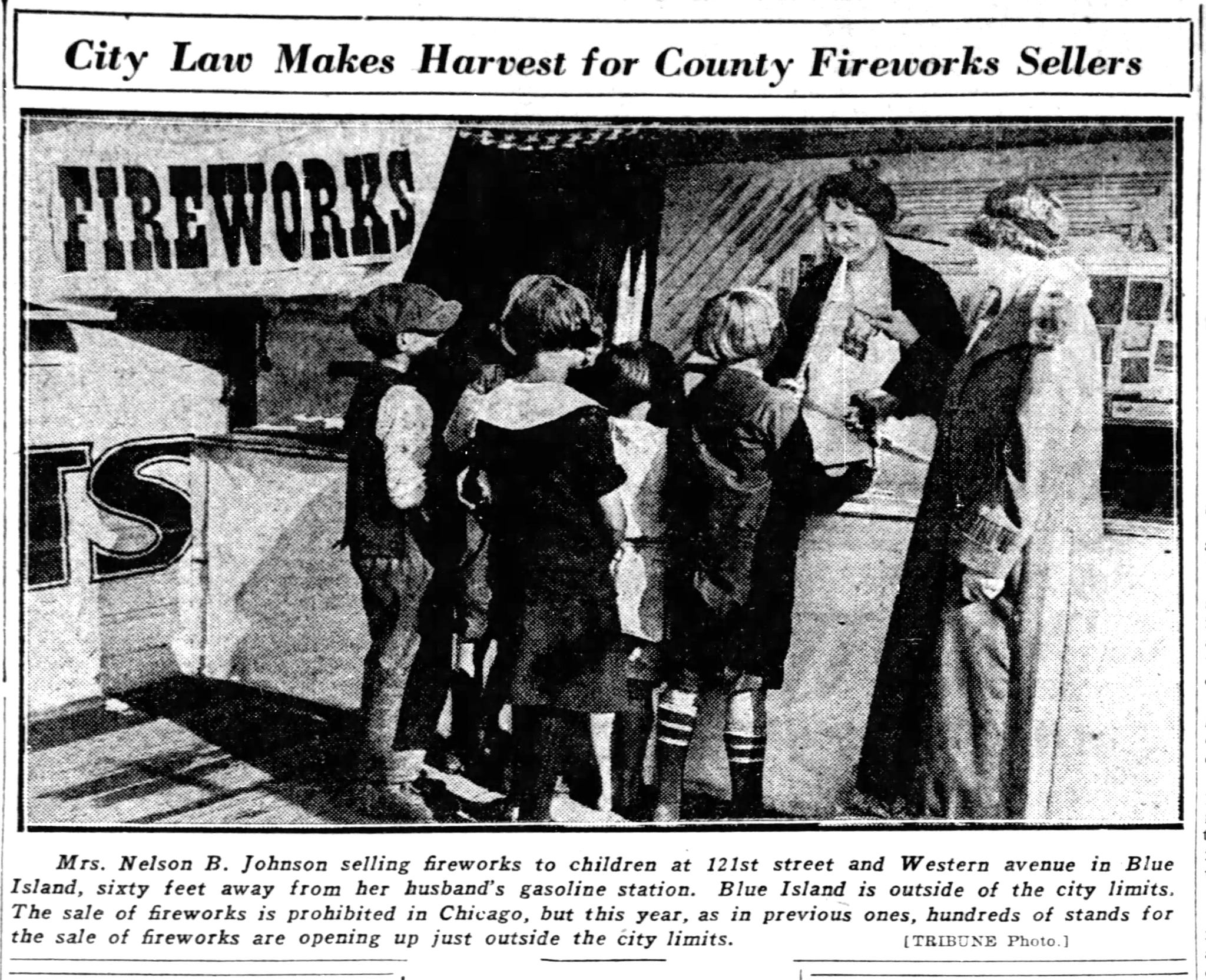
But fireworks could still be legally purchased in the rest of Illinois, and Chicago residents only had to walk across the street into a suburb to find roadside stands.
Ridge residents could cross 119th Street into Blue Island and find a fireworks stand just two blocks away. Chances are they could also find them in Evergreen Park across Western Avenue.
The Chicago Fire Commissioner had contacted 65 nearby municipalities to ask for their help in stopping illegal sales of fireworks, but not all had replied.
The purveyors of illegal fireworks caught in Chicago were given three options: “Put the fireworks in a water barrel, take them outside the city limits, or be arrested.”
On January 1, 1942, Illinois implemented a law to prohibit the sale and use of fireworks within the state. City and county officials would be allowed to grant permits for supervised displays, with a “competent individual” handling the display.
Today, Illinois has one of the most restrictive laws controlling the sale and use of fireworks, and even some of the items the state allows, like sparklers, are prohibited in the City of Chicago. Other states have various restrictions, and a few states have no restrictions at all.
The Ridge Historical Society
Beverly/Morgan Park’s “Forgotten House” – Part 2: The Barnard Family and Juneteenth
By Carol Flynn
Today, June 19th, is “Juneteenth,” the day chosen to commemorate the end of slavery in the U.S. On June 19, 1865, the Emancipation Proclamation was enforced in Texas following the end of the U.S. Civil War.
This important date in U.S. history offers a good place to start with the history of Beverly/Morgan Park’s “forgotten house” and the family who built it.
The Erastus A. Barnard I House was introduced in the first post of this series. Recently rediscovered by RHS Board member Tim Blackburn, this house is located at 1602 West 108th Place in Morgan Park. Tim’s research found that the house was built ca. 1865 and moved to its present location in 1924.
The age of the house makes it important – it joins the list of less than 1,000 buildings in the city that pre-date the Great Chicago Fire of 1871. Considering there are around a half million structures in the city, this house is rare indeed.
The history of the Barnard Family that built the house also makes it important. They were among the earliest white settlers on the Blue Island Ridge.
The family story relates that William Barnard graduated from Amherst College in 1845 and decided to head out “west” to Iowa where many settlers were establishing farms.
In Chicago, a chance meeting with Thomas Morgan, the rich Englishman who had purchased around 3,000 acres of land on and around the Ridge, and whose family gave its name to Morgan Park, led William to instead move to the Ridge to become a tutor for the younger Morgan children.
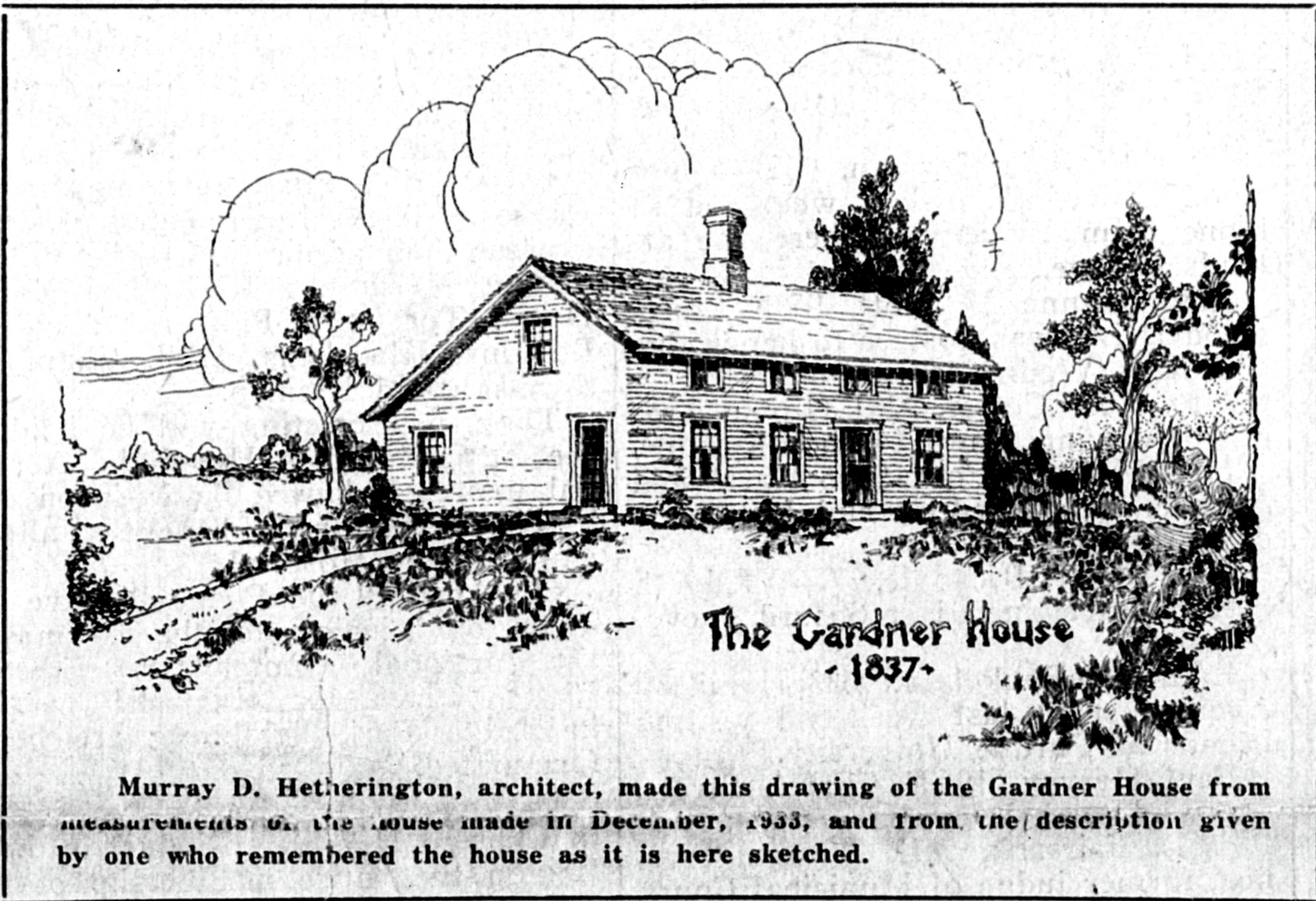
William Barnard boarded with the Wilcox Family, another early family on the Ridge who had purchased land along the Vincennes Road in 1844 that included the Gardner House, a wayside stop for wagons and travelers making their way to and from Chicago, which was about twelve miles to the northeast.
William Barnard’s parents and his brothers and sisters came to Chicago in 1846 and settled around what today is 47th Street and Vincennes Avenue.
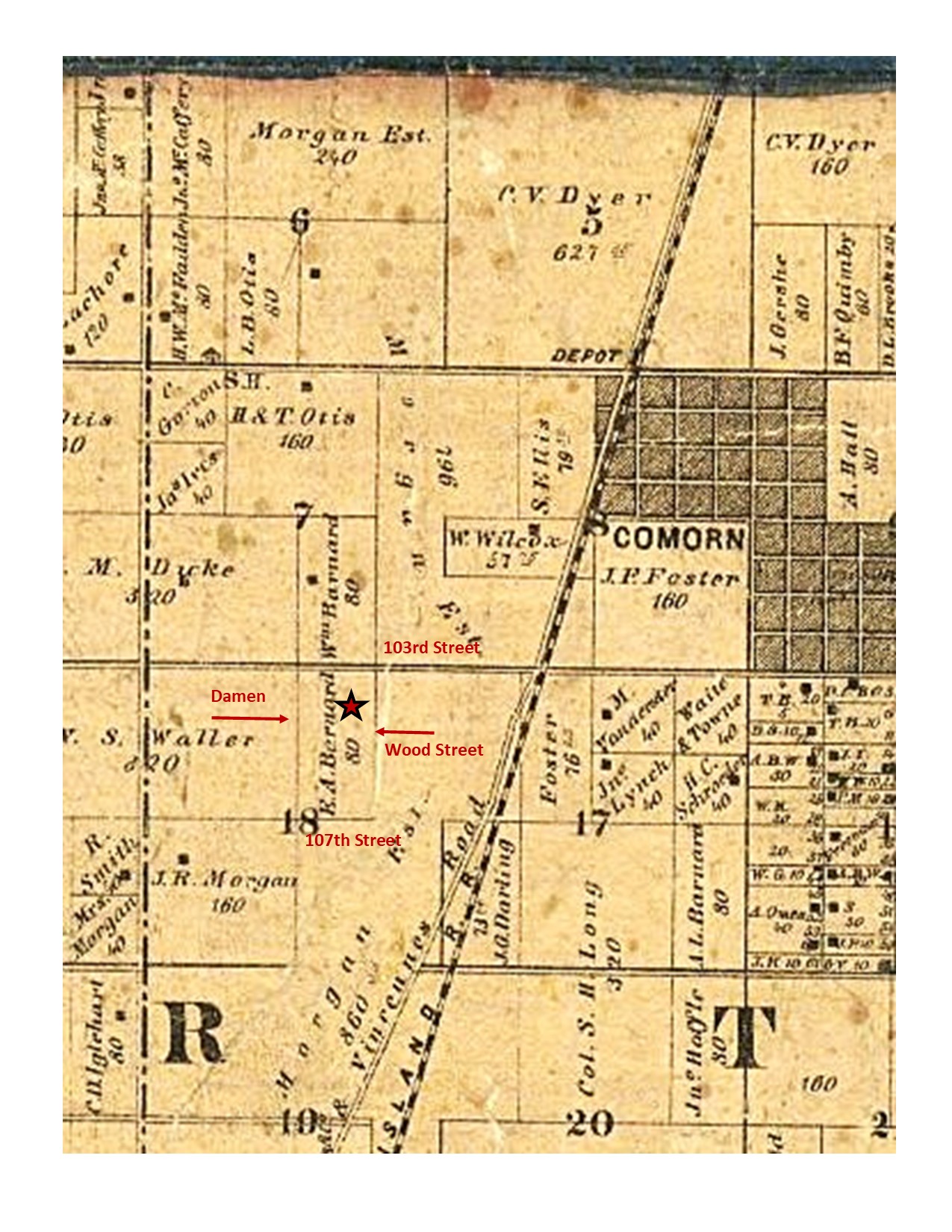
William Barnard bought his own property on the Ridge in 1851 and took up farming. He was joined by his brother Erastus, and William sold 80 acres of his land to Erastus in 1852.
Erastus’s land, adjacent to that of William, ran from what today is Wood Street on the east to Damen Avenue on the west, and from 103rd Street on the north to 107th Street on the south.
William and Erastus Barnard each married a Wilcox sister. William married Miranda Wilcox in 1852, and Erastus married Mary Lavinia Wilcox in 1862.
The Barnard/Wilcox families, fortunately, recorded their history on the Ridge. William and Miranda’s daughter Alice Sarah, born in 1854, was especially prolific in writing down family stories, and it is her retelling of family events in the 1860s that gives us a glimpse of life on the Ridge during the U.S Civil War, and allows us to make the connection to Juneteenth.
Alice’s stories relate to her family harboring fugitive slaves on their properties in the early 1860s, before the Civil War ended in 1865. Their properties were never official stops on the Underground Railroad, the secret network of routes and safe houses established to help slaves escape to freedom, which usually meant leaving the country.
Illinois was a “free state,” that is, slavery was not allowed; however, federal law protected the rights of slave owners in other states.
The Chicago area was a well-established thoroughfare for escaped slaves, often referred to as “freedom seekers” today to emphasize their inherent human right to freedom and not their illegal status as escaped property. The route through Chicago led north to freedom in Canada.
There were severe penalties, including steep fines and imprisonment, for anyone caught helping freedom seekers. As a result, people kept their efforts secret and didn’t even discuss them with neighbors.
Two Barnard/Wilcox family stories were passed down, dating from the early 1860s. The first came from Alice about the Gardner/Wilcox House: “When I was a little girl, standing by my mother, her brother in a tense whisper said something in her ear. With a look of surprise she said ‘Another?’ It was many years after, before I learned what this might mean.”
What Alice learned was that her uncle had discovered another escaped slave in an outbuilding of the Gardner-Wilcox House, which was located at what today is 9955 S. Beverly Avenue. That house was torn down in 1934, and a plaque commemorating its history is now part of the RHS collection.
The second story is attributed to Mary Lavinia Wilcox Barnard, Erastus’s wife, and was likely recorded by her niece Alice: “A few times my husband would find a fugitive slave laying in the hay of the manger where he could feel the warm breath of the cattle. We don’t know if the other farmers had similar experiences because we never told. You didn’t know which side they were on.”
The exact location of this early barn on the property of Erastus and Mary Lavinia is not known with complete certainty.
The three Barnard brothers, four of the five Wilcox brothers, and two Morgan brothers went off together to fight on the Union side in the Civil War. The Barnards and Morgans all returned home, but two Wilcox brothers lost their lives.
In the 1850s, Erastus Barnard had initially built a log cabin on his land. After he returned from the war in 1865, they built the house that now stands on 108th Place, that was moved from the corner of 103rd Street and Longwood Drive, but that might not have even been the first location of that house.
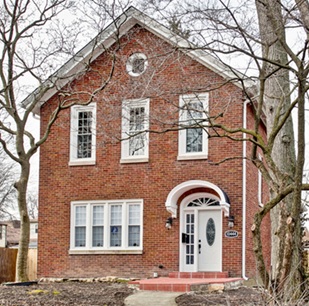
In the 1870s, they sold that house and some of their property, and built another house, the Erastus A. Barnard II House, between 103rd and 104th Streets on Wood Street. That house was moved to 10444 S. Wood Street, where it now stands, and substantially altered from the original.
It's likely that the first log cabin and the barn where the freedom seekers sought refuge were in the vicinity of 103rd – 104th Streets and Wood Street, closer to the Vincennes Road and the Gardner/Wilcox House. We do know that Erastus and Mary Lavinia always lived on that original 80-acre homestead.
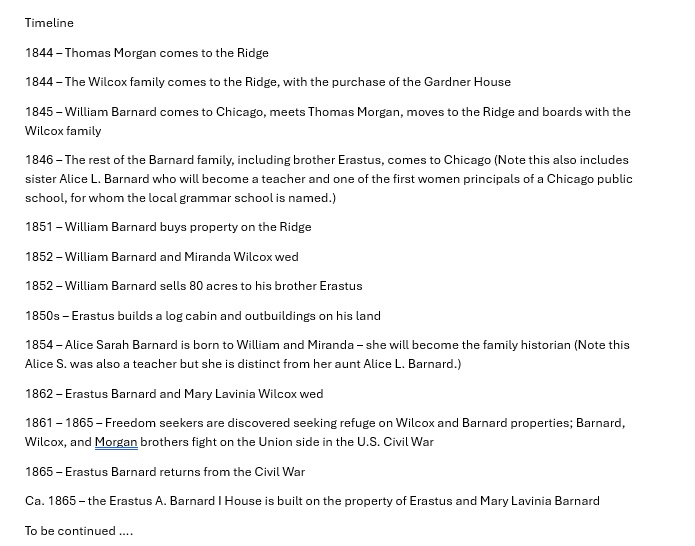
If all of this seems confusing, don’t worry – there are often more questions than answers from some of this research. A timeline clarifying some of this is attached, and will be added to as the story progresses.
The next posts will cover more on the Barnards, and the history of the first Erastus A. Barnard I House, including moving it to its present location.
The program on the "Forgotten House" will be repeated at the Walker Branch Library on Saturday, June 28th, from 2:00 – 3:00 p.m.
Tim Blackburn will present his research that rediscovered the identity of the Erastus A. Barnard I House, built ca. 1865, one of the oldest houses in the community.
The Walker Branch Library is located at 11071 S. Hoyne Avenue. Admission to this library program is free.
Here is the link to the program details:
https://chipublib.bibliocommons.com/events/683a0ba4b354fd280022f257
The Ridge Historical Society
Beverly/Morgan Park’s “Forgotten House” – Part 1
By Carol Flynn
Today we begin a new series on the long-forgotten history of a house in the Beverly/Morgan Park community that was recently rediscovered.
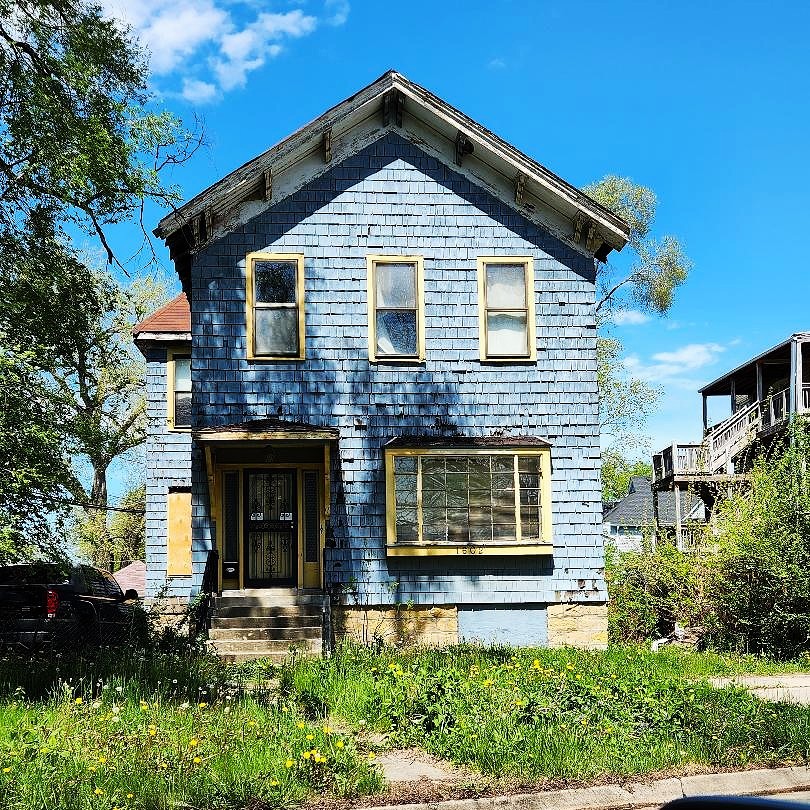
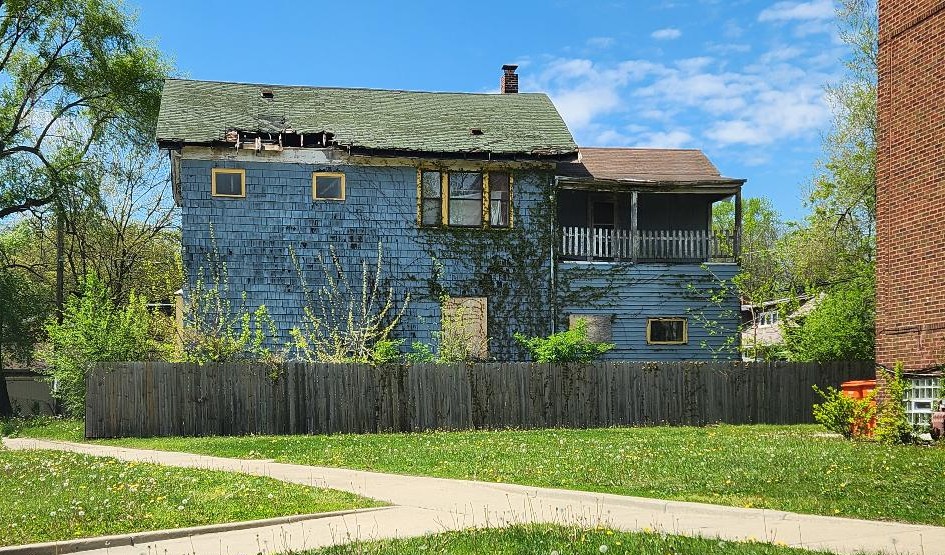
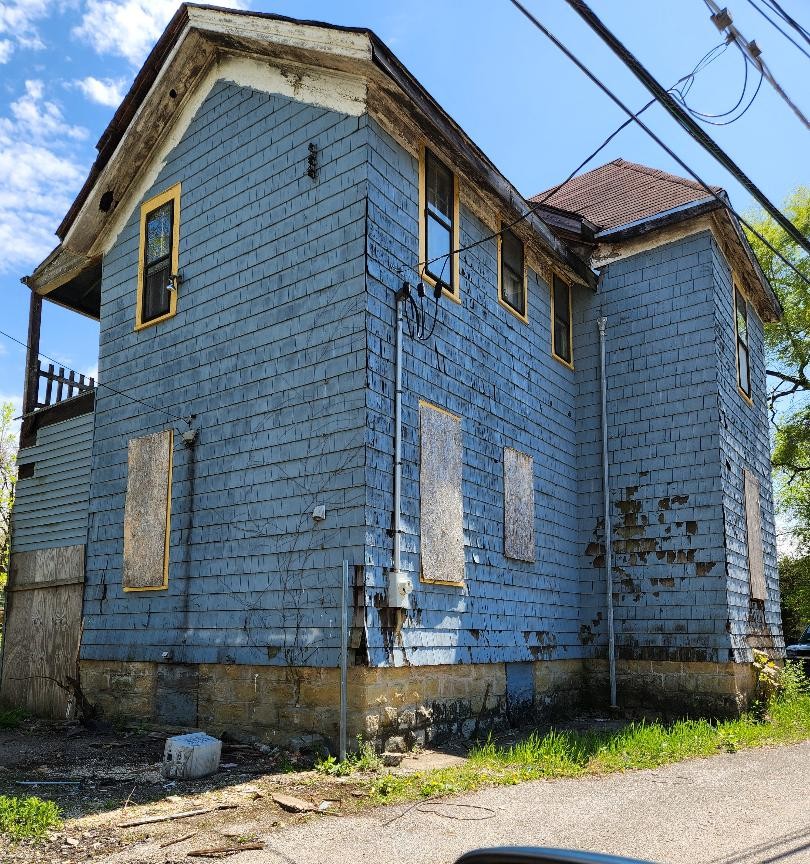
Evidence strongly supports that the old, boarded up house at 1602 West 108th Place is the Erastus A. Barnard I House, built ca. 1865 by one of the first white families to live on the Blue Island Ridge. It originally stood on the southeast corner of 103rd Street and Longwood Drive, where today stands the Starbucks coffee shop that is built in the historic Christian Science Reading Room. It was moved to its current location in 1924.
This house embodies the spirit of the earliest days of the European immigrants and their descendants who created the communities known today as Beverly and Morgan Park.
The discovery was made by Ridge Historical Society (RHS) Board member Tim Blackburn, who has developed quite an eye for and knowledge of local architecture and history during his five years living in Morgan Park.
He recently gave a program on the house and the research he did to identify it. This first post will look at that research process, and the following posts will discuss the history of the house. This offers a wonderful case study of the type of research conducted by the historians at RHS.
Tim is a Chicago marathon runner, and his training runs take him all over the community, offering him the opportunity to observe the structures found here.
On one outing last summer, he headed down 108th Place between Prospect and Vincennes Avenues and noticed a house that was clearly very old that seemed out of place on that block.
He describes the house as Italianate in style, popular for houses from 1840 to 1885. The house was modernized at some point with a rolled steel frame front-bay window and shingle siding. The original siding would have been clapboard. The foundation appears to be quite old, perhaps Joliet or Blue Island limestone or dolomite.
He found the brackets along the roof and other details to be charming, but the lack of more decorative elements led him to believe it was an early farmhouse built before the boom of the 1870s – 1880s.
There was no information about the house in the RHS files, and the other historians at RHS (including the author of this post) were not familiar with the house.
He next looked at Sanborn fire insurance maps.
These are detailed maps of U.S. cities published by the Sanborn Map Company to help fire insurance companies assess their liability for underwriting coverage for fire risk. The maps date back to 1867 and are as recent as 1975 for Chicago. The maps stopped being used for insurance purposes in the 1960s but remain a valuable research tool.
Tim uses the Sanborn maps to understand building size and shape, to determine if a building has been altered, and even to determine if a building has been moved.
The 1911 Sanborn map shows that the lot the house is on was empty at that time. The street’s name, now 108th Place, was then Court Street.
The only other Sanborn map for this part of Morgan Park is from 1950, and the house does appear on that map.
Because the house clearly predated 1911, Tim realized the house had likely been moved to its current location. So now the questions were when, why, from where, and by whom was the house moved?
Tim thought of going through all of the Sanborn maps for the area for 1911 to look for a house with a shape matching the 1950 map, but each map only covers a small area, about a quarter to a half square mile, so that would have meant going through hundreds of pages. That would be a research project of last resort.
He then looked through a collection of almost 500 postcards of Morgan Park houses and buildings from 1909.
The originals of these real picture postcards are in the Chicago History Museum collection and RHS has photocopies of them. It is a fairly comprehensive collection of the houses in Morgan Park at the time, but there are some houses missing. There were no postcards that matched this house.
Tim also looked at building permits for the site. Building permits for houses in what was the Village of Morgan Park do not start until 1914 when Morgan Park was annexed to the City of Chicago. The Beverly area was annexed in 1889-1890.
He found one sundry permit from 1924 for what could have been that address but it was too faded to read. Sundry permits cover minor changes to a building.
Each research endeavor seemed to bring him back to ground zero.
To Tim’s practiced eye, the front window of the first floor of the house appeared to be from the 1920s, so Tim figured that perhaps the permit was for the modernizations.
Tim then turned to another source of information – old newspaper articles.
Several years ago, a former RHS Board member acquired a collection of 6 years of Weekly Review newspapers from the 1920s from Dan Brady and his furniture restoration business, Oddlie Limited, which was on 99th Street but closed in 2018. The Weekly Review was a precursor to the Beverly Review and Oddlie was located in a former Beverly Review office.
The newspapers are privately owned and not part of the RHS collection. The pages are very fragile so great care, patience, and time must be used to go through them.
The effort paid off.
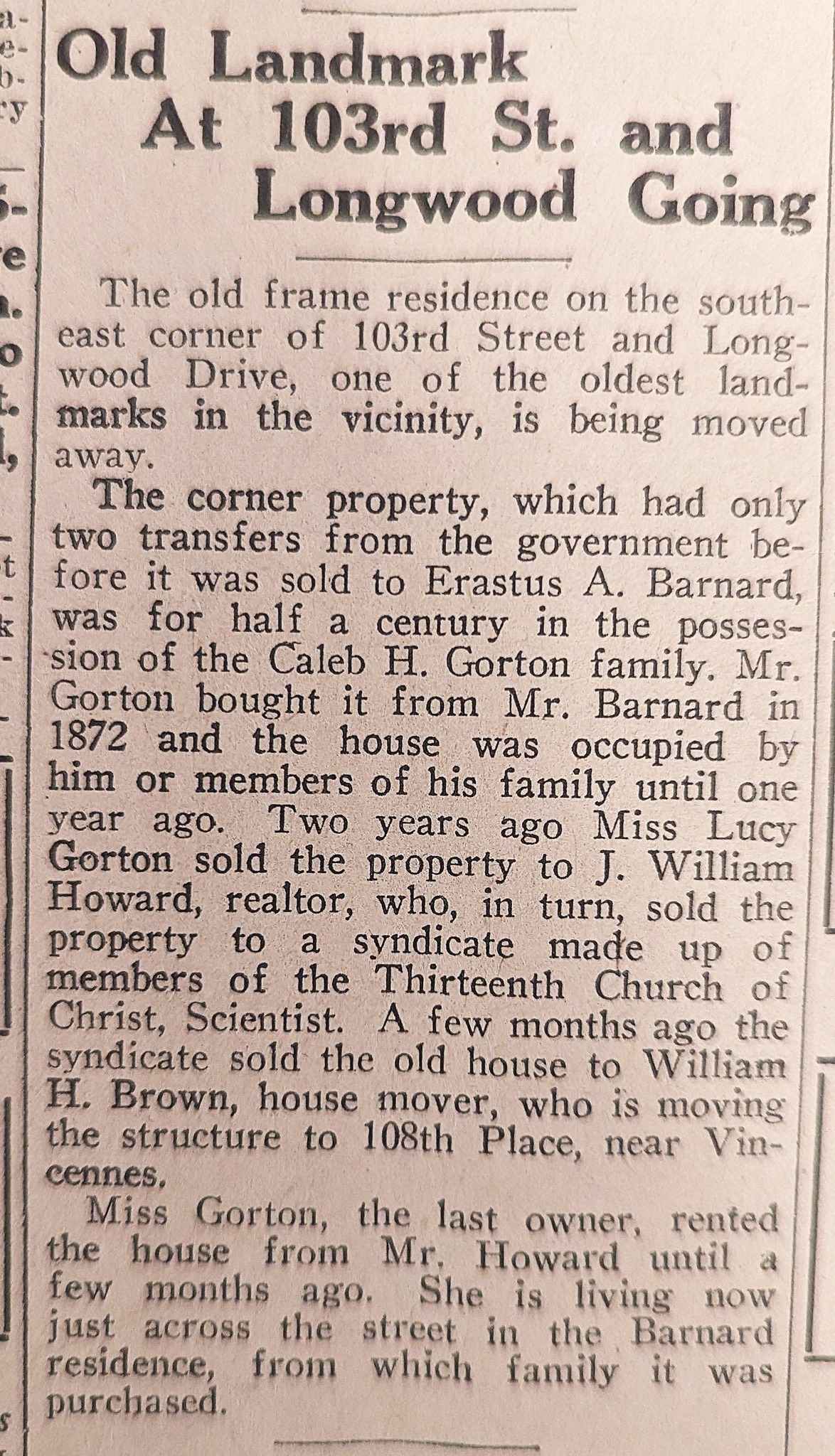
Tim started with the 1924 papers, the year of the building permit. In the November 14, 1924, issue he found the article “Old Landmark at 103rd St. and Longwood Going.”
The article, one of the attachments to this post, reported that one of the oldest houses on the Ridge was being moved from its location at 103rd Street and Longwood Drive to 108th Place near Vincennes.
The article reported that the property had belonged to Erastus Barnard, and was sold to Caleb Gorton in 1872. Caleb’s daughter Lucy sold the property to realtor J. William Howard, who then sold the property to the Thirteenth Church of Christ, Scientist. The house was then sold to William H. Brown, whose business was moving houses.
Fact checking the article, Blackburn found the Cook County property transfer documents. Barnard did indeed sell the property to Gorton, but on June 23, 1879, not 1872, for $800.
The outline of the house at 103rd and Longwood on the 1911 Sanborn map perfectly matches the outline at 1602 W. 108th Place on the 1950 map, the house there today.
The next post will look at the Barnard Family and its importance to the history of the Ridge communities, and more documentation about the house.
Future posts in the series will cover the Gorton Family and William H. Brown, and what was entailed in moving a house like this in 1924. After that, the future of the house will be addressed.
It seems very likely that the old house at 1602 W. 108th Place is the Erastus A. Barnard I House, based on the information that has been found. While the RHS researchers are very confident of this identification, we do caution, however, that in the realm of history research, our evidence might not be considered 100% “proof.”
We will keep looking for additional documentation to substantiate our conclusions.
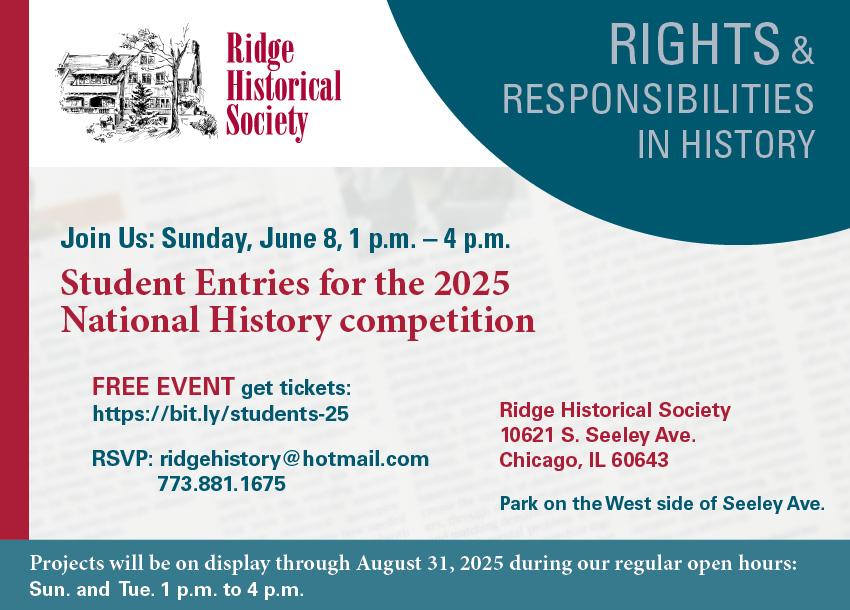
Student Entries for the 2025 National History competition
“Rights & Responsibilities”
Please join us to see what local students researched for this national competition. Ridge Historical Society (RHS) board members selected exhibits on a range of topics based on the 2025 theme “Rights & Responsibilities” to display.
Students and their parents will be there as well to share their work and answer questions. RHS will also have a short presentation of certificates to the students at 2pm, followed by refreshments.
Projects will be on display through August 31, 2025 during our regular open hours as well:
Sun. and Tue. 1pm to 4pm
Ridge Historical Society
10621 S. Seeley Ave., Chicago, IL 60643
FREE EVENT get tickets: https://bit.ly/students-25
RSVP: ridgehistory@hotmail.com 773.881.1675
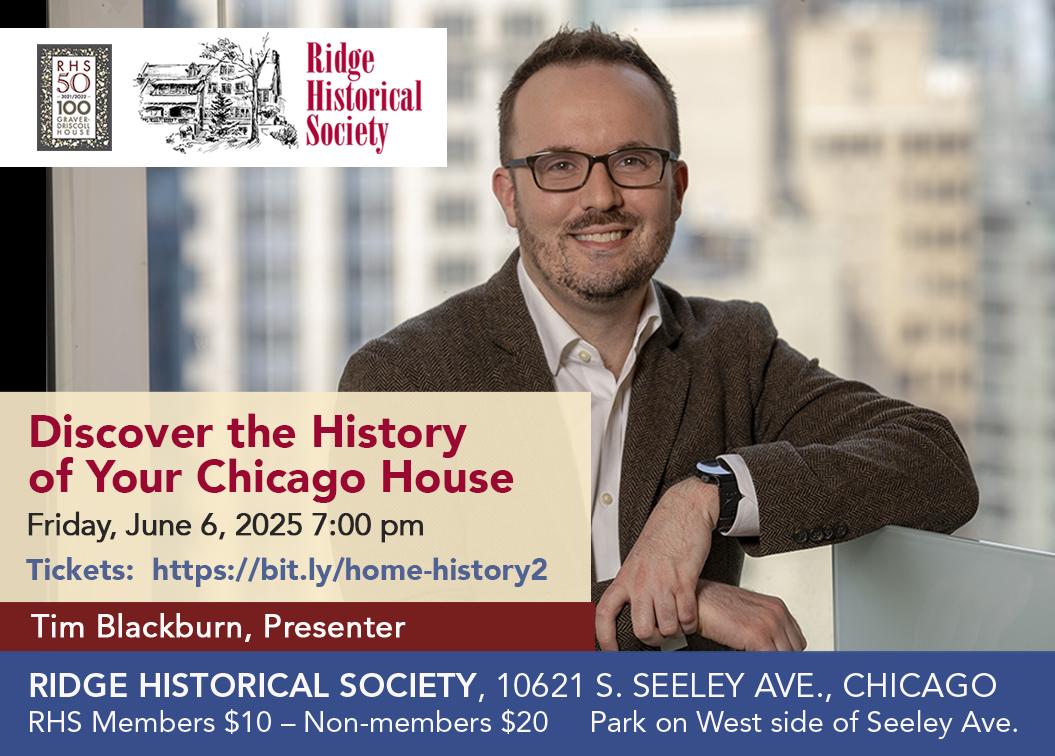
Friday, June 6, at 7:00 p.m.
Discover the History of your Chicago House
– Tim Blackburn, Researcher
Ridge Historical Society is repeating this very popular event. You will learn how to research the history of your Chicago home, including the architecture, construction, inhabitants, and owners.
You’ll receive a workbook and develop research methods that will help you gain a new understanding and appreciation for your home’s history. Tim will cover the research methods covered will be useful for anyone researching a building older than 1955 in Chicago. You’ll learn about building permits, local history, Chicago street renumbering, Sanborn maps, and more.
The Ridge Communities of Beverly Hills, Morgan Park, Washington Heights and Mount Greenwood have an incredible collection of homes and housing styles – many with a rich history.
Members: $10 | Non-members: $20 | Students under 18: $5 (Cash or Check at the door)
Ridge Historical Society
10621 S. Seeley Ave., Chicago, IL 60643
Get tickets online: https://bit.ly/home-history2
RSVP: ridgehistory@hotmail.com 773.881.1675
The Ridge Historical Society
Memorial Day 2025
By Carol Flynn
This is Memorial Day weekend.
The purpose of Memorial Day is to remember the people who died while in military service to the United States of America.
Throughout its history, the Ridge communities have sacrificed many loved ones to U.S. military service.
Among the earliest settlers on the Ridge were the Rexford, Wilcox, Morgan, and Barnard families. They all had sons who left the family farms to fight on the side of the Union in the U.S. Civil War. They were all friends, and they fought together in various units.
The Rexford family came to the Ridge first, in 1834. According to an 1889 history, the Rexford brothers, Roscoe and Everett, were “delighted” to join their friends at Camp Smith, Cairo, Illinois, in July of 1861. But soon, youthful visions of camaraderie and glory gave way to the grim reality of war.
Roscoe died at the age of 21 in 1862, after the Battle of Fort Donelson at the Tennessee–Kentucky border. He died from an unspecified illness – two/thirds of Civil War fatalities were due to illnesses such as malaria, typhoid, and pneumonia. He is buried in Mt. Greenwood Cemetery
The Wilcox family, which arrived on the Ridge in 1844, sent four of five Wilcox brothers off to fight in the war. The other son remained home to run the farm, a common practice of the day.
Two Wilcox brothers never came home. John was killed in 1863 and buried at Chattanooga, Tennessee. Wilbur was killed in Mississippi in 1863.
The Morgan and Barnard families fared better. Of the five sons who collectively fought in the war, all survived. The Morgans arrived in 1844, and the Barnards in 1846, when William Barnard was hired to be a tutor for the younger Morgan children.
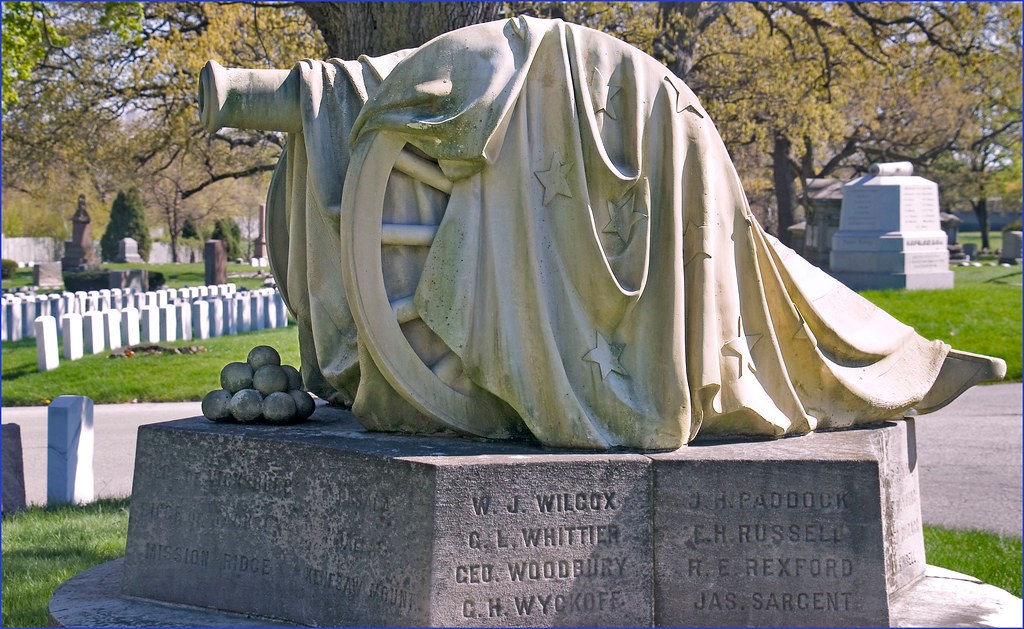
Roscoe Rexford and Wilbur Wilcox were both members of the Company A, First Illinois Artillery Volunteers (“Battery A”), along with their brothers and the “Morgan boys.”
There is a monument to Battery A at Rosehill Cemetery on the north side. The names of those who died in service are inscribed in the base. R. E. Rexford and W. J. Wilcox are listed.
John Wilcox fought under his friend, Daniel Barnard, who formed his own company, Company K, 88th Infantry, Illinois volunteers.
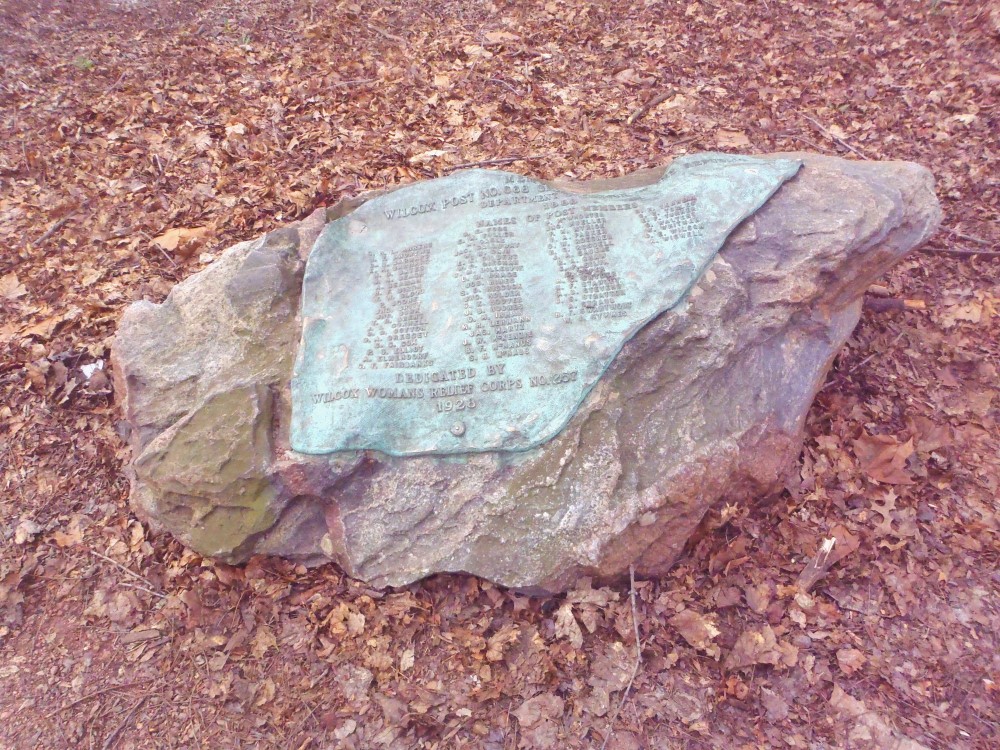
The Grand Army of the Republic (GAR) was founded in 1866 as a fraternal organization for veterans of the Union military. A local branch, Wilcox Post, No. 668, was founded in 1889, named in honor of the Wilcox brothers.
A stone and bronze marker listing the charter members, created in 1926, is installed at Ridge Park at 96th Street and Longwood Drive as part of a grouping of six memorial stones recognizing military service in various war periods. Daniel and Erastus Barnard, two of the Barnard brothers who were veterans and continued to live on the Ridge, are listed as charter members. The GAR dissolved in 1956 at the death of its last member.
This post cannot begin to list all of the U.S. military people from the Ridge who lost their lives in service to the country – World Wars I and II, Korea, Vietnam – there are hundreds of names on the list.
However, attention can be drawn to memorials that honor more recently fallen individuals.
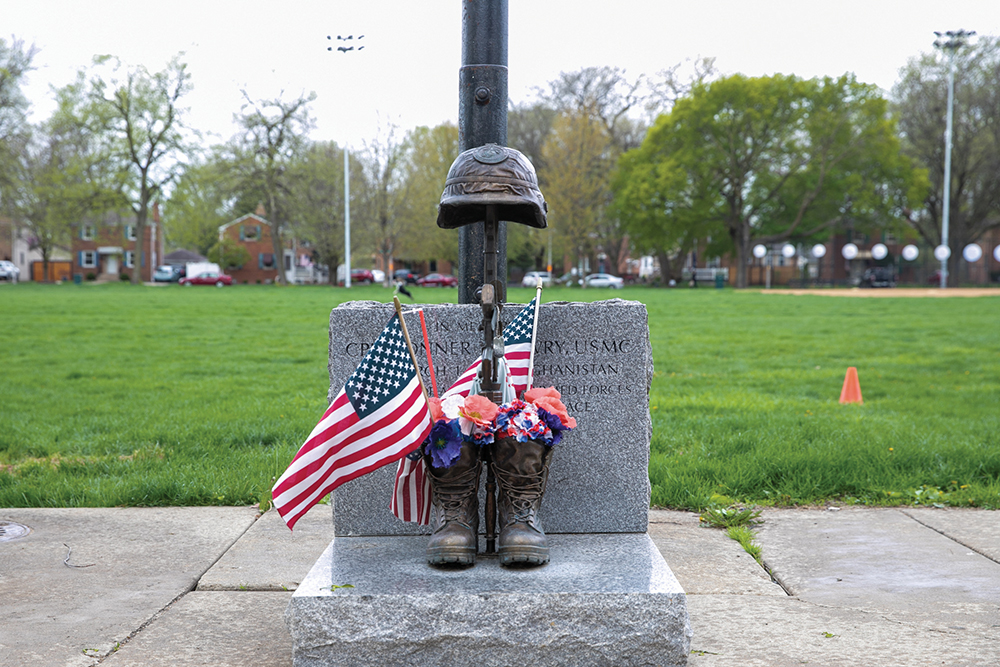
At Beverly Park, 2460 West 102nd Street, Cpl. Connor T. Lowry, USMC, is recognized. Born in 1988, this young man was raised in Beverly. He lost his life in 2012 in Afghanistan while conducting combat operations.
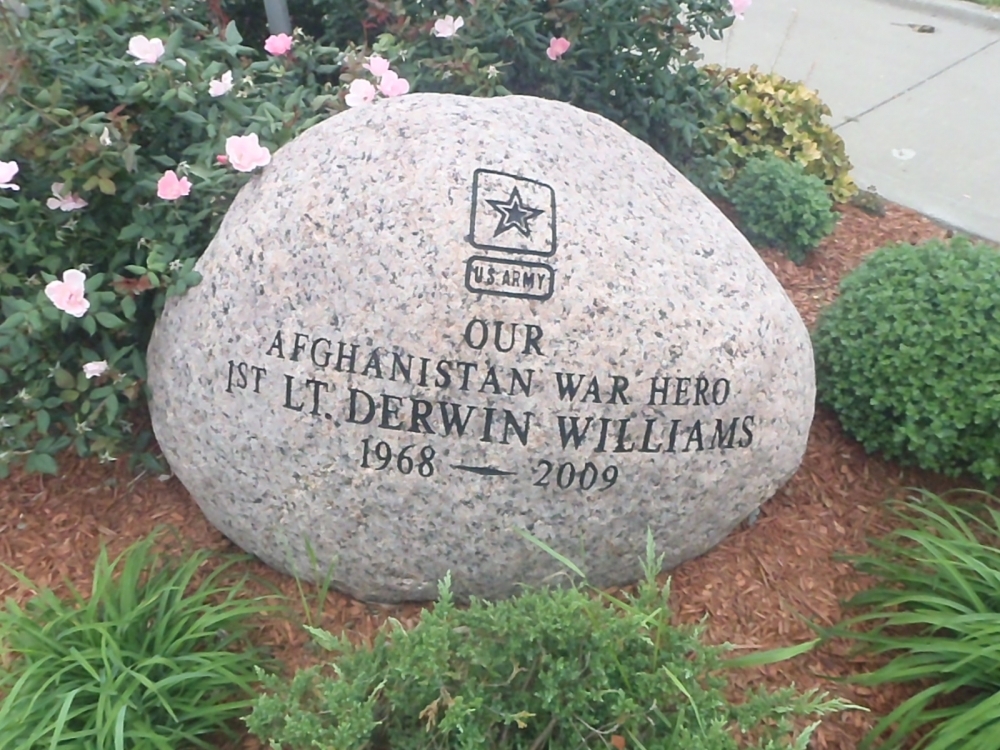
First Lt. Derwin Williams of the Illinois Army National Guard was killed in Afghanistan in 2009. There is a monument to him at 98th Place and Throop Street.
Here is a list of many of the monuments to service personnel in and near this community. How many times do we walk by these monuments and statues and give them little regard?
Ridge Park – Six memorial stones, including one of the oldest on the Ridge, installed in 1926.
Graver Park – World War I
Kennedy Park – Korean War
Beverly Park – Connor T. Lowry, Afghanistan
Dan Ryan Woods – Gold Star Mothers
Morgan Park High School flagpole and inside exhibit – graduates and staff
112th Street and Lothair Ave. – Memorial Triangle
98th Place and Throop Street – Derwin Williams, Afghanistan
111th Street and Kedzie Avenue – American Legion
Memorial Park in Blue Island – Gravestones, memorials, artillery
97th Street and Kedzie Avenue – American Legion Post artillery and eternal flame
Mount Greenwood Cemetery – Civil War veterans’ graves and cannon replica
Mount Hope Cemetery – Civil War veterans section
Beverly Cemetery – Veterans monument
Lincoln Cemetery – James Harvey, U.S. Colored Troops
Mount Olivet Cemetery – “Doughboy” grave statues
Morgan Park Academy – graduates and staff
Memorial Day is not really about having a three-day weekend to kick off summer with a neighborhood run, then “sticking around” for a parade, then going home for a barbecue.
It is about recognizing the people who died to give us – ALL of us – the freedom to enjoy those kinds of events.
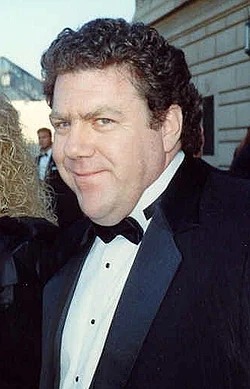
George Wendt, the actor best known for playing Norm in the TV sit-com "Cheers" has died at the age of 76.
The Wendts were residents of the Beverly community. His father was in the real estate business and a veteran officer of the U.S. Navy, and a director at Beverly Bank. Mrs. Wendt, Loretta, was active with the Little Company of Mary Junior Service Club.
In 1955, they were living at 9126 S. Bishop Street. They then moved to 9201 S. Bell Ave. They went to Christ the King Church.
George was George Robert Wendt III, the oldest son, born October 17, 1948, with one older sister, and five younger sisters and two younger brothers. .
George graduated from a high school in Wisconsin, and received a B.A. in Economics from a college in Kansas City.
He joined the legendary Second City, where he started by sweeping floors. He went on to small roles in movies and television, then was cast as Norm Peterson in 1982. He earned six Emmy nominations for best supporting actor.
His wife was Bernadette Birkett and they had three children.
RIP George Wendt, aka Norm