
Explore the RHS Facebook Archives, a rich repository of local history written by Carol Flynn. For two decades, Carol brought a deeply dedicated voice to public education at RHS. Her role as Facebook administrator through mid-2025 naturally extended her prolific research into meticulously detailed articles, most notably her multi-part historical series posts. Today, Carol continues her local history writing for The Beverly Review and other outlets.
All Posts
Linda Lamberty, Ridge Historical Society Historian, and Carol Flynn, Ridge Historical Society researcher/writer, are honored to be part of “Invisible Labors,” a collaborative project with Susannah Papish, artist, educator and Director of boundary, the arts project space in Morgan Park; and Melissa Potter, feminist interdisciplinary artist and writer, and Professor at Columbia College Chicago.
“Invisible Labors” began as a project at boundary last year that included Melissa’s garden of native plants and an exhibition of papermaking, an artistic medium at which she excels. This led Susannah to start thinking about how the land was used in the Ridge area before it was just about all claimed by “development.”
Susannah reached out to Linda and Carol from RHS, with whom she worked previously on other projects, and rich discussions started about the history of the land from the time of the Native Americans to the arrival of the European settlers to the Great Migration of African Americans from the Southern United States.
This led to the idea for an artistic publication on the role that women played in the use of the land, as farmers and gardeners, and as artists. Carol will be a primary author with stories about the women of the Ridge and their connections to the land, based on research conducted with Linda. There will be additional writing from Melissa, as well as artwork related to the topic. We’re still thinking about formatting options for the publication.
March is Women’s History Month, so we are announcing this project at this time.
Susannah has put together a description of the project as well as a campaign to raise some funding to help with the cost of developing this project, which can be accessed at the website https://3arts.org/projects/invisible-labors/.
Thank you for your interest in the project. The publication will be out this summer. Please let us know if you have any questions or comments.
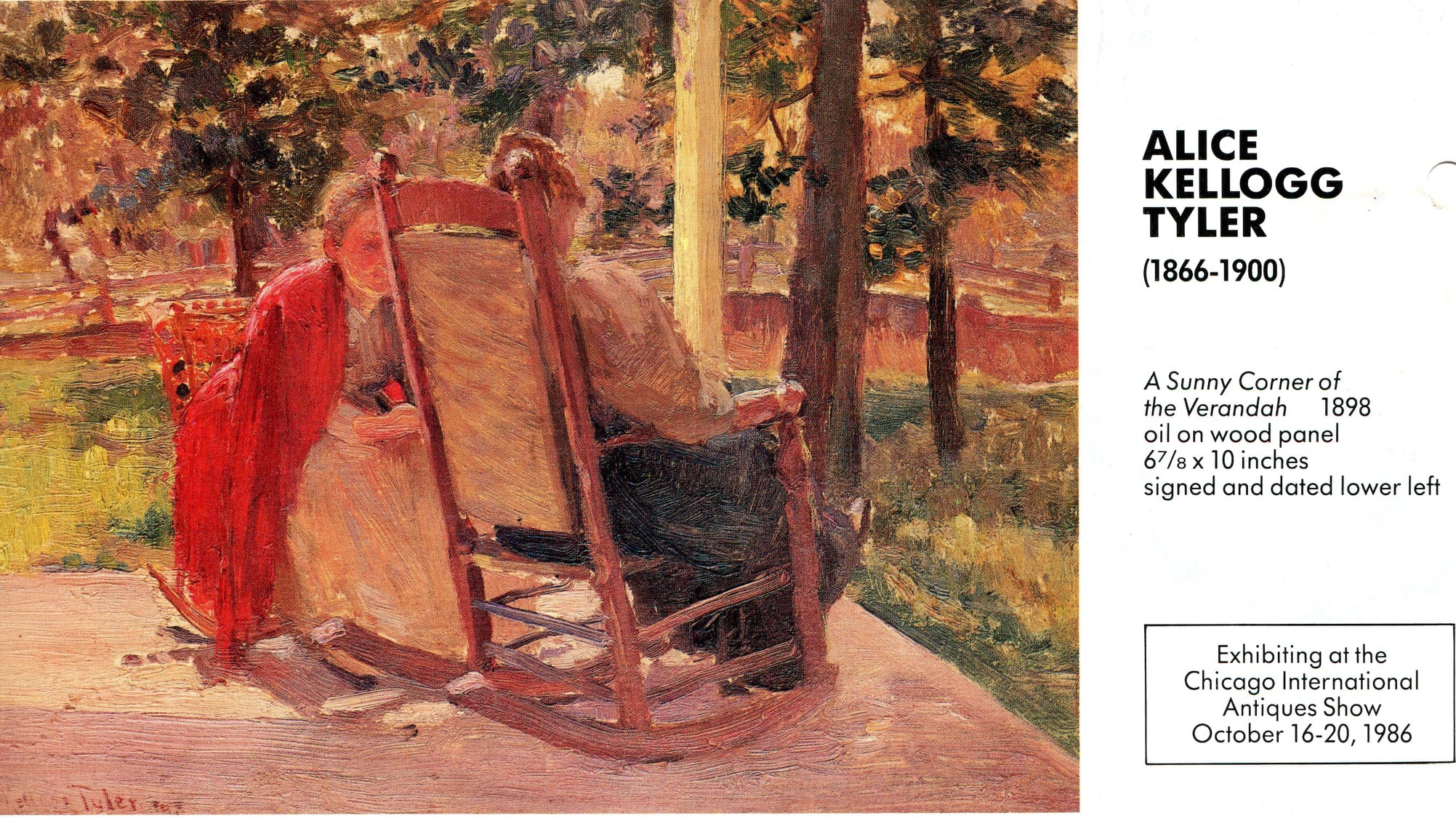
Image is of a painting by Alice Kellogg Tyler of the verandah of their farmhouse on the Ridge.
“Invisible Labors” is a collaborative project to explore the role that women played in the use of the land, as gatherers, farmers, gardeners, and artists, in the history of the Ridge communities of Beverly and Morgan Park. It is one of five projects currently supported by 3Arts, a nonprofit organization that supports Chicago’s women artists, artists of color, and Deaf and disabled artists who work in the performing, teaching, and visual arts. 3Arts includes a built-in match that helps Chicago artists finance new creative work.
“Invisible labors,” curated by Susannah Papish, the Director of boundary, the art project space in Morgan Park, has several components. It started last fall with a garden of native plants and a paper-making exhibition at boundary by artist and educator Melissa Potter, a professor at Columbia College Chicago.
The next component will be a publication featuring the research and writing of the Ridge Historical Society’s experts on local history. With research assistance form RHS Historian Linda Lamberty, RHS researcher/writer Carol Flynn, who develops all the stories that appear on the RHS Facebook page as well as stories for the local newspapers and other sources, will write about the pre-history days of Native Americans and their use of the land; the coming of the white European settlers and their development of the land; and the history of the early community of Black Americans who settled here after the U.S. Civil War. For the record, Carol Flynn is legally disabled.
The publication, which is still in the planning stages, will include artwork and other contributions from Susannah and Melissa, in addition to the written stories.
Susannah Papish has started a fund-raising campaign to offset some of the expenses of the project through this link: https://3arts.org/projects/invisible-labors/
We hope that if you truly support the arts in the Beverly/Morgan Park community, and/or appreciate the historical stories shared by the Ridge Historical Society, that you will consider putting a few dollars towards this project. We will be very grateful for the contributions.
The RHS page will share some of the highlights of the stories in the coming days.
Artist Louise Barwick lived in one of Beverly’s oldest and most charming houses on 103rd and Seeley. She painted beautiful local scenes in water color, as well as made a name for herself in the academic field with geographic modeling techniques. Her story is one that will be told in “Invisible Labors.”
The Ridge Historical Society
Women’s History Month: Real American Girls of the Ridge
By Carol Flynn
As we wrap up March, Women’s History Month, this is a last call to see the current exhibit at the Ridge Historical Society – Real American Girls of the Ridge.
This exhibit started right when the COVID pandemic started, in 2020, and unfortunately, it never got the attention – and visitors – it deserved because RHS, like other historical and cultural institutions, had to close its doors for a long time. And now it has to come down because RHS has to get ready for the big event in May – the Beverly Area Planning Association (BAPA) house walk, which will feature Hetherington-designed homes. More on the Hetherington project will be announced in coming weeks.
Real American Girls on the Ridge takes a historic doll from the American Girl collection and pairs it with a real woman from the history of the Ridge who had a similar life experience.
Five of the original American Girl (AG) dolls and a collection of their furniture, clothes, books, and other items were donated to RHS by a member of the community, Joan Regnier O’Connor. As children, Joan’s daughters became interested in the dolls through their grandmother, a librarian who held tea parties and other events for the dolls and their young owners, to foster reading, history – and fun. Joan wanted to see the dolls used for like purposes and donated them to RHS.
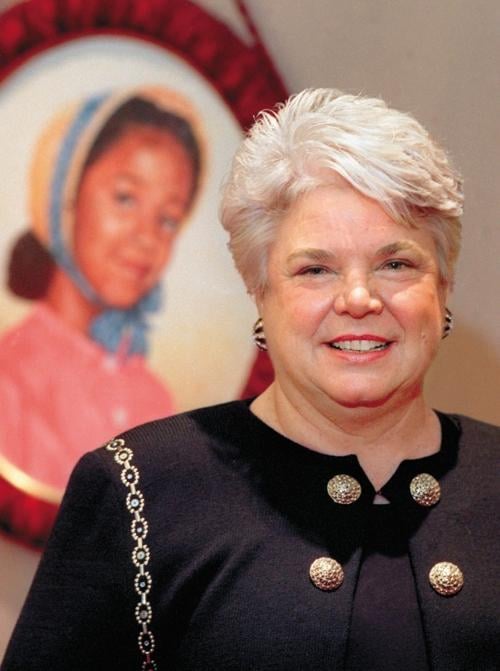
The inventor of the dolls, Pleasant Rowland, lived in the Beverly/Morgan Park community as a young girl. RHS did a post on this several years ago. Her grandparents lived here, and it was through her grandmother that Pleasant became interested in history and antiques. Information on Pleasant is included in the exhibit.
The first five dolls in the series and their Ridge counterparts are:
• Felicity and Abigail Shipman Wilcox (Colonial era)
• Kirsten and Anna Lovisa Larson (Pioneer era)
• Addy and Cornelia “Mother” Reeves (U.S. Civil War Era)
• Samantha and Margaret Gear Lawrence (late Victorian Era)
• Molly and Elaine Spencer (World War II Era).
RHS will summarize the real American Girl stories over the next few days. The exhibit will be up until mid-April and anyone who wants to view it, including school, Scouts, or other groups, can contact RHS through this Facebook page, and arrangements will be made.
(Photo of Pleasant Rowland)
The Ridge Historical Society
Little Blue Flowers
By Carol Flynn
I post this every spring because the topic always comes up:
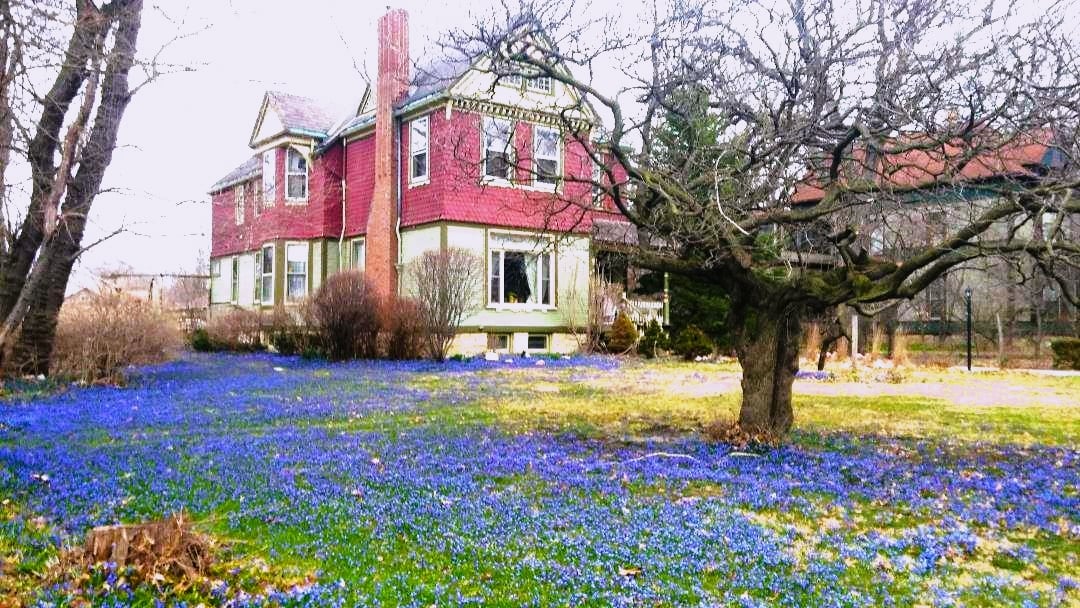
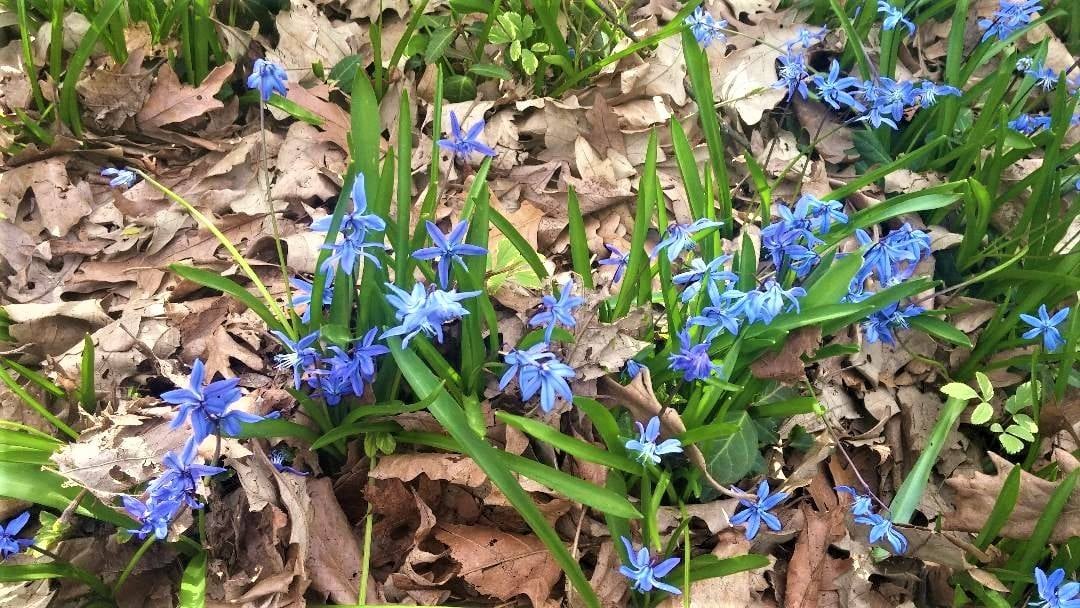
Springtime is here on the Ridge – finally. And many lawns are covered with a little blue flower. This is Siberian squill (Scilla sibirica), which is not native to the USA but was introduced by European settlers. I find a lot of mentions of this plant in horticulture materials from the 1870s and on (although I am sure it was in the "New World" long before that). It was commonly recommended and used in gardens by that time. I do not know when the first Siberian squill bulb was introduced on the Ridge but many of the fine houses on Prospect Ave. date back to that time. It is considered an invasive plant which has replaced native wild flowers in some areas, but the good news is that bees love this plant. This photo is a past view of the Dr. German House at 10924 S. Prospect Ave., with its front lawn of Siberian squill. The close-up of the plant is from the Ridge Historical Society grounds.
The Ridge Historical Society
Upcoming Events
RHS will be opening its doors once again for programming beginning this month, and there are some exciting events coming up.
Sunday, April 24th, from 2:00 to 4:00 p.m., RHS will host “Collectible Show and Tell with Rex Newell”
While not exactly “Antiques Roadshow,” Rex Newell has been in the antiques and collectibles business for over 30 years. He is returning to RHS to do reviews of items people bring in from their personal collections. Reservations required. Limited to 30 participants and 1-2 pieces each. Call or email to RSVP – 773/881-1675; ridgehistory@hotmail.com. Cost $10.00 for members, $15.00 for non-Members
Friday, May 13th, from 6:00 to 8:00 p.m., RHS will host a "BAPA Porch concert, featuring the band Leadfoot"
The first Beverly Area Planning Association (BAPA) Porch Concert of 2022 will be at RHS, kicking off the Home Tour Weekend. Join us on the big lawn on the Longwood Drive side for this great event featuring the popular local group Leadfoot. Bring a blanket or chairs and any beverages and snacks you would like. Reps from RHS and BAPA will also have tables there to answer any questions. Free Event. The Longwood Drive address is 10616 S. Longwood Drive.
Sunday, May 15th, from 11:30 a.m. to 5:00 p.m., RHS will be the starting point for the "Beverly/Morgan Park Home Tour," conducted by the Beverly Area Planning Association (BAPA)
RHS Headquarters, the Graver-Driscoll House, designed by architect John Todd Hetherington, begins the tour this year – participants will come to RHS to pick up their admission packets. The theme this year is the three generations of architects from the local Hetherington family and the homes and other buildings they designed in our community. RHS is complementing the BAPA tour with a large new exhibit on the Hetheringtons . Contact BAPA for tickets (bapa.org).
Sunday, June 26th, details to follow, "50/100 Anniversary Party" – Save the Date
2021 was the 50th anniversary of the founding of the Ridge Historical Society and the 100th anniversary of the building of the Graver-Driscoll House, RHS Headquarters. We’ll finally celebrate this year with a great members event. The plans are still being developed so save the date!
Ridge Historical Society
Breaking News – The Pike House has been awarded “Endangered Status”
By Carol Flynn
April 20, 2022
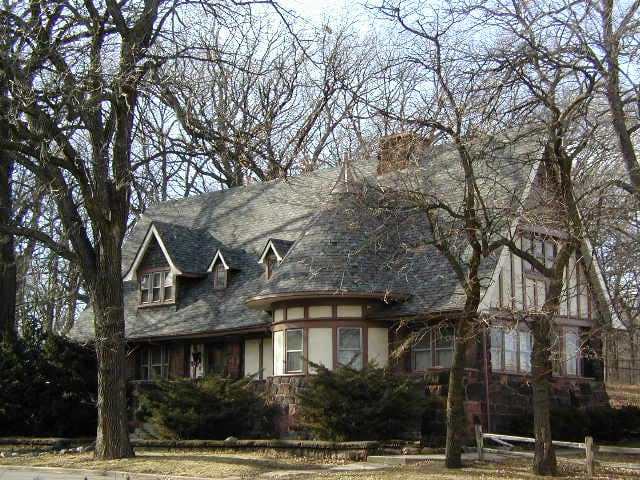
Today, Landmarks Illinois announced the 2022 Most Endangered Historic Places in Illinois, and the Eugene S. Pike House in Dan Ryan Woods in North Beverly is on the list.
According to Landmarks Illinois, the Most Endangered list is a call to action for historic and culturally significant sites that face serious risk of demolition and/or are suffering significant neglect due to lack of maintenance or insufficient funding for repair.
This is the case with the Pike House, and it was the Ridge Historical Society, working with the Beverly Area Planning Association (BAPA), that submitted the application for Endangered status. The awarding of Endangered status is the culmination of months of work by RHS researchers, writers, and advocates to document the importance of the house to the community and the support for saving the house.
The designation of "Endangered" does not bring any protection with it, but it does call attention to the structure’s situation, and brings with it a commitment to save the house. In this case, that means finding a new purpose and new occupants for the house, which includes coming up with the substantial financial resources needed to restore the house.
The Pike House, at the corner of 91st Street and Longwood Drive, was designed by architect Harry Hale Waterman and built in 1893-94 as a gardener’s cottage on the private estate of Eugene S. Pike.
Pike was a wealthy real estate developer and horticulturist who built several “skyscrapers” downtown as well as residential and business developments in the city. He was a major developer in North Beverly, known for his well-landscaped plots.
The Forest Preserves of Cook County bought the Pike estate in 1921 and added it to the Beverly Woods Preserve, which later was renamed the Dan Ryan Woods. The Pike House was used as a superintendent’s headquarters and watchman’s residence during the 100 years it has been owned by FPCC.
The fairy-tale-like stone, stucco and timber house has been a beloved landmark in Beverly for all this time, but it was allowed to deteriorate badly in recent decades. It has been sitting vacant for years.
This is a major first step in saving the Pike House, but now the real work begins to find new occupants and restore the house. Follow the RHS page for updates on this project.
Ridge Historical Society
Requiem for a Giant
By Carol Flynn
The natural world is as much a part of history as human development. When the white settlers arrived on the Blue Island Ridge, they found a “vast vegetable solitude” that they set about turning into tamed farmlands and landscaped homesteads.
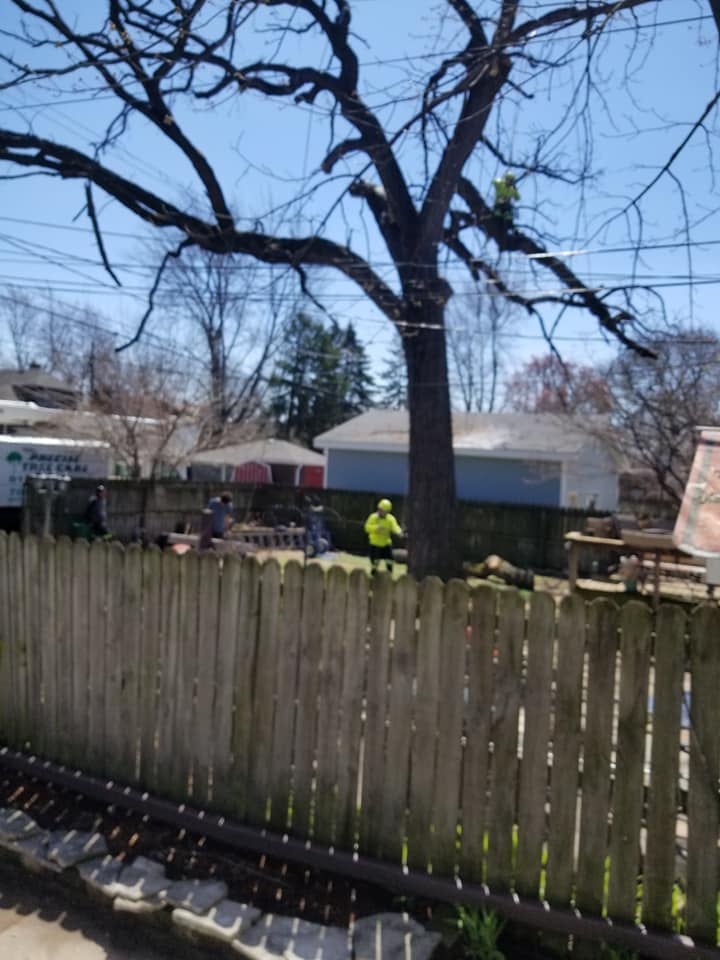
Beverly/Morgan Park has been lucky that so many of the old-growth oak trees that once covered the area remained as a canopy. But these oaks that were here when settlement started almost 200 years ago are now dying off from old age. And no plan was ever made to replace them.
Today the air was filled with the sound of chain saws as another deceased oak giant on the Ridge was cut down. Within the next thirty or so years, the Ridge will lose most of these old giants. The community will look very different for future generations.
The Ridge Historical Society
Happy Mother’s Day!
By Carol Flynn
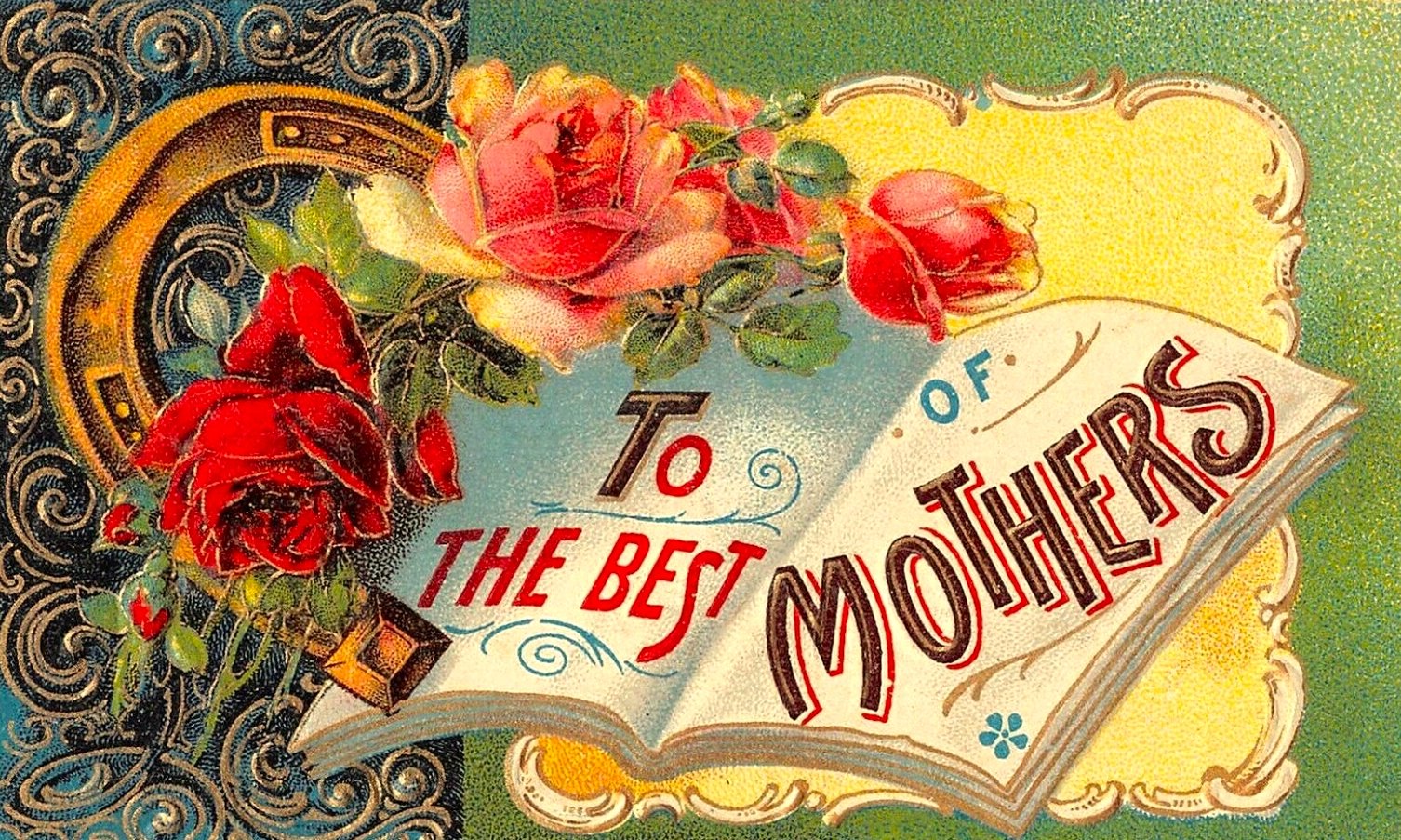
“All that I am, or ever hope to be, I owe to my angel mother.” —Abraham Lincoln
For thousands of years, societies have honored motherhood. The ancient Greeks and Romans paid homage to the mother goddess Cybele. In Rome, she was known as Magna Mater, the Great Mother.
In the United States, modern Mother’s Day has its origins in the pacifist movement and concern for veterans.
Mother’s Day was founded to honor peace activist Ann Jarvis, by her daughter Anna. Jarvis cared for wounded soldiers on both sides during the Civil War. She created Mother’s Day Work Clubs to address public health needs. Her daughter wanted to continue the work her mother started and to honor mothers for all they do.
In 1908, the U.S. Congress rejected the proposal to officially establish Mother’s Day. The men joked they would have to create a “Mother-in-Law’s Day” also. But by 1911, all the states had adopted the day, and in 1914, President Wilson proclaimed it a national holiday.
Anna Jarvis came to regret she ever came up with the idea when the holiday became excessively commercialized. Hallmark Cards began selling pre-made cards in the early 1920s, and this exploitation of the day for profit infuriated Jarvis. She wanted people to really think about their mothers, to honor their mothers with hand-written testimonials, not to resort to just buying gifts and pre-made cards. She wound up organizing boycotts of Mother’s Day, and was even arrested for disturbing the peace.
Now, the moral of this story is not to stop buying gifts for Mom! It is to sincerely and personally reflect upon her importance in one’s life, and to acknowledge this to her.
Today Mother's Day is one of the most recognized and celebrated days of the year. It not only honors the mothers of our families; it honors maternal bonds and the influence of mothers in society.
REMINDER!! TONIGHT!!
Friday, May 13th, from 6:00 to 8:00 p.m., RHS will host a "BAPA Porch concert, featuring the band Leadfoot"
The first Beverly Area Planning Association (BAPA) Porch Concert of 2022 will be at RHS, kicking off the Home Tour Weekend. Join us on the big lawn on the Longwood Drive side for this great event featuring the popular local group Leadfoot. Bring a blanket or chairs and any beverages and snacks you would like. Reps from RHS and BAPA will also have tables there to answer any questions. Free Event. The Longwood Drive address is 10616 S. Longwood Drive.
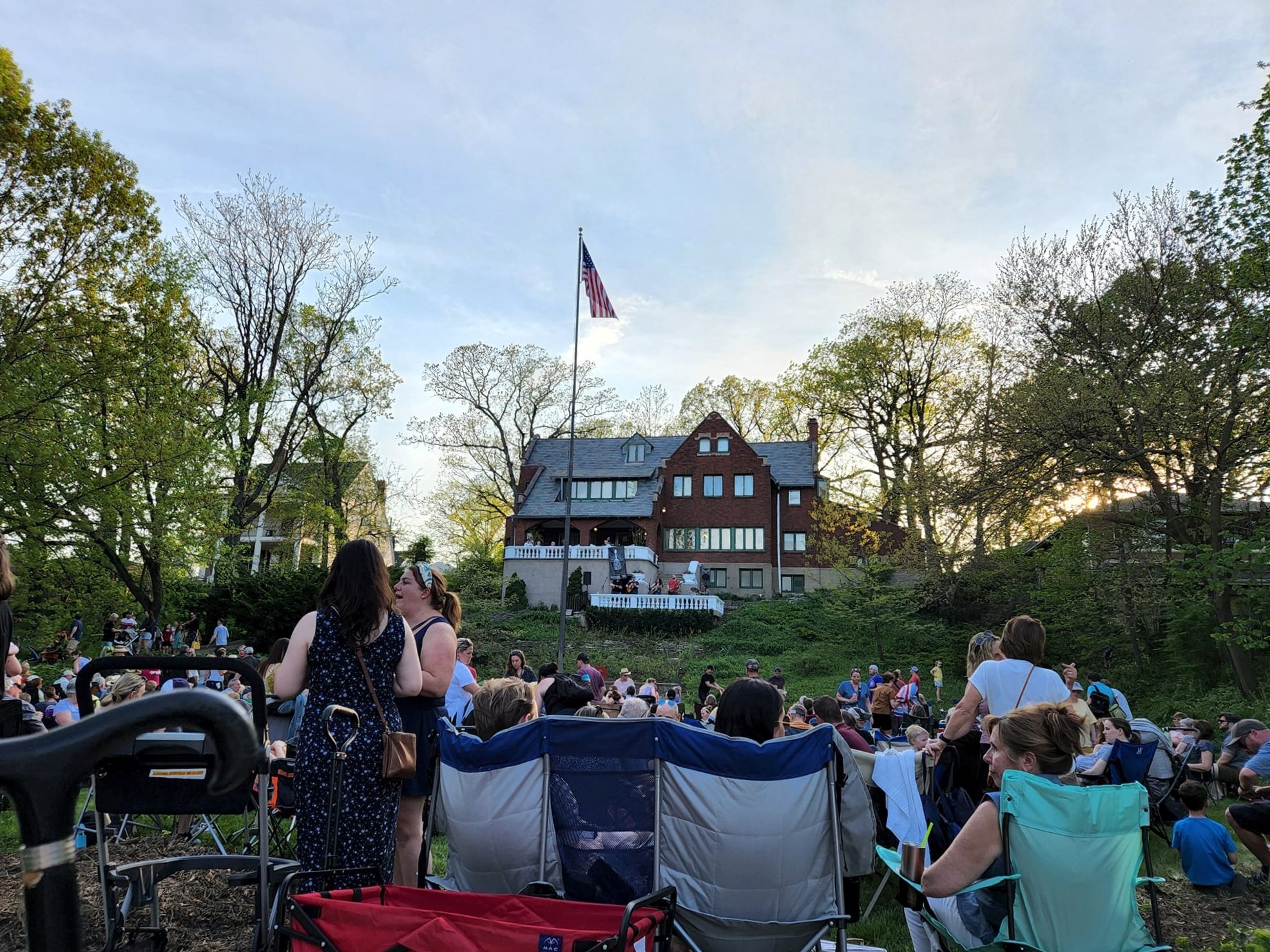
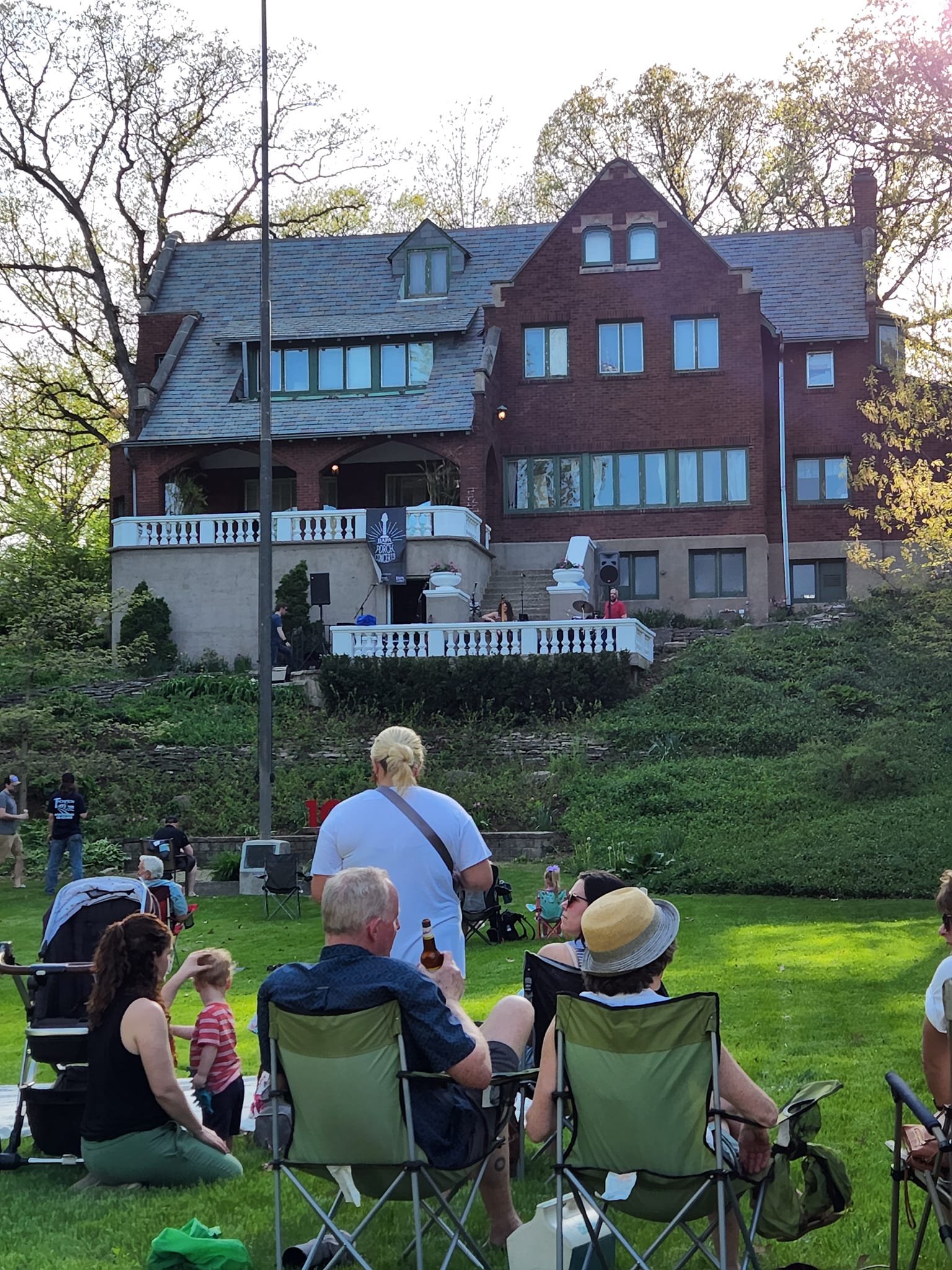
What a great night! The first "porch concert" of the season featuring The Leadfoot Band was held at the Ridge Historical Society's Graver-Driscoll House and it was a phenomenal success! The free porch concerts are brought to the public by the Beverly Area Planning Association. This is "community" in action!