
Explore the RHS Facebook Archives, a rich repository of local history written by Carol Flynn. For two decades, Carol brought a deeply dedicated voice to public education at RHS. Her role as Facebook administrator through mid-2025 naturally extended her prolific research into meticulously detailed articles, most notably her multi-part historical series posts. Today, Carol continues her local history writing for The Beverly Review and other outlets.
Local History
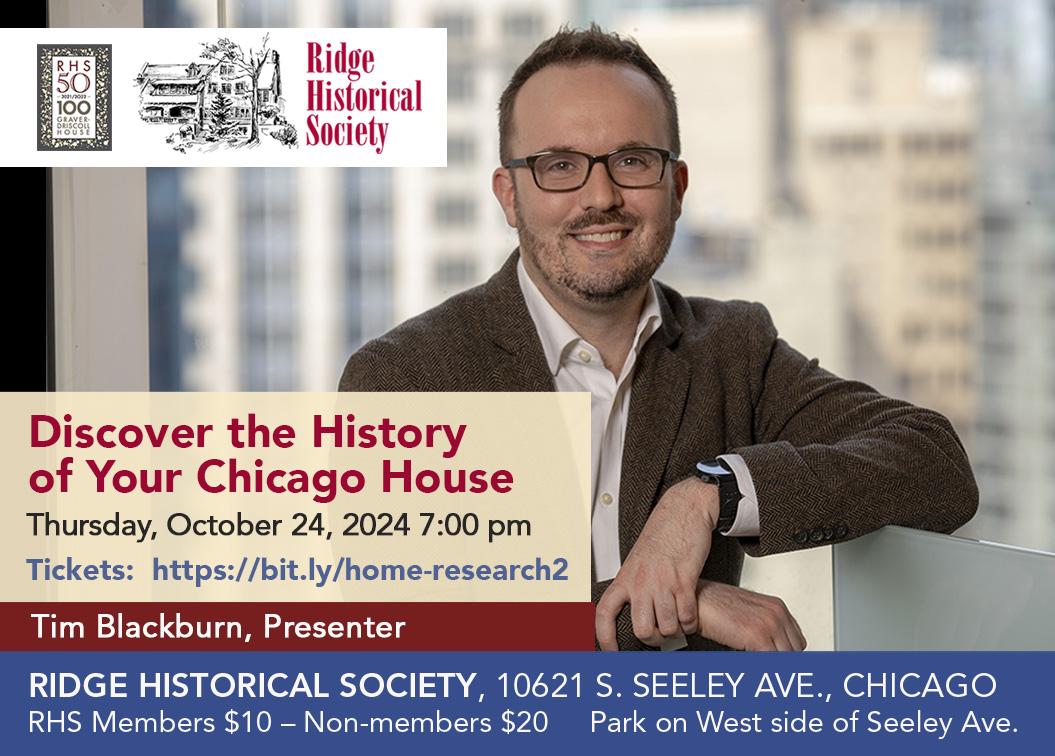
Back by popular demand, RHS Board member and house history guru Tim Blackburn will explain how to research the history of a Chicago house using a multitude of available resources.
Ridge Historical Society
Mount Olivet Cemetery
By Carol Flynn
Allhallowtide is a three-day Christian tradition (or a “triduum”) consisting of All Saints’ Eve (Halloween) on October 31st, All Saints’ Day (All Hallows) on November 1st, and All Souls’ Day on November 2nd. The word “hallow” means holy or saintly, and used as a noun, is synonymous with “saint.”
This is a time to remember and honor the dead, and countries and cultures have varied ways to do this.
Perhaps best known is “Day of the Dead” celebrated primarily in Mexico and by people of Mexican heritage. Cemetery visits/picnics, featuring the departed’s favorite foods, are one of the customs.
In Ireland, Catholic parishes declare “Cemetery Sundays,” when graves are cleaned up, decorated, and blessed.
In the U.S., the Catholic Church has declared the first Sunday in November as “Cemetery Sunday,” and encourages people of all backgrounds to visit the graves of their loved ones on that day. In Chicago, 18 Catholic cemeteries will hold a “Cemetery Sunday Rosary and Prayer Service” at 2:00 p.m. on November 3rd.
On the Ridge, Mount Olivet Cemetery on 111th Street will be one of the participating cemeteries. This post looks at this historic cemetery.
Mount Olivet Cemetery was founded in 1884. It was the first Catholic Cemetery on the south side of Chicago. Before this cemetery was established, the closest Catholic Cemetery was Calvary Cemetery in Evanston, established in 1859. Many early south side Catholic families have members buried in both Calvary and Mount Olivet.
According to an article in the Inter Ocean newspaper on July 29, 1885, more than 15,000 people came to the Ridge to attend the dedication of Mount Olivet Cemetery by Chicago Archbishop Patrick Feehan.
The paper stated of the new cemetery’s location: “A wide ridge runs gracefully through the land, and gently slopes on either side to prairie. It is naturally of very attractive appearance, and it has been improved by driveways. The property was formerly known as the Mt. Greenwood picnic grounds, and it was purchased for $44,000.”
The land had been purchased the previous October, and Horace William Shaver Cleveland, a famous landscape artist, was hired to lay out and “ornament” the grounds. Some of Cleveland’s other projects included an expansion of Graceland Cemetery on the north side, building the Chicago Park system after the Great Chicago Fire of 1871, and many fine private residences. He had personal and working relationships with people like Dwight Perkins, a relative through marriage, the architect who became the “father of the Forest Preserves of Cook County;” William Merchant Richardson French, the civil engineer and landscape artist who became the first executive director of the Art Institute of Chicago and later lived in Beverly; and Frederick Law Olmsted, “the father of landscape architecture.”
Mount Olivet Cemetery was one of the first cemeteries to become full, prompting the Archdiocese to buy additional land to the east of the original cemetery. This created the unique situation of the backyards of houses on Fairfield Avenue opening on to the cemetery grounds.
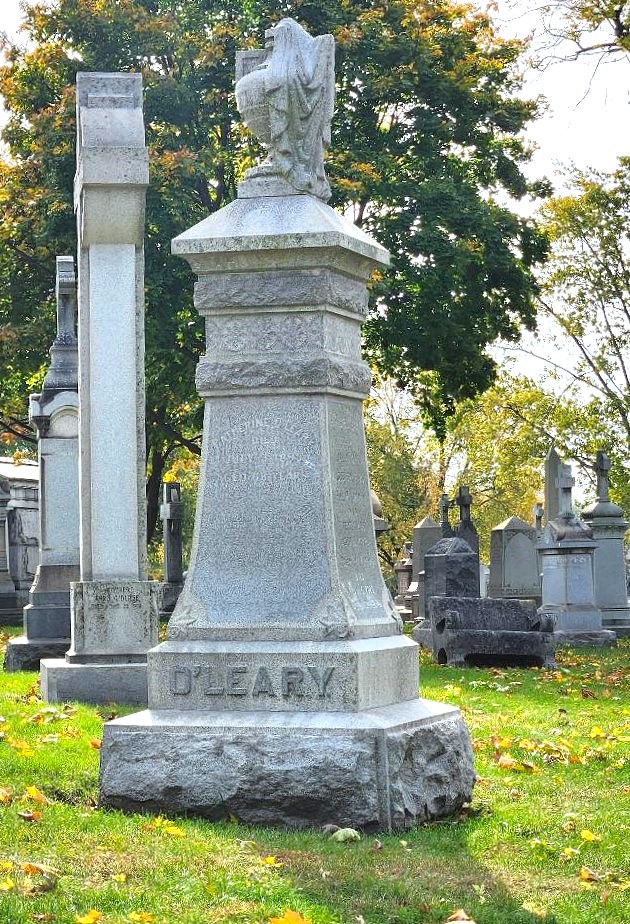
Some famous Chicagoans are buried in Mt. Olivet Cemetery, including Mrs. Catherine O’Leary, whose cow did not kick over a lantern to start the Chicago Fire, with her husband Patrick and son James (“Big Jim”), a famous gambler.
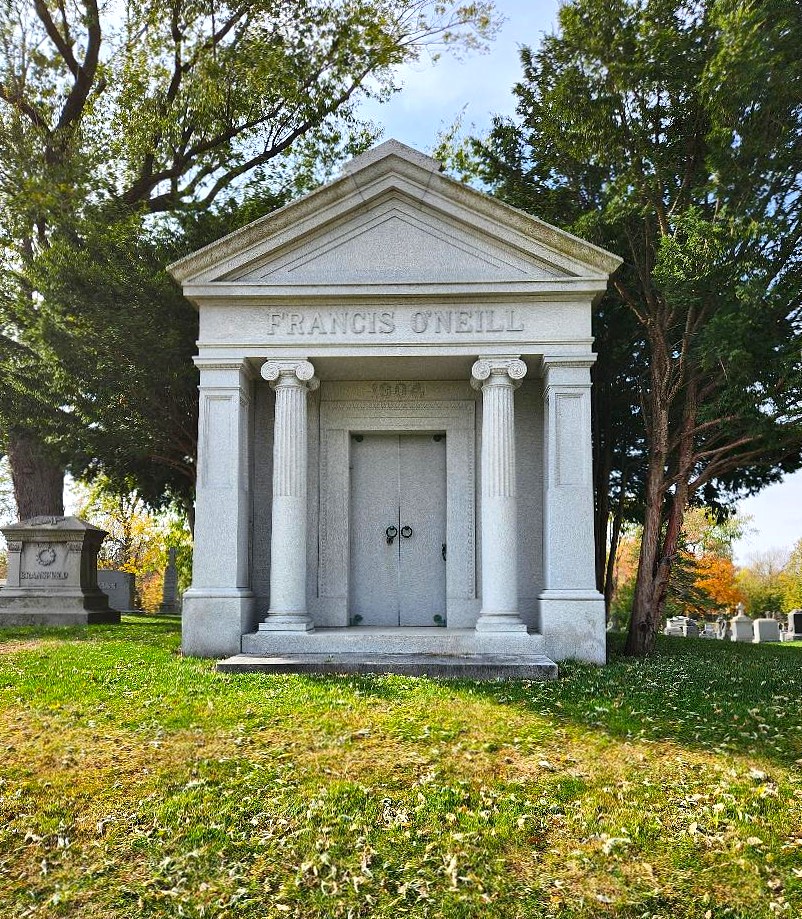
Chicago Police Chief Francis O’Neill, the “man who saved Irish music,” is also buried in Mt. Olivet Cemetery. Known for his absolute integrity and honesty, O'Neill and Big Jim O'Leary were antagonists during their years together in Chicago.
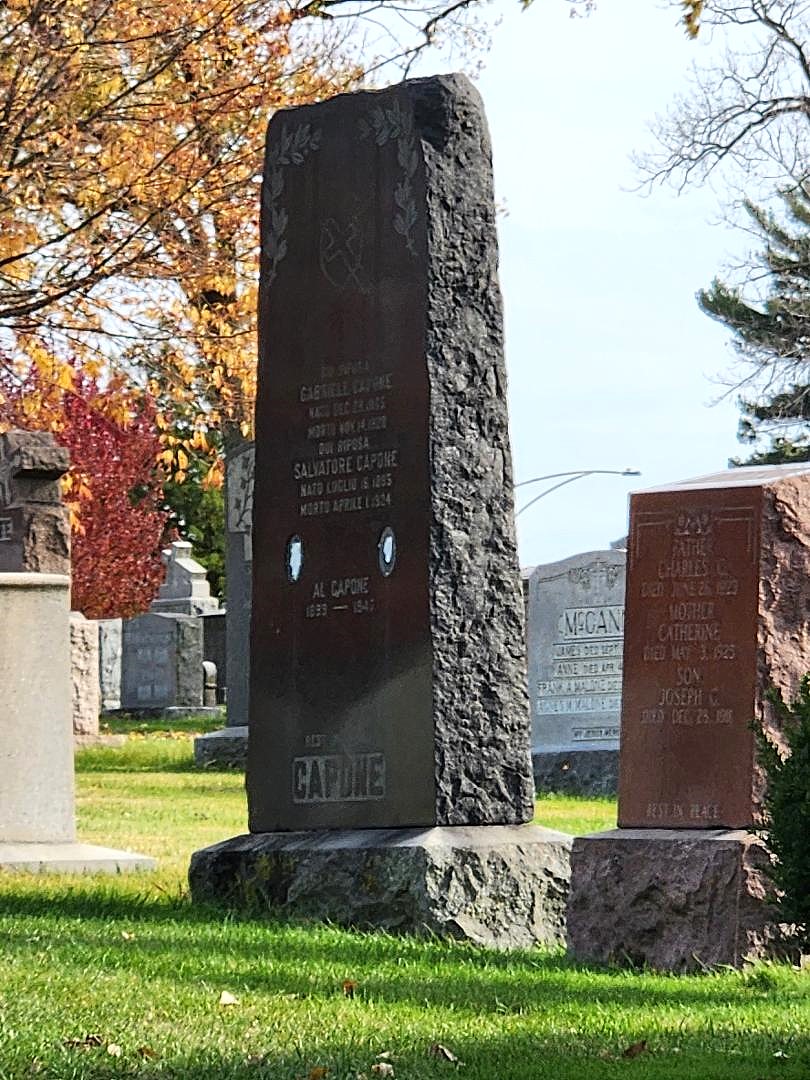
Mt. Olivet was the original burial site for Al Capone, until his remains, and those of his father and brother, were relocated to Mt. Carmel Cemetery in Hillside.
Other people known on the Ridge buried in Mount Olivet include Daniel Ryan, Sr., for whom the local forest preserve is named; the Ahern Family, including golf pro Anna May “Babe” Ahern, who, with her brothers, owned and operated the Evergreen Country Club; and James Gately, the founder and manager of Gately’s Peoples Store, who lived in Beverly.
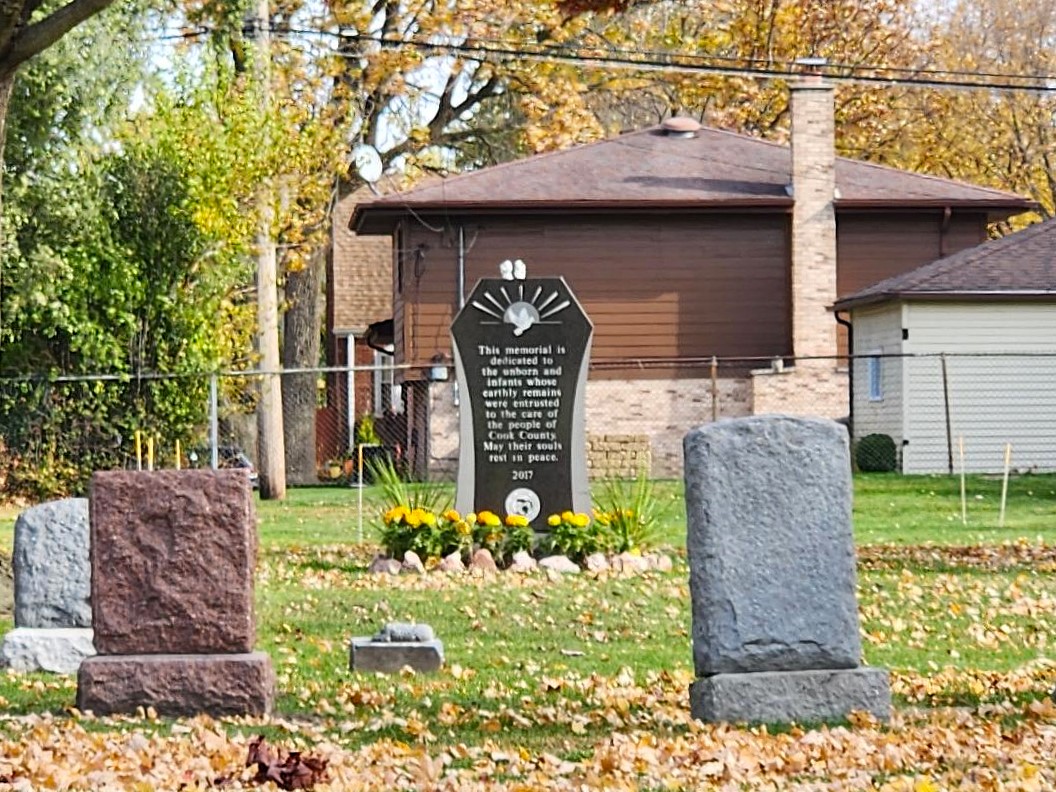
Mt. Olivet Cemetery is also the burial place for the unidentified and indigent dead of Cook County. Since 2012, when the Archdiocese started working with the county to provide these services, there have been 5,300 burials.
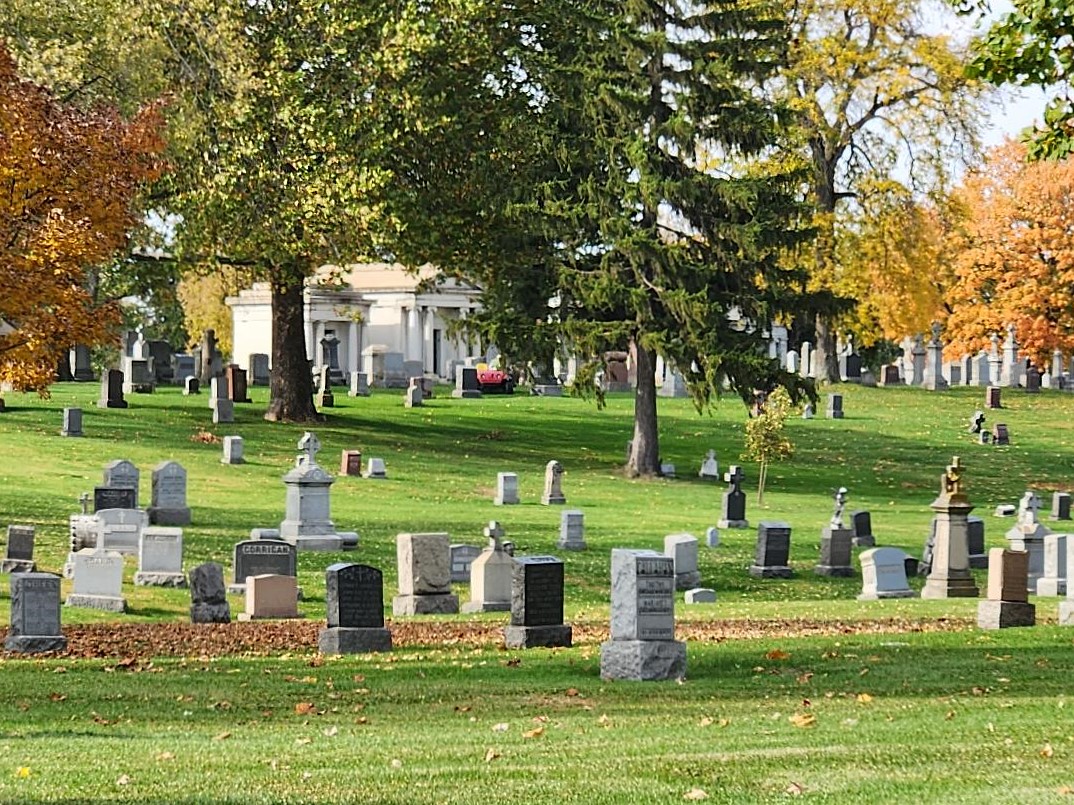
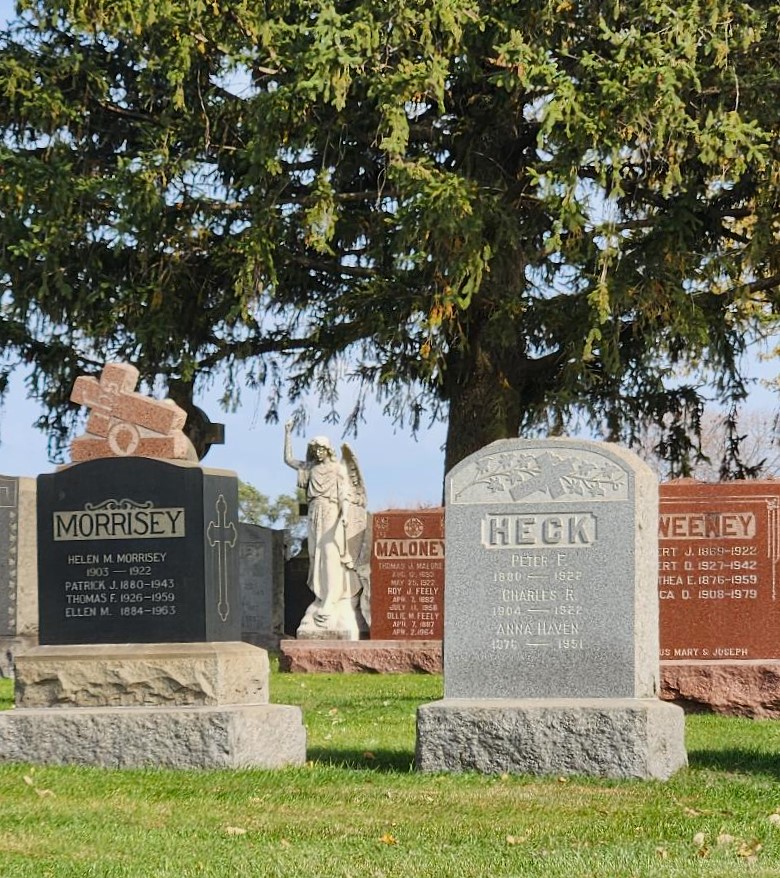
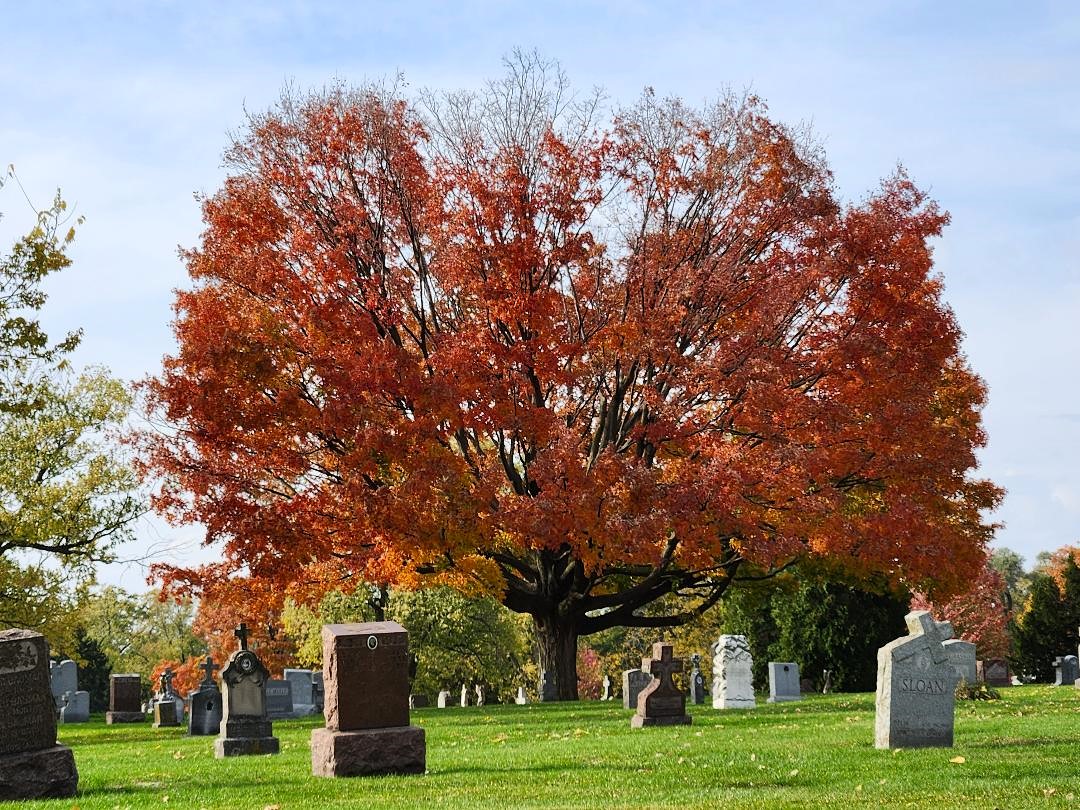
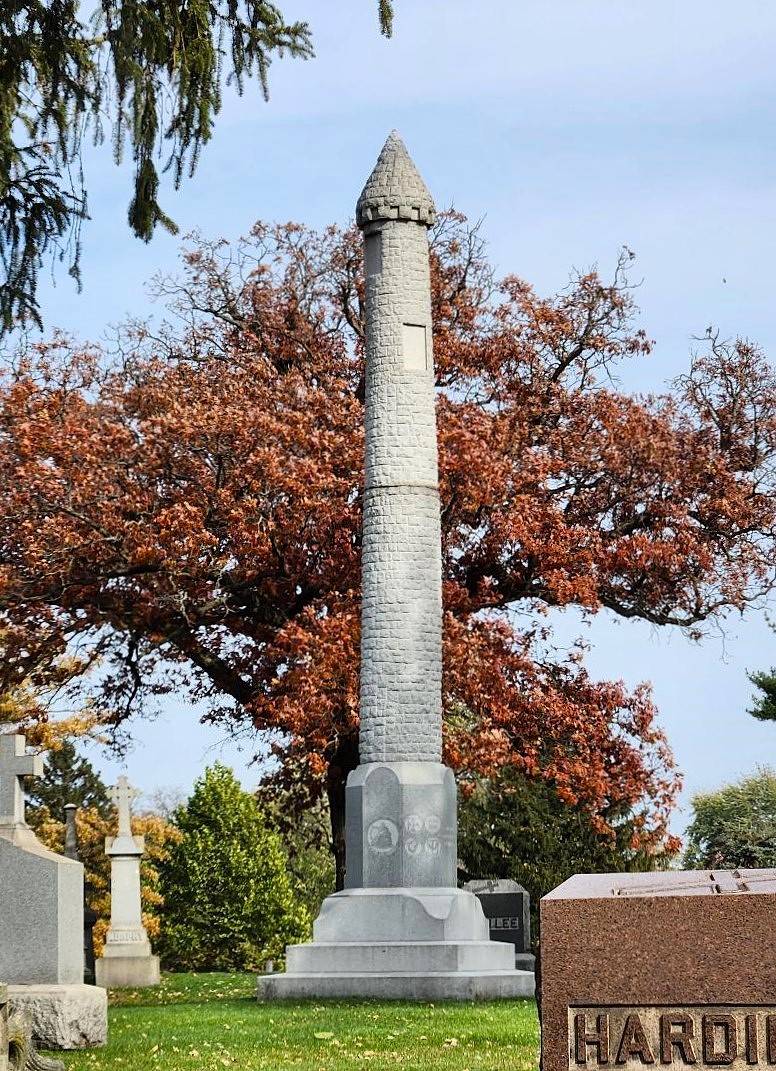
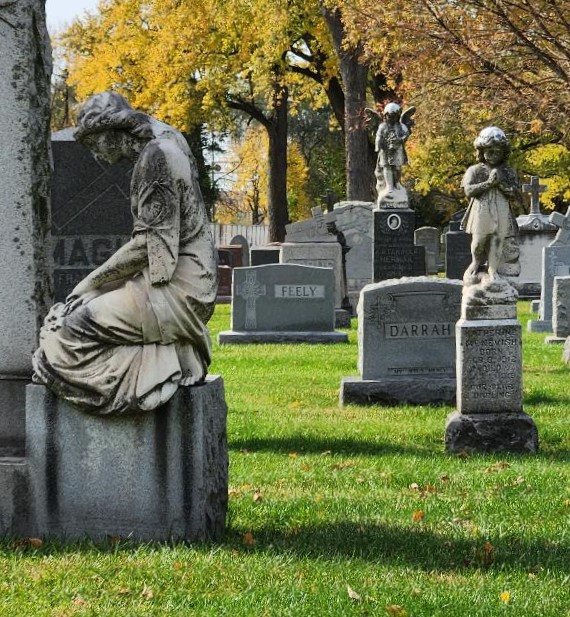
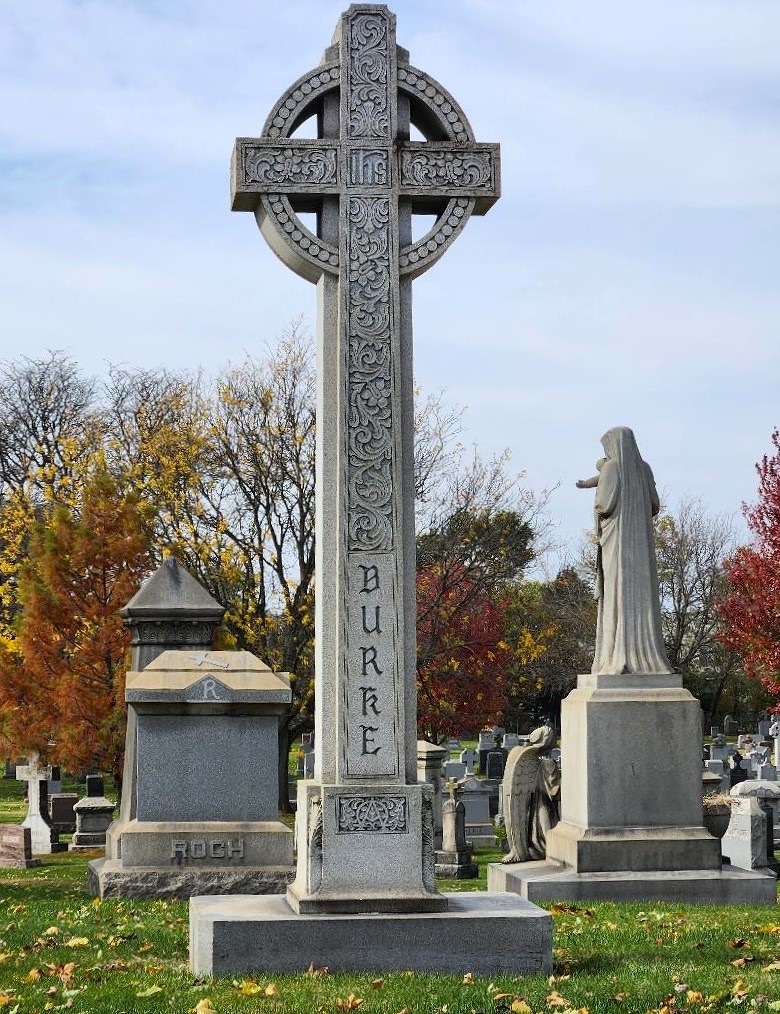
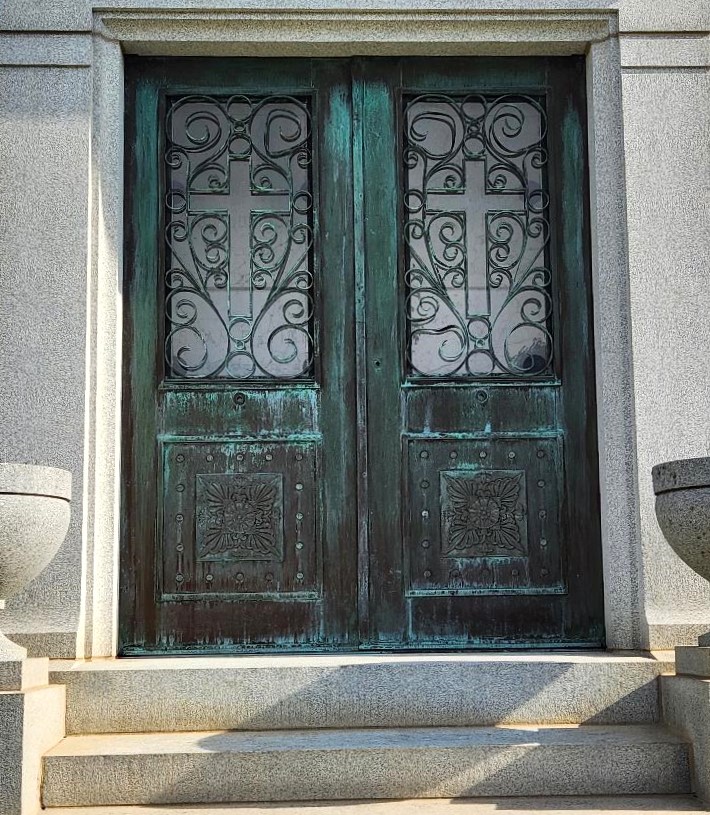
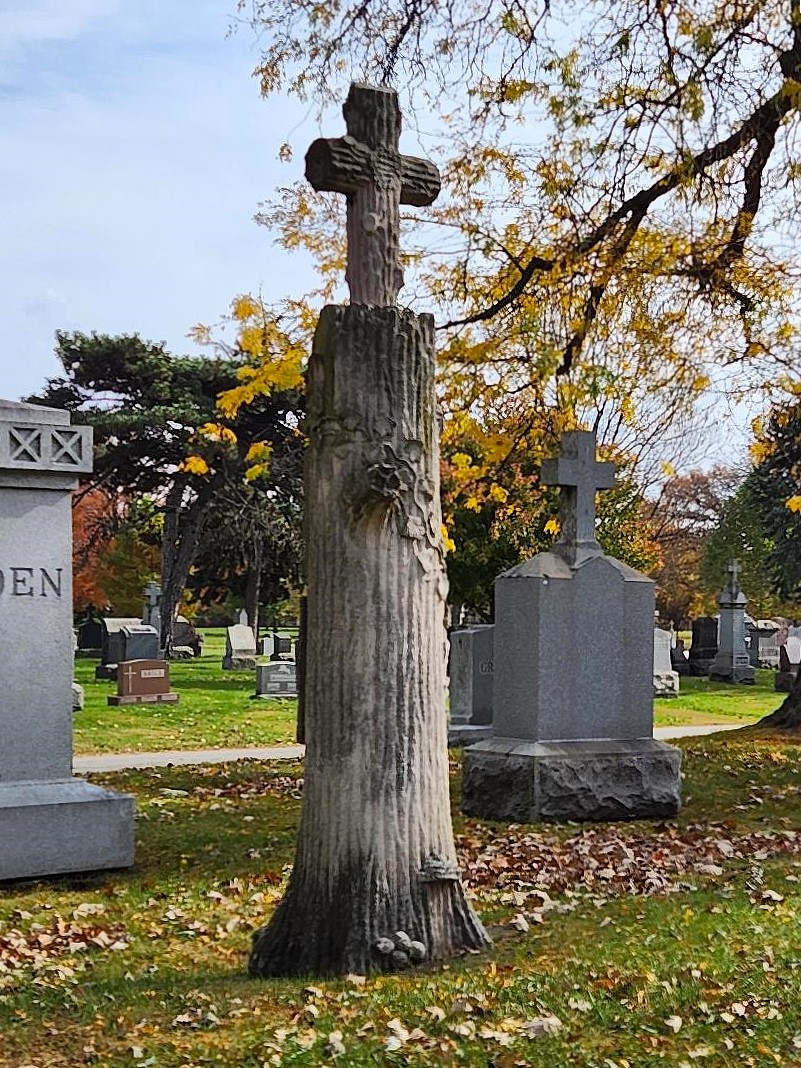
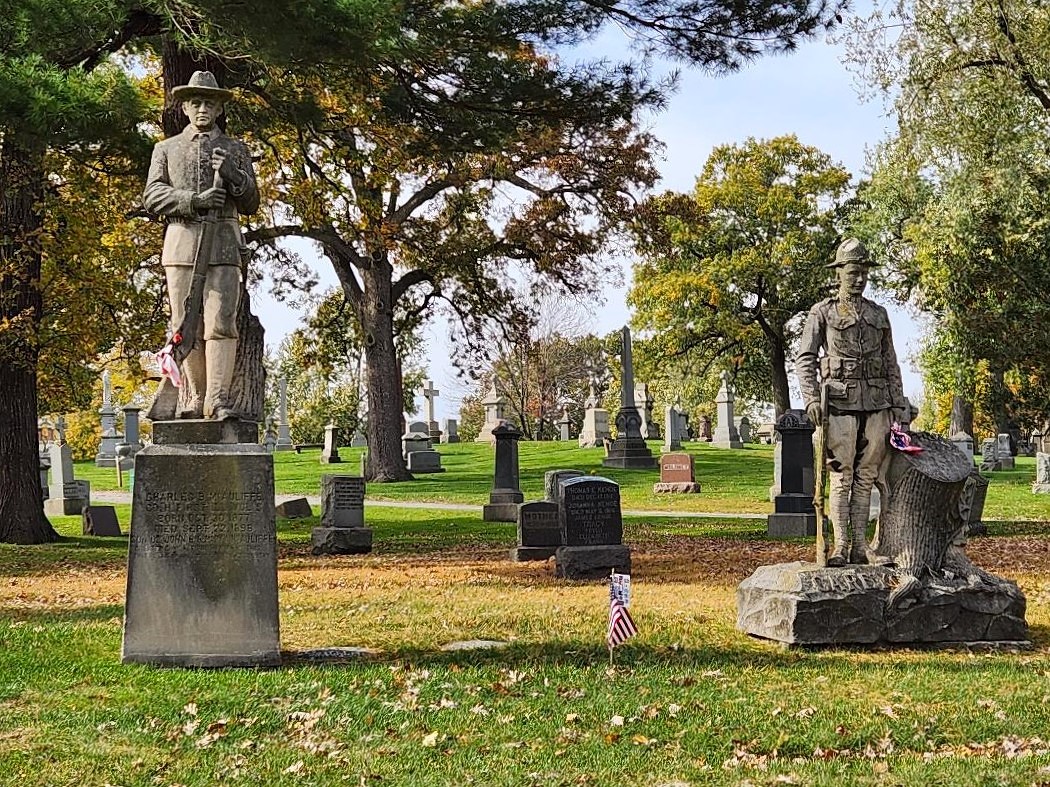
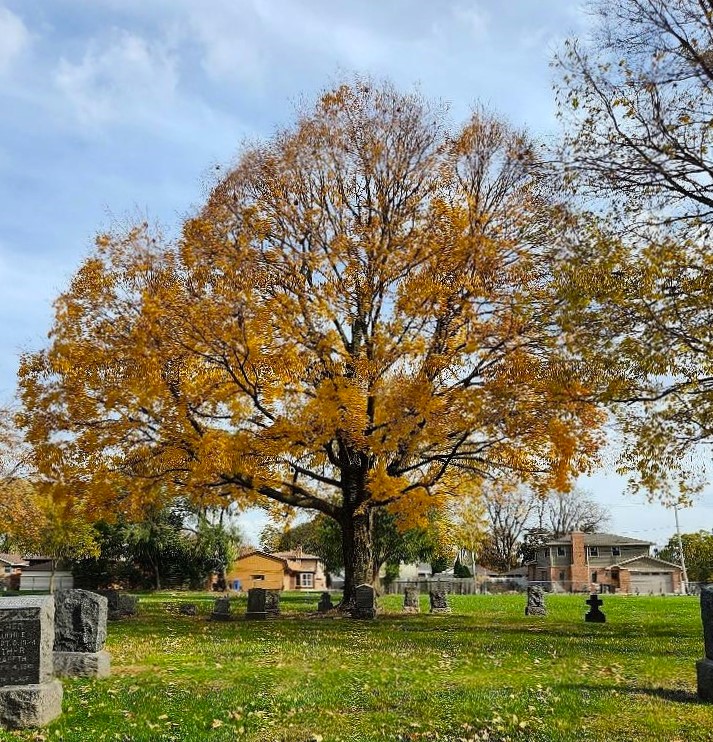
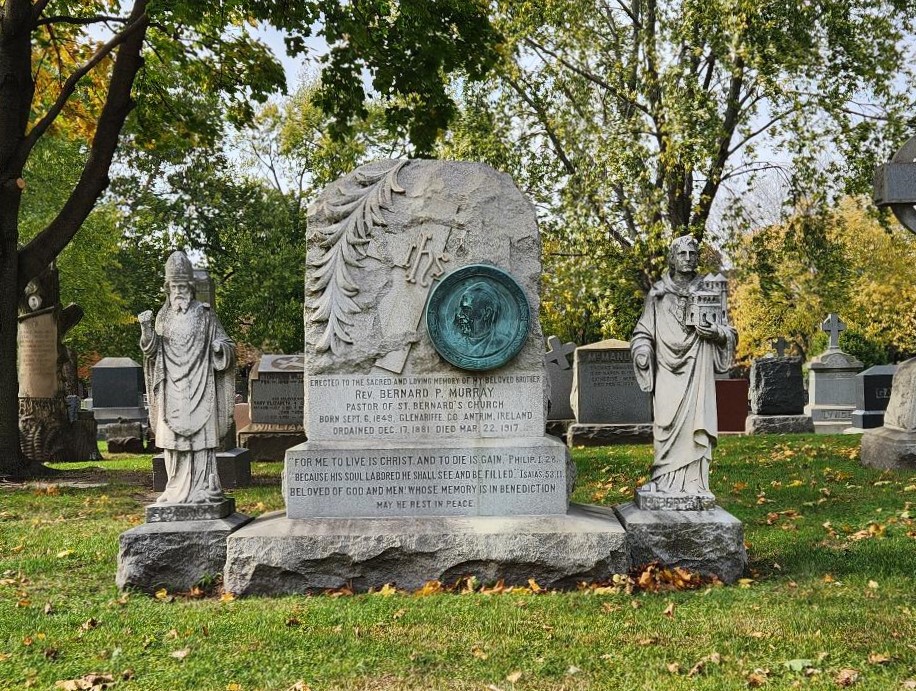
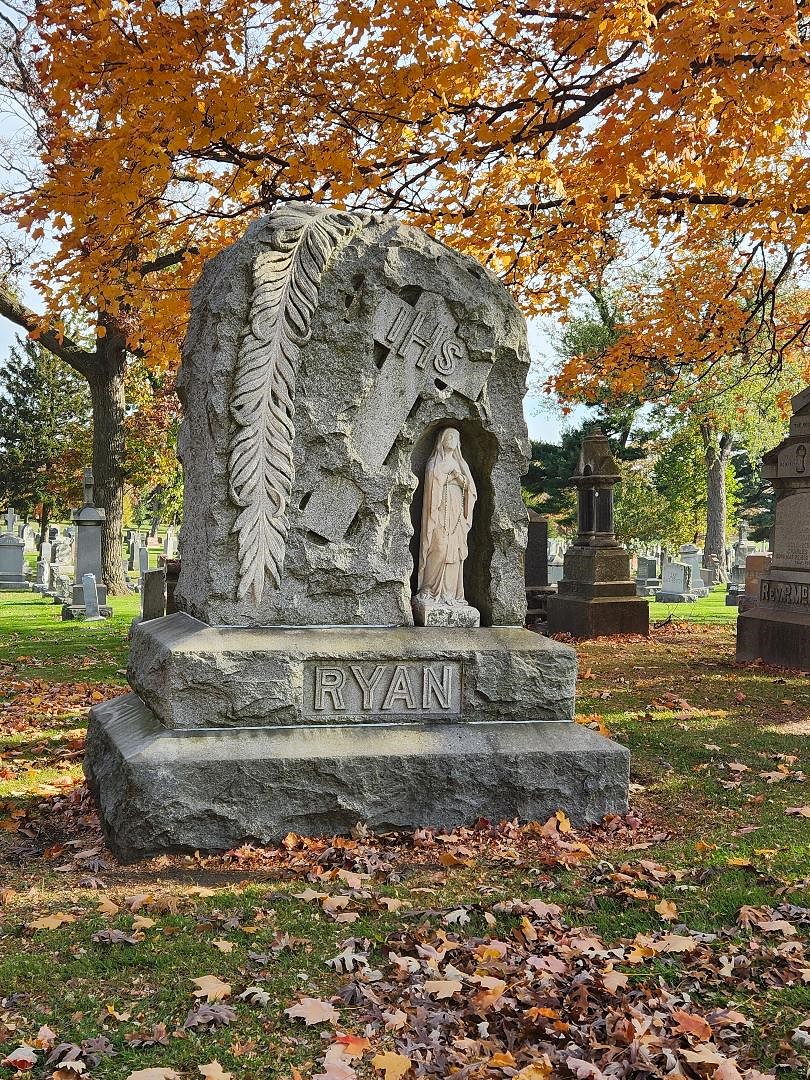
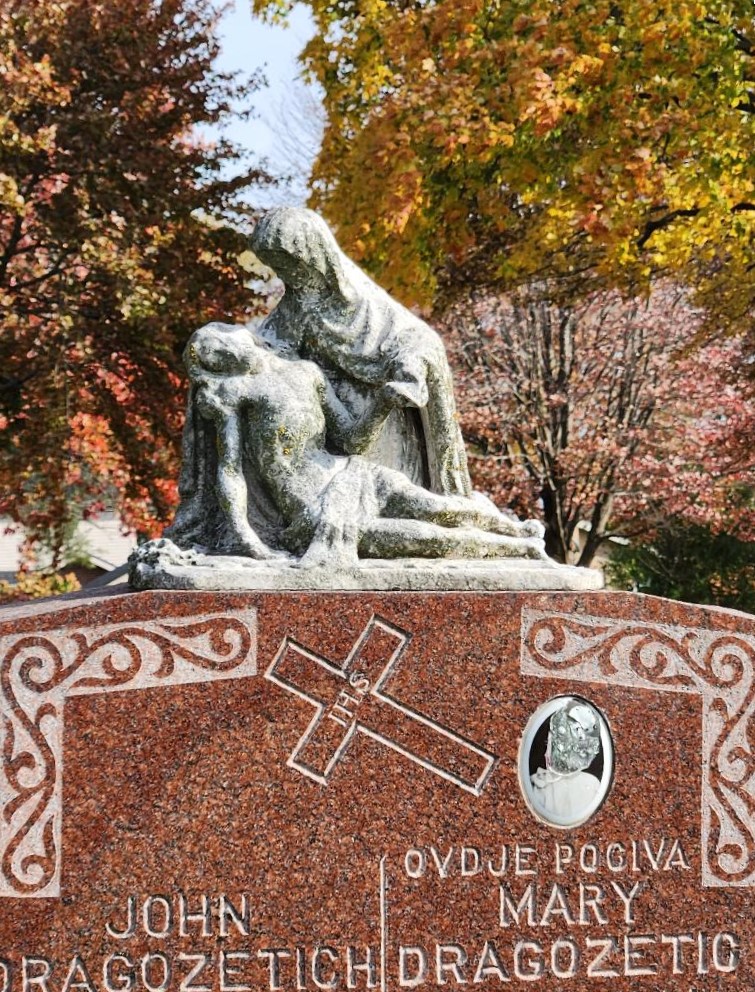
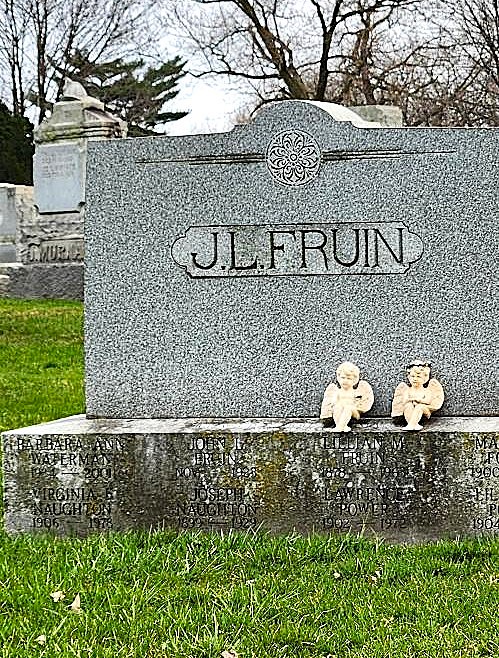
A picturesque cemetery with interesting funerary art, the following pictures were taken during a ride through Mount Olivet Cemetery on a recent autumn afternoon.
Photos by C. Flynn.
Another "seizing the educable moment" post.
The Southeast Chicago Historical Society, which many people from the Ridge follow, has this post today:
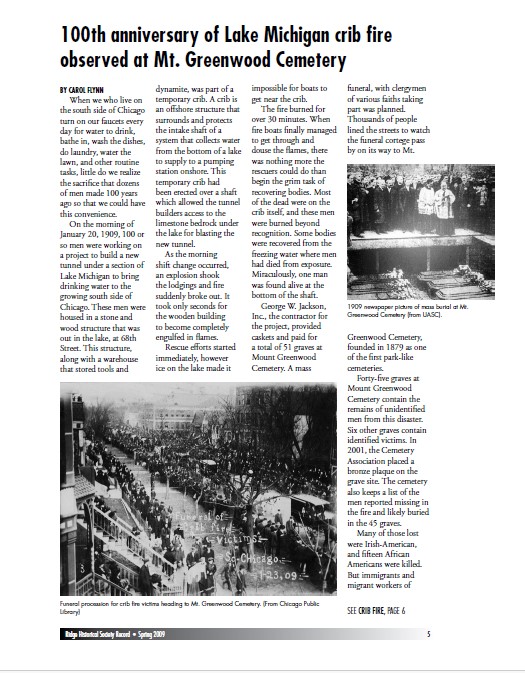
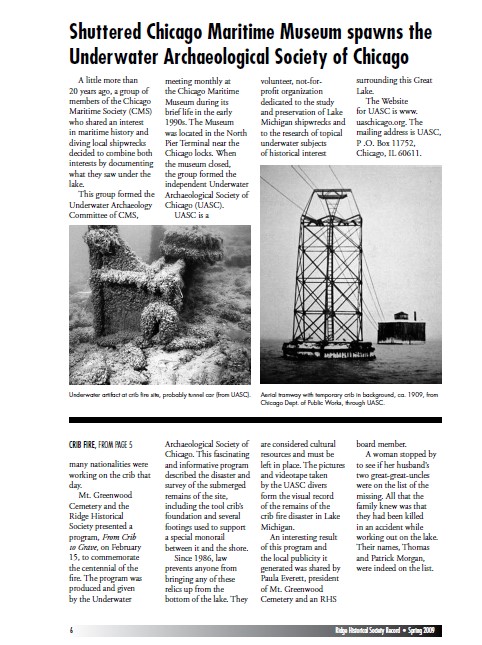
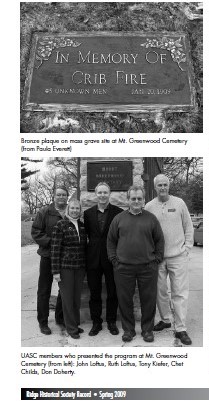
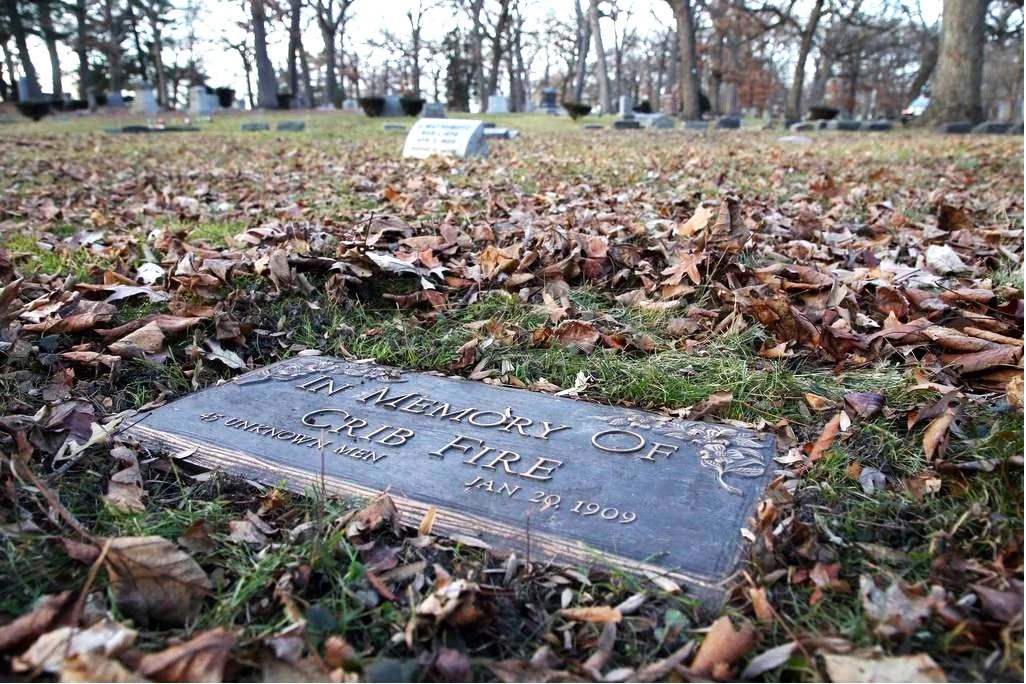
"I picked up a few photos this morning from an estate sale in Indiana. Does anyone know anything about crib fire victims from 1909?"
The answer to that is YES, RHS knows all about that incredibly horrible tragedy.
Here is the 2009 RHS newsletter article on that topic. The victims are buried in Mt. Greenwood Cemetery.
“Morgan Park Woman’s Club: 135 Years of Community Service.”
Women’s history is the community’s history. They are involved in every aspect of life where they live, often working behind the scenes.
It’s time their story was told.
This year marks the 135th anniversary of the Morgan Park Woman’s Club (MPWC).
A special event is planned for this weekend: “Morgan Park Woman’s Club: 135 Years of Community Service.” A reception and program will be held on Sunday, November 17, 2024, in the Smith Village community hall, 2320 W. 113th Place, from 2 to 4 p.m. Admission is free, there is parking, and the place is accessible.
MPWC has had a very important role in the community, impacting everything from the village’s annexation to the city of Chicago to its architecture to its schools to its parks.
A slide presentation connecting the Club’s history to that of the community will be shown by Carol Flynn, researcher/writer for the Ridge Historical Society.
There will be a display of items from the Club’s artifacts. Refreshments will be served.
The Ridge Historical Society
New Year 1925
By Carol Flynn
Chicago, Chicago, that toddlin’ town.
Chicago, Chicago, I’ll show you around.
Bet your bottom dollar you’ll lose the blues in Chicago, Chicago, the town that Billy Sunday could not shut down.
On State Street, that great street, I just want to say
They do things they don’t do on Broadway. Say!
They have the time, the time of their life.
I saw a man who danced with his wife
In Chicago, Chicago, my home town.
This favorite, “Chicago (That Toddlin’ Town),” was written in 1922 by Fred Fisher. It appears to have been first recorded by the elusive Joseph Samuels and his jazz band in August of 1922.
The song became best known when recorded by Frank Sinatra in 1957, although many people have sung it through the years, from Judy Garland to James Brown to the band Green Day.
The “toddle” was a jazz dance step in the Roaring Twenties. It was popular with college students and “flappers,” those modern young women who disdained the old social conventions, and wore short (that is, knee length) skirts, bobbed their hair, drove automobiles, smoked cigarettes and drank alcohol in public, listened to jazz, and loved to dance.
Music and dancing were favorite social activities, from time immemorial, and this was certainly true for New Year’s events one hundred years ago.
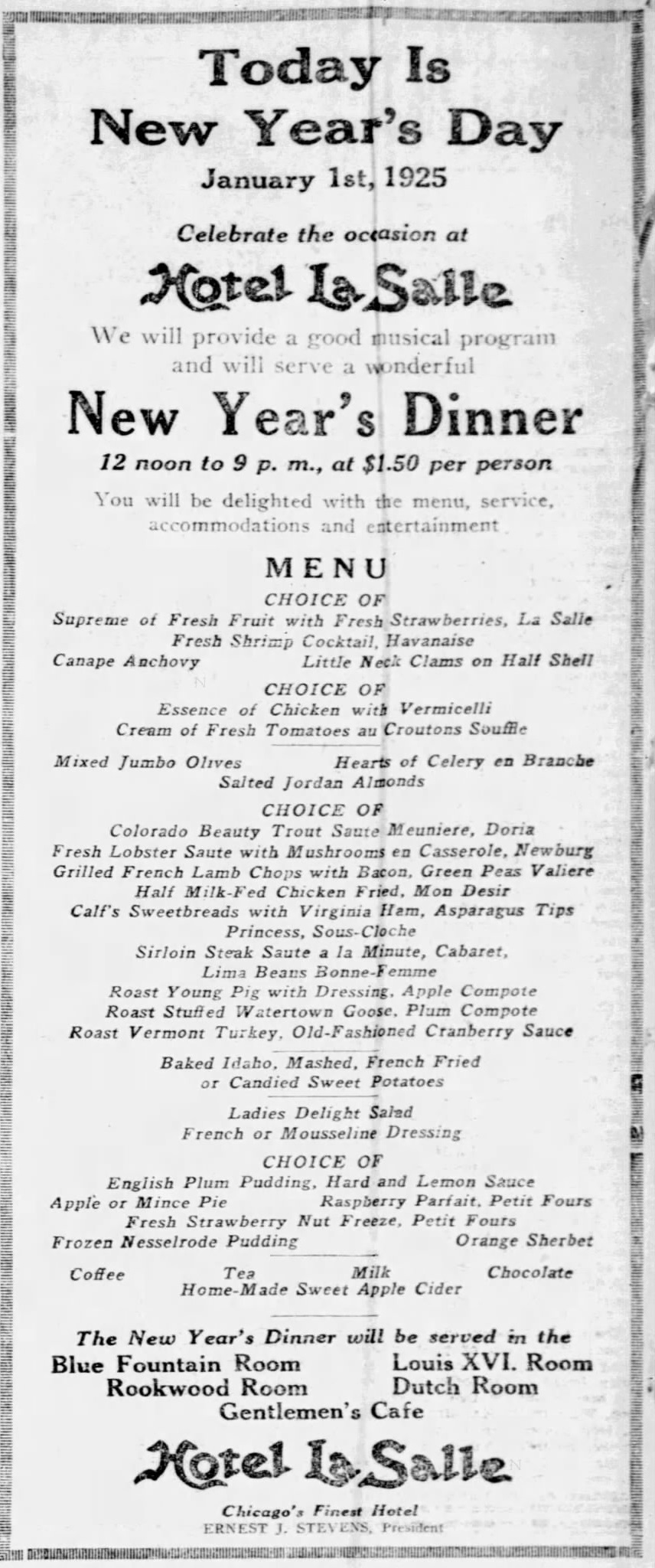
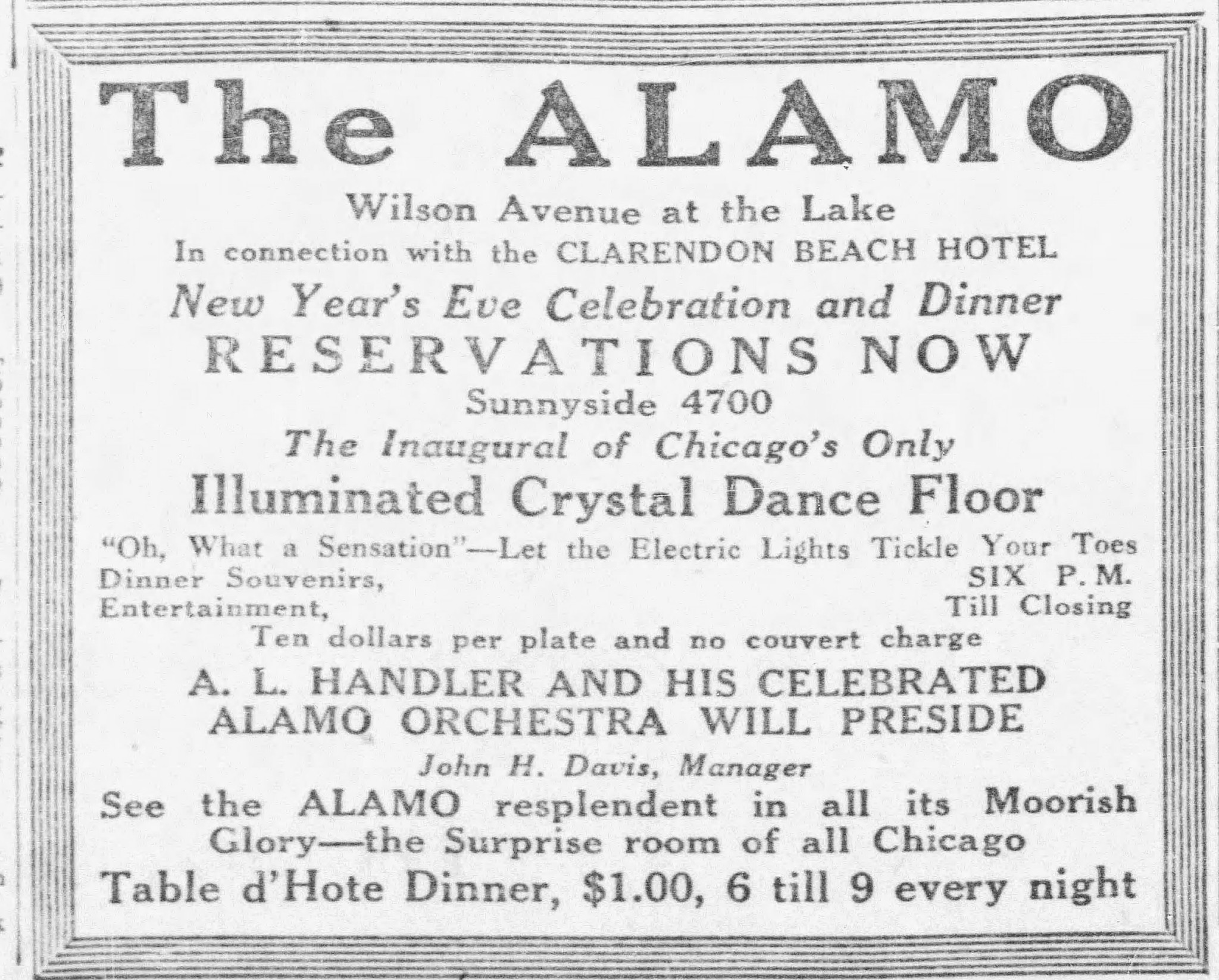
The Chicago hotels and restaurants were completely booked for both New Year’s Eve and New Year’s Day, and many private parties were held, also, at membership clubs and private houses. The parties were called “watch parties,” as in watching the old year exit out the door and the new one enter – at midnight, the doors were thrown open for this to happen.
The general format for a party was an extravagant dinner followed by a live orchestra and dancing. Some games in the evening were also often played – charades and guessing games were popular.
According to a Chicago Tribune newspaper article on December 31, 1924:
“Chicago tonight is going to don its dress suits, silver flasks, and tin horns and step out in search of A.D. 1925 in a spirit of peace and prosperity for the year to come.
“That is the official forecast, based on a canvass last night of hotels, cabarets, and roadhouses, police and federal officials – and bootleggers.”
Yes, bootleggers – Prohibition was in effect in 1924, which meant making, transporting, selling and serving (but not consuming) alcohol were all illegal. People regularly brought in their own alcohol to an event, hence the reference to the silver flasks.
The bootleggers reported that business was better than ever. Scotch was going for $7 per bottle; bourbon for $10; gin for $4. These prices were enough “to make one with a pre-Volstead memory shiver, but cheap enough in modern years.” Champagne, however, was very expensive – “about $1 per bubble.”
At the less well-heeled establishments, moonshine could be had for $1 per quart.
Chief of Police Collins said his men would enforce all liquor laws, but it was a “tough job.” He said they would “see there are no flagrant violations.” The Tribune noted that “handling a flask has never been considered flagrant.”
For New Year’s Eve, 1924, the big event for the social elite was a concert by the Yale Glee, Banjo, and Mandolin Club, in town from the east coast. This was preceded and followed by numerous private parties.
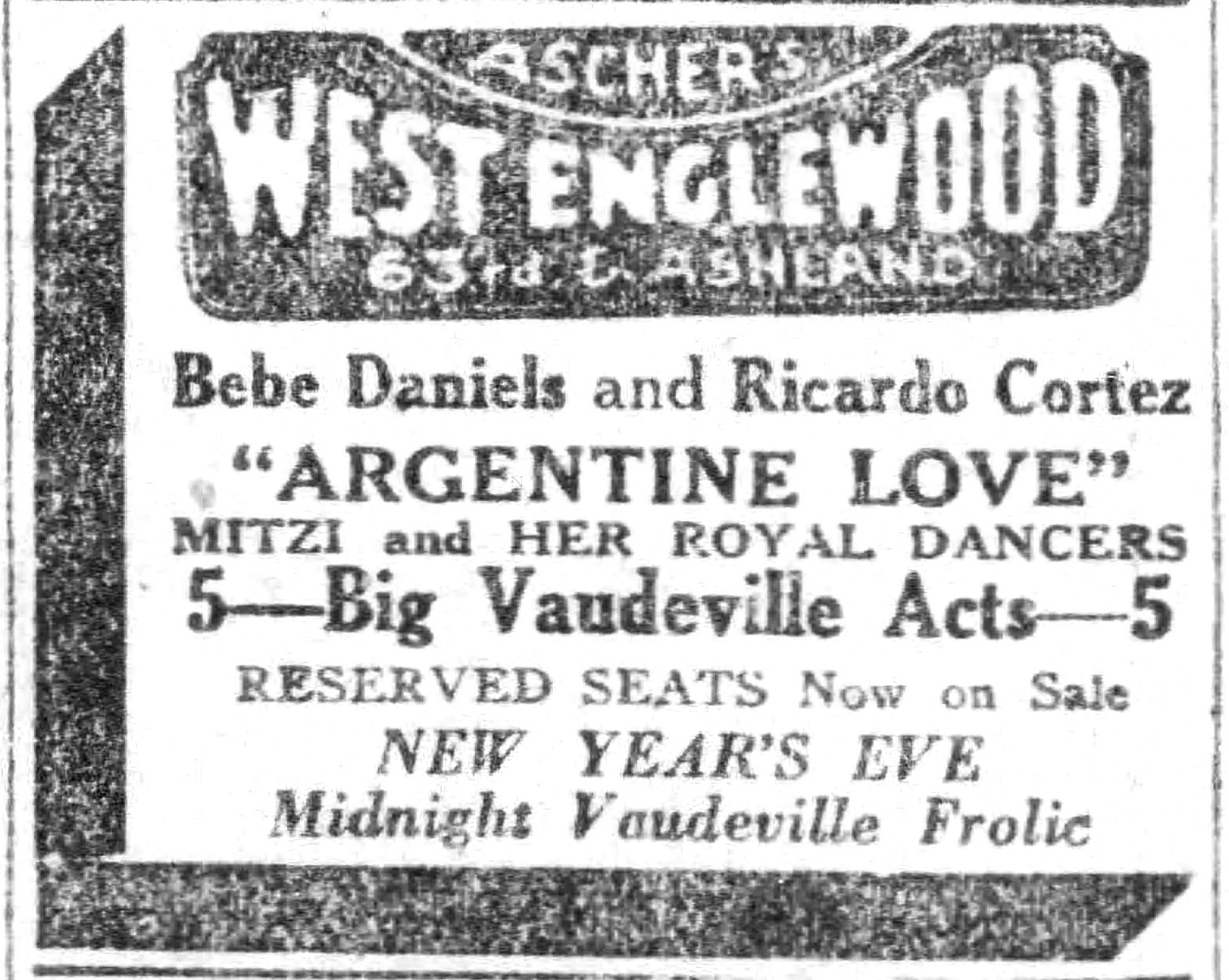
For the less high-brow, there were plenty of burlesque, vaudeville, musical comedy, and cabaret shows scheduled. Taxicabs, which usually made their last runs at midnight, were staying on the streets until 2 a.m.
The people who stayed home for the evening could still have music and dancing, via records played on the family’s gramophone or phonograph, if the family could afford such a machine.
For everyone, though, there was listening to the radio.
The radio stations covered live events, from political and other speeches to football games, and broadcast live orchestras and other entertainment, from the hotels or from the radio station’s studios. The radio stations usually signed off by 10 or 11 p.m.
On December 31, 1924, Chicago Tribune-owned WGN offered dinner music, and a few hours later dance music, from the bands at the Drake and Blackstone Hotels, but ended at 11 p.m.
Three other local stations planned New Year’s programs past midnight, one running until 6 a.m.
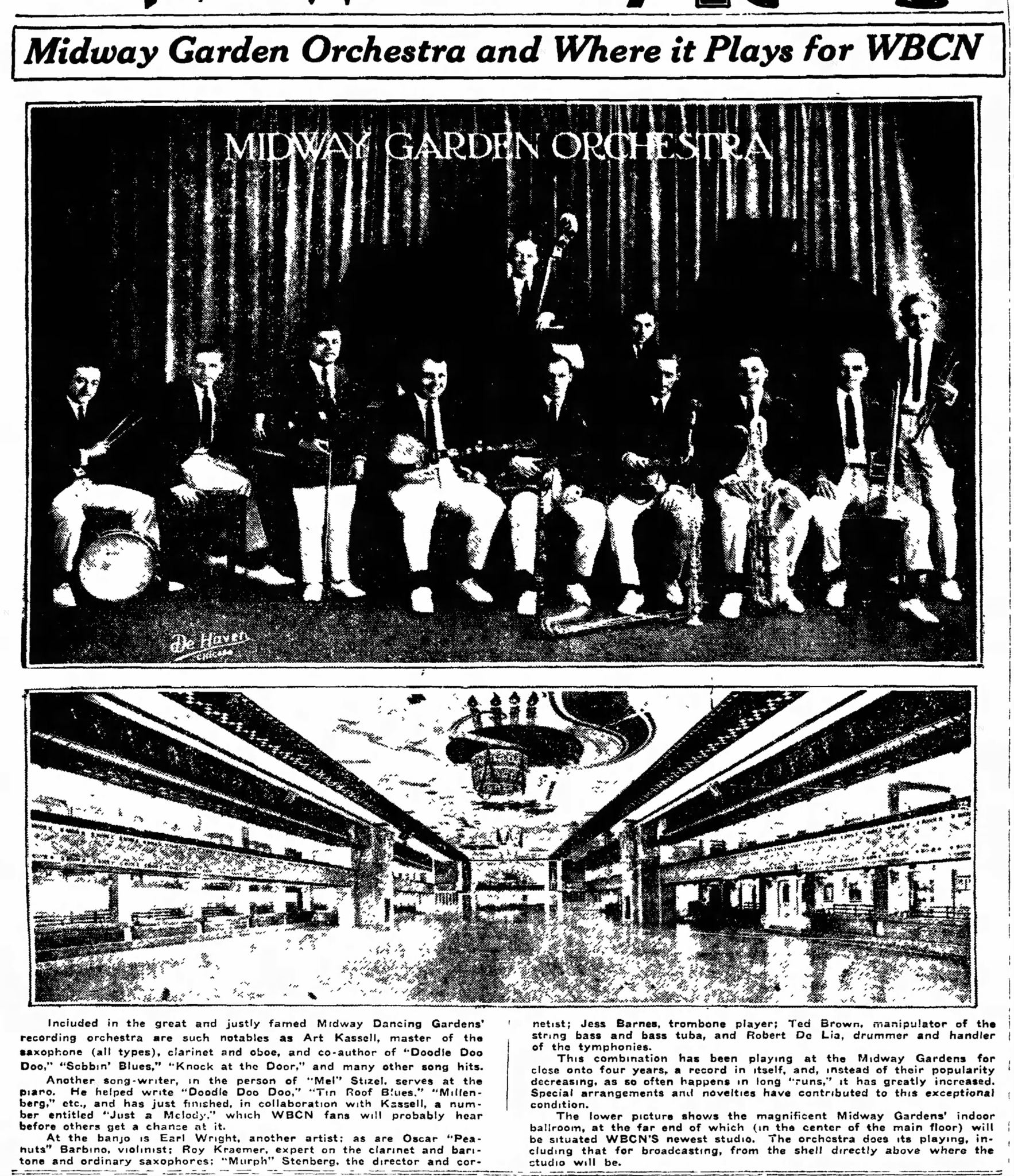
The biggest radio event, however, was taking place on WBCN, the station owned by the Southtown Economist newspaper. The station and the Midway Dancing Gardens had recently signed a deal that the Midway Gardens orchestra would be broadcast live on the radio station six days per week (closed on Mondays), and the inaugural event was scheduled to take place on New Year's Eve.
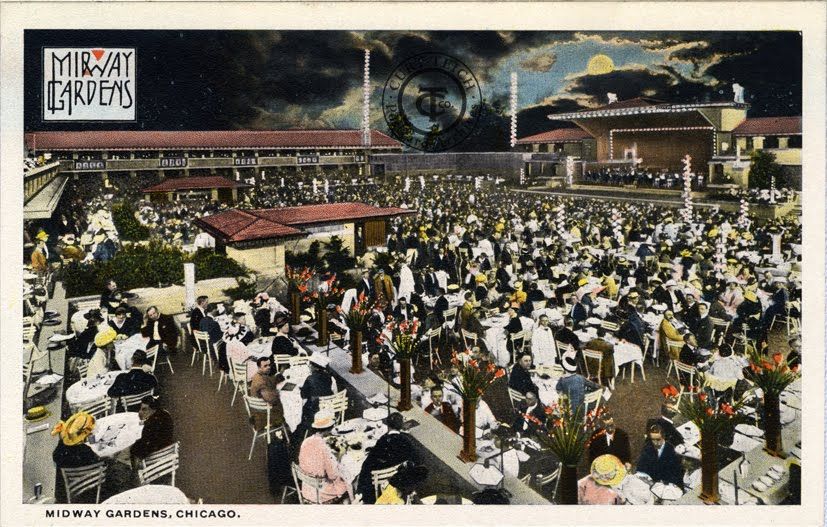
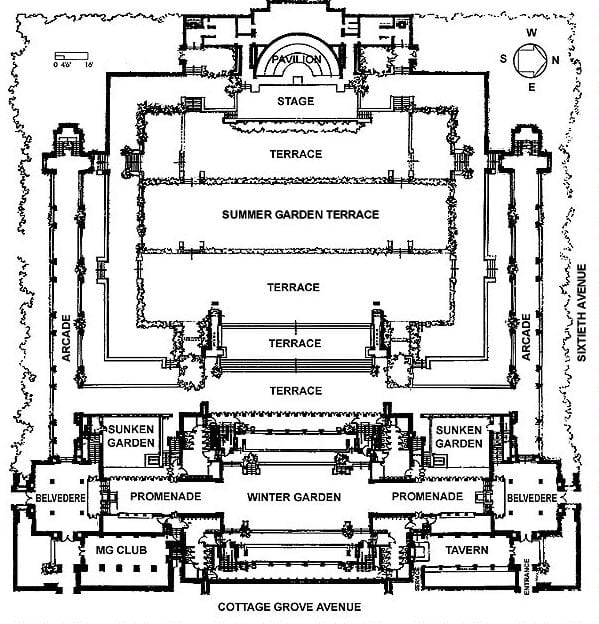
Midway Gardens was an entertainment complex at 60th Street and Cottage Grove Avenue, designed by architect Frank Lloyd Wright, that opened in 1914. It went through several owners before closing permanently and being demolished in 1929.
The facility offered outdoor dining and dancing in the summer and had a smaller indoor “winter garden.” It was considered to have “the largest toddle floor in the world.”
Other names it went by through the years were the Edelweiss Gardens and the Midway Dancing Gardens.
Although very popular with the public, Midway Gardens was never successful from a financial perspective.
In 1924, however, the Midway Dancing Gardens had a superb recording orchestra, and according to rival Tribune, “as a result WBCN listeners are to have dance music equal to any now being broadcast.”
The deal between WBCN and the Midway Dancing Gardens was considered “pioneering” and “highly distinctive” because it was the first time a public ballroom and a radio station had made an agreement on this scale.
On New Year’s Eve, from 10 p.m. to 2 a.m., dance numbers interspersed with specialty numbers were planned to be played continuously by the orchestra, which was in a shell above the dance floor. A microphone was installed suspended from the ceiling, wired into the transmitting equipment of the radio’s operations room at 730 West 65th Street.
This allowed the orchestra to “play for those actually present, and for radio-listeners at the same time.”
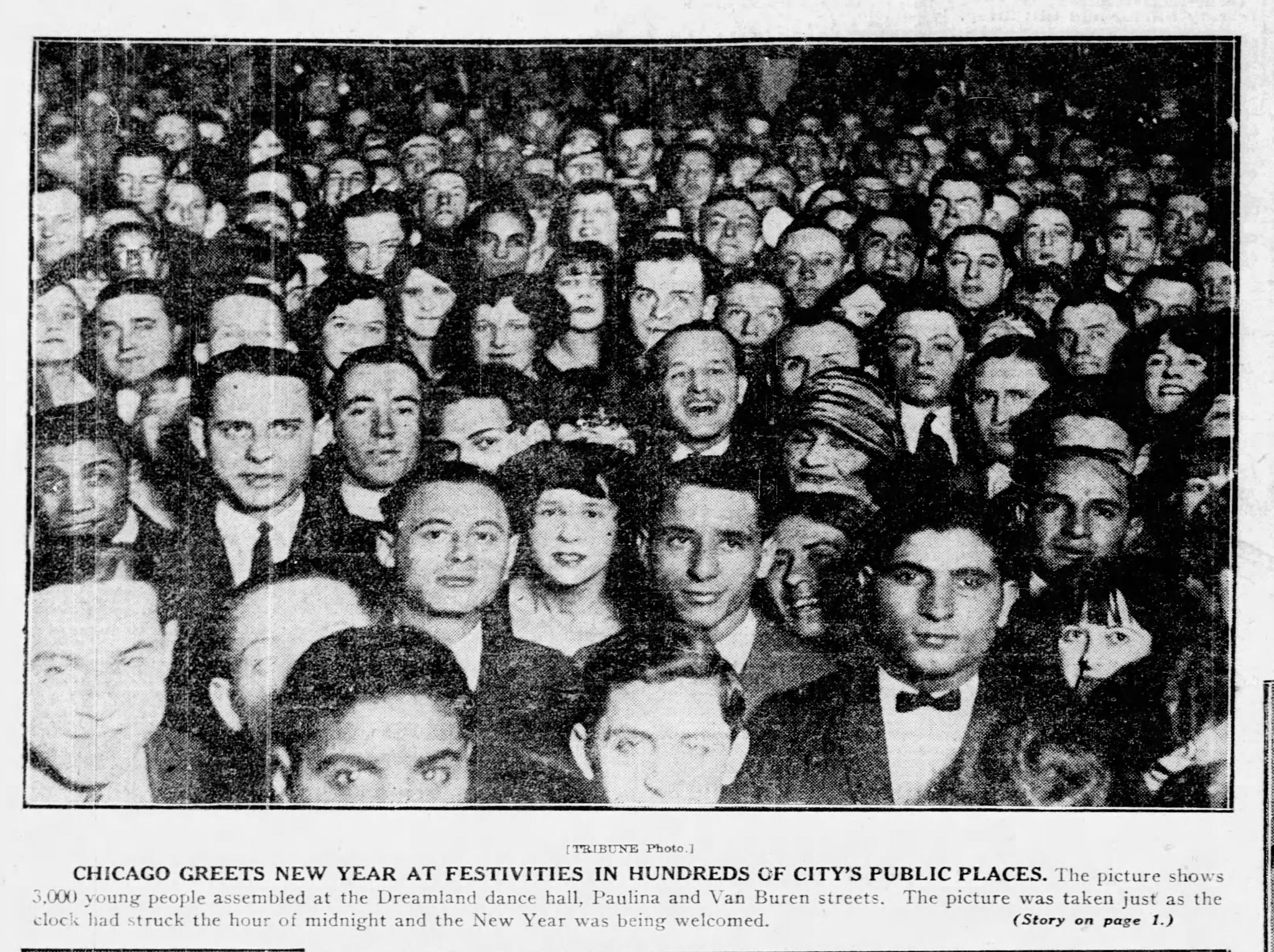
The event was very successful. On January 1, 1925, the Tribune reported that the Midway Dancing Gardens was so crowded in person there was scarcely room to dance.
The people listening from home might have had more space to push furniture out of the way to toddle.
All of the events held around the city did excellently – the hotels and restaurants reported the highest attendance ever. The going rate was $10 per person at the better places, and the Drake Hotel had 3,000 guests.
No attempt was made to conceal the liquor people brought with them – bottles were left in open display on tables and counters. The venues supplied drink set-ups for $1.00 apiece.
The police said the crowds exceeded anything they expected, yet the people were good-natured and there were few disorderly incidents.
The Tribune noted that at the Pershing Palace at 64th Street and Cottage Grove, one of the tables included Archie Benson, the Prohibition enforcement officer. Benson had announced that he would “keep an eye on enforcement measures in the loop,” but here he was among the revelers and their silver flasks.
No arrests were made there, or in the Loop, or at the Midway Dancing Gardens, for liquor.
That was Chicago in 1924-25.

The Ridge Historical Society
Happy Valentine’s Day – 100 Years Ago
By Carol Flynn
One hundred years ago, Valentine’s Day was emerging as the big holiday it would become during the following century.
The day had its origins as a religious feast day honoring any one of several Christian martyrs named Valentine in early Rome. The Catholic Church “demoted” the day in 1969, basically for not being specific on who exactly was being honored and if there really was a “Saint” Valentine at all. But traditional Catholics and Christians the world over still revere the day.
The day also became a symbol of the coming of spring. The St. Valentine from Slovenia is considered the patron saint of beekeepers.
There are many folk legends connected to Valentine’s Day.
One is that it is the day that birds propose to or marry each other. Another is that St. Valentine brings the keys to roots, and plants and flowers begin growing that day.
Sometime in the Middle Ages, the day started to be associated with romantic love and permanently affixed to the date of February 14. An earlier legend had Valentine cutting hearts from parchment to give to people to symbolize God’s love, and this is considered the possible origin of giving hearts on the day.
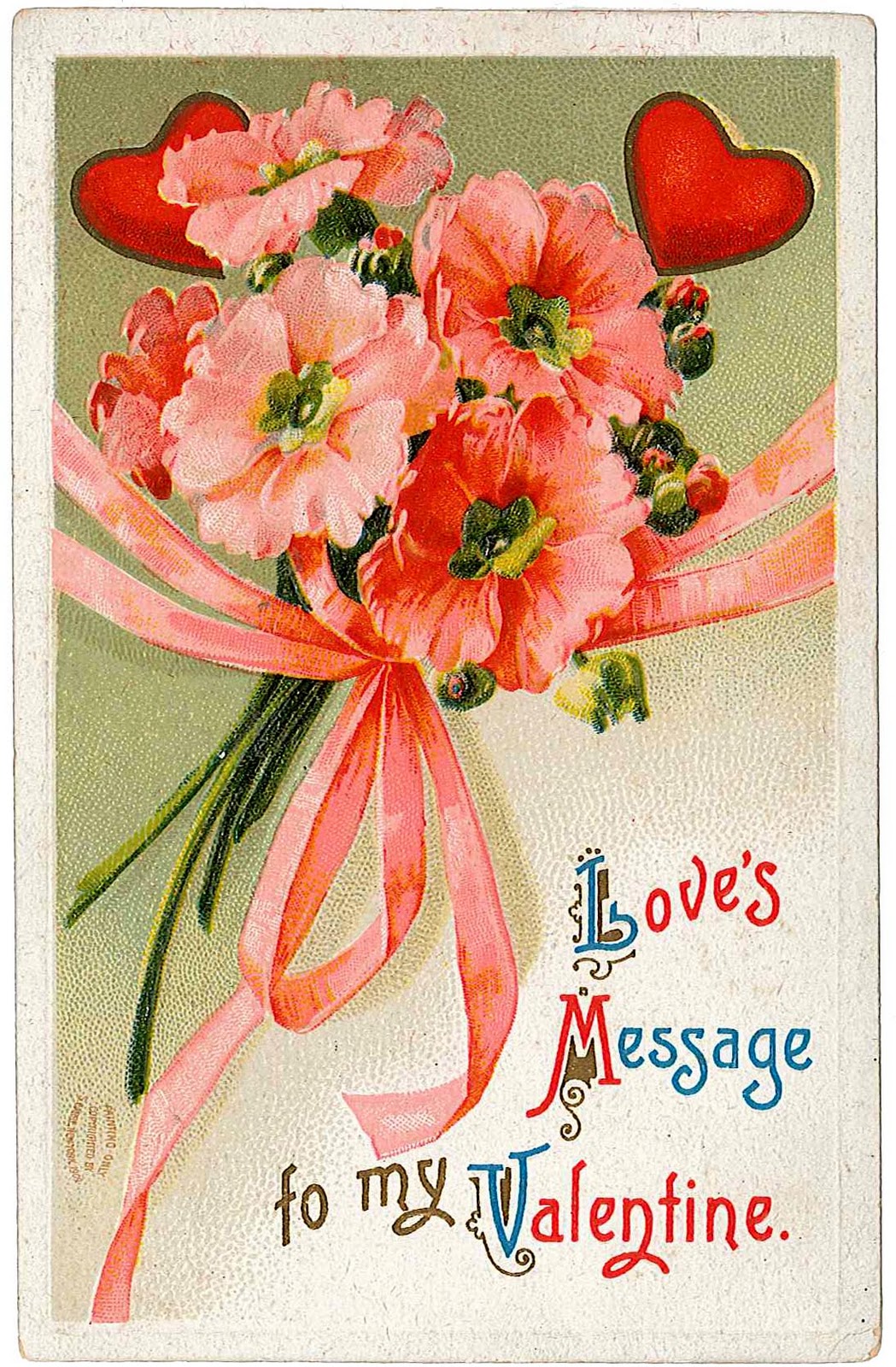
Valentine-themed poetry started being written in the Middle Ages. By the 1800s in England, sending verses of poetry and Valentines made of paper with real lace and ribbons was very popular. In 1868, the British company Cadbury created heart-shaped boxes of chocolates.
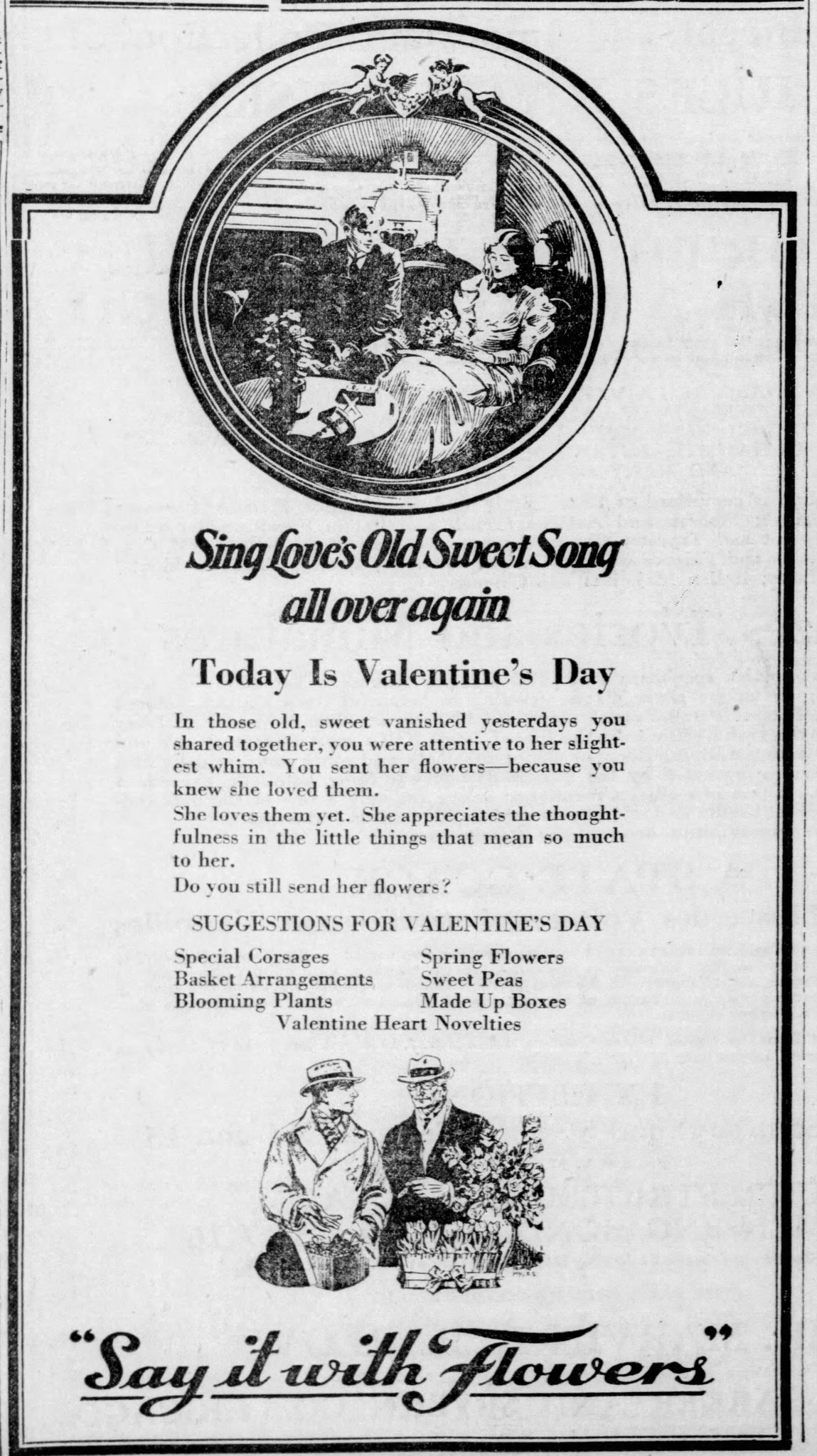
And then there were flowers. The red rose was long associated with Valentine and became associated with romantic love. But that was not the only flower considered appropriate to send that day.
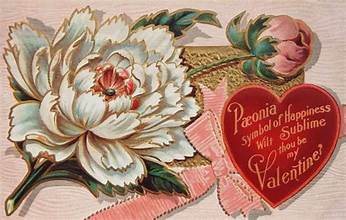
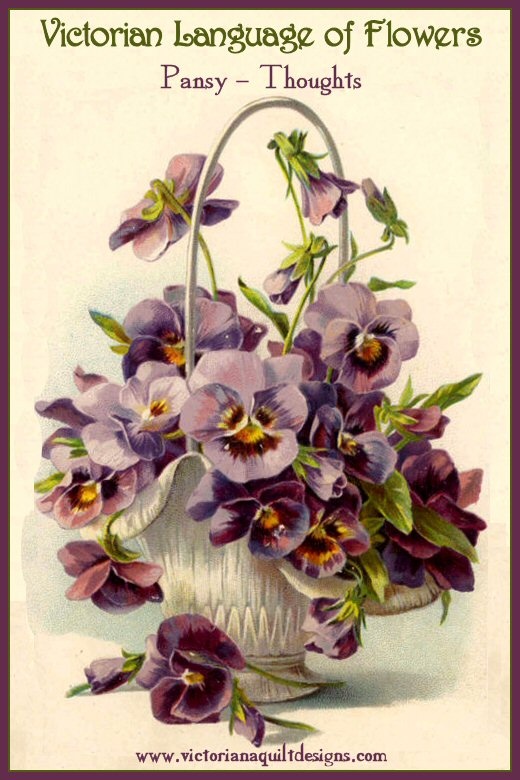
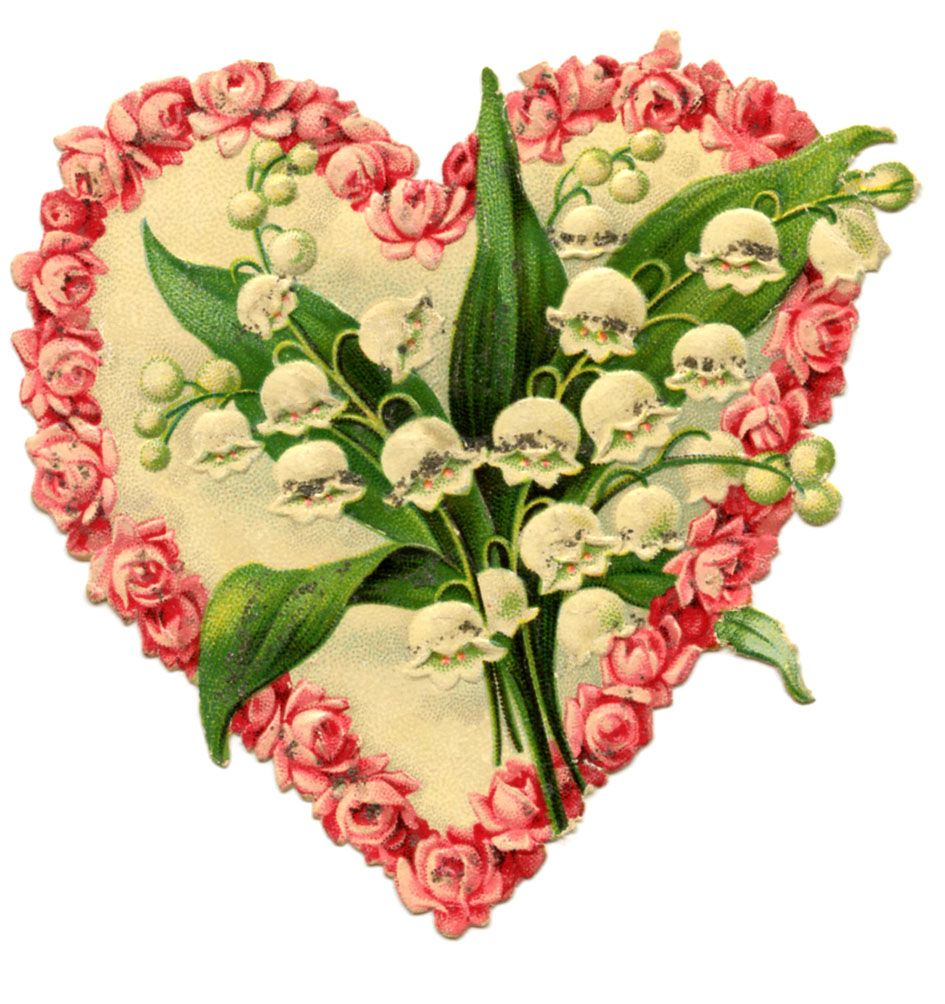
During Victorian times, the “language” of flowers, or floriography, was considered important – different flowers, blooms, and colors had different symbolic meanings. Some examples of other flowers presented on Valentine’s Day included the forget-me-not, with obvious meaning; peonies symbolizing happy marriages; carnations expressing gratitude: pansies representing loving thoughts; and lily of the valley indicating purity of heart.
These customs came to the United States in the 1800s with the English immigrants and eventually spread to the other immigrant groups.
Valentine’s Day in Chicago on February 14, 1925, fell on a Saturday (noted by some as following Friday the 13th). The temperature was in the low 30’s, it was partly cloudy, not too windy, and there was no snow.
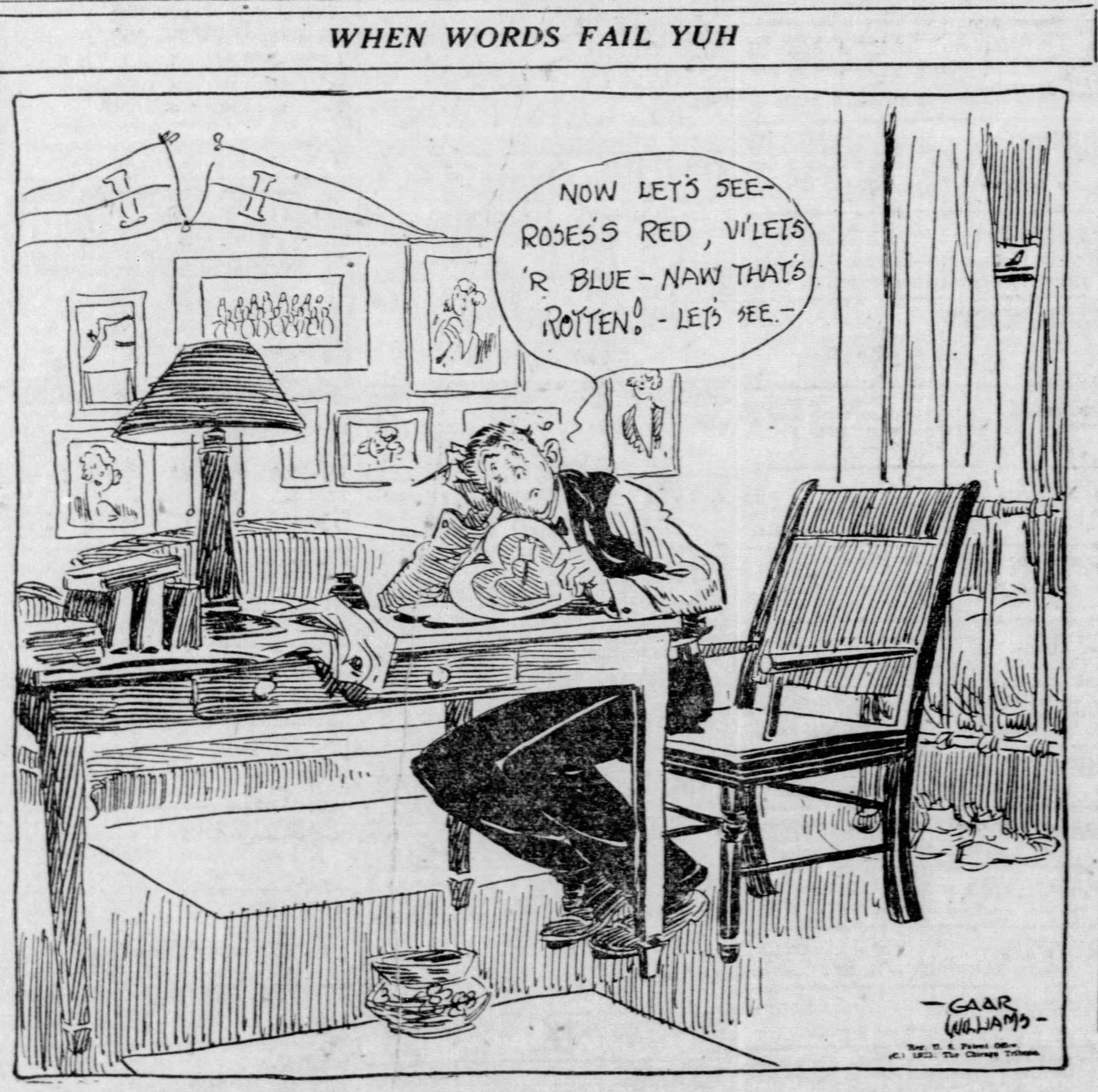
The celebrations were private events. Some of the women’s clubs held parties, one with a Valentine and Colonial costume theme. Individuals and couples hosted parties for their friends with games, cards, bunco, dancing, and refreshments. Several parties combined meals and bridge with a Valentine’s theme.
At one church, the Young People’s Bible class held a party. At another, the women in the English Ladies Aid held a church dinner, which was followed by a concert.
For children, the Hobby Club, a radio program they could belong to and receive a membership card, held a radio Valentine’s party, with stories and singing.
One youngster celebrated her 8th birthday with a Valentine’s Day party. A Valentine birthday surprise party was given for a woman by her sons, with dancing, games and singing; relatives came from out of town, turning the event into a family reunion.
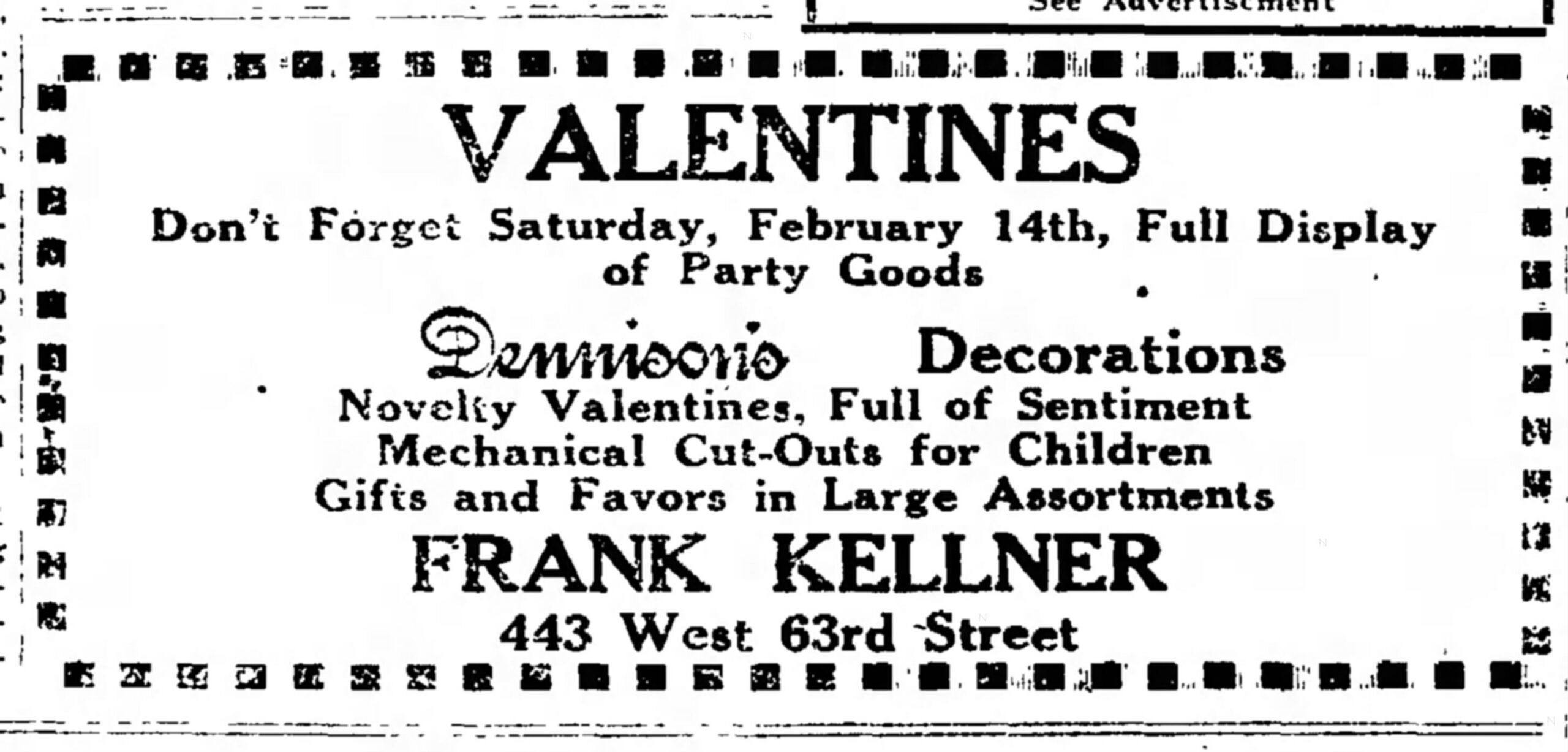
Most Valentines and decorations were still hand-made, although mass-produced cards were available, and decorations from Dennison’s were sold in some novelty shops and available by catalog.
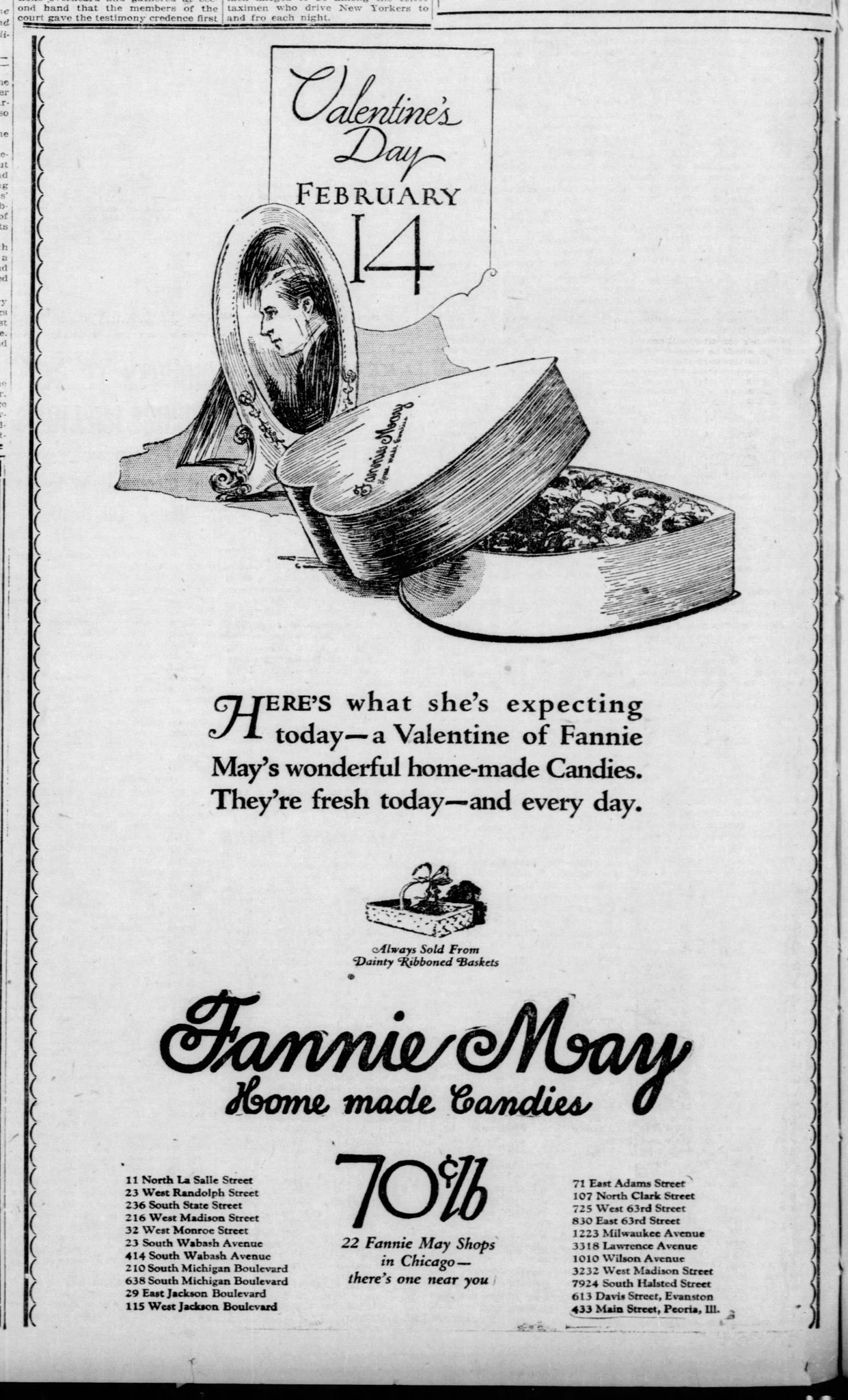
The newspapers included advertisements for flowers and candy.
In the past 100 years, Valentine’s Day has grown to a $20 billion annual business, although the popularity of the holiday has declined in recent years. It’s the number one day for flower sales in the U.S., followed by Mother’s Day. It ranks behind Halloween, Easter, and Christmas for candy sales.
And one more fact about 1925 Valentine’s Day: It was still the Prohibition Era, so no alcohol was legally produced or sold. That’s not to say the private parties were all dry; many people brought their own hip flasks to events. Illegal champagne cost a small fortune.
But Valentine’s Day is low on the list for alcohol consumption, far below days like New Year’s Eve and Super Bowl Sunday.
Ridge Historical Society
Historically Important People Connected to the Ridge
By Carol Flynn
The Blue Island Ridge communities have been home to some historically important people, as well as some "famous" people who might not exactly make it into the history books.
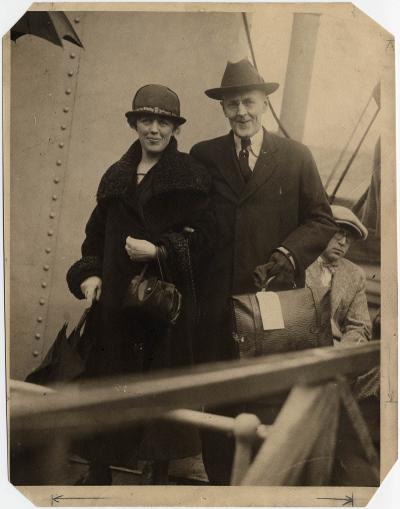
Top of the list is Paul Harris, the founder of the Rotary/Rotary International global service organization. He lived at 10856 S. Longwood Drive, and a new book about the history of the house has just come out, being sold as a fund-raiser for the restoration of the house. There will be more on that house and the book in a separate post. RHS researcher/writer Carol Flynn was a contributor to that book.
The publication of that book prompted starting a list of some of the historically important/famous people who have lived in the Ridge communities.
Here's a start on that list and more entries are welcomed. The criteria for inclusion on the list is very broad: they have to have lived here and have significant recognition outside of our own community for the impact they have had on society, good or bad or perhaps just "sensational."
Here is a beginning list:
– Paul Harris, founder of Rotary/Rotary International
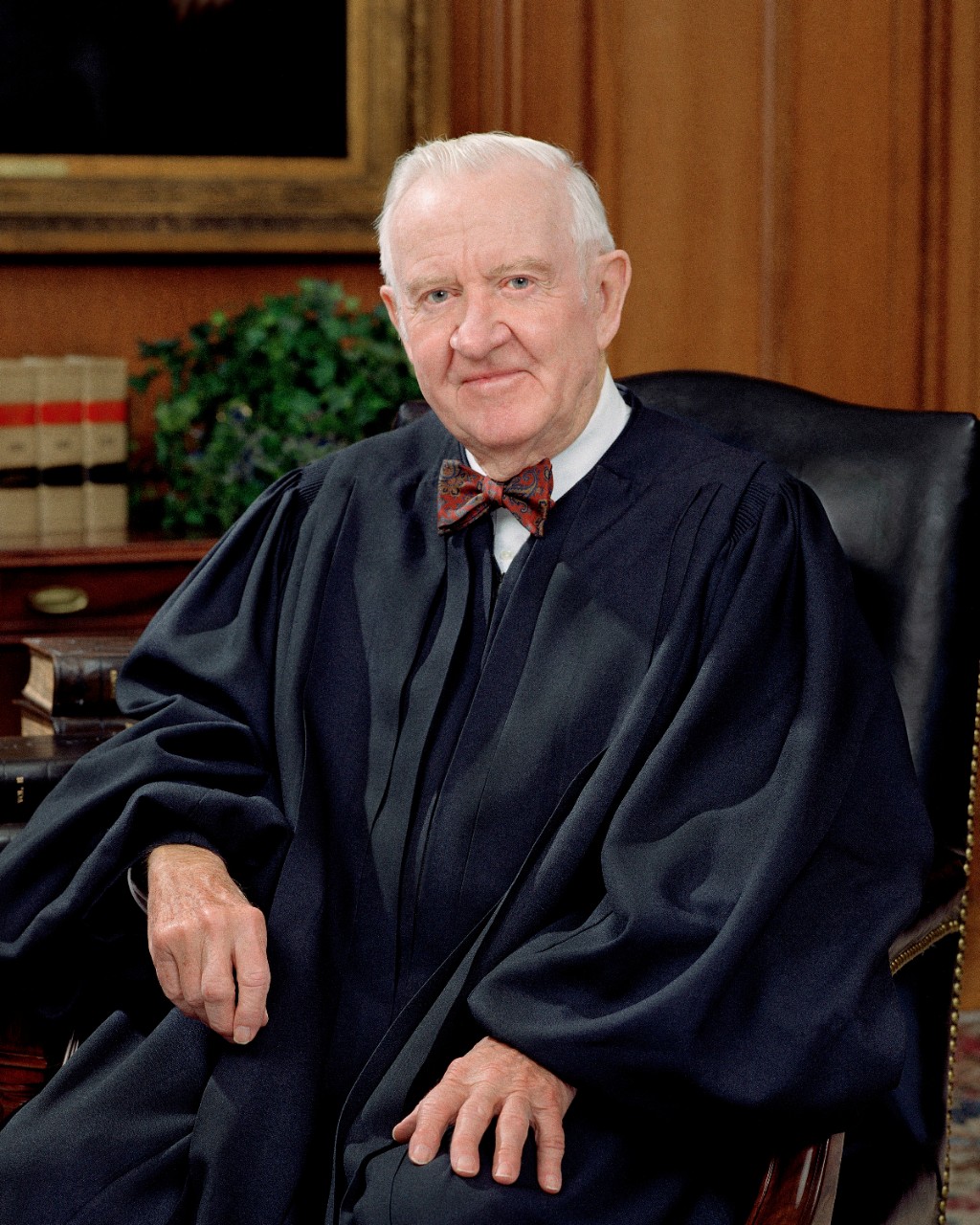
– John Paul Stevens, Justice, U.S. Supreme Court
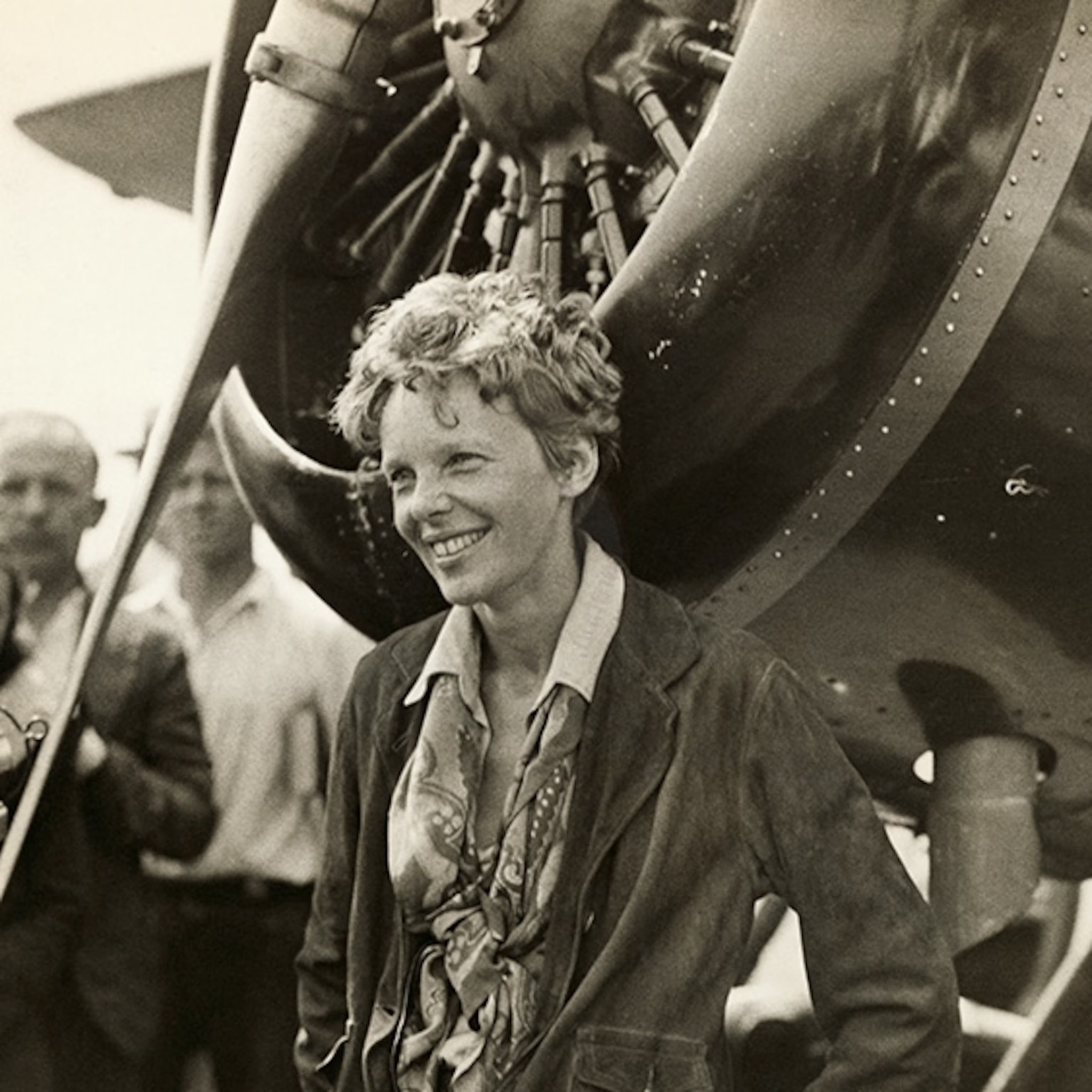
– Amelia Earhart, aviatrix
– William Merchant Richardson French, first executive director of the Art Institute of Chicago
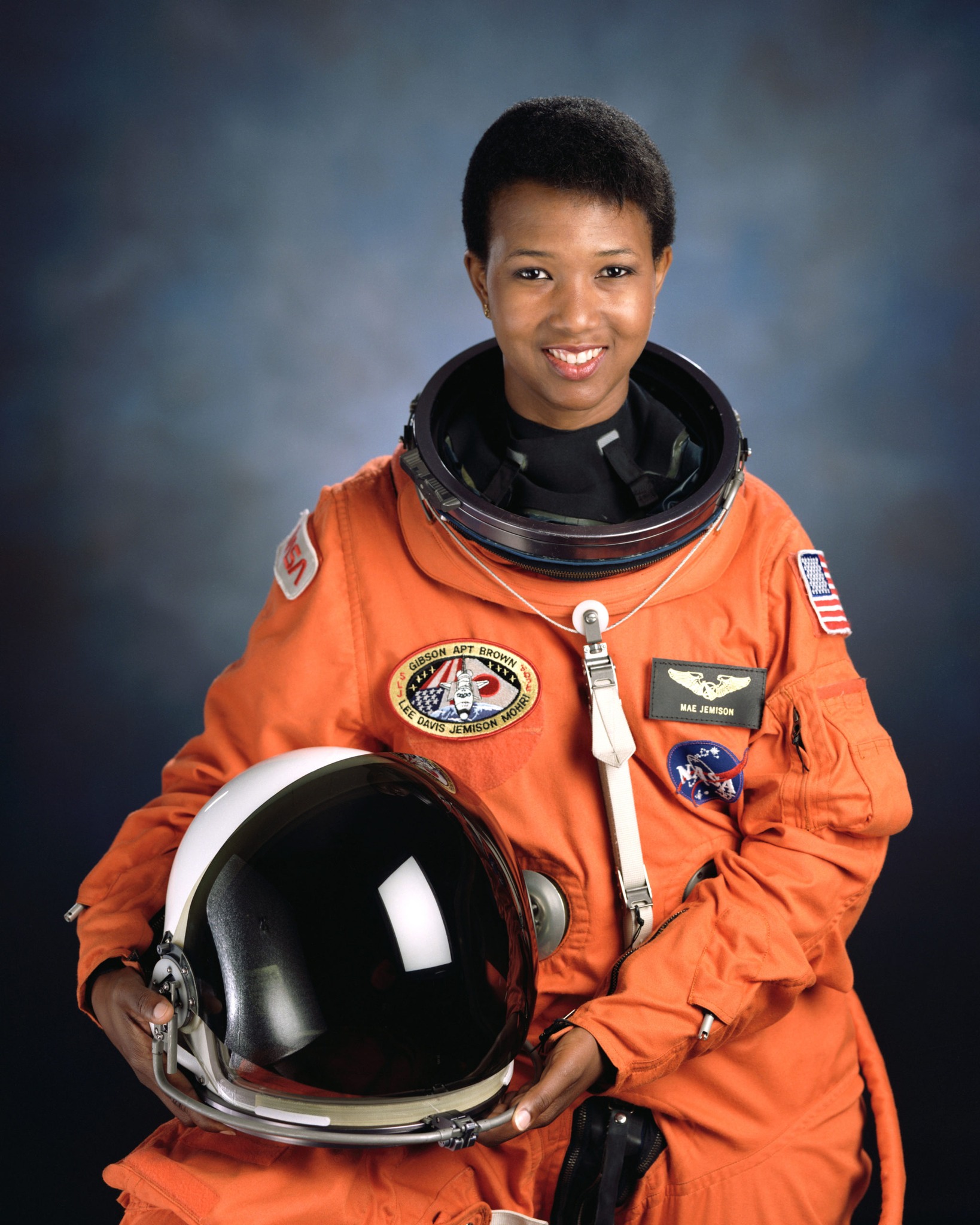
– Mae Jemison, U.S. Astronaut
– Pleasant Rowland, creator of American Girl Dolls
– Kathy Reichs, crime author and forensic anthropologist
– Thomas Seay, Imperial Potentate of the Ancient Arabic Order, Nobles of the Mystic Shrine (highest position in the Shriners)
– Dallin H. Oaks, First Counselor of the First Presidency of the Church of Jesus Christ of Latter-Day Saints (Mormon Church)
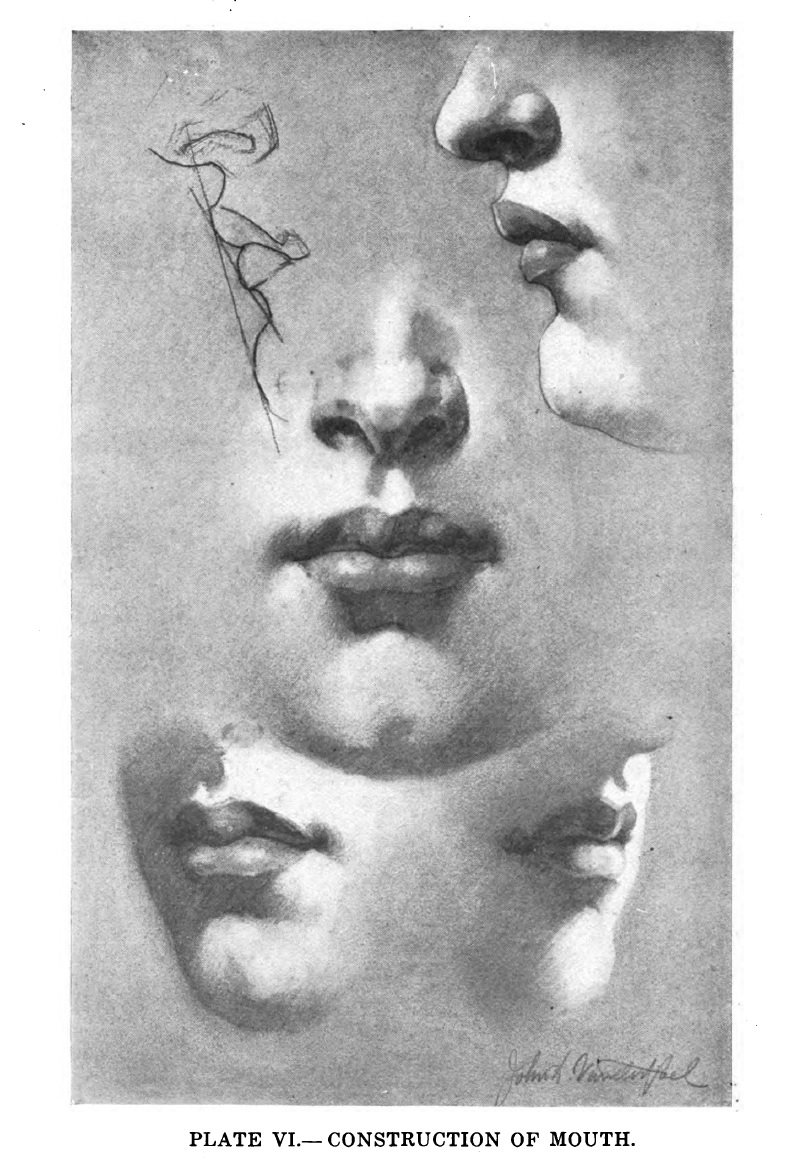
– John Vanderpoel, first head of the School of the Art Institute of Chicago, artist and author of "The Human Figure"
– William Rainey Harper, first president of today's University of Chicago
– Ruth Ellen Church, Chicago Tribune food columnist, first wine columns in the U.S.
– Actor George Wendt
– Actor Gary Sinise
– Ebenezer Peck, mentor to Abraham Lincoln, judge
– Kanye West gets honorable mention because he went to school here but did not live here; same thing with Jenny McCarthy
There are a lot of people who can be added to a "second tier" list – their fame is more localized but does reach past this community to an extent. Some examples:
– Robert Platt, University of Chicago Geography Department
– Jack Simmerling, artist and preservationist
We can start a "Who's Who" for the Ridge communities, including current people.
Other names to include?
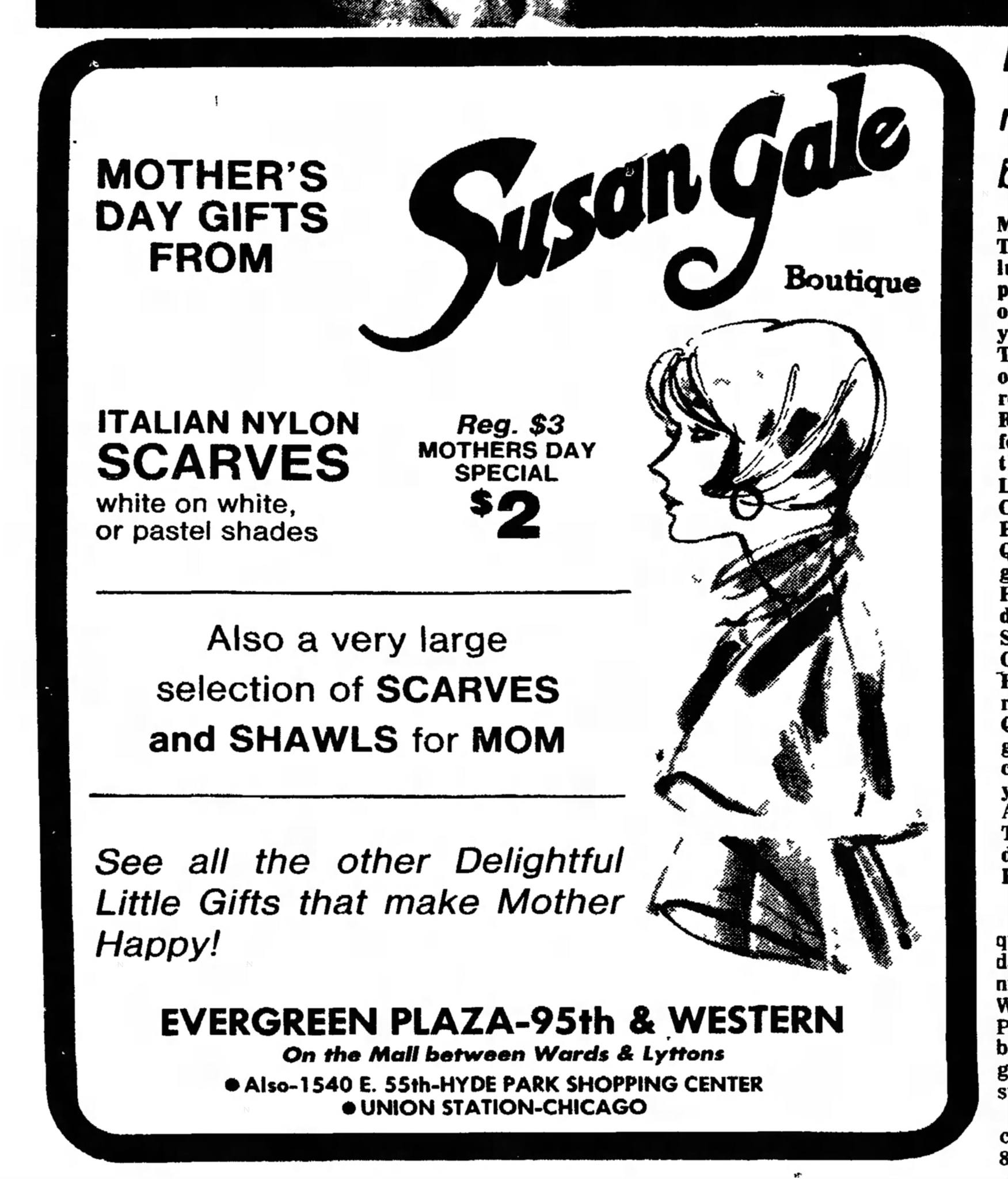
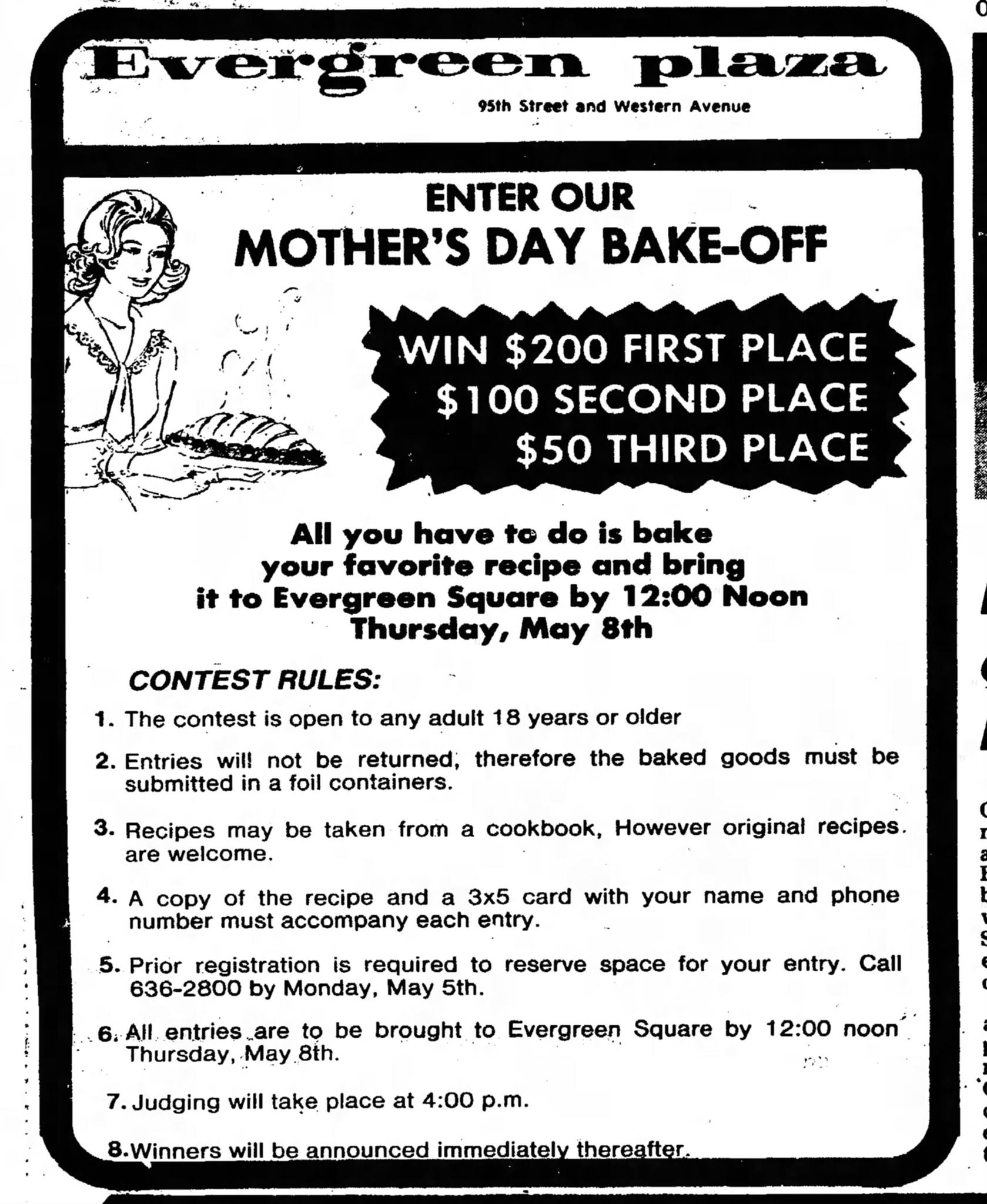
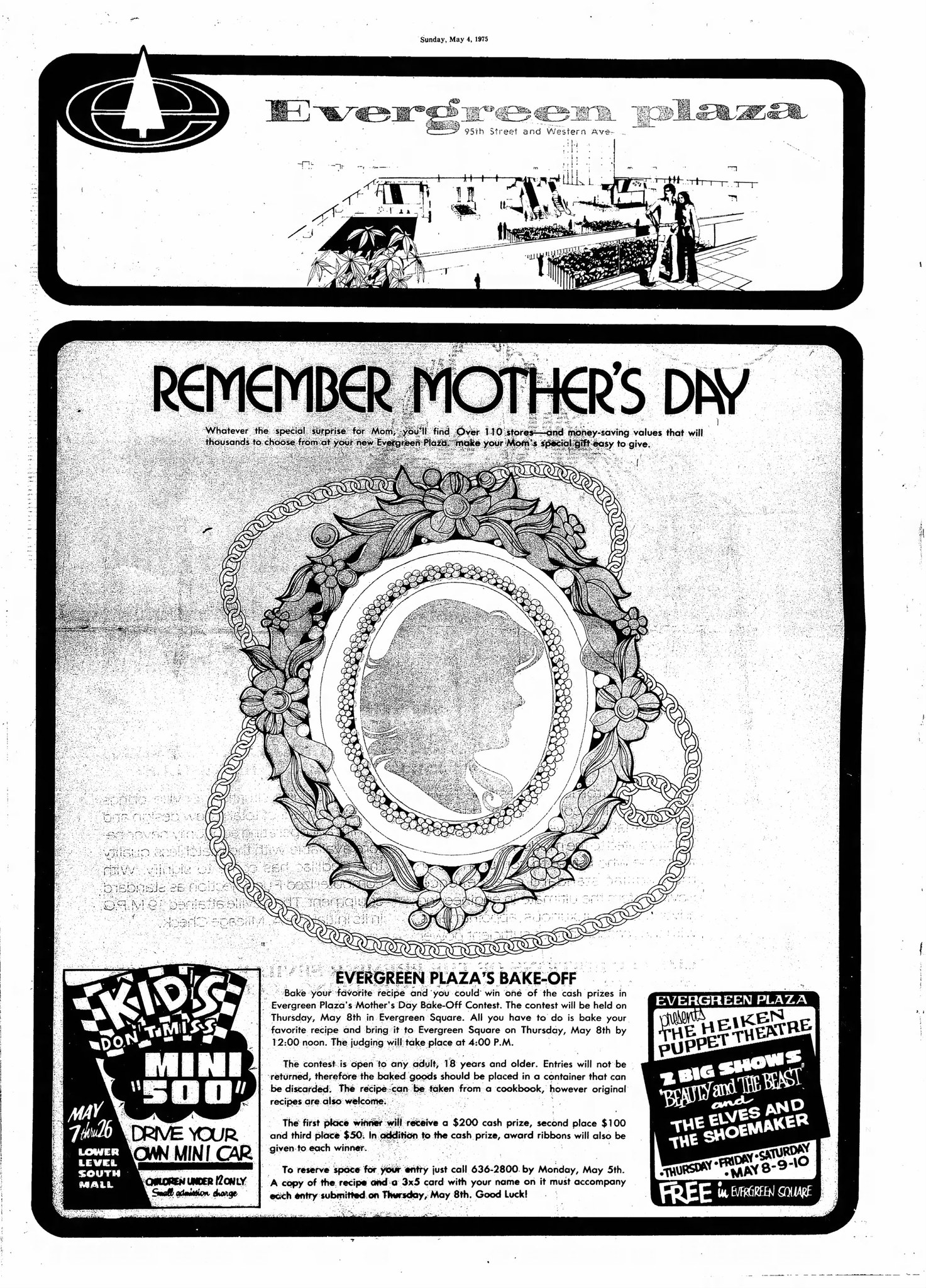
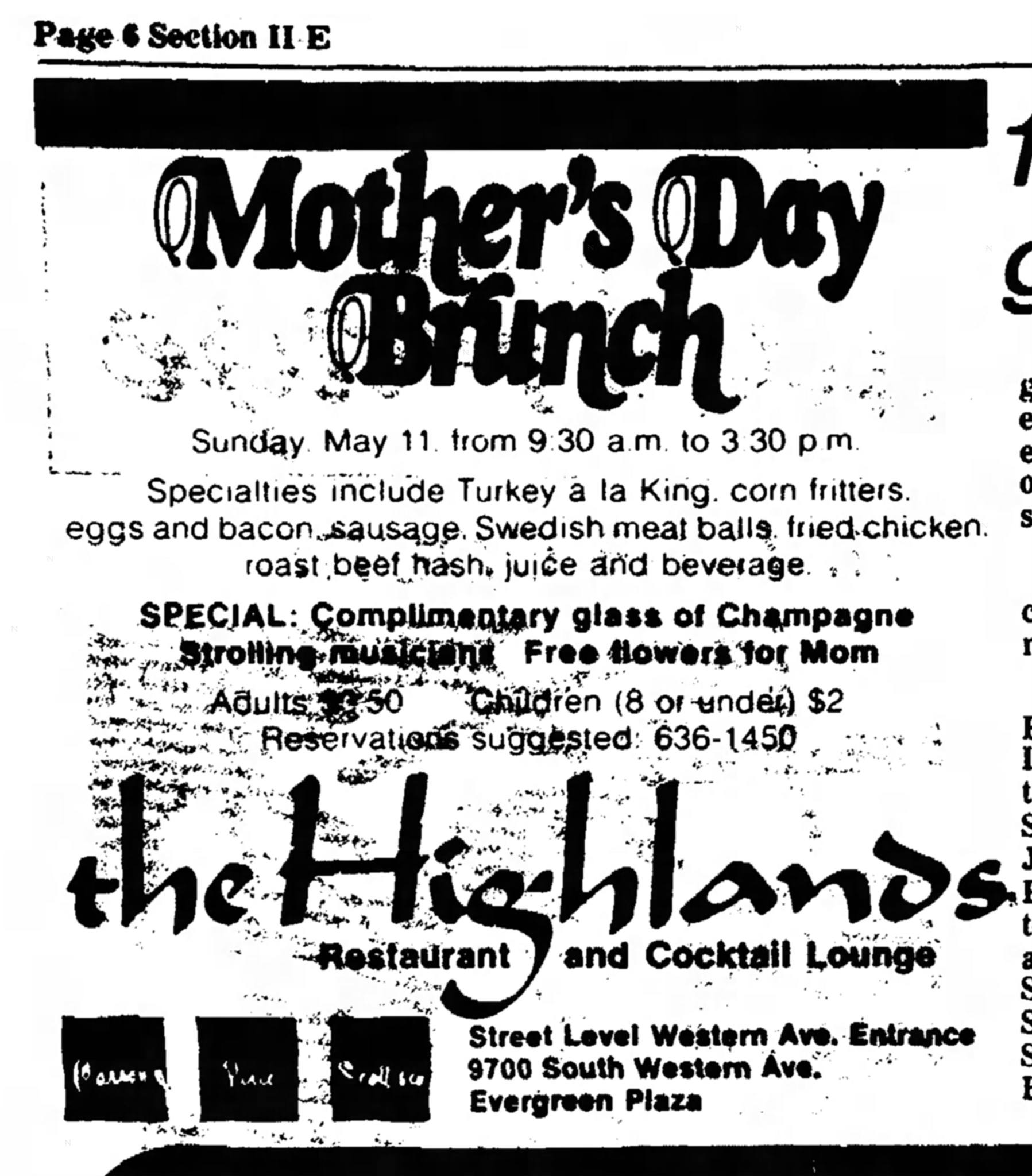
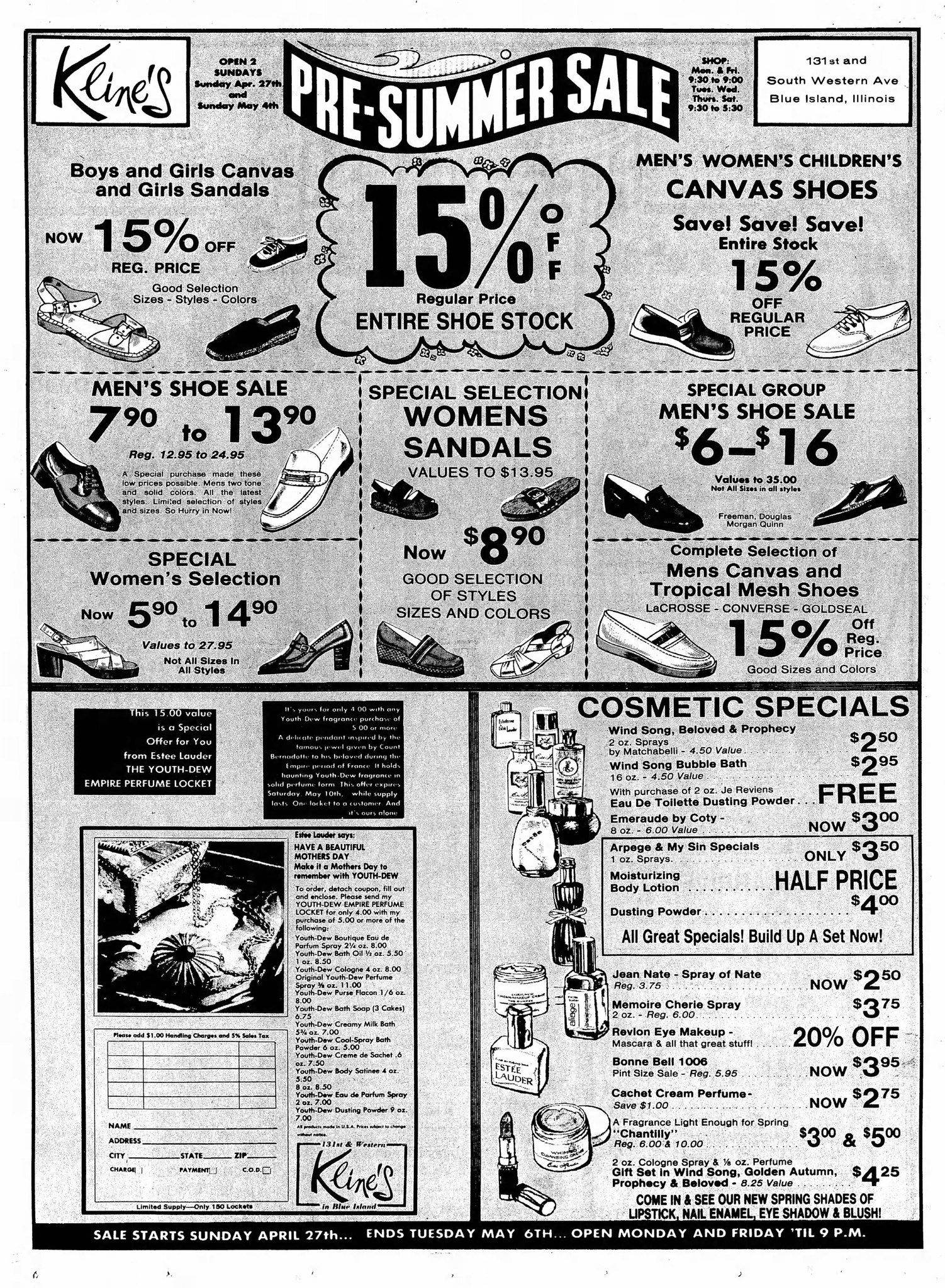

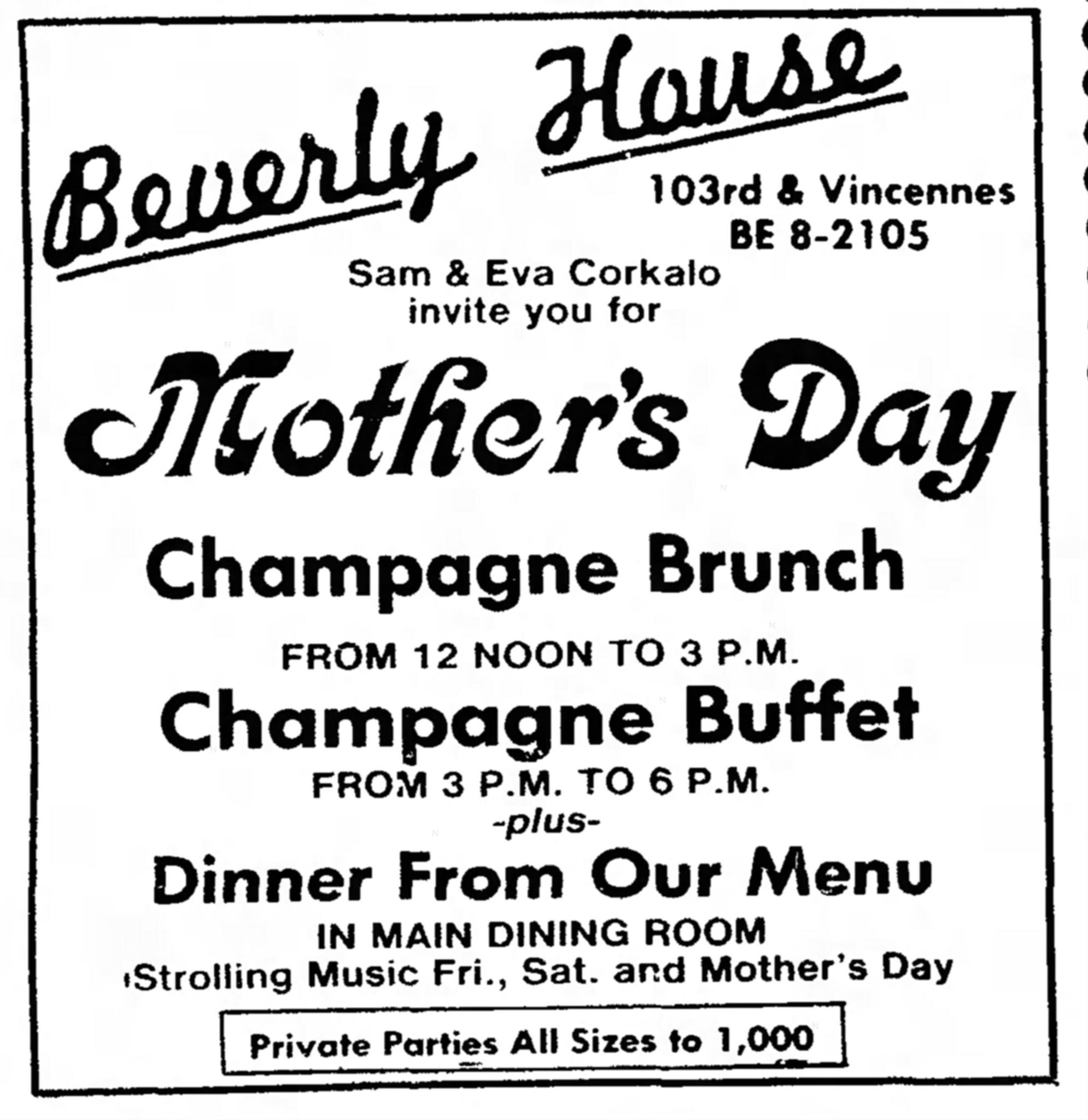
Happy Mother's Day from the Ridge Historical Society!
Here is some history nostalgia from the Ridge from fifty years ago.
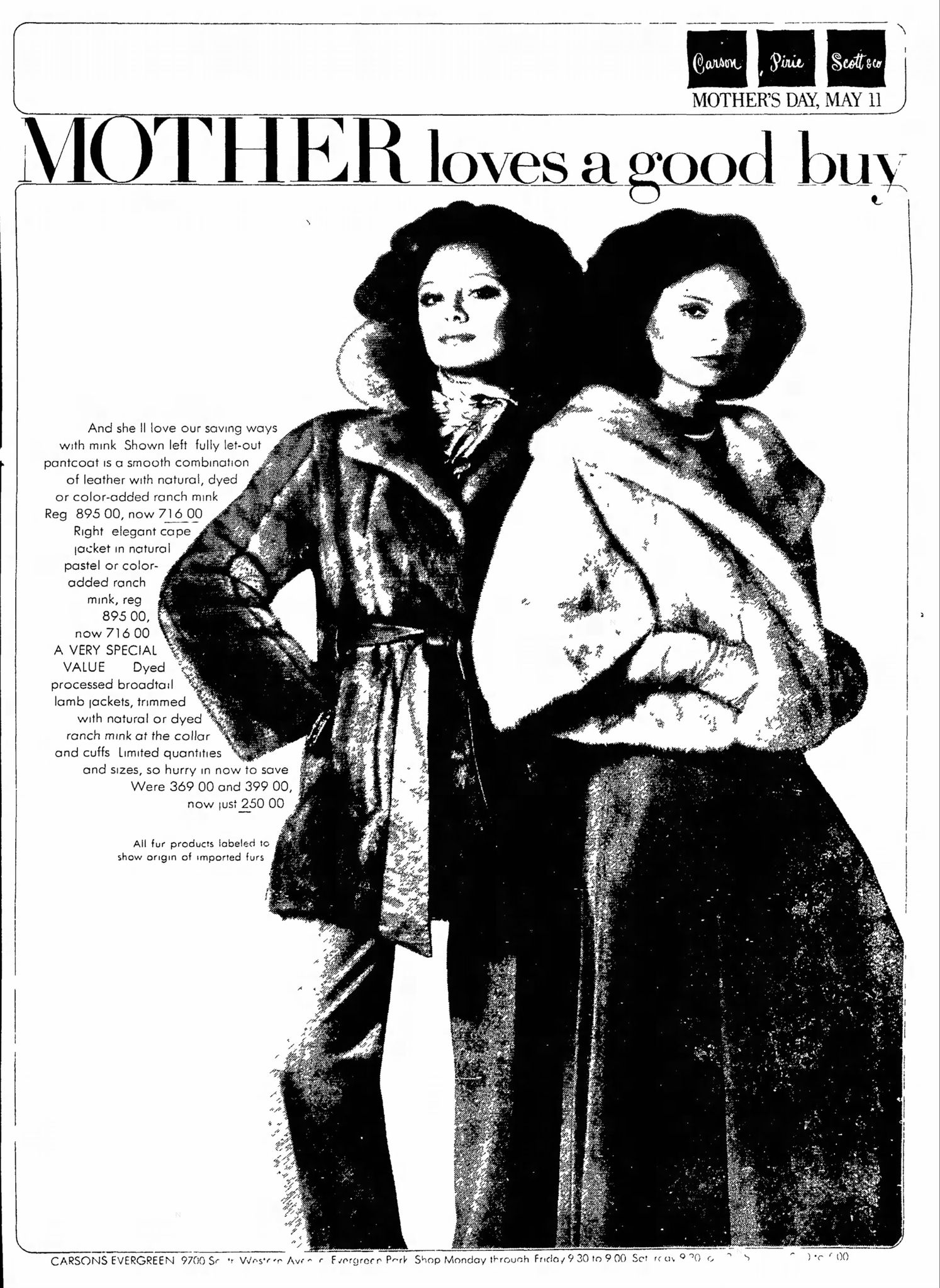
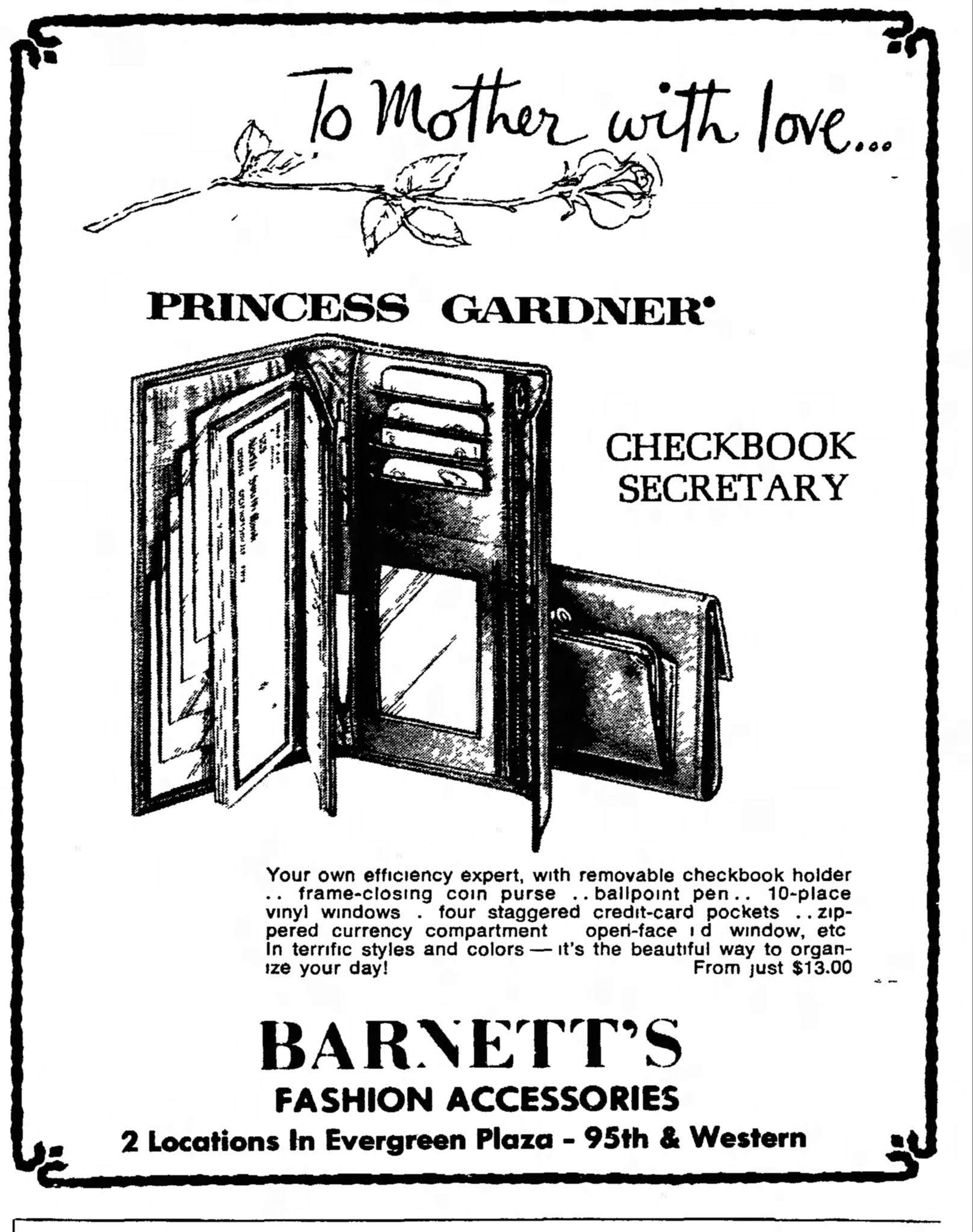
1975 newspaper ads are like a walk down Memory Lane:
Shopping for Mother's Day gifts at Evergreen Plaza or Klein's Department Store in Blue Island. Evergreen Plaza even had a baking contest that year. And of course, you could also eat at the restaurants in the Plaza.
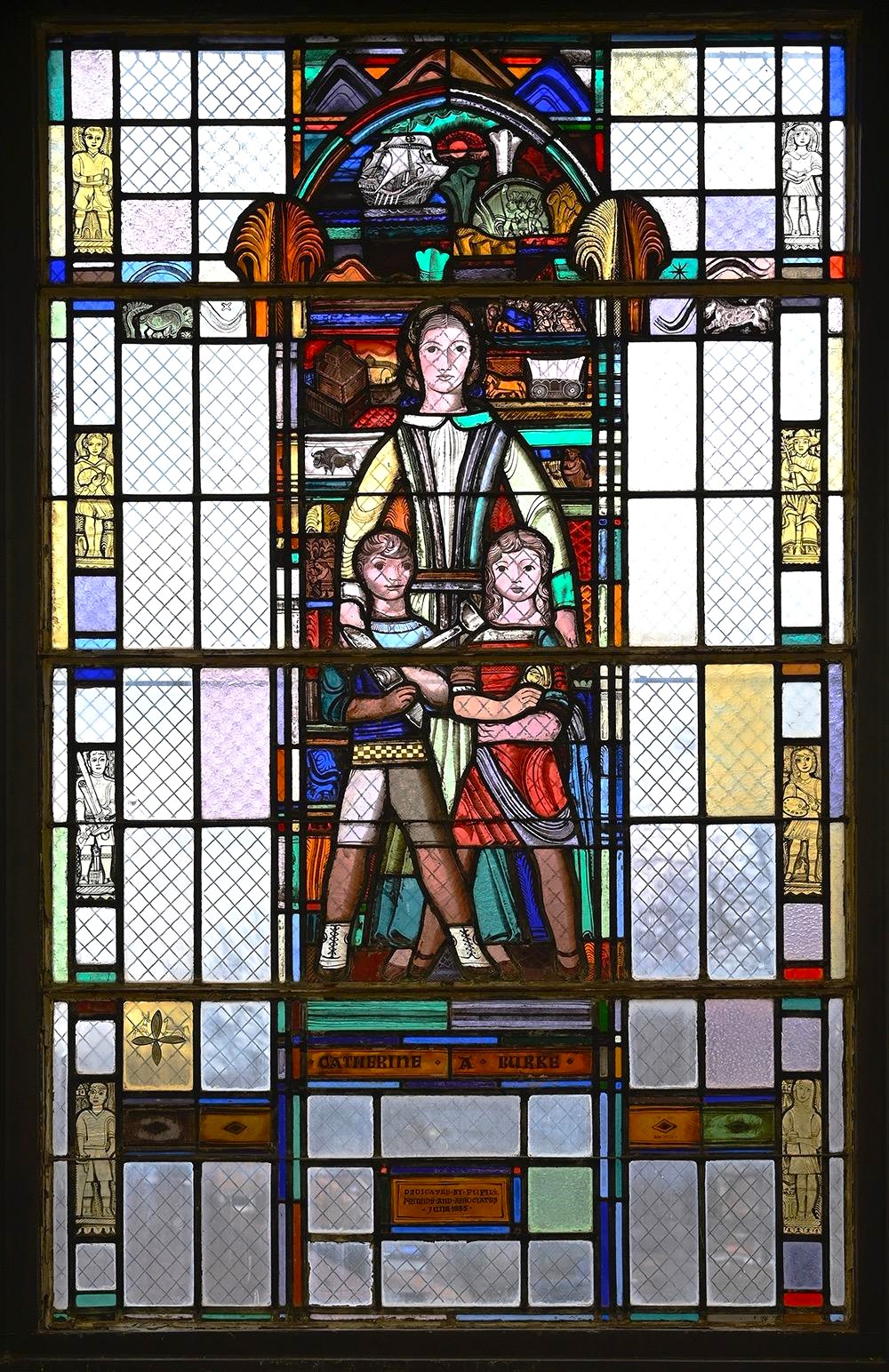
Making your own hand-crafted gift for Mom.
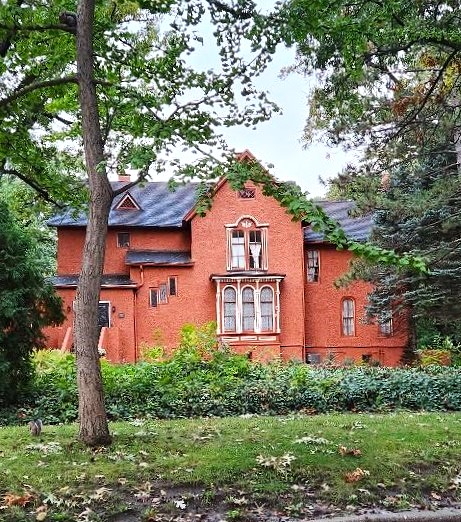
Perhaps dinner at the Beverly House, a popular place on Vincennes for many years. .
The Ridge Historical Society
Teachers and Schools of the Ridge
By Carol Flynn
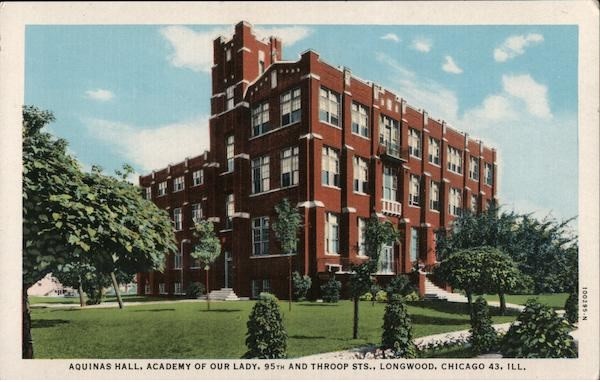
Last week was Teacher Appreciation Week, May 5 -9, which inspired the exploration of the role teachers and schools have played in the development of the Ridge communities.
This post got delayed for a few days because of the excitement surrounding new Pope Leo XIV, Robert Francis Provost, who not only is American, but came from the south Chicagoland area.
His election ties in well with this theme because he is from an education background. His father was a teacher and Fr. Provost himself taught math part-time at Mendel High School and was a substitute teacher of physics at St. Rita High School.
As the head of the Midwest Provincial of the Augustinians, he oversaw schools run by the Order of St. Augustine (OSA) in the U.S. He was then named Prior General of the entire Augustinian Order and was responsible for schools throughout the world.
Teachers and schools have been a major part of Ridge history since the earliest days of settlement.
One of the first permanent settlers on the Ridge was William Barnard, a graduate of Amherst University in Massachusetts.
Deciding to seek new opportunities in the West, in 1846 he made it as far as Chicago, where he had a chance encounter with Thomas Morgan, the wealthy Englishman who bought over 3,000 acres of land on top of and surrounding the Blue Island Ridge. Morgan talked Barnard into taking a job as tutor for Morgan’s children. Barnard moved to the Ridge, and other family members soon followed, including his sister, Alice Lucretia Barnard.
Alice was educated in Massachusetts and later she attended Mount Holyoke Seminary. She began her teaching career at age 17 in Chicago in a one-room schoolhouse. She eventually became one of the first women principals of a Chicago public school.
Alice received considerable newspaper coverage in her lifetime – she was a celebrity in Chicago. She was described by the Chicago Tribune as “one of the best known teachers in Chicago.”
In 1890, the Washington Heights School was severely damaged by fire. It was closed for a few years while it was rebuilt, and in 1892 the school reopened, now named for Alice L. Barnard. The school is at 10354 S. Charles St.
The Ridge also had Elizabeth Sutherland, and the school named for her is at 100th and Leavitt Streets. “Bessie” was born as Elizabeth Bingle Huntington in Blue Island in 1851. Her father, Samuel D. Huntington, farmed and raised livestock, was involved in the railroads, and was Constable and Sheriff. Her mother, Maria Robinson Huntington, was likely the first schoolteacher on the Ridge.
In 1883, Bessie was named Principal of the Washington Heights School. She was the first woman to be named principal of a Cook County school. As reported above, after a fire, the school was renamed the Alice L. Barnard School.
Bessie Huntington married David Sutherland on her 43rd birthday. Back then, women teachers were not allowed to marry and keep their jobs. Alice Barnard never married.
Kate Starr Kellogg was another legendary teacher in Chicago who has a school at 92nd and S. Leavitt Streets named for her. She was born in New York, and when the family moved to the Chicago area, they established their family farm on the land at 95th Street and Hamilton Ave. where Little Company of Mary Hospital is now located.
Kate was named a Chicago district superintendent in 1909. She introduced parent-teacher associations, and supported teachers’ unions.
Two other Kellogg daughters were also teachers. Harriet taught with the Chicago Public Schools. Alice Kellogg Tyler became a well-known artist who taught at the School of the Art Institute of Chicago.
It has long been folklore that Robert Givins built his castle at 103rd St. and Longwood Drive for an elusive fiancée from Ireland who haunts the place. In reality, when he built the castle, his wife was Emma Steen, a Chicago public school teacher of Norwegian descent. Through the Chicago Woman’s Club, she championed domestic science education programs, the forerunner of Home Economics.
Morgan Park was founded as an education enclave. The Mount Vernon Military Academy, which became today’s Morgan Park Academy, was founded in 1874.
The Female College was founded in 1874 on top of the Ridge near 114th Street and Lothair Avenue. The Thayer family, Gilbert and daughter Julia, were the well-respected educators who ran that college. For a few years, the College operated out of the Givins Castle, but it was eventually absorbed into the University of Chicago.
The Baptist Union Theological Seminary was founded in 1865 along with the “Old” University of Chicago. George W. Northrup was President and Professor of Systematic Theology.
In 1877, Northrup and the Baptist Seminary were enticed to move to Morgan Park, near today’s 111th Street and Western Avenue.
Some very prominent educators related to the Baptist Seminary lived in Morgan Park. In addition to Northrup, there were William Rainey Harper, an acclaimed scholar, and Thomas Wakefield Goodspeed, a founder of the Morgan Park Baptist Church.
When the old University of Chicago closed in 1886, it was envisioned a new University of Chicago would replace it, built around the Baptist Seminary, in Morgan Park, but the decision was ultimately made to establish the new university in Hyde Park. Harper became the first president of the new university.
One of the major issues in Morgan Park’s decision to annex to the City of Chicago revolved around the community getting its own high school – Morgan Park High School. It wasn’t until the community residents were assured that the high school they were raising funds to build would not be impeded in any way by the city that the Village of Morgan Park finally voted to annex to the city.
Teachers living in Beverly were major leaders of the kindergarten and playground movements in the late 1800s.
This included all five of the Hofer sisters – Mari, Bertha, Amalie, Andrea, and Elizabeth.
Mari excelled in music education for children in a variety of professional locations. Bertha started the first kindergarten in Chicago and later became the president of Columbia College Chicago. Amalie and Andrea started the Kindergarten Literature Co. Amalie was principal of Bertha’s school and a founder of the Playground Association of America. Andrea and Elizabeth started the Froebellian School for Young Women to train kindergarten teachers in North Beverly, and in the summers, they ran the school as the Longwood Summer School.
Elizabeth’s husband George Lawrence Schreiber was an artist/teacher, just one of many well-known artist/teachers who lived on the Ridge, including John H. Vanderpoel, the first head of the School of the Art Institute of Chicago, and his sister, Matilda, who also taught there.
Other art teachers included Louise Barwick and Ida Casson Heffron, and more recently, Jack Simmerling.
Trade schools, or “industrial arts schools,” were also addressed by people like Madame Alla Ripley, a fashion designer and influencer who lived here. She advocated for teaching the making of fine items by hand and lectured on creative dressmaking. She worked toward the development of an industrial arts school in Chicago. Classes were started at the School of the Art Institute of Chicago in the late 1920s.
The Howe family had two famous educators. Edward was a science teacher, author of books on science education, and principal of the U. of Illinois Preparatory School in Champaign-Urbana.
Annie Lyon Howe established the Glory Kindergarten in Kobe, Japan, which became the model for kindergartens throughout that country. She lived there for 40 years.
The Loring School for Girls was a private school that flourished in Beverly at 107th St. and Longwood Drive. Started in 1876 by Stella Dyer Loring, daughter of Charles Volney Dyer, physician in the 1830s for Fort Dearborn and an ardent abolitionist, it moved to Beverly in 1935. It closed its doors in 1962.
Mount Greenwood is home to two prestigious education institutions.
St. Xavier University was founded as a “female academy” by the Sisters of Mercy in 1846 in downtown Chicago. Young women of all religions attended the school, including Bertha Honore who became the famous Mrs. Potter Palmer.
After its buildings burned down in the Great Chicago Fire of 1871, the school moved out to the Ridge that was quickly developing as a prime suburban spot.
Mt. Greenwood also boasts the Chicago High School for Agriculture Sciences, which opened in 1985. The establishment of this school was highly controversial and opposed by many of the people in the community, but today it is one of the highest ranking schools in the city.
This is just a beginning discussion of teachers and education institutions on the Ridge or connected to the community that were part of the development of the area.
There are many more stories to tell and no doubt the readers of this post have many interesting comments to add.
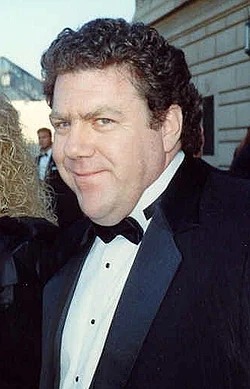
George Wendt, the actor best known for playing Norm in the TV sit-com "Cheers" has died at the age of 76.
The Wendts were residents of the Beverly community. His father was in the real estate business and a veteran officer of the U.S. Navy, and a director at Beverly Bank. Mrs. Wendt, Loretta, was active with the Little Company of Mary Junior Service Club.
In 1955, they were living at 9126 S. Bishop Street. They then moved to 9201 S. Bell Ave. They went to Christ the King Church.
George was George Robert Wendt III, the oldest son, born October 17, 1948, with one older sister, and five younger sisters and two younger brothers. .
George graduated from a high school in Wisconsin, and received a B.A. in Economics from a college in Kansas City.
He joined the legendary Second City, where he started by sweeping floors. He went on to small roles in movies and television, then was cast as Norm Peterson in 1982. He earned six Emmy nominations for best supporting actor.
His wife was Bernadette Birkett and they had three children.
RIP George Wendt, aka Norm