Explore the RHS Facebook Archives, a rich repository of local history written by Carol Flynn. For two decades, Carol brought a deeply dedicated voice to public education at RHS. Her role as Facebook administrator through mid-2025 naturally extended her prolific research into meticulously detailed articles, most notably her multi-part historical series posts. Today, Carol continues her local history writing for The Beverly Review and other outlets.
2019
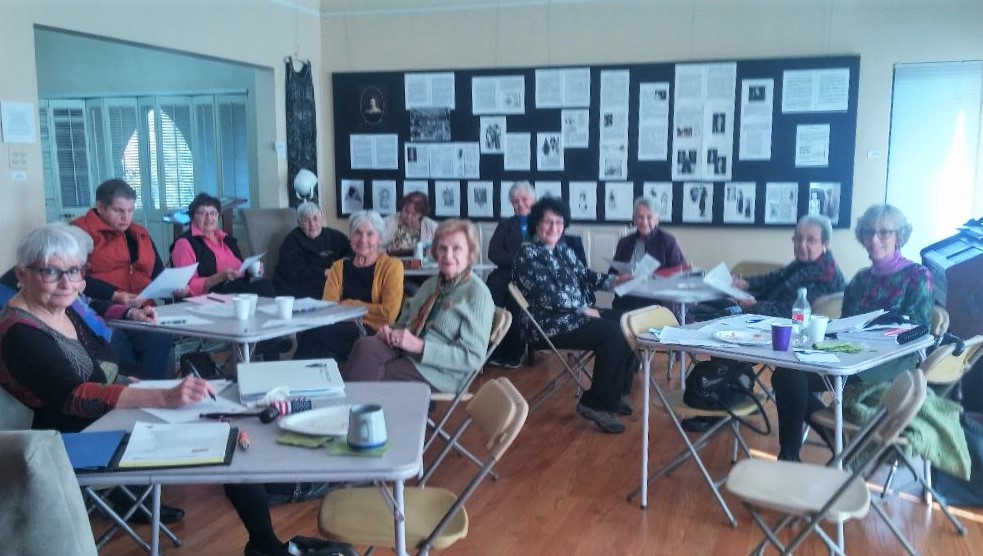
Today the Ridge Historical Society was honored to host the Morgan Park Woman's Club (MPWC) for its monthly meeting and a program on the current RHS exhibit, Threads of Imagination.
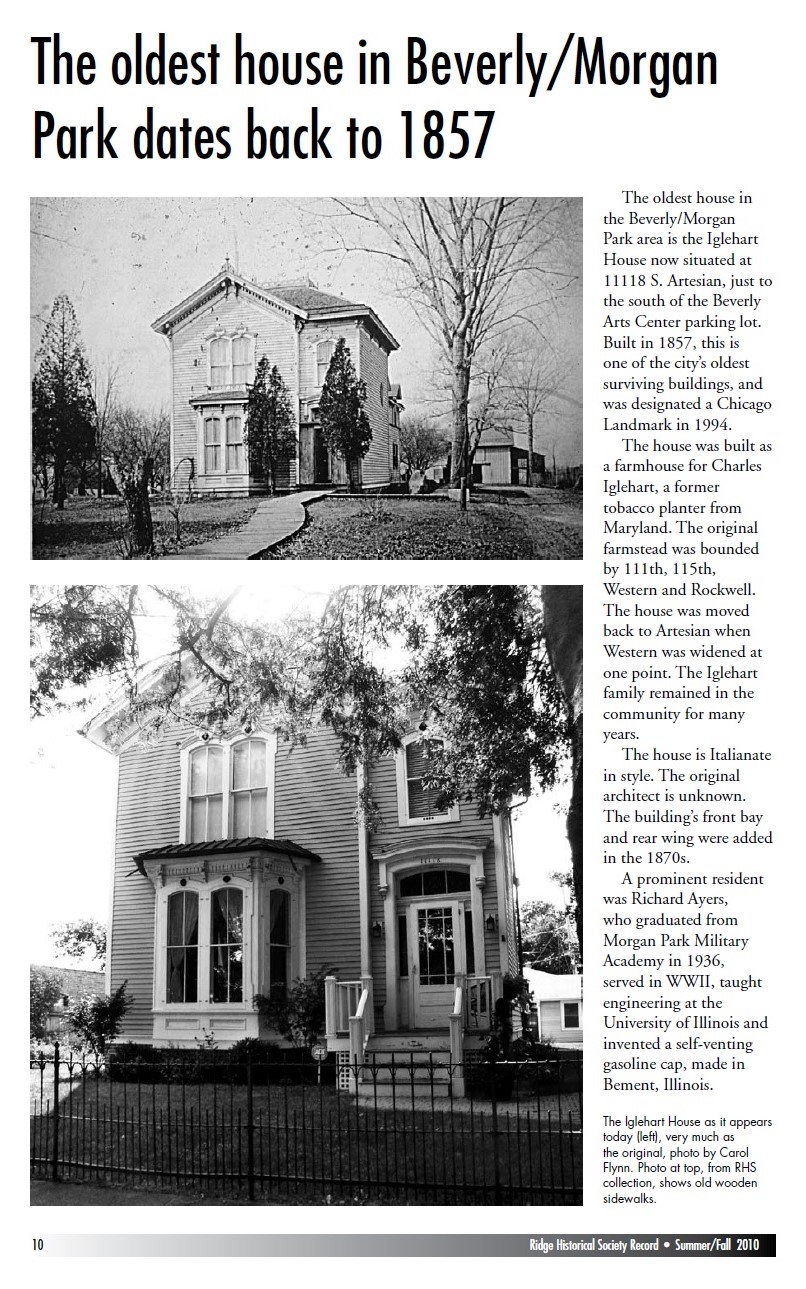
MPWC is the longest running women's club in Chicago, and the second longest in the state of Illinois. Formed on November 5, 1889, as "The Ladies Club of Morgan Park," the club adopted its current name in 1897. The famous Gertrude Blackwelder was an organizer of the group. The first meeting was held in the Iglehart House, one of the oldest houses not only in Morgan Park but in the entire City of Chicago, which was moved to its current location at 11118 S. Artesian from its original location at 111th and Western. The purpose of the club was intellectual self-improvement, and educational, philanthropic and civic causes. The Morgan Park Junior Woman's Club is an offshoot of the original MPWC.
MPWC has accomplished much good for the community, from advocating for women's right to vote over 100 years ago; to forming PTAs at the local schools; to working with the Chicago Park District in the 1930s to turn the land that is now Kennedy Park from a waste dump into a bird sanctuary and wildflower preserve; to today's projects including supplying books to local school libraries and clipping news articles for RHS.
MPWC has been recognized many, many times for its accomplishments, including an award from the Red Cross for many hours of service during World War II to just this month being named one of the Illinois 10 Outstanding Club Signature Project winners. The project was collecting socks for A New Direction, the local organization providing services for victims of domestics violence, something MPWC does every year. Interestingly, socks are the #! most requested item at shelters.
Women's clubs have an interesting history. Women's lives traditionally revolved around the home and family, and any "clubs" were usually church-based activities such as caring for the sick. All this changed with the U.S. Civil War, when women used their considerable organizational and management skills for relief efforts including care for the hundreds of thousands of soldiers and veterans. Following was the Progressive Era, that time of great social reform. Long denied membership in men's clubs, women formed their own clubs and became a mighty force to be reckoned with for the good of the country.
As new education and employment opportunities opened up for women, with time women found additional outlets for their interests and skills and most of the early clubs dissolved. But in Morgan Park the legacy of the crusading women of the past lives on.
Picture 1 – Today's MPWC at RHS. Photo by C. Flynn. Pic 2 – The Iglehart House, where it all began on November 5, 1889. RHS newsletter by C. Flynn. .
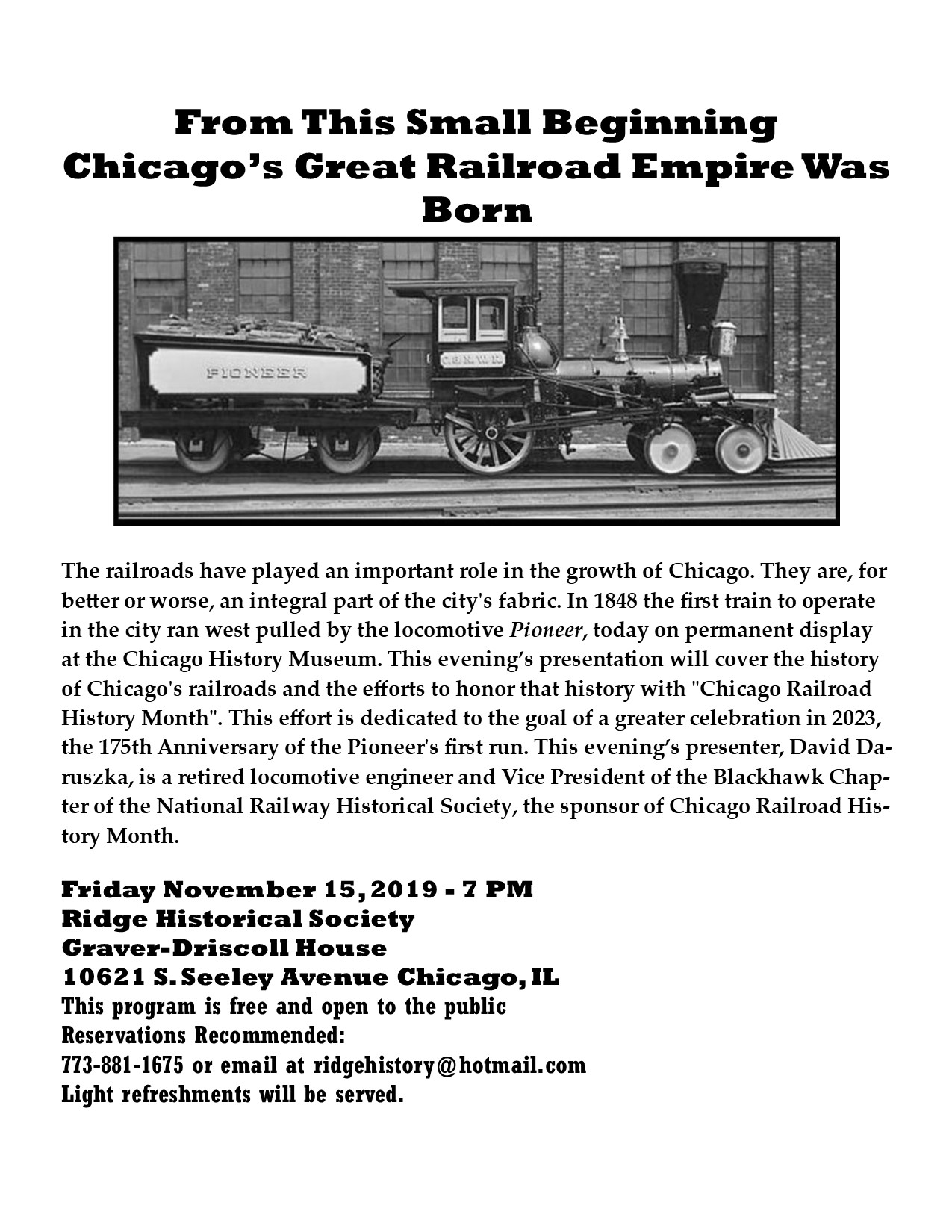
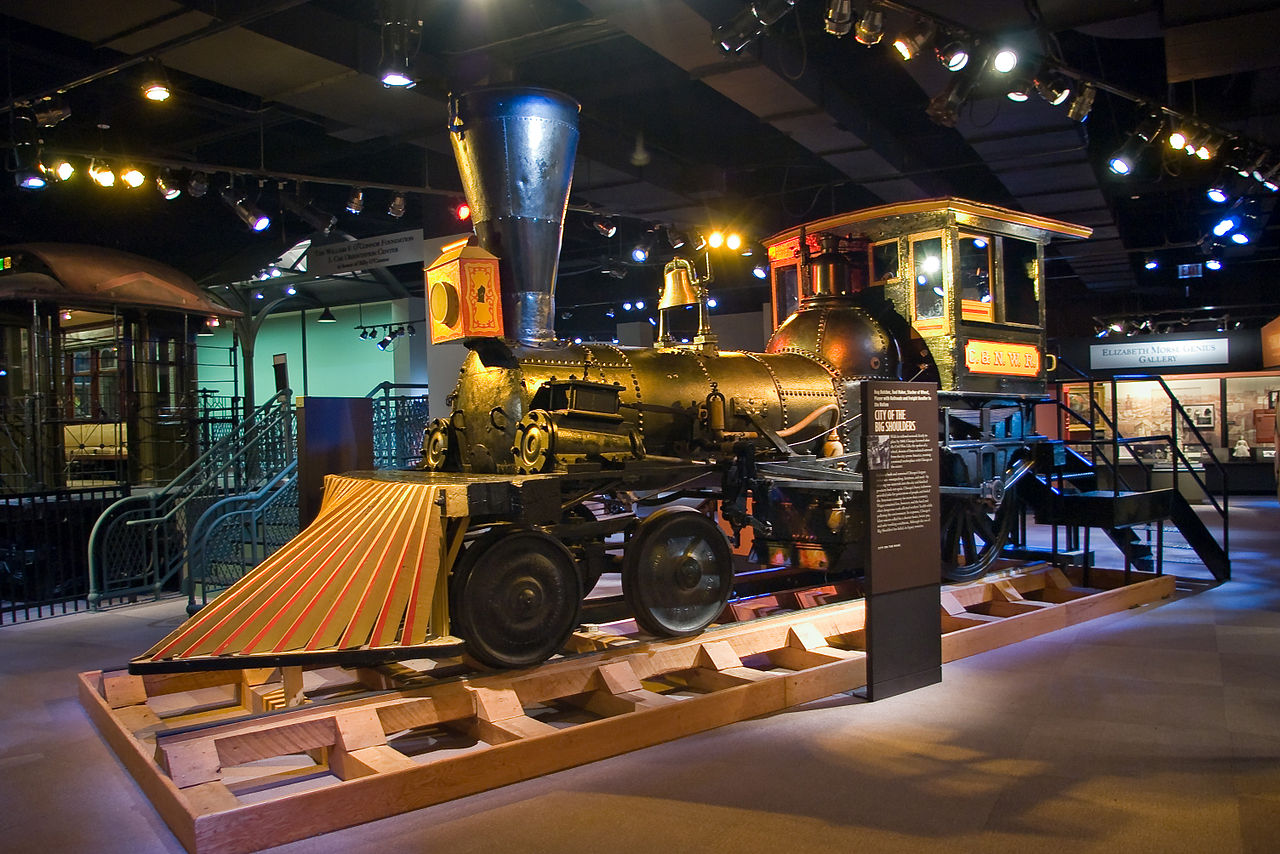
On Friday, November 15, at 7:00 p.m., the Ridge Historical Society will host the program, "From This Small Beginning Chicago's Great Railroad Empire Was Born." That "small beginning" was the Pioneer, the first locomotive to operate in Chicago, in 1848.
Speaker David Daruszka, a retired locomotive engineer and Vice President of the Blackhawk Chapter of the National Railway Historical Society, will be the presenter. The presentation will cover the history of Chicago's railroads and the efforts to honor that history with "Chicago Railroad History Month".
A flier for the program is attached. as well as a picture of the Pioneer at the Chicago History Museum, where it is on permanent display.
Reservations are suggested to give RHS a headcount. Call 773/881-1675 or email ridgehistory@hotmail.com. The program is free.
RHS is located in the historic Graver-Driscoll House at 10621 S. Seeley Ave., Chicago.
Today is Veterans Day. This is the day we honor those who have served in the United States Armed Forces.
The day started as Armistice Day 100 years ago. The major hostilities of World War I formally ended at the 11th hour of the 11th day of the 11th month of 1918, when the Armistice with Germany went into effect.
The first anniversary of this day, the first Armistice Day recognition, occurred November 11, 1919. Throughout the country, the day was remembered by proclamations and events.
At 11:00 a.m., all traffic and business in the Chicago Loop stopped. Pedestrians faced toward the east, towards Flanders Fields, for a minute of silence to “render homage to the memory of the soldiers, sailors and marines sacrificed in the war,” per the direction of Mayor William Hale Thompson. Flanders Fields are the WWI battlefield sites in Belgium and France, the “Western Front,” that today are filled with tens of thousands of red poppies.
At 11:01 a.m., bands in various parts of the Loop, arranged by the Red Cross, began playing, with singing leaders to direct the crowds in patriotic songs. The bands played until 2:00 p.m.
The American Legion, a new veterans organization formed just that year, held an athletic carnival at White Sox Park. Special events were held for the city’s 360,000 school children. Clergymen made the Armistice the subject of their sermons, and businesses and homes decorated with the U.S. flag.
Congress declared this day a federal holiday in 1938. After World War II, the day was expanded to include all veterans, and was renamed Veterans Day in 1954.
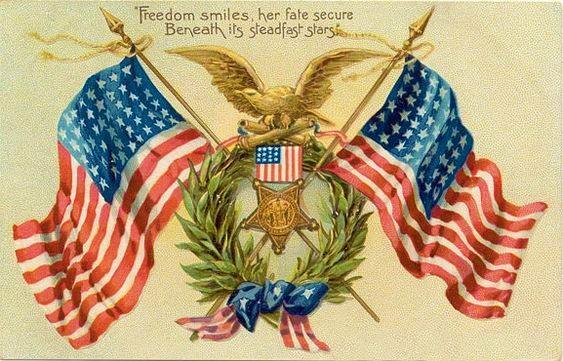
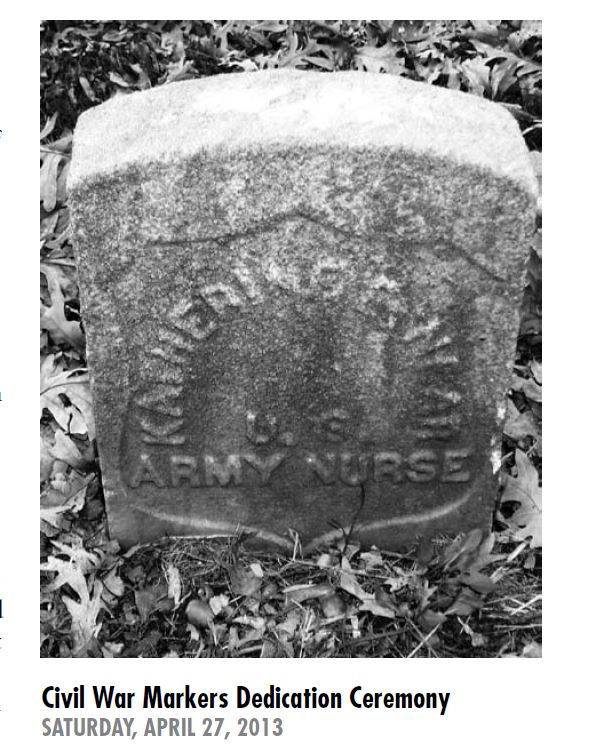
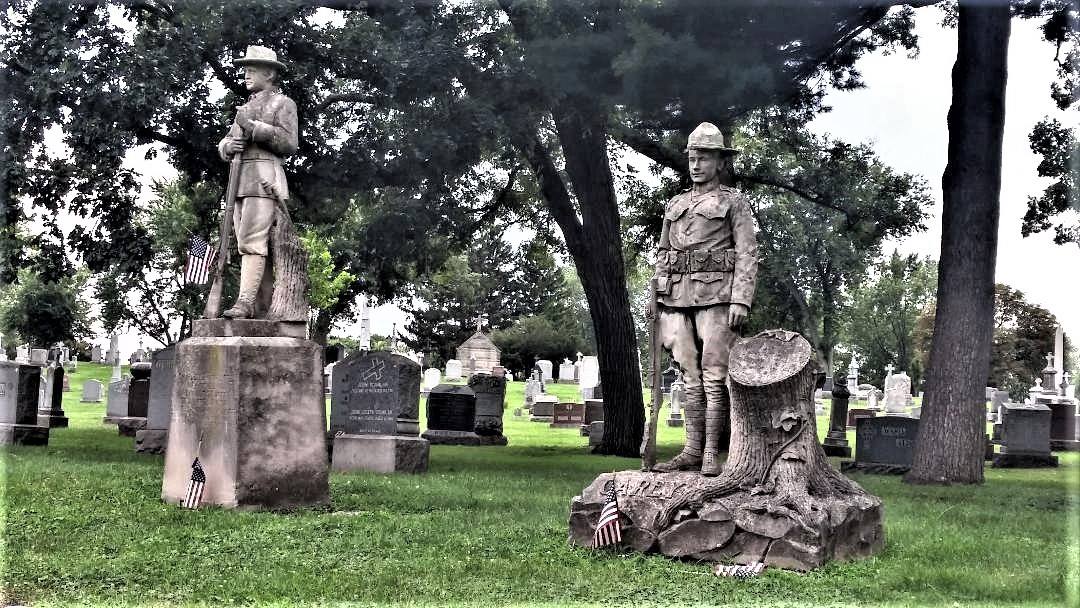
Some sites and sights to bring Veterans Day home to the Ridge communities: A vintage postcard; the grave site of Kate Near, U. S. Civil War nurse, at Mt. Greenwood Cemetery; graves with soldier statues at Mt. Olivet Cemetery; the memorials at Ridge Park. Photos by C. Flynn.
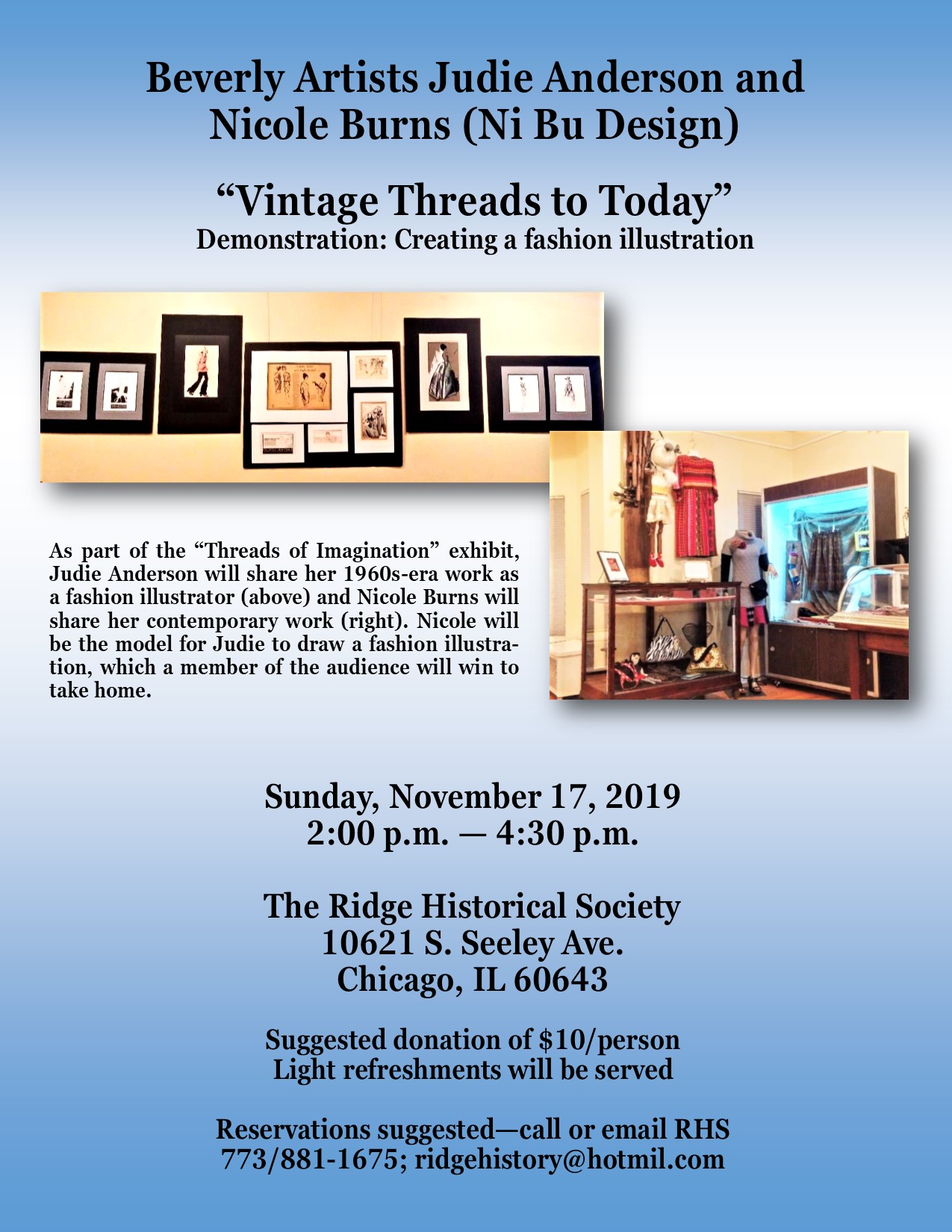
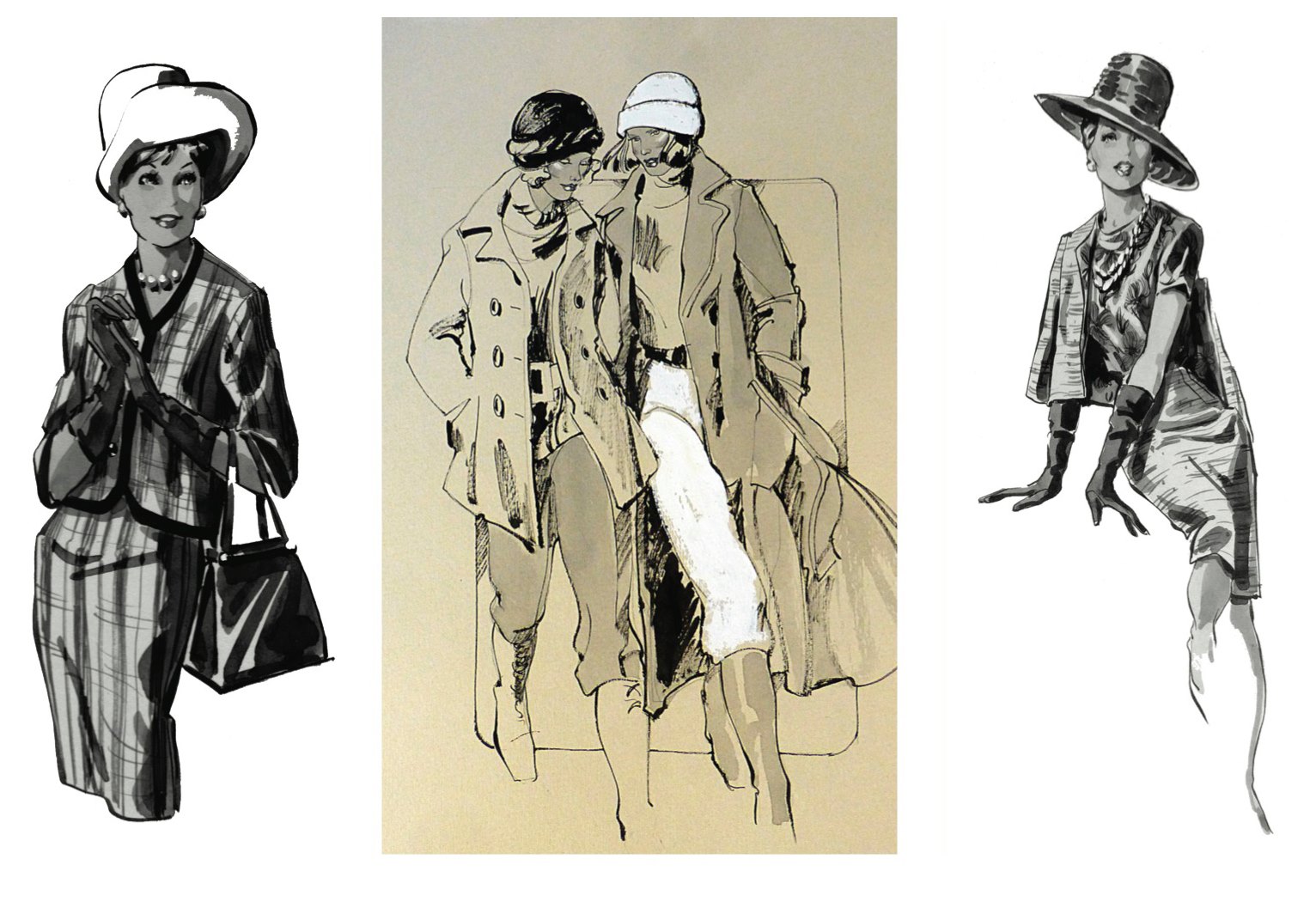
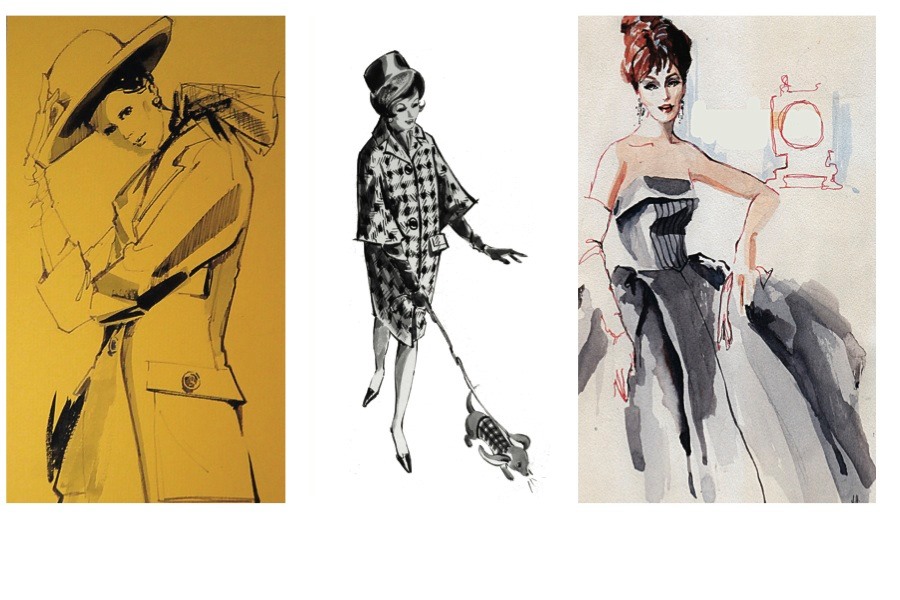
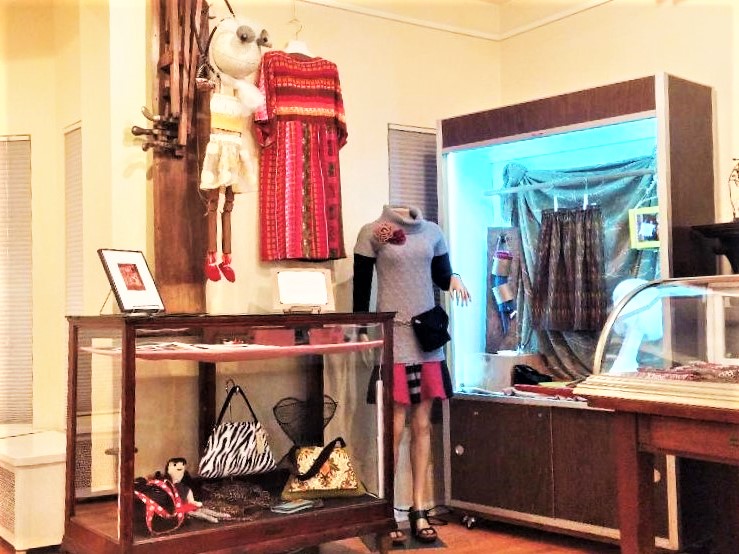
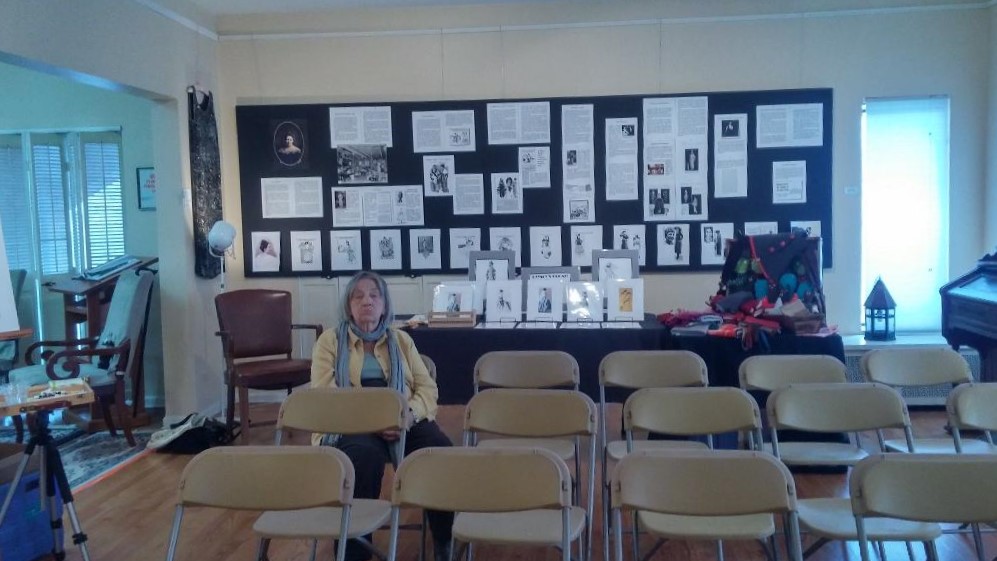
The Ridge Historical Society is hosting a special program this coming Sunday, November 17, 2019, at 2:00 p.m., as part of the current "Threads of Imagination" exhibit. In "Vintage Threads to Today," two of the local artists participating in the exhibit will partner to share their stories and talents with the audience.
Judie Anderson will discuss her early position in fashion illustration at Chicago's American newspaper, and share original examples of her work. Prints of some of the illustrations will be for sale.
Nicole Burns of Ni Bu Design will also discuss her creative process. Nicole creates eclectic art pieces based on vintage fabrics and designs. Her work will be displayed and for sale.
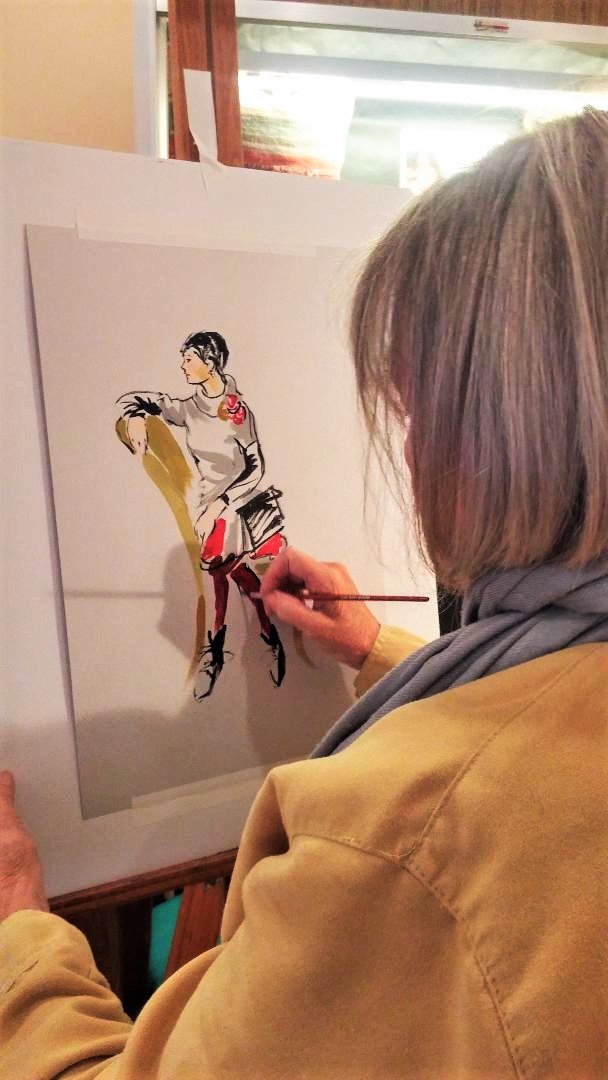
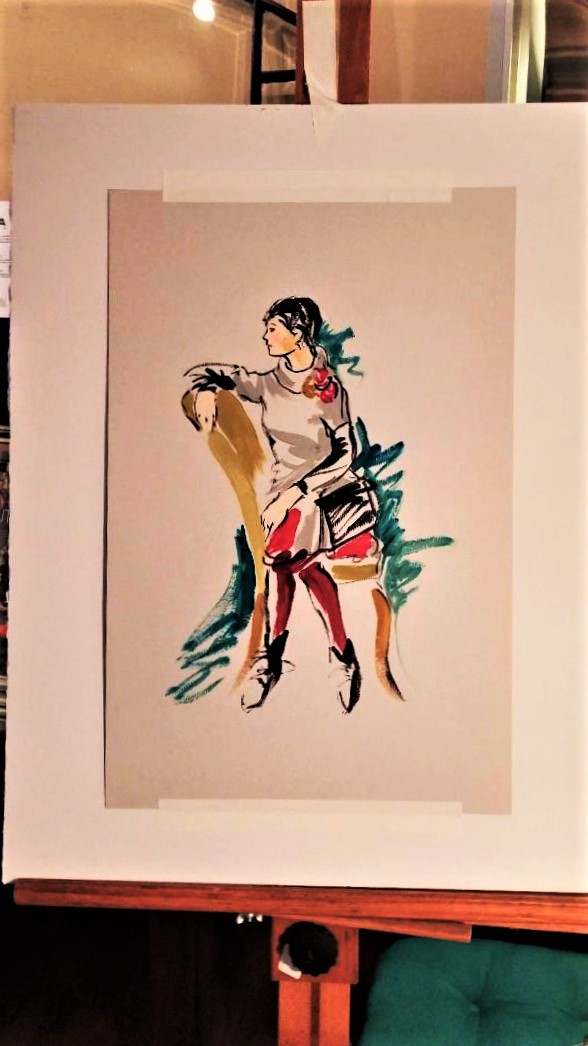
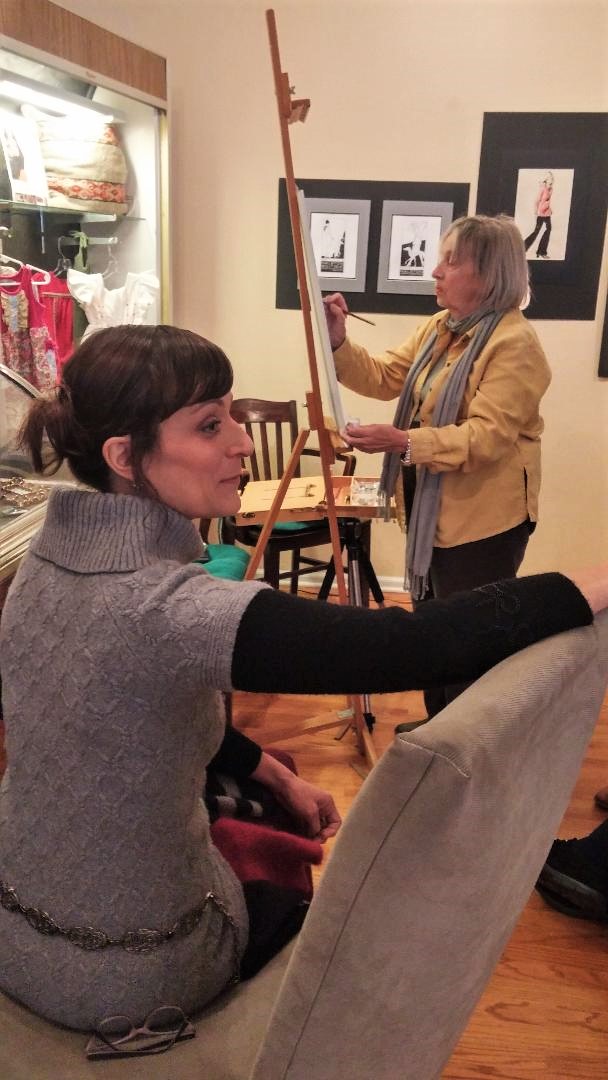
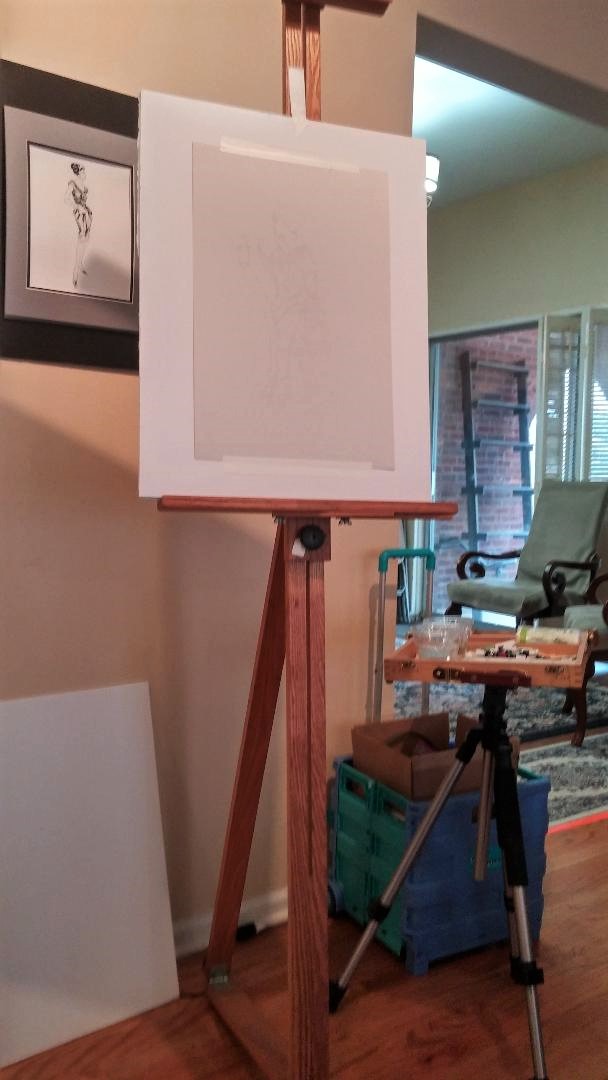
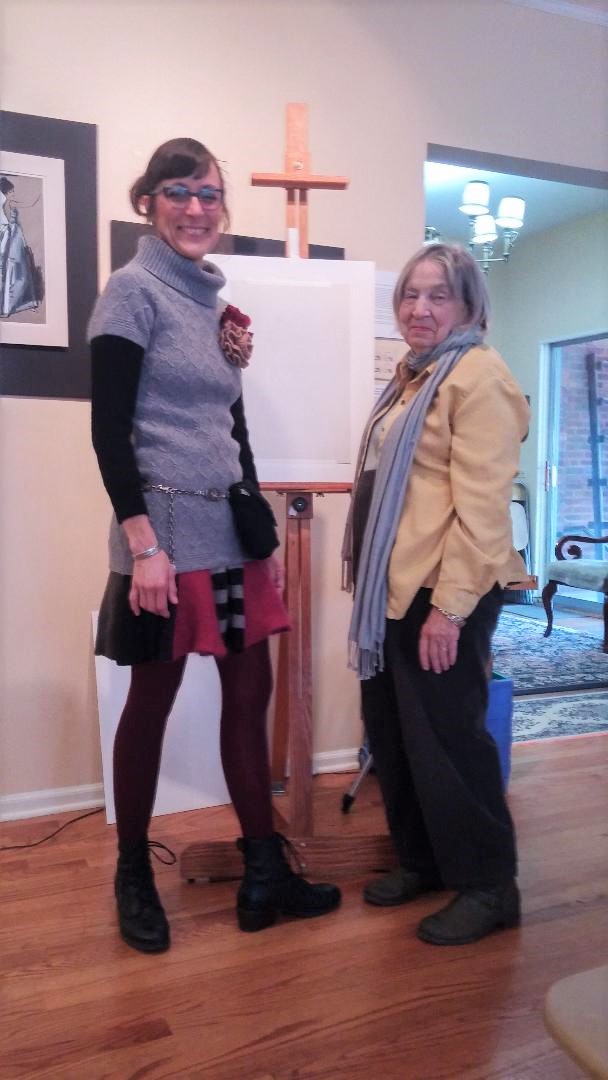
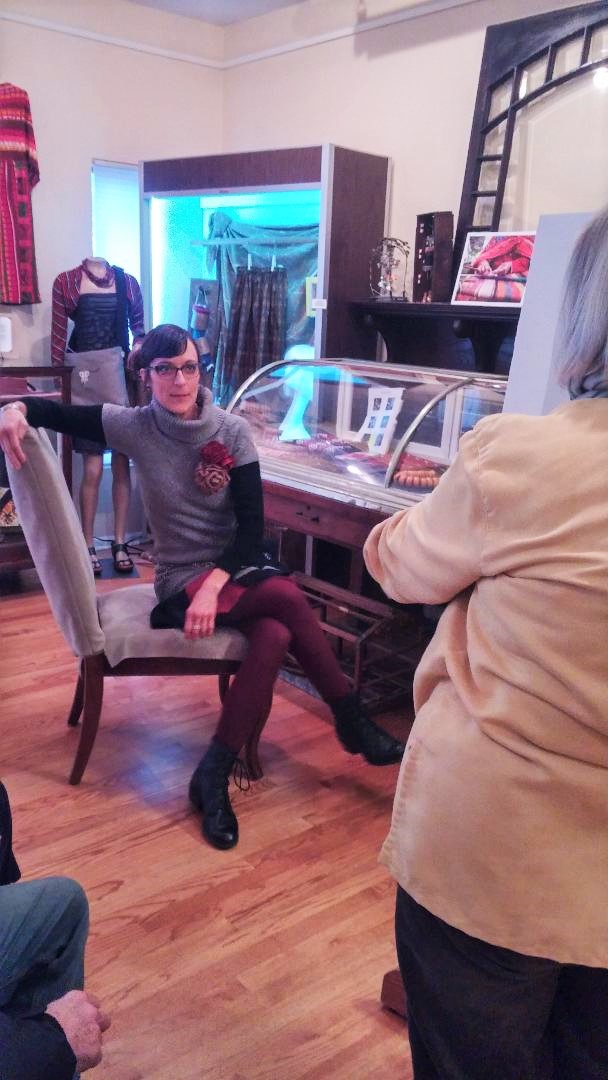
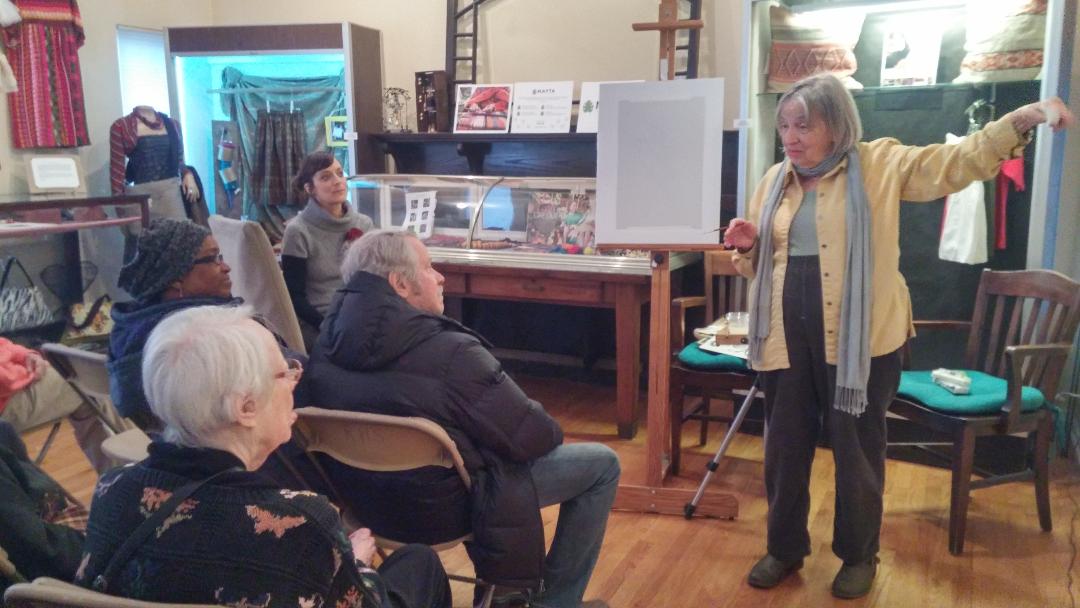
Nicole, wearing one of her creations, will then serve as model for Judie to draw a fashion illustration. A member of the audience will get to take home the drawing, after it is scanned for the historical record.
Attendees will also have the opportunity to view the "Threads of Imagination" exhibit which is now showing at RHS. This looks at fashion as art through the works of five Beverly artists: the historic Alla Ripley Bannister, a famous fashion designer from the early 1900s, and four current artists. In addition to Judie and Nicole are Sandra Leonard, who creates costumes to turn the human figure into sculpture; and Maggie O'Reilly, who has two businesses – Maggy May girls clothing, and the MAYTA collection which features items handcrafted through fair trade agreements with artisans in Peru and Morocco.
The suggested donation for the event is $10 per person. Refreshments will be served. Reservations are suggested just to let RHS plan ahead. Call RHS at 773/881-1675 or email to ridgehistory@hotmail.com. RHS is located at 10621 S. Seeley Ave., Chicago.
Attached: The flier for the program, samples of Judie Anderson's work, and a close-up of Nicole's exhibit.
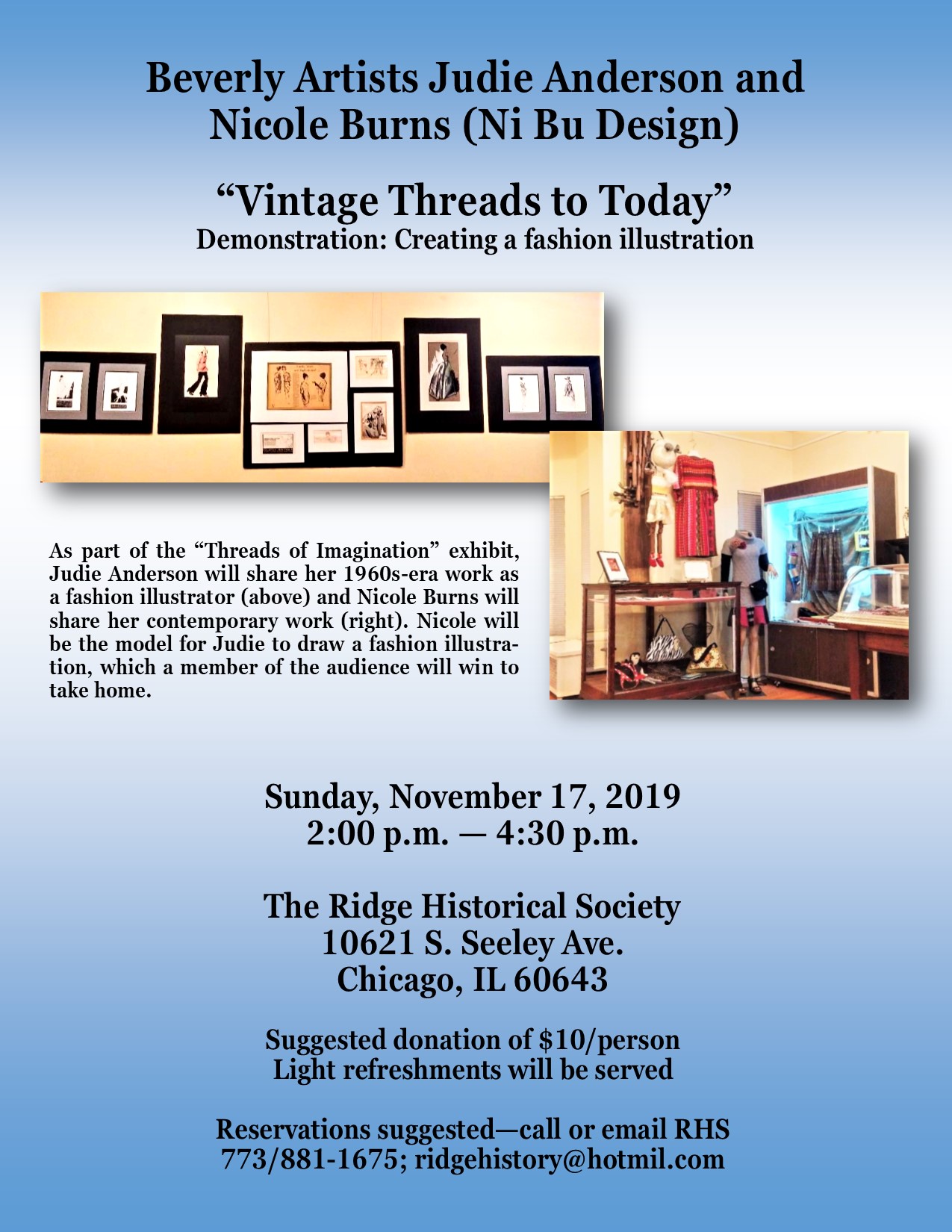
Tomorrow!! Be sure to join us!! We have spaces open – just come on over – this will be a really great program, and a chance to view the Threads of Imagination exhibit.
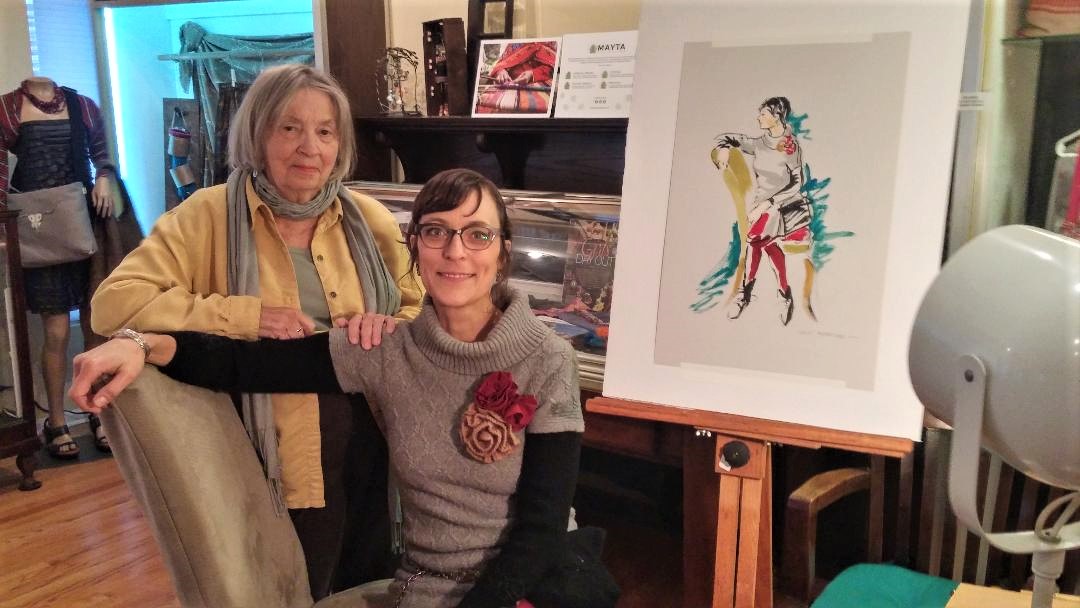
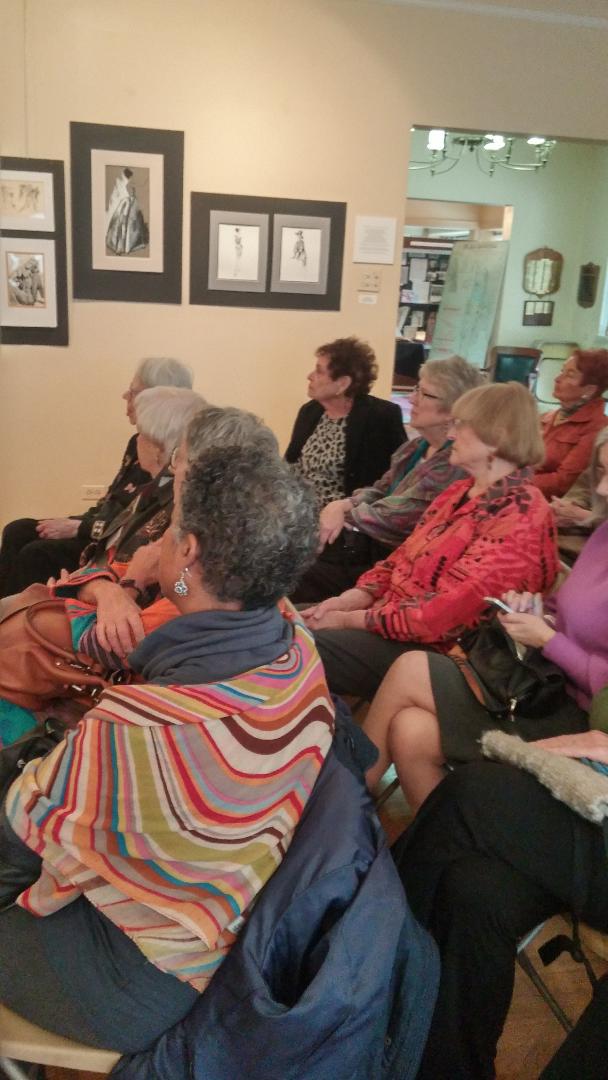
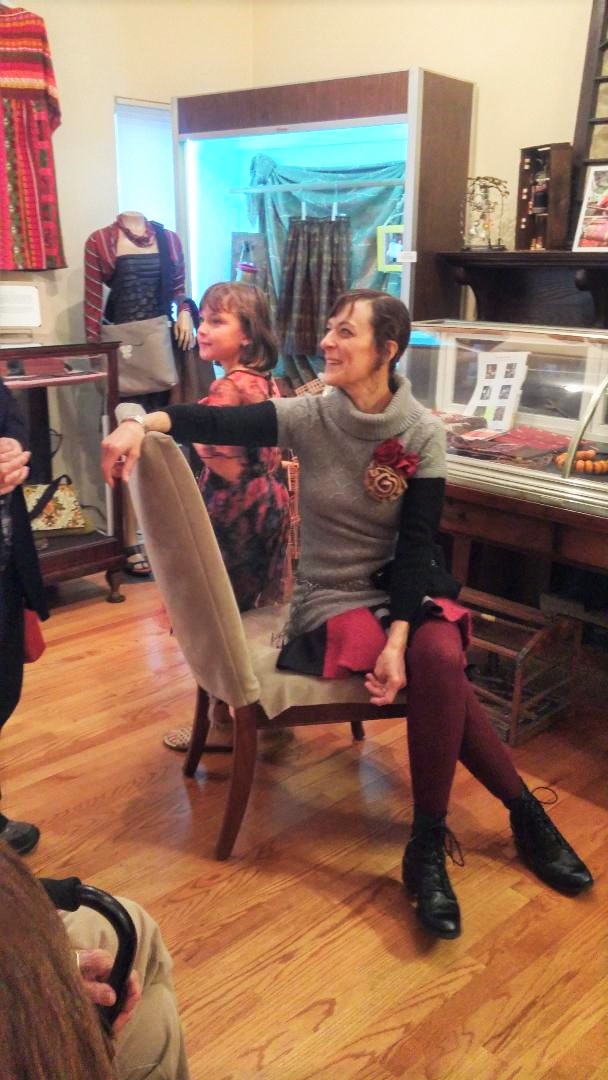
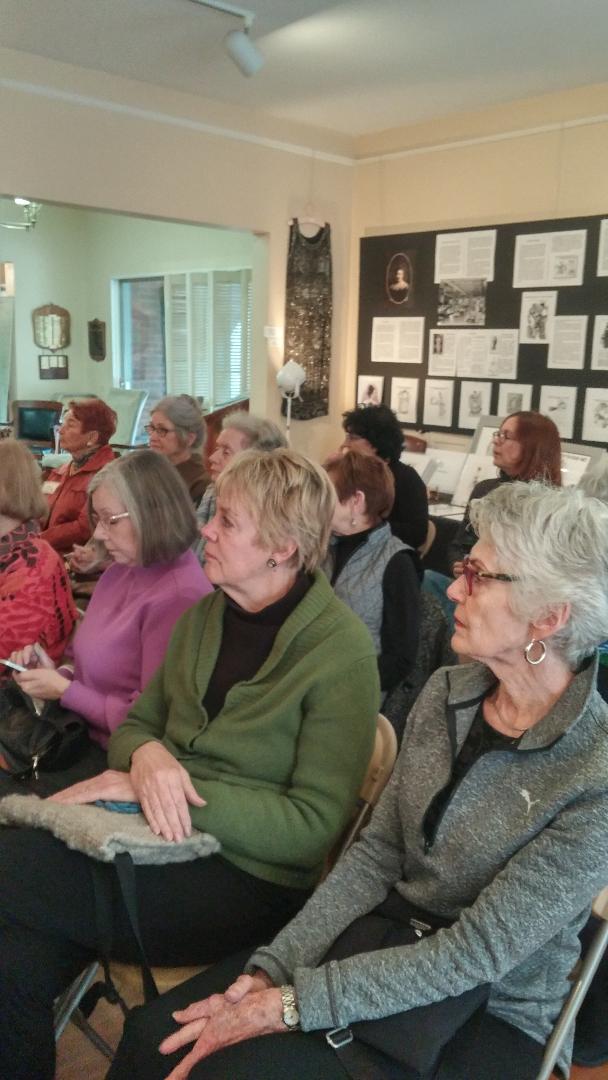
How to do a successful program ….
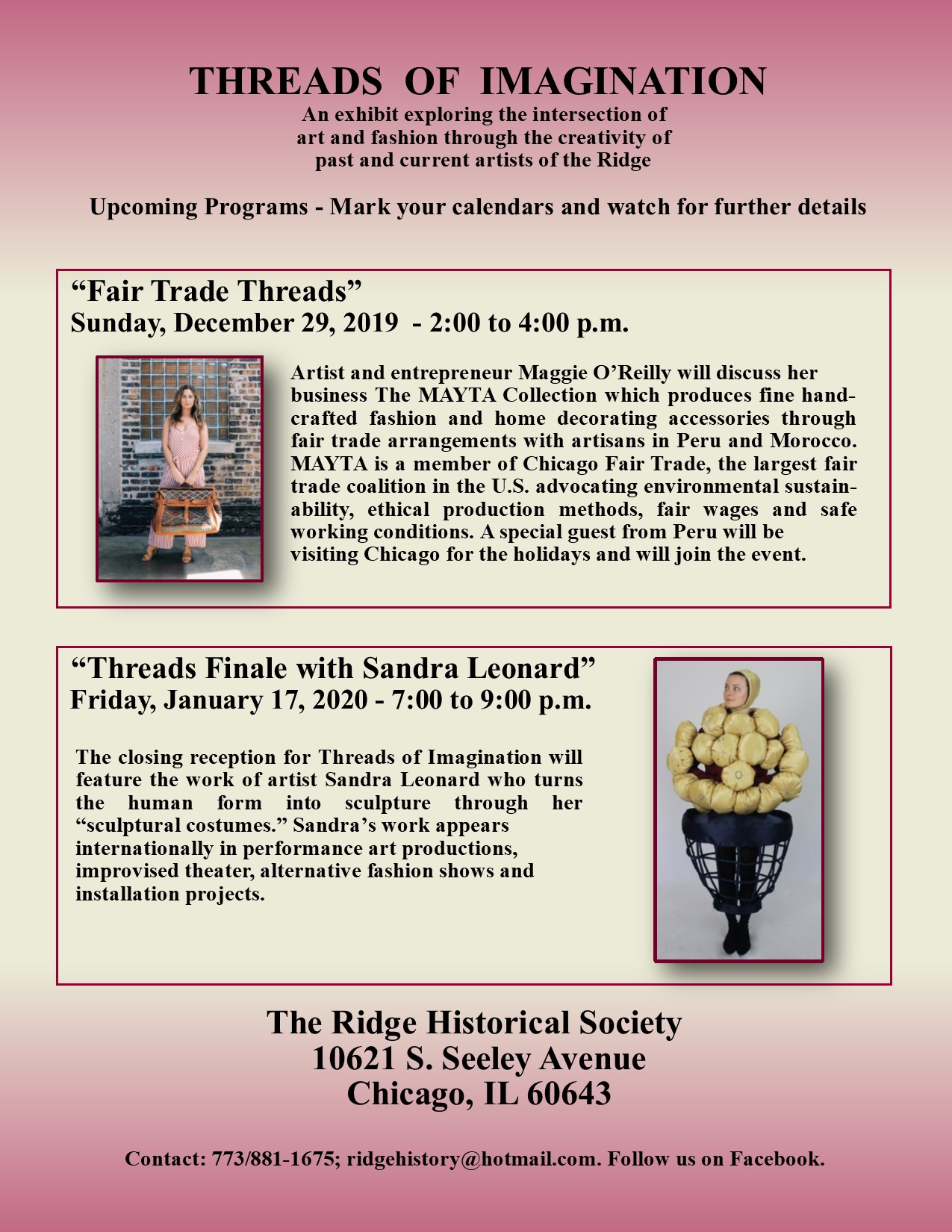
The Ridge Historical Society will be wrapping up the Threads of Imagination exhibit with two more great programs featuring our guest artists. Please see the accompanying flier for preliminary details – save the dates – mark your calendars now! And watch our Facebook page for more information.
On Sunday, Dec. 29, Maggie O'Reilly will discuss her amazing MAYTA Collection and fair trade agreements. We know there are scheduling conflicts over the holidays, but there will be a special guest from Peru in town that week that we want to be sure to meet at RHS.
On Friday, Jan. 17, we will have the closing reception for the exhibit. Artist Sandra Leonard and her "sculptural costumes" will be featured. This is sure to be a very "artsy" event to enjoy! This will be the official end of the exhibit.
We're keeping our fingers crossed that the weather holds out for both days.
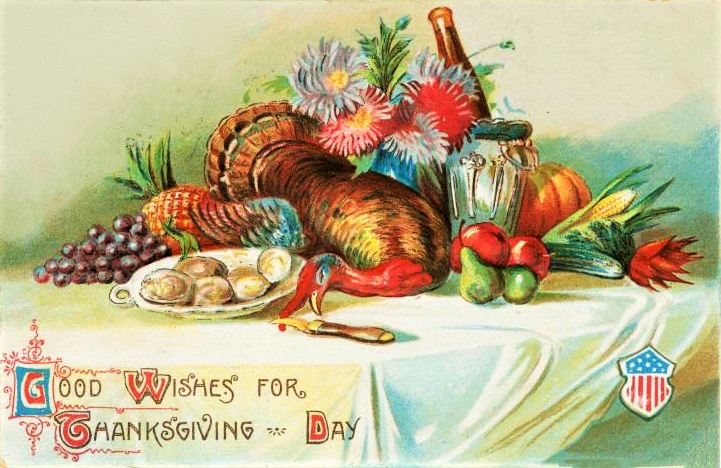
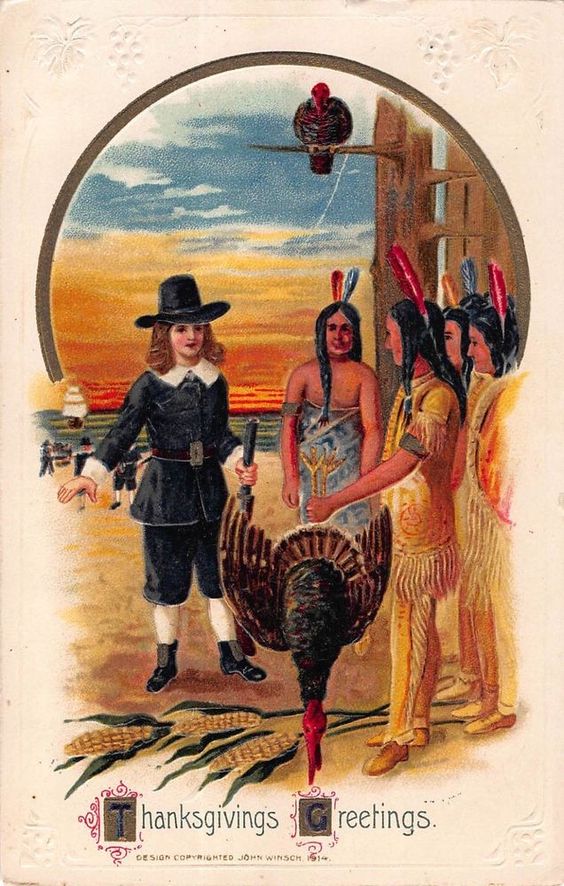
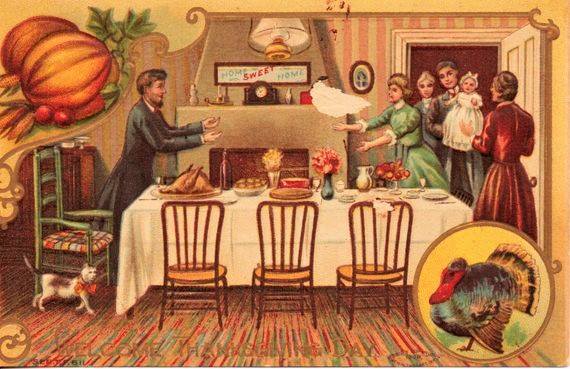
The First Thanksgiving Feast
Thanksgiving Day is a uniquely American holiday, and more so than any other holiday, is associated with a “traditional” menu – turkey, bread stuffing, mashed potatoes and gravy, sweet potatoes, cranberry jelly and pumpkin pie are the normal fare. But some of these items were certainly NOT on the menu for the first celebration of the settlers who gave us the original reason to be thankful.
The first “Thanksgiving” celebration recorded in American history occurred in 1621 in Plymouth, Massachusetts, as a harvest feast. Note that there was already a colony of settlers in Virginia, those who came to Jamestown in 1607 and after. They certainly also had harvest celebrations, but they were not well recorded.
The celebrants of the 1621 feast were the English Protestants, called Puritans, and forever after known affectionately in American history as the Pilgrims, who had split from the Church of England and come to the New World on the Mayflower the year before; other Englishmen who also came on the boat; and the Wampanoag people, the Native American tribe that had lived in the area for over 12,000 years.
The Pilgrims got off to a bad start in the New World. Delayed in leaving England, they arrived just in time for winter and spent the first year on the ship in Plymouth harbor. About half of the original 150+ settlers and crew died that first winter.
But the second year, in March, they finally left the ship and built some huts. Early relations between Native Americans and the European settlers were very cordial. The Wampanoag showed the Pilgrims how to fish and hunt in the area, and how to cultivate the native food plants and gather fruit.
Some items we take for granted now were not around 400 years ago. For starters, there were no sweet or white potatoes. Potatoes did not come up to North America from South America for another 100 years. Also, the Pilgrims had not yet planted wheat fields so there were no pies and no bread. The sugar rations and almost all the food they brought with them had quickly been depleted on the journey over, so there were no jellies or sweet desserts to be made. The Pilgrims had brought no large livestock with them on the Mayflower, only chickens, and a few pigs and goats, so there were no dairy products except maybe goats’ milk. Dairy cows would come later. Plus, no ovens had been constructed yet for baking, so all cooking was done over open fires.
An early journal has the colonists going fowl hunting for this harvest feast. Duck, geese, swans and turkeys were all plentiful. The Wampanoag guests brought an offering of five deer to the celebration, so venison, probably some roasted and some served in a hearty stew, was without doubt on the menu. Historians also believe that seafood was a major component of the feast, this being New England by the coast. Mussels, lobster, bass, clams and oysters were readily available. The first Thanksgiving was very heavy on animal protein. And actually, completely gluten-free.
The vegetables cultivated at the time included corn, pumpkins, squash, turnips, garlic, onions, beans, carrots, lettuce, spinach and cabbage. The pumpkins would have been roasted. Fruits available for gathering included blueberries, plums, grapes and gooseberries. Cranberries were there but it was another 50 years before there were reports of boiling them with sugar to make a jelly.
Flint corn, the multi-colored Indian corn, was plentiful at the first harvest. Most likely, the corn was turned into cornmeal, which was boiled and pounded into a thick corn mush or porridge that was occasionally sweetened with molasses, which was made from sugar cane, which came from the Caribbean. This was called Indian pudding, a take on the English fondness for “hasty pudding.”
Herbs, and nuts like chestnuts, walnuts and beechnuts, were plentiful from the forests. Along with onion, these would have been used for stuffing the fowl and flavoring dishes.
The celebration itself was a three-day event, with feasting, ball games, singing and dancing. Assumedly, grace was said before meals, but it was several years later that an official prayer service was added to the annual harvest celebration to give thanks for rain after a two-month drought.
Within years, other settlers came, with cows and then there was milk. They planted wheat and other crops, and eventually their diet expanded.
Fast forward to 1827, and Sarah Josepha Hale, editor of the popular Godey’s Lady’s Book, began advocating for a national Thanksgiving Day. She petitioned 13 presidents until finally Abraham Lincoln made the declaration in 1863 as a way to help unite the country in the midst of the Civil War.
For decades, Hale published Thanksgiving recipes and menus in her magazine. She also published a number of cookbooks. She championed mashed potato dishes, which were still considered exotic in the mid-1800s.
A typical cookbook of 1870 recommends the following for Thanksgiving dinner: Oyster soup; cod with egg sauce; lobster salad; roast turkey with cranberry sauce; mixed pickles; mangoes; pickled peaches; cold slaw and celery; boiled ham; chicken pie ornamented; jelly; mashed potatoes browned; tomatoes; boiled onions; canned corn; sweet potatoes; roasted broccoli. Mince and pumpkin pie; apple tarts; Indian pudding. Apples, nuts, and raisins.
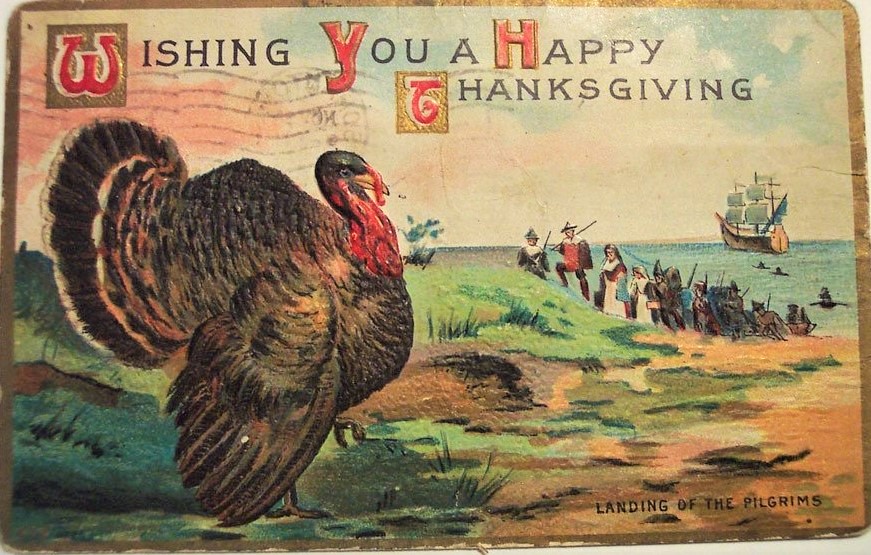
Some vintage Thanksgiving postcards ….
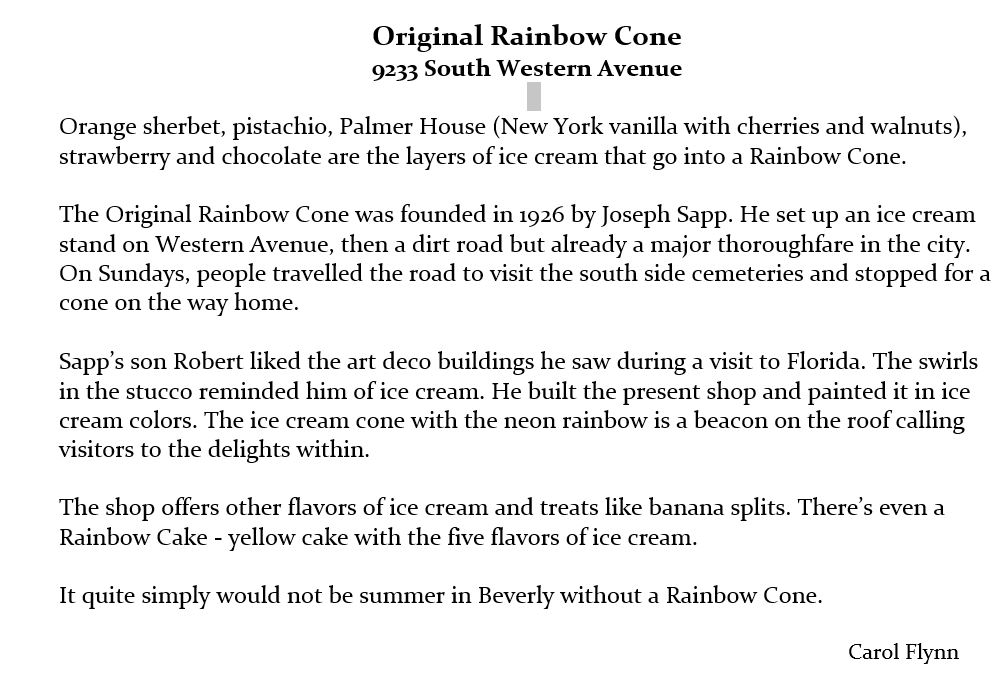
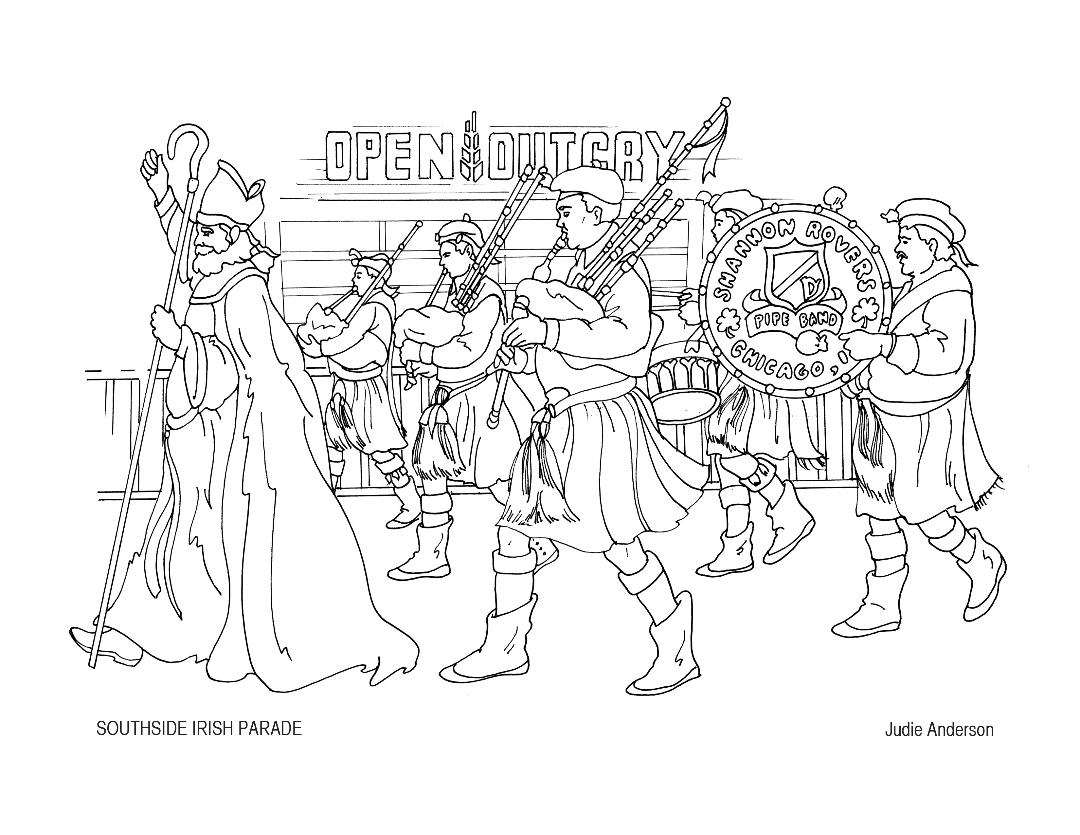
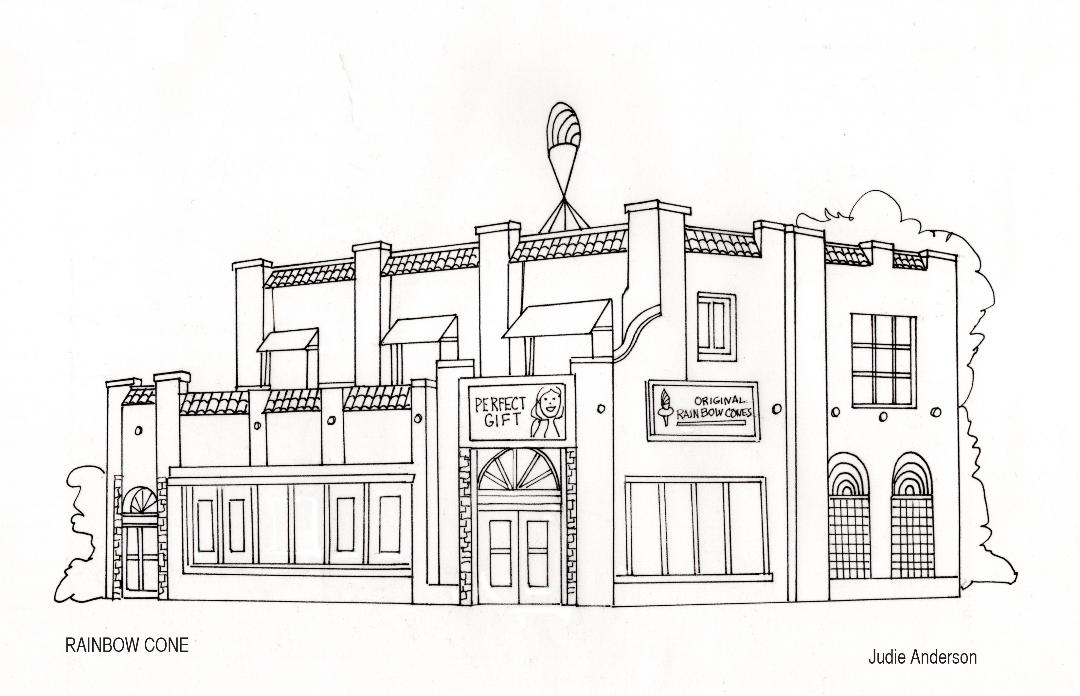
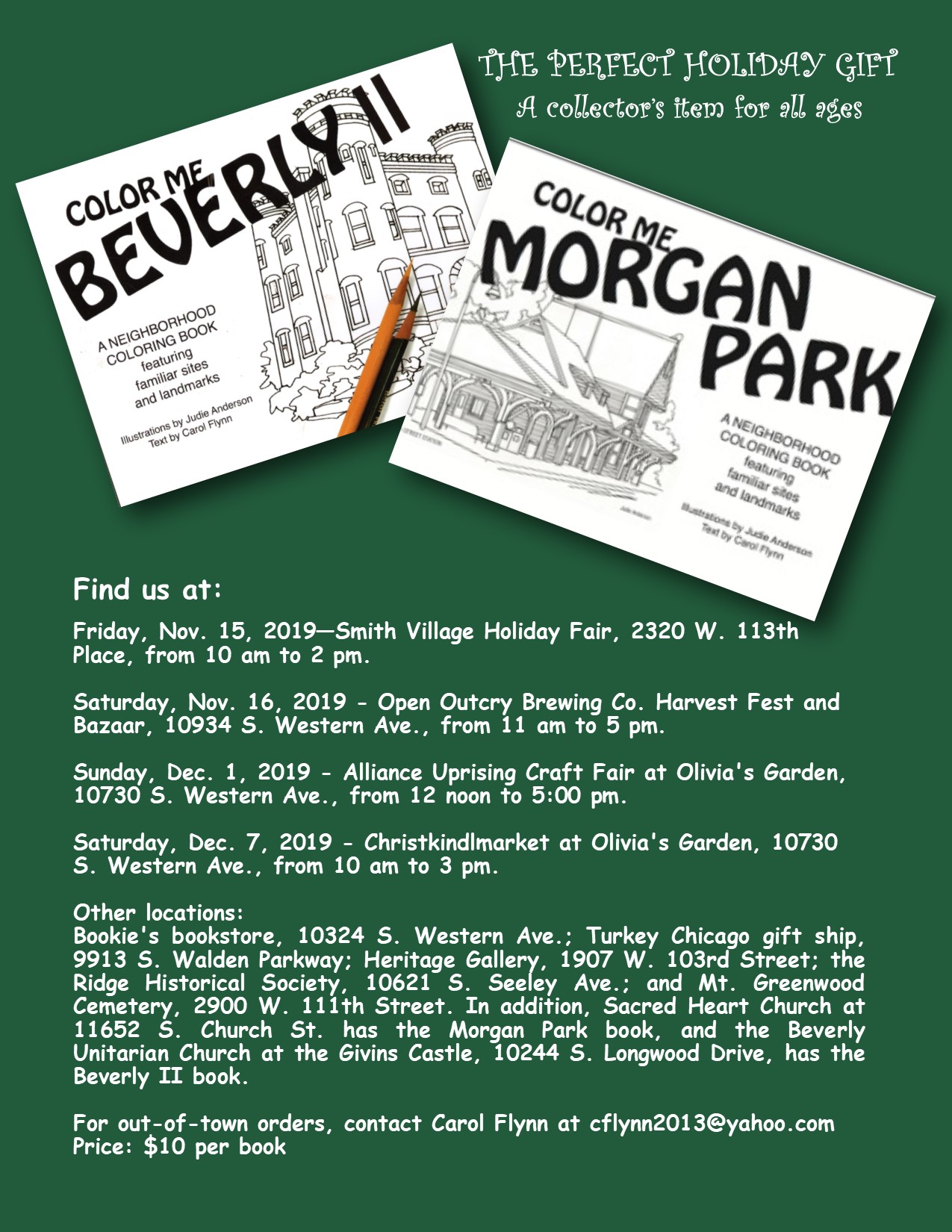
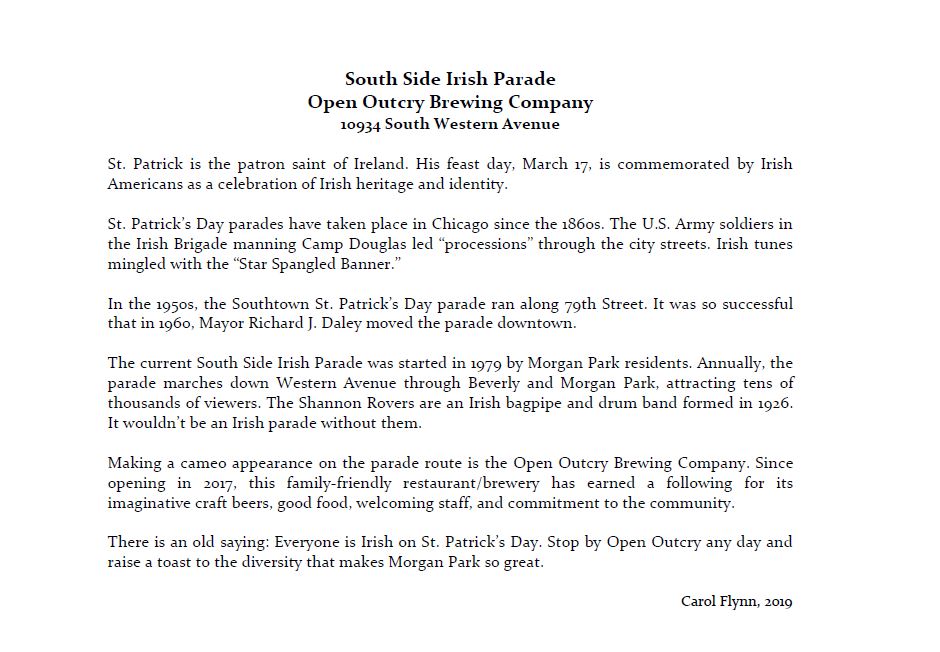
Christmas will be here in 2 1/2 weeks – not much time left to buy and ship presents. Still wondering what to get for that friend or relative who moved away from Beverly/Morgan Park? That's easy – Color Me Beverly II and Color Me Morgan Park. These limited edition collectors' item coloring books for all ages have proven to be very special and easy-to-mail nostalgia gifts for former Ridge residents who like to reminisce about the "good old days" – a cone from Rainbow Cone, a bike ride by the Castle, a train trip downtown from 111th Street, watching the St. Patrick's Day Parade on Western Ave. Each illustration includes s brief page of history on the site.
One woman in Texas bought 2 of each book – her husband and his sister are from Beverly and love to talk about the old sites. She can hardly wait to surprise them with these "stocking stuffers."
Saturday, Dec. 7, is the last craft show Judie Anderson and Carol Flynn will be at in person selling the books – Olivia's Garden from 10 a.m. to 3 p.m. – 10730 S. Western Ave. The books are also available through a number of local outlets, or by contacting Carol Flynn who will mail them to you. See the green flier attached for more information.
The Ridge’s historical Ukrainian connection ….
The country of Ukraine is getting a lot of media attention right now. This Eastern European country is about the size of France, with a population of around 42 million people. Its neighbors include Russia, Poland, and the Black Sea. The Eastern Orthodox Church (Orthodox Catholic Church) predominates and the country is known for its beautiful Byzantine churches.
In 1991, Ukraine gained its independence from the Soviet Union and is now a constitutional republic. It is one of the world’s largest grain exporters. Ukraine has a rich culture in textile arts, literature and music. The tradition of decorating eggs, now associated with Easter, originated there and the practice goes back thousands of years, predating the arrival of Christianity.
The first Ukrainian immigrant on record came to Jamestown in 1607. Large scale immigration to the U.S. began in the 1880s, and was very heavy in the early 1990s after the fall of the Soviet Union. Today there are over 1 million Ukrainian Americans. Some famous ones are/were the Pritzker family, Milton Friedman, Mike Royko, Mike Ditka, Leonard Nimoy, Natalie Wood, and Steven Spielberg.
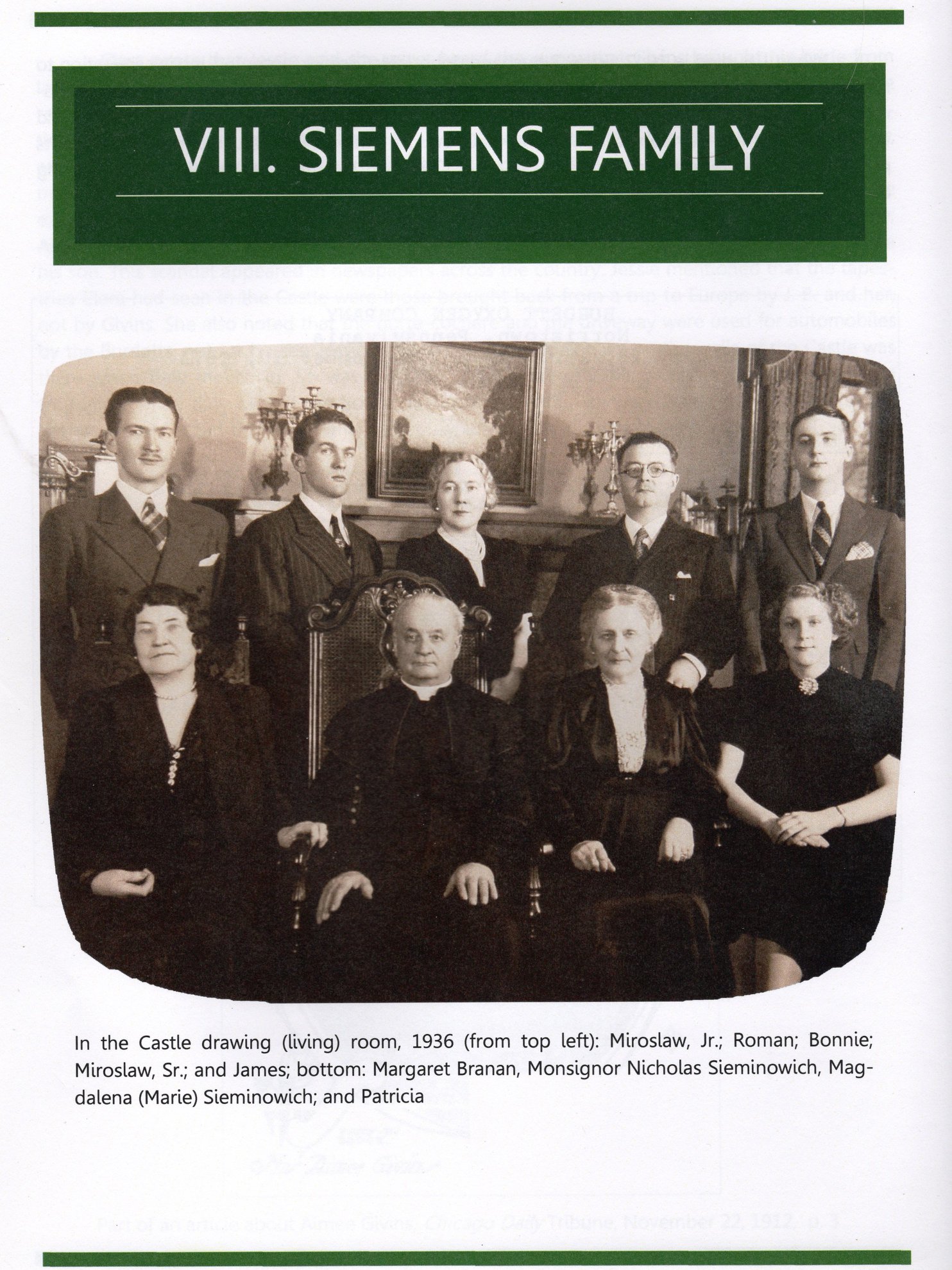
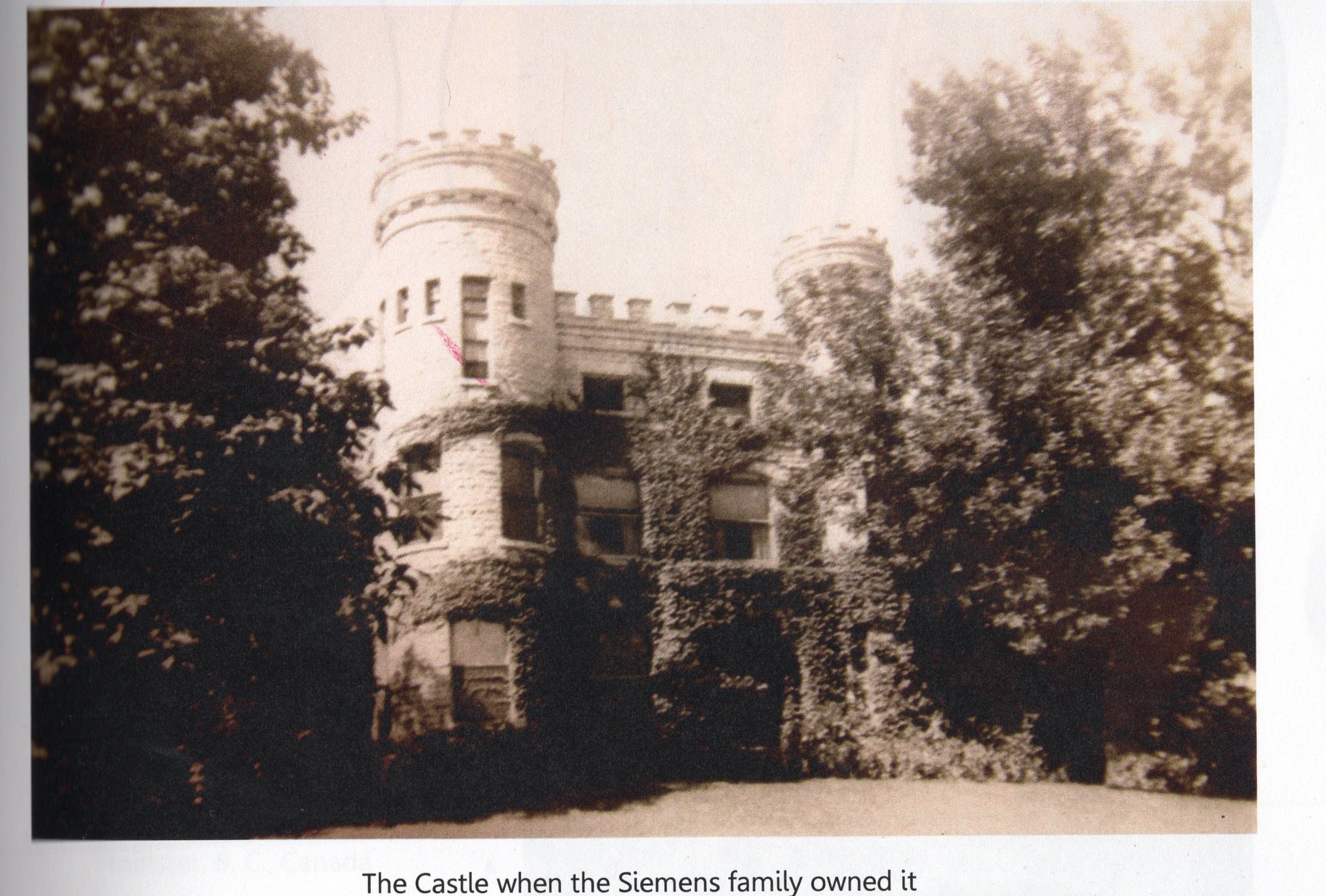
Dr. Miroslaw and Bonnie Siemens (Sieminowycz, Sieminowich) owned and lived in the Givins Beverly Castle at 103rd St. and Longwood Drive from 1921 until the Beverly Unitarian Church bought the building in 1942. Dr. Siemens was born in 1885 in Ukraine and came to the USA in 1906. He graduated in 1913 from Bennett Medical College, affiliated with Loyola University. He practiced at Roseland Community Hospital and kept an office in the Castle.
Dr. Siemens’ parents, Nicholas and Maria Magdalena Seiminowich, also lived in the Castle. Nicholas was a Ukrainian Catholic priest who rose to monsignor. In this rite, married men can be ordained priests.
Bonnie Siemens was Irish Catholic. They had four children, Miroslaw, Jr., Roman, James and Patricia. Bonnie's mother Margaret Branan also lived with the family. Bonnie had tuberculosis and the grandparents did much of the childcare.
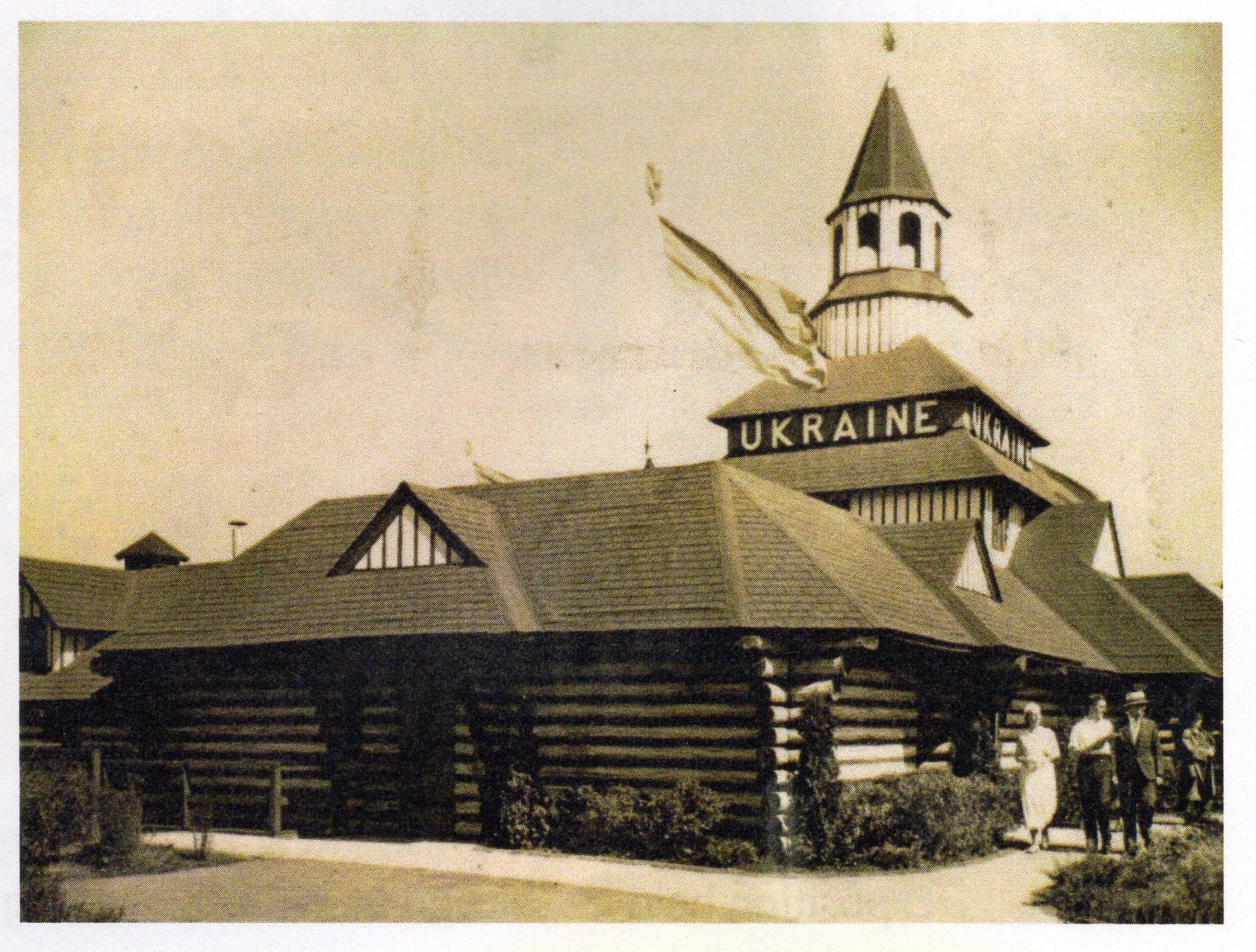
Dr. Siemens was very active and important in the Ukrainian American community. One notable achievement was to serve as the planner, fundraiser and chair of the Ukrainian exhibit at the Century of Progress World’s Fair in Chicago in 1933-34.
He also helped to establish St. Nicholas Ukrainian Catholic Cathedral in Ukrainian Village on Chicago’s north side. And in the early 1950s he was instrumental in establishing the Ukrainian National Museum.
Dr. Siemens has been called the “first ambassador for Ukraine in the U.S.” because of his efforts to preserve Ukrainian history and to help refugees from the country. Many dignitaries including the Crown Prince of the Ukraine visited the family in the Castle.
From Chicago’s Only Castle – The History of Givins’ Irish Castle and Its Keepers by Errol Magidson.