
Explore the RHS Facebook Archives, a rich repository of local history written by Carol Flynn. For two decades, Carol brought a deeply dedicated voice to public education at RHS. Her role as Facebook administrator through mid-2025 naturally extended her prolific research into meticulously detailed articles, most notably her multi-part historical series posts. Today, Carol continues her local history writing for The Beverly Review and other outlets.
August 2020
The history of Dan Ryan Woods – Conclusion: Horse Thief Hollow
By Carol Flynn
Long before there was a Beverly or a Morgan Park, the Blue Island Ridge was known as Horse Thief Hollow (HTH).
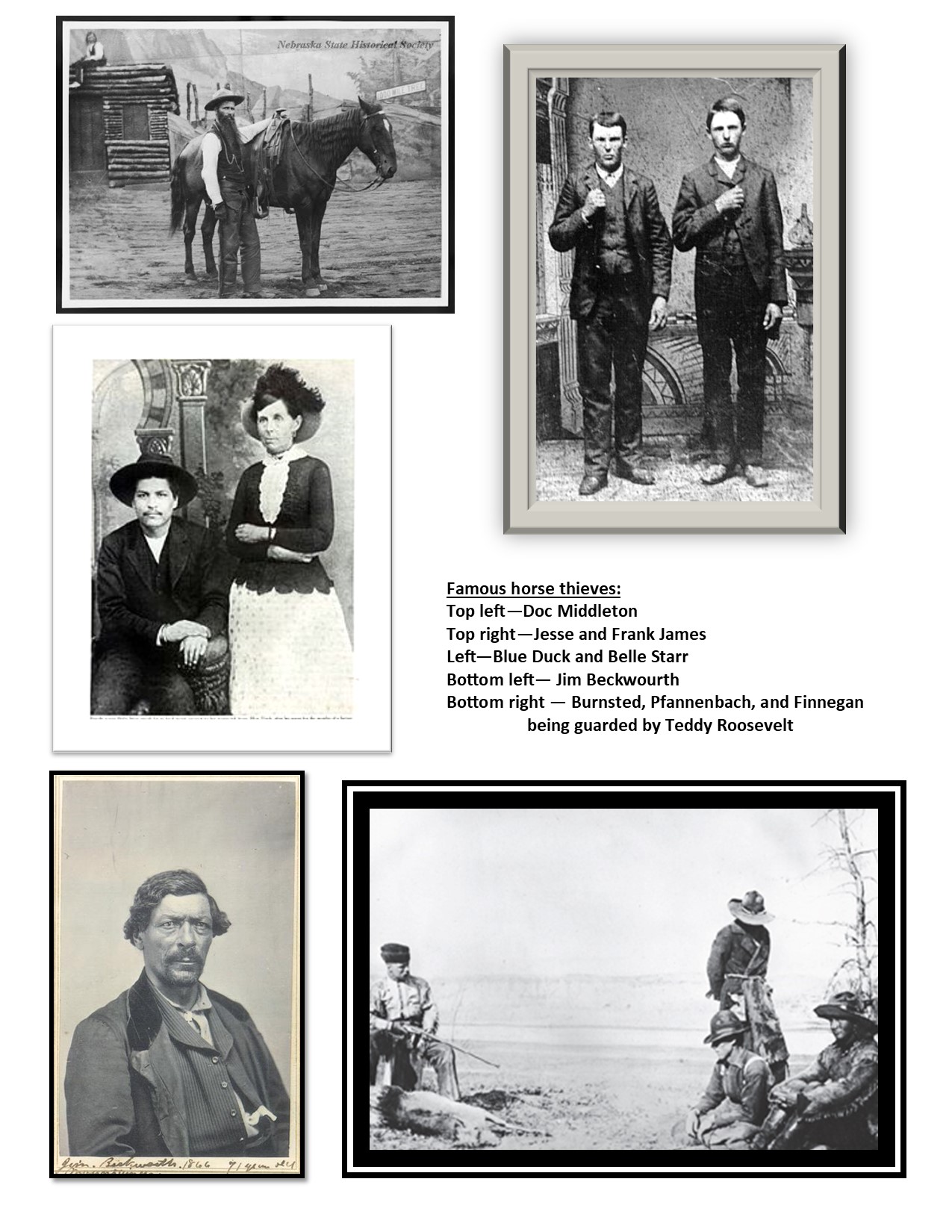
Horse theft was a serious and widespread problem in the U.S. in the mid-1800s. Horses were a valuable commodity. Not only were they the major means of transportation, they were also beasts of burden. Stolen horses were easy to transport “on the hoof.”
A major vigilante movement in the southern states in the 1830s drove horse thieves north. By 1840 northern Illinois was a hotbed of illegal activity. Stolen horses were brought to Chicago for sale from all over the Midwest.
Horse thieves were considered the lowest of the criminal classes. In Illinois and other states, horse theft was made a capital offense. There is no documentation that people were legally executed for horse theft although they did go to jail for the crime. There are, however, many documented stories of vigilantes lynching accused horse thieves. One major problem with this form of “justice” was that vigilantes sometimes hanged the wrong man.
The deep, heavily wooded ravines and gullies with flowing streams that ran through the Ridge provided perfect hide-outs for horse thieves. In 1884, A. T. Andreas wrote in his “History of Cook County” that there was a deep and steep ravine that local farmers observed horse thieves using for “frequent visitations.” Bags of oats and other supplies, hoof prints and an occasional horseshoe were found left behind. The location of this ravine was given as “on the hill on which Morgan Park is situated, and a little south.”
The location of this ravine has been a question for historians. Since the northern boundary of Morgan Park was 107th Street, this ravine had to be south of that street. Two early histories mention ravines that fit the location.
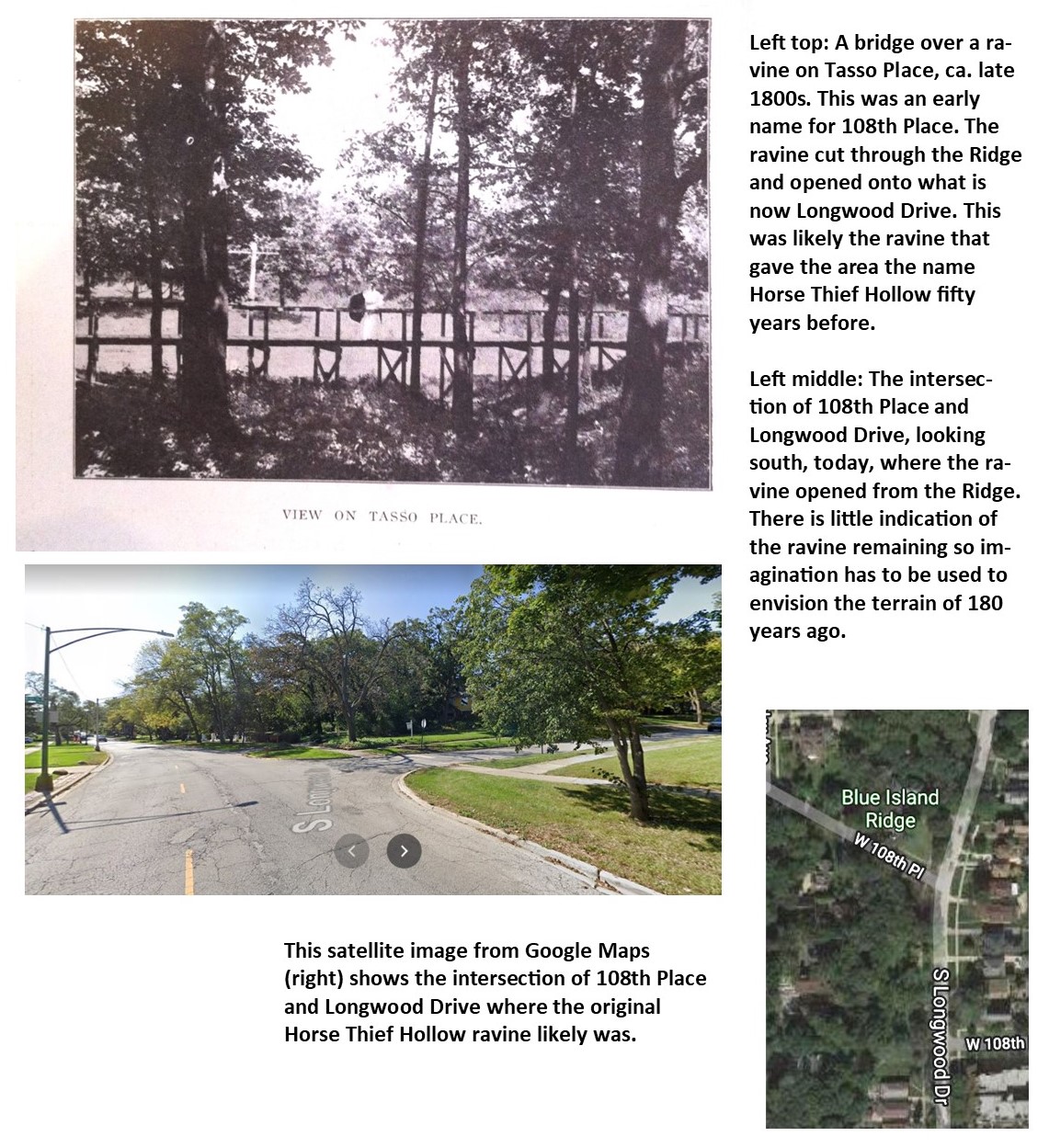
First, William Barnard, one of the earliest settlers on the Ridge, wrote there was a ravine just south of what is now 107th Street that was called Horse Thief Hollow. An early newspaper included a photograph of a bridge over a deep ravine on Tasso Place, an early name for 108th Place. Government Geological Survey maps do show a ravine was there although there is little sign of it today. David Herriott, the postmaster of Morgan Park and publisher/editor of the Morgan Park Post newspaper, who knew local history well, identified 108th Place at Longwood Drive as the site of Horse Thief Hollow. This ravine is likely the spot mentioned by Andreas.
Another ravine was identified by John Volp, a newspaper editor from Blue Island who published a book in 1935 about the first one hundred years of Blue Island and the Ridge. He stated there was a wide ravine or hollow in the Ridge between 115th Street and 119th Street that was used by horse thieves and known as Horse Thief Hollow. This depression also shows up on Survey maps but again, is not really evident today. Just south of that, Volp added, was a very dense stand of trees through which the Vincennes Road passed that was known as “Robber’s Woods.” Farmers returning from selling their produce in Chicago were waylaid there and robbed of their hard-earned profits. It was an area to be shunned.
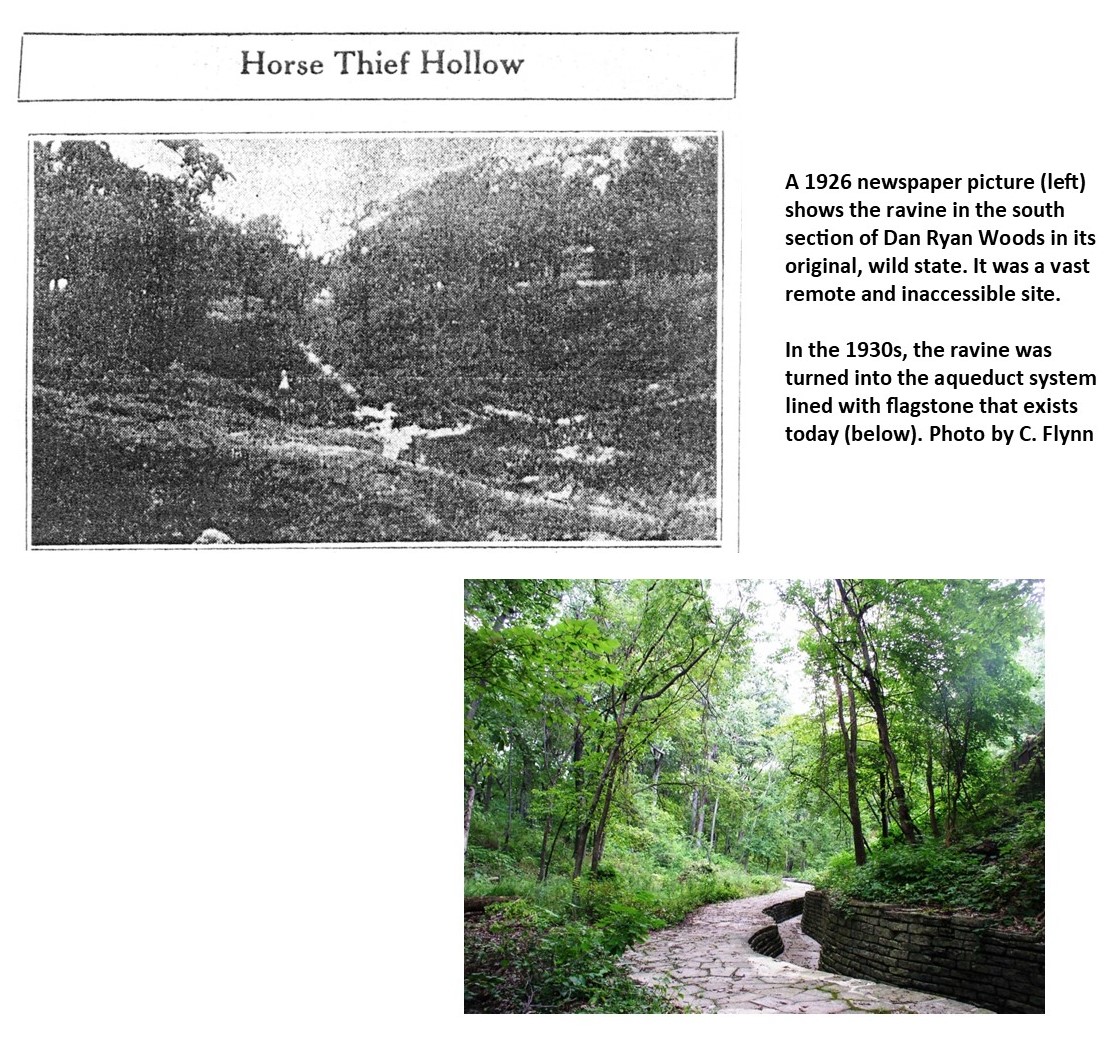
In 1926, another newspaper wrote that the ravine in the south section of Dan Ryan Woods, which became the aqueduct system known today, was a “rendezvous of the biggest gang of horse thieves operating in Illinois.” This was too far north to be considered Morgan Park, and even that article admitted the section was the most “inaccessible portion of the whole tract.” Andreas states the thieves used a buggy to move their equipment and supplies and it is difficult to envision driving a buggy into that location, but horses could have been kept in there.
There are other locations put forth as possibilities, and sometimes it seems that anyone with a dent in his/her backyard thinks that was the original location of Horse Thief Hollow. But it is possible and maybe even probable that through the years multiple locations were used by horse thieves and the ravine referred to by Andreas was just one location.
What happened to the horse thieves is also a question. One story is that the Morgan family called in the state militia in the 1850s to drive out the horse thieves, and there was a shootout on the Ridge in which the horse thieves were killed, or captured and jailed. Another story has some horse thieves hanged and buried on the Ridge, and still another has them coming down with the “ague” or malaria in prison. No verification of any of these stories has been found to date but they make for great urban folklore.
One thing that did happen is that encroaching “civilization” including more formal and organized law and order efforts forced horse thieves and other “Wild West” characters to move their operations farther and farther west until they ran out of territory and people’s tolerance. Andreas reports there were horse thieves on the Ridge as late as 1863. One newspaper reported the horse thieves on the Ridge were never caught and they moved on. This is likely the real story.
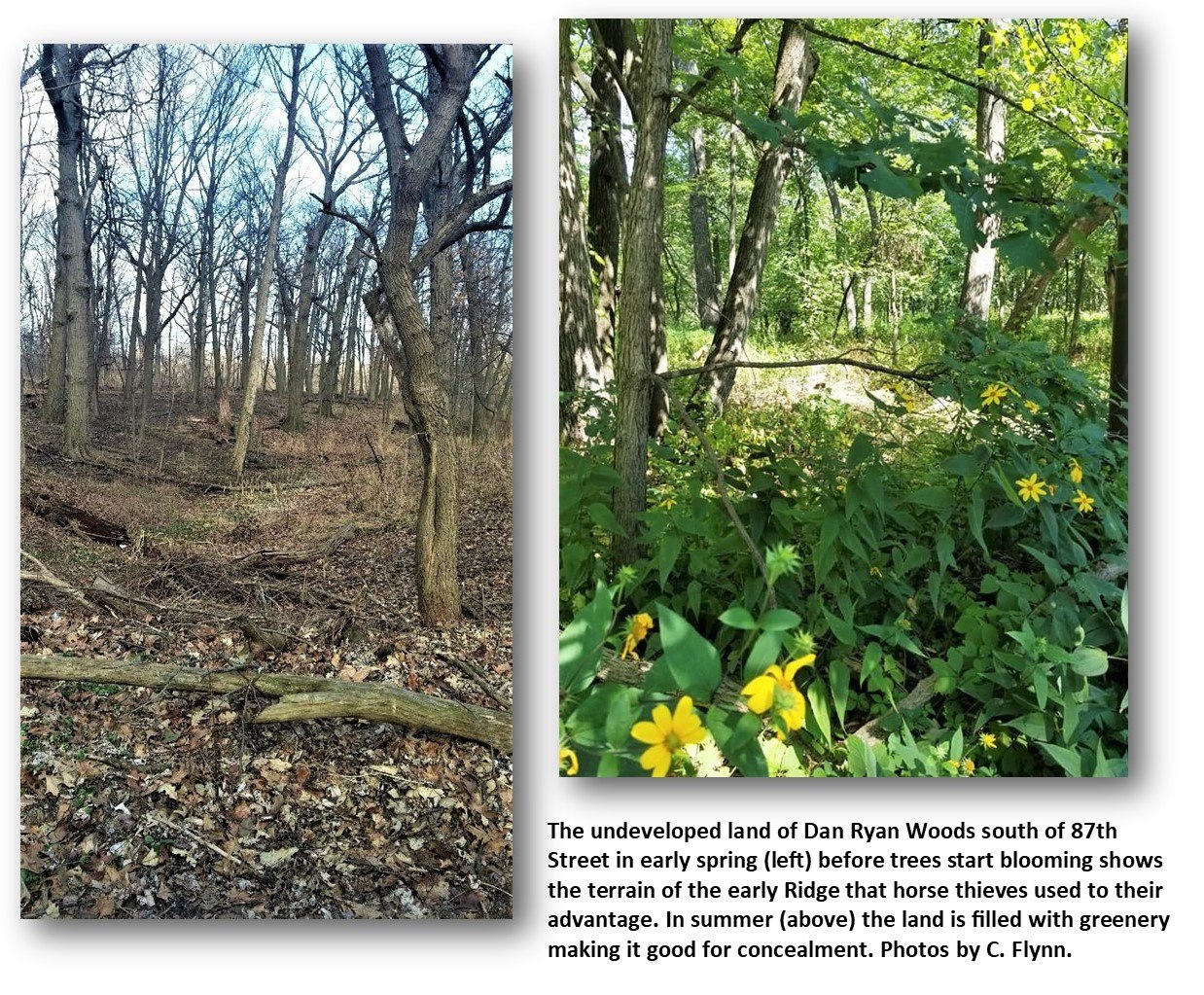
Because so much development has gone on, and the original topography of the land has been altered substantially, today imagination has to be used to picture what the area looked like 180 years ago. The undeveloped land in the south section of Dan Ryan Woods, the last remnant of the “wild Ridge,” does give a good idea of the natural terrain that horse thieves would have found advantageous to their endeavors.
There is a presentation and Power Point program on Horse Thief Hollow available for booking (when it is safe again to meet in groups). Send a message to author/presenter Carol Flynn at cflynn2013@yahoo.com for more information.
This concludes the series on Dan Ryan Woods. Thank you to everyone who followed RHS for the last few months to read these posts. Feedback, sharing of stories, and questions are welcomed. Stay tuned for new topics!
Morgan Park Days – Part I
By Carol Flynn
Labor Day, which will be celebrated on Monday, September 7, has been a federal holiday since 1894. It grew out of the organized labor movement, which arose to protect workers from workplace abuses such as unsafe conditions and child labor as young as 5 years old. Labor Day honors and recognizes the contributions of the workforce, that is, the efforts of the millions of people who get the jobs done, to the development of the U.S. It was celebrated with marches, picnics, and speeches.
Locally, from 1901 to 1911, the day was also celebrated as “Morgan Park Day.”
Morgan Park Day was the idea of the Morgan Park Improvement Association (MPIA), which formed in 1898. Improvement associations grew out of the Progressive movement.
The Progressive Era spanned the 1890s to the 1920s and was a period of activism and reform in just about all areas of life – government, education, industry, finance, medicine, employment practices. Even the study of history became more professional, scholarly and research based. “Progressives” ranged from Republican Theodore Roosevelt to Democrat Woodrow Wilson. Chicago social worker Jane Addams was one of the most influential non-government reformers of this era.
There were many “movements” that came out of the Progressive Era. One was a national grassroots effort for “civic improvement” that focused on issues ranging from enhancing the physical beauty of communities to valuing the contributions of the countless immigrants streaming into the county to exposing government corruption.
The new American League for Civic Improvement (ALCI) said the goal was to “create cleaner, better cities and a higher, nobler city life.” Organizations sprung up all over the country comprised of “people who care.” When the Morgan Park Improvement Association, a member of ALCI, was founded in 1898, it was sixteen years before the Village of Morgan Park would annex to Chicago, and the suburb had its own government, taxes, schools, and public services.
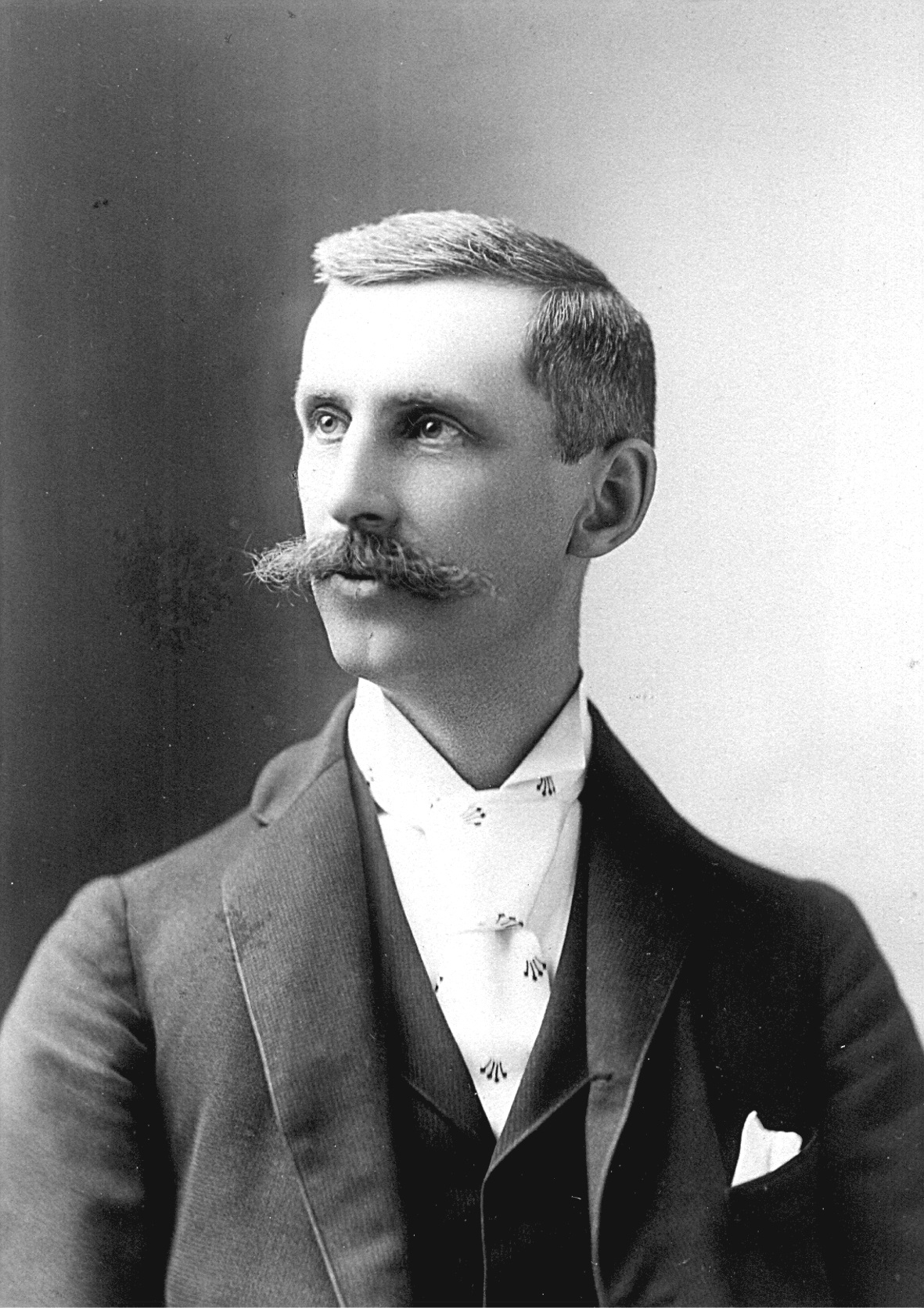
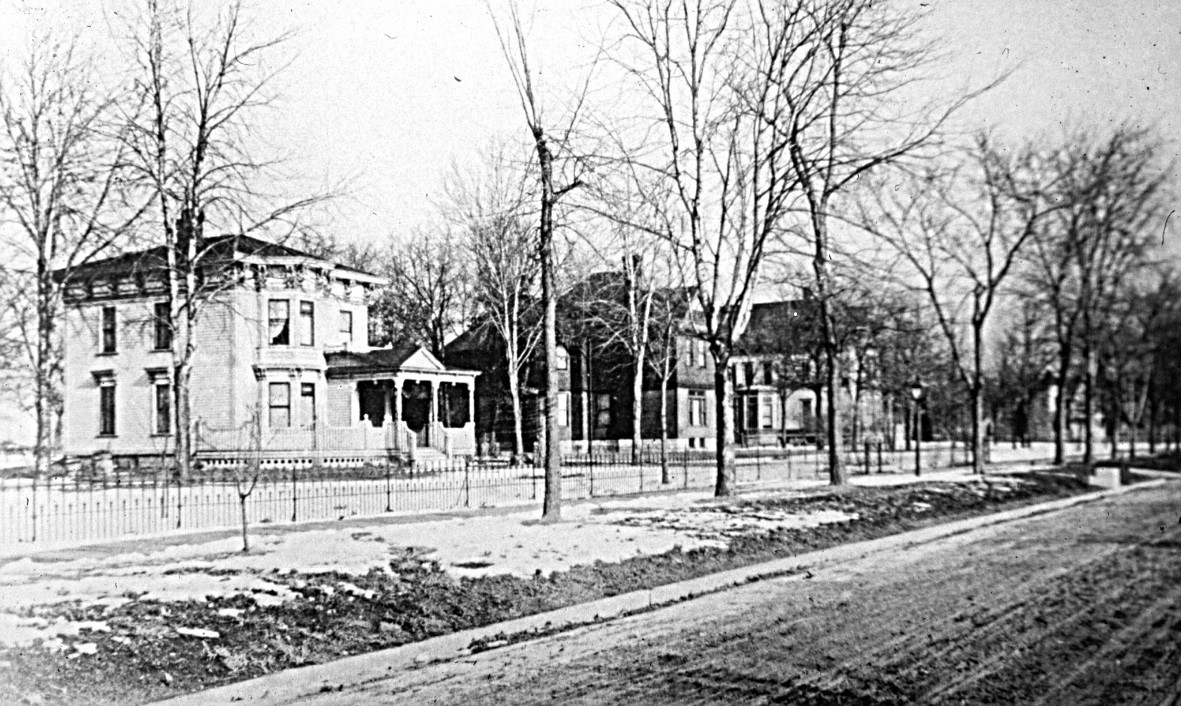
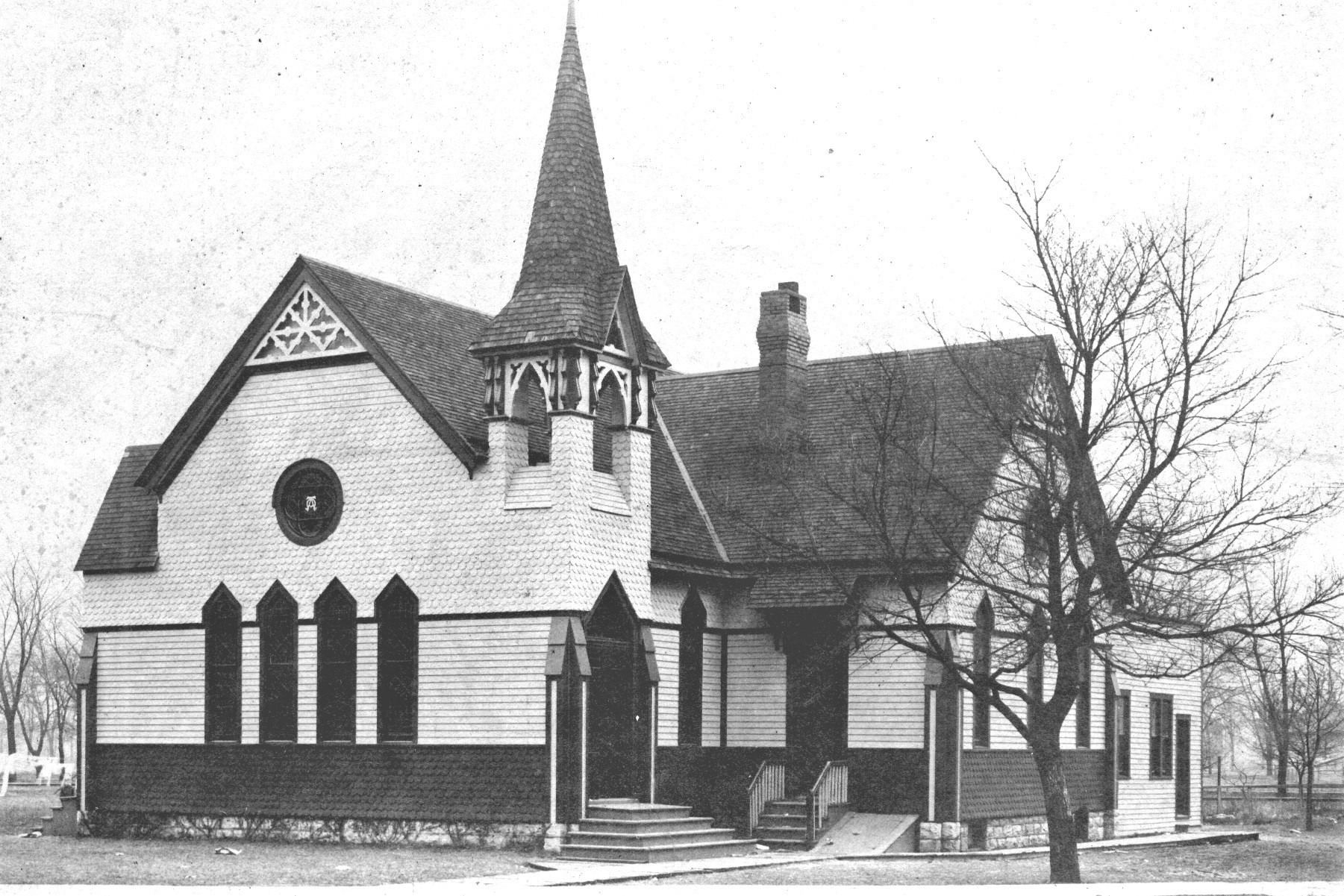
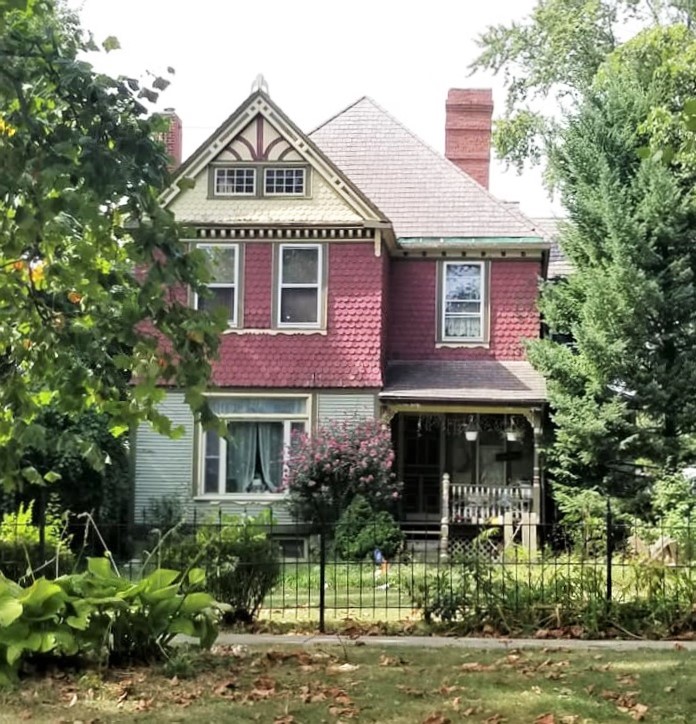
The first president of the MPIA was Dr. William H. German. Dr. German was one of the most highly regarded early citizens of Morgan Park. His 1884 Queen Anne-style home still stands at 10924 S. Prospect Avenue. He was the first physician to set up practice in Morgan Park and there are numerous stories related to his medical practice. He founded the Morgan Park United Methodist Church and built the first church across the street from his own house; later the church/school complex at 110th Place and Longwood Drive was built. He was active in local affairs, serving on the school, library, and park district boards.
The object of the new MPIA was “the beautifying and general improvement” of the town. The Morgan Park Woman’s Club and the women of the town were squarely behind this movement and were the real workers to get things done. And children were a welcomed, indeed a valued, presence in the MPIA, and among the most enthusiastic members. Youngsters were tasked with keeping the sidewalks and public spaces clear of trash, a chore they wholeheartedly accepted.
Next: The first public celebration of Morgan Park.