Explore the RHS Facebook Archives, a rich repository of local history written by Carol Flynn. For two decades, Carol brought a deeply dedicated voice to public education at RHS. Her role as Facebook administrator through mid-2025 naturally extended her prolific research into meticulously detailed articles, most notably her multi-part historical series posts. Today, Carol continues her local history writing for The Beverly Review and other outlets.
January 2020
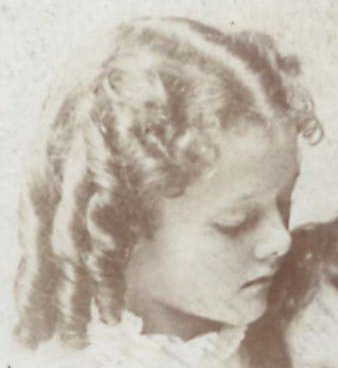
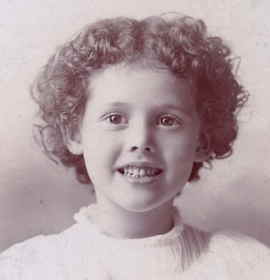
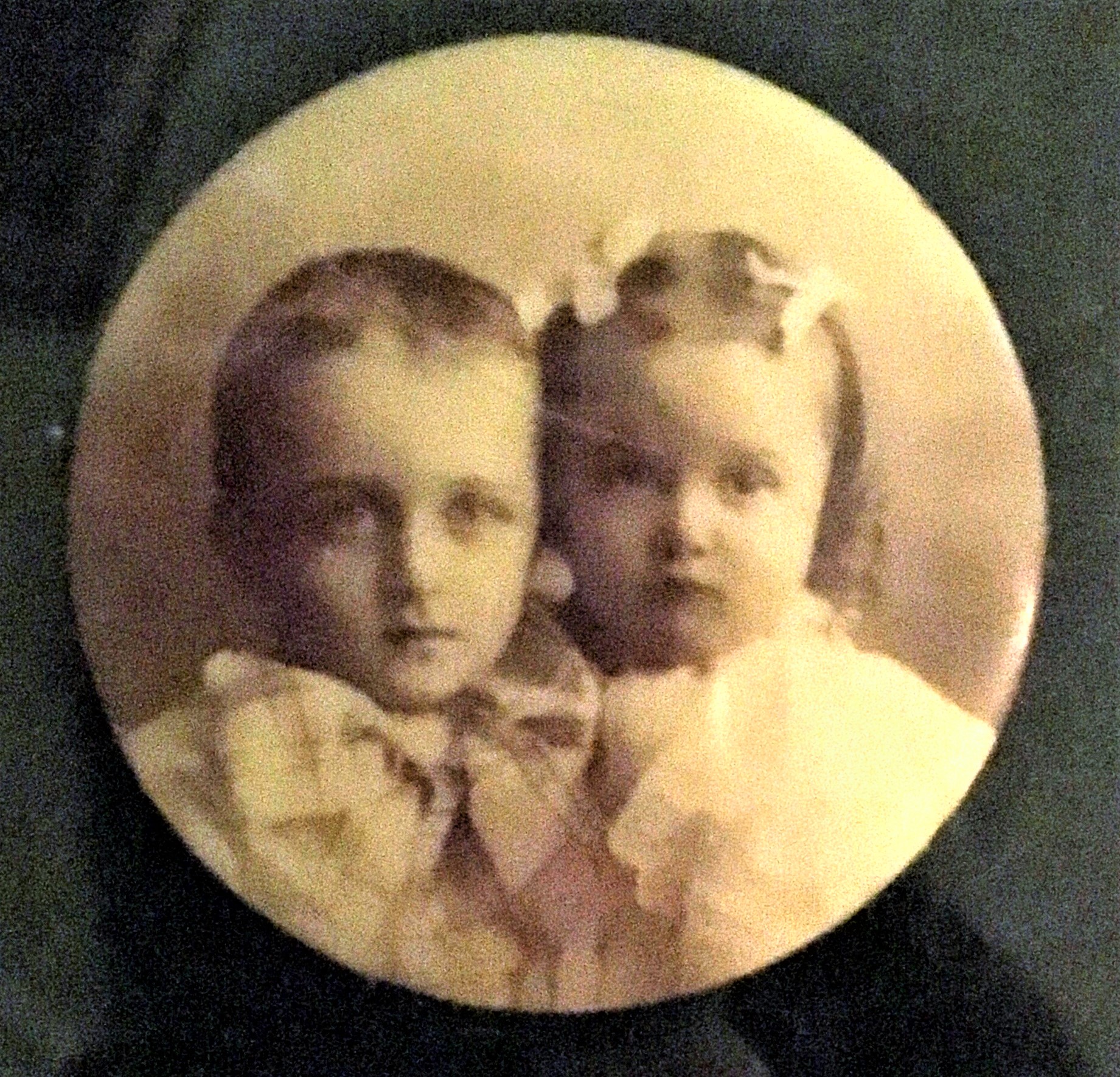
This is a five-installment post about the connections between the Ridge and the Iroquois Theater fire. To read the entire story go to the Ridge Historical Society Facebook page.
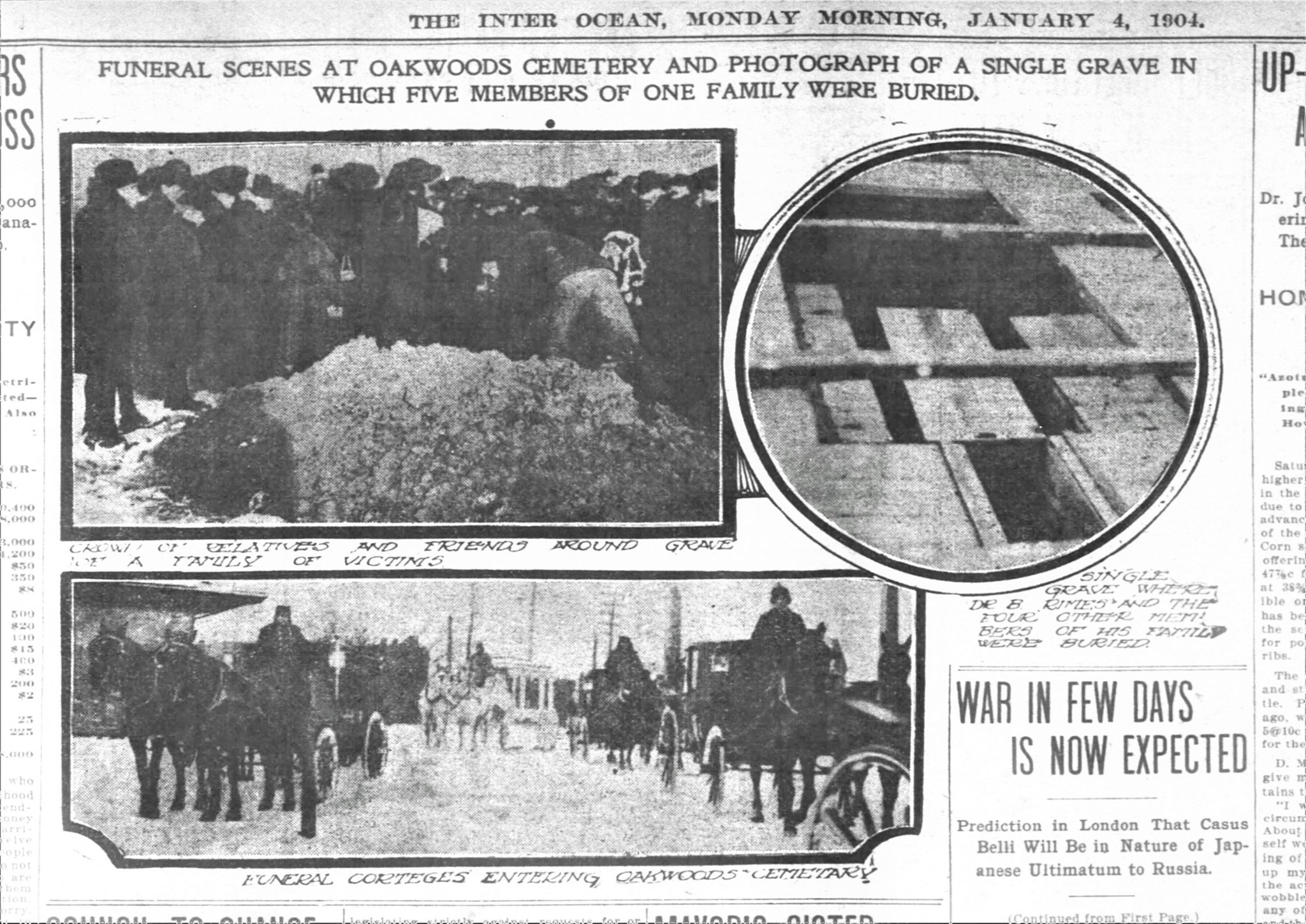
Part 2. Entire families were lost in the Iroquois Theater fire on December 30, 1903. What started for some families as a delightful, much-anticipated holiday event, going downtown to see the musical “Mr. Bluebeard, Jr.” at the new theater, turned into a devastating tragedy.
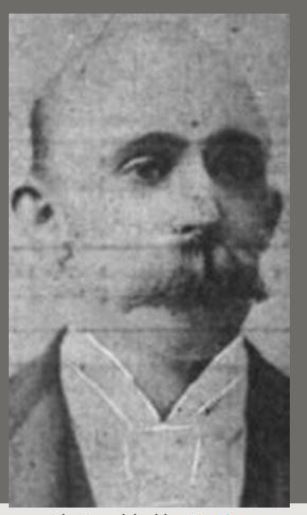
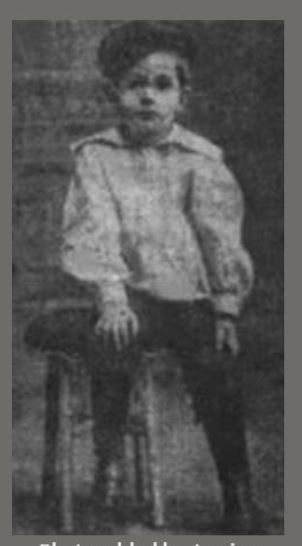
One case was that of a prominent dentist from Englewood, Dr. Mervin B. Rimes, 36. He and his wife Bertha and their three sons, Myron, 10, Thomas, 7, and Lloyd, 5, all perished. According to the history passed down by the family, they were identified by their socks, knitted with their initials by their grandmother as Christmas presents. A 3-year old daughter left at home was the only remaining family member.
The Rimes family was originally scheduled to attend the play with relatives, but that family cancelled due to illness. It appears Dr. Rimes then invited another Englewood dentist, Dr. Albert Oakey, and his daughters Lucile, 13, and Marian, 11. All three Oakeys died that day, also.
The relatives of the Rimes family who cancelled that day were Emma Francis, cousin of Bertha Rimes, and her children, Arthur (Art), 10, and Flora, 7, who had fallen ill. Husband/father John W. Francis had a dry goods establishment in Englewood called The Fair Store. It was a fixture in that community for many years. Emma’s great grandfather was Richard Bingle, who settled on the Ridge in 1842. John and Emma are buried in Mount Greenwood Cemetery.
Art and his family moved to Beverly. Linda Lamberty, RHS Historian, is Art’s granddaughter.
Said Linda, “I recently looked around at a large Christmas gathering of cousins descended from Aunt Flora and it hit me that, by falling ill and causing her mother, brother and herself to miss the play at the Iroquois theater, she saved all of our lives. Had the three of them attended, likely none of us descendants would be alive today.
“But the Oakeys then apparently used those tickets. There is the sobering thought that their descendants never had a chance to exist. Of course, it was not the fault of any of these people that the fire occurred. The dangerous conditions within the theater led to this tragedy.”
The next installments will share more connections to the Ridge.
This will be a five-installment post over the next few days. To access the entire story, visit the Ridge Historical Society Facebook page.
Part I. RHS usually shares upbeat stories, but the Ridge also saw its share of tragedy. As we enter the New Year, this entry is a reminder that every day is a gift.
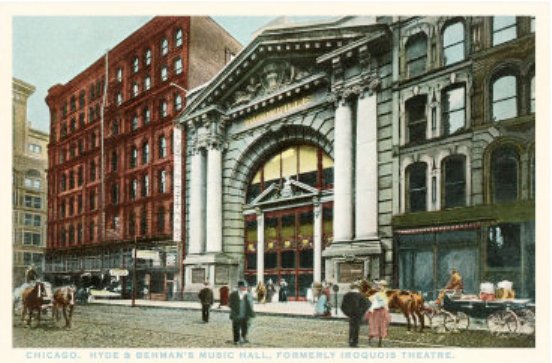
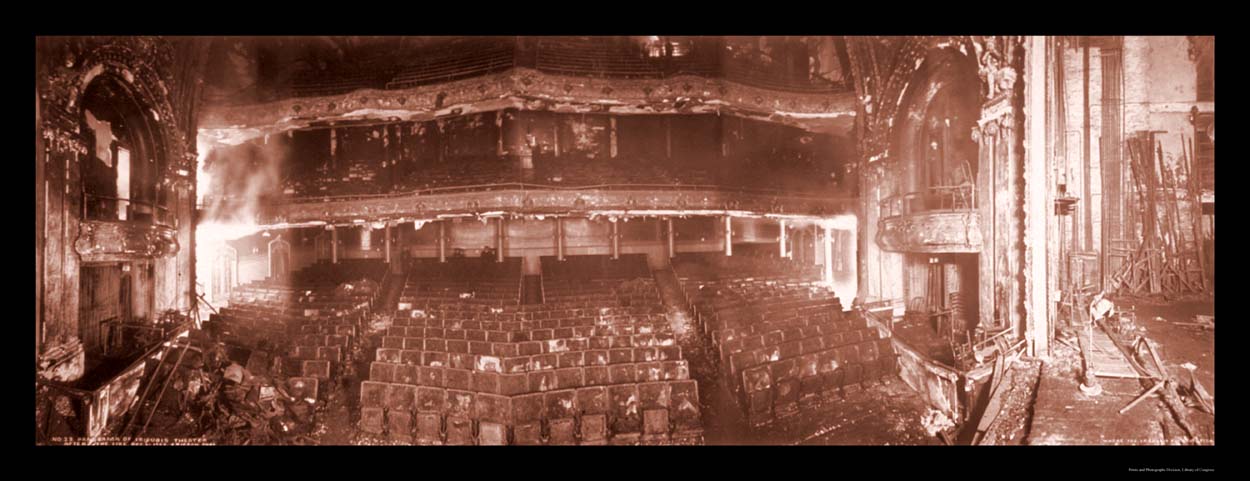
The holidays didn’t always bring “glad tidings of comfort and joy.” On December 30, 1903, one of the biggest tragedies in Chicago’s history occurred. The Iroquois Theater caught fire, resulting in an estimated 602 deaths. This remains the deadliest theater fire and deadliest single-building fire in U. S. history. There were twice as many fatalities with this fire as with the Great Chicago Fire of 1871.
The theater had opened to much fanfare just the month before. It was considered architecturally beautiful and was advertised as “absolutely fireproof.” But in reality there were numerous safety deficiencies that were known by the builders and owners, city officials, fire inspectors and fire department.
The afternoon matinee of the musical play “Mr. Bluebeard, Jr.” on that fateful Wednesday was packed with almost 2,200 people. Most were women with children, enjoying an outing during school break.
Sparks from a stage light, believed to have been caused by a short circuit, ignited a curtain. Seeing the fire, the audience panicked. Many people were trapped – just one safety flaw among many was that the doors at the Iroquois opened inward with locks the people could not operate. The crush of people trying to exit kept the doors pushed shut. People were trampled, asphyxiated and/or burned.
There isn’t space here to recount the horrors inside the theater, or the many acts of heroism that occurred. There are numerous accounts of the fire that can be accessed on-line.
A police officer on patrol saw people running from the theater with their clothes on fire and raised the fire alarm. After the fire was extinguished, the gruesome task of recovering and identifying the victims began. Many were burned beyond recognition.
Investigations led to criminal charges that were later dismissed. Numerous new safety laws were implemented throughout the world as a result of this fire. Just one example that we take for granted today is that exit doors are required to open outward, with crash bars to deactivate the locks.
The Iroquois Theater later reopened as the Colonial Theater and was demolished in 1925. Today, the Oriental Theater occupies that site on Randolph St. between State and Dearborn Streets.
The next installments will cover some of the connections between the Ridge and the Iroquois Theater fire.