
Explore the RHS Facebook Archives, a rich repository of local history written by Carol Flynn. For two decades, Carol brought a deeply dedicated voice to public education at RHS. Her role as Facebook administrator through mid-2025 naturally extended her prolific research into meticulously detailed articles, most notably her multi-part historical series posts. Today, Carol continues her local history writing for The Beverly Review and other outlets.
Vintage Postcards
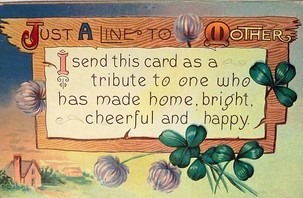
From the Ridge Historical Society
“All that I am, or ever hope to be, I owe to my angel mother.” —Abraham Lincoln
For thousands of years, societies have honored motherhood. The ancient Greeks and Romans paid homage to the mother goddess Cybele. In Rome, she was known as Magna Mater, the Great Mother.
In the United States, modern Mother’s Day actually has its origins in the pacifist movement and concern for Veterans.
Mother’s Day was founded to honor peace activist Ann Jarvis, by her daughter Anna. Jarvis cared for wounded soldiers on both sides during the Civil War. She created Mother’s Day Work Clubs to address public health needs. Her daughter wanted to continue the work her mother started and to honor mothers for all they do.
In 1908, the U.S. Congress rejected the proposal to officially establish Mother’s Day. The men joked they would have to create a “Mother-in-Law’s Day” also. But by 1911, all of the states had adopted the day, and in 1914, President Wilson proclaimed it a national holiday.
Anna Jarvis came to regret she ever came up with the idea when the holiday became excessively commercialized. Hallmark Cards began selling pre-made cards in the early 1920s, and this exploitation of the day for profit infuriated Jarvis. She wanted people to really think about their mothers, to honor their mothers with hand-written testimonials, not to resort to just buying gifts and pre-made cards. She wound up organizing boycotts of Mother’s Day, and was even arrested for disturbing the peace.
Now, the moral of this story is not to stop buying gifts for Mom! It is to sincerely and personally reflect upon her importance in your life, and to acknowledge this to her.
Today Mother's Day is one of the most recognized and celebrated days of the year. It not only honors the mothers of our families; it honors maternal bonds and the influence of mothers in society.
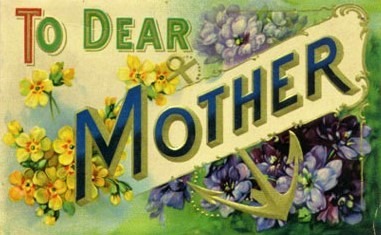
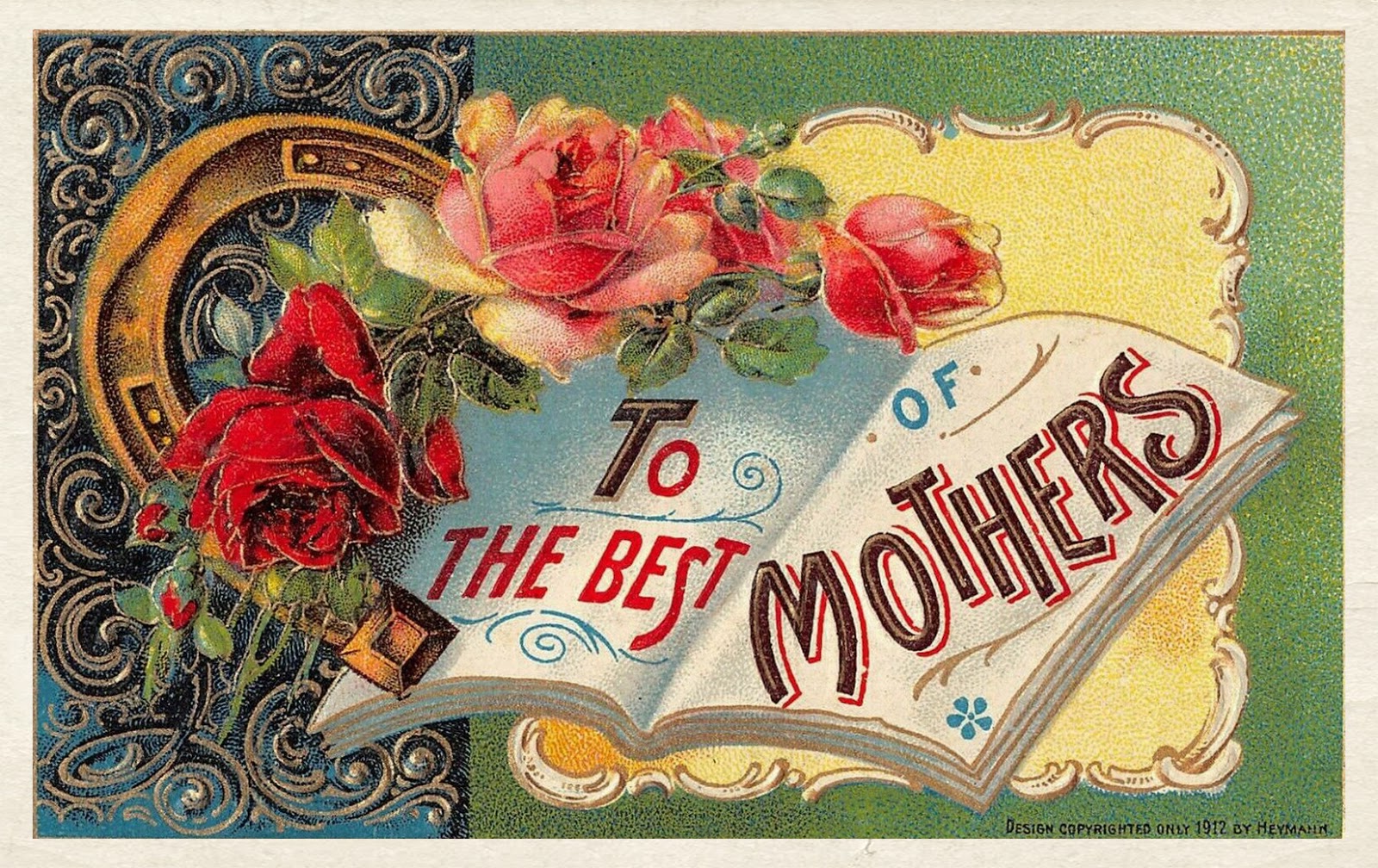
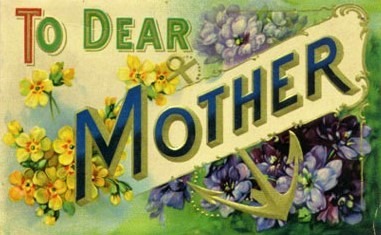
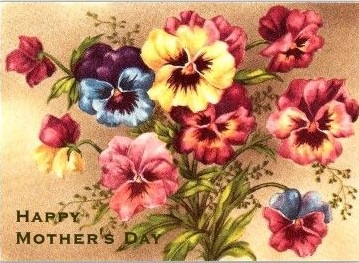
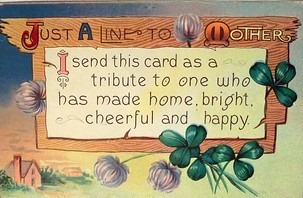
We're sharing some vintage postcards for Mother's Day. The symbol of the anchor is particularly interesting here, not something you often find on a card for a mother. But it is so appropriate – the anchor is a symbol of strength, stability, safety, security. These are certainly the traits associated with motherhood.
Happy Mother's Day!
From the Ridge Historical Society
“All that I am, or ever hope to be, I owe to my angel mother.” —Abraham Lincoln
For thousands of years, societies have honored motherhood. The ancient Greeks and Romans paid homage to the mother goddess Cybele. In Rome, she was known as Magna Mater, the Great Mother.
In the United States, modern Mother’s Day actually has its origins in the pacifist movement and concern for Veterans.
Mother’s Day was founded to honor peace activist Ann Jarvis, by her daughter Anna. Jarvis cared for wounded soldiers on both sides during the Civil War. She created Mother’s Day Work Clubs to address public health needs. Her daughter wanted to continue the work her mother started and to honor mothers for all they do.
In 1908, the U.S. Congress rejected the proposal to officially establish Mother’s Day. The men joked they would have to create a “Mother-in-Law’s Day” also. But by 1911, all of the states had adopted the day, and in 1914, President Wilson proclaimed it a national holiday.
Anna Jarvis came to regret she ever came up with the idea when the holiday became excessively commercialized. Hallmark Cards began selling pre-made cards in the early 1920s, and this exploitation of the day for profit infuriated Jarvis. She wanted people to really think about their mothers, to honor their mothers with hand-written testimonials, not to resort to just buying gifts and pre-made cards. She wound up organizing boycotts of Mother’s Day, and was even arrested for disturbing the peace.
Now, the moral of this story is not to stop buying gifts for Mom! It is to sincerely and personally reflect upon her importance in your life, and to acknowledge this to her.
Today Mother's Day is one of the most recognized and celebrated days of the year. It not only honors the mothers of our families; it honors maternal bonds and the influence of mothers in society.
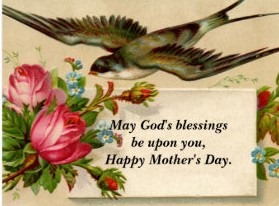
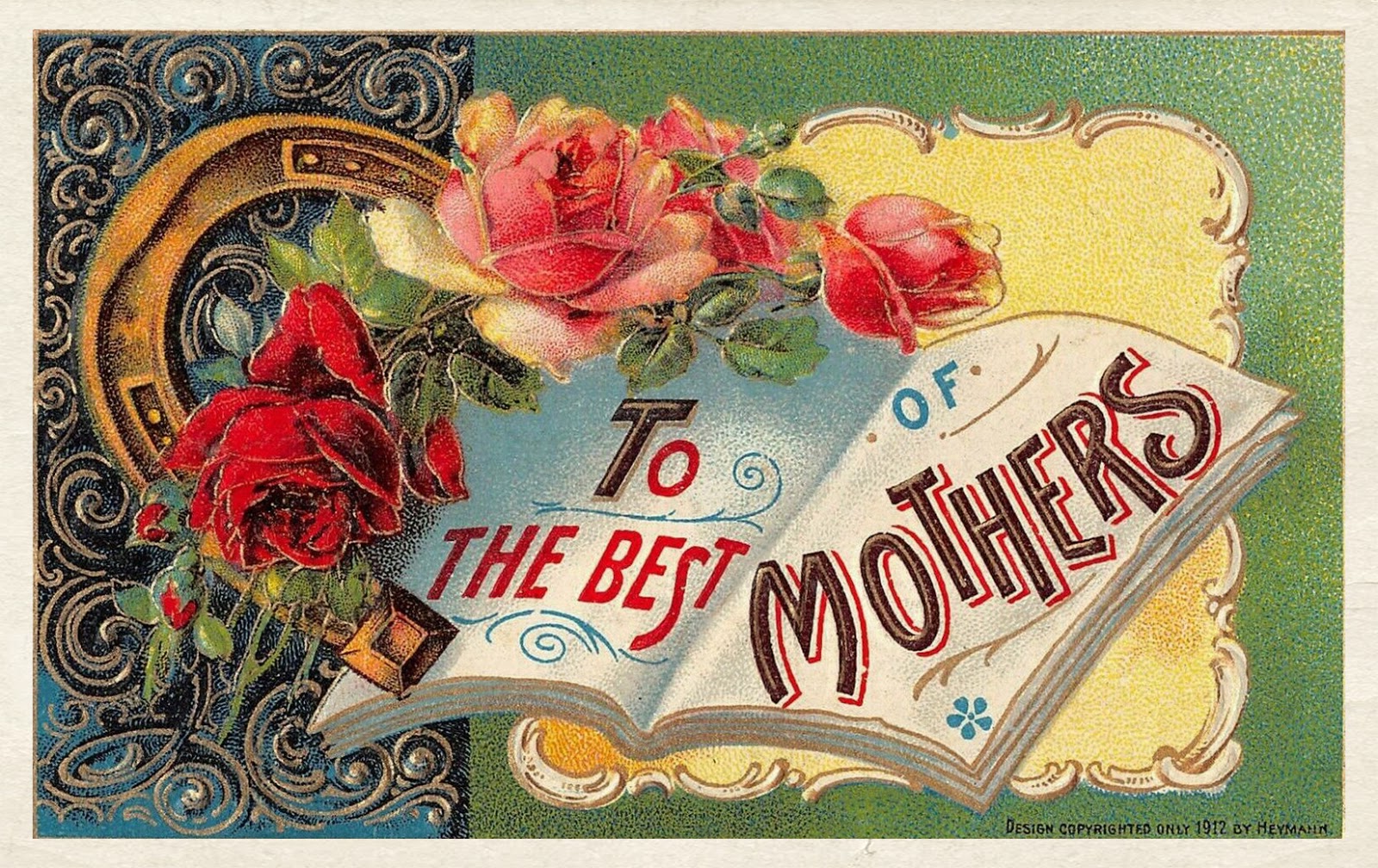
We're sharing some vintage postcards for Mother's Day. The symbol of the anchor is particularly interesting here, not something you often find on a card for a mother. But it is so appropriate – the anchor is a symbol of strength, stability, safety, security. These are certainly the traits associated with motherhood.
Happy Mother's Day!
Ridge Historical Society
Carol Flynn
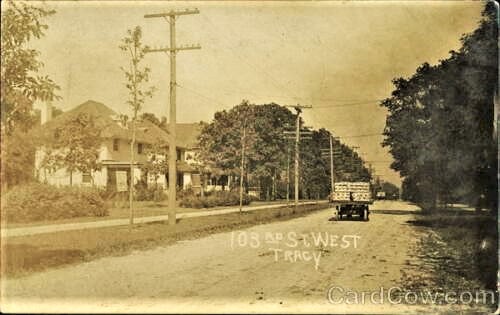
Real picture postcards (RPPCs) were the rage around 1910.
Thanks to George Eastman of Eastman Kodak Company, camera technology had advanced to the point that hand-held box cameras preloaded with film were now available. Once the pictures were taken, the entire camera was sent to the company for processing. The consumer could choose prints or postcards. The camera was reloaded with film and returned to the customer.
These early cameras allowed people to begin capturing everyday images – children at play, social gatherings, local scenery, natural and man-made disasters. Itinerant photographers roamed the country snapping pictures of everything from parades to floods. The postcards started to be sold as local souvenirs.
RPPCs have become valuable with time as visual documentation of local history. They are often referred to as “folk photography.” Needless to say, RHS is a collection point for RPPCs of the Ridge communities.
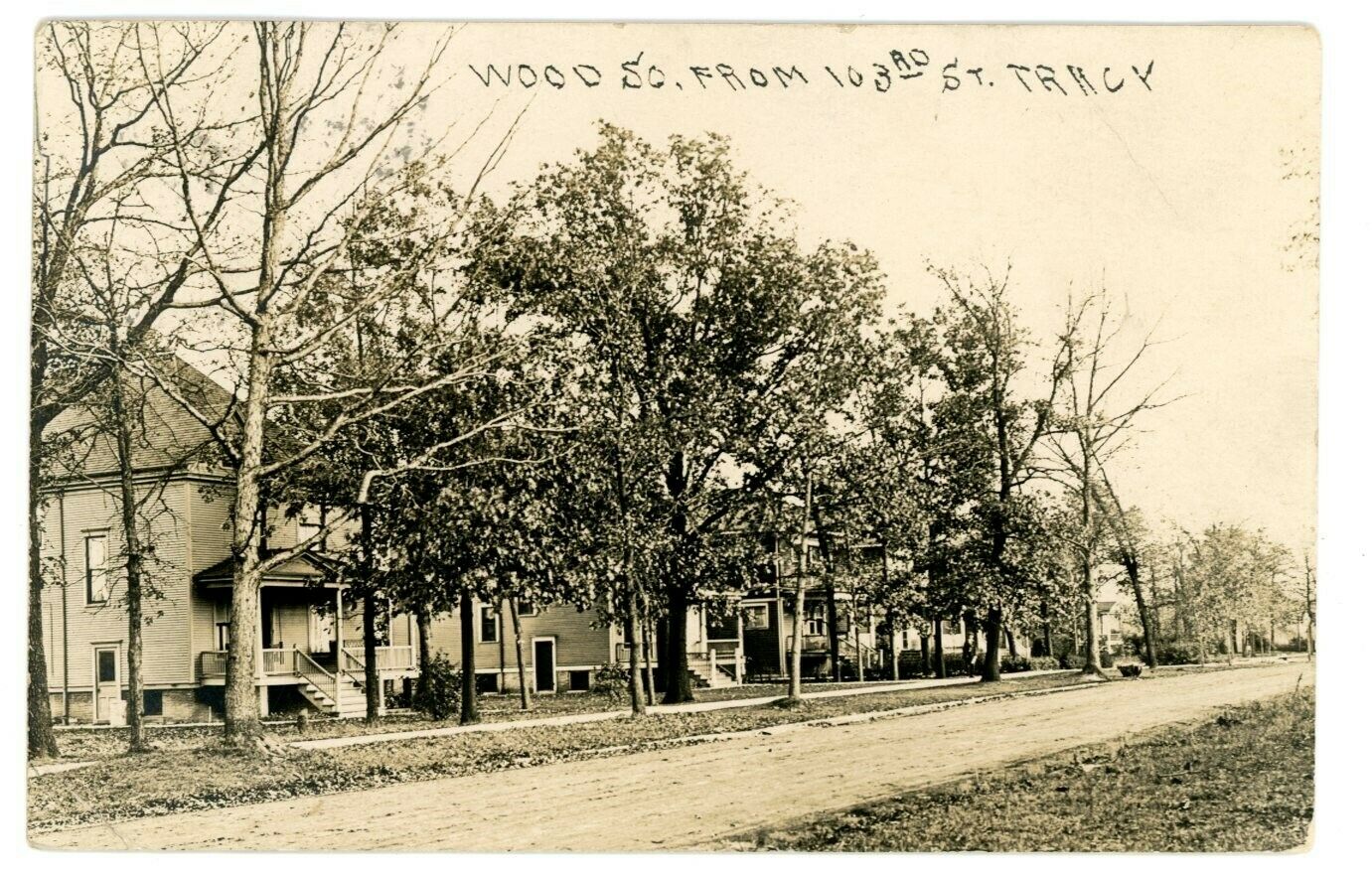
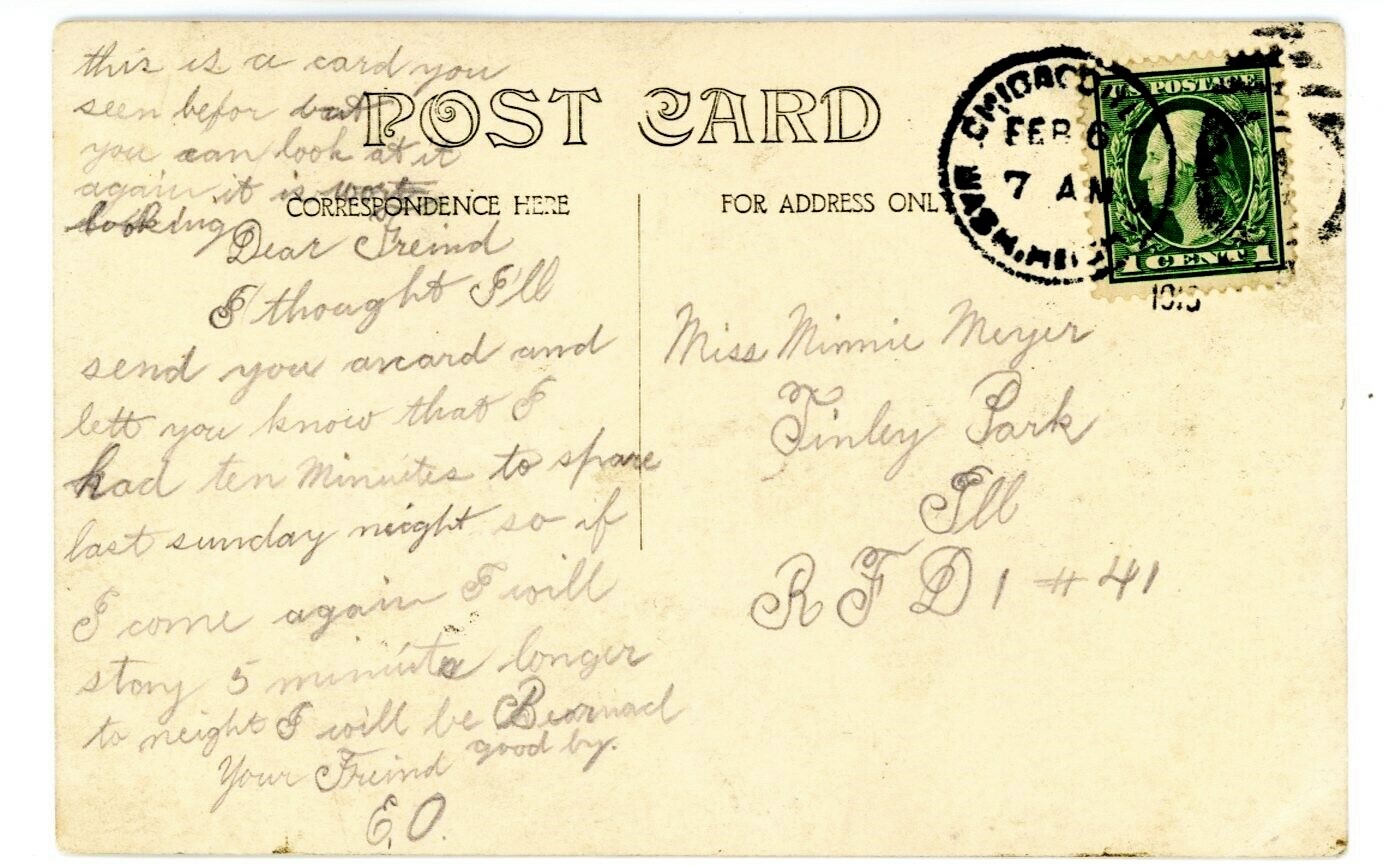
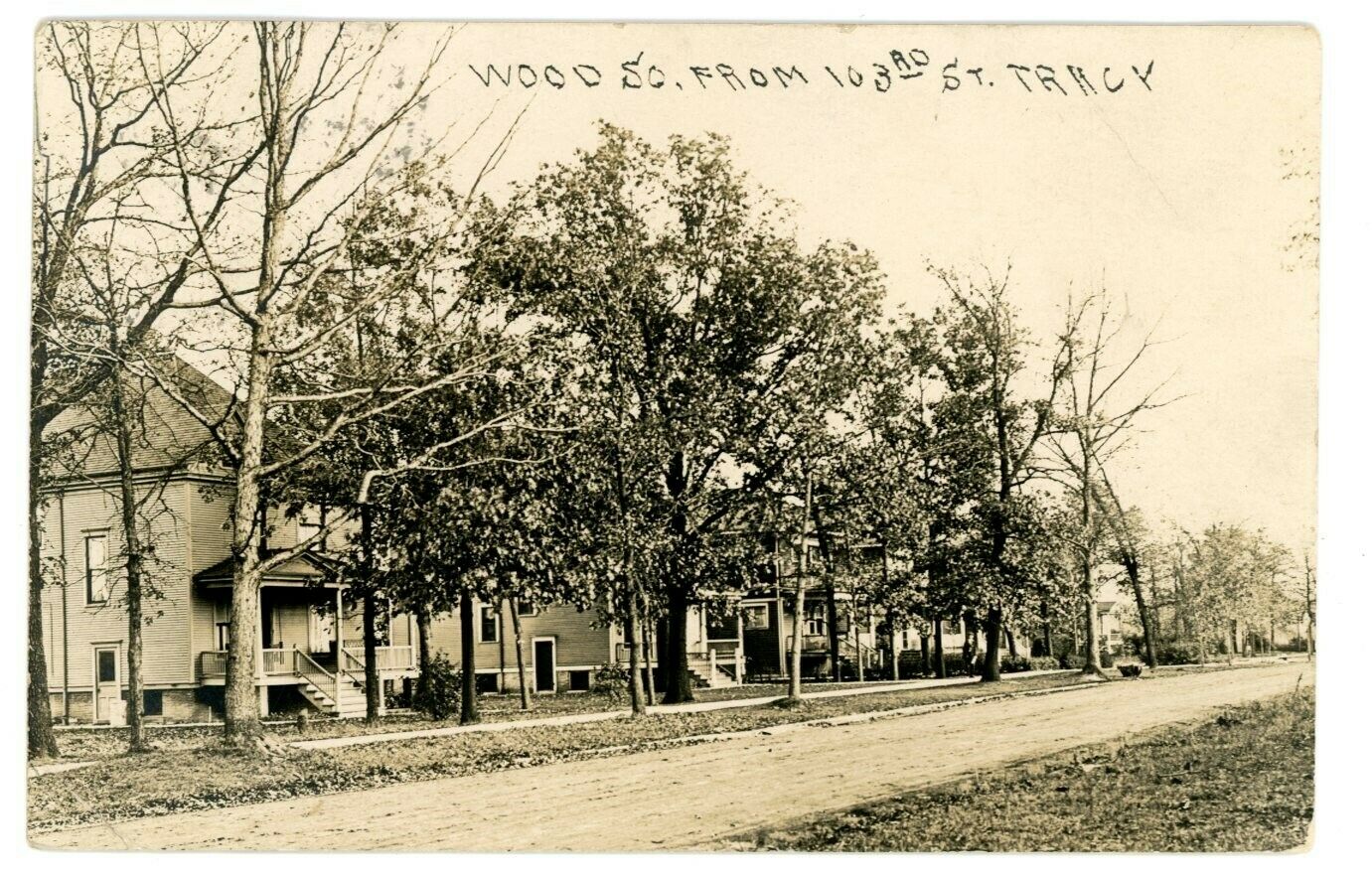
These two RPPCs popped up on eBay recently and have now been purchased for donation to RHS. They are of the “Tracy” area, which was centered around 103rd Street (which was called Tracy until Beverly annexed to the City of Chicago in 1890) between Longwood Drive and Wood Streets. The postcards are labeled from their viewpoints.
Any messages on the backs of the cards are usually also intriguing. Who was “E. O.?” RHS is looking into the exact locations from which these pictures were taken, in order to record then-and-now. And maybe we’ll find E. O.‘s identity.
By the way, the study and collection of postcards is known as “deltiology.”
Ridge Historical Society
Carol Flynn
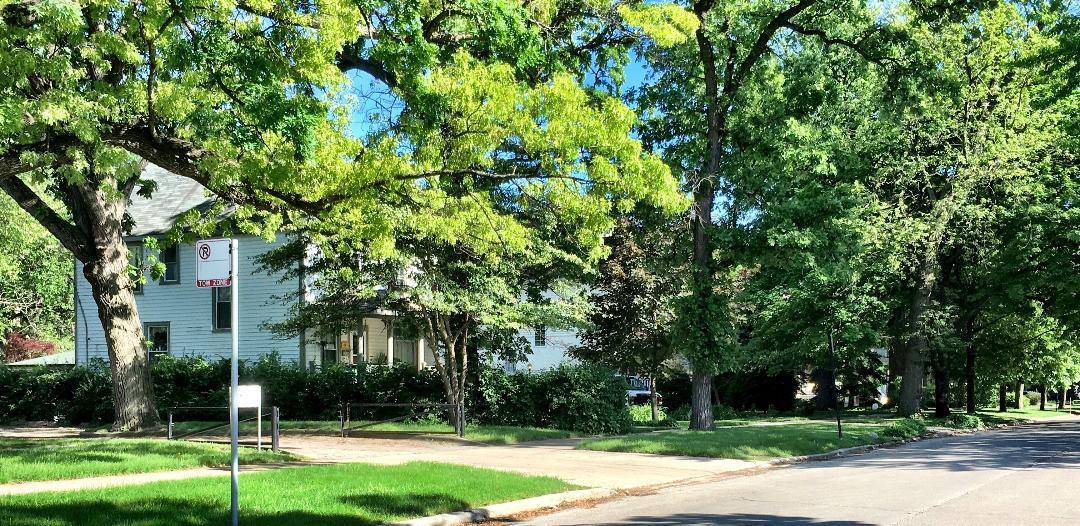
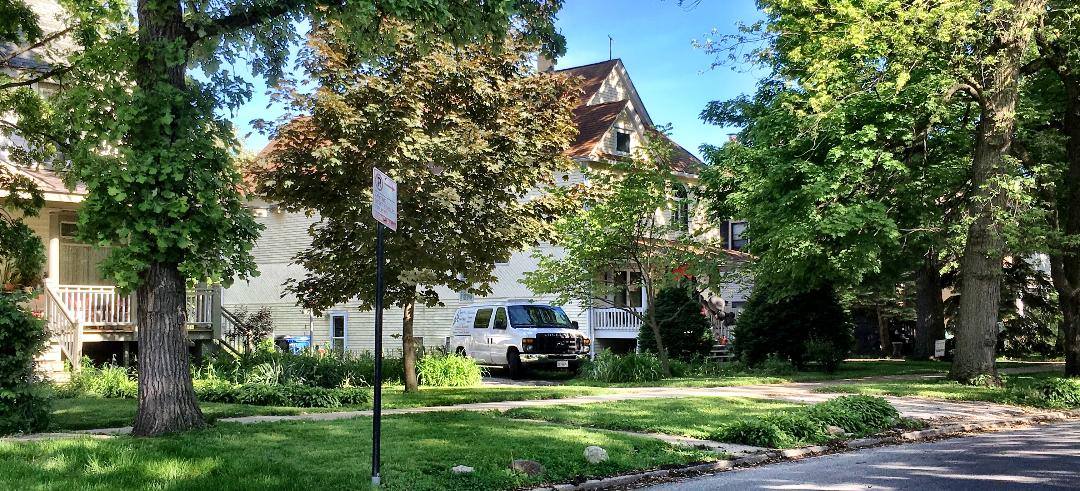
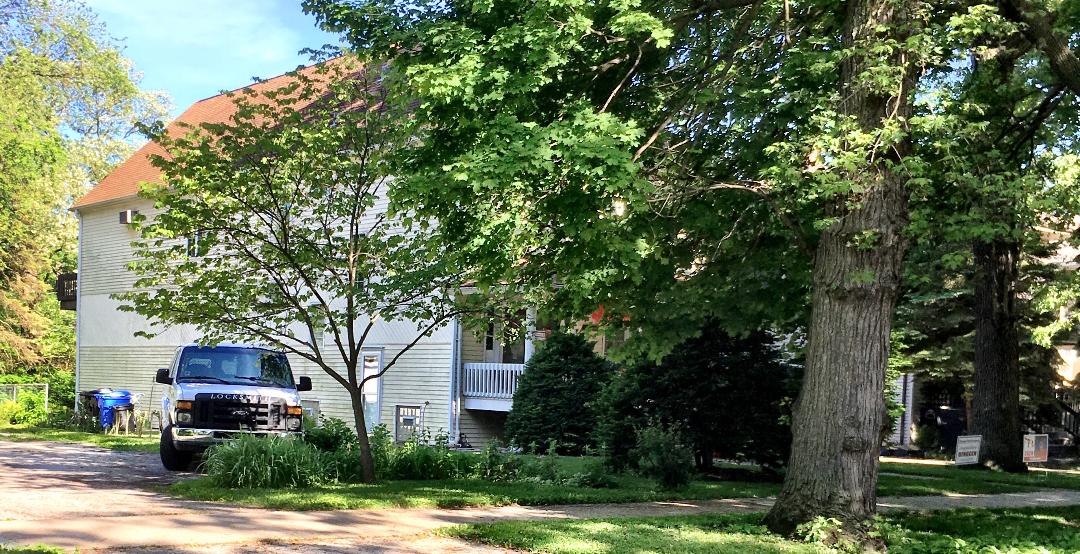
We took some pictures of "now" to go with "then" for the real picture postcard of Wood Street we posted the other day. The first two houses in the postcard are still standing, with some alterations.
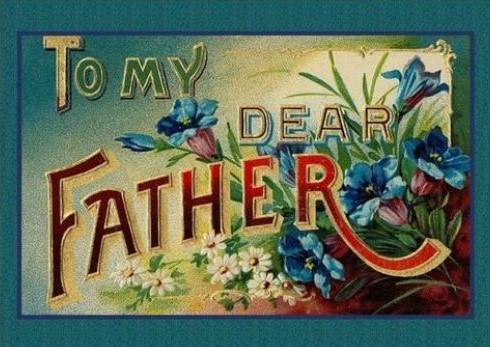
Happy Father's Day to all the dads out there! Here is a vintage postcard to celebrate.
Here is some history about Father's Day.
Father’s Day is an old concept. It has been celebrated on March 19, St. Joseph’s Day, in Europe since the Middle Ages.
In the U. S., the idea of a day to recognize fathers started to receive attention in the early 1900s. There were attempts made around the country to establish such a day, including one for Chicago proposed by Jane Addams of Hull House in 1911. (The city turned her down!)
In 1910, a woman in Spokane, WA, began promoting a day of recognition for all that fathers do. She and her siblings had been raised by their father after their mother died. She worked for this day on-and-off for decades.
Some people feared that a national Father's Day would evolve into a day of commercialism, the complaint by many against Mother's Day. And indeed, it was the men's apparel industry strongly supporting the idea. For many years, neckties have been the number one gift on Father's Day, but as dressing standards have relaxed, ties have much more competition from automotive, technology and sports items.
It took until 1966 for Father’s Day to be proclaimed a national day of recognition, by President Lyndon B. Johnson. It was finally signed into law in 1972.
Here is the original proclamation:
Proclamation 3730—Father's Day, 1966
June 15, 1966
By the President of the United States of America
A Proclamation
The third Sunday in June has for many years been observed as Father's Day. It is most appropriate that the Congress, by enactment of Senate Joint Resolution 161, has now given official recognition to this well- established tradition.
In the homes of our Nation, we look to the fathers to provide the strength and stability which characterize the successful family.
If the father's responsibilities are many, his rewards arc also great—the love, appreciation, and respect of children and spouse. It is the desire to acknowledge publicly these feelings we have for the fathers of our Nation that has inspired the Congress to call for the formal observance of Father's Day.
Now, Therefore, I, Lyndon B. Johnson, President of the United States of America, in consonance with Senate Joint Resolution 161 of the Eighty-ninth Congress, request the appropriate Government officials to arrange for the display of the flag on all Government buildings on Father's Day, Sunday, June 19, 1966.
I invite State and local governments to cooperate in the observance of that day; and I urge all our people to give public and private expression to the love and gratitude which they bear for their fathers.
In Witness Whereof, I have hereunto set my hand and caused the Seal of the United States of America to be affixed.
DONE at the City of Washington this fifteenth day of June in the year of our Lord nineteen hundred and sixty-six, and of the Independence of the United States of America the one hundred and ninetieth.
Signature of Lyndon B. Johnson
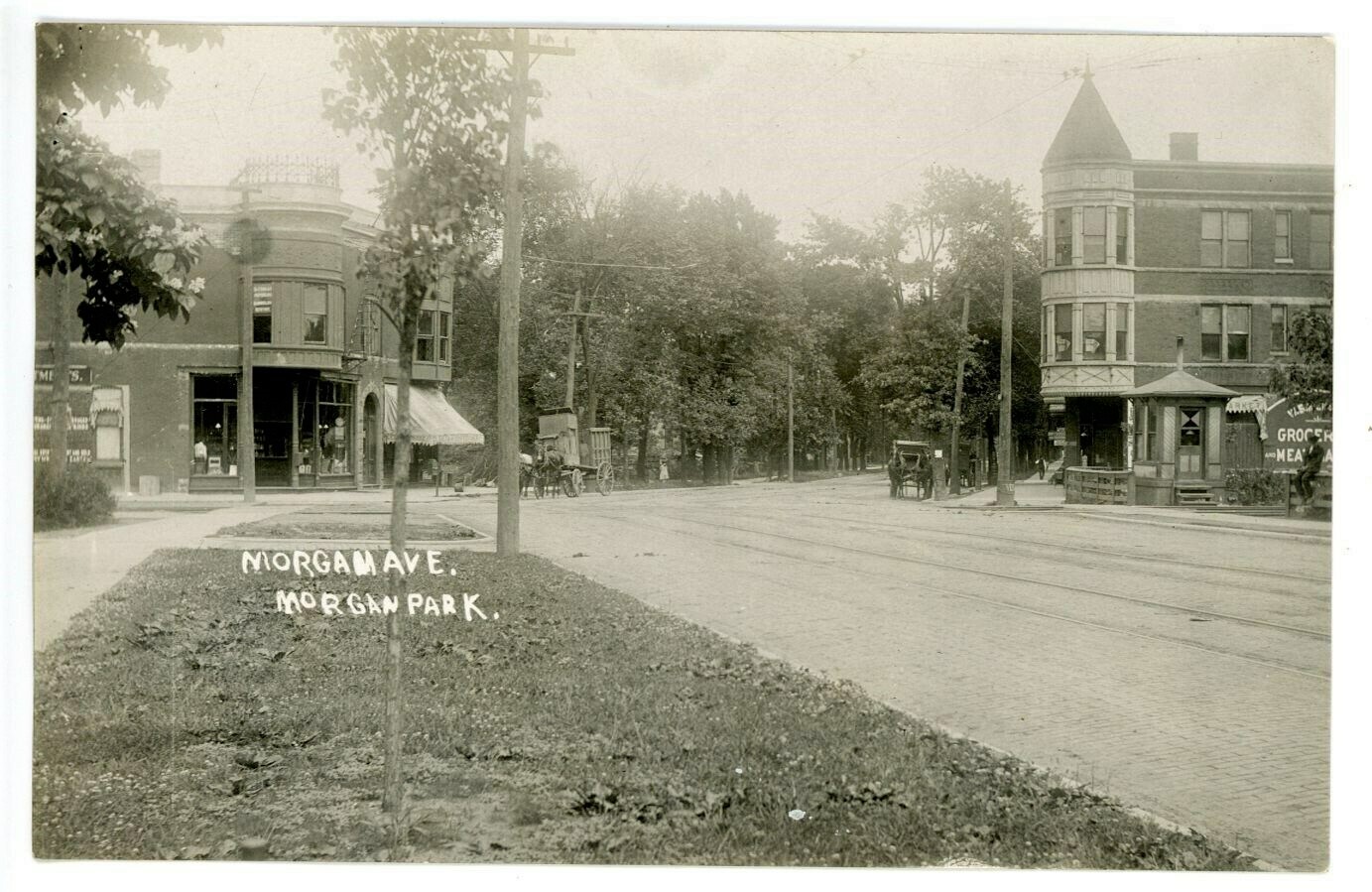
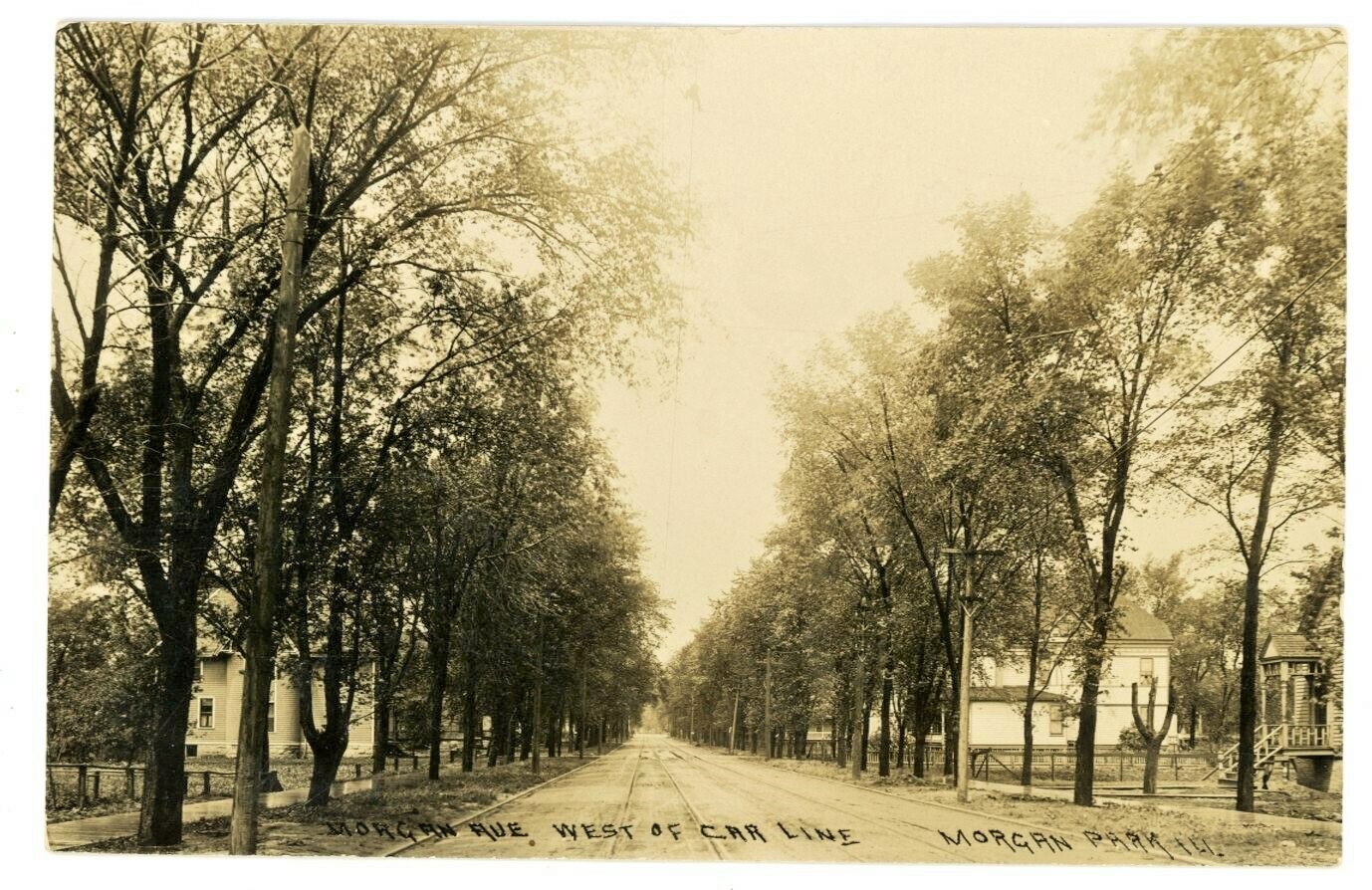
Here are some real picture postcards (RPPCs) that show Morgan Avenue ca. 1910. We've posted before about RPPCs being very popular in the first decade of the 1900s. Cameras were becoming more affordable and portable, and traveling photographers took pictures of everything from neighborhoods to parades to disasters. And we are happy they did so, because these RPPCs are invaluable documentation of local history.
Morgan Avenue was the old name for 111th Street and Monterrey Ave. The picture of the stores would be just east of the Metra tracks, facing east. We're trying to place the other one. It could about where Morgan Park High School is now, facing west. The high school was built in 1914-16, so this would predate that. Actually, it predates Morgan Park's annexation to Chicago, which happened in 1914. Another option is that it could be west of Western Ave., heading toward the cemeteries.
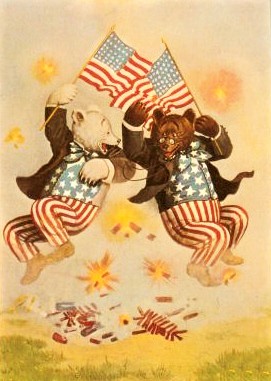
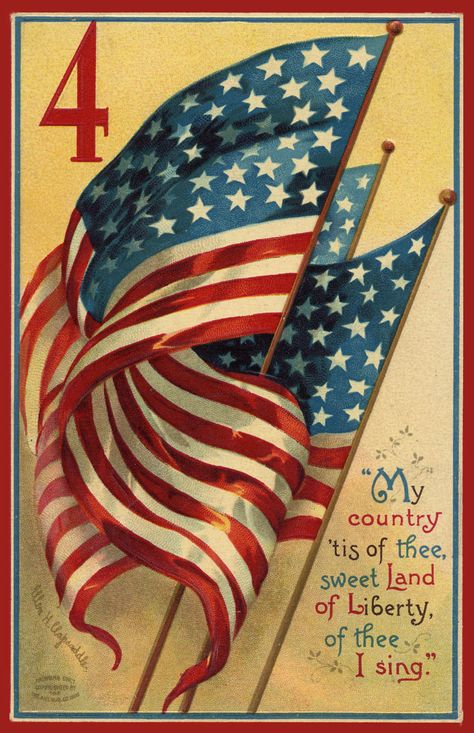
Happy Fourth of July from the Ridge Historical Society! Here are some vintage postcards to celebrate!
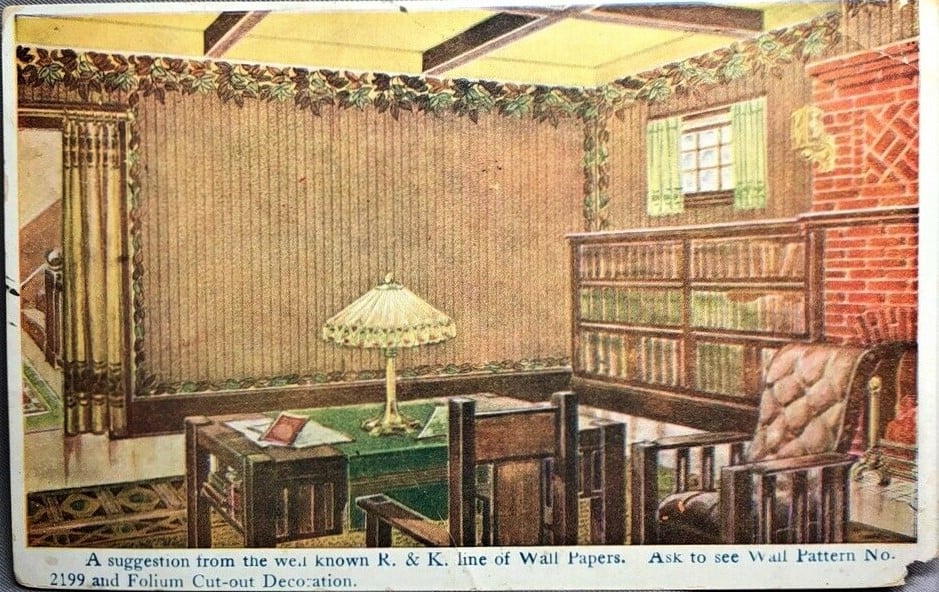
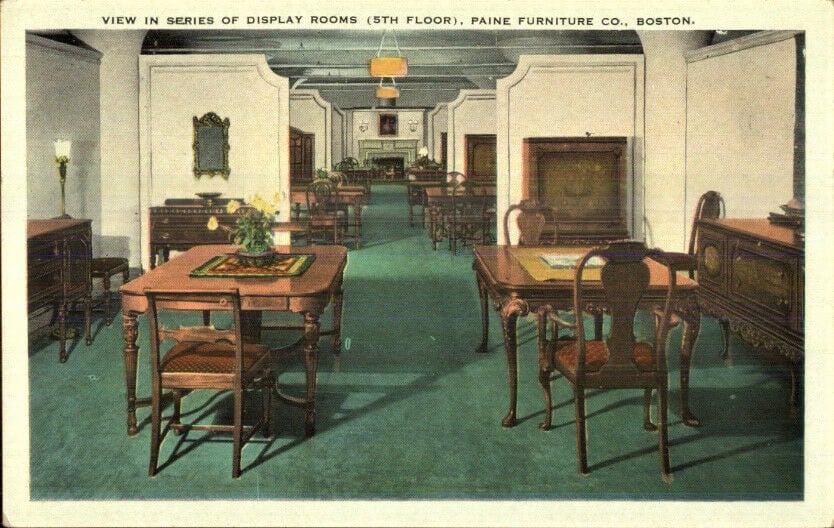
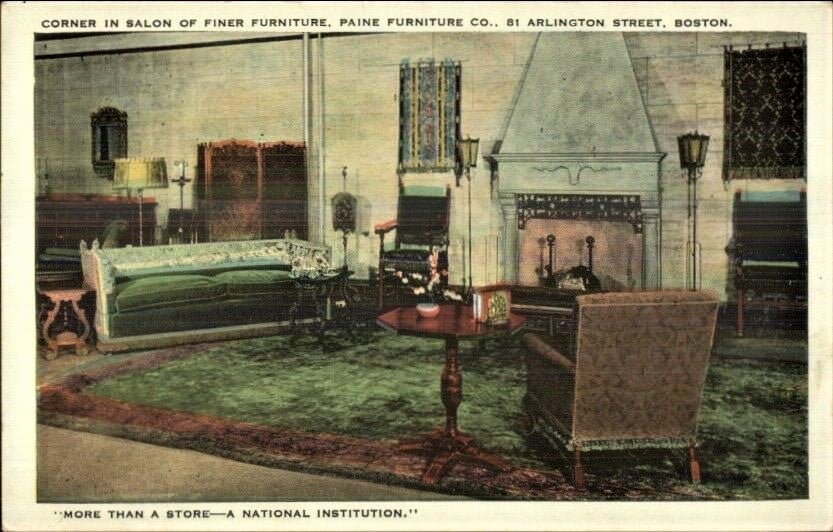
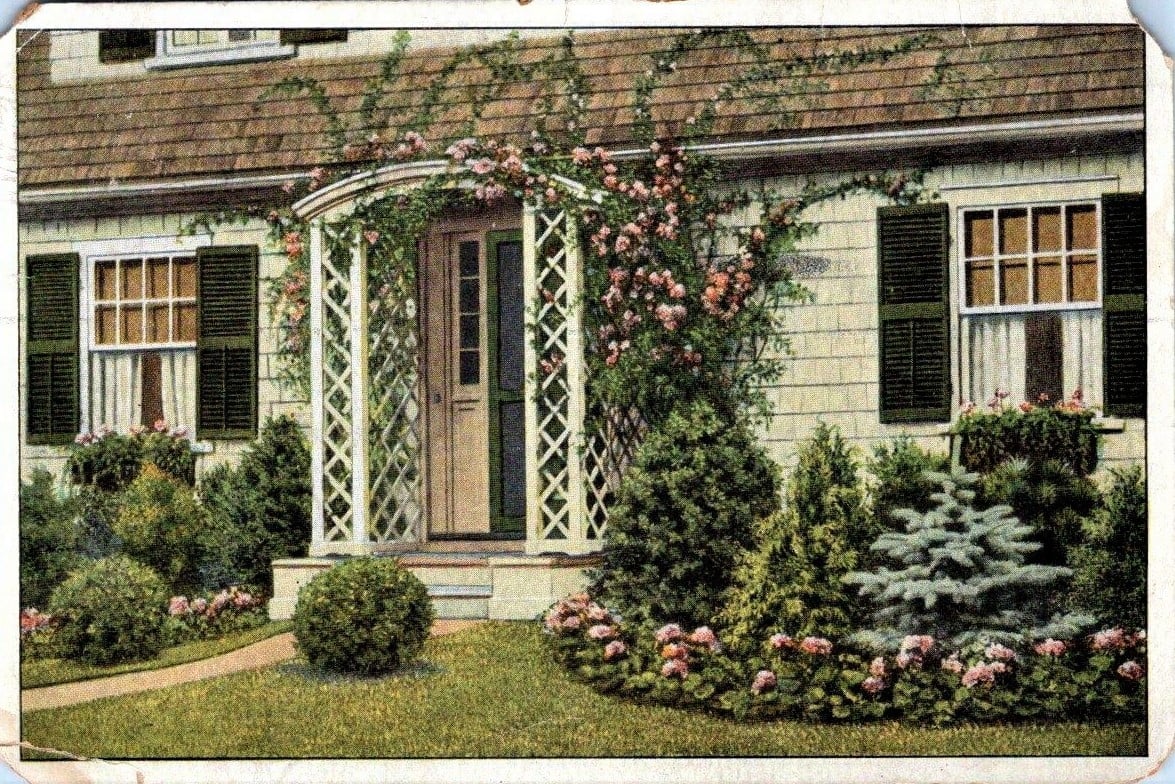
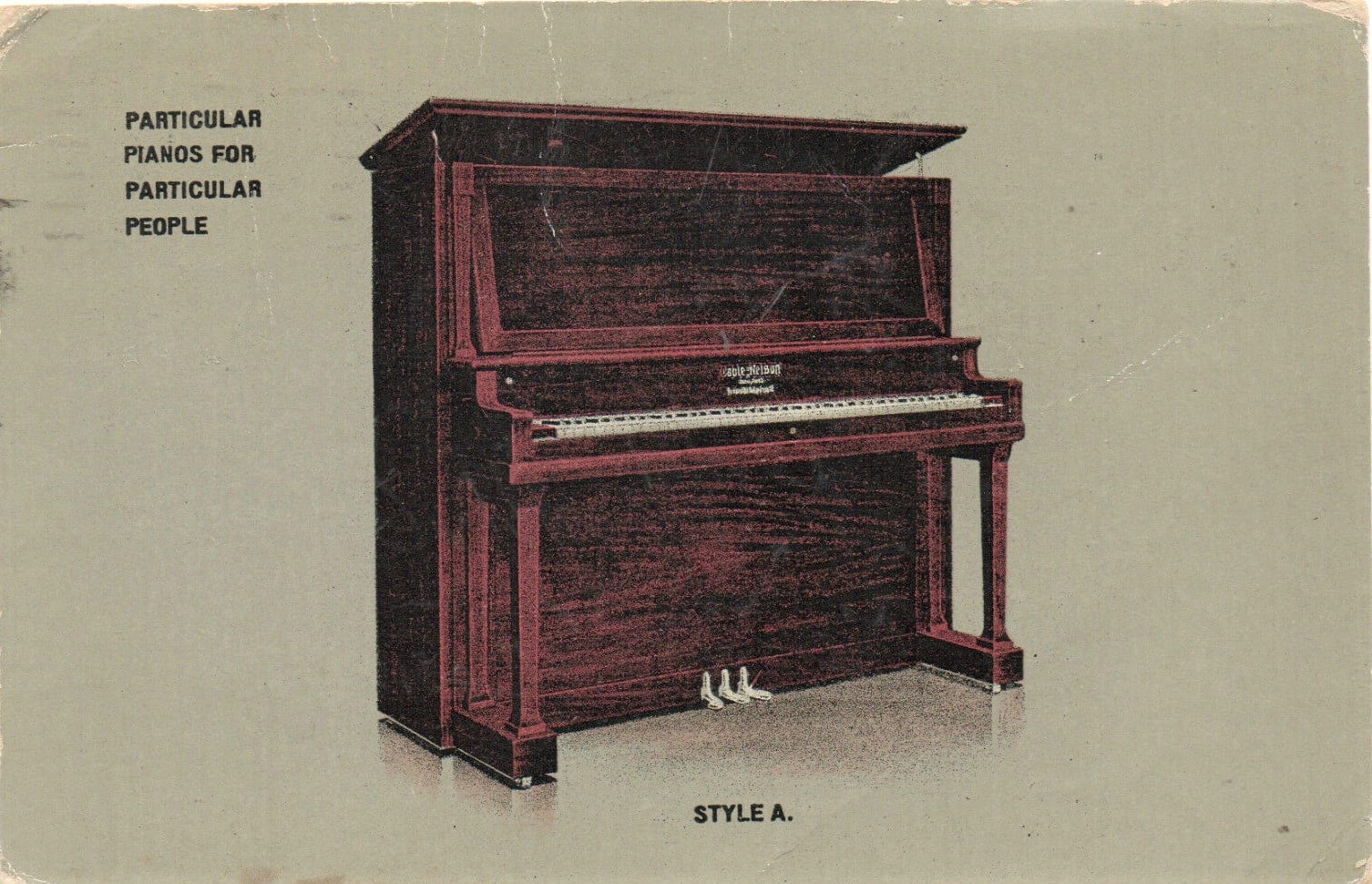
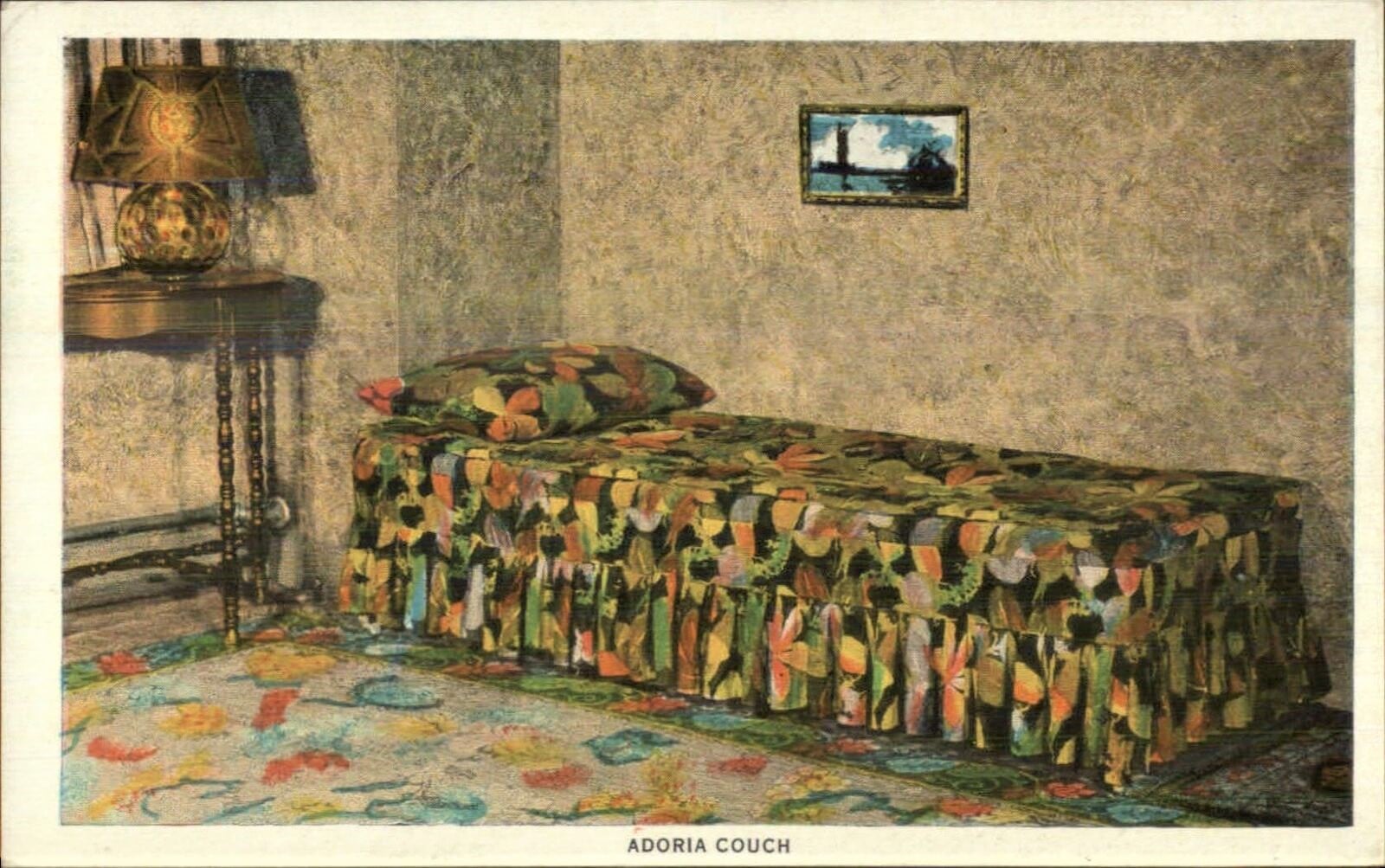
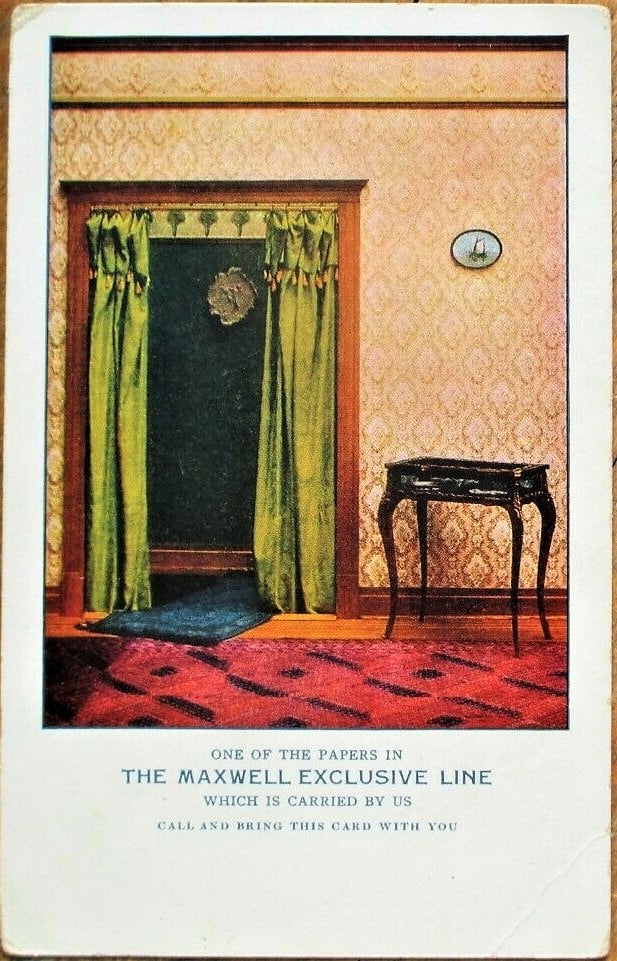
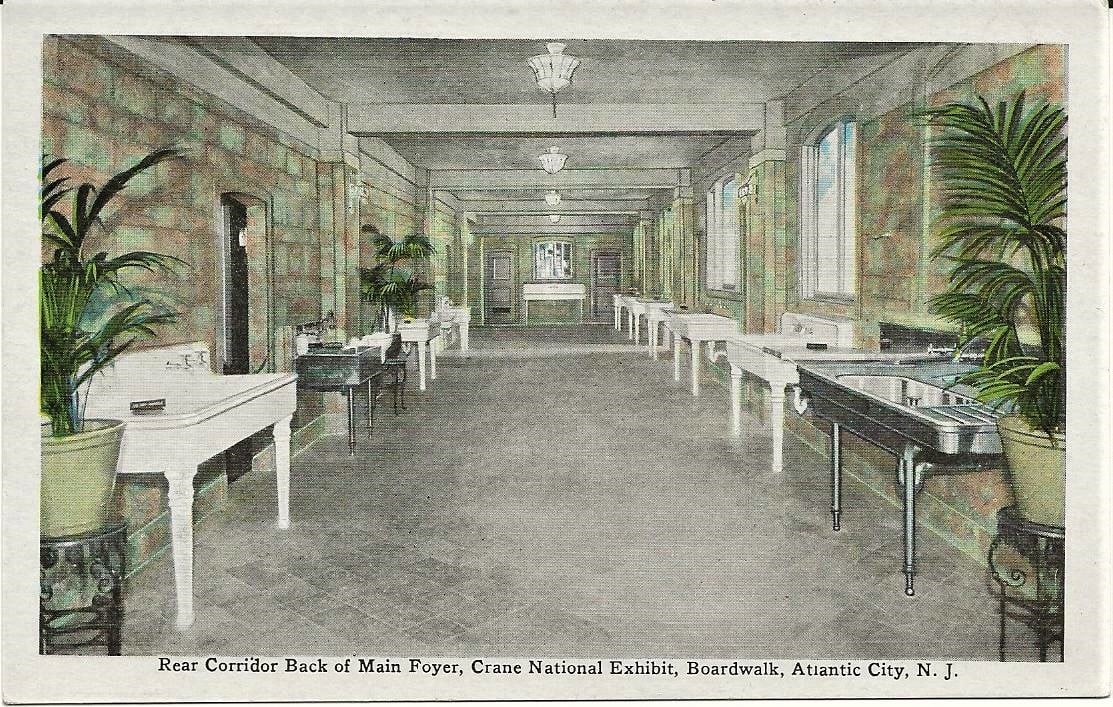
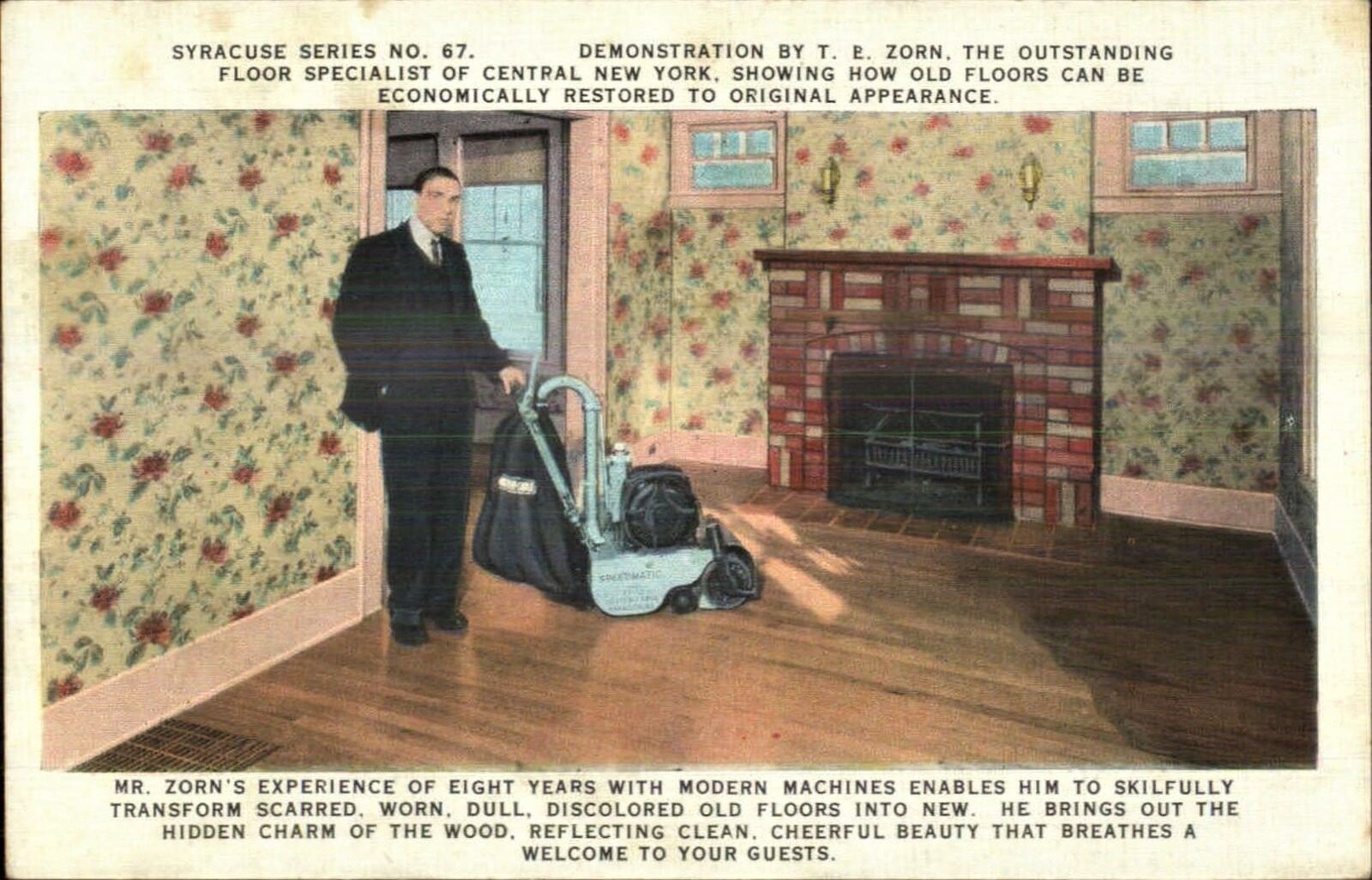
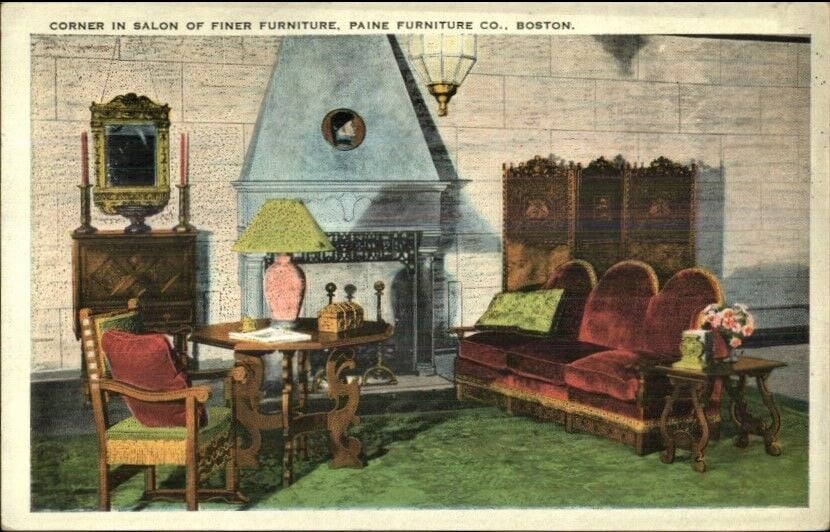
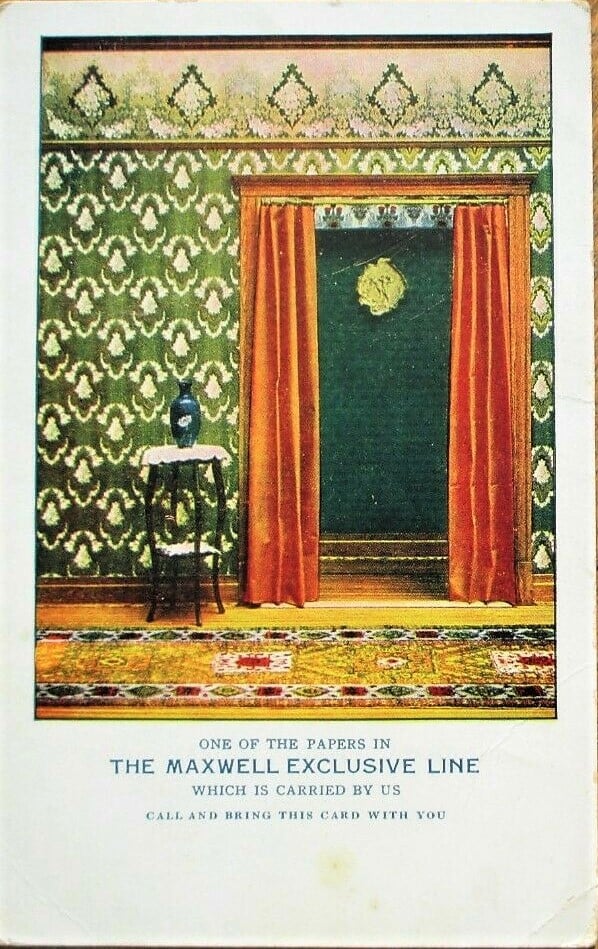
Here's a fun post, motivated by all the people doing home improvement and redecorating projects right now. If it were 1920, one hundred years ago, here are some postcard advertisements that might come your way.
– Carol Flynn
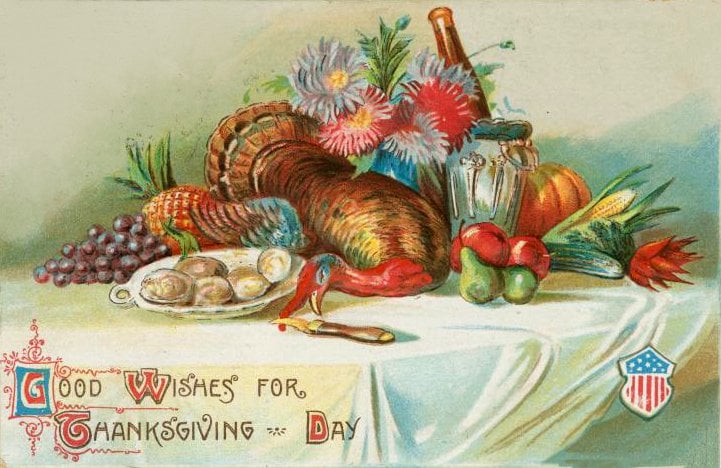
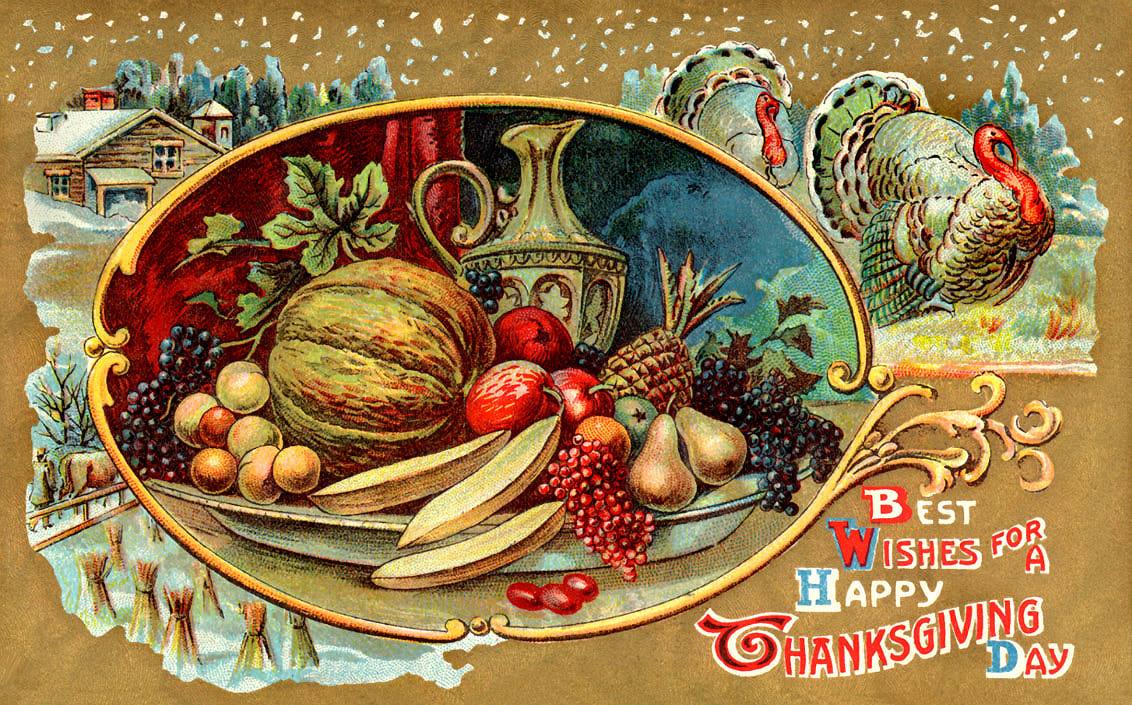
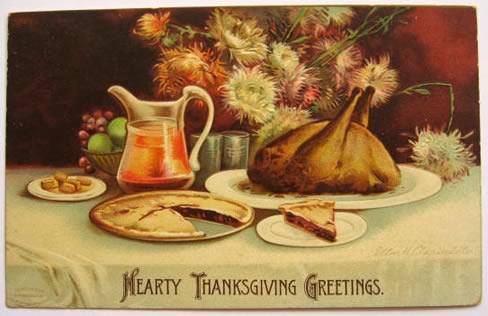
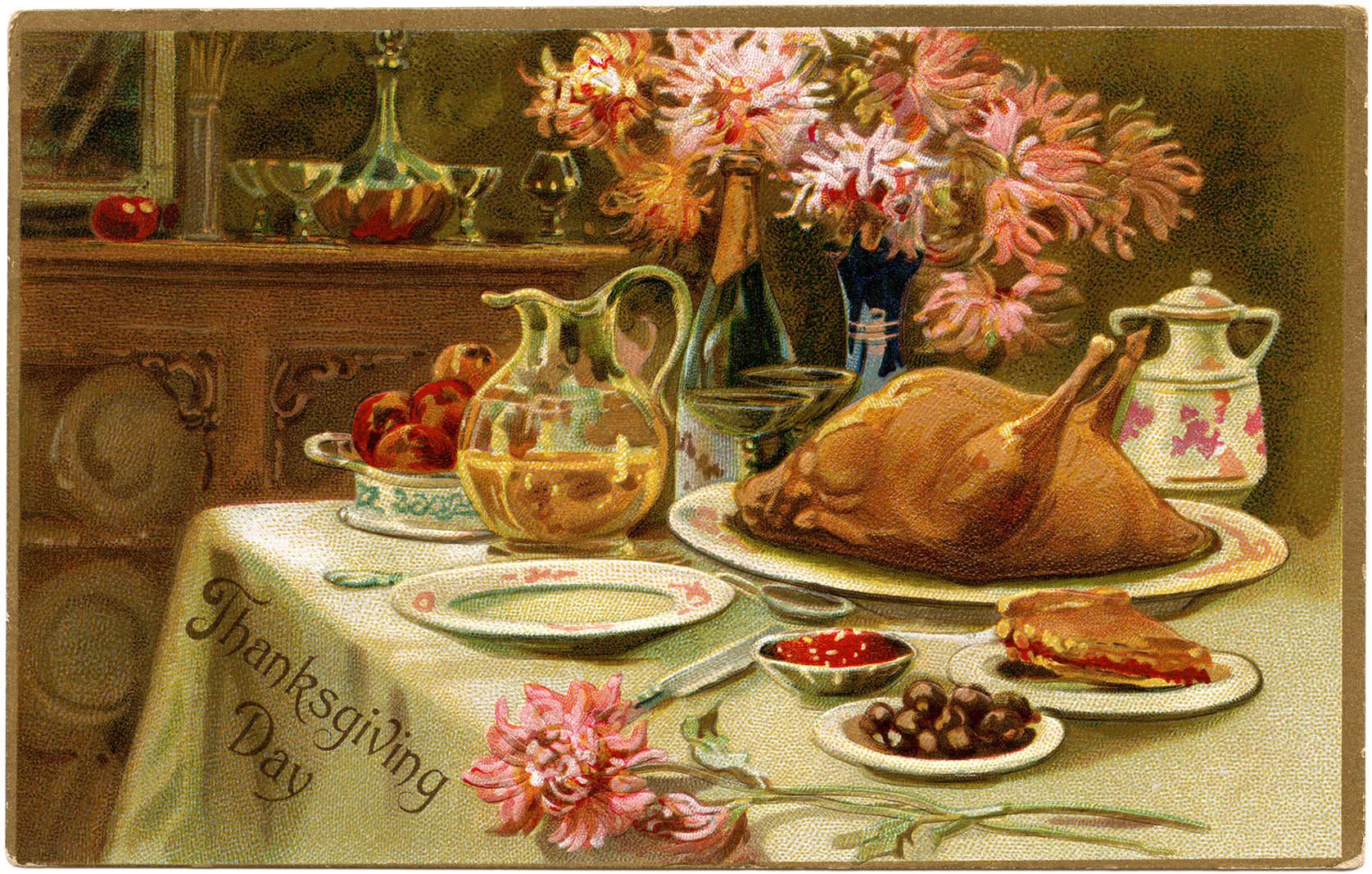
Happy Thanksgiving! Here are some vintage postcards. Since the day is mainly devoted to eating, they all feature feasts.
The Ridge Historical Society
Easter Sunday 2021
By Carol Flynn
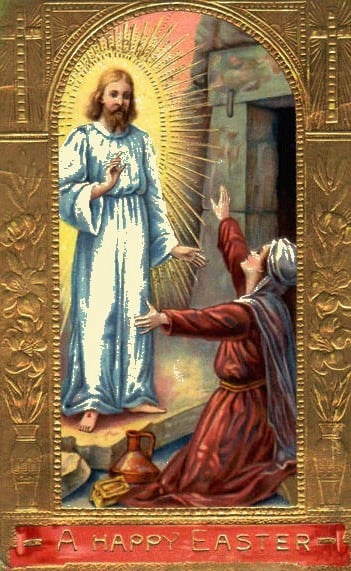
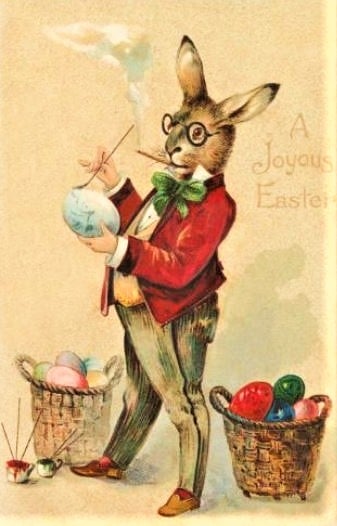
Here are some vintage postcards for Easter.
I always wonder on a day like today as we compare the true meaning of the day, a religious holy day, and the secular, commercial aspect.
Who is the bigger hero on Easter? Jesus Christ or the Easter Bunny?
Happy Easter.