Explore the RHS Facebook Archives, a rich repository of local history written by Carol Flynn. For two decades, Carol brought a deeply dedicated voice to public education at RHS. Her role as Facebook administrator through mid-2025 naturally extended her prolific research into meticulously detailed articles, most notably her multi-part historical series posts. Today, Carol continues her local history writing for The Beverly Review and other outlets.
2024
The Ridge Historical Society
Louise Barwick – Part 7
By Carol Flynn
The Ridge Historical Society (RHS) is open again, following weather-related closures.
The current exhibit, “Louise Barwick’s Lost Ridge,” may be viewed on Sundays and Tuesdays from 1:00 p.m. to 4:00 p.m. or by appointment. RHS is located at 10621 S. Seeley Avenue in Chicago. The exhibit is free. RHS may be contacted at 773/881-1675 or ridgehistory@hotmail.com.
Louise Barwick (1871 – 1957) was a long-time resident and art teacher in the Ridge community. Her watercolor paintings of local scenes from around 1900, which form the basis of the current exhibit, offer a visual history of the environment of that time.
By 1904, Louise was employed as a teacher in the Calumet district of the Cook County school system, which included Morgan Park. Morgan Park was listed as one of the few school districts that had both drawing and music specialty programs.
For the next several decades, Louise was a drawing teacher at various schools on the south side of Chicago, including the West Pullman School as well as the Morgan Park schools. She lived with her mother at several addresses, and in 1920, Mrs. Barwick, Louise, and younger sister Edith Beardsley and niece Louise Beardsley were all living at 2236 W. 113th St., in Morgan Park. Louise was listed as a grammar school teacher, and her sister as a music teacher.
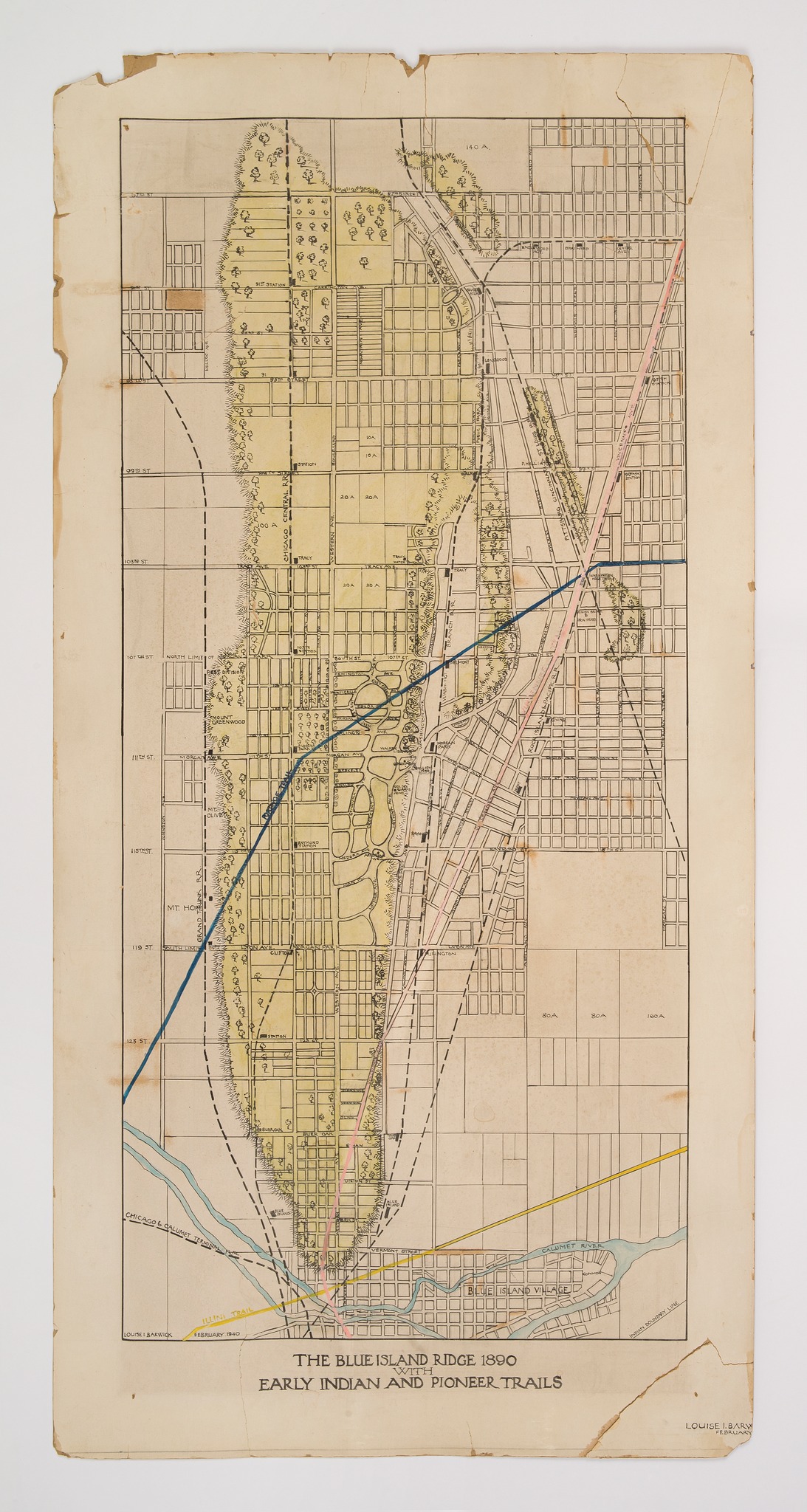
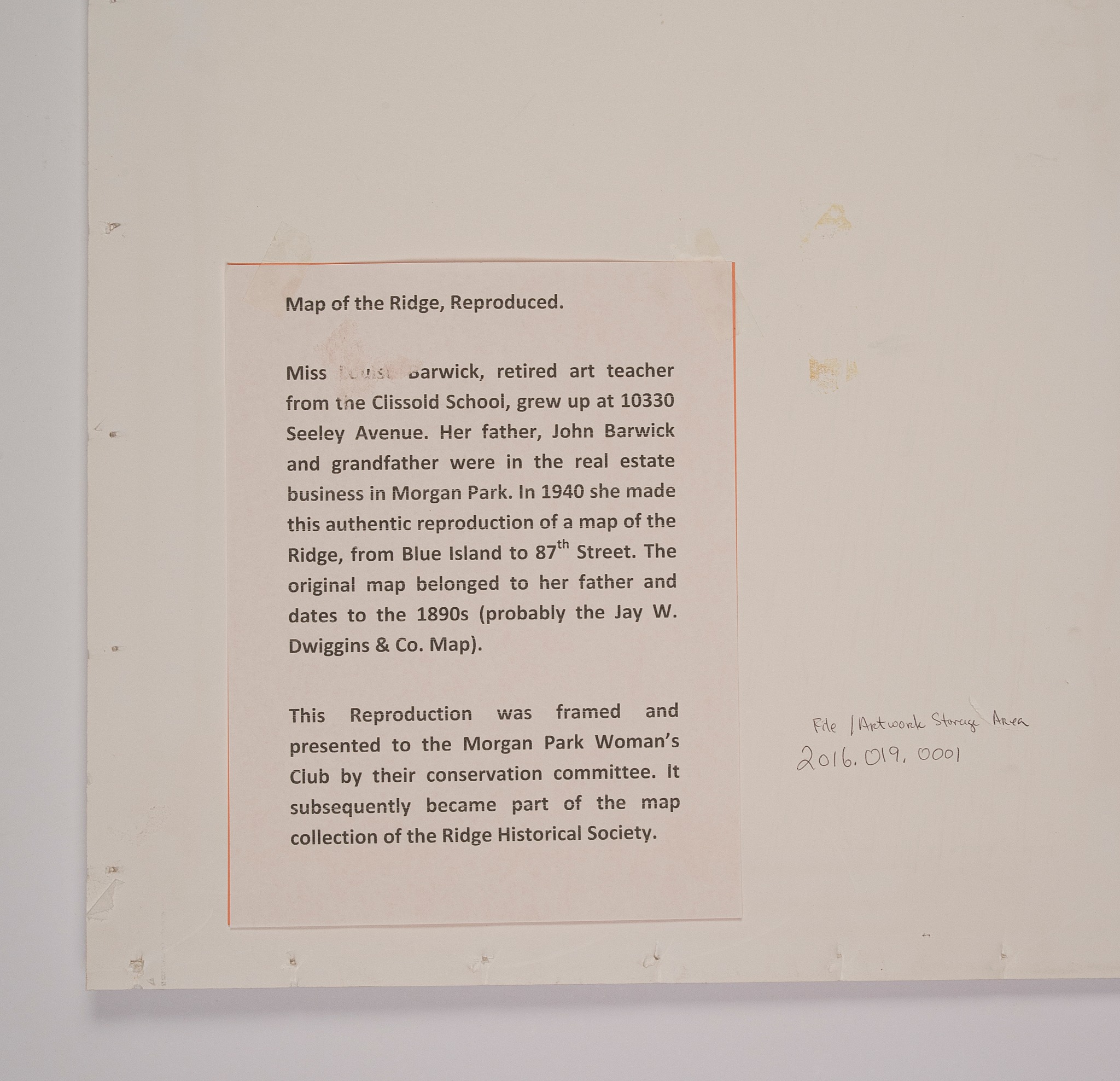
In 1940, Louise, now a retired art teacher from Clissold School, made an authentic reproduction of a map of the Ridge from Blue Island to 87th Street that belonged to her father and dated back to 1880. The reproduction was framed and presented to the Morgan Park Woman’s Club and is now in the RHS collection. At the time she and her sister lived at 11252 S. Bell Ave.
Louise Barwick died in 1957 and was laid to rest in Mt. Hope Cemetery. Unfortunately, RHS does not have a good photo of Louise Barwick.
The next post will share some of Louise’s water color paintings of local scenes.
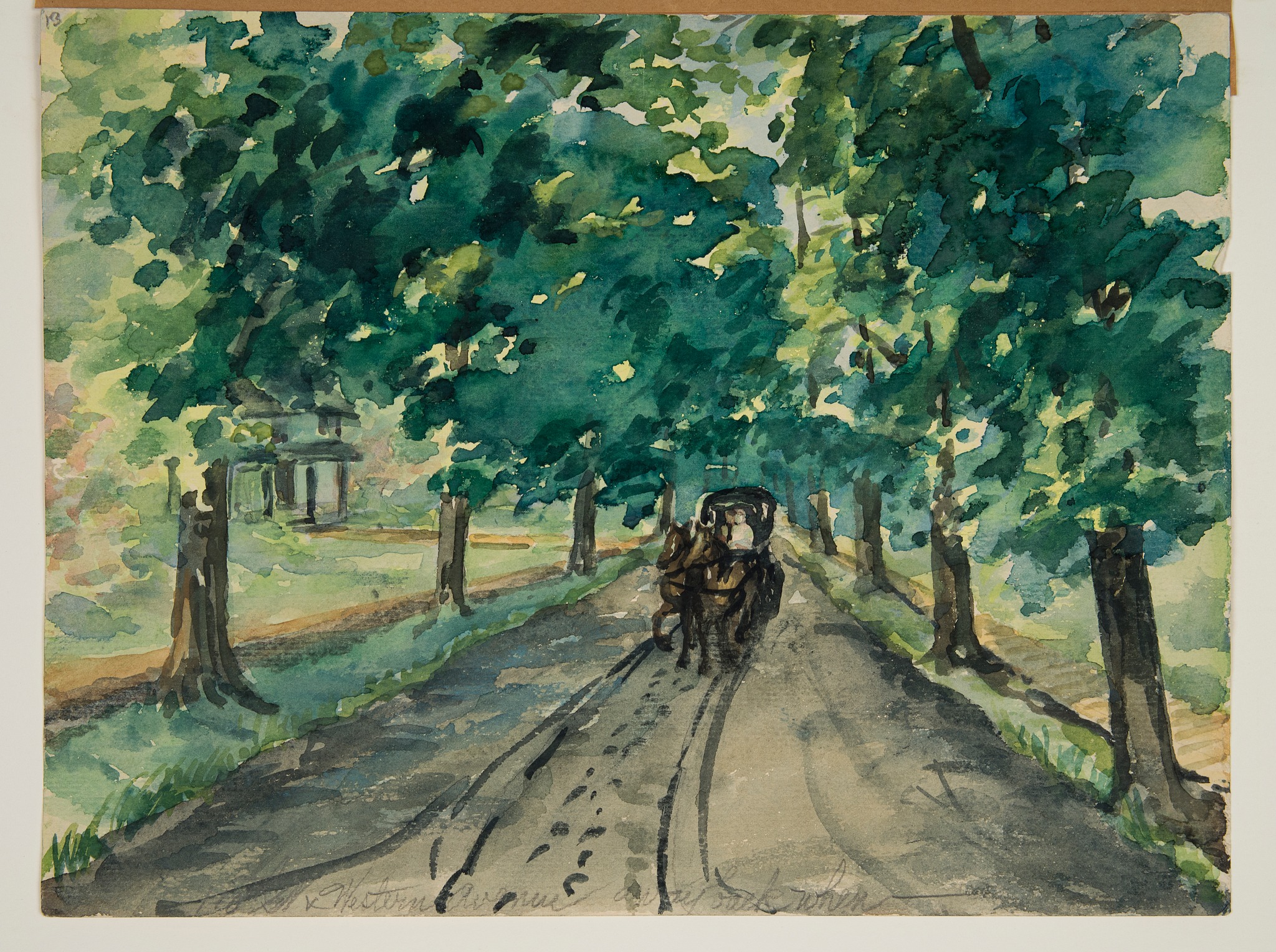
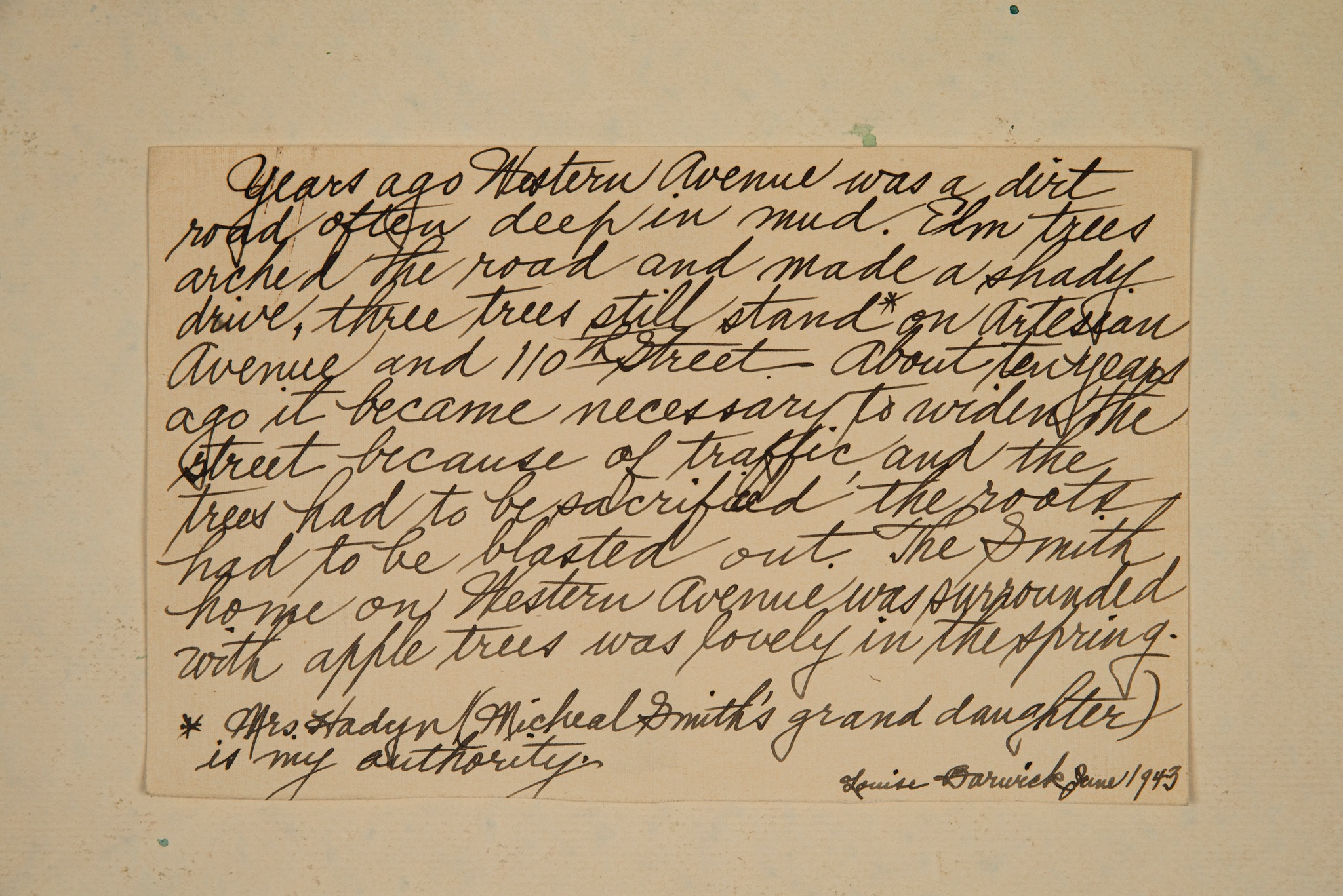
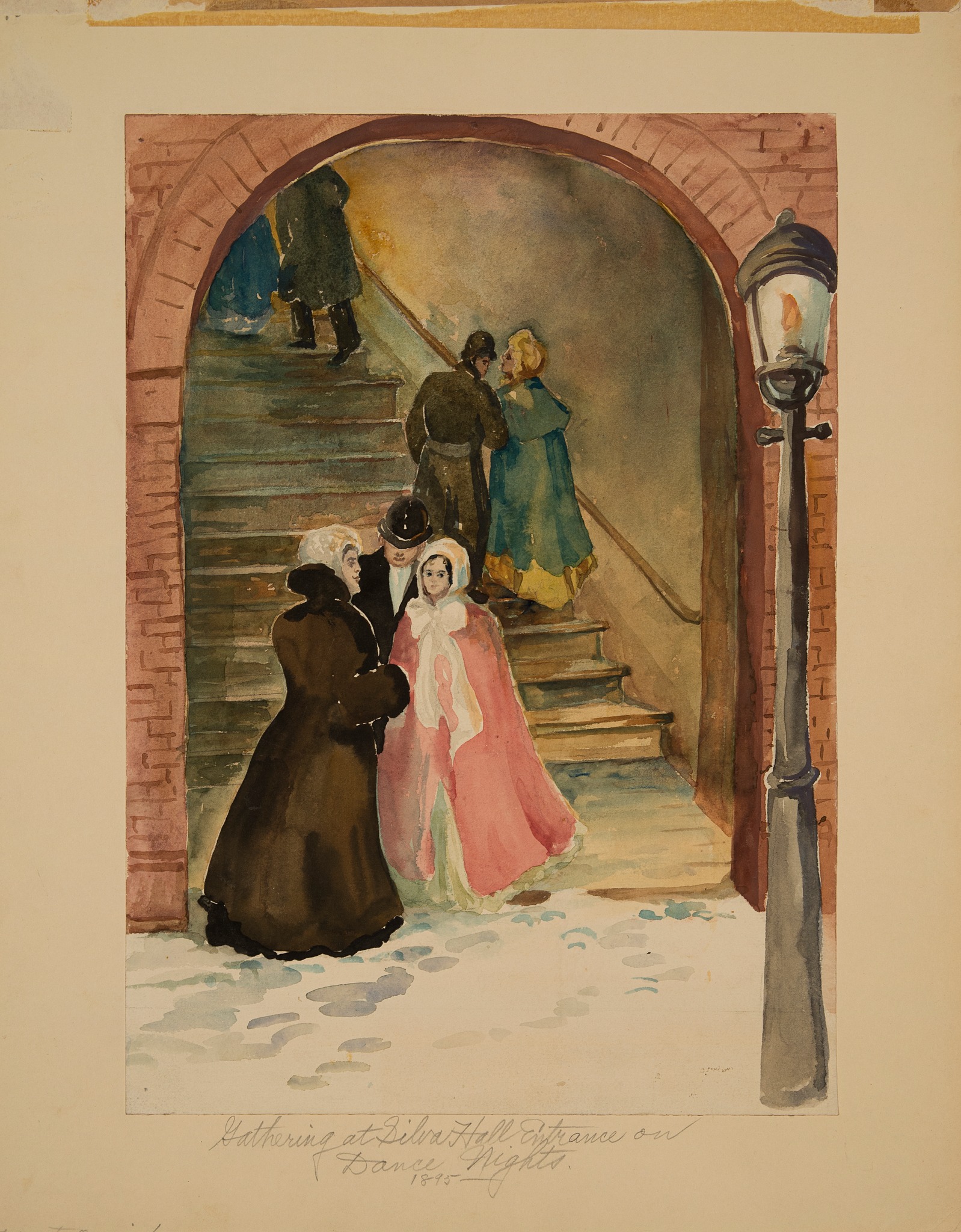
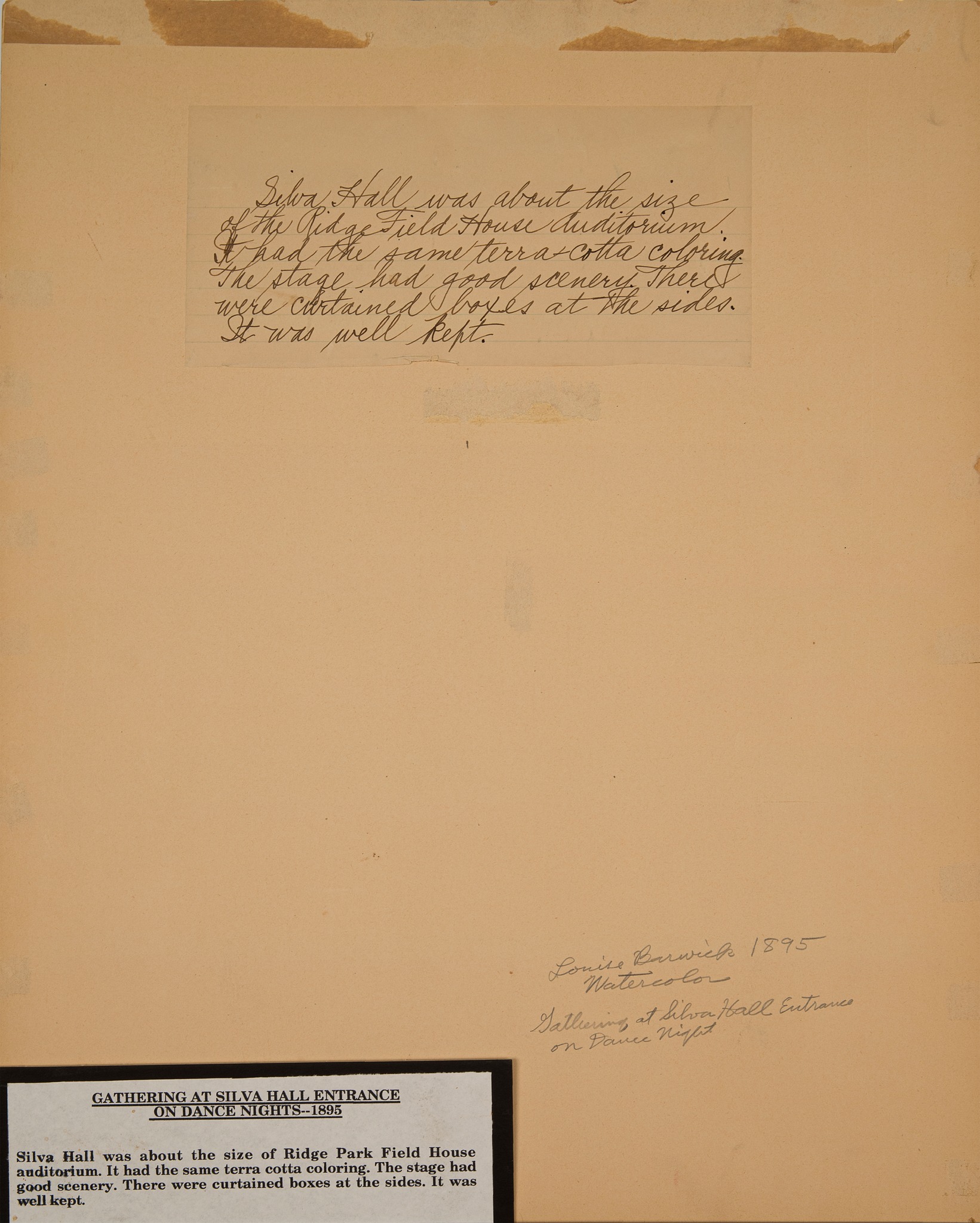
The Ridge Historical Society
Louise Barwick – Part 8
By Carol Flynn
The Ridge Historical Society (RHS) realizes it’s Super Bowl Sunday, but not everyone watches football! If you’re looking for an alternative, a visit to RHS to see the current exhibit – completely free to the public – is an enjoyable way to spend an afternoon.
The current exhibit, “Louise Barwick’s Lost Ridge,” may be viewed on Sundays and Tuesdays from 1:00 p.m. to 4:00 p.m. or by appointment. RHS is located at 10621 S. Seeley Avenue in Chicago. RHS may be contacted at 773/881-1675 or ridgehistory@hotmail.com. Parking is available at the building or on Seeley Avenue.
Louise Barwick (1871 – 1957) was a long-time resident and art teacher in the Ridge community. Her watercolor paintings of local scenes from around 1900, which form the basis of the current exhibit, offer a visual history of the environment of that time.
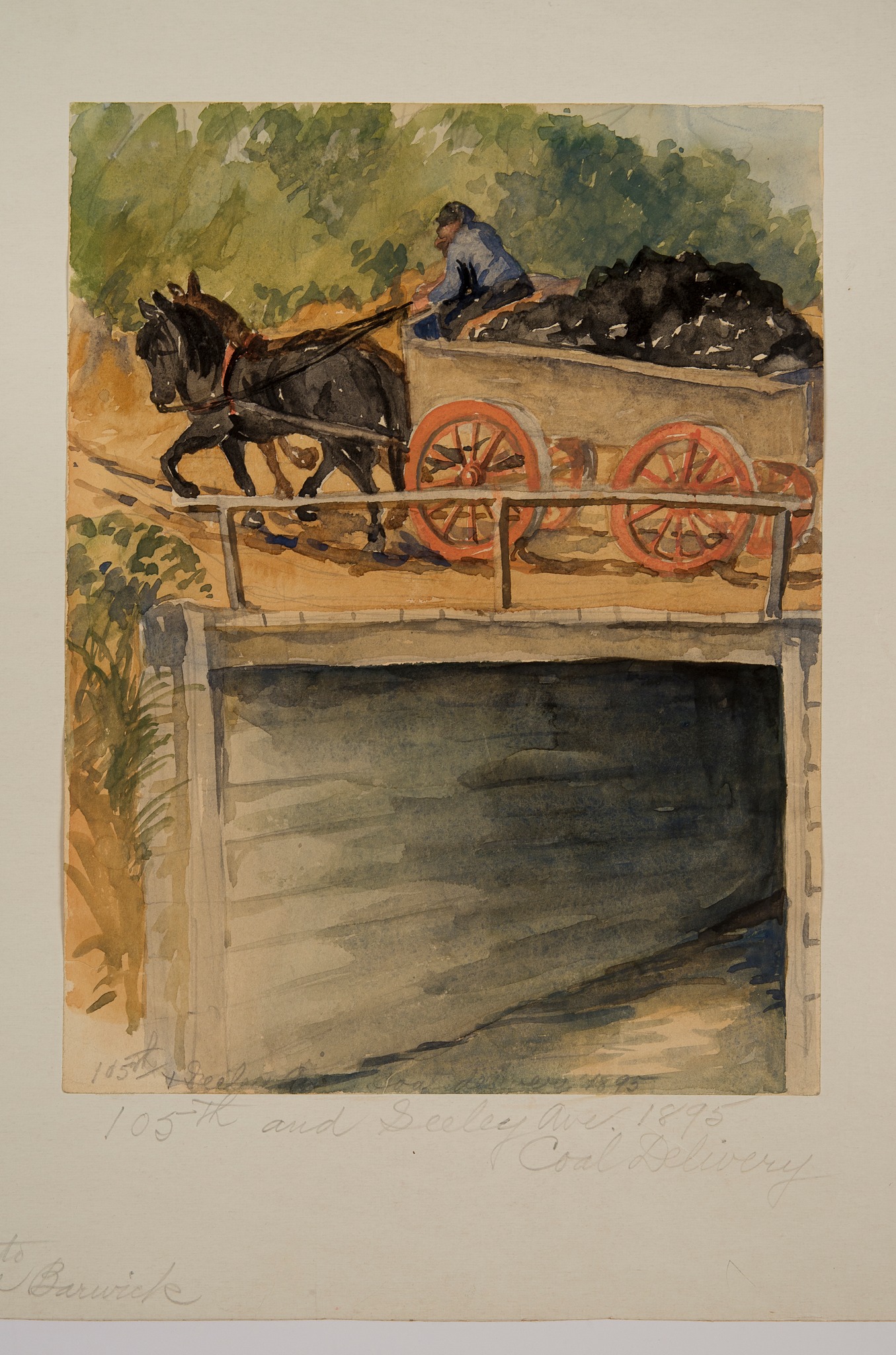
Miss Barwick painted these works throughout her lifetime. Some were painted at the time (1890s) and others were painted from memory later in her life. It appears that sometime around the 1940s, the paintings were given to the Walker Library at 110th and Hoyne Avenue, and later they were given to RHS, where they are a valued part of the collection.
Many of the paintings are accompanied by written narratives from Miss Barwick herself, describing and explaining the scene and its significance, from the perspective of a young woman at the time.
Here are a few of her paintings and their narratives. Visit the RHS exhibit to learn more about this remarkable woman and life on the Ridge 125 years ago.
The Ridge Historical Society
Happy Valentine’s Day!
Valentines from Louise Barwick
By Carol Flynn
The Ridge Historical Society’s (RHS) current exhibit, “Louise Barwick’s Lost Ridge,” may be viewed on Sundays and Tuesdays from 1:00 p.m. to 4:00 p.m. or by appointment. RHS is located at 10621 S. Seeley Avenue in Chicago. The exhibit is free. RHS may be contacted at 773/881-1675 or ridgehistory@hotmail.com.
Louise Barwick (1871 – 1957) was a long-time resident and art teacher in the Ridge community. Her watercolor paintings of local scenes from around 1900, which form the basis of the current exhibit, offer a visual history of the environment of that time.
For about forty years, Miss Barwick was an art teacher in schools on the south side of Chicago, including West Pullman School and the Morgan Park schools. Morgan Park was listed as one of the few school districts that had both drawing and music specialty programs.
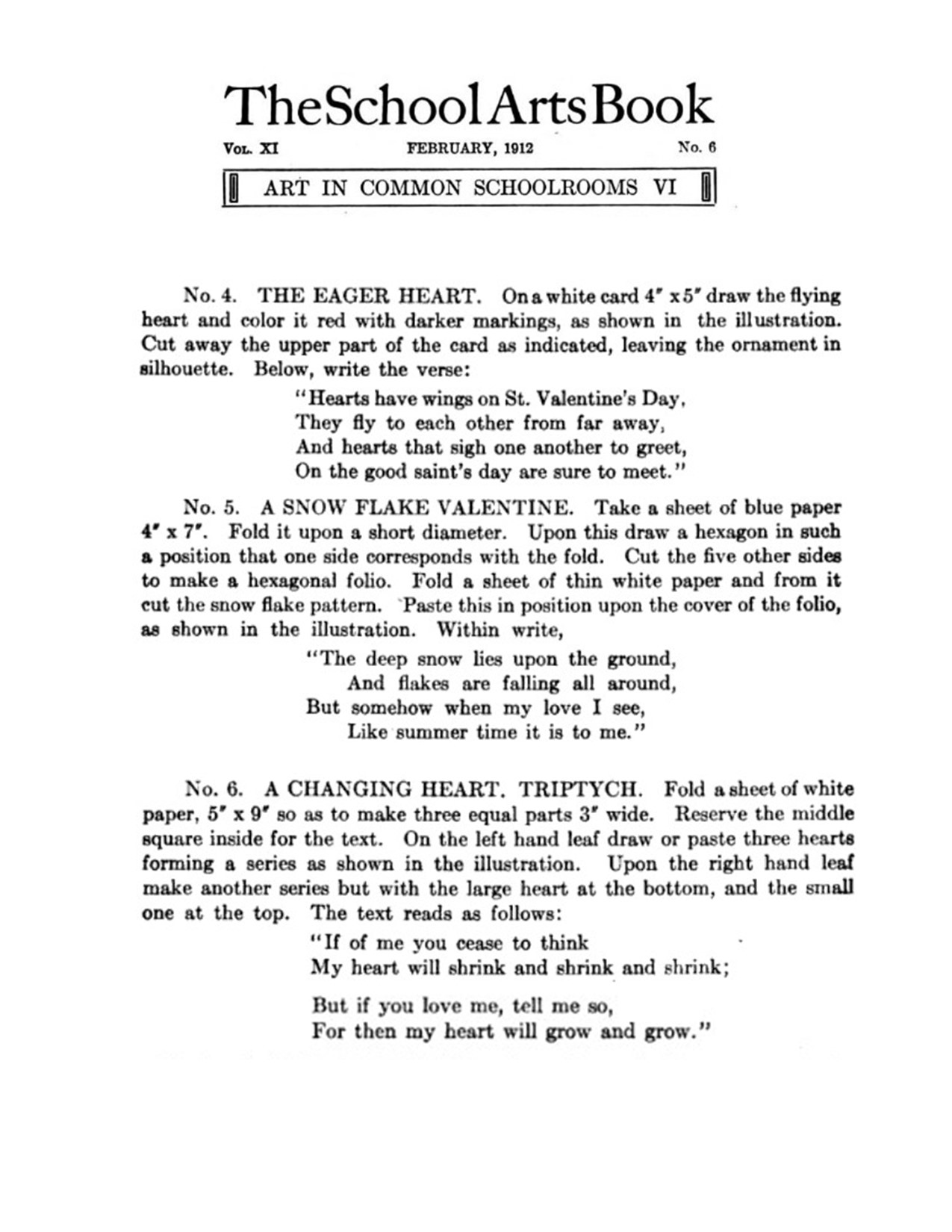
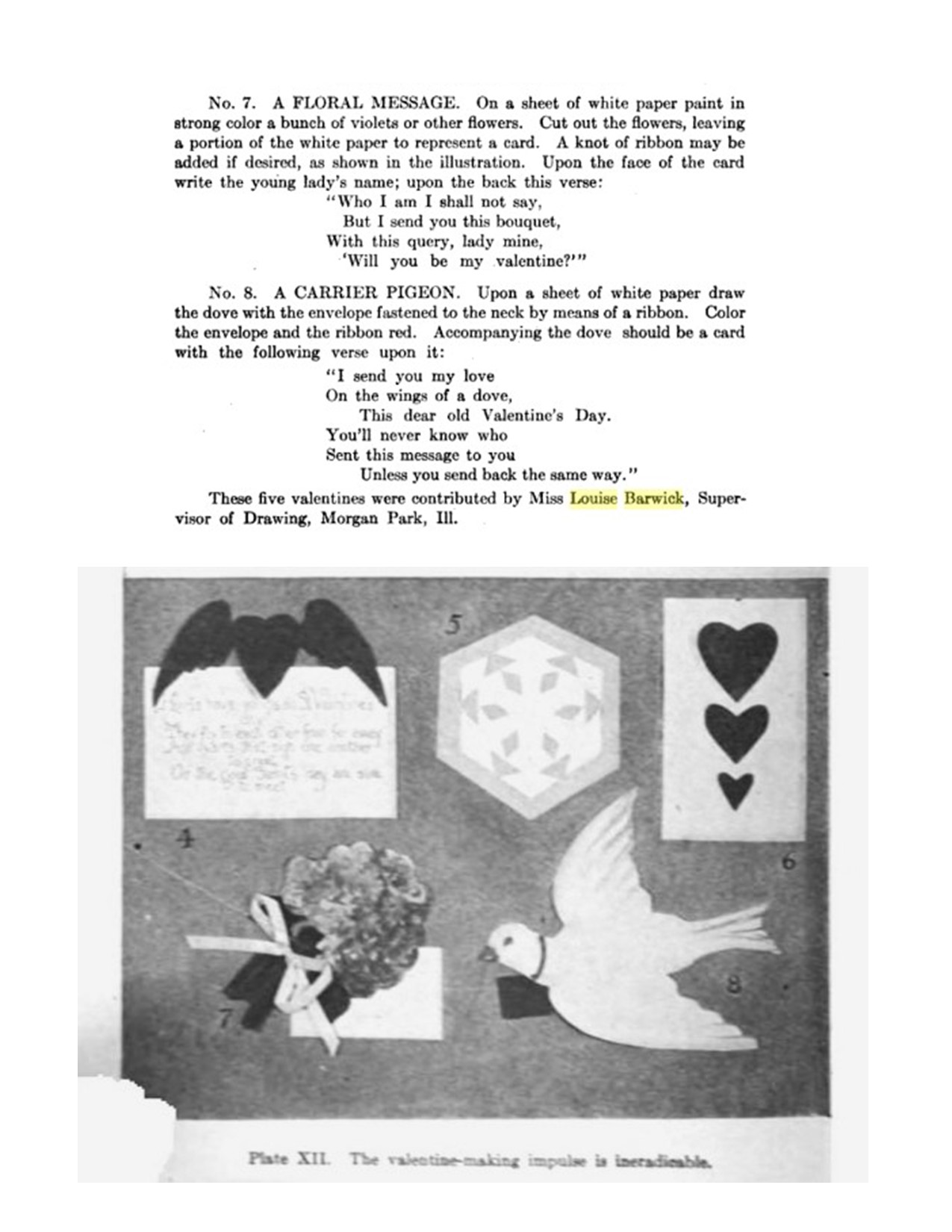
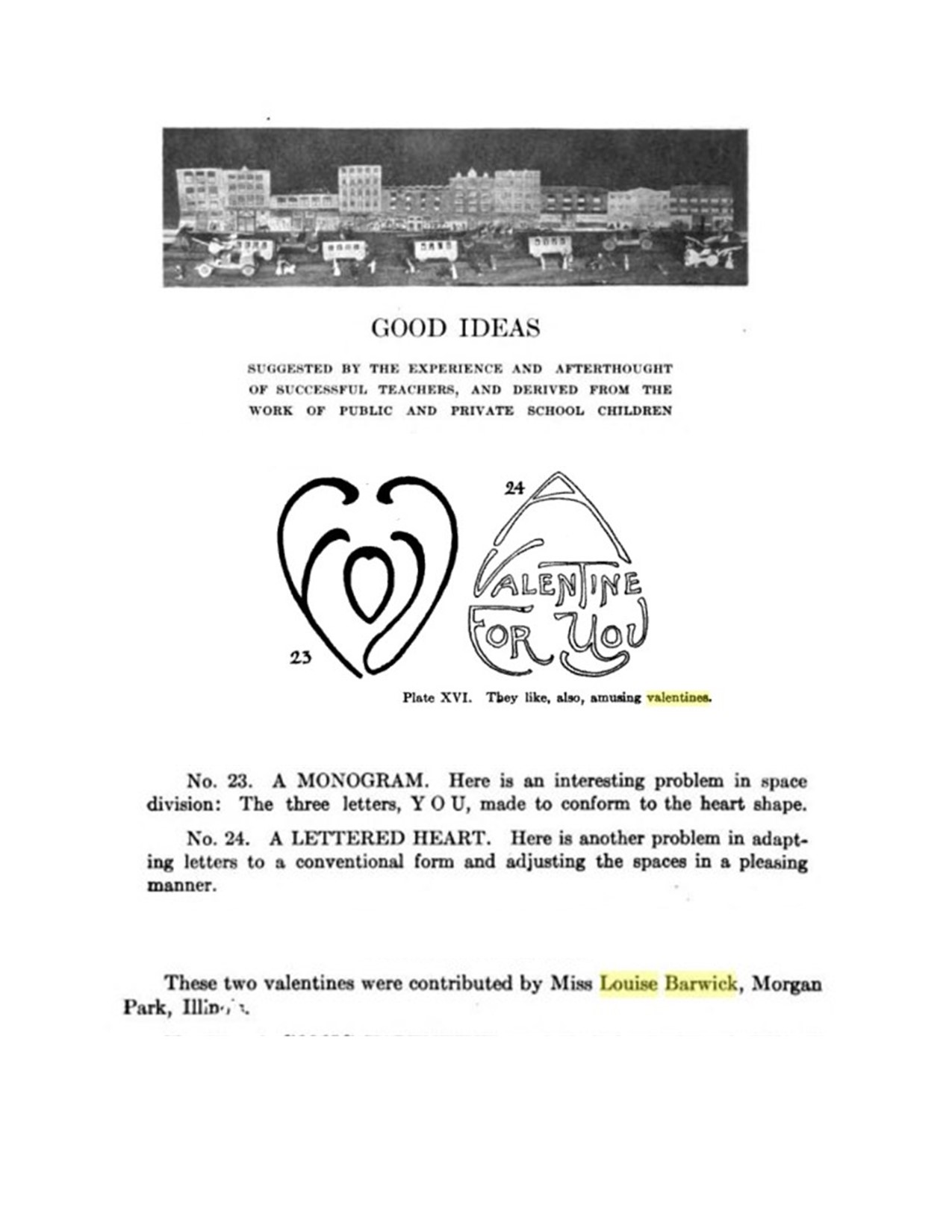
In 1912, some of Miss Barwick’s ideas for handmade valentines were published in The School Arts Book, a periodical for classroom arts.
Back then, valentines were all hand made. Handmade paper cards started in the Middle Ages and really took off during the Victorian era of the 1800s. The cards could get very elaborate, with bits of lace, bows and ribbons, seashells, gold and silver foil, and pressed and silk flowers.
Hallmark started mass producing cards in 1913. However, it has remained the practice to spend a day crafting valentines as a school project. Parents, other family members, and friends are always delighted to receive handmade valentines.
Here are Louise Barwick’s valentines. They could be recreated today.
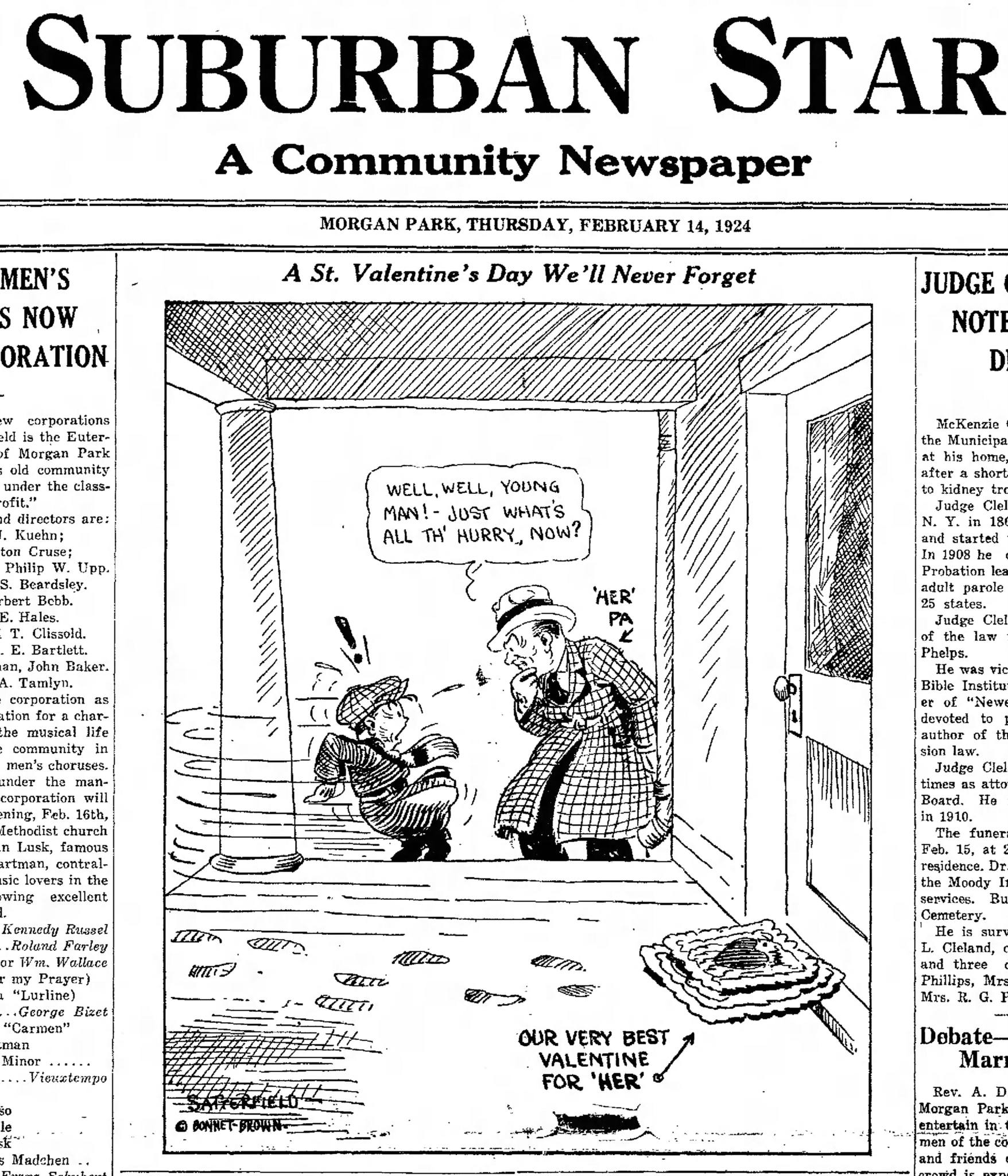
Also attached is a Valentine's Day cartoon from 100 years ago from a local paper. A young man leaving a "from a secret admirer" valentine got caught by the girl's father! Oh, the embarrassment for the lad!

The Ridge Historical Society
Please Join Us –
House Doctor Series:
Stained and Leaded Glass
Sunday, March 3, 2:00 p.m.
Stained glass windows are a design element in many historic (and contemporary!) homes and buildings. They add an eye-catching, colorful feature to a room by “harnessing the power of the sun” (quoted from HGTV).
Join RHS on Sunday, March 3, at 2:00 p.m., for a program with David Condon from Colorsmith Stained Glass Studio, as part of the ongoing House Doctor Series.
David will share information on the design, creation, care, and restoration of leaded glass and stained glass windows, and will answer your questions. He will also talk about the new windows he created for RHS – a leaded, stained glass window for the front door, and a small leaded side window.
RHS is located at 10621 S. Seeley Avenue, Chicago.
Cost: Members $10 | Non-members $15
RSVP at 773-881-1675 or email ridgehistory@hotmail.com
Or buy tickets here: https://bit.ly/RHS-glass
The Ridge Historical Society
Lost or Found?
By Carol Flynn
Today starts a new series, “Lost or Found?,” based on the current exhibit at the Ridge Historical Society (RHS), “Louise Barwick’s Lost Ridge,” which explores the Beverly/Morgan Park neighborhood as it existed in times past.
One section of the exhibit, “Lost or Found,” curated by Tim Blackburn, RHS Board member and researcher, includes historical images of buildings in Morgan Park, some of which are gone and some of which still stand. While the pervading theme of the entire exhibit is what has been lost, Linda Lamberty, RHS Historian and overall exhibit curator, notes that this section is “infused with hope by including sites that have survived.”
The exhibit and this Facebook series use images from an 1889 book of photographs printed using photogravure, a process using a grained copper plate which is coated with a light-sensitive gelatin tissue which has been exposed to a film positive, and then etched. This results in high-quality, rich prints and reproductions. The process was popular in the 1800s and is still used today by some fine-art photographers.
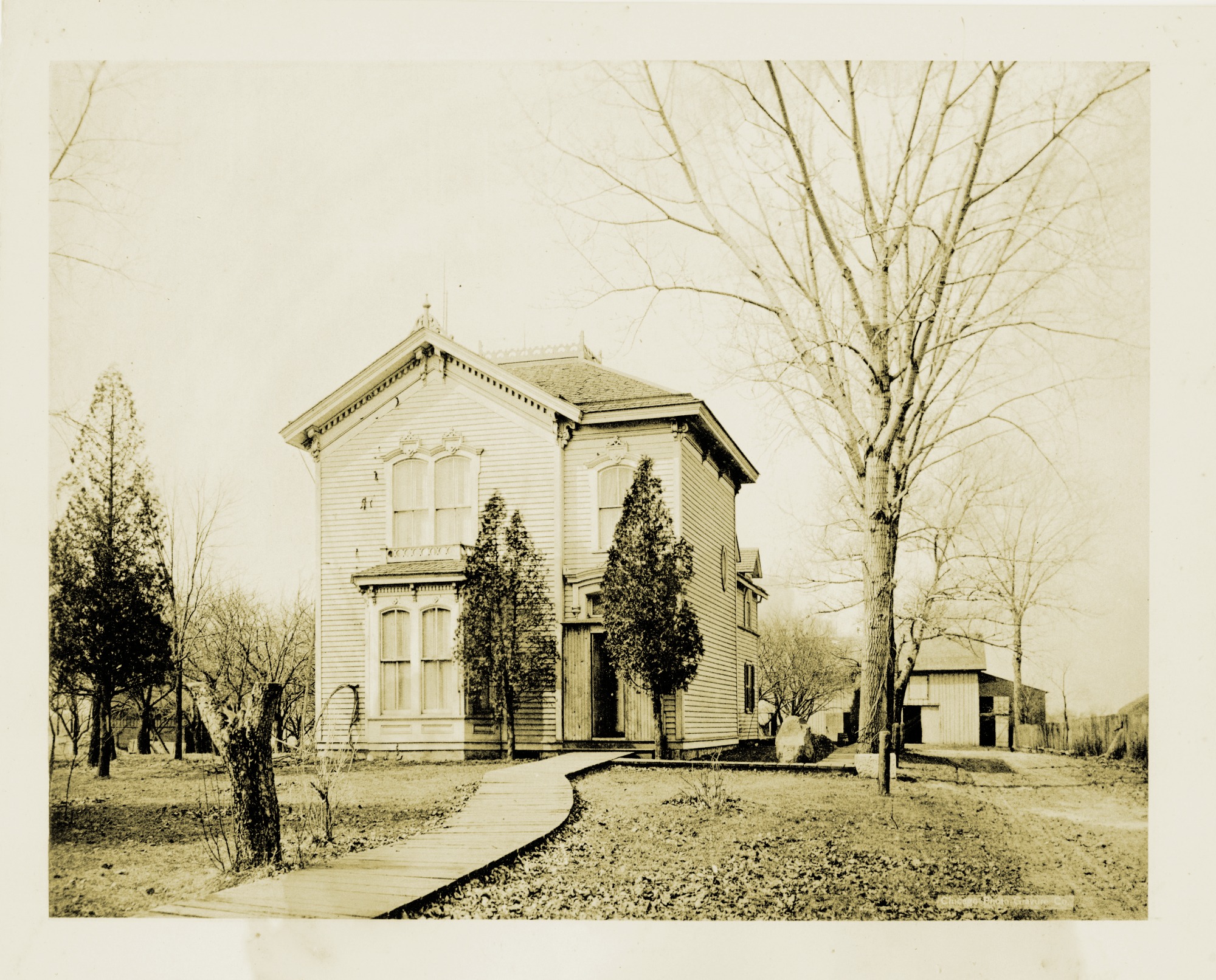
Twenty-three photographs were available for the exhibit, and thirteen of the buildings in those photos are still standing. Readers are invited to view a photo and identify the building, and comment whether the building is still standing, and if so, its present location. The challenge is tougher than it seems because some of the buildings have been substantially altered or moved.
Here is our first photo. Is this house still standing? If yes, where? The answer, and the history of the house, will be posted in a few days, so keep watching this page.
All of the images, plus much more, can be viewed in the exhibit at RHS.
“The RHS exhibit encourages visitors to think about the importance of preservation to our history and the many ways we can preserve the memory of buildings that are no longer standing,” said Tim.
The RHS exhibit is free and open for viewing on Tuesdays and Sundays from 1:00 to 4:00 p.m., or by appointment. RHS is located at 10621 S. Seeley Avenue in Chicago, and may be contacted at 773-881-1675 or ridgehistory@hotmail.com.
The Ridge Historical Society
Lost or Found? – Identify Building #2
By Carol Flynn
Last week, the Ridge Historical Society (RHS) started a new series, “Lost or Found?,” based on the current exhibit at RHS, “Louise Barwick’s Lost Ridge,” which explores the Beverly/Morgan Park neighborhood as it existed in times past.
One section of the exhibit includes historical images of buildings in Morgan Park, some of which are gone and some of which still stand. This Facebook series will present the historic photos of some of the buildings, and ask readers to identify if the building is still standing, and if so, where it is.
It can be trickier than it sounds because many of the buildings have been altered, and some have been moved.
The first picture was presented last week, and several viewers identified it correctly on the RHS Facebook page. It is a house still standing, and the story of the house will be posted in the next few days. New research on the house and family has been located so that is being incorporated into the post.
While that post is being compiled, let’s get a head start on the second building.
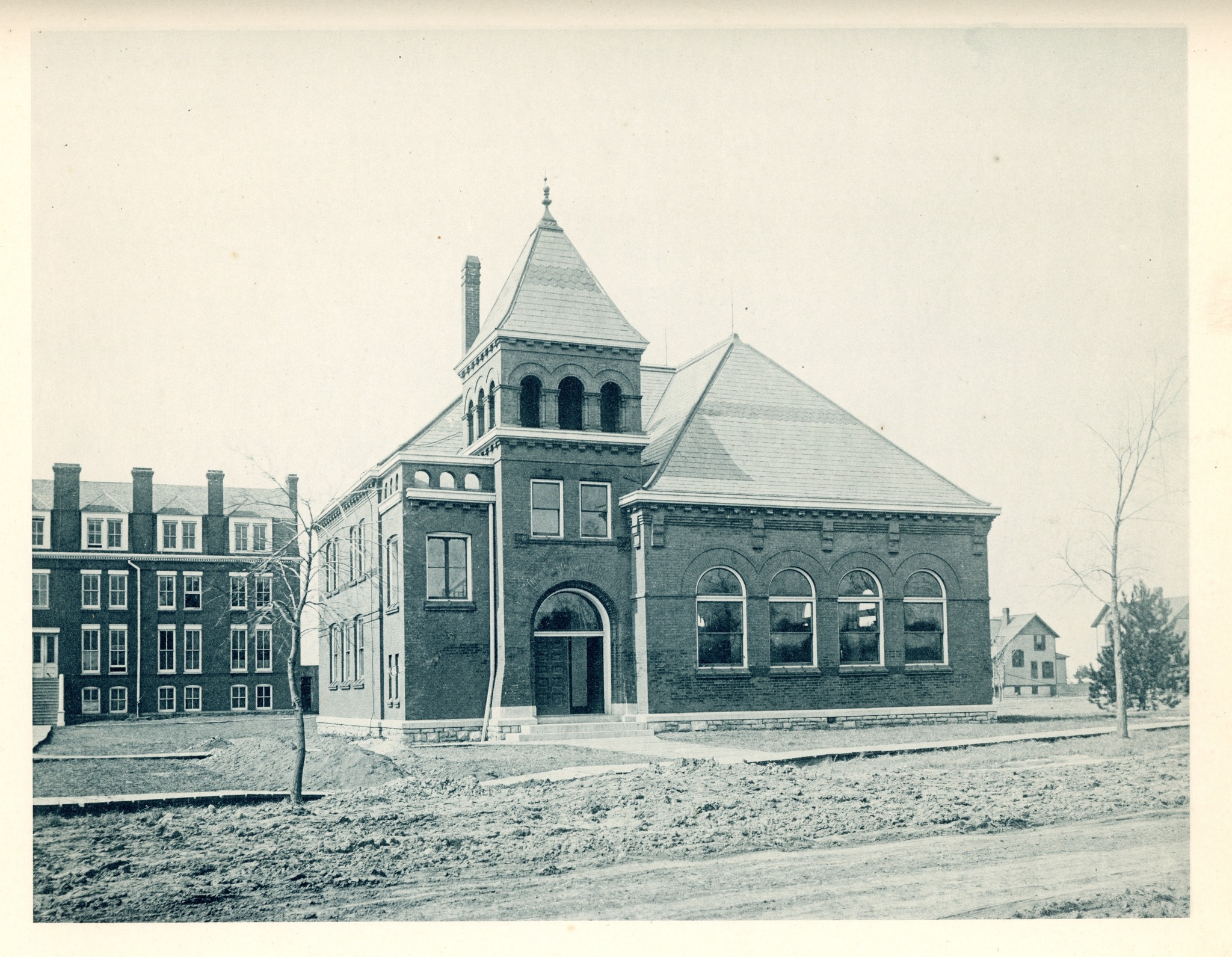
Here is Building #2, from an 1889 photo. Is it still standing? If so, where is it?
The RHS exhibit is free and open for viewing on Tuesdays and Sundays from 1:00 to 4:00 p.m., or by appointment. RHS is located at 10621 S. Seeley Avenue in Chicago, and may be contacted at 773-881-1675 or ridgehistory@hotmail.com.
The Ridge Historical Society
The Natural Ridge – Springtime on the Ridge
By Carol Flynn
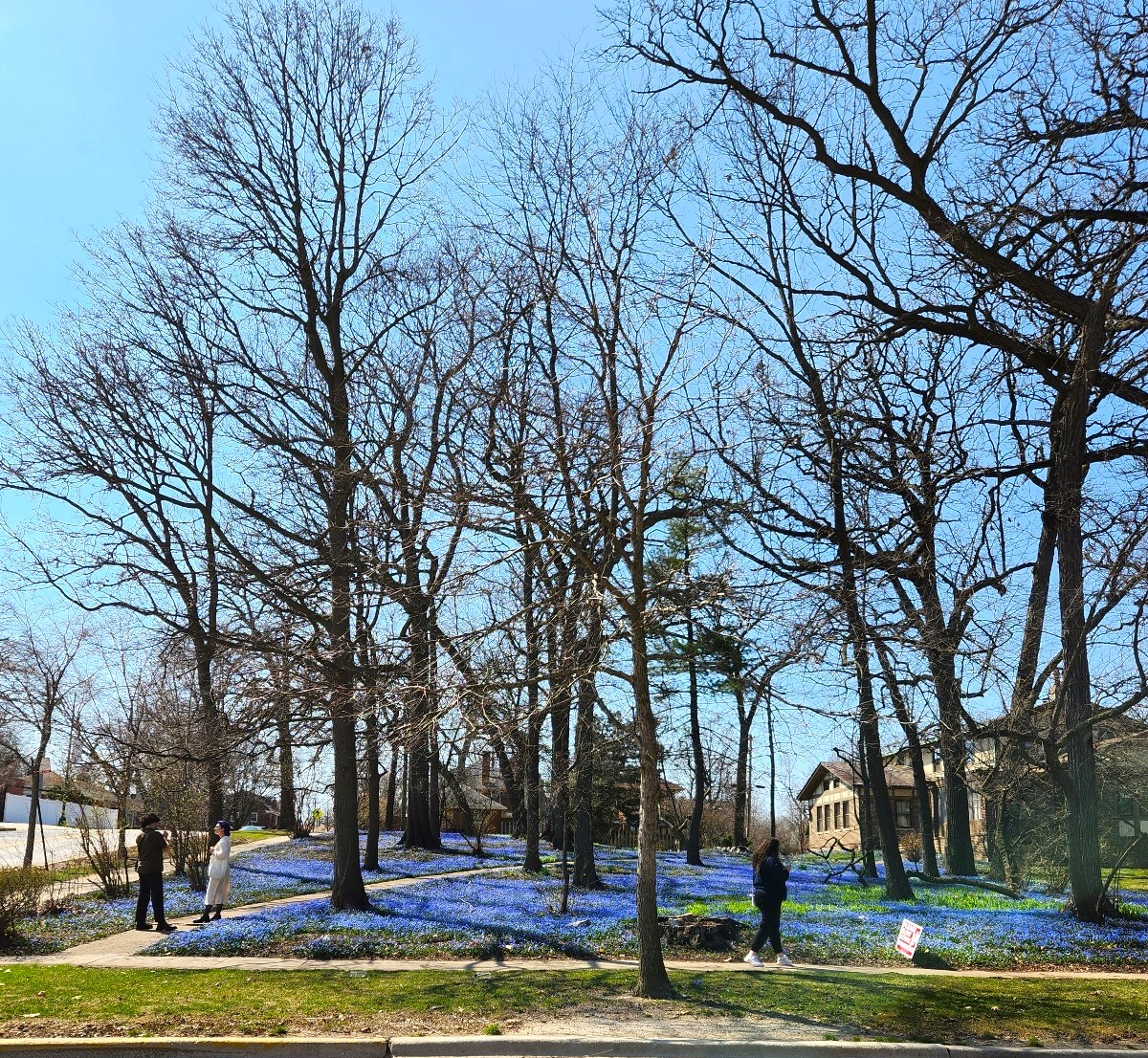
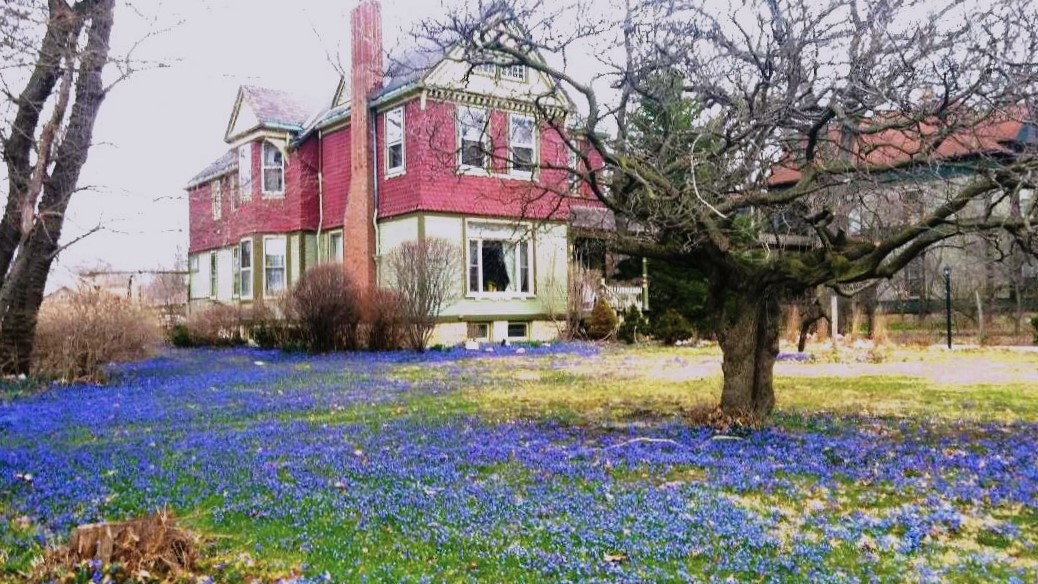
It’s springtime on the Blue Island Ridge, and the lawns are carpeted with small, intensely blue flowers.
This is Siberian squill (Scilla sibirica), a perennial in the asparagus family. The plant is sometimes called wood squill or scilla. The plant is not native to the U.S., nor did it originate in Siberia. It is native to southwestern Russia, the Caucasus, and Turkey.
Siberian squill spreads, or “naturalizes,” from bulbs underground and much more quickly from seeds above ground. It is extremely hardy and resistant to the freezing temperatures and ice and snow of winter, blooming in early spring.
Siberian squill was introduced into the U.S by European settlers, most likely around the end of Colonial times. An 1811 book about the plants at the Royal Botanic Garden at Kew near London lists Siberian squill in the collection there, from a source cultivated in 1796, showing it was available by that time to English emigrants.
It is not possible to say when the first Siberian squill bulb was planted on the Ridge. Early settlers were here in the 1830s, and the City of Blue Island saw an influx of settlers in the 1850s.
An 1856 publication, The Kitchen and Flower Garden, mentioned Siberian squill, stating that it “is one of the prettiest emblems of spring which we have, joined to which, its dwarf and graceful stature renders it worthy of all admiration.”
By the 1870s, when Washington Heights, Beverly, and Morgan Park started to be settled in earnest, the plant was regularly mentioned in publications like the Amateur Gardener’s Calendar, The Garden, and Familiar Garden Flowers.
That last publication reported that Siberian squill “makes a fringe of heavenly blue” that causes viewers to “experience a strange thrill of emotion, either because the color has some spiritual import that the soul understands, or because the assurance it gives of the constancy of the seasons re-establishes the confidence that late frosts and east winds had well-nigh shattered.”
In other words, the blooming of this plant is a sign that spring has arrived.
Siberian squill became popular for planting in gardens throughout the northern states. An article from a 1939 Camden, New Jersey, newspaper, in which early-blooming plants from bulbs were discussed, described the plant as “the sweet blueness of the Siberian squills which in long drifts look like fallen bits of spring sky.”
The article also stated that “Siberian squills will delight you and make you bless the day you discovered them.”
Regardless of its attractiveness, however, it is an invasive species that, quite simply, does not belong here. In some areas of the Midwest, it is considered a serious threat because it crowds out less hardy native wildflowers. Alternative native blue-flowering plants recommended for use in place of Siberian squill include Virginia bluebells and wild blue phlox.
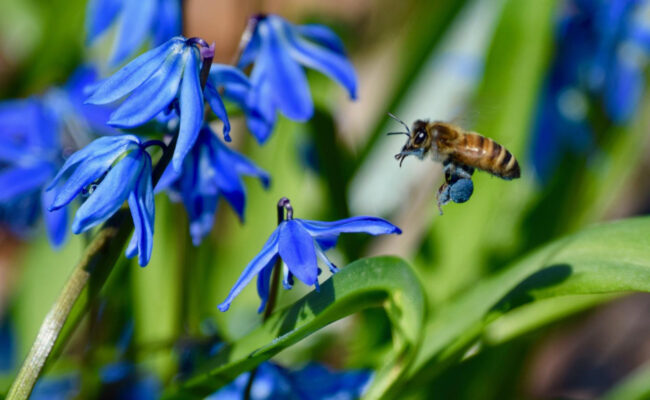
Even if invasive, according to the University of Wisconsin Extension, Siberian squill is a good pollinator plant for bees and other pollinating insects. As bees emerge from their winter clusters, it is one of the first plants available to them for foraging. It’s not uncommon to spy bees in the spring that look blue from the pollen attached to their bodies.
Siberian squill is readily available through catalogs and plant nurseries. Today, responsible gardeners who want to plant this in flowerbeds, knowing it is invasive, cultivate it so it doesn’t spread to affect native plants.
The blue lawns on the Ridge took decades to develop and would not be recommended today, but they are eye-catching in their historic splendor as the heralds of springtime.
The Ridge Historical Society
The Parade and the Weather
By Carol Flynn
“Don't bring around a cloud to rain on my parade” is a memorable line from a song in the musical “Funny Girl.”
While in the song the line is a metaphor about not interfering in another person’s life, it is a reminder that the weather always plays a part in any outdoor event like a parade.
Springtime weather in Chicago is especially unpredictable and changeable, and St. Patrick’s Day parade plans always factor in the weather. Uncooperative weather doesn’t mean the parade will be canceled; in fact, that would be a very unlikely occurrence. It just means some adjustments may have to be made.
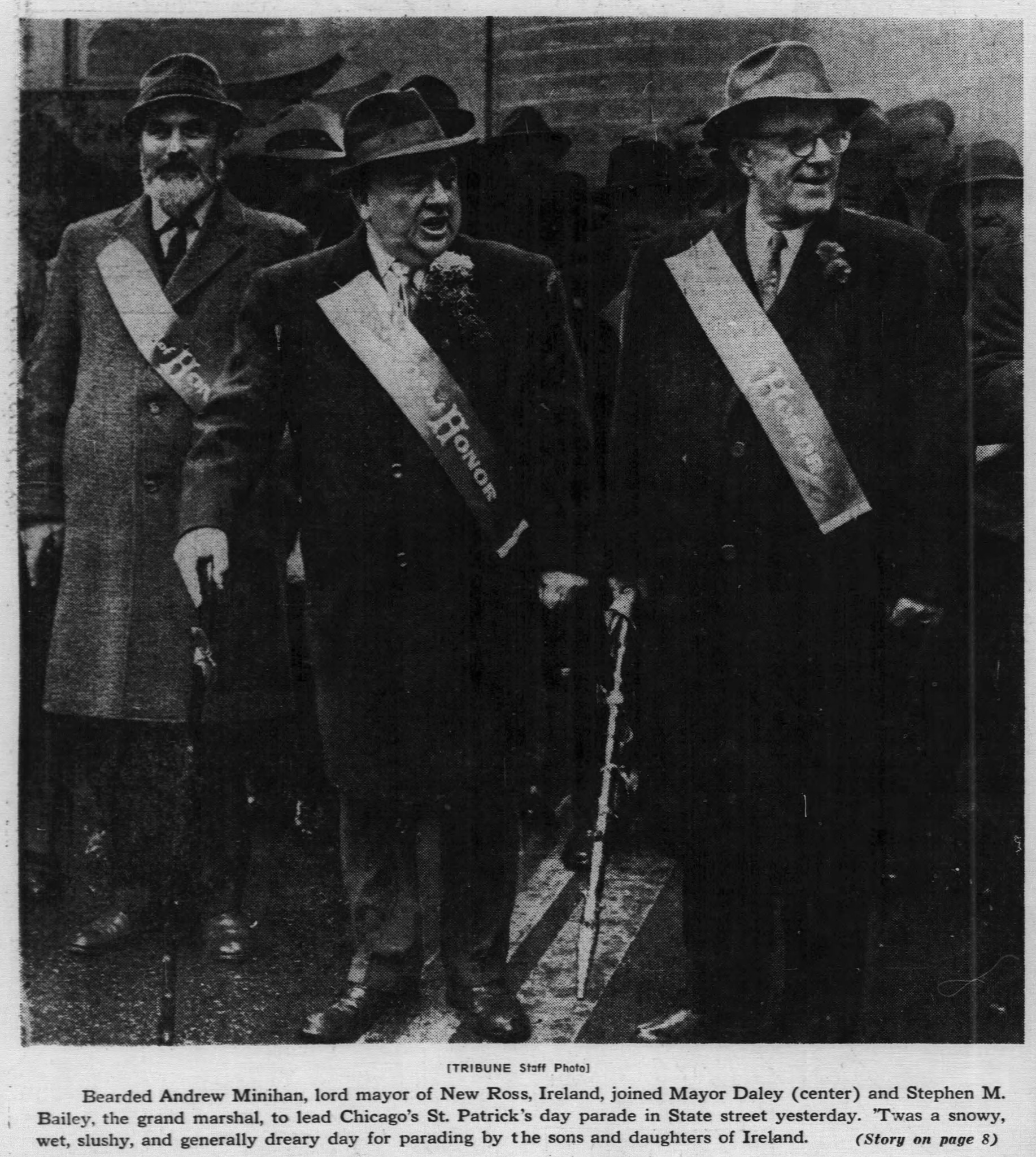
The most rain that ever fell on St. Patrick’s Day when a parade was held downtown was recorded as 1.42 inches in 1965. The Chicago Tribune described the precipitation that Wednesday as a mixture of snow, sleet, and freezing rain.
City crews worked from the early morning on to clear the parade route, and despite gusts of wind up to 52 miles per hour, the parade went on as scheduled.
Thousands of people lined State Street to watch. Entries in the parade included 60 floats and 41 marching bands.
The mayor of New Ross, Wexford, Ireland, a guest of Chicago’s Mayor Richard J. Daley, recorded the entire parade with his “motion picture camera.”
Other extreme weather days for parades when they were held right on March 17th include coldest and hottest.
The coldest St. Patrick’s Day on record in Chicago occurred on a Saturday in 1900, when the overnight temperature was one degree below zero. The newspapers reported the parade took place with a daytime temperature of sixteen degrees in blinding whirlwinds of snow and biting wind blasts. The streets were slippery frozen mud.
Despite the weather, or maybe partly due to it, enthusiasm was high on parade day. More than 3,000 people marched or rode in the parade, and many more lined the streets and cheered them on.
Irish and American flags and organization banners whipped wildly in the wind and musicians played with numb fingers. An Irish jaunting car, a special feature of the parade, “bounced and pitched and rolled and slid” through the frozen mud but made it to the parade’s end.
The parade lasted for two hours in that freezing cold.
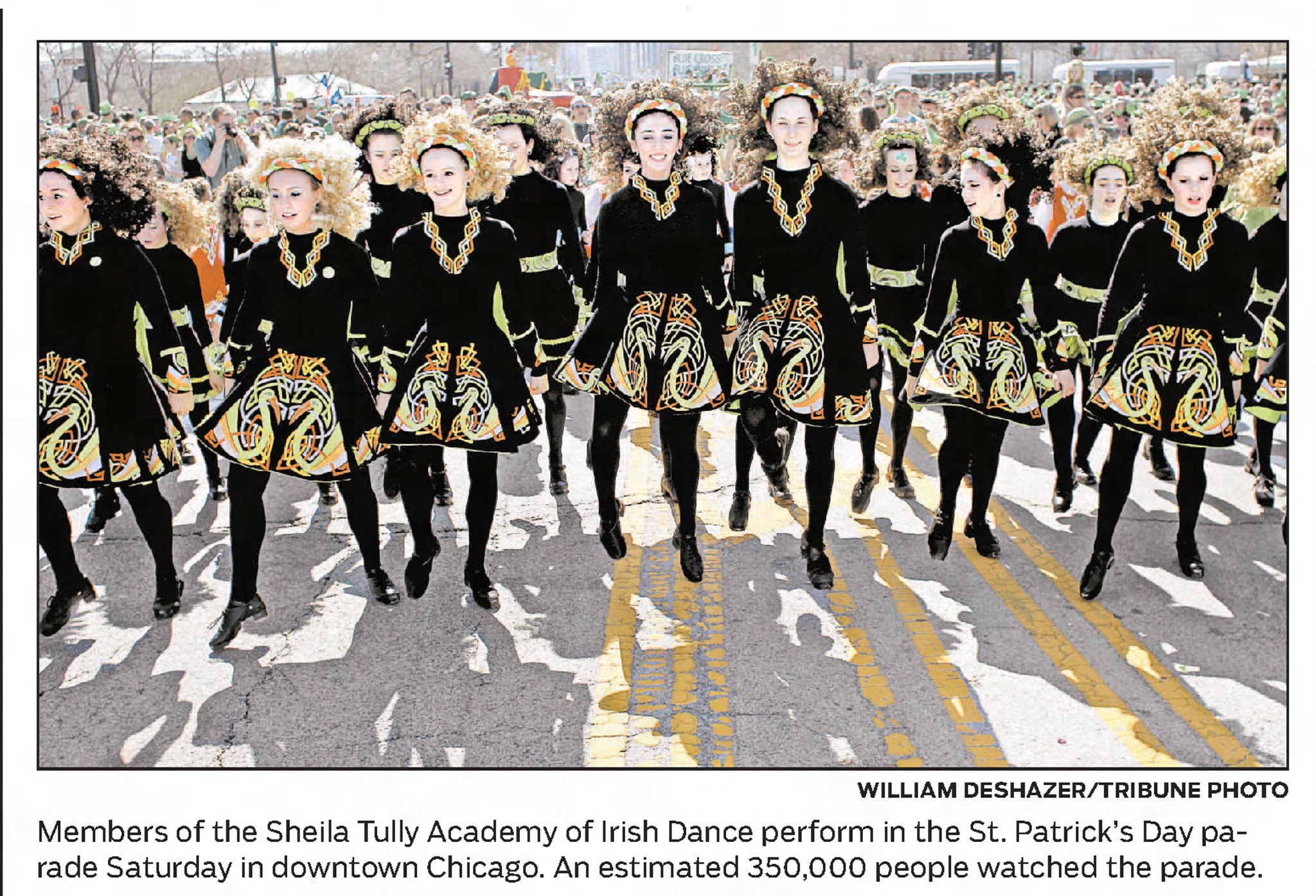
The record high temperature for St. Patrick’s Day was 82 degrees in 2012.
Over 350,000 parade goers that day enjoyed the warm weather so much, reported the Tribune, that two men jumped into the Chicago River, which was dyed green for the day per custom. After they were fished out, one ran away and the other was ticketed by the police.
A visitor from Georgia lamented there was no snow; she was hoping to experience some Chicago winter weather. Chicagoans were not sorry to disappoint her. If she had been here 112 years earlier, she could have experienced the worst there was to have.
This year, the weather for St. Patrick’s Day and the South Side Irish Parade is expected to be 40 degrees with no rain, which actually fits right into the norm for this time of year.
Happy St. Patrick's Day!
The Ridge Historical Society
Irish American Heritage Month: James H. Gately, Sr.
By Carol Flynn
St. Patrick’s Day has come and gone for another year, but it’s still March, Irish American Heritage Month. This year’s theme was to celebrate our Irish ancestors, their legacies, and their values.
This year’s “Irishman on the Ridge” feature article in the Beverly Review is on James H. Gately, Sr., who lived in Beverly for more than 40 years.
Gately earned acclaim and prosperity as the proprietor of Gatelys Peoples Store, located on Michigan Avenue in the Roseland neighborhood. Gatelys was THE place to shop for South Siders for over sixty years.
Gately was one of the early Irish Catholic businessmen who achieved success in realizing the “American Dream” who put down roots in Beverly. Five generations of the family have called Beverly “home.”
This begins a series on James H. Gately, Sr.
https://www.beverlyreview.net/news/community_news/article_7ba8584c-e610-11ee-bd66-47c716be9f6c.html
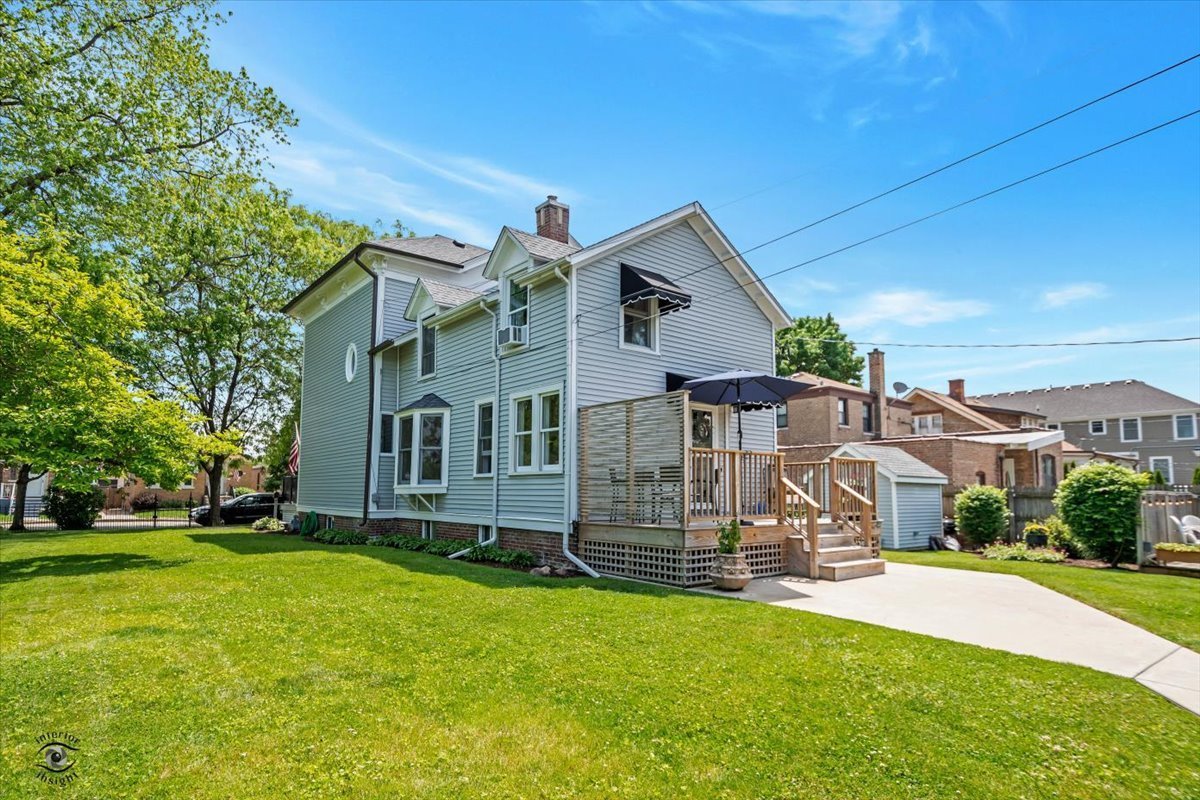
The Ridge Historical Society
Lost or Found? – Building #1: FOUND – Part 1 on the Iglehart House
By Carol Flynn
This new Facebook series from the Ridge Historical Society, “Lost or Found?”, presents photos of buildings in Morgan Park from an 1889 publication, and invites the reader to comment if the building is still standing, and if so, where it is located.
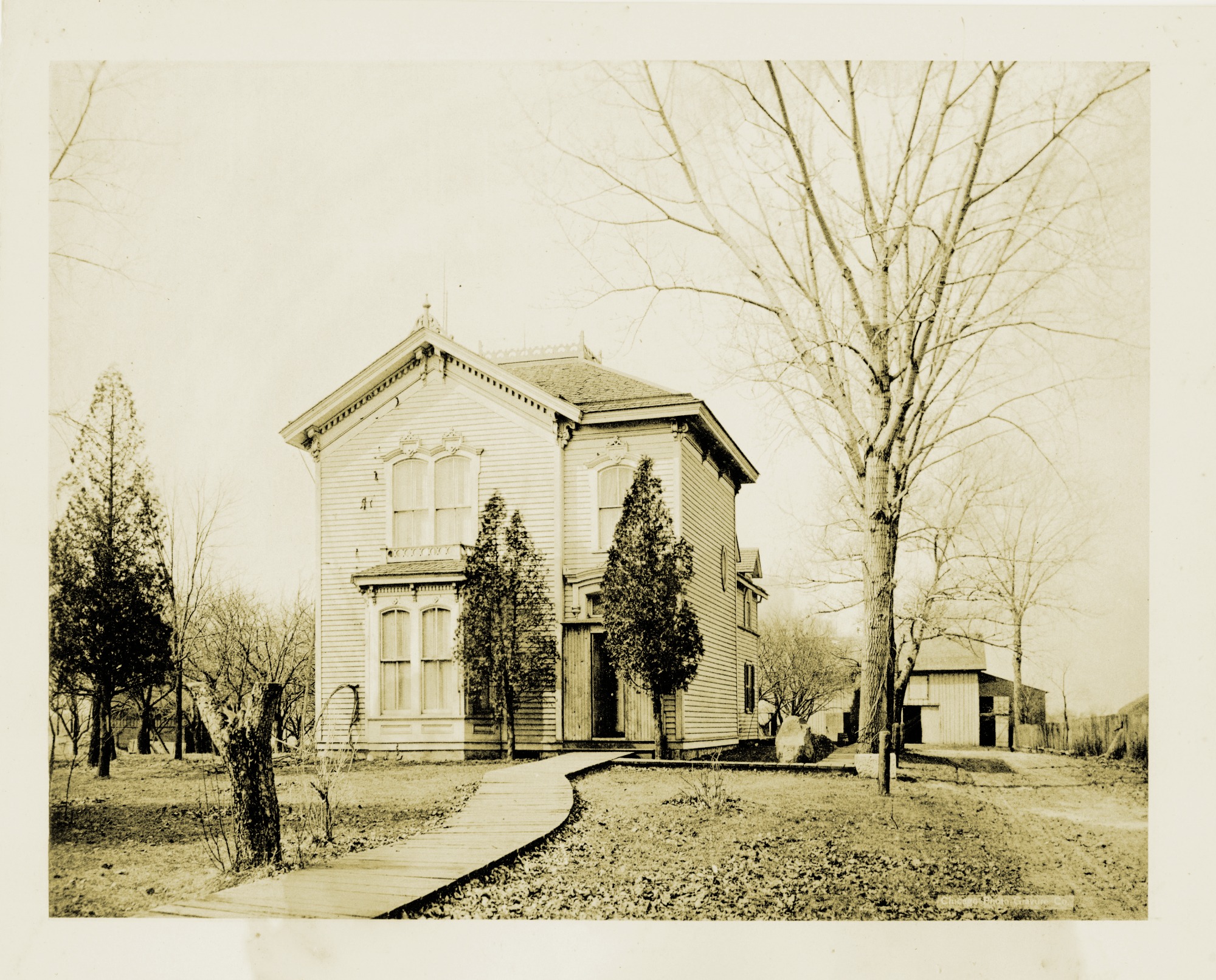
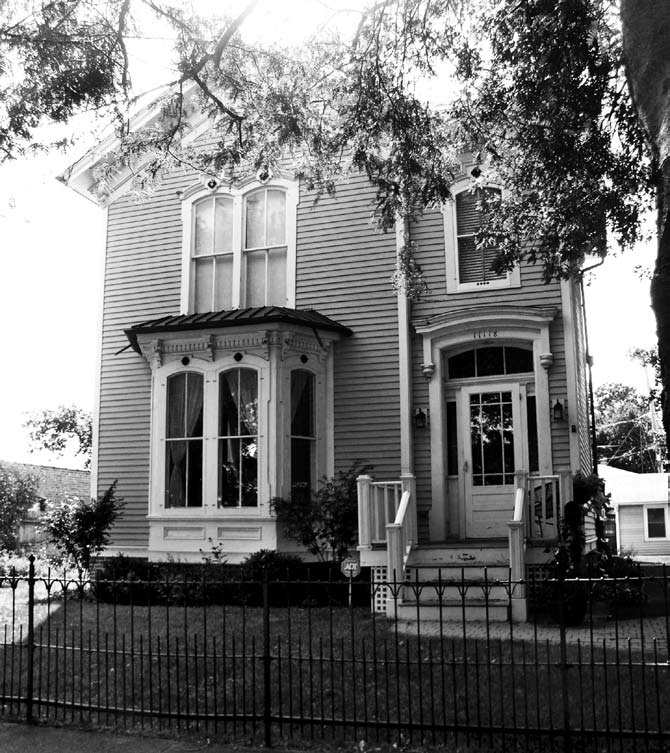
The first building was correctly “found” and identified by several people as the Charles D. Iglehart House at 11118 S. Artesian Avenue. Several people guessed it was a house on Prospect Avenue, and that was a reasonable guess that will be addressed a little later in this post.
The Iglehart House is the oldest identified house in the community, and one of the oldest houses in Chicago. It was designated a Chicago Landmark by the Commission on Chicago Landmarks in 1994. The house has two parts, a farmhouse/cottage in the rear that was built in 1857, and an addition with an Italianate façade in the front that dates to the 1870s.
It is that old farmhouse in the back that gives the house enough historical significance to be worthy of landmark status. The Preliminary Staff Summary of information on this house submitted to the Commission stated that: “While its Italianate style is not uncommon for the mid-nineteenth century, it is certainly unusual to find an authentic farm house still extant within the city limits. Few Chicago buildings can claim the age and degree of preservation of this venerable residence.”
The original farmhouse was built by Charles D. Iglehart, a farmer who moved to Cook County from Maryland with his wife Elizabeth and young children in 1856. More information on the Iglehart family will be covered in the next post.
They took up residence and farming on the Ridge, at the corner of what is now 111th Street and Western Avenue. The land then was known as North Blue Island, or Worth township in Cook County. Popularly, the area was also known as “Horse Thief Hollow” from the horse thieves who hid out in the ravines in the 1830s – 40s but were gone by the 1850s (except for folklore). The section that would become known as “Morgan Park” wouldn’t be founded until 1874.
The Iglehart House was built when just a few houses were scattered around a very rural farming community. However, Western Avenue was already a “thoroughfare,” that is, a public road connecting places along its route. From 1851 to 1869, the road marked the western border of the city of Chicago. Western Avenue was also known as the “Blue Island Plank Road” for many years, because in 1854, it had been lined with wooden planks and connected to a system of roads which took people all the way to “downtown” Chicago.
The original Iglehart farmstead extended from 111th Street to 115th Street, and Western Avenue to Rockwell.
There was nothing around the house but prairie. Eye-witness accounts of the time describe the land as a natural paradise. The Barnards, another early family, related stories of abundant prairie flowers in the spring and summer – ladies’ slippers, violets, phlox – and in autumn, wild sunflowers that grew taller than the tallest men. Wild fruits were also abundant – huckleberries, strawberries, blackberries, plums – as was wild game like turkeys and rabbits, and seasonal waterfowl.
The early settlers could hear wolves howling at night. The wolves killed livestock, and there was one story of a Mrs. Smith dying while trying to walk home in winter from Chicago to her house on the Ridge with provisions for her children. Her remains were found partially eaten by wolves.
Eventually, wolves and humans could not share the habitat of the Ridge, resulting in the decimation of the wolves. Hunting down the wolves became a local pastime, engaged in by people like Thomas Morgan, with the hunting dogs he brought with him from England.
One story that was passed down was of Thomas Iglehart, one of the sons born on the Ridge, riding on horseback, chasing down and killing a wolf. It was claimed that the wolf was displayed for many years in the Iglehart home.
The Iglehart House started with the cottage-style farmhouse. Kerosene lamps provided light, cooking was done on a wood-burning iron range, a pot-bellied stove provided heat for the living spaces, and water came from a well in the back yard. Supplies were brought in by horse or oxen-drawn wagons.
The Iglehart family added the Italianate front part in the 1870s, but the architect, if there was one, is unknown. It was not unusual for homeowners to design and build their own houses, with help from the neighbors. The Italianate style was very popular in the 1870s, as evidenced by the number of houses built in that style during that time, including some very nice examples on Prospect Avenue. Hence, it was a good guess that this house could be found on that street.
Few internal features of the house remain today, but two impressive pieces are reported. One is a marble fireplace, and the story is that the marble was imported from Italy and then brought to the Ridge by ox cart. The other is a hand-tooled walnut banister and newel post on the interior staircase.
The Iglehart family was gone from the house by 1930, moving to other locations on the Ridge. During the 1920s, the land the Iglehart family owned was subdivided and sold.
Also, sometime in the 1920s, likely when Western Avenue was graded, widened, and repaved beginning in 1922, the house was moved about 40 feet to the west, allowing for a street to be added in front of the house, and today that is Artesian Avenue.
After the Iglehart family, the house was owned by members of the Arthur R. Ayers family, and then by the Paul A. Parenti family. These owners are truly commended for preserving the house so well for 100 years.
“Lost or Found?” is based on the current exhibit at the Ridge Historical Society (RHS), “Louise Barwick’s Lost Ridge,” which explores the Beverly/Morgan Park neighborhood as it existed in times past. Barwick was an artist and teacher who lived at 10330 S. Seeley Avenue in another notable Italianate-style house. Her watercolors of the Ridge depict scenes from around 1900.
The exhibit is open to the public for free on Tuesday and Sunday afternoons from 1:00 to 4:00 p.m. or by appointment. RHS is located at 10621 S. Seeley Avenue in Chicago. The email is ridgehistory@hotmail.com and the phone number is 773/881-1675.
The next post in this series will share more information on the Iglehart family, and then we will move on to building #2 in the “Lost or Found?” series.