The RHS Facebook page is a rich archive of history-related posts by Carol Flynn, RHS Facebook admin and writer until mid-2025. Carol prolifically wrote a wide variety of meticulously researched local history articles for RHS. She continues to write for the Beverly Review and other media sources with articles particularly focused on local Ridge history.
All Posts
Ridge Historical Society
Good-bye to “my” World War II veterans
By Carol Flynn
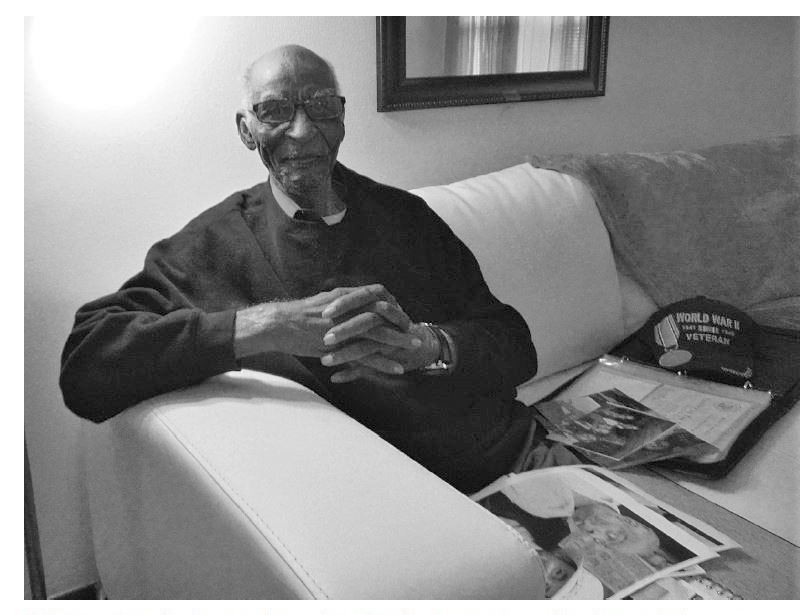
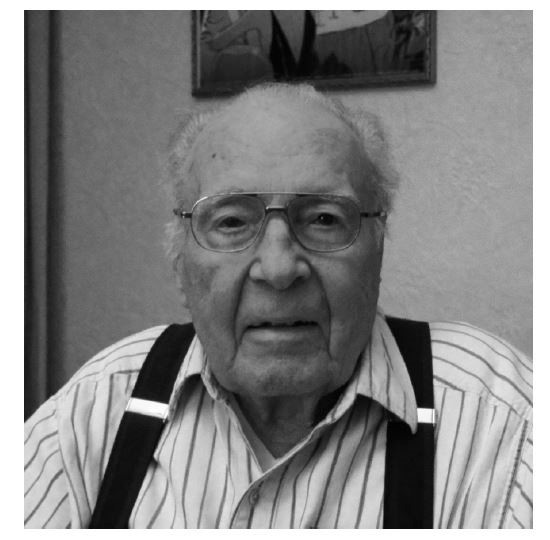
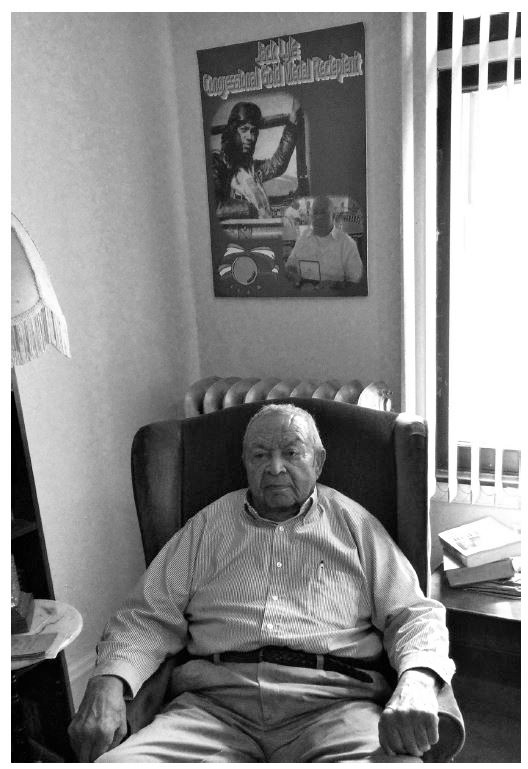
Five years ago, I had the honor and privilege of interviewing four World War II veterans for a Memorial Day feature for the Beverly Area Planning Association Villager and for the Ridge Historical Society newsletter. These men had been invited to be the Grand Marshals for the annual parade. Although they were in their late 80s and 90s, they welcomed me into their homes, and shared their stories and pictures with me. Each of the visits is a cherished memory.
Since that time, one by one they have passed away. The last of them, Norm Lasman, will be laid to rest this week. I would like to briefly recap their stories in tribute.
World War II lasted from 1939 to 1945, although the events leading to the conflict started well before that, and the aftermath lasted long after. Globally, this war was the most widespread and deadliest in history. Over thirty countries and at least 100 million people were involved, with an estimated 25 million deaths. Sixteen million Americans served, with over 400,000 fatalities.
Frederick Pennix was a young husband and father when we was drafted into the U. S. Army infantry. His units were segregated because of race. Pennix was with an anti-aircraft artillery quartermaster company that was shipped to Iwo Jima in March 1945. In the midst of some of the fiercest and bloodiest fighting in the Pacific, his company unloaded ships and delivered supplies, including ammunition, throughout the war zone. The war ended that Fall. Returning home, Pennix had a distinguished career in law enforcement that lasted 60 years.
Bill Sandstrom was accepted into the Great Lakes Naval radar training program in 1944. There, he encountered another kind of deadly enemy – scarlet fever. Infectious diseases have always been a major problem during war times, resulting in many deaths. Sandstrom’s life was saved by a new miracle drug – penicillin. By the time he was recovered and trained, the war was ending. He returned home and, making use of the new G.I. Bill, went to college to become a chemical engineer.
Jack Lyle became a Tuskegee Airman with the 332nd Fighter Group of the U. S. Army Air Forces in 1944. These were the first African American aviators in the U.S. armed forces. He flew twenty-six combat missions and shot down a German fighter plane in a dogfight. Returning to Chicago as a first lieutenant, he was refused further training at O’Hare Airport because “there wasn’t a program for colored pilots.” Lyle owned horse stables in Washington Park and was a police officer with the park district, and ran a tree business for 32 years.
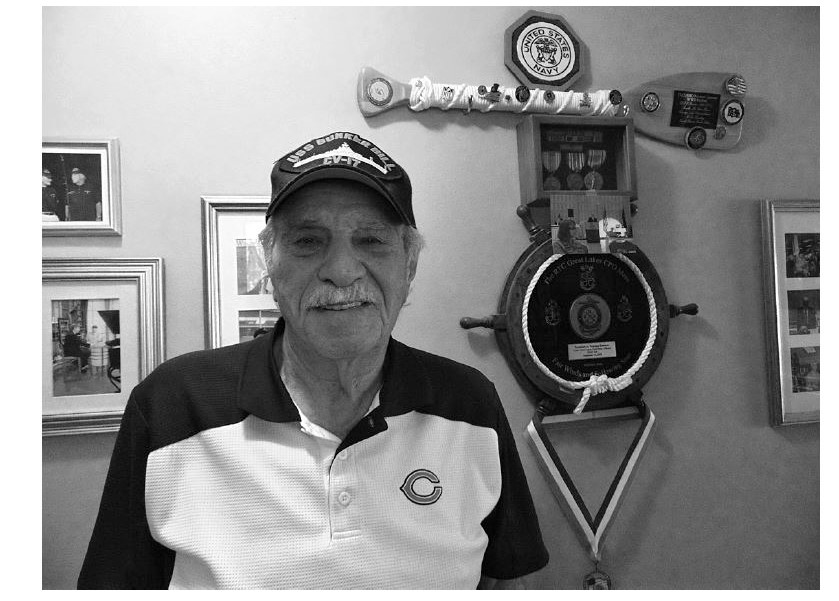
Norm Lasman served in the U.S. Navy from 1942 to 1946. In 1945, his ship, the USS Bunker Hill, was struck by two Japanese kamikaze (suicide) planes, putting the ship out of commission and injuring and killing hundreds of the crew. Lasman, below deck, was overcome by carbon monoxide from the resulting fires. He came to on deck – he had been rescued, the only survivor from the engine room. He had no memory of the incident and did not speak of it for many years. The book Danger’s Hour, by Maxwell Taylor Kennedy, the son of Robert F. Kennedy, recounts the story of the attack. Lasman and Kennedy became friends. Lasman was part of the building of Evergreen Plaza, where he managed a Pador’s clothing store for many years.
Although these four men came from different backgrounds, and had different war time experiences, they had one thing in common – none of them considered himself any kind of a hero.
They were young men put in situations not under their control – they did what they had to do. None of them romanticized the war; there was nothing "glamorous" about it any way. They were in horrifying situations – a bombed ship, aerial combat, a deadly disease, a bloody battle. They all said the same thing – they got lucky, they survived.
Lasman shared a quote from another World War II veteran: “To be honored is one of the most humbling experiences I have ever had.”
Well, they deserve to be honored. Rest in peace, Norm Lasman. And to all four, thank you.
Ridge Historical Society
Carol Flynn
School Series – Profile 2: Percy Julian
This is the second in our series on people who have schools in a Ridge community named for them.
“In a nuclear world where time is of the essence in reaching a solution to the problems of conflicts between groups, peoples, and nations, we either rededicate ourselves to the principles that, though oft unheeded, have urged us on to the “everlasting right way,” or we shall hasten the destruction of civilization.” – Dr. Percy Julian, at a conference on human relations, Highland Park, IL
Percy Lavon Julian (1899-1975) made the above statement in 1962, over 50 years ago. He might have been speaking of today.
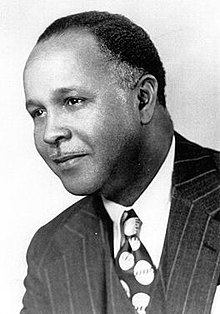
Percy Julian was a brilliant research scientist. During his lifetime, he received over 130 chemical patents. He was inducted into the National Academy of Sciences in 1973. This was a break-through – he was the first African American chemist to receive this honor.
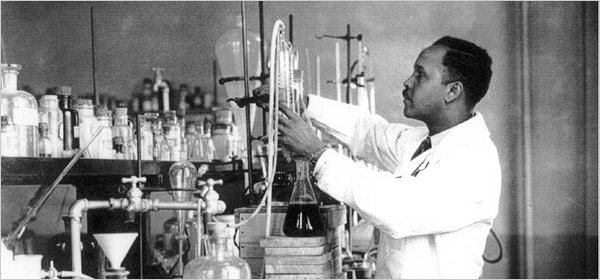
Dr. Julian was a pioneer in the chemical synthesis of medicinal drugs from plants. He worked with the Calabar bean, a poisonous legume from Africa, that offered up a treatment for glaucoma. He isolated soy protein which could be used to replace more expensive milk protein in many applications. He synthesized human hormones, progesterone, estrogen, and testosterone, from soy sterols, leading to fertility and other therapies. In 1949, researchers at Mayo Clinic showed the effectiveness of cortisone in treating rheumatoid arthritis. Julian improved the process for producing cortisone, greatly reducing costs.
Through all of this, he dealt with racism and discrimination because he was African American.
Julian was born in Montgomery, Alabama, at the turn of the last century. His grandparents were emancipated slaves; the Civil War had ended just 34 years before.
Obtaining an education was difficult. There were few opportunities for black students. He was accepted at DePauw University in Indiana, but he was not allowed to live in the dorm. The boarding house he found refused to feed him at the table with the other boarders. He went for days without food before he found a place that would serve him. He was years behind the white students academically and he took high school classes at night to catch up while attending college classes during the day. Despite all of this, he graduated first in his class and was valedictorian.
Julian yearned for a doctorate in chemistry. He received a scholarship that allowed him to earn his master’s degree at Harvard University. However, because white students objected to being taught by a black instructor, he was refused a teaching assistantship that would have allowed him to go on for a Ph.D.
He was later awarded a fellowship to the University of Vienna, Austria, and earned his Ph.D. in 1931. In Europe, he was welcomed into a social and intellectual life he was denied in the U.S. He studied classical music and poets. He attended the opera and drank wine at outdoor cafes. His status as a prized student allowed him to develop self-confidence. He made life-long friends in the European community. He helped Jewish friends escape the Holocaust and move to the U.S.
Back home in the States, employment proved difficult. He took a position teaching at Howard University, the historically black university in Washington, D.C. There he met his future wife, Anna Roselle Thompson. Anna was a scholar in her own right and would have many accomplishments in her life.
He accepted a research fellowship at DePauw, and his career as a research scientist began. However, he was denied a teaching professorship there and had to find new employment. The university told him "the time wasn't right" for a black professor. DuPont offered a job to his research partner at DePauw, who was white, but declined to hire Julian, apologizing that the company was “unaware he was a Negro.”
In 1936, he was offered a job at the Glidden Company as director of research of their soy products division in Chicago. He had contacted them previously to obtain soybean oil to use for experiments. An important factor in the job offer was that he could speak German fluently and the company had just purchased a soybean-processing plant in Germany.
Glidden was founded in 1875 as the maker of varnishes and expanded into other chemicals and pigments. The company was eventually taken over by conglomerate PPG Industries and Glidden is now the brand name of the paint division.
Julian took the job with Glidden and moved to Chicago. He stayed with Glidden until 1953. During this time, he did much of his remarkable research work.
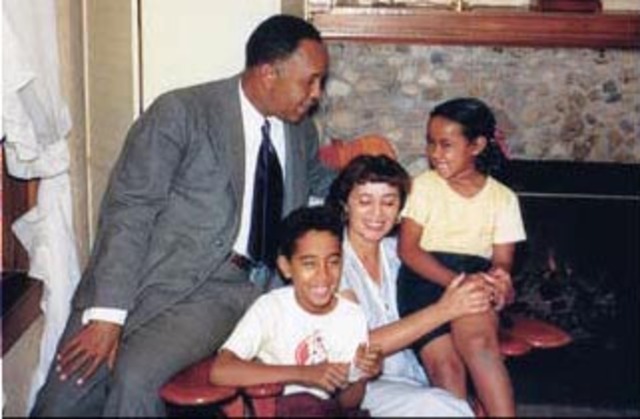
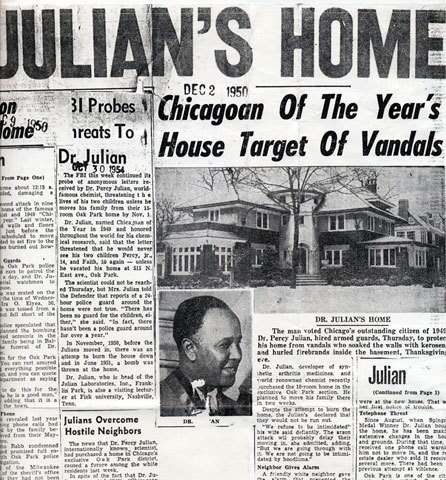
Percy Julian was named Chicagoan of the Year by the Chicago Sun-Times in 1950. That same year, Percy, Anna, and their two children were living in Maywood when they decided to move to Oak Park. There were no black residents in that suburb. They purchased a 15-room home that they were remodeling and landscaping when attempts were made to burn the house down. Someone broke in and poured gasoline all over, but the fuse did not light. The following summer, a dynamite bomb was thrown from a passing car, exploding in the flower beds in the front of the house. At the time, their children, ages 11 and 7, were at home with a caregiver and a security guard.
The police reported they could not identify any suspects for the crimes. Many white members of the community were appalled at the treatment the Julians were receiving and formed a group to support and help them. Even so, threats continued for many more years.
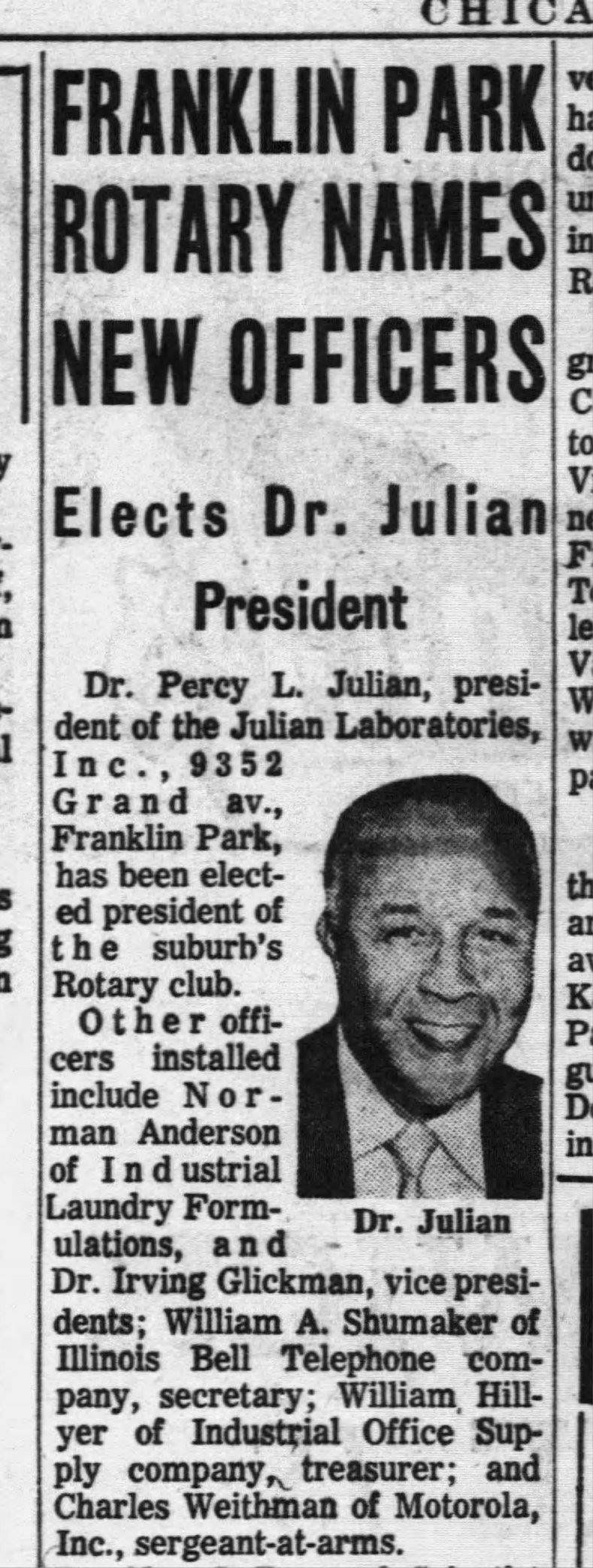
In 1953, Glidden got out of the steroid business, which, despite Julian’s innovations, was never profitable. Julian founded his own research firm, Julian Laboratories, Inc., in Franklin Park, Illinois. He continued to work on synthesizing hormones using Mexican and Guatemalan yams. Julian sold his company in 1961 to Smith Kline and Upjohn for $2.3 million.
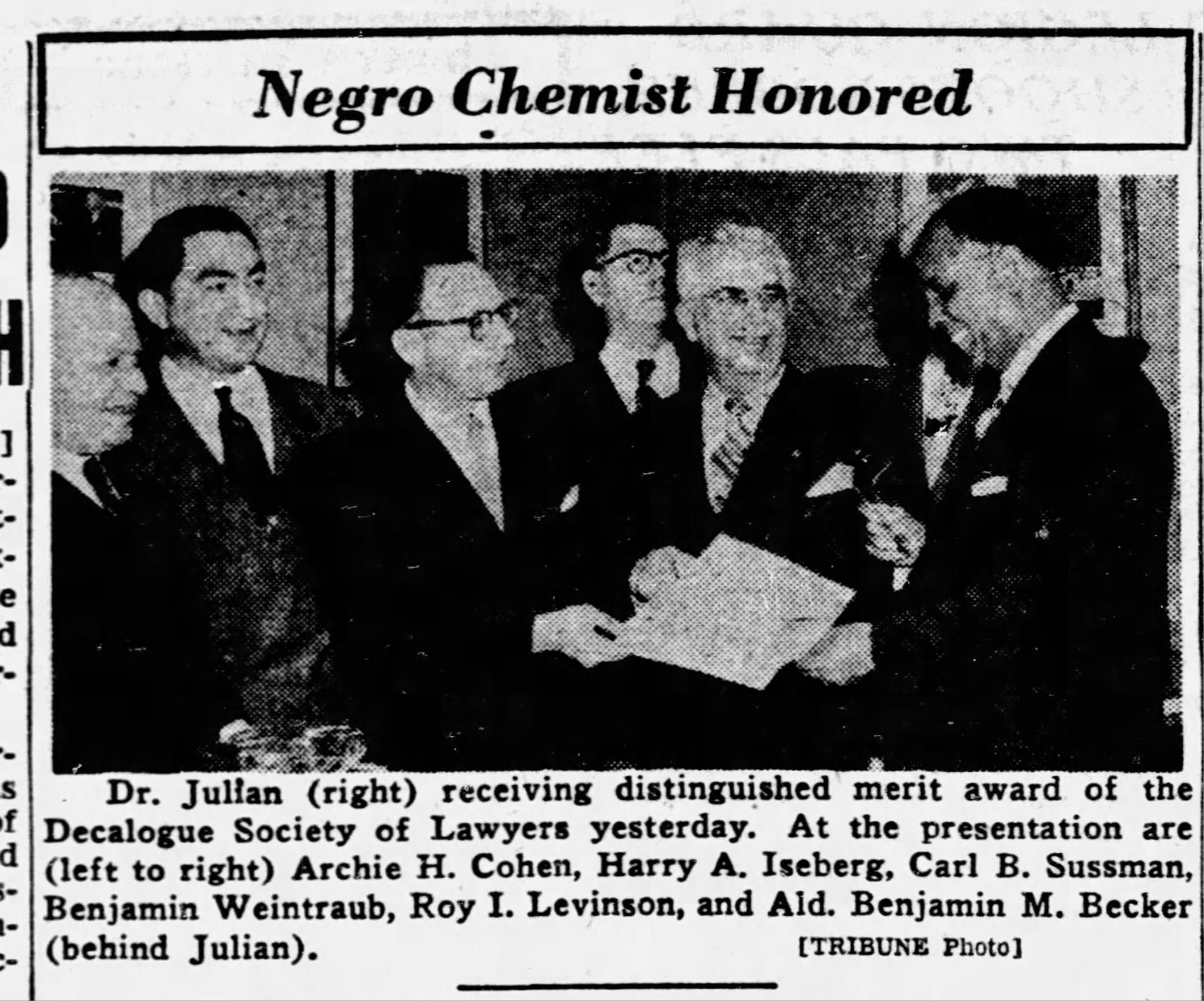
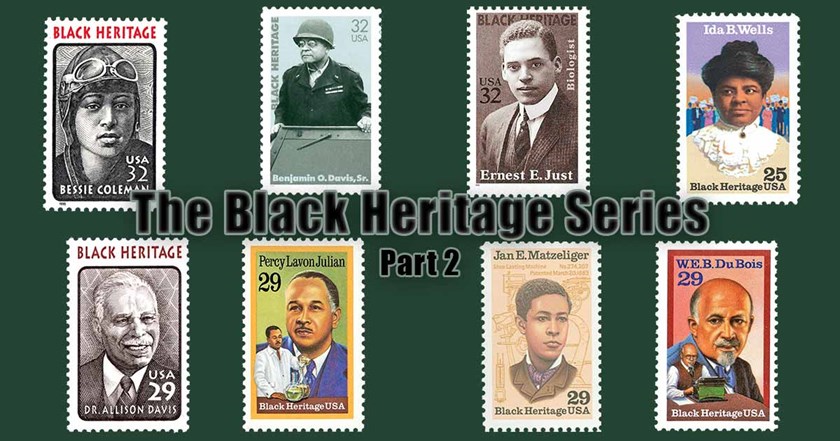
During his lifetime, Julian received awards and recognition. Some examples are included in the accompanying images. He died in April of 1975, and that fall, the Percy L. Julian High School opened at 10330 S. Elizabeth Street. Since his death, recognition has continued. In 1993, he was featured on the Black Heritage stamp, a series initiated by the U.S. Postal Service in 1978.
There is so much more information available on the life of Percy Julian. Readers are encouraged to Google his name to access the numerous websites that share his story.
After he retired, he said of his life and career, “I feel that my own good country robbed me of the chance for some of the great experiences that I would have liked to live through. Instead, I took a job where I could get one and tried to make the best of it. I have been, perhaps, a good chemist, but not the chemist that I dreamed of being.”
Despite the burden of racial discrimination, Percy Julian achieved great things – by any standards, he was much more than just a “good” chemist. Chemistry was the break-through “technology” of the early and mid-1900s. How much more might he have contributed if he had been given the chance?
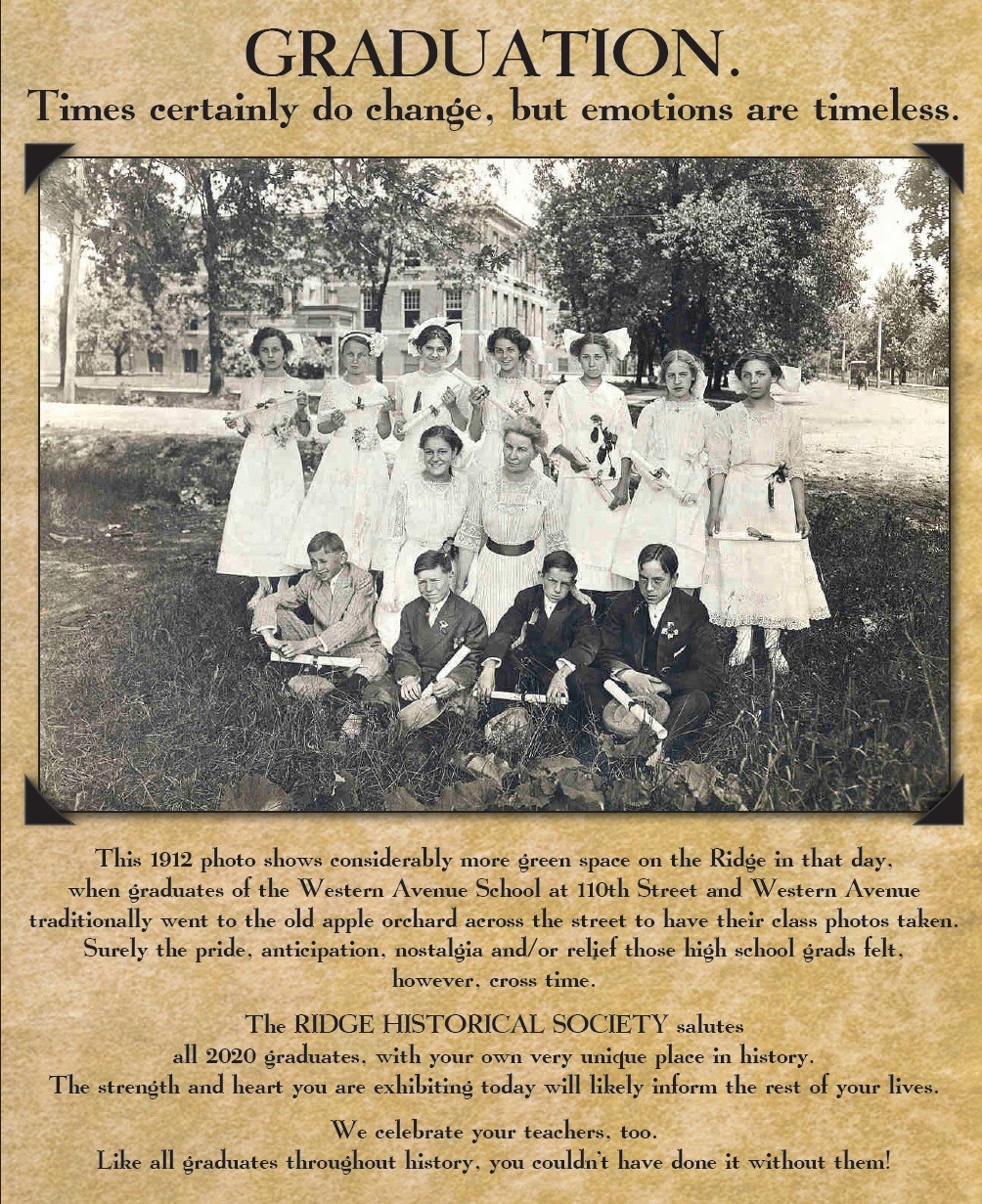
The Ridge Historical Society salutes all the 2020 graduates!
Ridge Historical Society
By Carol Flynn
School Series – Profile 3: Charles Henry Wacker
This is third in our series of people who have schools named for them on the Ridge.
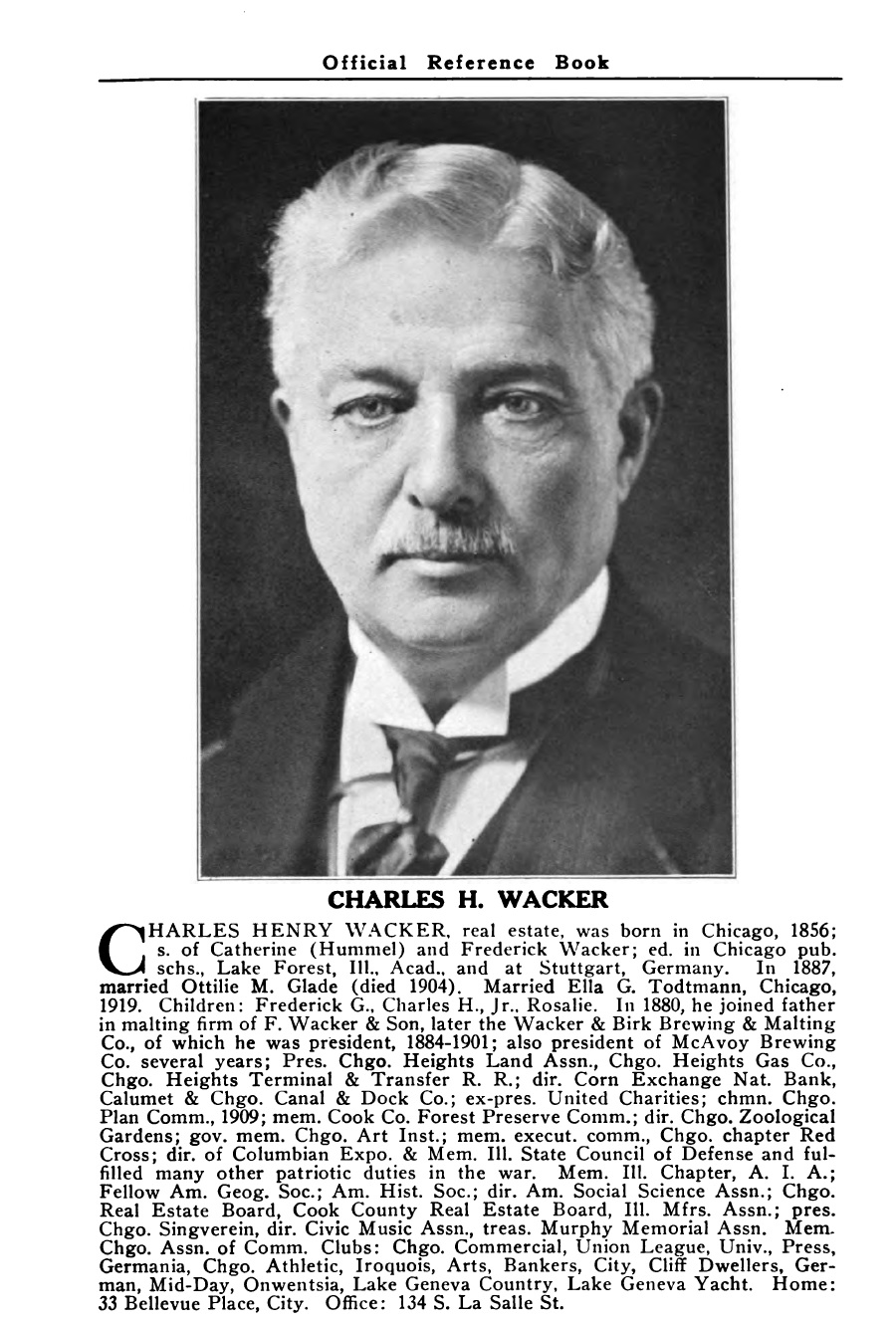
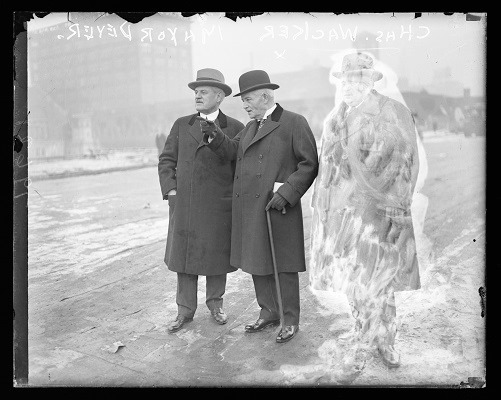
Charles Henry Wacker (1856-1929) was a successful businessman who devoted his time and effort to making Chicago a thriving and attractive city. The son of German immigrants, his story also illustrates the contributions that people of German descent made to Chicago’s development.
Wacker was born in Chicago right before the U. S. Civil War. He was educated in Chicago-area schools and then attended college in Germany and Switzerland. As a youth, his family took extended trips to Europe and he even visited Egypt.
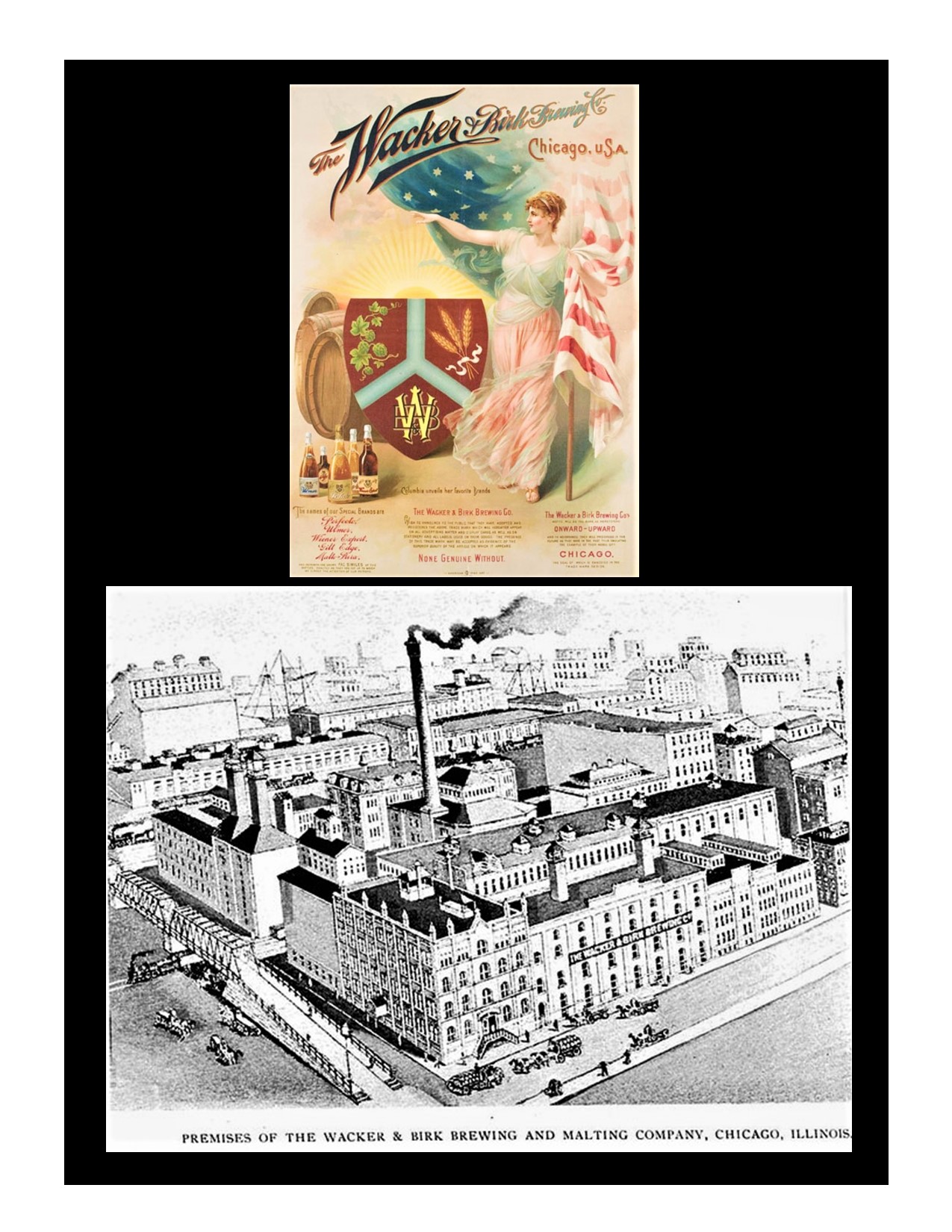
Wacker’s father was in the brewery business, one of the many German immigrants who brought his love for beer and his knowledge of brewing it to the United States. Wacker became his father’s partner in 1880 with the F. Wacker and Son malting business in Chicago. He became secretary and treasurer when his father joined with Jacob Birk to incorporate the Wacker and Birk Brewing and Malting Company in 1882. This operation was located at Grand Avenue and Desplaines Street.
Both of his parents died in 1884, leaving Charles, 28, an only child, with an inheritance of $600,000, quite a sum for the time. He became president and treasurer of the brewery. As president of the State Liquor Dealers’ Protective Association during this time, he was a vocal critic of the temperance movement, urging saloonkeepers to organize against city laws that interfered with the sale of alcohol. A few years later, he sold the brewery to an English group. Prohibition put an end to the company, and the property was put on the market in 1920.
Wacker became involved in other businesses, including banking and real estate. At the time, the city and suburbs were rapidly growing, and people could become millionaires in a short time through investing in real estate developments. Wacker became connected to the south side as the president of the Chicago Heights Land Association, which planned and developed that community southeast of the Ridge as an industrial and residential hub.
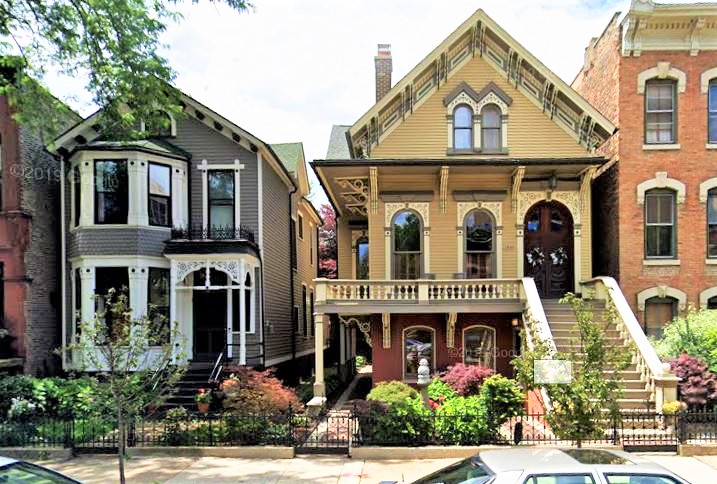
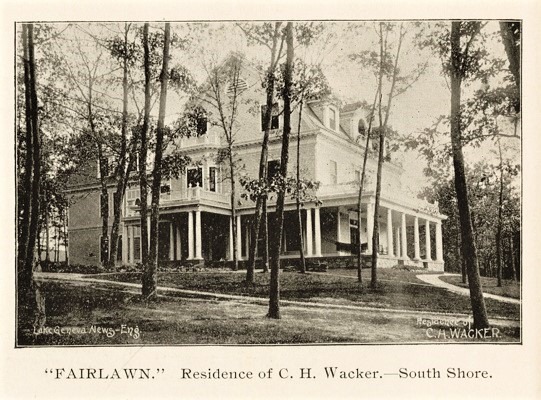
In 1887, Wacker married Ottille M. Glade, a Chicago native, and they had two sons and a daughter. They lived at several locations on the near north side. In 1892-93, Wacker built a “cottage” on Lake Geneva, Wisconsin, that he called Fair Lawn, complete with a Tiffany stained glass dome, billiard room, servants’ quarters and landscaping by noted landscape architect Jens Jensen. This second home became a favorite place for the family to spend summers and weekends.
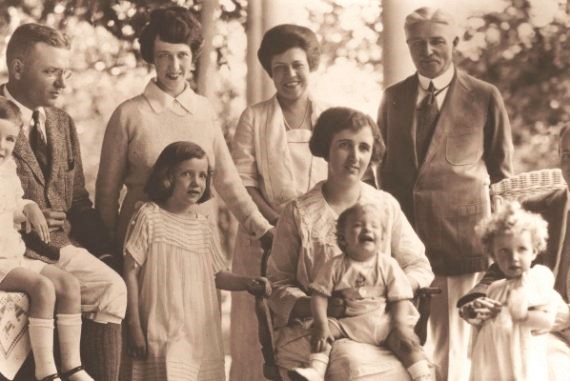
“Tillie” Wacker died in 1904 at the age of 36 following an operation for appendicitis. Fifteen years later, Wacker remarried to Ella M. Todtmann, his secretary, almost 30 years his junior.
Wacker grew in prominence with the city. He became involved in numerous organizations and clubs. He was nominated for public office, and was even encouraged to run for mayor, but he declined those opportunities.
He was recognized for his service as the youngest member on the board of directors for the 1893 World’s Fair, the Columbian Exposition. He was a member of several committees, including Ways and Means, and Entertainment.
Charles Wacker is ultimately best remembered for his work as the Chairman of the Chicago Plan Commission, an appointed position he held from 1909 until 1926.
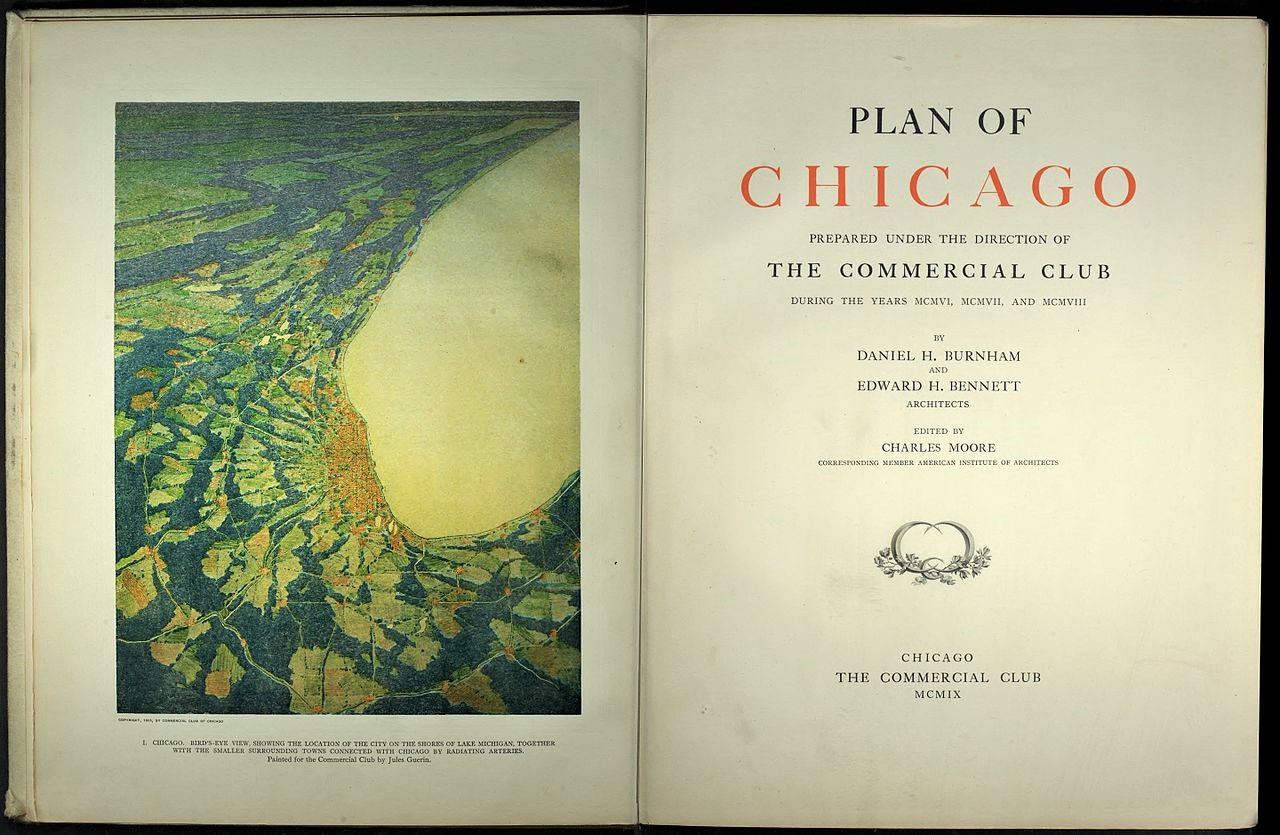
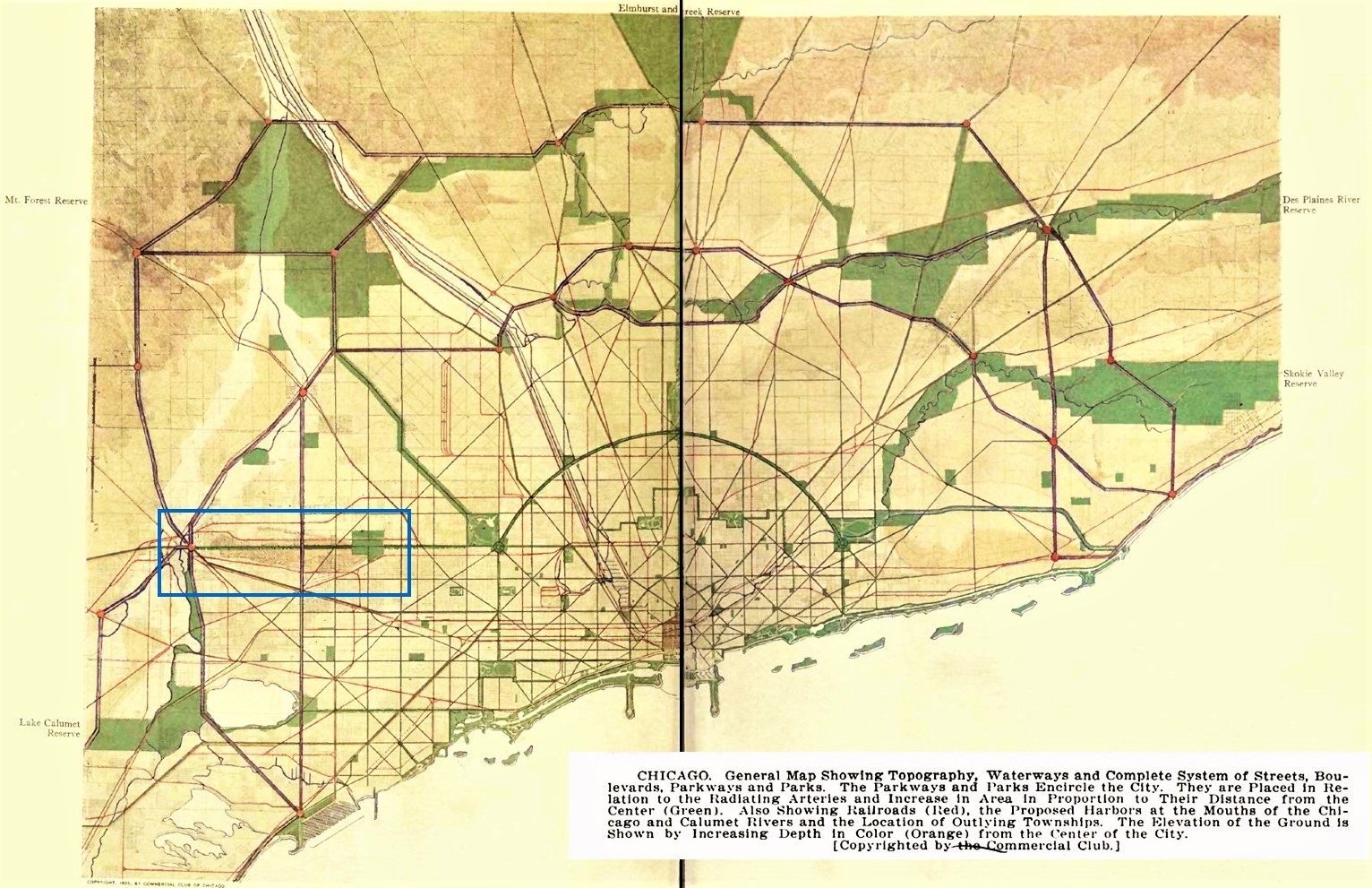
After the 1893 World’s Fair, the leading businessmen in Chicago began to discuss the need for a plan to manage the development, growth and lay-out of the city. In 1907, the Commercial Club, a social organization of these men, worked with Daniel Burnham, the city planner and architect who had created the White City for the World’s Fair, to create such a plan. The Plan of Chicago was published the following year. It’s often referred to as Burnham’s Plan for Chicago.
In 1909, the Mayor of Chicago, Fred A. Busse, and the city council formed the Chicago Plan Commission, and appointed over 300 businessmen, heads of government agencies, and other leaders as members. Wacker, who had been serving as Chair of the Commercial Club’s Plan Committee, was appointed permanent chair of the Commission.
The Plan of Chicago focused on improvements to the lakefront, streets and highways, railway systems, parks, and civic and cultural institutions. Until the Great Depression, the Plan led Chicago development, although it was not followed precisely or completely and there were plenty of conflicts, not surprising in a large city.
Thanks to the Commission and Wacker’s leadership, the Plan led to the lakefront public parkland, the forest preserve system, many neighborhood parks, the street grid, Union Station, Soldier Field, Navy Pier, today’s “museum campus,” and Michigan Avenue. There were countless smaller improvements. Wacker was a tireless cheerleader for the plan, connecting it to the future of the city. He even had a book for schoolchildren produced in 1913, Wacker’s Manual of the Plan of Chicago, so that they would understand and support the plan.
During the years of World War I, the Plan was mostly put on hold. Wacker was involved in many German American organizations, including serving as president of the German Relief Society. Relief organizations to help immigrants from various countries were common. Wacker found it necessary, due to wartime anti-German sentiment, to publicly declare, “We are American citizens first.” Plans for the annual “German Day” at Riverview were canceled so as not to invite demonstrators. Efforts were turned toward collecting for the Red Cross, of which Wacker was a member and spokesperson. Wacker’s son served in the U.S. military in WWI.
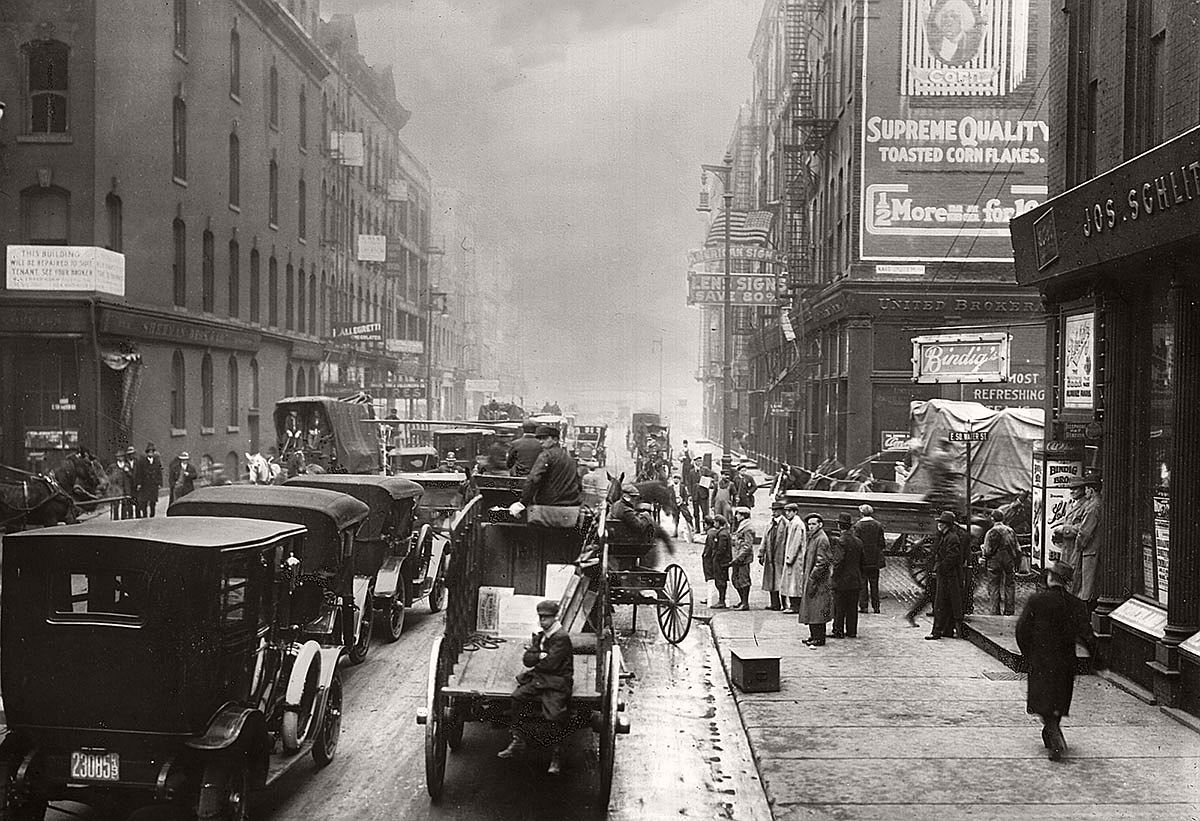
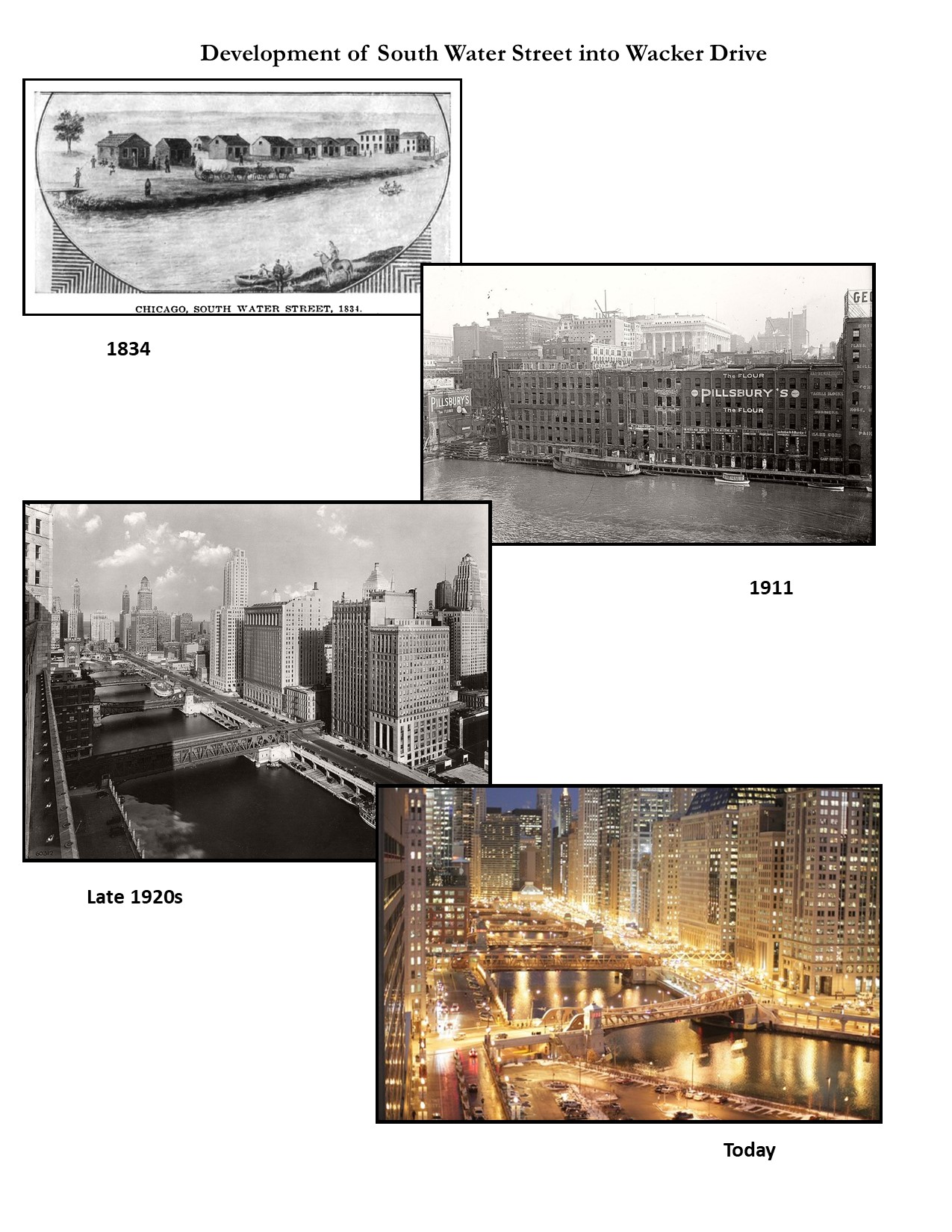
Wacker Drive was a special project that came out of the Plan to deal with River Street and Water Street, an extremely congested route that ran along the south side of the river, with buildings backing up right onto the water. The concept of the “double-decker” street was to have local traffic use the top level, with deliveries, through traffic, and access to/from river docks on the bottom level.
Wacker was an enthusiastic supporter of this plan. The first phase along the river was finished in 1926 for a cost of $8 million. The street was named in honor of Wacker. The bend and the south portion came later, in 1948-54, and the extensions east of Michigan Avenue were added in 1963 and 1975.
Failing heath caused Wacker to resign from the Commission in 1926. He died a few years later at the Lake Geneva house at the age of 73. He was buried in Graceland Cemetery on the north side of Chicago.
In addition to Wacker Drive, Wacker Elementary School at 9746 S. Morgan Street was named to honor him.
Ridge Historical Society
By Carol Flynn
School Series – Profile 4: John H. Vanderpoel
This is fourth in our series of people who have schools named for them on the Ridge.
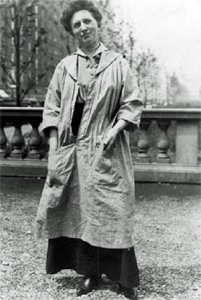
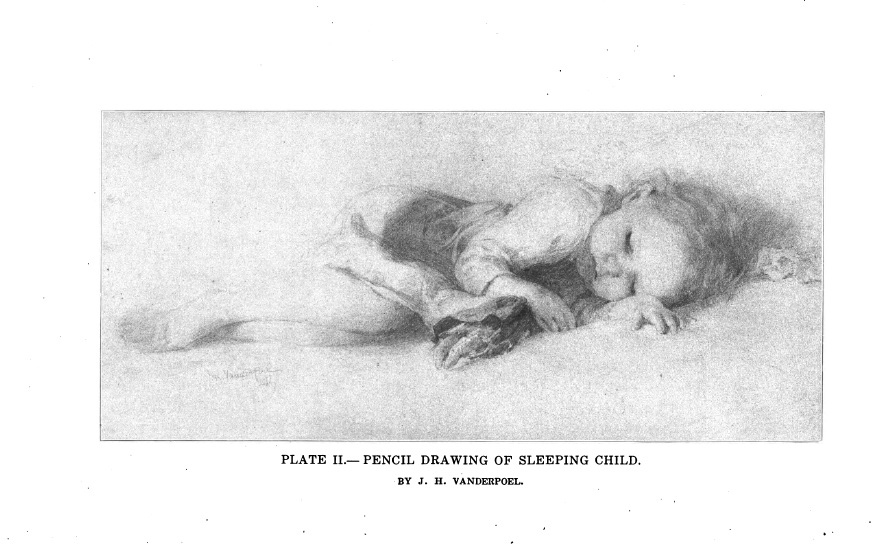
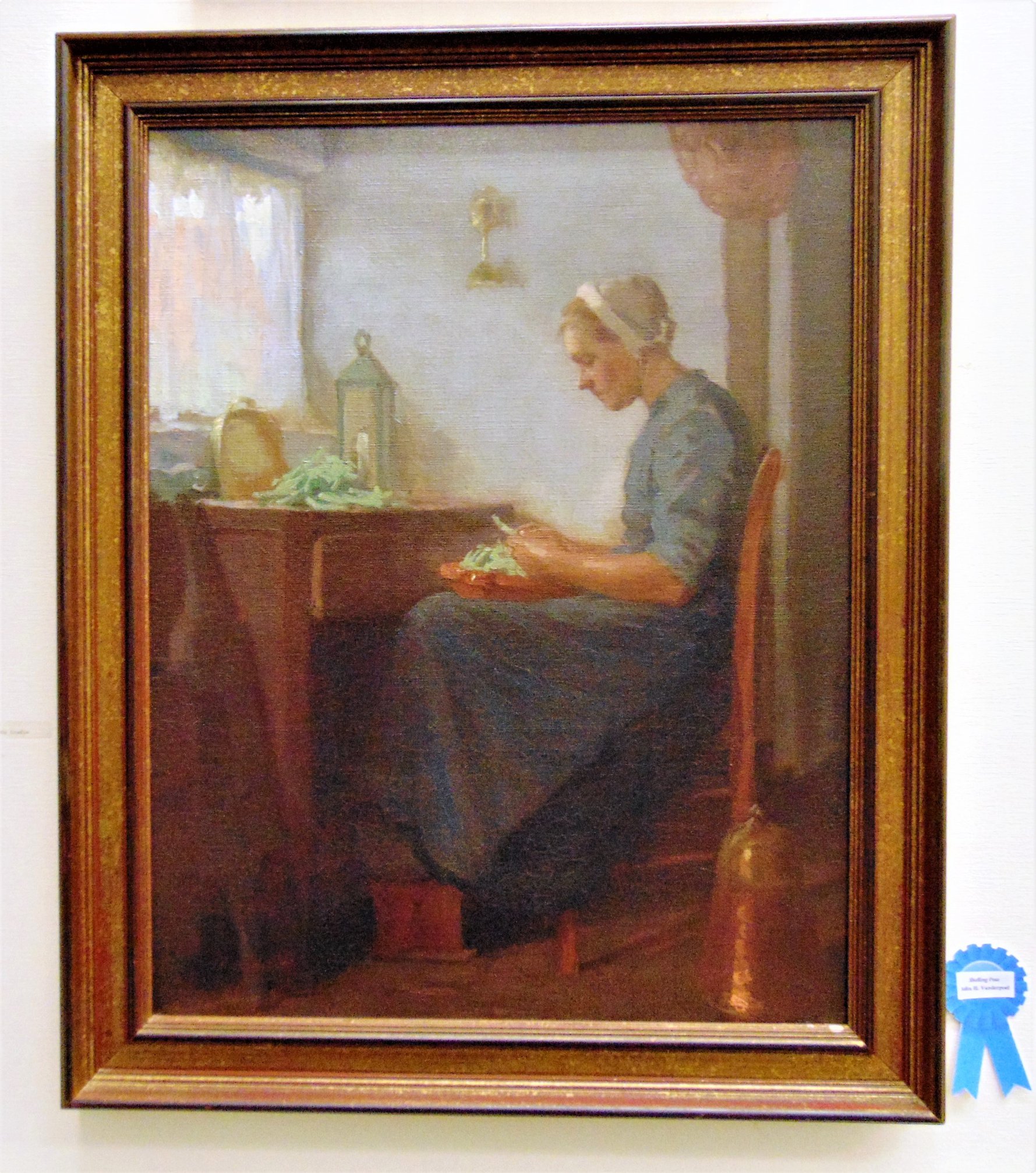
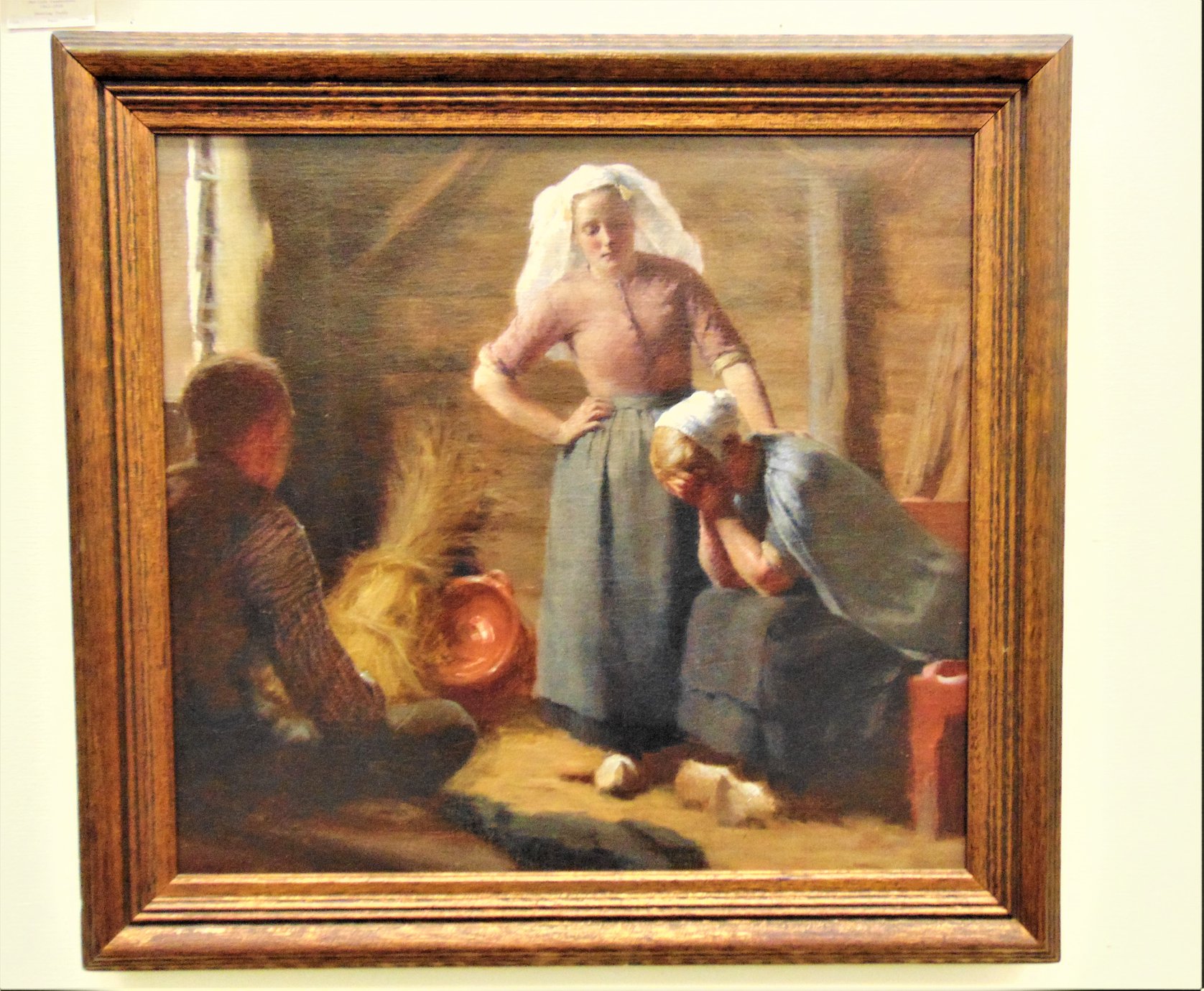
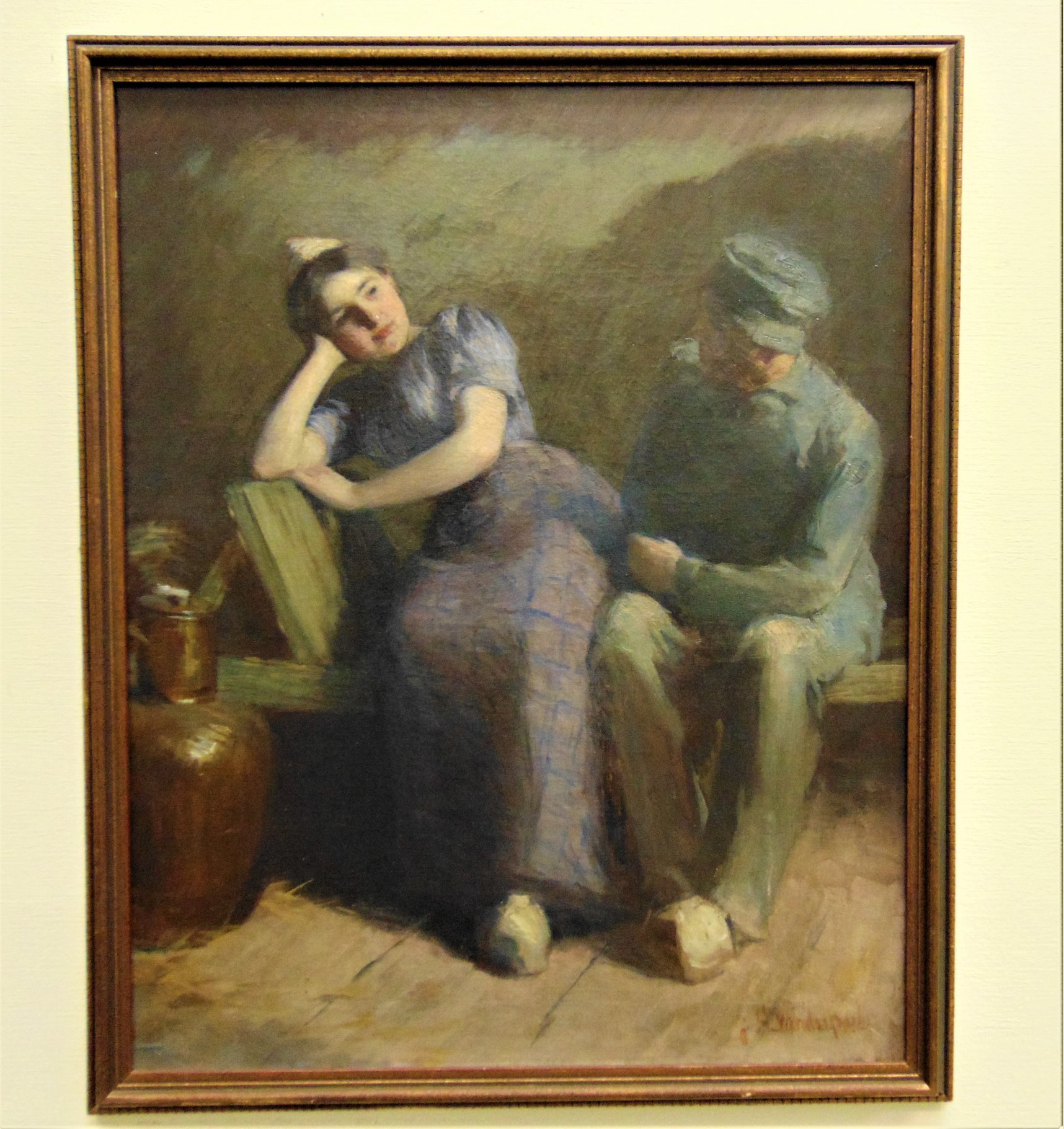
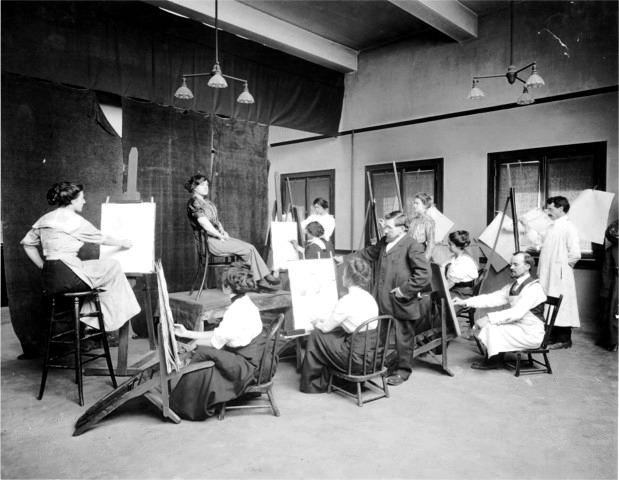
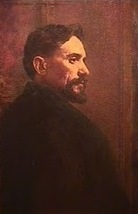
John H. Vanderpoel (1857 -1911) was an artist and educator who lived in Beverly. He is best remembered for his 30-plus years of affiliation with the School of the Art Institute of Chicago (SAIC).
Vanderpoel was born in Holland, one of ten children. His mother died when he was young, and his father moved the family to the U.S. when Vanderpoel was 11. Settling in Chicago, his father became active in politics and served as chief clerk of the probate court.
A gymnasium accident when he was 14 left young Vanderpoel with physical disabilities. While recuperating, he spent his time drawing. His talent was evident, and he set his heart on becoming an artist. As a teen, employed in a shop selling wallpaper, he used the backs of the rolls to practice his art. His employer fired him “before the whole of the store’s supply was ruined.”
Vanderpoel was awarded a scholarship to the Academy of Design, which eventually evolved into the Art Institute of Chicago. In 1880, he was appointed an assistant art instructor. The Academy gave him a fellowship to study in Paris for two years.
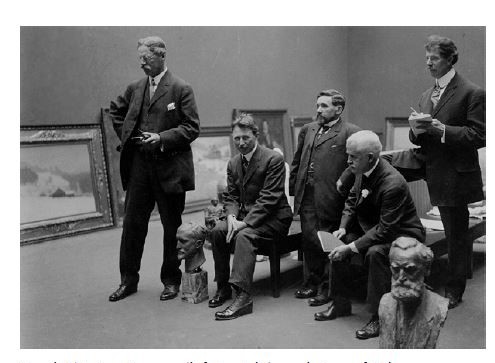
Upon his return to Chicago, Vanderpoel’s work was shown in many exhibits and his reputation grew. He was named head instructor at the SAIC. He exhibited five paintings and was a juror for artwork at the 1893 Columbian Exposition in Chicago. He was awarded a bronze medal at the St. Louis World’s Fair in 1904.
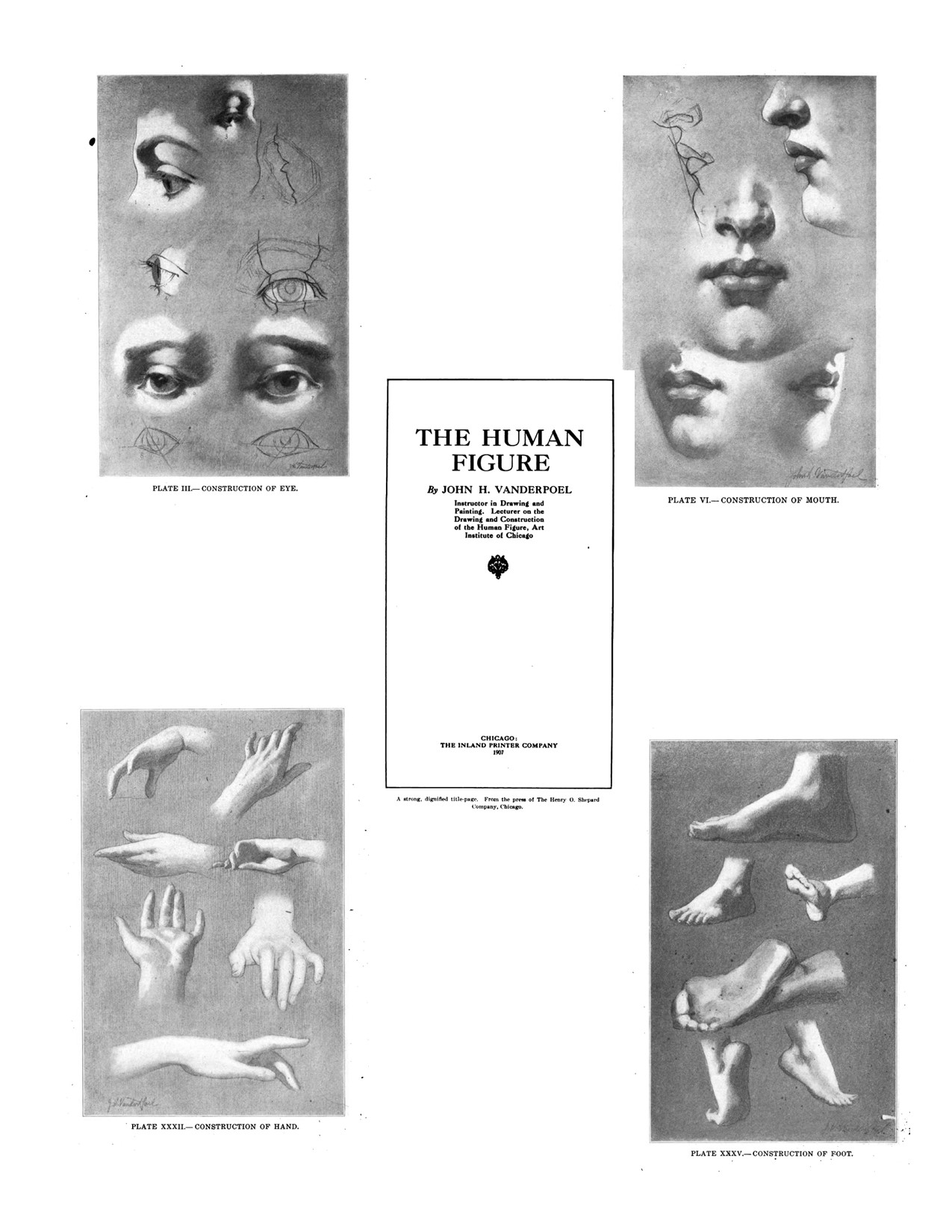
His book The Human Figure became a standard textbook for art school students and earned Vanderpoel the reputation as one of America's foremost authorities on figure drawing. One of his students at the SAIC was Georgia O’Keeffe, who praised Vanderpoel as “one of the few real teachers I have known.”
Vanderpoel took a leave of absence in late 1910 to move to St. Louis to head a museum and establish an art program. While there, in May of 1911, he died from a heart attack. He was survived by his wife, Jessie, and two children, Dorothy and David.
John H. Vanderpoel’s career has been well documented and can be found on-line. Less known is his history on the Ridge.
It was long assumed that it was the first executive director of the Art Institute, William Merchant Richardson French, who influenced Vanderpoel to settle in Beverly, but that is probably not the case; in fact, it is likely the other way around.
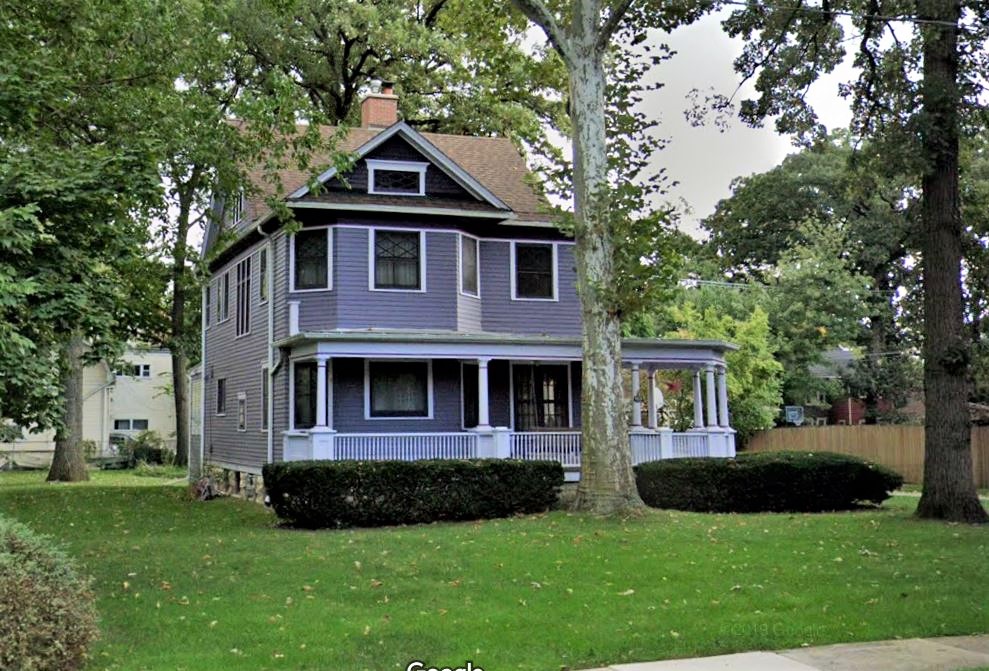
In 1890, Jessie Elizabeth Humphries was a student at the SAIC, living with her parents at “W. Meridian near Tracy Ave.” Today, that is 103rd Street and Walden Parkway. Vanderpoel was living with his father near Roosevelt Road and Western Ave. Vanderpoel and Jessie married on December 23 of that year, and he moved into the Humphries family house. In 1893, they had a daughter, Dorothy, while they were living at that address. The entire family including in-laws moved to 9319 S. Pleasant Ave., the house that is known today as the “Vanderpoel house.”
French married artist Alice Helm in March of 1890. They built a house at 9203 S. Pleasant Ave., which they moved into in 1894. That house also still stands. Some credit Alice Helm French with giving the name “Beverly Hills” to the area because the terrain reminded her of Beverly, Massachusetts.
Matilda Vanderpoel, John’s sister who was also an artist and instructor at SAIC, later joined them in North Beverly, living at 9431 S. Pleasant Ave.
In 1911, Vanderpoel’s death was a great loss to the art community. A public wake was held at the Art Institute and prominent artists from all over the country as well as hundreds of his past students viewed his casket. He was buried in Mt. Greenwood Cemetery.
His friends and neighbors in Beverly and the art world sought ways to honor and remember him.
A new school was under construction at 95th Street between Howard Court and Prospect Ave., and his friends petitioned to have it named in Vanderpoel’s honor. The president of the Chicago Board of Education denied the request because the school had already been named for John Farson, a prominent banker and lawyer well known in Chicago financial and social circles who had died in 1910. In fact, Farson’s name was already chiseled in stone on the school facade.
But the community persisted. Alice Helm French along with others continued to petition the school board. Mrs. French contacted Farson’s widow, who lived in Oak Park and planned on relocating from the Chicago-area soon. Mrs. Farson had no objection to naming the school for Vanderpoel, and in fact had never been consulted by the school board about naming it for her husband in the first place. Mrs. Farson wrote a letter to this effect to the school board. After a year and a half of “more or less agitation,” Farson School was finally renamed for Vanderpoel. A memorial program to honor him was held at the school in May of 1913. Later, the street Howard Court was renamed Vanderpoel Avenue.
In 1914, his friends bought one of Vanderpoel’s paintings and installed it in the Vanderpoel School. Artists were invited to contribute works to continue this memorial. This was a usual practice then, to decorate schools with original artwork. By 1929 the collection had outgrown the school and arrangements were made with the Ridge Park District to move the collection there, creating the Vanderpoel Art Gallery. Today the gallery, in the Ridge Park field house at 96th Street and Longwood Drive, owns a world-class collection of paintings and other artwork.
These sites in Beverly are named for John Vanderpoel, but his true legacy was establishing SAIC’s reputation as a superb art school over 100 years ago.
Ridge Historical Society
By Carol Flynn
School Series – Part 1 of Profile 5: Johnnie Colemon
This is fifth in our series of people who have schools named for them on the Ridge.
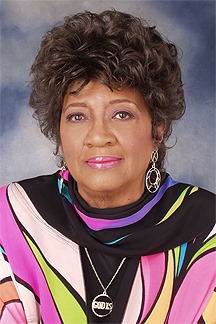
Johnnie Colemon (1920 – 2014) was a religious leader who inspired tens of thousands of people. Despite persistent racism and discrimination, she was a trailblazer who opened paths for other African American women to enter the ministry. And even though she had numerous distinctions, she always insisted people just call her Johnnie. Today is an appropriate day to begin Johnnie’s story.
Today is June 19th, or Juneteenth, a day we commemorate the end of slavery in the United States. It dates back to 1865, when Union soldiers landed at Galveston, Texas, with the news that the Civil War had ended and that all slaves were now free. Actually, of course, President Abraham Lincoln had declared the end of slavery as of January 1, 1863, with the Emancipation Proclamation, but the southern states had not honored that. It took over two more years of bloodshed to make emancipation a reality.
Annual celebrations on this day started with African Americans in Texas and with time spread throughout the country. The day has been celebrated in African American communities for over 150 years, and is finally receiving more widespread recognition. Some states recognize it as an official holiday. The Federal government has acknowledged the day as “Juneteenth Independence Day” and efforts continue to establish it as a national holiday. The day is known as America’s Second Independence Day.
More of Johnnie Colemon’s life will be covered in a second post. These are just some highlights.
Johnnie was born in Alabama and raised in Mississippi. In 1943, she earned a bachelor’s degree from Wylie College, which, interestingly for our story today, is a historically black college located in Texas.
Historically black colleges and universities (HBCUs) are those institutions founded specifically to serve African Americans. Most are located in the southern states and most were founded in the years following the U.S. Civil War. Prior to the Civil Rights Act of 1964, most colleges in the south prohibited African Americans from attending, and quite a few colleges in other parts of the country had policies and quotas limiting black students. HBCUs were established to allow black students to receive the educations rightfully due to them, and they persisted despite racism, segregation, and Jim Crow laws. These colleges were often started with the assistance of religious missionary organizations. Wylie College was founded in 1873 by Rev. Isaac Wiley, a physician, and bishop of the Methodist Episcopal Church.
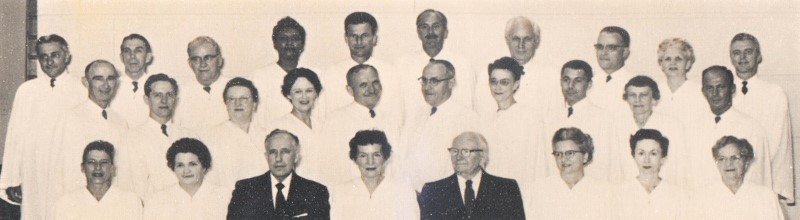
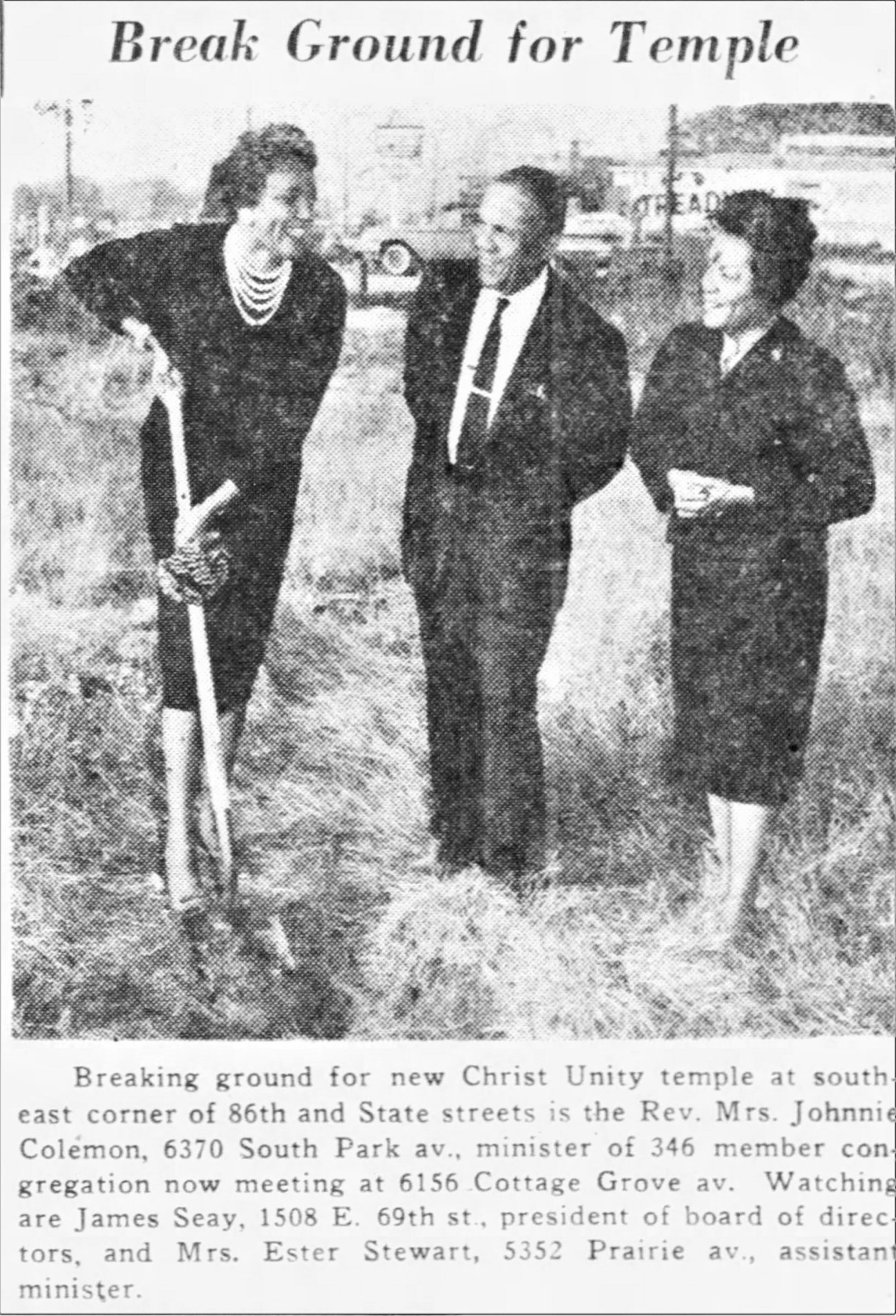
After earning her degree, Johnnie moved to Chicago and was a Chicago public school teacher. A health crisis in the early 1950s led her to the Unity Church, which had started in 1889 as a spiritual healing ministry. In 1956, Johnnie became the first African American woman ordained a Unity minister. She returned to Chicago and started a congregation in a YMCA.
Johnnie’s positive and practical approach to religion and life drew many followers. She built her first church in the 1960s. She was elected the first African American president of the Association of Unity Churches in 1968. This caused some of the churches to quit the association. Even though the church preached that every person was a unique expression of God, sacred and worthy, the reality is that there was much systemic racism.
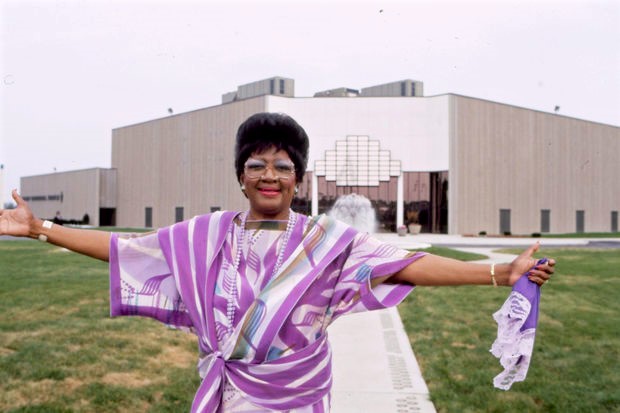
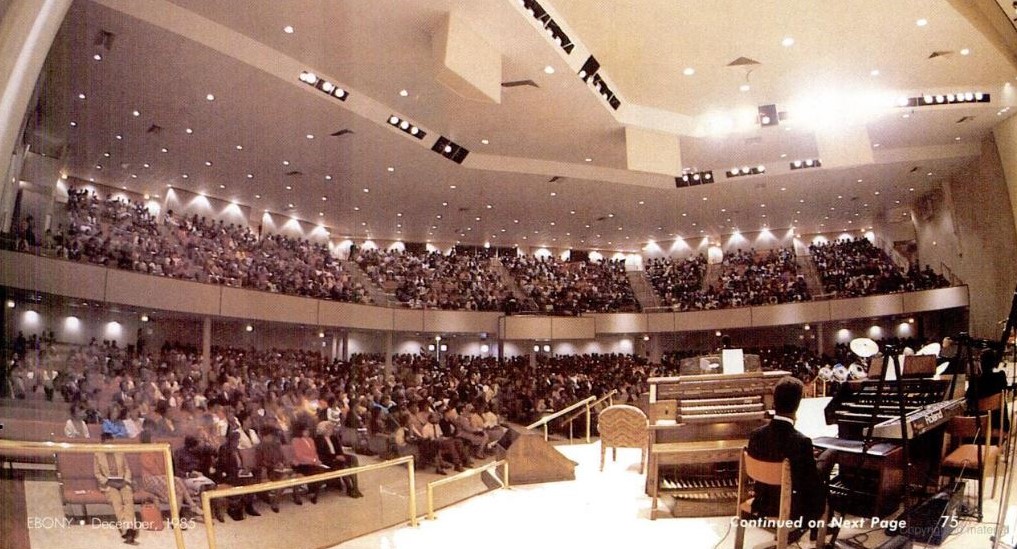
Johnnie named her church the Christ Universal Temple. In 1985, she became the minister of the “megachurch” she aspired to when she had a new 3500-seat facility built at 119th Street and Ashland Avenue. In addition to the auditorium, the building included a 470-seat chapel, a banquet hall, a bookstore, and a prayer ministry. More facilities were added later. At the time the Temple was built, Johnnie had a following of over 10,000, and this would more than double before she retired in 2006.
Videos of some of Johnnie Colemon’s sermons can be found on YouTube. Her doctrine was to think positively and concentrate on the present and the future. One of her sermons that was published, given in 2002, is titled, “Dear Enemy, I Love You.” Here is an excerpt.
“…. I want to say – “Dear enemy, I love you,” not because I want to, but because I have to! Not for your sake, for my own sake. I love you, enemy, because to hate, to harbor resentment, is what I call spiritual suicide. Hate ain’t killing nobody but yourself.
“Let’s review the word forgiveness. You’ve heard it a million times here in class, and you need to hear it a million times more. Forgiveness means to give for. Forgiveness means the giving up of something. It means to give love for hate. It means to give understanding for misunderstanding. It means to give joy for sadness. What do you need to give up? Can’t nobody answer that for you but you.
“What did Jesus Christ say about it? Jesus Christ said, ‘Father, forgive them for they know not what they do.’ Now, that’s what Jesus said. Can you live according to the teachings of Jesus Christ? Can you follow His example? Jesus was above all hatred, all animosity, and all thoughts of revenge. He proved it that day at Calvary.”
Words for all of us to consider.
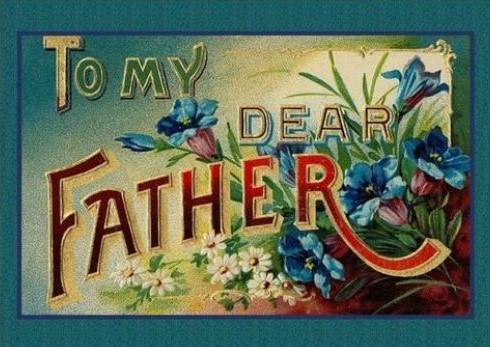
Happy Father's Day to all the dads out there! Here is a vintage postcard to celebrate.
Here is some history about Father's Day.
Father’s Day is an old concept. It has been celebrated on March 19, St. Joseph’s Day, in Europe since the Middle Ages.
In the U. S., the idea of a day to recognize fathers started to receive attention in the early 1900s. There were attempts made around the country to establish such a day, including one for Chicago proposed by Jane Addams of Hull House in 1911. (The city turned her down!)
In 1910, a woman in Spokane, WA, began promoting a day of recognition for all that fathers do. She and her siblings had been raised by their father after their mother died. She worked for this day on-and-off for decades.
Some people feared that a national Father's Day would evolve into a day of commercialism, the complaint by many against Mother's Day. And indeed, it was the men's apparel industry strongly supporting the idea. For many years, neckties have been the number one gift on Father's Day, but as dressing standards have relaxed, ties have much more competition from automotive, technology and sports items.
It took until 1966 for Father’s Day to be proclaimed a national day of recognition, by President Lyndon B. Johnson. It was finally signed into law in 1972.
Here is the original proclamation:
Proclamation 3730—Father's Day, 1966
June 15, 1966
By the President of the United States of America
A Proclamation
The third Sunday in June has for many years been observed as Father's Day. It is most appropriate that the Congress, by enactment of Senate Joint Resolution 161, has now given official recognition to this well- established tradition.
In the homes of our Nation, we look to the fathers to provide the strength and stability which characterize the successful family.
If the father's responsibilities are many, his rewards arc also great—the love, appreciation, and respect of children and spouse. It is the desire to acknowledge publicly these feelings we have for the fathers of our Nation that has inspired the Congress to call for the formal observance of Father's Day.
Now, Therefore, I, Lyndon B. Johnson, President of the United States of America, in consonance with Senate Joint Resolution 161 of the Eighty-ninth Congress, request the appropriate Government officials to arrange for the display of the flag on all Government buildings on Father's Day, Sunday, June 19, 1966.
I invite State and local governments to cooperate in the observance of that day; and I urge all our people to give public and private expression to the love and gratitude which they bear for their fathers.
In Witness Whereof, I have hereunto set my hand and caused the Seal of the United States of America to be affixed.
DONE at the City of Washington this fifteenth day of June in the year of our Lord nineteen hundred and sixty-six, and of the Independence of the United States of America the one hundred and ninetieth.
Signature of Lyndon B. Johnson
Ridge Historical Society
By Carol Flynn
School Series – Part 2 of Profile 5: Johnnie Colemon
This is fifth in our series on people who have schools named for them on the Ridge.
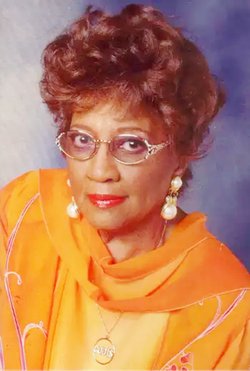
Johnnie Colemon (1920 – 2014) was a religious leader who inspired tens of thousands of people. This is a continuation of her story started on Juneteenth.
Any discussion of the African Americans on our list must include their experiences with racism and discrimination. This was part of the very fabric of their lives. The fact that they succeeded despite these barriers illustrates just what extraordinary, inspirational people they were.
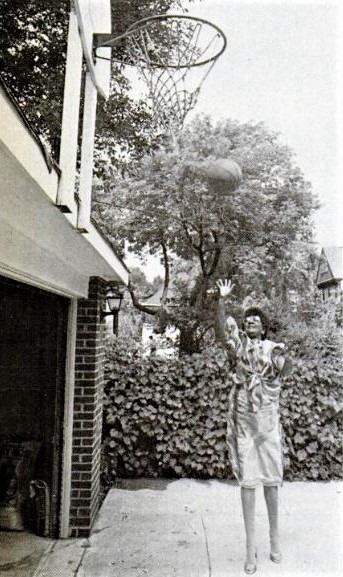
Despite her numerous titles, she always insisted people just call her Johnnie. She was born Johnnie Mae Haley in Alabama and raised in Mississippi. Like many people, her childhood dream was to be in show business – she wanted to play the saxophone or be a dancer on Broadway. And apparently, like for most of us, practicality won out. In 1943, she received a bachelor’s degree from Wylie College in Texas, an historically black college, where she excelled in her studies and in sports, and was voted the “most versatile” student in her class.
She taught school in Mississippi, and then moved to Chicago and taught in the Chicago public schools. In 1952, her teaching career was cut short by illness, and that is when she turned to religion.
Her journey took her to the Unity Church, which was founded in 1889 as a spiritual healing ministry. Today it is part of the “New Thought” movement. As it is beyond the scope of this post to go into the details of a religious movement, readers who want more information can research this on-line.
Johnnie often talked about her insecurities from her early years. She was an only child. She was named for her father, John, who had wanted a son. She spent much of her youth trying to win his approval. At Wylie, she called herself an “ugly duckling.” She was not considered attractive; she was too tall and thin and her skin too black. She was rejected by the top sorority. She would credit her embracement of the New Thought teachings with greatly increasing her self-esteem.
Johnnie visited Unity headquarters near Kansas City, Missouri, and immediately felt at home with the teachings. But even though the church taught that each person was a unique expression of God, sacred and worthy, Johnnie encountered what she described as blatant racism. She was accepted into the Unity School of Christianity, but black students were not allowed to live in the school’s cottages or eat in the school restaurant, and had to sit in a segregated, roped off section in church. Johnnie voiced her objections to these arrangements, and not surprisingly, many of the whites considered her “arrogant.” But an unused cottage was made ready for her, although it was set apart from those of the white residents. She was the first black person to live on campus.
In 1953, Johnnie married Richard Colemon, a delicatessen operator in Chicago. She kept this name throughout her career.
She became an ordained Unity minister in 1956, the first African American woman to do so. Returning to Chicago, she started her own church. In 1968, she was elected the first black president of the Association of Unity Churches. This prompted some churches to quit. In 1974, Johnnie withdrew her church from the Unity organization, in part due to the systemic racism and also because her philosophies were developing in other directions.
At that time, she renamed her church Christ Universal Temple (CUT). She also formed her own organization of churches, the Universal Foundation for Better Living, that grew to twenty member churches internationally.
Her influence spread. Her sermons with positive, practical, understandable messages were well-received and her congregation kept growing. By 1985, CTU had grown into a megachurch and needed a building to accommodate its size. With loans and donations, Johnnie had a new facility built at 119th Street and Ashland Avenue. This facility included a 3500-seat auditorium, a chapel, a bookstore, banquet facility, and a prayer center.
In 1999, she built a private elementary school as part of the complex, which was named the Johnnie Colemon Academy. The school did not attract the number of students needed to stay open, and beginning in 2001, the Chicago Board of Education (CBOE) rented the building for a public school.
In keeping with the separation of church and state, the current regulations for Chicago public schools forbid naming a school for a religious leader. However, this school came with a name in place as part of a campus. The rental agreement kept the name of the school, and also agreed to hire all existing teachers and staff who met Board guidelines.
In addition to her ministry, Johnnie also held civic positions. She was a director of the Chicago Port Authority and a commissioner on the Chicago Transit Authority Oversight Committee. She received too many honors and awards to list, including honorary doctorates. Mayor Harold Washington declared August 18, 1985 as Rev. Dr. Johnnie Colemon Day in Chicago and she was given the key to the city. Washington’s funeral was held at CTU in 1987. Johnnie ordained actress/singer/author Della Reese a minister in the 1980s; they became close friends. Barack Obama, then U.S. Senator, gave a Father’s Day address at CTU in 2005. For over 30 years, Johnnie owned and resided in the house at 5008 S. Greenwood Ave. in Hyde Park/Kenmore, on the same block as the Obamas.
Johnnie was widowed twice when Colemon and later her second husband died. She had no children, but people who grew up in her congregation became known as “Johnnie Colemon babies.” One famous person on this list is superstar and entrepreneur Kanye West, who lived in South Shore and attended Vanderpoel Magnet School in Beverly.
Johnnie was not without controversy. Some of her doctrines differed from traditional Christian teachings. For example, Johnnie taught that heaven and hell were not places, people created their own heaven or hell. She also was criticized because her “Better Living” philosophy encouraged material wealth, and some considered her lifestyle too lavish for a minister. Her response was that “It is God’s will that every individual on the face of this earth should live a healthy, happy, and prosperous life. God is my source of supply ….” She lived to age 94, and really, when compared to some of today’s ministers of megachurches and television ministries, her lifestyle was not that lavish. She had a car and driver, nice clothes, and a fine house in Hyde Park.
As a religious leader, a school today likely would not be named for her. But when she is considered as a person, she had the same traits that made other people, white and black, for whom schools were named, inspirational: a passion for and belief in what she was doing, determination, intelligence, and a willingness to help others. In addition, she had to combat racism and prejudice to succeed. She was a trailblazer in carving paths for other African American women to enter the ministry.
Notice to the followers of the Ridge Historical Society. Our website is currently down because we are revamping the entire thing. We are even changing the domain name. It will become www.ridgehistory.org to match our email address which is ridgehistory@hotmail.com. So delete any connection you have to the old address – ridgehistorical.org. That no longer exists! Thank you!
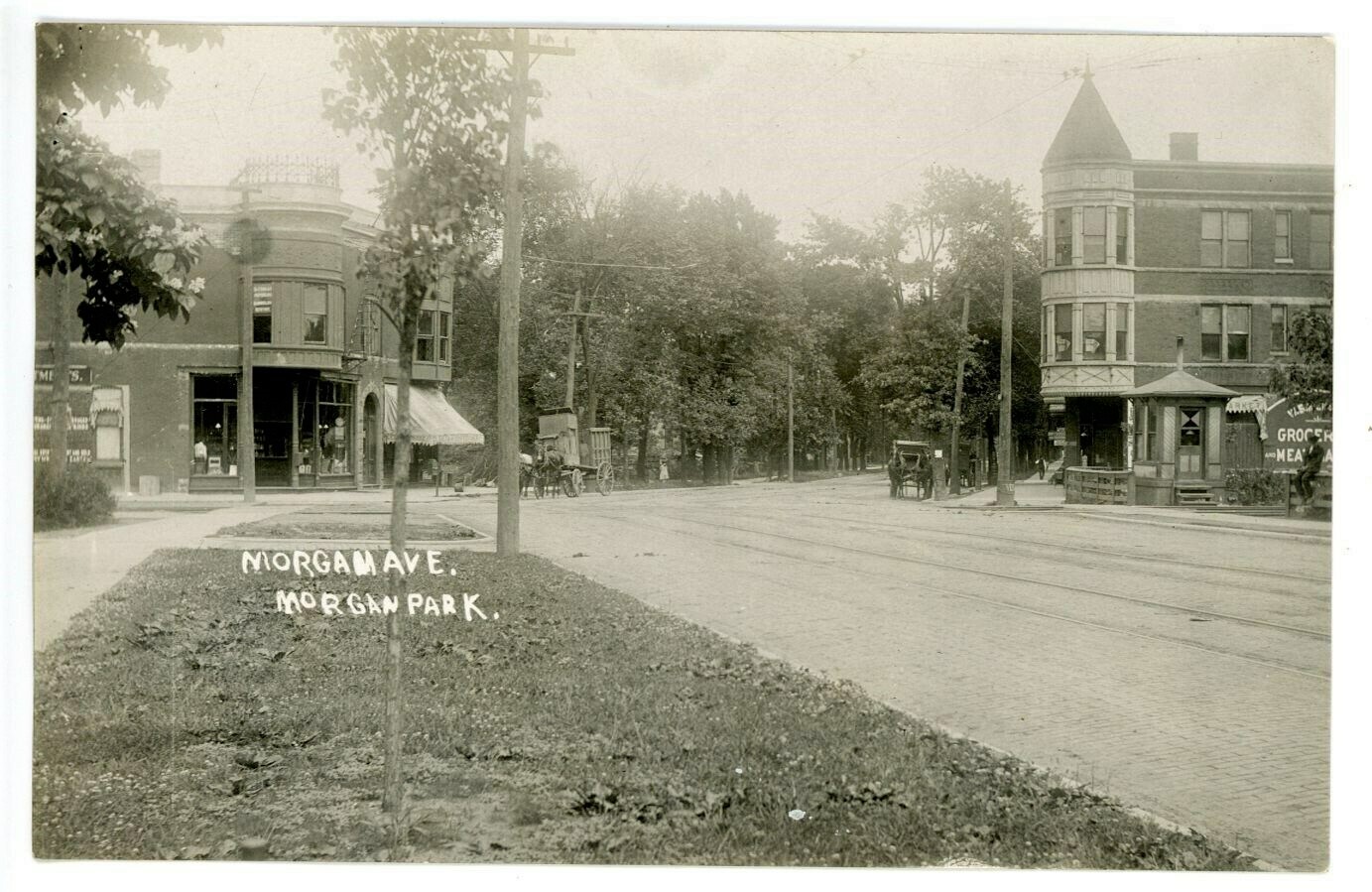
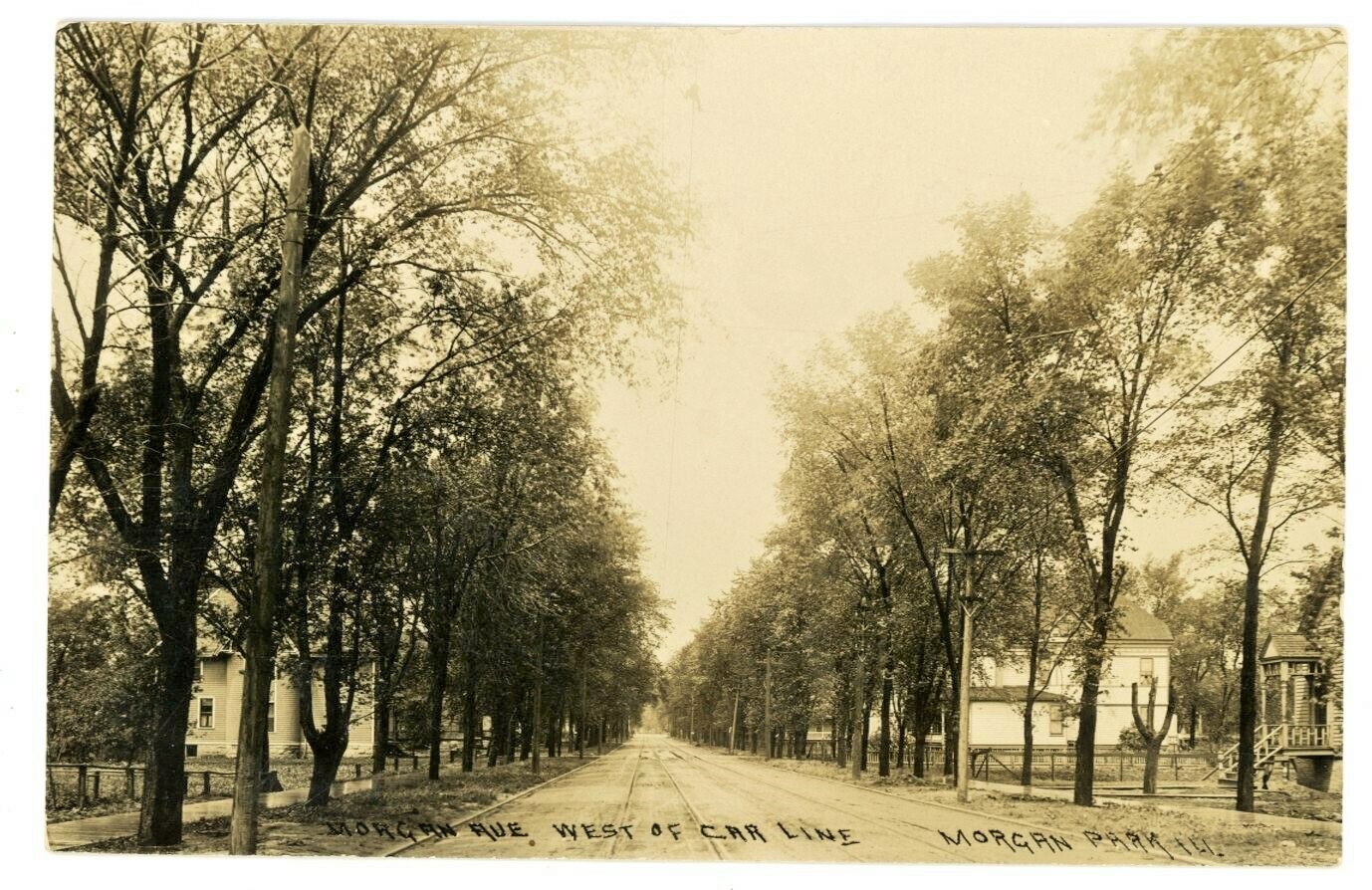
Here are some real picture postcards (RPPCs) that show Morgan Avenue ca. 1910. We've posted before about RPPCs being very popular in the first decade of the 1900s. Cameras were becoming more affordable and portable, and traveling photographers took pictures of everything from neighborhoods to parades to disasters. And we are happy they did so, because these RPPCs are invaluable documentation of local history.
Morgan Avenue was the old name for 111th Street and Monterrey Ave. The picture of the stores would be just east of the Metra tracks, facing east. We're trying to place the other one. It could about where Morgan Park High School is now, facing west. The high school was built in 1914-16, so this would predate that. Actually, it predates Morgan Park's annexation to Chicago, which happened in 1914. Another option is that it could be west of Western Ave., heading toward the cemeteries.