
Explore the RHS Facebook Archives, a rich repository of local history written by Carol Flynn. For two decades, Carol brought a deeply dedicated voice to public education at RHS. Her role as Facebook administrator through mid-2025 naturally extended her prolific research into meticulously detailed articles, most notably her multi-part historical series posts. Today, Carol continues her local history writing for The Beverly Review and other outlets.
2023
The Ridge Historical Society will be open today, Sunday, March 5, from 1 to 4 p.m. The address is 10621 S. Seeley Avenue. Admission is free.
The Ridge Historical Society
March: Women’s History Month and Irish American Heritage Month – Part 1
By Carol Flynn
March is both Women’s History Month and Irish American Heritage Month so for the next few weeks we’ll alternate in exploring these topics in relationship to the Ridge.
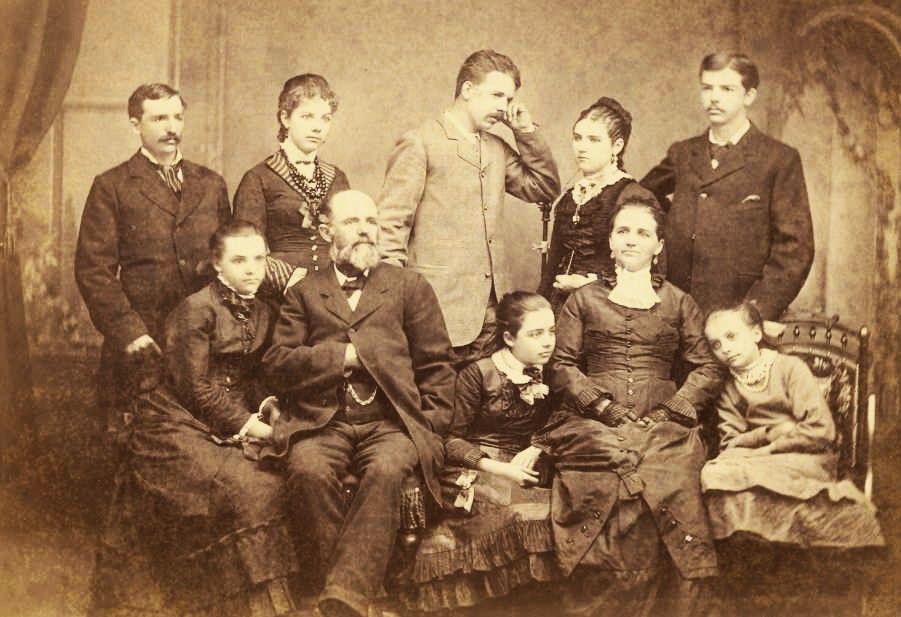
Many remarkable women have had connections to Beverly/Morgan Park. The Hofer family stands out because all five daughters – Mari, Bertha, Amalie, Andrea, and Elizabeth – were pioneers in the kindergarten movement and other social causes at the beginning of the 1900s.
The kindergarten movement helped to revolutionize the way children’s education was viewed. The work of the Hofer sisters helped establish kindergarten as the foundation of the American school system.
In the traditional model for educating young children, they were taught at home how to read and write and do simple arithmetic. They learned by lecture and memorization, and they were expected to be quiet and industrious to prepare themselves for the working world.
In the late 1700s, Johan Heinrich Pestalozzi, a Swiss educator and reformer, shared his observations that children learned best by investigation, imagination, and doing. He started experimental schools with activities like drawing, writing, singing, physical exercise, model making, collecting, and field trips. He allowed for individual differences and grouped students together by ability.
In 1837, Friedrich Froebel, a follower of Pestalozzi, opened a program in Prussia/Germany he called “kindergarten,” or child garden, to signify children should be nourished like flowers in a garden.
Froebel sought to teach children how to think, not what to think, and used the natural play of children to enhance learning. He developed learning experiences using educational toys, stories, songs, games, and crafts.
He trained women as teachers for his program, believing they had superior nurturing ability for working with young children.
Froebel’s work was banned in Prussia for being too radical, causing those trained in his methods to leave the country to establish programs elsewhere.
Famous "graduates" of early revolutionary kindergarten programs included Albert Einstein and Frank Lloyd Wright.
The first kindergarten in the U.S. was started in Wisconsin in 1855 by one of Froebel’s students, and was conducted in German. The first English-language kindergarten opened in Boston.
The kindergarten movement became closely tied to two other social reform movements of the Progressive Era of the late 1800s, settlements and playgrounds.
Settlement houses were organizations set up to provide services to help alleviate poverty. They were usually found in large buildings in urban areas heavily populated by recent immigrants. Social workers, teachers, ministers, and other service providers lived or “settled” in the facility to be closer to the people with whom they worked.
The most famous settlement house in this country was Hull House in Chicago started by Jane Addams. Other Chicago settlement houses included the Chicago Commons Social Settlement and the Fellowship House.
The first outreach at the settlement houses was to children and mothers, with daycares, kindergartens, and playgrounds; classes in English, crafts, and homemaking; and mothers’ clubs.
The playground movement was started in the 1890s by reformers who advocated that supervised play could improve the mental, moral, and physical well-being of children. Private athletic clubs had always been around for the wealthy, but now city parks and playgrounds, swimming pools and fieldhouses were built, and trained play leaders were hired to plan and conduct activities. This soon expanded to include adult activities as well.
The Chicago park system developed as one of the largest and best in the country.
The Hofers were leaders in all of these movements.
The five Hofer sisters and their three brothers were the children of Mari Ruef and Franz Xaver Hofer.
Born in 1821 in Baden, a state in Germany bordering France and Switzerland, Hofer fled to the U.S. in 1849 after participating in a failed revolution. He and Mari Ruef, born in Baden in 1836, married in 1853 in New York. They moved to Iowa where they farmed. He served as a lieutenant in the Union Army during the U.S. Civil War.
The Hofers had a passion for social justice and reform that they passed down to their children. They bought a newspaper in Iowa through which they shared their “progressive” views, and all the children were trained in the newspaper and printing fields.
The sons left to seek their fortunes on the west coast and started several newspapers. The daughters worked at the family newspaper and attended colleges to become teachers.
Two of the daughters moved to Chicago, and were soon followed by the parents and the other three sisters. They made their home at 1753 West 96th Street, where their house still stands on the edge of Ridge Park.
One of the sons wrote in his newspaper out west that his parents “are now comfortably settled in a cosy (sic) home in one of the most charming and healthful suburbs – Longwood.”
In the next posts we will look at the amazing work of the Hofer sisters. This picture of the Hofer family was user submitted on Ancestry.com.

The Ridge Historical Society is restarting its "House Doctor" programs.
The first one will be on Sunday, March 19, on "Weatherization Before Electrification," presented by Al Mitchell. He will cover the most up-to-date understandings and methods for residential energy conservation.
Mitchell works for Phius, formerly known as the Passive House Institute US. His background is in engineering and architecture and he is currently pursuing a PhD in engineering at IIT with a focus on thermal resilience.
Tickets are $10 for RHS members and $15 for non-memnbers. Tickets may be purchased here: https://bit.ly/RHS-HouseDoctor
The Ridge Historical Society
March – Irish American Heritage Month and Women’s History Month – Post 2
By Carol Flynn
For March, we’ll be alternating stories between Irish American heritage and women’s history on the Ridge.
Beverly is known today as one of the most Irish Catholic neighborhoods in Chicago. According to the U.S. Census Bureau, in West Beverly (west of Western Avenue), almost 55% of residents report Irish ancestry, the highest concentration in the city. Mount Greenwood and West Morgan Park are each about 45% Irish, and Beverly about 25%. Chicago, as a whole, is about 7.5% Irish.
Many people, including new home buyers in Beverly, think this has always been the case. It’s not surprising they would think this, given the media’s penchant for using terms like “Beverly’s deep Irish roots” to describe the community, implying this goes way back in history.
In reality, the large Irish presence in Beverly is a much more recent phenomenon, not solidifying until about 1980, well more than a century after the area was first settled.
Beverly was originally settled mainly by English and other European Protestants as a “bedroom community” for wealthy businessmen attracted to the Ridge by its scenic beauty. They built country estates here and invested in property for development, while most of their business and social lives were centered in downtown Chicago.
Morgan Park was planned as an education, temperance, and religious community, with the Baptist Theological Seminary founded here. Mount Greenwood was primarily farmland, with ministers who preached hard work and temperance.
There was always an Irish presence on the Blue Island Ridge, however small, even in the earliest days, although it would be impossible to say who was the first person of Irish descent to ever step foot here.
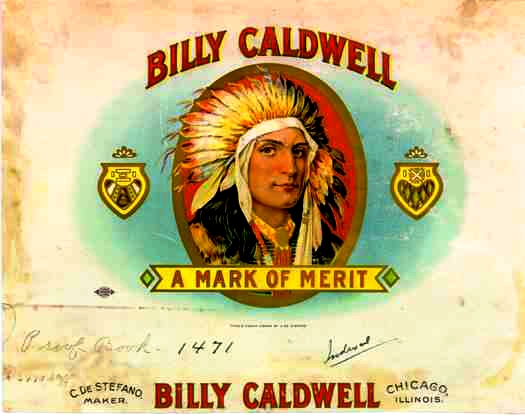
One early person was Billy Caldwell, also known as Chief Sauganash and the “Irish Indian.” Caldwell (1782-1841), the son of a Scots Irish officer in the British Army and a Mohawk mother, was raised Catholic from the age of seven on by his white stepmother. He came to Chicago in 1820 from Canada as a fur trader.
Billy Caldwell became an important figure in Chicago history, and there are historical references to his visits to the Blue Island area.
Fluent in French, English, and Native American languages like the Algonquin language used by the Potawatomi people most prevalent in the Chicago area, Caldwell became a leader among both the Potawatomi people and the white settlers.
Caldwell was known to guide survey and expedition teams through the area. During one visit, he was part of a team that lost everything when their wagon capsized in Stony Creek at the southern edge of the Ridge, so they stopped at a dwelling along the Vincennes Road where they were given food and spent a cold night outside by a fire.
Caldwell was credited with the idea of building the Cal-Sag Channel to be a feeder into the Illinois and Michigan Canal.
Before he led the Potawatomi out of Chicago in 1836, after the Treaty of Chicago, it was reported the “old Irish Chief” rode his pony through the prairies near the Ridge.
The Sauganash area on Chicago’s north side, the Billy Caldwell golf course, and Caldwell Woods in the Cook County Forest Preserves all get their names from this man.
More on Beverly becoming “Irish” will be in upcoming posts.
This idealized image of Billy Caldwell was used for a cigar brand many decades after his death.

The Ridge Historical Society will be open today, Tuesday, March 14, from 1:00 to 4:00 p.m., free admission.
The Ridge Historical Society is restarting its "House Doctor" programs.
The first one will be on Sunday, March 19, on "Weatherization Before Electrification," presented by Al Mitchell. He will cover the most up-to-date understandings and methods for residential energy conservation.
Mitchell works for Phius, formerly known as the Passive House Institute US. His background is in engineering and architecture and he is currently pursuing a PhD in engineering at IIT with a focus on thermal resilience.
Tickets are $10 for RHS members and $15 for non-memnbers. Tickets may be purchased here: https://bit.ly/RHS-HouseDoctor
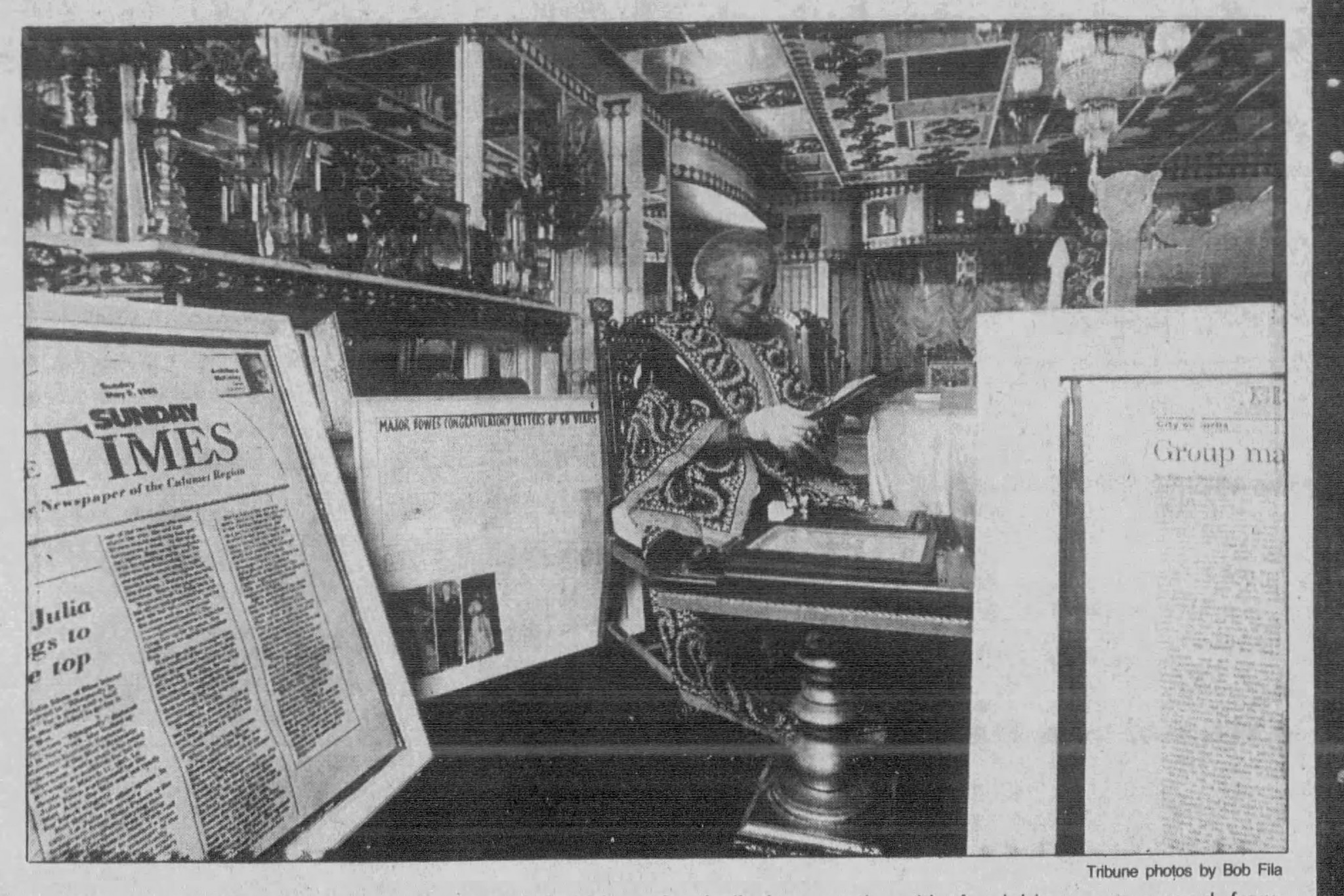
March continues as Women's History Month. This week's Beverly Review includes a feature on La Julia Rhea, a Black opera singer of exceptional talent who lived in Blue Island.
Her career spanned the 1930s and 1940s. Although her voice was acknowledged as amazing, she was denied opportunites due to her race; plus, no recordings of her voice have been found. Not many people are familiar with her.
The article can be found online today at: https://www.beverlyreview.net/eedition/page_73fee2c1-47ca-5765-a156-b4f6b99fe0da.html and is out in print tomorrow.
Rhea did break two race barriers that laid the groundwork to help other Black singers.
Rhea was the first Black woman allowed to audition for the Metropolitan Opera Capmpany in New York, and although the audition went very well, she was told “there is no chance for a colored singer to appear at the Metropolitan."
She also broke the race barrier at the Chicago Lyric Opera, where she sang the lead in "Aida," her signature role, for a special benefit performance. It was a one-time event and she was not invited back.
The family moved to Blue Island in the 1950s, restoring an old farmhouse into a "fairy tale creation." She died in Blue Island at the age of 94 in 1992.
This photo by Bob Fila of the Chicago Tribune shows La Julia Rhea in her home in Blue Island in 1986.

The Ridge Historical Society
March – Irish American Heritage Month – Post 2
By Carol Flynn
Happy St. Patrick’s Day!
Today we present part 2 of how Beverly became an Irish Catholic community.
Although founded by Protestants from England and other northern European countries, from the earliest days on, there was always an Irish Catholic presence on the Ridge.
One person was John Lynch (1825-1890), who came in 1844 to work for Thomas Morgan, the wealthy English Protestant who bought thousands of acres on and around the Ridge, and for whom Morgan Park is named.
Lynch, born in Ireland, worked for Morgan for seven years before buying his own farmland around 105th and Loomis Streets.
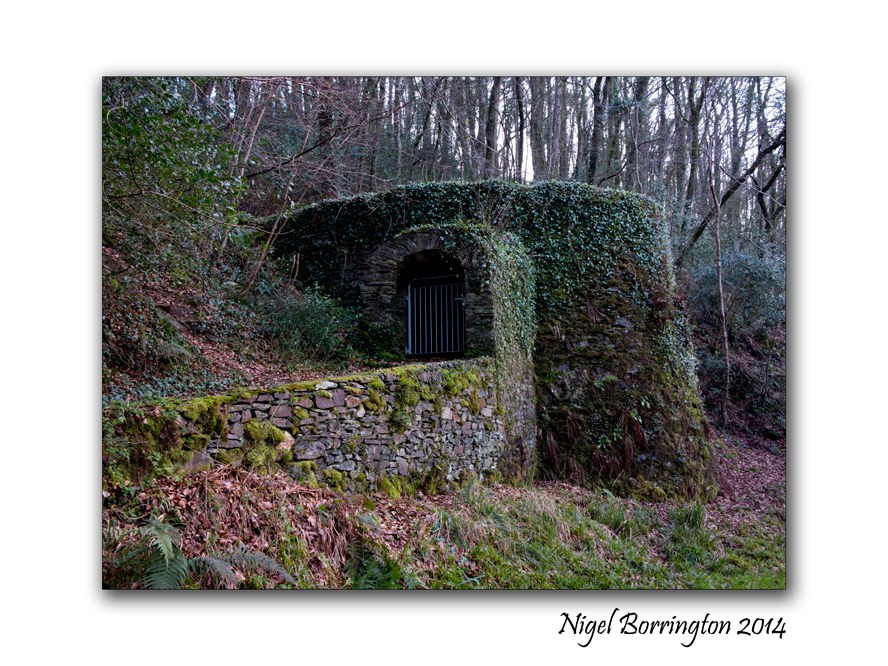
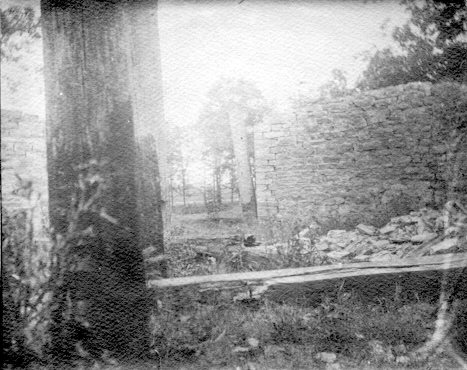
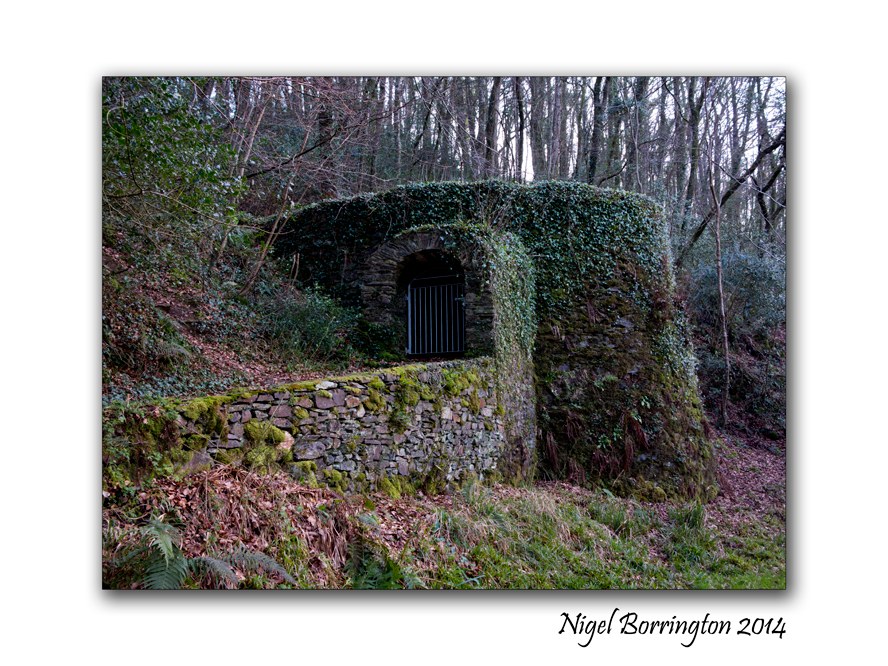
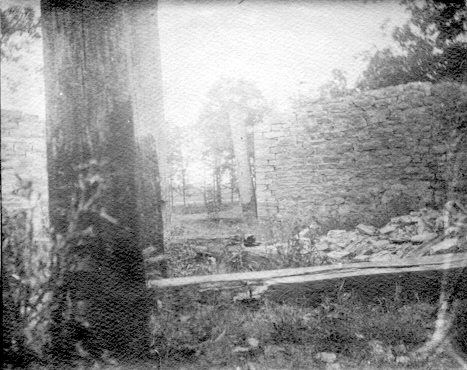
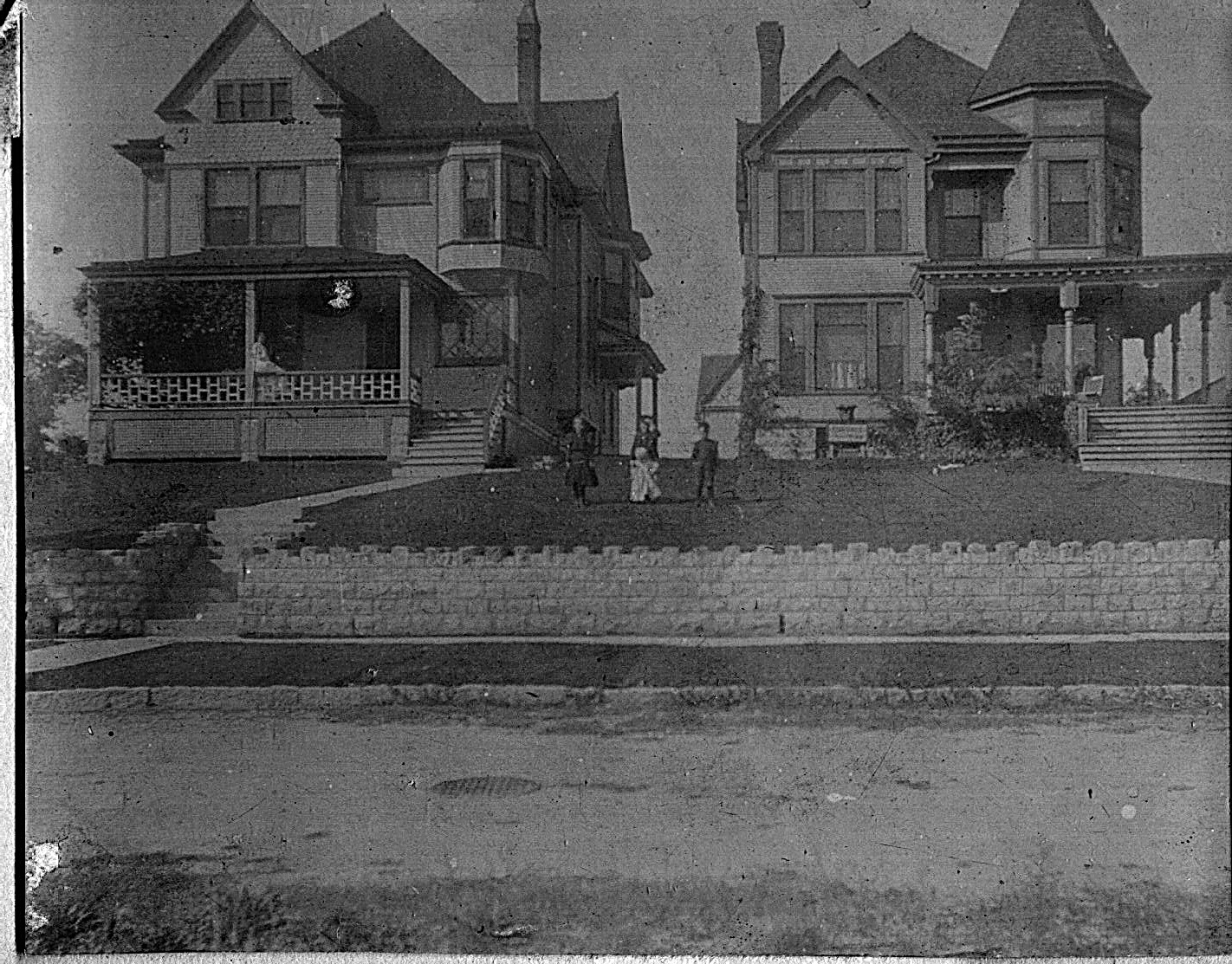
The young Lynch helped Morgan build and manage his estate. In true Irish style, Lynch built a substantial sheep cote and subterranean icehouse from limestone he quarried and dragged from Blue Island. Nestled into the Ridge, the structure opened onto what is now Longwood Drive between 91st and 92nd Streets.
Lynch married Margaret Martin (?-1874) from Ireland, and they had three children. Their descendants have lived on the Ridge for many generations.
More than a million Irish people emigrated from their homeland during and after the Irish Famine years of the 1840s. The Irish Catholic population grew in the Chicago area.
There were also German and French Catholics in the area. The first Catholic parish serving the northern part of the Ridge, Saint Margaret of Scotland, began as a mission church operated by St. Benedict Church of Blue Island sometime around 1861. St. Benedict Church was founded for the German Catholic population working on the canal. Sacred Heart Mission Church moved from Alsip to its present location at 117th and Church Streets to serve the French Catholics working in the local brickyards.
As part of Washington Heights, Beverly was annexed to the City of Chicago in 1890. West Beverly and Morgan Park followed in 1914 and Mount Greenwood joined the city in 1927.
The next post will cover the founding of St. Barnabas Parish.

The Ridge Historical Society
March – Irish American Heritage Month – Post 3: More on the Sheepfold/Icehouse
By Carol Flynn
The post on St. Patrick’s Day about the sheepfold and icehouse built on Thomas Morgan’s estate in North Beverly by John Lynch was well received – almost 4,000 people have been reached so far. However, that post only covered part of the story. Since the topic proved to be a hit, here are more details about that structure.
John Lynch was seventeen years old when he arrived in New York from Ireland in 1842. Although his individual story is not known, it’s likely that he joined the many thousands of his fellow Catholic countrymen driven by hardship to leave their native country and seek out new opportunities.
Lynch encountered wealthy English Protestant Thomas Morgan who had purchased thousands of acres of land on and surrounding the Ridge. In 1844, according to Andreas’ History of Cook County (1884), Lynch arrived on the Ridge, and worked for Morgan for seven years, until Morgan’s death in 1851. Lynch then bought his own land around 105th and Throop Streets, which he farmed.
It appears that young Lynch helped Morgan build and manage his estate. Morgan brought some livestock with him from England on his private ship, and probably purchased more once in the U.S. Enclosures to protect the livestock from wolves and the harsh Chicago winters were necessities. Also, ice cut in winter could be stored in subterranean rooms for a supply in summer. This helped with food preservation.
The Andreas book includes the following information on the sheepfold and icehouse that Lynch built, in true Irish fashion, on the Morgan estate. The information was shared by Isaiah T. Greenacre, an attorney who grew up in Washington Heights.
“Directly in front of the dwelling [the remains of Morgan’s house, Upwood] and on the slope of the hill is a stone structure, or rather a large pit, lined with a stone wall, which wall extends, or once did, far above the top of the hill, but of late years, time has reduced it nearly to a parallel with the hillside. At the east side of the wall and at the base of the hill, is an immense opening, once composed of two tremendous oak doors (now broken and probably used for kindling wood) fastened to the wall by enormous iron hinges that reached across each door. The walls are built of very rough stone. Mr. J. Lynch, Sr., the contractor of this wall, quarried the stone of Blue Island, and did the hauling of the stone and all; he alone having to play the part of stone quarrier, teamster and stone mason. It must have been a very tedious job. On entering this pit, which seems to have answered the purpose of a sheepfold, you find its floors to be composed of bits of stones, in all probability fragments of the wall, and other rubbish, likely the accumulation of years. On the west side and leading in toward the hill is an opening in the wall. On crossing the threshold of what was once a doorway, you imagine yourself about to descend into the depths of darkness by a subterranean passage. But ‘ere you have walked within the distance of about thirty-six inches, you presently find yourself in a round turret shaped cell, with an oval ceiling. In the ceiling is an opening which leads to the surface of the ground. This opening is covered by an immense stone placed over the hole where it makes its appearance on the hill. This cell is built of brick, and unlike the sheep-fold it has a good stone floor. It seems that at one time there was a door dividing the cell from the fold. It seems the cell answered the purpose of an icehouse, and the opening a mere ventilator. The place seems to have stamped on its surface everywhere antiquity.”
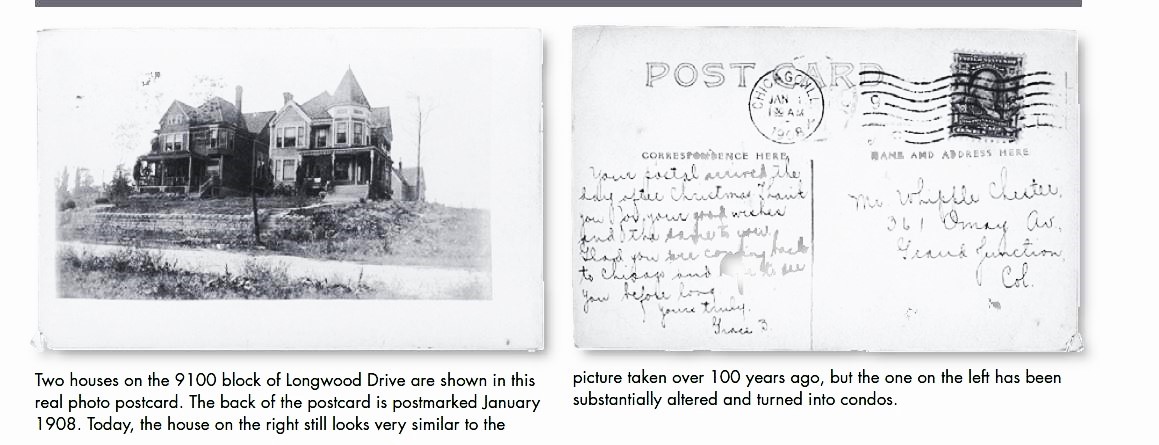
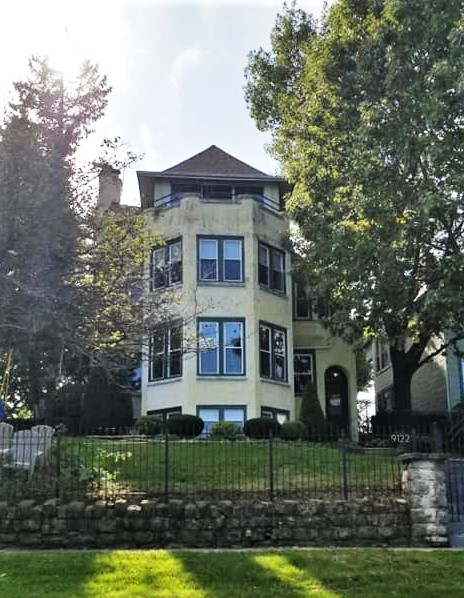
The sheepfold/icehouse opened onto what is now Longwood Drive between 91st and 92nd Streets. There is nothing left of the building today, but pieces of limestone from the structure appear to have been used for other purposes in the area.
The current houses on this site have a limestone wall in front of them that possibly is made from the remains of the sheepfold/icehouse. The house at 9122 S. Longwood Drive was owned and turned into an apartment building by architect John Todd Hetherington in the 1920s.
This week's article in the Beverly Review for Women's History Month is on Pleasant Thiele Rowland, the founder of the American Girl doll line.
The theme of this year’s Women’s History Month is "Celebrating Women Who Tell Our Stories."
Pleasant Rowland made history through history. She created dolls from various periods of American history and told their stories from the viewpoints of young girls.
Pleasant was strongly influenced by her paternal grandmother, who lived in Beverly for over forty years. Pleasant herself lived in Beverly from the ages 6 to 10.
https://www.beverlyreview.net/news/community_news/article_a38a7d5e-c802-11ed-9bff-db91a8d9655e.html
The Ridge Historical Society
March: Women’s History Month – Part 2 on the Hofer Sisters
By Carol Flynn
A few weeks ago, posts on the Hofer sisters started. The Hofer sisters are stellar examples of the intelligent, accomplished women who lived on the Ridge whose stories need to be shared. The five Hofer sisters were leaders in the kindergarten, social settlement, and playground movements in the U.S.
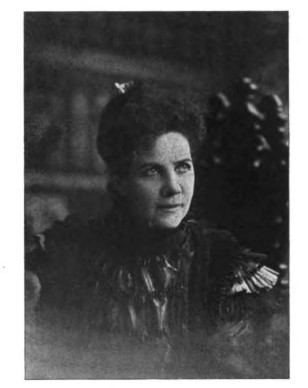
Oldest daughter Mari Ruef Hofer (1858 – 1929) was the musician in the family. She was a pioneer in music education for children, and in incorporating singing, dancing, pageantry, and games into regular classroom and playtime for children.
Young children learn by observing, experimenting, and doing, not by being lectured to and forced to memorize a bunch of facts. While this seems like an obvious concept today, it was a novel thought in the 1800s. It was people like Mari Hofer and her sisters who revolutionized the way child education was viewed, leading to the kindergarten and early childhood programs of today.
Mari graduated from the Mount Carroll Seminary, Illinois, in 1887, and did graduate work at the University of Chicago in 1897-99.
Mari taught school children herself, in Chicago and other locations, and she taught teachers how to educate young children, as a faculty member at several universities and a frequent guest lecturer. Her credentials are just way too long to include in a Facebook post.
She never married or had children of her own, but her understanding of children was profound. She advised that teachers had to recognize and nurture both the child sitting at the desk learning the “three R’s” and the unknown “other child,” the “inner child,” the “child of imagination and feeling, the creative, originative child.” This could prove to be the more difficult task.
Mari was an expert on the development of speech in children, and the interconnection of speech and song. She advocated that the mind, speech, and song should be cultivated together in young children, using simple songs with words and concepts children could grasp.
As she said, “Words and thoughts associated with melody remain graven in the mind when more important data vanish away.” Anyone with a song stuck in his or her head recognizes the truth of this – and it’s why the abc’s are taught as a song.
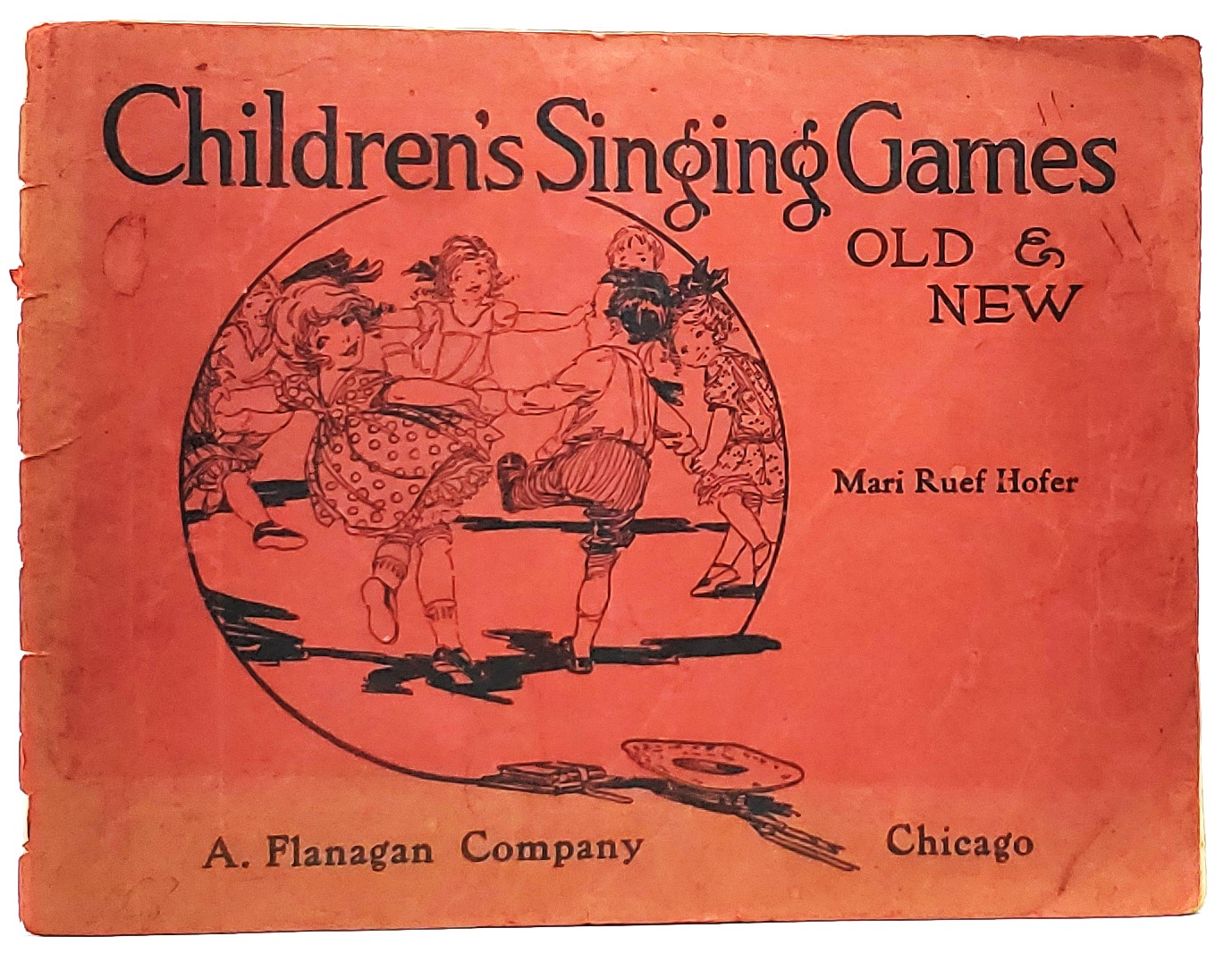
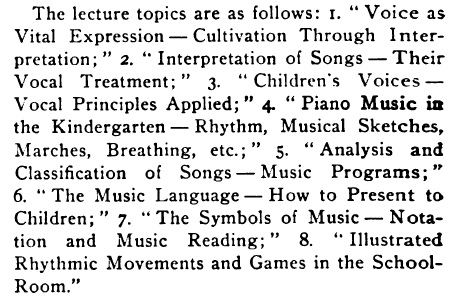
Mari’s expertise was in folk music, and she authored at least twelve publications. Some of the titles include Children’s Singing Games, Popular Folk Games and Dances, Music for the Child World, Camp Recreations, and Educational Playbook Series for Junior and Senior High Schools.
She arranged and managed plays and games for festivals, playgrounds, and settlement houses, including at the World’s Fair in Chicago in 1893.
Perhaps her work can best be illustrated through case studies of some of her events while she was on the faculty at the University of Tennessee in Knoxville.
The National Guild of Play held its annual meeting there in 1907, and Mari was president of the Guild and in charge of the program. It started with a big outdoor playtime festival for the children, parents, and teachers of Knoxville, with events ranging from kindergarten games to athletics (leap frog, racing, baseball) for the older boys. Singing, dancing, and ring games arranged by Mari were included. Male faculty members volunteered to teach the children how to play marbles and other games.
The next morning included a series of professional speakers on playgrounds and their organization, plays and games for schools and school yards, and playtime festivals. One of the speakers was her sister Amelie Hofer, a founder of the Playground Association of America.
For years, the University held a “Summer School of the South” program for teachers, well attended by people from all over the country, and Mari was on the faculty. In 1908, a summer festival was arranged, with Mari as the chairman.
Today, when we think of summer festivals, we think of beer tents and outside concerts. Back then, summer festivals meant physical activity – games and athletics for all ages.
And there were plenty of activities. The afternoon started with events for children, like Robin Hood and his Merry Men, with costumes, archery contests and bouts, and Maid Marion and a maypole dance, all arranged by Mari.
Just some of the other events included pony races, Olympic sports, tug-o-war, potato and sack races, ring toss, horseshoes, and plenty of costumes, plays, songs, and dances.
Evening events included pantomime and other social games, guild activities like wool weaving and shoe making, and folk activities and performances featuring the cultures of Sweden, Denmark, the Netherlands, Germany, Switzerland, Norway, Russia, France, Scotland, Poland, and of course, the U.S.
The coordination of this event had to have been amazing, attesting to Mari’s organizational skills as well as her educator and musical talents.
Settlement houses were organizations set up to provide services to help alleviate poverty. They were usually found in large buildings in urban areas heavily populated with recent immigrants.
The most famous settlement house was Hull House in Chicago started by Jane Addams.
All of the Hofer sisters were involved in settlement houses, and they will be covered in more detail in the next posts. Mari ran the music programs for children in several settlement houses. She managed the children’s chorus, made up of 150 youngsters, at the University of Chicago Settlement, founded in 1894. The chorus was considered very well trained, and the concerts they gave were heavily patronized. She was also known to “sympathetically help” the children at the settlement houses in other ways.
When the friends and neighbors of the Hofer family in Beverly managed to find Mari at home, they loved her involvement in community endeavors. For example, at Christmastime, 1915, Mari arranged a “Community Concert of Christmas Carols” at Ridge Park. She was also busy that year staging Nativity plays at St. Paul’s Evangelical Sunday School and the Fellowship House, another Chicago settlement house.
It wasn’t unusual for her sisters to build an entire party around Mari’s talents, back in the days before there were even radios. As an example, in 1911, her youngest sister Elsa and Elsa’s artist husband George Schreiber invited forty friends over for an evening of folk songs conducted by Mari, who was visiting Elsa and George on the west coast.
“Music,” an illustrated magazine on the art, science, and technique of music, or, as the magazine described itself, “music as musicians understand it,” wrote of Mari that “few personalities are more interesting than that of Miss Mari Hofer.”
Mari had her own philosophy on life: “A thoroughly good time is not incompatible with learning something worthwhile.”
Today, parents and grandparents who attend the performances of their beloved little ones in kindergarten holiday shows can thank Mari Hofer for the experience.
Our next post will look at the second daughter, Bertha Hofer.
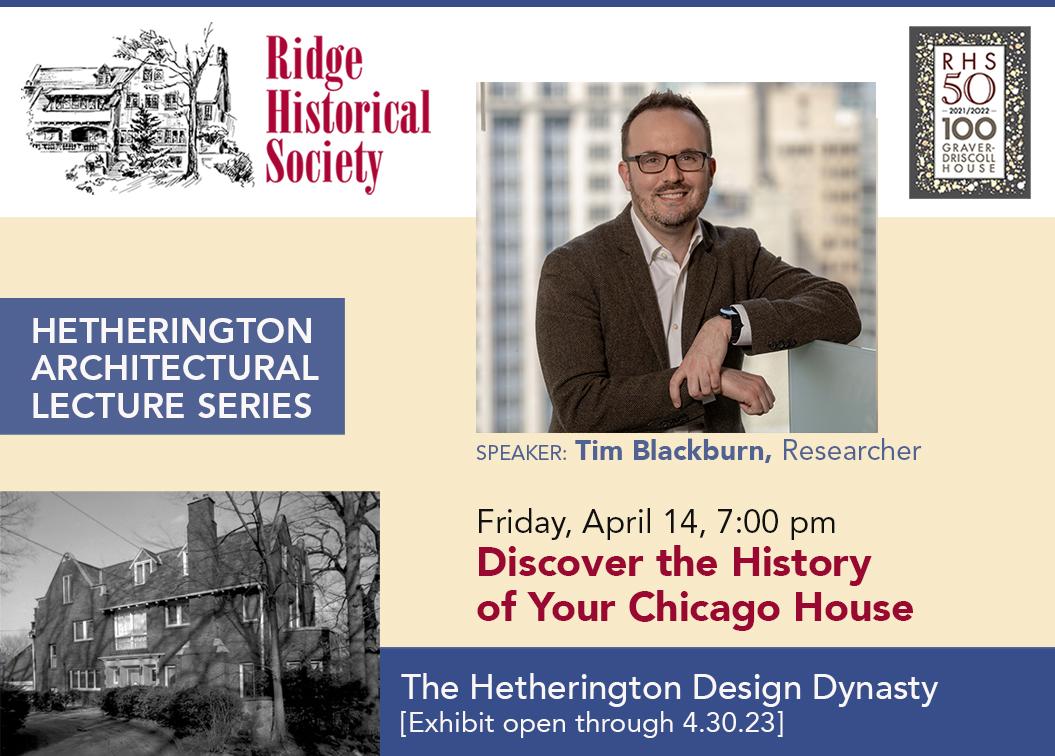
Researching Your Chicago Home
RHS researcher Tim Blackburn will show you how to discover the history of your home, including past inhabitants and construction.
Friday, April 14, 7:00 pm
“Discover the History of Your Chicago House” – Tim Blackburn, Researcher
You will learn how to research the history of your Chicago home, including the architecture, construction, inhabitants, and owners. You’ll develop research methods that will help you gain a new understanding and appreciation for your home’s history. The research methods covered will be useful for anyone researching a building older than 1955 in Chicago. You’ll learn about building permits, local history, Chicago street renumbering, Sanborn maps, and more.
The Ridge Communities of Beverly Hills, Morgan Park, Washington Heights and Mount Greenwood have an incredible collection of homes and housing styles — many with a rich history.
Join us to find out more!
RHS Members: $10
Non-Members: $15
The Ridge Historical Society is located at 10621 S. Seeley Avenue, Chicago. Parking is on the west side of Seeley Avenue. The building is not handicapped-accessible.
Buy tickets here: : https://bit.ly/rhs-research