Explore the RHS Facebook Archives, a rich repository of local history written by Carol Flynn. For two decades, Carol brought a deeply dedicated voice to public education at RHS. Her role as Facebook administrator through mid-2025 naturally extended her prolific research into meticulously detailed articles, most notably her multi-part historical series posts. Today, Carol continues her local history writing for The Beverly Review and other outlets.
2021

The Ridge Historical Society extends its sincerest condolences to the family and friends of long-time Morgan Park resident Bill Barnhart who passed away in Florida on July 3.
Bill Barnhart, 74, was known for his long career as an expert in financial markets with the Chicago Tribune, CLTV cable news, and other media outlets. In the Ridge communities, he was known as a friend and neighbor.
Bill loved history as much as finance – he and his wife Kate Eaton were supporters of RHS for many years. Bill not only made great use of the RHS collection for research and writing, he served as RHS President in the early 2000s.
In 2010, he published “John Paul Stevens – An Independent Life,” the biography of another famous Beverly resident, U.S. Supreme Court Justice John Paul Stevens. Bill gave a standing-room-only presentation and book signing at RHS.
Bill also published “Kerner: The Conflict of Intangible Rights,” in 1999, about the past Illinois governor whose notable achievements were eclipsed by his conviction and incarceration for tax evasion and other charges.
Bill Barnhart’s contributions were greatly appreciated and will be very much missed. May he rest in peace.
I hate to beg, but the Ridge Historical Society has 1,999 Followers. You see where this is going. If you enjoy this page, could you please "Follow" us to satisfy my OCD leanings? Thank you! – Carol Flynn, RHS Public Outreach Coordinator
Hooray! The Ridge Historical Society passed a milestone today! We reached 2,000 Followers! Thank you so much for your support!! We absolutely LOVE bringing local history to the community!
The Ridge Historical Society
Native Americans and the Blue Island Ridge – Part 9: Lifestyle of Calumet Region Indians
By Carol Flynn
There are many sources available for information on the history of Native Americans, and anyone interested in the topic is encouraged to never stop seeking out additional information and new viewpoints.
The actual lifestyles of the Native Americans who lived in the Calumet Region, of which the Blue Island Ridge formed the western boundary, from the 1600s to the 1800s will be the focus of the next few RHS posts. The major references for this are a resource from the University of Chicago titled “Historic Native Americans of the Calumet Region,” which was produced in 2014, and resources from current Native American websites and writings.
The Calumet region long served as the home for tribes that were part of the Algonquian language group and were connected through their heritage and interactions which each other.
The Algonquian are one of the largest and most widespread of the Indigenous groups, prominent along the Atlantic coast, the Saint Lawrence River, the Great Lakes, the Mississippi River, and the Great Plains.
The Algonquian languages included about thirty related languages, presumedly descended from an unknown common language spoken about 3,000 years ago. The term “algonquin” is derived from an Indian term meaning “they are our relatives and allies.” Many of the Algonquian languages are extinct now, or severely endangered.
The primary inhabitants of the Calumet region area were the Miami and Potawatomi. Within the Algonquian language family, the Potawatomi are part of the Anishinaabe group, which includes the Ojibwe and the Odawa. By the late 1700s, most of the Miami had moved into the Indiana area and out of the Chicago area, leaving the Potawatomi as the prominent inhabitants.
Through trade and seasonal migration, other tribes that had a presence included the Illinois Confederation, a group of more than a dozen tribes that included the Peoria, Kaskaskia, and Cahokia tribes.
Other tribes with a presence in the area included the Ojibwa and Ottawa, which formed the Council of Three Fires with the Potawatomi; and the Mascouten, Sauk, Winnebago, Kickapoo, Shawnee, and Wyandot, all with lands around the Great Lakes and northern Illinois areas, and all considered “neighbors” of the Indians who lived in the Blue Island Ridge area.
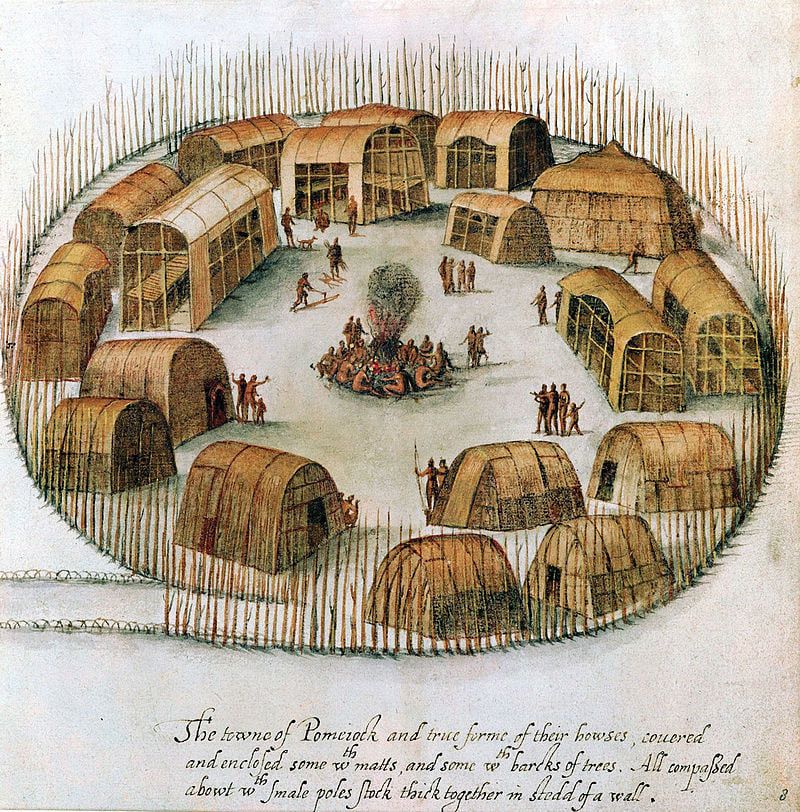
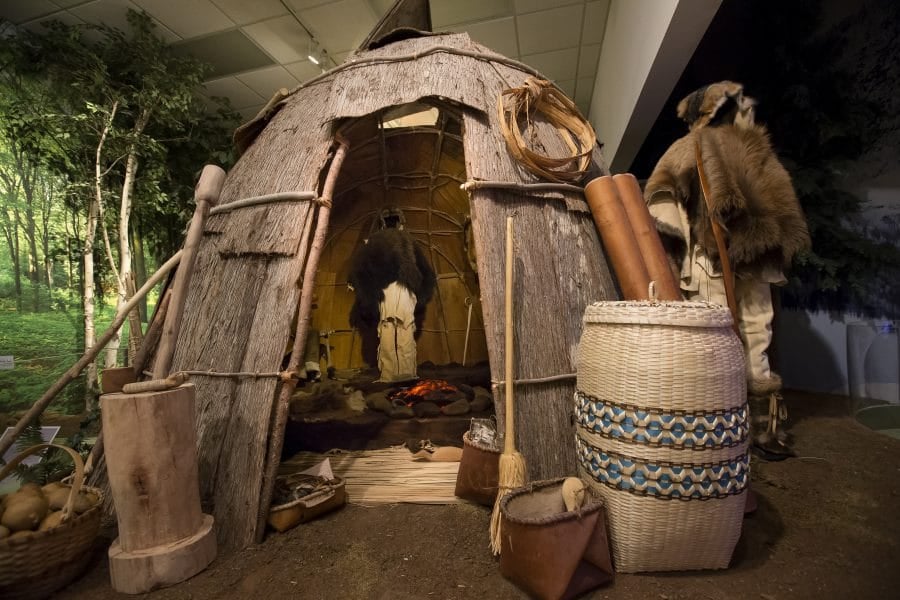
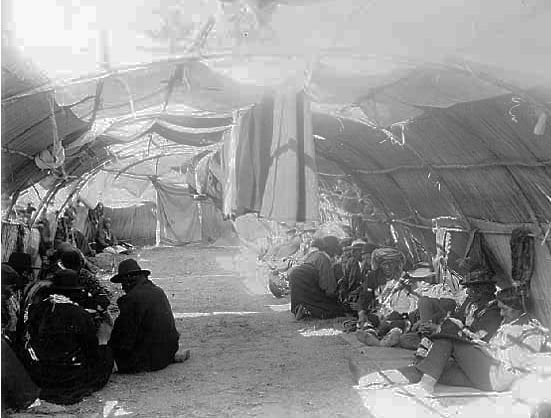
The Native Americans of the Calumet region lived in villages ranging from a dozen to hundreds of lodgings. Specific structures included longhouses and wigwams, and eventually log cabins. Although architecture was not uniform, buildings were constructed of a pole frame covered by large sheets of elm or birch bark or rush mats. A longhouse could accommodate multiple families, while a wigwam or log cabin was usually used for a single family.
Villages served as the home base for the tribe, but they were not fully occupied all year round. Summer was the time the villages were most full, during the agriculture season of cultivating and harvesting crops and native plants. By fall, the village would split into smaller groups for winter hunting, spring sugar making, and fishing, before returning to the village the next summer.
The different tribes had different government structures. Some were largely centralized under one chief, but even that chief might not have actually had that much decision-making power. The chiefdom was not passed down as a birthright. The chief was usually selected based on battlefield success and ability.
The Potawatomi practiced a more decentralized, localized government organization than other Algonquian tribes. There were many groups largely autonomous throughout the tribal territory, and the chief of each of these groups had considerably more political power than chiefs of local groups of other tribes. Leaders were chosen from among the tribe members, based on success during hunting or warfare. The leader of the group had the ultimate say in the group, and was responsible for quick decisions in hunting or raids, and paying reparations or seeking revenge for any deaths that occurred. He would lose his leadership position with lack of success with hunting or war, or with losing members during expeditions.
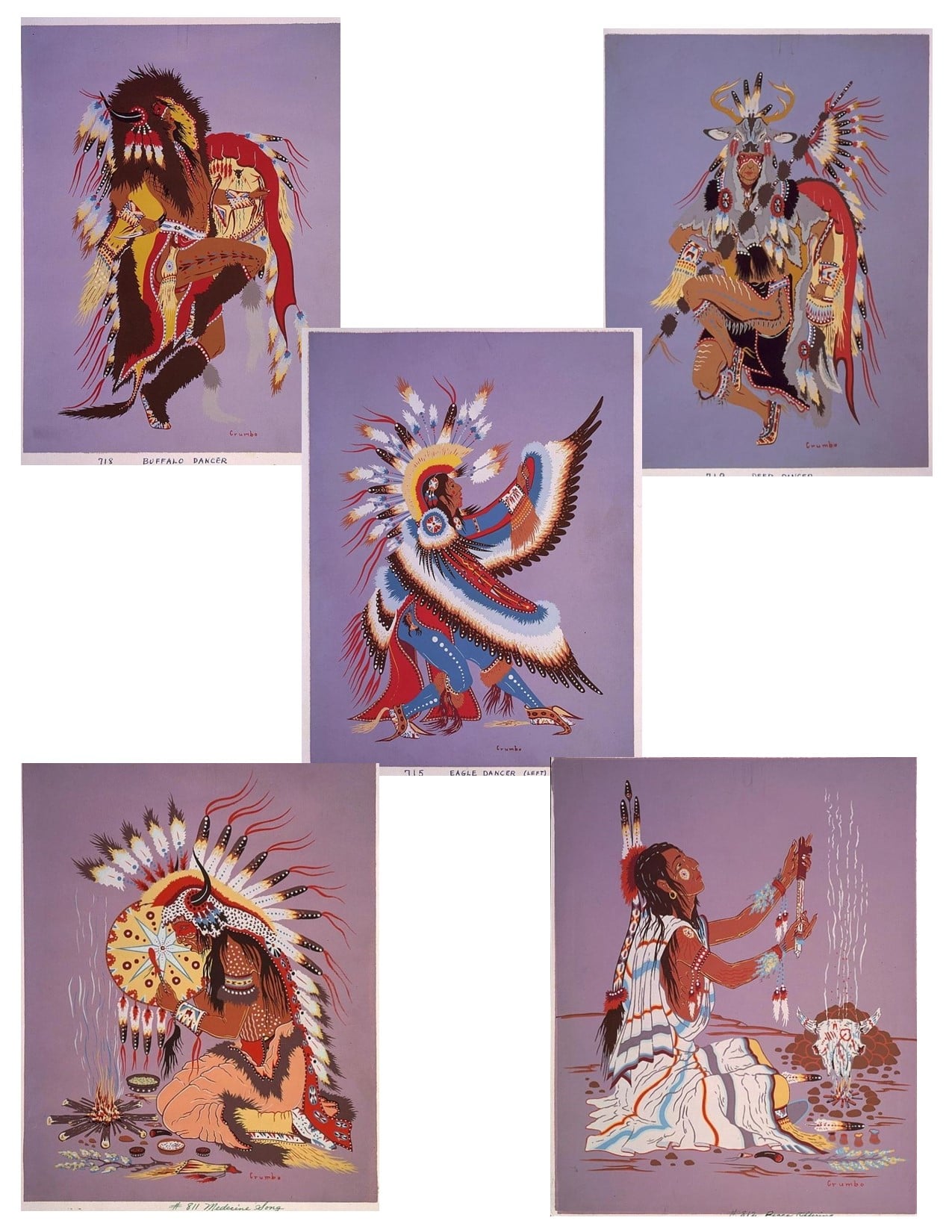
Within tribes, the “medicine” men and women were feared and respected, and influenced decision-making. These were the traditional healers and spiritual leaders of the group. This created a power hierarchy in which age brought respect and influence into the daily life of the group. As with most groups of people, religious and spiritual beliefs of the tribes greatly affected how they perceived the world around them.
In the next posts, we will look at spiritual beliefs, clothing, food, pastimes, and gender roles of the Indian groups in the Calumet region.
Ridge Historical Society
Happy Bastille Day
July 14, 2021
By Carol Flynn
Today is Bastille Day, the National Day of France. It is the anniversary of the Storming of the Bastille in 1789, a major event of the French Revolution, as well as the Fête de la Fédération that celebrated the unity of the French people in 1790.
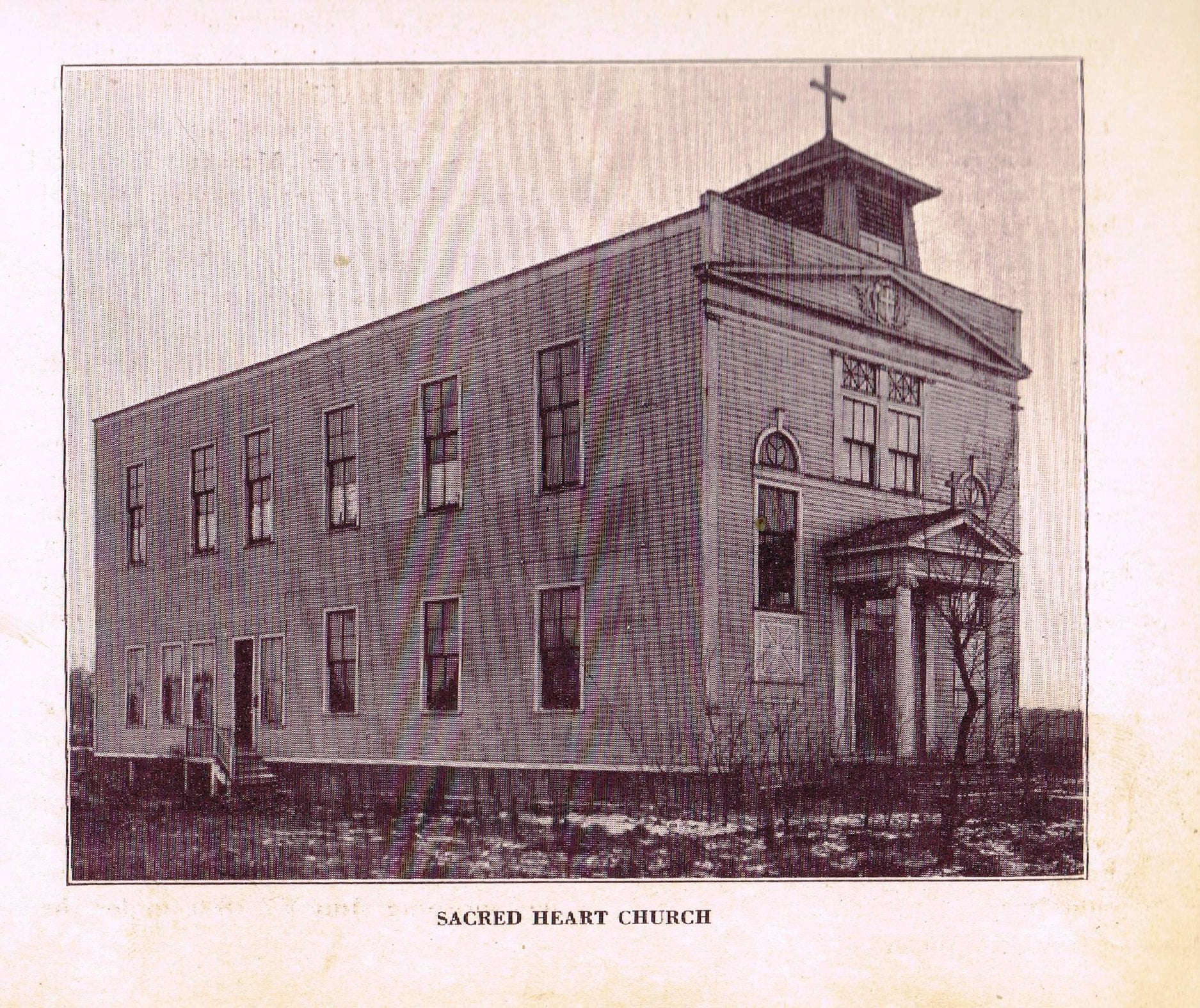
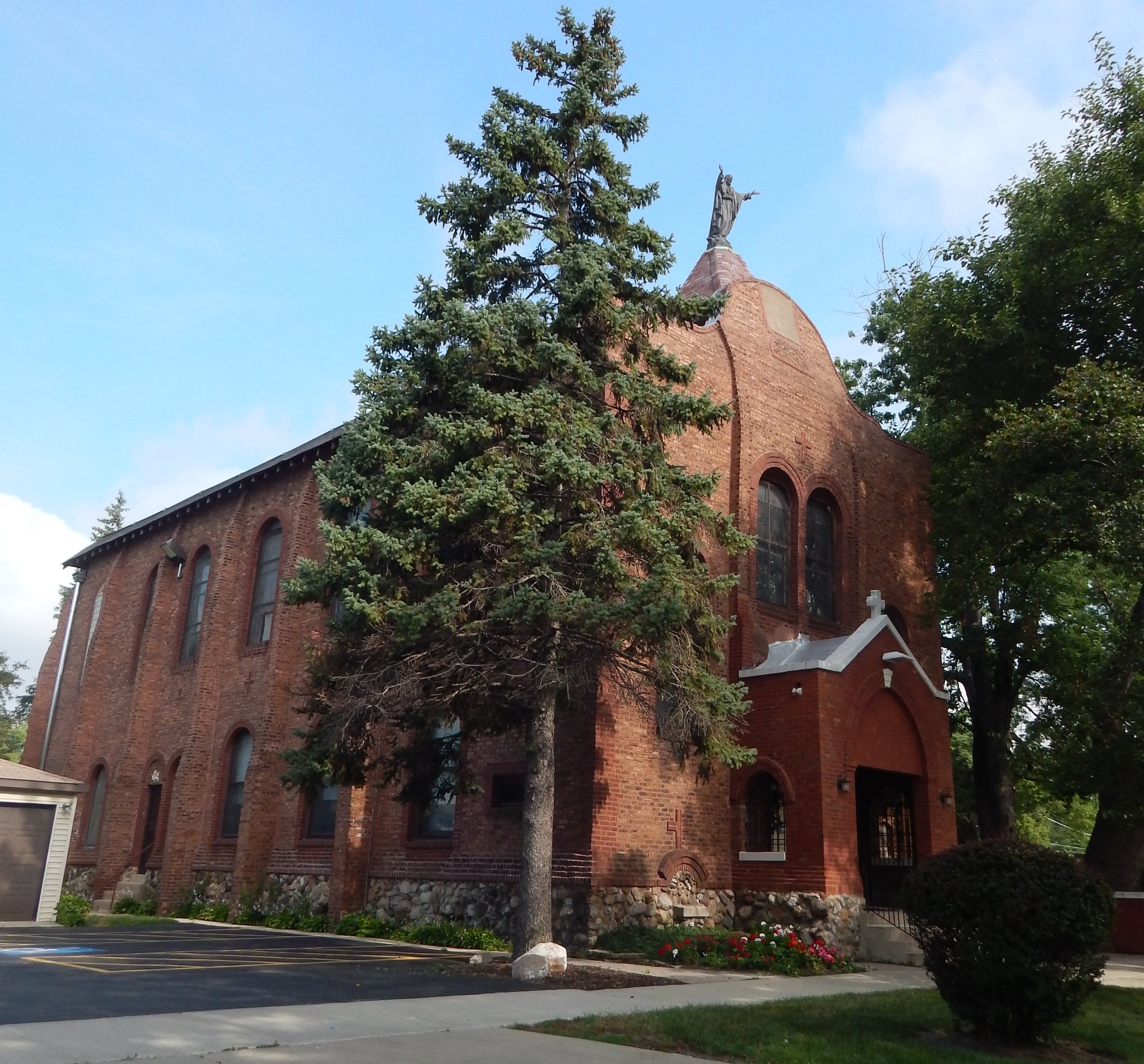
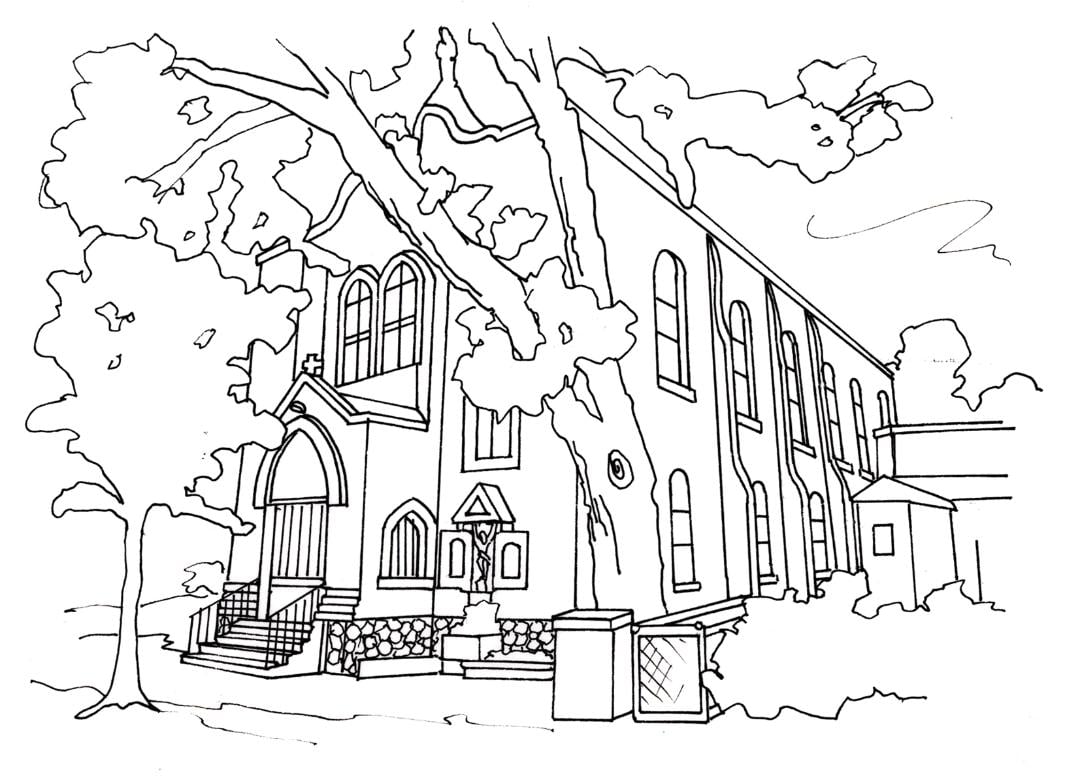
The Blue Island Ridge has its own “French connection.” We had an early group of settlers here, and their legacy to the community is the historic and charming Sacred Heart Church at 11652 S. Church St.
Sacred Heart was originally founded in Alsip in 1892. After an unfortunate fire, the church moved to its current location to be closer to the Purington Brick Yards at 119th and Vincennes, where many of the French people worked. The current church was built in 1904-5 and originally appeared as a wooden frame church, built on posts in a swamp. The church was established as a “national church” which meant it would serve a particular nationality, not a defined geographic area. The story goes that the workers were allowed to take “seconds” of bricks from the brickyard, those bricks that were burnt in the ovens and therefore couldn’t be sold, over to the frame church one or two at a time. By 1922, when enough bricks had been saved, the present brick facade was added. The church as it stands now is actually the old frame church clad with this donated brick.
Father Raymond DeNorus, a missionary priest born in France, became pastor in 1912. From all accounts, he was a very charismatic man. He loved a good time, yet he was a man deeply devoted to his faith. He dispensed medicine, holy water and blessings from his side door. Numerous miracle cures were reported to have taken place over the years. Crutches, canes and braces left abandoned at the church were hung on the side walls. Services at the church drew large crowds and it became a place for pilgrimages. During this time the church became known as the Shrine of the Sacred Heart, a shrine being a special place of devotion that attracts travelers from afar. Fr. DeNorus retired in 1935. With time, most of the French families moved on and were replaced by German and Irish workers.
In 1979, the Archdiocese of Chicago under John Cardinal Cody decided to close and demolish Sacred Heart, citing as its main reasons a shortage of priests and the expense of construction needed to correct building code violations. Members of the congregation rallied to restore and preserve the church. The church was closed from 1979-1982. But then Cardinal Cody died, and the new Archbishop, Joseph Bernardin, agreed to review the matter. He reopened the church and celebrated Mass there in 1983. The church was reestablished as a "mission church" operating as part of the Holy Name of Mary Parish in Morgan Park. Francis Cardinal George also visited Sacred Heart. He was so charmed by the church he even said he would like to live there when he retired.
The devotion to the Sacred Heart of Jesus originated in France in the late 1600s when a nun, Saint Margaret Mary Alacoque, claimed that during a series of apparitions, Jesus promised certain blessings to those who practiced devotion to his Sacred Heart. The Vatican’s position is that the manifestation and promises are true. So the name Sacred Heart was very fitting for a French mission church.
The Ridge Historical Society
Native Americans and the Blue Island Ridge – Part 10: Spirituality of the Calumet Region Native Americans
By Carol Flynn
This is a very brief introduction to the religions and spiritual beliefs of Native American groups, considered from the perspective of the relationship to the land, for developing Land Acknowledgement Statements. Readers are encouraged to explore the topic in much further depth.
According to John Low, Ph.D., J.D., professor at Ohio State University, an enrolled citizen of the Pokagon Band of Potawatomi Indians, in a presentation titled “Pokegnek Bodewadmik – The Pokagon Band of Potawatomi Indians – Keepers of the Fire,” “Our ancestors believed in a Creator, Kishaminado. Much of our spirituality has been passed down to us generation by generation and remains private and personal.”
Kishaminado, also known as Kitchesmanetoa to other tribes, was the maker of all things. Potawatomi individuals interacted with Kishaminado through manitous, or personal spirits, which could take a variety of shapes, usually animals. A personal manitou was revealed through dreams.
There were also manitous that resided in natural objects, such as the sun, stars, trees, and rocks, that helped everyone. The Native Americans of the Calumet also had special manitous for war situations, usually birds such as falcons, crows, ducks, swallows, and martins. Not all manitous were helpful, however, and some were greatly feared. Deep water had a manitou that could cause turbulence and drowning. Manitous served as an incredibly important means for relating the spiritual and physical worlds.
Another academic author who wrote about Native American spirituality was Jack D. Forbes, Ph.D. (1934 – 2011), who established one of the first Native American Studies programs (at University of California Davis). He was of Powhatan-Renape and Lenape descent, both historic Algonquian-speaking tribes like the Potawatomi.
Wrote Forbes in a 2001 paper called “Indigenous Americans: Spirituality and Ecos”: “Perhaps the most important aspect … is the conception of creation as a living process, resulting in a living universe in which kinship exists between all things…. An overriding characteristic of Native North American religion is that of gratitude, a feeling of overwhelming love and thankfulness for the gifts of the Creator and the earth/universe.”
According to Forbes, Native Americans take a very broad view of “environment.”
“Our ecos, from the indigenous point of view, extends out to the very boundaries of the great totality of existence, the Wemi Tali,” wrote Forbes.
Forbes wrote about the “sacredness of Mother Earth” and the “rights of the earth not to be mutilated.”
“Native people, according to Standing Bear [a Lakota chief and writer in the 1930s], were often baffled by the European tendency to refer to nature as crude, primitive, wild, rude, untamed, and savage. ‘For the Lakota, mountains, lakes, rivers, springs, valleys, and woods were all finished beauty,’” wrote Forbes.
Introduced to Christianity, Native Americans incorporated elements into their own beliefs, which happened throughout history with most groups, including Europeans. Native Americans linked the Christian God to the sun manitou. Life could not exist without the sun.
The Potawatomi became connected to the Catholic church due to the Jesuit missionaries who visited the area beginning in the 1600s. The Christian god was akin to the Great Creator. Some historians believe the adoption of the Christian faith was a way to help preserve their own culture and religious beliefs by melding the two.
Today, wrote Low, “The Potawatomi retain the legacy of understanding the power of Medicine Bundles and Medicine Bags, Vision Quests, and Naming Ceremonies. Also understood are the importance of songs and dance, feasts, as well as the use of sacred medicines provided by the Creator, such as tobacco, sage, cedar, and sweetgrass.
“Our ancestors used the ceremonies of the longhouse and the sweatlodge to honor the Creator and all that surrounded them and also as a way to purify the mind and body. Those traditions continue today. Prayers have always had an important role in Potawatomi spiritual life. Some Potawatomi participated in a spiritual path called the Midewiwin which combines the knowledge of natural healing with a code of conduct for proper living. That tradition continues as well. Many Potawatomi retain the belief of their ancestors that death is followed by a four-day journey along the Milky Way to the place where the Spirits dwell.”
Midewiwins are religious societies within the group that have specific teachings and practices. “Mide” means “spirit doings” or “spiritual mystery.” They are often referred to as “medicine lodges” but they concentrate on the spiritual causes in connection to natural healing. The priests who ran the Midewiwins were the highest rank in the religious hierarchy.
In summary, the Potawatomi who lived in the Blue Island Ridge area believed in a Great Creator and connected to this entity in a personal and private way. They believed that they were part of the entire universe, and did not exist separate from the earth. The earth was sacred, to be respected and preserved. Their religious ceremonies revolved around gratitude and humility for the gifts given them from the Creator, and learning and following a path of proper behavior and thought to honor all things. The Potawatomi became connected to the Catholic church due to the Jesuits who visited the area and preached Christianity starting in the 1600s.
Next topic: Gender roles
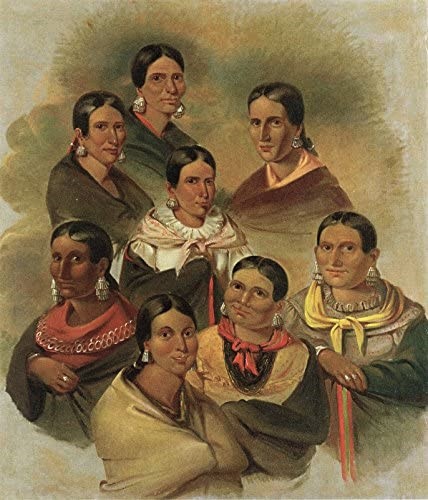
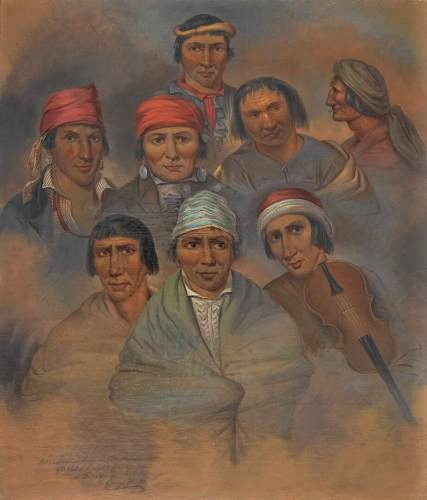
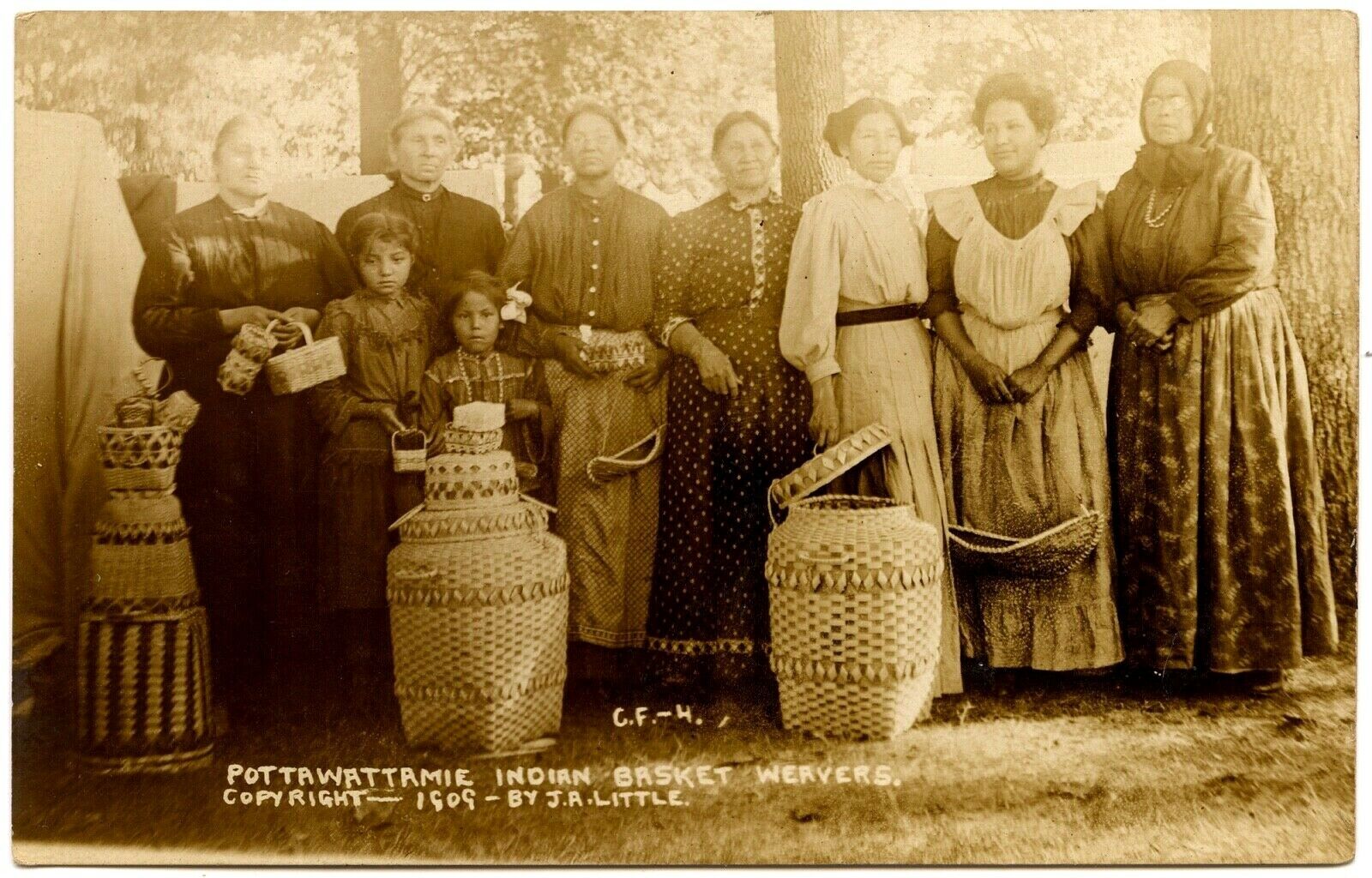
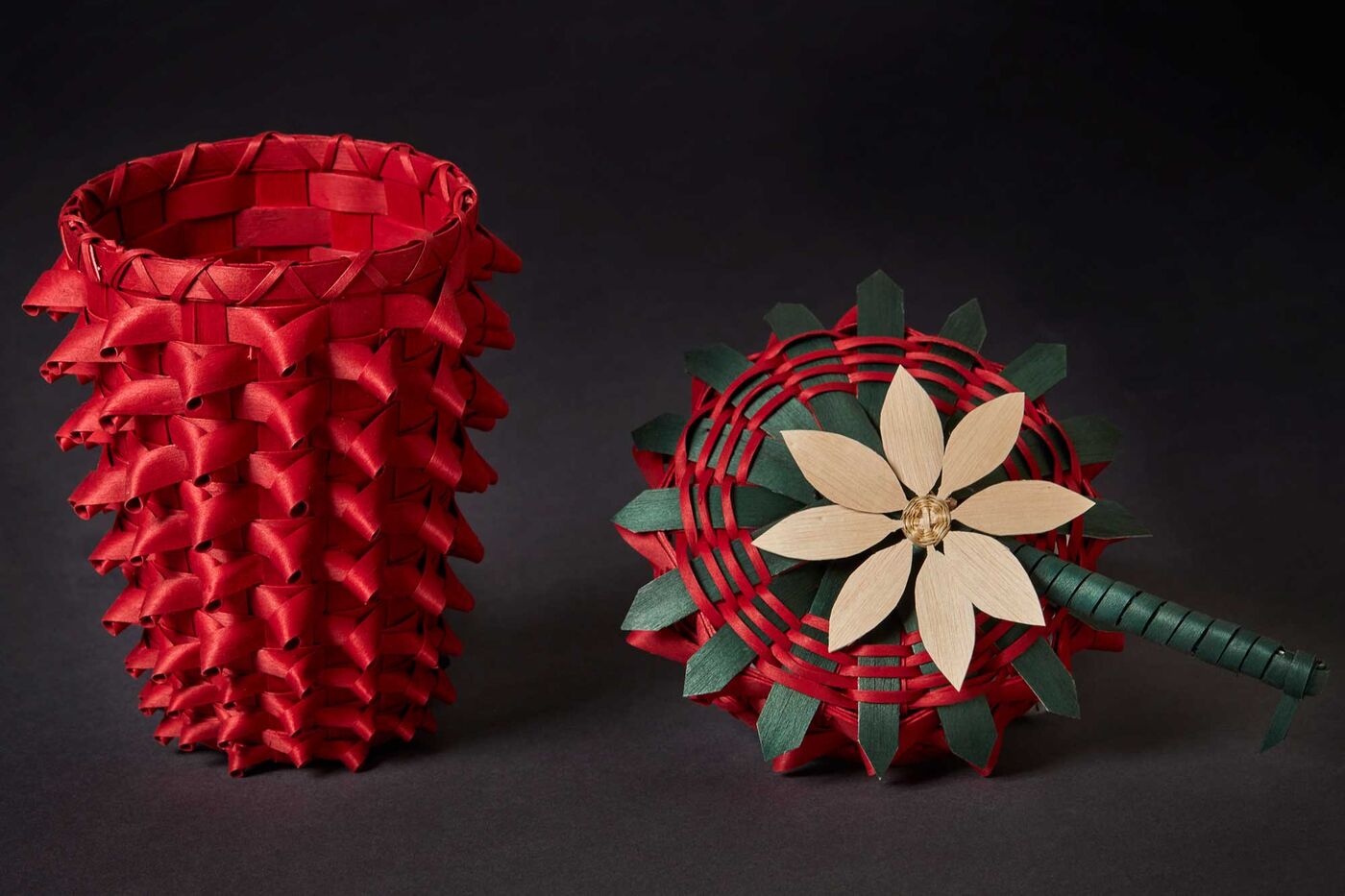
The Ridge Historical Society
Native Americans and the Blue Island Ridge – Part 11: Gender Roles
By Carol Flynn
There were specific gender roles in the Native American groups that inhabited the Calumet region.
In addition to being responsible for childcare and the home, women were in charge of agriculture and food, a vital aspect of village life. They managed the sowing, cultivation, and harvesting of crops. Typically, the women in the families were the “owners” of specific crop fields although the fields were often communally farmed and harvested. Men were expected to help with the clearing and harvesting of the fields. The entire tribe gathered wild fruits, nuts, and medicinal plants.
Men were responsible for hunting and fishing. Women built the temporary structures used for homes during seasonal hunting trips. Women did the tanning of the hides and dyed them different colors using roots and plants.
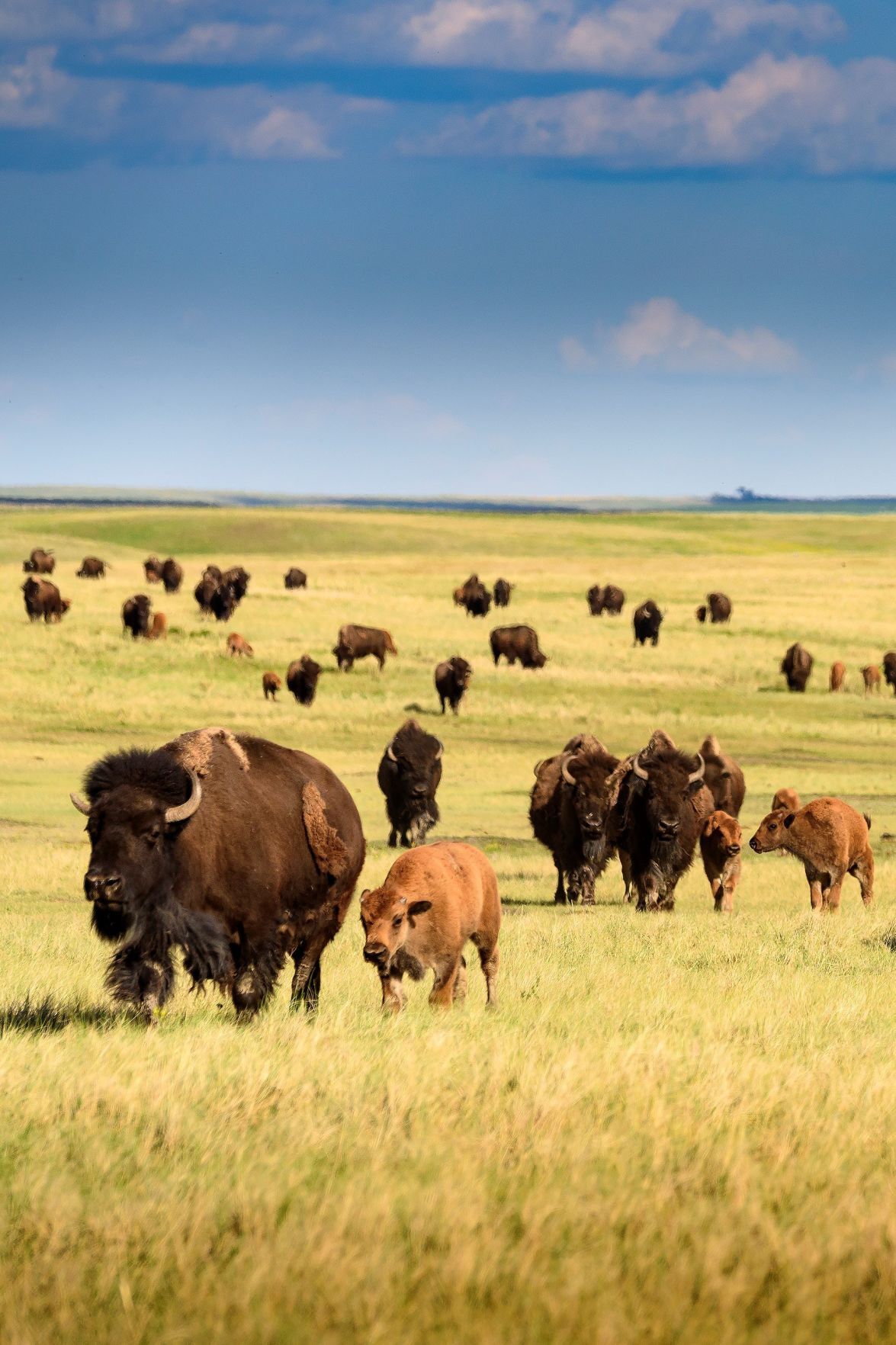
Local hunting was done by individuals or small groups of men. In spring, larger groups hunted buffalo on the prairies. Deer were often hunted at night. Potawatomi used spears to fish at night with torches of cedar soaked in pine pitch.
There were generally more women than men in a tribe, as men were lost through hunting and fishing accidents and warfare. Polygamy was practiced – a man could have several wives but he was expected to be able to provide for all of them. Infidelity was frowned upon for both sexes. Women could be subjected to physical mutilation or group rape for breaking the tribe’s norms. Men were subjected to the loss of their personal possessions for the same crimes.
The Potawatomi were organized into clans, or smaller family-based units, considered descended from a non-human ancestor, usually an animal. The lineage of a clan was from the male side, but ties to the mother’s family were also important. People did not marry within their own clan, and a woman usually joined her husband’s clan upon marriage. The intermarriages between clans created important links. The Potawatomi freely married members of the Ojibwe and Odawa tribes, their confederates in the Council of Three Fires.
Women rarely served in formal leadership roles. Occasionally one might be a village chief but never a hunting or warfare chief. They had a voice in selecting chiefs, however, and it was reported that in some tribes, it was the women who actually selected the chief.
Women could become powerful healers, and older, experienced “medicine women” held a lot of power in a tribe along with the “medicine men.”
We’ll talk more about games and pastimes of the Native Americans in the area in a future post. These tended to be games of physical prowess, in which the men participated, and gambling games, which the women, as well as men, played. There were specific ceremonial dice games that only women played.
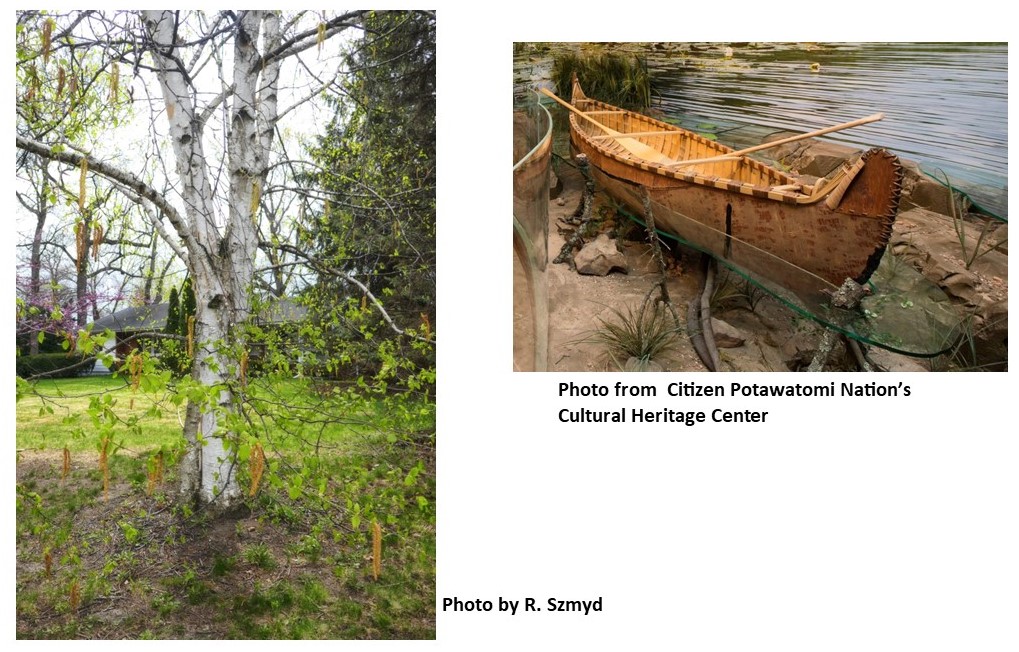
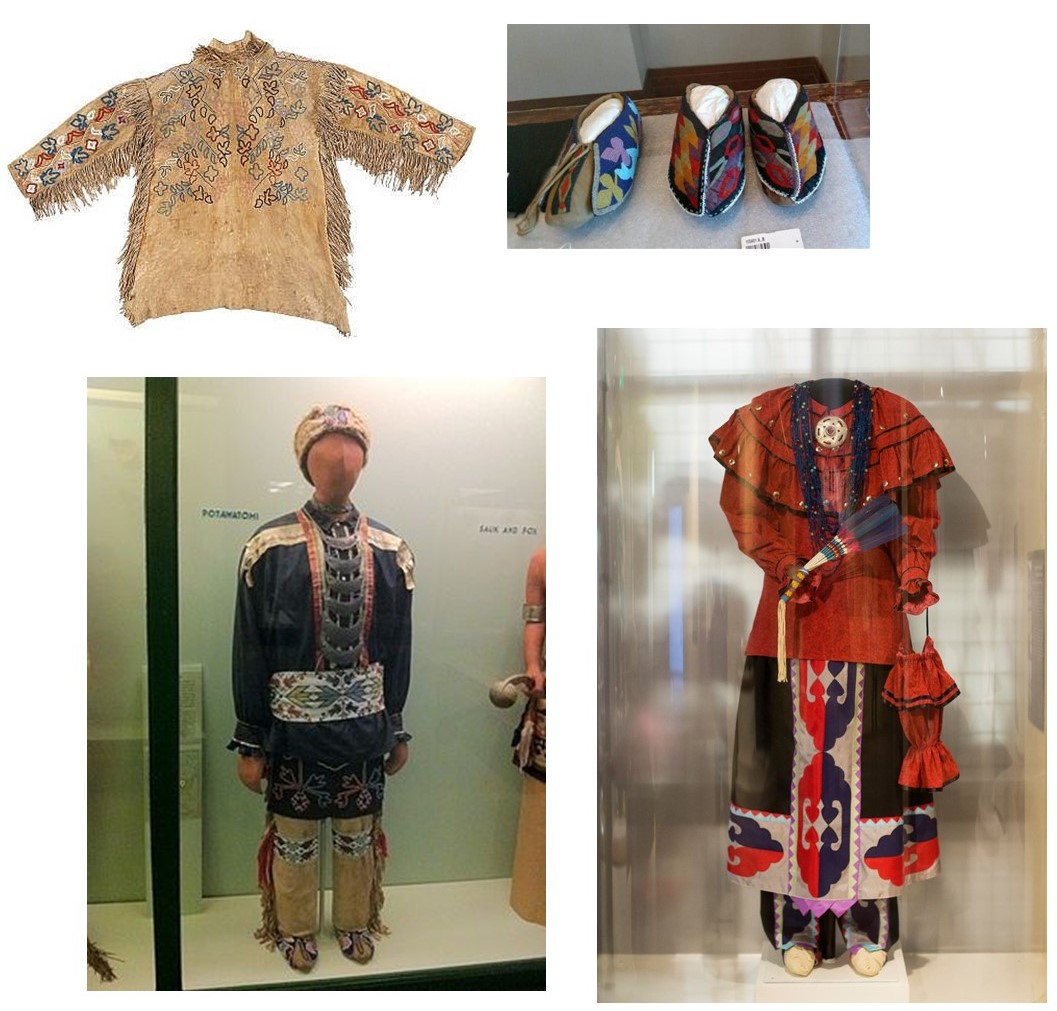
As for the arts, Potawatomi women were, and still are, known for their basket making, using black ash, sweetgrass, and birch bark. Their beadwork and embroidery also became recognized starting in the 1600s with the introduction of glass beads, ribbon, and fabrics, brought by the Europeans. The Potawatomi were also known for their birchbark canoes. These were goods used by the tribe and also traded in commerce. It was the men who did the actual trading with other tribes and the Europeans.
As far as gender identities, Native American tribes recognized as many as five genders, before the Europeans came. These were male and female, “two-spirited” males and females, and transgenders. It was not considered a moral issue; some people were born with the spirits of both sexes or the spirit of the other sex and it was natural to express that. There were many observations of male tribe members who dressed like and took on women’s roles, and of “Hunting Women” who had wives and were fierce warriors. Indians believed that a person who was able to see the world through the eyes of both genders at the same time was a gift from the Creator and often these people had special status in society.
Next: The staples of existence for the Ridge Native Americans – food, clothing, etc.
The Ridge Historical Society
Native Americans and the Blue Island Ridge – Part 12: Food and Other Resources
By Carol Flynn
About 60% of the food crops grown throughout the world originated with the Indigenous Peoples of the Americas. These include corn, beans, squash, pumpkins, sunflowers, wild rice, sweet potatoes, tomatoes, peppers, peanuts, avocados, papayas, potatoes, cacao, and many more foods.
The Calumet Region around the southern part of Lake Michigan, which extended west to include the Blue Island Ridge, and the land to the west and south of the Ridge, abounded with natural resources. Ecosystems in the area at the time included extensive marshes and wetlands, prairies, and forests of different types of oak, walnut, hickory, elm, maple, and some pine trees.
The Potawatomi engaged in all types of food and resource procurement. They hunted and fished; they gathered wild food plants and cultivated crops; and they used other plants and natural items for building and toolmaking.
The seasons set the activities. In spring, the Potawatomi tapped maple trees for sugar. In spring and summer, the communities came together to plant and grow crops, and to socialize. In the fall, harvesting crops and gathering wild plants took place. Fishing was a year-round activity. In winter, smaller groups went off on their own, and most of their time was spent in making and repairing belongings, and story telling and oral history sessions around the fire.
Using bow and arrow, the Potawatomi hunted deer, elk, beaver, and small game and fur-bearing animals such as rabbits, squirrels, muskrats, and mink. Prairie birds included wild turkeys, grouse, partridges, quail, pigeons, and prairie chickens. Waterfowl visited the marshes annually. In spring, larger hunting parties went after buffalo. Bears were in the area, and predators such as wolves, lynx, bobcats, and the occasional mountain lion were all hunted.
In addition to the meat from the animals, deer skins were used for pants, shirts, dresses, and moccasins. Winter clothing was made from buffalo hides and furs. Plants were used for dyes for clothing. Porcupine quills were used as embroidery needles. Bird feathers and shells decorated clothing, and after the 1600s, beads and silk ribbons from the European traders were used. Red and black paints made from plants were used for facial and body painting and tattoos.
Many types of trees provided resources. The Potawatomi were renowned as canoe builders, using the bark of birch trees. Birch bark was also used to build homes. Floor mats were woven from reeds and cattails, and baskets and bags were made from hickory bark and animal skins. Mussel shells were used as utensils.
Musical instruments included drums made from hollow logs covered with animal skins, rattles made from deer hooves, and wooden or bone flutes.
In addition to Lake Michigan, the system of small lakes (Calumet, Wolf) and rivers and streams (the Calumet rivers, Stony Creek) teemed with fish – trout, white fish, pike. The Potawatomi used spears and nets for fishing.
Wild fruit and nut trees and bushes were plentiful in season. Red and yellow plums, crabapples, haws, grapes, sassafras, and pawpaws were all to be found. The marshes and sand hills provided cranberries, huckleberries, strawberries, blackberries, blueberries, whortleberries, raspberries, roseberries, gooseberries, currants, and winter berries. The sugar from the maple trees was used to sweeten the fruit. Native Americans used berries in tea, puddings, soups, cakes, muffins, and jam.
Nuts included hazelnuts, hickory nuts, white and black walnuts, and beech nuts. Nuts were pounded into flour for bread.
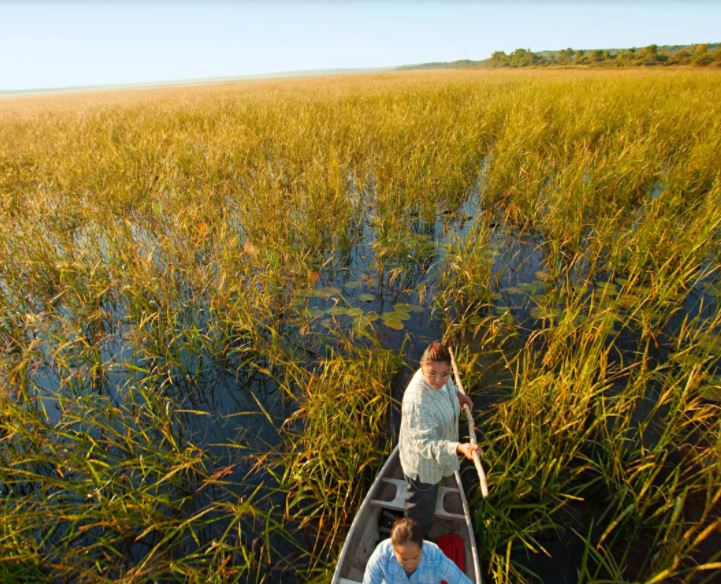
The wild rice that grew in the marshes all around the area not only was gathered as a food item by the Indians, but it also attracted the migrating waterfowl the Indians hunted – ducks including mallards, shovellers, blue-winged teals, and mergansers; coots; geese; and herons.
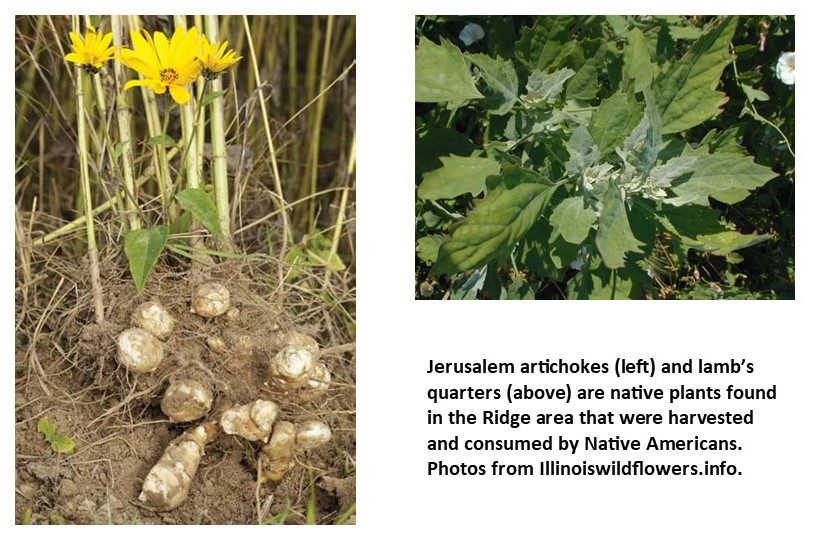
Greens that the Indians gathered included dandelions, lamb’s quarters, and stinging nettles. Roots included wild artichokes, milkweed, arrowhead, and wild dill. These items were not only very nutritious, many possessed medicinal qualities. Other medicinal plants that were gathered included ironweed, culver’s root, and prairie snakeroot.
The Potawatomi grew corn, beans, squash, peas, melons, pumpkins, onions, and tobacco.
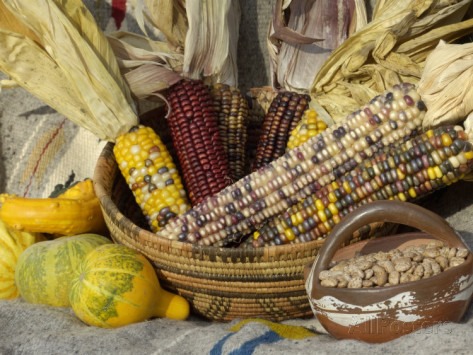
Corn was the most important crop the Potawatomi grew, both for eating and for trade. Corn, squash, and beans were called the “three sisters” and were staples of the diet. They were often grown together and combined together in dishes. Corn was a sacred food for Native Americans, and it went by different names that all meant “life.” It was served at almost every meal in one form or another.
One example of a corn dish from the Native Americans was rockahominie. This was corn pounded to remove the skins, boiled, and served with salt or maple sugar. Today this is a version of “hominy grits.” They also dried corn and ground it into meal to thicken the soups and stews they prepared.
The Potawatomi developed agricultural techniques including the controlled burning off of foliage, which aided hunting as well as killed pests and cleared land for farming; and ridged fields or garden beds that allowed for better drainage. Food, including meat, fish, and vegetables, was dried and stored over winter in birch bark containers.
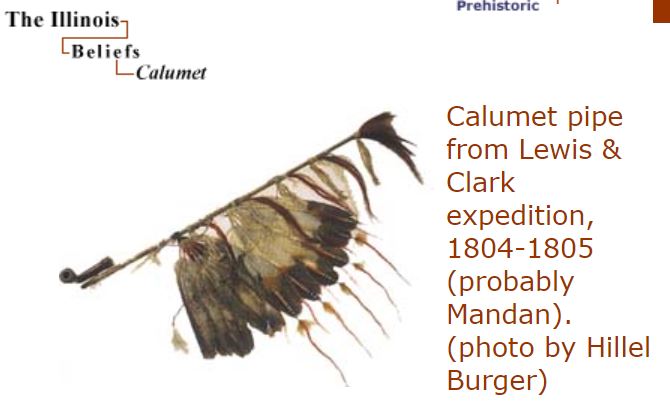
Native Americans used tobacco for ceremonial purposes. The manitou spirits were believed to be very fond of tobacco, so it was offered to them to ask for or give thanks for help, either as dried gifts or through smoke from pipes. It was also used to seal peace treaties and agreements between tribes and between individuals. Tobacco was smoked in ceremonial pipes, the stem of which was called the “calumet” by the French traders, and this is the origin of the name for this entire southside region.
Next: Trade, games, and other aspects of Potawatomi life on the Ridge

The Ridge Historical Society
Native Americans and the Blue Island Ridge – Part 13: Games and Trade
By Carol Flynn
The Potawatomi Indians, the major presence in the Chicago area by the 1830s when European settlers started moving to the Blue Island area, enjoyed games and sports. They were important pastime activities and formed connections within and between tribal communities.
Gambling games were popular and could go on for days. Men played a game known as straws in which the number of straws in bundles was guessed. Women played a game with plum stones marked on one side. The stones were tossed in a small bowl and points were assigned for the stones that landed with the markings face up.
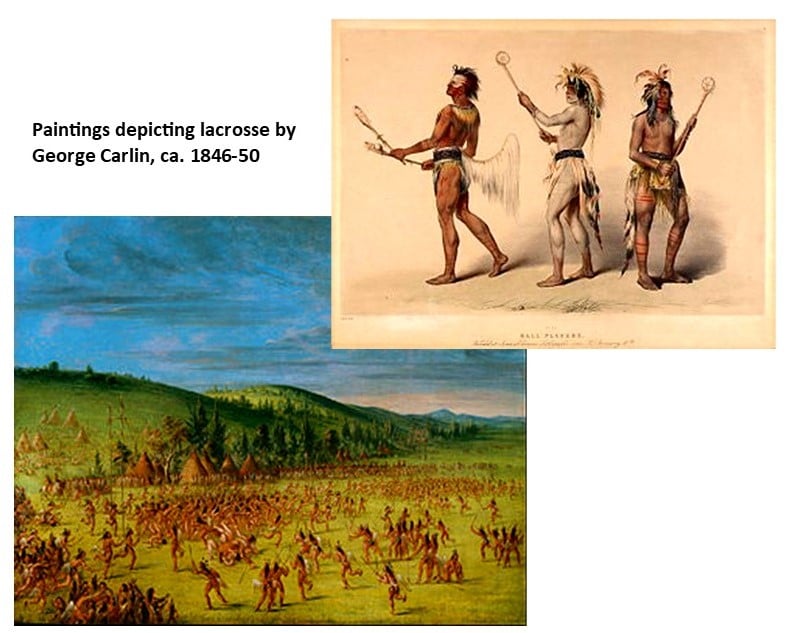
The sport of lacrosse was invented by Native Americans. A wooden tree knot was used as a ball and the object of the game was to score goals by throwing and catching this ball in a small basket made from buffalo sinew that was attached to the end of a three-foot-long wooden pole or racket.
Lacrosse was considered a symbolic warrior game, played for the honor of the tribe. Teams of hundreds of members played on large fields. It was a violent game and players could be severely injured and even killed. Men and women both played the sport.
The Potawatomi were avid traders. Information and technology were traded back then just as they are now.
The Potawatomi were expert canoe builders, making good use of the birch trees found locally. They traded this knowledge and technology with other tribes and European traders for goods, and for information and technology on growing crops.
The canoes also gave the Potawatomi considerable freedom of movement that other tribes did not have. They were able to travel long distances through Midwest waterways to reach trading sites. With the introduction of horses by the Europeans, the Potawatomi became less reliant on travel by water, and were able to expand their trading and hunting opportunities.
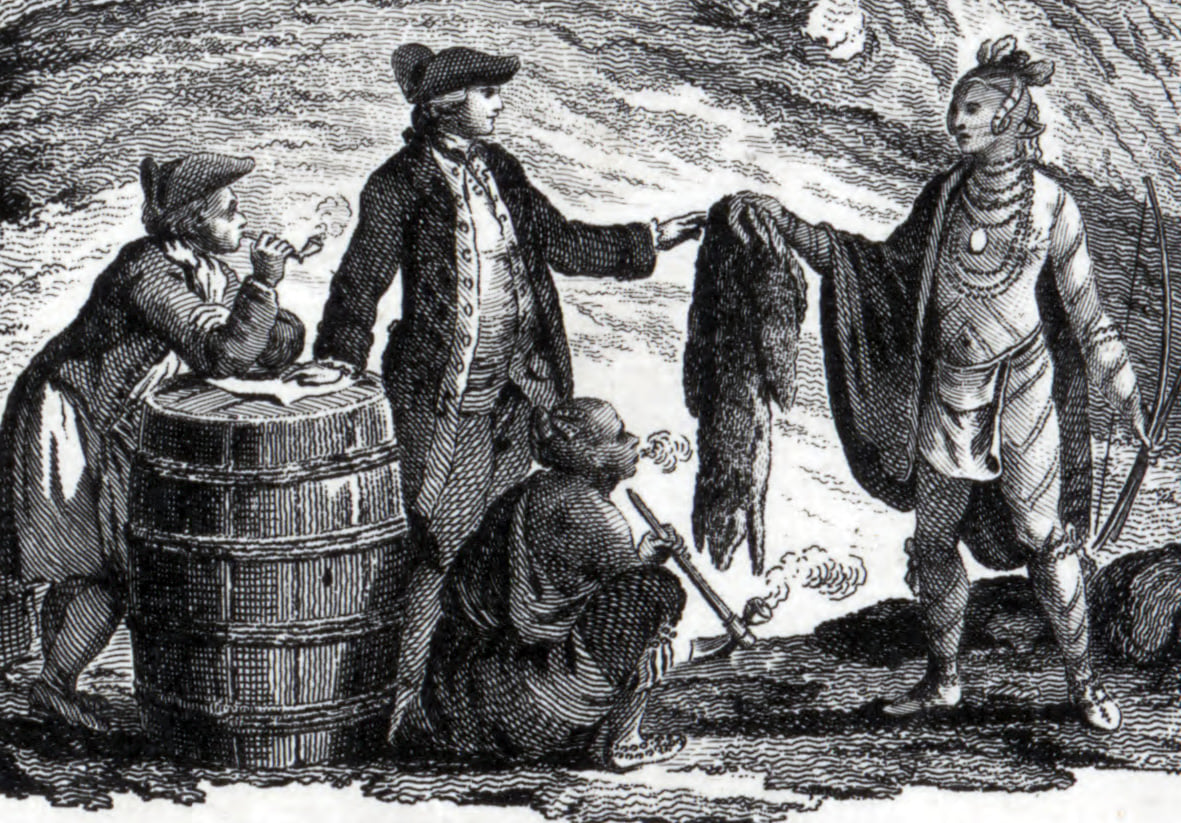
The most important harvested trade items were furs. For several hundred years, fur trading drove the economy in the land that would become the northern United States and Canada. Beaver, especially valued for making hats, were overhunted to the point they became locally extinct. Deer, bear, mink, and skunk were also valuable.
In addition to economic benefits, the fur trade became important for forging alliances between the Europeans and the Native Americans. However, the competition between Native American groups to meet the demand of the Europeans for furs led to considerable inter-tribal conflict.
The Indians traded furs for guns, alcohol, glass beads, silk ribbon, and cloth, items introduced by the Europeans that were novel to the Native Americans.
The interest in beads and ribbons is sometimes trivialized as valuing “trinkets” but in reality, the Indigenous Peoples already had what they needed for subsistence so there was little in that way to get from the Europeans.
Guns were new to the Native Americans and the advantage of this technology over bows and arrows for hunting and warfare quickly became apparent to them. The gun trade became highly competitive for the European colonists and the Indians. Many tribes amassed arsenals superior to those of the settlers.
Perhaps no product was more controversial than alcohol when it came to trade between the Europeans and the Native Americans. Alcohol was not unknown to Indians; various cultures had been making weak beers, wines, and other drinks from plants and grains for thousands of years, but these were generally used for spiritual, medicinal, and ceremonial purposes, not for personal entertainment and intoxication. The Native Americans were totally unprepared for the potent alcoholic beverages like rum, brandy, and whiskey introduced by the European settlers.
Many Native Americans responded with distaste and mistrust as unscrupulous white traders pushed alcohol on them, and many tribal leaders recognized the dangers and called for abstinence. Nonetheless, alcohol became a destabilizing force in Native American communities and created serious health issues both before and after forced relocation. Laws were passed banning the sale of alcohol to Indians, but these laws were ignored and circumvented.
Although much ado has been made historically about alcohol consumption within the Native American communities, in truth, alcohol consumption was extremely prevalent in the white communities also. By 1830, an average of 7.1 gallons of absolute alcohol was consumed annually per individual of drinking age in the white community. Today, that average is about 2.3 gallons per person per year.
It’s often reported that, going back to medieval times, alcoholic beverages were made and consumed because local water supplies were not clean for drinking, but this has been largely disputed and debunked. Even in medieval times, people knew that boiling water got rid of bad odors and tastes, even if they did not realize they were killing harmful organisms.
It’s also reported that alcohol was believed to have medicinal properties and drinking it was “healthy.” This was the case with smoking tobacco for many years, also. Of course, tobacco was first discovered and cultivated by Native Americans and then introduced to the Europeans. Tobacco, which was used by Native Americans in religious ceremonies and for sealing agreements with other tribes, was an early trading item between Native Americans and white settlers until settlers started growing their own tobacco crops.
Next: Documented Native American sites in the Blue Island Ridge area
The Ridge Historical Society
Carol Flynn
School Series – Profile 12: George Cassell
As we start the new school year, the Ridge Historical Society will run a few more posts about the people for whom Chicago Public Schools (CPS) in the Ridge communities are named. So far, we have covered eleven schools and people: Alice Barnard, Percy Julian, Charles Wacker, John Vanderpoel, Johnnie Colemon, John S. Shoop, Annie Keller, Marcus Garvey, Henry Clissold, Rudyard Kipling, and Kate Starr Kellogg. You can look back on the RHS Facebook page to find any of these previous posts, or send a message and we can send you the post.
Today we will look at George Frederick Cassell (1884-1958), a lifelong educator and administrator in the CPS system.
Cassell was born on Chicago’s west side to parents who had immigrated from England. His father’s occupation was listed as a machinist.
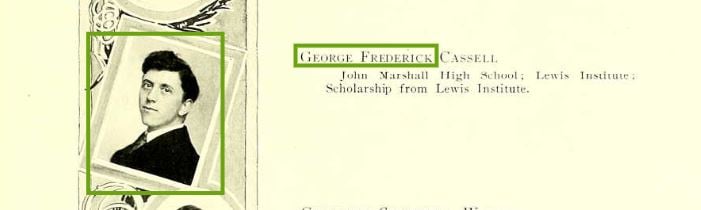
Cassell was educated in Chicago’s schools. He graduated from Marshall High School in 1901, and attended every one of the school’s alumni reunions throughout his life. He was honored at the 1947 event. He married Lettice Owen, a fellow Marshall graduate, in 1918.
He received an associate degree from the Lewis Institute, a school that merged into what today is the Illinois Institute of Technology. He received a bachelor’s degree from the University of Chicago. His bios report he briefly attended the University of Berlin and later Northwestern University, but he did not pursue a master’s degree.
Cassell took his first teaching job in 1908 at Lewis, where he taught English and German. In 1912, he became an English teacher at Marshall. In 1921, he became principal of a Chicago public elementary school, and served as principal at four other elementary schools until 1934, when he was named principal of Harrison High School.
He was active in the Illinois State Teachers Association during these years, and in 1930, at a conference of the National Education Association of the U.S., he presented a paper on “English and Its Value to Our Schools” which was widely circulated. In this paper he not only advised of the importance of students, including those of immigrants, learning the proper English language, but also the benefits of studying and learning from good literature, both fiction and non-fiction.
In 1935, Cassell was named district superintendent of high schools, and in 1936, assistant superintendent in charge of all Chicago high schools.
The Chicago schools weathered the Great Depression of the 1930s and World War II in the 1940s. Cassell navigated Chicago high schools through a dramatic shift in priorities due to the war effort.
Manufacturing plants turning out war items lured young people away from school and into jobs by offering high pay. In 1943, the number of summer work permits for 16 and 17-year-olds soared, and school registration for fall dropped. Cassell encouraged the industries to not renew work permits for this age group so they would finish high school. Alternative work/study programs in partnership with businesses were implemented and counseling services were provided for young people seeking employment.
This tied into the other shift in high school education that came about as a result of World War II – a new emphasis on trade and vocational education programs and less emphasis on academic programs. Chicago had one of the largest war training programs in the country.
In 1946, Cassell was named acting superintendent of schools upon the resignation of William H. Johnson.
The North Central Association of Colleges and Secondary Schools (NCA) had announced it was considering withdrawing its accreditation of Chicago schools because the city did not have a politically independent school board whose members were recommended by a citizens’ advisory committee, with the superintendent serving as the chief executive officer of the schools. Johnson was considered a political appointee and the school board had a structure of departments reporting to the board, not the superintendent. Accreditation was important for the prestige of schools, and high school graduates from non-accredited schools had to take special entrance exams to get into colleges.
Cassell’s appointment was first met with resistance by the NCA because Cassell did not have a master’s degree, but due to his accomplishments and reputation, he was accepted in the position and even proposed as permanent superintendent. However, he announced that because he was so close to retirement, he would not consider the position as a permanent appointment.
Cassell dealt with everything from high school football issues to school board politics in his short time as acting superintendent. His philosophy and priorities as an educator and administrator are perhaps shown best by three instances from his time as acting superintendent.
First, he made this statement: “The success of the schools is conditioned largely by the abilities and attitudes of the teachers and their happiness in the conditions under which they work.”
He clearly kept his focus on the teachers and students, not on administrative issues and politics.
Second, he won applause from the Chicago Medical Society when he fully supported that students receive regular medical and dental care.
“The values of periodic medical and dental examinations and the correction of remedial defects are indisputable. Pupils should be encouraged to visit their family physicians and dentists wherever possible. Principals will please give their wholehearted support to this most worthwhile project,” wrote Cassell.
The third example of his philosophy was the appointment of Grace E. Munson as assistant superintendent. Munson was a psychologist with Ph.D.s in education and psychology who had been a teacher and principal. Under her, the Chicago schools developed some of the country’s best programs for special needs children. She started scientific testing programs, adjusting teaching services for individual special needs, and keeping cumulative records on students. Her appointment to the position was controversial but Cassell supported the need for special education, and Munson served in this capacity until both she and Cassell retired in 1949.
Cassell served as acting superintendent of Chicago schools for a year until a new superintendent was chosen, and Cassell returned to his position as assistant superintendent. Cassell was commended for his performance in the temporary role, and Herold C. Hunt, the new superintendent, appointed Cassell as the “first assistant superintendent” in 1948.
New taxes were introduced to increase the school system’s budget and give pay raises to all the staff. Cassell was paid $16,500 annually for the role of first superintendent. He was being paid $10,700 previously for his role as assistant supervisor in charge of high schools.
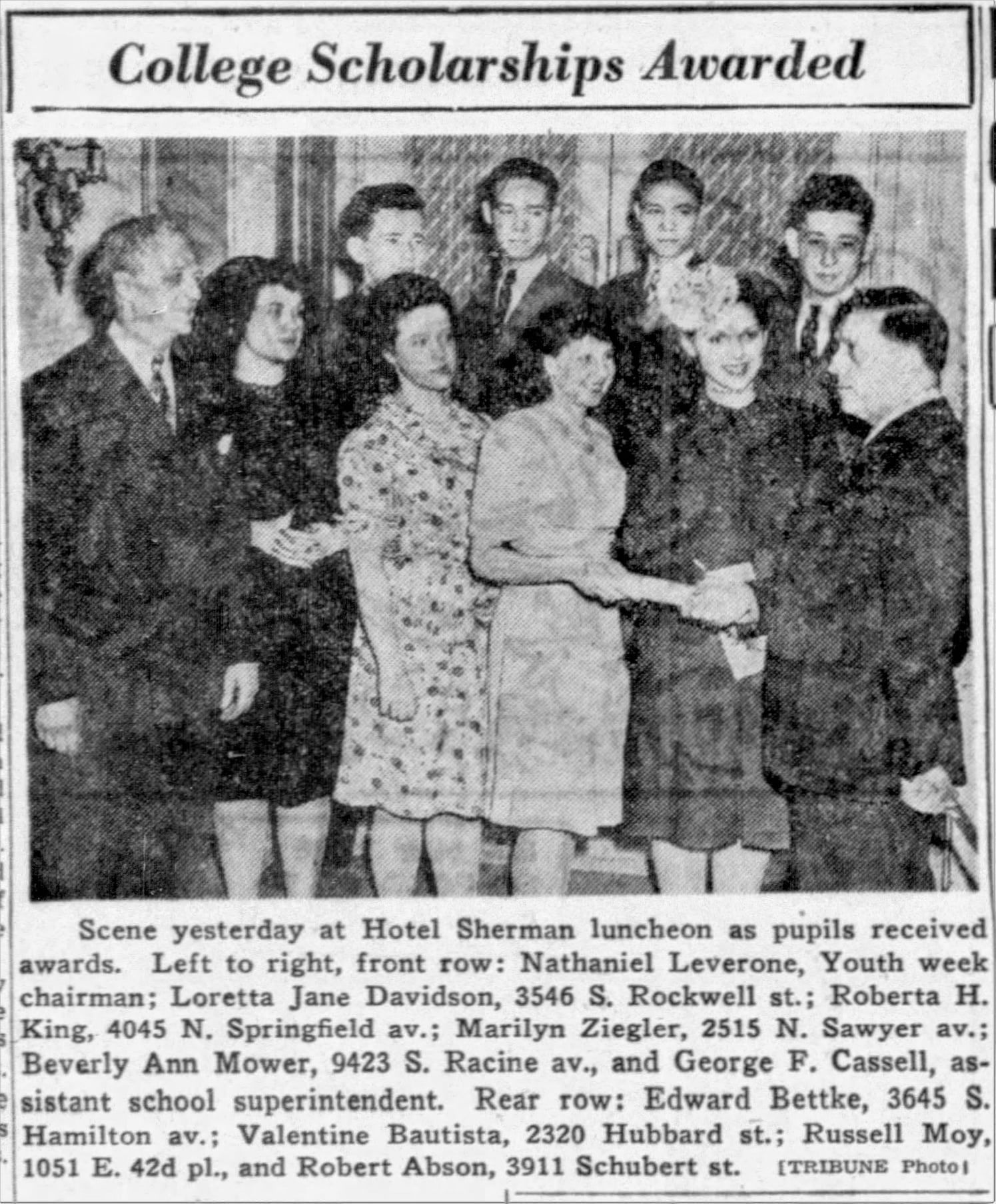
Throughout his career, Cassell gave speeches at commencement exercises and other events to honor students. For many years, Chicago featured a “Youth Week,” and WGN radio had a program “Citizens of Tomorrow” that profiled outstanding honor students from the high schools and junior colleges. At luncheons that were recorded for broadcast on the radio, Cassell gave talks and presented scholarships to students.
After he retired, the Reserved Officer Training Corps (ROTC), at a dinner sponsored by the Chicago Tribune and WGN radio, paid tribute to Cassell for his “enthusiastic backing” of ROTC programs in Chicago high schools. In attendance at the dinner were military officials, Chicago educators, and 200 cadets from eight states who had won awards from the Tribune for their military and naval work. Hunt, the superintendent of Chicago schools, gave the recognition speech for Cassell.
George F. Cassell died of a heart attack while he and his wife were vacationing in Colorado. He was 74. He was buried in Forest Park, Illinois.
In 1960, the George F. Cassell School opened at 113th Street and South Spaulding Avenue in Mount Greenwood.